


Egypt Travel Advice
Egypt has long held a magnetic appeal for travellers drawn to ancient wonders, desert landscapes, and the timeless flow of the River Nile. As one of the world’s most historically significant destinations, it captures the imagination with its monumental pyramids, ornate temples, and millennia-old archaeological sites that continue to shape global understanding of early civilization. Yet Egypt is far more than the ancient world preserved in stone. It is a living, modern nation animated by vibrant cities, rich culinary traditions, coastal resorts, and communities that maintain traditions passed down through generations. From the cosmopolitan energy of Cairo to the tranquillity of the Nile Valley, the sun-washed shores of the Red Sea, and the quiet expanses of the Western Desert, Egypt unfolds as a land of contrasts, complexity, and cultural depth.
Travellers visiting Egypt quickly discover that its appeal lies not only in history, but also in the cultural warmth and hospitality of its people. Daily life is interwoven with storytelling, craftsmanship, traditional music, bustling markets, and customs shaped by centuries of cultural exchange. The sounds of prayer echo over cities, fishermen cast nets along the Nile, and artisans carve, paint, or weave with skill refined over countless generations. Egypt’s tourism landscape has grown to accommodate diverse travel interests ranging from adventure and archaeology to beach holidays, desert expeditions, and luxury river cruises. Despite its popularity, Egypt still provides unique and personal experiences for those who venture beyond iconic sites. This travel advice has been prepared to give travellers a detailed understanding of what to expect and how to plan with confidence, ensuring a journey that is safe, enriching, and grounded in respect for Egypt’s heritage and contemporary life.
Quick Facts
Egypt is located in the northeastern corner of Africa and is bordered by the Mediterranean Sea to the north and the Red Sea to the east, along with regional neighbours such as Sudan, Libya, Israel, and the Gaza Strip. It is home to more than one hundred million people, making it one of Africa’s most populous nations. Arabic is the official language, although English is widely spoken within the tourism sector, hotels, and major cities. The currency is the Egyptian pound, which fluctuates periodically and should be monitored before travel. The country operates on Eastern European Time, remaining consistent throughout the year without daylight savings adjustments in recent years.
Egypt has a deeply stratified cultural history influenced by ancient Egyptian civilization, Greco-Roman heritage, Islamic dynasties, Coptic Christian traditions, and Ottoman and European influences. Cairo is the capital and largest city, known for its blend of ancient districts, modern neighbourhoods, and the Nile cutting through its heart. Alexandria adds a Mediterranean character shaped by Greek and Egyptian history, while Luxor and Aswan serve as gateways to the ancient world preserved along the Nile Valley. These foundational details provide essential context for understanding Egypt’s identity before exploration begins.
Geography and Climate
Egypt’s geography is defined by the contrast between the lush Nile Valley and Delta, which support the majority of the population, and the vast arid deserts that dominate most of the country’s landmass. The Nile River, flowing from south to north, is more than a geographical feature; it is the historical lifeline of Egypt, shaping agriculture, commerce, and settlement patterns for thousands of years. The fertile riverbanks remain central to local livelihoods, with fields of sugarcane, wheat, and vegetables standing in stark contrast to the surrounding desert. To the east, the rugged Sinai Peninsula rises with dramatic mountains and coastal stretches, offering religious significance and adventure opportunities. To the west lies the expansive Western Desert, home to oases such as Siwa, Bahariya, and Dakhla, where traditional life continues at a gentle pace amidst palm groves and mineral springs.
The climate in Egypt is predominantly desert-like, characterised by long, dry summers and mild winters. Temperatures vary dramatically between day and night, and between northern coastal regions and inland desert areas. Cairo experiences warm to hot temperatures throughout the year, while Upper Egypt, including Luxor and Aswan, becomes significantly hotter during summer months. The Red Sea coast enjoys warm weather year-round, with temperatures moderated by coastal breezes. Rainfall is minimal across the country, except for the Mediterranean coastline where occasional winter rains occur. Sandstorms, known as khamsin, may appear in spring and can reduce visibility. Understanding these climatic variations is essential for planning an itinerary that aligns with comfort levels, sightseeing priorities, and seasonal travel preferences.
Passports and Visas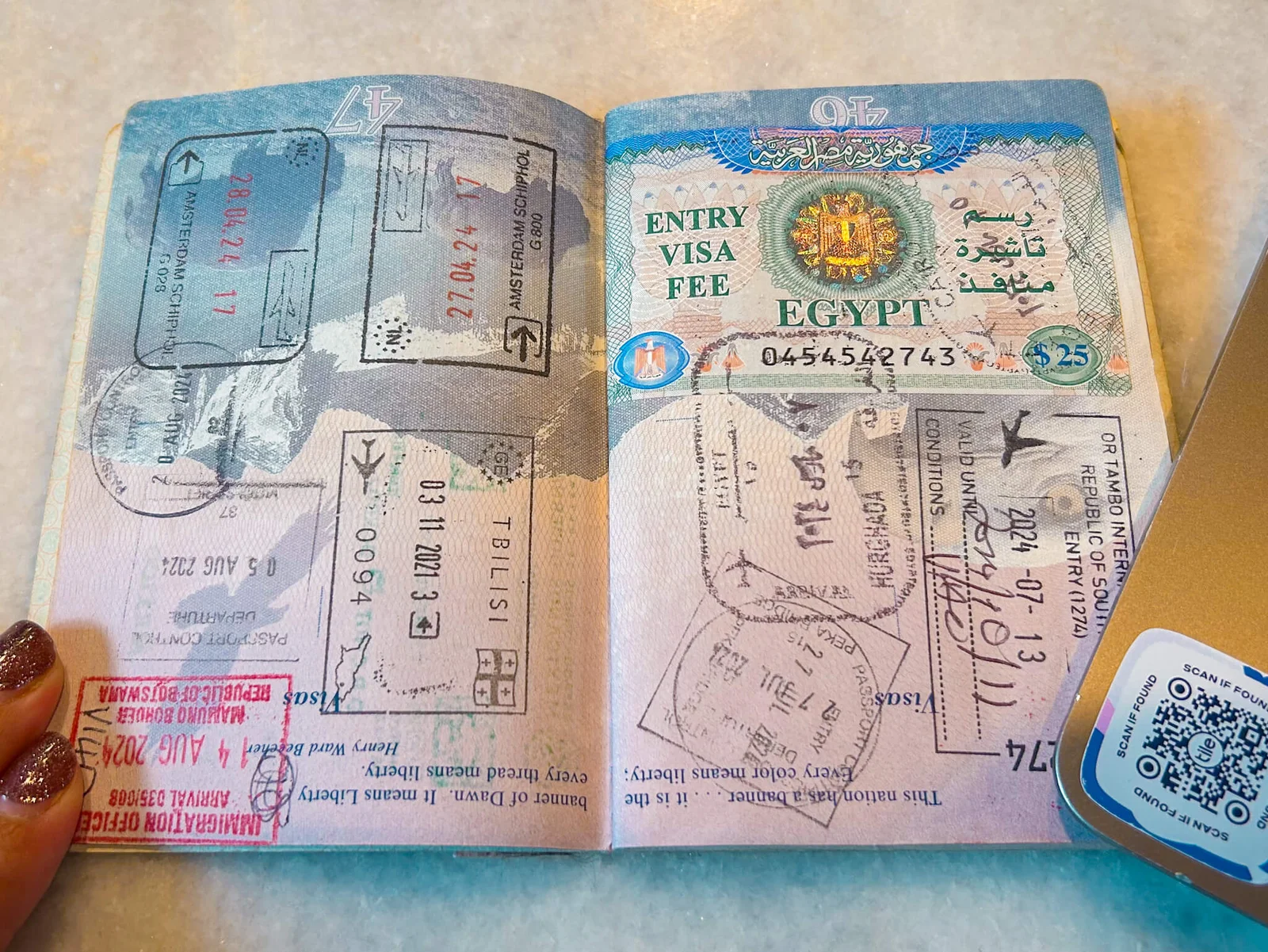

Travellers visiting Egypt must hold a passport with at least six months of validity from their date of arrival. Most international visitors require a visa to enter the country, although the process has become increasingly streamlined over the past decade. Many nationalities can obtain an e-visa before arrival through the official Egyptian government portal, which offers both single-entry and multiple-entry options. Others may acquire a visa on arrival at major airports such as Cairo, Hurghada, Sharm El Sheikh, and Luxor, though policies vary depending on nationality. The visa on arrival is typically valid for thirty days and can be extended at local immigration offices for those wishing to stay longer.
It is advisable to verify the latest visa regulations prior to departure, as requirements occasionally change based on diplomatic agreements or internal policies. Travellers should carry printed copies of travel itineraries, hotel reservations, and return or onward flight tickets, as immigration officers may request them. Those embarking on Nile cruises or multi-city journeys should also ensure passport details match all travel documents to avoid delays during domestic transitions. With proper preparation, the visa process is generally efficient and straightforward.
Health
Health preparedness plays a crucial role in ensuring a smooth journey through Egypt, particularly when travelling between urban centres, desert regions, and the Nile Valley. Travellers are encouraged to consult a travel health specialist at least six weeks before departure to review vaccination needs and receive personalised medical advice. Routine vaccinations such as tetanus, measles, and hepatitis A are commonly recommended, while additional vaccines may be advised depending on the traveller’s medical history and itinerary. Egypt does not require proof of yellow fever vaccination unless travellers arrive from or transited through countries where the disease is present. Health risks in Egypt are generally manageable with proper awareness, although precautions should be taken regarding food, water, and climate.
Drinking bottled or purified water is strongly recommended, and travellers should avoid ice in beverages unless certain of its source. Street food is a cherished part of Egyptian culture, but travellers with sensitive stomachs may prefer to choose establishments with high turnover and visible hygiene practices. The desert heat can be intense, especially in summer, making hydration and sun protection essential. Those visiting archaeological sites should be prepared for extended periods outdoors with limited shade. Sand and dust may affect travellers with respiratory sensitivities, particularly during the khamsin season. Egypt has high-quality private hospitals in major cities, but facilities in remote regions may offer limited services. Travellers should bring any necessary prescription medications in their original packaging along with a doctor’s note to avoid complications during customs checks.
Insurance
Given the varied landscapes, climate conditions, and types of travel experiences offered in Egypt, comprehensive travel insurance is strongly advised. Insurance coverage should include emergency medical care, evacuation, trip cancellations, lost luggage, and any adventure activities planned during the journey. Travellers embarking on desert excursions, Red Sea diving trips, Nile cruises, or archaeological tours benefit significantly from having insurance that covers unexpected circumstances such as injuries, cancellations, or delays. Medical care in private facilities is generally of good quality but must be paid for upfront without insurance coverage, making preparation essential.
Insurance that includes emergency evacuation is particularly valuable for travellers visiting remote desert regions or diving locations where medical services are not immediately accessible. Mobility within major destinations is relatively easy, but long distances between archaeological sites or coastal resorts can complicate access to healthcare during emergencies. A well-structured insurance policy provides peace of mind and allows travellers to focus on enjoying Egypt’s rich experiences without unnecessary concern.
Money
The Egyptian pound (EGP) is the country’s official currency, and it is accepted widely across all sectors. ATMs are common in major cities, airports, and tourist hubs such as Luxor, Aswan, and coastal resorts. International credit and debit cards are accepted in hotels, restaurants, large shops, and reputable tourism establishments, although smaller vendors, markets, taxis, and rural areas prefer cash. It is advisable for travellers to carry a combination of cash and cards to ensure flexibility in all environments. Currency exchange services are available at banks, official bureaus, and major hotels, though exchange rates vary.
Travellers should be aware that cash remains important in many parts of the tourism economy, especially when purchasing souvenirs, paying local guides, or using transportation services. Carrying small denominations is useful for daily transactions, and it is recommended to keep money secure and divided between different storage locations when moving through busy markets or crowded public areas. Budget planning should include entrance fees for archaeological sites, transport costs, meals, accommodation, and optional tours, as these can add up depending on the style of travel chosen.
Tipping
Tipping is a well-established custom in Egypt and is appreciated across the tourism sector. It reflects gratitude for good service and acknowledges the efforts of individuals working in hospitality, guiding, transportation, and site maintenance. While tipping is not mandatory, it has become an expected component of the service industry and contributes to the livelihoods of many workers. Travellers typically offer tips in restaurants, hotels, Nile cruise boats, and during guided tours. Even small amounts are appreciated and help reinforce positive interactions with those who assist travellers throughout their journey.
Tipping practices may differ between urban and rural areas, and travellers may find that service providers rely on tips as a meaningful part of their income. Although travellers unfamiliar with the custom may initially find it confusing, it becomes easier to navigate once immersed in the local ecosystem of hospitality. Maintaining small denominations of local currency allows travellers to tip appropriately and with ease.
Travel Destinations
Egypt offers a wealth of travel destinations that appeal to diverse interests, from archaeology and history to beach holidays, spiritual journeys, and outdoor adventures. Cairo stands as the gateway to the country, offering a blend of ancient heritage and modern life. The nearby Giza Plateau is home to the iconic Pyramids of Giza and the Great Sphinx, structures that continue to intrigue historians and travellers alike. The Egyptian Museum, the Grand Egyptian Museum, and the historic quarters of Islamic Cairo and Coptic Cairo provide deeper insight into Egypt’s layered history and cultural richness.
Further south, the Nile Valley unveils a sequence of ancient cities and temples that narrate the story of pharaonic civilization. Luxor is often described as the world’s greatest open-air museum, with the temples of Karnak and Luxor, the Valley of the Kings, and the Valley of the Queens stretching across both sides of the Nile. Aswan offers a quieter rhythm, shaped by Nubian culture, the Philae Temple, and the serene waters of Lake Nasser. Sailing along the Nile by traditional felucca or luxury cruise remains one of Egypt’s most timeless and evocative experiences.
To the east, the Red Sea region presents some of the best diving and snorkelling opportunities in the world. Sharm El Sheikh, Hurghada, Marsa Alam, and Dahab attract travellers seeking sun, marine life, and water sports. Coral reefs flourish in clear waters, providing vibrant underwater environments for explorers. On Egypt’s Mediterranean coast, Alexandria offers a blend of modernity and ancient history, where Roman ruins and cultural institutions reflect the city’s storied past as a centre of scholarship.
Inland deserts reveal another side of Egypt. The Western Desert is adorned with oases where traditional life continues with minimal change. Siwa Oasis, perhaps the most distinctive, offers a tranquil retreat with natural springs, ancient temples, and unique Berber traditions. The White Desert and the Black Desert present surreal rock formations and geological wonders that feel like stepping into another world. The Sinai Peninsula blends rugged landscapes with spiritual significance, drawing pilgrims and travellers to Mount Sinai and St. Catherine’s Monastery.
How to Get There
Egypt is well connected to international destinations through major entry points such as Cairo International Airport, Sharm El Sheikh International Airport, and Hurghada International Airport. Flights operate from Europe, the Middle East, Africa, Asia, and North America, offering numerous connections for travellers arriving from distant regions. Once inside Egypt, domestic flights make it easy to reach Luxor, Aswan, Abu Simbel, and coastal resorts. The efficiency of domestic flight networks allows travellers to explore the vast distances between Egypt’s major destinations without requiring long overland journeys.
Road travel within Egypt is extensive, though traffic conditions differ between major cities and rural regions. The road network along the Nile Valley is particularly well developed, connecting Cairo, Luxor, and Aswan. Many travellers move between destinations as part of guided tours or private transfers arranged through reputable operators. Train travel is available between Cairo and Upper Egypt, offering an alternative transport method for those seeking a slower journey along the Nile. Water transport is central to Nile Valley tourism, with river cruises offering a comfortable way to explore archaeological sites while experiencing life along the river.
Best Time to Visit
The best time to visit Egypt is typically between October and April, when temperatures are cooler and more comfortable for sightseeing, especially in Luxor, Aswan, and the desert regions. These months align with peak tourism season due to milder weather and minimal rainfall. Travellers exploring ancient temples, pyramids, and archaeological sites benefit from cooler conditions that make full-day excursions more enjoyable. The Red Sea coast also thrives during this period, with clear waters, pleasant sea breezes, and optimal diving visibility.
The summer months from May to September bring much higher temperatures, especially in Upper Egypt and the desert. Coastal areas remain more temperate, making the Red Sea region a year-round destination, though inland regions may feel extremely hot during the peak of summer. Cultural travel remains possible throughout the year as long as travellers prepare for heat, early morning departures, and appropriate hydration. The best time ultimately depends on personal preference, travel goals, and seasonal availability of specific experiences. With proper planning, Egypt can be enjoyed throughout the year, each season offering unique aspects of its ancient and modern allure.