


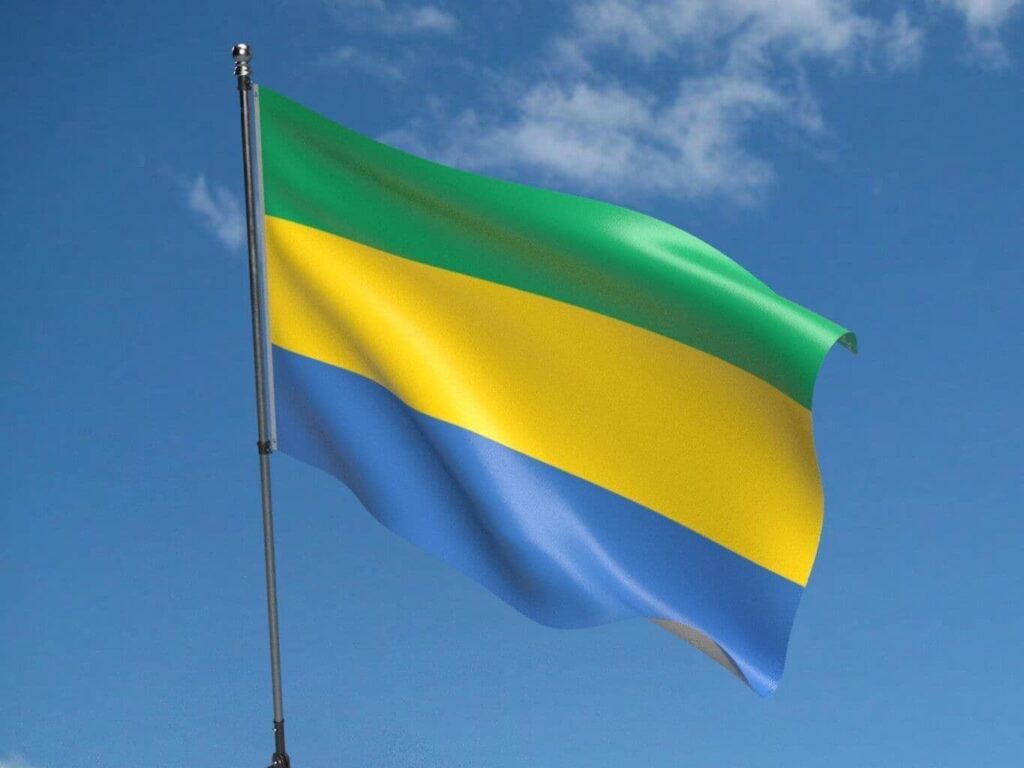
Gabon Travel Advice
Gabon stands as one of Africa’s last great wilderness frontiers, a country where dense equatorial rainforests meet sweeping savannahs, mangrove-lined coasts, and remote national parks teeming with wildlife rarely encountered elsewhere on the continent. Travellers who arrive in Gabon are often struck by the country’s extraordinary quietness, the abundance of untouched landscapes, and the sense of discovery that characterises nearly every journey. Much of Gabon remains forested and sparsely populated, allowing nature to dominate both visually and ecologically. It is a country where endangered species such as forest elephants, lowland gorillas, giant pangolins, and mandrills still roam vast protected regions, where leatherback turtles nest on wild Atlantic beaches, and where whales migrate along the coast during specific months of the year. This natural wealth has shaped Gabon’s emerging identity as a conservation-driven destination, with a tourism model centred around sustainability, science, and immersive wilderness experiences.
Gabon offers something rare in modern tourism: a feeling of stepping into landscapes that have remained largely untouched for thousands of years. National parks such as Loango, Ivindo, Lopé, and Pongara create opportunities for travellers to witness unique ecosystems that cannot be found elsewhere. Loango’s now-famous “surfing hippos,” forest buffalo grazing near the ocean, and the possibility of encountering gorillas in pristine forests have captured global fascination. Yet beyond its wildlife, Gabon’s cultural rhythms offer another dimension to travel. Traditional communities, coastal villages, and urban centres such as Libreville provide insight into the country’s artistic traditions, music, cuisine, and contemporary lifestyle. Travellers soon discover that Gabon blends wild landscapes with modern comforts, creating a destination suited for those curious about conservation, tropical biodiversity, and culturally grounded exploration.
Quick Facts
Gabon is located on the west coast of Central Africa, bordered by Equatorial Guinea, Cameroon, and the Republic of the Congo. The country spans an area of approximately 267,000 square kilometres, much of which is covered by dense equatorial forest that forms part of the wider Congo Basin. The population remains relatively small compared to the landmass, contributing to Gabon’s sense of space and natural dominance. Libreville serves as the capital and largest city, situated along the Atlantic coastline. The official language is French, although indigenous languages such as Fang, Myene, and Bapounou are widely spoken across different regions. The country operates using the Central African CFA franc, which is shared with several neighbouring nations and stabilised through a regional monetary arrangement.
Gabon is often described as a stable and peaceful country within Central Africa, known for its commitment to protecting natural habitats. Over ten percent of its landmass is designated as national parks, a unique achievement in African conservation. The nation’s population is concentrated primarily in urban areas, while much of the interior remains wild and lightly inhabited. These foundational facts allow travellers to better understand Gabon’s geographical, linguistic, and cultural framework before exploring its diverse landscapes.
Geography and Climate
Gabon’s geography is dominated by its equatorial rainforest, representing one of the most pristine sections of the Congo Basin. These forests are critical to global biodiversity and climate regulation, containing vast carbon stocks and serving as habitats for countless species of plants and animals. Coastal plains stretch along the Atlantic Ocean, where lagoons, estuaries, and mangroves create important breeding grounds for fish, turtles, and migratory birds. Inland, the terrain rises into forested hills, plateaus, and savannah zones, with the Ogooué River flowing across the country as its major waterway. The river and its tributaries form lifelines for both wildlife and local communities, shaping ecosystems that vary dramatically from one region to another.
Gabon experiences an equatorial climate, characterised by high humidity, abundant rainfall, and consistent temperatures throughout the year. The average daytime temperature ranges from twenty-four to thirty degrees Celsius, although coastal breezes often moderate the heat near Libreville and Port-Gentil. The country has two main rainy seasons and two dry seasons. The long rainy season typically spans from February to May, bringing heavy downpours that refresh the forests and raise river levels. The short rainy season occurs around October and November. The dry seasons run from June to September and from December to January. The long dry season is considered the most comfortable for travel, offering reduced humidity and easier access to remote regions. These climatic patterns are essential for travellers to understand, particularly when planning wildlife-focused journeys or exploring forested areas where seasonal conditions influence accessibility, wildlife behaviour, and logistical arrangements.
Passports and Visas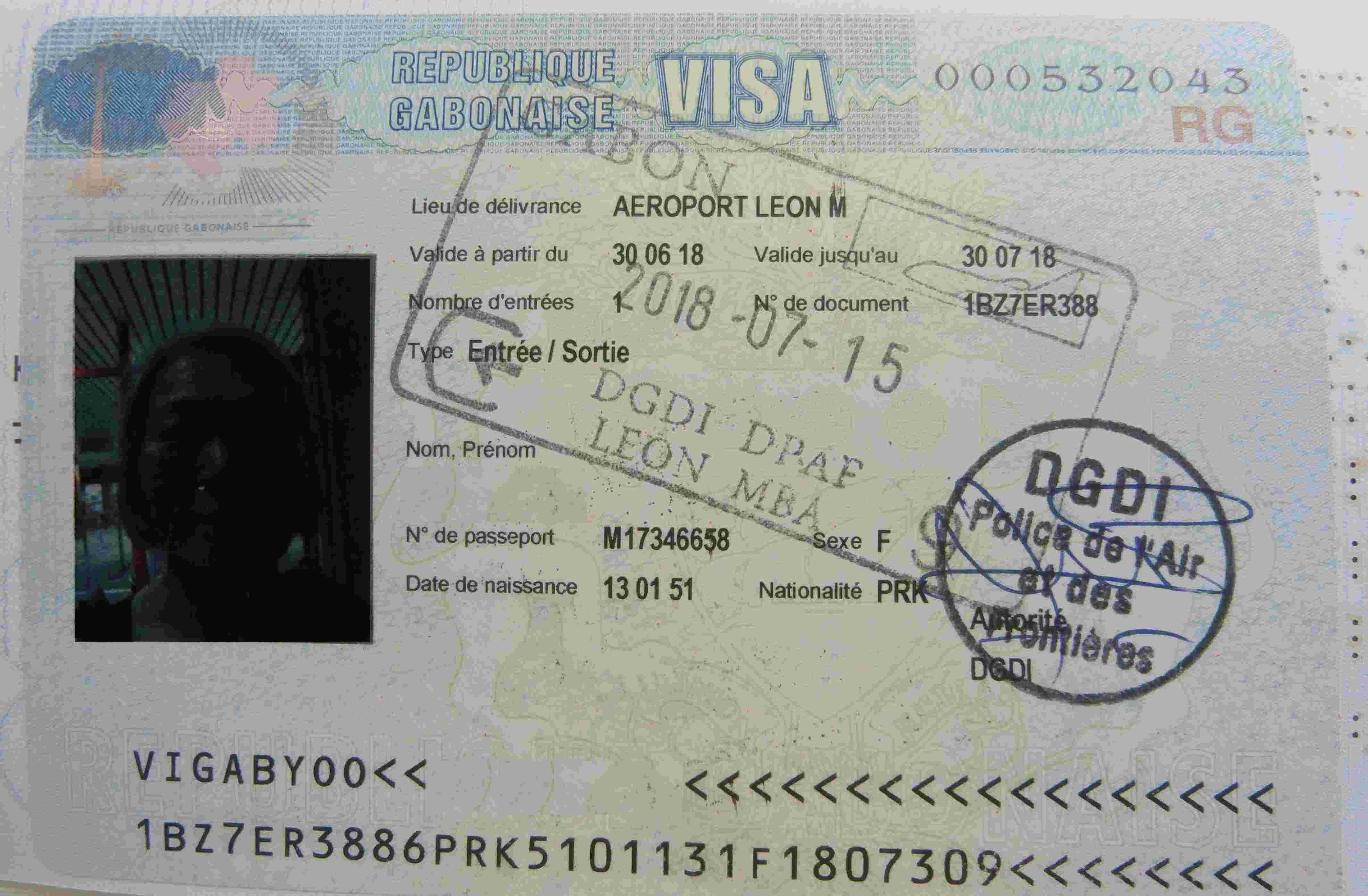

Travellers entering Gabon are required to hold a passport with at least six months of validity from the date of entry and at least one or two blank pages for stamps. Visa requirements apply to most international travellers, although Gabon has implemented an e-visa system designed to simplify the arrival process. The e-visa can be obtained online prior to travel and is generally valid for thirty days, with extensions possible through local immigration offices. Travellers should ensure that their e-visa approval letter is printed and carried during travel, as it may be requested by immigration officials. Some nationalities are exempt from visa requirements or may obtain visas upon arrival, but such policies are subject to change, making it prudent to verify all regulations before departure.
Proof of onward travel, hotel reservations, and financial means for the duration of the stay may be requested at border control. Travellers entering Gabon through Libreville’s Léon-Mba International Airport generally find immigration procedures orderly, although processing times can vary depending on arrival volume. Those crossing into Gabon by land from neighbouring countries should ensure they are familiar with the specific requirements of the entry point they plan to use, as visa-on-arrival services may not be available everywhere.
Health
Health preparation is an important part of travelling to Gabon, particularly because of its equatorial climate, dense forests, and presence of tropical diseases. A yellow fever vaccination is mandatory for entry, and travellers must carry their vaccination certificate, as it is frequently checked at immigration. Beyond this requirement, travellers should consult a travel health specialist before departure to determine recommended vaccinations, which may include hepatitis A, typhoid, tetanus, and hepatitis B. Depending on the travel itinerary, additional vaccines or precautionary medications may be advised.
Gabon is a malaria-risk region, especially in forested and coastal areas, making preventative medication and insect protection essential. Mosquito nets, long-sleeved clothing for evenings, and insect repellent form important components of personal protection. Drinking bottled, purified, or filtered water is recommended, and care should be taken when consuming raw foods unless from trusted sources. Facilities in Libreville and Port-Gentil provide modern medical care, but remote destinations such as national parks or rural communities may have limited healthcare options. Travellers with ongoing medical conditions should bring all necessary medication in original pharmacy packaging along with prescriptions or physician letters to avoid complications during customs or in case of replacement needs.
Heat and humidity can affect travellers unaccustomed to equatorial conditions. Hydration, sun protection, and pacing activities are important, especially during wildlife walks or forest treks where shade may be limited. Gabon is also home to stinging insects, tropical plants, and wildlife species whose habitats may overlap with trekking routes. Travellers are advised to follow guide instructions closely during forest excursions, as guides possess extensive knowledge of safe pathways, wildlife behaviour, and environmental hazards.
Insurance
Comprehensive travel insurance forms a vital component of planning a trip to Gabon, given the country’s remote wilderness areas, the potential challenges of forest terrain, and the limited medical infrastructure outside major cities. Insurance should cover emergency medical care, evacuation, and repatriation, especially for travellers visiting national parks where the nearest medical facilities may be far away. Gabon’s tourism experiences often involve activities such as forest treks, boat excursions, and extended wildlife viewing in challenging environments, making it essential that insurance policies include adventure or nature-based travel.
Insurance should also cover travel delays, lost baggage, and trip cancellations, as flights to and within Gabon sometimes experience schedule changes due to weather, operational adjustments, or seasonal factors. Visitors engaging in gorilla trekking, whale watching, and coastal excursions should ensure that their policies explicitly cover these experiences. A well-chosen insurance plan provides peace of mind and ensures that travellers can enjoy Gabon’s extraordinary wilderness without undue concern over unforeseen circumstances.
Money
Gabon uses the Central African CFA franc (XAF), a stable currency shared with several Central African countries. The currency is readily accessible in cities through banks, ATMs, and currency exchange offices. While ATMs are available in Libreville, Port-Gentil, and some regional centres, travellers should not rely exclusively on them when exploring remote areas, particularly national parks where banking facilities are limited or nonexistent. Cash remains important for local purchases, small vendors, tips, and rural expenses. Credit cards are accepted in major hotels, upscale restaurants, and some service providers, but many mid-range and local establishments prefer cash.
It is recommended to carry a combination of CFA francs in small and medium denominations, especially when travelling outside urban centres. Foreign currencies such as US dollars or euros may be accepted by certain tourism operators, though travellers should verify these arrangements in advance. Exchanging money at authorised banks ensures compliance with local regulations and avoids potential issues with unofficial exchange services. Budgeting for national park entry fees, guided tours, transport, and meals is essential, particularly in destinations where tourism services operate in specialized formats that require advance planning and structured payments.
Tipping
Tipping is appreciated in Gabon and serves as a meaningful way to acknowledge high-quality service from guides, hotel staff, drivers, and boat operators. While not obligatory, tipping forms part of the hospitality culture and contributes to the livelihoods of many individuals in the tourism industry. Travellers who spend time in national parks or remote camps will find that staff work diligently to provide comfortable and safe experiences under challenging environmental conditions. Tipping guides and wildlife trackers is particularly common, as these professionals possess specialized skills that enhance the quality of wildlife encounters. Having small denominations of CFA francs readily available helps facilitate tipping throughout the journey.
Travel Destinations
Gabon’s travel destinations offer extraordinary depth and variety, ranging from pristine rainforests to Atlantic beaches, savannahs, and riverine landscapes. Loango National Park is perhaps the most renowned of Gabon’s parks, celebrated for its rich wildlife, including elephants, buffalo, and primates that roam freely between forest and coastline. Its beaches serve as nesting grounds for leatherback turtles, while offshore waters attract humpback whales during migration season. Loango’s unusual combination of forest and ocean makes it one of the most distinctive wildlife destinations in Africa, providing safari experiences unlike those found elsewhere.
Ivindo National Park is another major attraction, home to the spectacular Kongou Falls and Langoué Bai, a natural forest clearing where elephants, gorillas, and other species gather. These bais offer travellers a rare opportunity to observe wildlife from specially designed platforms that allow for quiet, prolonged viewing. The park’s rivers, dense forests, and rich biodiversity make it a favourite destination for naturalists and adventurous travellers.
Lopé National Park represents a transitional zone where forest meets savannah, creating a mosaic of ecosystems that support both forest and savannah species. The region is notable for mandrill migrations, one of the most impressive primate phenomena in Africa. The Lopé region also contains archaeological sites that reveal ancient patterns of human settlement.
Pongara National Park, situated near Libreville, provides easier access to mangroves, forest landscapes, and beaches where turtles nest. Its proximity to the capital makes it a popular destination for short excursions, while still offering a wild and peaceful environment. In addition to the parks, Libreville itself serves as a vibrant introduction to Gabonese urban culture, with its markets, coastal promenades, art scenes, and restaurants offering insight into modern Gabonese life.
How to Get There
Most international travellers arrive in Gabon through Léon-Mba International Airport in Libreville, which serves as the country’s primary aviation gateway. The airport receives flights from regional and international carriers, connecting Gabon to Europe, North Africa, and other African nations. Port-Gentil also has an airport that receives domestic flights and limited international connections. Once in Gabon, domestic flights, road transfers, and boat services provide access to various destinations, although travel logistics often require careful planning due to the remoteness of many national parks.
Travel between parks such as Loango, Ivindo, or Lopé typically involves multi-stage transfers combining road, river, and air transport. Operators and lodges usually arrange these logistics due to the complexity of accessing wilderness regions. Roads in urban areas are generally paved, while rural roads may be affected by seasonal rains and require four-wheel-drive vehicles. Boats remain an essential mode of transportation within certain parks, particularly those accessible only by river.
Travellers arriving overland from neighbouring countries should ensure they enter through designated border crossings with the necessary documents. Domestic travel in Gabon is greatly enhanced by working with experienced tour operators who understand the terrain, park regulations, cultural considerations, and transportation requirements unique to the country.
Best Time to Visit
The best time to visit Gabon depends on the type of experience travellers seek. The long dry season, from June to September, is considered the optimal period for most journeys. During this time, humidity decreases, wildlife becomes more visible, and travel conditions improve across forest trails, roads, and waterways. This period also aligns with the whale-watching season along Gabon’s coastline, when humpback whales migrate through the area. Travellers exploring Loango may also have improved opportunities to see forest elephants and other wildlife at clearings or along beaches.
The short dry season, occurring around December and January, also offers favourable travel conditions. The rainy seasons, particularly the long rains from February to May, bring heavy downpours that intensify the beauty of Gabon’s forests but may limit accessibility in certain regions. Nonetheless, the rainy season presents superb opportunities for birdwatching and for appreciating the full vibrancy of equatorial forests. Travel during the rainy months is possible with proper planning, though itineraries may require flexibility.
Understanding seasonal changes helps travellers select the period that best aligns with their interests, whether focused on wildlife, photography, festival travel, or coastal experiences. Gabon remains a compelling destination year-round for those drawn to wild, atmospheric landscapes and authentic ecological immersion.