


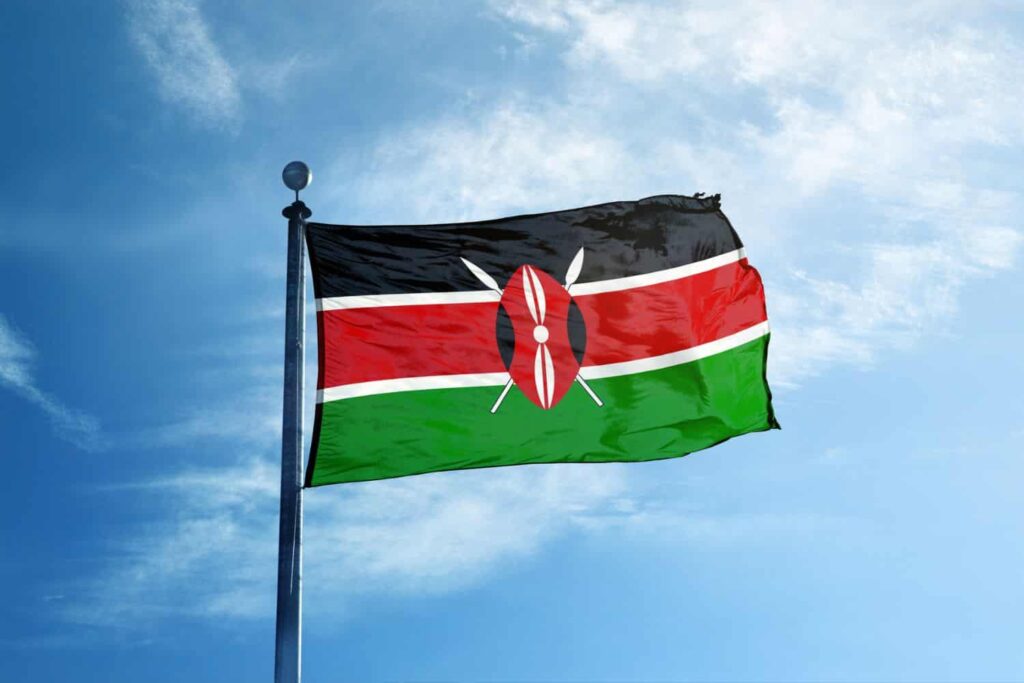
Kenya Travel Advice
Kenya has long held a place of honour among the world’s most captivating travel destinations, drawing visitors with its extraordinary wildlife, diverse cultures, sweeping savannahs, tropical coastlines, and a sense of adventure that has become synonymous with East African travel. The country is celebrated internationally for its iconic safari experiences, particularly in the Maasai Mara, where the Great Migration unfolds annually in scenes of remarkable scale and drama. Yet Kenya offers far more than its wildlife spectacles; it is a nation layered with contrasts, where high-altitude forests meet dusty plains, where historic Swahili settlements line the Indian Ocean, and where pastoralist communities continue to practise traditions rooted in centuries of cultural continuity. Urban centres like Nairobi introduce travellers to a modern, dynamic Kenya defined by creativity, entrepreneurship, and cultural expression that blends the past and present into a tapestry of daily life.
Travellers who explore Kenya often speak of a sense of openness and warmth felt throughout the country. Kenyan hospitality is shaped by an ethos of connection, storytelling, and community that welcomes visitors with ease. Whether sharing tea in a highland village, watching fishermen cast nets in Lamu, or listening to the rhythmic songs of Samburu warriors, travellers quickly discover that Kenya’s cultural richness extends far beyond its natural beauty. The country’s tourism infrastructure is among the most developed on the continent, offering a wide range of safari lodges, boutique camps, resorts, eco-lodges, cultural tours, and adventure activities. From luxury tented camps to mountain treks, hot-air balloon rides, and dhow sailing excursions, Kenya caters to travellers seeking both comfort and immersion.
Quick Facts
Kenya is located in East Africa and shares borders with Uganda, Tanzania, Ethiopia, Somalia, and South Sudan, as well as the Indian Ocean to the southeast. Its population exceeds fifty million people, representing more than forty ethnic groups, each contributing unique languages, customs, and cultural practices. Swahili and English serve as the country’s official languages, making communication accessible for international travellers. Nairobi, the capital city, is a major hub for commerce, travel, and international diplomacy, often serving as the first point of arrival for visitors. Kenya’s economy is driven by agriculture, tourism, services, and technology, and it has earned a reputation as one of Africa’s leading innovators in digital finance and mobile connectivity.
Kenya operates within the East Africa Time zone, remaining consistent throughout the year as the country does not observe daylight savings. The currency used is the Kenyan shilling, which is widely available throughout the country, although digital payments and bank cards are increasingly common in urban centres. Kenya is known not only for its wildlife and coastlines but also for its role in global conservation, research, and environmental leadership. These quick facts help set the foundation for a deeper understanding of Kenya as both a travel destination and a cultural landscape.
Geography and Climate
Kenya’s geography is strikingly varied, contributing to the country’s immense ecological diversity. The Great Rift Valley runs through the heart of the nation, creating dramatic escarpments, fertile highlands, volcanic formations, and a series of lakes that support vibrant birdlife and unique ecosystems. The central and western highlands offer cooler temperate climates, with Mount Kenya rising as the second-highest mountain in Africa, its snow-capped peaks watched over by surrounding forests, moorlands, and glacial valleys. These highlands support tea and coffee plantations, agricultural communities, and forest reserves where wildlife and indigenous species thrive in cooler conditions.
To the south and east, the landscape shifts into classic savannahs and open plains that form the heart of Kenya’s safari regions. The Maasai Mara, Amboseli, Tsavo, and Samburu ecosystems each present distinct landscapes shaped by altitude, vegetation, and water sources. Amboseli is framed by Mount Kilimanjaro’s iconic silhouette, while Samburu’s semi-arid landscapes feature rocky outcrops, riverine forests, and species uniquely adapted to drier climates. In the north, landscapes merge into desert, rugged mountains, and volcanic formations, where pastoralist communities live according to seasonal migratory patterns tied to grazing and rainfall.
Kenya’s coastline, stretching for more than five hundred kilometres along the Indian Ocean, offers a tropical counterpart to the inland wilderness. Palm-fringed beaches, coral reefs, mangrove forests, and historic Swahili towns provide an atmosphere that blends African, Arab, and Indian Ocean cultural influences.
The climate varies significantly by region. Coastal areas experience warm, humid conditions year-round, while inland lowlands tend to be hot and dry. The central highlands enjoy cooler temperatures, particularly at night. Kenya has two rainy seasons: the long rains typically occur from March to May, while the short rains appear around October and November. Although travel remains possible throughout the year, understanding these climatic patterns allows travellers to plan trips that align with comfort, wildlife behaviour, and regional accessibility.
Passports and Visas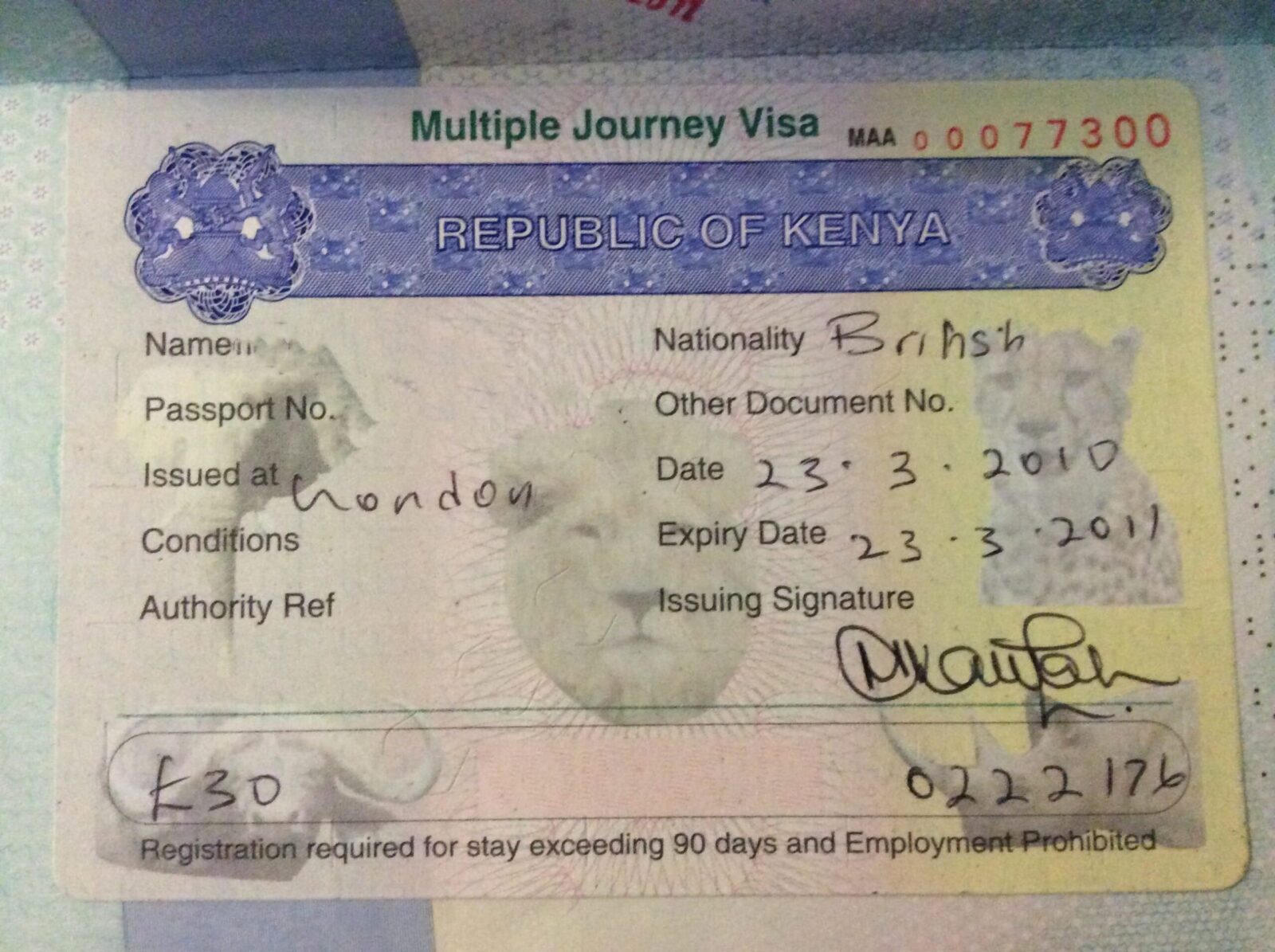

Travellers entering Kenya must hold a passport with at least six months of validity from the date of entry and sufficient blank pages for immigration stamps. Kenya formally transitioned to an e-visa system, requiring most international visitors to obtain an electronic visa before arrival. Applications are submitted through the official online portal, and visitors should take care to use only authenticated government sites to avoid fraudulent intermediaries. The e-visa is typically valid for tourism stays of up to ninety days, with extensions available through immigration offices inside the country.
Travelers from certain countries may be exempt from visa requirements, while others must apply in advance depending on diplomatic agreements and regional policies. Those travelling to Kenya as part of a multi-country East African itinerary may consider the East Africa Tourist Visa, which allows entry into Kenya, Uganda, and Rwanda on a single visa. Immigration officers may request proof of accommodation, return or onward travel, and sufficient financial resources. It is advisable to carry printed copies of all travel confirmations to ensure a smooth arrival process. While Nairobi’s Jomo Kenyatta International Airport handles most entries, land borders and regional airports implement similar procedures.
Health
Health preparedness is essential when travelling to Kenya, particularly due to its diverse ecosystems, varying altitudes, and tropical climate. Travellers are encouraged to consult a travel health specialist six weeks prior to departure for personalized advice. Yellow fever vaccination is required for travellers arriving from countries where yellow fever is present, and a certificate may be requested upon arrival. Standard recommended vaccinations often include hepatitis A, tetanus, typhoid, and other routine immunizations depending on personal health history.
Malaria is present in many lowland and coastal regions, particularly in western Kenya, the Maasai Mara, the coast, and certain parts of the Rift Valley. Anti-malarial medication, mosquito repellent, and protective clothing during evening hours help mitigate risk. Areas with higher altitudes, such as Nairobi and the central highlands, have lower malaria transmission due to cooler temperatures.
Food safety is an important consideration. Travellers should drink bottled or purified water, avoid ice unless certain of its source, and choose cooked foods or fruits that can be peeled. Kenya’s cuisine is diverse and delicious, but those with sensitive stomachs may prefer to introduce new foods gradually.
Altitude sickness may affect travellers in high-elevation destinations such as Mount Kenya or the Aberdares. Proper acclimatization and hydration help reduce symptoms. Kenya’s private hospitals, particularly in Nairobi, offer excellent medical care, though rural facilities may be basic. Travellers requiring prescription medication should bring an adequate supply in original packaging.
Insurance
Comprehensive travel insurance is highly advisable for anyone visiting Kenya. Safari activities, adventure excursions, long-distance travel, and visits to remote national parks require coverage that includes medical care, evacuation, and repatriation. Many safari camps are located far from major hospitals, making evacuation coverage essential for emergency situations. Insurance should also cover trip cancellations, lost luggage, flight delays, and adventure-related activities such as hot-air ballooning, hiking, horse riding, and water sports along the coast.
Travellers embarking on mountain treks, particularly Mount Kenya, should ensure their insurance specifically covers high-altitude trekking. Those planning scuba diving or deep-sea fishing along the coast should confirm that their policy includes marine activities. Comprehensive coverage offers peace of mind and ensures that travellers can enjoy Kenya’s diverse landscapes without undue concern for unexpected circumstances.
Money
The Kenyan shilling is the country’s official currency and is widely used across all regions. ATMs are common in cities, airports, and towns, and most accept international bank cards. Digital payments have also become widespread, particularly through mobile platforms such as M-Pesa, which is used throughout the country for everyday transactions. Visitors may find it convenient to use cash for minor purchases, local markets, and rural services, while major hotels, safari lodges, and restaurants accept credit and debit cards.
Foreign currency can be exchanged at banks, hotels, or licensed exchange bureaus. It is advisable to carry small denominations of Kenyan shillings for ease of payment in markets or during travel between remote destinations. While US dollars may be accepted for certain tourism services, reliance on foreign currency should be limited to avoid potential confusion. Travellers should store money securely and remain aware of their belongings in crowded areas.
Tipping
Tipping is customary in Kenya and is appreciated across the tourism industry. While not mandatory, tipping reflects gratitude for good service and contributes meaningfully to the incomes of guides, porters, hotel staff, and service workers. Safari guides and trackers work under demanding conditions, and tipping is often a valued acknowledgment of their expertise. In restaurants, hotels, and camps, tipping is welcomed according to the traveller’s discretion. Travellers should carry small denominations of local currency to facilitate tipping throughout their journey.
Travel Destinations
Kenya’s travel destinations are extraordinarily diverse, offering travellers an opportunity to explore wildlife-rich savannahs, volcanic landscapes, tropical islands, bustling cities, and cultural centres. The Maasai Mara remains one of the world’s most celebrated safari regions, known for its abundant wildlife and its role as the northern extension of the Serengeti ecosystem. The Great Migration, where millions of wildebeest and zebra move across the plains, stands as one of nature’s greatest spectacles. Even outside migration season, the Mara’s landscapes and predator populations provide world-class safari experiences.
Amboseli National Park, located at the foot of Mount Kilimanjaro, offers dramatic views of Africa’s highest mountain and is known for its large herds of elephants. Lake Nakuru National Park, situated within the Rift Valley, is famous for its flamingo populations (when conditions allow), rhino sanctuary, and picturesque lake surroundings. Tsavo East and Tsavo West form one of the largest protected ecosystems in East Africa, offering vast landscapes, rugged terrain, and a wilder, less commercial safari experience.
In northern Kenya, Samburu National Reserve introduces travellers to distinctive wildlife species such as Grevy’s zebra, reticulated giraffe, and the gerenuk, while providing opportunities to engage with Samburu communities whose traditions remain deeply rooted in pastoralist culture. The Turkana region offers desert landscapes, ancient archaeological sites, and a sense of isolation that appeals to adventurous travellers seeking uncharted terrain.
Kenya’s coastline offers a different type of beauty altogether. Mombasa, Lamu, Watamu, Diani, and Malindi provide pristine beaches, coral reefs, and a vibrant Swahili cultural heritage shaped by centuries of trade across the Indian Ocean. Lamu Island, a UNESCO World Heritage Site, captivates travellers with its narrow alleyways, traditional dhow boats, Islamic architecture, and slow pace of life. Watamu and Malindi attract divers, snorkelers, and marine researchers due to their rich underwater life and protected coral gardens.
Nairobi, often overlooked by travellers in a hurry to reach safari destinations, stands as a cultural and historical hub with museums, craft markets, wildlife sanctuaries, and modern dining experiences. Nairobi National Park provides the unique opportunity to view wildlife against a city skyline, while the Karen Blixen Museum and the National Museum of Kenya illuminate the country’s historical and cultural narratives.
How to Get There
Kenya is well connected to international destinations through Jomo Kenyatta International Airport (NBO) in Nairobi and Moi International Airport (MBA) in Mombasa. Nairobi serves as the primary gateway for most international travellers, receiving flights from Europe, the Middle East, Africa, and a growing number of destinations in Asia and North America. Domestic flights connect Nairobi to major safari hubs such as the Maasai Mara, Amboseli, Samburu, Diani Beach, Malindi, Lamu, and Kisumu. Wilson Airport in Nairobi is the centre for regional safari flights, offering a network of scheduled and charter services to airstrips across the country.
Overland travel is common between many destinations, although distances can be long. Road conditions vary widely, with highways between major cities improving while some rural and remote areas remain accessible only by four-wheel-drive vehicles. Safari operators often organise private transfers for travellers heading to lodges in remote parks. Kenya also shares land borders with Tanzania, Uganda, and Ethiopia, though travellers should confirm visa requirements and safety considerations before crossing.
Rail travel between Nairobi and Mombasa has become increasingly popular due to the modern Standard Gauge Railway (SGR) system, offering a comfortable and efficient way to reach the coast. Boat travel is generally limited to coastal excursions and inter-island transportation in Lamu.
Best Time to Visit
Kenya remains a year-round destination, but certain seasons offer ideal conditions depending on interests. The dry seasons, from June to October and from December to March, are considered the best periods for safari travel due to clear skies, moderate temperatures, and excellent wildlife viewing. During these months, animals gather around water sources, vegetation thins for increased visibility, and road access improves in most parks.
The Great Migration typically reaches the Maasai Mara between July and October, though patterns vary based on rainfall in the Serengeti. These months attract travellers seeking dramatic river crossings and predator action. The second dry season, between December and March, offers warm temperatures and superb game viewing, particularly in the Mara and Tsavo ecosystems.
The rainy seasons, particularly April and May, bring lush landscapes, fewer crowds, and ideal conditions for birdwatching. Although some roads may become muddy and certain lodges may close temporarily, the scenery becomes vibrant, and wildlife remains abundant. The coastal region is pleasant year-round, though humidity increases during the rainy months, and the period between December and March is especially attractive for beach travel.
Understanding seasonal patterns helps travellers plan experiences that best suit their interests, whether focused on safaris, trekking, photography, cultural immersion, or coastal relaxation.