


A Uganda wildlife safari is one of Africa’s most layered and rewarding nature experiences, defined by ecological diversity, powerful conservation stories, and an authenticity that remains rare in modern safari travel. Uganda is not a country of a single safari narrative. It is a convergence point where savannah meets rainforest, where the Nile carves through wilderness, and where some of the world’s most endangered primates survive within protected landscapes. A wildlife safari in Uganda is not about spectacle alone; it is about depth, contrast, and connection.
Often referred to as the “Pearl of Africa,” Uganda offers a safari experience that feels intimate, exploratory, and deeply educational. Wildlife encounters unfold across varied ecosystems within relatively short distances, allowing travellers to experience classic African game, primate tracking, birdlife, and dramatic scenery in a single journey. What elevates the Uganda wildlife safari is its balance between biodiversity and accessibility, combined with a strong conservation framework that links wildlife protection directly to community livelihoods.
Understanding the Character of a Uganda Wildlife Safari
A Uganda wildlife safari is shaped by geography and water. The country sits at the heart of the Albertine Rift, one of the most biologically rich regions on the continent. This rift system has created a mosaic of habitats, including tropical rainforests, open savannahs, wetlands, crater lakes, and montane ecosystems. Each habitat supports distinct wildlife communities, resulting in exceptional species diversity.
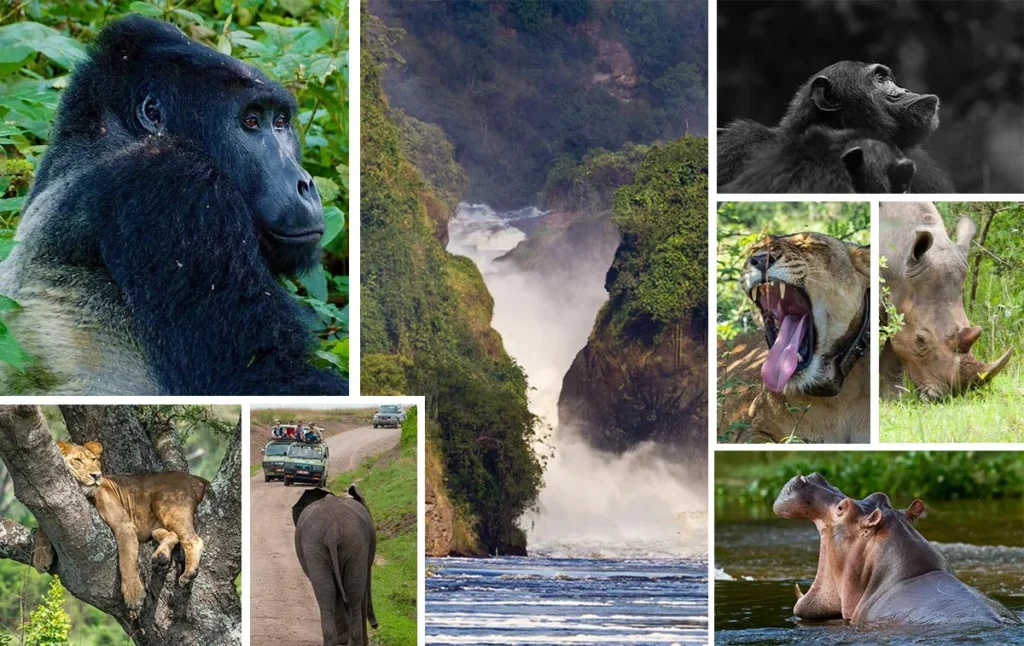
Unlike destinations dominated by one ecosystem type, Uganda’s wildlife safaris are defined by variety. In a single itinerary, travellers can track mountain gorillas in dense forest, watch tree-climbing lions on open plains, cruise past hippos along the Nile, and encounter chimpanzees in ancient rainforest. This ecological range gives Uganda a unique safari identity that appeals to travellers seeking more than traditional game drives.
Uganda is also characterised by low to moderate tourism density compared to more heavily visited safari countries. This ensures that wildlife encounters feel natural and unhurried, and that landscapes retain a strong sense of wilderness.
Savannah Safaris and Classic Wildlife Encounters in Uganda
While Uganda is globally famous for primates, its savannah parks form the backbone of the traditional Uganda wildlife safari experience.
Queen Elizabeth National Park and Ecological Diversity
At the centre of Uganda’s savannah safari circuit lies Queen Elizabeth National Park, one of the most ecologically diverse protected areas in Africa. The park spans open grasslands, wetlands, crater lakes, and forested gorges, supporting a wide range of wildlife.
Elephants, buffalo, antelope, and warthogs are common, while predators such as lions and leopards are present in healthy numbers. The Ishasha sector of the park is internationally known for its tree-climbing lions, a behaviour linked to habitat structure and prey movement. A Uganda wildlife safari here reveals how animals adapt to varied landscapes within a single protected area.
The park’s wetlands and channels support one of the highest bird species counts in Africa, reinforcing Uganda’s reputation as a premier birding destination.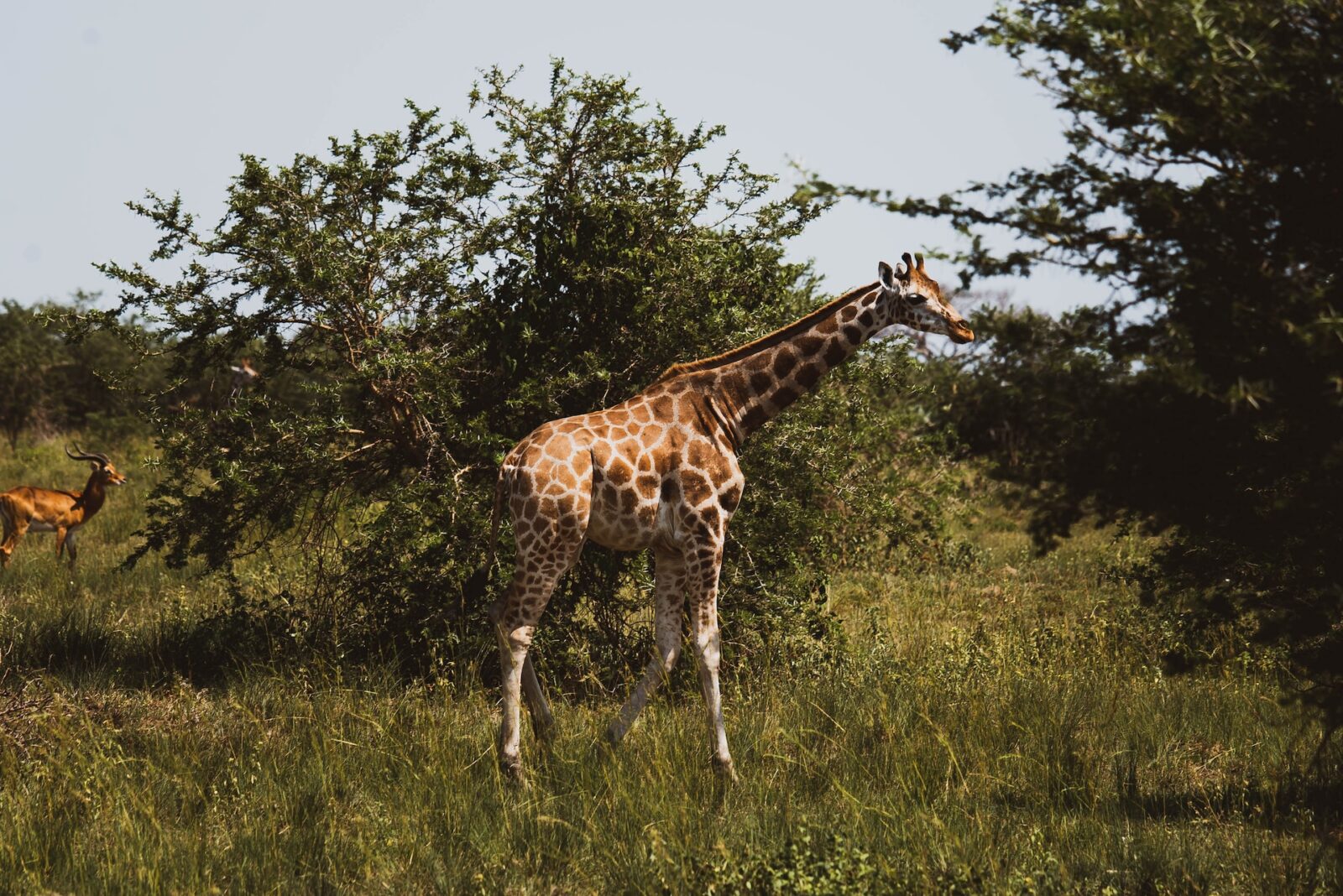

Murchison Falls National Park and the Power of the Nile
Further north, Murchison Falls National Park offers a dramatic wildlife safari experience shaped by the Nile River. The park protects a vast savannah ecosystem bisected by Africa’s longest river, creating one of Uganda’s most iconic natural landmarks.
The Nile supports dense concentrations of hippos and crocodiles, while its banks attract elephants, buffalo, giraffes, and antelope. Lions and leopards patrol the open plains, and boat safaris along the river provide close yet respectful wildlife encounters.
A Uganda wildlife safari in Murchison Falls is defined by scale and movement. The river acts as both a barrier and a lifeline, influencing animal behaviour and creating dynamic viewing opportunities throughout the year.
Forest Safaris and Uganda’s Primate Legacy
Uganda’s global significance in wildlife conservation is strongly linked to its primate populations. Forest safaris form a core pillar of the Uganda wildlife safari experience.
Bwindi Impenetrable National Park and Gorilla Conservation
The crown jewel of Uganda’s wildlife safari offering is Bwindi Impenetrable National Park, one of the most biologically diverse forests on the continent and home to nearly half of the world’s remaining mountain gorillas.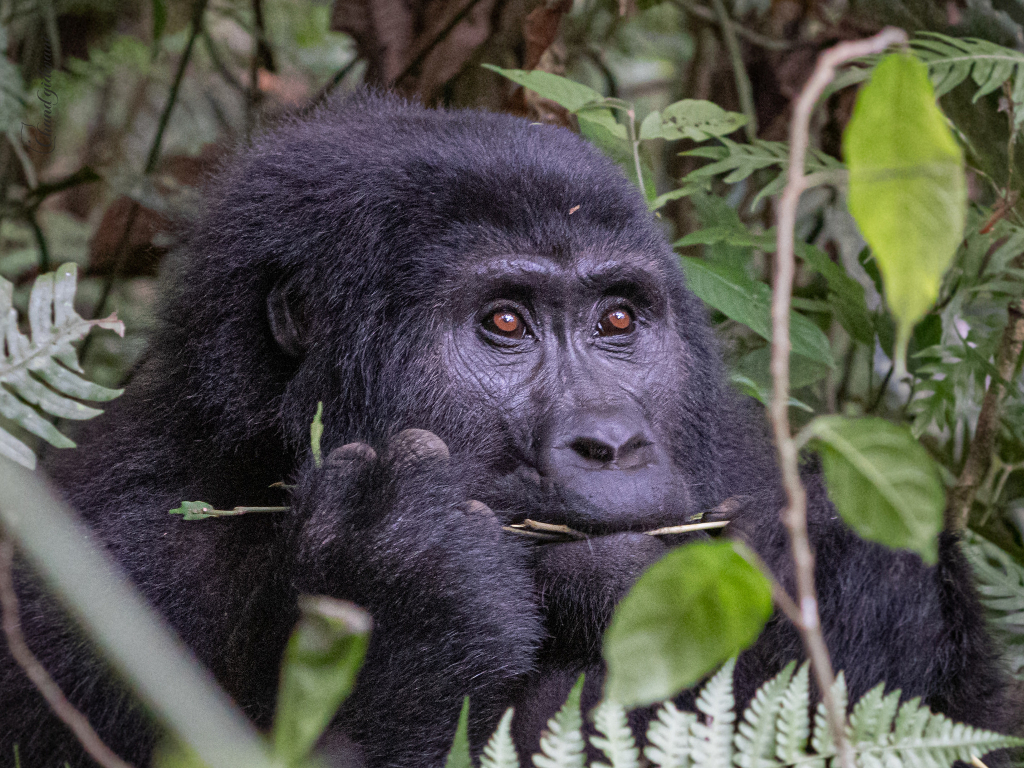

Gorilla trekking in Bwindi is one of the most profound wildlife experiences available anywhere. Strictly regulated permits, small group sizes, and expert tracking teams ensure that encounters are intimate and conservation-driven. Revenue from gorilla tourism funds forest protection, veterinary interventions, and community development, making this experience a model of sustainable wildlife tourism.
A Uganda wildlife safari that includes Bwindi offers insight into how long-term conservation, scientific monitoring, and tourism can work together to protect critically endangered species.
Kibale Forest and Chimpanzee Tracking
Western Uganda’s Kibale National Park represents one of Africa’s most important chimpanzee habitats. The park protects a vast tract of tropical rainforest supporting one of the highest primate densities on the continent.
Chimpanzee tracking in Kibale is highly interactive, with visitors often observing social behaviour, feeding, communication, and movement through the forest canopy. The experience is educational and dynamic, revealing complex social structures and intelligence.
Kibale also supports numerous other primate species, making it a key destination for understanding primate diversity within a Uganda wildlife safari.
The Albertine Rift and Biodiversity Hotspots
Uganda’s wildlife richness is strongly influenced by its position within the Albertine Rift, a global biodiversity hotspot.
Semuliki and Lowland Forest Ecosystems
Semuliki National Park protects a rare lowland rainforest ecosystem more closely related to the Congo Basin than East Africa. This park adds a unique dimension to a Uganda wildlife safari, supporting forest elephants, primates, and an exceptional range of bird species.
Semuliki illustrates Uganda’s role as a biological crossroads, where Central and East African species overlap. For wildlife enthusiasts and researchers, this park offers valuable insight into evolutionary processes and habitat connectivity.
Uganda’s Birdlife and Wetland Safaris
A Uganda wildlife safari is incomplete without recognising the country’s extraordinary bird diversity. With over a thousand recorded bird species, Uganda ranks among Africa’s top birding destinations.
Wetlands, lakes, and river systems provide critical habitat for resident and migratory birds. The Shoebill, one of Africa’s most iconic and elusive species, inhabits papyrus swamps and is a major draw for bird-focused safaris.
Boat safaris, wetland walks, and forest trails allow birders to explore diverse habitats within short distances, making Uganda uniquely accessible for comprehensive birding experiences.
Conservation and Community in Uganda Wildlife Safaris
Conservation in Uganda is deeply intertwined with community involvement. Many protected areas border densely populated rural landscapes, making community engagement essential for wildlife protection.
Revenue-sharing programs ensure that local communities benefit directly from safari tourism through education, healthcare, and infrastructure projects. Employment opportunities in guiding, lodge operations, and conservation initiatives further strengthen local support for wildlife protection.
A Uganda wildlife safari directly contributes to reducing poaching, mitigating human–wildlife conflict, and supporting long-term conservation goals.
Safari Styles Available in Uganda
Uganda offers a wide range of safari styles that cater to different interests and travel profiles. Classic game drives dominate savannah parks, while boat safaris provide access to aquatic ecosystems along rivers and lakes.
Forest safaris involve guided trekking experiences that require physical effort but deliver unmatched wildlife encounters. Walking safaris in certain areas emphasise interpretation and ecological awareness.
This diversity allows Uganda wildlife safaris to be tailored to photographers, families, researchers, birders, and adventure-oriented travellers without compromising conservation standards.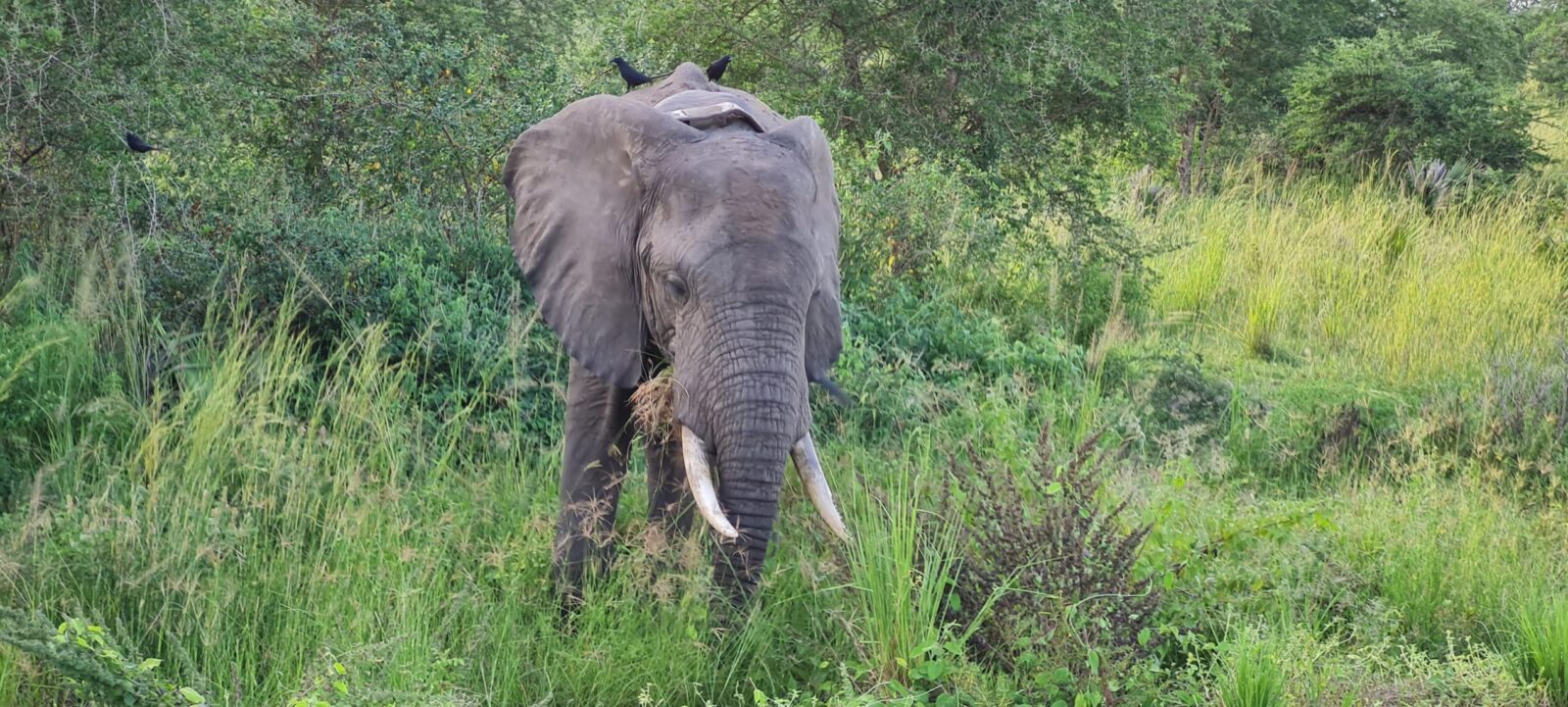

Seasonal Dynamics and Planning a Uganda Wildlife Safari
Seasonality plays an important role in Uganda safari planning, though the country’s equatorial climate allows year-round wildlife viewing. Dry seasons typically offer easier trekking conditions and concentrated wildlife around water sources, while wet seasons bring lush landscapes, breeding activity, and peak birdlife.
Understanding regional rainfall patterns allows travellers to plan itineraries that maximise experience quality while aligning with personal preferences.
Safety, Accessibility, and Infrastructure
Uganda has made significant investments in safari infrastructure, including road access, park management, and professional guide training. Wildlife safaris are conducted under strict safety protocols, particularly in forest environments where primate tracking requires careful regulation.
Domestic flights and improved road networks have increased accessibility to remote parks, making comprehensive Uganda wildlife safari itineraries more feasible than ever before.
Who the Uganda Wildlife Safari Is Best Suited For
A Uganda wildlife safari appeals to travellers seeking diversity, depth, and conservation-led experiences. It is ideal for those who want to combine classic African wildlife viewing with primate encounters, birding, and cultural insight.
Uganda particularly suits repeat safari travellers looking for something different from traditional savannah-only destinations, as well as first-time visitors seeking variety within a single country.
Why Uganda Wildlife Safaris Are Truly Exceptional
Uganda wildlife safaris stand out because they deliver contrast and connection. Few destinations allow travellers to move so seamlessly between forests and savannahs, rivers and mountains, primates and predators.
In a world where many safari experiences are becoming increasingly homogenised, Uganda remains distinct. Its wildlife lives in diverse, functioning ecosystems supported by strong conservation frameworks and community participation.
A Uganda wildlife safari is not defined by how many animals are seen, but by how deeply travellers engage with the landscapes, species, and conservation stories that shape the country. It is an experience rooted in understanding, respect, and discovery, offering one of the most complete and meaningful safari journeys available in Africa.