


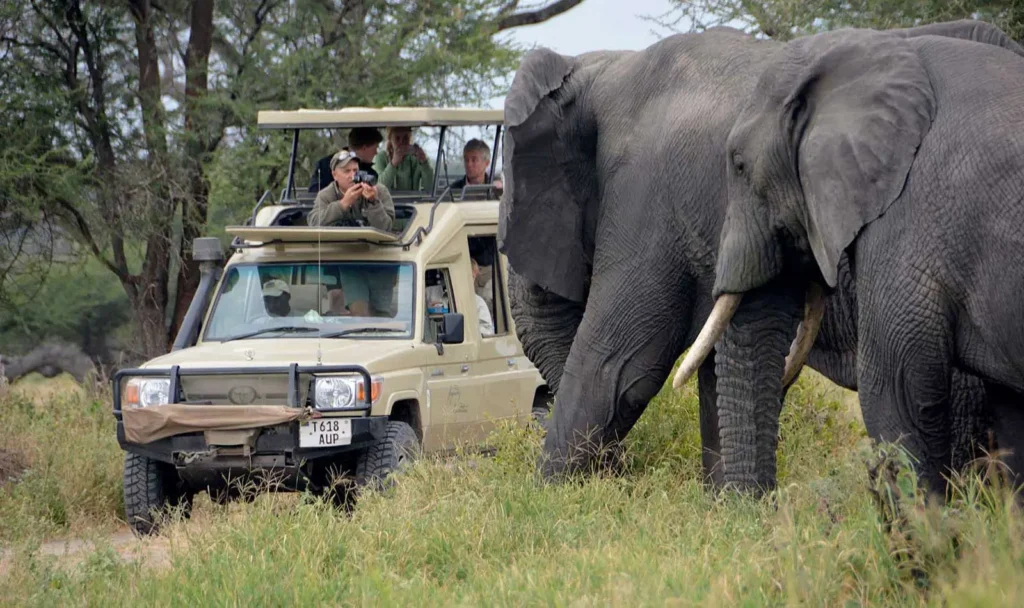
Africa wildlife tours represent the most immersive and scientifically significant form of nature-based travel in the world. They are not simply journeys to observe animals, but carefully structured experiences that place travelers within functioning ecosystems where wildlife, landscapes, and human cultures remain deeply interconnected. Across the African continent, wildlife tourism has evolved into a conservation-driven model that protects biodiversity, sustains rural economies, and preserves some of the planet’s last great wilderness areas. From open savannahs and wetlands to tropical rainforests and arid deserts, Africa offers a diversity of wildlife experiences unmatched anywhere else on Earth.
At their best, Africa wildlife tours combine ecological authenticity, expert interpretation, ethical tourism practices, and long-term conservation impact. These tours are shaped by geography, climate, species distribution, and decades of wildlife management knowledge. Understanding their true value requires a deeper exploration of Africa’s ecosystems, regional wildlife strengths, conservation frameworks, and the evolving role of tourism in protecting natural heritage.
Understanding Africa Wildlife Tours
Africa wildlife tours are designed to observe animals in their natural habitats, free from captivity or artificial conditions. Unlike wildlife experiences elsewhere, African tours focus on large, open ecosystems where animals move according to seasonal patterns, food availability, and natural instincts. This freedom of movement creates dynamic encounters that vary daily, making each wildlife tour unique.
These tours are guided by trained naturalists who interpret animal behavior, ecological relationships, and environmental changes. Their role transforms sightings into understanding, helping visitors grasp how predators regulate prey populations, how herbivores shape vegetation, and how climate influences migration and breeding cycles. The educational depth of Africa wildlife tours distinguishes them from passive sightseeing experiences.
Another defining feature is conservation integration. In many regions, tourism revenue directly funds anti-poaching units, habitat restoration, scientific research, and community development. Wildlife tours therefore operate not as isolated leisure activities but as essential components of conservation economies.
East Africa and Iconic Wildlife Landscapes
East Africa forms the historical foundation of African wildlife tourism and continues to deliver some of the most celebrated wildlife tours on the continent. The region’s vast grasslands, volcanic highlands, and ancient rift systems support extraordinary biodiversity.
Tanzania and Large-Scale Wildlife Systems
Tanzania stands at the heart of East African wildlife tourism, anchored by globally significant protected areas. The Serengeti National Park is one of the most intact large mammal ecosystems on Earth, supporting millions of herbivores and a full complement of predators. Seasonal rainfall patterns drive vast migrations of wildebeest, zebra, and gazelle, creating a continuous cycle of movement that sustains the ecosystem.
Nearby, the Ngorongoro Conservation Area combines wildlife protection with human land use, allowing pastoralist communities to coexist with dense wildlife populations. This balance illustrates how Africa wildlife tours can operate within shared landscapes without compromising ecological integrity.
Kenya and Community-Centered Wildlife Tourism
Kenya’s wildlife tours are defined by strong conservation innovation and community participation. The Maasai Mara National Reserve is renowned for its predator density and seasonal migration activity, but Kenya’s broader success lies in its conservancy model. Wildlife areas managed in partnership with local landowners extend protection beyond national parks and reduce human–wildlife conflict.
This approach has reshaped wildlife tourism by ensuring that communities directly benefit from conservation. As a result, wildlife tours in Kenya support both biodiversity protection and rural livelihoods, strengthening long-term sustainability.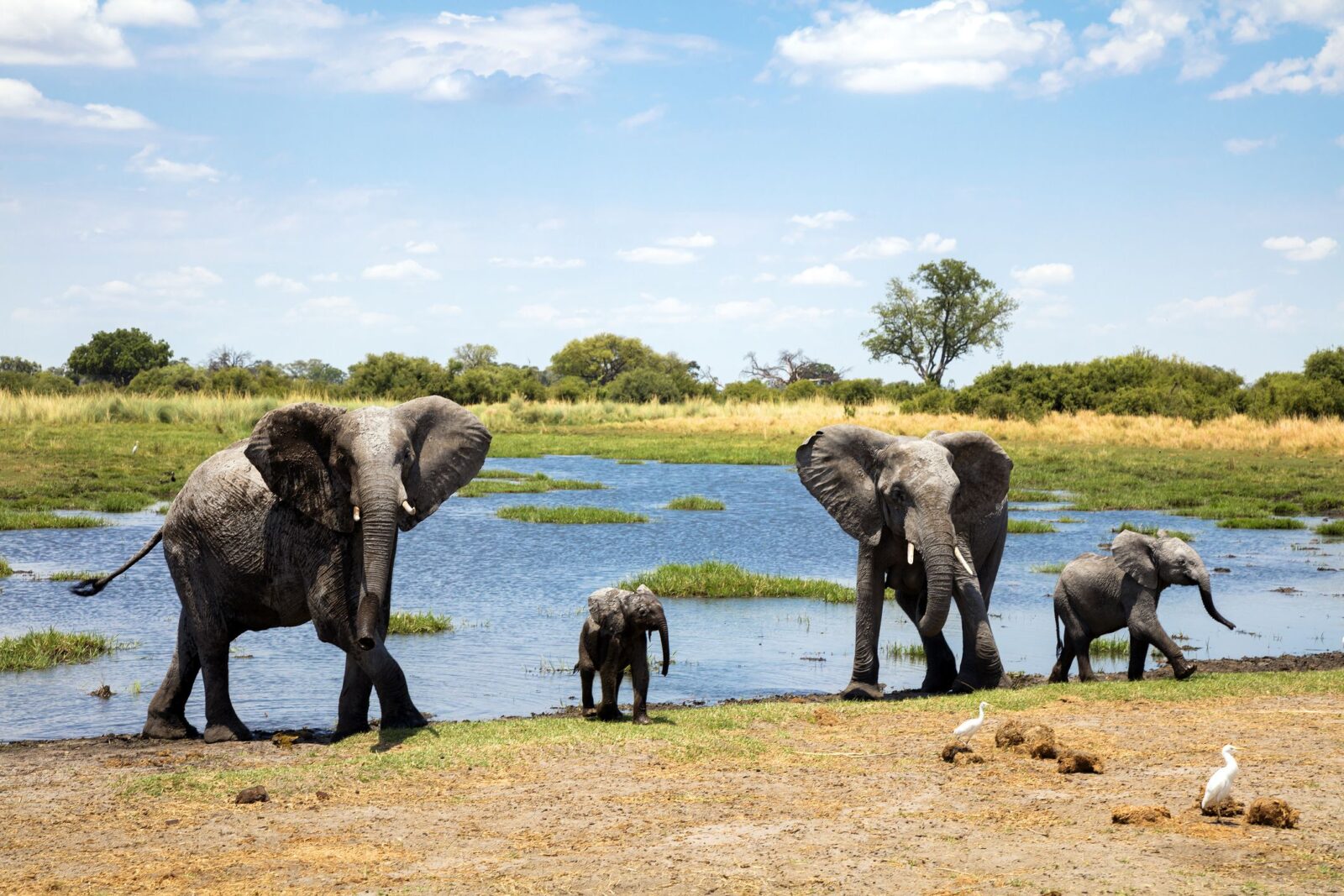

Uganda and Rwanda and Primate-Focused Wildlife Tours
Uganda and Rwanda expand the definition of Africa wildlife tours through their globally significant primate experiences. Mountain gorilla trekking in Bwindi Impenetrable National Park and Volcanoes National Park offers one of the most regulated and conservation-focused wildlife encounters on Earth.
These tours are limited in group size and duration to minimize impact while generating substantial conservation revenue. In addition to gorillas, chimpanzee tracking in forest reserves adds scientific and educational value, highlighting complex primate behavior and social structures.
Southern Africa and High-Impact Wildlife Tours
Southern Africa has refined wildlife tourism through low-density models, advanced guiding standards, and diverse ecosystems that support varied wildlife experiences.
Botswana and Wetland-Based Wildlife Tours
Botswana’s wildlife tours emphasize exclusivity and ecological preservation. The Okavango Delta is a unique inland wetland where seasonal floods transform arid land into a thriving wildlife refuge. This shifting environment supports elephants, antelope, predators, and birdlife in remarkable concentrations.
Wildlife tours in Botswana often combine land-based and water-based activities, allowing visitors to observe animal behavior from multiple perspectives. Strict tourism controls ensure minimal environmental impact, preserving the delta’s ecological balance.
South Africa and Diverse Wildlife Access
South Africa offers some of the most accessible and varied wildlife tours in Africa. The Kruger National Park supports a complete Big Five population and extensive road networks that facilitate year-round wildlife viewing. Adjacent private reserves enhance experiences through expert tracking and flexible safari practices.
South Africa’s wildlife tourism infrastructure allows for a wide range of experiences, from intensive photographic safaris to educational family-focused tours. Despite higher visitor numbers, effective management maintains conservation standards.
Zambia and Zimbabwe and Interpretive Wildlife Experiences
Zambia and Zimbabwe preserve the exploratory roots of wildlife tourism through walking safaris and river-based tours. The South Luangwa National Park is internationally recognized for interpretive walking safaris that emphasize ecological awareness and animal behavior.
Zimbabwe’s Hwange National Park supports one of Africa’s largest elephant populations and extensive predator systems. Wildlife tours here focus on patience, observation, and ecological storytelling rather than rapid sightseeing.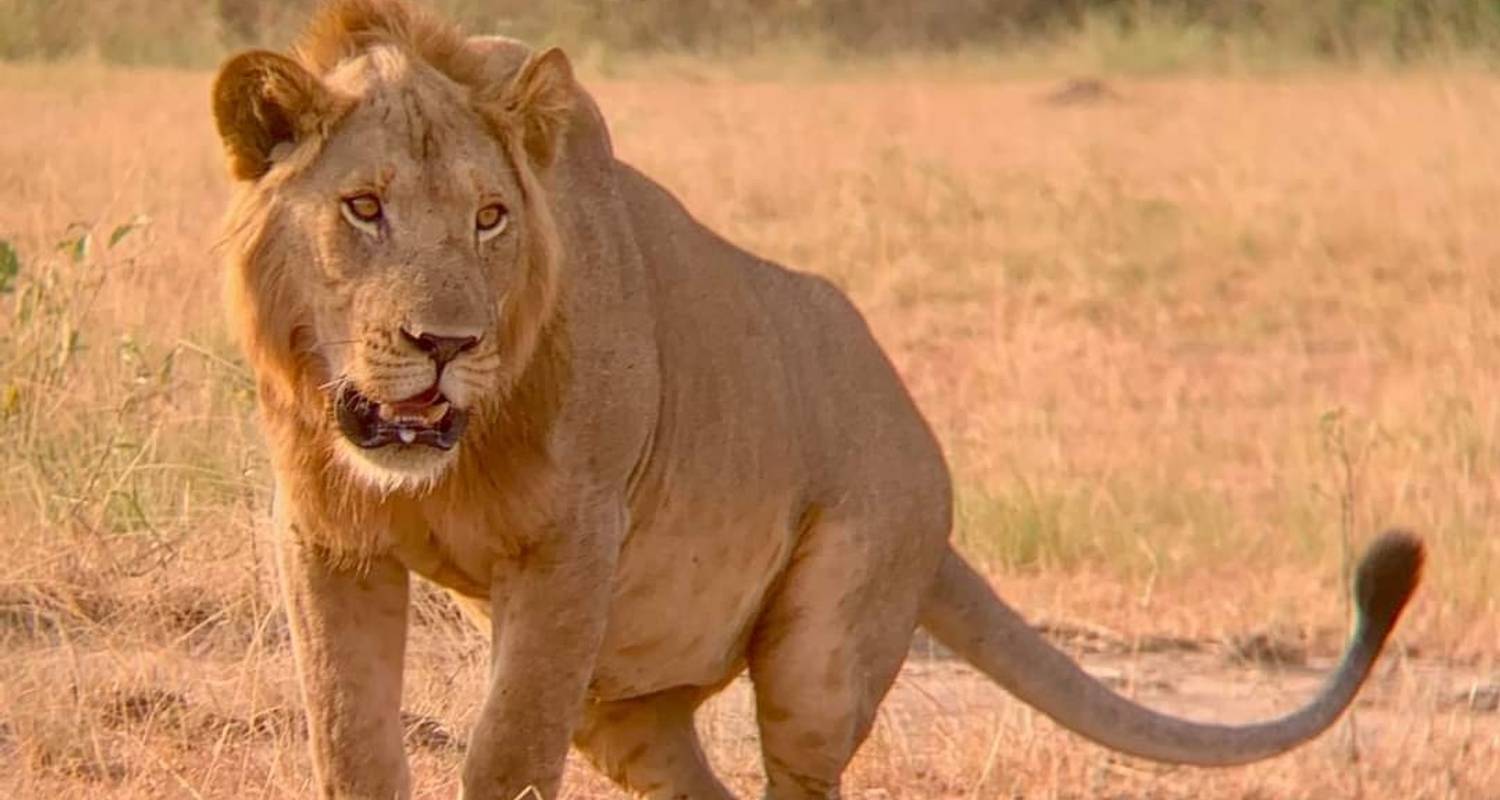

Central Africa and Forest Wildlife Tours
Central Africa offers some of the most challenging yet scientifically important wildlife tours on the continent. Dense rainforests, limited infrastructure, and rare species define the region’s appeal.
Congo Basin and Conservation Tourism
The Congo Basin hosts vast tropical forests that support forest elephants, lowland gorillas, and endemic species found nowhere else. The Virunga National Park represents a cornerstone of conservation tourism, combining wildlife protection with regional stability efforts.
Wildlife tours in Central Africa demand adaptability and respect for complex conservation contexts. In return, they offer unparalleled encounters within some of the least disturbed ecosystems on the planet.
Types of Africa Wildlife Tours
Africa wildlife tours take many forms, each offering a different perspective on nature. Traditional vehicle-based safaris remain popular for covering large areas efficiently. Walking safaris deepen understanding of tracks, plants, and smaller species often overlooked from vehicles.
River and wetland tours reveal aquatic and semi-aquatic wildlife behavior, while forest-based tours emphasize patience and quiet observation. Photographic wildlife tours prioritize ethical positioning and minimal disturbance, supporting documentation and research.
Primate-focused tours introduce an emotional and intellectual dimension, connecting travelers with species closely related to humans. Each tour type contributes uniquely to conservation and education.
Conservation and Community in Wildlife Tourism
Conservation lies at the core of successful Africa wildlife tours. Tourism revenue funds protected area management, wildlife monitoring, and anti-poaching operations. Where communities receive tangible benefits, conservation outcomes improve significantly.
Modern wildlife tourism increasingly integrates sustainability measures such as renewable energy use, water conservation, and habitat restoration. These initiatives reduce environmental impact while reinforcing tourism’s role as a conservation tool.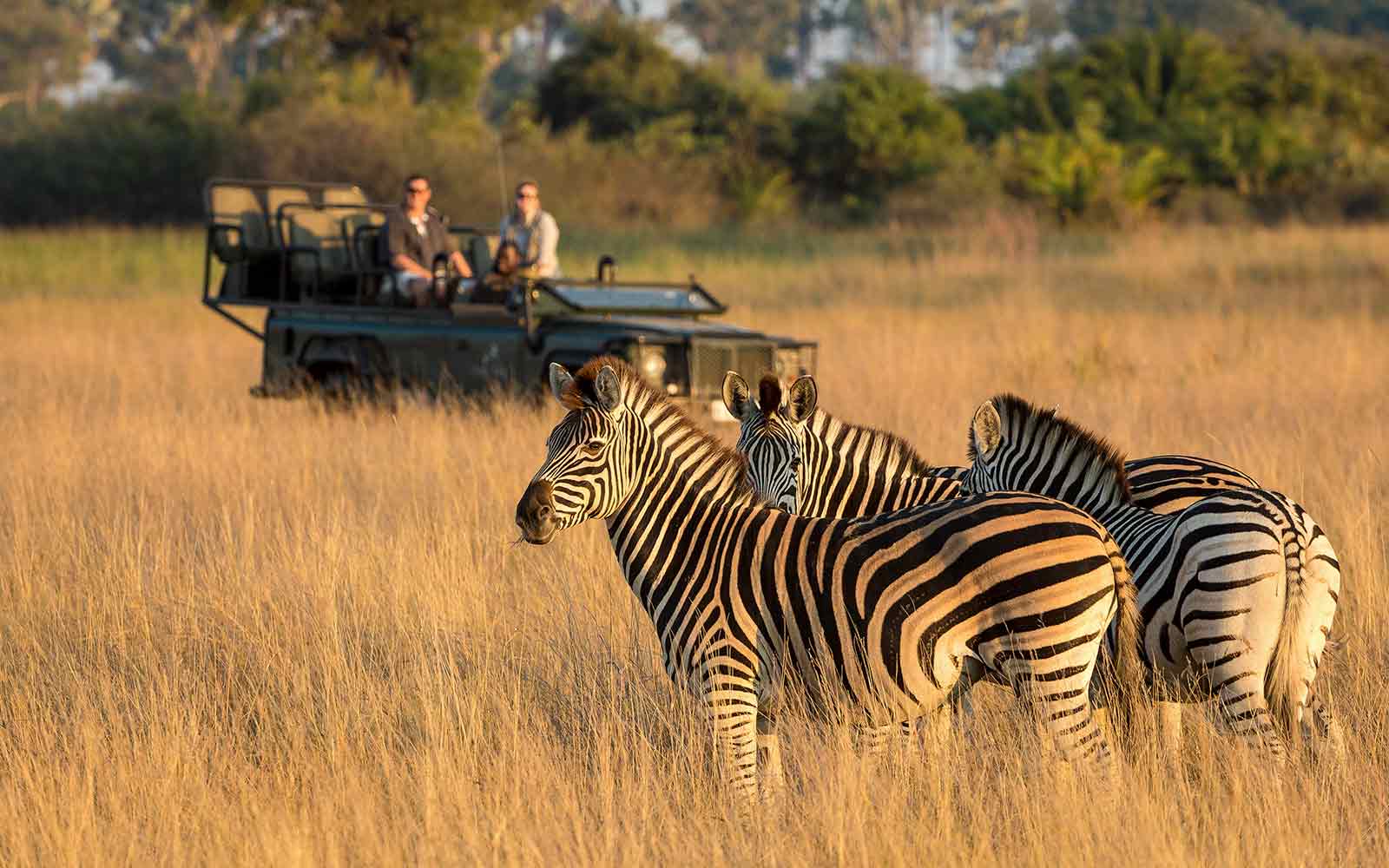

Seasonal Dynamics and Wildlife Behavior
Seasonality plays a crucial role in shaping wildlife tours. Rainfall patterns influence vegetation growth, animal movement, and breeding cycles. Dry seasons often concentrate wildlife around water sources, while wet seasons support calving and migratory behavior.
Understanding these dynamics allows wildlife tours to align with ecological rhythms rather than tourist convenience. This alignment enhances authenticity and minimizes disturbance to natural processes.
Planning Responsible Africa Wildlife Tours
Planning effective wildlife tours involves aligning expectations with ecological realities. Ethical operators prioritize animal welfare, habitat protection, and community partnerships. Responsible planning considers group size, activity impact, and long-term sustainability.
Travelers who choose conservation-oriented tours contribute to preserving ecosystems while gaining deeper insight into wildlife behavior and environmental challenges.
The Enduring Value of Africa Wildlife Tours
Africa wildlife tours remain unmatched because they operate within living, self-sustaining ecosystems. These landscapes continue to function as they have for millennia, supporting biodiversity on a scale unseen elsewhere.
A wildlife tour in Africa is both a privilege and a responsibility. It offers rare access to nature while contributing directly to its protection. As global environmental pressures increase, wildlife tourism stands as one of the most effective tools for preserving Africa’s natural heritage.