


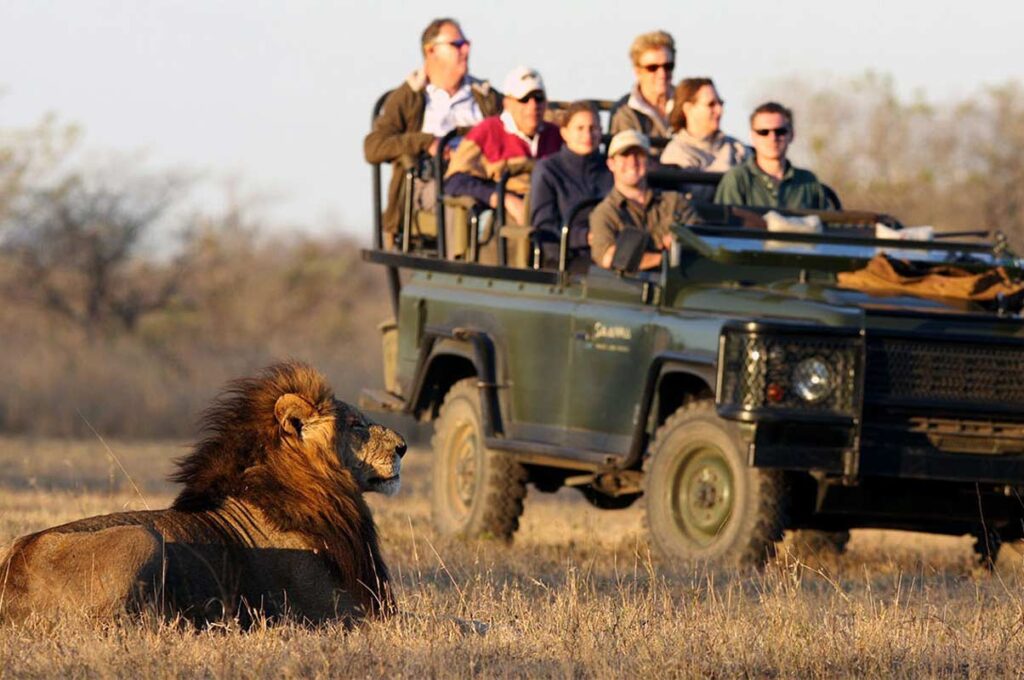
African safari tours remain one of the most compelling travel experiences on Earth, combining raw wilderness, iconic wildlife, living cultures, and landscapes that still move to ancient rhythms. Across the continent, vast savannahs, dense rainforests, desert ecosystems, wetlands, and volcanic highlands form the stage for encounters that feel profoundly human and deeply humbling. African safari tours are not simply holidays; they are immersive journeys into some of the planet’s last truly wild places, shaped by conservation, community, and careful stewardship.
From the thundering hooves of the Great Migration in the open plains of East Africa to the silent glide of a mokoro canoe through the waterways of Southern Africa, African safari tours offer a diversity of experiences unmatched anywhere else. Each destination holds its own ecological story, cultural identity, and style of exploration, allowing travellers to choose adventures that align with their interests, comfort levels, and sense of purpose.
Understanding African Safari Tours in Their True Context
African safari tours are rooted in the Swahili word safari, meaning journey. This definition captures their essence more accurately than any modern interpretation. A safari is not defined by speed or spectacle alone, but by movement through space, time, and understanding. Modern African safari tours have evolved far beyond colonial-era travel, now standing as models of responsible tourism, wildlife protection, and local empowerment.
Today’s safari landscape integrates luxury lodges, eco-camps, community-run conservancies, and scientifically guided wildlife experiences. These tours are designed to balance comfort with authenticity while ensuring that tourism revenue directly supports conservation efforts and local livelihoods. In many regions, safari tourism is the primary economic engine protecting wildlife habitats from agriculture, mining, and unsustainable development.
The Geography That Shapes African Safari Tours
Africa’s ecological diversity explains why African safari tours vary so dramatically from one region to another. The continent spans over 30 million square kilometres, containing some of the world’s most distinct biomes. Each environment influences the wildlife species present, the style of safari activities offered, and the best times to visit.
East Africa and the Classic Safari Landscape
East Africa is often considered the spiritual home of African safari tours, largely due to its expansive grasslands and extraordinary wildlife densities. Countries such as Kenya, Tanzania, Uganda, and Rwanda dominate this region, offering iconic safari circuits that blend savannah safaris with primate experiences.
The open plains of Serengeti National Park and Maasai Mara National Reserve support one of the greatest wildlife spectacles on the planet: the annual Great Migration. Millions of wildebeest, zebras, and gazelles move across borders in search of fresh grazing, followed closely by Africa’s top predators.
Beyond the savannah, East Africa also introduces forest-based safari tours. In Bwindi Impenetrable National Park and Volcanoes National Park, travellers track endangered mountain gorillas in mist-covered jungles, a profoundly intimate wildlife experience that reshapes perceptions of conservation and coexistence.
Southern Africa and the Art of Slow Safaris
Southern Africa offers a different rhythm to African safari tours, characterised by vast private concessions, river systems, and low-impact exploration. Botswana, Zambia, Zimbabwe, Namibia, and South Africa dominate this region, each delivering highly refined safari experiences.
The Okavango Delta exemplifies Southern Africa’s uniqueness. Seasonal floodwaters transform desert plains into lush wetlands, attracting elephants, antelope, and predators. Safari tours here often unfold by boat, canoe, and walking safaris, emphasising silence, patience, and close ecological observation.
South Africa’s Kruger National Park stands as one of the continent’s most accessible safari destinations, offering diverse accommodation options and year-round wildlife viewing. The integration of private reserves around Kruger elevates safari tours through expert guiding, off-road tracking, and conservation research access.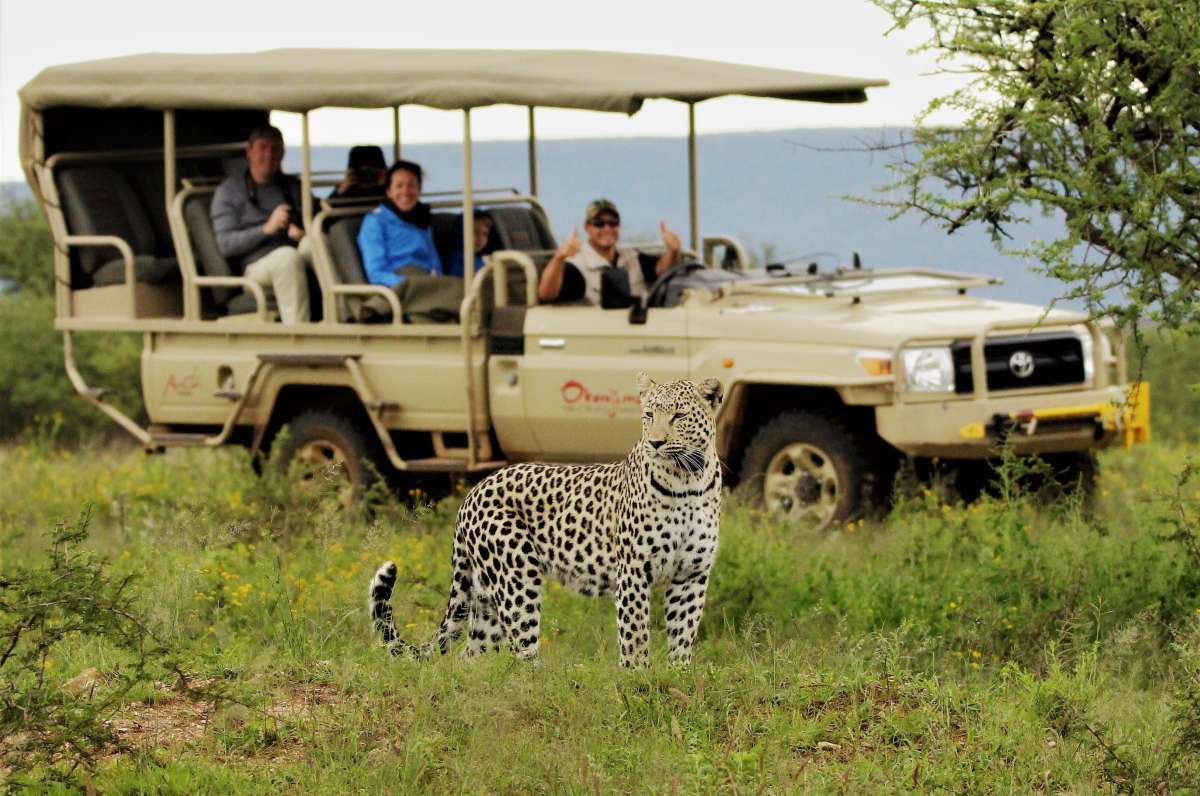

Wildlife as the Heart of African Safari Tours
African safari tours are built around wildlife, yet the experience extends beyond simple animal sightings. The richness lies in understanding ecosystems, animal behaviour, and interdependence. Africa hosts over a quarter of the world’s mammal species, alongside thousands of bird species, reptiles, and insects that play critical ecological roles.
The Big Five and Beyond
The concept of the Big Five remains central to many African safari tours, referring to lions, leopards, elephants, buffaloes, and rhinoceroses. These animals symbolise Africa’s conservation challenges and successes. However, modern safari travellers increasingly value biodiversity rather than checklists.
Cheetahs sprint across plains, wild dogs hunt in coordinated packs, giraffes browse acacia trees, and hippos dominate river systems. Night safaris reveal elusive nocturnal species, while birding safaris uncover Africa’s astonishing avian diversity, from flamingo-filled soda lakes to forest endemics hidden in dense canopies.
Primate-Focused Safari Tours
Primate tourism represents one of the most emotionally powerful branches of African safari tours. Gorilla trekking and chimpanzee tracking provide insights into intelligence, social structures, and conservation urgency. These experiences are tightly regulated, limiting visitor numbers to protect fragile primate populations and habitats.
Revenue generated from primate safari tours directly funds ranger patrols, veterinary interventions, and community projects, demonstrating how tourism can function as a conservation tool rather than a threat.
Cultural Dimensions of African Safari Tours
African safari tours are inseparable from the people who live alongside wildlife. Across the continent, indigenous communities maintain traditions shaped by land, animals, and seasonal cycles. Ethical safari tours recognise culture as an integral component rather than an optional add-on.
Visits to pastoralist communities, forest-dwelling groups, and fishing villages offer insights into sustainable living practices refined over centuries. Community-owned lodges and conservancies allow travellers to engage respectfully while ensuring economic benefits remain local. This approach strengthens conservation outcomes by aligning wildlife protection with community prosperity.
Types of African Safari Tours Explained
African safari tours cater to a wide range of travellers, preferences, and objectives. Understanding these variations allows travellers to select experiences aligned with their expectations and values.
Luxury African Safari Tours
Luxury safari tours focus on exclusivity, personalised service, and refined comfort without sacrificing authenticity. These tours typically operate within private concessions or remote reserves, offering spacious suites, gourmet cuisine, and expert guiding. Privacy enhances wildlife encounters while supporting conservation through high-value, low-impact tourism.
Mid-Range and Value-Oriented Safari Tours
Mid-range safari tours balance comfort and affordability, often using well-located lodges and professionally guided game drives. These tours remain highly immersive and educational, making African safari tours accessible to a broader audience without compromising ethical standards.
Adventure and Walking Safaris
Walking safaris represent one of the most immersive forms of African safari tours. Accompanied by armed rangers and professional guides, travellers explore ecosystems on foot, learning to interpret tracks, plants, and animal behaviour. This style fosters deep ecological awareness and respect for wildlife.
Photographic and Specialist Safari Tours
Specialist safari tours focus on photography, birding, conservation research, or family travel. These itineraries are guided by experts with specialised knowledge, ensuring that experiences meet specific learning or creative goals.
Seasonal Considerations for African Safari Tours
Timing plays a critical role in shaping safari experiences. Africa’s seasons influence wildlife movement, vegetation density, and accessibility. Dry seasons generally offer excellent game viewing as animals congregate around water sources, while wet seasons transform landscapes and attract migratory birds.
Understanding regional climate patterns allows travellers to choose safari tours that align with their priorities, whether that involves dramatic river crossings, newborn wildlife, or lush scenery with fewer visitors.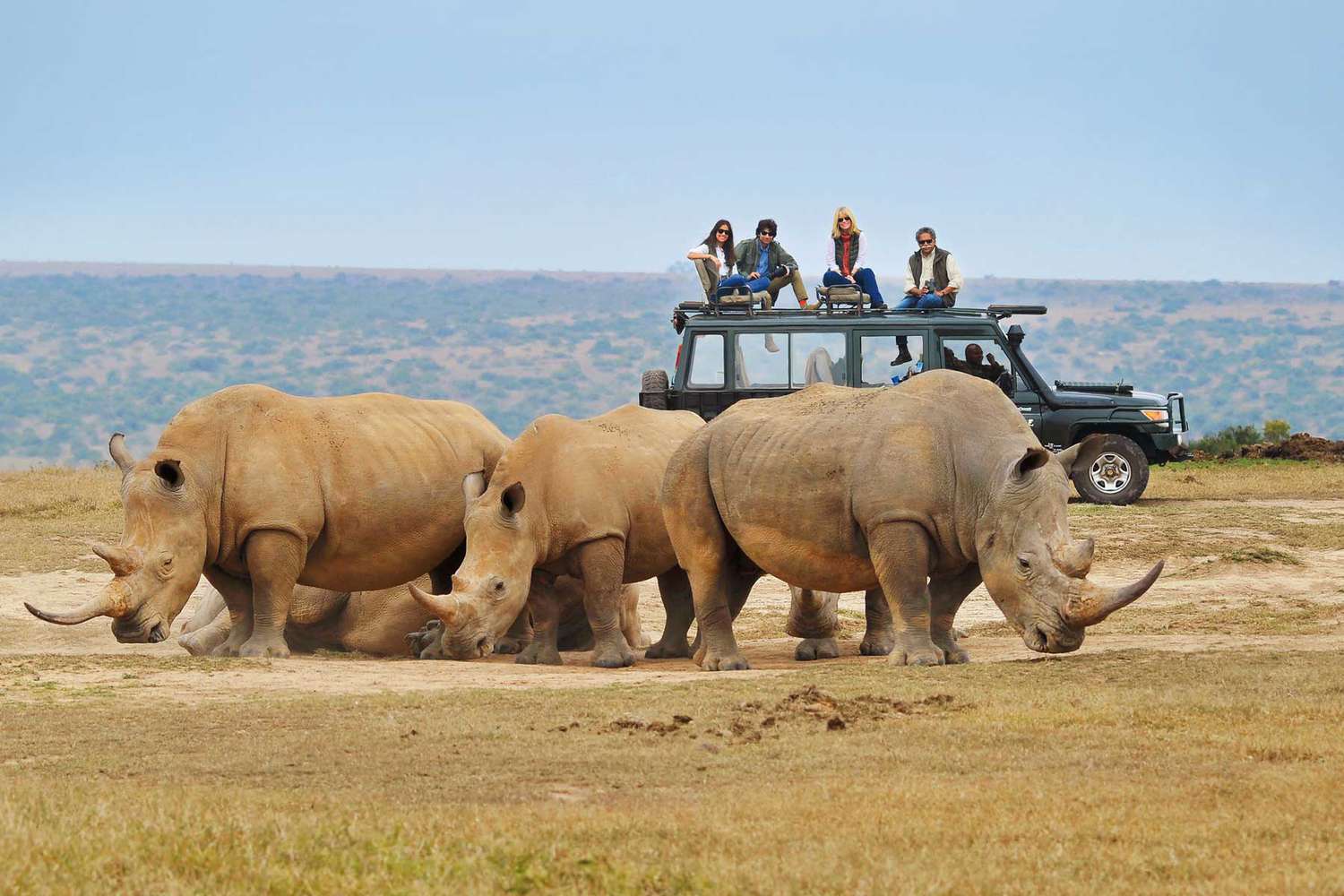

Conservation and Responsibility in African Safari Tours
Modern African safari tours exist because conservation works. Many wildlife populations survive solely because protected areas generate economic value through tourism. Ethical safari operators prioritise sustainability through renewable energy, water conservation, waste management, and community partnerships.
Anti-poaching efforts, habitat restoration, and wildlife monitoring are often funded directly by safari tourism revenue. Travellers participating in responsible safari tours become stakeholders in conservation success, contributing to the long-term survival of species and ecosystems.
Planning African Safari Tours with Confidence
Planning African safari tours requires careful consideration of destinations, activities, travel logistics, and personal expectations. Professional safari planners play a vital role in crafting itineraries that maximise wildlife encounters while ensuring safety, comfort, and cultural sensitivity.
Travel documentation, health considerations, and park regulations vary by country, making expert guidance invaluable. Well-planned safari tours allow travellers to focus entirely on the experience rather than logistics.
The Emotional Impact of African Safari Tours
Beyond wildlife and landscapes, African safari tours leave a lasting emotional imprint. Witnessing predator-prey dynamics, observing family bonds among elephants or primates, and experiencing vast open spaces fosters perspective and humility. These journeys often inspire long-term commitments to conservation, environmental awareness, and responsible travel.
Safari tours reconnect travellers with natural rhythms increasingly absent from modern life. The silence of dawn, the intensity of a lion’s gaze, and the interconnectedness of ecosystems offer lessons that extend far beyond the journey itself.
The Enduring Appeal of African Safari Tours
African safari tours continue to evolve, yet their core appeal remains unchanged. They offer authenticity in a world increasingly shaped by artificial experiences. They remind humanity of its place within nature rather than above it. Through thoughtful planning, ethical choices, and respectful engagement, safari tours remain powerful forces for conservation, education, and cross-cultural understanding.
For those seeking meaningful travel that combines adventure, learning, and purpose, African safari tours stand unrivalled. They are not merely destinations, but journeys that redefine how the world is seen and understood.