


All Around Experience: Africa Cultural Itinerary as a Journey into Humanity Itself
An All Around Experience: Africa Cultural Itinerary is not simply a travel plan; it is an immersion into the foundations of human civilization, identity, and continuity. Africa is the birthplace of humanity, and its cultures are not museum artifacts but living, breathing systems shaped by land, memory, spirituality, and resilience. To travel across Africa through a cultural lens is to experience humanity in its most layered and honest form, where tradition and modern life coexist without contradiction.
This itinerary concept is designed for travelers who seek depth over speed, understanding over spectacle, and connection over consumption. Rather than focusing on isolated highlights, an all around African cultural itinerary moves across regions, environments, and communities, revealing how culture evolves while remaining rooted in ancestral knowledge. It is a journey that challenges assumptions and expands perspective, offering experiences that are emotionally grounding, intellectually enriching, and profoundly human.
Understanding Culture in the African Context
Culture in Africa is not confined to ceremonies or costumes. It is embedded in daily life, expressed through language, family structure, land use, music, food, craftsmanship, and belief systems. An all around cultural itinerary recognizes that African culture is dynamic rather than static, shaped by history, environment, and interaction with the wider world.
African societies have long relied on oral tradition, communal values, and intergenerational knowledge transfer. Elders play a central role as custodians of memory, while youth contribute innovation and continuity. This balance between preservation and adaptation defines African cultural strength and ensures relevance across generations.
The Philosophy Behind an All Around Africa Cultural Itinerary
The foundation of an all around experience is intentional movement through cultural landscapes rather than rushed transitions between destinations. This itinerary philosophy emphasizes time spent listening, observing, and participating rather than merely viewing. Cultural understanding in Africa requires patience and humility, as meaning often reveals itself gradually through conversation and shared experience.
This itinerary approach respects local rhythms. Activities unfold according to community life rather than fixed schedules. Meals are shared, stories are exchanged, and silence is valued as much as dialogue. The goal is not to “see Africa” but to experience Africa as it is lived by its people.
East Africa: Foundations of Community and Oral Tradition
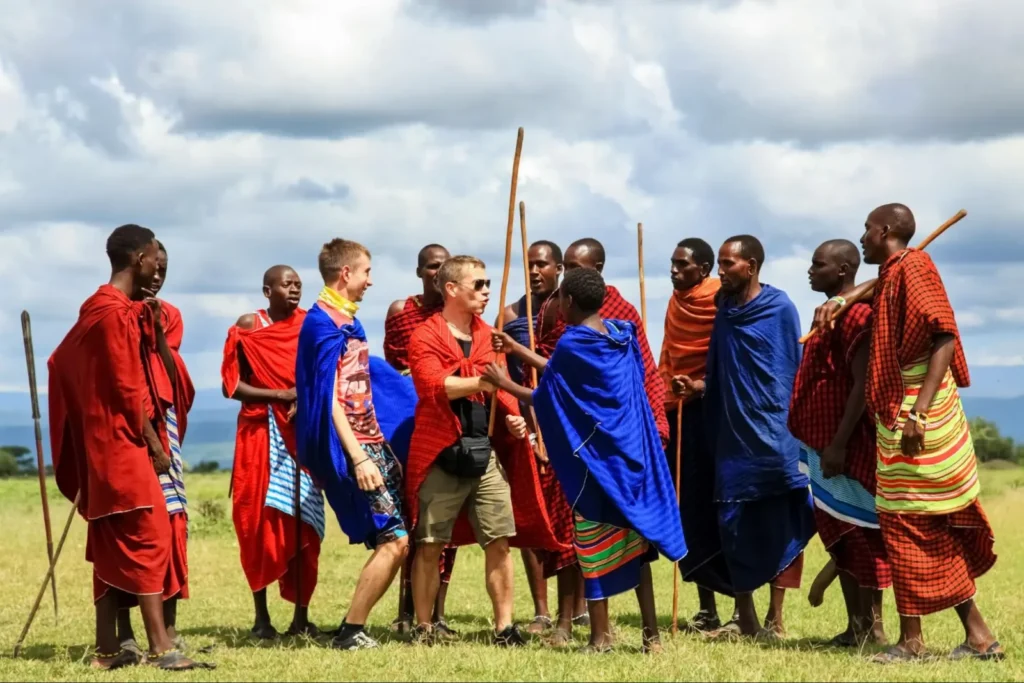
East Africa offers a powerful introduction to African cultural diversity. Communities here are deeply connected to land, livestock, and seasonal cycles. Pastoralist, agricultural, and fishing societies coexist, each with distinct identities shaped by environment and history.
Cultural experiences in this region often involve learning about age-set systems, clan structures, and rites of passage that guide individuals from birth to elderhood. Storytelling remains a vital educational tool, used to transmit values, history, and moral guidance. Visitors gain insight into how community cohesion is maintained through shared responsibility and collective identity.
Music and dance in East Africa are not performances but expressions of social life. Rhythms mark harvests, marriages, initiations, and communal gatherings. Participation, rather than observation, is often encouraged, allowing travelers to feel culture rather than simply witness it.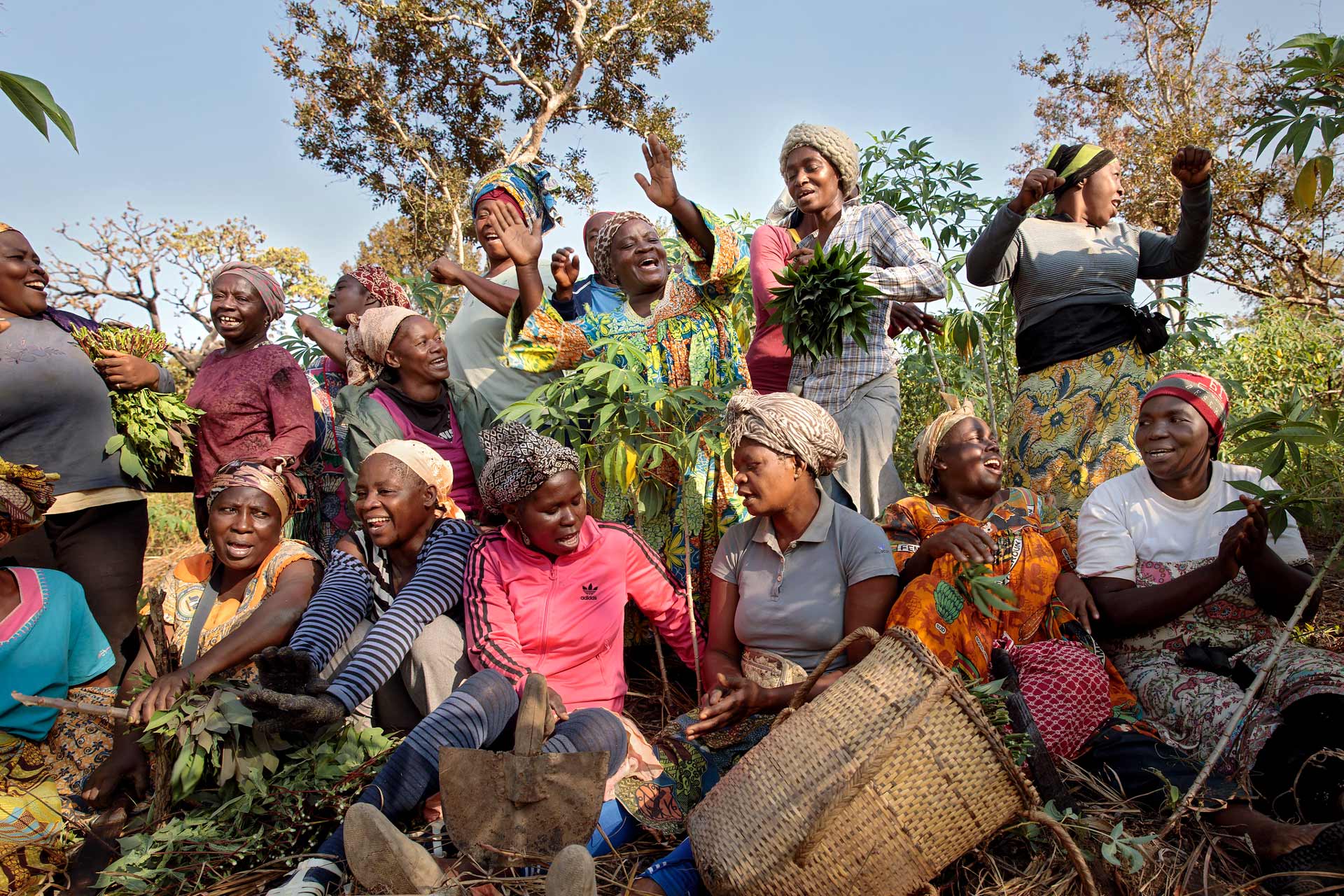

Central Africa: Forest Cultures and Spiritual Relationships with Nature
Central Africa introduces travelers to forest-based cultures whose identities are inseparable from their environment. Communities here possess deep ecological knowledge, developed over centuries of coexistence with dense rainforests. Their cultural practices emphasize balance, respect, and reciprocity with nature.
Spirituality in forest cultures is often animistic, recognizing spirits within trees, rivers, and animals. Rituals serve not only religious purposes but also ecological ones, reinforcing sustainable resource use. Cultural immersion in this region reveals a worldview where humans are participants within nature rather than masters over it.
An all around cultural itinerary through Central Africa emphasizes listening and learning. Knowledge is shared through demonstration rather than explanation, and understanding develops through presence and trust. These experiences often exceed expectations because they reveal alternative ways of relating to the world.
West Africa: Heritage, Rhythm, and Collective Memory
West Africa represents one of the most culturally expressive regions on the continent, known for its vibrant music, art, and ceremonial life. Cultural itineraries here are rich in symbolism, reflecting histories of kingdoms, trade networks, and intellectual traditions.
Communities in West Africa often place strong emphasis on ancestry and lineage. Masks, textiles, and carvings serve as visual records of history and belief. Festivals are not staged events but communal affirmations of identity, blending spirituality, performance, and social cohesion.
Language diversity in West Africa is immense, and multilingualism is common. Communication extends beyond words through rhythm, gesture, and expression. Travelers engaging deeply with West African culture often discover how art functions as both communication and resistance, preserving identity through periods of change.
Southern Africa: Living History and Contemporary Identity
Southern Africa offers cultural experiences shaped by both ancient traditions and recent history. Communities here have navigated profound social transformation while maintaining strong cultural foundations. An all around experience in this region highlights how identity adapts without erasing the past.
Cultural itineraries emphasize storytelling around resilience, land rights, and community rebuilding. Traditional knowledge systems coexist with modern education, creating hybrid identities that reflect Africa’s evolving narrative. Visitors gain insight into how culture becomes a tool for healing and continuity.
Craftsmanship in Southern Africa often reflects practicality and symbolism. Objects are created for daily use yet carry cultural meaning. Learning from artisans reveals how creativity functions as both economic activity and cultural preservation.
North Africa: Crossroads of Civilizations
North Africa occupies a unique position as a cultural bridge between Africa, the Middle East, and Europe. Cultural itineraries in this region explore layered identities shaped by trade, scholarship, religion, and architecture. Urban centers reflect centuries of intellectual and artistic exchange.
Cultural experiences here often focus on historical continuity. Ancient traditions coexist with contemporary life, visible in markets, language, and social customs. Travelers encounter a form of African culture that is both familiar and distinct, shaped by desert landscapes and Mediterranean influence.
Hospitality is central to North African cultural life. Meals are communal and ceremonial, reflecting values of generosity and respect. These shared moments offer powerful insight into social structure and worldview.
Food as Cultural Expression Across Africa
Food is one of the most accessible and meaningful cultural gateways in Africa. Culinary traditions are deeply tied to land, season, and community. Meals are rarely rushed and often shared, reinforcing social bonds.
An all around cultural itinerary includes participation in food preparation, market visits, and communal dining. These experiences reveal agricultural practices, trade relationships, and cultural priorities. Food becomes a narrative of survival, celebration, and identity.
Across regions, cooking methods reflect environment and history. Ingredients are local, techniques are inherited, and recipes are adapted across generations. Travelers often discover that food provides one of the clearest windows into African culture.
Music, Dance, and Movement as Living Language
Music and dance function as living languages across Africa. They communicate emotion, history, and social structure without reliance on written records. Cultural itineraries that prioritize music allow travelers to experience Africa’s emotional depth directly.
Participation is central. Visitors are often invited to join rather than watch, creating shared moments of expression. These experiences foster connection and dissolve barriers, as rhythm becomes a common language.
Music in Africa is inseparable from life events. Births, harvests, mourning, and celebration are all marked through sound and movement. Understanding this context transforms music from entertainment into cultural dialogue.
Spirituality and Sacred Spaces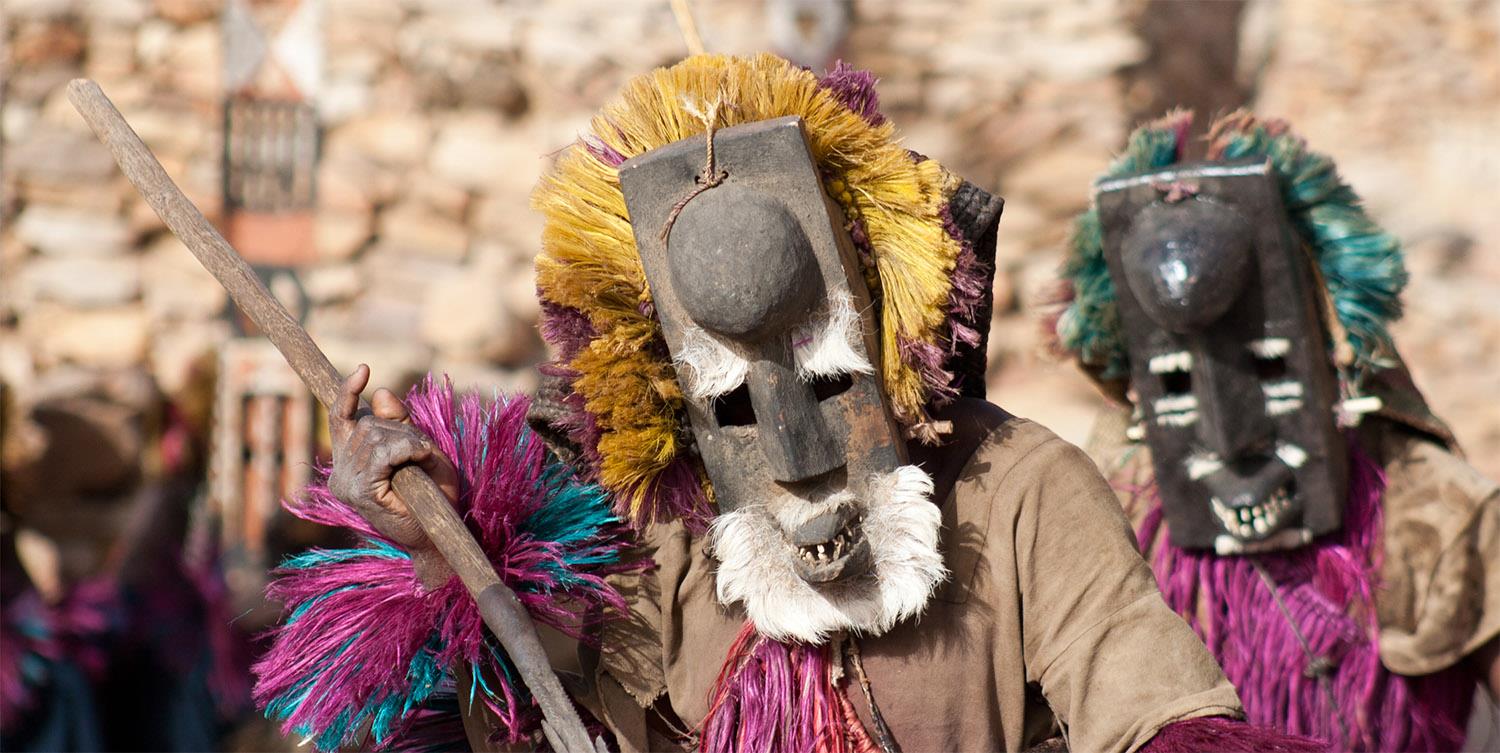

Spiritual belief systems in Africa are diverse yet share common themes of interconnectedness and reverence for ancestors. Sacred spaces are often natural rather than built, marked by stories and ritual significance.
Cultural itineraries that engage respectfully with spirituality offer profound insight into African worldviews. These experiences emphasize balance, humility, and continuity rather than doctrine. Travelers often find these encounters deeply grounding.
Spiritual practices are not separate from daily life but integrated into decision-making, health, and community leadership. Understanding this integration enriches cultural appreciation.
Art, Craft, and Symbolism
African art is functional, symbolic, and communal. Objects are created with purpose, whether for ceremony, daily use, or storytelling. Cultural itineraries that include craft learning reveal the intellectual depth behind artistic expression.
Patterns, materials, and techniques convey identity and belief. Learning directly from artisans provides insight into how culture is preserved through hands-on practice rather than abstraction.
Language and Communication
Africa’s linguistic diversity is unmatched, with thousands of languages spoken across the continent. Language is closely tied to identity, worldview, and social organization. Cultural itineraries often involve learning basic phrases, which fosters respect and connection.
Communication extends beyond speech. Gesture, silence, and tone carry meaning. Travelers who observe these nuances gain deeper cultural understanding and avoid misinterpretation.
Urban Culture and Modern African Identity
Africa’s cities are cultural hubs where tradition and innovation intersect. Urban cultural itineraries explore contemporary art, fashion, technology, and entrepreneurship. These experiences challenge outdated narratives and reveal Africa’s future-oriented identity.
Cities reflect global influence while maintaining local character. Cultural expression here is dynamic, experimental, and confident. Travelers engaging with urban culture encounter Africa as it is today, not as imagined.
Cultural Responsibility and Ethical Travel
An all around experience requires ethical engagement. Respect for customs, consent, and community priorities is essential. Cultural itineraries must be designed to benefit host communities rather than exploit them.
Responsible cultural travel emphasizes learning over extraction. Travelers contribute through participation, fair compensation, and long-term respect. This approach ensures cultural exchange remains meaningful and sustainable.
Who This Cultural Itinerary Is Designed For
This itinerary suits travelers seeking intellectual engagement, emotional connection, and global perspective. It appeals to educators, creatives, historians, and curious explorers willing to slow down and listen.
Physical comfort is secondary to experiential richness, though thoughtful planning ensures balance. The reward is depth rather than luxury alone.
Seasonality and Cultural Timing
Cultural experiences are often tied to seasonal cycles and community calendars. An all around itinerary considers timing carefully, aligning travel with periods of cultural significance.
Understanding seasonal context enhances authenticity. Festivals, harvests, and rituals offer insight into community life and values.
Transformation Through Cultural Travel in Africa
Travelers often leave Africa changed. Cultural immersion fosters empathy, humility, and expanded worldview. These transformations are subtle yet enduring.
Africa’s cultures invite reflection on belonging, responsibility, and interconnectedness. These insights extend beyond travel into everyday life.
Why an All Around Africa Cultural Itinerary Exceeds Expectations
This itinerary exceeds expectations because it reveals Africa from within rather than from the surface. Culture is experienced as lived reality, not curated display.
The journey becomes a dialogue rather than a transaction, offering understanding rather than consumption.
Planning Your All Around Experience: Africa Cultural Itinerary
Careful planning ensures respectful engagement and meaningful connection. Working with knowledgeable cultural facilitators and allowing sufficient time are essential.
Africa rewards patience, curiosity, and openness. Those who approach with sincerity discover a continent that offers not only experiences but wisdom.
All Around Experience: Africa Cultural Itinerary as a Lifelong Reference
Ultimately, this itinerary becomes a reference point for understanding humanity. Africa’s cultures illuminate universal themes of resilience, creativity, and connection.
An all around experience in Africa does not end with departure. It continues through memory, reflection, and a deeper appreciation of the human story.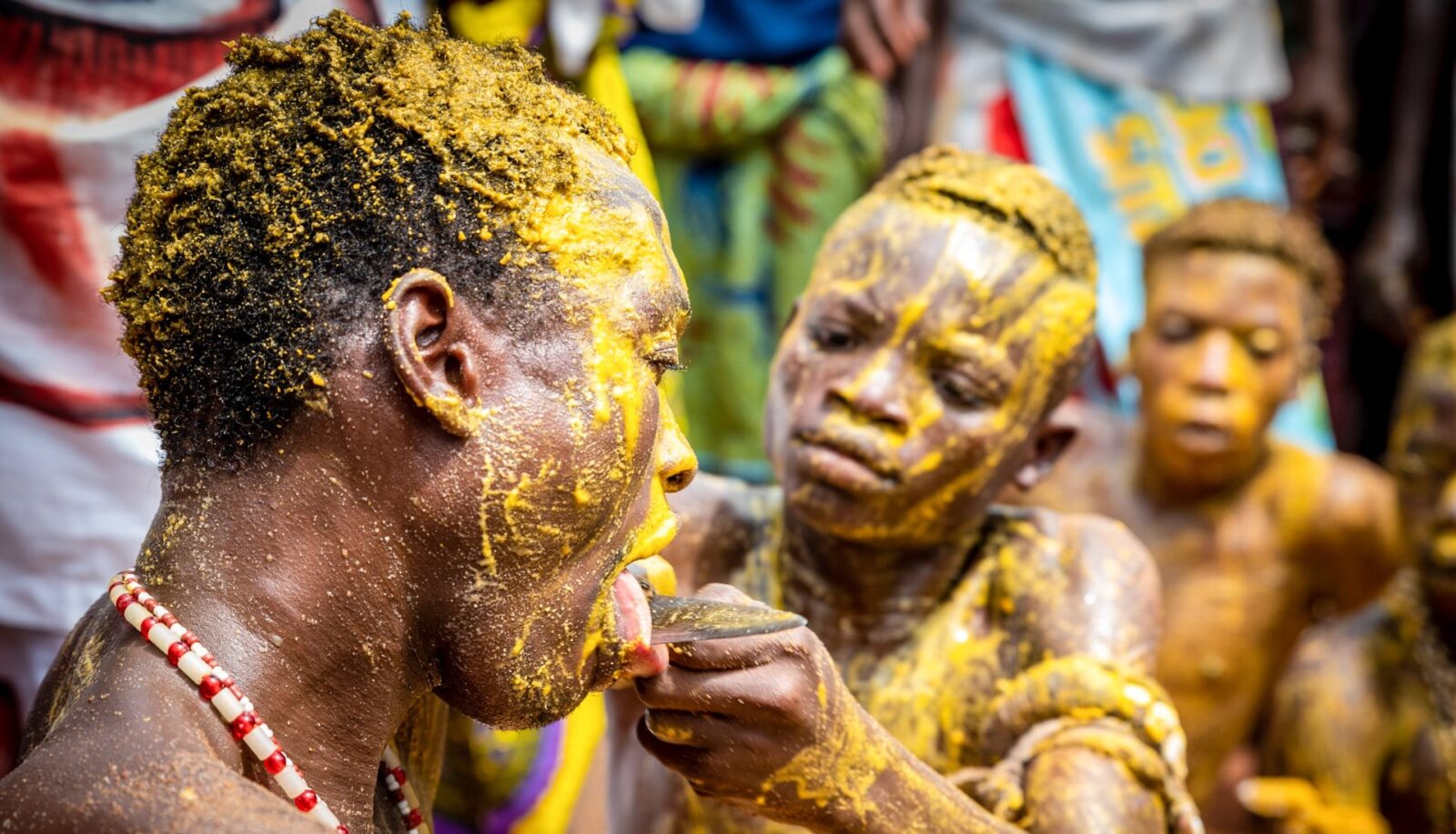

An All Around Experience Africa Cultural Itinerary Designed for Deep Connection
This All Around Experience Africa Cultural Itinerary has been carefully designed as a multi-country cultural journey that moves beyond surface-level encounters into the lived realities, histories, and identities of Africa’s people. The itinerary is structured to progress geographically and thematically, allowing cultural understanding to deepen gradually as travelers move from region to region. Each day is paced to allow immersion, conversation, and reflection rather than hurried sightseeing.
This itinerary is ideal for culturally curious travelers seeking authenticity, intellectual enrichment, and meaningful human connection across Africa’s most culturally significant regions.
Day 1: Arrival in East Africa
Arrival takes place in East Africa, where guests are welcomed and transferred to their hotel in a major cultural and administrative center. The day is intentionally light, allowing recovery from international travel while introducing travelers to the rhythm of African urban life.
In the evening, a cultural orientation session is conducted. This briefing introduces Africa’s regional diversity, cultural etiquette, oral traditions, and the role of community in African societies. A traditional welcome dinner follows, offering the first encounter with regional cuisine, music, and hospitality. This opening day sets the emotional and intellectual tone for the journey ahead.
Day 2: Rural East Africa
The second day transitions from the city into rural East Africa, where cultural identity remains closely tied to land, family, and tradition. Travelers visit a rural community where daily life unfolds according to ancestral rhythms shaped by agriculture and social cooperation.
The experience focuses on oral storytelling, clan structures, and rites of passage. Elders share narratives that explain social values, history, and moral frameworks passed down through generations. Participation in daily activities such as farming, food preparation, or craftwork provides firsthand insight into communal living.
The day concludes with an evening gathering featuring music and dance, not as performance but as shared social expression.
Day 3: Pastoralist Cultures and Indigenous Knowledge Systems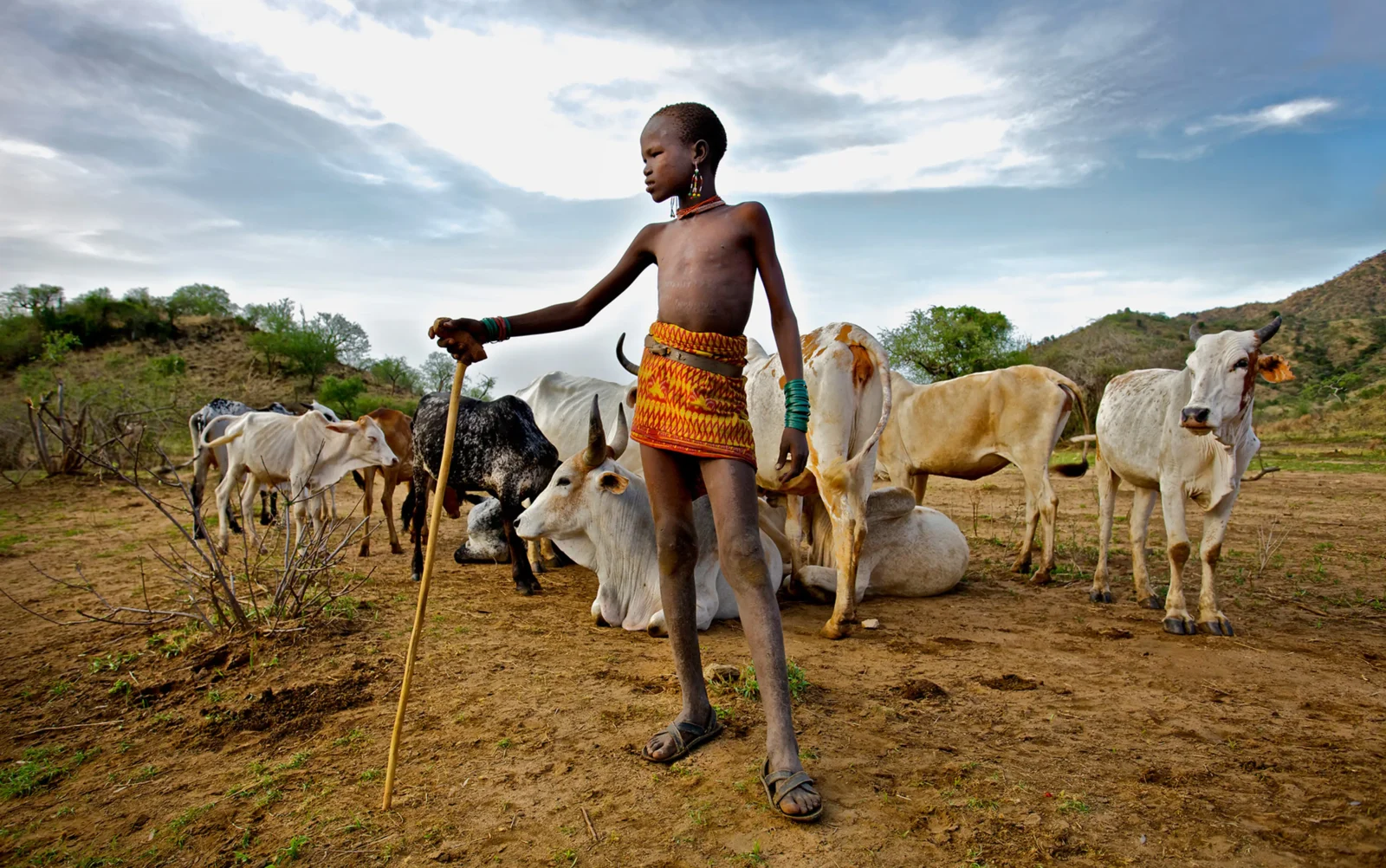

This day explores pastoralist cultures whose identities revolve around livestock, mobility, and seasonal cycles. Travelers learn about age-set systems, leadership roles, and how ecological knowledge is embedded within cultural practice.
Discussions focus on resilience, land stewardship, and the balance between tradition and modern pressures. Time is spent understanding how pastoralist societies manage resources sustainably and maintain social cohesion in challenging environments.
The day emphasizes dialogue rather than observation, encouraging travelers to ask questions and engage openly with hosts.
Day 4: Transition to Central Africa
Travel continues into Central Africa, where dense forests shape both livelihood and worldview. Arrival in a forest-adjacent community introduces travelers to cultures whose survival and spirituality are inseparable from the natural environment.
Cultural immersion centers on indigenous ecological knowledge, medicinal plants, and forest-based subsistence practices. Spiritual beliefs are explored through stories that explain the presence of ancestral spirits within natural elements such as trees and rivers.
The evening is spent in quiet reflection, allowing travelers to absorb the contrast between forest stillness and the openness of earlier landscapes.
Day 5: Central African Ritual, Music, and Identity
This day focuses on cultural expression through rhythm, ceremony, and collective memory. Travelers learn how music and ritual serve as tools for communication, healing, and social order within forest cultures.
Participation in drumming sessions and ceremonial movement offers insight into how culture is embodied rather than written. Conversations explore how these traditions adapt while maintaining core identity in a rapidly changing world.
The experience reinforces the idea that culture in Africa is lived knowledge rather than symbolic display.
Day 6: West Africa
The itinerary moves westward into a region historically shaped by powerful kingdoms, trade networks, and intellectual traditions. Arrival introduces travelers to a cultural environment rich in symbolism, artistry, and collective memory.
Visits focus on traditional leadership systems, royal heritage, and the role of ancestry in shaping identity. Artifacts, architecture, and storytelling illustrate how history is preserved through ritual and visual language.
Evening discussions explore how West African societies maintain cultural continuity while engaging with modern global influences.
Day 7: West African Art, Craft, and Festival Culture
This day is dedicated to artistic expression as a form of cultural record. Travelers engage with artisans specializing in textiles, sculpture, beadwork, or metalwork, learning how patterns and materials convey meaning.
Time is spent understanding festivals not as entertainment but as social institutions that reinforce identity, spirituality, and collective responsibility. Where possible, travelers participate in or observe a local cultural celebration, gaining insight into communal life and shared values.
The day highlights the role of creativity as both cultural preservation and social commentary.
Day 8: Culinary Traditions and Cultural Exchange
Food becomes the primary cultural lens on this day. Travelers visit local markets to understand ingredient sourcing, trade relationships, and seasonal availability. Cooking sessions with community members reveal how recipes function as cultural memory.
Meals are shared communally, emphasizing hospitality and social bonding. Conversations around food explore themes of sustainability, gender roles, and intergenerational knowledge transfer.
This day demonstrates how cuisine offers one of the most immediate and meaningful paths into cultural understanding.
Day 9: Southern Africa
The journey continues south into a region shaped by both ancient tradition and contemporary transformation. Cultural experiences focus on storytelling around resilience, land rights, and social rebuilding.
Travelers engage with community leaders, educators, and artists who share perspectives on identity, continuity, and adaptation. Traditional practices are examined alongside modern expressions of culture, illustrating how heritage evolves without disappearing.
The day concludes with reflective discussion on how history informs present-day cultural identity.
Day 10: Craftsmanship, Symbolism, and Daily Life
This day emphasizes material culture as an extension of daily life. Travelers spend time with craftspeople whose work serves practical needs while carrying symbolic meaning.
Learning sessions explore how objects communicate status, belief, and belonging. The emphasis remains on understanding purpose rather than acquiring souvenirs, reinforcing respectful cultural engagement.
The experience highlights how creativity in Africa is inseparable from functionality and community values.
Day 11: Urban Africa
Africa’s urban identity comes into focus as travelers explore a major city known for creativity and entrepreneurship. Cultural experiences include visits to galleries, cultural centers, and community initiatives.
Discussions explore how music, fashion, technology, and art reflect evolving African identity. Travelers encounter a confident, future-oriented Africa that challenges outdated narratives.
This day reinforces the idea that African culture is not static but continually redefined.
Day 12: Language, Communication, and Cultural Nuance
Language is the focus of this day, highlighting Africa’s extraordinary linguistic diversity. Travelers learn basic phrases and explore how language shapes worldview and social relationships.
Non-verbal communication, storytelling techniques, and the role of silence are examined. These insights enhance cultural sensitivity and deepen understanding of interpersonal dynamics.
The experience emphasizes listening as a cultural skill.
Day 13: Spirituality, Sacred Spaces, and Worldview

This day explores African spirituality as a lived philosophy rather than doctrine. Travelers visit sacred spaces identified by community tradition rather than monumental architecture.
Discussions focus on ancestors, balance, and interconnectedness. Travelers are encouraged to observe respectfully and reflect quietly, recognizing spirituality as integral to daily life.
This day often becomes one of the most emotionally resonant parts of the itinerary.
Day 14: Reflection, Integration, and Departure
The final day is dedicated to reflection and integration. Group discussions encourage travelers to articulate insights gained and consider how cultural understanding has evolved.
Departure arrangements follow, marking the end of the physical journey while acknowledging that cultural impact continues beyond travel.
Why This All Around Experience Africa Cultural Itinerary Works
This itinerary succeeds because it prioritizes time, respect, and depth. Culture is encountered as lived reality rather than staged performance. Travelers leave with perspective rather than postcards, understanding rather than assumptions.
Planning Your All Around Experience Africa Cultural Itinerary
This itinerary requires thoughtful preparation, flexible scheduling, and culturally knowledgeable facilitators. When approached with openness and humility, it delivers one of the most rewarding travel experiences Africa can offer.