search
Bwindi Impenetrable National Park: Wildlife, Culture, and Adventure

Bwindi Impenetrable National Park: Wildlife, Culture, and Adventure

By Travel stories and blogs, Primate holidays, Uganda travel guides

Bwindi Impenetrable National Park: Wildlife, Culture, and Adventure

Entering the Heart of Africa’s Untamed Wilderness

Nestled within the mist-cloaked mountains of southwestern Uganda lies a place where time seems to have paused, where nature rules with quiet authority, and where every step taken is a journey into an ancient world. This is Bwindi Impenetrable National Park, one of Africa’s most treasured sanctuaries and a UNESCO World Heritage Site. For many, the very mention of Bwindi evokes images of towering trees, dense vines, and the stirring sight of a mountain gorilla family moving through the shadows of the forest. Yet Bwindi is far more than just a haven for gorillas. It is a living tapestry of wildlife, culture, and adventure, where biodiversity, heritage, and exploration intersect to create an experience unlike any other.

The essence of Bwindi lies in its mystery. Its very name, “Impenetrable,” hints at the challenge and allure of navigating its tangled vegetation and steep ridges. Beyond its physical wilderness, Bwindi carries cultural depth, being home to indigenous communities such as the Batwa, whose traditions remain intricately tied to the forest. Adventure seekers are drawn here not only by the promise of seeing gorillas but also by the call of untamed trails, birdwatching spectacles, and the chance to immerse themselves in the pulse of Africa at its most raw and authentic.

To step into Bwindi is to step into a world where nature has been preserved in its purest form, where every moment is shaped by the rhythm of the wild, and where every traveler leaves with a sense of awe. Understanding this park requires delving into its wildlife riches, its cultural significance, and its boundless adventure opportunities. Only then can the true spirit of Bwindi be appreciated.

The Wildlife of Bwindi: A World of Rare Encounters

Mountain Gorillas: The Crown Jewel of Bwindi

At the heart of Bwindi’s international fame are the mountain gorillas, majestic primates that exist in only a handful of locations on earth. With nearly half of the world’s remaining mountain gorilla population calling Bwindi home, the park has become synonymous with gorilla trekking. These gorillas live in structured family groups, led by powerful silverbacks whose authority guides the movements and behavior of their families.

The encounter with a gorilla family is an experience that transcends tourism. To watch a silverback feeding quietly, to see infants clinging to their mothers, or to witness the intricate social bonds expressed through grooming and play is to realize how closely connected humans are to these gentle giants. The fact that such encounters take place within a strictly managed conservation framework makes the experience not only extraordinary but also deeply meaningful. Every trekker is reminded that their presence contributes directly to the survival of these endangered primates.

Other Primates and Mammals of the Forest

While gorillas dominate the spotlight, Bwindi shelters an astonishing diversity of other wildlife. The black-and-white colobus monkey, with its flowing mantle of fur, leaps through the canopy, while L’Hoest’s monkeys and red-tailed monkeys can be seen darting between branches. The elusive chimpanzee, though more commonly associated with Kibale Forest, also inhabits Bwindi, further highlighting the park’s importance as a primate sanctuary.

Beyond primates, Bwindi is home to over 120 species of mammals. Forest elephants move silently through the undergrowth, leaving only footprints as evidence of their passage. Bush pigs, duikers, and giant forest hogs roam the forest floor, while nocturnal creatures such as civets and genets emerge under the cover of darkness. The sheer variety of mammals underscores Bwindi’s ecological richness and its role as one of Africa’s most biodiverse ecosystems.

Avian Splendor: A Birdwatcher’s Paradise

Bwindi is celebrated globally as one of the best birding destinations in Africa. With more than 350 bird species, including 23 endemics to the Albertine Rift, it attracts ornithologists and bird lovers from across the world. The forest canopy comes alive with the calls of rare species such as the African green broadbill, the handsome francolin, and the Rwenzori turaco. Vibrant sunbirds shimmer in the sunlight, while forest robins and greenbuls provide a constant soundtrack beneath the dense foliage.

The variety of habitats, ranging from lowland forest to montane regions, allows for an exceptional range of avian species to flourish. Birdwatching in Bwindi is not a peripheral activity but a highlight in itself, capable of captivating visitors for days on end.

The Cultural Heritage of Bwindi: Guardians of Tradition

The Batwa People: Keepers of the Forest Spirit

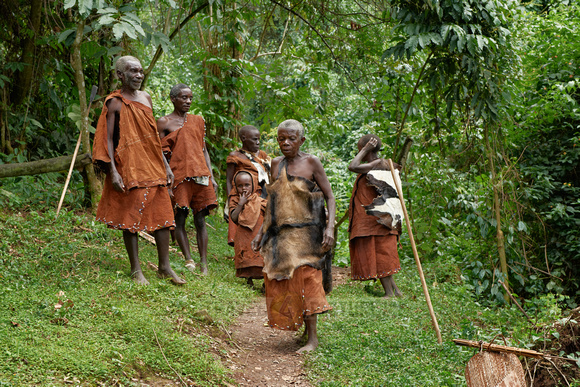
Long before Bwindi became a national park, it was home to the Batwa pygmies, an indigenous community whose way of life was deeply intertwined with the forest. For centuries, the Batwa lived as hunter-gatherers, relying on the forest for food, medicine, and spiritual sustenance. Their knowledge of plants, animal behavior, and survival skills was unmatched, forming a cultural heritage that remains invaluable today.

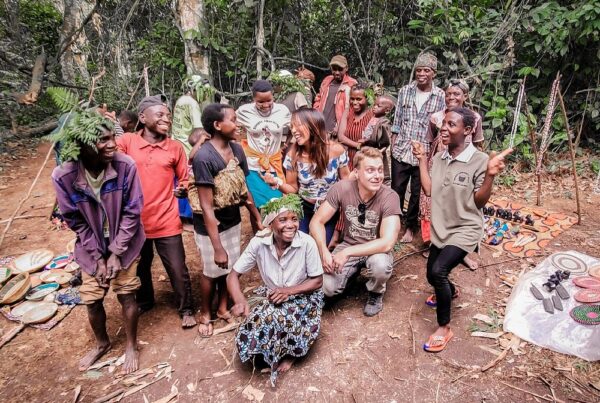
Although the establishment of the park in 1991 restricted traditional forest access, efforts have been made to preserve and celebrate Batwa culture. Cultural experiences led by Batwa guides allow visitors to understand their history, from traditional hunting techniques to storytelling, dance, and spiritual practices. These encounters are more than cultural displays; they represent resilience and a continued connection between people and the forest.

Local Communities and Shared Benefits

The creation of Bwindi as a protected area brought challenges for surrounding communities, yet it also created opportunities. Today, local Ugandans play a central role in tourism, working as guides, porters, lodge staff, and artisans. Revenue-sharing schemes ensure that a portion of gorilla trekking permits directly supports community projects, from schools to health centers.Bwindi Impenetrable National Park: Wildlife, Culture, and Adventure

Visitors are often encouraged to explore villages around the park, where they can witness traditional crafts, participate in dance performances, or learn about agricultural practices. These interactions deepen the understanding of how conservation and culture coexist, with each reinforcing the other.

Adventure in the Impenetrable Forest

Gorilla Trekking: A Journey into the Wild

The ultimate adventure in Bwindi is undoubtedly gorilla trekking. Treks begin with an early morning briefing before groups set off under the guidance of experienced rangers and trackers. The journey through the forest can be arduous, involving steep climbs, muddy paths, and dense vegetation, but the reward of encountering a gorilla family is beyond measure.

The moment of arrival—when a ranger signals the presence of gorillas nearby—is electrifying. Silence falls, and suddenly the forest reveals its most secretive inhabitants. For one precious hour, trekkers observe gorillas in their natural habitat, a privilege that lingers in memory long after departure.

Hiking Trails Beyond the Gorillas

Though gorilla trekking dominates attention, Bwindi also offers a network of trails that reveal its beauty in quieter ways. The Munyanga River Trail introduces visitors to butterflies, birds, and orchids, while the Ivy River Trail connects Buhoma and Nkuringo sectors through deep forest landscapes. The Rushura Hill Trail offers panoramic views across the Rift Valley and into the distant peaks of the Rwenzori Mountains.

Each trail provides a different perspective of Bwindi, reminding visitors that the park is not defined solely by gorillas but by the entirety of its ecosystem. Hiking in Bwindi is a journey into solitude, adventure, and reflection.

Birdwatching Expeditions

Dedicated birdwatching tours in Bwindi provide adventure of a quieter but equally thrilling kind. Equipped with binoculars and patient guides, birders can spend hours searching for elusive Albertine Rift endemics. The challenge of spotting the African green broadbill, for instance, becomes an adventure in itself, as it resides only in small pockets of the forest. Birding in Bwindi is less about speed and more about immersion, requiring stillness and attentiveness that reveal the forest’s subtle rhythms.

Conservation and the Future of Bwindi

Bwindi’s global importance extends beyond tourism. It is a keystone in the fight to preserve endangered species and fragile ecosystems. Gorilla conservation has become a flagship success story, with populations gradually increasing thanks to strict protection, veterinary intervention, and sustainable tourism practices. Each gorilla trekking permit purchased supports conservation efforts, making visitors direct participants in safeguarding the species.

Yet challenges remain. Human-wildlife conflict, climate change, and pressures from population growth in surrounding areas continue to test the balance between conservation and development. Ongoing projects in Bwindi emphasize community engagement, reforestation, and anti-poaching efforts, reinforcing the idea that conservation succeeds only when people are part of the solution.

Why Bwindi is More Than a Destination

To describe Bwindi solely as a national park is to understate its significance. It is at once a wildlife sanctuary, a cultural landscape, and an adventure arena. Its gorillas inspire global wonder, its birds delight enthusiasts, its communities embody resilience, and its trails challenge and reward explorers. Bwindi is a reminder of what remains untamed in the world, of the spaces where humanity is humbled by nature’s grandeur.

Travelers who enter Bwindi do not leave unchanged. The mist of the forest lingers in memory, the eyes of a gorilla resonate with familiarity, and the voices of local guides carry lessons that endure long after the journey ends.

A Call to Explore Bwindi

Bwindi Impenetrable National Park is not just a place to be visited; it is a destination to be experienced in its fullness. Its wildlife astonishes, its culture enlightens, and its adventures challenge the body and spirit. To prepare for such an experience is to prepare for one of life’s greatest journeys, one that combines discovery, conservation, and transformation.

For those ready to immerse themselves in this unparalleled adventure, the guidance of professionals ensures the experience is seamless, responsible, and deeply enriching. By booking safaris and tours through WildHorn Africa, travelers are assured of expert planning, meaningful cultural encounters, and sustainable practices that honor both wildlife and communities. With WildHorn Africa, Bwindi becomes not only a destination but a journey into the heart of Africa’s most extraordinary wilderness.

Cultural Encounters with the Batwa People near Bwindi

Cultural Encounters with the Batwa People near Bwindi

By Travel stories and blogs, Primate holidays, Uganda travel guides

Cultural Encounters with the Batwa People near Bwindi

Experiencing the Living Heritage of Uganda

In the verdant hills surrounding Bwindi Impenetrable National Park, one of Uganda’s most extraordinary cultural landscapes unfolds. Here, the Batwa people, often referred to as the forest dwellers or pygmies, have lived in intimate connection with the tropical rainforest for centuries. Their survival, customs, and traditions are deeply intertwined with the forest ecosystem that forms the backdrop of some of Africa’s most iconic wildlife experiences. For travelers seeking a journey that transcends typical safari encounters, cultural immersion with the Batwa offers insights into a way of life that has endured, adapted, and yet remains remarkably resilient in the face of modern pressures. The opportunity to witness the Batwa’s music, storytelling, medicinal practices, and intimate relationship with nature allows visitors to gain a profound appreciation of the forest beyond its gorilla inhabitants.

The Batwa People: History and Heritage

Origins and Traditional Lifestyle

The Batwa people are among the oldest indigenous communities in East Africa. Historically, they have inhabited the dense forests of southwestern Uganda, surviving as hunter-gatherers with a profound understanding of the forest’s resources. Their lifestyle was traditionally dictated by seasonal changes, availability of edible plants, and the movements of forest animals. The forest was not merely a habitat but a source of identity, spirituality, and sustenance. Knowledge of medicinal plants, tracking skills, and foraging techniques was passed down through generations, forming a rich cultural repository that reflected their adaptation to one of the most challenging environments on the continent.

Impact of Conservation and Displacement

The creation of national parks, particularly Bwindi Impenetrable National Park, led to the displacement of the Batwa from their ancestral forest lands. While conservation efforts have preserved critical habitats for mountain gorillas and other species, they have also disrupted traditional Batwa livelihoods, compelling the community to adapt to sedentary village life and new forms of economic activity. Despite these challenges, cultural practices, oral traditions, and knowledge of forest ecology have been preserved. Engagements with the Batwa today often focus on responsible cultural tourism, where visitors can experience traditional life while contributing to community sustainability.

The Significance of Cultural Tourism with the Batwa

Preserving Heritage Through Engagement

Cultural tourism with the Batwa is not merely a form of entertainment but a mechanism for heritage preservation. Through guided visits, storytelling sessions, music, and dance, the Batwa are able to share their history, values, and ecological knowledge. Visitors are offered a lens into a lifestyle that is closely attuned to nature, demonstrating principles of resourcefulness, environmental stewardship, and community cohesion. These interactions also provide economic incentives for the Batwa, enabling them to sustain cultural practices while participating in modern economic systems.

Ethical Considerations in Cultural Tourism

Engagement with the Batwa must be approached with sensitivity and respect. Photographs, participation in rituals, and interactions should be conducted with consent and understanding. Ethical tourism ensures that cultural representation is authentic and that the benefits of tourism are equitably distributed. Guides and community organizations mediate these interactions, ensuring that cultural experiences remain enriching, educational, and non-exploitative.

Experiencing Batwa Music and Dance

The Role of Music in Daily Life

Music and dance constitute the heartbeat of Batwa culture. Drumming, chanting, and melodic singing are not only forms of entertainment but also vital expressions of social cohesion, spiritual beliefs, and historical memory. Traditional instruments, often crafted from forest materials, accompany dances that narrate stories of hunting, forest life, and community events. For visitors, witnessing or participating in these performances provides an immersive understanding of Batwa identity, connecting rhythm and movement to broader cultural narratives.

Learning Through Observation and Participation

Guided sessions with the Batwa often allow visitors to observe the intricate patterns of dance, understand the symbolism embedded in movements, and appreciate the intergenerational transmission of musical knowledge. Participation, when respectfully offered, fosters empathy and connection, transforming cultural observation into active engagement. Such encounters also reveal the adaptability of Batwa music, which has incorporated influences from neighboring communities while retaining distinct forest-rooted characteristics.

Traditional Knowledge and Forest Ecology

Medicinal Plants and Survival Skills

A profound element of the Batwa’s cultural heritage lies in their understanding of forest ecology. Generations of interaction with Bwindi’s dense rainforest have endowed the community with knowledge of medicinal plants, edible roots, and techniques for identifying forest resources. Visitors are often shown how plants are used to treat ailments, prepare food, and craft tools. This ecological wisdom not only illustrates the Batwa’s ingenuity but also provides a living example of sustainable forest use that contrasts with modern extractive practices.

Hunting and Foraging Practices

While traditional hunting has diminished due to conservation restrictions, the Batwa’s knowledge of animal behavior, tracking, and foraging remains an integral part of cultural heritage. Demonstrations of tracking techniques, identification of animal signs, and insights into seasonal resource management are offered during cultural visits. These interactions highlight the community’s intricate relationship with the environment, emphasizing principles of sustainability, observation, and respect for all living beings within the forest.Cultural Encounters with the Batwa People near Bwindi

Art, Craft, and Cultural Expression

Handicrafts as Cultural Narratives

The Batwa engage in craftsmanship that reflects both utilitarian and artistic sensibilities. Baskets, beaded jewelry, and wooden carvings are created using traditional methods and natural materials. These artifacts convey stories of forest life, social structures, and spiritual beliefs. Visitors are often given the opportunity to observe artisans at work, learning about the processes and symbolism embedded in each creation. Purchases of handicrafts contribute to economic sustainability while supporting the preservation of skills that have been passed down for generations.

Integration of Art in Modern Cultural Tourism

Artistic expression serves as a bridge between tradition and contemporary tourism. Exhibitions, workshops, and community events provide visitors with interactive experiences that go beyond passive observation. Ethical engagement ensures that artisans retain control over the presentation and commercialization of their work, allowing cultural integrity to be maintained while generating income for the community.

Community Life and Daily Activities

Understanding Batwa Social Structures

Daily life among the Batwa is structured around community cohesion, interdependence, and shared responsibilities. Household organization, child-rearing practices, and community decision-making reflect deeply ingrained values of cooperation and reciprocity. Visitors gain insight into these structures through guided interactions, home visits, and participatory experiences. Observing domestic life, food preparation, and communal rituals provides a holistic understanding of Batwa society, extending beyond ceremonial displays to the realities of contemporary living.

Education and Adaptation

Modern challenges, including displacement and integration into village life, have necessitated adaptation among the Batwa. Education initiatives, vocational training, and cultural preservation programs have been developed in collaboration with NGOs and government agencies. Visitors can learn about these efforts, observing the ways in which traditional knowledge is being preserved while addressing socioeconomic needs. Such engagements highlight the dynamic nature of Batwa culture and the community’s resilience in navigating modernity without losing its distinctive identity.

Responsible Engagement and Cultural Sensitivity

Guided Visits and Ethical Practices

Cultural encounters with the Batwa are facilitated by trained guides who ensure that interactions are respectful, safe, and educational. Visitors are instructed on appropriate behaviors, including seeking consent before photography, participating in activities respectfully, and honoring community norms. These practices ensure that cultural engagement is mutually beneficial and that tourism does not disrupt the integrity of Batwa traditions.

Supporting Community Sustainability

Participation in Batwa cultural experiences contributes directly to community development. Entrance fees, donations, and purchases of handicrafts are often reinvested into education, healthcare, and cultural preservation initiatives. Ethical tourism not only provides meaningful experiences for visitors but also empowers the Batwa to maintain their cultural heritage and improve living standards. Through responsible engagement, tourism becomes a tool for cultural resilience and ecological stewardship.

Integrating Batwa Encounters into Bwindi Safaris

Combining Wildlife and Cultural Experiences

For travelers visiting Bwindi Impenetrable National Park, encounters with the Batwa can be seamlessly integrated into a broader safari itinerary. Early morning gorilla trekking can be complemented by afternoon cultural visits, allowing for a multidimensional experience of the forest and its human heritage. Photographers and wildlife enthusiasts alike gain a more complete understanding of the forest ecosystem when its human custodians are included in the journey. The juxtaposition of gorilla observation with Batwa cultural engagement provides depth, context, and narrative richness to the safari experience.

Practical Considerations for Visitors

Logistical planning is essential for maximizing both wildlife and cultural experiences. Transportation to Batwa villages, coordination with guides, and scheduling within the framework of park regulations are necessary considerations. Accommodation near Bwindi ranges from lodges to community-run guesthouses, providing options that support both comfort and ethical engagement. Visitors are encouraged to plan visits thoughtfully, ensuring that encounters are respectful, meaningful, and sustainable.

The Transformative Impact of Cultural Encounters

Personal Enrichment and Perspective

Encounters with the Batwa often leave a lasting impression on visitors, fostering empathy, cross-cultural understanding, and an appreciation for human resilience. Observing traditional practices, hearing oral histories, and participating in communal activities allow travelers to connect with a way of life that is deeply intertwined with nature. The insights gained extend beyond cultural knowledge, influencing perceptions of conservation, sustainability, and the value of indigenous wisdom.

Conservation and Cultural Preservation

The survival of Batwa culture is closely linked to the preservation of Bwindi’s forest ecosystem. Cultural tourism reinforces the importance of sustainable forest management, ethical wildlife observation, and community participation in conservation initiatives. By engaging with the Batwa, visitors contribute to both ecological and cultural preservation, supporting a holistic model of responsible tourism that benefits both people and wildlife.

Embracing the Richness of Batwa Heritage

Cultural encounters with the Batwa people near Bwindi provide a profound dimension to the experience of Uganda’s forests. Through music, dance, craftsmanship, forest knowledge, and daily life, the Batwa offer insights into a human culture that has been shaped by centuries of intimate connection with nature. Visitors gain not only memorable experiences but also a deeper understanding of the ecological and cultural richness of the region. Ethical engagement ensures that these encounters are mutually beneficial, supporting community sustainability and preserving heritage for future generations.

For travelers seeking to combine wildlife adventures with meaningful cultural experiences, tours and safaris in Uganda can be booked through WildHorn Africa. With expertise in both conservation-focused wildlife safaris and responsible cultural tourism, WildHorn Africa ensures that every encounter, from gorilla trekking to Batwa village visits, is conducted with professionalism, sensitivity, and unforgettable impact. By choosing WildHorn Africa, visitors are guaranteed immersive, educational, and transformative experiences that celebrate both the natural and human heritage of Uganda.

How to cultural tour in Kidepo Valley National Park — Frequently Asked Questions for luxury travelers

How to cultural tour in Kidepo Valley National Park — FAQs

By Travel stories and blogs, Luxury holidays, Uganda travel guides

How to Cultural Tour in Kidepo Valley National Park — Frequently Asked Questions for Luxury Travelers

Unlocking Africa’s Hidden Cultural Gem

In the remote northeast corner of Uganda, where sweeping savannahs dissolve into rugged mountains and timeless valleys, lies Kidepo Valley National Park. This extraordinary wilderness is not only one of the most pristine safari destinations in Africa, but it is also a living tapestry of culture, heritage, and authentic encounters with some of Uganda’s most unique ethnic communities. For luxury travelers seeking an experience that transcends wildlife and stretches into the soul of Africa’s traditions, a cultural tour in Kidepo is a journey into the essence of connection, identity, and memory.

This article explores, in detail, the most frequently asked questions about cultural tours in Kidepo Valley National Park, with a focus on how affluent explorers can enjoy comfort while embracing authenticity. Every section is designed to provide deeper context, thoughtful explanations, and structured clarity, guiding readers toward a richer appreciation of this remarkable destination.

Where Exactly is Kidepo Valley National Park Located?

Kidepo Valley National Park is situated in Uganda’s Karamoja sub-region, bordering South Sudan to the north and Kenya to the east. Covering an area of 1,442 square kilometers, the park is renowned for its remote location, dramatic landscapes, and unspoiled cultural richness. Unlike more frequented Ugandan parks, Kidepo offers an atmosphere of exclusivity, where luxury travelers can enjoy both serenity and adventure without the crowds.

The park is accessible by both road and air. While driving may take up to twelve hours from Kampala, chartered flights reduce the journey to less than two hours, offering a seamless transition for travelers who prioritize comfort and efficiency. This accessibility allows luxury tourists to begin their cultural exploration without enduring exhausting overland journeys.

Why is Kidepo Considered a Cultural Haven?

Kidepo is not merely a wildlife sanctuary; it is also a living stage where ancestral traditions thrive. The Karamoja region, inhabited predominantly by the Karamojong people, has preserved its cultural identity with remarkable resilience. Their way of life—rooted in pastoralism, community cohesion, and deep spiritual beliefs—offers visitors a chance to witness Africa in its most authentic form.

Equally captivating are the Ik people, a small and isolated community residing in the Morungole Mountains, within the vicinity of the park. Unlike the Karamojong, the Ik are agriculturalists with unique rituals, languages, and customs that remain little known to the outside world. For discerning travelers, these cultural experiences are not staged performances but genuine interactions with living traditions.

Thus, Kidepo stands out because it offers not only abundant wildlife such as lions, cheetahs, and elephants, but also the rare opportunity to immerse in authentic cultural heritage that has resisted dilution by modern influences.

How Do Luxury Travelers Experience Culture in Kidepo?

A cultural tour in Kidepo for luxury travelers is carefully curated to balance comfort with authenticity. It is not merely a visit; it is a structured experience designed to inspire, educate, and engage. High-end lodges and tented camps within and around the park provide a base where guests can enjoy fine dining, spa treatments, and elegant accommodations while venturing out to meet communities.

During these tours, luxury travelers are often accompanied by professional cultural guides who bridge language barriers and provide nuanced explanations of customs, ceremonies, and traditional practices. Activities may include visits to homesteads, participation in dance rituals, storytelling sessions with elders, and exploration of traditional crafts. Each encounter is respectful and reciprocal, allowing visitors to engage without intruding on cultural dignity.

The experiences are arranged in ways that preserve both privacy and intimacy, ensuring that travelers enjoy cultural immersion without the discomfort of overcrowding or rushed engagements.

What Communities Can Be Visited in Kidepo?

Two distinct cultural groups dominate the Kidepo Valley experience: the Karamojong and the Ik.

The Karamojong are known for their distinctive dress, often adorned with colorful beads, and for their enduring pastoral lifestyle. Their homesteads, known as manyattas, are organized into communal circles, reflecting their deep sense of unity. Visitors often engage in learning about cattle-keeping traditions, initiation ceremonies, and the spiritual importance of livestock in their society.How to cultural tour in Kidepo Valley National Park — Frequently Asked Questions for luxury travelers

The Ik people, on the other hand, live in the highlands and offer a vastly different perspective. Their remote mountain villages require guided treks, which add an adventurous dimension to cultural tours. The Ik are celebrated for their unique dances, music, and social rituals. Unlike the Karamojong, whose cultural life revolves around cattle, the Ik embody an agricultural ethos, and their stories often reflect the struggles and triumphs of survival in isolation.

Together, these communities present a dual experience—one pastoral and expansive, the other agrarian and intimate—giving travelers a holistic understanding of Uganda’s cultural diversity within a single region.

How Does One Respect Cultural Protocols During Visits?

A question frequently asked by luxury travelers is how to engage respectfully with indigenous communities. Cultural tourism in Kidepo is structured around mutual respect and understanding, with tour organizers ensuring that interactions follow traditional protocols.

Travelers are advised to observe simple etiquette such as dressing modestly, asking before taking photographs, and showing humility when entering homesteads. Guides often brief visitors beforehand, explaining the cultural significance of certain gestures, rituals, and spaces. Luxury travelers benefit from this mediation, as it allows them to connect authentically while avoiding misunderstandings.

Furthermore, cultural tours are designed to ensure that the local communities benefit directly, whether through financial contributions, employment opportunities, or cultural preservation initiatives. This approach guarantees that visits are not exploitative but supportive of sustainable development.

What Kind of Activities Define a Cultural Tour in Kidepo?

A cultural tour in Kidepo unfolds through a series of structured experiences that highlight both daily life and ceremonial practices. Travelers may be welcomed by rhythmic traditional dances performed around the warmth of an evening fire, or they may engage in conversations with elders who recount oral histories passed down for generations.

Visits to manyattas reveal how families organize themselves, raise livestock, and build resilient societies. Some tours include demonstrations of traditional craftsmanship such as beadwork or spear-making, allowing guests to witness the artistry embedded in ordinary life.

For those visiting the Ik, treks into the highlands lead to remote villages where rituals such as harvest celebrations, initiation ceremonies, and communal feasts provide deep cultural insights. The physical effort required to reach the Ik enhances the sense of exclusivity, offering travelers the feeling of discovering a hidden world preserved by mountains.

Every activity is curated to ensure that travelers enjoy comfort, safety, and exclusivity while being immersed in authentic cultural rhythms.

How Safe and Comfortable is the Experience for Luxury Travelers?

One of the central concerns for high-end visitors is safety and comfort. In Kidepo, cultural tours are conducted with meticulous planning. Professional guides and security escorts ensure that journeys to villages and communities are both safe and smooth. Local partnerships further guarantee that visitors are welcomed warmly, with communities informed in advance of cultural exchanges.

In terms of comfort, luxury lodges and tented camps such as Apoka Safari Lodge redefine wilderness living with spacious cottages, gourmet dining, and stunning views over the savannah. After days of cultural immersion, guests can return to sanctuaries of calm where spa treatments, fine wines, and private pools await. This harmony between exploration and relaxation is what makes cultural tours in Kidepo especially attractive for luxury travelers.

When is the Best Time for a Cultural Tour in Kidepo?

The dry seasons between December to March and July to September are considered the most favorable for cultural tours in Kidepo Valley National Park. During these months, travel is easier, and cultural activities often coincide with communal gatherings, dances, and ceremonies. The dry climate also makes treks into the Morungole Mountains more comfortable, ensuring that visits to the Ik communities are accessible.

However, some travelers prefer the wet season between April to June and October to November, when landscapes bloom with greenery and cultural life integrates agricultural rituals. While travel conditions may be more challenging, the wet season reveals another dimension of cultural expression, particularly among the Ik, whose harvest rituals are bound to the land’s fertility.

For luxury travelers, the choice often depends on personal preference, but with chartered flights and high-end accommodations, comfort remains assured throughout the year.

How Do Cultural Tours Integrate with Wildlife Safaris?

Kidepo is famed for its abundant wildlife, and luxury travelers often wonder how cultural tours fit into the broader safari experience. In reality, cultural encounters complement wildlife viewing perfectly. Mornings may be devoted to game drives across the Narus Valley, where herds of buffalo and elephants roam, while afternoons and evenings are reserved for cultural explorations.

The juxtaposition of witnessing lions in the wild followed by sitting with Karamojong elders creates a dual narrative of nature and humanity coexisting in timeless balance. This synthesis is what makes Kidepo so distinctive: it is not simply about observing animals, but about immersing in the human stories that share the same landscapes.

Why Should Luxury Travelers Choose Kidepo for Cultural Tourism?

Kidepo Valley National Park offers something rare in modern travel: the chance to step away from staged performances and into living traditions. Unlike destinations where culture is commodified, Kidepo’s remoteness ensures authenticity. Luxury travelers can thus enjoy the assurance that every song, every dance, and every ritual is not performed for profit alone but is a reflection of genuine identity.

Additionally, the exclusivity of the park—combined with world-class accommodation and professional guiding—ensures that the experience is both luxurious and meaningful. The rarity of encountering other tourists further heightens the sense of privilege, making cultural tours in Kidepo not just memorable but transformative.

A Journey into the Soul of Uganda

A cultural tour in Kidepo Valley National Park is more than an itinerary; it is a profound encounter with Africa’s heritage. For luxury travelers, it offers the perfect blend of exclusivity, comfort, and authenticity. From the pastoral rhythms of the Karamojong to the mountain rituals of the Ik, every interaction reveals layers of resilience, artistry, and humanity.

Kidepo is not merely visited—it is experienced, felt, and remembered. For those seeking a safari that goes beyond wildlife into the heart of culture, Kidepo stands unparalleled.

For an unforgettable cultural and wildlife journey into this hidden corner of Uganda, travelers are encouraged to book their African tours and safaris through WildHorn Africa, a trusted specialist in creating bespoke experiences that honor both luxury and authenticity.

The Best Time to Visit: Conservation Volunteering at Toro Kingdom for Luxury Travelers

The Best Time to Visit: conservation volunteering at Toro Kingdom for luxury travelers

By Luxury holidays, Travel stories and blogs, Uganda travel guides

The Best Time to Visit: Conservation Volunteering at Toro Kingdom for Luxury Travelers

An Immersive Experience in Uganda’s Hidden Heritage

In the western region of Uganda, where the Rwenzori Mountains rise like a crown over fertile valleys, the Toro Kingdom presents a unique fusion of cultural heritage, ecological richness, and opportunities for meaningful engagement. Known for its centuries-old monarchy, lush landscapes, and the vibrancy of its communities, Toro is increasingly recognized as a destination where luxury travel can intersect with conservation volunteering, creating experiences that are both indulgent and purposeful.

For travelers seeking more than mere sightseeing, the appeal of Toro lies in its ability to combine exclusive cultural insights, immersive conservation projects, and refined accommodations. The region’s forests, wetlands, and savanna patches serve as living classrooms for volunteers, while its communities offer insights into traditions, arts, and agricultural practices. Visiting Toro is not simply an act of tourism; it is a participation in the ongoing story of preservation, where both nature and culture are safeguarded.

This guide explores the best time to visit Toro Kingdom for luxury travelers interested in conservation volunteering, highlighting seasonal conditions, volunteer opportunities, cultural encounters, and accommodations that ensure the journey is both fulfilling and comfortable.

Understanding Toro Kingdom: Geography, Culture, and Ecology

The Toro Kingdom is situated in Uganda’s western highlands, bordered by the Rwenzori Mountains to the south and the lush plains of Fort Portal to the north. The landscape is characterized by undulating hills, fertile valleys, dense forests, and meandering rivers, offering habitats for a remarkable diversity of wildlife. The region is home to endemic species, forest-dwelling primates, and a variety of birds that attract both ecologists and leisure travelers alike.

Cultural richness is equally compelling. The Toro monarchy, one of Uganda’s most prominent traditional kingdoms, has preserved customs, ceremonies, and governance structures that date back centuries. Visitors are often welcomed into communities where traditional dances, music, and storytelling provide profound insights into the kingdom’s heritage. This combination of ecological and cultural wealth creates a unique backdrop for conservation volunteering, allowing luxury travelers to engage in meaningful work while enjoying the comfort of carefully curated accommodations.

Conservation Volunteering: Purpose and Experience

Conservation volunteering in Toro Kingdom is a multi-faceted experience. Programs often focus on forest preservation, wildlife monitoring, sustainable agriculture, and community education. Volunteers engage with local experts who provide guidance on biodiversity studies, habitat restoration, and eco-tourism development. The activities are designed not only to benefit the environment but also to empower local communities, creating sustainable pathways for both humans and wildlife.

For luxury travelers, the appeal lies in the blend of immersion and comfort. Volunteering days may involve guided forest walks, wildlife observation, or participation in reforestation projects, while evenings are spent in lodges that offer gourmet meals, panoramic views, and spa facilities. This combination ensures that the experience is impactful yet restorative, allowing participants to contribute meaningfully without compromising personal comfort.

Seasonal Variations and Their Impact on Volunteering

The timing of a visit to Toro Kingdom significantly influences the quality of both volunteering and luxury travel experiences. Uganda’s climate is defined by two wet seasons and two dry seasons, and each has implications for conservation work, wildlife observation, and travel logistics.

The dry seasons, from June to September and December to February, provide the most accessible conditions for volunteering activities. Trails through the forests and hills are easier to navigate, wildlife is more concentrated near water sources, and outdoor activities can be conducted without interruption. The dry months also offer ideal conditions for hiking, bird watching, and photography, allowing luxury travelers to combine ecological engagement with scenic exploration.

Conversely, the wet seasons, from March to May and October to November, transform Toro into a lush, verdant paradise. Rivers swell, waterfalls gain intensity, and the landscape appears at its most vibrant. While forest trails can be more challenging, the wet season enhances opportunities for botanical studies, amphibian monitoring, and observation of migratory birds. Luxury accommodations during this period provide warmth, comfort, and intimate spaces to enjoy the scenery, making the rains a backdrop for immersive and reflective experiences.

Designing a Luxury Conservation Itinerary

For travelers with limited time, a carefully curated itinerary ensures that every day in Toro Kingdom is maximized for both impact and indulgence. Early mornings are typically dedicated to volunteer activities, guided by local ecologists and conservationists. These sessions may involve mapping wildlife movement, planting indigenous trees, or assisting in habitat restoration projects. The intensity of the day is balanced by serene afternoons spent exploring cultural sites, visiting Batwa communities, or taking leisure walks along the hillsides overlooking Fort Portal.

Evenings are devoted to refined relaxation, with lodges offering dining experiences that feature locally sourced ingredients, paired with international culinary standards. Wine tastings, spa treatments, and panoramic views of the Rwenzori mountains ensure that luxury remains intertwined with the purpose of the journey. Every element of the itinerary is designed to harmonize engagement and comfort, creating a sense of fulfillment that resonates far beyond the duration of the stay.

Cultural Immersion: Enhancing Conservation Efforts

Conservation in Toro Kingdom is inextricably linked to cultural understanding. Local communities possess knowledge of forest resources, wildlife behavior, and sustainable land management practices that are invaluable to volunteers. Luxury travelers benefit from curated cultural interactions that provide context to their environmental contributions.

Traditional ceremonies, dance performances, and craft demonstrations are arranged to complement conservation projects. By engaging with the kingdom’s elders and artisans, volunteers gain insight into the historical and spiritual significance of the landscapes they work to protect. These encounters ensure that the experience is not purely ecological but holistic, blending science, culture, and luxury into a unified journey.

Accommodations: Where Luxury Meets Sustainability

Luxury lodging in Toro Kingdom has been developed with a deep sensitivity to the surrounding environment. Eco-lodges and boutique retreats are often perched on hilltops or within forest clearings, providing panoramic vistas of the mountains and valleys. These lodges are designed to integrate seamlessly with the landscape, using sustainable materials, solar energy, and water management systems that minimize environmental impact.

Inside, accommodations are equipped with modern amenities while retaining an authentic connection to local culture. Suites often feature handcrafted furniture, private verandas, and open-air showers that allow guests to experience nature intimately. Dining is a focal point, with menus that showcase seasonal produce, traditional flavors, and gourmet techniques. The luxury of these lodges ensures that conservation volunteering is framed not as hardship but as an enriching, comfortable engagement with nature and culture.

The Best Time for Wildlife Observation

Wildlife observation in Toro Kingdom is another factor shaped by the seasons. Dry months are particularly suited for spotting forest primates, small antelopes, and endemic bird species, as animals are more concentrated near water sources and trails are navigable. Photography enthusiasts find these months especially rewarding, as clear skies and golden light enhance the visual splendor of the environment.The Best Time to Visit: Conservation Volunteering at Toro Kingdom for Luxury Travelers

During the wet season, however, species that rely on dense vegetation, such as forest duikers, bushbucks, and certain bird species, become more active. While the trails can be slippery, the opportunity to witness behaviors that are rarely seen in drier periods makes this season particularly special for dedicated wildlife enthusiasts. Luxury travelers can rely on lodge guides and private excursions to access the best observation points, ensuring both safety and exclusivity.

Logistics: Travel, Transport, and Accessibility

Access to Toro Kingdom is facilitated through well-maintained roads leading from Fort Portal, which itself is connected to major Ugandan cities. For luxury travelers, private vehicles, chauffeur services, and guided tours are often arranged to streamline the journey and maximize time spent within the kingdom.

Within Toro, transportation is often a combination of road vehicles and guided forest walks. Some lodges provide 4×4 vehicles equipped for rough terrain, allowing volunteers to reach conservation sites efficiently. Even during wet seasons, the infrastructure ensures that activities are conducted safely, while maintaining the immersive experience that is central to conservation volunteering.

Volunteering Programs and Their Impact

Volunteering programs in Toro Kingdom have been developed in close collaboration with local authorities and environmental organizations. Projects often focus on habitat restoration, biodiversity monitoring, and environmental education. Luxury travelers contribute directly through hands-on activities, data collection, and community engagement.

The impact of these programs extends beyond the duration of a visit. Forest areas rehabilitated during volunteer initiatives support wildlife populations, sustainable agriculture projects provide alternative livelihoods for local communities, and educational outreach fosters environmental stewardship among younger generations. By participating in these programs, luxury travelers become part of a legacy of preservation, leaving a tangible and meaningful footprint in the kingdom.

Cultural and Ecological Synergy: Lessons for Travelers

The integration of cultural understanding with ecological engagement is a hallmark of Toro Kingdom experiences. Luxury travelers are encouraged to reflect on the interdependence of humans and nature, recognizing that conservation success is often linked to local knowledge and participation. By participating in both ecological and cultural activities, travelers gain a profound appreciation for the complexity and resilience of the kingdom’s ecosystems and communities.

This synergy also enhances the luxury experience, as travelers are not merely observers but active participants. The sense of purpose enriches each meal, each view from a lodge, and each interaction, transforming the journey into one of personal and ecological fulfillment.

Timing, Purpose, and Elegance in Toro Kingdom

The best time to visit Toro Kingdom for luxury travelers interested in conservation volunteering is determined by the interplay of seasonal conditions, wildlife activity, and personal preference. Dry seasons favor accessible trails and clear observation opportunities, while wet seasons provide lush landscapes and unique ecological insights. Regardless of timing, the combination of conservation work, cultural immersion, and luxury accommodation ensures a transformative experience.

Volunteering in Toro Kingdom allows travelers to leave a lasting impact while indulging in the comforts of refined lodges, exquisite dining, and curated excursions. Every aspect of the journey, from forest trails to hillside retreats, is crafted to balance purpose with elegance, ensuring that the limited time spent in the kingdom is both meaningful and indulgent.

For those seeking to immerse themselves in this unique blend of culture, ecology, and luxury, it is recommended to entrust travel planning to experts who understand the kingdom intimately. To ensure that your conservation volunteering experience in Toro Kingdom is executed with precision, comfort, and impact, it is highly advised to book your Africa tours and safaris with WildHorn Africa, whose expertise in crafting bespoke luxury travel experiences guarantees a journey that is as purposeful as it is memorable.

Kasubi Tombs: Family-Friendly Activities to off the beaten path for foodies

Kasubi Tombs: Family-Friendly Activities to off the beaten path for foodies

By Off the beaten track holidays, Travel stories and blogs, Uganda travel guides

Kasubi Tombs: Family-Friendly Activities Off the Beaten Path for Foodies

Where Heritage Meets Flavor

In the heart of Kampala, Uganda’s bustling capital, lies a site that holds both cultural prestige and spiritual significance—the Kasubi Tombs. Known as the burial grounds of the Buganda kings, or Kabakas, this UNESCO World Heritage Site is often described as the soul of Buganda culture. It is revered for its traditional architecture, rich oral histories, and its embodiment of cultural identity. Yet beyond its sacred significance, the Kasubi Tombs have evolved into a destination that speaks to more than history. For travelers seeking authentic, family-friendly adventures, the site opens a window into an extraordinary blend of culture, community, and even culinary traditions.

For families traveling with children, the experience of visiting Kasubi Tombs can be both educational and engaging, revealing a side of Uganda that is often hidden behind mainstream attractions. At the same time, for food lovers, the destination offers an immersive gateway into Buganda’s traditional cuisine, making it a unique point of interest off the beaten path. Here, history and gastronomy intertwine, creating opportunities for storytelling, tasting, and exploration that unite generations.

Kasubi Tombs is therefore not just a heritage site—it is a living, breathing space where culture is celebrated through rituals, crafts, and meals. Families can journey through its spiritual corridors while simultaneously savoring its culinary heart, making it a destination that embodies both reverence and delight.

Understanding the Significance of Kasubi Tombs

The Kasubi Tombs are more than a burial site; they are the ultimate symbol of Buganda identity. Constructed originally in 1882 as a palace for Kabaka Muteesa I, the site was later converted into the royal burial grounds and has since hosted the remains of four Kabakas. The central building, known as Muzibu Azaala Mpanga, is built entirely from natural materials such as thatch, reeds, and wood, showcasing traditional Ganda architecture in its most authentic form.

For families, the visit is an opportunity to connect with Uganda’s past in ways that transcend textbooks. Children can see and feel the construction techniques, listen to oral histories shared by local guides, and understand the profound respect Buganda society holds for its monarchs. It is a place where architecture becomes storytelling, and rituals become living lessons.

At the same time, the site functions as a cultural and spiritual hub for the community. Rituals, ceremonies, and traditional practices are still carried out here, offering visitors the chance to experience Buganda culture not as something preserved in a museum but as a thriving heritage. This atmosphere of authenticity makes it particularly enriching for families traveling together, as each member, from parent to child, can find meaning in the shared exploration.

A Family-Friendly Experience in a Sacred Space

One might assume that a royal burial ground would be too solemn for children, but the Kasubi Tombs provide a surprisingly engaging experience for younger visitors. Guides at the site are often skilled storytellers who bring Buganda legends to life through tales of kings, queens, and traditional rituals. These stories capture children’s imaginations, creating both entertainment and education.

The spacious grounds and traditional huts offer children the opportunity to move around freely while still respecting the sanctity of the site. Families often find that their visit naturally becomes a shared journey of discovery, with parents and children learning side by side. The sense of curiosity that comes with stepping into a sacred, centuries-old site blends beautifully with the wonder of hearing stories rooted in oral tradition.

The hands-on nature of the experience also appeals to children. The intricate thatching, the reed decorations, and the crafts displayed at the site provide opportunities for close observation and interactive learning. It becomes less of a history lesson and more of an immersive family adventure.

Off the Beaten Path: The Culinary Connection

What many visitors overlook is that the Kasubi Tombs are situated within a community deeply tied to Buganda traditions, including its culinary heritage. For foodies traveling with families, this becomes an added dimension of exploration. The area around Kasubi introduces visitors to local markets, roadside eateries, and community kitchens that reveal the authentic flavors of Buganda cuisine.

Traditional foods such as matoke, a staple made from steamed green bananas, are often served in banana leaves, enhancing their flavor while preserving cultural authenticity. Families can also sample luwombo, a traditional dish where meat, groundnut paste, or beans are slow-cooked in banana leaves, creating a rich and smoky taste. For adventurous eaters, sampling katogo, a hearty breakfast dish combining bananas with beef or beans, becomes a memorable experience.Kasubi Tombs: Family-Friendly Activities to off the beaten path for foodies

Children are often delighted by the novelty of tasting foods prepared in ways so different from what they may know, while adults appreciate the depth of tradition embodied in each dish. Food becomes the medium through which culture is tasted and remembered. This culinary angle ensures that a visit to Kasubi Tombs is not confined to historical exploration but extends into sensory delight.

Culinary Demonstrations and Storytelling Through Food

Families who arrange guided experiences often find that culinary demonstrations can be included as part of their visit. Local women sometimes showcase the process of preparing traditional Buganda meals, turning cooking into a cultural performance. The use of banana leaves, the grinding of groundnuts, or the steaming of matoke becomes a visual narrative, connecting food to identity.

For food lovers, such experiences deepen the appreciation of how meals are tied to rituals, celebrations, and even mourning practices within Buganda culture. Children, too, are captivated by the interactive process, whether through tasting small portions, watching the wrapping of food, or learning how certain ingredients are grown and harvested.

In this sense, Kasubi Tombs becomes more than a place of history—it transforms into a holistic cultural classroom where architecture, rituals, and food intersect. It is a place where stories are not only told but tasted, turning cultural preservation into a multi-sensory adventure.

The Atmosphere of Community and Family Engagement

The community surrounding the Kasubi Tombs is as integral to the experience as the site itself. Families visiting are often welcomed into an atmosphere of warmth and hospitality. Vendors nearby sell crafts, foods, and drinks, allowing visitors to engage directly with locals who maintain these traditions.

Children can interact with local artisans, observing basket weaving, pottery making, and even simple craft demonstrations. Parents, meanwhile, often find joy in conversations with elders who share their memories of the site, enriching the visit with lived experiences. These interactions ground the experience in everyday life, offering perspectives that cannot be gained from guidebooks alone.

For foodies, these community connections open doors to authentic meals prepared in local kitchens rather than commercial restaurants. Eating alongside community members becomes a way of not just tasting but also belonging, even if only for a short while.

Practical Considerations for Families Visiting Kasubi Tombs

Visiting a sacred site with children naturally raises questions about appropriateness and practicality. The Kasubi Tombs, however, are highly accommodating to families. Clear pathways, guided tours, and open grounds ensure that families can move around comfortably.

Respect for cultural norms is essential. Families are advised to dress modestly, particularly when entering the sacred areas, and to encourage children to listen attentively to guides. Photography is often allowed but should always be done with respect, particularly in ritual spaces.

Food experiences around the site are generally safe and family-friendly. Local vendors take pride in preparing meals fresh, and guides often recommend trusted locations where families can enjoy authentic Buganda dishes without concern. With these practicalities considered, the visit becomes smooth, enjoyable, and enriching for all ages.

The Blend of Education, Culture, and Gastronomy

What sets Kasubi Tombs apart from many other attractions in Kampala is its ability to combine multiple layers of experience into one visit. For families, it becomes an educational excursion where children encounter Uganda’s history not as a static narrative but as a living culture. For food lovers, it is a culinary adventure that reveals the flavors of Buganda cuisine in its most authentic forms.

This blend creates a holistic travel experience that resonates deeply with travelers seeking off-the-beaten-path journeys. Unlike commercialized tourist spots, Kasubi Tombs and its surrounding community offer authenticity, intimacy, and the sense of stepping into a world that is both sacred and welcoming.

A Journey of Flavor and Heritage

The Kasubi Tombs stand as a symbol of Uganda’s cultural soul, but they also offer far more than historical significance. For families, it is a destination that combines education with wonder, turning storytelling and exploration into shared memories. For food lovers, it is a gateway into Buganda’s culinary traditions, where every dish becomes an expression of history and identity. Together, these elements make Kasubi Tombs a unique place where heritage and flavor meet.

To experience this journey in a way that is seamless and enriching, travelers are encouraged to plan their visit with experts who understand both the cultural significance and the culinary depth of the site. WildHorn Africa, with its dedication to creating meaningful African travel experiences, ensures that visitors to Kasubi Tombs enjoy not only the sacred stories but also the unforgettable flavors of Buganda life. Booking your tours and safaris through WildHorn Africa guarantees that your family adventure is guided by expertise, authenticity, and care.

Kasubi Tombs Boat Cruise: Seasonal Highlights for birders

Kasubi Tombs Boat Cruise: Seasonal Highlights for birders

By Travel stories and blogs, Uganda travel guides

Kasubi Tombs Boat Cruise: Seasonal Highlights for Birders

Where Heritage Meets the Call of Birds

To visit Uganda is to step into a world where history and nature intertwine with profound harmony. Among the country’s most cherished treasures stands the Kasubi Tombs, a UNESCO World Heritage Site revered as the spiritual heart of the Buganda Kingdom. While the tombs are primarily celebrated for their cultural and architectural significance, they are also deeply embedded within landscapes that resonate with natural beauty. When explored through a boat cruise experience, the setting transforms into an extraordinary avenue for birders—those passionate observers of avian life who seek not just sightings but stories told through feathers and flight.

The essence of a Kasubi Tombs Boat Cruise lies in the merging of cultural pilgrimage and natural exploration. It offers travelers the chance to appreciate a royal burial ground while simultaneously embracing the enchanting rhythm of Uganda’s waterways, where birds punctuate the silence with song, color, and seasonal migrations. To glide gently across calm waters under a canopy of tropical skies while observing herons, kingfishers, and migratory species in their seasonal abundance is to encounter Uganda in its purest form—where sacred heritage meets ecological wonder.

This essay explores the seasonal highlights for birders that define the Kasubi Tombs Boat Cruise, revealing how each time of year unveils new avian spectacles, layered with cultural resonance and natural grandeur.

The Setting: A Sacred Landscape

The Kasubi Tombs are located in Kampala, the bustling capital of Uganda, yet their significance stretches far beyond urban confines. Constructed in the 19th century, the tombs serve as the final resting place for Buganda kings, preserving traditions that are centuries old. Surrounding this sacred site lies a rich ecological fabric of wetlands, gardens, and waterways that extend into broader habitats teeming with life.

It is from these ecological fringes that the boat cruise experience emerges. The waters offer reflections not only of the skies above but also of the spiritual aura that surrounds the tombs. Birders who embark on this cruise discover that the tombs are not isolated relics of the past but living symbols of the relationship between humans, land, and nature. The presence of birds—eternal travelers of the skies—mirrors the continuity of life and culture celebrated at Kasubi.

Birding Along Uganda’s Waterways

Birding in Uganda is often celebrated for its diversity, with the country boasting over 1,000 recorded bird species. The waterways near the Kasubi Tombs provide essential habitats for both resident and migratory birds, making a boat cruise an ideal vantage point for enthusiasts. The waters reflect reeds and papyrus swamps, habitats that provide food, shelter, and breeding grounds for an array of avian life.

From the delicate dance of the African jacana striding upon floating vegetation to the dramatic swoops of the pied kingfisher, every moment on the cruise reveals dynamic bird behavior. The setting is tranquil, yet alive with constant activity, inviting birders to look closely, listen carefully, and appreciate the cycles of life unfolding before them.

Seasonal Highlights: A Year of Birding Wonder

The Dry Season: Clarity and Abundance

During Uganda’s dry seasons, typically stretching from December to February and again from June to August, the Kasubi Tombs Boat Cruise becomes a stage of clarity. Skies are clear, visibility is high, and birds are easily spotted as they gather near the water in search of food. The reduced foliage allows for unobstructed views, making this season particularly rewarding for photography.

Dry-season birding highlights include sightings of herons, cormorants, and egrets, all of which thrive in open waters. The calm surfaces of the rivers and wetlands also attract raptors such as the African fish eagle, whose piercing calls echo across the landscape, reminding birders of Uganda’s wild and untamed spirit. For many travelers, this season marks the perfect balance between cultural exploration at the tombs and natural immersion along the waterways.

The Wet Season: Breeding and Renewal

When the rains arrive between March and May and again from September to November, the waterways near the Kasubi Tombs are transformed into lush sanctuaries. The landscape is painted in vibrant greens, and bird activity intensifies with the breeding season. Nesting colonies of egrets and herons become more visible, while weaver birds construct intricate nests that dangle like ornaments above the water.

The wet season provides birders with the opportunity to witness life in renewal. Chicks emerge from nests, fledglings learn to fly, and the symphony of bird calls becomes more pronounced. While the rains may challenge navigation, they also bring the promise of spectacular encounters, rewarding those who venture out despite the weather. It is a season of abundance, not only in vegetation but in avian diversity.

Migratory Spectacles: International Guests

One of the most fascinating aspects of the Kasubi Tombs Boat Cruise is the seasonal arrival of migratory species. Between November and April, birds from Europe and Asia arrive to escape colder climates, adding to the already impressive local diversity. Species such as the barn swallow and common sandpiper are frequently observed, weaving Uganda into a global story of migration and survival.

For birders, this period offers a rare chance to observe international species side by side with Uganda’s endemic and resident birds. The waters become a meeting point of continents, where local traditions and global cycles converge. The migratory season reminds travelers of the interconnectedness of ecosystems, cultures, and the timeless passage of life across borders.

Cultural Echoes Within Birding

To embark on a Kasubi Tombs Boat Cruise is not merely to observe birds but to recognize the deep cultural symbolism that avian life holds within Ugandan traditions. Birds have long been revered in Buganda culture, often associated with messages, omens, and spiritual significance. The call of certain species is interpreted as a sign of change, while others symbolize continuity and protection.Kasubi Tombs Boat Cruise: Seasonal Highlights for birders

As birders watch kingfishers dive for fish or hornbills soar above the waterways, they are unknowingly engaging in a dialogue with cultural narratives that have persisted for generations. The tombs, as places of ancestral remembrance, mirror the presence of birds—both representing continuity, guidance, and the eternal connection between the physical and spiritual worlds.

The Photography Dimension: Capturing Feathered Beauty

Photography becomes a vital companion on the Kasubi Tombs Boat Cruise, where birders are invited to capture fleeting moments of avian life. The contrasts between the cultural architecture of the tombs and the natural splendor of birds in motion provide a rare opportunity for storytelling through imagery.

During the dry season, crisp skies and open landscapes allow for clear, detailed photographs of birds in flight. The wet season, with its lush greenery and reflective waters, creates dramatic compositions where birds are framed against vibrant backdrops. Each season offers its own aesthetic, reminding birders that photography at Kasubi is not merely documentation but an art form of preservation.

Birding as a Meditative Experience

For many, birding is more than an activity; it is a form of meditation. The boat cruise near the Kasubi Tombs offers this meditative quality in abundance. The gentle rocking of the boat, the soft ripples of water, and the distant calls of birds create a rhythm that invites reflection. Observers find themselves immersed in stillness, where time slows down, and the focus shifts entirely to the beauty of the present moment.

This spiritual stillness resonates deeply with the atmosphere of the tombs themselves, where reverence and remembrance form the heart of the experience. Birding, in this sense, becomes an extension of cultural pilgrimage—an act of honoring life, continuity, and the unseen connections that bind all creation.

The Interplay of Conservation and Culture

The Kasubi Tombs are not only a cultural heritage site but also a symbol of conservation in a broader sense. Their protection by UNESCO reflects a recognition of the need to preserve traditions, while the birding opportunities around the site highlight the parallel importance of ecological preservation.

Birding on the boat cruise becomes a reminder of the fragile balance between human activity and natural ecosystems. The survival of bird species depends on the protection of wetlands, vegetation, and water quality, just as the survival of Buganda heritage depends on the safeguarding of cultural practices and sacred architecture. Travelers who engage in birding here thus become participants in a larger mission—one that unites culture and conservation in shared responsibility.

Seasonal Highlights in Reflection

When reflecting upon the seasonal birding highlights of the Kasubi Tombs Boat Cruise, a pattern emerges: each season offers its own unique lens through which to view avian life. The dry season reveals clarity and precision, the wet season offers abundance and renewal, and the migratory months bring international connections. Together, they form a cycle that ensures that no two visits are ever the same.

This variability invites birders to return, each time discovering new species, new behaviors, and new cultural connections. The Kasubi Tombs Boat Cruise thus becomes more than a single journey—it evolves into a lifelong invitation to witness the changing tapestry of Uganda’s avian life.

A Journey Worth Adding to Your Bucket List

The Kasubi Tombs Boat Cruise stands as a remarkable fusion of cultural pilgrimage and natural exploration, offering birders an experience unlike any other. It is a journey where history and spirituality find harmony with ecology and avian wonder. The seasonal highlights—from dry-season clarity to wet-season abundance and migratory spectacles—ensure that every visit unveils a unique dimension of Uganda’s living heritage.

To glide upon the waters near a site of ancestral reverence while observing birds in their seasonal rhythms is to witness the profound interconnectedness of life. It is to recognize that Uganda’s treasures are not limited to its landscapes or monuments, but extend into its skies, its rivers, and the vibrant life they sustain.

For those seeking not only to see but to experience Uganda in its fullest form, the Kasubi Tombs Boat Cruise is an essential addition to any bucket list. To transform this vision into reality, it is recommended that your African adventures be guided by experts who understand the delicate balance between culture, nature, and travel. For immersive journeys across Uganda and beyond, WildHorn Africa offers trusted tours and safaris that promise not just travel, but transformative encounters.

Cultural Tour at Ziwa Rhino Sanctuary: 7-Day Itinerary for honeymooners

Cultural Tour at Ziwa Rhino Sanctuary: 7-Day Itinerary for honeymooners

By Travel stories and blogs, Uganda travel guides

Cultural Tour at Ziwa Rhino Sanctuary: 7-Day Itinerary for Honeymooners

Love, Legacy, and the Wilderness

In the heart of Uganda, where conservation meets culture, lies the extraordinary Ziwa Rhino Sanctuary. It is here, among the whispering acacia trees and sprawling savannah grasslands, that couples on honeymoon find themselves enveloped in a story larger than their own—a story of rebirth, protection, and timeless African romance. While the sanctuary is primarily known for being the only home of wild rhinos in Uganda, its appeal stretches far beyond wildlife. Within its borders and surrounding communities lies a mosaic of cultural encounters, conservation experiences, and intimate adventures perfectly tailored for newlyweds seeking to blend love with discovery.

A 7-day cultural tour at Ziwa Rhino Sanctuary offers more than wildlife encounters; it unfolds as a journey of connection. Each day introduces couples to moments of shared wonder—tracking rhinos on foot, exploring nearby villages, listening to traditional songs, stargazing under the African skies, and reflecting on the significance of rhino conservation in Uganda’s cultural heritage. Honeymooners discover not just the magic of wilderness, but also the heart of Uganda itself, expressed through traditions, cuisine, storytelling, and community engagement.

This article unveils a detailed 7-day itinerary for honeymooners seeking a cultural tour at Ziwa Rhino Sanctuary, crafted with elegance, romance, and depth. Through structured exploration and poetic immersion, couples will come to understand why Ziwa is not simply a destination but a place where love and legacy converge.

Setting the Stage: The Charm of Ziwa Rhino Sanctuary

Located along the Kampala–Gulu highway, about 170 kilometers north of Kampala, the sanctuary stretches across 70 square kilometers of savannah and bushland. It was established in 2005 as part of an ambitious project to reintroduce the rhinoceros, once extinct in the wild in Uganda, back into the country’s natural heritage. Today, Ziwa is home to over thirty southern white rhinos, protected in a secure environment but free to roam within vast fenced ranges.

For honeymooners, Ziwa is more than a conservation site. The quietness of its plains creates an atmosphere of intimacy, perfect for couples seeking a retreat from crowded tourist centers. The sanctuary’s uniqueness lies in how it intertwines romantic seclusion with conservation education. Rhinos are the stars, yet birds, antelopes, reptiles, and cultural experiences enrich the journey. Every activity carries deeper meaning, reminding couples that their honeymoon is not only about their own love but also about being part of a wider story of hope and restoration.

Day 1: Arrival and Embrace of the Sanctuary

The journey to Ziwa begins with anticipation. As couples arrive at the sanctuary, they are welcomed with traditional Ugandan hospitality—warm smiles, fresh fruit juices, and rhythmic drumming that sets a celebratory tone. Accommodation within or near the sanctuary often blends eco-luxury with intimacy, providing private cottages or safari-style tents set amid trees, where the sounds of nature form the soundtrack of romance.

The first evening is dedicated to orientation. Couples are introduced to the sanctuary’s history, the conservation mission, and the role of the community in protecting rhinos. This introduction is not delivered as a lecture but as a storytelling session by local custodians, who weave tales of Uganda’s wildlife legacy and the symbolic significance of the rhinoceros in African culture.

As twilight descends, couples enjoy a candlelit dinner beneath the stars, surrounded by the chorus of nocturnal creatures. The stillness of the sanctuary at night creates a sense of exclusivity, reminding honeymooners that their journey has just begun, not only into marriage but into a realm where love meets conservation.

Day 2: Rhino Tracking and the Symbolism of Strength

The second day begins with the sanctuary’s most iconic activity: rhino tracking on foot. Guided by trained rangers, couples walk quietly across the savannah, following the tracks and signs that lead to these magnificent creatures. Encountering rhinos at close range is both thrilling and humbling. Their massive size, coupled with their gentle grazing, reflects a paradox of strength and peace—qualities symbolic of marriage itself.

For honeymooners, walking hand in hand while observing rhinos grazing together underlines themes of partnership and coexistence. Guides explain the biology, behavior, and conservation challenges of rhinos, offering couples the opportunity to understand how human dedication has saved this species from extinction. The symbolism resonates: just as communities protect rhinos through vigilance and unity, couples must protect their bond through commitment and shared responsibility.

The afternoon is designed for relaxation. Couples retreat to their lodges for private moments—perhaps a swim in a small pool, a shared nap under a mosquito-net canopy, or quiet reading on verandas overlooking the sanctuary. Evening introduces them to a traditional cooking experience, where they join local women in preparing Ugandan dishes such as matoke, groundnut sauce, or grilled tilapia. Cooking together, guided by cultural hosts, allows honeymooners to bond while discovering the richness of Ugandan cuisine.

Day 3: Community Immersion and Cultural Narratives

No cultural tour at Ziwa is complete without connecting with the communities who live alongside the sanctuary. On the third day, couples are guided to nearby villages where they engage in cultural exchanges. Honeymooners witness traditional dances performed by youth groups, listen to folk songs about the land, and share in conversations with elders who recount how the return of rhinos reshaped their cultural identity.

This encounter emphasizes the sanctuary’s role not just in conservation but also in community empowerment. Couples see firsthand how tourism supports livelihoods, enabling schools, health centers, and cultural preservation. The act of participating in a village ceremony, dancing alongside locals, and tasting indigenous foods such as millet bread fosters intimacy—not only between the couple but also between travelers and hosts.

As evening falls, couples return to the sanctuary for a storytelling bonfire. The fire becomes a space of reflection, where guides and villagers narrate myths about animals, love, and resilience. In the flicker of flames, couples lean closer to one another, feeling the blend of romance and cultural depth that defines their journey.

Day 4: Birding, Nature Walks, and Shared Discoveries

While rhinos are Ziwa’s signature, the sanctuary also hosts over 300 bird species, making it a haven for birders. Honeymooners embark on guided birding walks, where their patience is rewarded with sightings of rare species such as the shoebill stork, grey-crowned cranes, kingfishers, and weaver birds. The slow rhythm of birding allows couples to share in moments of quiet anticipation and mutual discovery—each sighting becoming a shared treasure.

Beyond birding, couples enjoy nature walks through the sanctuary’s diverse habitats. The thrill of spotting duikers, bushbucks, or monitor lizards adds variety to the experience. Guides interpret the significance of plants, insects, and ecological relationships, making the walk an educational adventure that deepens understanding of Uganda’s biodiversity.Cultural Tour at Ziwa Rhino Sanctuary: 7-Day Itinerary for honeymooners

The afternoon is reserved for private leisure, but honeymooners may choose optional activities such as canoeing on small wetland pools or photography excursions. Evening is marked by a romantic picnic setup, where lanterns illuminate a table in the bush, offering intimacy in the heart of the wilderness.

Day 5: Conservation Volunteering and Intimate Reflection

By the fifth day, couples are encouraged to move beyond observation into participation. Honeymooners are invited to spend time with the rangers and conservation staff, engaging in light volunteering activities such as assisting in habitat monitoring, tree planting, or learning how data on rhino behavior is recorded. These activities create a sense of active contribution, transforming the honeymoon from a passive escape into a meaningful journey.

Volunteering also offers deeper conversations between couples, as they reflect on the significance of conservation and the parallels with their own commitment to safeguarding their relationship. Just as rhinos rely on protection and care, so too does love require dedication and resilience.

The evening of this day is intentionally quiet, allowing honeymooners to enjoy private time together. A sunset viewing excursion is arranged, where couples are taken to elevated points within the sanctuary to watch the sun dip below the horizon. The colors of the sky—shades of amber, crimson, and violet—become a backdrop for romance and contemplation.

Day 6: Exploring Beyond the Sanctuary

On the sixth day, couples venture slightly beyond the sanctuary to explore cultural and historical sites nearby. Guided tours lead to craft markets, cultural centers, and local schools supported by tourism revenue. Honeymooners meet artisans who create traditional crafts such as baskets, beaded jewelry, and drums, learning the meanings embedded in each design.

This day bridges the sanctuary with the larger cultural landscape of Uganda, showing couples that their journey is part of a continuum where conservation and community development work hand in hand. The experiences extend their honeymoon beyond nature, grounding it in human connection.

Upon return, a farewell dinner is prepared with cultural performances. Local musicians serenade couples with traditional love songs, dancers showcase vibrant movements, and the night becomes a festival of joy, romance, and gratitude.

Day 7: Departure and the Legacy of Love

The final day of the itinerary is dedicated to reflection and farewell. Couples spend the morning revisiting their favorite spots within the sanctuary—perhaps a rhino grazing area, a birding wetland, or a shaded bench overlooking the plains. Guides escort them on a gentle walk, allowing them to say goodbye to the sanctuary that has hosted their love story.

A closing ceremony is often arranged by the sanctuary team, where couples receive a symbolic gift—a carved rhino figurine or a locally woven item—representing both the sanctuary’s conservation mission and the couple’s shared journey. The act of leaving is tinged with emotion, yet it carries the knowledge that their honeymoon has not only celebrated love but also contributed to the protection of one of Africa’s most endangered species.

Why Ziwa Rhino Sanctuary is Perfect for Honeymooners

The uniqueness of a cultural tour at Ziwa Rhino Sanctuary lies in its balance. It is intimate yet expansive, romantic yet purposeful, secluded yet culturally rich. For honeymooners, it offers:

  • The rare thrill of walking beside rhinos in the wild.

  • The intimacy of private lodges and starlit dinners.

  • The richness of community engagement and cultural immersion.

  • The meaning of contributing to conservation together.

This combination ensures that a honeymoon at Ziwa is not merely a vacation but a transformative experience that binds couples to one another and to Uganda’s living heritage.

Love That Leaves a Legacy

The 7-day cultural tour at Ziwa Rhino Sanctuary is a celebration of love, conservation, and cultural immersion. It allows honeymooners to embark on a journey where every day reveals new layers of intimacy—whether through rhino encounters, village ceremonies, or shared sunsets. The sanctuary becomes more than a destination; it becomes a stage where couples craft the opening chapter of their marriage against the backdrop of Africa’s timeless beauty.

Such a honeymoon is not only about romance but also about legacy—the legacy of rhinos returning to Uganda, the legacy of communities thriving through conservation, and the legacy of couples who begin their lives together by engaging in meaningful experiences. To transform this vision into reality, it is recommended that your African journeys be guided by those who understand the delicate balance of romance, culture, and conservation. For unforgettable safaris and cultural tours across Uganda and beyond, consider booking with WildHorn Africa, your trusted partner in creating journeys that inspire, unite, and endure.

How to cultural tour in Kidepo Valley National Park — Frequently Asked Questions for luxury travelers

How to cultural tour in Kidepo Valley National Park — Frequently Asked Questions for luxury travelers

By Travel stories and blogs, Uganda travel guides

How to Cultural Tour in Kidepo Valley National Park — Frequently Asked Questions for Luxury Travelers

Experiencing Culture and Wilderness in Luxury

Kidepo Valley National Park, located in the remote northeastern corner of Uganda, is celebrated not only for its striking landscapes and wildlife diversity but also for the rich cultural heritage of the communities that inhabit the surrounding areas. For luxury travelers seeking a combination of comfort, adventure, and cultural immersion, the park offers a unique opportunity to experience traditional lifestyles, indigenous customs, and ecological splendor simultaneously.

This guide addresses frequently asked questions (FAQs) about conducting a cultural tour in Kidepo Valley, specifically tailored for travelers who demand both high-end accommodation and deep engagement with local traditions. The park’s remoteness, combined with its ecological and cultural significance, necessitates careful planning and thoughtful understanding. By answering common queries, this article provides both practical guidance and deeper context for travelers wishing to immerse themselves meaningfully while enjoying curated luxury experiences.

Where is Kidepo Valley National Park, and Why is it Special?

Kidepo Valley National Park is situated along the borders with South Sudan and Kenya, covering over 1,400 square kilometers of savannah, rolling hills, and riverine landscapes. Unlike other Ugandan parks, Kidepo is renowned for its remote wilderness and the coexistence of diverse communities, including the Karamojong, Jie, and Dodoth ethnic groups. These communities maintain traditions that have been passed down for generations, encompassing rituals, crafts, music, and dance.

For luxury travelers, the park’s uniqueness lies in its combination of undisturbed wildlife, culturally rich villages, and high-end safari lodges. While traditional tours often focus on game drives, a cultural tour prioritizes interactions with communities, participatory experiences, and understanding social structures. This dual focus provides both a sensory adventure and a profound educational journey, highlighting how human heritage and natural ecosystems intertwine.

What is a Cultural Tour in Kidepo Valley National Park?

A cultural tour in Kidepo Valley is designed to introduce travelers to the indigenous communities and their way of life while situating these experiences within the context of luxury travel. Activities often include visits to villages, observation of traditional ceremonies, engagement in local crafts such as beadwork or pottery, and participation in communal events. Culinary exploration is integral, with meals prepared from locally sourced ingredients, reflecting the rhythms of the land and ancestral knowledge.

Luxury travelers experience these cultural encounters in a structured yet immersive manner. Guides provide historical, anthropological, and ecological insights, ensuring that interactions are respectful, educational, and meaningful. Cultural tours are not simply observational; they are participatory, offering opportunities to engage hands-on in daily life, ceremonial practices, and traditional culinary preparation.

What are the Best Times to Visit for Cultural Experiences?

Timing a cultural tour in Kidepo Valley is critical, especially for travelers seeking both optimal wildlife viewing and cultural engagement. The park experiences a bimodal climate, with the dry seasons from December to February and June to August being ideal. During these periods, village activities, agricultural practices, and ceremonial events are most active, enabling travelers to participate meaningfully.

Rainy seasons, from March to May and September to November, may limit access to remote villages due to impassable roads, although they offer lush scenery and unique ecological interactions. Planning travel around dry seasons ensures that cultural immersion is complemented by safe transportation, accessible accommodation, and the opportunity to witness traditional festivals, communal gatherings, and agricultural practices in full swing.

What Kind of Luxury Accommodations are Available?

Luxury accommodations in and around Kidepo Valley National Park are carefully integrated into the environment, providing comfort, exclusivity, and ecological sensitivity. Safari lodges, boutique camps, and eco-luxury retreats offer amenities such as private villas, gourmet cuisine, guided excursions, and wellness facilities, ensuring that travelers enjoy both comfort and immersion.

Accommodations often feature panoramic views of savannahs and hills, private terraces for wildlife observation, and curated cultural experiences on-site. Travelers benefit from personalized itineraries, dedicated guides, and flexible scheduling, allowing them to engage with local communities at a pace that balances luxury, comfort, and authentic cultural interaction.

How are Cultural Experiences Structured for Luxury Travelers?

Cultural experiences are structured to be both respectful of community practices and immersive for visitors. Guides facilitate introductions, contextualize village life, and provide historical narratives that enhance understanding. Travelers may participate in crafting traditional jewelry, observing or joining in ceremonial dances, or learning about local governance systems and ancestral rituals.How to cultural tour in Kidepo Valley National Park — Frequently Asked Questions for luxury travelers

Food is central to cultural participation. Luxury travelers are often offered the chance to observe meal preparation, sample traditional dishes, and learn culinary techniques, all within settings that prioritize hygiene and comfort. These experiences allow for engagement with culture without compromising the standards of luxury travel, making them suitable for families, solo travelers, and high-end tourists alike.

How is Safety Ensured During Cultural Tours?

Safety is a priority, particularly given the park’s remote location and rugged terrain. Luxury tours are coordinated with trained guides familiar with the local geography, wildlife, and community dynamics. Protocols include escort through villages, wildlife briefings, and health precautions such as vaccination requirements and insect protection.

Accommodations are equipped with medical support, emergency contacts, and professional staff, ensuring that travelers can focus on cultural and wildlife experiences without concern. Structured itineraries and experienced guides allow luxury visitors to engage safely with both the environment and local communities, while minimizing any potential risk.

What Wildlife Encounters Can Complement Cultural Experiences?

Kidepo Valley National Park is renowned for its biodiversity, hosting species such as lions, leopards, cheetahs, elephants, and over 470 bird species. Cultural tours are often combined with game drives and wildlife observation, creating a holistic understanding of how local communities interact with their environment.

Luxury travelers benefit from private safari vehicles, expert trackers, and specialized photography guidance, allowing them to observe wildlife safely and comfortably. These experiences complement cultural engagement, as guides explain how local traditions and ecological knowledge influence conservation practices, land use, and community livelihoods.

How Are Food Experiences Integrated into Cultural Tours?

Culinary exploration is an integral part of Kidepo cultural tours. Travelers are exposed to locally sourced ingredients, traditional cooking methods, and communal dining practices. Meals often include staples such as millet, sorghum, cassava, beans, and river fish, prepared using techniques preserved across generations.

Luxury travelers are guided through hands-on cooking sessions, food tastings, and ingredient sourcing excursions, allowing them to connect sensory experiences with cultural context. Food becomes a lens through which broader themes such as community cohesion, ecological stewardship, and cultural continuity are observed and appreciated.

How are Community Interactions Conducted Respectfully?

Respectful interaction is central to cultural tourism. Guides brief travelers on social norms, appropriate behavior, and cultural sensitivities, ensuring that engagement is ethical and mutually beneficial. Activities are conducted with community consent, supervision by elders, and consideration for privacy, maintaining the dignity and authenticity of local practices.

Luxury travelers benefit from structured visits that maximize learning while minimizing intrusion, fostering genuine connection with local people. Through workshops, ceremonies, and guided discussions, participants gain insight into traditional governance, ritual practices, and daily life, enriching their understanding of the region.

How Long Should a Cultural Tour Last?

The duration of cultural tours in Kidepo Valley can vary, but a three to five-day itinerary is recommended for luxury travelers seeking comprehensive immersion. Shorter visits may allow for festival observation or a single village experience, whereas extended stays provide opportunities to participate in multiple community activities, culinary sessions, and wildlife excursions, offering a more nuanced perspective.

Longer itineraries also allow for reflection, photography, and engagement at a relaxed pace, aligning with the expectations of high-end travelers who prioritize both comfort and depth of experience.

What Are the Seasonal and Festival Highlights?

Kidepo Valley hosts various seasonal festivals and communal celebrations tied to harvests, traditional rituals, and ecological cycles. Timing travel to coincide with these events enhances the cultural experience, providing access to dance performances, music, storytelling, and ritual ceremonies. Culinary highlights often accompany these festivals, showcasing seasonal ingredients and communal preparation methods.

Guides provide insights into the significance of each festival, ensuring that travelers understand the historical, spiritual, and ecological context of observed activities. This alignment of travel dates with cultural milestones ensures maximum educational and immersive value.

How is Photography Managed During Cultural Tours?

Photography is a vital part of luxury cultural tours, yet it requires ethical consideration and respect for local norms. Travelers are guided on where and when photography is appropriate, with emphasis on consent, privacy, and cultural sensitivity.

Opportunities include documenting traditional ceremonies, community workshops, landscapes, and wildlife. Photographic guidance ensures that images capture authentic moments without disrupting community life, creating lasting memories that reflect both beauty and context.

A Comprehensive Luxury Cultural Experience

Cultural tours in Kidepo Valley National Park offer luxury travelers a rare convergence of heritage, gastronomy, and wildlife adventure. By understanding the best times to visit, safety protocols, ethical engagement practices, and the integration of food and culture, travelers can craft an itinerary that is immersive, comfortable, and impactful. Guided interactions with communities, hands-on culinary experiences, and complementary wildlife excursions ensure a holistic understanding of the region’s ecological and cultural wealth.

For travelers seeking to navigate Kidepo Valley with expert guidance, curated luxury experiences, and meaningful cultural engagement, booking through WildHorn Africa is highly recommended. Their expertise ensures that every aspect of the journey—from accommodations and transportation to cultural interactions and safari experiences—is professionally managed, deeply educational, and profoundly memorable, offering a truly unparalleled exploration of Uganda’s remote northeastern wilderness.

Kasubi Tombs: Family-Friendly Activities to off the beaten path for foodies

Kasubi Tombs: Family-Friendly Activities to off the beaten path for foodies

By Travel stories and blogs, Uganda travel guides

Kasubi Tombs: Family-Friendly Activities Off the Beaten Path for Foodies

A Cultural and Culinary Journey in Uganda

Nestled in the heart of Kampala, the Kasubi Tombs stand as a living monument to Uganda’s royal heritage. This UNESCO World Heritage Site serves as the burial ground for the Kabakas of Buganda, offering a unique glimpse into the traditions, rituals, and history of the Baganda people. For families, visiting the Kasubi Tombs presents more than a cultural excursion; it provides an opportunity to explore Uganda’s culinary heritage, engage with local communities, and enjoy experiences off the conventional tourist trail.

Travelers who combine heritage exploration with food experiences uncover layers of culture often overlooked by casual visitors. For children and adults alike, the Kasubi Tombs offer both educational engagement and sensory delight. The site’s expansive grounds, traditional architecture, and vibrant surroundings allow families to immerse themselves in history while enjoying authentic Ugandan cuisine, creating a journey that engages mind, body, and palate.

Understanding the Kasubi Tombs: Heritage and History

The Kasubi Tombs have been a spiritual and cultural centerpiece of the Buganda Kingdom for centuries. Constructed in the late 19th century, the tombs house the remains of four Kabakas, each of whom played a pivotal role in shaping the political and cultural landscape of Uganda. The architecture, built entirely from traditional materials such as thatch, timber, and wattle, reflects the ingenuity and aesthetic sensibilities of the Baganda people.

For families, the site offers a contextualized understanding of history. Children are introduced to concepts of lineage, leadership, and cultural continuity, while adults gain insight into traditional governance, spiritual practices, and community structures. The Kasubi Tombs are therefore more than a static monument; they represent living traditions, still honored through ceremonies, festivals, and rituals that provide rich material for family engagement.

Family-Friendly Exploration: Making History Accessible

Navigating the Kasubi Tombs with children requires thoughtful planning to ensure both safety and engagement. The expansive grounds allow for leisurely exploration, where families can walk between traditional structures, observe architectural details, and participate in guided storytelling sessions. Guides often provide narratives that are accessible to young audiences, turning the visit into an interactive history lesson that captures attention while instilling appreciation for heritage.

The surrounding environment also supports outdoor activities suitable for children. Shaded areas, gardens, and open courtyards allow families to rest, play, and engage in observational games that enhance understanding of cultural and natural features. By combining movement with education, children remain actively involved and develop a personal connection to the site.

Culinary Experiences Around Kasubi Tombs

The area surrounding the Kasubi Tombs is rich in authentic culinary opportunities. Local eateries, family-run restaurants, and market stalls offer dishes prepared using fresh, locally sourced ingredients. Families can sample traditional meals such as matoke (steamed green bananas), groundnut sauces, millet porridge, and fresh fish, gaining insight into the flavors, techniques, and cultural significance of each dish.

For food enthusiasts, participating in cooking demonstrations or visiting small-scale farms enhances the experience. Children can engage with ingredients, learn about preparation methods, and even try hands-on activities under supervision. These encounters provide both educational value and sensory engagement, connecting taste with heritage, environment, and daily life.

Interactive Workshops and Local Artisans

Beyond traditional meals, families can explore workshops and artisan demonstrations near the Kasubi Tombs. These sessions often include weaving, beadwork, pottery, and traditional music, offering opportunities to witness craftsmanship and creativity rooted in Baganda culture. Children are encouraged to interact, try simple tasks, and ask questions, turning observation into active learning.

Such workshops often incorporate culinary elements, such as demonstrating how utensils are crafted for cooking or preparing ceremonial foods. This integration allows families to understand the interrelationship between material culture and cuisine, providing a holistic perspective on Baganda life.

Off the Beaten Path: Hidden Gems for Families

While the Kasubi Tombs are the central attraction, nearby locations offer additional family-friendly adventures. Small community gardens, riverside pathways, and cultural centers provide safe spaces for exploration, photography, and play. These areas are less frequented by tourists, allowing families to engage authentically with local life without the distractions of large crowds.

Children can observe traditional farming practices, sample local fruits, and participate in age-appropriate agricultural activities. These experiences not only supplement historical knowledge but also introduce young travelers to sustainable practices, environmental stewardship, and cultural diversity.

Engaging Storytelling and Historical Interpretation

A visit to the Kasubi Tombs is enriched by narrative and interpretation. Guides provide stories about the lives of the Kabakas, the spiritual significance of burial rituals, and the symbolism of architectural features. For children, these stories can be presented through games, role-play, or visual demonstrations, making history accessible and memorable.

Parents and guardians benefit from contextual explanations that connect historical events to contemporary Ugandan culture. This approach ensures that the entire family leaves with a nuanced understanding of heritage, community, and tradition, extending learning beyond the boundaries of the tombs themselves.

Food Markets and Local Flavors

Families visiting the Kasubi area are encouraged to explore nearby food markets, where fresh produce, spices, and prepared meals abound. Markets provide insight into local dietary practices, seasonal ingredients, and culinary diversity. Children can observe the selection of fruits, vegetables, grains, and proteins, learning how ingredients are chosen, combined, and prepared.

Engaging with vendors and cooks allows families to ask questions, try samples, and even participate in simple preparation tasks. This interactive engagement connects culinary exploration with cultural education, offering an immersive, multi-sensory experience that reinforces understanding of daily life and heritage.Kasubi Tombs: Family-Friendly Activities to off the beaten path for foodies

Integrating Photography and Cultural Documentation

Photography enhances the family experience by allowing documentation of both heritage and culinary exploration. Children and adults can photograph architectural details, market scenes, artisan workshops, and food preparations. These images serve not only as memories but also as educational tools, prompting reflection on cultural practices, architectural design, and culinary techniques.

Guides often recommend safe and respectful ways to photograph ceremonies, cooking sessions, and community interactions, ensuring that cultural integrity is maintained while creativity is encouraged. This combination of observation, participation, and documentation strengthens the overall educational and sensory value of the visit.

Health and Safety Considerations

Ensuring family safety while exploring the Kasubi Tombs and surrounding areas is essential. Children should be supervised at all times, particularly around traditional structures, rivers, or market areas. Hydration, sun protection, and appropriate footwear are recommended to maintain comfort and prevent accidents.

Guided visits are encouraged, as they provide both historical context and logistical support, ensuring that families navigate the site efficiently while respecting cultural norms. Following local guidance allows families to enjoy the experience safely, maximizing learning and engagement without undue risk.

Seasonal Insights for Culinary Exploration

Timing a visit can enhance both cultural and culinary experiences. Certain seasons align with harvest festivals, agricultural activities, and local ceremonies, offering opportunities to observe special foods, participate in communal meals, and witness unique rituals. Children benefit from seeing how agricultural cycles influence diet, tradition, and community life.

Off-season visits still offer access to local flavors, daily culinary practices, and quieter exploration spaces. Planning around seasonal events allows families to balance historical education, cultural immersion, and gastronomic discovery, creating a well-rounded and memorable experience.

Combining History, Culture, and Cuisine

The true value of a family visit to the Kasubi Tombs lies in the integration of heritage, community engagement, and culinary exploration. Children observe history, participate in cultural activities, and taste authentic meals, while adults gain insight into architecture, rituals, and social practices. Each component reinforces the others, resulting in an immersive experience that is both educational and enjoyable.

Families can move seamlessly between historical tours, market visits, cooking sessions, and artisan workshops, creating a holistic itinerary that engages multiple senses, nurtures curiosity, and fosters appreciation for Ugandan culture.

A Multi-Sensory Cultural Journey for Families

The Kasubi Tombs offer a unique opportunity for families to engage in off-the-beaten-path experiences that combine history, culture, and cuisine. Children learn through interaction, observation, and participation, while adults gain a deeper understanding of the Baganda heritage and culinary traditions. Exploring markets, engaging with artisans, and sampling traditional dishes enriches the visit, ensuring that families leave with both lasting memories and meaningful educational insights.

For those wishing to fully explore the Kasubi Tombs and surrounding culinary landscape, booking tours through WildHorn Africa is highly recommended. Their expertise in arranging family-friendly itineraries, guided cultural experiences, and culinary excursions ensures that every visit is safe, immersive, and memorable. With WildHorn Africa, families can enjoy a seamless journey where heritage, food, and learning converge, creating experiences that resonate long after the trip concludes.

Budget-Friendly Ideas for photography tour in Toro Kingdom for weekenders

Budget-Friendly Ideas for photography tour in Toro Kingdom for weekenders

By Travel stories and blogs, Uganda travel guides

Budget-Friendly Ideas for Photography Tour in Toro Kingdom for Weekenders

Capturing the Soul of Toro Through the Lens

In the rolling foothills of western Uganda, embraced by misty mountains and lush greenery, lies the Toro Kingdom, one of the country’s most picturesque cultural regions. Its landscapes are a canvas of natural splendor, while its royal heritage and vibrant traditions provide endless stories for the camera. For weekend travelers who wish to immerse themselves in cultural encounters and breathtaking scenery without overspending, the Toro Kingdom offers a photography tour that is as budget-friendly as it is unforgettable.

Photography here goes beyond the technical act of pressing a shutter. It becomes a dialogue between the traveler and the land, between history and modernity, between people and their stories. Whether it is the majestic Tooro Royal Palace overlooking Fort Portal, the crater lakes shimmering under the equatorial sun, or the candid moments of daily life in local markets, Toro reveals itself as a mosaic of visual opportunities. For weekenders with limited time and modest budgets, the challenge is not what to photograph, but how to structure a journey that captures the essence of this kingdom without unnecessary expense.

This guide unveils the best budget-friendly ideas for a weekend photography tour in Toro Kingdom, offering practical structure and cultural depth, while ensuring that every moment behind the lens resonates with meaning.

Understanding the Cultural and Visual Richness of Toro Kingdom

The Toro Kingdom is one of the four major traditional monarchies in Uganda, with its seat in Fort Portal, a town often referred to as the “tourism city of Uganda.” Founded in the nineteenth century, the kingdom carries a heritage that is deeply tied to the Batooro people, whose traditions, ceremonies, and identity remain central to the region’s cultural fabric.

For photographers, the kingdom presents a rare fusion of royal heritage and natural wonder. The palace of the Omukama, perched on Karuzika Hill, dominates the skyline, its round structure serving as a reminder of both continuity and resilience. Beyond the palace walls, crater lakes dot the landscape, the Rwenzori Mountains rise majestically in the distance, and tea plantations stretch across rolling hills. These varied sceneries form a natural studio where light, texture, and culture meet harmoniously.

The social life of the Toro people adds another dimension. Traditional dances, ceremonies, and even daily interactions in the vibrant markets of Fort Portal provide a wealth of candid moments for the observant lens. By appreciating the kingdom’s cultural and natural wealth, the visitor understands why a photography tour here is not merely about images but about stories etched in every frame.

The Best Time for a Weekend Photography Tour

Photography in Toro is influenced by weather, light, and activity. The dry months, from June to August and December to February, offer clearer skies and minimal rain, making them ideal for outdoor photography. Sunsets over crater lakes are particularly striking during these seasons, with golden light reflecting off the water.

However, the rainy seasons of March to May and September to November should not be overlooked. While photography during rain requires patience, the rewards are immense. The landscapes become lush, mist hangs romantically over the Rwenzori ranges, and reflections in puddles create abstract compositions. Budget travelers also find accommodation and transport more affordable during these off-peak seasons, allowing them to capture stunning images without straining their finances.

Timing the weekend around cultural ceremonies enhances the experience further. Traditional dances and royal events held at the palace create opportunities for cultural portraiture, where costumes, music, and ritual converge into visual stories. The best time is therefore not simply a matter of weather, but also of cultural vibrancy.

Structuring a Budget-Friendly Weekend Itinerary

A two-day or three-day weekend in Toro can be structured to maximize photographic opportunities while minimizing expenses. Careful planning allows the traveler to immerse in the kingdom’s highlights without overspending, and the limited timeframe encourages focus, guiding the lens towards moments of significance rather than superficial snapshots.

Day 1: Arrival and Immersion in Fort Portal

Arriving in Fort Portal marks the beginning of the photographic journey. The town itself is a treasure trove of subjects. Vibrant markets bustle with energy, their stalls overflowing with fruits, spices, and textiles. Capturing portraits here requires not only technical skill but also cultural sensitivity, since locals appreciate engagement before being photographed. Street photography thrives in these settings, where the interplay of color, texture, and human interaction tells the story of a living city.

Affordable guesthouses and budget lodges around Fort Portal provide practical accommodation without draining resources. Many of these establishments also offer stunning views of the surrounding hills, allowing sunset shots right from the balcony. The evening can be spent walking through the town, capturing the golden hour as the palace looms in the background, lit by the last rays of the sun.

Day 2: Royal Heritage and Crater Lakes

The second day centers on the royal and natural landmarks that define the Toro Kingdom. The Tooro Royal Palace on Karuzika Hill provides striking architectural and cultural subjects. The palace, rebuilt with modern touches after earlier destruction, retains its grandeur and symbolic importance. Photographs taken from the palace grounds capture sweeping views of Fort Portal, framed by distant mountains. With minimal entrance fees, budget travelers find the experience affordable yet deeply rewarding.

From the palace, a journey into the crater lakes begins. Lakes such as Nyinambuga and Nyinabulitwa shimmer with reflective beauty, surrounded by lush vegetation. These crater lakes, remnants of ancient volcanic activity, provide serene subjects for landscape photography. Simple shared transport or affordable boda boda rides make access possible even for those on tight budgets. The combination of wide-angle landscapes, macro shots of flora, and candid moments of locals fishing or walking the trails creates a diverse portfolio within a single day.

Evenings by the crater lakes are magical, with calm waters mirroring the sky. Capturing long-exposure shots of reflections or silhouettes of fishermen creates images that convey tranquility and timelessness. With affordable lakeside lodges offering budget meals and accommodation, travelers can spend the night immersed in nature without overspending.Budget-Friendly Ideas for photography tour in Toro Kingdom for weekenders

Day 3: Exploring Tea Plantations and the Rwenzori Views

For those extending the weekend to a third day, tea plantations provide another photographic dimension. The endless rows of green, shaped by the hands of workers, create patterns that delight the lens. Early morning shots capture mist hovering over the plantations, with workers beginning their day in rhythm with the land. Photographs here combine human labor and natural beauty, telling stories of both livelihood and landscape.

If time allows, a short excursion towards the Rwenzori foothills adds dramatic contrast to the weekend’s portfolio. Even without trekking deep into the mountains, viewpoints along the roads offer majestic perspectives of the snow-capped peaks rising above the clouds. Such images capture the grandeur of the kingdom’s natural guardians, completing a photography tour that embraces heritage, people, and landscapes.

Keeping Photography Affordable in Toro

Budget-conscious photography requires both creativity and practicality. Affordable accommodation in guesthouses, meals in small restaurants, and transport through shared taxis or boda bodas ensure that expenses remain minimal. Instead of costly professional gear, many stunning images can be captured with modest cameras or even high-quality smartphones, as long as attention is paid to light and composition.

Markets, royal grounds, and natural sites often charge only modest entrance fees, and in many cases, photography comes at no extra cost. Budget travelers can also avoid expensive guided tours by exploring independently, relying on local advice for directions and access. What matters most in photography is not equipment or extravagance but the ability to see, interpret, and tell stories through images.

Cultural Sensitivity and Respect Through the Lens

Photography in Toro Kingdom is not only about landscapes but also about people. Respect and sensitivity are essential, particularly when capturing portraits. Engaging with subjects, seeking permission, and showing genuine interest in their lives fosters trust and often leads to more authentic images. In cultural ceremonies, discretion and adherence to local customs preserve the dignity of the traditions being observed.

By approaching photography as a respectful exchange rather than a detached observation, the traveler gains not only better images but also deeper connections with the community. In Toro, where hospitality is central to culture, such connections often lead to invitations, conversations, and moments that enrich both the traveler and the subject.

The Emotional Experience of Photography in Toro

Beyond technical skill, photography in Toro Kingdom awakens an emotional dimension. The grandeur of the palace, the serenity of crater lakes, the vibrancy of markets, and the humility of daily life all converge to create moments that touch the heart as well as the eye. Each frame tells a story of resilience, beauty, and continuity.

Travelers often leave Toro not only with full memory cards but also with a renewed sense of connection to culture and landscape. The kingdom’s beauty is not fleeting; it lingers in the mind long after the journey ends, reminding the photographer that images are not just visual records but emotional imprints.

Capture Toro With WildHorn Africa

The Toro Kingdom offers a photography journey that is both visually rewarding and budget-friendly. For weekenders, it presents an opportunity to immerse in a landscape where tradition, royalty, and natural wonder coexist in harmony. A carefully structured weekend can unveil vibrant markets, regal palaces, tranquil crater lakes, and rolling plantations—all without exceeding modest budgets.

For travelers who seek to capture these moments with authenticity and depth, it is recommended that you book your African tours and safaris with WildHorn Africa. Their expertise in curating culturally sensitive and affordable itineraries ensures that every photograph taken is backed by meaningful encounters and smooth experiences. With WildHorn Africa, the Toro Kingdom becomes not just a destination to be photographed but a story to be lived, remembered, and shared.

Close Menu