


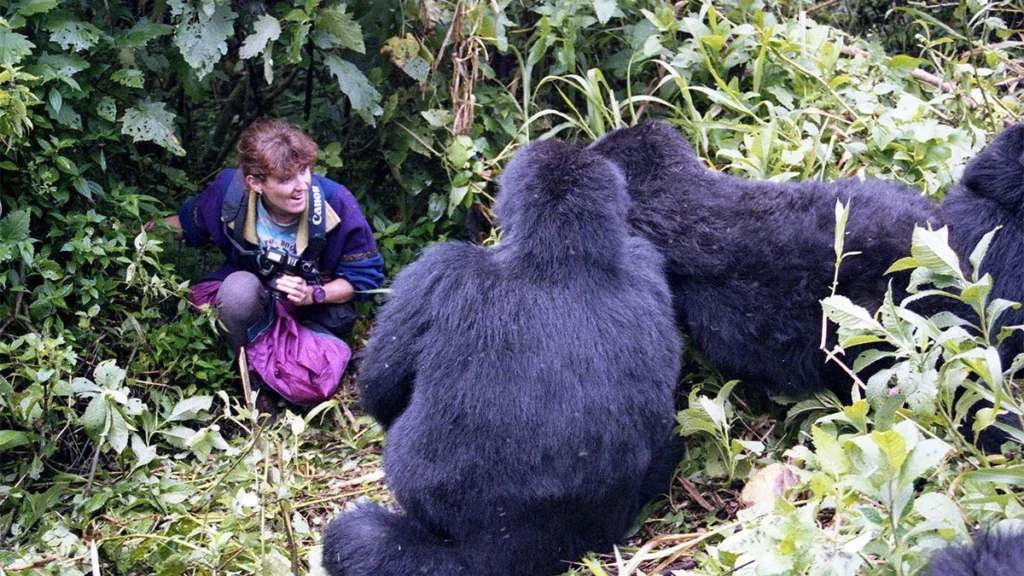
An exceptional gorilla trek is not defined by luxury, speed, or spectacle. It is defined by presence. It unfolds slowly, deliberately, and with an emotional gravity that few wildlife experiences on Earth can rival. Deep within the montane forests of East and Central Africa, where mist hangs low and ancient trees knit the canopy together, one encounters not just a rare species, but a living mirror of humanity itself. Gorilla trekking is widely regarded as one of the most profound wildlife encounters in the world, yet an exceptional gorilla trek goes beyond proximity. It delivers meaning, context, and transformation.
This experience is exceptional because it is earned. It requires preparation, respect, physical effort, and patience. The reward is not guaranteed drama, but authenticity. When a gorilla looks back at you calmly, when a silverback shifts his weight to acknowledge your presence without fear, the moment carries a weight that is impossible to stage or replicate. An exceptional gorilla trek is therefore not a product of chance, but of conservation, discipline, and deep ecological harmony.
What Defines an Exceptional Gorilla Trek
At its core, an exceptional gorilla trek is defined by balance. It balances human access with wildlife protection, curiosity with restraint, and awe with responsibility. Gorilla trekking is conducted under some of the strictest wildlife tourism regulations in the world, ensuring that the welfare of the gorillas remains paramount.
Small group sizes, limited daily permits, strict health protocols, and time-controlled encounters ensure that gorillas are not overwhelmed by human presence. These measures are not inconveniences. They are the very reason an exceptional gorilla trek remains possible at all. The experience is intimate precisely because it is controlled, rare, and protected.
The Forest as a Living Stage
The environment in which gorilla trekking takes place is as significant as the gorillas themselves. Montane rainforests such as those found in Bwindi Impenetrable National Park, Volcanoes National Park, and Virunga National Park are among the oldest and most biologically complex ecosystems on the African continent.
These forests are dense, steep, and alive with sound. Thick vegetation filters light into soft fragments, while birds, insects, and distant primates form a constant natural chorus. Entering this environment immediately signals that an exceptional gorilla trek is not a passive experience. The forest demands attention, awareness, and humility. It is not designed for ease, and that difficulty enhances the value of the encounter.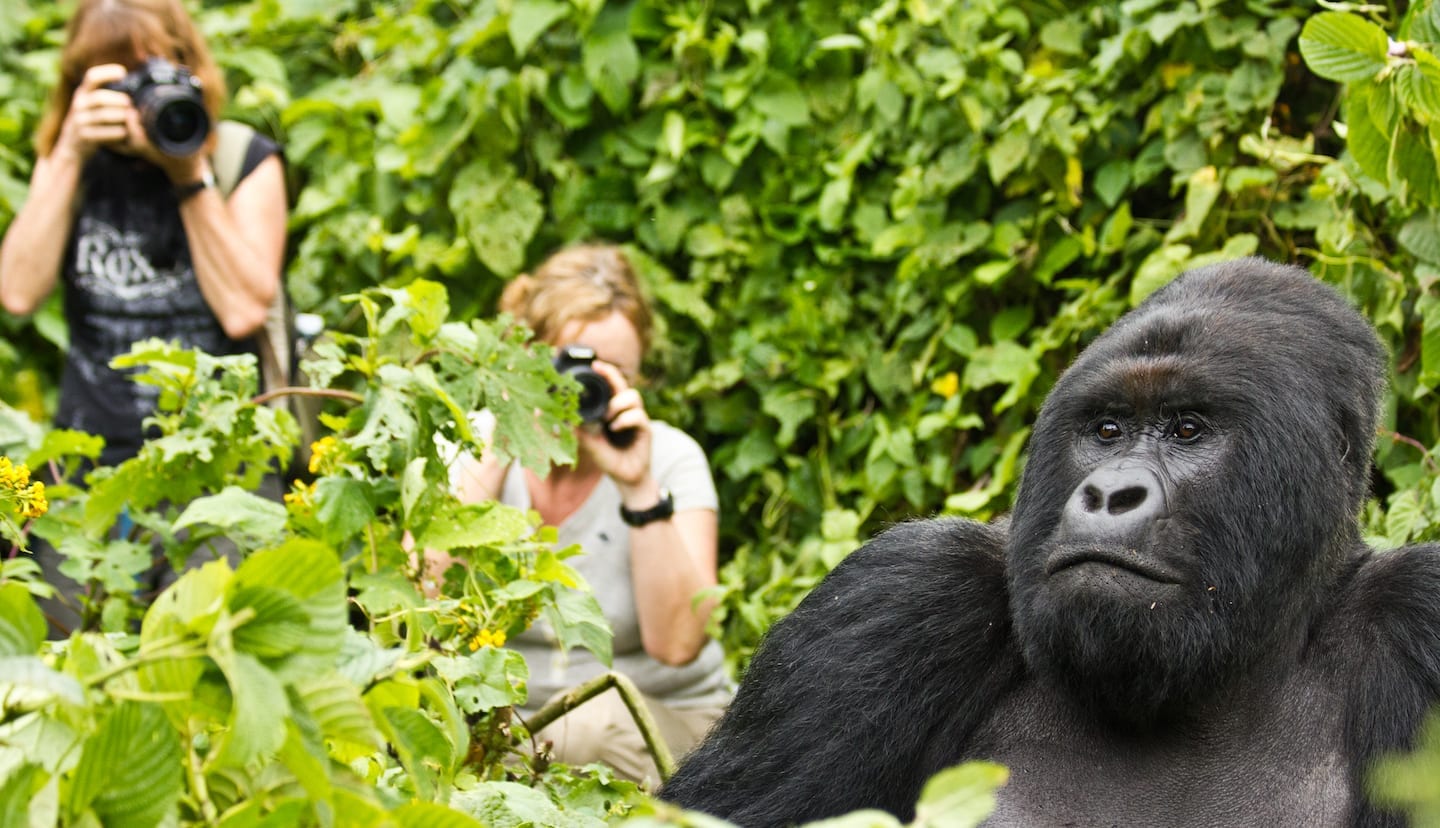

The Journey Before the Encounter
An exceptional gorilla trek begins long before the gorillas are seen. Early morning briefings introduce trekkers to the rules, expectations, and ethical framework of the experience. Rangers explain gorilla behavior, forest navigation, and safety protocols, emphasizing that humans are visitors in a highly sensitive habitat.
Trekkers are assigned to specific gorilla families based on fitness level, terrain conditions, and gorilla location. This careful matching ensures both visitor safety and minimal stress to the animals. From the first step into the forest, the journey becomes participatory. Mud, steep slopes, and tangled vegetation are not obstacles; they are integral components of an exceptional gorilla trek, reinforcing the sense that the encounter must be earned.
Physical Engagement and Mental Preparation
Gorilla trekking is physically demanding, though accessible to a wide range of travelers with moderate fitness. The terrain can be uneven, steep, and slippery, requiring careful footing and steady pacing. Porters are often available to assist, not as a luxury, but as a means of inclusivity and community support.
Mental preparation is equally important. An exceptional gorilla trek rewards patience rather than urgency. Gorilla families move freely, and trackers follow signs rather than schedules. The uncertainty of timing heightens anticipation and sharpens awareness. Every sound, broken branch, or sudden silence becomes meaningful. This heightened state of attention is central to the depth of the experience.
The Moment of First Contact
The first sighting of gorillas is rarely dramatic in the cinematic sense. There is no announcement or reveal. Instead, the forest opens subtly, and gorillas are suddenly there, close, calm, and entirely real. This understated arrival is what gives an exceptional gorilla trek its emotional power.
Standing just meters away, trekkers observe gorillas as they go about their lives. There is no performance. Infants play and tumble, mothers feed and groom, juveniles test boundaries, and silverbacks maintain quiet authority. Eye contact is brief and unthreatening. The absence of fear on either side creates a moment of shared presence that feels almost sacred.
Understanding Gorilla Social Structure
An exceptional gorilla trek is enriched by understanding what is being observed. Mountain gorillas live in structured family groups led by a dominant silverback. These groups are defined by cooperation, protection, and social learning. Observing interactions within the group reveals complex emotional intelligence and communication.
Silverbacks use posture, movement, and vocalizations to maintain order. Mothers invest deeply in their offspring, while juveniles engage in play that mirrors human childhood behavior. Recognizing these patterns transforms the encounter from observation into understanding. An exceptional gorilla trek is not about seeing gorillas, but about comprehending them.
Silence, Respect, and Shared Space
Silence plays a defining role in gorilla trekking. Visitors are encouraged to speak softly, move slowly, and avoid sudden gestures. This restraint is not only for safety, but for respect. Gorillas are highly perceptive and respond to calm energy.
This shared silence creates intimacy. Without the noise of engines or crowds, the forest becomes a place of mutual awareness. An exceptional gorilla trek is remembered not for what was said, but for what was felt in these quiet moments of coexistence.
The One-Hour Rule and Its Significance
Gorilla encounters are limited to one hour per group. While this may seem brief, it is a cornerstone of conservation ethics. The time limit minimizes stress and reduces the risk of disease transmission.
Paradoxically, this restriction enhances the experience. Knowing that time is limited sharpens attention and appreciation. Every minute becomes meaningful. An exceptional gorilla trek is powerful precisely because it is fleeting, reinforcing the value of restraint in wildlife tourism.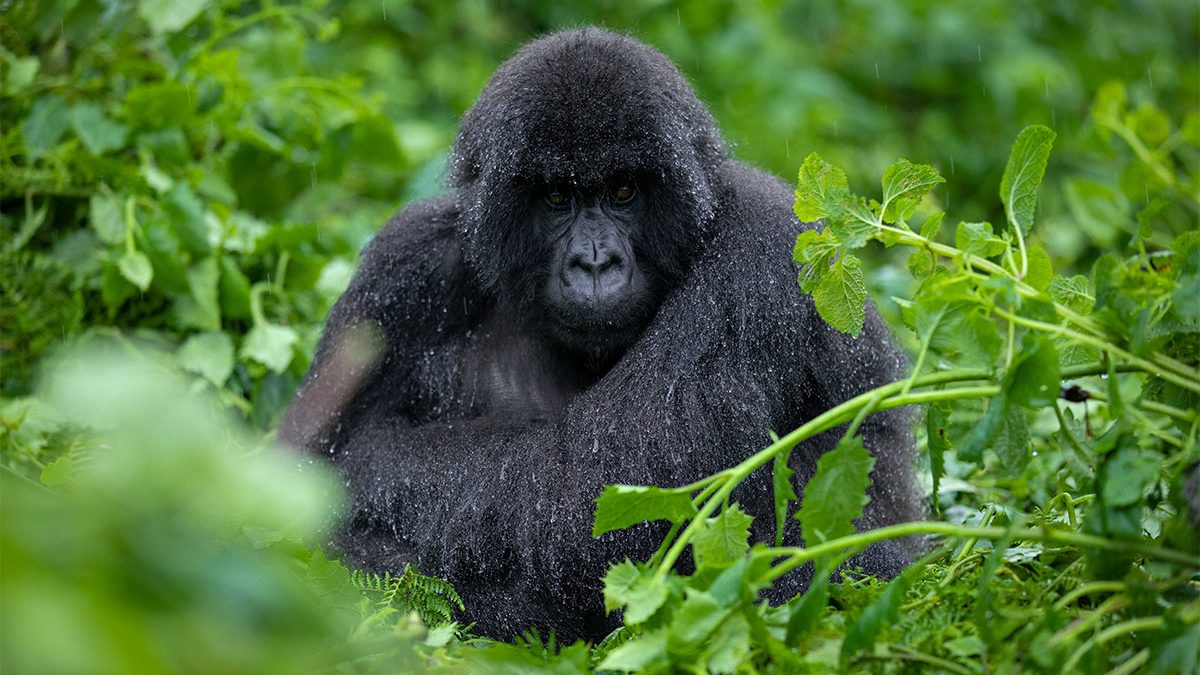

Conservation as the Foundation of the Experience
Gorilla trekking exists because of decades of dedicated conservation work. Revenue from permits funds ranger patrols, veterinary interventions, habitat protection, and community development. Local communities benefit directly through employment, education, and infrastructure projects.
An exceptional gorilla trek therefore carries moral significance. Visitors are not merely consumers of an experience, but contributors to a conservation success story. Mountain gorilla populations have stabilized and grown due to this model, demonstrating that responsible tourism can protect even the most vulnerable species.
Community Involvement and Cultural Context
The forests that protect gorillas are surrounded by human communities whose livelihoods are closely linked to conservation outcomes. Many trackers, rangers, and porters come from these communities, bringing generational knowledge of the forest.
Engaging with this human dimension adds depth to an exceptional gorilla trek. It contextualizes the experience within a broader social and economic framework, reminding visitors that conservation is a shared responsibility rather than an abstract concept.
Emotional Impact and Lasting Transformation
Few wildlife encounters provoke the emotional response elicited by gorilla trekking. The recognition of shared traits, expressions, and behaviors challenges assumptions about human uniqueness. Many trekkers describe a sense of kinship that lingers long after the trek ends.
An exceptional gorilla trek often becomes a reference point for future travel and personal reflection. It fosters empathy, humility, and a deeper commitment to environmental stewardship. This emotional resonance is not incidental; it is the defining outcome of the experience.
Seasonal Influences on the Trekking Experience
Gorilla trekking is available year-round, though seasonal conditions influence trail difficulty and forest atmosphere. Drier months offer easier hiking conditions, while wetter periods bring lush vegetation and dramatic forest scenery.
Regardless of season, gorilla sightings are consistent due to habituation. An exceptional gorilla trek is shaped more by mindset and preparation than by timing. Each season offers its own character, reinforcing the forest’s dynamic nature.
Health, Safety, and Ethical Responsibility
Strict health protocols protect gorillas from human-borne diseases. Trekkers must be free from illness and adhere to hygiene guidelines. These measures underscore the vulnerability of gorillas and the seriousness of human responsibility.
Compliance with these rules is integral to an exceptional gorilla trek. Respecting boundaries ensures that the experience remains sustainable and ethical for future generations.
Photography and Presence
Photography during gorilla trekking is permitted, but it requires sensitivity. Flash is prohibited, and movement must remain minimal. Many trekkers discover that the most powerful moments are those not captured by a lens.
An exceptional gorilla trek often leaves travelers with vivid mental images rather than extensive photo collections. The emphasis shifts from documentation to immersion, reinforcing the value of being fully present.
Why This Experience Stands Apart Globally
Among the world’s wildlife experiences, gorilla trekking occupies a unique position. It offers proximity without domination, intimacy without intrusion, and education without exploitation.
An exceptional gorilla trek stands apart because it is rooted in respect. It demonstrates what is possible when tourism, conservation, and community align around a shared purpose.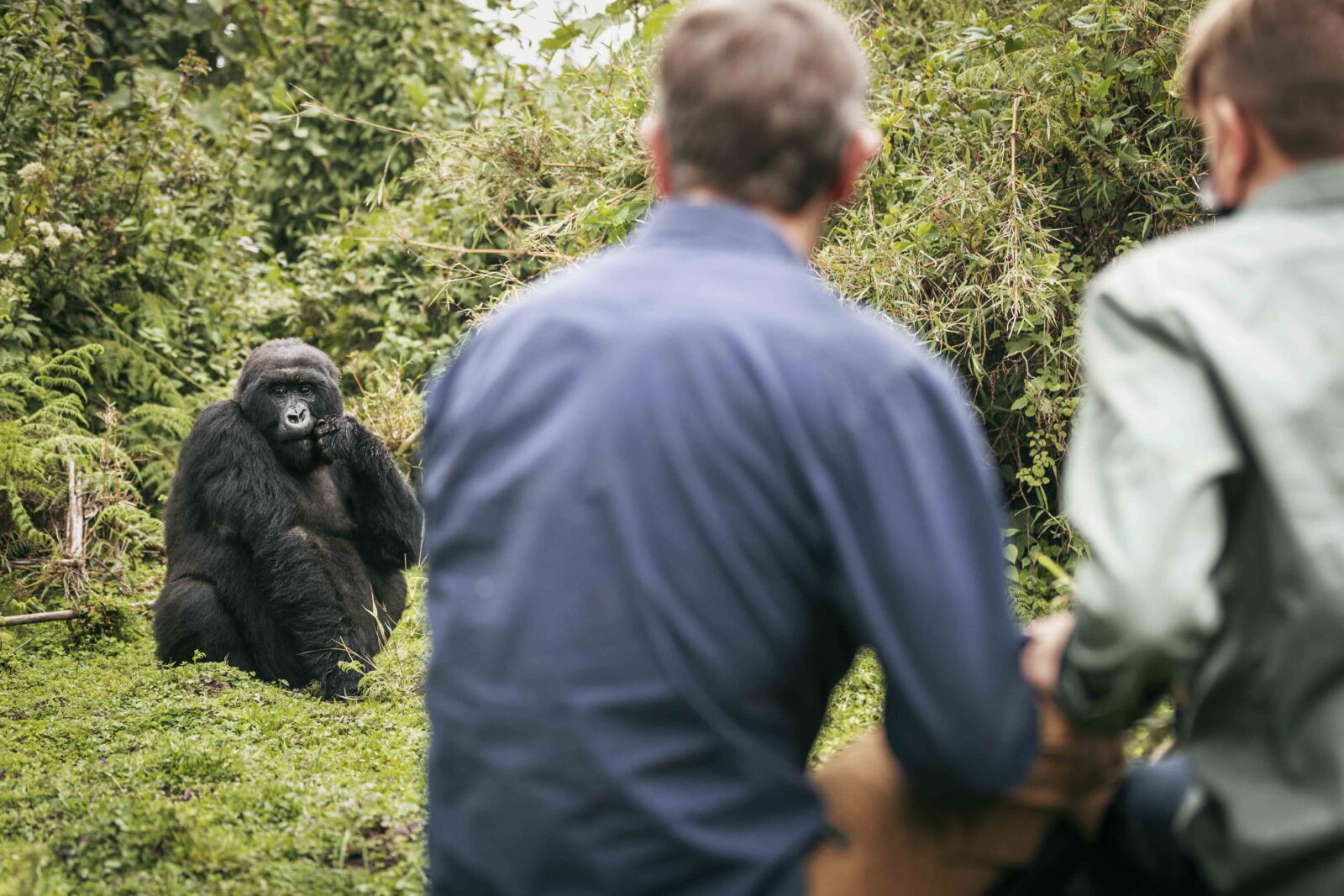

Who an Exceptional Gorilla Trek Is For
This experience appeals to travelers seeking depth rather than comfort alone. Wildlife enthusiasts, conservation-minded travelers, photographers, and reflective explorers find particular meaning here. Physical readiness enhances enjoyment, but mental openness defines success.
An exceptional gorilla trek rewards curiosity, patience, and humility, making it accessible to those willing to engage thoughtfully with nature.
The Enduring Legacy of the Experience
Long after leaving the forest, memories of the trek resurface unexpectedly. A glance, a gesture, or a moment of silence recalls the presence of gorillas and the weight of that encounter.
An exceptional gorilla trek leaves a lasting legacy not only for the traveler, but for the ecosystem and communities that sustain it. It proves that conservation-driven tourism can protect what is most rare by making it most valued.
Why an Exceptional Gorilla Trek Is Truly Exceptional
Ultimately, what makes this experience exceptional is its honesty. There is no illusion of control, no promise of spectacle, and no compromise of ethics. The forest remains wild, the gorillas remain free, and humans remain guests.
An exceptional gorilla trek is not defined by what is taken away, but by what is left behind: protected habitats, empowered communities, and travelers transformed by one of the most intimate wildlife encounters on Earth.