search
Can I combine Uganda with Rwanda, Kenya or Tanzania in one trip?

Can I combine Uganda with Rwanda, Kenya or Tanzania in one trip?

By Travel stories and blogs, Kenya travel guides, Rwanda travel guides, Tanzania travel guides, Uganda travel guides

Can I Combine Uganda with Rwanda, Kenya or Tanzania in One Trip? | East Africa Multi-Country Safari Guide 2026

For travelers seeking the ultimate East African adventure, the question often arises: Can I combine Uganda with Rwanda, Kenya, or Tanzania in one trip? The answer is a resounding yes. East Africa was crafted by nature to be explored as one seamless canvas — its borders drawn not by walls but by landscapes that merge effortlessly from mountain to savannah, from rainforest to ocean shore. To combine these nations is not just possible; it is the essence of what makes an African journey complete.

Each of these countries — Uganda, Rwanda, Kenya, and Tanzania — brings a distinctive rhythm and beauty to the safari experience. Uganda enchants with its emerald jungles and gorilla sanctuaries; Rwanda captivates with its tranquility and polished hospitality; Kenya thrills with its golden savannahs and iconic wildlife spectacles; and Tanzania mesmerizes with its vast horizons, from the Serengeti to Zanzibar’s beaches. When woven together, they form a journey that captures Africa’s soul in all its diversity.

However, combining multiple East African countries requires thoughtful planning, understanding of logistics, border procedures, and the unique experiences each destination offers. This detailed guide explores the how, why, and when of designing a multi-country safari across Uganda, Rwanda, Kenya, and Tanzania — ensuring that every traveler discovers the seamless harmony of East Africa without stress or compromise.

Understanding East Africa’s Geography and Travel Connectivity

East Africa’s geography lends itself naturally to cross-border exploration. The region’s major safari circuits are closely linked, with national parks and reserves often sitting along shared frontiers. For example, Queen Elizabeth National Park in Uganda borders Virunga and Volcanoes National Parks in the Congo and Rwanda, while Serengeti National Park in Tanzania merges with Maasai Mara in Kenya, forming one of the world’s most spectacular wildlife ecosystems.

Modern infrastructure, regular flight connections, and the East African Tourist Visa have made multi-country safaris smoother than ever before. The region’s governments have invested heavily in tourism collaboration, recognizing that travelers see East Africa not as a collection of borders but as a continuous journey.

Whether you prefer overland adventures that follow the rhythm of the land or quicker fly-in routes that connect distant highlights, East Africa’s accessibility ensures that a combined itinerary can be both practical and deeply rewarding. The real magic lies in the contrast — the shift from Uganda’s misty forests to Kenya’s sun-drenched plains or from Rwanda’s volcanoes to Tanzania’s sweeping Serengeti.

The Gateway: Starting in Uganda, the Heart of the Region

For many travelers, Uganda serves as the perfect entry point into East Africa. Nicknamed the Pearl of Africa, Uganda combines lush biodiversity with a central location that allows easy movement in all directions. Its international gateway, Entebbe International Airport, receives regular flights from Europe, the Middle East, and regional hubs like Nairobi and Kigali.

Uganda’s charm lies in its diversity. In a single journey, one can encounter mountain gorillas in Bwindi, chimpanzees in Kibale Forest, tree-climbing lions in Queen Elizabeth National Park, and the thunderous Murchison Falls — all within a week. Few destinations on the continent offer such range in such compact geography.

From Uganda, travelers can move south into Rwanda, east into Kenya, or southeast into Tanzania with ease. The roads connecting Bwindi to Rwanda’s Volcanoes National Park or from Kampala to Nairobi are well-traveled safari routes. Domestic and regional airlines, such as Uganda Airlines, RwandAir, and AirKenya, also link major destinations in under an hour’s flight.

Starting in Uganda allows travelers to begin their journey in tranquility, gradually unfolding the adventure from dense rainforest to open savannah, mirroring the natural transition from intimacy to grandeur.

Combining Uganda and Rwanda: The Twin Gorilla Kingdoms

Uganda and Rwanda together form the heartland of Africa’s primate experience. Separated by just a few hours’ drive, they share similar terrain, culture, and wildlife but offer contrasting atmospheres.

Rwanda, known as the Land of a Thousand Hills, is admired for its organization, accessibility, and modern infrastructure. Gorilla trekking in Volcanoes National Park is a deeply emotional experience, with short transfer times from Kigali allowing even brief visits. Rwanda also shines in cultural encounters, such as the moving Kigali Genocide Memorial, and scenic getaways around Lake Kivu.

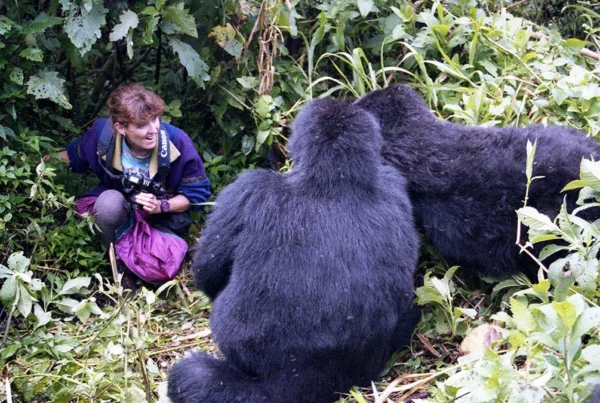
Uganda, on the other hand, provides a wilder, more immersive gorilla experience in Bwindi Impenetrable National Park and Mgahinga Gorilla National Park. Treks here often involve deeper forest hikes, adding an element of adventure and authenticity. The encounters are equally profound, and Uganda’s slightly lower permit cost makes it a favorite for extended stays.Can I combine Uganda with Rwanda, Kenya or Tanzania in one trip?

Crossing between the two countries is straightforward via the Cyanika or Katuna borders, which are easily accessible from both Bwindi and Volcanoes. With the East African Tourist Visa, travelers can move freely between Uganda, Rwanda, and Kenya without reapplying for separate entry permits.

A combined Uganda–Rwanda itinerary offers balance: Rwanda’s elegance complements Uganda’s raw wilderness, creating a journey that captures both refinement and adventure.

For example, one might begin with gorilla trekking in Uganda, then cross into Rwanda for golden monkey tracking or a serene lakeside retreat before flying onward to Kenya or Tanzania for classic savannah safaris.

This pairing reveals the true soul of the region — where two nations share not competition but continuity.

Combining Uganda and Kenya: From Rainforests to Great Plains

Few travel combinations encapsulate Africa’s variety like Uganda and Kenya. These two nations represent different faces of East Africa — Uganda’s lush green landscapes and Kenya’s golden grasslands. Together, they craft a story that moves from the intimacy of gorilla forests to the epic scale of the Great Migration.

Traveling between Uganda and Kenya is effortless. Daily flights connect Entebbe to Nairobi in just over an hour, operated by several carriers including Kenya Airways, Airlink, and Uganda Airlines. Overland routes via Busia and Malaba are also well-maintained for travelers who prefer scenic road journeys.

The ideal sequence often begins in Uganda, where travelers can experience gorillas, chimpanzees, and tranquil lakes, before transitioning to Kenya for the archetypal safari landscapes of Maasai Mara, Amboseli, Samburu, or Tsavo. This combination allows one to experience forest intimacy and savannah spectacle in the same itinerary.

Kenya’s cultural depth further enriches the experience. The Maasai and Samburu tribes, with their colorful traditions and connection to nature, add human warmth to the wilderness encounters. After the quiet trails of Bwindi, the sight of vast herds sweeping across Kenya’s plains creates an emotional crescendo few journeys can match.

Moreover, Kenya’s modern infrastructure and diverse accommodation options — from luxury tented camps to exclusive conservancies — make it an ideal complement to Uganda’s more rugged adventure. The synergy between the two nations defines what travelers often call “Africa in one journey.”

Combining Uganda and Tanzania: A Safari Epic from Source to Savannah

For those seeking grandeur, combining Uganda and Tanzania offers a powerful narrative — from the source of the Nile to the endless plains of the Serengeti. This itinerary captures East Africa’s ecological extremes, connecting water and wilderness in a journey that feels both natural and profound.

Flights between Entebbe and major Tanzanian hubs such as Kilimanjaro, Arusha, and Dar es Salaam are regular and convenient. Regional carriers provide easy access to both northern Tanzania’s safari circuit and southern destinations like Ruaha or Selous.

The sequence can unfold in multiple ways. Many travelers begin in Uganda, exploring Murchison Falls and Queen Elizabeth National Park before concluding with Tanzania’s iconic parks — Ngorongoro Crater, Serengeti, and Lake Manyara. The transition from Uganda’s tropical green to Tanzania’s golden expanse evokes the sensation of moving through different worlds within the same continent.

Both countries share a commitment to conservation and authentic travel. Uganda offers the intimacy of trekking — feeling the forest’s heartbeat — while Tanzania delivers the scale of cinematic spectacle, with horizons alive with migrating wildebeest and lions under acacia trees.

For a grand finale, Zanzibar’s beaches offer perfect relaxation after weeks of wilderness. The combination of Uganda and Tanzania therefore forms a journey that is both powerful and poetic — one that begins with rainforests and ends with ocean breezes.

Tri-Country Adventures: Uganda, Rwanda, and Kenya or Tanzania

For travelers with two to three weeks, a tri-country safari across Uganda, Rwanda, and either Kenya or Tanzania represents the ultimate East African expedition. Such an itinerary mirrors the natural migration of the continent’s ecosystems — from the volcanic highlands through the Great Rift Valley to the Serengeti plains.

This combination offers diversity not only in wildlife but also in experience. Uganda and Rwanda deliver the intimacy of primate encounters, where travelers walk through misty jungles in search of gorillas and chimpanzees. Kenya and Tanzania then extend the scope to vast savannahs and predator-rich plains. The contrast between quiet observation and sweeping spectacle creates emotional balance and narrative flow.

Logistically, the journey is surprisingly manageable. The East African Tourist Visa allows unrestricted movement between Uganda, Kenya, and Rwanda, with Tanzania requiring its own single-entry visa. Flights between Kigali, Entebbe, Nairobi, and Kilimanjaro are frequent, allowing itineraries to be customized for both time and budget.

A typical tri-country route might start in Rwanda for gorilla trekking, continue into Uganda for chimpanzees and Murchison Falls, and conclude in Kenya’s Maasai Mara or Tanzania’s Serengeti. Each transition enhances the story, revealing new layers of East Africa’s spirit.

This regional combination is not simply about crossing borders; it is about connecting experiences — the same sun that rises over Bwindi’s forests sets over the plains of the Mara, linking moments in one continuous adventure.

The East African Tourist Visa: Simplifying Border Travel

One of the greatest advantages of combining Uganda, Kenya, and Rwanda lies in the East African Tourist Visa (EATV). Introduced as part of regional integration, this visa allows multiple entries among the three countries for a period of 90 days.

Travelers applying through any of the participating countries can use the visa across all three without needing additional documentation. This not only saves time but also encourages seamless travel across the region. The application can be made online before travel, and processing is generally efficient.

Tanzania, while not yet part of this unified visa system, maintains simple entry procedures with single-entry visas available online or upon arrival.

The EATV has redefined cross-border travel in East Africa, aligning perfectly with the region’s vision of shared tourism and open adventure. For travelers, it represents both convenience and opportunity — an invitation to explore more deeply and freely.

Cultural and Scenic Contrasts Across the Region

Beyond wildlife, the cultural and scenic contrasts between Uganda, Rwanda, Kenya, and Tanzania elevate a multi-country journey into a living story of humanity and geography.

In Uganda, travelers encounter a warmth that feels familial — vibrant markets, village dances, and storytelling by firelight. Rwanda offers calm efficiency and emotional depth, where resilience and grace define the national character. Kenya captivates with its rhythm and energy — bustling Nairobi, vibrant coastal Swahili culture, and the open-hearted pride of the Maasai. Tanzania, meanwhile, radiates vastness and timelessness, from the ancient baobabs of Tarangire to the coral shores of Zanzibar.

The landscapes mirror these personalities. Uganda’s dense forests transition into Rwanda’s rolling hills, which then open into Kenya’s boundless plains and Tanzania’s volcanic horizons. Each border crossed feels like turning a page in a grand novel — the same story told in different dialects of beauty.

Planning Considerations: Timing, Budget, and Logistics

The ideal timing for a multi-country safari depends largely on the traveler’s interests. The dry seasons (June–August and December–February) offer the best wildlife visibility, easier trekking conditions, and clear skies for photography. These months are ideal for combining gorilla trekking in Uganda or Rwanda with game drives in Kenya or Tanzania.

Budget-wise, Uganda and Tanzania tend to offer more value for extended stays, while Rwanda and Kenya lean toward premium experiences with luxury lodges and efficient logistics. Balancing the mix ensures both affordability and comfort.

Logistically, most multi-country itineraries are built around regional flight networks and carefully coordinated ground transfers. Safari specialists, such as WildHorn Africa, tailor routes that optimize travel time without sacrificing immersion.

What makes these combinations successful is fluidity — crafting an itinerary that feels like a natural flow rather than a checklist. Each border crossing becomes a transition between moods, landscapes, and emotions.

The Spirit of East African Travel: Connection Over Borders

Traveling across Uganda, Rwanda, Kenya, and Tanzania is not simply about seeing more places — it is about understanding that Africa’s beauty transcends its boundaries. The rivers, mountains, and migration routes ignore political lines, continuing their timeless cycles as they have for millennia.

When travelers move through this region with curiosity and respect, they participate in a story older than maps — one of connection, coexistence, and continuity. Whether standing among gorillas in Bwindi, watching flamingos at Lake Nakuru, or gazing at Kilimanjaro’s snow from Amboseli, one realizes that East Africa is not a destination but a living ecosystem of wonder.

A combined safari across these nations becomes an odyssey — not hurried, but harmonious, where every sunrise marks both an ending and a beginning.

Conclusion: The Power of a Combined East African Journey

Combining Uganda with Rwanda, Kenya, or Tanzania is not just possible — it is the most rewarding way to experience East Africa. It unites primate trekking, big-game safaris, cultural immersion, and scenic majesty into one flowing journey that reflects the continent’s diversity and soul.

With well-planned logistics, regional visas, and professional guidance, borders fade into mere lines on a map. What remains is the continuity of experience — from misty forests to golden plains, from mountain gorillas to migrating wildebeest, from laughter in village markets to serenity on Zanzibar’s beaches.

For travelers seeking such a journey of connection, authenticity, and wonder, it is best to book their Africa tours and safaris with WildHorn Africa. With expert planners, regional partnerships, and deep local knowledge, WildHorn Africa ensures that every transition between countries is seamless, safe, and unforgettable.

Because the beauty of East Africa is not confined by borders — it lives in the spaces between them, waiting for those bold enough to explore them all.

Uganda vs Rwanda: Which Is Best for First-Time Visitors?

Uganda vs Rwanda: Which Is Best for First-Time Visitors?

By Rwanda travel guides, Travel stories and blogs, Uganda travel guides

Uganda vs Rwanda: Which Is Best for First-Time Visitors?

A Captivating Introduction to Two Remarkable African Journeys

For first-time travelers to Africa, few comparisons are as compelling, and as nuanced, as Uganda vs Rwanda. Both nations sit at the heart of East and Central Africa, both are defined by dramatic landscapes and rare wildlife, and both have earned global recognition for conservation, stability, and cultural depth. Yet, despite their proximity and shared ecological heritage, the experience offered by each country unfolds in profoundly different ways. For a first-time visitor, the decision is rarely about which destination is “better” in absolute terms, but rather which country aligns more closely with personal expectations, comfort levels, interests, and travel philosophy.

Uganda has long been described as the “Pearl of Africa,” a phrase originally coined by Winston Churchill to capture its extraordinary diversity. Rwanda, often referred to as the “Land of a Thousand Hills,” has emerged as one of Africa’s most efficiently run and forward-looking destinations, surprising many travelers with its cleanliness, safety, and refined tourism model. Both countries offer mountain gorilla encounters, breathtaking scenery, and deeply moving cultural experiences. However, the way these elements are delivered differs significantly, and for a first-time visitor, those differences matter greatly.

This article explores Uganda and Rwanda in extensive depth, examining geography, wildlife, infrastructure, cost, culture, safety, sustainability, and the overall emotional rhythm of travel. Through factual, experience-based analysis, it aims to answer a question frequently asked by travelers planning their first African adventure: Which destination offers the most rewarding introduction to Africa, Uganda or Rwanda?

Geographical Setting and First Impressions

Uganda’s Vastness and Natural Variety

Uganda is geographically expansive and remarkably diverse. Located in East Africa, it is bordered by Kenya, Tanzania, Rwanda, South Sudan, and the Democratic Republic of Congo. Much of its landscape is shaped by the Great Rift Valley, vast freshwater lakes, volcanic highlands, tropical forests, savannah plains, and snow-capped mountains. Lake Victoria, Africa’s largest lake, dominates the southern part of the country, while the Rwenzori Mountains, often referred to as the “Mountains of the Moon,” rise dramatically along the western border.

For a first-time visitor, Uganda’s sheer scale is immediately apparent. Long drives between regions are common, but these journeys unfold through constantly changing scenery. The sense of immersion in nature is deep and continuous. Uganda often feels raw, expansive, and untamed, qualities that appeal strongly to travelers seeking authenticity and a sense of discovery.

Rwanda’s Compact Elegance and Order

Rwanda, by contrast, is one of Africa’s smallest countries. Its compact size is one of its most defining features. Within a few hours’ drive, travelers can move from bustling Kigali to misty volcanoes, rolling tea plantations, or tranquil lakeshores. The landscape is intensely scenic, dominated by endless hills that create a sense of intimacy and visual harmony.

First impressions of Rwanda are often shaped by order, cleanliness, and efficiency. Roads are well maintained, cities are organized, and public spaces are meticulously cared for. For travelers arriving in Africa for the first time, Rwanda often feels approachable and reassuring. The country’s scale reduces logistical complexity, allowing visitors to experience a wide range of environments without the fatigue associated with long-distance travel.

Wildlife Experiences and Biodiversity

Uganda’s Exceptional Ecological Diversity

Uganda is widely regarded as one of Africa’s most biologically diverse countries. It is one of the few places on the continent where savannah wildlife, primates, forest species, and aquatic life coexist within a single national border. For first-time visitors, this diversity translates into an exceptionally broad wildlife experience.

The country is home to over half of the world’s remaining mountain gorillas, primarily found in Bwindi Impenetrable National Park and Mgahinga Gorilla National Park. Gorilla trekking in Uganda is often described as immersive and challenging, as the dense forest terrain requires physical effort. However, this very challenge enhances the sense of accomplishment and connection with nature.

Beyond gorillas, Uganda offers classic safari experiences in Queen Elizabeth National Park, Murchison Falls National Park, and Kidepo Valley National Park. Lions, elephants, buffalo, giraffes, leopards, and hippos are encountered in varied landscapes, from open plains to riverine forests. Uganda is also a global birding hotspot, with more than 1,000 recorded species, making it particularly appealing to nature enthusiasts.

Rwanda’s Focused and Refined Wildlife Offering

Rwanda’s wildlife experience is more focused but highly refined. The country is internationally celebrated for Volcanoes National Park, where mountain gorilla trekking has been elevated into a carefully managed, high-end experience. Trails are well maintained, ranger briefings are precise, and the overall operation reflects Rwanda’s commitment to conservation and premium tourism.

In addition to gorillas, Rwanda offers chimpanzee trekking in Nyungwe Forest National Park, one of Africa’s oldest rainforests, and classic savannah wildlife in Akagera National Park, where lions and rhinos have been successfully reintroduced. While Rwanda does not match Uganda in sheer biodiversity, it compensates with accessibility, organization, and consistency.

For first-time visitors who may feel apprehensive about rugged terrain or unpredictable logistics, Rwanda’s wildlife experiences are often perceived as smoother and more controlled, without diminishing their emotional impact.

Gorilla Trekking: A Central Comparison

Uganda’s Raw and Adventurous Gorilla Encounters

In Uganda, gorilla trekking is characterized by a strong sense of wilderness. Bwindi Impenetrable Forest is dense, humid, and biologically complex. Trekking routes are less predictable, and hiking durations can vary widely. For many first-time visitors, this creates a feeling of true adventure, where the journey is as significant as the destination.

Uganda’s gorilla permits are generally more affordable than Rwanda’s, making the experience accessible to a wider range of travelers. This affordability allows first-time visitors to combine gorilla trekking with other activities such as safaris, cultural tours, and lake excursions without exceeding budget constraints.Uganda vs Rwanda: Which Is Best for First-Time Visitors?

Rwanda’s Premium and Time-Efficient Gorilla Experience

Rwanda has positioned its gorilla trekking as a premium product. Permit costs are significantly higher, but the experience is streamlined. Volcanoes National Park is easily accessed from Kigali, allowing travelers to trek gorillas without long internal flights or extended road journeys. For visitors with limited time, this efficiency is a decisive advantage.

The higher cost of permits contributes directly to conservation funding and community development, reinforcing Rwanda’s image as a leader in sustainable tourism. For first-time travelers seeking comfort, clarity, and minimal logistical complexity, Rwanda’s gorilla trekking model is often perceived as ideal.

Infrastructure, Transport, and Ease of Travel

Uganda’s Developing but Expansive Infrastructure

Uganda’s tourism infrastructure has improved significantly in recent years, yet it remains a developing destination. Roads between major parks are generally passable, but travel times can be long. Domestic flights are available but limited, making road travel the primary means of exploration.

For first-time visitors, Uganda requires patience and flexibility. Journeys are slower, and unexpected delays are not uncommon. However, these conditions often foster meaningful interactions with local communities and provide a deeper sense of immersion. Uganda rewards travelers who value experience over efficiency.

Rwanda’s Efficiency and Accessibility

Rwanda is frequently praised for its exceptional infrastructure relative to its size. Roads are well surfaced, signage is clear, and travel times are short. Kigali International Airport serves as an efficient gateway, and internal travel is straightforward.

For first-time visitors who prioritize ease, predictability, and comfort, Rwanda offers a stress-free introduction to African travel. The country’s compact nature allows travelers to see and do much within a short timeframe, making it particularly suitable for shorter itineraries.

Cultural Encounters and Human Connection

Uganda’s Cultural Diversity and Informality

Uganda is home to more than 50 ethnic groups, each with distinct languages, traditions, and histories. Cultural encounters are often spontaneous and informal. Markets, villages, and roadside communities offer unfiltered glimpses into daily life. For first-time visitors, these interactions can feel deeply authentic and emotionally resonant.

Ugandans are widely regarded as warm, welcoming, and conversational. Tourism is integrated into everyday life rather than separated into curated experiences. This openness allows travelers to feel part of the social fabric, rather than observers from a distance.

Rwanda’s Structured and Reflective Cultural Landscape

Rwanda’s cultural experiences are shaped by its complex history, particularly the 1994 Genocide against the Tutsi. Memorials and museums are integral to the visitor experience, offering powerful lessons in resilience, reconciliation, and national unity. These sites are presented with dignity and depth, often leaving a lasting impression on first-time visitors.

Cultural engagement in Rwanda is more structured. Community visits, traditional performances, and cultural centers are carefully organized, ensuring respect and consistency. While interactions may feel less spontaneous than in Uganda, they are often deeply informative and thoughtfully presented.Uganda vs Rwanda: Which Is Best for First-Time Visitors?

Safety, Stability, and Perception

Uganda’s Balanced Safety Environment

Uganda is generally considered safe for tourists, particularly within established tourism circuits. Security presence is visible, and local communities are accustomed to visitors. However, first-time travelers may notice variations in urban infrastructure and public services, which require situational awareness.

Uganda’s safety environment is best described as stable but dynamic. With reputable tour operators and informed planning, travelers experience minimal risk. The country’s openness and friendliness often counterbalance initial apprehensions.

Rwanda’s Reputation for Security and Order

Rwanda is widely regarded as one of Africa’s safest countries. Law enforcement is effective, public spaces are orderly, and crime rates are low. For first-time visitors, this sense of security is immediately reassuring.

The government’s emphasis on cleanliness, organization, and public accountability contributes to a travel environment where visitors feel protected and respected. Rwanda’s reputation for safety often plays a decisive role in destination choice for travelers new to Africa.

Cost, Value, and Travel Style

Uganda’s Strong Value Proposition

Uganda offers excellent value for money. Accommodation options range from budget lodges to luxury camps, and activities are priced competitively. Gorilla permits, while still premium experiences, are more affordable than Rwanda’s.

For first-time visitors seeking a comprehensive African experience without excessive costs, Uganda allows longer stays and more diverse itineraries. The country is particularly appealing to travelers who value substance, variety, and cultural depth.

Rwanda’s Premium Pricing and Clear Returns

Rwanda’s tourism model emphasizes quality over quantity. Higher costs are associated with permits, accommodations, and services, but these costs are matched by efficiency, comfort, and conservation impact.

For first-time travelers who prefer a refined, well-paced experience and are comfortable with higher expenditure, Rwanda offers clarity and consistency. The value is reflected in time efficiency, service standards, and environmental stewardship.

Sustainability and Conservation Ethics

Uganda’s Community-Driven Conservation

Uganda’s conservation efforts are closely tied to community involvement. Revenue-sharing programs, local employment, and grassroots initiatives play a central role in protecting wildlife and habitats. While challenges remain, progress is evident across national parks.

For first-time visitors, this approach offers insight into the complexities of conservation in developing contexts. The experience feels participatory and grounded in local realities.

Rwanda’s Global Leadership in Conservation

Rwanda has emerged as a global leader in conservation and sustainable tourism. Strict regulations, high permit fees, and strong governance ensure that tourism benefits both wildlife and communities. The country’s success in restoring ecosystems and reintroducing species is widely recognized.

First-time visitors often appreciate Rwanda’s clear commitment to sustainability, which adds ethical depth to the travel experience.Uganda vs Rwanda: Which Is Best for First-Time Visitors?

Which Is Best for First-Time Visitors? A Thoughtful Conclusion

The question of Uganda vs Rwanda cannot be answered with a single definitive conclusion, because the “best” destination depends on what a first-time visitor seeks to gain from Africa.

Uganda is best suited for travelers who desire diversity, authenticity, and a sense of exploration. It offers a deeper immersion into nature and culture, often accompanied by unpredictability that enhances emotional engagement. For those who view travel as a journey of discovery rather than convenience, Uganda provides an expansive and rewarding introduction to Africa.

Rwanda, on the other hand, is ideal for first-time visitors who prioritize safety, efficiency, and refinement. It delivers powerful wildlife encounters and cultural insights within a highly organized framework. For travelers seeking reassurance, clarity, and premium experiences, Rwanda offers an elegant gateway into Africa.

Ultimately, both countries are exceptional, and neither choice represents a compromise. Instead, each destination offers a distinct lens through which Africa can be experienced for the first time.

10 Best-value Luxury Rwanda Safari Lodges & Camps

10 Best-value Luxury Rwanda Safari Lodges & Camps

By Rwanda travel guides, Travel guides, Travel stories and blogs

Top 10 Best‑Value Luxury Rwanda Safari Lodges & Camps
Where Pristine Wilderness Meets Savvy Comfort in the Heart of Africa

A Gateway to High-Altitude Elegance and Wildlife Nuance

Rwanda’s transformation into a premiere safari destination goes far beyond gorilla trekking. Its landscape now supports a collection of lodges and camps that harmoniously blend luxury with authenticity, and conservation with comfort. These properties are not merely places to rest—they are carefully curated retreats designed to maximize value while minimizing environmental impact. From the misty slopes of Volcanoes National Park to the open savannah of Akagera, Rwanda’s best‑value luxury lodges invite guests into experiences that are as meaningful as they are memorable.

What distinguishes these accommodations is not just their scenery or creature comforts, but the ethos they uphold—enabling access without compromise, offering immersive wildlife encounters, and supporting local communities through every booking.

Bisate Lodge – Volcanoes National Park’s Green Luxury Pioneer

Set on a reforested volcanic ridge, Bisate Lodge comprises just six domed villas, each perched to command panoramic views of the Virunga volcanoes and the surrounding rainforest. Built with local materials—lava stone, reclaimed timber, thatch—and guided by sustainable architecture, the lodge is both elegant and discreet. Wildlife sightings occasionally include elephants or monkeys grazing in the lodge’s rewilded gardens. Though built for high-end travelers, Bisate delivers remarkable value given its personalized service, reforestation mission, and proximity to gorilla trek starting points. It is an eco‑luxury experience that does justice to its breathtaking setting

Singita Kwitonda Lodge & Kataza House – Sophisticated Seclusion on the Volcano Edge

Operating on 178 acres adjacent to Volcanoes National Park, Singita Kwitonda Lodge and its private Kataza House villa offer modern elegance with deep ecological and social responsibility. Only eight luxury suites are available, each featuring indoor‑outdoor fireplaces, heated plunge pools, and veranda fireplaces. The villa includes private staff and gourmet dining. Singita integrates high-end design with a conservation-first model. For travelers seeking maximum luxury with conservation impact, Kwitonda represents exceptional value in Rwanda’s gorilla circuit

Sabyinyo Silverback Lodge – Community‑Owned Elegance with Ethos

Built from local stone on Rwanda’s foothills, Sabyinyo Silverback Lodge was Rwanda’s first community-owned luxury lodge. Operated by Governors’ Camp Collection, profits fund local education, health, and conservation initiatives. The ten cottages offer fireplaces, spacious verandas, and stunning volcano views—all while fostering authentic engagement with Batwa and Musanze communities. Guests benefit not only from luxury surroundings but from knowing their stay supports sustainable local development

One&Only Gorilla’s Nest – Jungle Chic and Immersive Luxury

Located at the base of Volcanoes National Park in a forested setting, One&Only Gorilla’s Nest defines refined wildlife accommodation in Rwanda. With 21 suites and a few villas, the lodge blends modern Rwandan architecture with serene ambiance—fireplaces, forest-based spa treatments, and guides dedicated to gorilla and golden monkey treks. Dining is inspired by local ingredients, and the property’s seamless integration into the forest creates a deeply restorative retreat that remains surprisingly unpretentious—value found in intention and quality

Ruzizi Tented Lodge – Akagera’s Sustainable Lakeside Retreat

On the shore of Lake Ihema, within Akagera National Park, Ruzizi Tented Lodge offers nine luxury canvas tents elevated on wooden platforms. Built entirely with local, eco-friendly materials and operating on solar power, composting toilets, and plastic‑free systems, it provides an immersive bush-luxury experience that supports Akagera’s rewilding success. Guests may see hippos grunting at night and lions or rhinos within a private concession—value is found in the combination of comfort, sustainability, and wildlife access

Wilderness Magashi Camp – High-End Sampling of Akagera’s Revival

Recently launched in northern Akagera, Magashi Camp is the only high‑end lodge in this rapidly recovering park. With just six elegant raised tents overlooking Lake Rwanyakazinga, it enjoys exclusive access to a 60 km² wilderness concession where off-road driving, walking safaris, and evening game drives are allowed. Meals served lakeside and guides who know the rhinos and lions intimately create a value‑rich alternative to more crowded savannah destinations

Nyungwe House by One&Only – Rainforest Retreat with Forest Views

On the edge of Nyungwe Forest National Park, One&Only Nyungwe House is embedded in a working tea plantation, overlooking the ancient jungle. Featuring modern African décor with Imigongo art accents, 22 suites, wellness spa, infinity pool, and nature-driven dining, the property presents exceptional value for visitors exploring chimp trekking, canopy walks, and birding. Its eco-luxury proposition is rare in this less-visited, biodiversity-rich region

Virunga Lodge – Volcano Panorama and Quiet Restoration

Perched above Lakes Burera and Ruhondo, Virunga Lodge comprises ten cottages made from local stone and wood. Its location offers sweeping views of multiple Virunga volcanoes and tea estates. With rooms featuring private terraces and fireplaces, and amenities like heated pools, spa treatments, and guided hiking, the property strikes a balance between luxury and serenity. Virunga represents value in scenic seclusion and refined design

Five Volcanoes Boutique Hotel – Boutique Value at Volcanoes’s Gateway

Just outside the park gate in Ruhengeri/Musanze, Five Volcanoes Boutique Hotel offers ten spacious suites built with lava stone, private verandas, and lush gardens. Though simpler than high-end escapes up the hill, it is perfect for savvy travelers seeking luxury proximity to gorilla trekking without the premium price tag. Its pool, terrace views, and creative Indian-inspired meals make it exceptional value for location and comfort

Nyungwe Top View Hill Hotel – Scenic Luxury for Chimp Trekking

Overlooking Nyungwe Forest and Lake Kivu from its hilltop, Nyungwe Top View Hill Hotel delivers panoramic views, warm hospitality, and well-appointed stone chalets with fireplaces and private balconies. Activities include chimp tracking, canopy walks, and birding. Though not ultra-luxury, it represents well-judged value with scenic elevation and rainforest immersion for those exploring southern Rwanda.

Where Value and Legacy Intersect

Each of these ten lodges and camps offers something distinctive—whether it’s unrivaled volcano views, sustainable design, proximity to gorillas, or community impact. They share a commitment to providing a high‑end safari experience that supports Rwanda’s conservation and cultural values without inflating costs; guests receive immersive comfort, wildlife access, and peace of mind that their stay contributes to something meaningful.

Start Your Rwanda Safari With WildHorn Africa

For travelers seeking exceptional value combined with luxury, sustainability, and wildlife immersion, WildHorn Africa designs bespoke Rwanda itineraries tailored to individual interests. Whether trekking gorillas from Bisate Lodge, exploring Nyungwe from One&Only House, or tracking rhinos in Akagera via Magashi Camp, each journey is crafted to balance experience, ethos, and ease.

Book your Rwanda safari with WildHorn Africa to experience safe, seamless, and soulful travel—where value becomes a statement, and luxury an act of conservation.

Gorilla Permit Rwanda – Everything You Need To Know

Gorilla Permit Rwanda – Everything You Need To Know

By Rwanda travel guides, Travel guides, Travel stories and blogs

Gorilla Permit Rwanda – Everything You Need To Know
Unlocking the Gates to One of Earth’s Most Majestic Encounters

An Encounter Beyond Imagination

Tucked away in the mist-veiled mountains of East-Central Africa lies one of the most profound wildlife experiences on the planet—gorilla trekking in Rwanda. It is a journey not defined merely by distance, but by wonder, humility, and connection. Here, in the high-altitude forests of Volcanoes National Park, endangered mountain gorillas thrive in small, protected families, observed only by those privileged enough to step briefly into their hidden world.

This encounter is not accidental. It is governed by meticulous conservation practices, fragile ecological balances, and above all, by a vital document known as the Gorilla Permit. For travelers seeking to meet these majestic creatures face-to-face, the gorilla permit represents the key to a one-of-a-kind, strictly regulated experience—one that balances the thrill of adventure with the dignity of preservation.

The Purpose and Power Behind the Permit

At its core, a Gorilla Permit in Rwanda is not just a ticket—it is an instrument of conservation, access, and control. Issued by the Rwanda Development Board (RDB), it grants permission to visit one of the habituated gorilla families within Volcanoes National Park for a strictly timed and guided session. However, the deeper significance lies in how the permit supports conservation efforts and safeguards both the gorillas and the people who live alongside them.

The high price of a permit, though often questioned by first-time travelers, serves a dual function. It limits visitor numbers, thereby minimizing human impact on gorilla habitat, and simultaneously funnels crucial funds into anti-poaching programs, park maintenance, community development, and scientific research. Without the revenue from these permits, the continued protection of mountain gorillas—whose population was once on the brink of extinction—would be severely compromised.

This is why the process is stringent, the access controlled, and the experience intimate. Only a limited number of permits are issued each day, allowing a maximum of eight people per gorilla family, per visit. The experience is deliberately exclusive, making each moment in the gorilla’s presence feel profoundly rare and respectfully earned.

Cost and Value: Understanding the Investment

Currently, a Rwanda gorilla permit is priced at USD 1,500 per person, per trek. This fee might appear steep when compared to similar wildlife experiences, but the value it delivers is incomparable. It is not simply about what is seen but what is supported. Every dollar contributes directly to the survival of an endangered species and the development of surrounding communities who are now active stakeholders in wildlife protection.

Unlike a traditional safari drive, gorilla trekking is highly regulated and personalized. It involves intensive briefings, well-trained guides, expert trackers, and tightly coordinated logistics. Visitors are guided through thick forest terrain in small groups, each led to a unique gorilla family, based on the fitness level and preferences of the group. What emerges is not just a sighting, but a slow, quiet immersion into the gorilla’s habitat—an experience often described as transformative and emotional.

Booking Logistics: Timing, Availability, and Preparation

Given the global demand for Rwanda’s gorilla treks, securing a permit requires early planning. Bookings are often recommended at least six months in advance, especially during the peak dry seasons of June to September and December to February. Permits are non-transferable and are issued for a specific date, meaning that schedule flexibility is limited once a booking is confirmed.

Visitors are encouraged to plan their travel around the permit date rather than the reverse. Most travelers choose to work with reputable tour operators who handle the acquisition of permits, transportation, accommodation, and park logistics. This approach reduces administrative burden and ensures compliance with all necessary regulations.

On the day of the trek, guests must report to the Kinigi Park Headquarters for a mandatory briefing before being assigned to a gorilla family. From there, journeys into the forest can take anywhere from one to five hours, depending on the location of the family and the terrain. While the actual time with the gorillas is limited to one hour, the memory of that hour often lasts a lifetime.

Health, Safety, and Ethical Considerations

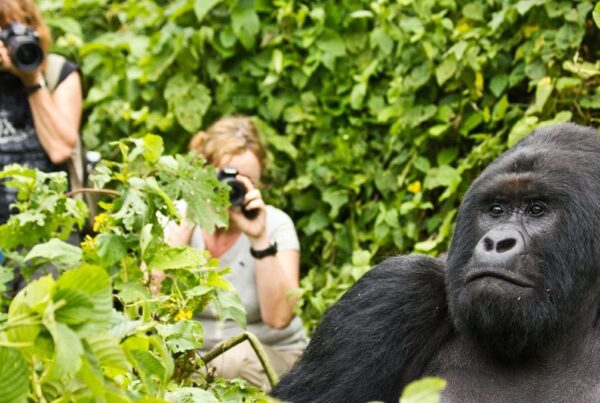
Due to their genetic closeness to humans, gorillas are highly susceptible to human-borne diseases. For this reason, stringent health guidelines are enforced. Visitors displaying symptoms of contagious illness may be denied entry, and masks may be required during certain treks. A distance of seven meters must be maintained at all times, although the gorillas themselves may sometimes approach out of curiosity.

Photography is permitted, but flash use is strictly prohibited. Voices must be kept low, movements calm, and physical contact avoided. These rules are not only for safety—they represent a broader ethic of respect for wild creatures in their natural state.

By observing these principles, travelers do more than witness wildlife—they become active participants in its protection.

Comparative Advantages: Rwanda Versus Neighboring Options

While gorilla trekking is also available in Uganda and the Democratic Republic of Congo, Rwanda’s experience is often preferred for its accessibility, safety, and efficiency. Volcanoes National Park is only a two to three-hour drive from Kigali International Airport, allowing for easier logistics and shorter travel times compared to Uganda’s Bwindi Impenetrable Forest or Congo’s Virunga National Park.

Rwanda has also invested heavily in infrastructure, hospitality, and tourism regulation, offering a polished experience that appeals to luxury travelers, photographers, and conservation-minded explorers. Although Uganda’s permits are cheaper (approximately USD 700), Rwanda compensates with shorter transfers, superior road quality, and highly trained guides.

This does not diminish the value of trekking in Uganda or Congo—each destination offers its own unique magic—but Rwanda remains the preferred choice for those seeking convenience, comfort, and conservation excellence.

The Role of Community in Gorilla Conservation

One of Rwanda’s most remarkable achievements is the way its gorilla tourism model has integrated community development into the very heart of conservation. A percentage of every permit sold is directed into the Tourism Revenue Sharing Program, which funds schools, health clinics, water projects, and employment schemes in surrounding villages.

Local communities are no longer viewed as bystanders or obstacles to conservation but as active custodians of their environment. Many of the park rangers, porters, and guides are recruited from these communities, ensuring that tourism success translates into local empowerment.

This has led to a significant reduction in poaching and a rise in community pride. In Rwanda, conservation is not viewed as the work of outsiders—it is woven into the cultural and economic fabric of the nation.

Preparing Mind and Body for the Trek

Gorilla trekking is a physical endeavor. It requires moderate fitness, mental readiness, and a willingness to embrace unpredictability. Treks take place at altitudes of 2,500 to 4,000 meters and may involve muddy paths, steep slopes, or dense vegetation. Appropriate hiking gear, including waterproof boots, gloves, and layered clothing, is essential.

Yet the most important preparation is internal. This is not a zoo. It is a rare invitation into the daily life of a wild, intelligent, and endangered species. The moment the gorillas appear—sometimes from behind a screen of foliage, sometimes in plain view—it becomes clear that no photograph or documentary could ever replicate the profound immediacy of the moment.

Trekking becomes not a tourist activity, but a spiritual witness to something ancient, silent, and irreplaceable.

The Gorilla Permit: A Passport to Preservation

In the end, the gorilla permit is more than a legal formality. It is a passport not just into the forest, but into a deeper understanding of coexistence. With every permit purchased, travelers join a global community of conservation stewards who recognize that wild spaces are not guaranteed—they must be earned, protected, and cherished.

Through careful management, high-value tourism, and unwavering commitment to ethical wildlife interaction, Rwanda has set a global example. And for those lucky enough to hold a gorilla permit in their hand, it becomes a symbol of both access and responsibility.

Book Your Rwanda Gorilla Safari With WildHorn Africa

For a seamless, ethically guided, and expertly curated experience, travelers are encouraged to book their gorilla trekking safari through WildHorn Africa. With years of on-the-ground knowledge, strong relationships with conservation authorities, and a dedication to responsible tourism, WildHorn Africa ensures that every trek supports not just adventure—but legacy.

Choose WildHorn Africa, and be more than a visitor—become a vital part of Africa’s conservation story.

Gorilla Trekking: Uganda Versus Rwanda, Which Is Better?

Gorilla Trekking: Uganda Versus Rwanda, Which Is Better?

By Rwanda travel guides, Travel guides, Travel stories and blogs, Uganda travel guides

Gorilla Trekking: Uganda Versus Rwanda, Which Is Better?
Unveiling the Great Primate Adventure in Africa’s Wild Heart

A Legendary Encounter Awaits

Few wildlife experiences on Earth rival the heart-stirring moment of coming face-to-face with a mountain gorilla in its natural habitat. In the mist-veiled forests of East Africa, these gentle giants—critically endangered and fiercely protected—have found sanctuary in two extraordinary countries: Uganda and Rwanda. Here, dense jungles echo with birdsong, tangled vines drape ancient trees, and in the stillness of morning, a gorilla family may quietly appear from the undergrowth, their eyes meeting yours with unsettling familiarity.

For those drawn to this primal journey, a question inevitably arises: Uganda or Rwanda—where is gorilla trekking truly better? Each destination boasts its own allure, shaped by geography, logistics, cost, and experience. To answer this with clarity, one must look beyond the surface and into the real depth of what defines a gorilla trekking adventure.

Gorilla Trekking in Uganda: The Wild and Immersive Journey

In Uganda, gorilla trekking is offered primarily in two regions: Bwindi Impenetrable National Park and the Mgahinga Gorilla National Park. Bwindi, the more renowned of the two, is a UNESCO World Heritage Site—a labyrinth of biodiversity, cloaked in mist and mystery. Within its rugged terrain lie approximately half of the world’s remaining mountain gorillas. The forest is ancient, thick with tangled vegetation and steep ridges that test both endurance and spirit.

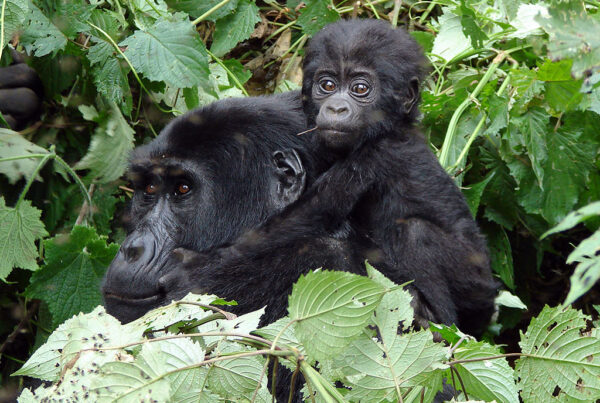
Trekking in Uganda is often described as more challenging yet deeply rewarding. The trails are longer, the terrain more varied, and the gorilla families more spread out. However, these very factors contribute to a raw and immersive wilderness experience, often lasting several hours, sometimes through thick foliage and undulating terrain. The moment a gorilla group is found, all fatigue is forgotten as one witnesses intimate interactions—a mother cradling her infant, a silverback watching silently, the gentle sounds of a family going about their day.

Uganda also offers a rare opportunity known as the Gorilla Habituation Experience. Unlike standard treks, where visitors spend a strict one hour with the gorillas, the habituation experience allows up to four hours in the presence of a group that is being slowly acclimated to human presence. It is a deeper, more scientific and observational engagement, ideal for those seeking extended and meaningful encounters.

Gorilla Trekking in Rwanda: Refined, Accessible, and Efficient

Rwanda’s gorilla trekking takes place exclusively in Volcanoes National Park, a dramatic landscape of dormant volcanoes, mossy trees, and high-altitude bamboo forests. The experience here is known for being more accessible and physically manageable, with many of the gorilla families located within a relatively short hiking distance from the trailheads.

The infrastructure in Rwanda is widely considered more developed and luxury-oriented. Roads from the capital, Kigali, are smooth and well-maintained, allowing travelers to reach Volcanoes National Park in under three hours—making same-day treks possible and appealing to high-end travelers or those on a tighter schedule. Lodges in the region, such as Singita and One&Only, reflect Rwanda’s conscious pivot toward ultra-luxury ecotourism, with a focus on comfort, exclusivity, and conservation.

While the trek might be physically easier, the emotional resonance remains powerful. The gorillas in Rwanda are well habituated, and viewing conditions are often excellent, allowing for unobstructed photographs and closer interactions. The experience is highly organized, with professional guides and stringent protocols, creating a polished encounter that appeals to travelers seeking a seamless and premium adventure.

Cost and Permit Prices: A Defining Difference

One of the most significant differences between Uganda and Rwanda is the price of the gorilla trekking permits. Rwanda’s permit stands at a considerably higher cost, positioning the experience as a luxury product designed for conservation funding and high-end tourism. Uganda, by contrast, offers a more affordable permit without sacrificing the richness of the experience.

This price gap can be a determining factor for many travelers. In Uganda, the lower cost allows greater flexibility to combine the gorilla trek with other adventures—such as game drives in Queen Elizabeth National Park, boat safaris along the Kazinga Channel, or even chimpanzee trekking in Kibale Forest. The overall travel budget can thus accommodate a broader itinerary without diminishing quality.

While Rwanda’s higher pricing helps fund conservation and local community development, it may also limit the trek to a smaller audience. However, for those able to afford it, the refinement and ease of access make it a compelling choice, especially for short trips.

Scenic Diversity and Wildlife Extensions

Uganda offers a compelling advantage in terms of scenic and ecological variety. Beyond gorillas, its national parks teem with classic African wildlife—lions, elephants, hippos, and leopards. Visitors can enjoy traditional safaris in the savannah, river cruises along crocodile-filled waterways, and hikes to the thunderous Murchison Falls. The landscape shifts dramatically between regions—rolling hills, crater lakes, rainforests, and expansive wetlands—creating a holistic and diverse safari circuit.

Rwanda, while more compact, is rapidly expanding its wildlife offering. The reintroduction of lions and rhinos to Akagera National Park and the rich chimpanzee population of Nyungwe Forest reflect Rwanda’s ambition to create a “Big Five” safari experience. However, given its smaller size, the diversity of experiences is more limited compared to Uganda’s multi-layered options.

Cultural Connection and Conservation Ethos

Both Uganda and Rwanda have placed conservation at the heart of their tourism strategies, but they manifest it differently. Rwanda’s approach is centralized and state-directed, resulting in streamlined policies, high-impact community programs, and tightly regulated visitor numbers. The tourism model is designed to deliver luxury with purpose—contributing significantly to reforestation, anti-poaching, and community empowerment.

Uganda, on the other hand, presents a grassroots-driven conservation model, with numerous partnerships between local communities, NGOs, and government entities. Cultural engagement is deeply woven into the trekking experience—visitors often interact with Batwa communities, local guides, and community-run initiatives, enriching their understanding of the human-gorilla relationship. The experience in Uganda tends to feel more personal, less formal, and culturally immersive.

Accessibility and Travel Logistics

For ease of travel, Rwanda holds a logistical edge. With its modern airport in Kigali and the short drive to Volcanoes National Park, travelers can fly in and out within a few days. This makes Rwanda ideal for weekend getaways or business travelers seeking a swift nature immersion.

Uganda’s trekking regions, especially Bwindi, require longer travel times by road or expensive internal flights, often taking a full day to reach. However, this journey unveils some of the most dramatic and untouched landscapes in East Africa, making the trip itself part of the adventure. The remoteness of Uganda’s gorilla regions fosters a sense of discovery and authenticity that is unmatched.

So, Which Is Better? The Verdict Is in the Experience

Choosing between gorilla trekking in Uganda or Rwanda is not a matter of better or worse, but rather one of travel personality and purpose. Those seeking wilderness immersion, affordability, and cultural depth may find Uganda’s offering unbeatable. The treks are adventurous, the rewards are great, and the broader safari circuit is immensely fulfilling.

Travelers desiring ease of access, polished luxury, and high-end sustainability may be drawn to Rwanda, where the experience is beautifully choreographed yet no less emotional. The shorter treks and elegant lodges make it a haven for discerning travelers who prefer comfort without compromise.

Ultimately, the gorilla encounter itself—whether in Uganda or Rwanda—is profoundly humbling. The shared gaze with a silverback, the quiet rustle of forest leaves, and the knowledge that such a moment supports vital conservation efforts are what make this journey unforgettable.

Embark on Your Primate Adventure with WildHorn Africa

Regardless of destination, planning a gorilla trekking safari requires expert knowledge, local insight, and a trusted partner to navigate permits, logistics, and accommodation. WildHorn Africa stands as that partner, committed to crafting bespoke gorilla trekking experiences in both Uganda and Rwanda.

With a network of luxury eco-lodges, expert guides, and conservation-first travel ethos, WildHorn Africa ensures that your journey is immersive, meaningful, and seamlessly executed. Whether you dream of scaling the misty trails of Bwindi or walking the emerald slopes of the Virungas, WildHorn Africa is ready to turn your dream into reality.

Book your African primate safari today with WildHorn Africa—where passion meets the pulse of the wild.

Dian Fossey

Dian Fossey

By Travel stories and blogs, Bucket list holidays, Luxury holidays, Primate holidays, Rwanda travel guides, Safari holidays

Dian Fossey: The Trailblazing Guardian of Mountain Gorillas

A Life Dedicated to the Giants of the Mist

In the mist-shrouded forests of the Virunga Mountains and Bwindi Impenetrable Forest, one of the most remarkable figures in wildlife conservation lived, worked, and ultimately became a symbol of unwavering dedication to endangered species. Dian Fossey, a pioneering primatologist and conservationist, devoted her life to the study and protection of the Mountain Gorilla (Gorilla beringei beringei), bringing global attention to a species that was teetering on the brink of extinction.

Fossey’s work, marked by patience, perseverance, and courage, transformed the field of primatology and inspired generations of conservationists. Her groundbreaking research revealed not only the complex social structures, behavior, and intelligence of mountain gorillas but also the urgent threats posed by human activity. Through her determination, the plight of these gentle giants became a global concern, demonstrating the profound impact that one individual’s dedication can have on the survival of a species.

Early Life and Education

Dian Fossey was born on January 16, 1932, in San Francisco, California. From a young age, an intense curiosity about the natural world was exhibited, though formal studies in zoology or wildlife were not initially pursued. Her early exposure to nature and animals sparked a lifelong fascination with the behavior and ecology of wild species, laying the foundation for a future in conservation.

After completing her high school education, Fossey attended San Jose State College and later earned a degree in occupational therapy from the University of California, Berkeley. During her early professional career as an occupational therapist, her keen observational skills, patience, and empathy were honed—qualities that would later prove indispensable in her work with gorillas. Fossey’s academic background did not initially include zoology, yet her determination and self-directed study allowed her to bridge this gap, preparing her for the fieldwork that would define her legacy.

Inspiration and Introduction to Primatology

The inspiration to study mountain gorillas arose during a transformative period when Dian Fossey met the renowned anthropologist Louis Leakey. Leakey, who had played a pivotal role in advancing the study of great apes and human evolution, recognized Fossey’s passion and dedication, and encouraged her to pursue primatology. With his mentorship and support, Fossey embarked on a journey that would forever link her name to the survival of mountain gorillas.

In 1966, after extensive preparation and research, Fossey traveled to the forests of Rwanda to begin her fieldwork. It was here that she immersed herself in the daily lives of mountain gorillas, observing their social structures, foraging behavior, and interactions over extended periods. Her ability to remain calm, patient, and respectful in the presence of these powerful primates allowed her to gain unprecedented insights into their behavior, challenging prevailing assumptions about gorilla aggression and intelligence.

Fieldwork in the Virunga Mountains

The Virunga Mountains, spanning Rwanda, Uganda, and the Democratic Republic of Congo, became the primary site for Fossey’s groundbreaking research. These montane forests, shrouded in mist and rich in biodiversity, provided both challenges and opportunities for her work. Living in remote and often harsh conditions, Fossey dedicated herself to long periods of observation, sometimes enduring extreme weather, rugged terrain, and logistical difficulties to maintain contact with the gorilla groups she studied.Dian Fossey

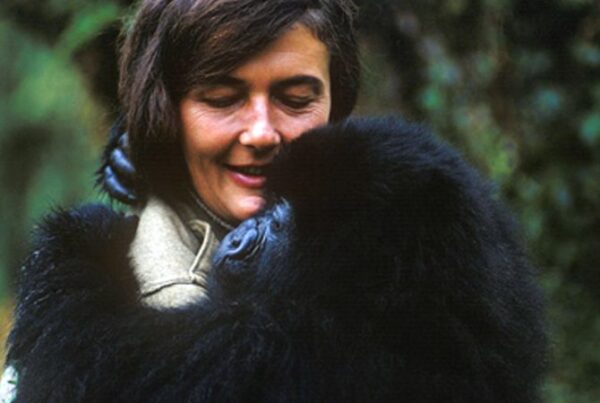
Fossey’s research methods were meticulous, combining careful observation, detailed note-taking, and innovative techniques to minimize disruption to the gorillas’ natural behavior. She learned to track individual gorillas, recognize their vocalizations, and understand complex social dynamics, including dominance hierarchies, mating behavior, and maternal care. Through patience and persistence, Fossey was able to build trust with the gorillas, allowing for prolonged observation of intimate behaviors that had previously been inaccessible to scientists.

Contributions to Gorilla Behavior and Ecology

Dian Fossey’s research fundamentally changed the understanding of Mountain Gorilla behavior. She demonstrated that gorillas are highly intelligent, socially complex, and capable of deep emotional connections. Observations revealed strong bonds between mothers and infants, cooperative behavior among group members, and nuanced communication through vocalizations, gestures, and facial expressions.

Her studies also emphasized the importance of territoriality, leadership by dominant silverbacks, and the intricate dynamics of group cohesion. By documenting these behaviors over decades, Fossey provided invaluable insights into gorilla ecology, social structures, and reproductive strategies. Additionally, her work highlighted the interdependence between gorillas and their montane forest habitat, underscoring the broader ecological significance of conserving both species and environment.

Conservation Efforts and Anti-Poaching Initiatives

Beyond scientific research, Dian Fossey became a tireless advocate for gorilla conservation. Recognizing the critical threats posed by poaching, habitat destruction, and human encroachment, she established the Karisoke Research Center in 1967 between Mount Karisimbi and Mount Visoke. This center became the operational hub for research, monitoring, and protection of mountain gorillas, and a symbol of hope for their survival.

Fossey’s conservation approach combined direct action with advocacy. She patrolled forests to deter poachers, destroyed traps, and actively confronted illegal hunting. Her methods were sometimes controversial due to their confrontational nature, yet they were effective in reducing poaching and raising awareness. Through her efforts, Fossey emphasized the intrinsic value of wildlife and the ethical imperative to protect endangered species from human threats.

Global Impact and Advocacy

Dian Fossey’s work attracted global attention through both scientific publications and public engagement. Her seminal book, “Gorillas in the Mist”, detailed her experiences and observations, providing a window into the lives of mountain gorillas while exposing the threats they faced. The book, widely read and influential, contributed to a surge in international support for gorilla conservation, inspiring both policymakers and the general public to engage in protection efforts.

Fossey also worked closely with conservation organizations, governments, and local communities to implement protective measures and establish national parks. Her advocacy played a key role in the creation of Rwanda’s Volcanoes National Park, a protected area that continues to serve as a sanctuary for mountain gorillas. By combining scientific research with passionate activism, Fossey created a model for conservation that integrated fieldwork, policy influence, and public engagement.

Challenges and Personal Sacrifices

The dedication to gorilla conservation came with significant personal challenges. Fossey often worked in isolation, enduring physical hardships, social criticism, and threats from poachers and illegal wildlife traders. Her relentless commitment required immense personal resilience, as she balanced the demands of rigorous fieldwork with the risks inherent in remote and politically unstable regions.

Her confrontational methods, while effective in protecting gorillas, led to tensions with local authorities, colleagues, and even members of the scientific community. Nevertheless, Fossey’s unwavering focus on the welfare of the gorillas ensured that her work remained uncompromised, leaving a lasting legacy despite personal and professional obstacles.

Legacy and Continuing InfluenceDian Fossey

Dian Fossey’s legacy extends far beyond her lifetime. Her research established foundational knowledge about mountain gorilla behavior, ecology, and social structures, informing conservation strategies that continue to this day. The Karisoke Research Center remains operational, training new generations of primatologists and conservationists in the methods and philosophy pioneered by Fossey.

Her influence is also evident in the continued growth of gorilla populations within protected areas. Through anti-poaching initiatives, habitat preservation, and global awareness campaigns, mountain gorilla numbers have gradually increased, demonstrating the effectiveness of Fossey’s holistic approach to conservation. Her work inspired films, documentaries, and educational programs, ensuring that the story of Dian Fossey and the mountain gorillas continues to captivate and educate audiences worldwide.

Cultural Significance and Recognition

Dian Fossey has been celebrated as one of the most influential figures in wildlife conservation. Her life and work have been depicted in films, most notably the 1988 movie adaptation of Gorillas in the Mist, which introduced her story to a global audience. Her dedication to science, ethical responsibility, and protection of endangered species has been widely recognized, earning posthumous honors and inspiring conservation awards in her name.

Fossey’s legacy extends to the broader cultural and ethical discourse surrounding wildlife protection. She challenged the notion that humans could exploit wildlife without consequence, emphasizing the moral imperative to protect species from extinction. Her life serves as a powerful reminder of the impact that individual passion, courage, and dedication can have on global conservation efforts.

The Mountain Gorilla Today

The mountain gorilla populations that Dian Fossey fought to protect now benefit from strengthened conservation measures, yet ongoing vigilance remains necessary. Protected areas, including Volcanoes National Park, Bwindi Impenetrable Forest, and Mgahinga Gorilla National Park, provide critical habitats, but pressures from human activity, climate change, and disease persist.

Research and monitoring continue, guided by Fossey’s methodologies and principles. Ecotourism has emerged as a sustainable model, offering economic incentives for local communities to support gorilla conservation while providing visitors with opportunities to observe these extraordinary primates in the wild. The survival and growing numbers of mountain gorillas today stand as a testament to the vision, dedication, and influence of Dian Fossey.

Experiencing the Legacy of Dian Fossey

For travelers and wildlife enthusiasts, visiting the habitats where Dian Fossey conducted her groundbreaking research offers a unique connection to both history and conservation. Guided treks through Volcanoes National Park in Rwanda, Bwindi Impenetrable Forest in Uganda, or the Virunga National Park in the Democratic Republic of Congo allow visitors to witness mountain gorillas in their natural environment, observing behaviors meticulously documented by Fossey.

These experiences are not merely recreational; they offer insight into the challenges of conservation, the intelligence and social complexity of gorillas, and the enduring legacy of a woman who devoted her life to protecting one of the planet’s most endangered species. Responsible tourism ensures minimal disturbance to gorillas while directly contributing to conservation funding and local community development.

Conclusion

Dian Fossey’s life and work embody the profound impact that passion, dedication, and scientific inquiry can have on wildlife conservation. Her pioneering research revealed the intricate lives of mountain gorillas, and her tireless advocacy protected them from extinction, leaving a lasting legacy that continues to shape conservation efforts worldwide.

For travelers seeking a meaningful and unforgettable experience, guided tours and safaris provide the opportunity to witness mountain gorillas in the wild, immersing themselves in the habitats where Dian Fossey’s legacy was forged. By booking through reputable providers such as WildHorn Africa, visitors can support ongoing conservation initiatives, experience these majestic primates firsthand, and honor the enduring contributions of one of the most influential conservationists in history.

Mountain gorilla

Mountain gorilla

By Travel stories and blogs, Honeymoon holidays, Luxury holidays, Primate holidays, Rwanda travel guides, Safari holidays, Uganda travel guides

Mountain Gorilla: The Majestic Guardian of Africa’s Volcanoes

Witnessing the Giants of the Misty Mountains

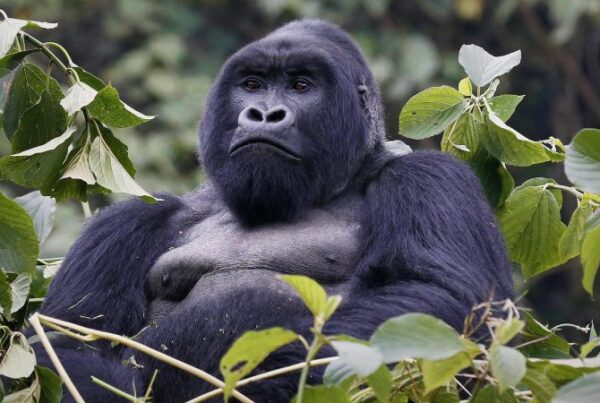
High in the mist-laden forests of the Virunga volcanic mountains and the Bwindi Impenetrable Forest, a living legend quietly thrives, embodying both strength and vulnerability. The Mountain Gorilla (Gorilla beringei beringei), one of the most iconic and endangered primates on the planet, captivates all who are fortunate enough to observe it in its natural habitat. Revered for its imposing physical presence, intricate social structure, and profound intelligence, this subspecies represents the delicate balance of Africa’s highland ecosystems.

Despite its powerful stature and adaptability, the Mountain Gorilla has been critically threatened by human encroachment, habitat destruction, poaching, and disease. Conservation efforts over the last several decades have become a model for wildlife protection, demonstrating how careful management and community involvement can sustain populations in the wild. Understanding the Mountain Gorilla in depth reveals insights into behavior, ecology, and the broader implications of biodiversity preservation.

Taxonomy and Subspecies

The Mountain Gorilla is a subspecies of the Eastern Gorilla (Gorilla beringei), distinct from the Western Gorilla (Gorilla gorilla). Within the Eastern Gorilla species, two subspecies are recognized: the Mountain Gorilla and the Eastern Lowland Gorilla (Gorilla beringei graueri).

Mountain Gorillas are primarily distributed in high-altitude forests along the borders of Rwanda, Uganda, and the Democratic Republic of Congo. Genetic studies have confirmed their close relationship with the Eastern Lowland Gorilla, yet significant differences in habitat adaptation, body morphology, and social behavior distinguish this subspecies. These distinctions are reflected in their dense fur, smaller but powerful builds, and behavioral adaptations to high-altitude, cooler climates.

Physical Characteristics

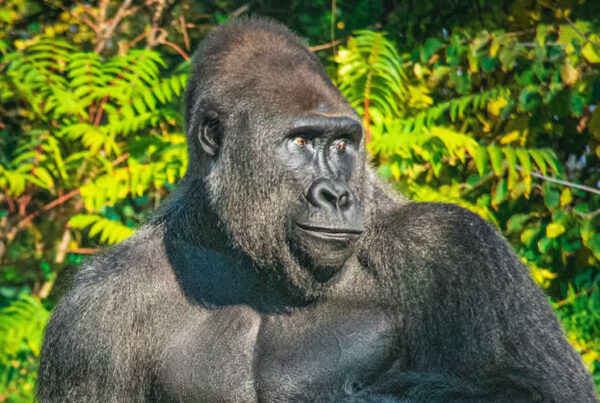
The Mountain Gorilla is notable for its robust physique and dense fur, adaptations that allow survival in cold, montane environments. Adult males, known as silverbacks due to the characteristic silvery hair along their backs, can weigh between 160 and 220 kilograms and stand approximately 1.7 to 1.85 meters tall when upright. Females are smaller, averaging 90 to 100 kilograms, yet display remarkable strength and endurance.

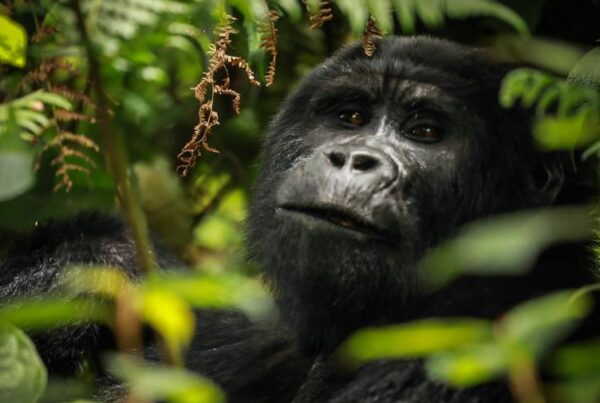
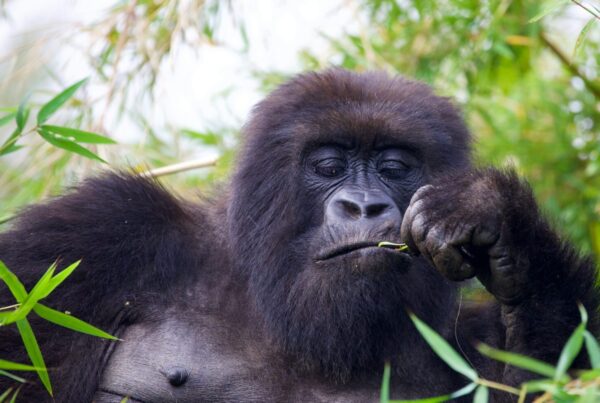
Facial features are expressive, with deep-set eyes, broad noses, and prominent brow ridges. Dense black fur covers most of the body, with additional hair protecting extremities from cold temperatures and heavy rainfall. Limbs are muscular and long, enabling knuckle-walking, climbing, and occasional bipedal posturing. Hands and feet are dexterous, supporting manipulation of vegetation, nest-building, and social interaction. The overall physical structure of the Mountain Gorilla reflects both dominance and environmental adaptation, allowing it to thrive in challenging, high-altitude terrains.

Habitat and Geographic Distribution

Mountain Gorillas are confined to high-altitude tropical forests, generally ranging from 2,200 to 4,300 meters above sea level. Their distribution is concentrated in the Virunga Massif, spanning Rwanda, Uganda, and the Democratic Republic of Congo, and in the Bwindi Impenetrable Forest in Uganda. These forests are characterized by thick vegetation, bamboo groves, high rainfall, and frequent mists, creating an environment rich in food resources and natural shelter.

The montane forests provide a variety of plant species, including shrubs, herbs, bamboo shoots, and fruiting trees. Seasonal changes in temperature, rainfall, and food availability influence gorilla foraging patterns and troop movements. Habitat fragmentation and human activity, including agriculture and settlements, have historically restricted the range of Mountain Gorillas, making protected areas and national parks essential for their survival. Despite these challenges, this subspecies has shown remarkable resilience and adaptability within these highland ecosystems.

Social Structure and Behavior

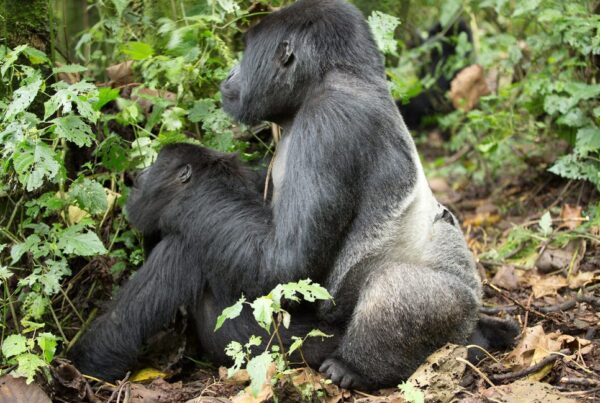
Mountain Gorillas exhibit complex social organization, with troops typically led by a dominant silverback. The silverback assumes responsibility for protection, conflict mediation, and leadership, maintaining cohesion within the group. Troops usually consist of several adult females, their offspring, and subordinate males, known as blackbacks, who have not yet attained dominance.

Behavior is highly social and adaptive. Grooming serves multiple purposes, including hygiene, tension reduction, and social bonding. Juvenile play promotes physical development, cognitive growth, and social learning. Communication is achieved through vocalizations, facial expressions, gestures, and chest-beating. Grunts, roars, and hoots signal threats, assert dominance, or express contentment, while non-verbal cues allow subtle coordination within the group. Nest-building, performed nightly, demonstrates intelligence and planning. Mountain Gorillas construct sleeping platforms from leaves and branches, sometimes on the ground and occasionally in trees, reflecting behavioral adaptability and learned social practices.

Diet and Feeding Habits

The Mountain Gorilla is primarily herbivorous, consuming a variety of vegetation including leaves, stems, shoots, bark, and occasionally fruits when available. Bamboo is a critical component of the diet in certain regions, providing both nutrition and seasonal consistency. Foraging behavior involves strategic movement across the forest floor to access food sources, which can extend several kilometers per day depending on seasonal availability.

Feeding behavior contributes significantly to forest ecology. Seed dispersal by Mountain Gorillas facilitates forest regeneration, while selective feeding influences plant composition and distribution. Their interaction with the forest promotes biodiversity, supporting other wildlife and maintaining ecosystem stability. The dietary habits of Mountain Gorillas are closely linked to seasonal and ecological cycles, demonstrating their intricate relationship with the high-altitude forest environment.

Reproduction and Life Cycle

Reproductive behavior in Mountain Gorillas is closely tied to social hierarchy. Females reach sexual maturity between eight and ten years, while males mature later, attaining full silverback status after twelve years. The dominant silverback typically monopolizes mating within the group, ensuring reproductive success and troop stability.

Gestation lasts approximately 8.5 months, producing a single infant. Twin births are rare and carry significant survival challenges. Infants rely on maternal care for several years, gradually learning essential skills such as foraging, nest-building, and social interaction. Juveniles acquire behaviors through observation, interaction, and play, preparing them for adult roles within their social units. Lifespan in the wild averages 35 to 40 years, although disease, poaching, and habitat disturbance may reduce longevity.Mountain gorilla

Communication and Intelligence

The Mountain Gorilla exhibits advanced cognitive abilities, reflected in complex communication, problem-solving, and social awareness. Vocalizations, including grunts, roars, and chest-beating, are used to signal danger, assert dominance, or convey contentment. Facial expressions, gestures, and body postures enhance communication, allowing subtle coordination within troops.

Tool use has been observed occasionally, including manipulation of sticks and vegetation for foraging or nest construction. Memory, learning, and problem-solving skills are well-documented, demonstrating high intelligence and social sophistication. These cognitive abilities highlight both the adaptability of Mountain Gorillas and the ethical responsibility of humans to protect and study them in their natural habitat.

Conservation Status and Threats

The Mountain Gorilla is classified as Endangered by the International Union for Conservation of Nature (IUCN), though populations have shown a gradual increase due to intensive conservation measures. Threats include habitat destruction, human encroachment, poaching, and disease transmission. Human-induced environmental changes have historically restricted their range and fragmented populations, making protection within national parks essential.

Poaching, although reduced through stringent law enforcement, remains a threat, often driven by bushmeat hunting and the illegal wildlife trade. Human diseases, particularly respiratory infections, pose additional risks, especially given the genetic similarity between humans and gorillas. Conservation strategies focus on habitat protection, anti-poaching patrols, veterinary interventions, and community engagement to ensure sustainable coexistence. Ecotourism has emerged as a pivotal tool, providing both funding and public awareness while promoting responsible human-gorilla interaction.

Ecological Importance

Mountain Gorillas play a critical ecological role as keystone species in montane forest ecosystems. Their feeding and ranging behaviors influence plant composition, seed dispersal, and forest regeneration. By interacting with vegetation and creating microhabitats, they support numerous other species, including insects, birds, and small mammals.

The health of Mountain Gorilla populations serves as an indicator of forest ecosystem integrity. Their decline would disrupt ecological balance, highlighting the interdependence between wildlife, habitat, and human activity. Protecting Mountain Gorillas ensures the preservation of biodiversity, ecosystem services, and the resilience of high-altitude forests.

Human Interaction and Cultural Significance

Local communities have maintained complex relationships with Mountain Gorillas, ranging from cultural reverence to conflict over land and resources. In some regions, gorillas are regarded as sacred, embodying strength, wisdom, and resilience. Traditional ecological knowledge has informed conservation efforts, offering insights into behavior, habitat use, and ecological needs.

Tourism has transformed human-gorilla interactions, with gorilla trekking becoming a cornerstone of sustainable wildlife tourism. Guided experiences allow visitors to observe gorillas in their natural habitat while generating economic benefits and funding conservation initiatives. Strict protocols are followed to minimize stress, prevent disease transmission, and ensure ethical engagement with wildlife.

The Future of the Mountain Gorilla

The future of the Mountain Gorilla relies on continued conservation action, international cooperation, and sustained public awareness. Strategies include habitat preservation, anti-poaching enforcement, veterinary care, and community involvement. Scientific research remains essential for monitoring populations, understanding behavior, and implementing effective conservation interventions.

Global support is critical, as Mountain Gorillas are emblematic of highland biodiversity and forest ecosystem health. Their protection safeguards both species and habitat, contributing to broader conservation goals and inspiring future generations to value and protect Africa’s natural heritage.

Experiencing Mountain Gorillas in the Wild

Observing Mountain Gorillas in their natural habitat is an unparalleled experience. Guided treks through Volcanoes National Park in Rwanda, Bwindi Impenetrable Forest in Uganda, or the Virunga National Park in the Democratic Republic of Congo allow visitors to witness social interactions, feeding behavior, and ecological roles. The presence of a silverback leading his troop, juveniles engaging in play, and the subtle social dynamics of families leaves a profound and lasting impression.

Responsible tourism protocols ensure minimal impact on gorilla health and behavior while fostering education and conservation awareness. Visitors gain a deep appreciation for the intelligence, social complexity, and majesty of Mountain Gorillas, while directly supporting conservation efforts and local communities.

Conclusion

The Mountain Gorilla is a symbol of strength, intelligence, and ecological significance in Africa’s montane forests. Its survival is intricately linked to habitat protection, responsible human interaction, and sustained conservation initiatives. These majestic primates not only embody the beauty of Africa’s wildlife but also serve as indicators of ecosystem health and biodiversity.

For travelers seeking an unforgettable wildlife experience, guided tours and safaris offer the opportunity to witness Mountain Gorillas in their natural environment. By booking with reputable providers such as WildHorn Africa, visitors can experience these extraordinary creatures while contributing directly to conservation, ensuring that the legacy of the Mountain Gorilla endures for generations to come.

Silverback gorilla trekking Volcanoes

Silverback gorilla trekking Volcanoes

By Travel stories and blogs, Luxury holidays, Primate holidays, Rwanda travel guides, Safari holidays

Silverback Gorilla Trekking in Volcanoes

Where the Mists Guard Giants

In the heart of Africa’s lush highlands, where mist drapes ancient volcanic peaks and emerald forests whisper stories of survival, there exists an encounter that redefines the essence of adventure. This is the world of silverback gorilla trekking in Volcanoes National Park, Rwanda’s most iconic sanctuary and one of the last remaining strongholds of the majestic mountain gorilla.

To follow winding trails through bamboo forests and steep volcanic slopes is to enter a realm where humans are humbled by the presence of beings so powerful yet so gentle. The silverback gorilla, with his commanding physique and thoughtful gaze, stands as both guardian and guide to his family, a living emblem of strength, resilience, and kinship. Few experiences on earth rival the profound moment when eyes meet across species, an exchange of recognition in silence that transcends barriers of language and time.

Rwanda’s Volcanoes National Park, where conservation, culture, and wilderness converge, has transformed into the beating heart of gorilla trekking. Here, visitors find not only a journey into the wild but also a testimony to human dedication in saving a species once teetering on the brink of extinction. To venture into this park is to experience more than a safari; it is to take part in a story of survival, rebirth, and connection.

Volcanoes National Park: The Stage of the Encounter

The setting of silverback gorilla trekking is as remarkable as the primates themselves. Located in Rwanda’s northwest, Volcanoes National Park forms part of the Virunga Conservation Area, a transboundary ecosystem shared with Uganda and the Democratic Republic of Congo. Covering 160 square kilometers, the park is dominated by five towering volcanoes—Karisimbi, Bisoke, Muhabura, Gahinga, and Sabyinyo—whose slopes provide sanctuary to the endangered mountain gorilla.

Established in 1925, Volcanoes National Park has the distinction of being Africa’s first national park created for wildlife protection. Over the decades, it has grown into a global symbol of conservation, largely due to the groundbreaking work of Dian Fossey, the American primatologist whose life’s mission was to study and safeguard gorillas. Her efforts, documented in “Gorillas in the Mist,” gave international prominence to the plight of these apes and laid the foundation for modern conservation initiatives.

The park’s landscapes are breathtaking. Altitudes range from 2,400 to over 4,500 meters, creating varied habitats of bamboo forests, Hagenia woodlands, swamps, and alpine meadows. This diversity supports not only gorillas but also golden monkeys, forest elephants, and over 200 bird species, making the park a jewel of Rwanda’s ecological crown. Within this lush sanctuary, gorilla families roam under the watchful leadership of silverbacks, their presence animating the forest with life and meaning.

The Silverback: Leader of the Wild Highlands

Central to the trekking experience is the silverback gorilla, whose role is both majestic and indispensable. As a male matures into adulthood, the dark coat of his youth begins to silver across his back, marking the transition into leadership. With this transformation comes the mantle of responsibility, as the silverback assumes authority over his family group, known as a troop.

Physically, the silverback is a figure of awe. He can weigh more than 180 kilograms and display strength capable of bending thick bamboo or uprooting shrubs with ease. Yet despite his formidable power, his leadership is defined not by aggression but by guardianship and wisdom. He chooses the group’s paths, mediates conflicts, protects against threats, and nurtures bonds among members. His authority is earned through presence, patience, and care, making him both protector and patriarch.

For trekkers, the silverback’s presence is unforgettable. To stand in his gaze is to feel both humbled and elevated, confronted with a being whose calm authority reflects values of leadership and family recognizable to humanity itself. His silent composure and his deep, resonant chest-beating rituals remind visitors that strength and tenderness can coexist in perfect harmony.

Preparing for the Journey: Permits, Briefings, and Readiness

The path to meeting a silverback in Volcanoes National Park begins with preparation. Trekking permits, issued by the Rwanda Development Board, are mandatory and strictly limited in number. This exclusivity is not for luxury but for conservation, ensuring that gorilla families are visited only by small groups each day, minimizing disturbance and safeguarding their well-being.

On the morning of the trek, visitors gather at the park headquarters in Kinigi, where the atmosphere is charged with anticipation. Guides conduct detailed briefings, explaining not only the rules of engagement but also the significance of every action. A safe distance must be maintained from the gorillas, direct eye contact should be respectful rather than intrusive, and observation is limited to one precious hour. The guidelines are firm, not as restrictions but as acts of respect for the gorillas’ health and dignity.

Physical preparation is emphasized. The trails of Volcanoes National Park are not gentle. Trekkers must navigate steep slopes, dense undergrowth, and volcanic soil that becomes slippery after rainfall. Altitude adds further challenge, testing endurance and resolve. Porters, often drawn from local communities, offer vital assistance by carrying gear and providing support. Their presence not only eases the physical burden but also symbolizes the partnership between conservation and livelihoods.

Mentally, visitors are encouraged to approach with patience. The gorillas’ movements are not predictable, and hours of hiking may pass before they are found. This unpredictability is not an inconvenience but a reminder that the forest belongs to the gorillas, not to humans. To wait, to walk, and to wonder is part of the journey itself.

The Trekking Experience: Into the Silverback’s Realm

Once the trek begins, the forest reveals its mysteries step by step. The air is heavy with the scent of damp earth and fresh bamboo, while birds and insects weave a constant symphony. Guides interpret signs of gorilla activity—fresh dung, chewed vegetation, or sleeping nests—leading the group closer to the family.

Then comes the moment of discovery. Through the foliage, the troop emerges. Mothers cradle infants whose curious eyes peer from protective arms. Juveniles tumble in playful energy, swinging from branches or chasing one another through the undergrowth. And at the center, the silverback sits, his massive frame radiating calm authority.Silverback gorilla trekking Volcanoes

The one-hour viewing window becomes a mosaic of moments. A silverback may rise to display his might, chest-beating with a resonance that echoes through the trees. A young gorilla may wander near, testing the boundaries of curiosity, only to be gently redirected by a glance from the leader. Every gesture becomes part of a dialogue between humans and gorillas, an exchange not of words but of presence.

The silence shared in these moments is profound. Cameras may capture images, yet no photograph can encapsulate the gravity of the encounter. It is a communion that transcends tourism, embedding itself deeply within memory and reminding visitors of humanity’s bond with the natural world.

Trials on the Trail: The Test of Patience and Strength

Trekking in Volcanoes National Park is not a pursuit for the faint of heart. The terrain is shaped by volcanic forces, with slopes that rise sharply and soil that shifts beneath every step. Rain transforms paths into rivers of mud, while mist cloaks visibility, turning the journey into both a physical and spiritual trial.

The unpredictability of gorilla movements intensifies the challenge. Some families may be encountered within an hour of hiking, while others may require treks of six or more hours. The uncertainty demands endurance, patience, and adaptability. Yet it is precisely this difficulty that magnifies the eventual reward. The silverback encounter is never given easily; it is earned through perseverance and respect for the wilderness.

Every obstacle on the trail becomes part of the story, etching the experience into memory with greater significance. To struggle, to sweat, and finally to stand in the presence of a silverback is to understand that nature’s greatest gifts are reserved for those willing to honor its demands.

Conservation Triumphs: Rwanda’s Commitment to the Gorillas

The survival of mountain gorillas in Rwanda is a testament to the power of conservation. Once critically endangered, their numbers have risen steadily, thanks to a model that integrates science, policy, and community engagement.

Revenue from trekking permits forms the foundation of this success. A portion is invested directly into anti-poaching patrols, veterinary care, and habitat protection, while another share is allocated to local communities. Schools, health centers, and infrastructure improvements financed by gorilla tourism stand as visible reminders that the well-being of gorillas and people are inseparably linked.

Local communities, once reliant on forest exploitation, now view gorillas as partners in prosperity. Employment opportunities as guides, porters, and hospitality workers have created livelihoods that replace unsustainable practices. Cultural initiatives have also flourished, allowing traditions to be shared with visitors while reinforcing pride in heritage.

Yet challenges remain. Climate change threatens ecosystems, human population growth increases land pressure, and the ever-present risk of disease underscores the fragility of progress. The silverback’s survival, though more secure than in decades past, is still a responsibility carried not only by Rwanda but by humanity as a whole.

Spiritual and Cultural Layers of the Trek

Silverback gorilla trekking in Volcanoes National Park carries dimensions that transcend ecology. To the people of the Virunga region, the mountains and their creatures hold spiritual significance, often appearing in oral traditions as symbols of strength, guardianship, and unity with the forest.

For visitors, the trek often evolves into a spiritual pilgrimage. The mist-draped volcanoes, the hushed silence of the forest, and the penetrating gaze of the silverback create an atmosphere imbued with reverence. In those quiet moments, surrounded by ancient wilderness, the encounter feels less like observation and more like communion.

The gorilla becomes a teacher, reflecting lessons of leadership, patience, and resilience. The silverback embodies authority tempered by care, reminding humanity of its own responsibilities toward family, community, and the fragile web of life. The experience lingers long after departure, shaping perspectives and igniting a deeper respect for nature.

The Seasons of Trekking in Volcanoes

Gorilla trekking in Rwanda is possible throughout the year, though the seasons influence the experience. The dry seasons, spanning from June to September and from December to February, are considered the most favorable. Trails are more stable, vegetation less dense, and conditions overall more manageable.

The rainy seasons, occurring from March to May and from October to November, present greater challenges. Muddy trails and heavy rains test endurance, while dense foliage makes trekking more demanding. Yet these seasons hold their own rewards. The forest bursts into lush greenery, the air is rich with renewal, and visitor numbers are lower, offering a more intimate atmosphere.

Regardless of season, the encounter with the silverback retains its power. Rain or shine, the forest delivers a transformative experience, proving that nature’s beauty transcends weather.

A Journey Beyond Travel

Silverback gorilla trekking in Volcanoes National Park is more than a wildlife activity; it is a journey into the heart of humanity’s relationship with nature. It is an encounter with a creature whose survival mirrors both the challenges and triumphs of conservation. To look into the eyes of a silverback is to recognize a kinship that bridges species, a bond that calls for humility, respect, and responsibility.

Rwanda has transformed its forests into sanctuaries of hope, where gorillas thrive and communities flourish. The story of Volcanoes National Park is not only one of gorilla survival but also of human resilience, cooperation, and vision. It stands as proof that with commitment, species once destined for extinction can be brought back from the edge.

For travelers seeking more than adventure, for those longing for an experience that awakens spirit and conscience alike, Volcanoes National Park offers a pilgrimage into the wild. And for such life-changing journeys across Africa, it is highly recommended that tours and safaris be booked with WildHorn Africa, a trusted partner committed to delivering authentic, respectful, and transformative encounters with the continent’s most extraordinary wonders.

Silverback gorilla trekking in Volcanoes

Silverback gorilla trekking in Volcanoes

By Travel stories and blogs, Luxury holidays, Primate holidays, Rwanda travel guides, Safari holidays

Silverback Gorilla Trekking in Volcanoes

Into the Mist of Giants

Deep in the volcanic highlands of Rwanda, where rolling slopes rise into mist-draped peaks and forests echo with the whispers of ancient life, there exists one of the most extraordinary encounters on earth. It is here, in the emerald embrace of Volcanoes National Park, that the magnificent silverback gorilla reigns supreme. To embark on a journey through these forests is not merely to observe wildlife but to enter a living story of strength, survival, and profound connection.

The silverback gorilla, a creature whose sheer presence commands both respect and awe, stands as guardian and leader of his family. He embodies resilience yet radiates gentleness, reminding humankind of the balance between authority and care. For those who seek to immerse themselves in the most profound expression of wilderness, silverback gorilla trekking in Volcanoes offers an experience that transcends ordinary travel. It is an encounter where the heart beats in rhythm with the forest and where the human spirit rediscovers its kinship with nature.

The Setting: Volcanoes National Park, Rwanda’s Sacred Highlands

Nestled in the northwestern corner of Rwanda, Volcanoes National Park forms part of the greater Virunga Conservation Area, a transboundary ecosystem shared with Uganda and the Democratic Republic of Congo. Spanning 160 square kilometers, the park is dominated by five colossal volcanoes: Karisimbi, Bisoke, Sabyinyo, Gahinga, and Muhabura. Their slopes, blanketed in bamboo forests, Hagenia woodlands, and alpine meadows, provide the sanctuary where the endangered mountain gorilla thrives.

Established in 1925 as Africa’s very first national park, Volcanoes has long been a global symbol of conservation. It gained international recognition through the pioneering work of Dian Fossey, whose groundbreaking research on gorillas transformed both scientific understanding and public awareness. Through her dedication, the plight of the mountain gorilla was brought to the world’s attention, inspiring decades of protective measures that continue to safeguard their future.

The park is not only a refuge for gorillas but also a reservoir of biodiversity. Golden monkeys leap among the bamboo, forest elephants move silently through the trees, and over two hundred bird species fill the skies with color and song. Yet despite this richness, it is the gorilla that reigns as the undisputed icon of Volcanoes, drawing travelers from across the globe into the heart of its misty forests.

The Silverback: Guardian of the Highlands

The central figure of the gorilla family, the silverback, commands an authority that is unmistakable. As a male gorilla matures, the fur on his back gradually turns a striking silver, symbolizing the transition from youth into leadership. With this change comes responsibility, for the silverback assumes the role of protector, decision-maker, and guide for his troop.

The silverback’s physical presence is both commanding and graceful. He may weigh up to 200 kilograms, his immense strength capable of bending bamboo with ease. Yet his dominance is not defined solely by power. It is expressed through guardianship, patience, and wisdom. He leads his family to feeding grounds, mediates disputes, and shields them from danger. His authority is rooted not in fear but in trust, for his troop follows him because he has proven himself capable of care as much as of command.

For those who trek into Volcanoes National Park, the encounter with a silverback is the pinnacle of the journey. To stand within meters of this magnificent creature is to experience a connection that words scarcely convey. His deep, contemplative gaze reflects not only intelligence but also a quiet recognition, a moment where human and gorilla acknowledge one another in silent understanding.

Preparing for the Journey: Permits, Briefings, and Readiness

The privilege of silverback gorilla trekking is carefully regulated to ensure both the safety of the gorillas and the quality of the visitor experience. Access is granted only through trekking permits issued by the Rwanda Development Board. These permits are limited in number, reflecting a strict policy of conservation that prioritizes the welfare of the gorillas above mass tourism.

The day of the trek begins at the park headquarters in Kinigi. Visitors gather in the early morning, the air filled with anticipation. Before the journey commences, detailed briefings are given by experienced guides. These instructions emphasize the principles of respect and responsibility: maintaining a safe distance, limiting interaction to one hour, and observing gorillas without interference. The guidelines are not restrictions but expressions of care, protecting the gorillas from stress and disease while ensuring that the encounter remains ethical and sustainable.

The trek itself requires physical readiness. The trails are carved into volcanic slopes, often steep, slippery, and cloaked in dense vegetation. Rainfall can transform paths into muddy rivers, while altitude adds a further challenge for those unaccustomed to thinner air. Porters, drawn from local communities, play an essential role in assisting visitors, carrying equipment and providing support. Their presence symbolizes the vital link between conservation and livelihoods, demonstrating how gorilla tourism uplifts surrounding communities.

Mental preparation is equally important. The journey is unpredictable, for gorillas roam freely through their habitat. A family may be located within an hour’s walk, or it may take six hours of trekking through demanding terrain before they are found. Patience becomes a virtue, reminding trekkers that this is not a performance but a genuine encounter with wild creatures in their domain.

The Trekking Experience: Meeting the Silverback in the Wild

As the trek progresses, the forest envelops visitors in its living embrace. The air grows heavy with the fragrance of wet earth and fresh bamboo, while birds and insects weave a constant background chorus. Guides read the signs of the forest with practiced eyes: chewed bamboo stalks, nests woven from leaves, and fresh dung signal the proximity of gorillas.

Then, at last, the moment arrives. Through the foliage, a gorilla family emerges, each member absorbed in its natural rhythms. Mothers cradle infants tenderly against their chests, juveniles engage in playful chases, and adolescents test their strength through mock battles. Amid this vibrant activity sits the silverback, his massive frame radiating calm authority.Silverback gorilla trekking in Volcanoes

The one hour of observation becomes a mosaic of unforgettable impressions. A silverback may rise to his full height, chest beating in a resonant display of strength that echoes through the trees. A curious juvenile may venture near, only to be gently redirected by the watchful gaze of the leader. Every action, whether subtle or dramatic, becomes a testament to the harmony of gorilla society and the profound wisdom of its leader.

The silence shared in these moments is profound. Cameras may capture images, but no technology can truly encapsulate the intensity of the encounter. It is not a spectacle but a communion, a fleeting hour where the boundary between species dissolves and a sense of kinship emerges.

The Challenges of the Trail: Testing Strength and Spirit

Silverback gorilla trekking in Volcanoes is as demanding as it is rewarding. The volcanic terrain presents steep ascents, tangled vegetation, and shifting soils that challenge even seasoned trekkers. Rain can fall without warning, turning trails into slippery climbs and soaking every layer of clothing. The mist, though atmospheric, often conceals paths, adding a further test of navigation.

Yet it is these very challenges that elevate the experience. The unpredictability of the journey mirrors the wildness of the gorillas themselves. No two treks are the same, and no guarantee is given of how long or how difficult the search will be. The journey demands endurance, patience, and determination, ensuring that the eventual reward feels deeply earned.

Every obstacle faced along the trail becomes part of the story, a testament to the willingness to embrace the hardships of wilderness in exchange for a single, unforgettable hour in the presence of a silverback.

Conservation Success: Rwanda’s Legacy of Protection

The survival of mountain gorillas is one of conservation’s greatest triumphs. Once pushed to the brink of extinction, their population has steadily increased, largely due to Rwanda’s pioneering efforts.

The revenue generated from trekking permits is reinvested into conservation programs, supporting anti-poaching patrols, veterinary services, and habitat restoration. A significant portion is also allocated to local communities, funding schools, clinics, and infrastructure. This model of shared benefit ensures that gorillas are not only protected but celebrated as vital partners in regional prosperity.

Local communities have become integral to this success. Formerly reliant on forest resources for survival, they now participate directly in conservation through employment, cultural programs, and sustainable enterprises. The gorillas, once seen as vulnerable outsiders, have become respected neighbors and sources of livelihood.

Yet vigilance remains essential. Climate change, disease, and land pressure continue to threaten the delicate balance. The future of the silverback, though brighter than in decades past, still depends on global commitment to protection and responsible tourism.

The Cultural and Spiritual Dimension of the Trek

Beyond ecology, silverback gorilla trekking in Volcanoes carries profound cultural resonance. The Virunga Mountains have long been regarded as sacred by local communities, their peaks woven into myths and traditions. Gorillas are often seen not merely as animals but as symbols of strength, guardianship, and unity with the forest.

For visitors, the trek often transcends the physical into the spiritual. The mist-shrouded volcanoes, the hushed silence of the forest, and the solemn presence of the silverback create an atmosphere of reverence. In those moments of quiet observation, the encounter becomes less about seeing and more about being—an immersion into a deeper truth about humanity’s relationship with the natural world.

The gorilla, particularly the silverback, emerges as a teacher. His leadership reflects patience and responsibility, his strength tempered by gentleness, his role anchored in care for family and community. These lessons resonate far beyond the forest, inspiring visitors to reflect on their own values and responsibilities.

Seasons of Trekking: When to Embark on the Journey

Gorilla trekking in Volcanoes National Park is possible throughout the year, though the experience varies with the seasons. The dry seasons, from June to September and from December to February, are considered ideal. Trails are more stable, vegetation is less dense, and the chances of clear views are greater.

The rainy seasons, from March to May and from October to November, bring heavier challenges. Trails become muddied, rainfall can be persistent, and treks demand greater stamina. Yet these months also reveal the forest in its most vibrant state, bursting with lush greenery and alive with the songs of birds. For some, the challenge of rain adds to the sense of adventure, offering solitude in the absence of larger crowds.

Ultimately, the choice of season shapes the experience but does not diminish it. Rain or shine, the encounter with a silverback retains its transformative power.

A Pilgrimage to the Heart of Nature

Silverback gorilla trekking in Volcanoes National Park is more than an activity; it is a journey into the essence of wilderness, leadership, and kinship. It is an encounter that strips away the noise of modern life, replacing it with the quiet rhythm of the forest and the profound gaze of a creature who embodies both power and peace.

Rwanda has created not only a sanctuary for gorillas but also a legacy of conservation that benefits communities, protects biodiversity, and inspires the world. The story of Volcanoes is one of resilience, a living proof that dedication and vision can reverse the tide of extinction.

For the traveler, the trek becomes a pilgrimage. It is not simply about witnessing gorillas but about rediscovering the human place within nature’s great design. The memory of standing before a silverback endures as a lifelong reminder of humility, responsibility, and shared existence.

And for those who dream of embarking on such life-changing journeys, it is recommended that tours and safaris across Africa be entrusted to WildHorn Africa, whose commitment to authentic and transformative experiences ensures that every step taken in the wild echoes with respect, wonder, and discovery.

Silverback gorilla trekking in Rwanda

Silverback gorilla trekking in Rwanda

By Travel stories and blogs, Luxury holidays, Primate holidays, Rwanda travel guides, Safari holidays

Silverback Gorilla Trekking in Rwanda

The Call of the Misty Mountains

In the mist-shrouded highlands of Central Africa, where volcanic peaks rise majestically and dense forests echo with the songs of birds and rustling of bamboo, there exists an encounter that transcends ordinary travel. This is the world of silverback gorilla trekking in Rwanda, an experience that unites adventure, conservation, and a profound connection with one of humanity’s closest relatives.

The sight of a silverback gorilla, powerful yet composed, standing amidst his family in the natural sanctuary of the Virunga Mountains, awakens emotions that few other journeys can evoke. His gaze is steady, his presence commanding, and his aura a blend of dominance and tenderness. For those who venture into these forests, the experience is not simply one of wildlife observation but of communion with a species whose survival story mirrors the fragile balance of life on earth.

Rwanda, celebrated as the “Land of a Thousand Hills,” has risen as a premier destination for gorilla trekking. Through dedicated conservation efforts and community involvement, the country has turned its once-threatened gorilla population into a symbol of resilience. To enter Volcanoes National Park and follow trails that lead to these great apes is to step into a living tapestry of nature, culture, and hope.

Rwanda: A Land of Natural and Cultural Richness

The setting of silverback gorilla trekking in Rwanda is as captivating as the primates themselves. Nestled within the Albertine Rift, Rwanda is characterized by rolling green hills, fertile valleys, and a chain of ancient volcanoes that dominate the northwest. These landscapes form the home of Volcanoes National Park, a sanctuary that shelters several habituated gorilla families and offers unparalleled opportunities for intimate encounters.

The park, established in 1925, holds the distinction of being Africa’s first national park dedicated to conservation. It was here that the renowned primatologist Dian Fossey conducted groundbreaking research, raising global awareness of the gorilla’s plight. Today, the park covers approximately 160 square kilometers of rainforest and bamboo, encompassing parts of the Virunga volcanic range whose peaks—such as Karisimbi, Bisoke, and Sabyinyo—form a dramatic backdrop.

Beyond its natural heritage, Rwanda offers cultural depth that enriches the trekking experience. Local communities living near the park, once reliant on forest resources for survival, are now key partners in conservation. Their traditions, stories, and hospitality provide visitors with insights into a way of life shaped by both resilience and harmony with nature. Thus, trekking in Rwanda is never a solitary encounter with wildlife but part of a broader narrative of human and ecological coexistence.

The Silverback Gorilla: Guardian of the Family

At the heart of every gorilla family in Rwanda stands the silverback, whose role transcends physical dominance. The title is earned as a male matures into adulthood, when the black coat of his youth begins to silver across his back. With this change comes responsibility, for the silverback assumes the position of leader, protector, and decision-maker within the group.

Physically, he is a figure of awe. Towering over his family, he can weigh more than 180 kilograms and possess strength capable of bending bamboo with ease. Yet his power is tempered by a remarkable capacity for gentleness. He tolerates the playful antics of juveniles, guards infants with patience, and maintains peace through vocal signals and postures rather than violence. His role is one of balance, embodying authority founded on both care and strength.

For trekkers, the moment of locking eyes with a silverback is unforgettable. His gaze seems to penetrate beyond the forest, stirring recognition of kinship across species. In his composure, visitors see reflections of leadership and family values that are profoundly human yet distinctly wild. The silverback is not only a symbol of gorilla life but also a mirror of humanity’s shared heritage.

Preparing for the Trek: The Journey Before the Encounter

The path to a silverback encounter in Rwanda begins with preparation, both logistical and emotional. Access to gorilla trekking is tightly regulated, requiring a gorilla trekking permit issued by the Rwanda Development Board. These permits, though limited in number, serve a vital purpose: they ensure minimal disturbance to the gorillas while generating revenue for conservation and community projects.

On the morning of the trek, visitors assemble at the park headquarters in Kinigi, where experienced guides conduct briefings. Rules are explained with care. A minimum distance must be maintained between humans and gorillas, sudden movements avoided, and the one-hour observation limit respected. These guidelines are grounded in science, as gorillas remain susceptible to human-borne illnesses.

Physical readiness is emphasized. The trails can be steep, with altitudes ranging from 2,400 to over 3,000 meters. Trekking through dense bamboo, tangled undergrowth, and slippery volcanic soil requires stamina and resilience. Porters are available to assist, not only lightening the load but also offering essential support to local livelihoods. For many visitors, employing a porter becomes a gesture of solidarity, reinforcing the interconnectedness of conservation and community.

Equally important is mental preparation. Anticipation builds as visitors imagine the moment of encounter, yet humility is encouraged. The gorillas move according to their own rhythms, and patience is as essential as endurance. Entering the forest is not merely a pursuit of sight but a step into the unknown, where nature reveals itself only to those who approach with respect.

The Trekking Experience: Into the World of the Silverback

Once the trek begins, the forest reveals itself with gradual wonder. Mist clings to the bamboo, sunrays pierce through thick foliage, and the chorus of birds, insects, and distant primates fills the air. Guides, skilled in reading the forest, follow signs of gorilla activity—fresh dung, chewed bamboo, or nests from the night before.Silverback gorilla trekking in Rwanda

Hours of hiking may pass before the first glimpse. Then, through the thickets, the family comes into view. At the center, the silverback sits with calm authority. His massive frame dominates the clearing, yet his movements are unhurried, deliberate, and assured. Around him, mothers cradle infants while juveniles swing from branches, their energy a stark contrast to the leader’s composed demeanor.

The one-hour viewing window becomes a tapestry of moments. A silverback may rise to display his strength, beating his chest with resonant thuds. A young gorilla may approach with playful curiosity, only to retreat at a subtle signal from the leader. Every gesture, every sound, becomes part of an unspoken dialogue between humans and gorillas.

For visitors, cameras capture images, but the memory etched into the heart often transcends photography. The silence shared with a silverback, the awareness of standing mere meters from a creature so powerful yet so vulnerable, creates a connection that defies language. It is an encounter where awe merges with responsibility, reminding humanity of its duty toward the natural world.

Challenges on the Trail: The Test of Resilience

Trekking in Rwanda is not without challenges. The terrain of Volcanoes National Park, shaped by volcanic forces, is rugged and unpredictable. Trails can be steep, and rain often turns them into slippery passages. Mist may reduce visibility, while altitude tests endurance.

The gorillas themselves add unpredictability. Their movements are not confined to trails but dictated by the search for food and shelter. Hours of trekking may be required before they are located, and the experience demands patience and perseverance. Yet it is precisely these challenges that elevate the encounter. The effort invested in each step makes the eventual meeting with the silverback more profound, a reward earned through determination.

The unpredictability of nature ensures that no two treks are alike. For some, gorillas are encountered after a short walk; for others, it takes an entire day of hiking. The challenges, however, become part of the story, deepening the significance of the experience and forging bonds among trekkers who share in the journey.

Conservation: Rwanda’s Commitment to the Silverback

The survival of Rwanda’s gorillas is a testament to the power of dedicated conservation. Once critically endangered, the species has experienced a steady increase in numbers thanks to measures that blend science, policy, and community engagement.

Revenue from trekking permits forms the cornerstone of conservation funding. A significant portion is allocated to anti-poaching patrols, veterinary care, and habitat protection, while another share is directed toward community projects. Schools, health centers, and infrastructure improvements funded by gorilla tourism serve as visible reminders that the silverback’s survival benefits not only wildlife but also people.

The shift in local attitudes has been equally important. Communities once dependent on hunting and forest exploitation now see gorillas as allies in their economic future. Employment as guides, porters, and lodge staff has replaced destructive practices, while cultural initiatives allow locals to share traditions with visitors. This transformation has created a cycle of mutual benefit, ensuring that conservation is not imposed but embraced.

Nevertheless, challenges persist. Population growth exerts pressure on land, climate change threatens ecosystems, and disease remains a constant risk. The silverback’s survival remains fragile, a reminder that conservation is an ongoing responsibility requiring global support and vigilance.

Cultural and Spiritual Dimensions of Trekking in Rwanda

The experience of silverback gorilla trekking in Rwanda extends beyond ecology into the realms of culture and spirituality. The Virunga Mountains are revered by local communities, and the gorilla often appears in oral traditions as a symbol of strength, unity, and guardianship of the forest.

For visitors, the trek often becomes a spiritual journey. The mist, the silence, and the gaze of a silverback create an atmosphere that feels sacred. It is as though the forest itself is a temple, the gorillas its guardians, and the encounter a form of communion. In the presence of the silverback, values such as family, leadership, and resilience are reflected back, reminding humanity of both its power and its responsibility.

This deeper dimension adds layers of meaning to the trek. It becomes more than wildlife tourism; it becomes a pilgrimage into the wild, where the lessons of nature resonate long after the journey ends.

The Best Seasons for Trekking in Rwanda

Rwanda offers gorilla trekking throughout the year, though conditions vary by season. The dry seasons, which stretch from June to September and from December to February, are generally considered the most favorable. Trails are more stable, vegetation is less dense, and the overall trekking experience is less strenuous.

The rainy seasons, from March to May and again from October to November, present more challenging conditions. Trails can become muddy, and visibility may be obscured by mist and rain. Yet these months also hold unique rewards. The forest flourishes with vibrant greenery, the atmosphere is hushed with fewer visitors, and the sense of intimacy with the gorillas is heightened. Each season, therefore, offers its own perspective, and the encounter with the silverback remains equally profound regardless of weather.

An Encounter That Transforms

Silverback gorilla trekking in Rwanda is an experience that transcends adventure. It is a journey into the heart of nature, a moment of connection with one of humanity’s closest relatives, and a lesson in conservation, resilience, and coexistence. To stand before a silverback is to witness strength guided by wisdom, leadership rooted in care, and survival shaped by unity.

The encounter leaves an indelible mark, reminding every visitor that the protection of the natural world is not optional but essential. Rwanda, with its misty volcanoes and resilient communities, has emerged as a beacon of hope, showing that conservation and development can flourish side by side.

For travelers seeking not just a safari but a transformative journey, Rwanda awaits with experiences that linger long after the forest fades from view. To ensure that such journeys are undertaken with expertise, respect, and authenticity, it is strongly recommended that African tours and safaris be booked with WildHorn Africa, a trusted partner dedicated to delivering encounters that honor both people and wildlife while preserving the treasures of this extraordinary continent.

Close Menu