


Botswana Travel Advice
Botswana has long been regarded as one of Africa’s most exclusive, pristine, and conservation-driven safari destinations, shaped by a deep commitment to protecting wilderness landscapes that remain untouched by mass tourism. The country’s carefully managed low-impact tourism model has allowed vast ecosystems to flourish naturally, ensuring that wildlife thrives across protected areas that span millions of hectares. Travellers who journey through Botswana quickly discover that the experience is defined by space, silence, and a sense of immersion that is rarely achieved in other parts of the world. The Okavango Delta, the Kalahari Desert, the Makgadikgadi Pans, and the Chobe River are destinations that capture the imagination of travellers who value authenticity, raw beauty, and a genuine sense of remoteness. A visit to Botswana never feels rushed, crowded, or commercial; instead, it unfolds like a quiet, deeply personal journey into Africa’s last remaining untouched frontiers.
The nation’s reputation for stability, friendliness, and warm hospitality complements its natural richness. The rhythm of life in Botswana moves gently, reflecting the local ethos of respect for nature, community, and tradition. Visitors often remark on how connected they feel to the land and how easily they can disconnect from modern pressures once they arrive. The sound of lions calling in the night, the sight of elephants crossing a river at sunset, the glow of lantern-lit camps deep in the delta, and the unbroken horizons of the Kalahari shape memories that stay with travellers long after they return home. This article provides comprehensive Botswana travel advice, offering in-depth guidance for planning a safe, rewarding, and well-informed journey while maintaining accuracy, insight, and a tone that speaks to travellers seeking more than a standard safari.
Quick Facts
Botswana is a landlocked country in Southern Africa known for its remarkable commitment to wildlife conservation and low-volume luxury tourism. The population is relatively small compared to the size of the land, resulting in a sense of spaciousness and tranquility that defines the country’s identity. English is the official language used throughout government, education, and tourism, making communication seamless for most international travellers, while Setswana is widely spoken in daily life. The currency is the Botswana Pula, which reflects national pride and stability. Botswana is politically stable, democratic, and ranked among the safest destinations in Africa. Its economy is bolstered by diamond mining, tourism, and beef exports, contributing to strong national infrastructure and well-maintained protected areas. Time in Botswana follows Central Africa Time (CAT), which remains consistent throughout the year, as the country does not observe daylight savings.
Botswana’s travel experience is heavily shaped by its abundant wildlife, vast national parks, pristine wetlands, and arid deserts. The government’s conservation policies have created strong populations of elephants, predators, and endangered species, making the country a sanctuary for anyone interested in wildlife-focused travel. The culture is rooted in tradition, hospitality, and community values, offering travellers a calm, grounded introduction to Southern Africa. These quick facts help build a foundational understanding of Botswana and frame the deeper advice offered throughout the article.
Geography and Climate
Botswana’s geography is defined by remarkable contrasts, encompassing both one of the world’s largest inland deltas and one of the most expansive deserts in Africa. Much of the country sits on the Kalahari Basin, creating landscapes dominated by sandy soil, arid plains, ancient pans, and sparse vegetation that adapts beautifully to low rainfall. Despite its desert character, Botswana is also home to the Okavango Delta, a UNESCO World Heritage Site and one of the planet’s most extraordinary ecosystems. The delta is created by seasonal floodwaters from Angola that spread into a network of channels, lagoons, islands, papyrus reeds, and floodplains that support an extraordinary diversity of wildlife. The presence of water within an otherwise semi-arid environment sets Botswana apart from typical safari destinations and creates the dramatic wildlife concentrations for which the country is famous.
The climate in Botswana is primarily semi-arid, shaped by hot summers and cooler, dry winters. The dry season, from May to October, is characterized by clear skies, comfortable days, cool nights, and minimal rainfall. This is the peak safari season, as vegetation thins and animals gather near permanent water sources, creating exceptional viewing conditions. The green season, often referred to as the rainy season, runs from November to April. During this time, afternoon thunderstorms refresh the landscape, transforming the plains into lush green expanses. Wildlife disperses more widely, migratory birds arrive, and the atmosphere becomes calmer and more atmospheric. While some remote areas may become inaccessible after heavy rains, the green season offers photographers and nature lovers a chance to witness a softer, more colourful side of Botswana. Understanding the geography and climate provides travellers with realistic expectations and informed decision-making regarding when and where to travel.
Passports and Visas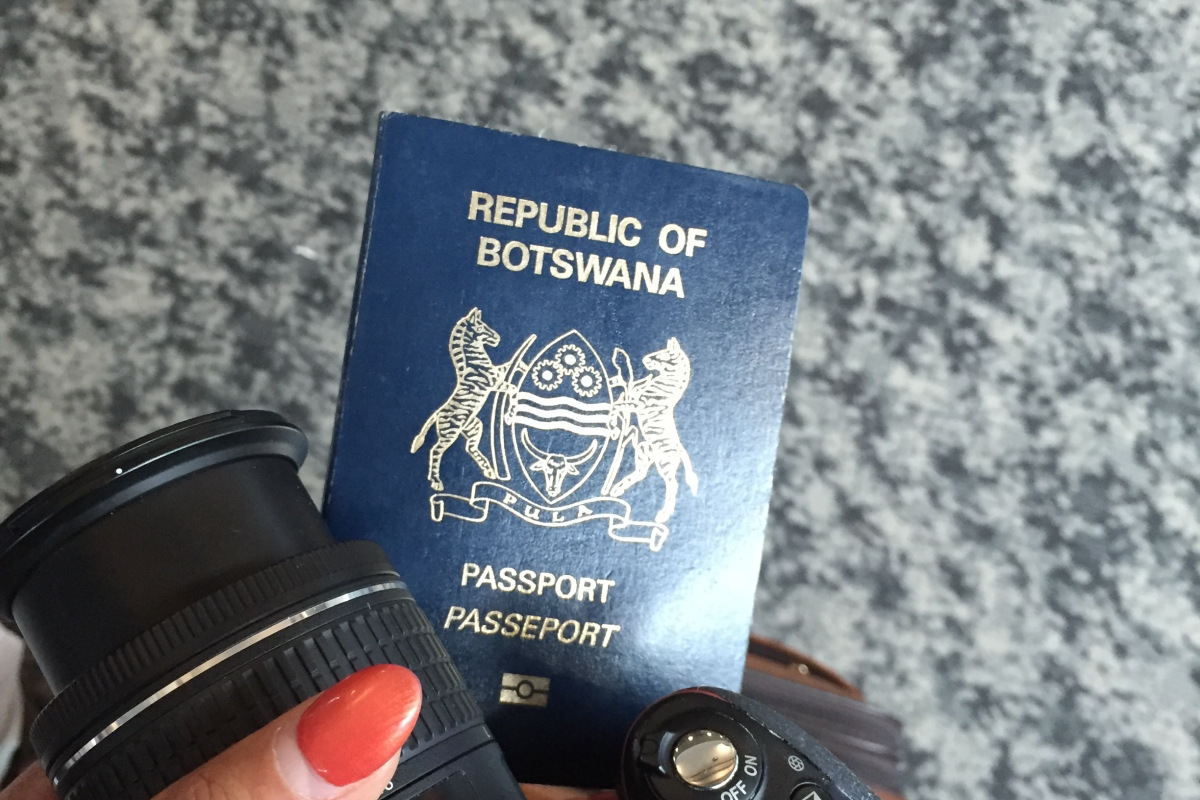

Most travellers find Botswana’s entry requirements straightforward and traveler-friendly, although it remains essential to verify the latest regulations before departure. A valid passport with at least six months of remaining validity from the date of entry is required for all visitors. Several nationalities, including those from the United States, Canada, the United Kingdom, the European Union, and many Commonwealth countries, do not require a visa for stays of up to ninety days. Travellers who do require visas must obtain them through Botswana’s diplomatic missions or designated online application systems when available. Immigration officers may request proof of onward or return travel, adequate financial means for the duration of the stay, and proof of accommodation, so carrying printed or digital confirmations is recommended.
For travellers crossing into Botswana with children under eighteen years of age, additional requirements may apply, such as producing unabridged birth certificates or parental consent documents. These rules are designed to protect minors and reflect broader Southern African regulations. Border crossings between Botswana and neighbouring countries, such as South Africa, Namibia, Zambia, and Zimbabwe, are generally efficient, though peak holiday periods may result in longer waits. It is always advisable to ensure travellers have multiple copies of all key documents stored separately for added security.
Health
Health considerations in Botswana vary depending on the region and type of travel, but the country overall is considered safe and well-equipped with reputable medical facilities in larger towns such as Gaborone, Maun, and Kasane. Travellers are advised to consult a travel health professional before departure to discuss any recommended vaccinations. Standard travel vaccinations, including hepatitis A, tetanus, and typhoid, may be advised depending on a traveller’s medical history and itinerary. Botswana is a malaria-risk area in several northern regions, particularly during the rainy season, with the Okavango Delta, Chobe National Park, and parts of the Makgadikgadi region being the most affected. Anti-malarial medication, insect repellent, long clothing during evenings, and well-screened accommodations can help minimize risk significantly.
Water in major towns is treated and generally safe to drink, although many travellers prefer bottled water or purified water provided by lodges in remote destinations. Warm temperatures during the day may lead to dehydration, so travellers are encouraged to drink water regularly. Sunscreen, hats, and protective clothing are essential due to the strong African sun. Travellers with prescription medications should bring enough for the entire journey, along with official documentation, as pharmacies in remote areas may not stock specialized medications. Health awareness forms part of responsible travel, helping ensure a safe and enjoyable stay.
Insurance
Travel insurance should be considered essential for any trip to Botswana, particularly because safari regions are remote and medical evacuation costs can be extremely high. Comprehensive coverage that includes medical care, emergency evacuation, trip delays, cancellations, and lost baggage is highly advised. Many high-end safari lodges require guests to have evacuation insurance before arrival, as accessing advanced medical care typically involves air transport to major towns or neighbouring countries. Insurance that covers international flights, personal belongings, and unexpected itinerary changes offers peace of mind and financial security. Travellers planning adventurous activities such as mokoro excursions, helicopter flights, or walking safaris should confirm that their insurance provider includes adventure-travel coverage.
Money
The Botswana Pula (BWP) is the official currency, and it is widely accepted in towns, national parks, and local establishments. Credit and debit cards are commonly used in hotels, lodges, and larger shops, but cash remains useful in markets, fuel stations, and small rural settlements. ATMs are available in major towns such as Maun, Gaborone, Kasane, and Francistown, although travellers heading into remote safari camps should carry enough cash for incidental expenses. Many luxury lodges operate on a cashless model, allowing guests to settle bills electronically at the end of their stay. Currency exchange services are available at banks, airports, and foreign-exchange bureaus, although rates may vary. US dollars are accepted in some tourism settings, particularly for park fees or cross-border visas, but it is best to confirm beforehand to avoid misunderstandings.
Tipping
Tipping in Botswana is appreciated and encouraged as a way to acknowledge excellent service, although it is not compulsory. The tourism sector is structured around hospitality teams that work diligently to create smooth and memorable travel experiences. Guests typically tip guides, trackers, lodge staff, and camp personnel at the end of their stay. The amount varies depending on personal discretion, level of luxury, and length of visit, but tips are generally given in Botswana Pula or US dollars when acceptable. Some lodges provide communal tip boxes designed to ensure that gratuities are distributed fairly among staff, reflecting the cooperative nature of safari camp operations. Tipping remains a personal gesture, and travellers should feel comfortable adjusting to their own preferences.
Travel Destinations
Botswana offers an array of destinations that appeal to travellers seeking sweeping natural beauty, remarkable wildlife, and a sense of remote wilderness. The Okavango Delta is often considered the heart of the safari experience, where seasonal floodwaters create a mosaic of lagoons, islands, and grasslands that draw immense concentrations of wildlife. Mokoro rides, guided walks, boat excursions, and photographic safaris reveal the delta’s quiet magic. Chobe National Park contrasts beautifully with the delta, offering riverfront safaris where elephants gather in astonishing numbers to drink, bathe, and cross the water at sunset. Chobe is renowned for its predator populations, birdlife, and dramatic scenes played out along the riverbanks.
Further south, the Makgadikgadi Pans and Nxai Pan National Park provide otherworldly desert landscapes filled with salt pans that glitter in the sunlight, ancient baobabs, and seasonal zebra migrations that create powerful scenes of movement and survival. The Kalahari Desert, spanning an immense portion of Botswana, offers a quieter safari experience shaped by extraordinary desert-adapted wildlife, San cultural encounters, and endless horizons. Central Kalahari Game Reserve is particularly known for its sense of isolation and the dramatic transformation of its landscapes during the rainy season. Linyanti, Selinda, and the private reserves surrounding the Okavango Delta provide exclusive safari experiences that combine luxury, conservation, and privacy.
How to Get There
Botswana can be accessed through several international gateways, with most travellers entering via South Africa, Namibia, Zambia, or Zimbabwe. Maun serves as the main safari hub, connecting visitors to the Okavango Delta and surrounding reserves through light aircraft transfers. International travellers typically fly into Johannesburg’s OR Tambo International Airport before connecting to Maun or Kasane. Kasane is an excellent entry point for travellers visiting Chobe National Park or combining Botswana with Victoria Falls in Zambia or Zimbabwe. Gaborone, the capital, also serves as an international entry airport, though it is less commonly used by safari travellers. Road transfers between Botswana and neighbouring countries are efficient, particularly for those arriving from Namibia’s Caprivi Strip or Zambia’s Kazungula border.
Within Botswana, air travel is often necessary due to vast distances between safari regions. Light aircraft transfer guests directly into remote airstrips, offering a scenic introduction to the landscape while minimizing environmental impact. Scheduled domestic flights operate between major towns, while private charter flights may be arranged for travellers seeking flexible or time-sensitive travel. Self-driving is possible in several regions but requires experience, proper equipment, and awareness of remote driving conditions.
Best Time to Visit
The best time to visit Botswana depends on the type of experience sought. The dry season, from May to October, is widely regarded as the prime safari months due to cooler temperatures, clearer skies, and exceptional wildlife visibility. Animals congregate around permanent water sources during this time, making sightings frequent and dramatic. The Okavango Delta is in full flood from June to August, transforming the landscape into a shimmering water world ideal for mokoro excursions and boat safaris. September and October tend to be hotter but offer intense wildlife action as water sources dwindle.
The green season, from November to April, brings lush vegetation, colourful birdlife, dramatic skies, and quieter lodges. While some remote areas may become inaccessible after heavy rainfall, the green season remains a photographer’s dream due to vibrant colours and atmospheric conditions. Calving season occurs during the rains, drawing predators and adding a different layer of excitement to safaris. The best time to visit ultimately depends on personal preferences, but Botswana remains compelling throughout the year thanks to its diversity of ecosystems and seasonal personalities.