


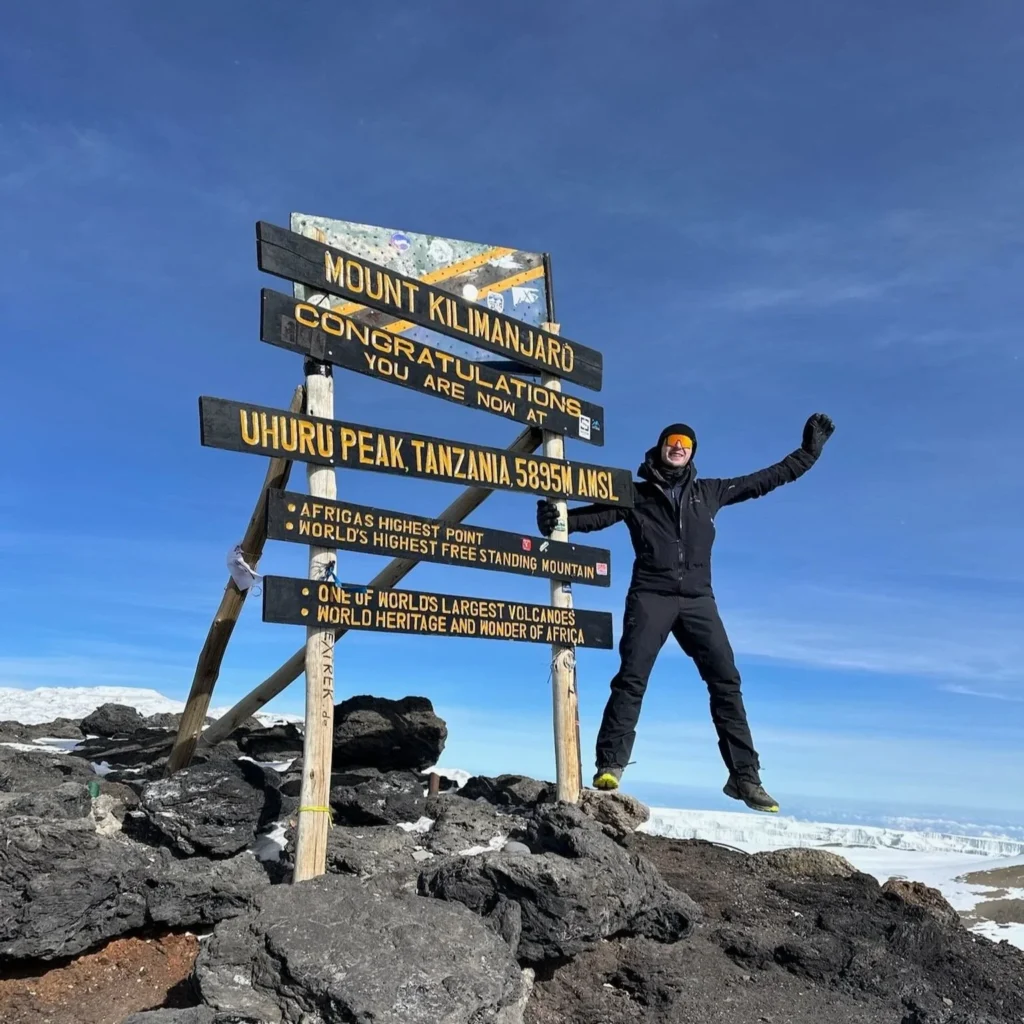
Kilimanjaro Mountain Climbing Guides as the Foundation of a Successful Summit
The role of Kilimanjaro mountain climbing guides is central to every successful ascent of Africa’s highest peak. While Mount Kilimanjaro is often described as a “trekking mountain,” this description can be misleading. The mountain’s technical simplicity hides the true challenge: extreme altitude, long summit nights, rapidly changing weather, and the physical and psychological strain of multi-day high-altitude hiking. Kilimanjaro does not demand ropes or ice axes, but it demands knowledge, judgment, discipline, and experience—qualities delivered almost entirely through professional guiding.
Rising to 5,895 meters above sea level, Mount Kilimanjaro is the highest free-standing mountain on Earth and one of the world’s most climbed high-altitude peaks. Yet despite its popularity, summit success is far from guaranteed. The difference between success and failure is rarely strength alone; it is far more often the quality of guiding, route choice, pacing, acclimatization strategy, and decision-making on the mountain.
This guide provides a deep, factual, and realistic explanation of difficulty, best season, cost, and success rate, framed through the essential role of Kilimanjaro mountain climbing guides.
Understanding Mount Kilimanjaro and Why Guides Matter
Mount Kilimanjaro is a dormant stratovolcano composed of three volcanic cones: Kibo, Mawenzi, and Shira. Uhuru Peak, the highest point, sits on Kibo’s crater rim. Unlike technical alpine climbs, Kilimanjaro routes follow established trails, which has led to a false perception that the climb is easy.
In reality, Kilimanjaro’s challenge is physiological rather than technical. Oxygen availability at the summit is roughly half that at sea level. The mountain’s altitude gain is rapid, and many climbers experience symptoms of Acute Mountain Sickness if ascent is poorly managed.
Kilimanjaro mountain climbing guides are responsible for managing this invisible but potentially dangerous challenge. Their work is constant and deliberate, from monitoring breathing patterns and walking speed to adjusting daily distances and recognizing early warning signs that climbers themselves may ignore.
The Role of Kilimanjaro Mountain Climbing Guides
Kilimanjaro guides are not simply trail leaders. They are trained altitude specialists, safety managers, motivators, and decision-makers. Their responsibilities extend far beyond showing the way.
Professional guides are responsible for:
-
Controlling ascent pace and rest intervals
-
Monitoring climbers for altitude-related illness
-
Managing hydration and nutrition routines
-
Coordinating porters and camp logistics
-
Interpreting weather patterns and adjusting plans
-
Leading the summit attempt safely and ethically
On Kilimanjaro, guides are legally required for all climbs, and this regulation exists because unguided ascents would result in unacceptable risk.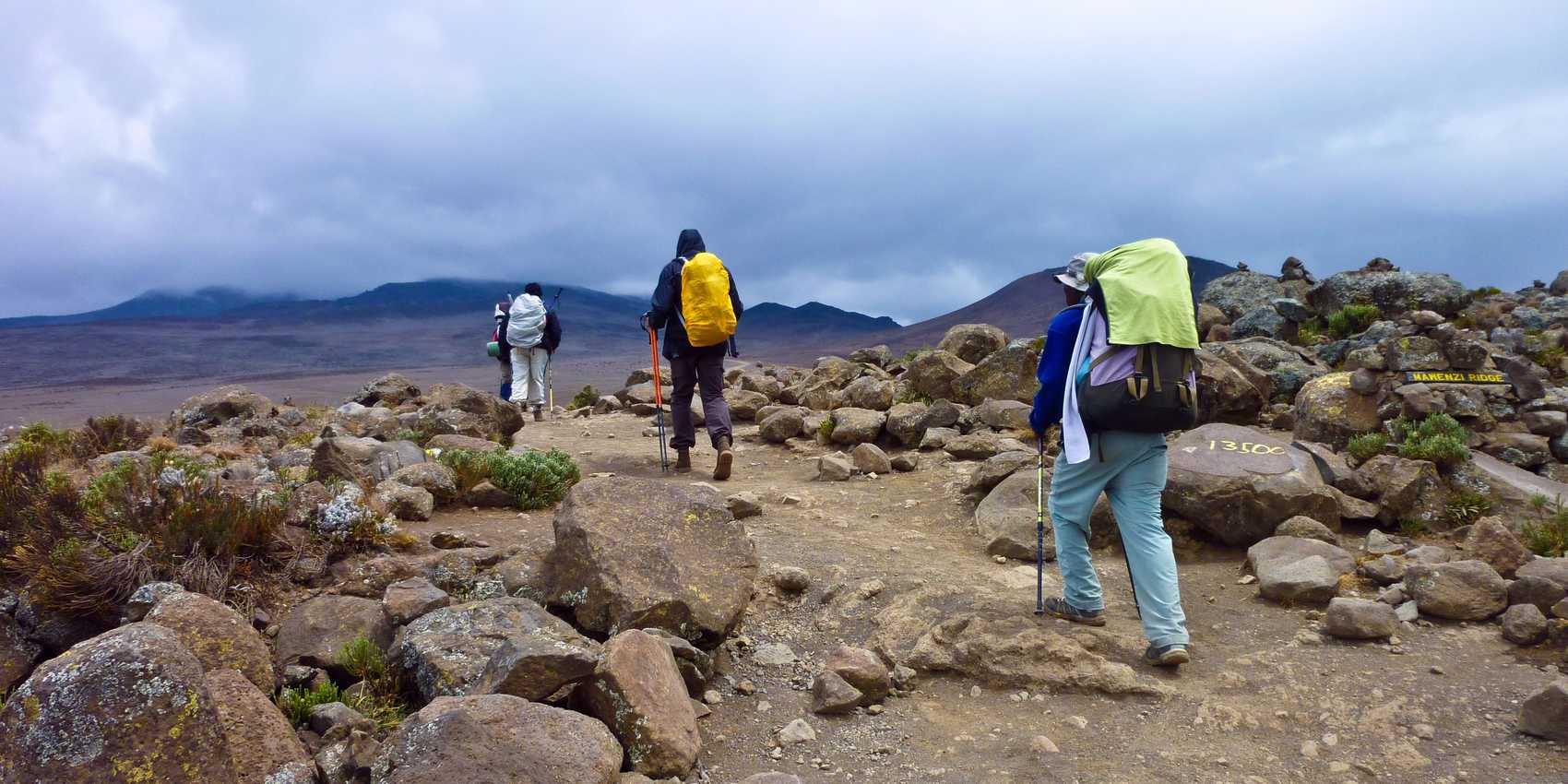

Kilimanjaro Difficulty Explained Honestly
Overall Difficulty Level
Kilimanjaro is best classified as moderately difficult to very difficult, depending on the route, itinerary length, and individual preparation. It is not technically hard, but it is physically and mentally demanding.
Many climbers underestimate Kilimanjaro because no climbing experience is required. This misunderstanding is responsible for a large percentage of failed attempts. Walking at altitude for multiple days, sleeping poorly, and pushing through exhaustion requires resilience rather than raw strength.
Terrain Difficulty
The terrain on Kilimanjaro varies dramatically by ecological zone. Climbers pass through:
-
Rainforest with muddy and slippery trails
-
Heath and moorland with rolling ascents
-
Alpine desert with loose scree and cold winds
-
Summit slopes with volcanic gravel and ice
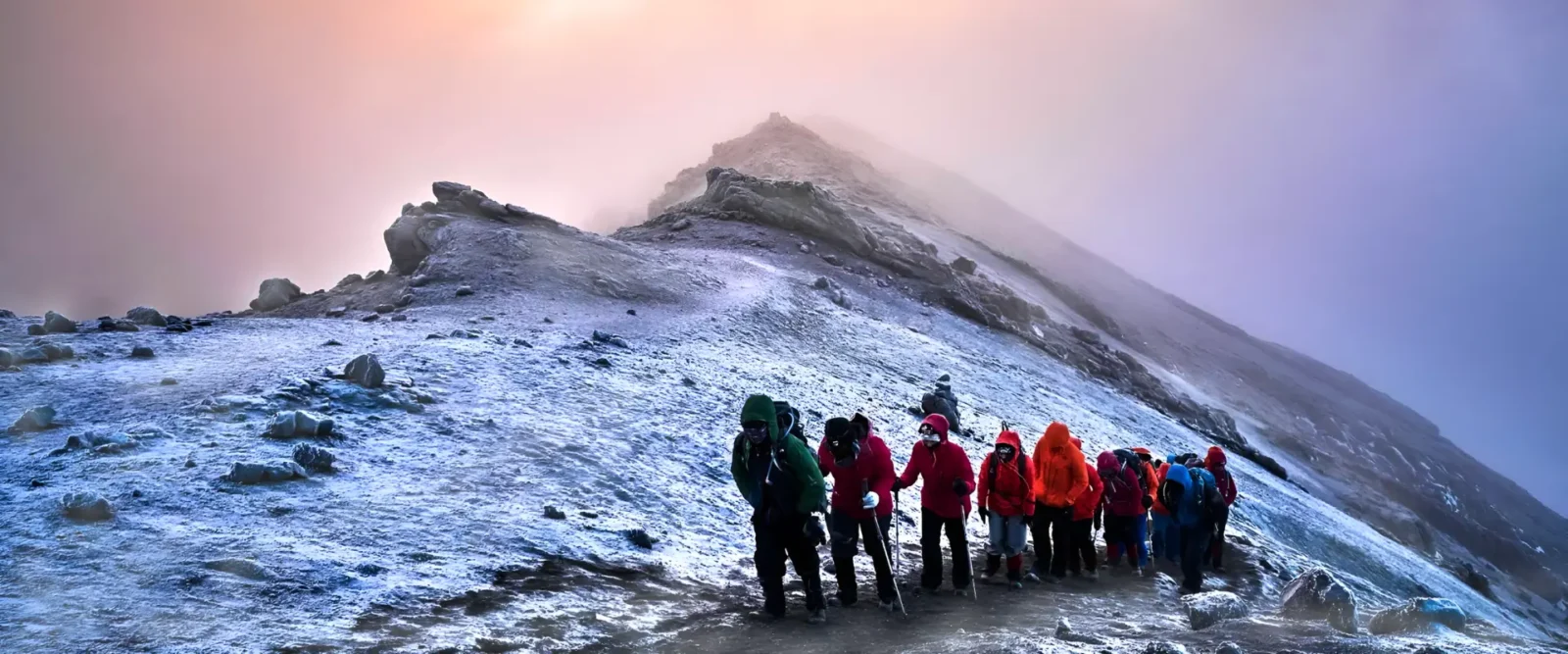
While no technical climbing is required, summit night involves walking for 10–14 hours in freezing temperatures on steep, unstable ground. This is where fatigue and mental strength are tested most severely.
Altitude as the Primary Difficulty
Altitude is the single greatest obstacle on Kilimanjaro. Symptoms of altitude sickness can include headaches, nausea, dizziness, loss of appetite, and fatigue. Severe cases can escalate to life-threatening conditions if ignored.
Guides manage altitude risk by:
-
Enforcing slow walking pace (“pole pole”)
-
Encouraging hydration and nutrition
-
Designing acclimatization days
-
Making firm decisions to descend when necessary
Climbers who resist guide instructions significantly reduce their chance of success.
Who Kilimanjaro Is Suitable For
Kilimanjaro is accessible to a wide range of people, but suitability depends on mindset rather than athletic ability. Successful climbers are typically those who:
-
Prepare physically in advance
-
Respect altitude and pacing
-
Follow guide instructions without resistance
-
Accept discomfort as part of the process
It is less suitable for individuals seeking luxury-only experiences or those unwilling to adapt plans for safety.
Best Season to Climb Kilimanjaro
Kilimanjaro’s Climate Reality
Kilimanjaro can be climbed year-round, but weather conditions vary significantly by season. The mountain creates its own microclimates, and conditions can change rapidly within a single day.
The “best season” is defined by reduced rainfall, clearer skies, and more stable summit conditions.
Best Climbing Months
The most favorable periods are:
-
January to March
-
June to October
These months generally offer drier trails, clearer summit views, and higher success rates. January and February are particularly good for fewer crowds and stable weather, while July to September is the most popular period.
Shoulder and Wet Seasons
-
April to May and November are wetter months.
-
Trails become muddy, visibility decreases, and summit success rates drop.
However, experienced guides can still operate safely during these periods with proper planning. Some climbers intentionally choose shoulder seasons for quieter routes, accepting increased difficulty.
Cost of Kilimanjaro Climbing Explained
Why Kilimanjaro Climbing Is Not Cheap
Climbing Kilimanjaro involves extensive logistics, mandatory staffing, and government-regulated fees. Costs are not arbitrary; they reflect the scale of support required.
Every climber is supported by:
-
Licensed mountain guides
-
Assistant guides
-
Cooks
-
Multiple porters
-
Park rangers and rescue services
Ethical operators ensure fair porter wages, quality food, safety equipment, and proper acclimatization schedules.
Average Cost Range (USD)
Typical costs for Kilimanjaro climbs range from:
-
USD 1,600 to USD 3,500 per person
The price depends on:
-
Route selection
-
Number of days
-
Group size
-
Level of service and equipment
-
Operator standards
Lower prices often indicate rushed itineraries, underpaid staff, or compromised safety.
What the Cost Usually Includes
-
National park fees
-
Professional guides and support crew
-
Porters and cook
-
Tents and camping equipment
-
Meals on the mountain
-
Rescue and conservation fees
What Is Usually Excluded
-
International flights
-
Travel insurance
-
Personal climbing gear
-
Tips for guides and porters
-
Accommodation outside the park

Kilimanjaro Success Rate: The Real Numbers
Overall Average Success Rate
Across all climbers and routes, the average summit success rate on Kilimanjaro is 65–75%.
This rate varies dramatically depending on route length and acclimatization strategy.
Success Rates by Route Length
-
5-day climbs: 40–50%
-
6-day climbs: 55–65%
-
7-day climbs: 70–80%
-
8–9 day climbs: 85–90%
Longer itineraries consistently outperform shorter ones. This is why reputable guides strongly discourage rushed climbs.
The Guide’s Influence on Success
Guide experience directly affects success rates. Skilled guides:
-
Control pace rigorously
-
Enforce acclimatization principles
-
Recognize early warning signs
-
Make objective decisions under pressure
Groups led by experienced Kilimanjaro guides routinely achieve higher summit success with fewer medical incidents.
Why Climbers Fail on Kilimanjaro
Failure is not usually caused by lack of fitness. Common reasons include:
-
Choosing overly short itineraries
-
Ignoring guide advice
-
Poor hydration or nutrition
-
Inadequate preparation
-
Psychological exhaustion
Understanding that turning back can be a success in itself is part of responsible mountaineering.
Mental Strength and the Summit Night Challenge
Summit night is the defining moment of a Kilimanjaro climb. Climbers begin around midnight and walk slowly for hours in freezing temperatures with minimal sleep and oxygen.
Guides play a critical role here by:
-
Maintaining steady rhythm
-
Offering constant encouragement
-
Monitoring physical and mental condition
-
Making safety-first decisions
The summit is as much a mental achievement as a physical one.
Safety and Risk Management on Kilimanjaro
Kilimanjaro guides are trained in:
-
Altitude illness recognition
-
Emergency response
-
Evacuation coordination
-
Weather risk assessment
Although Kilimanjaro is considered safe when properly guided, complacency is dangerous. Safety is achieved through discipline and professionalism, not luck.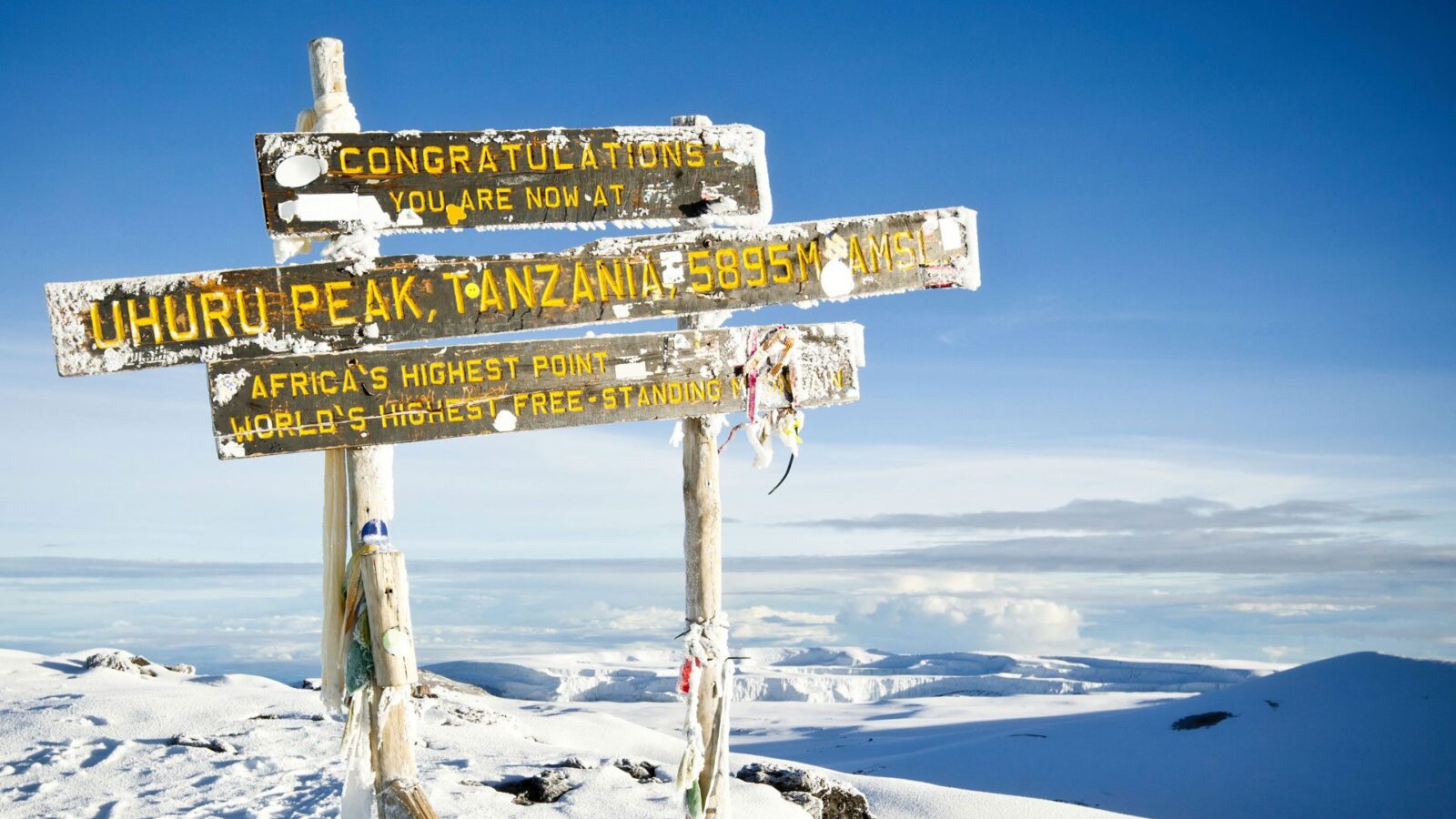

Comparing Kilimanjaro to Other African Mountains
Compared to Mount Kenya and the Rwenzori Mountains:
-
Kilimanjaro is less technical
-
Altitude is the dominant challenge
-
Success rates are higher
-
Logistics are more standardized
This makes Kilimanjaro ideal for first-time high-altitude climbers when guided properly.
Who Should Attempt Kilimanjaro
Kilimanjaro is ideal for:
-
Adventurous travelers seeking a major personal achievement
-
First-time high-altitude trekkers with proper preparation
-
Climbers prioritizing safety and success
It is not about speed, strength, or competition. It is about patience, respect for altitude, and teamwork.
Final Assessment: Kilimanjaro Mountain Climbing Guides and the Reality of the Climb
The discussion around Kilimanjaro mountain climbing guides: Difficulty, Best season, Cost, Success rate must be grounded in realism rather than marketing slogans.
Kilimanjaro is achievable, but not easy. It is safe, but not forgiving. Success is common, but never guaranteed.
The mountain rewards those who prepare properly, choose longer itineraries, invest in experienced guides, and respect the slow rhythm required at altitude.
With the right guidance, Kilimanjaro is not just a summit—it is a defining life experience built on discipline, humility, and perseverance.