search
Can I combine Uganda with Rwanda, Kenya or Tanzania in one trip?

Can I combine Uganda with Rwanda, Kenya or Tanzania in one trip?

By Travel stories and blogs, Kenya travel guides, Rwanda travel guides, Tanzania travel guides, Uganda travel guides

Can I Combine Uganda with Rwanda, Kenya or Tanzania in One Trip? | East Africa Multi-Country Safari Guide 2026

For travelers seeking the ultimate East African adventure, the question often arises: Can I combine Uganda with Rwanda, Kenya, or Tanzania in one trip? The answer is a resounding yes. East Africa was crafted by nature to be explored as one seamless canvas — its borders drawn not by walls but by landscapes that merge effortlessly from mountain to savannah, from rainforest to ocean shore. To combine these nations is not just possible; it is the essence of what makes an African journey complete.

Each of these countries — Uganda, Rwanda, Kenya, and Tanzania — brings a distinctive rhythm and beauty to the safari experience. Uganda enchants with its emerald jungles and gorilla sanctuaries; Rwanda captivates with its tranquility and polished hospitality; Kenya thrills with its golden savannahs and iconic wildlife spectacles; and Tanzania mesmerizes with its vast horizons, from the Serengeti to Zanzibar’s beaches. When woven together, they form a journey that captures Africa’s soul in all its diversity.

However, combining multiple East African countries requires thoughtful planning, understanding of logistics, border procedures, and the unique experiences each destination offers. This detailed guide explores the how, why, and when of designing a multi-country safari across Uganda, Rwanda, Kenya, and Tanzania — ensuring that every traveler discovers the seamless harmony of East Africa without stress or compromise.

Understanding East Africa’s Geography and Travel Connectivity

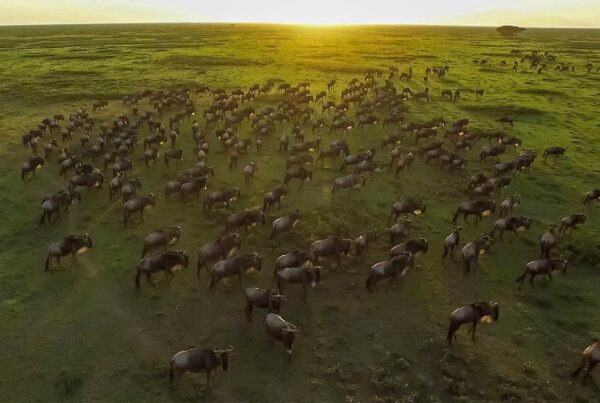
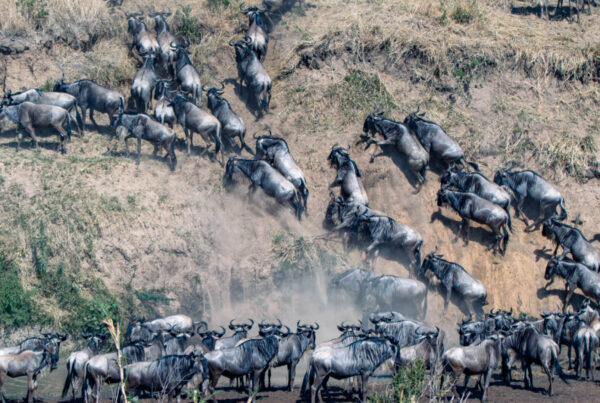
East Africa’s geography lends itself naturally to cross-border exploration. The region’s major safari circuits are closely linked, with national parks and reserves often sitting along shared frontiers. For example, Queen Elizabeth National Park in Uganda borders Virunga and Volcanoes National Parks in the Congo and Rwanda, while Serengeti National Park in Tanzania merges with Maasai Mara in Kenya, forming one of the world’s most spectacular wildlife ecosystems.

Modern infrastructure, regular flight connections, and the East African Tourist Visa have made multi-country safaris smoother than ever before. The region’s governments have invested heavily in tourism collaboration, recognizing that travelers see East Africa not as a collection of borders but as a continuous journey.

Whether you prefer overland adventures that follow the rhythm of the land or quicker fly-in routes that connect distant highlights, East Africa’s accessibility ensures that a combined itinerary can be both practical and deeply rewarding. The real magic lies in the contrast — the shift from Uganda’s misty forests to Kenya’s sun-drenched plains or from Rwanda’s volcanoes to Tanzania’s sweeping Serengeti.

The Gateway: Starting in Uganda, the Heart of the Region

For many travelers, Uganda serves as the perfect entry point into East Africa. Nicknamed the Pearl of Africa, Uganda combines lush biodiversity with a central location that allows easy movement in all directions. Its international gateway, Entebbe International Airport, receives regular flights from Europe, the Middle East, and regional hubs like Nairobi and Kigali.

Uganda’s charm lies in its diversity. In a single journey, one can encounter mountain gorillas in Bwindi, chimpanzees in Kibale Forest, tree-climbing lions in Queen Elizabeth National Park, and the thunderous Murchison Falls — all within a week. Few destinations on the continent offer such range in such compact geography.

From Uganda, travelers can move south into Rwanda, east into Kenya, or southeast into Tanzania with ease. The roads connecting Bwindi to Rwanda’s Volcanoes National Park or from Kampala to Nairobi are well-traveled safari routes. Domestic and regional airlines, such as Uganda Airlines, RwandAir, and AirKenya, also link major destinations in under an hour’s flight.

Starting in Uganda allows travelers to begin their journey in tranquility, gradually unfolding the adventure from dense rainforest to open savannah, mirroring the natural transition from intimacy to grandeur.

Combining Uganda and Rwanda: The Twin Gorilla Kingdoms

Uganda and Rwanda together form the heartland of Africa’s primate experience. Separated by just a few hours’ drive, they share similar terrain, culture, and wildlife but offer contrasting atmospheres.

Rwanda, known as the Land of a Thousand Hills, is admired for its organization, accessibility, and modern infrastructure. Gorilla trekking in Volcanoes National Park is a deeply emotional experience, with short transfer times from Kigali allowing even brief visits. Rwanda also shines in cultural encounters, such as the moving Kigali Genocide Memorial, and scenic getaways around Lake Kivu.

Uganda, on the other hand, provides a wilder, more immersive gorilla experience in Bwindi Impenetrable National Park and Mgahinga Gorilla National Park. Treks here often involve deeper forest hikes, adding an element of adventure and authenticity. The encounters are equally profound, and Uganda’s slightly lower permit cost makes it a favorite for extended stays.Can I combine Uganda with Rwanda, Kenya or Tanzania in one trip?

Crossing between the two countries is straightforward via the Cyanika or Katuna borders, which are easily accessible from both Bwindi and Volcanoes. With the East African Tourist Visa, travelers can move freely between Uganda, Rwanda, and Kenya without reapplying for separate entry permits.

A combined Uganda–Rwanda itinerary offers balance: Rwanda’s elegance complements Uganda’s raw wilderness, creating a journey that captures both refinement and adventure.

For example, one might begin with gorilla trekking in Uganda, then cross into Rwanda for golden monkey tracking or a serene lakeside retreat before flying onward to Kenya or Tanzania for classic savannah safaris.

This pairing reveals the true soul of the region — where two nations share not competition but continuity.

Combining Uganda and Kenya: From Rainforests to Great Plains

Few travel combinations encapsulate Africa’s variety like Uganda and Kenya. These two nations represent different faces of East Africa — Uganda’s lush green landscapes and Kenya’s golden grasslands. Together, they craft a story that moves from the intimacy of gorilla forests to the epic scale of the Great Migration.

Traveling between Uganda and Kenya is effortless. Daily flights connect Entebbe to Nairobi in just over an hour, operated by several carriers including Kenya Airways, Airlink, and Uganda Airlines. Overland routes via Busia and Malaba are also well-maintained for travelers who prefer scenic road journeys.

The ideal sequence often begins in Uganda, where travelers can experience gorillas, chimpanzees, and tranquil lakes, before transitioning to Kenya for the archetypal safari landscapes of Maasai Mara, Amboseli, Samburu, or Tsavo. This combination allows one to experience forest intimacy and savannah spectacle in the same itinerary.

Kenya’s cultural depth further enriches the experience. The Maasai and Samburu tribes, with their colorful traditions and connection to nature, add human warmth to the wilderness encounters. After the quiet trails of Bwindi, the sight of vast herds sweeping across Kenya’s plains creates an emotional crescendo few journeys can match.

Moreover, Kenya’s modern infrastructure and diverse accommodation options — from luxury tented camps to exclusive conservancies — make it an ideal complement to Uganda’s more rugged adventure. The synergy between the two nations defines what travelers often call “Africa in one journey.”

Combining Uganda and Tanzania: A Safari Epic from Source to Savannah

For those seeking grandeur, combining Uganda and Tanzania offers a powerful narrative — from the source of the Nile to the endless plains of the Serengeti. This itinerary captures East Africa’s ecological extremes, connecting water and wilderness in a journey that feels both natural and profound.

Flights between Entebbe and major Tanzanian hubs such as Kilimanjaro, Arusha, and Dar es Salaam are regular and convenient. Regional carriers provide easy access to both northern Tanzania’s safari circuit and southern destinations like Ruaha or Selous.

The sequence can unfold in multiple ways. Many travelers begin in Uganda, exploring Murchison Falls and Queen Elizabeth National Park before concluding with Tanzania’s iconic parks — Ngorongoro Crater, Serengeti, and Lake Manyara. The transition from Uganda’s tropical green to Tanzania’s golden expanse evokes the sensation of moving through different worlds within the same continent.

Both countries share a commitment to conservation and authentic travel. Uganda offers the intimacy of trekking — feeling the forest’s heartbeat — while Tanzania delivers the scale of cinematic spectacle, with horizons alive with migrating wildebeest and lions under acacia trees.

For a grand finale, Zanzibar’s beaches offer perfect relaxation after weeks of wilderness. The combination of Uganda and Tanzania therefore forms a journey that is both powerful and poetic — one that begins with rainforests and ends with ocean breezes.

Tri-Country Adventures: Uganda, Rwanda, and Kenya or Tanzania

For travelers with two to three weeks, a tri-country safari across Uganda, Rwanda, and either Kenya or Tanzania represents the ultimate East African expedition. Such an itinerary mirrors the natural migration of the continent’s ecosystems — from the volcanic highlands through the Great Rift Valley to the Serengeti plains.

This combination offers diversity not only in wildlife but also in experience. Uganda and Rwanda deliver the intimacy of primate encounters, where travelers walk through misty jungles in search of gorillas and chimpanzees. Kenya and Tanzania then extend the scope to vast savannahs and predator-rich plains. The contrast between quiet observation and sweeping spectacle creates emotional balance and narrative flow.

Logistically, the journey is surprisingly manageable. The East African Tourist Visa allows unrestricted movement between Uganda, Kenya, and Rwanda, with Tanzania requiring its own single-entry visa. Flights between Kigali, Entebbe, Nairobi, and Kilimanjaro are frequent, allowing itineraries to be customized for both time and budget.

A typical tri-country route might start in Rwanda for gorilla trekking, continue into Uganda for chimpanzees and Murchison Falls, and conclude in Kenya’s Maasai Mara or Tanzania’s Serengeti. Each transition enhances the story, revealing new layers of East Africa’s spirit.

This regional combination is not simply about crossing borders; it is about connecting experiences — the same sun that rises over Bwindi’s forests sets over the plains of the Mara, linking moments in one continuous adventure.

The East African Tourist Visa: Simplifying Border Travel

One of the greatest advantages of combining Uganda, Kenya, and Rwanda lies in the East African Tourist Visa (EATV). Introduced as part of regional integration, this visa allows multiple entries among the three countries for a period of 90 days.

Travelers applying through any of the participating countries can use the visa across all three without needing additional documentation. This not only saves time but also encourages seamless travel across the region. The application can be made online before travel, and processing is generally efficient.

Tanzania, while not yet part of this unified visa system, maintains simple entry procedures with single-entry visas available online or upon arrival.

The EATV has redefined cross-border travel in East Africa, aligning perfectly with the region’s vision of shared tourism and open adventure. For travelers, it represents both convenience and opportunity — an invitation to explore more deeply and freely.

Cultural and Scenic Contrasts Across the Region

Beyond wildlife, the cultural and scenic contrasts between Uganda, Rwanda, Kenya, and Tanzania elevate a multi-country journey into a living story of humanity and geography.

In Uganda, travelers encounter a warmth that feels familial — vibrant markets, village dances, and storytelling by firelight. Rwanda offers calm efficiency and emotional depth, where resilience and grace define the national character. Kenya captivates with its rhythm and energy — bustling Nairobi, vibrant coastal Swahili culture, and the open-hearted pride of the Maasai. Tanzania, meanwhile, radiates vastness and timelessness, from the ancient baobabs of Tarangire to the coral shores of Zanzibar.

The landscapes mirror these personalities. Uganda’s dense forests transition into Rwanda’s rolling hills, which then open into Kenya’s boundless plains and Tanzania’s volcanic horizons. Each border crossed feels like turning a page in a grand novel — the same story told in different dialects of beauty.

Planning Considerations: Timing, Budget, and Logistics

The ideal timing for a multi-country safari depends largely on the traveler’s interests. The dry seasons (June–August and December–February) offer the best wildlife visibility, easier trekking conditions, and clear skies for photography. These months are ideal for combining gorilla trekking in Uganda or Rwanda with game drives in Kenya or Tanzania.

Budget-wise, Uganda and Tanzania tend to offer more value for extended stays, while Rwanda and Kenya lean toward premium experiences with luxury lodges and efficient logistics. Balancing the mix ensures both affordability and comfort.

Logistically, most multi-country itineraries are built around regional flight networks and carefully coordinated ground transfers. Safari specialists, such as WildHorn Africa, tailor routes that optimize travel time without sacrificing immersion.

What makes these combinations successful is fluidity — crafting an itinerary that feels like a natural flow rather than a checklist. Each border crossing becomes a transition between moods, landscapes, and emotions.

The Spirit of East African Travel: Connection Over Borders

Traveling across Uganda, Rwanda, Kenya, and Tanzania is not simply about seeing more places — it is about understanding that Africa’s beauty transcends its boundaries. The rivers, mountains, and migration routes ignore political lines, continuing their timeless cycles as they have for millennia.

When travelers move through this region with curiosity and respect, they participate in a story older than maps — one of connection, coexistence, and continuity. Whether standing among gorillas in Bwindi, watching flamingos at Lake Nakuru, or gazing at Kilimanjaro’s snow from Amboseli, one realizes that East Africa is not a destination but a living ecosystem of wonder.

A combined safari across these nations becomes an odyssey — not hurried, but harmonious, where every sunrise marks both an ending and a beginning.

Conclusion: The Power of a Combined East African Journey

Combining Uganda with Rwanda, Kenya, or Tanzania is not just possible — it is the most rewarding way to experience East Africa. It unites primate trekking, big-game safaris, cultural immersion, and scenic majesty into one flowing journey that reflects the continent’s diversity and soul.

With well-planned logistics, regional visas, and professional guidance, borders fade into mere lines on a map. What remains is the continuity of experience — from misty forests to golden plains, from mountain gorillas to migrating wildebeest, from laughter in village markets to serenity on Zanzibar’s beaches.

For travelers seeking such a journey of connection, authenticity, and wonder, it is best to book their Africa tours and safaris with WildHorn Africa. With expert planners, regional partnerships, and deep local knowledge, WildHorn Africa ensures that every transition between countries is seamless, safe, and unforgettable.

Because the beauty of East Africa is not confined by borders — it lives in the spaces between them, waiting for those bold enough to explore them all.

Why Bwindi and Zanzibar Belong on Your Travel List

Why Bwindi and Zanzibar Belong on Your Travel List

By Travel stories and blogs, Tanzania travel guides, Uganda travel guides

Why Bwindi and Zanzibar Belong on Your Travel List

A Journey That Redefines What Travel Can Mean

There are destinations that impress, and there are destinations that transform. Bwindi Impenetrable National Park in Uganda and Zanzibar Island in Tanzania belong firmly in the second category. Though separated by geography, ecosystems, and pace, these two places are increasingly being recognized as a perfectly balanced travel pairing, one rooted in deep wilderness and ancient forests, the other shaped by the rhythm of the Indian Ocean and centuries of cultural exchange. For travelers seeking meaning, contrast, and emotional depth, it is often found that Bwindi and Zanzibar together offer an experience far richer than either could provide alone.

In a world where travel is frequently reduced to photographs and fleeting impressions, Bwindi and Zanzibar invite something slower and more profound. In Bwindi, time is felt in the steady breath of the forest, in the silence broken only by birds and distant primates, and in the rare privilege of meeting mountain gorillas on their own terms. In Zanzibar, time unfolds through shifting tides, carved wooden doors, coral stone alleys, and sunsets that seem to linger deliberately. When these two destinations are experienced together, a rare narrative of Africa emerges, one that speaks of nature, culture, resilience, and beauty without excess or spectacle.

Understanding the Power of Contrast in Travel

Why Contrasting Destinations Create Deeper Memories

It has long been understood by seasoned travelers that journeys defined by contrast are remembered more vividly. When experiences differ sharply in landscape, climate, and emotional texture, each moment is sharpened by comparison. Bwindi and Zanzibar embody this principle with exceptional clarity. The dense, mist-covered rainforest of Bwindi offers a sense of enclosure and introspection, while Zanzibar’s open horizons and ocean breezes encourage reflection and release.

This contrast is not accidental but deeply rooted in Africa’s geography and history. Bwindi exists as one of the last strongholds of an ancient ecosystem that once stretched across much of equatorial Africa. Zanzibar, on the other hand, developed as a crossroads of trade between Africa, Arabia, Persia, and India. When visited together, these places reveal Africa not as a single story, but as a continent of layered identities.

Bwindi Impenetrable National Park: The Soul of the Forest

An Ancient Landscape Preserved Against Time

Bwindi Impenetrable National Park is often described as one of the most biologically complex places on Earth. Situated in southwestern Uganda, the forest is estimated to be over 25,000 years old. Unlike many protected areas shaped by human intervention, Bwindi evolved organically, resulting in a dense, layered ecosystem that feels both alive and impenetrable.

The forest canopy filters light in a way that creates constant movement of shadow and color. Moisture clings to leaves and soil, and the air itself feels weighted with life. For travelers, Bwindi is not simply observed; it is entered, absorbed, and felt. The physical act of moving through the forest becomes part of the experience, demanding attention, patience, and humility.

Mountain Gorillas and a Rare Human Connection

Bwindi is globally renowned as home to nearly half of the world’s remaining mountain gorillas. Gorilla trekking here is often described as one of the most emotionally powerful wildlife encounters available anywhere. This is not due to spectacle, but intimacy. The time spent with a gorilla family is limited, controlled, and deeply respectful, allowing a quiet observation of behaviors that feel strikingly familiar.

It is frequently noted that the encounter changes perceptions. The intelligence, social structure, and emotional presence of the gorillas challenge long-held ideas about humanity’s separation from nature. In Bwindi, conservation is not abstract. It is embodied in every step taken carefully through the forest, every rule enforced for the protection of the animals, and every local community member whose livelihood is tied to the survival of the ecosystem.

Community, Conservation, and Shared Responsibility

Bwindi’s success as a conservation area is inseparable from the communities that surround it. Tourism revenue supports education, healthcare, and employment, creating a direct link between preservation and human well-being. For visitors, this connection adds depth and ethical clarity to the experience. Travel here is not extractive; it is participatory.

Cultural interactions near Bwindi often reveal traditions shaped by forest life, agriculture, and resilience. These encounters, when approached respectfully, provide insight into how conservation can succeed when local voices are central rather than peripheral.

Zanzibar: Where the Ocean Carries History

An Island Shaped by the Sea and Time

Zanzibar exists at the meeting point of land and ocean, Africa and the wider world. Located off the coast of Tanzania, the island has been shaped for centuries by monsoon winds and maritime trade. Its history is visible in architecture, language, cuisine, and daily life. Arabic arches stand beside Swahili homes, and Indian influences are woven subtly into local culture.

The ocean defines Zanzibar’s rhythm. Tides rise and fall dramatically, altering the coastline and daily activities. Fishing boats glide across shallow waters at dawn, while afternoons slow under the weight of tropical heat. For travelers emerging from the intensity of Bwindi’s forest, Zanzibar offers a natural decompression, where space and light replace density and shadow.Why Bwindi and Zanzibar Belong on Your Travel List

Stone Town and the Weight of Memory

At the heart of Zanzibar lies Stone Town, a UNESCO World Heritage Site that tells a complex story of trade, empire, and human suffering. Narrow alleys wind between coral stone buildings, many adorned with intricately carved wooden doors that symbolize status, faith, and family history. These streets carry memories of prosperity and pain, including the legacy of the East African slave trade.

Visiting Stone Town is often described as a reflective experience. History is not presented as distant or abstract but is embedded in walls, doorways, and public spaces. For travelers, this encounter adds intellectual and emotional depth to Zanzibar’s appeal, grounding its beauty in historical context.

Beaches That Encourage Stillness

Beyond Stone Town, Zanzibar’s coastline unfolds into beaches of striking simplicity. White sands meet turquoise waters, and palm trees frame horizons that feel deliberately uncluttered. These beaches are not defined by excess but by balance. Time is slowed, and attention is drawn to subtle changes in light, wind, and tide.

For travelers who have experienced the physical demands and emotional intensity of Bwindi, Zanzibar’s beaches serve as a restorative space. Reflection occurs naturally here, often unprompted, as the body and mind adjust to a gentler pace.

The Emotional Arc of Combining Bwindi and Zanzibar

From Depth to Release

When Bwindi and Zanzibar are experienced within the same journey, a clear emotional arc is formed. Bwindi invites introspection, humility, and presence. Zanzibar allows release, integration, and rest. This progression mirrors the way meaningful experiences are often processed, through engagement followed by reflection.

It is frequently observed that travelers who begin in Bwindi carry the forest with them to Zanzibar. The stillness learned in the jungle enhances the appreciation of the ocean. Conversely, those who start in Zanzibar and move to Bwindi often find that the contrast sharpens their awareness, preparing them for the intensity of the forest.

A Holistic African Experience

Together, Bwindi and Zanzibar offer a holistic view of Africa that resists simplification. Wildlife is encountered not as entertainment but as kinship. Culture is experienced not as performance but as lived reality. Nature is neither romanticized nor dominated, but respected.

For first-time visitors to Africa, this combination challenges stereotypes. For returning travelers, it deepens understanding. In both cases, the journey becomes more than a vacation. It becomes a narrative that lingers long after departure.

Practical Harmony Between Two Worlds

Accessibility and Flow

Despite their differences, Bwindi and Zanzibar are logistically complementary. Regional air connections and well-established tourism infrastructure make it possible to move between Uganda and Tanzania with relative ease. This accessibility allows the pairing to feel seamless rather than fragmented.

Travel between the two destinations often reinforces the contrast. The journey from forest to island becomes symbolic, marking a transition from immersion to contemplation. For travelers, this flow enhances the sense of coherence in the overall experience.

Seasonality and Timing

Bwindi and Zanzibar can be visited year-round, though seasonal considerations influence the character of each experience. Bwindi’s forest remains lush throughout the year, while Zanzibar’s climate is shaped by monsoon patterns. When carefully planned, the two destinations complement each other climatically, offering balance rather than extremes.

Why Bwindi and Zanzibar Resonate with Modern Travelers

Seeking Meaning Over Movement

Modern travel is increasingly defined by a desire for meaning. Bwindi and Zanzibar respond to this shift by offering experiences that engage emotionally and intellectually. The journey is not rushed, nor is it dominated by constant activity. Instead, space is created for connection, whether with wildlife, history, or oneself.

Ethical and Sustainable Appeal

Both destinations are deeply connected to conservation and sustainability. Bwindi’s gorilla trekking model emphasizes limited access and community benefit. Zanzibar’s growing focus on marine conservation and cultural preservation reflects a similar commitment. For travelers concerned with ethical impact, this alignment adds confidence and trust.

A Lasting Impression Beyond the Journey

It is often said that travel changes people, but only certain journeys do so in lasting ways. Bwindi and Zanzibar belong to that rare category. They do not overwhelm with quantity but impress through quality and depth. The memories formed are not fleeting images but layered experiences that continue to resonate.

In Bwindi, travelers are reminded of humanity’s place within nature. In Zanzibar, they are reminded of humanity’s interconnected history. Together, these lessons create a travel experience that is intellectually enriching, emotionally grounding, and profoundly human.

Why These Two Places Belong Together

Bwindi and Zanzibar belong on the same travel list because they complete one another. Where one is dense, the other is open. Where one is ancient forest, the other is ocean and horizon. Where one demands effort, the other offers ease. This balance is not accidental; it reflects the broader balance that thoughtful travel seeks to restore.

For travelers who wish to understand Africa beyond surface impressions, who seek authenticity without discomfort and comfort without disconnection, the journey between Bwindi and Zanzibar offers something rare and enduring. It is not simply recommended. It is quietly essential.

Best Safari Parks & Game Reserves Near Dar es Salaam

Best Safari Parks & Game Reserves Near Dar es Salaam

By Tanzania travel guides, Travel guides, Travel stories and blogs

Best Safari Parks & Game Reserves Near Dar es Salaam: Tanzania’s Untamed Wilderness Within Reach

Discover Africa’s Hidden Safari Gateway

Just beyond the bustling streets, white-sand beaches, and vibrant culture of Dar es Salaam lies a safari experience as rich and untamed as any in Africa. Often overshadowed by its more famous northern counterparts such as the Serengeti or Ngorongoro Crater, the southern and coastal regions near Tanzania’s largest city hold within them some of the continent’s most underrated safari treasures. These parks and game reserves offer raw, authentic, and less crowded encounters with Africa’s iconic wildlife—without the need for long-haul travel across the country.

Dar es Salaam, being both a commercial hub and a coastal escape, is uniquely positioned as a gateway to remarkable safari experiences. For travelers pressed for time, seeking off-the-beaten-path adventures, or simply desiring a more tranquil alternative to the tourist-heavy northern circuit, the national parks and reserves near Dar es Salaam promise a seamless blend of accessibility and wilderness.

Within a few hours’ journey—by road, rail, or short bush flight—one may find themselves immersed in the sights and sounds of the African bush, where lions stalk through the savannah, elephants graze under ancient baobab trees, and crocodiles sun themselves along riverbanks teeming with birdlife. This article delves into the finest of these protected areas, offering a comprehensive exploration of the best safari parks and game reserves near Dar es Salaam, each holding its own allure, biodiversity, and signature experiences.

Mikumi National Park: The Southern Serengeti’s Secret Twin

One of the most accessible parks from Dar es Salaam is Mikumi National Park, located roughly 280 kilometers west of the city. Often dubbed the “Southern Serengeti”, Mikumi shares an ecosystem with the larger Selous (now Nyerere National Park) and features vast floodplains, golden savannah, and mountain backdrops that bear a striking resemblance to more famous northern landscapes.

Mikumi’s proximity to Dar es Salaam—just a five- to six-hour drive—makes it one of the top choices for a short safari escape. Within its boundaries, an impressive variety of wildlife can be observed, including lion prides, giraffes, herds of buffalo, zebras, elephants, wildebeest, and an astonishing number of bird species.

The Mkata floodplain, in particular, serves as a stunning focal point for wildlife viewing. With fewer safari vehicles than found in northern parks, Mikumi offers a serene and intimate game viewing experience, allowing for longer, uninterrupted sightings. The park’s infrastructure is well-developed, with lodges, tented camps, and budget accommodations ensuring that every traveler can enjoy the area’s natural wonders in comfort.

Nyerere National Park (Formerly Selous Game Reserve): A Vast and Wild Wonderland

Formerly known as Selous Game Reserve and now renamed Nyerere National Park, this is one of Africa’s largest protected areas, spanning over 30,000 square kilometers. Located just south of Dar es Salaam, Nyerere can be accessed by a short charter flight or an adventurous full-day drive. This vast, lesser-known gem offers a raw and unfiltered safari experience, drawing those who seek solitude and immersion in the untouched wilderness.

Nyerere is home to large populations of elephants, lions, leopards, wild dogs, hippos, and crocodiles, with the Rufiji River weaving through the park, providing a lifeline for its inhabitants. The river not only supports a flourishing ecosystem but also sets the stage for unique boat safaris, allowing visitors to witness hippos grunting in the shallows and elephants crossing the waters at sunset.

Because of its remoteness and sheer size, Nyerere offers adventure-driven safaris that include walking safaris with armed rangers, fly camping under the stars, and explorations of uncharted terrain. The atmosphere is wild and unpredictable, ideal for those drawn to the thrill of the unknown. The exclusivity of this park ensures that each sighting feels deeply personal and untouched by mass tourism.

Saadani National Park: Where the Bush Meets the Beach

Saadani National Park stands out as Tanzania’s only wildlife sanctuary bordering the ocean, offering a rare chance to blend a traditional safari with a coastal retreat. Located just north of Dar es Salaam along the Indian Ocean, this park presents a unique ecosystem where lions might roam sand dunes and buffalo graze near palm-fringed beaches.

Visitors can reach Saadani by road or via a brief flight, and once inside the park, the diversity of landscapes—from grasslands and mangroves to salt flats and beaches—creates an array of habitats for both land and marine life. Elephants, lions, giraffes, warthogs, and hartebeest are commonly seen, while the Wami River invites hippos, crocodiles, and flocks of aquatic birds.

Saadani’s charm lies not only in its distinct ecology but also in its ability to offer a dual experience: the excitement of game drives and the serenity of the Indian Ocean. After a morning tracking wildlife, guests may find themselves sunbathing on a private stretch of beach or enjoying a sundowner cruise along the river—a luxury combination unmatched by any other Tanzanian park.

Udzungwa Mountains National Park: A Haven of Biodiversity and Hiking Adventures

For those who seek a wilder, more biodiverse escape from the city, the Udzungwa Mountains National Park presents an alluring alternative to the more traditional big-game parks. Though it lacks large carnivores, Udzungwa is known for its exceptional hiking trails, endemic primate species, and lush montane forests. Located approximately 350 kilometers from Dar es Salaam, it is easily reachable by road, often paired with visits to Mikumi or Ruaha.

Udzungwa is part of the Eastern Arc Mountains and contains several ecosystems ranging from lowland forest to alpine meadows. The park is a hotspot for endemic flora and fauna, with rare monkeys like the Sanje mangabey and the Udzungwa red colobus found nowhere else on Earth. The highlight for many is the hike to Sanje Waterfalls, where travelers can stand in awe of cascading water tumbling down nearly 200 meters into a forest basin teeming with life.

The park’s uniqueness lies in its fusion of conservation and culture, where hiking becomes a journey through both natural and human heritage. While large mammals may be sparse, the immersive forest treks and opportunities for ecological discovery make it a compelling destination near Dar es Salaam for nature lovers and hiking enthusiasts alike.

Ruaha National Park: A Remote Jewel Worth the Journey

Though farther from Dar es Salaam than the other parks mentioned, Ruaha National Park remains accessible via connecting flights or extended overland safaris and offers a wild, majestic experience that rewards those who make the journey. As the second-largest national park in Tanzania, Ruaha is home to enormous elephant populations, massive baobab trees, and predator-rich savannahs.

Its remoteness has preserved its authenticity. Game drives in Ruaha often take place without encountering another vehicle all day, providing a level of solitude that enhances the safari experience. The Great Ruaha River attracts animals throughout the dry season, creating dramatic predator-prey interactions that rival any in Africa.

With luxurious camps perched along riverbanks and experienced guides offering deep bush knowledge, Ruaha is a crown jewel for seasoned safari-goers seeking a true wilderness immersion. While it requires more time to reach, the experience is unforgettable and stands among the finest in East Africa.

Let WildHorn Africa Craft Your Dar es Salaam Safari Adventure

The regions surrounding Dar es Salaam unveil a lesser-known yet equally compelling side of Tanzania’s wildlife legacy. From the untamed vastness of Nyerere to the coastal charm of Saadani, and the mountain mystique of Udzungwa to the classic savannahs of Mikumi and Ruaha, the southern safari circuit offers diversity, accessibility, and exclusivity rarely found elsewhere on the continent.

For travelers yearning for authenticity without sacrificing comfort, and for those seeking both seclusion and adventure, these parks and reserves deliver exceptional value and lasting memories. Whether it’s your first African safari or one of many, the ecosystems near Dar es Salaam provide a rich tapestry of wildlife encounters, landscapes, and cultural insights.

To ensure that every moment of your journey is curated with care, professionalism, and insider expertise, WildHorn Africa stands ready as your trusted safari planner. Specializing in personalized safari itineraries across East Africa, WildHorn Africa brings your vision of adventure to life, transforming dreams into immersive experiences. Choose WildHorn Africa to explore Tanzania’s hidden gems and embark on a safari that’s as bold, beautiful, and boundless as Africa itself.

10 Best-value Luxury Lake Manyara Safari Lodges & Camps

10 Best-value Luxury Lake Manyara Safari Lodges & Camps

By Tanzania travel guides, Travel guides, Travel stories and blogs

10 Best-Value Luxury Lake Manyara Safari Lodges & Camps

Where Luxury Meets Biodiversity at the Rift Valley’s Edge

In the heart of northern Tanzania, cradled between the towering escarpments of the Great Rift Valley and the shimmering waters of Lake Manyara, lies a safari destination that is as mysterious as it is magnificent. Lake Manyara National Park is often overshadowed by its more famous neighbors—Serengeti and Ngorongoro—but those who venture here soon discover a rare gem that blends abundant wildlife, cinematic landscapes, and a sense of serene exclusivity. Known for its legendary tree-climbing lions, flamingo-filled lake shores, and vibrant groundwater forests, this region presents a compact safari experience of extraordinary diversity.

While the wilderness is certainly the main attraction, the choice of where to stay can elevate the experience from memorable to truly exceptional. The lodges and camps surrounding Lake Manyara are designed not only to deliver comfort and opulence but also to immerse travelers deeply in the rhythms of nature, all while preserving ecological balance and supporting local communities. These establishments offer luxury that speaks in hushed tones—more about authenticity, craftsmanship, and understated elegance than extravagance for its own sake.

This guide reveals the 10 best-value luxury lodges and camps that perfectly balance comfort, immersion, and responsible travel ethos around Lake Manyara. Each destination has been selected for its unique location, personalized service, and ability to deliver a rich safari experience while maintaining accessibility for the discerning traveler seeking value without compromise.

Lake Manyara Tree Lodge: Elevated Elegance Amongst the Mahogany Forests

Nestled deep within the park itself, Lake Manyara Tree Lodge stands as the only permanent lodge inside the boundaries of the reserve. Operated by a leading name in conservation-driven luxury, this lodge offers a secluded and intimate escape beneath a canopy of ancient trees, blending seamlessly into its surroundings. The stilted treehouse suites are constructed of timber and thatch, offering immersive views of the forest while maintaining a sense of airiness and privacy.

Each suite is tastefully adorned with contemporary African art, freestanding bathtubs, and private verandas. Wildlife passes freely through the lodge’s forested surroundings, and guided game drives reveal flamingos, elephants, and elusive predators. The lodge’s staff delivers intuitive service and thoughtful details, ensuring each guest feels not just accommodated but genuinely cared for. For travelers seeking an authentic yet refined stay within the park itself, this property is unparalleled.

Escarpment Luxury Lodge: Views That Touch the Soul

Perched dramatically on the escarpment overlooking Lake Manyara, Escarpment Luxury Lodge offers unmatched panoramic views of the rift valley floor and the glittering lake beyond. The lodge’s elevated location provides not only breathtaking vistas but also a sense of calm that invites introspection and reconnection with nature. The architecture draws from traditional East African design, with expansive decks, timber interiors, and natural stone finishes that allow the landscape to lead the aesthetic.

Spacious chalets feature floor-to-ceiling glass doors that open onto private terraces, where guests can sip coffee while watching elephants amble across the plains far below. The lodge offers fine dining crafted from locally sourced ingredients, and activities extend beyond game drives to include cultural visits, nature walks, and wellness treatments. This retreat provides a balance of serenity and sophistication, making it an excellent choice for those seeking both visual grandeur and intimate tranquility.

Chem Chem Lodge: Slow Safari on a Private Conservancy

Situated on its own private wildlife corridor between Lake Manyara and Tarangire, Chem Chem Lodge offers a distinct safari concept known as the “slow safari.” Here, the emphasis is placed not on ticking animals off a list, but on meaningful encounters with wildlife and culture. This philosophy is reflected in everything from the guided bush walks with Maasai warriors to the meticulously curated interior spaces that combine French elegance with African warmth.

The lodge’s exclusivity is immediately apparent—there are only a handful of villas, each offering deep-soaking tubs, fireplaces, and sweeping views of the surrounding wilderness. Guests are invited to pause, to listen, to observe. Sundowners beside Lake Burunge and dinners under baobab trees enhance the romanticism of this experience. For those looking to escape the traditional safari rush and embrace the art of presence, Chem Chem offers a profoundly luxurious and grounded stay.

Kirurumu Manyara Lodge: Simple Luxury with an Ethical Heart

Tucked along the rim of the Rift Valley, Kirurumu Manyara Lodge offers a refined yet earth-conscious accommodation experience. While less ostentatious than some of its counterparts, the lodge excels in offering high-quality comfort, breathtaking views, and a powerful sense of place—all while maintaining an approachable price point that makes luxury feel more inclusive.

Tented chalets offer modern amenities without losing their rustic charm, and the lodge’s commitment to sustainability is evident in its solar power usage, rainwater harvesting, and local staff employment. Guests are treated to spectacular sunsets over Lake Manyara, personalized service, and immersive cultural experiences. This is the kind of luxury that whispers rather than shouts—ideal for travelers who value ethics and elegance in equal measure.

Mbali Mbali Lake Manyara: Boutique Seclusion on the Shores

Located within the national park and offering a lakeside experience that few can match, Mbali Mbali Lake Manyara is a boutique lodge that marries intimacy with immersion. With only a small number of chalets, each framed by the lake’s reflective waters and surrounded by dense forest, this retreat offers a peaceful atmosphere rich in wildlife and wonder.

The interiors are tastefully contemporary, accented with handcrafted African furnishings and neutral tones that amplify the natural light. Guests may be awakened by the calls of colobus monkeys or the distant trumpet of elephants, all while cocooned in luxury. Mbali Mbali’s culinary program emphasizes fresh, seasonal fare and personalized service. With its rare lakefront location and emphasis on privacy, it is a sanctuary that offers both adventure and repose.

Manyara Wildlife Safari Camp: Wilderness with a View

Set on the edge of Lake Manyara National Park, Manyara Wildlife Safari Camp offers a delightful fusion of safari authenticity and modern-day indulgence. The camp’s elevated location ensures remarkable views, while its tented suites and stone cottages allow guests to remain close to the natural world without sacrificing comfort.

The property is known for its warm hospitality and immersive atmosphere. Guests enjoy guided game drives, nature walks, and cultural visits, all coordinated with care and professionalism. The swimming pool overlooks the rift valley floor, offering a spectacular place to unwind after a day of exploration. This camp provides superb value for luxury seekers who appreciate immersion without excessive frills.

Lake Manyara Serena Safari Lodge: Classic Luxury with Swahili Influence

Designed with graceful Swahili-inspired architecture, Lake Manyara Serena Safari Lodge sits perched on a cliff with a sweeping view of the park’s landscapes. It has long been celebrated for its blend of old-world charm, cultural richness, and consistent service excellence. Each room opens onto a private balcony, inviting the outdoors in while maintaining total privacy.

The lodge’s infinity pool, expansive gardens, and curated dining experiences make it a favorite for couples and families alike. Cultural performances and guided excursions add depth to the stay, while the lodge’s environmental initiatives ensure a reduced ecological footprint. Its combination of location, heritage, and thoughtful amenities makes it an enduring classic in the Lake Manyara luxury scene.

The Retreat at Ngorongoro: Gateway Luxury with Manyara Proximity

Though technically closer to the Ngorongoro highlands, The Retreat at Ngorongoro offers easy access to Lake Manyara and stands as an opulent base for exploring the region. Its elevated position affords views of the forested slopes and surrounding valleys, while the architecture showcases a blend of modern elegance and traditional Tanzanian design.

The suites are spacious and private, each with its own fireplace and soaking tub, ensuring guests remain comfortable even in the cool mountain air. The lodge’s commitment to personalized service is evident from arrival to departure, with staff ensuring that every detail is executed with precision. This is a destination for those who want to be near Lake Manyara without being in the heart of the park, and who value elevation—both literal and experiential.

Isoitok Camp Manyara: Understated Opulence with Cultural Soul

Set on Maasai land near the park boundary, Isoitok Camp Manyara combines luxury with meaningful cultural interaction. The camp focuses on small-scale, sustainable tourism, offering handcrafted tents, eco-conscious facilities, and heartfelt service. Guests participate in guided bush walks, visit local bomas, and engage in conversations that foster cross-cultural understanding.

Each tent is outfitted with quality linens, private bathrooms, and outdoor showers that open to the sky. The campfire becomes a nightly gathering place where stories are exchanged and stars admired. Isoitok is not about overindulgence but rather a refined simplicity that resonates deeply with travelers seeking connection over extravagance.

Begin the Journey with WildHorn Africa

Lake Manyara’s lodges and camps represent a diversity of luxury experiences, from the exclusive and elegant to the grounded and soulful. Each one offers a unique window into the landscapes and cultures of northern Tanzania, elevating the safari experience from passive observation to full immersion. Whether it’s dining under a baobab, falling asleep to the sounds of the forest, or awakening to flamingos wading in the lake, the memories crafted here are etched in both comfort and authenticity.

To ensure every step of your journey is as seamless and enriching as possible, it is recommended that all African tours and safaris be entrusted to the experts at WildHorn Africa. With a commitment to curating bespoke safari experiences that combine luxury, sustainability, and deep local insight, WildHorn Africa is not just a travel provider—it is a storyteller and a guide to the extraordinary. Let your Lake Manyara journey begin with them.

10 Best-value Luxury Serengeti Safari Lodges & Camps

10 Best-value Luxury Serengeti Safari Lodges & Camps

By Tanzania travel guides, Travel guides, Travel stories and blogs

10 Best-Value Luxury Serengeti Safari Lodges & Camps

Where Wild Beauty Meets Refined Indulgence

Unveiling the Serengeti: Africa’s Crown Jewel of Safari

There exists a place in East Africa where time is measured not by clocks, but by the movement of wildebeest across ancient plains. This is the Serengeti, Tanzania’s most iconic national park and a living masterpiece of life in its rawest and most majestic form. It is here, across endless golden savannahs, acacia-dotted landscapes, and dramatic kopjes, that nature displays its grandest performance—the Great Migration, where over two million wildebeest, zebras, and gazelles move in cyclical pursuit of rainfall and fresh grass.

Yet beyond the thrilling wildlife spectacles and cinematic scenery, the Serengeti offers something equally profound: a sanctuary for those seeking exclusive, immersive, and meaningful safari experiences. It is not just the presence of the Big Five or the thunder of hooves across the Mara River that defines this destination, but the crafted elegance of its luxury camps and lodges, each positioned to bring guests into the very heart of Africa’s soul.

The following are the 10 best-value luxury lodges and camps in the Serengeti—places where authenticity and indulgence intersect, where sustainability is prioritized without sacrificing comfort, and where every sunrise is a front-row seat to the drama of the wild.

Singita Sabora Tented Camp – Timeless Elegance on the Plains

At the edge of the Grumeti Reserve, within a private concession inaccessible to most, Singita Sabora Tented Camp rises as a tribute to the classic romance of safari. Here, canvas suites echo the charm of 1920s exploration, yet deliver 21st-century luxury in its finest form. Each tent is adorned with Persian rugs, leather-bound trunks, and four-poster beds, while private decks open out onto expansive grasslands teeming with wildlife.

The experience is curated to perfection—from guided game drives that explore untouched corners of the Serengeti to wine tastings and spa treatments that celebrate leisure. It is a destination that evokes nostalgia without ever feeling dated, offering unrivaled access to wildlife with unparalleled style.

Four Seasons Safari Lodge – Elevated Comfort in the Wild

Set within the central Serengeti, Four Seasons Safari Lodge blends the prestige of a global luxury brand with the rawness of the surrounding bush. Perched on a series of elevated platforms, this lodge overlooks a watering hole frequently visited by elephants and other game, providing incredible wildlife viewing directly from its infinity pool and sun terraces.

Guests are cocooned in comfort, with beautifully appointed rooms, personalized service, and world-class dining. The lodge also houses a dedicated Discovery Center for cultural and ecological learning. Despite its opulence, the lodge remains deeply respectful of its setting, implementing solar energy systems and local community outreach as core components of its mission.

Lamai Serengeti – The Art of Seamless Integration

Carved into the granite outcrops of the Kogakuria Kopje, Lamai Serengeti offers a rare and breathtaking perspective of the northern Serengeti’s vast expanse. It is a lodge that seems to have grown organically from the rock itself, with stone paths winding through the terrain and suites that mirror the colors and textures of the land.

From July through October, the camp becomes one of the premier locations for witnessing the Mara River crossings during the Great Migration. Even outside of migration season, the surrounding areas boast an impressive density of game. The lodge’s design philosophy is one of harmony—elegance is delivered through simplicity, space, and scenery, making it one of the most spiritually rewarding stays in the region.

Namiri Plains – Predator Paradise Reimagined

On the eastern fringes of the Serengeti, far from the crowds and traditional safari routes, Namiri Plains sits on land once closed for over 20 years to protect cheetah populations. Now reopened to select guests, this former research area has been reimagined into a striking and innovative camp that balances ultra-modern architecture with immersive wilderness.

Suites feature floor-to-ceiling glass, private soaking tubs, and sweeping panoramic decks. Yet the highlight remains the incredible density of predators—cheetahs, lions, leopards, and even servals roam the short grasslands just beyond the canvas walls. This is a camp that champions conservation-led tourism, delivering world-class wildlife experiences in an environment of bold design and deep ethical commitment.

Mwiba Lodge – Exclusive Seclusion in a Private Wilderness

Nestled in a 130,000-acre private reserve on the southern boundary of the Serengeti, Mwiba Lodge is a true gem for those who value exclusivity, flexibility, and cultural immersion. With only ten luxurious suites, the lodge guarantees privacy and bespoke safari experiences, including off-road game drives, night safaris, and walking expeditions.

The lodge itself is a sanctuary of style—stone, wood, and leather come together in harmonious balance, offering views over spring-fed pools where elephants gather at dusk. The connection to local tribes, particularly the Hadzabe and Datoga people, adds a cultural richness that deepens the sense of place. Mwiba is not just a lodge—it is a curated celebration of East African heritage and wildlife.

Serian’s Serengeti Mobile Camp – Follow the Migration in Style

For those who seek to move with the rhythm of the migration, Serian’s Serengeti Mobile Camp provides a rare and fluid experience. Shifting between the southern Ndutu area in the calving season and the north near the Mara River during crossings, the camp ensures proximity to wildlife action year-round.

While mobile in concept, the experience is anything but rugged. Each suite is elegantly furnished with campaign-style décor, flushing toilets, and hot bucket showers. The guiding is exemplary, with private vehicles and the freedom to explore off the beaten track. Guests are drawn not only by the game but by the camp’s old-school authenticity and personalized atmosphere.

Sanctuary Kichakani Serengeti Camp – Nomadic Luxury Perfected

The spirit of the great African expedition lives on at Sanctuary Kichakani, a camp that moves across three locations annually to track the Great Migration. Designed with colonial-era flair and modern refinement, its luxury tents feature wood-burning stoves, handcrafted furnishings, and en-suite bathrooms with copper basins.

Dining beneath lanterns, storytelling by firelight, and mornings that begin with wildebeest thundering across nearby plains create a safari rhythm that is both primal and polished. The camp’s focus on eco-conscious design and carbon-neutral operations reinforces its role as a model for responsible tourism in the Serengeti.

One Nature Nyaruswiga – Serengeti Sophistication in Its Purest Form

Located in the heart of the central Serengeti, One Nature Nyaruswiga offers an experience that is simultaneously regal and rooted. The camp’s oversized canvas suites resemble five-star hotel rooms under canvas, complete with chandeliers, mahogany floors, freestanding bathtubs, and private viewing decks.

The main lounge, adorned with leather armchairs and vintage safari gear, evokes an atmosphere of aristocratic adventure. Yet beyond the refined interiors, it is the all-season game viewing, attention to personalized service, and environmentally sensitive operations that elevate One Nature to a class of its own.

Elewana Serengeti Migration Camp – Gateway to Endless Drama

Positioned near the Grumeti River, this permanent luxury camp serves as a front-row seat to one of the most dramatic migration corridors in the Serengeti. Raised platforms provide expansive views over rolling hills, while tented suites deliver a perfect balance of wilderness immersion and plush amenities.

The sound of hippos in the river at night and lions calling across the plains creates an atmosphere that is profoundly evocative. Whether observing crocodiles lying in wait at the riverbanks or giraffes browsing the treetops, every moment feels connected to a grand and eternal wilderness story.

Immersing in the Serengeti’s Soul, with Style

The Serengeti is more than just a national park—it is a living, breathing theatre of nature, where life and death, beauty and brutality, coexist in their most honest forms. The lodges and camps scattered across its vast landscape are not mere places to sleep—they are gateways to wonder, each offering a distinct window into this world-renowned ecosystem.

What unites these properties is their balance between luxury and authenticity—places where service, comfort, and sustainability are not separate ideals, but interwoven into every detail. They represent the best of African hospitality, conservation-focused travel, and experiential richness.

Book Your Safari with WildHorn Africa

To navigate the sheer breadth of options and ensure a safari that aligns perfectly with your expectations, preferences, and dreams, it is strongly recommended that journeys to the Serengeti be arranged through WildHorn Africa. Known for crafting bespoke, high-end safari experiences, WildHorn Africa works with passion, precision, and deep expertise to connect travelers with the continent in its most awe-inspiring form.

With WildHorn Africa, every detail is curated—from your choice of camp to your expert guide, from bush flights to private game drives—allowing you to surrender fully to the rhythm of the wild.

Let WildHorn Africa be your compass on a journey where luxury meets legacy, and adventure meets elegance.

10 Best Nyerere (Selous) Luxury Safari Lodges & Camps

10 Best Nyerere (Selous) Luxury Safari Lodges & Camps

By Tanzania travel guides, Travel guides, Travel stories and blogs

10 Best Nyerere (Selous) Luxury Safari Lodges & Camps
A Journey into Tanzania’s Wild Heart of Elegance and Untamed Beauty

Welcome to Nyerere National Park: Tanzania’s Crown Jewel of the South

In the vast wilderness of Southern Tanzania lies a region so rich in wildlife, history, and raw beauty that it has long remained one of Africa’s best-kept secrets. Once known as the Selous Game Reserve, this magnificent territory has been reborn under the name Nyerere National Park—a homage to Tanzania’s founding father, Julius Nyerere. Spanning more than 30,000 square kilometers, it is not only the largest national park in Africa but also one of the most ecologically diverse.

Unlike its northern cousins Serengeti and Ngorongoro, the Nyerere region offers an experience that feels deeply remote, exclusive, and untouched by mass tourism. Here, the Rufiji River carves through thick miombo woodlands, savannahs stretch endlessly into golden horizons, and wildlife thrives undisturbed—elephants, lions, leopards, hippos, wild dogs, and countless bird species roam in abundance.

For those who crave the thrill of authentic safari exploration without sacrificing luxury, Nyerere provides the perfect canvas. A growing constellation of lodges and camps now brings world-class elegance into this rugged terrain, proving that wilderness and comfort can indeed coexist.

Sand Rivers Selous: Where Elegance Meets the Untamed

Situated on the banks of the Rufiji River, Sand Rivers Selous has earned an enviable reputation as one of the most iconic lodges in the park. Designed to blend seamlessly into the landscape, the lodge features open-fronted cottages that allow uninterrupted views of the wild outside. What sets this camp apart is its deep commitment to immersive experiences—guided walking safaris, boating excursions through crocodile-infested channels, and fly-camping under the stars all form part of the unforgettable journey.

The atmosphere remains intimate and relaxed, yet infused with an unmistakable sense of understated sophistication. Guests dine by lantern light as hippos grunt in the background, and private verandas serve as front-row seats to nature’s greatest theater.

Beho Beho: An Elevated Safari Experience

Located in the cooler highlands of the northern Selous, Beho Beho is often described as a home rather than a hotel. Its stone bandas, perched on a hillside, offer sweeping views of the valley below and have become a sanctuary for travelers who value luxury with soul. The interiors are thoughtfully curated with colonial flair, yet each space invites a sense of serenity that encourages reflection and rest.

What makes Beho Beho unique is its reputation for walking safaris, led by some of the most experienced guides in Africa. The proximity to wildlife is deeply personal here, where elephants frequently visit the lodge and leopards are often heard at night. For those seeking the refined essence of safari without losing touch with its primal rhythm, Beho Beho delivers profoundly.

Roho ya Selous: The Spirit of Adventure and Comfort

Translated as “Heart of Selous,” Roho ya Selous captures the very essence of Nyerere’s wild character. This luxury camp is nestled among palm trees and fever trees near a tranquil oxbow lake off the Rufiji River. Its modern safari tents are constructed with canvas and mesh walls that invite breezes and birdsong while offering comfort and seclusion.

Each tent is equipped with en-suite bathrooms, solar-powered hot water, and even air-conditioning systems discreetly concealed. The main area features a swimming pool and library lounge, creating a soothing environment after a day of thrilling game drives. For guests who seek both high-end amenities and a palpable sense of wilderness, Roho ya Selous stands as a perfect bridge between both worlds.

Siwandu Camp: A Riverside Retreat of Old-World Safari Glamour

Strategically located on the shores of Lake Nzerakera, Siwandu Camp is enveloped by water channels and dense woodlands—prime habitat for elephants, crocodiles, and a vast array of birdlife. The camp’s canvas tents sit on wooden platforms, each generously spaced for privacy and equipped with large verandas that overlook the lake.

Designed with classic safari elegance, Siwandu evokes the charm of 1920s exploration with polished wood, brass fittings, and flowing mosquito nets. Game drives, boat safaris, and guided walks are seamlessly integrated into a schedule that allows guests to both explore and exhale. The slow rhythm of water and wildlife forms a meditative backdrop to a truly luxurious stay.

Lake Manze Camp: Unfiltered Wilderness in Classic Style

Lake Manze Camp offers a return to the roots of traditional safari. Though it may not feature the polished opulence of some of its counterparts, it is revered for offering a raw and intimate experience that captures the spirit of early African explorers. Situated on the shores of Lake Manze, the camp’s tented accommodations bring guests face-to-face with wildlife, often without ever needing to leave their verandas.

Elephants are known to roam through the camp, and predators often patrol nearby waterholes. The camp’s charm lies in its ability to immerse guests in unfiltered nature, all while providing exceptional service and thoughtful hospitality.

Kiba Point: Private Safari Redefined

An exclusive-use retreat operated by the same team as Sand Rivers, Kiba Point is ideal for families or small groups seeking absolute privacy. Located further down the Rufiji River, this four-suite luxury villa is staffed with a private guide, chef, and boat captain, offering an experience that is completely personalized.

The lodge’s design echoes the natural surroundings, with open walls, handcrafted furniture, and river-facing decks. Whether enjoying a private bush dinner or a silent sunrise canoe journey, every moment at Kiba Point feels bespoke and unforgettable. It is the epitome of luxury that respects its environment and honors the tradition of safari.

Selous Serena Camp: A Harmonious Blend of Luxury and Accessibility

Managed by the prestigious Serena Hotels group, Selous Serena Camp offers a polished safari experience without compromising on authenticity. Nestled in a forest clearing, the camp provides elegant tents with private viewing decks, claw-foot bathtubs, and fine-dining experiences under the stars.

The location enables easy access to both the river and woodland areas of the park, maximizing wildlife encounters. With its well-rounded offerings, this lodge is particularly suitable for first-time visitors seeking a balanced mix of luxury, safety, and adventure.

Azura Selous: Contemporary Safari on the River’s Edge

Azura Selous has introduced a boutique resort ethos into the heart of the Nyerere wilderness. The lodge is designed with modern flair—think infinity plunge pools, outdoor showers, and interiors inspired by African art. Set along the Great Ruaha River, every suite offers panoramic views and complete seclusion.

The experience is tailored to the guest’s preferences, from gourmet bush dining to riverboat picnics and personalized game drives. The service is discreet yet attentive, creating a seamless fusion of safari adventure and contemporary indulgence.

Impala Camp: Charm and Character by the Rufiji

Impala Camp, operated by Foxes Safari Camps, is known for its down-to-earth charm and prime location near the Rufiji River. Elevated walkways connect canvas tents to a cozy main area where guests share stories over hearty meals. The camp specializes in boat-based safaris, a unique advantage in this riverine environment.

While the decor is simple, the experience is deeply rich, offering guests a chance to connect with nature without distraction or pretension. It remains a favorite among seasoned safari-goers for its authenticity and heartwarming hospitality.

Explore Nyerere National Park with WildHorn Africa

The luxury safari lodges and camps of Nyerere National Park offer more than just a place to sleep—they deliver transformational encounters with nature, guided by experts and hosted with world-class elegance. Whether drawn by the call of the wild, the promise of solitude, or the pursuit of rare animal sightings, Nyerere provides a sanctuary where one can reconnect with the earth and oneself.

To ensure your safari unfolds with precision, depth, and unparalleled beauty, it is recommended that you book your Africa tours and safaris through WildHorn Africa. With their unmatched knowledge of the continent and partnerships with premier camps, WildHorn Africa crafts journeys that celebrate both the grandeur and intimacy of African wilderness.

Step into the heartbeat of Africa. Let WildHorn Africa lead you there.

10 Most Beautiful & Interesting Places To Visit in Tanzania

10 Most Beautiful & Interesting Places To Visit in Tanzania

By Tanzania travel guides, Travel guides, Travel stories and blogs

10 Most Beautiful & Interesting Places to Visit in Tanzania
Unveiling East Africa’s Crown Jewel of Wilderness, Culture, and Coastal Splendor

Tanzania: The Beating Heart of East Africa’s Natural Wonders

When the word Tanzania is spoken, it stirs images of endless savannahs teeming with wildlife, snow-capped peaks rising above the clouds, and turquoise waters lapping against white-sand shores. This East African nation, rich in both natural and cultural heritage, offers a landscape so diverse and awe-inspiring that it continues to leave travelers spellbound long after they return home. Tanzania is more than just a destination—it is an awakening, a celebration of life in its most raw, wild, and beautiful form.

From the iconic Serengeti plains to the spice-scented alleys of Zanzibar’s Stone Town, Tanzania embodies the very essence of what makes Africa magnetic. With each region offering its own flavor of adventure, heritage, and scenery, this land holds within it some of the most compelling and photogenic places on the continent. Whether you seek a soul-stirring safari, a tranquil retreat, or a cultural deep-dive, Tanzania reveals itself as an irresistible mosaic of experiences that demand to be lived.

Serengeti National Park – Nature’s Greatest Stage

No mention of Tanzania’s most beautiful places could ever begin without acknowledging the Serengeti, a name synonymous with untamed wilderness and the circle of life. Spanning more than 14,000 square kilometers of grassland and woodland, this UNESCO World Heritage Site is best known for hosting the Great Migration, the largest terrestrial animal movement on the planet.

Each year, over two million wildebeest, zebras, and gazelles thunder across the plains in a perilous journey driven by primal instinct, with predators lurking at every turn. Visitors who have stood on the Serengeti’s golden plains as herds stretched endlessly to the horizon have often described it as a spiritual experience—a humbling reminder of nature’s scale and complexity.

Yet beyond the migration, the Serengeti enchants with its sunrise safaris, roaring lions, and tranquil evenings under star-studded skies. It’s not simply a place to witness animals; it’s a place to understand the rhythm of life on Earth.

Mount Kilimanjaro – The Roof of Africa

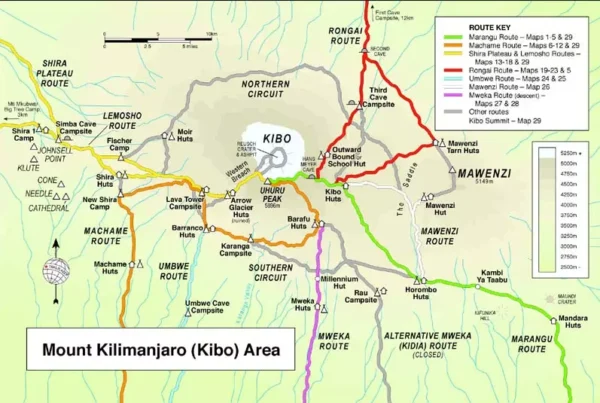
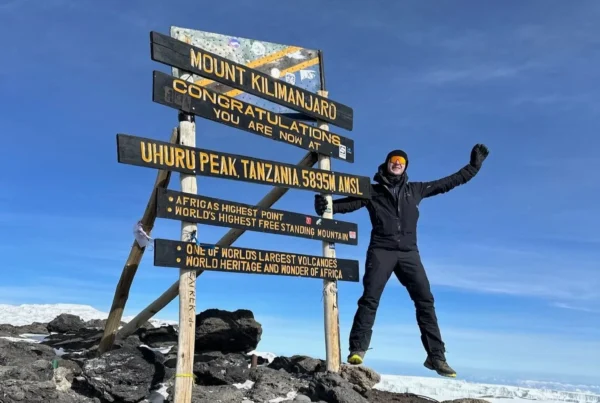
Rising like a sentinel over the northern plains, Mount Kilimanjaro towers at 5,895 meters, making it the highest free-standing mountain in the world. Cloaked in glaciers and crowned by a snow-covered peak, Kilimanjaro has drawn adventurers and dreamers from around the globe to conquer its summit and stand above the clouds.

Unlike many high-altitude peaks, Kilimanjaro requires no technical climbing skills, allowing thousands each year to embark on this life-changing expedition through five ecological zones—from rainforest to alpine desert to the icy summit. The ascent is not just physical; it is deeply introspective. Each step toward Uhuru Peak, the mountain’s highest point, becomes a symbol of personal triumph, endurance, and humility.

Even for those who admire it from afar, Kilimanjaro remains a monument of natural majesty—a mountain that defines Tanzania’s spirit and geographical soul.

Zanzibar – The Island of Spices and Sails

Floating in the Indian Ocean just off the Tanzanian coast, Zanzibar reveals a different, yet equally enchanting side of the country. A semi-autonomous archipelago with a history woven from centuries of trade, conquest, and cultural exchange, Zanzibar is known not only for its crystal-clear waters and coral reefs, but also for its rich cultural heritage and aromatic spice plantations.

At the heart of the island lies Stone Town, a UNESCO World Heritage Site and labyrinth of narrow alleys, carved wooden doors, and centuries-old mosques. Every street echoes with the footsteps of Arab traders, Persian merchants, and Swahili storytellers. Beyond the town, the island stretches out into tranquil beaches such as Nungwi and Kendwa, where turquoise waves lap at white sands under leaning palms.

Zanzibar offers more than just a tropical escape; it offers a journey through time and tradition, seasoned with cloves, cardamom, and the rhythm of taarab music.

Ngorongoro Crater – Eden Within a Caldera

Deep within the highlands of northern Tanzania lies one of Earth’s most surreal landscapes—the Ngorongoro Crater. This massive volcanic caldera, the largest intact of its kind, plunges 600 meters below the surrounding plateau and cradles an ecosystem so rich and concentrated it feels like a lost world.

Within its fertile basin, an astonishing array of wildlife roams freely: black rhinos, lions, elephants, flamingos, and hippos, all against the backdrop of shimmering lakes and sweeping grasslands. The dense population of animals, combined with the crater’s dramatic topography, has given visitors a sense of stepping into a natural amphitheater where life performs without pause.

What makes Ngorongoro unique is not just its biodiversity, but its mythic atmosphere. Fog often spills over its rim at dawn, slowly unveiling a world that seems untouched by time.

Lake Manyara – A Mirror to the Wild

Nestled at the foot of the Great Rift Valley escarpment, Lake Manyara National Park is a smaller but deeply photogenic reserve, offering diverse ecosystems in a compact area. Its alkaline lake, shimmering pink with thousands of flamingos, serves as a centerpiece to a landscape that transitions from dense groundwater forest to open savannah.

Visitors are often drawn by the park’s famed tree-climbing lions, a rare behavior not commonly seen elsewhere. Herds of elephants browse peacefully beneath ancient mahogany trees, while baboons form troops that dominate the forest paths. The lake itself becomes a canvas, reflecting skies heavy with storm or streaked with sunset hues.

It’s not just a place to spot wildlife—it’s a place to feel the pulse of an ecosystem in transition, nestled between towering cliffs and endless water.

Ruaha National Park – Tanzania’s Best-Kept Secret

In the heart of the country, far from the northern tourist circuit, lies Ruaha National Park, an untouched sanctuary of raw, wild Africa. As the largest national park in Tanzania, Ruaha holds an immense landscape of baobab forests, rugged hills, and winding rivers that sustain an incredible diversity of animals.

Despite its size and richness, Ruaha remains largely under-visited, making it a dream for true wilderness seekers. Here, lions are known to hunt giraffes, and herds of elephants gather at waterholes with little regard for human presence. The predator population is among the highest in East Africa, yet sightings often unfold in complete solitude, free from crowds or convoyed safari vehicles.

Ruaha doesn’t perform for visitors—it simply exists in its wild, majestic state, waiting for those who are curious enough to find it.

Selous Game Reserve – A Realm of Rivers and Remoteness

Named after explorer Frederick Selous, this vast reserve in southern Tanzania—now part of Nyerere National Park—is a landscape where rivers carve through untamed bushlands, creating habitats of exceptional ecological wealth. It is one of Africa’s largest protected areas, yet often flies under the radar of mainstream tourism.

Selous offers a uniquely diverse safari experience, where game drives are complemented by boat safaris and walking expeditions. The Rufiji River, flanked by borassus palms and sandbanks, plays host to hippos, crocodiles, and flocks of waterbirds. The sense of remoteness here is total, inviting visitors to immerse themselves in a world where nature holds absolute authority.

This is not a park of spectacle; it is a realm of quiet wonder, suited for those who travel not to be entertained, but to connect deeply with the earth.

Tarangire National Park – The Kingdom of Giants

Often overshadowed by its northern neighbors, Tarangire National Park surprises every traveler who crosses its borders. Dominated by monumental baobabs and traversed by the Tarangire River, this park becomes especially dramatic during the dry season when wildlife converges in massive numbers around dwindling water sources.

Known for its immense elephant populations, Tarangire has become a sanctuary for observing these giants in their natural behaviors—bathing, feeding, and interacting across generations. The park also boasts rich birdlife and frequent sightings of leopards lounging in trees or lions resting in the shade.

Tarangire leaves a lasting impression not with grandeur, but with its intimacy, depth, and seasonal drama.

Mahale Mountains – Where Chimps Roam Free

On the remote western shores of Lake Tanganyika, the Mahale Mountains National Park rises in verdant folds, cloaked in thick rainforest and brimming with mystery. Accessible only by boat, this secluded park offers one of the most profound wildlife experiences in Africatrekking in search of wild chimpanzees.

Visitors ascend forested trails with expert trackers, catching fleeting glimpses of chimps swinging through the canopy, grooming one another, or vocalizing in thrilling unison. The park’s location beside the world’s second-deepest lake adds a layer of beauty, where white-sand beaches meet jungle and waters glisten beneath sun-drenched skies.

Mahale is not for the casual traveler—it is a pilgrimage for those who seek authentic, life-altering connection with nature.

Gombe Stream – A Legacy of Primate Discovery

Made famous by the pioneering research of Jane Goodall, Gombe Stream National Park continues to inspire generations of conservationists and adventurers. This small reserve on the shores of Lake Tanganyika remains one of the best places in the world to observe chimpanzees in the wild, and the experience is both emotional and scientifically fascinating.

Beyond the chimpanzees, Gombe offers rich biodiversity, including colobus monkeys, leopards, and over 200 species of birds. Narrow forest trails wind through tangled vines and streams, leading visitors into a world where every rustle of leaves could unveil a revelation.

Gombe is a place of legacy—where science, emotion, and wild beauty intertwine in profound harmony.

Begin Your Tanzanian Journey with Confidence

To travel across Tanzania is to traverse the full spectrum of natural and cultural brilliance. Each corner of the country tells its own story—stories written in ancient stone, flowing rivers, and wild animal tracks. Whether drawn by the roar of lions in the Serengeti or the silent wisdom of chimpanzees in Mahale, travelers will find in Tanzania a lifetime of wonder in a single destination.

Let your dream journey become a reality with WildHorn Africa—the premier guide to immersive, expertly curated African tours and safaris. From the snow-capped heights of Kilimanjaro to the turquoise embrace of Zanzibar, let every moment in Tanzania be crafted with care, passion, and purpose. The adventure of a lifetime awaits.

Top 10 Places To Visit Along the Tanzania Coast

Top 10 Places To Visit Along the Tanzania Coast

By Tanzania travel guides, Travel guides, Travel stories and blogs

Top 10 Places To Visit Along the Tanzania Coast
Where Africa’s Wild Soul Meets the Indian Ocean’s Rhythmic Whisper

A Coastline Where Time Slows and Wonders Multiply

Stretching over 1,400 kilometers along the turquoise-hued western edge of the Indian Ocean, Tanzania’s coast is a paradise shaped by centuries of Swahili heritage, ancient trade routes, palm-lined beaches, coral reefs, and mangrove estuaries. This strip of coastline is where Africa’s raw beauty is softened by ocean breezes, where dhows sail timelessly across the horizon, and where both culture and nature converge in glorious harmony.

The Tanzanian coast is more than just a pretty fringe of the mainland. It is a mosaic of coastal towns, secluded islands, historic ruins, marine reserves, and thriving local communities, each offering its own unique flavor of discovery. For those seeking a journey that combines cultural immersion with nature’s tranquility, this coastal belt delivers experiences as rich and deep as the tides that wash its shores.

What follows is a deeper exploration of ten destinations that stand out as the most compelling, beautiful, and culturally rich places to visit along the Tanzania coast. From ancient Swahili towns and hidden islands to pristine marine parks and UNESCO World Heritage Sites, these places represent the very best of what the Tanzanian shoreline has to offer.

Stone Town, Zanzibar – A Living Museum of Swahili Culture

The labyrinthine alleys of Stone Town, the cultural and historical heart of Zanzibar, offer a journey back in time. Declared a UNESCO World Heritage Site, this coastal city tells the story of centuries of trade, conquest, and cultural exchange, where African, Arab, Persian, Indian, and European influences have left an indelible mark.

Visitors wandering through its narrow streets are greeted by the scent of spices, the echoes of call to prayer, and the artistry of intricately carved wooden doors. Historic landmarks such as the House of Wonders, the Old Fort, and the former Slave Market site remind all who visit of the city’s layered past. Despite its urban rhythm, Stone Town remains grounded in tradition, making it an essential coastal experience for anyone drawn to history, heritage, and the haunting beauty of cultural memory.

Nungwi – Where the Ocean Glows and Nightlife Awakens

At the northernmost tip of Zanzibar Island, Nungwi has evolved from a quiet fishing village into one of Tanzania’s most vibrant coastal destinations. The sunsets here are nothing short of legendary, painting the sky with oranges and purples that melt into the sea. By day, Nungwi reveals powdery beaches and warm, crystalline waters ideal for swimming, diving, and snorkeling among coral reefs.

Yet Nungwi is more than just idyllic scenery. The presence of traditional dhow-building yards, where skilled artisans craft the ancient vessels by hand, offers a glimpse into the cultural soul of the region. After dusk, Nungwi comes alive with music, beach bars, and a celebratory energy that distinguishes it as a destination where natural serenity and social spirit collide.

Mafia Island – The Quiet Marine Sanctuary

Far from the bustle of the mainstream lies Mafia Island, a place often whispered about by travelers who prefer their destinations untouched and unscripted. The island forms part of the Mafia Archipelago, a chain of islands and islets that are largely protected under the Mafia Island Marine Park, one of the richest and most biodiverse marine ecosystems in East Africa.

What sets Mafia apart is its tranquility and ecological importance. The coral reefs teem with marine life, from gentle whale sharks and sea turtles to vibrant schools of reef fish. Guided snorkeling and diving excursions often feel like spiritual experiences, as visitors glide through underwater gardens with surreal calm. With its low-key accommodations, authentic fishing communities, and strong conservation ethic, Mafia offers a rare escape into nature’s stillness.

Bagamoyo – The Portal to a Painful but Powerful Past

Once the terminus of the East African slave and ivory trade, Bagamoyo carries a name that means “Lay Down Your Heart” in Swahili. This coastal town, located just north of Dar es Salaam, is both sobering and inspiring. Its stone ruins, coral rag houses, and crumbling mission churches serve as silent witnesses to centuries of cultural collisions and colonial history.

Despite its historical weight, Bagamoyo is also a place of artistic rebirth. Home to the Bagamoyo College of Arts, the town is now a hub for dance, painting, music, and storytelling. Walking through its dusty streets, one senses a quiet dignity—an enduring strength where pain, pride, and perseverance intersect.

Pangani – A River Meets the Sea in Undisturbed Harmony

North of Dar es Salaam and south of Tanga, the coastal town of Pangani is often overlooked—but therein lies its power. Where the Pangani River empties into the Indian Ocean, a serene world unfolds. This area has been shaped by centuries of Swahili civilization and German colonial presence, yet remains surprisingly untouched by tourism.

Its shaded coconut groves, riverine forests, and mangrove estuaries create the backdrop for a deeply natural, almost meditative escape. Wildlife sightings include manatees, dolphins, and even nesting turtles. For travelers seeking an authentic, slow-paced immersion into coastal Tanzania, Pangani whispers a gentle invitation that is best accepted with patience and reverence.

Saadani National Park – Where the Bush Meets the Beach

Unique among Tanzania’s protected areas, Saadani National Park is the only wildlife reserve in East Africa where savannah wildlife meets the sea. It is here that elephants have been spotted crossing dunes, and lions have been heard roaring just meters from the shoreline. The combination of coastal habitat, riverine systems, and dry bush savannah creates a biodiversity hotspot unlike any other.

Boat safaris along the Wami River offer sightings of hippos and crocodiles, while land safaris reveal herds of buffalo, giraffes, and perhaps even elusive leopards. After a day of exploration, guests often unwind in beachfront lodges where the sound of crashing waves replaces the hum of the bush, offering a truly hybrid safari-coast experience.

Mnemba Island – The Pinnacle of Private Island Luxury

Off the northeast coast of Zanzibar lies Mnemba Island, an exclusive paradise that has become synonymous with secluded luxury and world-class diving. Surrounded by a marine reserve of breathtaking clarity, Mnemba is accessible only to guests of the private eco-lodge that inhabits the island.

The coral reefs surrounding the island are pristine, colorful, and densely populated, making it one of the top dive sites in the Indian Ocean. Above water, the island remains minimal, barefoot, and elegant, offering personalized service, fine dining, and pure relaxation. This is the destination for those who crave privacy, indulgence, and the therapeutic rhythm of ocean life.

Kilwa Kisiwani – An Ancient Swahili Kingdom Preserved in Coral

South of Dar es Salaam, the ruins of Kilwa Kisiwani stand as a reminder of the architectural and economic brilliance of the Swahili civilization. Once a bustling trade center between the 9th and 15th centuries, Kilwa connected East Africa with Arabia, Persia, and India. Today, it is a UNESCO World Heritage Site, and its coral-stone ruins—the Great Mosque, palace complexes, and crumbled warehouses—testify to a time when this coastal island was the heart of East African commerce.

For history lovers, Kilwa represents a pilgrimage to the forgotten, a destination where every broken arch and sunlit courtyard seems to whisper of kings, merchants, and the vast reach of the Indian Ocean trade networks.

Matemwe – Zanzibar’s Quiet Northern Soul

Located on Zanzibar’s northeastern shore, Matemwe is a sleepy beach haven where white sands stretch endlessly, and daily life moves with gentle predictability. Unlike its more commercial neighbors, Matemwe maintains an authentic coastal charm, with seaweed farmers working the tidal flats and local fishermen launching dhows at dawn.

This area is also the closest launch point to the Mnemba Atoll, making it a favorite for snorkelers and divers. Boutique lodges and eco-resorts in Matemwe emphasize peace, privacy, and connection to place, inviting guests to engage with both the sea and the surrounding community in deeply personal ways.

Tanga – A Coastal City Framed by Mountains and Mystery

At the northern edge of Tanzania’s coast, Tanga lies nestled between the Usambara Mountains and the Indian Ocean, offering a uniquely diverse landscape. Its colonial-era buildings, bustling port, and relaxed pace give the city an old-world feel. While not as popular as Zanzibar or Dar es Salaam, Tanga is rich in hidden gems—from the Amboni Caves, the largest limestone cave system in East Africa, to the serene beaches of Ushongo.

Tanga’s charm lies in its contrasts: urban yet quiet, coastal yet mountainous, traditional yet evolving. For those who prefer the road less traveled, this coastal city provides access to both natural wonders and local life without the crowds.

Let WildHorn Africa Guide You Beyond the Shoreline

The coast of Tanzania is not simply a place to relax—it is a corridor of connection, memory, and discovery. Each destination, whether shaped by centuries of history or millions of years of natural evolution, invites a deeper kind of travel. These coastal wonders are best explored with a partner who understands both the landscape and the rhythm of Africa.

Trust your coastal journey to WildHorn Africa, a tour operator dedicated to curating immersive, tailor-made experiences across East Africa. From the alleys of Stone Town to the reefs of Mafia and the ruins of Kilwa, WildHorn Africa ensures that every detail of your adventure is crafted with insight, respect, and wonder. Let your exploration of Tanzania’s coastline begin with those who know its secrets best.

Guide to Visiting Mafia Island (Tanzania) – All You Need To Know

Guide to Visiting Mafia Island (Tanzania) – All You Need To Know

By Tanzania travel guides, Travel guides, Travel stories and blogs

Guide to Visiting Mafia Island (Tanzania) – All You Need To Know

An Island Whose Name Sparks Curiosity

It is often assumed that the Indian Ocean has surrendered all its secrets, yet a quieter melody is still being played on the coral-fringed shores of Mafia Island. Situated approximately 120 kilometres south of Dar es Salaam and embraced by warm, plankton-rich currents, the island has long been celebrated for its raw authenticity, vibrant marine life, and uncluttered beaches. The sensation of stepping onto its small airstrip is regularly described as an awakening; time, it is said, is slowed, and daily routines are reset to the rhythm of tides and trade winds. A visit is therefore embraced not merely as a holiday but as an immersion in a living cultural and ecological mosaic.

Setting and Historical Resonance

A landscape shaped by ancient coral uplift has been fused with centuries of Swahili, Omani, German, and British influence, leaving ruins, mosques, and colonial-era buildings scattered between coconut groves and mango trees. The legendary trading settlement of Kua on nearby Juani Island was once controlled by sultans whose wealth was drawn from ivory, spices, and gold. Those ruins can still be explored, and their silent archways continue to be caressed by monsoon breezes carrying echoes of sailors’ voices. Because the island remained relatively remote after Tanzanian independence, a distinctive coastal culture has been preserved, and traditional wooden dhows are still built and sailed along the shoreline.

Journeying to the Archipelago

Access has been traditionally viewed as part of the adventure itself. The swiftest approach is achieved by light aircraft, with scheduled flights from Dar es Salaam that usually require no more than thirty minutes, a duration preferred by most visitors because the crossing of the Rufiji Delta is afforded spectacular perspective from the air. Upon arrival at Kilindoni, transfers are generally arranged by individual lodges, while three-wheeled tuk-tuks and shared dalla-dallas provide economical connections to the eastern village of Utende where the celebrated Mafia Island Marine Park begins.

Timing the Escape

Climate patterns dictate two rainy seasons: the shorter showers between November and December and the longer deluge from late March through May. The drier spell from late July to mid-October has been favoured by photographers for its golden light and calm seas. The calendar’s most coveted window, however, spans October to March, when migratory whale sharks are lured by plankton blooms to feed in the shallow channel west of the island. During this period, morning excursions are arranged by locally licensed operators whose skippers have sensibly adopted a code that prohibits touching, flash photography, and engine revving near these gentle giants.

Accommodation and Essential Expenses

A lodging spectrum ranges from family-run guest houses in Kilindoni to eco-chic beach lodges and boutique tented camps on the protected shorelines of Utende and Chole Bay. Because every bed situated within marine park boundaries confers privileged entry to coral gardens only minutes from the beach, a conservation fee is collected daily. The charge, administered by the Tanzania Marine Parks Authority, is funnelled directly into reef-monitoring patrols, turtle-nest surveillance, and community outreach programmes, which means that each overnight stay is aligned with tangible ecological benefit.

Exploring the Marine Park

Established in 1995, the Mafia Island Marine Park has been praised for balancing community fisheries with strict no-take zones that harbour over 400 fish species, myriad hard and soft corals, and regular turtle nesting sites. Divers are routinely astonished by the dramatic walls of Kinasi Pass, where schools of barracuda swirl beyond gorgonian fans, while snorkellers glide above bommies only five metres deep—granting even novice swimmers encounters with clownfish, leaf scorpionfish, and hawksbill turtles. Because currents can become swift on spring tides, dives are planned in concert with the lunar cycle, and surface intervals are often spent picnicking on sand-banks that appear briefly before being reclaimed by the sea. Conservation guidelines suggest reef-safe sunscreen, controlled buoyancy, and camera strobes rather than continuous lights to protect delicate polyps.

Beyond the Reef: Land and Culture

The interior of Mafia Island is traversed by dirt tracks where baobab silhouettes watch over cassava fields, and visits to subsistence farms are arranged by guides who translate discussions on coconut tapping and traditional medicine. Birdlife, including Madagascar bee-eaters, is observed at dawn along mangrove creeks, while sunset dhow cruises are arranged on request. On neighbouring Chole Island, centuries-old limestone warehouses are smothered by strangler figs, their roots weaving a tapestry of Swahili architecture and coastal jungle; evening ghost crabs skitter across pathways as flying foxes wheel overhead. Respectful photography is encouraged only after consent has been sought, since elders remain custodians of oral histories linking these ruins to the wider Indian Ocean trade network.

Practical Matters

Entry visas can be secured online prior to arrival or upon landing at Julius Nyerere International Airport; a single-entry permit currently carries a cost for most nationalities. Yellow fever proof is rarely requested unless travellers have transited endemic countries, but hepatitis A vaccination and antimalarial prophylaxis are recommended, even though no local malaria cases have been reported in recent years. Electrical sockets follow the British three-pin standard, and reliable Wi-Fi is still confined to mid- and top-tier lodges, rendering offline maps and pre-downloaded e-readers sensible preparations. Cash withdrawals are limited to a solitary ATM in Kilindoni, and transactions within the park are predominantly conducted in Tanzanian shillings or U.S. dollars. Mobile coverage is patchy; therefore, arrangements with drivers and dive shops are best confirmed a day in advance.

Responsible Footprints

Because ecosystems remain fragile, footwear free of sand and disinfected gear are encouraged before boarding boats, reducing the risk of invasive species. Single-use plastics have been officially banned, and refill stations have been installed at airports and reception desks. Gifts for schools are appreciated but are asked to be channelled through registered NGOs to ensure equitable distribution. Photographs of children should always be taken only after parental permission, a practice that has been formally requested by community leaders.

Departing Reflections

A journey across Mafia Island is remembered as a study in contrasts: sun-drenched decks giving way to cool depths where whale sharks glide; tangled mangroves bordering dusty villages where Swahili melodies drift from radio speakers; fortified coral walls standing silent while freedivers drift silently past. The pace is unforced, and the experience is defined not by itineraries checked but by moments absorbed—an orange dawn observed through dhow sails, a reef discovered by torchlight, a spice-scented curry tasted under lantern glow. In leaving, travellers often remark that the island has not so much been visited as entrusted for a brief time, its rhythms laid upon their own.

It is therefore fitting that future explorations of this maritime sanctuary are planned with specialists whose relationships with local guides, lodge owners, and conservation bodies are both longstanding and harmonious. For that reason, it is confidently recommended that Africa tours and safaris be booked through WildHornAfrica, where bespoke itineraries are crafted, logistics are seamlessly handled, and every encounter with Mafia Island’s magic is elevated from memorable to truly transformational.

Top 5 Best Tanzania Itinerary Ideas

Top 5 Best Tanzania Itinerary Ideas

By Tanzania travel guides, Travel guides, Travel stories and blogs

Top 5 Best Tanzania Itinerary Ideas

Crafting Life-Changing Journeys Through East Africa’s Greatest Landscapes

Unveiling Tanzania: A Tapestry of Wild Beauty and Cultural Majesty

When the mind drifts toward the soul of Africa, it is often Tanzania that emerges in technicolor splendor—a land where raw wilderness collides with ancient culture, and where every journey is steeped in wonder. Known for its iconic wildlife safaris, pristine coastlines, towering mountains, and deeply-rooted tribal traditions, Tanzania is not simply a destination; it is a profoundly transformative experience waiting to be lived.

Yet, while Tanzania offers a dazzling variety of attractions, its very diversity can overwhelm the unseasoned traveler. Mountains, craters, islands, lakes, and legendary national parks—all vie for attention. Without a thoughtfully structured itinerary, the beauty and complexity of Tanzania can become scattered impressions rather than a cohesive story. That is why crafting the right itinerary becomes not only important but essential to truly capture the essence of this mesmerizing country.

What follows is an exploration of the top five best itinerary ideas in Tanzania—each one uniquely designed to showcase the country’s richest offerings while appealing to different types of travelers. Whether one seeks immersive wildlife experiences, luxurious relaxation, authentic cultural encounters, or a seamless blend of it all, there exists a route through Tanzania to match every dream. And behind every perfect itinerary lies meticulous planning, local insight, and a deep understanding of the land’s hidden rhythms.

The Ultimate Northern Circuit Safari – Serengeti, Ngorongoro, Tarangire, and Lake Manyara

At the very heart of Tanzania’s safari fame lies the northern circuit, a world-renowned collection of spectacular game parks that seamlessly unfold into one epic journey. This itinerary begins in Arusha, often used as the stepping stone into wild Africa. From here, the route takes travelers into the elephant-rich lands of Tarangire National Park, where ancient baobabs loom large and predator-prey interactions are a daily spectacle.

From Tarangire, the journey continues to Lake Manyara, a shimmering alkaline lake known for its tree-climbing lions, pink flamingos, and lush groundwater forests. Despite its smaller size, the park offers extraordinary ecological diversity, offering a peaceful pause before plunging into the volcanic grandeur of the Ngorongoro Crater. As the world’s largest intact caldera, the crater is home to one of the densest concentrations of wildlife anywhere in Africa. Descending into it feels like entering an ancient, self-contained kingdom of nature.

But the true crescendo of this itinerary is reached in the Serengeti—Tanzania’s crown jewel, and arguably the most iconic safari destination on Earth. Depending on the time of year, the Great Migration may steal the spotlight, but even beyond this spectacle, the Serengeti stuns with its endless golden plains, powerful lion prides, elegant cheetahs, and grazing herds that stretch to the horizon. Luxurious tented camps and lodges are scattered strategically to ensure immersive comfort in the wild. The Northern Circuit itinerary is perfect for first-time visitors seeking a full and unforgettable safari introduction to Tanzania’s natural marvels.

Beach to Bush Elegance – Zanzibar and Selous (Nyerere National Park)

Few countries in the world offer the chance to effortlessly blend paradise-island calm with untamed safari adventure, but Tanzania does it with finesse. This itinerary reverses the typical safari-first route by beginning with a deep breath on the idyllic island of Zanzibar. Here, time slows as turquoise waters lap white-sand beaches, and dhow sails dance across the horizon. Stone Town offers a maze of Swahili-Arab heritage, bustling markets, and rooftop cafes that glow under golden sunsets.

After surrendering to the rhythms of island life, a short flight transports travelers into the wilderness of Nyerere National Park, formerly known as Selous Game Reserve. As one of Africa’s largest protected areas, it remains an untamed jewel of the south, far from the crowds that sometimes touch the northern parks. Here, the Rufiji River snakes through palm groves and savannah, offering a unique safari experience by both boat and vehicle. Travelers encounter elephants bathing, hippos bellowing, and lions stalking beneath rustling acacias—all in quiet, undisturbed elegance.

This itinerary is best suited to travelers seeking both luxury and tranquility, offering deep rejuvenation followed by the thrill of raw, private wilderness. The contrast between ocean serenity and safari intensity makes for an exquisite balance, particularly appealing to honeymooners or couples celebrating a life milestone.

The Great Migration Expedition – Following Nature’s Greatest Journey

For travelers seeking a once-in-a-lifetime wildlife spectacle, few experiences rival the thunderous movement of over 1.5 million wildebeest, accompanied by zebra, gazelle, and their ever-present predators, across the Serengeti-Mara ecosystem. This itinerary is entirely crafted around chasing the Great Migration, requiring both seasonal precision and strategic accommodation placement to guarantee front-row access to nature’s grandest drama.

Depending on the month of travel, the itinerary may begin in the Ndutu region of the southern Serengeti, where calving season brings a surge of life—and danger—as newborns take their first steps among prowling predators. As the seasons shift, the journey continues northward, where the Grumeti River crossings provide nail-biting encounters with massive crocodiles and frantic stampedes. By mid-year, the Mara River crossings near the Kenyan border erupt into violent beauty, as panicked herds brave deep waters under the watchful eyes of lions and crocodiles alike.

Accommodation on this journey ranges from mobile migration camps that move with the herds to permanent lodges perched above the plains. Expert guides, open vehicles, and a flexible pace ensure travelers are always at the heart of the action. For wildlife photographers, seasoned safari-goers, or those wanting to witness the rawest expressions of life and death, this itinerary offers a deeply moving connection to the cycle of survival.

Highlands, History, and Culture – Kilimanjaro, Usambara, and Maasai Country

Not every Tanzania adventure must center around game drives. For those drawn to people, culture, and mountain air, an itinerary through the highlands offers an enriching alternative or complement to safari. The journey begins in Moshi or Arusha, near the base of the legendary Mount Kilimanjaro. Whether summiting Africa’s tallest peak or simply hiking its verdant foothills, the mountain offers both challenge and grandeur.

From Kilimanjaro, the itinerary may continue through the Maasai Steppe, where travelers engage with semi-nomadic communities whose lives still revolve around cattle, ceremony, and oral tradition. Authentic village visits allow for immersive cultural exchanges—stories around fires, spear-throwing lessons, and the rhythmic pulse of Maasai dance.

Further east, the Usambara Mountains rise unexpectedly, cloaked in rainforest and cloud mist. Known for their biodiversity and colonial-era towns, these mountains offer walking trails, botanical gardens, and local tea farms. Lodges built into the forest hillsides offer calm and comfort, ideal for slowing down and soaking in Tanzania’s lesser-known but profoundly beautiful inland world.

This itinerary is ideal for culturally curious travelers or those wanting to go beyond the typical safari path. The emotional depth and human connections made along the way often leave the most enduring impressions.

Southern Explorer Circuit – Ruaha and Katavi Wilderness

For the seasoned explorer who craves true isolation and wild authenticity, the southern and western circuits of Tanzania unveil a realm where few tread. This itinerary begins in Ruaha National Park, a place of baobabs and blood-red earth where lion prides and wild dogs roam with astonishing confidence. With few visitors and vast tracts of land, Ruaha provides a sense of primal solitude—safaris conducted in silence except for the sounds of nature.

From Ruaha, adventurous travelers are flown further west into Katavi National Park, one of Africa’s last great wildernesses. Dry-season months reveal massive concentrations of hippos, buffalo, and elephants clustered around dwindling water sources. It is a place where the human footprint feels almost nonexistent. The absence of crowds, paired with luxurious yet discreet camps, transforms every encounter into something private, powerful, and pure.

This itinerary is not for the casual tourist, but for those who have tasted Africa and now seek to discover its rawest edges. It is a journey into the heart of untouched wilderness—a place where the wild still reigns supreme.

Begin Your Journey with WildHorn Africa

As diverse and magical as Tanzania is, navigating its best offerings requires more than a guidebook or generic travel plan. Crafting an itinerary that flows with the land’s natural rhythms and reveals its true soul demands deep expertise, logistical finesse, and a passion for creating transformative travel.

Whether planning a honeymoon in Zanzibar, a family safari in the Serengeti, or a solo cultural odyssey through the highlands, WildHorn Africa stands ready as the ideal partner. With unparalleled regional knowledge, handpicked guides, and a commitment to authentic, ethical, and luxurious travel experiences, WildHorn Africa turns every itinerary into an unforgettable life chapter.

To ensure your Tanzanian adventure unfolds seamlessly—from first step to final sunset—your journey should begin with WildHorn Africa. Let the land’s stories be told not only through landscapes and wildlife but through the precision of a perfectly planned safari.

Close Menu