


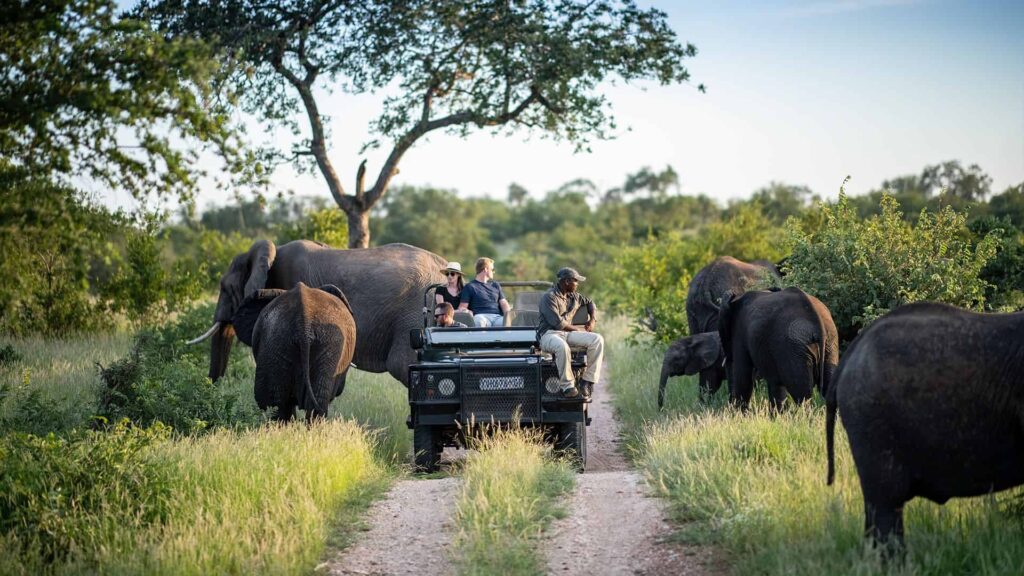
A Kruger safari represents one of Africa’s most complete and accessible wildlife experiences, combining vast wilderness, exceptional biodiversity, and decades of disciplined conservation management. The Kruger region is not simply a national park; it is the backbone of Southern Africa’s safari heritage and one of the most successful wildlife protection landscapes on the continent. A safari in Kruger offers scale, structure, and ecological depth, allowing travelers to witness Africa’s iconic species living freely within a carefully managed yet largely natural system.
What sets a Kruger safari apart is balance. It blends raw wilderness with accessibility, public conservation with private stewardship, and traditional game drives with advanced wildlife monitoring. Kruger delivers consistent, high-quality wildlife encounters while preserving ecological integrity, making it a benchmark safari destination for both first-time visitors and seasoned wildlife travelers.
Understanding the Kruger Ecosystem
The foundation of a Kruger safari lies in its extraordinary ecological diversity. Kruger National Park spans nearly 20,000 square kilometers, making it one of Africa’s largest protected areas. Its size allows wildlife populations to function naturally, supporting predator–prey dynamics, seasonal movement, and genetic diversity across generations.
Kruger’s landscape is shaped by a network of rivers, savannahs, woodlands, and granite hills. These habitats support different species assemblages, meaning wildlife distribution varies significantly from north to south. This variation is central to the Kruger safari experience, rewarding travelers who understand that each region of the park offers a distinct ecological character.
Unlike fenced reserves designed purely for tourism, Kruger operates as a living ecosystem with minimal artificial manipulation. While infrastructure exists to support conservation and visitors, wildlife behavior remains largely unaffected by human presence.
Kruger’s Role in African Safari History
Kruger occupies a unique place in safari history as one of Africa’s earliest formally protected wildlife areas. Established in the early 20th century, the park became a model for national park management, influencing conservation policy across Africa.
From the outset, Kruger was designed to protect wildlife at scale rather than isolate individual species. This philosophy laid the groundwork for modern ecosystem-based conservation. A Kruger safari therefore carries historical significance, offering insight into how long-term protection can sustain wildlife populations even amid surrounding development.
The park’s management structure, research programs, and ranger training systems are among the most advanced in Africa, reinforcing Kruger’s reputation as a conservation stronghold.
Wildlife Diversity on a Kruger Safari
One of the greatest strengths of a Kruger safari is its biodiversity. The park supports an extraordinary range of mammals, birds, reptiles, and plant species, making it one of the most biologically rich safari destinations in Africa.
Big Five Encounters in Kruger
Kruger is one of the few places in Africa where all members of the Big Five occur in strong, sustainable populations. Lions dominate predator hierarchies, leopards thrive in riverine forests and rocky outcrops, elephants move across vast territories, rhinos remain under intensive protection, and buffalo form large herds across grasslands.
A Kruger safari offers realistic Big Five encounters shaped by habitat and season rather than staged sightings. Observing these animals within a vast, open system reinforces the understanding that wildlife thrives best when ecosystems remain intact.
Predators and Carnivore Networks
Beyond the Big Five, Kruger supports cheetahs, African wild dogs, hyenas, jackals, and smaller carnivores that play critical roles in ecosystem balance. Wild dogs, in particular, are a conservation highlight, with Kruger supporting one of Southern Africa’s most important populations.
A Kruger safari reveals complex predator relationships, from cooperative hunting strategies to territorial conflicts and scavenger interactions. These dynamics illustrate the interconnectedness of species within the park.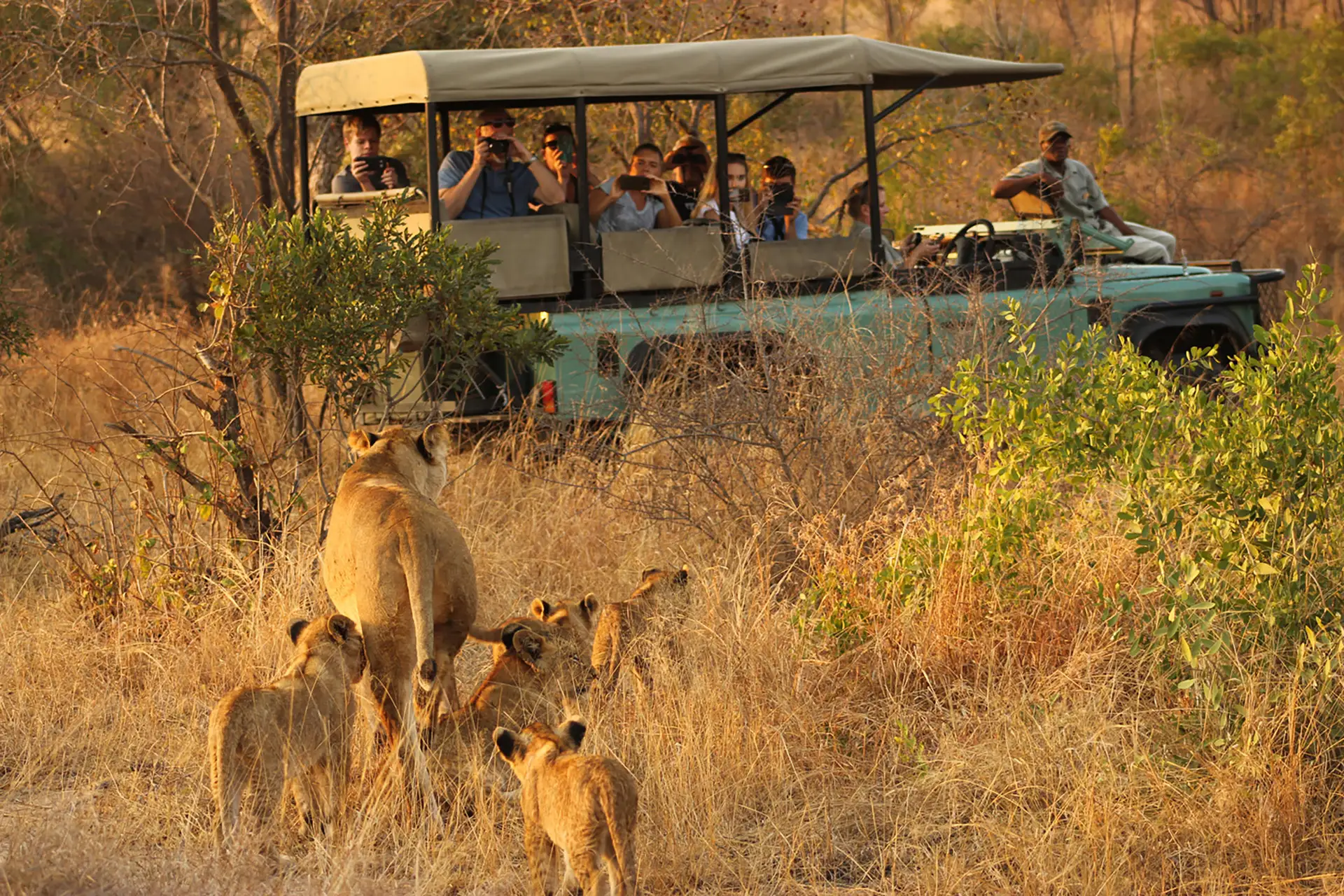

Herbivores and Ecosystem Engineers
Large herbivores form the foundation of Kruger’s food web. Elephants act as landscape engineers, altering vegetation structure and influencing water access. Giraffes, zebras, antelope, and buffalo shape the grassland composition through grazing and browsing.
Smaller herbivores occupy specialized niches that reduce competition and enhance biodiversity. A Kruger safari allows travelers to observe how these species collectively maintain ecosystem health.
Regional Variation Within Kruger
A defining feature of a Kruger safari is regional diversity. The park is commonly divided into northern, central, and southern zones, each offering distinct wildlife experiences.
The southern region is known for higher wildlife density and frequent predator sightings due to fertile soils and permanent water sources. Central Kruger supports open plains ideal for large herbivores and lions, while northern Kruger is characterized by rugged terrain, fewer visitors, and unique species adapted to drier conditions.
Understanding these regional differences allows travelers to appreciate Kruger as a mosaic of ecosystems rather than a single uniform destination.
Public and Private Reserves in the Greater Kruger Area
The Kruger ecosystem extends beyond the boundaries of the national park into adjoining private reserves that share unfenced borders. These areas form part of the Greater Kruger conservation landscape, significantly expanding available wildlife habitat.
Private reserves operate under strict ecological guidelines while offering more flexible safari activities such as off-road driving and night game drives. Wildlife moves freely between public and private areas, ensuring that conservation outcomes benefit the entire ecosystem.
A Kruger safari that includes both public and private areas provides complementary perspectives: the scale and authenticity of the national park combined with the intimacy and flexibility of private reserves.
Safari Styles Available in Kruger
Kruger offers one of the widest ranges of safari styles in Africa, making it exceptionally versatile.
Self-drive safaris allow visitors to explore independently, a rare feature among major African safari destinations. Guided game drives provide expert interpretation and access to wildlife behavior insights. Walking safaris offer close engagement with tracks, plants, and smaller species often overlooked from vehicles.
Night safaris in private reserves reveal nocturnal wildlife, while photographic safaris benefit from Kruger’s road network and varied habitats. This diversity of safari styles ensures that a Kruger safari can be tailored to different interests and experience levels.
Conservation Management and Anti-Poaching Efforts
Conservation is central to the Kruger safari experience. The park operates one of Africa’s most advanced wildlife monitoring and anti-poaching systems, combining ranger patrols, aerial surveillance, technology, and scientific research.
Rhino protection has become a focal point, with intensive measures implemented to combat illegal wildlife trade. Tourism revenue plays a crucial role in funding these efforts, reinforcing the link between responsible safari travel and conservation success.
Kruger’s long-term research programs contribute to global understanding of wildlife management, disease control, and climate adaptation, making the park a center of conservation science.
Seasonal Dynamics on a Kruger Safari
Seasonality shapes wildlife behavior and safari conditions in Kruger. The dry season concentrates animals around rivers and waterholes, increasing visibility and predator activity. Vegetation thins, making wildlife easier to spot.
The wet season transforms the landscape, bringing lush vegetation, calving activity, and migratory birdlife. While wildlife may be more dispersed, ecological richness increases, offering rewarding experiences for patient observers.
A Kruger safari can be meaningful year-round when expectations align with seasonal realities.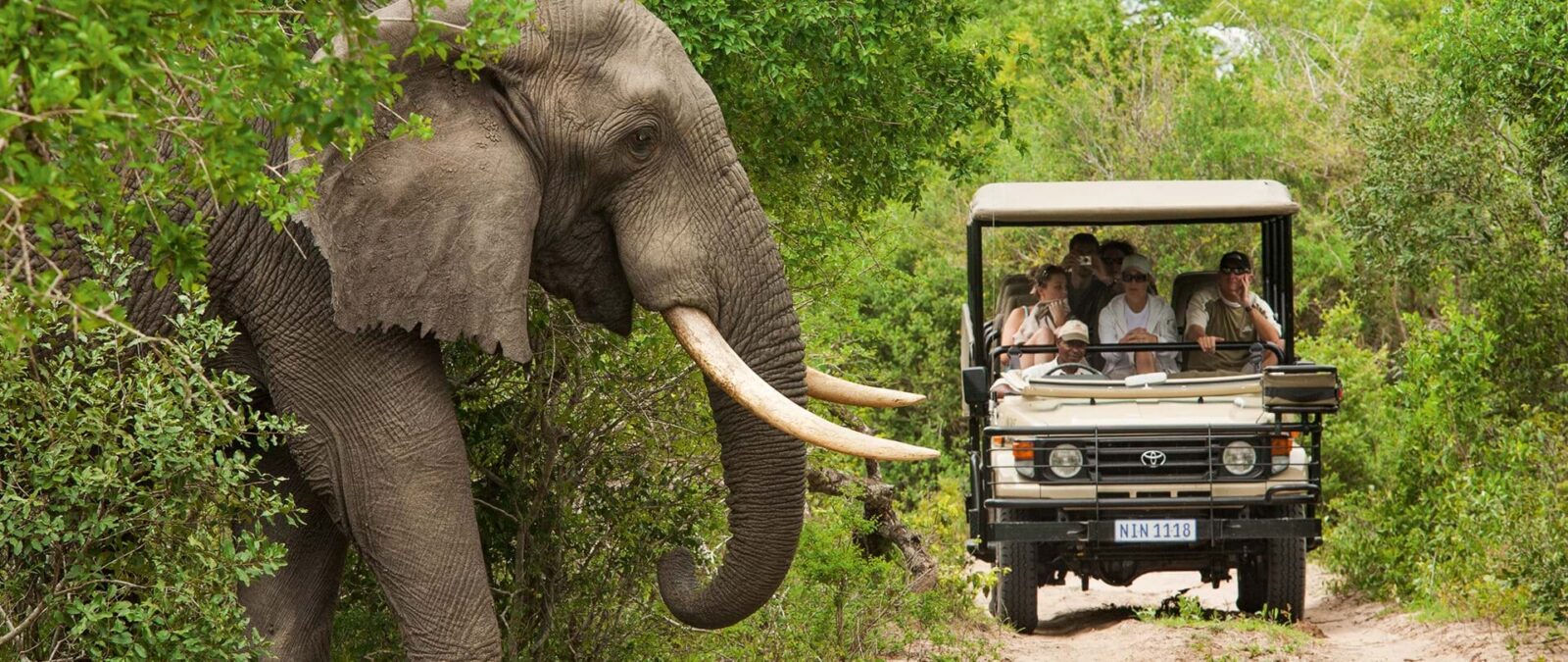

Birdlife and Biodiversity Beyond Mammals
Kruger is one of Africa’s premier birding destinations, with hundreds of recorded species across different habitats. Rivers attract waterbirds, woodlands support raptors and songbirds, and seasonal migrants add diversity during wetter months.
Reptiles, amphibians, insects, and plant life also contribute to Kruger’s biodiversity. A safari here rewards travelers who look beyond large mammals to appreciate the full spectrum of life.
Cultural and Human Context of Kruger
Human history around Kruger extends back thousands of years. Archaeological sites within the park reveal early human occupation, while surrounding communities maintain cultural ties to the land.
Modern conservation efforts increasingly focus on community engagement, education, and benefit-sharing. A Kruger safari gains depth when understood within this broader human–environment relationship.
Accessibility and Infrastructure
One reason a Kruger safari is so widely respected is accessibility. Well-maintained roads, multiple entrance gates, and a range of accommodation options make the park accessible to different traveler profiles without compromising conservation principles.
Despite this accessibility, Kruger retains a strong sense of wilderness due to its sheer size and regulated development.
Who a Kruger Safari Is Best Suited For
A Kruger safari suits a wide range of travelers. It is ideal for first-time safari visitors due to reliability and infrastructure, while also rewarding experienced wildlife enthusiasts with ecological depth and species diversity.
Photographers, families, conservation-minded travelers, and independent explorers all find value in Kruger’s flexibility and authenticity.
Why the Kruger Safari Remains Iconic
The Kruger safari remains iconic because it demonstrates what long-term conservation can achieve. Wildlife populations remain viable, ecosystems function at scale, and tourism supports protection rather than undermining it.
In a world where wilderness is increasingly fragmented, Kruger stands as evidence that disciplined management, scientific understanding, and responsible tourism can preserve nature for generations. A Kruger safari is not merely a wildlife holiday; it is an encounter with one of Africa’s greatest conservation achievements.