


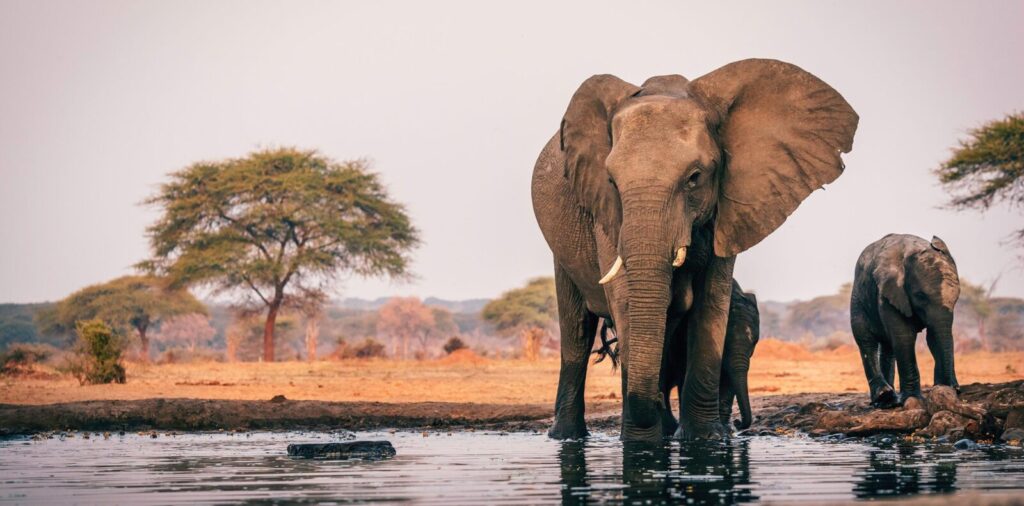
Safari in Botswana: Where Wilderness Still Rules
A Safari in Botswana is not merely a journey into the wild; it is an immersion into one of the last great untouched ecosystems on Earth. From the moment the first dust trail rises behind a safari vehicle or the soft splash of a mokoro glides through crystal-clear channels, Botswana reveals itself as a destination where nature remains dominant, unfiltered, and profoundly authentic. Unlike many safari destinations shaped by mass tourism, Botswana has intentionally preserved exclusivity, conservation, and ecological balance. This deliberate approach has elevated the country into a global benchmark for high-quality safari experiences, where wildlife encounters are intimate, landscapes are pristine, and silence often speaks louder than words.
Renowned for its vast protected areas, extraordinary biodiversity, and conservation-led tourism model, Botswana offers a safari experience defined by depth rather than spectacle alone. Each region tells a different story, each season transforms the land in dramatic ways, and each encounter feels unrepeatable. A Safari in Botswana is therefore understood not as a single experience, but as a collection of moments that linger long after the journey ends.
Understanding the Essence of a Safari in Botswana
The concept of a Safari in Botswana is deeply rooted in preservation, patience, and respect for the natural world. Tourism has been developed under a “high-value, low-impact” philosophy, ensuring that wildlife habitats remain undisturbed while visitors are offered exceptional, personalized experiences. As a result, large crowds are absent, and encounters with animals often unfold in quiet isolation, creating an atmosphere of authenticity rarely found elsewhere.
Botswana’s safari identity is further shaped by its diverse ecosystems. From permanent wetlands to arid deserts, the country encompasses dramatic contrasts that support a remarkable range of species. These landscapes are not staged or artificially enhanced; they exist as they have for centuries, shaped by water, climate, and time. A Safari in Botswana is therefore experienced as an exploration of raw nature, rather than a curated attraction.
Botswana’s Commitment to Conservation and Sustainable Tourism
One of the defining factors that distinguishes a Safari in Botswana from other African safari destinations is the country’s unwavering commitment to conservation. Approximately forty percent of Botswana’s land has been set aside as national parks, game reserves, and wildlife management areas. This extensive protection has allowed animal populations to thrive while maintaining ecological integrity.
Hunting bans, strict tourism regulations, and controlled lodge development have reinforced Botswana’s reputation as a conservation leader. Safari operators are required to adhere to rigorous environmental standards, and many lodges operate on renewable energy while actively supporting local communities. Through this model, a Safari in Botswana contributes directly to wildlife protection and sustainable livelihoods, creating a symbiotic relationship between tourism and conservation.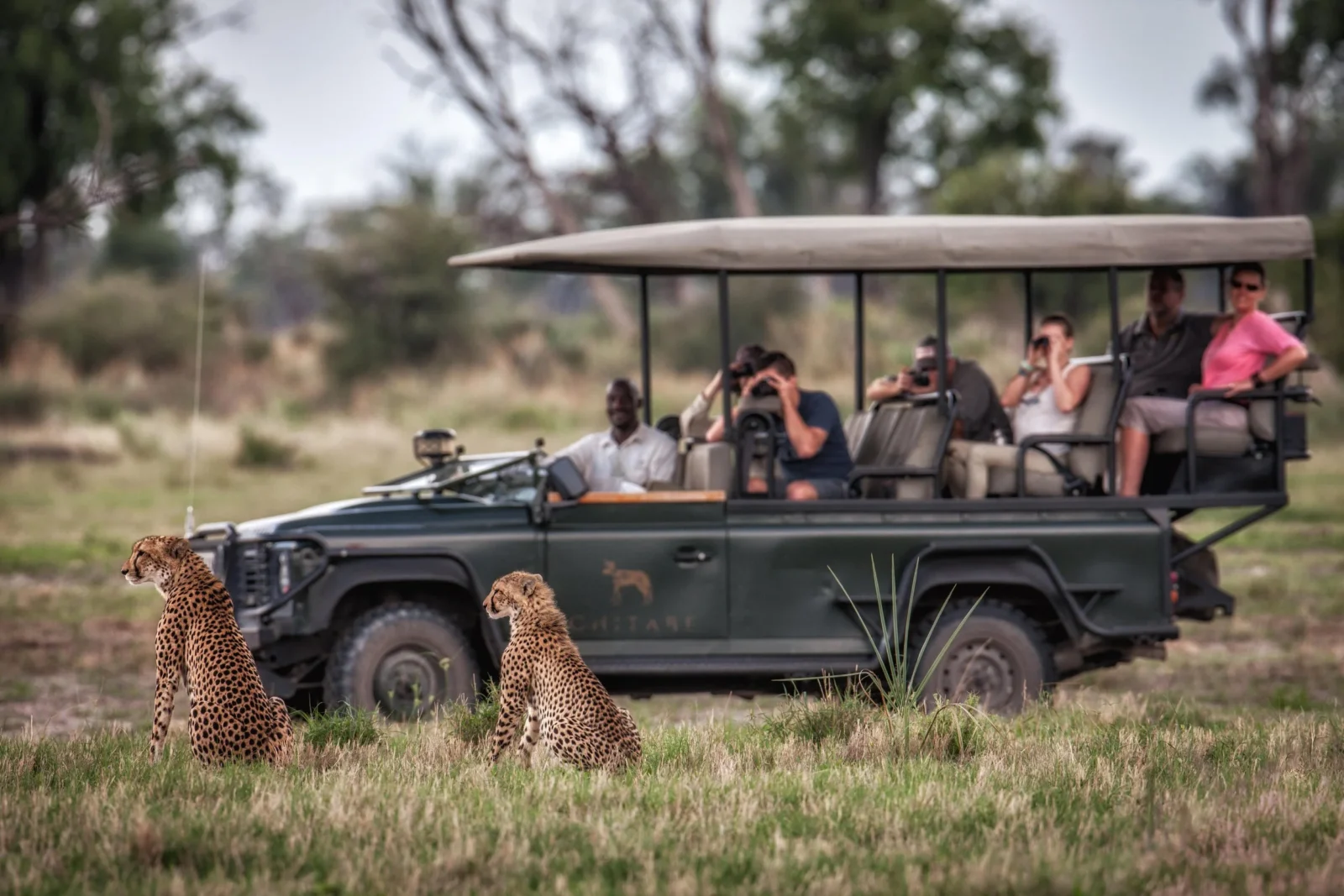

The Iconic Landscapes That Define a Safari in Botswana
The Okavango Delta: A Living Miracle
At the heart of any Safari in Botswana lies the Okavango Delta, one of the most extraordinary ecosystems on the planet. This vast inland delta, formed by seasonal floodwaters from Angola, transforms the Kalahari Desert into a lush oasis teeming with life. As the waters spread across the plains, islands emerge, channels expand, and wildlife congregates in astonishing numbers.
A Safari in Botswana within the Okavango Delta is characterized by water-based exploration. Mokoro excursions provide a serene perspective, allowing wildlife to be observed at eye level without engine noise. Game drives reveal predators such as lions and leopards navigating flooded terrain, while elephants wade effortlessly through deep channels. The Delta’s dynamic nature ensures that no two safaris are ever the same.
Chobe National Park: Land of Giants
Chobe National Park represents another cornerstone of a Safari in Botswana. Known for hosting one of the largest elephant populations in Africa, Chobe offers dramatic wildlife concentrations along the Chobe River. During the dry season, herds gather in vast numbers, creating scenes of extraordinary scale and intensity.
River safaris form a defining feature of this region, offering close encounters with elephants, buffalo, hippos, and crocodiles. Sunset cruises reveal wildlife bathed in golden light, while predators stalk prey along the riverbanks. A Safari in Botswana within Chobe is therefore marked by abundance, movement, and spectacle.
Moremi Game Reserve: The Predator’s Domain
Situated within the eastern Okavango Delta, Moremi Game Reserve is widely regarded as one of Africa’s most rewarding safari areas. Its diverse habitats include floodplains, lagoons, forests, and savannah, supporting an exceptional density of wildlife.
Predator sightings are particularly frequent, with lions, cheetahs, leopards, and African wild dogs regularly observed. A Safari in Botswana through Moremi is often defined by thrilling game drives, where dramatic interactions unfold against ever-changing landscapes. The reserve’s strict conservation policies ensure that these encounters remain intimate and ethically managed.
The Kalahari Desert: Beauty in Extremes
While often overshadowed by wetter regions, the Kalahari Desert plays a vital role in shaping the identity of a Safari in Botswana. Far from barren, this vast semi-arid landscape supports resilient species adapted to harsh conditions. During the rainy season, the desert undergoes a remarkable transformation as grasses emerge and wildlife migrates into the area.
The Central Kalahari Game Reserve offers a safari experience marked by isolation and raw beauty. Black-maned lions, oryx, and meerkats inhabit this region, while vast open spaces create a profound sense of scale. A Safari in Botswana within the Kalahari is characterized by silence, solitude, and a deeper appreciation of survival and adaptation.
Wildlife Encounters That Define a Safari in Botswana
A Safari in Botswana is internationally celebrated for the quality and diversity of its wildlife encounters. The country supports healthy populations of the Big Five, along with numerous other species rarely seen elsewhere. African wild dogs, often elusive in other regions, thrive in Botswana’s protected areas. Large herds of elephants roam freely across borders, reflecting successful transboundary conservation initiatives.
Birdlife is equally impressive, with over five hundred species recorded. From fish eagles calling across waterways to vibrant bee-eaters nesting in riverbanks, a Safari in Botswana appeals strongly to bird enthusiasts. Seasonal migrations further enhance biodiversity, ensuring that wildlife encounters remain dynamic throughout the year.
Safari Experiences Beyond the Traditional Game Drive
While game drives remain central to a Safari in Botswana, the country offers a wide range of alternative safari activities that deepen the overall experience. Walking safaris provide an opportunity to engage with the landscape on foot, guided by expert trackers who interpret subtle signs often missed from vehicles. These walks foster a heightened awareness of ecology, tracks, and plant life.
Water-based safaris offer a contrasting perspective, particularly within the Okavango Delta. Quiet exploration by mokoro or motorboat allows for close observation of aquatic species and birds, creating a sense of tranquility that defines many Botswana safaris. Night drives, permitted in private concessions, reveal nocturnal species and behaviors rarely witnessed during daylight hours.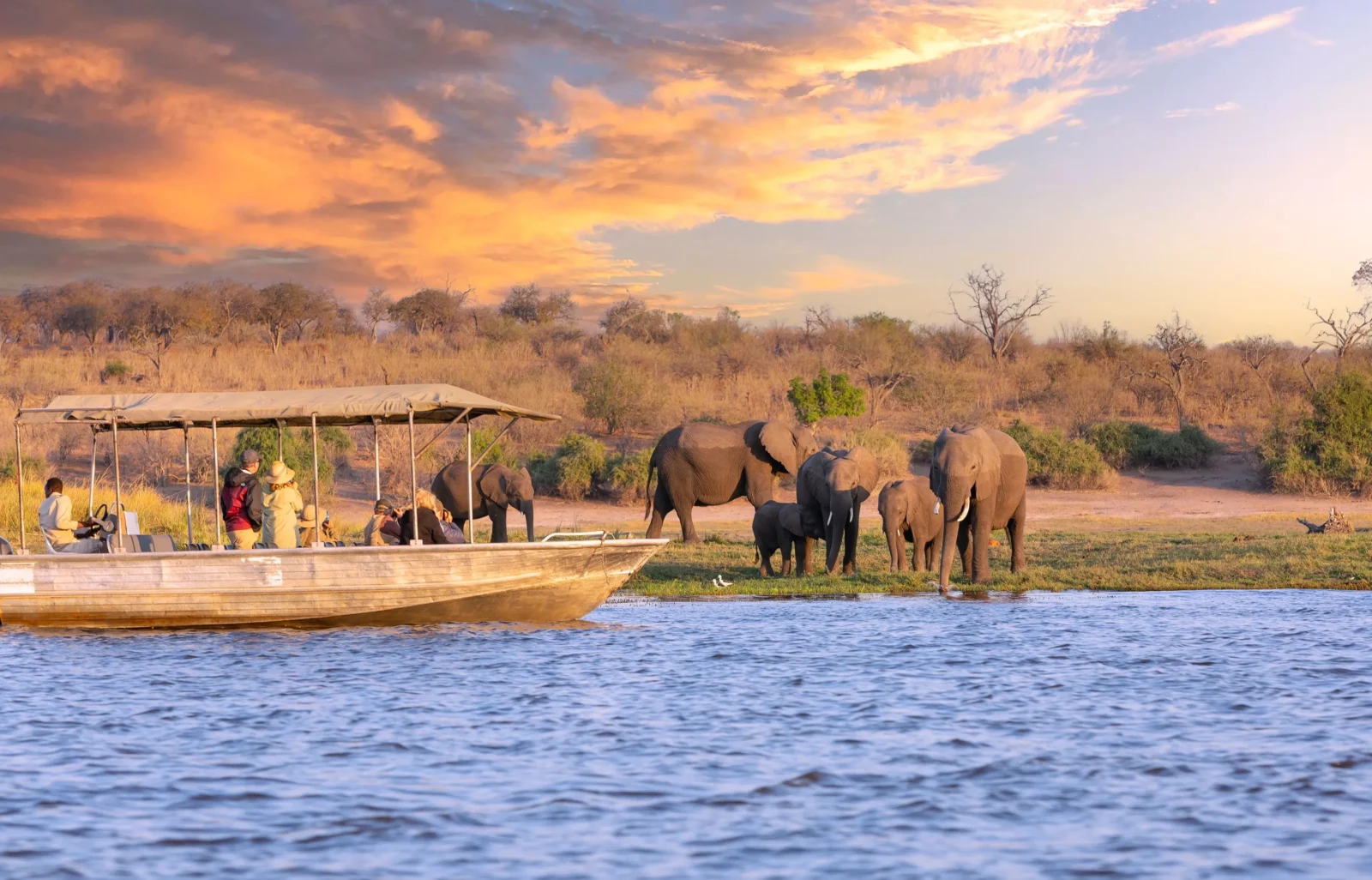

Seasonality and Timing a Safari in Botswana
The timing of a Safari in Botswana plays a crucial role in shaping the experience. The dry season, typically spanning from May to October, is widely regarded as the best period for wildlife viewing. During this time, animals concentrate around permanent water sources, and vegetation thins, improving visibility.
The wet season, from November to April, offers a different but equally compelling safari experience. Landscapes become lush, migratory birds arrive, and many animals give birth, attracting predators. A Safari in Botswana during this period is often quieter, with fewer visitors and dramatic photographic opportunities defined by green horizons and expansive skies.
Luxury and Exclusivity in a Safari in Botswana
Botswana has earned a global reputation for offering some of the most exclusive safari accommodations in Africa. Lodges and camps are designed to blend seamlessly into their surroundings while providing exceptional comfort and service. Many properties operate with limited guest numbers, ensuring privacy and personalized attention.
Luxury within a Safari in Botswana is expressed not through excess, but through thoughtful design, expert guiding, and immersive experiences. Outdoor baths overlooking floodplains, private plunge pools, and candlelit dinners beneath the stars are commonly integrated into the safari experience. This approach reinforces Botswana’s identity as a destination where refinement complements wilderness rather than overshadowing it.
Cultural Connections and Community Engagement
Although wildlife forms the central focus of a Safari in Botswana, cultural heritage remains an integral component of the experience. Encounters with local communities, including the San people, offer insight into traditional knowledge systems and sustainable living practices developed over generations.
Many safari operators actively support education, healthcare, and employment initiatives within surrounding communities. Through these partnerships, a Safari in Botswana contributes to social development while fostering mutual respect between visitors and residents. Cultural engagement is therefore approached with sensitivity, ensuring authenticity and dignity are preserved.
Safety, Accessibility, and Travel Infrastructure
Botswana is widely regarded as one of Africa’s safest safari destinations. Political stability, low population density, and well-regulated tourism contribute to a secure travel environment. Safari logistics are carefully managed, with light aircraft transfers connecting remote camps and minimizing environmental impact.
Professional guides undergo rigorous training and possess extensive knowledge of wildlife behavior and safety protocols. As a result, a Safari in Botswana is experienced with confidence, allowing visitors to fully immerse themselves in the natural surroundings without unnecessary concern.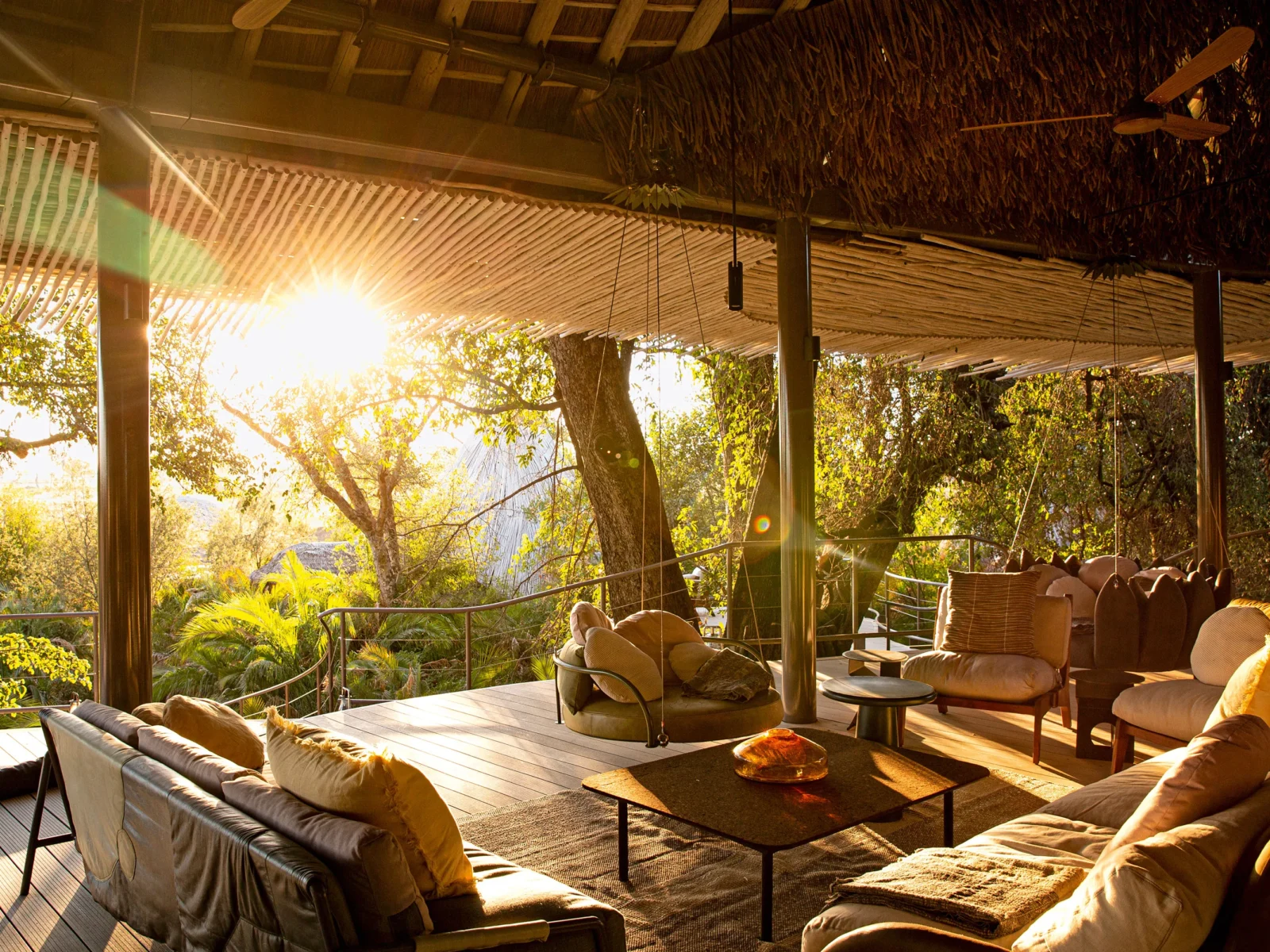

Why a Safari in Botswana Remains Unmatched
A Safari in Botswana stands apart due to its unwavering commitment to authenticity, conservation, and quality. Rather than offering mass tourism experiences, Botswana has preserved its wilderness by prioritizing sustainability and exclusivity. This approach has ensured that wildlife thrives, landscapes remain unspoiled, and visitors experience nature in its purest form.
The emotional impact of a Safari in Botswana often extends beyond wildlife sightings. It is found in moments of stillness, in vast horizons untouched by development, and in the realization that such places continue to exist. This profound connection to nature is what ultimately defines Botswana as one of the world’s most exceptional safari destinations.
The Enduring Power of a Safari in Botswana
In an era where untouched wilderness is increasingly rare, a Safari in Botswana offers something profoundly valuable. It provides access to ecosystems that function as they have for millennia, guided by a national philosophy that places conservation above commercial gain. Each safari becomes a personal journey into landscapes shaped by water, dust, and time.
For those seeking more than observation, for those drawn to authenticity, and for those who value nature preserved rather than packaged, a Safari in Botswana represents the pinnacle of safari travel. It is not simply a destination to be visited, but an experience to be felt, remembered, and respected.