


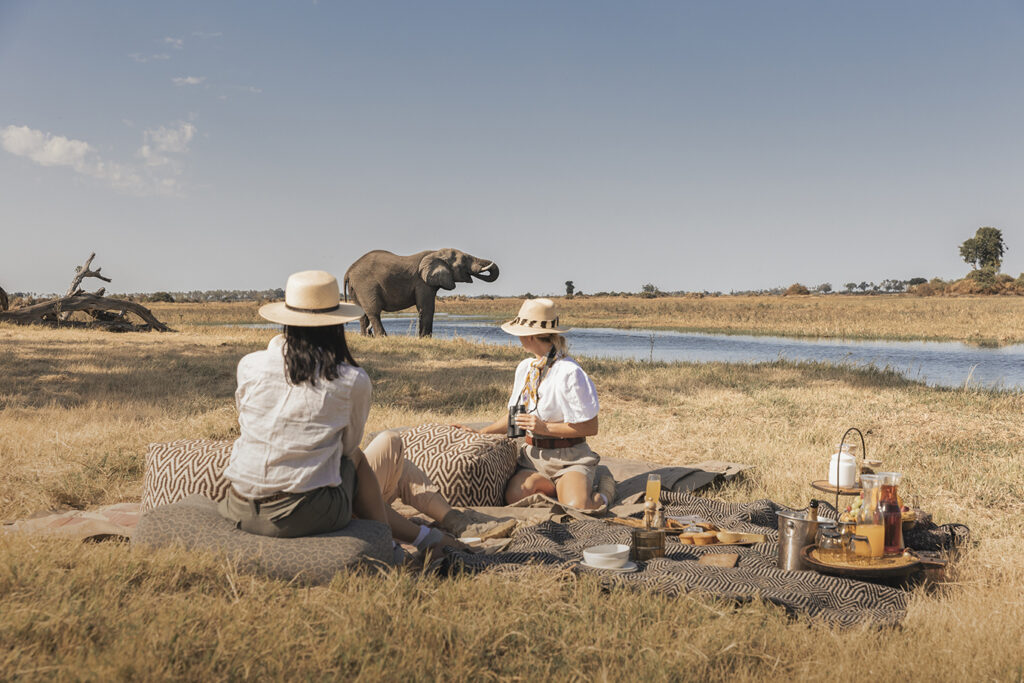
A Southern Africa safari represents one of the most refined, diverse, and conservation-driven wildlife experiences on the African continent. This region has mastered the balance between raw wilderness and structured protection, offering safari landscapes where wildlife thrives, ecosystems remain functional, and tourism plays a direct role in sustaining conservation. Southern Africa is not defined by a single iconic ecosystem, but by a mosaic of deserts, floodplains, woodlands, and river systems that together create some of Africa’s most rewarding safari experiences.
What sets a Southern Africa safari apart is its emphasis on quality over quantity. Wildlife encounters here are shaped by low-density tourism, advanced guiding standards, and innovative conservation models. From vast national parks to private reserves and community-managed conservancies, Southern Africa delivers safaris that are immersive, educational, and deeply respectful of nature. It is a region where safari travel has evolved into a sophisticated tool for biodiversity protection and rural development.
What Defines a Southern Africa Safari Experience
A Southern Africa safari is defined by structure, sustainability, and ecological depth. Unlike regions dominated solely by open savannah, Southern Africa encompasses varied habitats that influence how wildlife is viewed and understood. Animals here are not merely observed; they are interpreted within the context of water systems, seasonal cycles, and long-term conservation strategies.
Another defining feature is the prominence of private reserves and concessions. These areas operate alongside national parks but often allow more flexible safari activities such as off-road driving, night game drives, and walking safaris. This flexibility enhances wildlife encounters while maintaining strict conservation controls.
Southern Africa is also renowned for its guiding culture. Many of Africa’s most rigorous guide training programs originate in this region, producing guides with deep ecological knowledge and interpretive skill. A Southern Africa safari therefore prioritizes understanding over spectacle, making it especially appealing to travelers seeking depth and authenticity.
Botswana and the Benchmark of Low-Impact Safaris
Botswana is widely regarded as the gold standard for Southern Africa safari tourism due to its commitment to low-volume, high-value conservation.
Okavango Delta and Seasonal Wilderness
The Okavango Delta is one of the most extraordinary safari landscapes in the world. Unlike typical river systems, the Okavango is an inland delta where floodwaters spread across the Kalahari sands, creating a vast wetland that transforms seasonally. This unique hydrology supports elephants, buffalo, antelope, predators, and prolific birdlife.
A Southern Africa safari in the Okavango Delta is defined by variety and exclusivity. Wildlife is explored through both land-based game drives and water-based excursions, offering perspectives unavailable elsewhere. Botswana’s strict tourism regulations limit lodge numbers and visitor density, ensuring that wildlife behavior remains natural and landscapes remain unspoiled.
Chobe and Elephant Conservation
Northern Botswana is also home to Chobe National Park, renowned for its large elephant populations. River-based safaris along the Chobe River provide exceptional opportunities to observe elephants, hippos, and predators interacting with water systems. These experiences highlight Southern Africa’s strength in showcasing wildlife within complex ecological networks.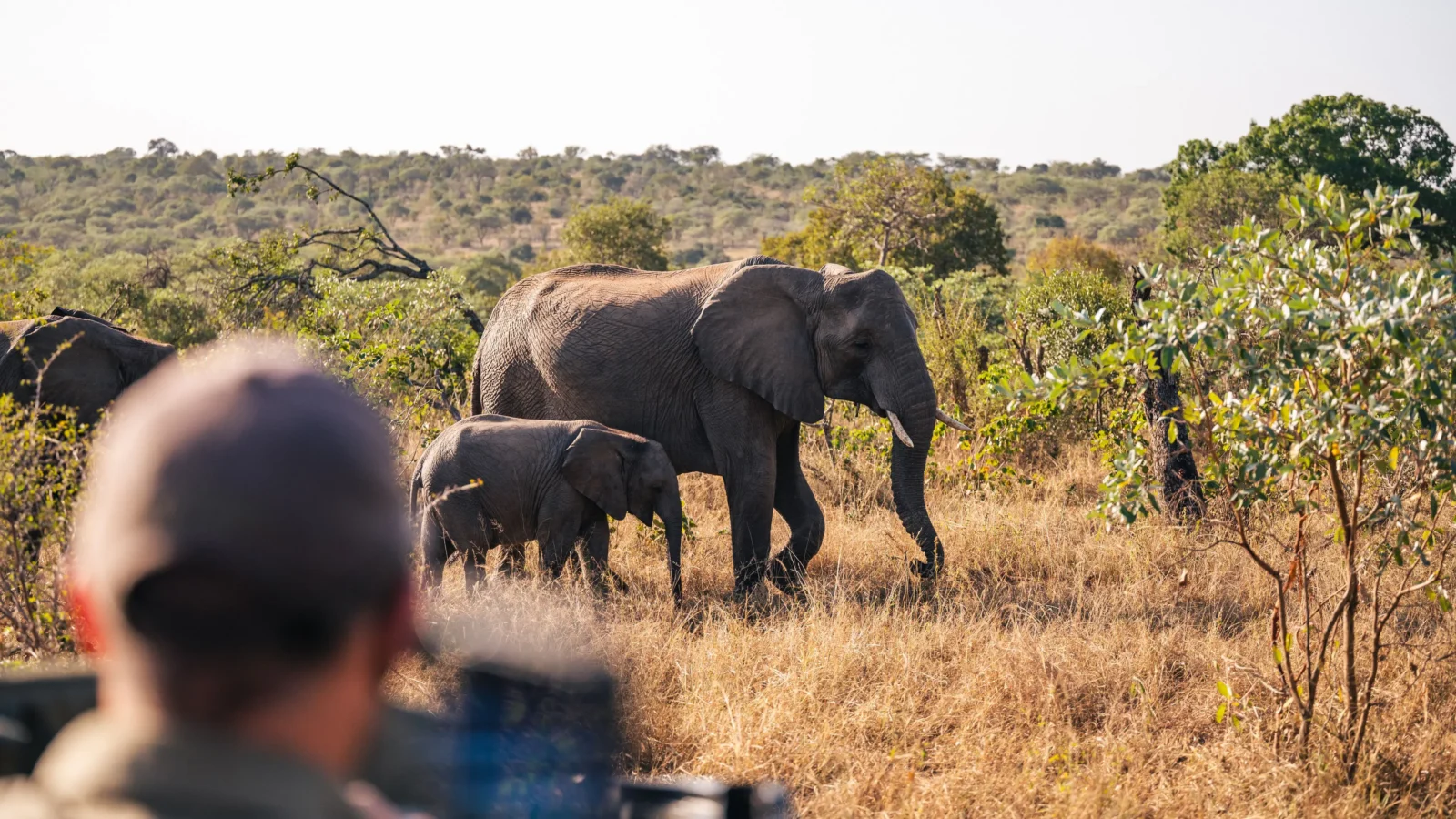

South Africa and Accessible, High-Quality Safaris
South Africa plays a critical role in Southern Africa safari tourism by combining biodiversity, accessibility, and advanced conservation management.
Kruger National Park and the Big Five Core
The Kruger National Park is one of Africa’s largest and most biologically diverse protected areas. Supporting all members of the Big Five, Kruger offers reliable wildlife viewing across varied habitats including riverine forests, open plains, and wooded savannah.
A Southern Africa safari in Kruger is enhanced by extensive infrastructure, allowing year-round access and a wide range of accommodation options. Importantly, Kruger operates alongside private reserves that share unfenced boundaries with the park, enabling wildlife to move freely across a vast landscape.
Private Reserves and Refined Safari Experiences
Private reserves adjoining Kruger elevate the Southern Africa safari experience through expert tracking, off-road access, and highly personalized guiding. These reserves operate under strict ecological guidelines, ensuring that flexibility does not compromise wildlife welfare. The result is a safari experience that combines intimacy with ecological responsibility.
Zambia and the Birthplace of the Walking Safari
Zambia represents the philosophical heart of the Southern Africa safari, emphasizing exploration, interpretation, and minimal impact.
South Luangwa and Interpretive Safaris
The South Luangwa National Park is internationally recognized as the birthplace of the walking safari. Here, safaris focus on understanding animal behavior, tracking, and ecosystem dynamics rather than rapid vehicle-based sightings.
Walking safaris foster a heightened awareness of the environment, revealing details such as animal tracks, plant adaptations, and insect life. Vehicle safaris complement these experiences, offering opportunities to observe predators and large herbivores within a relatively uncrowded wilderness.
River Systems and Seasonal Concentration
Zambia’s safari landscapes are shaped by river systems that concentrate wildlife during the dry season. These seasonal dynamics create intense wildlife interactions while reinforcing the importance of water as a driving force in Southern Africa ecosystems.
Zimbabwe and the Wilderness Ethos
Zimbabwe offers some of Southern Africa’s most authentic and underappreciated safari experiences, rooted in strong guiding traditions and expansive protected areas.
Hwange National Park and Elephant Strongholds
The Hwange National Park is one of Africa’s largest national parks and supports one of the continent’s largest elephant populations. Artificial waterholes maintained during dry seasons sustain wildlife across vast areas, creating reliable viewing opportunities.
A Southern Africa safari in Hwange emphasizes patience and observation. Wildlife encounters are shaped by natural behavior rather than crowd-driven activity, appealing to travelers seeking depth and solitude.
Mana Pools and Riverine Safaris
Along the Zambezi River, Mana Pools National Park offers a unique safari experience centered on riverine ecosystems. Walking safaris and canoe safaris provide close yet respectful encounters with wildlife, showcasing Southern Africa’s commitment to low-impact exploration.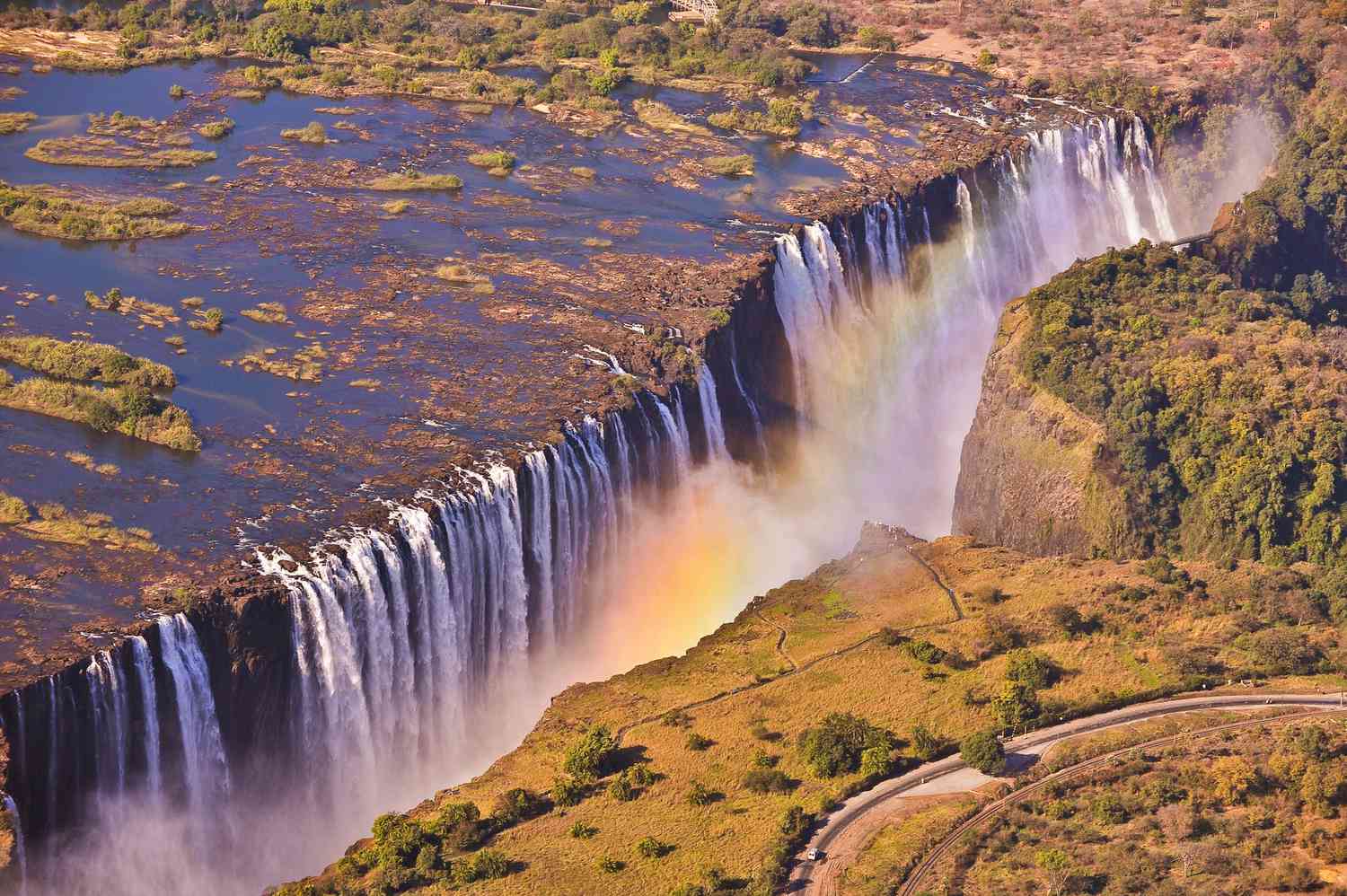

Namibia and Desert-Adapted Safari Landscapes
Namibia adds a dramatic desert dimension to the Southern Africa safari experience, highlighting wildlife resilience in extreme environments.
Arid Ecosystems and Adaptation
Namibia’s safari regions protect species adapted to arid and semi-arid conditions, including desert-adapted elephants, predators, and antelope. These landscapes challenge conventional safari expectations, replacing dense wildlife concentrations with vast open spaces and rare sightings that emphasize adaptation and survival.
Safari experiences in Namibia underscore ecological storytelling, revealing how life persists in harsh climates. This perspective broadens the understanding of biodiversity beyond traditional savannah ecosystems.
Types of Southern Africa Safari Experiences
Southern Africa safaris encompass a wide range of formats, each contributing to a deeper understanding of wildlife.
Vehicle-based safaris remain central for covering large areas efficiently, while walking safaris offer intimate engagement with ecosystems. River and canoe safaris reveal aquatic and semi-aquatic species behavior, and night drives provide insight into nocturnal wildlife often unseen during the day.
Photographic safaris are particularly strong in Southern Africa due to controlled vehicle density and expert guiding, allowing ethical positioning and extended observation time.
Wildlife Diversity on a Southern Africa Safari
Southern Africa supports an extraordinary range of wildlife, from apex predators to rare and endemic species. The region is a stronghold for elephants, rhinos, lions, leopards, buffalo, and numerous antelope species. Birdlife is equally diverse, with wetlands, rivers, and woodlands supporting resident and migratory species.
The presence of intact predator populations indicates healthy ecosystems. Southern Africa’s success in maintaining these systems reflects long-term investment in conservation and land management.
Conservation Models in Southern Africa
One of the defining strengths of a Southern Africa safari is its conservation framework. Public–private partnerships, community conservancies, and tourism-funded protection initiatives form the backbone of wildlife management.
Tourism revenue supports anti-poaching units, habitat restoration, wildlife research, and community development. In countries such as Botswana and Namibia, community-based natural resource management has empowered local people to become active stakeholders in conservation.
These models demonstrate how safari tourism can align economic incentives with ecological protection.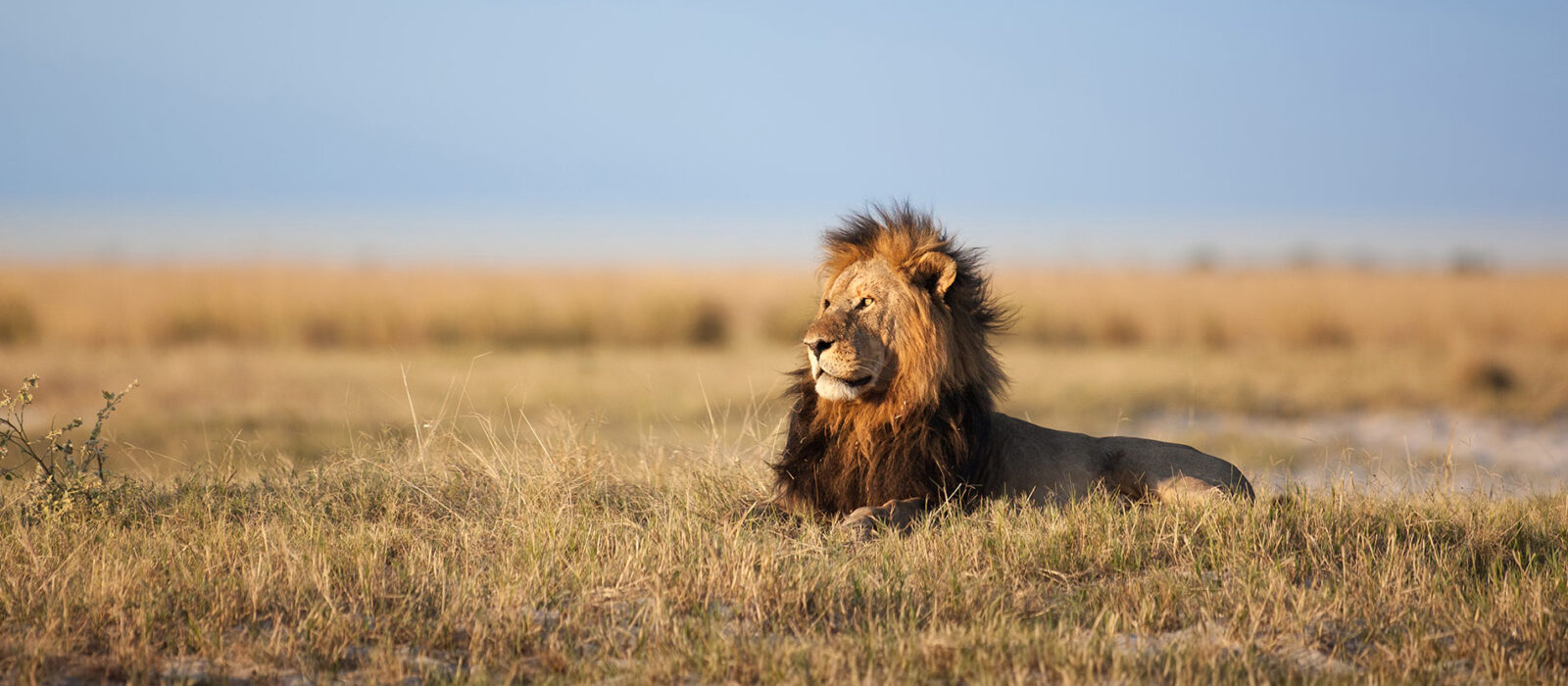

Seasonal Dynamics and Safari Planning
Seasonality shapes every Southern Africa safari. Dry seasons often deliver concentrated wildlife viewing as animals gather near water sources, while wet seasons bring lush landscapes, breeding activity, and dramatic changes in animal distribution.
Understanding these seasonal patterns allows travelers to choose safari timing that aligns with their interests, whether focused on predator activity, birdlife, or landscape photography.
Who a Southern Africa Safari Is Best Suited For
A Southern Africa safari appeals to travelers seeking refinement, ecological understanding, and diverse safari styles. It suits both first-time safari travelers and seasoned explorers who value strong guiding, conservation transparency, and uncrowded wilderness.
The region’s flexibility allows itineraries to be tailored to different budgets and interests without sacrificing conservation principles.
Why the Southern Africa Safari Stands Apart
The Southern Africa safari stands apart because it demonstrates how wildlife tourism can evolve responsibly. It showcases landscapes where animals live freely within well-managed systems, where tourism revenue directly supports conservation, and where visitor impact is carefully controlled.
In an era of shrinking wilderness, Southern Africa offers a blueprint for sustainable safari tourism. It is a region where safaris are not just journeys into nature, but active contributions to its survival.
A Southern Africa safari is therefore more than a travel experience. It is an encounter with living ecosystems, a lesson in coexistence, and a powerful reminder of what conservation can achieve when guided by knowledge, discipline, and respect for the natural world.