


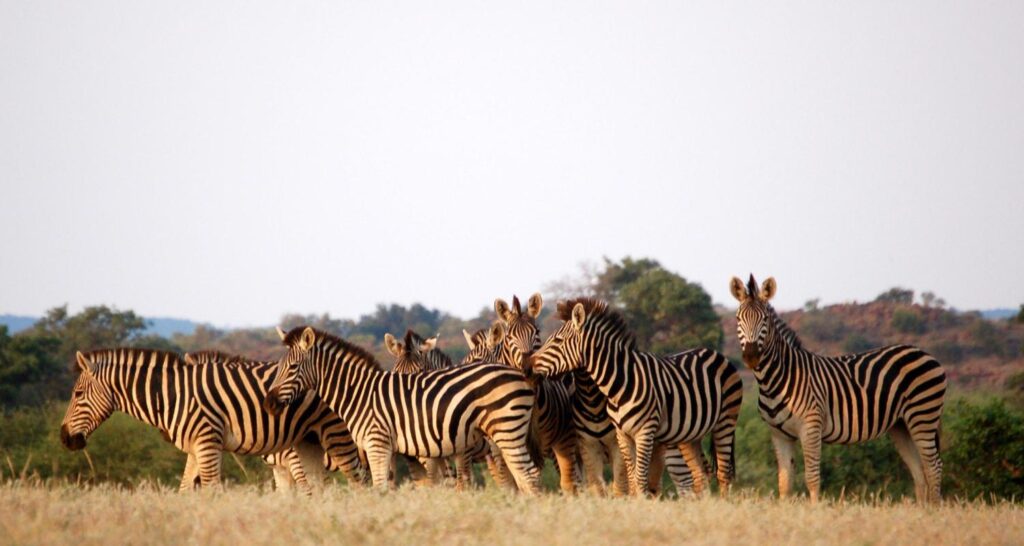
A Botswana safari represents the gold standard of African wildlife travel, defined by vast untouched landscapes, low-impact tourism, and one of the most successful conservation models on the continent. Botswana is not a destination built for mass tourism. It is a country that deliberately chose preservation over volume, wilderness over convenience, and ecological integrity over short-term gain. As a result, a safari in Botswana offers something increasingly rare in the modern world: space, silence, and wildlife behaving exactly as nature intended.
What distinguishes a Botswana safari is restraint. Visitor numbers are carefully controlled, infrastructure is limited, and large ecosystems are left intact. Wildlife is not concentrated artificially, roads are minimal, and encounters unfold organically. This philosophy produces safari experiences that feel deeply immersive and authentic, appealing to travelers who value wilderness quality, conservation ethics, and meaningful engagement with nature.
Understanding the Botswana Safari Philosophy
Botswana’s safari model is built on a low-volume, high-value approach. Rather than maximizing tourist numbers, the country restricts access to sensitive ecosystems and channels tourism revenue directly into conservation and community development. This strategy has allowed Botswana to protect more than a third of its landmass for wildlife while maintaining healthy animal populations and ecological balance.
A Botswana safari is therefore not rushed or crowded. Game drives are unhurried, wildlife sightings are shared with few vehicles, and landscapes remain visually unspoiled. This approach enhances animal welfare, reduces environmental pressure, and creates an atmosphere of exclusivity without excess.
Equally important is Botswana’s political stability and strong governance. Clear conservation laws, professional wildlife management, and effective anti-poaching measures have positioned Botswana as one of Africa’s safest and most reliable safari destinations.
The Okavango Delta and the Heart of Botswana Safaris
At the center of Botswana’s safari identity lies the Okavango Delta, one of the most extraordinary ecosystems on Earth and a UNESCO World Heritage Site.
A Delta Without an Ocean
Unlike conventional river systems, the Okavango is an inland delta. Each year, floodwaters from the Angolan highlands flow into the Kalahari Basin, spreading across flat terrain and creating a vast wetland that never reaches the sea. This annual flood transforms dry land into a mosaic of channels, lagoons, islands, and floodplains.
A Botswana safari in the Okavango Delta is shaped by this seasonal rhythm. Wildlife distribution changes as waters rise and recede, creating dynamic viewing conditions and diverse safari experiences.
Wildlife Abundance and Diversity
The Okavango Delta supports one of Africa’s highest concentrations of wildlife. Elephants move in large numbers between islands and floodplains, buffalo form massive herds, and predators such as lions, leopards, cheetahs, and African wild dogs thrive due to abundant prey.
The delta is particularly significant for its healthy predator populations and rare species such as sitatunga antelope and wattled cranes. A Botswana safari here reveals how water availability drives biodiversity and ecosystem resilience.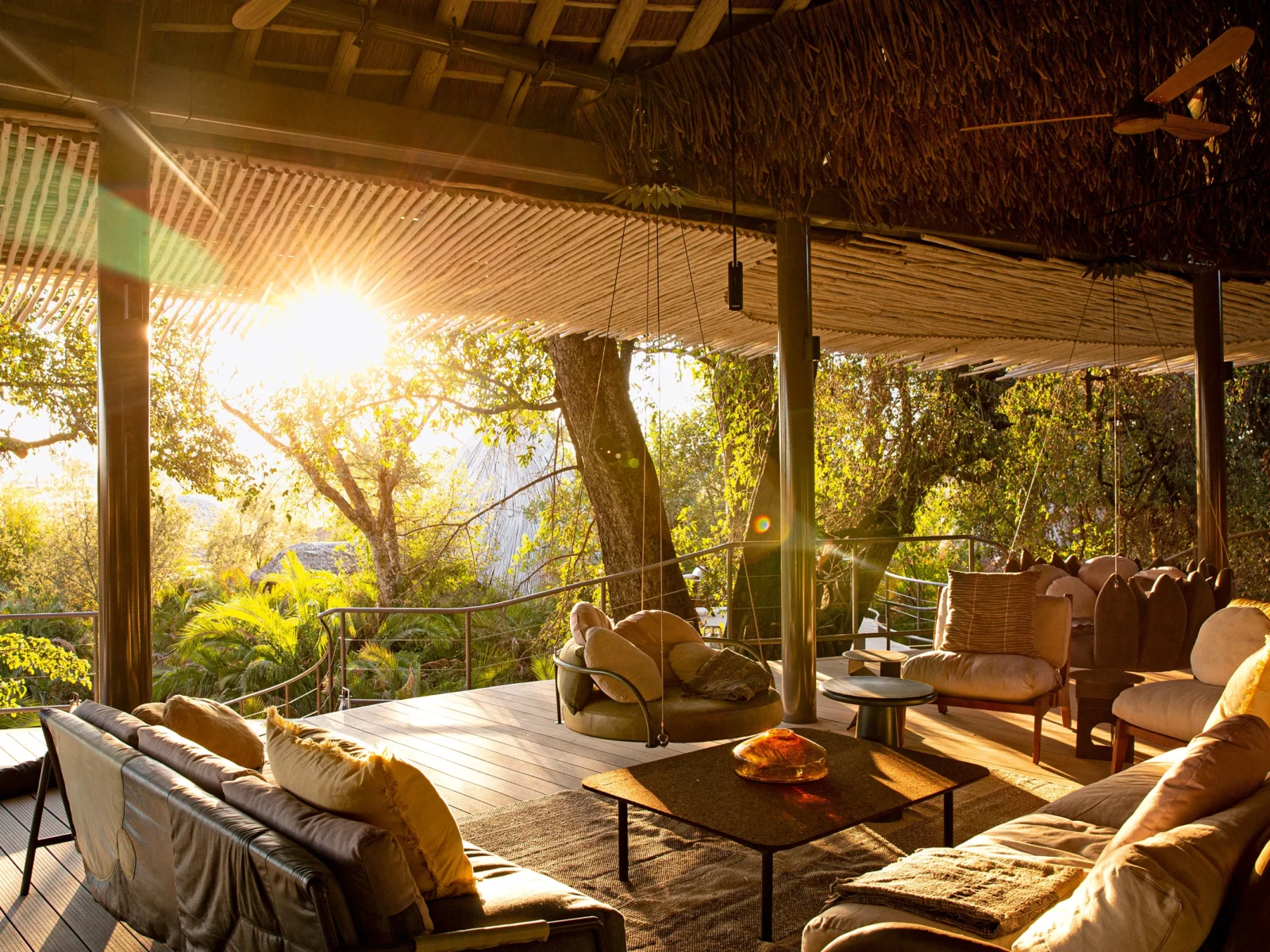

Safari Activities Unique to the Delta
Botswana safaris in the Okavango are unique for their diversity of activities. In addition to traditional game drives, travelers experience mokoro excursions in traditional dugout canoes, gliding silently through reed-lined channels. Walking safaris on islands provide intimate encounters with tracks, plants, and smaller wildlife.
These varied perspectives deepen understanding of the ecosystem and reinforce the Okavango’s status as a world-class safari destination.
Moremi Game Reserve and Protected Core Wilderness
Within the Okavango Delta lies Moremi Game Reserve, one of Botswana’s most important protected areas.
Balancing Protection and Access
Moremi was established by local communities, making it one of Africa’s earliest examples of indigenous conservation leadership. Today, it forms the protected core of the Okavango ecosystem, safeguarding critical wildlife habitat while allowing carefully managed tourism.
A Botswana safari in Moremi offers exceptional game viewing across floodplains, woodlands, and lagoons. Predator sightings are frequent, and birdlife is abundant due to the mix of wetland and terrestrial habitats.
Ecological Importance
Moremi plays a vital role in maintaining connectivity within the delta, allowing wildlife to move freely between seasonal habitats. This connectivity is central to Botswana’s conservation success and enhances the quality of safari experiences.
Chobe National Park and Elephant Kingdoms
Northern Botswana is dominated by Chobe National Park, home to one of the largest elephant populations on Earth.
The Chobe River Ecosystem
The Chobe River forms a natural boundary between Botswana and neighboring countries, creating a permanent water source that attracts wildlife year-round. During the dry season, elephants, buffalo, antelope, and predators gather along the riverbanks in remarkable numbers.
A Botswana safari in Chobe often includes river safaris, offering close yet unobtrusive views of elephants swimming, drinking, and interacting. These water-based experiences provide perspectives rarely available elsewhere.
Predator–Prey Dynamics
Chobe supports strong populations of lions and leopards, with hunting behavior influenced by riverine habitats. Observing predators in this environment highlights how landscape features shape hunting strategies and animal movement.
Savuti and the Power of Unpredictability
Within the greater Chobe ecosystem lies the Savuti region, known for dramatic wildlife interactions and environmental unpredictability.
Changing Water Systems
Savuti is defined by a channel that flows intermittently, altering the landscape over decades. When water is present, it transforms the area into productive grassland; when dry, it becomes a stark, open plain.
A Botswana safari in Savuti emphasizes adaptation and resilience. Wildlife adjusts to changing conditions, creating intense predator–prey interactions and memorable safari moments.
Legendary Predator Behavior
Savuti is famous for its powerful lion prides and complex predator dynamics. Observing these interactions offers insight into dominance, cooperation, and survival within a challenging environment.
The Kalahari and Desert Safari Landscapes
Botswana’s safari experience extends beyond wetlands into arid environments, particularly within the Central Kalahari region.
Central Kalahari Game Reserve
The Central Kalahari Game Reserve protects vast desert landscapes that appear sparse but support specialized wildlife adapted to extreme conditions. During rainy periods, the Kalahari transforms dramatically, attracting herbivores and predators to seasonal pans.
A Botswana safari here focuses on space, silence, and adaptation rather than density. Sightings are more dispersed, but the sense of wilderness is profound.
Understanding Desert Ecology
Desert safaris reveal survival strategies unseen in wetter ecosystems. Predators range widely, herbivores exploit fleeting resources, and plant life demonstrates remarkable resilience. This dimension of Botswana safaris broadens understanding of biodiversity beyond traditional savannah environments.
Wildlife Diversity on a Botswana Safari
Botswana supports exceptional wildlife diversity across its varied ecosystems. Large mammals such as elephants, buffalo, giraffes, and antelope are abundant, while predators maintain healthy populations due to extensive protected areas.
African wild dogs are a particular highlight, with Botswana hosting one of the continent’s most important populations. Birdlife is equally impressive, especially in wetland regions where migratory species congregate.
A Botswana safari rewards travelers who appreciate ecological complexity rather than simple abundance.
Safari Styles in Botswana
Botswana safaris emphasize guided experiences led by highly trained professionals. Walking safaris, water safaris, and vehicle-based game drives are all conducted with strict adherence to conservation principles.
Night safaris in private concessions reveal nocturnal wildlife behavior, while photographic safaris benefit from low vehicle density and ethical wildlife positioning. Self-drive safaris are limited in sensitive areas, reinforcing Botswana’s commitment to controlled access.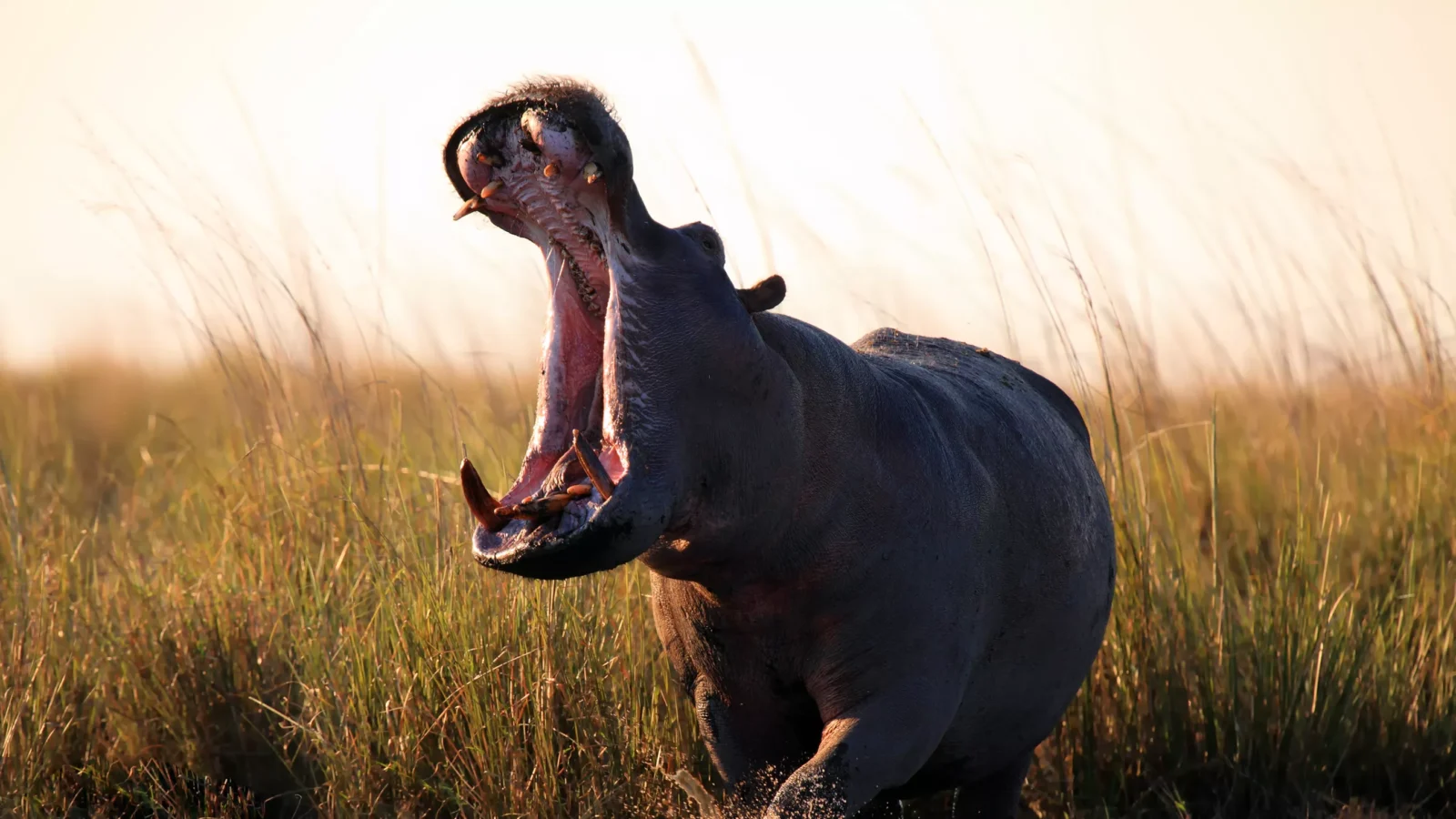

Conservation and Community in Botswana Safaris
Conservation success in Botswana is inseparable from tourism. Safari revenue funds anti-poaching operations, wildlife research, habitat management, and community development programs.
Community-based natural resource management has empowered local populations to benefit directly from wildlife protection. This approach has reduced poaching pressure and strengthened support for conservation initiatives.
A Botswana safari directly contributes to sustaining these systems, making travelers active participants in conservation rather than passive observers.
Seasonal Dynamics and Safari Planning in Botswana
Seasonality plays a defining role in Botswana safaris. The dry season concentrates wildlife around water sources, producing excellent game viewing, particularly in Chobe and the Okavango.
The flood season transforms the delta, enabling water-based safaris and attracting birdlife. The green season brings dramatic landscapes, newborn animals, and fewer visitors, offering a different but equally rewarding safari experience.
Understanding these seasonal patterns allows travelers to plan Botswana safaris aligned with ecological rhythms.
Who a Botswana Safari Is Best Suited For
A Botswana safari is ideal for travelers seeking wilderness purity, conservation integrity, and exclusivity. It appeals to experienced safari-goers, photographers, nature enthusiasts, and those who value space and silence over spectacle.
While Botswana safaris are often associated with premium travel, their value lies in access to intact ecosystems and meaningful conservation impact rather than luxury alone.
Why the Botswana Safari Is Unmatched
The Botswana safari stands apart because it demonstrates what is possible when a nation prioritizes conservation over exploitation. Wildlife populations are stable, ecosystems remain connected, and tourism operates within ecological limits.
In a world where wilderness is rapidly disappearing, Botswana offers a vision of sustainable safari tourism done right. A safari here is not just a journey through wildlife landscapes; it is an encounter with nature at its most intact, guided by a philosophy of respect, patience, and long-term stewardship.
To experience a Botswana safari is to understand that true luxury lies not in excess, but in the privilege of witnessing wild places still functioning as they always have.