Immersive Uganda Cultural Holidays: Discover Traditions, Tribes & Heritage Experiences
There are journeys that go beyond landscapes and wildlife; journeys that whisper the ancient stories of a people, their kingdoms, and the heartbeat of their traditions. Uganda Cultural Holidays belong to this rare category of travel—an immersion not just into a destination, but into the living fabric of a nation’s heritage. Nestled in the very heart of East Africa, Uganda is often hailed as the “Pearl of Africa”, not only for its natural beauty but also for its astounding cultural wealth. Here, travelers discover a world where drums echo across the hills, royal regalia glimmers in ancestral palaces, and communities open their arms in hospitality that feels timeless.
read more
Uganda Cultural Holidays
Introduction & Overview
There are journeys that go beyond landscapes and wildlife; journeys that whisper the ancient stories of a people, their kingdoms, and the heartbeat of their traditions. Uganda Cultural Holidays belong to this rare category of travel—an immersion not just into a destination, but into the living fabric of a nation’s heritage. Nestled in the very heart of East Africa, Uganda is often hailed as the “Pearl of Africa”, not only for its natural beauty but also for its astounding cultural wealth. Here, travelers discover a world where drums echo across the hills, royal regalia glimmers in ancestral palaces, and communities open their arms in hospitality that feels timeless.
A cultural holiday in Uganda is a window into diversity. The country’s more than 56 ethnic groups each tell their own stories through music, dance, crafts, and folklore. Every tribe has a distinct rhythm, yet together they form a symphony of unity—one that reflects Uganda’s soul. Travelers are drawn into authentic experiences: sharing local meals, participating in traditional dances, visiting historical sites, and engaging in storytelling evenings under the stars.
This journey is not about observing from a distance—it’s about participation and understanding. From the royal courts of Buganda to the ancient rituals of the Karamojong and the peaceful pastoral life of the Banyankole, Uganda’s cultural routes reveal how the past continues to breathe within the present. The experience leaves one transformed, carrying away more than memories—carrying the essence of Africa’s heart.
Who It’s For
Uganda Cultural Holidays are designed for travelers who crave connection over comfort, meaning over movement, and authenticity over spectacle. These are holidays for those who understand that to truly experience Africa, one must listen—not just look. It is ideal for:
Those who wish to go beyond the typical safari lens and discover Uganda’s deeper human stories will find these holidays transformative. History enthusiasts are enchanted by the centuries-old kingdoms that shaped Uganda’s identity—Buganda, Bunyoro, Tooro, and Busoga—each preserving its own proud monarchy and customs. Anthropologists, sociologists, and students of world cultures find a living classroom in the daily life of Ugandans, where ancient traditions coexist harmoniously with modern lifestyles.
For photographers, Uganda’s culture offers vibrant imagery—faces adorned with beads, ceremonial costumes glowing with color, and landscapes dotted with traditional huts and bustling markets. Couples or families seeking enriching experiences discover that these journeys strengthen bonds, as shared cultural encounters have a way of stirring gratitude and wonder.
Even for luxury travelers, cultural immersion in Uganda does not mean compromising comfort. Many cultural circuits now feature eco-lodges and boutique accommodations that fuse traditional design with modern amenities, ensuring a serene balance between authenticity and relaxation.
In short, Uganda Cultural Holidays are for the curious, the compassionate, and the conscious traveler—those who wish to witness not just what Uganda has, but what Uganda is.
Key Features & Experiences
The cultural landscape of Uganda is as layered and colorful as its geography. Every corner of the country holds an identity, a tale, and a ritual passed down through generations. On a cultural holiday, travelers step into these living traditions through immersive and often interactive experiences that highlight the rhythm of daily life and the pride of heritage.
Traditional Kingdoms and Royal Heritage
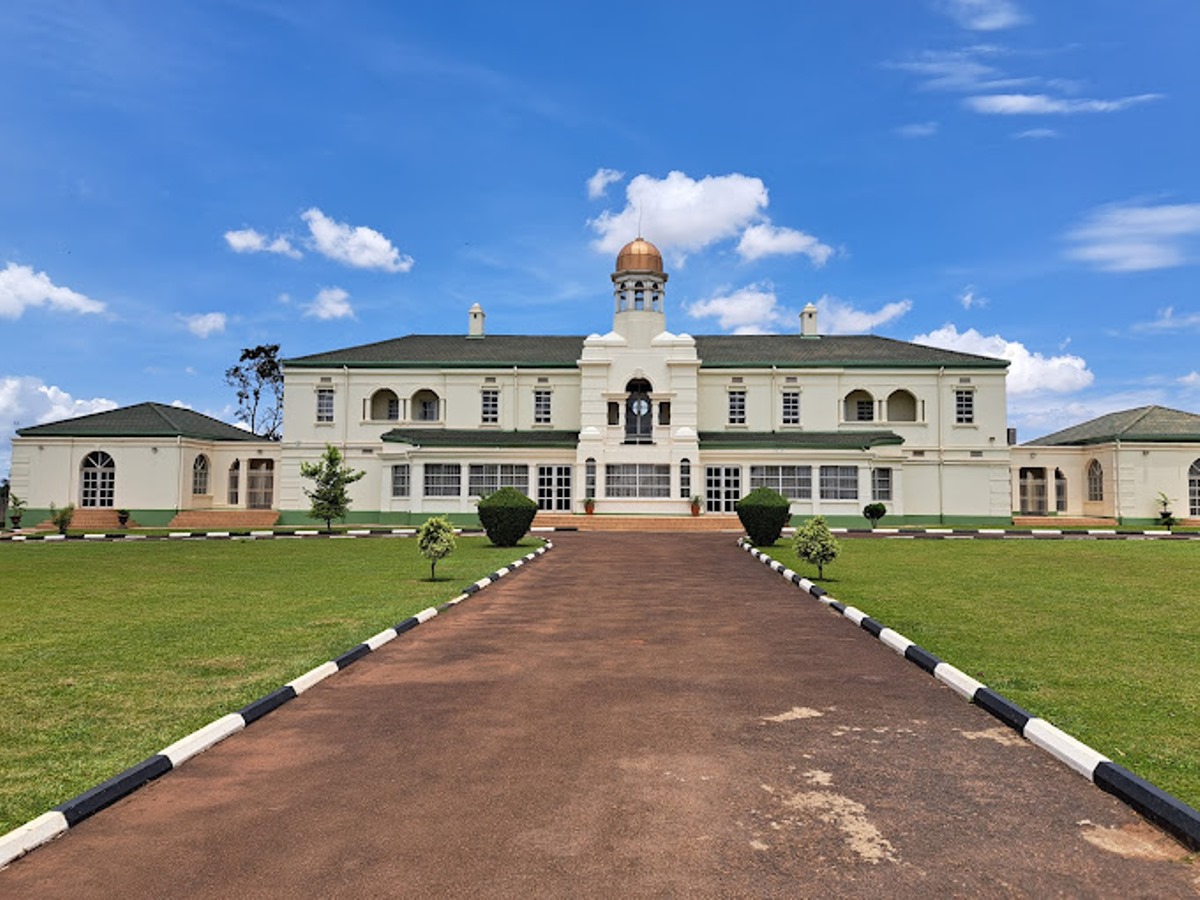
Uganda’s monarchy system remains one of the strongest symbols of its cultural preservation. The Kingdom of Buganda, the largest and most influential, stands at the heart of this legacy. The Kabaka’s Palace in Mengo, with its regal architecture and deep political history, offers a glimpse into pre-colonial governance and the sacred respect that still surrounds royalty. The nearby Kasubi Tombs, a UNESCO World Heritage Site, serve as the resting place of Buganda kings and are revered as a spiritual and cultural beacon.
Further west lies the Bunyoro-Kitara Kingdom, once a mighty empire whose legacy is preserved through oral history and royal artifacts in Hoima. The Tooro Kingdom, centered in Fort Portal, enchants visitors with its youthful king and palace set against the backdrop of the Rwenzori Mountains. In the east, Busoga Kingdom on the shores of Lake Victoria welcomes visitors with colorful festivals and canoe regattas celebrating their fishing heritage.
These kingdoms are not just remnants of history—they remain central to Uganda’s identity, shaping social values and ceremonies that continue today.
Tribal Traditions and Ceremonies
The essence of cultural travel in Uganda lies in the diversity of its tribal traditions. The Karamojong, Uganda’s semi-nomadic warriors of the northeast, embody resilience and pride. Their cattle-centered culture reflects a way of life that has changed little over centuries. Visiting their manyattas (homesteads) opens doors to a lifestyle rooted in simplicity, survival, and symbolism.
In southwestern Uganda, the Banyankole people preserve rich pastoral traditions centered on long-horned Ankole cattle, whose graceful horns symbolize wealth and beauty. Their folklore, poetry, and songs honor these animals, while their traditional dress—the esuka and kanzu—grace community ceremonies.
In central Uganda, one may witness the Baganda clan system in action, where each clan has distinct totems, taboos, and lineages. The Baganda’s baakisiimba dance, performed during celebrations, expresses joy and community spirit.
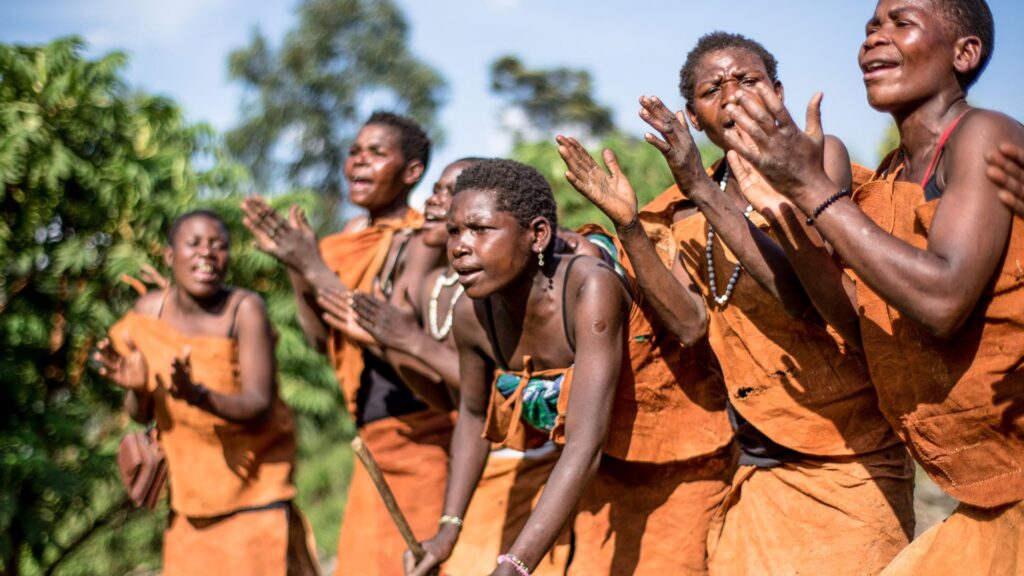
Travelers may also experience the Batwa pygmies, often referred to as the forest’s first people. Living on the edges of Bwindi and Mgahinga forests, their music, storytelling, and hunting traditions narrate an ancient bond with the forest. Visiting a Batwa community provides a deeply emotional experience that connects the visitor with humanity’s earliest roots.
Music, Dance, and Art
Uganda’s music and dance are among Africa’s most expressive. From the rhythmic entogoro dance of western Uganda to the electrifying ekizino of the Bakiga and the synchronized drumming of Buganda, every movement tells a story. The ndingidi (string instrument), adungu (harp), and engalabi (drum) accompany folk songs that have been preserved across centuries.
Modern expressions blend these traditions with contemporary rhythms. Travelers often find themselves learning dance steps during community performances or joining drum circles around campfires.
Crafts and visual arts are also intrinsic to Uganda’s cultural holidays. Artisans craft beautiful baskets, pottery, and beadwork using indigenous materials. The Buganda Royal Drum Makers, for instance, demonstrate the meticulous process of drum construction, an art that symbolizes power and communication in Ugandan culture.
Culinary Experiences
Uganda’s cuisine is an art form that narrates its people’s agricultural richness. A cultural holiday often includes cooking sessions or village meals where travelers taste dishes like matoke (steamed plantain), luwombo (meat or groundnut stew wrapped in banana leaves), malewa (bamboo shoots), and posho. Each region contributes its flavors, with influences from both Nilotic and Bantu traditions.
Sharing a meal in a Ugandan home is more than dining—it’s participation in a ritual of friendship. Food is symbolic, representing not only nourishment but community.
Historical and Spiritual Landmarks
Cultural tours weave in Uganda’s deep historical roots. Sites such as the Nyero Rock Paintings in eastern Uganda, dating back thousands of years, reveal the artistic footprints of early inhabitants. The Uganda Martyrs Shrine at Namugongo embodies faith and resilience, commemorating the Christian converts who were executed during the 19th century for their beliefs.
Spiritual journeys also lead travelers to traditional healers and diviners in Busoga and Bunyoro, where ancestral spirits are invoked through sacred rituals and herbs. These encounters provide rare insights into indigenous spirituality that continues to thrive alongside modern faiths.
Best Destinations
Cultural holidays in Uganda are not limited to specific locations—they are woven throughout the country. Yet, certain regions and towns stand out for their cultural depth, accessibility, and experiential richness.
Kampala and Buganda Region
Uganda’s capital, Kampala, is a gateway into the heart of Buganda’s culture. Visitors can tour the Kabaka’s Palace, Kasubi Tombs, Wamala Tombs, and Buganda Parliament. The Ndere Cultural Centre, one of the finest cultural showcases in East Africa, hosts performances that unite Uganda’s diverse tribes through music, dance, and storytelling.
Markets like Nakasero and Owino introduce travelers to everyday Ugandan life, where bargaining, laughter, and storytelling blend into a rhythm of urban energy.
Western Uganda: Fort Portal, Tooro, and Ankole Regions
Fort Portal, known as the “Tourism City,” is steeped in the traditions of the Tooro Kingdom. The Karuzika Palace, perched above the town, commands panoramic views of the Rwenzori ranges. The Tooro people are known for their grace, etiquette, and hospitality, making visits to local homesteads and farms deeply rewarding.
Farther south, Mbarara and Ntungamo open windows into the Ankole Kingdom, where long-horned cattle dominate social and economic life. Travelers can visit Igongo Cultural Centre, a living museum that celebrates Ankole’s art, food, and royal history.
Eastern Uganda: Jinja and Mbale
In Jinja, the Source of the Nile meets Busoga’s fishing culture. Travelers experience community life along Lake Victoria, traditional boat races, and storytelling around fishing villages. Moving northward to Mbale, the Imbalu circumcision ceremonies of the Bagisu people unfold—a dramatic, colorful rite of passage performed with great honor and celebration.
Nearby, the Nyero Rock Paintings near Kumi offer glimpses into prehistoric symbolism, a testament to Uganda’s earliest art.
Northern and Northeastern Uganda: Gulu and Karamoja
Gulu, once affected by conflict, has become a center of resilience and artistic revival. Travelers engage with Acholi culture through song, dance, and crafts that express both sorrow and healing. Community projects allow guests to contribute meaningfully while learning about peace-building and traditional leadership structures.
Karamoja, on the other hand, stands as one of Africa’s last frontiers of pure traditionalism. The Karamojong maintain cattle camps, engage in warrior dances, and tell ancient stories around fires. This is cultural immersion at its rawest—beautiful, humbling, and unforgettable.
Southwestern Uganda: Kabale and Kisoro
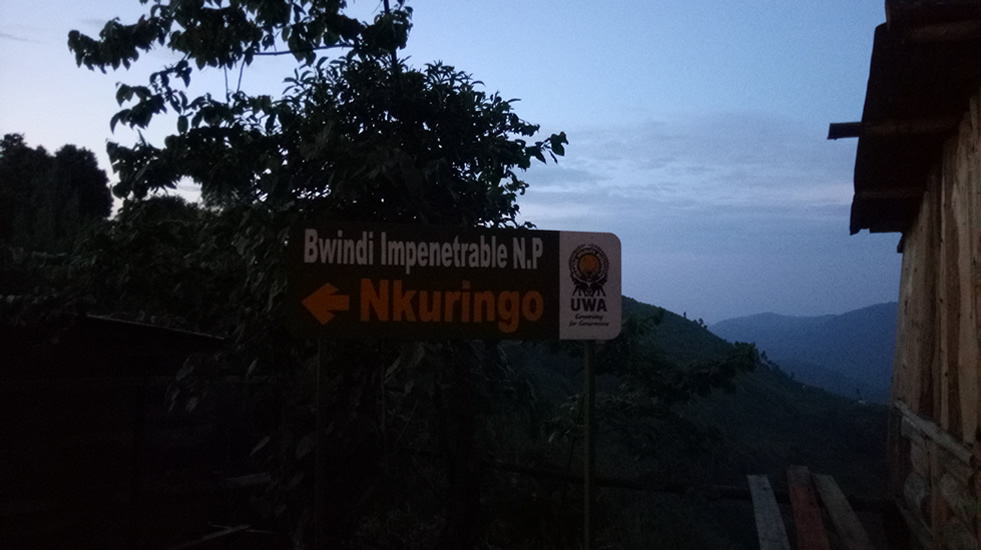
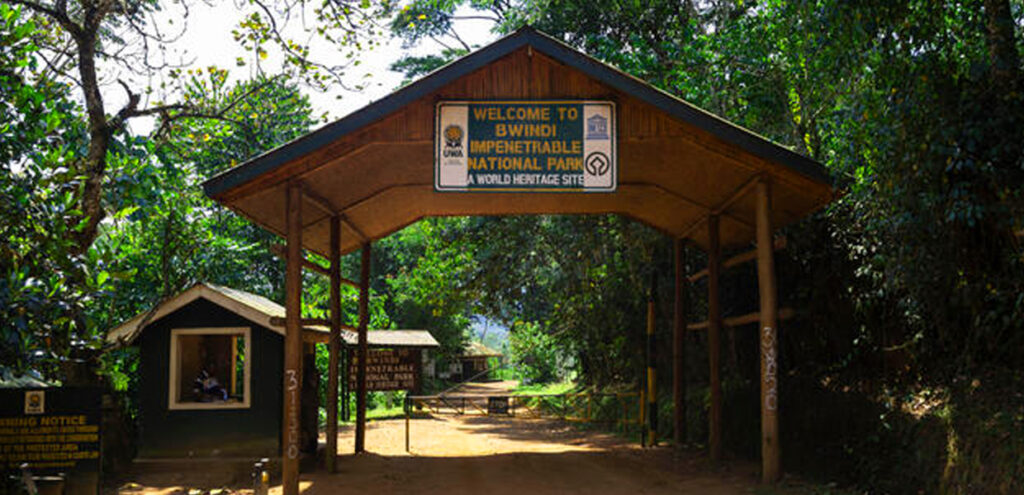
Nestled amid misty hills, Kabale and Kisoro border Rwanda and the Congo, blending Bafumbira, Bakiga, and Rwandan influences. The Batwa Cultural Trail near Bwindi Impenetrable National Park allows travelers to walk in the footsteps of the forest’s original inhabitants. Storytelling sessions, fire-making demonstrations, and forest walks breathe life into the traditions of the Batwa people.
In these highlands, the air carries songs of resilience—songs of people who have preserved their identity even as modernity encroaches.
Best Time to Go
Uganda’s cultural experiences are timeless; however, the best time to embark on a Cultural Holiday often depends on climate, accessibility, and the timing of cultural festivals.
Uganda’s equatorial climate makes it a year-round destination, but the dry seasons—from December to February and June to August—offer easier travel conditions. Roads are more accessible, and festivals are frequent during these periods.
Many cultural events align with harvests, royal anniversaries, and community gatherings. For instance, the Buganda Kingdom’s Kabaka Birthday Run in April, the Imbalu Initiation Ceremonies in August, and the Empango (Coronation) Festival in Tooro every September draw local and international visitors alike.
Travelers seeking deeper connection may prefer the rainy seasons (March–May, September–November), when the countryside is lush, and communities are more tranquil. These months allow slower travel, perfect for intimate cultural engagements and storytelling evenings.
Travel Tips
When embarking on Uganda Cultural Holidays, understanding and respecting local customs enhances both comfort and connection. Uganda’s people are remarkably welcoming, but awareness of etiquette transforms encounters into genuine friendships.
Greetings are essential in Ugandan culture. A warm handshake and a smile open many doors. When visiting villages or kingdoms, dressing modestly shows respect—especially during ceremonies or when meeting elders. Photography should always be done with consent, as some communities value privacy and spirituality over exposure.
Learning a few words in Luganda, Runyankole, or Swahili can delight locals and foster trust. Expressions like “Webale” (thank you) or “Oli otya?” (how are you?) often spark smiles.
Cultural holidays often involve visiting rural areas where infrastructure is basic. Travelers are encouraged to pack light, carry reusable bottles, and support local economies by purchasing handmade crafts or participating in community-based projects.
Health and safety are straightforward—Uganda is one of East Africa’s most hospitable nations, and its tourism infrastructure continues to grow. With experienced guides and well-organized itineraries, travelers can explore safely and comfortably.
Above all, an open heart and curiosity are the best travel companions. The deeper one listens, the richer the experience becomes.
Why Choose This Holiday Type
In an era where travel is often reduced to mere sightseeing, Uganda Cultural Holidays restore the essence of exploration—understanding, connection, and transformation. Choosing this type of holiday means venturing into Uganda’s living heartbeat, not as a tourist but as a participant in its story.
It allows travelers to interact directly with local people, learn traditional crafts, witness age-old rituals, and contribute to the preservation of cultural heritage. The impact of this form of travel is mutual: communities benefit from sustainable tourism income, while travelers gain wisdom and memories that last a lifetime.
Unlike conventional safaris, which focus on wildlife and scenery, cultural holidays invite travelers into homes, kitchens, and courtyards—spaces where laughter, humility, and humanity are shared. They turn travel into a bridge between worlds.
Uganda stands apart as a cultural destination because of its harmony between tradition and progress. The endurance of its kingdoms, the pride of its tribes, and the warmth of its people create a rare blend of authenticity. For many, these holidays redefine Africa—not just as a place of adventure, but as a cradle of deep identity and soul.
When one joins in a traditional dance, listens to ancient drum rhythms, or shares stories with elders under the night sky, something shifts within. The spirit of Uganda becomes a part of one’s own.
Conclusion
To travel across Uganda is to walk through a living museum of humanity—a place where every song, smile, and stone carries meaning. From the regal corridors of Buganda to the dusty plains of Karamoja, from the laughter of Busoga fishermen to the solemn chants of Batwa storytellers, Uganda’s cultural holidays remind the world that heritage is not history—it’s life in motion.
Each encounter becomes an exchange, each journey a bridge, and each memory a story worth telling. Travelers return home not only with photographs but with understanding, humility, and gratitude for the resilience of Uganda’s people.
For those seeking a journey that touches the spirit, Uganda Cultural Holidays promise more than exploration—they promise transformation.
To begin your own journey into Uganda’s timeless traditions, it is highly recommended to book your Africa tours and safaris through WildHorn Africa, a trusted specialist in authentic cultural and wildlife experiences across East Africa. Their expert guides and community partnerships ensure every journey is meaningful, respectful, and unforgettable.

Immersive Uganda Cultural Holidays: Discover Traditions, Tribes & Heritage Experiences
Uganda Cultural Holidays Safaris and Tours






Immersive Uganda Cultural Holidays: Discover Traditions, Tribes & Heritage Experiences
FAQs
What are Uganda Cultural Holidays?
Uganda Cultural Holidays are immersive travel experiences designed to showcase Uganda’s diverse ethnic traditions, royal heritage, art, music, dance, and everyday life. Rather than focusing only on wildlife safaris, these holidays take travelers into local communities, historical sites, and cultural centers where they can interact with Ugandan people, learn their customs, and participate in authentic experiences such as cooking, dancing, and storytelling.
Why is Uganda considered a top cultural destination in Africa?
Uganda is home to more than 56 distinct tribes, each with its own language, dance, dress, and traditions. From the royal palaces of Buganda and Tooro to the ancient rock art of Nyero and the warrior culture of Karamoja, Uganda offers a living mosaic of heritage. Its preserved kingdoms, friendly people, and deep-rooted traditions make it one of Africa’s most culturally diverse and welcoming nations.
What can I expect during a Uganda Cultural Holiday?
Travelers can expect interactive and participatory experiences, including visiting royal palaces, watching traditional dance performances, joining cooking sessions, exploring craft markets, meeting traditional healers, and taking part in ceremonies. Cultural holidays also include visits to local villages, schools, and historical landmarks that tell Uganda’s story across centuries.
Which regions in Uganda offer the best cultural experiences?
Every region in Uganda holds unique cultural treasures. The Buganda region (Kampala area) showcases royal history; Tooro and Bunyoro offer deep kingdom heritage; Ankole presents pastoral traditions; Karamoja reveals ancient nomadic life; and the southwestern highlands (Kisoro and Kabale) bring visitors close to the Batwa pygmies and Bakiga people. Each destination paints a different facet of Uganda’s identity.
When is the best time to go on a Uganda Cultural Holiday?
Uganda’s cultural experiences are available year-round, but the dry seasons (June–August and December–February) provide the best travel conditions. Roads are accessible, and festivals are often held during these months. However, for travelers seeking deeper connection and fewer crowds, the rainy seasons (March–May and September–November) offer greener landscapes and more intimate encounters.
What are some of the most popular cultural festivals in Uganda?
Uganda hosts several vibrant festivals that celebrate heritage and unity. These include the Buganda Kabaka’s Birthday Celebrations, Tooro Empango Coronation Festival, Imbalu Circumcision Ceremony of the Bagisu in Mbale, and the Bunyoro Cultural Festival. The Bayimba International Festival and Nyege Nyege also highlight modern expressions of Ugandan music and dance blended with tradition.
Can I combine a cultural holiday with a wildlife safari?
Absolutely. Uganda is one of the few destinations where culture and nature coexist harmoniously. Many travelers combine cultural holidays with gorilla trekking in Bwindi, chimpanzee tracking in Kibale, or wildlife safaris in Queen Elizabeth and Murchison Falls National Parks. This combination provides a complete Ugandan experience—both human and natural.
What kind of accommodation is available during cultural holidays?
Accommodation ranges from community homestays to luxury eco-lodges. Many cultural routes offer boutique lodges and heritage guesthouses that blend traditional design with modern comfort. Travelers can also stay in locally owned lodges that directly benefit surrounding communities, ensuring a sustainable and authentic travel experience.
How do Uganda Cultural Holidays support local communities?
Cultural holidays are designed with community participation at their core. Visitors contribute directly to local economies by purchasing crafts, attending cultural performances, and staying in community-run lodges. A portion of tourism revenue often supports education, health, and heritage preservation projects, ensuring that tourism remains beneficial and sustainable for host communities.
What is the cultural etiquette I should observe while visiting Uganda?
Respect and courtesy are highly valued in Ugandan culture. Travelers should greet elders respectfully, dress modestly, and ask permission before taking photographs. Removing shoes before entering homes or sacred sites is appreciated, and learning a few local greetings like “Webale” (thank you) or “Oli otya?” (how are you?) can greatly enhance the experience.
What is the main language used during cultural tours?
While Uganda is home to multiple languages, English and Swahili are widely spoken across the country. Local guides often translate or teach visitors key phrases in regional dialects such as Luganda, Runyankole, or Acholi, making the interaction both fun and educational.
Are Uganda Cultural Holidays suitable for families or children?
Yes, these holidays are family-friendly and incredibly enriching for children. Many experiences—like music, craft making, storytelling, and farm visits—are engaging for all ages. Families can enjoy a mix of learning, adventure, and cultural connection in a safe, welcoming environment.
What are the must-see cultural sites in Uganda?
Some of Uganda’s top cultural attractions include the Kasubi Tombs (UNESCO World Heritage Site) in Kampala, the Kabaka’s Palace, Igongo Cultural Centre in Mbarara, Nyero Rock Paintings near Kumi, the Karuzika Palace in Fort Portal, the Uganda Martyrs Shrine at Namugongo, and the Batwa Cultural Trail near Bwindi. Each site tells a unique part of Uganda’s story.
How safe is it to travel for cultural holidays in Uganda?
Uganda is one of East Africa’s safest and most hospitable countries. With the help of reputable tour operators such as WildHorn Africa, travelers can explore comfortably with professional guides who ensure safety, cultural sensitivity, and smooth logistics. Common-sense precautions like keeping valuables secure and following guide instructions are recommended as in any destination.
What kind of food can travelers expect during a cultural holiday?
Ugandan cuisine is rich and hearty, reflecting the country’s agricultural diversity. Visitors can enjoy local dishes such as matoke (steamed green bananas), luwombo (banana-leaf stew), malewa (bamboo shoots), groundnut sauce, and rolex (rolled chapati with eggs and vegetables). Meals are often shared communally, creating a warm atmosphere of connection and hospitality.
Do I need any special permits or documentation for cultural visits?
No special permits are needed for cultural activities, but visitors must hold a valid Uganda tourist visa. Some areas, like national parks or protected heritage sites, may charge small entrance fees. Your tour operator usually arranges all necessary documentation and permissions before arrival.
How can I make my Uganda Cultural Holiday more meaningful?
Travelers can make their cultural holidays more meaningful by engaging genuinely with communities, purchasing local crafts, supporting community-based tourism initiatives, and taking time to learn about Uganda’s history and customs. Traveling with a responsible company like WildHorn Africa ensures your trip contributes positively to both the traveler and the host communities.
Which tour company is recommended for booking Uganda Cultural Holidays?
For the most authentic and professionally guided experience, it is highly recommended to book your Uganda Cultural Holidays through WildHorn Africa. They specialize in tailor-made cultural and wildlife journeys that combine local expertise, sustainable travel principles, and exceptional hospitality. Their tours connect you deeply with Uganda’s heritage while ensuring comfort and safety throughout your journey.
Packing for Immersive Uganda Cultural Holidays: Discover Traditions, Tribes & Heritage Experiences
Uganda Cultural Holidays open a vibrant gateway into the soul of Africa’s “Pearl.” Beyond the rolling savannahs and misty mountains lies a world alive with rhythm, color, and storytelling. These holidays celebrate Uganda’s mosaic of over fifty distinct ethnic groups, each offering its own customs, dances, art forms, and ancestral wisdom. Travelers are welcomed into royal kingdoms, traditional homesteads, and sacred sites where history and humanity blend seamlessly. It’s an immersive experience that transforms sightseeing into cultural connection—inviting visitors to share meals, join dances, witness ceremonies, and feel the pulse of Uganda’s living heritage.
Ultimate Uganda Cultural Holiday Itinerary
Uganda is not merely a land of mountain gorillas and shimmering lakes—it is a living museum of humanity.
- Valid passport and Uganda tourist visa
- Comfortable, modest clothing for cultural visits
- Lightweight walking shoes or sandals
- A reusable water bottle for eco-friendly hydration
- A reliable camera or smartphone for capturing moments
- Insect repellent and sunscreen for tropical conditions
- A notebook or journal for documenting cultural insights
- Local currency (Ugandan Shillings) for community purchases
- A respectful mindset and openness to learn
- Travel insurance covering cultural and outdoor activities
- Small gifts or souvenirs for community hosts (optional)
- A local guide or cultural interpreter for meaningful engagement
- A positive attitude ready for song, dance, and discovery
Why book with us
Grandeur
Experience the grandeur of Africa with WildHorn Africa, where every safari is designed to showcase the continent’s breathtaking landscapes and majestic wildlife.
24/7 support
Enjoy peace of mind with 24/7 support from WildHorn Africa, ensuring expert assistance before, during, and after your safari adventure.
Safety
Your safety is our top priority at WildHorn Africa, with expertly guided safaris and trusted partners ensuring a secure and worry-free adventure.
Price-quality ratio
WildHorn Africa offers exceptional price-quality ratio, delivering top-tier safari experiences at competitive rates without compromising on comfort.
Featured Headlines