


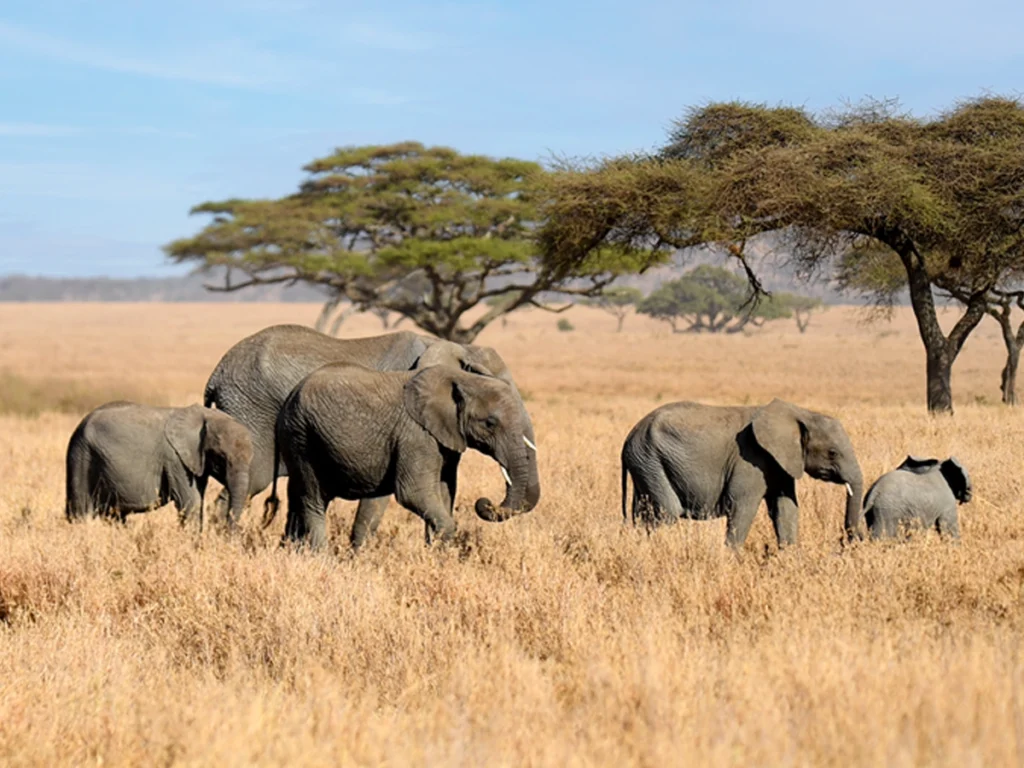
Trip of a Lifetime to Serengeti is not simply a safari; it is a passage into one of the last truly intact natural systems on Earth. Few destinations command such universal respect among wildlife experts, conservationists, filmmakers, and seasoned travelers alike. The Serengeti is not defined by a single moment or species but by scale, rhythm, and continuity. It is a place where time appears to move differently, governed not by clocks or calendars but by rainfall, grass growth, migration patterns, and instinct. For those who seek a Trip to Serengeti, the experience is shaped by raw authenticity, scientific significance, and emotional depth that extends far beyond conventional travel.
This journey represents Africa in its most elemental form. Endless horizons stretch across golden plains, punctuated by acacia silhouettes and granite outcrops that have stood unchanged for millennia. Predators still rule here, prey species still move in ancient cycles, and human presence remains deliberately restrained. A Trip to Serengeti is widely regarded as a once-in-a-lifetime experience because it delivers not only wildlife abundance but perspective, grounding visitors in the natural order of life on Earth.
Understanding the Global Significance of a Trip to Serengeti
The Serengeti is globally recognized as one of the most important ecological landscapes on the planet. Located in northern Tanzania, the ecosystem extends seamlessly into southwestern Kenya, forming a transboundary wilderness that supports the largest terrestrial mammal migration on Earth. This ecological continuity is the foundation upon which the Serengeti’s reputation has been built.
A Trip to Serengeti offers access to a living laboratory of evolutionary biology and conservation science. The region supports over seventy large mammal species and more than five hundred bird species, many of which rely entirely on the health of this ecosystem for survival. Unlike fragmented reserves elsewhere, the Serengeti remains functionally whole, allowing natural processes to occur at scale. This integrity is what elevates a Trip to Serengeti beyond tourism and into the realm of global natural heritage.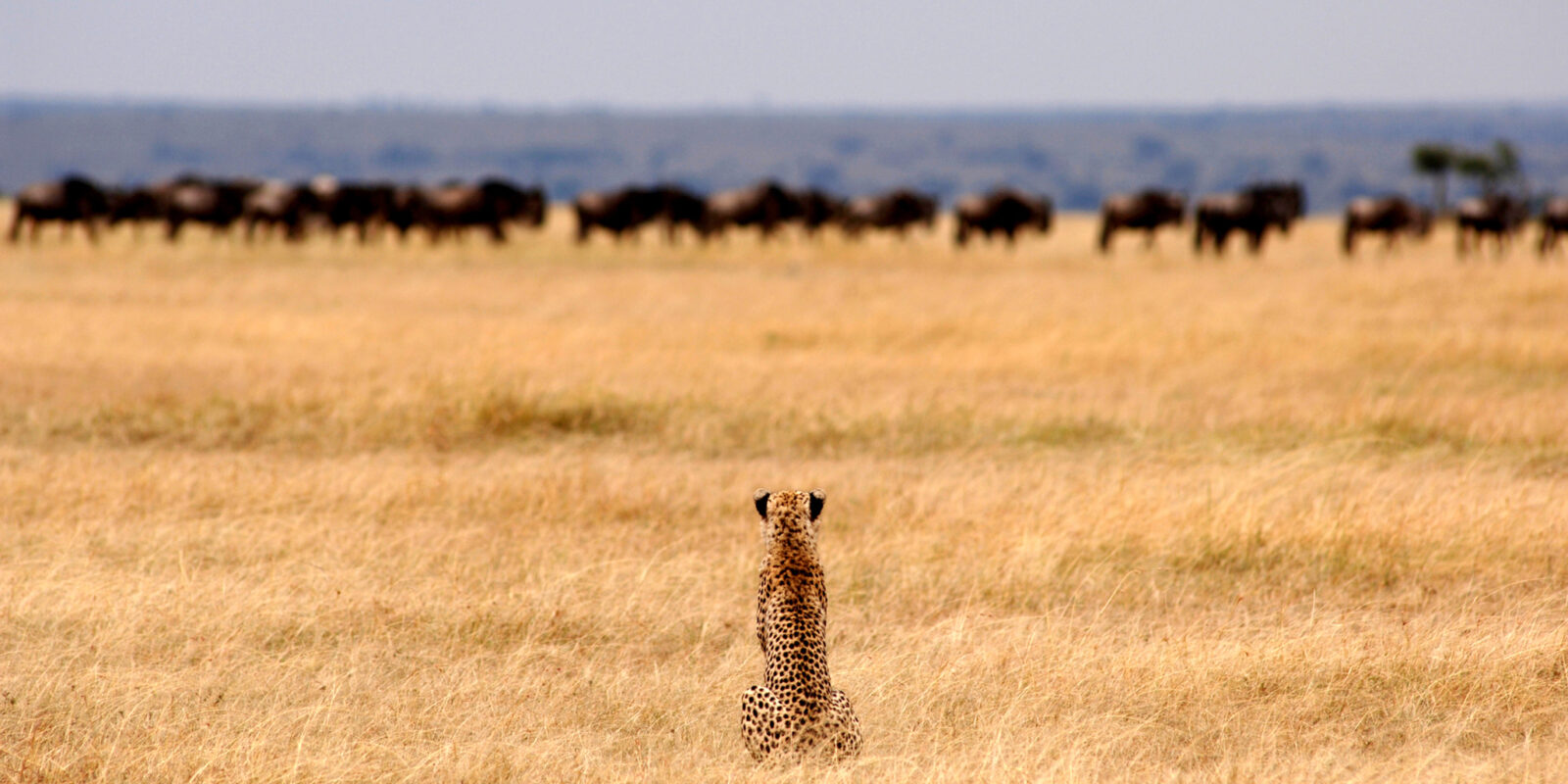

The Geography That Shapes a Trip to Serengeti
The physical landscape of the Serengeti is deceptively simple yet ecologically complex. Vast grasslands dominate the southern and central regions, while riverine corridors, woodlands, and rocky kopjes introduce variation across the ecosystem. These geographical features determine animal distribution, predator behavior, and seasonal movements.
During a Trip to Serengeti, travelers move through subtly changing environments that influence wildlife encounters. The open plains allow for expansive visibility and dramatic predator-prey interactions, while river systems such as the Grumeti and Mara Rivers act as critical lifelines during the dry season. The kopjes, ancient granite formations scattered across the plains, provide shelter for lions and leopards and serve as vantage points for both animals and observers.
Wildlife Encounters That Define a Trip to Serengeti
Wildlife viewing is the primary draw of any Trip to Serengeti, yet the experience transcends simple sightings. The Serengeti supports one of the highest densities of large predators in Africa, including lions, cheetahs, leopards, and hyenas. These species coexist in a finely balanced hierarchy shaped by territory, prey availability, and competition.
The herbivore populations are equally impressive. Vast herds of wildebeest, zebra, and gazelle dominate the plains, forming the backbone of the ecosystem. Their movements dictate predator behavior and influence vegetation patterns across the landscape. A Trip to Serengeti places travelers in the midst of this dynamic interplay, offering front-row access to nature operating without interference.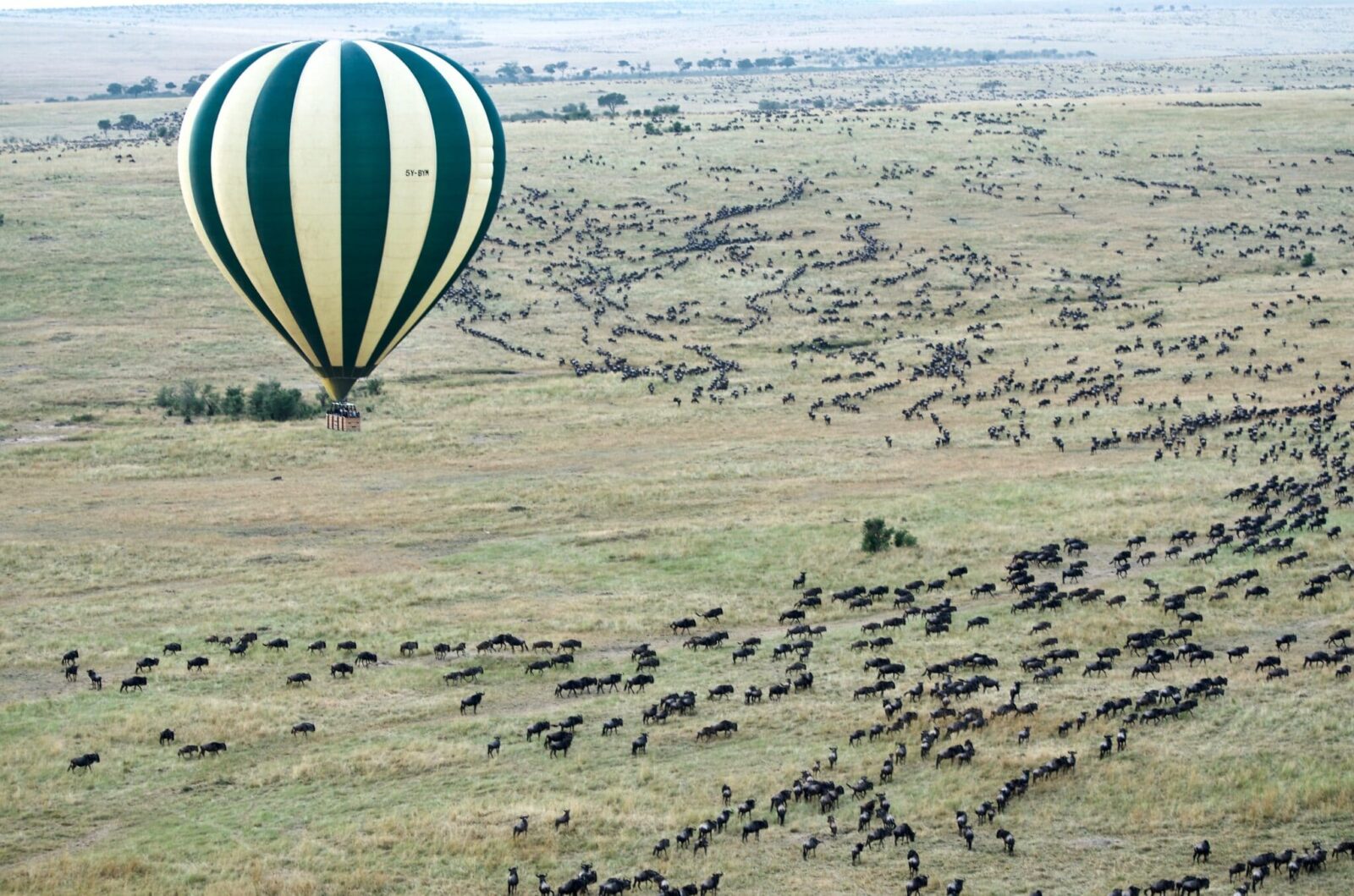

The Great Migration and the Trip to Serengeti Experience
The Great Migration stands as one of the most powerful natural spectacles on Earth and remains a central highlight of a Trip to Serengeti. Each year, over one million wildebeest, accompanied by hundreds of thousands of zebras and gazelles, move in a continuous cycle driven by rainfall and grass regeneration.
This migration is not a single event but a year-round process. From calving season in the southern plains to dramatic river crossings in the north, each phase offers distinct wildlife interactions. A Trip to Serengeti timed around these movements allows travelers to witness birth, survival, predation, and endurance in their most unfiltered forms. The migration underscores the Serengeti’s role as a functioning ecosystem rather than a staged wildlife destination.
Predator Dynamics and Behavioral Observation
One of the defining aspects of a Trip to Serengeti is the opportunity to observe predator behavior in an environment where natural selection remains active. Lions form complex social structures, with prides defending territories that can span hundreds of square kilometers. Cheetahs rely on speed and visibility, favoring open plains where their hunting strategy is most effective. Leopards thrive in riverine areas and kopjes, using cover and elevation to ambush prey.
These behavioral patterns are best understood over time rather than through isolated encounters. A Trip to Serengeti allows for repeated observations, revealing nuances in hunting strategies, cub rearing, territorial disputes, and interspecies competition. This depth of experience is what differentiates the Serengeti from smaller or more restricted reserves.
Birdlife and Biodiversity Beyond Mammals
While large mammals dominate attention, a Trip to Serengeti also reveals extraordinary avian diversity. The park supports resident and migratory bird species that contribute to its ecological richness. Raptors patrol the skies, scavengers follow predator activity, and smaller birds thrive in grassland and woodland habitats.
This diversity enhances the sensory experience of a Trip to Serengeti, adding layers of sound, color, and movement that complete the ecosystem picture. For those with an interest in ecology, the presence of birds, insects, and smaller mammals provides insight into the interconnectedness of life within the Serengeti.
Cultural Context and Human History of the Serengeti
The Serengeti is not an untouched wilderness but a landscape shaped by centuries of coexistence between humans and wildlife. Indigenous communities, particularly the Maasai, have historically lived alongside migrating herds, practicing pastoralism that aligned with natural cycles.
A Trip to Serengeti is enriched by understanding this human dimension. Conservation policies have evolved to balance wildlife protection with community livelihoods, recognizing that long-term preservation depends on local support. This cultural context adds depth to the safari experience, transforming it from passive observation into informed engagement.
Conservation Importance of a Trip to Serengeti
The Serengeti is a cornerstone of global conservation efforts. Its protected status safeguards migratory corridors, predator populations, and genetic diversity that cannot be replicated elsewhere. Revenue generated through tourism directly supports anti-poaching initiatives, habitat management, and scientific research.
A Trip to Serengeti therefore carries ethical significance. Visitors contribute to conservation outcomes by participating in regulated tourism that values sustainability over exploitation. This relationship between traveler and landscape reinforces the Serengeti’s role as a model for large-scale ecosystem protection.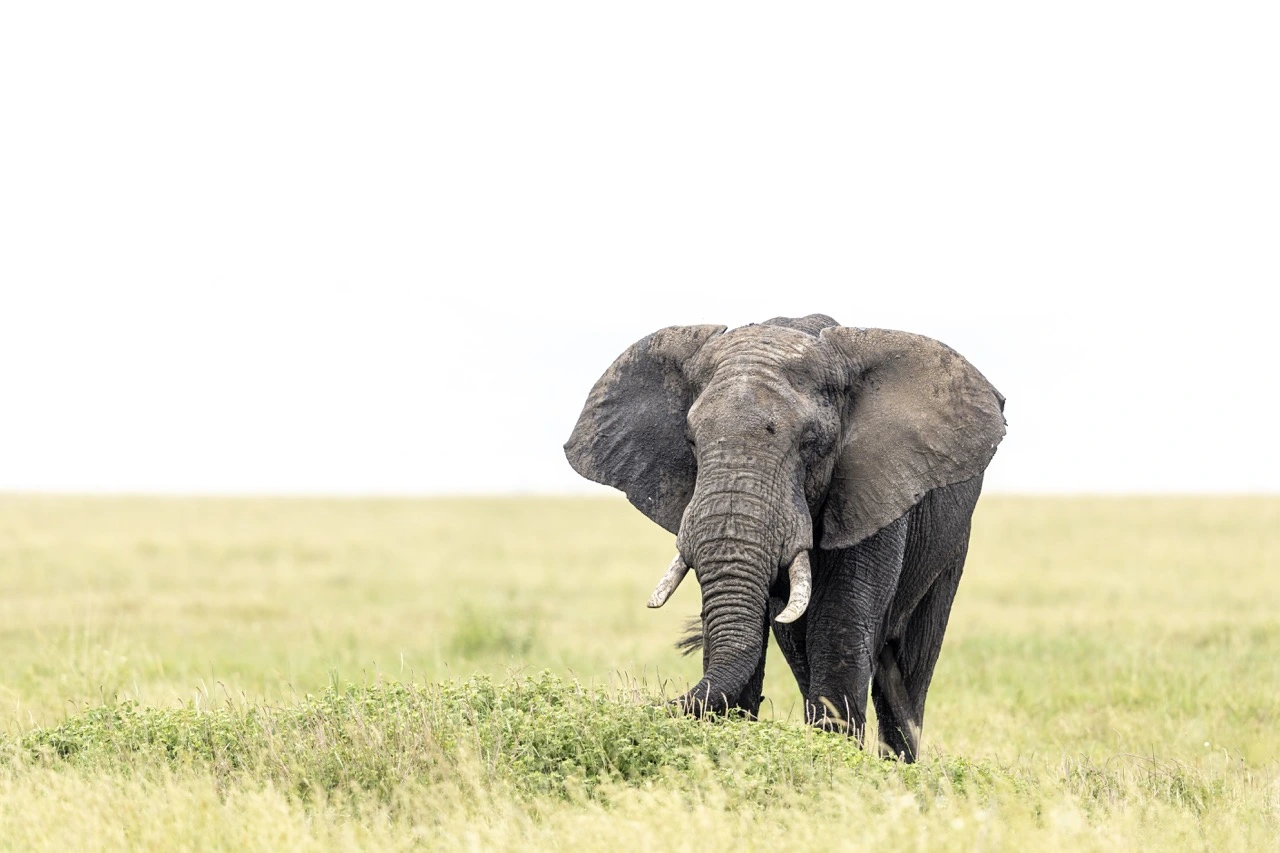

The Emotional Impact of a Trip to Serengeti
Beyond scientific and ecological importance, a Trip to Serengeti resonates on a deeply emotional level. The sheer scale of the landscape evokes humility, while close encounters with wildlife foster a sense of connection rarely achieved in modern life. The absence of urban noise, artificial light, and constant connectivity allows for mental clarity and reflection.
Many travelers describe a Trip to Serengeti as transformative, altering their perception of nature, time, and humanity’s place within the world. This emotional response is not incidental but intrinsic to the Serengeti’s power as a destination.
Seasonal Considerations for a Trip to Serengeti
Timing plays a critical role in shaping a Trip to Serengeti. Seasonal variations influence wildlife distribution, vegetation, and accessibility. The dry season typically offers concentrated wildlife sightings near water sources, while the wet season brings lush landscapes, fewer crowds, and prolific birdlife.
Understanding these patterns ensures that a Trip to Serengeti aligns with traveler priorities, whether focused on migration events, predator activity, photography, or ecological diversity. Each season offers unique advantages, reinforcing the Serengeti’s year-round appeal.
Accommodation and Immersion in the Serengeti
Accommodation choices during a Trip to Serengeti are designed to minimize environmental impact while maximizing immersion. Lodges and camps are strategically located to follow wildlife movements and reduce unnecessary travel. The emphasis is placed on blending into the environment rather than dominating it.
Staying within the ecosystem allows travelers to experience the Serengeti beyond daylight hours. Nocturnal sounds, changing skies, and early morning wildlife activity become part of the daily rhythm. This level of immersion elevates a Trip to Serengeti from observation to participation.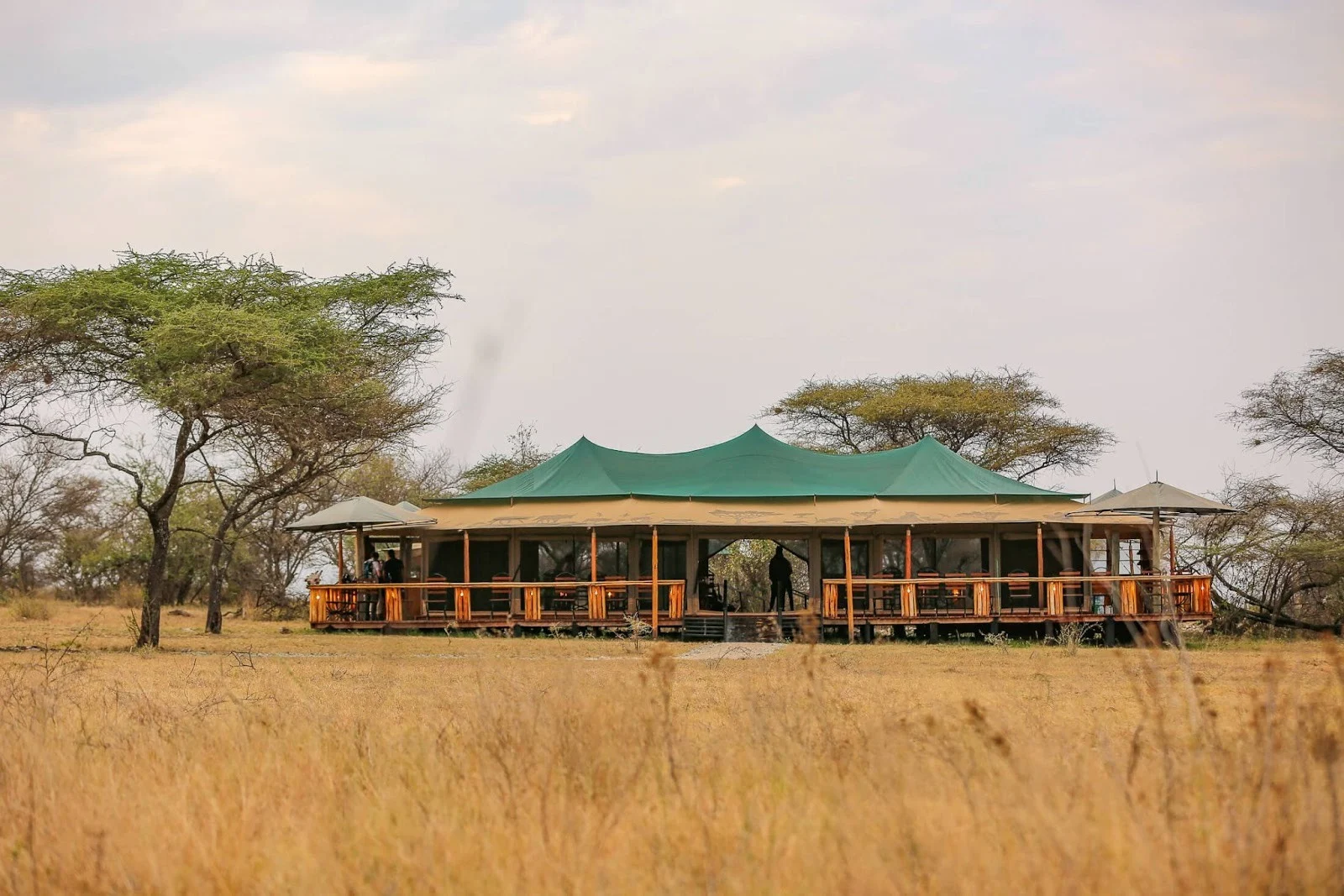

Photography and Storytelling on a Trip to Serengeti
The Serengeti is one of the most photographed landscapes on Earth, yet it continues to inspire original perspectives. Light conditions, animal behavior, and seasonal changes create endless visual possibilities. A Trip to Serengeti offers both amateur and professional photographers the opportunity to capture moments that convey scale, motion, and emotion.
Beyond images, storytelling emerges as a natural outcome of the journey. The experiences encountered during a Trip to Serengeti often become narratives shared long after the journey ends, reinforcing its status as a defining life experience.
Who a Trip to Serengeti Is For
A Trip to Serengeti appeals to a broad spectrum of travelers, from first-time safari visitors to seasoned explorers. It suits those seeking authenticity, education, and meaningful engagement with nature. Physical demands are moderate, and experiences can be tailored to different comfort levels without compromising depth.
This versatility ensures that a Trip to Serengeti remains accessible while maintaining its integrity as a premier wildlife destination.
Planning and Preparation for a Trip to Serengeti
Successful planning is essential to fully realizing the potential of a Trip to Serengeti. Advance arrangements secure optimal travel windows, knowledgeable guides, and appropriate accommodations. Attention to logistics ensures that time is spent within the ecosystem rather than in transit.
Preparation also involves mental readiness. A Trip to Serengeti rewards patience, curiosity, and openness. Wildlife encounters unfold on nature’s terms, and the most memorable moments often arise unexpectedly.
Why a Trip to Serengeti Truly Is a Lifetime Experience
A Trip to Serengeti stands apart because it delivers more than spectacle. It offers context, continuity, and connection. In a world where wild spaces are increasingly fragmented, the Serengeti remains whole, functioning, and alive. Experiencing it firsthand is both a privilege and a responsibility.
This journey leaves travelers with more than memories. It instills respect for natural systems, appreciation for conservation, and a renewed sense of perspective. For these reasons, a Trip to Serengeti is not merely a destination visited but a benchmark against which all future travel experiences are measured.