

14 Days Above and Beyond: Tanzania Safaris
A Grand Safari Narrative That Transcends the Ordinary
14 days above and beyond Tanzania safaris are designed for travelers who seek immersion rather than moments, understanding rather than snapshots, and continuity rather than fragmented experiences. Tanzania is not merely a safari destination; it is a living ecological narrative shaped by ancient geological forces, seasonal wildlife movements, and deeply rooted cultures. A fourteen-day safari provides the time required for this narrative to unfold naturally, allowing each ecosystem to be experienced in its own rhythm without compromise or haste.
Unlike shorter itineraries that prioritize highlights alone, a two-week Tanzania safari offers balance. Wildlife encounters become contextual, landscapes evolve gradually, and each region connects meaningfully to the next. The result is a safari journey that feels complete, intellectually satisfying, and emotionally profound.
Why Fourteen Days Is the Ideal Safari Duration in Tanzania
Tanzania’s vastness cannot be overstated. The country spans multiple ecological zones, from semi-arid plains and volcanic highlands to riverine forests and coastal tropics. Attempting to experience this diversity within a short timeframe often results in excessive driving, rushed game drives, and missed opportunities for deeper engagement.
Fourteen days allow distances to be covered responsibly while maintaining comfort and maximizing wildlife viewing. This duration makes it possible to include both iconic national parks and quieter conservation areas, to observe wildlife behavior across different habitats, and to incorporate cultural and restorative elements without sacrificing safari quality.
A two-week safari also aligns well with natural wildlife cycles. Predator activity, herbivore movement, and birdlife patterns vary by time of day and location. Longer stays increase the likelihood of witnessing rare behaviors rather than isolated sightings.
The Northern Safari Circuit as the Foundation
Most extended Tanzania safaris begin in the north, where the country’s most renowned wildlife areas are located. This region forms the structural backbone of a fourteen-day itinerary and sets the tone for the journey ahead.
Tarangire National Park and the Art of Slow Observation
Tarangire National Park introduces the safari experience through scale and subtlety. Known for its ancient baobab trees and large elephant herds, Tarangire rewards patience and attentiveness. Over multiple days, visitors observe how elephants interact with the landscape, how predators adapt to seasonal prey movements, and how river systems shape wildlife distribution.
Unlike more crowded parks, Tarangire encourages extended game drives without pressure, allowing guides to interpret tracks, behavior, and ecological relationships in depth. This slow observational approach is essential in a long safari and establishes a mindset of immersion rather than pursuit.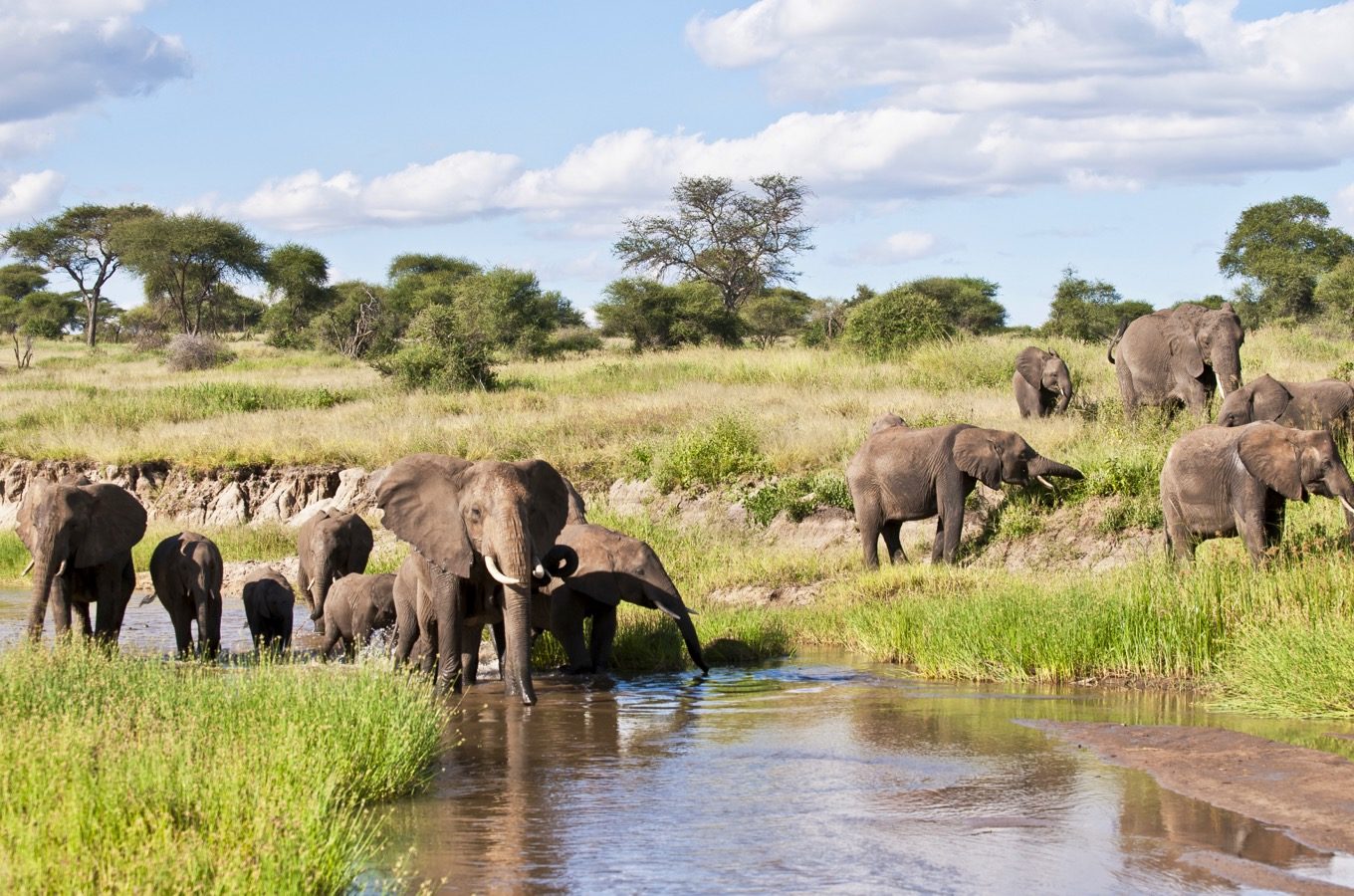
Lake Manyara and Ecological Contrast
Lake Manyara National Park offers a dramatic shift in scenery and species composition. The park’s compact size conceals a surprising diversity, including groundwater forests, open grasslands, alkaline lakes, and escarpment cliffs. Over multiple visits or extended stays, the subtleties of this ecosystem become apparent.
Birdlife flourishes around the lake, primates dominate forested areas, and large mammals move between zones depending on rainfall and season. This diversity makes Lake Manyara an important ecological bridge within a fourteen-day safari, connecting dry savannahs to highland environments.
Ngorongoro Crater and Geological Legacy
The Ngorongoro Crater represents one of the most concentrated wildlife environments on Earth. Its enclosed ecosystem supports a high density of predators and herbivores year-round, making it a focal point of any Tanzania safari. However, its true value in a long itinerary lies not only in game viewing but in understanding geological time.
Descending into the crater after days spent in open landscapes emphasizes the dramatic forces that shaped East Africa. Multiple visits or extended exploration allow travelers to witness how wildlife patterns shift between morning and afternoon, how grazing pressure influences vegetation, and how conservation policies balance tourism with preservation.
The Serengeti as a Multi-Day Narrative
No fourteen-day Tanzania safari is complete without substantial time in the Serengeti. However, the Serengeti is not a single destination; it is a vast, evolving ecosystem that demands both time and geographical flexibility.
Understanding the Serengeti’s Seasonal Geography
The Serengeti ecosystem extends far beyond park boundaries and changes character throughout the year. Short itineraries often focus on a single region, but extended safaris allow movement between central, western, and northern areas depending on seasonal wildlife concentrations.
This approach increases the probability of encountering the Great Migration at different stages, observing river crossings, calving seasons, or predator-prey interactions that vary by location and timing. Fourteen days allow the Serengeti to be experienced as a living system rather than a static attraction.
Predator Dynamics and Behavioral Encounters
Extended stays in the Serengeti significantly enhance the quality of wildlife encounters. Predators such as lions, leopards, and cheetahs exhibit complex territorial and hunting behaviors that unfold over days rather than hours. Observing these patterns requires repeated game drives within the same areas.
A longer safari allows guides to track individual prides or coalitions, interpret changes in behavior, and provide context that transforms sightings into stories. These insights elevate the safari from visual experience to ecological education.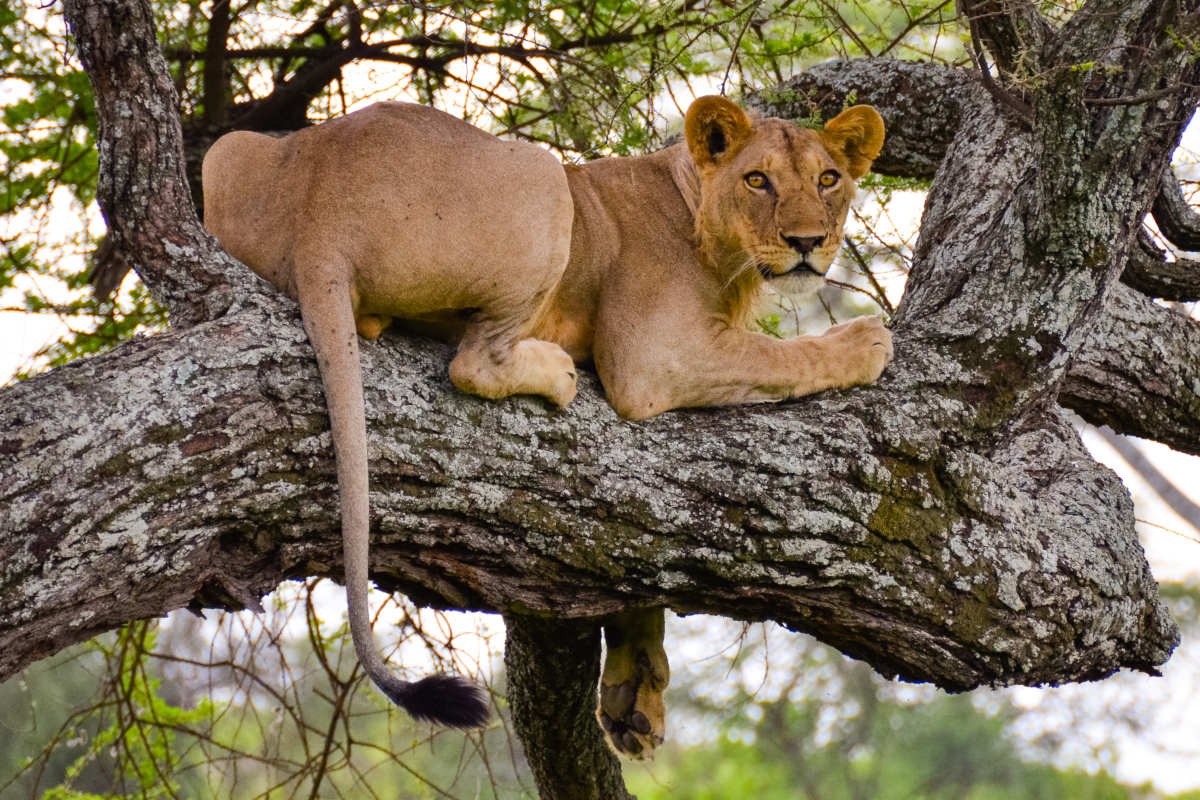
Cultural Landscapes and Human History
Tanzania’s safari experience is inseparable from its human history. Fourteen-day itineraries allow time for respectful cultural engagement that complements wildlife exploration rather than detracting from it.
Maasai Communities and Pastoral Traditions
Encounters with Maasai communities offer insight into pastoral systems that have coexisted with wildlife for centuries. Longer safaris allow for structured visits that go beyond surface interactions, focusing on land use, livestock management, and cultural adaptation in modern Tanzania.
These experiences provide essential context for understanding conservation challenges and successes, highlighting the human dimension of protected landscapes.
Archaeological Significance of the Rift Valley
Northern Tanzania is central to human evolutionary history. The Rift Valley and surrounding highlands contain some of the world’s most important archaeological sites. Extended itineraries create opportunities to explore this dimension of Tanzania’s heritage, linking wildlife conservation to humanity’s shared origins.
Transitioning Beyond the Northern Circuit
A defining feature of 14 days above and beyond Tanzania safaris is the ability to move beyond the well-known northern circuit into less explored regions or complementary environments.
Southern Tanzania and Untouched Wilderness
Southern Tanzania offers vast protected areas with low visitor density and a strong sense of remoteness. These regions emphasize walking safaris, river-based exploration, and intimate wildlife encounters. Including southern parks in a long itinerary adds contrast and depth, showcasing a different conservation philosophy centered on space and solitude.
Coastal and Island Extensions for Balance
Ending a fourteen-day safari along Tanzania’s coast or offshore islands provides a restorative conclusion to an intense wildlife journey. Coastal ecosystems introduce marine biodiversity, Swahili culture, and a slower pace that allows travelers to reflect on their safari experience.
This balance between land and sea enhances the overall journey, ensuring physical recovery while maintaining environmental immersion.
Logistics and Comfort in Extended Safaris
A two-week safari requires thoughtful logistical planning to maintain comfort without diminishing authenticity. Tanzania’s safari infrastructure supports extended travel through a network of well-managed lodges, camps, and domestic flights.
Minimizing Fatigue Through Strategic Routing
Extended itineraries allow for strategic pacing, reducing long driving days and incorporating rest periods. This approach improves wildlife viewing quality and traveler well-being, ensuring sustained engagement throughout the journey.
Accommodation as Part of the Experience
In a fourteen-day safari, accommodation becomes more than a place to sleep. Lodges and camps are integral to the experience, offering views into ecosystems, opportunities for informal learning, and spaces for reflection. Staying multiple nights in each location deepens familiarity with the surroundings and enhances overall satisfaction.
Conservation Impact of Long-Stay Safaris
Extended safaris contribute positively to conservation by supporting a wider range of protected areas and local economies. Longer stays distribute tourism revenue more evenly and encourage sustainable practices that prioritize long-term ecological health.
Travelers who spend more time in Tanzania often develop a stronger understanding of conservation challenges, fostering advocacy and continued support beyond the journey itself.
Who Should Choose a Fourteen-Day Tanzania Safari
This style of safari is best suited to travelers who value depth, patience, and holistic understanding. It appeals to photographers seeking varied light and behavior, naturalists interested in ecosystems, and explorers who prefer meaningful journeys over checklist travel.
Families, couples, and solo travelers alike benefit from the flexibility and richness of extended itineraries, provided expectations align with immersive travel rather than constant novelty.
Planning Considerations for an Above-and-Beyond Safari
Careful planning ensures that a fourteen-day safari fulfills its potential. Seasonal timing, personal interests, and travel style all influence itinerary design. Collaboration with experienced safari planners is essential to balance ambition with practicality.
A well-designed extended safari does not attempt to see everything. Instead, it focuses on experiencing enough deeply to create lasting understanding and appreciation.
The Enduring Value of Time in the Wild
At its core, 14 days above and beyond Tanzania safaris represent an investment in time. Time to observe rather than rush. Time to understand rather than collect. Time to connect landscapes, wildlife, and people into a coherent story.
This approach transforms a safari into a journey of perspective, where the value lies not in the number of animals seen but in the depth of connection formed. Tanzania rewards those who give it time, offering experiences that remain vivid long after the journey ends.

14 Days Above and Beyond: Tanzania Safaris
A Complete, Immersive Safari Itinerary
This 14 days above and beyond Tanzania safaris itinerary is crafted to deliver depth, balance, and continuity across Tanzania’s most significant wildlife landscapes. The journey is structured to reduce fatigue, maximize ecological diversity, and allow meaningful time in each region rather than rushed transitions. Each day builds logically on the previous one, creating a safari experience that feels expansive, unrushed, and intellectually rewarding.
Day 1: Arrival in Arusha
Arrival takes place in Arusha, Tanzania’s established safari hub and logistical gateway to the northern circuit. Upon landing, guests are met and transferred to a quiet lodge set within lush gardens on the outskirts of town. This day is intentionally light, allowing recovery from international travel while introducing the safari rhythm.
A detailed safari briefing is conducted in the evening, covering route planning, wildlife expectations, conservation context, and safety protocols. The overnight stay in Arusha ensures proper acclimatization before entering the national parks.
Day 2: Arusha to Tarangire National Park
The safari formally begins with a scenic drive south to Tarangire National Park. This transition introduces the gradual shift from cultivated landscapes into classic African savannah. Upon entry, the ecosystem changes noticeably, with vast open plains punctuated by ancient baobab trees.
An afternoon game drive focuses on elephant herds, which dominate Tarangire’s ecology, alongside giraffes, buffalo, and a growing predator population. The day emphasizes observation and orientation, setting the pace for the journey ahead.
Overnight is spent within or near the park to allow early wildlife access.
Day 3: Tarangire National Park
A full day is dedicated to Tarangire, allowing exploration beyond the main tracks. Morning and afternoon game drives follow the Tarangire River system, a lifeline for wildlife during dry periods. Extended time in the park allows guides to interpret animal behavior, track movement patterns, and focus on lesser-seen species.
Birdlife is particularly rich, and the slower pace encourages appreciation of ecological relationships rather than isolated sightings. This day reinforces the value of time in safari experiences.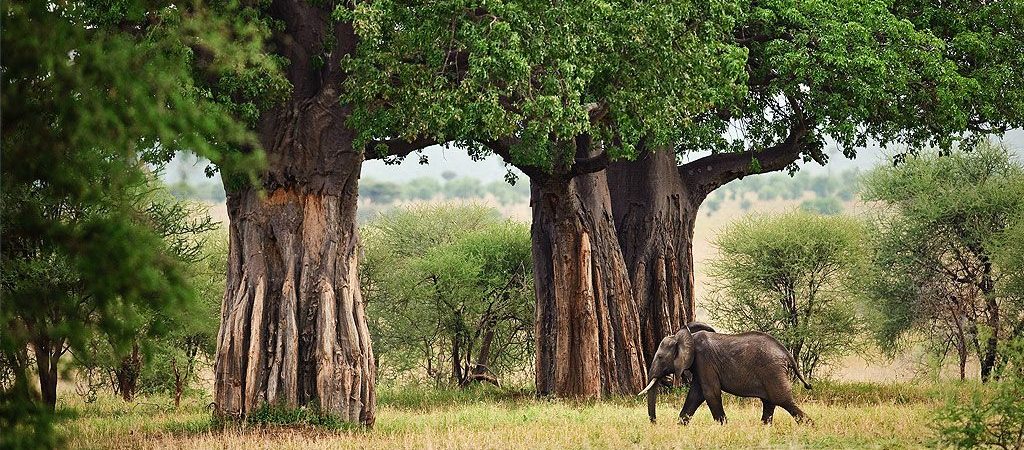
Day 4: Tarangire to Lake Manyara National Park
The journey continues north toward Lake Manyara National Park, a compact but diverse reserve located at the base of the Rift Valley escarpment. The transition introduces forested habitats, groundwater-fed vegetation, and open lakeshore environments.
An afternoon game drive highlights primates, birdlife, and contrasting landscapes. The park’s diversity becomes more apparent through unhurried exploration, offering a sharp contrast to Tarangire’s arid savannah.
The evening is spent near the escarpment, overlooking the surrounding plains.
Day 5: Lake Manyara to Ngorongoro Conservation Area
This day focuses on ascent into the Ngorongoro Highlands. The drive passes through agricultural regions and cooler climates, revealing how elevation shapes both ecology and human settlement.
Upon arrival, the afternoon is reserved for rest or short walks around the lodge, allowing acclimatization to altitude. Views over the Ngorongoro landscape provide context for the geological forces that shaped the region.
Day 6: Ngorongoro Crater
An early descent into the Ngorongoro Crater allows a full day on the crater floor. The enclosed ecosystem supports a high concentration of wildlife, including large predators and grazing herds.
Extended time inside the crater allows observation of changing wildlife behavior throughout the day. Rather than rushing between sightings, the focus remains on understanding interactions, territorial dynamics, and grazing patterns.
The evening ascent returns to the highlands for overnight rest.
Day 7: Ngorongoro to Serengeti National Park
The route from Ngorongoro into the Serengeti marks a dramatic ecological shift. Vegetation opens gradually into vast plains that stretch to the horizon. Game viewing begins immediately upon park entry, reinforcing the Serengeti’s reputation as a living ecosystem rather than a single destination.
An afternoon game drive introduces resident wildlife populations before settling into camp for the night.
Day 8: Central Serengeti
A full day is spent in the central Serengeti, an area known for year-round wildlife and predator activity. Morning and afternoon game drives focus on lion prides, leopard territories, and cheetah hunting grounds.
Remaining in the same region for multiple drives allows guides to track individual animals and provide deeper behavioral insight. This continuity is a defining advantage of a long safari itinerary.
Day 9: Serengeti Ecosystem Exploration
This day allows flexibility within the Serengeti ecosystem. Depending on the season, exploration may extend toward western corridors or northern plains to follow wildlife movements.
The emphasis remains on adapting the safari experience to real-time conditions rather than rigid scheduling, ensuring authentic encounters driven by nature rather than convenience.
Day 10: Serengeti to Ngorongoro Highlands
The journey gradually exits the Serengeti, returning to the Ngorongoro region. This transition day offers opportunities for final game viewing en route while allowing physical and mental rest after several intensive safari days.
The overnight stay in the highlands provides cooler temperatures and a reflective pause before the final phase of the journey.
Day 11: Ngorongoro to Arusha
The return to Arusha passes through rural communities and cultivated landscapes. Time may be allocated for cultural insight, focusing on traditional land use and modern conservation challenges.
Arrival in Arusha marks the conclusion of the northern safari circuit.
Day 12: Arusha to the Coast
A scheduled flight transfers guests from Arusha to Tanzania’s coastline. The shift from savannah to ocean introduces a completely different sensory environment, emphasizing balance and recovery.
The remainder of the day is reserved for rest and gentle exploration.
Day 13: Coastal Tanzania
This day is intentionally unstructured. Time is spent enjoying coastal ecosystems, marine environments, and Swahili cultural influences. The slower pace allows travelers to reflect on the safari journey and absorb its broader meaning.
Day 14: Departure
The final day includes a relaxed transfer to the departure point. The safari concludes not with exhaustion, but with clarity, perspective, and a deep understanding of Tanzania’s natural heritage.
Why This 14-Day Tanzania Safari Works
This itinerary succeeds because it prioritizes depth over density, time over speed, and understanding over accumulation. 14 days above and beyond Tanzania safaris allow landscapes to connect naturally, wildlife stories to unfold fully, and travelers to leave not only informed, but transformed.