
The best African safaris represent far more than wildlife viewing holidays; they are immersive journeys into some of the last truly wild ecosystems on Earth. Across Africa, safari landscapes continue to preserve ancient migration routes, intact predator–prey systems, and cultural traditions that predate modern borders. A great safari is defined by scale, ecological integrity, guiding excellence, conservation impact, and the ability to offer authentic encounters rather than staged experiences. Africa remains unmatched in this regard because its protected areas are vast, biologically rich, and deeply interconnected with local communities whose livelihoods depend on sustainable tourism.
Understanding what qualifies as the best African safaris requires a deeper examination of regions, wildlife diversity, conservation frameworks, and safari styles. Each destination offers distinct strengths shaped by geography, climate, species composition, and historical land management. When evaluated holistically, Africa’s premier safari regions reveal why the continent continues to dominate global wildlife travel.
What Defines the Best African Safaris
The best African safaris are built on ecosystems that function naturally and independently of human interference. Wildlife must move freely, predators must hunt naturally, and seasonal cycles must remain uninterrupted. Safari destinations that maintain these conditions consistently deliver higher-quality experiences because animals behave as they would without human presence. This authenticity distinguishes top-tier safari regions from smaller or heavily managed reserves.
Another defining factor is guiding expertise. Skilled safari guides interpret animal behavior, landscape history, and ecological relationships, transforming sightings into meaningful understanding. Regions with long-established guiding cultures produce more insightful and responsible safaris. Conservation investment also plays a central role. Destinations that channel tourism revenue into anti-poaching, habitat protection, and community development sustain wildlife populations and ensure long-term viability.
Finally, the best African safaris balance accessibility with exclusivity. Overcrowding diminishes wildlife behavior and erodes the sense of wilderness. Leading safari destinations regulate visitor numbers, lodge density, and vehicle access to preserve ecological balance.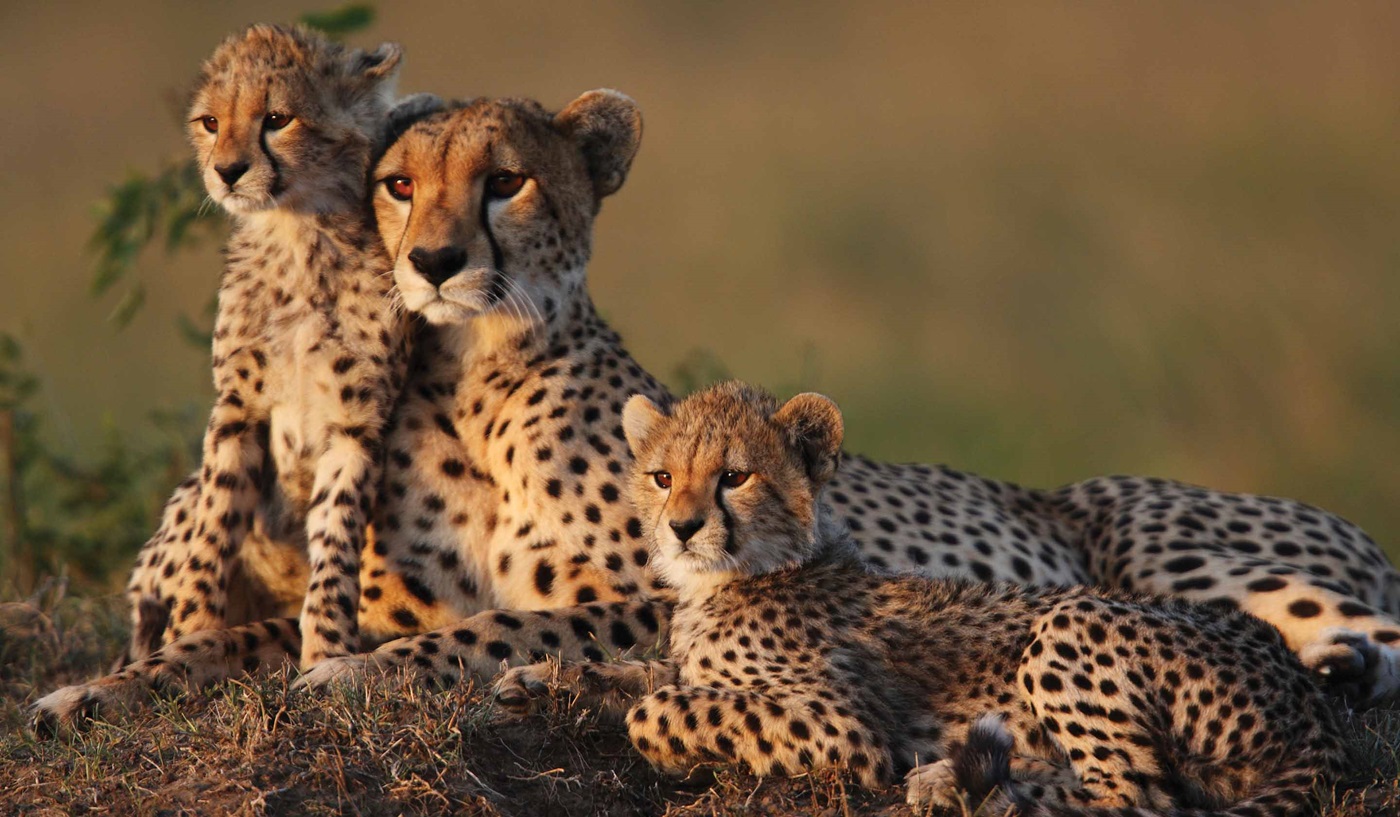
East Africa and the Foundations of the Classic Safari
East Africa remains the birthplace of the traditional safari and continues to deliver some of the best African safaris in both scale and diversity. Its vast savannahs, volcanic highlands, and ancient rift systems support extraordinary concentrations of wildlife.
Tanzania and the Serengeti System
Tanzania stands at the core of Africa’s safari identity, anchored by the globally significant Serengeti National Park. This ecosystem supports the largest terrestrial mammal migration on the planet, involving wildebeest, zebra, and gazelle moving across thousands of square kilometers in response to rainfall patterns. Predators including lions, cheetahs, leopards, and hyenas depend on this migration for survival, creating one of the most dynamic wildlife systems on Earth.
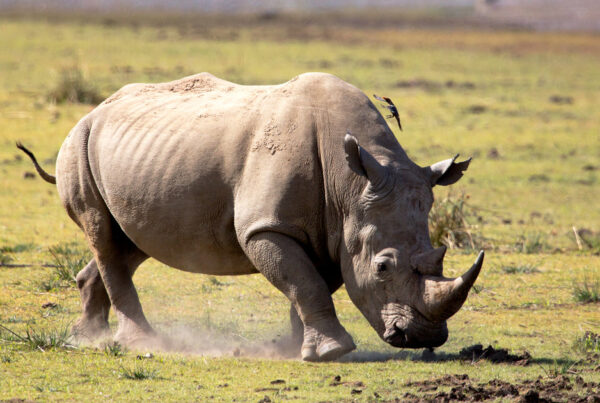
Adjacent to the Serengeti lies the Ngorongoro Crater, a collapsed volcanic basin that sustains an unusually dense concentration of wildlife year-round. Its enclosed geography allows for exceptional game viewing while serving as a refuge for endangered species such as black rhinos. Tanzania’s low-impact tourism policies, particularly in remote southern and western parks, preserve wilderness character and enhance safari quality.
Kenya and Community-Based Conservation
Kenya’s safari success is rooted in its integration of wildlife conservation with community stewardship. The Maasai Mara National Reserve forms the northern extension of the Serengeti ecosystem and is renowned for predator density and dramatic river crossings during the migration season. However, Kenya’s defining contribution lies in its surrounding conservancy model, where local landowners lease land for wildlife protection in exchange for tourism revenue.
This model reduces pressure on core reserves while allowing wildlife to roam freely beyond park boundaries. Kenya’s approach demonstrates how the best African safaris can directly support local economies while maintaining ecological integrity.
Uganda and Rwanda and the Primate Dimension
While East Africa is traditionally associated with savannah safaris, Uganda and Rwanda elevate the region by offering rare primate encounters. Mountain gorilla trekking in Bwindi Impenetrable National Park and Volcanoes National Park adds a powerful conservation-driven experience to the safari portfolio. These encounters are tightly regulated, ensuring minimal impact while generating vital funding for habitat protection and community development.
The inclusion of primate tracking alongside traditional game drives allows East Africa to deliver multi-layered safari experiences unmatched elsewhere on the continent.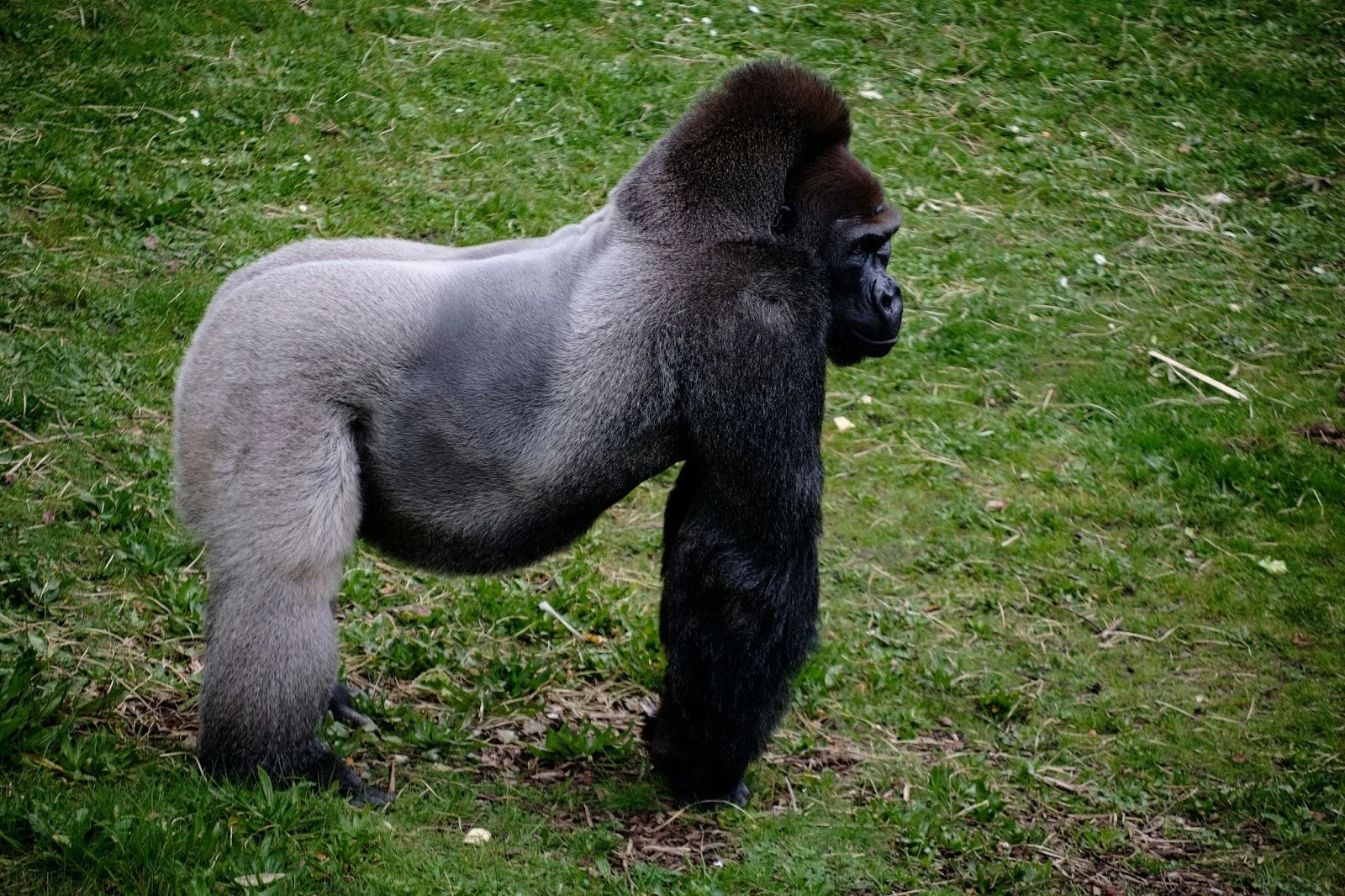
Southern Africa and the Evolution of the Modern Safari
Southern Africa has redefined safari travel through innovative conservation strategies, refined guiding standards, and diverse ecosystems. Countries such as Botswana, Zambia, Zimbabwe, Namibia, and South Africa collectively represent some of the best African safaris for travelers seeking exclusivity and ecological depth.
Botswana and the Okavango Delta
Botswana exemplifies low-volume, high-value tourism. The Okavango Delta is a seasonal wetland that floods annually, creating a shifting mosaic of waterways, islands, and grasslands. This unique hydrology supports rich biodiversity and allows for water-based safari activities such as mokoro excursions alongside traditional game drives.
Botswana’s strict limits on lodge numbers and visitor access preserve wilderness quality and reduce environmental pressure. As a result, wildlife encounters remain intimate and behaviorally natural, reinforcing Botswana’s reputation as a leader in premium safari experiences.
South Africa and Accessibility with Diversity
South Africa delivers some of the most accessible yet diverse safari experiences on the continent. The Kruger National Park anchors the country’s safari offering, supported by private reserves such as Sabi Sands that prioritize off-road tracking and expert guiding. South Africa’s infrastructure, range of accommodation, and malaria-free reserves make it a practical entry point for first-time safari travelers.
Despite higher visitor numbers, private reserve management and strict conservation regulations ensure high-quality wildlife viewing. South Africa’s ability to combine safari travel with urban culture, coastal scenery, and winelands adds to its appeal within the best African safaris category.
Zambia and Zimbabwe and the Walking Safari Heritage
Zambia and Zimbabwe preserve the original spirit of safari exploration through walking safaris and river-based wildlife viewing. The South Luangwa National Park pioneered the walking safari concept, offering close, respectful encounters guided by expert naturalists. Zimbabwe’s Hwange National Park supports one of Africa’s largest elephant populations, while the Zambezi River systems sustain diverse wildlife corridors.
These destinations emphasize interpretation, patience, and ecological understanding, attracting travelers who value depth over spectacle.
Central Africa and the Last True Wilderness Safaris
Central Africa offers some of the most challenging yet rewarding safari experiences on the continent. Dense rainforests, limited infrastructure, and complex conservation realities define this region’s appeal.
Democratic Republic of Congo and Remote Conservation
The Virunga National Park stands as Africa’s oldest national park and a symbol of conservation resilience. Home to mountain gorillas, active volcanoes, and rare biodiversity, Virunga represents a frontier safari destination where tourism directly supports wildlife protection and community stability.
Safaris in Central Africa demand flexibility and commitment, but they reward travelers with encounters few others experience. These journeys highlight the role of tourism in protecting fragile ecosystems under threat.
Safari Styles That Shape the Best African Safaris
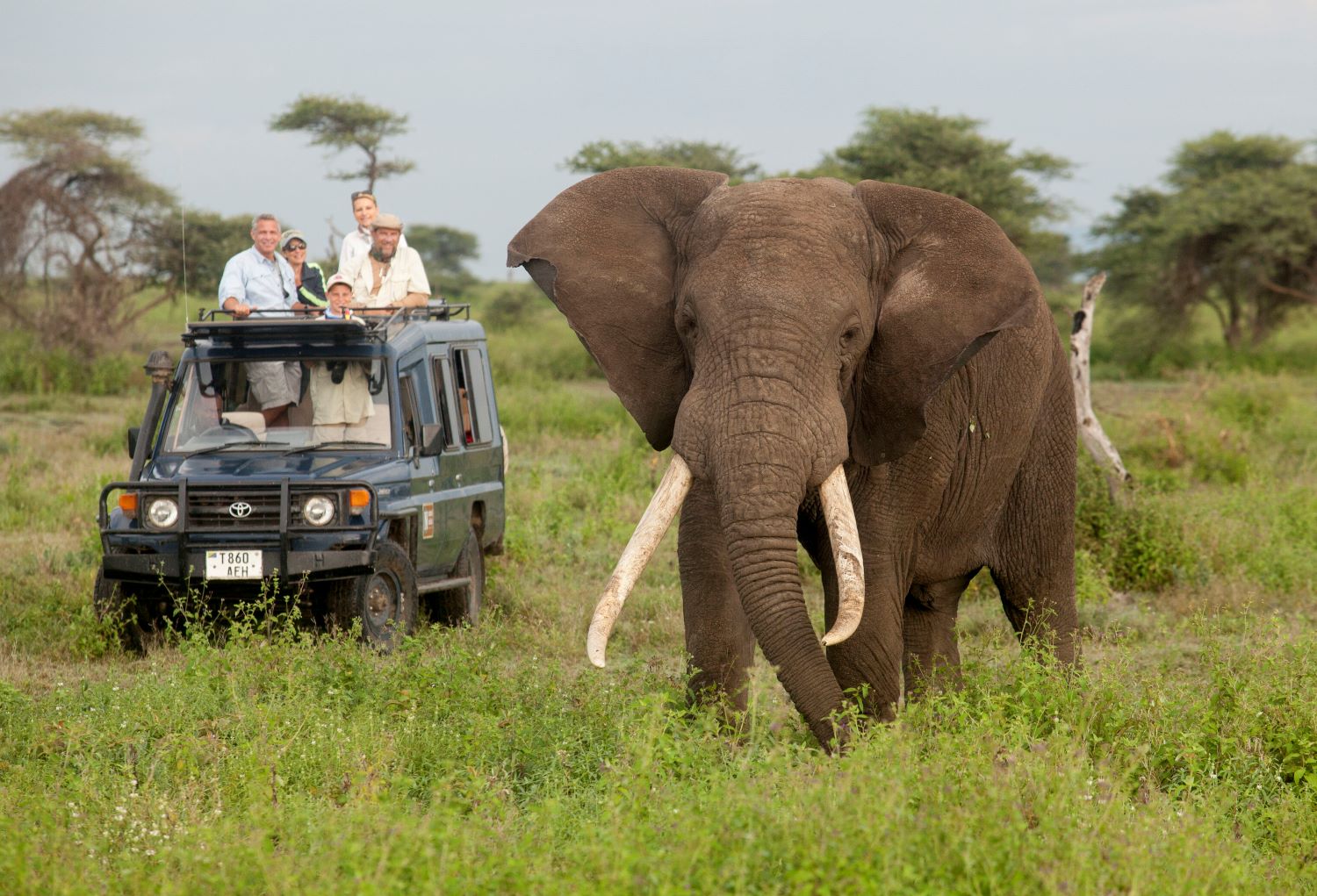
The best African safaris are not defined by destination alone but also by how experiences are structured. Game drives remain the most common format, but walking safaris, river safaris, photographic safaris, and conservation-focused journeys deepen engagement.
Walking safaris foster awareness of smaller ecological details, while river safaris reveal wildlife behaviors often missed from vehicles. Photographic safaris prioritize positioning, patience, and ethical observation. Primate tracking introduces an emotional dimension rooted in shared evolutionary history.
Safari diversity allows travelers to tailor experiences while supporting varied conservation models.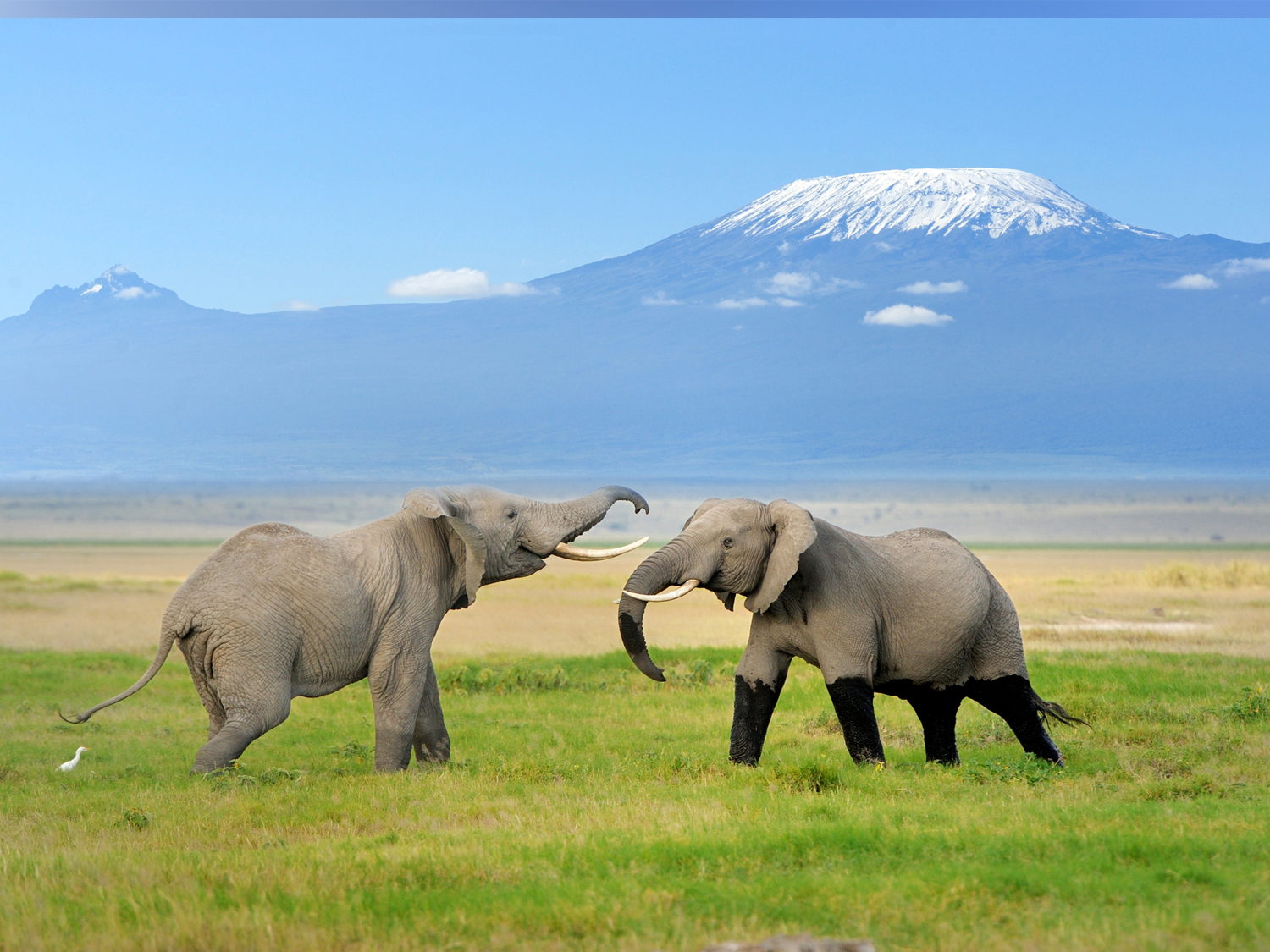
Conservation, Community, and the Future of African Safaris
Conservation success underpins the best African safaris. Protected areas that thrive do so because tourism revenue funds anti-poaching efforts, scientific research, and community education. Where local communities benefit directly from wildlife tourism, conservation outcomes improve dramatically.
Modern safaris increasingly integrate carbon reduction strategies, renewable energy, and habitat restoration. As climate pressures intensify, safari destinations that invest in adaptive management and ecological monitoring will continue to lead the industry.
Planning the Best African Safaris
Planning the best African safaris requires aligning travel goals with ecological realities. Seasonal changes influence wildlife movement, vegetation density, and accessibility. Migration periods, calving seasons, and predator breeding cycles shape safari quality.
Travelers benefit from choosing destinations based on experience rather than popularity alone. A well-planned safari balances wildlife density, landscape variety, ethical tourism practices, and personal interests.
Why the Best African Safaris Remain Unmatched
The best African safaris endure because they protect something increasingly rare: functional wilderness. Africa’s landscapes still allow animals to live, migrate, hunt, and reproduce without confinement. These conditions cannot be replicated elsewhere.
A safari is ultimately a lesson in coexistence, resilience, and scale. Africa’s ability to offer this experience, while continuously improving conservation and community engagement, ensures its place at the pinnacle of global wildlife travel.