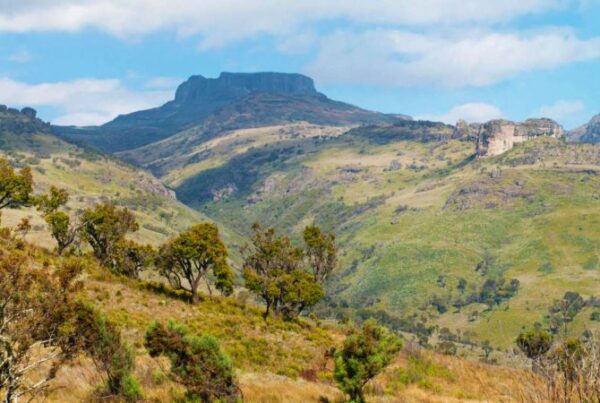
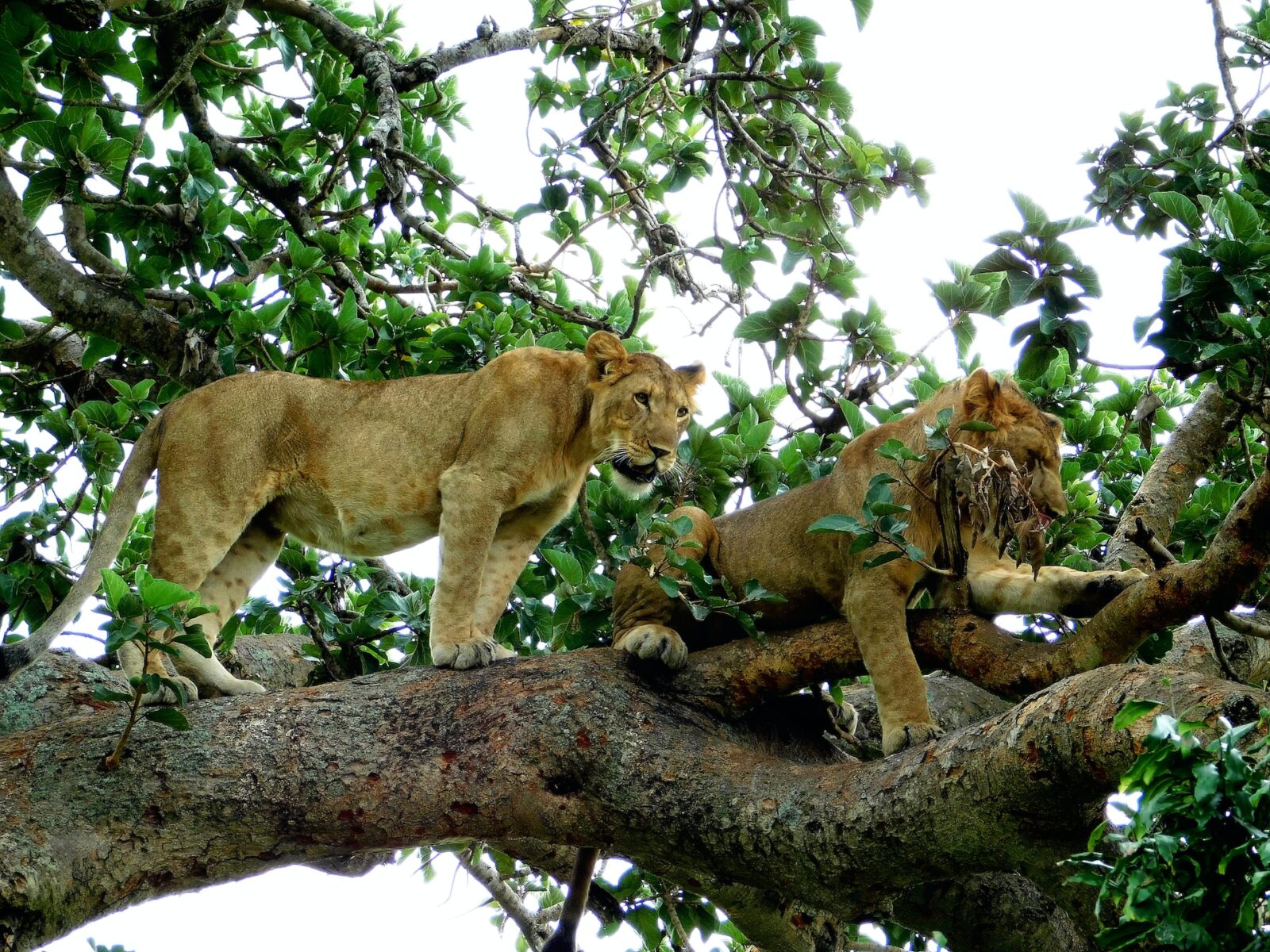

Africa safari destinations represent the most complete expression of wildlife travel anywhere on Earth. They are places where ecosystems still function at scale, where animals follow ancient migration routes, and where conservation, culture, and tourism intersect in powerful ways. Unlike fragmented wildlife reserves elsewhere in the world, Africa’s safari destinations protect vast landscapes that allow predators to hunt naturally, herbivores to roam freely, and ecological systems to evolve without artificial control. These destinations are not interchangeable; each is shaped by geography, climate, species composition, and decades of conservation practice.
To understand Africa safari destinations properly is to move beyond a list of famous parks and explore why certain regions consistently deliver superior safari experiences. The quality of a safari destination is determined by wildlife density, habitat integrity, protection models, guiding culture, and the relationship between people and nature. When these elements align, safari destinations become living classrooms, conservation strongholds, and transformative travel experiences.
What Defines Africa Safari Destinations
Africa safari destinations are defined first by ecological scale. Large, connected habitats allow wildlife populations to remain genetically healthy and behaviorally natural. Predators are able to establish territories, prey species migrate according to rainfall patterns, and seasonal cycles remain intact. This scale is what separates Africa’s premier safari destinations from smaller, intensively managed reserves.
Another defining factor is protection status. The best safari destinations are anchored by national parks, game reserves, or conservancies with long-term legal protection. These frameworks regulate land use, limit development, and control tourism pressure. In many regions, additional buffer zones and community conservancies extend protection beyond park boundaries, reducing habitat fragmentation.
Equally important is conservation funding. Safari destinations thrive when tourism revenue supports anti-poaching patrols, wildlife monitoring, habitat restoration, and community development. Destinations that fail to link tourism with conservation investment rarely sustain wildlife populations over time.
East Africa: The Cradle of Classic Safari Destinations
East Africa remains the foundation of African safari travel and continues to host some of the continent’s most iconic safari destinations. Its landscapes are shaped by the Great Rift Valley, volcanic highlands, and endless savannahs that support extraordinary biodiversity.
Tanzania and the Serengeti Ecosystem
Tanzania is home to some of the most ecologically significant safari destinations in the world. The Serengeti National Park stands as a benchmark for large-scale wildlife conservation. Covering vast grasslands, the Serengeti supports millions of grazing animals whose seasonal movements sustain one of the planet’s most complex predator–prey systems. Lions, cheetahs, leopards, hyenas, and crocodiles depend on this migration, making the Serengeti one of the most biologically dynamic safari destinations on Earth.
Closely linked to the Serengeti is the Ngorongoro Conservation Area, a unique safari destination where wildlife conservation and traditional pastoralism coexist. The Ngorongoro Crater, a collapsed volcanic caldera, contains a remarkable concentration of wildlife within a relatively small area, offering consistent viewing while serving as a refuge for endangered species such as black rhinos.
Together, these destinations illustrate Tanzania’s strength: scale, diversity, and ecological integrity supported by regulated tourism and strong conservation governance.
Kenya and the Conservancy Safari Model
Kenya’s safari destinations are defined by innovation in wildlife management and community involvement. The Maasai Mara National Reserve forms the northern extension of the Serengeti ecosystem and is internationally renowned for its predator density and dramatic migration river crossings. Seasonal movements of wildebeest and zebra sustain the Mara’s lions, cheetahs, and hyenas, creating year-round wildlife drama.
What elevates Kenya as a safari destination is the surrounding network of wildlife conservancies. These community-managed lands extend habitat protection beyond the reserve, allowing wildlife to move freely while generating income for local landowners. Safari destinations within conservancies offer lower vehicle density, exclusive access, and deeper cultural engagement, demonstrating how conservation and livelihoods can be mutually reinforcing.
Uganda and Rwanda and the Forest Safari Destinations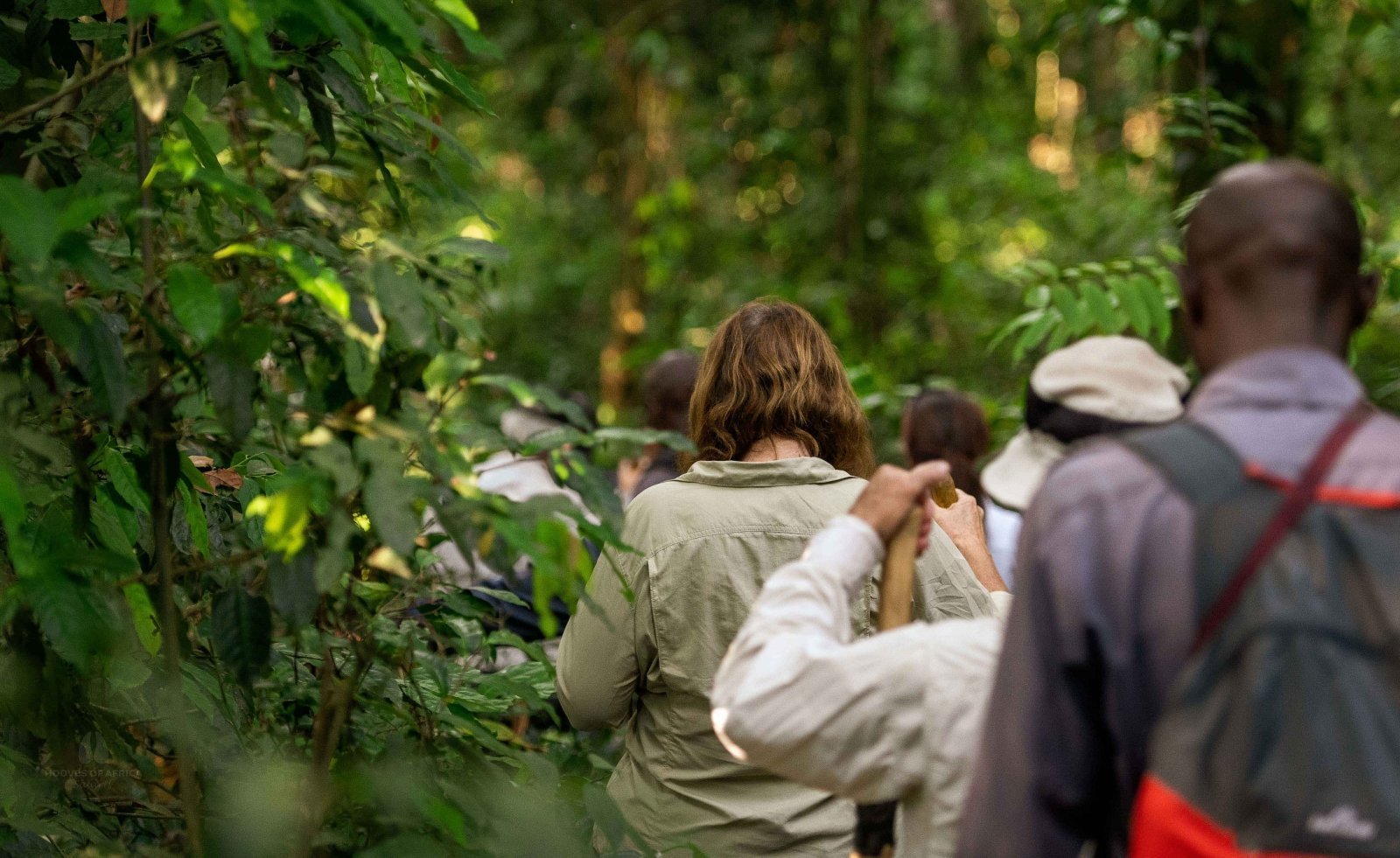
Uganda and Rwanda add a critical forest dimension to Africa safari destinations. Mountain gorilla habitats represent some of the most conservation-sensitive landscapes on the continent. The Bwindi Impenetrable National Park protects nearly half of the world’s remaining mountain gorillas within dense montane rainforest. This safari destination is globally significant, not only for gorillas but also for its botanical diversity and birdlife.
Rwanda’s Volcanoes National Park complements Bwindi by protecting gorillas in a volcanic landscape of bamboo forests and alpine zones. These destinations are models of high-value, low-impact tourism, where limited visitor numbers generate substantial conservation revenue while minimizing ecological disturbance.
Beyond gorillas, chimpanzee habitats in Uganda’s forest parks add depth to the region’s safari offerings, expanding the definition of safari destinations beyond savannah ecosystems.
Southern Africa: Innovation and Refinement in Safari Destinations
Southern Africa has emerged as a global leader in refined safari destination management. Countries in this region have pioneered low-density tourism models, advanced guiding standards, and strong conservation funding mechanisms.
Botswana and the Okavango Delta
Botswana is widely regarded as one of Africa’s most successful safari destination models. The Okavango Delta is a seasonal wetland formed when floodwaters spread across the Kalahari sands. This phenomenon creates a constantly changing mosaic of channels, islands, and floodplains that support elephants, antelope, predators, and prolific birdlife.
Botswana’s safari destinations operate under strict tourism controls that limit lodge numbers and visitor density. This approach preserves wilderness character and ensures wildlife behavior remains natural. The Okavango Delta exemplifies how ecological sensitivity and tourism exclusivity can coexist to produce world-class safari destinations.
South Africa and Accessible Safari Landscapes
South Africa offers some of the most accessible safari destinations on the continent, supported by strong infrastructure and conservation management. The Kruger National Park is one of Africa’s largest protected areas and supports a complete Big Five population. Its extensive road network and diverse habitats make it a reliable safari destination year-round.
Adjacent private reserves enhance South Africa’s safari appeal through expert guiding and flexible wildlife viewing practices. These destinations balance accessibility with quality, making South Africa an important entry point into African safari travel without compromising conservation outcomes.
Zambia and Zimbabwe and the Wilderness Ethos
Zambia and Zimbabwe preserve the original spirit of safari exploration. The South Luangwa National Park is internationally recognized as the birthplace of the walking safari. This destination emphasizes ecological literacy, animal behavior, and minimal impact, offering an intimate connection to the landscape.
Zimbabwe’s Hwange National Park supports one of Africa’s largest elephant populations and extensive predator systems. Safari destinations in Zimbabwe prioritize observation, patience, and interpretive guiding, attracting travelers seeking depth and authenticity.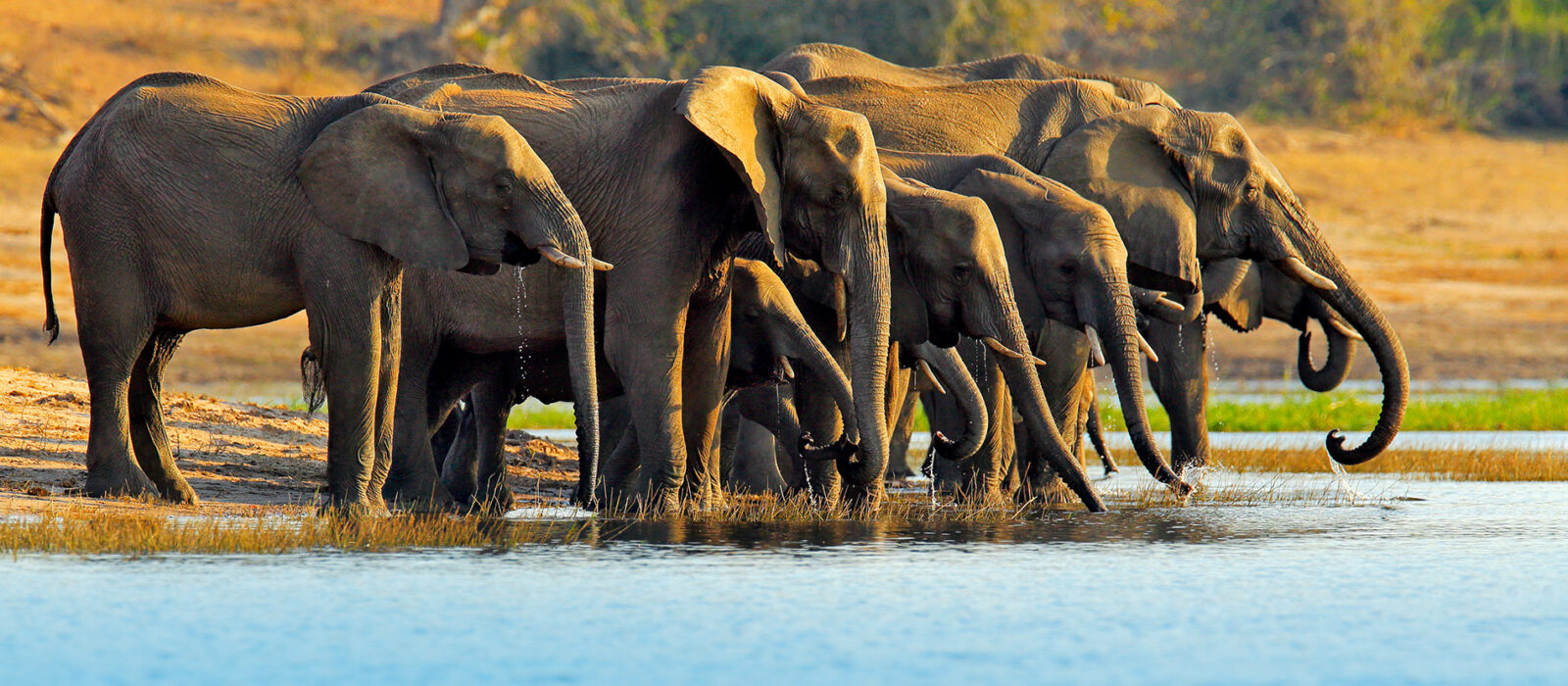
Central Africa: Frontier Safari Destinations
Central Africa represents the last frontier of safari destinations. Dense rainforests, limited infrastructure, and rare species define this region’s appeal. These destinations are not designed for mass tourism but for conservation-driven travel.
Congo Basin and Rainforest Safaris
The Virunga National Park stands as Africa’s oldest national park and one of its most important conservation landscapes. Home to mountain gorillas, active volcanoes, and unique biodiversity, Virunga is a safari destination where tourism directly supports ranger protection and community stability.
Other rainforest destinations within the Congo Basin protect lowland gorillas, forest elephants, and endemic species found nowhere else on Earth. These safari destinations highlight tourism’s role in safeguarding fragile ecosystems under significant pressure.
North and West Africa: Emerging Safari Destinations
While less known globally, parts of North and West Africa offer emerging safari destinations that protect unique species and landscapes. Desert-adapted wildlife, Sahelian ecosystems, and rare antelope species define these regions. Although wildlife densities are lower, these destinations contribute to continental biodiversity conservation and expand the geographic scope of African safaris.
Types of Safari Destinations in Africa
Africa safari destinations vary by habitat and wildlife specialization. Savannah destinations focus on large mammals and predator–prey interactions. Wetland destinations highlight aquatic species and birdlife. Forest destinations prioritize primates and biodiversity hotspots. Desert safari destinations showcase species adapted to extreme conditions.
Each destination type offers distinct ecological lessons and conservation challenges, reinforcing the diversity of Africa’s safari landscapes.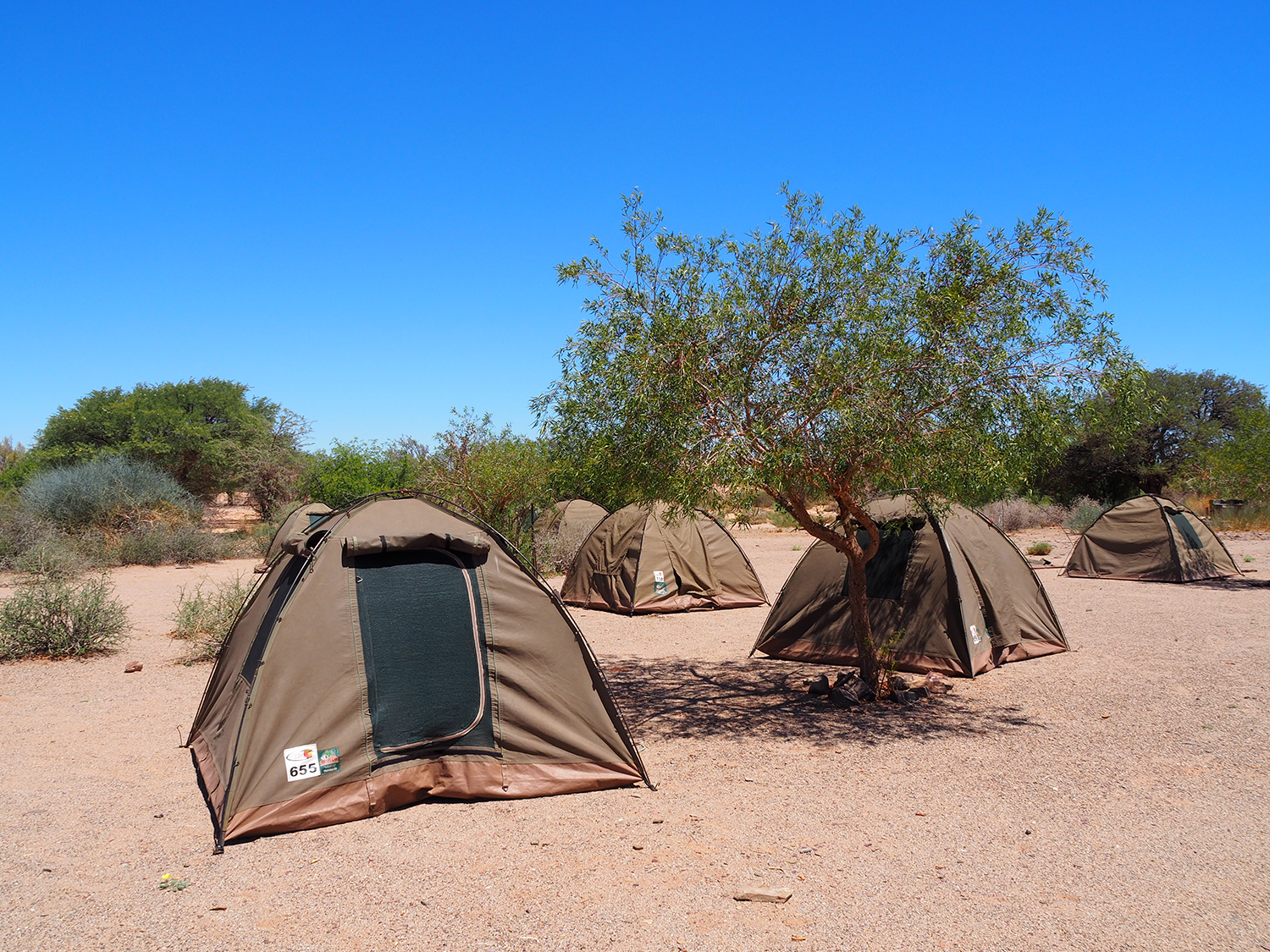
Conservation and Community in Safari Destinations
Successful safari destinations integrate conservation with community benefit. Tourism revenue funds anti-poaching operations, wildlife research, habitat restoration, and environmental education. Where communities benefit directly from wildlife protection, conservation outcomes improve significantly.
Modern safari destinations increasingly incorporate renewable energy, water conservation, and low-impact infrastructure. These measures ensure tourism enhances rather than degrades the ecosystems it depends on.
Seasonal Dynamics and Destination Planning
Seasonality shapes safari destinations across Africa. Rainfall patterns influence vegetation growth, wildlife movement, and breeding cycles. Dry seasons often concentrate wildlife around water sources, while wet seasons support migration, calving, and birdlife abundance.
Understanding seasonal dynamics allows safari destinations to manage visitor flow and protect ecosystems during sensitive periods.
Planning Travel to Africa Safari Destinations
Choosing the right safari destination requires aligning personal interests with ecological realities. Wildlife density, habitat type, accessibility, and conservation philosophy all influence the quality of the experience. Responsible travelers prioritize destinations with strong protection frameworks and ethical tourism practices.
Why Africa Safari Destinations Remain Unmatched
Africa safari destinations endure because they protect large, functioning ecosystems that still operate according to natural laws. These landscapes allow wildlife to migrate, hunt, and reproduce without confinement or artificial management.
In a world of shrinking wilderness, Africa’s safari destinations represent one of humanity’s greatest conservation achievements. They offer not only extraordinary travel experiences but also a blueprint for balancing nature protection with sustainable development.