
Top Recommendation: Family Safari Destinations
A Thoughtfully Designed Introduction to Family Safari Travel
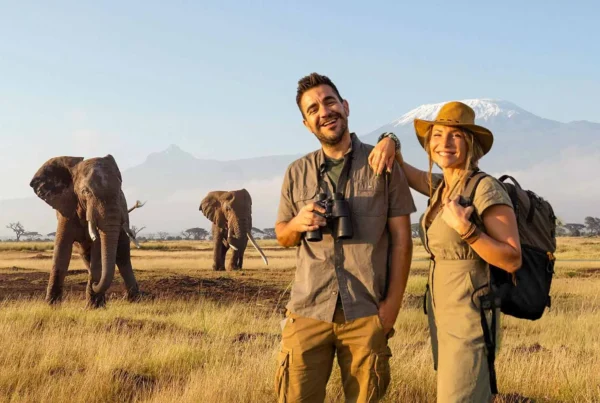
Top recommendation: family safari destinations reflects a growing global shift in how families choose to travel together. Safari holidays are no longer perceived as rugged, adults-only adventures reserved for seasoned explorers. Across Africa and beyond, safari destinations have evolved into safe, educational, and deeply enriching environments where families can reconnect with nature, culture, and one another. A well-planned family safari combines wildlife encounters with comfort, learning, and flexibility, making it one of the most meaningful forms of multigenerational travel available today.
Family safaris are uniquely powerful because they speak to curiosity at every age. Children are introduced to ecosystems they once only saw in books, while adults rediscover patience, perspective, and presence. The best family safari destinations are those that balance wildlife density with infrastructure, safety, medical access, and engaging experiences designed to inspire young minds without overwhelming them. When chosen carefully, a family safari becomes more than a holiday; it becomes a shared life chapter.
Understanding What Makes a Safari Destination Family-Friendly
Not all safari destinations are equally suited to families. The difference lies in thoughtful planning and destination-specific strengths rather than wildlife alone. A family-friendly safari destination is defined by accessibility, flexible activities, high safety standards, and accommodations that understand the needs of traveling families.
Destinations recommended for family safaris typically offer shorter driving distances, reliable domestic flights, malaria-managed or malaria-free zones, and lodges with family units or interconnecting rooms. These destinations also emphasize guided experiences that are educational rather than purely observational, allowing children to engage actively with their surroundings through storytelling, tracking lessons, and cultural interaction.
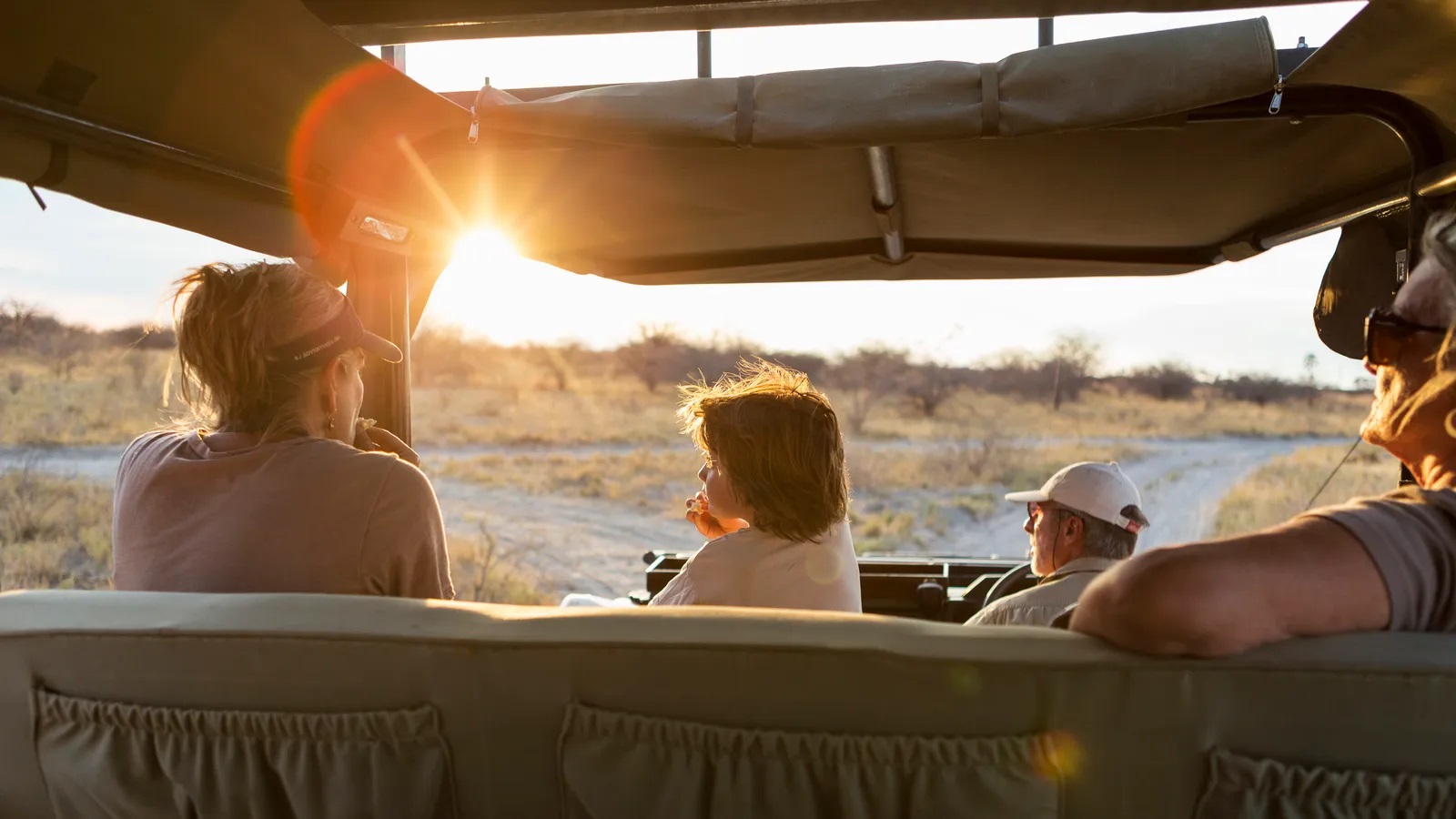
Equally important is the presence of experienced guides trained to work with younger travelers. Interpretation tailored to children transforms a game drive into a classroom without walls, ensuring that learning feels natural rather than instructional.
Why Safari Travel Is Exceptionally Valuable for Families
Family safaris stand apart from conventional holidays because they encourage shared discovery. Unlike theme parks or resort-based travel, safaris demand attentiveness and cooperation. Wildlife encounters unfold gradually, teaching children patience and respect for nature, while adults benefit from the slower pace and absence of constant digital distraction.
Safari travel also fosters environmental awareness at an early age. Seeing conservation in action helps children understand the real-world importance of protecting ecosystems. This educational value is one of the strongest reasons families increasingly choose safari destinations over more traditional vacation options.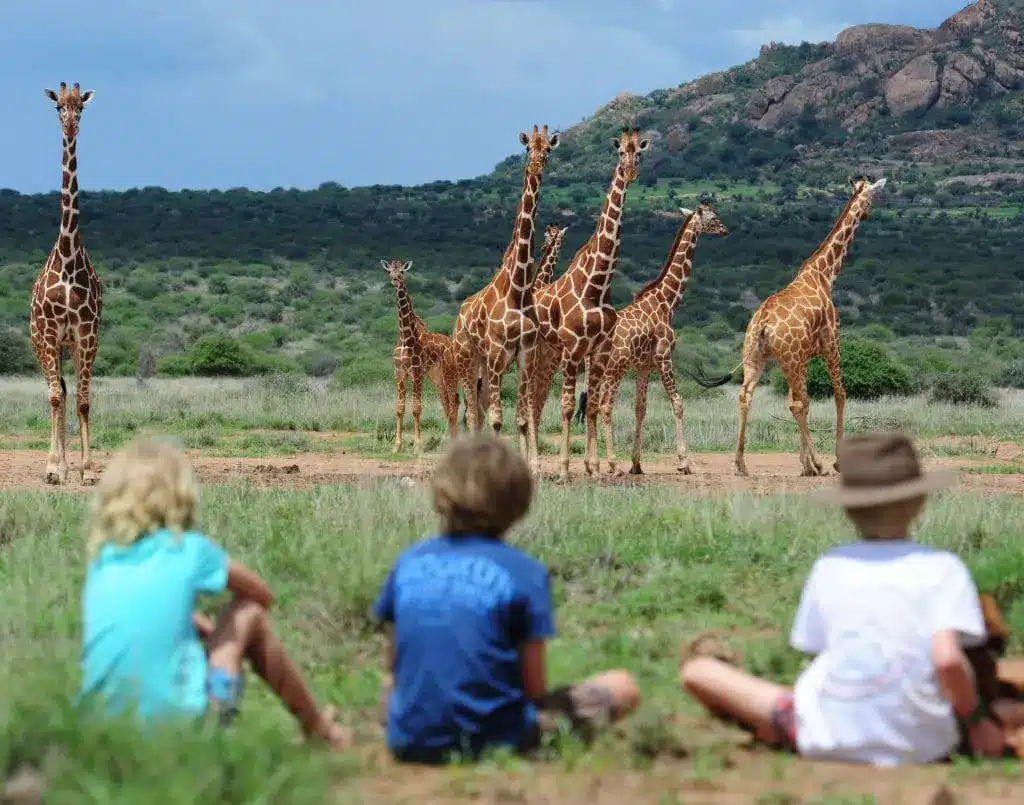
East Africa as a Leading Region for Family Safaris
East Africa remains one of the most recommended regions globally for family safari travel due to its combination of iconic wildlife, political stability, and well-developed tourism infrastructure. Several countries within this region have adapted their safari offerings specifically to accommodate families.
Kenya: The Benchmark for Family Safari Experiences
Kenya consistently ranks among the top recommendation: family safari destinations because of its accessibility and variety. The country offers well-established national parks, short transfer times, and a long history of family-oriented safari operations.
Maasai Mara and Child-Friendly Game Viewing
The Maasai Mara provides one of the most reliable wildlife viewing environments in Africa. Open grasslands allow clear visibility, making game drives engaging for children who may struggle with dense vegetation or long waits. The presence of large herbivore herds and visible predators creates immediate excitement while maintaining educational value.
Family-focused lodges in the Mara emphasize flexibility, offering shorter game drives, private vehicles, and activities such as junior ranger programs that introduce children to tracking, animal behavior, and conservation ethics.
Laikipia and Private Conservancies
Kenya’s private conservancies, particularly in Laikipia, enhance family safaris by offering exclusive activities unavailable in national parks. Walking safaris, horseback riding, and camel treks are carefully guided and adapted for younger participants. These experiences encourage curiosity and confidence while maintaining strict safety standards.
Tanzania: Educational Depth and Scenic Variety
Tanzania is often associated with grand, expansive safaris, yet it also holds significant appeal for families seeking depth and diversity. While some areas are better suited to older children, carefully designed itineraries make Tanzania a strong family safari destination.
Northern Tanzania’s Structured Safari Circuit
The northern safari circuit offers predictable wildlife viewing combined with well-maintained roads and medical facilities. This structure reduces travel fatigue, a critical consideration for families.
Parks such as Tarangire National Park and Ngorongoro Conservation Area provide varied landscapes and high wildlife density without excessive driving. The visual diversity keeps children engaged while offering adults exceptional photographic and interpretive opportunities.
Cultural Learning as Part of the Safari
Tanzania’s cultural heritage adds educational depth to family safaris. Exposure to pastoral communities, traditional farming practices, and archaeological narratives enriches the journey, transforming it into a multidisciplinary learning experience that extends beyond wildlife alone.
Uganda and Rwanda: Primate Safaris with Older Children
Uganda and Rwanda are increasingly recommended for families with teenagers due to their unique primate experiences. While gorilla trekking has age restrictions, these destinations excel in guided nature experiences that promote responsibility and awareness.
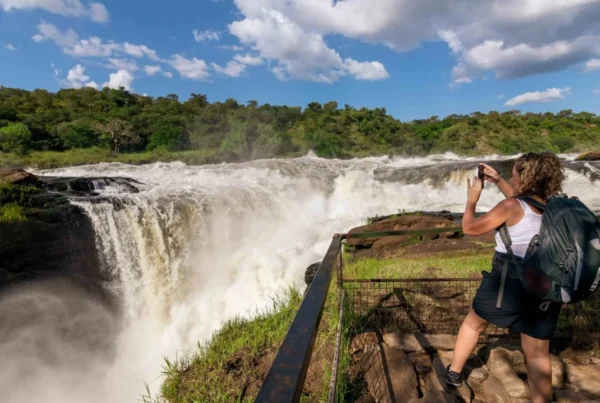
Forest-based safaris introduce children to biodiversity beyond large mammals, emphasizing primates, birds, and plant life. These experiences foster an appreciation for ecosystems that are often overlooked in classic savannah safaris.
Southern Africa and the Rise of Malaria-Free Family Safaris
Southern Africa offers some of the most compelling family safari destinations, particularly for travelers concerned about health considerations. Several reserves in this region are malaria-free, making them highly attractive to families with younger children.
South Africa: Accessibility and Infrastructure Excellence
South Africa remains a cornerstone in family safari planning due to its advanced infrastructure, excellent roads, and diverse accommodation options. The country’s private reserves and national parks offer controlled environments where wildlife viewing is reliable and safe.
Kruger Region and Private Reserves
The Kruger ecosystem provides year-round wildlife encounters supported by experienced guides and family-focused lodges. Private reserves adjacent to Kruger offer flexibility in game drive schedules, allowing families to tailor daily activities around children’s energy levels.
Educational programs designed specifically for young travelers are a hallmark of these reserves, reinforcing South Africa’s position as a leader in family safari tourism.
Eastern Cape and Madikwe Game Reserve
Malaria-free regions such as the Eastern Cape and Madikwe Game Reserve are particularly suitable for families with younger children. These areas offer Big Five wildlife viewing without the health concerns associated with tropical climates, making them a preferred choice for first-time family safaris.
Botswana: High-Quality, Low-Volume Experiences
Botswana is known for its exclusivity and pristine wilderness. While traditionally viewed as a luxury destination, Botswana offers exceptional value for families seeking privacy and personalized service.
Private concessions in the Okavango Delta emphasize guided exploration tailored to family interests. Mokoro excursions, guided walks, and water-based activities provide gentle yet engaging experiences suitable for children who enjoy learning through participation.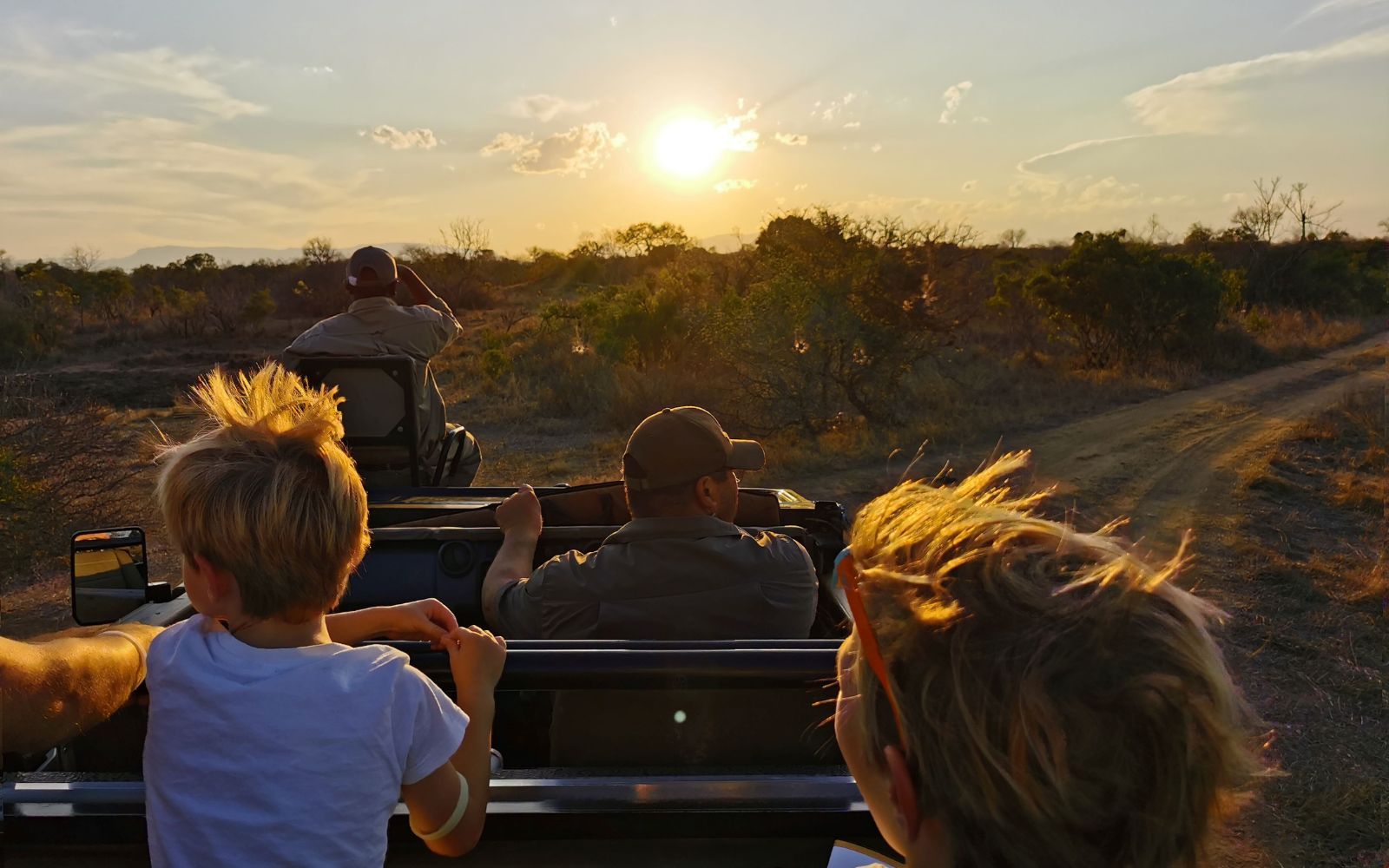
Namibia: Learning Through Landscape and Space
Namibia stands out as a family safari destination that emphasizes geology, adaptation, and resilience. The country’s wide-open landscapes and low visitor density create a calm, reflective environment ideal for educational travel.
Self-drive safaris are particularly popular among families, offering independence and flexibility while maintaining access to wildlife and cultural sites. Namibia’s emphasis on conservation education makes it a compelling destination for families interested in sustainability and environmental science.
What Families Gain from Safari Travel
The benefits of safari travel for families extend far beyond the holiday itself. Children develop observational skills, empathy for wildlife, and an understanding of global conservation challenges. Adults benefit from shared experiences that strengthen family bonds and create lasting memories grounded in meaning rather than consumption.
Safari travel also encourages cross-cultural awareness. Interactions with guides, lodge staff, and local communities provide real-world context for global citizenship, helping children appreciate diversity and interconnectedness.
Planning Considerations for Family Safari Destinations
Successful family safaris depend on careful planning. Itineraries should prioritize fewer locations with longer stays, allowing children to settle into routines and fully engage with each environment. Travel distances must be managed carefully, and accommodations should offer spaces where children can relax and play safely.
Seasonal timing is equally important. Traveling during shoulder seasons often provides excellent wildlife viewing with fewer crowds and more flexible pricing, making extended family safaris more accessible.
Health considerations, including vaccinations and travel insurance, must be addressed well in advance. Choosing destinations with reliable medical access and experienced safari operators significantly enhances peace of mind.
Choosing the Right Destination for Your Family
The top recommendation: family safari destinations ultimately depends on family dynamics, children’s ages, interests, and prior travel experience. Some families thrive in adventurous environments with walking safaris and cultural immersion, while others prefer structured game drives and resort-style comfort.
Matching destination characteristics to family expectations ensures that the safari experience is enjoyable rather than overwhelming. A well-matched safari destination transforms curiosity into understanding and excitement into lifelong appreciation.
The Enduring Impact of a Family Safari
A family safari is not defined by luxury alone, but by intention. When chosen thoughtfully, safari destinations offer rare opportunities for families to slow down, observe the natural world, and reconnect through shared discovery. These journeys leave lasting impressions, shaping how children view nature, responsibility, and the wider world.
In an age of increasingly digital experiences, safari travel restores balance by grounding families in real landscapes, real cultures, and real moments of wonder. For families seeking meaningful travel, safari destinations remain among the most rewarding choices available.