
An Exceptional 3 Day Gorilla Trek: Bwindi Forest National Park
There are wildlife journeys that impress, and there are those that change you. An exceptional 3 day gorilla trek: Bwindi Forest National Park belongs firmly in the latter category. This is not a hurried encounter squeezed into a busy itinerary, nor is it a superficial visit driven by convenience. It is a carefully paced immersion into one of Africa’s oldest rainforests, designed to allow time for anticipation, effort, understanding, and emotional connection. In just three days, Bwindi Impenetrable Forest delivers an experience so intense and intimate that it often becomes the defining memory of an entire African safari.
Bwindi does not reveal itself easily, and that is precisely what makes the experience exceptional. The forest is ancient, dense, steep, and alive with sound. Mountain gorillas here are not displayed; they are encountered on their own terms. A three-day structure offers the ideal balance, allowing travelers to arrive gradually, trek responsibly, and depart with a deeper appreciation of conservation, community, and coexistence. An exceptional 3 day gorilla trek: Bwindi Forest National Park is therefore not about how little time you spend, but about how meaningfully that time is used.
Understanding Bwindi Forest National Park as a Gorilla Sanctuary
Bwindi Impenetrable National Park is one of the most biologically rich and ecologically important forests in Africa. Located in southwestern Uganda along the Albertine Rift, Bwindi protects a rainforest that has survived for over 25,000 years, making it one of the continent’s oldest intact ecosystems. This ancient forest provides habitat for nearly half of the world’s remaining mountain gorillas, a critically endangered subspecies found nowhere else outside a handful of protected areas.
Bwindi’s designation as a UNESCO World Heritage Site reflects its global importance. Beyond gorillas, the park supports hundreds of bird species, numerous primates, and countless plant varieties, many of them endemic. An exceptional 3 day gorilla trek: Bwindi Forest National Park unfolds within this living archive of evolution, where every step through the forest reinforces the significance of preservation.
Why a 3 Day Gorilla Trek Is the Ideal Format
A three-day structure is widely regarded as the most balanced way to experience gorilla trekking in Bwindi. Shorter itineraries often feel rushed, limiting time for acclimatization and reflection. Longer stays, while rewarding, may not be practical for travelers combining gorilla trekking with broader safari circuits. Three days provide the essential elements without compromise.
An exceptional 3 day gorilla trek: Bwindi Forest National Park allows one full day dedicated to gorilla trekking, supported by arrival and departure days that enhance rather than dilute the experience. This format ensures that trekking day energy is maximized, while surrounding days allow for cultural context, forest immersion, and recovery.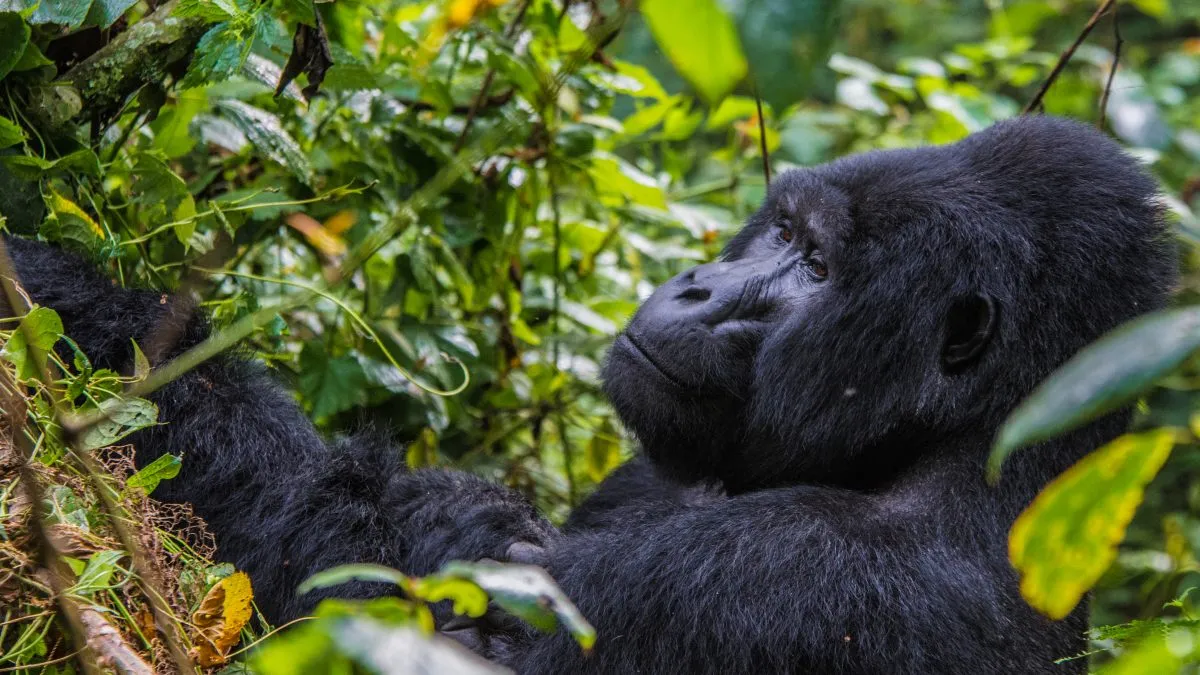
Day One: Arrival and Transition into the Bwindi Wilderness
The first day of an exceptional three-day gorilla trek is defined by transition. Whether arriving by road through Uganda’s rolling highlands or by domestic flight followed by a scenic transfer, the journey into Bwindi signals a departure from modern urgency. Landscapes gradually change from cultivated hills to dense forest walls, and the air cools as elevation increases.
Arrival on day one is not merely logistical. It is psychological. Travelers settle into the rhythm of the forest, absorbing its sounds, scents, and atmosphere. This gradual immersion is critical to the success of an exceptional 3 day gorilla trek: Bwindi Forest National Park, as it prepares both body and mind for the intensity of the encounter ahead.
Understanding the Sectors of Bwindi Forest
Bwindi is divided into several trekking sectors, each with access to habituated gorilla families. These sectors differ in terrain, altitude, and forest density, but all offer equally profound gorilla encounters. The allocation of trekking permits is managed carefully to distribute visitor impact and protect gorilla well-being.
This sector-based system enhances the experience by reducing crowding and ensuring that gorilla families are not overexposed to human presence. An exceptional 3 day gorilla trek: Bwindi Forest National Park benefits from this structure, as it maintains intimacy and ecological balance regardless of where the trek occurs.
Day Two: Gorilla Trekking Day – The Heart of the Experience
The second day is the emotional and experiential core of the journey. Early morning begins with a briefing at the park headquarters, where rangers explain trekking protocols, gorilla behavior, and conservation principles. This briefing is not procedural formality; it establishes the ethical framework that defines an exceptional gorilla trek.
Trekkers are assigned to small groups and matched to specific gorilla families based on fitness level and terrain conditions. From this point forward, the forest takes over. Trails may be narrow, steep, muddy, or densely vegetated. The physical challenge is real, but it is integral to the experience. Effort reinforces respect, and effort makes the encounter meaningful.
The Trek Through the Forest
As the trek progresses, trackers communicate with colleagues already monitoring gorilla movements. Progress is gradual, punctuated by pauses to assess direction and listen to forest sounds. Every snapped branch or distant call heightens anticipation.
This journey through the forest is not a means to an end. It is part of the encounter itself. An exceptional 3 day gorilla trek: Bwindi Forest National Park is shaped by the understanding that the forest is as important as the gorillas. The dense canopy, filtered light, and rich biodiversity create a setting that amplifies emotion and presence.
The Moment of Encounter with Mountain Gorillas
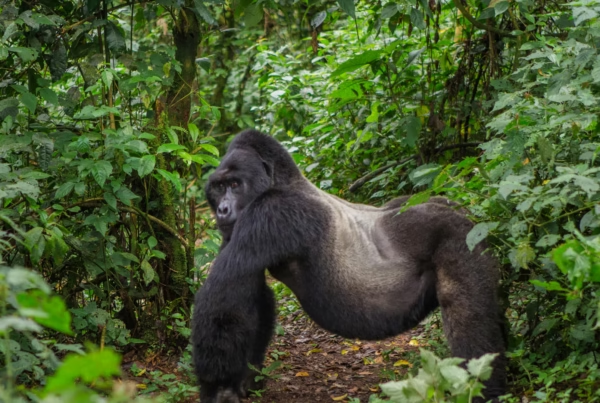
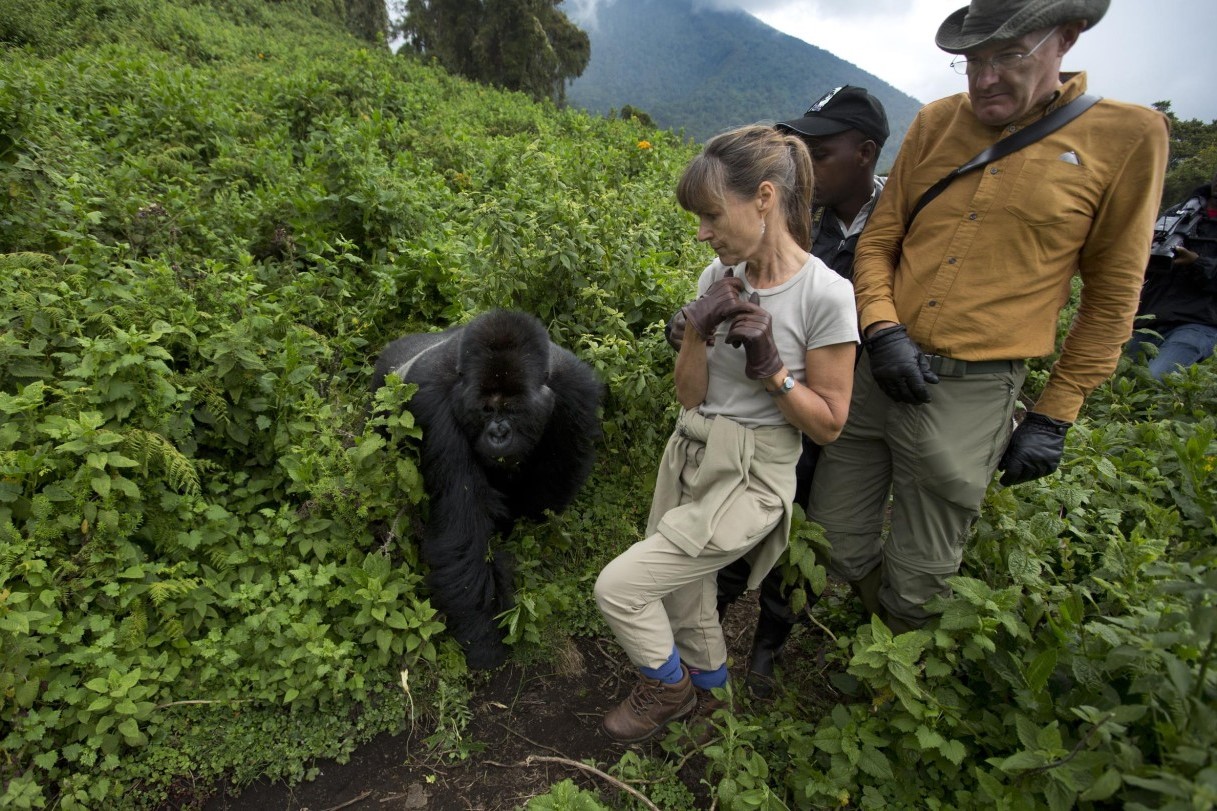
The first sight of a mountain gorilla is often quiet and understated. There is no dramatic reveal. Gorillas are suddenly there, close, calm, and engaged in their daily routines. This subtlety is what gives the encounter its power.
Standing just a few meters away, trekkers observe gorillas feeding, resting, grooming, and interacting. Infants play under watchful mothers, juveniles test social boundaries, and the silverback maintains silent authority. Eye contact is brief but profound. In these moments, an exceptional 3 day gorilla trek: Bwindi Forest National Park transcends wildlife tourism and becomes a shared space of awareness.
The One-Hour Encounter and Its Significance
Time with gorillas is strictly limited to one hour. While this may appear restrictive, it is foundational to conservation success. Limiting exposure reduces stress and minimizes the risk of disease transmission from humans to gorillas.
This time limit also sharpens experience. Awareness intensifies, and every minute feels significant. The hour passes quickly, yet its impact lingers indefinitely. An exceptional 3 day gorilla trek: Bwindi Forest National Park demonstrates that depth is not measured in duration, but in quality and presence.
Understanding Gorilla Social Behavior
An exceptional gorilla trek is enriched by understanding gorilla society. Mountain gorillas live in family groups led by a dominant silverback, supported by subordinate males, adult females, juveniles, and infants. These groups exhibit complex social dynamics based on protection, learning, and cooperation.
Observing these interactions reveals emotional intelligence that feels strikingly familiar. Grooming reinforces bonds, play develops skills, and leadership is expressed through calm authority rather than aggression. Recognizing these patterns transforms the encounter into an educational and emotional experience.
Silence and Respect as Core Principles
Silence is central to gorilla trekking. Visitors are encouraged to speak softly, avoid sudden movements, and maintain respectful distance. This restraint fosters trust and minimizes disruption.
In silence, details emerge. The sound of leaves being stripped, soft vocalizations between gorillas, and the forest’s ambient noise create an atmosphere of intimacy. An exceptional 3 day gorilla trek: Bwindi Forest National Park is remembered not for excitement, but for quiet moments of shared presence.
Day Three: Reflection, Community, and Departure
The third day completes the journey with reflection and contextual understanding. After the intensity of the trek, travelers often engage in gentle activities such as community visits, guided forest walks, or simply quiet observation of the surrounding landscape.
Local communities play a vital role in gorilla conservation. Revenue from trekking permits supports education, healthcare, and livelihood projects, creating tangible benefits for those living near the forest. Engaging with this human dimension reinforces the ethical foundation of an exceptional 3 day gorilla trek: Bwindi Forest National Park.
Departure on day three carries a sense of completion rather than haste. The experience feels whole, resolved, and deeply personal.
Conservation as the Backbone of the Experience
Gorilla trekking in Bwindi exists because of decades of conservation commitment. Anti-poaching patrols, veterinary interventions, and habitat protection are funded largely through tourism revenue. Mountain gorilla populations have stabilized and increased as a direct result of this model.
An exceptional 3 day gorilla trek: Bwindi Forest National Park is therefore a conservation success story. Visitors are not passive observers, but contributors to the long-term survival of one of the world’s rarest primates.
Physical Preparation and Accessibility
While gorilla trekking requires moderate fitness, it remains accessible to a wide range of travelers. Porters are available to assist with equipment or provide support on challenging terrain, enhancing safety and inclusivity.
Preparation involves proper footwear, hydration, and realistic expectations. Physical effort is part of the reward. An exceptional 3 day gorilla trek: Bwindi Forest National Park is not about comfort alone, but about engagement and respect.
Seasonal Considerations in Bwindi
Gorilla trekking is available year-round. Drier months offer easier hiking conditions, while wetter periods bring lush vegetation and fewer visitors. Gorilla sightings remain consistent due to habituation.
Seasonal variation adds character rather than risk. Each season shapes a unique forest atmosphere, ensuring that no two treks are identical. An exceptional 3 day gorilla trek: Bwindi Forest National Park is defined by mindset rather than calendar.
Ethical Responsibility of Visitors
Strict health and behavior protocols protect gorillas from human-borne diseases and stress. Visitors must be healthy, maintain distance, and follow ranger instructions at all times.
Adhering to these guidelines is integral to the experience. An exceptional 3 day gorilla trek: Bwindi Forest National Park is rooted in responsibility, ensuring sustainability for future generations.
Photography and Presence
Photography is permitted, but flash is prohibited. Many travelers discover that the most powerful moments are those experienced without a lens. Being fully present often outweighs the desire to document.
An exceptional gorilla trek leaves travelers with vivid memories rather than extensive photo collections. The experience is felt as much as it is seen.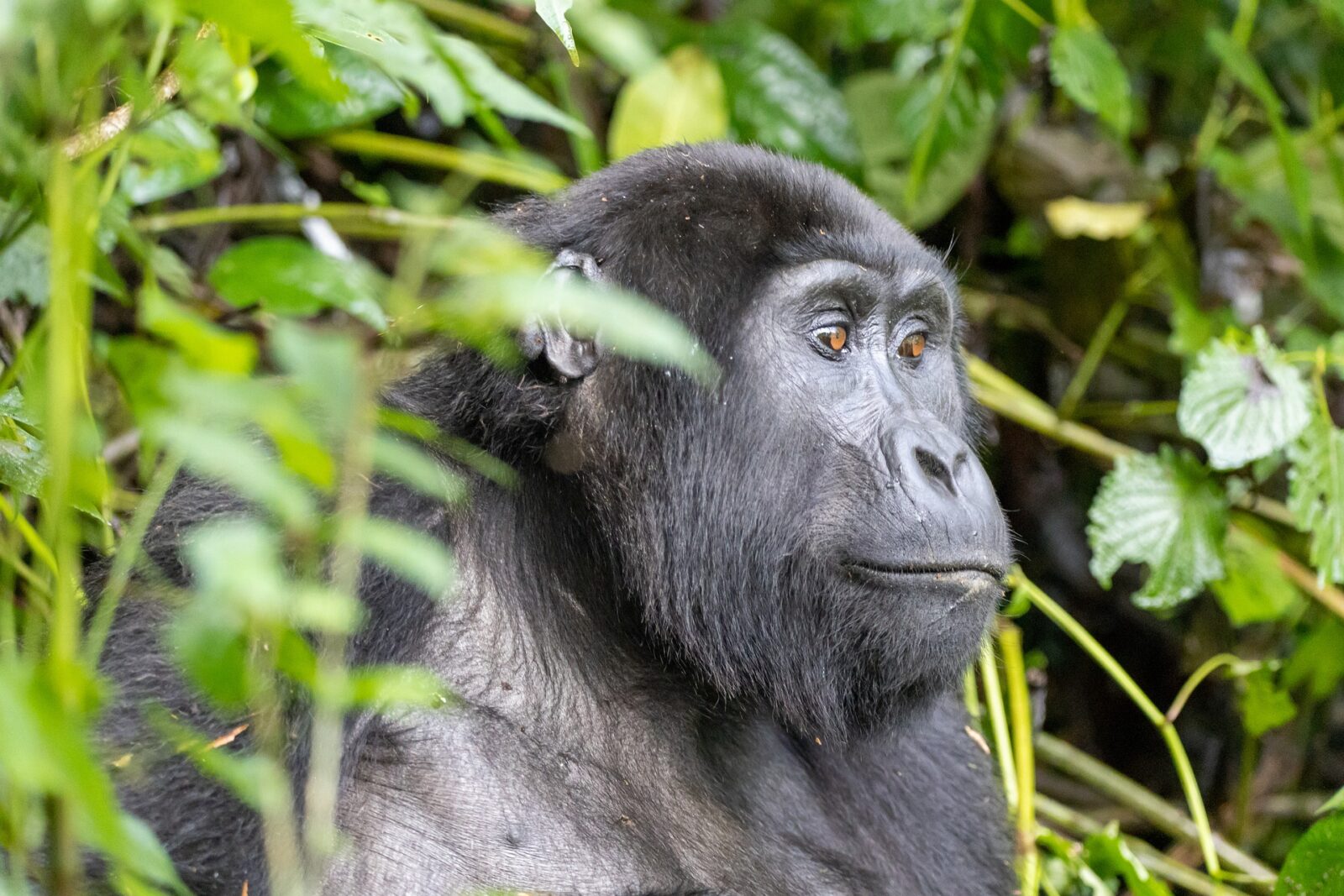
Emotional Impact and Lasting Memory
Few wildlife experiences leave as deep an emotional imprint as gorilla trekking in Bwindi. The recognition of shared traits, behaviors, and expressions fosters empathy and humility.
An exceptional 3 day gorilla trek: Bwindi Forest National Park often becomes a reference point for future travel and personal reflection. It reshapes perceptions of wildlife, conservation, and humanity’s role in nature.
Why This 3 Day Experience Is Truly Exceptional
What makes this journey exceptional is not exclusivity or spectacle, but integrity. The forest remains wild, the gorillas remain free, and humans remain guests. Every element of the experience reinforces respect and responsibility.
An exceptional 3 day gorilla trek: Bwindi Forest National Park delivers intensity without excess, intimacy without intrusion, and meaning without compromise.
The Enduring Legacy of the Journey
Long after leaving Bwindi, memories resurface unexpectedly. A sound, a gesture, or a moment of stillness recalls the presence of gorillas and the forest that shelters them.
This legacy extends beyond the traveler. It supports conservation, empowers communities, and protects one of Earth’s most extraordinary species. An exceptional 3 day gorilla trek: Bwindi Forest National Park is not just a journey completed, but a connection formed, lasting long after the forest disappears from view.