search
How do I prepare for high altitude or trekking in Uganda’s mountains?

How do I prepare for high altitude or trekking in Uganda’s mountains?

By Travel stories and blogs, Uganda travel guides

How do I prepare for high altitude or trekking in Uganda’s mountains? | How to Prepare for High Altitude Trekking in Uganda | Rwenzori & Elgon Trek Guide

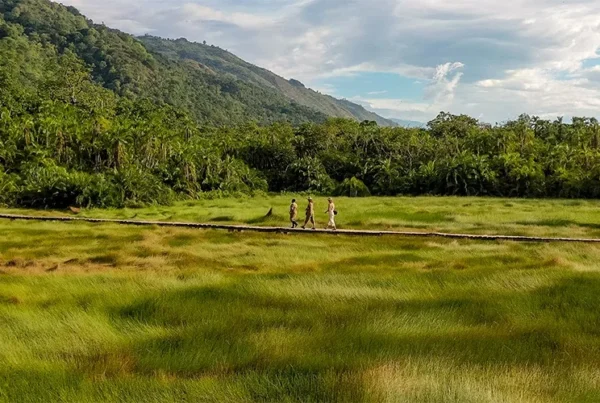
There are few places on earth where the spirit of adventure feels as ancient, raw, and rewarding as in Uganda’s mountains. Rising dramatically from the lush equatorial plains, the snowcapped Rwenzori Mountains, the rugged Mount Elgon, and the volcanic Virunga range offer some of the most awe-inspiring trekking routes in Africa. To walk here is to enter a world of mist, silence, and elemental beauty — a realm where cloud forests give way to alpine meadows, and every step tests both the body and the soul.

Yet, as breathtaking as Uganda’s highlands are, their beauty also demands respect and preparation. The climbs are steep, the weather unpredictable, and the altitude can challenge even seasoned hikers. Trekking in Uganda’s mountains is not a casual stroll; it is a journey into thin air, where altitude, endurance, and awareness intertwine.

To prepare for such an adventure requires more than packing gear — it demands understanding the terrain, acclimatizing to altitude, strengthening the body, and nurturing the mind. This detailed guide explores everything a traveler must know to prepare for high-altitude trekking in Uganda — from physiological adaptation and training to nutrition, mental readiness, and environmental respect. By the end, you will understand how to walk Uganda’s peaks not only safely but meaningfully.

Understanding Uganda’s Mountain Geography and Altitude

Uganda’s mountains are as diverse as they are dramatic. Each range presents its own geography, altitude, and climate — factors that directly influence how trekkers should prepare.

The most famous is the Rwenzori Mountains, also known as the Mountains of the Moon, straddling the border between Uganda and the Democratic Republic of Congo. The range’s highest peak, Margherita Peak, rises to 5,109 meters (16,762 feet), making it Africa’s third-highest mountain. The Rwenzori is not volcanic like Kilimanjaro or Mount Kenya; it is a block mountain formed by uplift along the Albertine Rift. Its terrain is characterized by deep valleys, glacier-fed streams, and surreal vegetation zones that shift dramatically with altitude — from tropical forest to afro-alpine moorland.

Further east, Mount Elgon, an extinct shield volcano on the border with Kenya, towers at 4,321 meters (14,177 feet). Its massive caldera — one of the largest in the world — creates a landscape of vast cliffs, waterfalls, and lush montane forest. Treks here tend to be more gradual and less crowded than in the Rwenzoris, though the altitude still poses a serious physical challenge.

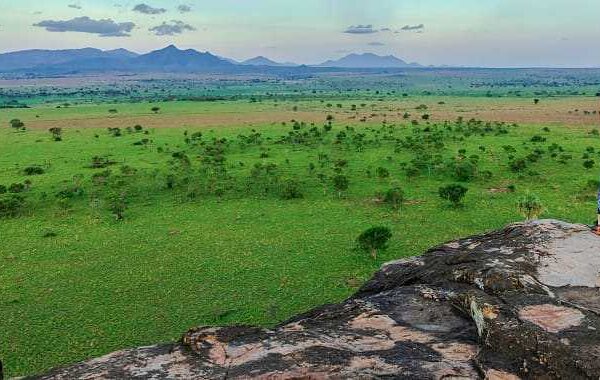
To the southwest, the Virunga Volcanoes — including Mount Gahinga, Mount Sabinyo, and Mount Muhavura — form part of the transboundary chain that connects Uganda, Rwanda, and the Congo. These conical peaks, rising between 3,400 and 4,127 meters, are famous for their scenic volcanic trails and as sanctuaries for the endangered mountain gorillas.

Each mountain demands stamina, flexibility, and preparation for altitude-related changes, particularly for those unaccustomed to trekking above 2,500 meters. Understanding the physiological impact of altitude is the first step in preparing effectively.

The Science of Altitude: How the Body Reacts

At high elevations, oxygen levels in the air decrease, meaning every breath delivers less oxygen to your bloodstream. This condition, known as hypoxia, triggers a cascade of physiological responses as the body tries to adapt. Heart rate and breathing increase, while physical performance and recovery slow down.

Above 2,400 meters, trekkers may begin to feel symptoms of Acute Mountain Sickness (AMS), including headaches, dizziness, nausea, and fatigue. These effects are not signs of weakness but of biology — a reminder that even the fittest climbers must adjust carefully.

Uganda’s mountains rise steeply from low-altitude regions, meaning hikers often ascend from around 1,000 meters to over 4,000 meters within a few days. This rapid elevation gain requires deliberate acclimatization — a gradual process that allows the body to adapt by producing more red blood cells and improving oxygen efficiency.

The golden rule is simple: climb slowly and rest purposefully. In Uganda, trekking itineraries are designed with acclimatization in mind. For instance, Rwenzori expeditions typically span 6 to 9 days, giving climbers time to adjust. Understanding and respecting these pacing strategies is essential for safety and enjoyment.

Physical Conditioning: Building Endurance and Strength

High-altitude trekking is not a test of athletic superiority but of endurance and mental steadiness. To prepare physically, one must focus on cardiovascular fitness, leg strength, and core stability.

Training should ideally begin 8 to 12 weeks before the trek. Aerobic exercises like running, swimming, or cycling build lung capacity, while hiking on varied terrain improves balance and endurance. Simulating conditions similar to Uganda’s mountains — with steep inclines and extended durations — helps prepare the body for long ascents and uneven trails.

Leg strength is particularly vital, as most treks involve continuous climbs and descents. Exercises like squats, lunges, and step-ups build the muscle endurance required to handle multiple hours of uphill walking with a loaded backpack. Core exercises, such as planks and bridges, stabilize posture and reduce fatigue.

Equally important is flexibility and recovery. Stretching and yoga improve mobility and prevent muscle strain, especially after consecutive trekking days. The goal is not just to reach the summit but to maintain comfort, rhythm, and energy throughout the journey.

Remember that Uganda’s treks are as much about stamina as spirit — the slow, rhythmic perseverance that defines successful climbers.

Mental Preparation: Building Resilience and Focus

Mental readiness often determines success in the mountains more than physical strength. The isolation, unpredictable weather, and prolonged exertion can test patience and morale.

Trekkers should cultivate a resilient mindset before arrival — one that embraces discomfort as part of the adventure rather than as a hindrance. Training hikes in challenging conditions, such as rain or wind, help develop adaptability. Visualizing the journey, researching the terrain, and understanding potential obstacles prepare the mind for uncertainty.

It is also vital to learn to pace oneself mentally. Many first-time trekkers expend too much energy early in the hike, driven by excitement or adrenaline. Experienced climbers know the wisdom of slowness — conserving effort, breathing steadily, and synchronizing movement with focus.

Mental calm also aids acclimatization. Stress and anxiety elevate heart rate and breathing, which can worsen the symptoms of altitude sickness. Remaining grounded, hydrated, and positive enhances not just safety but enjoyment.

In Uganda, trekking is more than physical movement — it is a spiritual exercise in patience, a dialogue between human endurance and nature’s vastness.

Packing and Equipment for Mountain Safety

Preparation extends to gear selection. The unpredictability of Uganda’s highland climate — where tropical sun can give way to freezing mist within an hour — makes appropriate equipment crucial.

Layered clothing is the foundation of mountain trekking. Moisture-wicking base layers keep sweat away from the skin, insulating mid-layers retain warmth, and waterproof outer shells protect against rain and wind. In the Rwenzori, where temperatures can drop below freezing above 4,000 meters, down jackets, thermal gloves, and insulated boots are indispensable.

Good trekking boots, broken in before the expedition, provide stability and prevent blisters. Waterproof gaiters help in muddy zones, particularly during wet seasons. A high-quality backpack with rain cover ensures comfort during long ascents, while a lightweight daypack is useful for summit days.

Accessories such as trekking poles reduce knee strain on steep descents, while headlamps, reusable water bottles, and compact first aid kits enhance self-sufficiency.

Sustainability must guide every packing choice. Single-use plastics should be avoided, and all waste must be packed out. Uganda’s mountain ecosystems — fragile and irreplaceable — demand travelers who tread lightly and respectfully.

How do I prepare for high altitude or trekking in Uganda’s mountains?Nutrition and Hydration: Fueling the Climb

Altitude and exertion increase the body’s need for both calories and hydration. Trekkers should aim for steady, balanced nutrition rich in carbohydrates, proteins, and electrolytes.

High-altitude environments suppress appetite, but eating regularly is essential to maintain energy. Complex carbohydrates such as rice, pasta, or plantains sustain stamina, while protein sources like beans, eggs, or dried meats aid muscle recovery. Uganda’s trekking routes are well-served by local guides and porters who prepare nutritious meals using regional ingredients — often a comforting mix of matoke (steamed bananas), rice, vegetables, and fresh fruits.

Hydration is equally vital. The cold mountain air often masks thirst, leading to dehydration that can worsen altitude symptoms. Drinking small amounts consistently — at least 3 to 4 liters per day — helps maintain oxygen transport and cognitive clarity.

Electrolyte supplements or natural alternatives like coconut water replace salts lost through sweat. Caffeine and alcohol, which can exacerbate dehydration, should be limited during ascents.

In Uganda’s mountains, food and water become more than sustenance — they become the rhythm of resilience, a steady pulse that fuels both body and spirit.

Acclimatization Strategies and Safety Protocols

Adapting to altitude is a gradual and deliberate process. Climbers must allow their bodies time to adjust to lower oxygen levels through controlled ascent and rest.

Uganda’s trekking itineraries typically follow the “climb high, sleep low” principle — ascending during the day and descending slightly to sleep at a lower altitude. This method reduces the risk of Acute Mountain Sickness (AMS) by allowing the body to recover overnight.

Rest days are built strategically into longer expeditions, especially in the Rwenzoris, where altitude changes are steep. During these pauses, trekkers can explore nearby valleys or acclimatization points while maintaining moderate activity to stimulate oxygen adaptation.

Monitoring for AMS symptoms — headache, nausea, shortness of breath, or insomnia — is essential. Guides are trained to recognize and manage these signs, ensuring timely descent if necessary.

Medications like acetazolamide (Diamox) can be used preventively under medical advice, though natural acclimatization remains the safest method. Most importantly, trekkers must communicate openly with guides about how they feel; silence can turn mild discomfort into danger.

Altitude is not an enemy but a teacher — it rewards patience, awareness, and respect.

Weather, Terrain, and Seasonal Preparation

Uganda’s mountains experience unpredictable microclimates. A day may begin with clear sunshine, shift to rain by afternoon, and end in freezing mist by nightfall. Trekkers must prepare for variability rather than constancy.

The best trekking conditions occur during the dry seasons — from December to February and June to August — when trails are more stable and visibility clearer. However, even in these months, high-altitude areas like the Rwenzori are prone to afternoon rain or snowfall.

Terrain challenges vary by region. The Rwenzori trails feature boggy moorlands, glacial crossings, and steep ridges, demanding waterproof boots and endurance. Mount Elgon’s volcanic slopes are less technical but require long, gradual climbs through forest and grassland. The Virunga volcanoes are shorter yet steeper, often covered in dense bamboo and moss.

Preparing for such diversity involves both physical conditioning and mental flexibility. Being ready for mud, altitude, and cold ensures confidence in every environment.

Health and Medical Considerations

Before traveling to Uganda for high-altitude trekking, it is important to complete a thorough medical checkup, particularly for cardiovascular and respiratory fitness. Conditions such as asthma, hypertension, or anemia can complicate altitude adaptation.

Vaccinations against yellow fever (mandatory for entry), hepatitis, and typhoid are advisable. Trekkers should also consult physicians regarding malaria prophylaxis, though high-altitude areas carry minimal malaria risk due to cooler temperatures.

Carrying a personalized medical kit with pain relievers, rehydration salts, blister treatment, and altitude medication ensures readiness for minor health issues.

Insurance that covers emergency evacuation is essential, particularly for remote expeditions in the Rwenzoris, where access may require helicopter assistance.

Health in the mountains is holistic — combining preparation, nutrition, rest, and communication. Those who respect their limits often find that endurance grows naturally with awareness.

Environmental Responsibility and Cultural Respect

Uganda’s highlands are ecological treasures, home to endemic plants, rare birds, and mountain communities that have coexisted with nature for generations. Sustainable trekking means preserving this balance through conscious travel choices.

Waste must never be left behind. Using refillable water bottles, biodegradable soap, and reusable containers minimizes environmental impact. Staying on established trails prevents erosion and protects fragile alpine vegetation.

Cultural respect is equally important. Many mountain regions are sacred to local tribes such as the Bakonzo of the Rwenzoris or the Bagisu near Mount Elgon. Their myths and rituals tie deeply to the mountains’ identity. Trekkers should engage with humility, greeting locals respectfully and observing customs such as asking permission before entering certain areas or photographing people.

Sustainability is not only about conservation but connection — traveling as a guest, not a conqueror.

Mental Rewards and the Meaning of the Climb

Beyond altitude and effort, Uganda’s mountain treks offer profound emotional rewards. Standing amidst the clouds, watching glaciers shimmer under the equatorial sun, one feels both infinitesimal and infinite. The journey becomes less about reaching a summit and more about rediscovering balance — between exertion and surrender, solitude and shared humanity.

The Rwenzoris, with their otherworldly vegetation and haunting silence, evoke reflection and humility. Mount Elgon’s vast caldera invites a sense of openness and perspective. The Virungas, overlooking mist-shrouded forests and distant volcanoes, embody the primal connection between earth and fire.

Trekking in Uganda’s mountains transforms travelers not only physically but spiritually. It teaches patience, gratitude, and respect for nature’s raw truth.

Conclusion: Step by Step into the Sky

Preparing for high-altitude trekking in Uganda is both science and soul — a balance of training, awareness, and reverence. The climbs demand endurance, but they reward courage with unmatched beauty. Each breath above the clouds, each stride through mist and moss, becomes a meditation on the power of persistence.

To ensure safety, comfort, and authentic experience, it is recommended to book your Africa tours and mountain treks with WildHorn Africa. Their expertise in guided expeditions, local knowledge, and ethical travel practices guarantees that every journey — whether to the Rwenzori glaciers or Mount Elgon’s summit — is conducted responsibly and memorably.

Because the mountains of Uganda do not simply ask to be climbed — they ask to be understood. And in understanding them, you find not just altitude, but transcendence.

What mobile phone / SIM card options exist for travellers in Uganda?

What mobile phone / SIM card options exist for travellers in Uganda?

By Travel stories and blogs, Uganda travel guides

What mobile phone / SIM card options exist for travellers in Uganda? | Mobile Phone and SIM Card Options for Travellers in Uganda | Stay Connected on Safari

In the heart of East Africa, where the morning sun rises over Lake Victoria and the rolling savannahs stretch toward the horizon, lies a country both wild and welcoming — Uganda, the Pearl of Africa. Whether one comes to trek the mist-covered slopes of Bwindi in search of mountain gorillas, sail along the Nile at Murchison Falls, or wander through Kampala’s vibrant markets, one thing remains constant: the modern traveler’s desire to stay connected. In today’s digital age, where sharing moments, navigating routes, or simply checking in with family has become second nature, understanding mobile phone and SIM card options in Uganda is an essential part of travel preparation.

Uganda’s telecommunications landscape has evolved remarkably over the past two decades. The once-limited network coverage confined to major towns has expanded into rural districts, national parks, and even remote border regions. Mobile connectivity is no longer a privilege of the cities — it’s a gateway to communication, convenience, and safety across the country. Yet, for first-time visitors, navigating Uganda’s mobile ecosystem can be slightly complex without guidance. From choosing the right provider and understanding SIM card registration procedures to managing mobile data and network coverage, this comprehensive guide explores every aspect of mobile connectivity in Uganda — with clarity, depth, and practicality.

The Landscape of Mobile Communication in Uganda

Uganda’s mobile communication sector stands among the most developed in East Africa, with mobile penetration exceeding 70%. This growth has been driven by competition among major telecom operators, government support for digital inclusion, and widespread use of mobile money services that have become integral to everyday life.

Unlike in many Western countries where postpaid plans dominate, Uganda’s mobile services operate primarily on a prepaid system. This means travelers can easily purchase a local SIM card, load credit, and manage calls, texts, and data without contracts or long-term commitments. This flexibility makes Uganda one of the most traveler-friendly countries in Africa when it comes to mobile access.

The primary mobile service providers are MTN Uganda, Airtel Uganda, Uganda Telecom (UTL), and a few smaller players like Lycamobile and Smile Communications. MTN and Airtel hold the majority market share, offering the most reliable coverage, high-speed 4G networks, and comprehensive customer support. Their services extend beyond telecommunication, encompassing mobile banking, data bundles, and roaming options for both local and international users.

The government, through the Uganda Communications Commission (UCC), regulates the industry, ensuring fair competition, affordable rates, and compliance with identity verification procedures. For travelers, this means an organized, secure system where purchasing and using SIM cards is straightforward yet properly monitored.

Why a Local SIM Card Is Essential for Travellers

While international roaming remains an option for global travelers, it is often costly and unreliable in rural Africa. Uganda’s terrain — characterized by mountains, lakes, forests, and savannah — makes network consistency more dependent on local infrastructure than on foreign partnerships. A local SIM card ensures direct access to Uganda’s domestic networks, offering affordability, convenience, and flexibility.

Having a Ugandan SIM card also enhances safety and accessibility. Tour guides, lodges, and transport operators often communicate via local numbers. By using a local line, travelers can receive timely updates, make reservations, and contact guides in case of schedule changes or emergencies.

Moreover, internet connectivity via a local SIM provides essential digital functions — navigation on Google Maps, translation assistance, currency conversions, and instant access to travel platforms like TripAdvisor or SafariBookings. For those documenting their journeys, uploading photos or staying in touch through WhatsApp, Instagram, or email becomes seamless and affordable.

Uganda’s SIM cards also integrate mobile money systems — an innovation that allows cashless payments across the country. Travelers can use mobile money to pay for services, buy airtime, or even tip guides, reducing the need to carry large amounts of cash.

In essence, a local SIM card in Uganda transforms a safari from a logistical challenge into a smooth, connected experience.

Major Telecom Providers and Their Coverage

Among Uganda’s telecom providers, MTN Uganda and Airtel Uganda stand as the dominant forces, both offering nationwide coverage and competitive rates.

MTN Uganda, part of the multinational MTN Group, is widely regarded for its stability and reach. Its 4G network spans all major cities and towns, while 3G extends deep into rural areas. It provides excellent service in safari regions such as Queen Elizabeth National Park, Kibale, Murchison Falls, and Bwindi, though signal strength can fluctuate in remote valleys or forested terrain. MTN also boasts strong customer service support, with English-speaking representatives and user-friendly digital platforms for managing accounts and data bundles.

Airtel Uganda, equally popular, offers slightly faster data speeds in urban centers and along major highways. Its coverage mirrors MTN’s but sometimes outperforms in specific western and northern zones. Airtel’s pricing for data bundles tends to be marginally lower, making it a preferred choice for travelers relying heavily on mobile internet.

Uganda Telecom (UTL), though smaller, serves government institutions and certain regions effectively but lacks the extensive 4G infrastructure of its competitors. Meanwhile, Lycamobile focuses on international calling and is suitable for travelers wanting cheaper rates to Europe, Asia, or North America. Smile Communications specializes in fixed wireless and data services, primarily catering to business users in Kampala.

Across Uganda, both MTN and Airtel maintain robust signals near highways, towns, and lodges. However, deep inside mountainous areas like Mgahinga, Rwenzori, or Kidepo, connections may weaken — not due to poor service but to the natural isolation of these regions.

SIM Card Registration and Purchase Procedures

Uganda maintains strict SIM registration laws to safeguard national security and prevent misuse. The process, however, is simple and efficient for travelers.

Upon arrival at Entebbe International Airport, visitors can easily purchase a SIM card at official telecom kiosks located in the arrivals area. These outlets offer starter packs for both MTN and Airtel, often at minimal cost. To register, travelers must present a valid passport — photocopies are typically made on-site — and complete a short form that records basic identification details.

For convenience, the SIM is usually activated immediately, and assistance is provided to install it in your phone, test the network, and purchase your first airtime or data bundle. Alternatively, SIM cards can be obtained at telecom service centers in Kampala, Jinja, or other major towns, where more bundle options may be available.

It is worth noting that Uganda enforces a one-SIM-per-network rule tied to your passport. This ensures transparency and accountability in the telecommunications system. For most travelers, this policy poses no restriction, as owning one SIM per provider offers ample flexibility.

Once activated, the SIM functions instantly for calls, texts, and data. Activation messages, bundle offers, and settings are sent automatically by SMS, making configuration effortless even for first-time users.

Understanding Data and Airtime Bundles

Ugandan mobile systems operate on prepaid credit known as airtime, which can be used for voice calls, SMS, or data bundles. Airtime can be purchased almost anywhere — from supermarkets and petrol stations to small kiosks along village roads. Vendors sell printed cards or offer direct electronic top-ups.

Data bundles vary in size and duration, ranging from daily 100MB packages to monthly unlimited plans. For travelers on short trips, weekly or monthly bundles are the most practical. They provide sufficient data for navigation, communication, and social media without frequent recharging.

MTN and Airtel allow bundle activation through simple USSD codes or mobile apps, both of which work offline. Data balances and usage alerts are sent automatically via SMS, preventing accidental overspending.

Pricing is highly affordable by international standards. For example, several gigabytes of data may cost less than the equivalent of $10 USD, depending on the plan.

Travelers should also note that mobile money platforms can purchase bundles directly, eliminating the need for physical cards. These systems, accessed via dial codes, are reliable even in low-signal zones.

What mobile phone / SIM card options exist for travellers in Uganda?Mobile Money and Digital Transactions

One of the most remarkable innovations in Uganda’s mobile ecosystem is mobile money — a system that turns every phone into a digital wallet. Introduced in the early 2010s, it revolutionized commerce and accessibility across both rural and urban areas.

For travelers, mobile money offers security and convenience. Instead of carrying large sums of cash, users can deposit money into their mobile accounts and make payments directly from their phones. Services include bill payments, airtime purchases, and money transfers.

To activate mobile money, travelers must register their SIM for financial use at an authorized outlet. This process takes only a few minutes and requires a passport for verification. Once enabled, funds can be loaded through any agent (readily available in every town and village), and withdrawals can be made at corresponding points.

This system proves invaluable during safaris in regions where card payments are unreliable. Lodges, craft markets, and even tour drivers accept mobile money transfers for convenience. Both MTN and Airtel support international remittance partnerships, allowing money to be received or sent abroad.

Mobile money embodies Uganda’s ingenuity — bridging modern financial access with everyday life in even the most remote landscapes.

Network Coverage in Safari Destinations

For travelers embarking on safaris, network availability determines both convenience and security. Uganda’s telecom infrastructure ensures that most major safari parks have at least intermittent coverage, though intensity varies by region.

In Queen Elizabeth National Park, signal strength is strong along the Mweya Peninsula, Ishasha, and Kasese areas. Travelers can make calls, send messages, or access internet from many lodges. However, deep within the game drive zones, reception occasionally weakens due to topography.

In Murchison Falls, service remains fairly stable on the southern side of the Nile, especially near Paraa and Pakuba. North of the river, signals fluctuate but remain sufficient for basic communication.

In Bwindi Impenetrable National Park, connectivity is limited but present around the park’s main sectors — Buhoma, Rushaga, and Nkuringo. The dense forest canopy often obstructs signals, but most lodges offer boosted Wi-Fi powered by mobile routers.

In Kidepo Valley National Park, Uganda’s remotest wilderness, only select lodges provide partial coverage via satellite-based systems. Still, emergency communication lines are always maintained for safety purposes.

Thus, while Uganda’s wild landscapes remain largely untouched, they are never entirely beyond reach. For travelers who balance adventure with practicality, this hybrid connectivity brings reassurance without compromising authenticity.

Phone Compatibility and Network Standards

Before purchasing a SIM card, travelers should ensure that their mobile phones are unlocked and compatible with Uganda’s GSM network frequencies. Most modern smartphones, including iPhones and Androids, operate seamlessly on Uganda’s 900 MHz and 1800 MHz bands for 2G and 3G, and LTE bands for 4G.

Devices from Europe, Asia, and North America typically function without adjustment, though dual-SIM phones offer added flexibility for travelers retaining their home SIM for verification codes or roaming messages.

Uganda uses the international dialing code +256, and local numbers contain nine digits. Prepaid SIM cards include regional prefixes (e.g., 077 for MTN, 075 for Airtel), making it easy to identify providers.

For travelers relying on eSIM technology, availability remains limited but growing. Some high-end service providers in Kampala offer eSIM activation for specific phone models, a trend expected to expand as Uganda’s telecom landscape modernizes further.

Managing Roaming and International Connectivity

While most travelers prefer local SIM cards for affordability, Uganda’s telecom operators also provide roaming packages for those needing to stay reachable on foreign numbers. Both MTN and Airtel support international roaming agreements across Africa, Europe, and Asia.

However, roaming charges are significantly higher than local rates, making them suitable only for short-term or business travelers. Local SIM usage remains the most cost-effective and reliable method of staying connected.

International calls from Uganda are straightforward and inexpensive when made through prepaid airtime or mobile apps like WhatsApp, which use data instead of voice credit. Many lodges also provide VoIP access for guest communication.

In emergency situations, the universal number 112 connects to national response centers, functioning across all networks.

Internet Speeds and Reliability

Uganda’s internet speeds have improved dramatically over the past decade. In urban areas, average mobile download speeds exceed 15 Mbps, with 4G widely available and 5G trials underway. Rural areas experience slower connections, averaging between 3–8 Mbps, sufficient for messaging, browsing, and social media.

Telecom providers continue expanding fiber-optic links to major districts, complementing mobile connectivity. This ensures smoother data flow even in remote safari destinations.

However, travelers should remain realistic — during heavy rain, hilly terrain, or dense forests, network fluctuations are natural. Planning for intermittent coverage enhances both expectation and appreciation of the journey’s digital rhythm.

Responsible Usage and Digital Etiquette

While Uganda’s mobile ecosystem empowers travelers with connection, responsible usage preserves the sanctity of the safari experience. Loud calls during wildlife sightings or constant online engagement detract from the wilderness serenity.

Travelers are encouraged to use mobile connectivity mindfully — sharing moments after the experience rather than during it, and respecting lodge guidelines regarding Wi-Fi use in communal areas. Moreover, supporting local SIM providers contributes directly to Uganda’s economy and helps sustain rural connectivity initiatives.

Responsible travel extends to respecting privacy and culture. Before photographing locals or sharing images publicly, seeking consent reflects both courtesy and ethical engagement.

Conclusion: Staying Connected in the Heart of the Wild

Uganda’s mobile and SIM card options reflect the nation’s remarkable balance between modern progress and natural preservation. From the vibrant networks of Kampala to the misty valleys of Bwindi, connectivity follows you like an invisible companion — not intrusive, but reassuringly present. Travelers can communicate, navigate, and share their adventures with ease while remaining immersed in the country’s wild beauty.

Choosing between MTN and Airtel, activating a SIM at the airport, or recharging data bundles from a roadside kiosk are simple steps that open the door to convenience and security. Yet, as every traveler soon realizes, the most valuable connection in Uganda is not digital — it is the human warmth, the laughter shared with a guide, or the stillness of a sunset over the savannah.

For those planning to explore Uganda’s landscapes with seamless coordination and expert support, it is recommended to book your Africa tours and safaris with WildHorn Africa. Their deep local expertise, sustainable practices, and personalized service ensure that every journey remains both connected and authentic.

Because in Uganda, the network that truly matters extends beyond towers and SIM cards — it lives in the bond between people, place, and purpose.

What are the wildlife viewing rules and ethical guidelines in Uganda parks?

What are the wildlife viewing rules and ethical guidelines in Uganda parks?

By Travel stories and blogs, Uganda travel guides

Wildlife Viewing Rules and Ethical Guidelines in Uganda’s National Parks | Responsible Safari Conduct | What are the wildlife viewing rules and ethical guidelines in Uganda parks?

The heart of Uganda’s wilderness beats with a rhythm both ancient and untamed. Here, where mountain gorillas tread silently through the misty forests of Bwindi, where elephants roam across golden plains, and where lions perch majestically on fig trees in Ishasha, the thrill of wildlife viewing becomes an almost spiritual experience. Yet behind every magical sighting lies a responsibility — to protect, to respect, and to preserve.

Uganda’s national parks and wildlife reserves are sanctuaries, not showgrounds. The animals within them are not actors performing for human applause, but wild beings living according to their own natural laws. To witness them is a privilege, one that carries ethical weight and moral depth. That is why wildlife viewing rules and ethical guidelines exist: to ensure that human presence enhances conservation rather than endangering it, and that every encounter nurtures understanding instead of intrusion.

For travelers embarking on safaris across Uganda, knowing and following these guidelines is not only about compliance — it is an act of respect. It transforms tourism into stewardship and ensures that the stories told by Uganda’s landscapes remain as wild and beautiful for generations to come.

The Foundation of Wildlife Ethics in Uganda

Uganda’s wildlife conservation framework is built on decades of protection and education. The Uganda Wildlife Authority (UWA), which manages the country’s parks and reserves, enforces a detailed code of conduct for both visitors and tour operators. These principles reflect a philosophy where tourism and conservation coexist in balance.

At its heart lies the recognition that Uganda’s animals are free. They are not pets, nor props, nor possessions — and human behavior must adapt to their natural rhythm, not the other way around. The rules of wildlife viewing are therefore designed not to restrict enjoyment but to sustain it. They maintain safety, minimize stress for animals, prevent habitat disturbance, and ensure that tourism revenue directly contributes to conservation.

Wildlife ethics in Uganda go beyond legal regulation; they express cultural respect. Many local communities living near the parks view wildlife as part of their heritage, woven into ancestral stories and traditional values. To act responsibly as a visitor is to honor this heritage.

The Principle of Minimal Disturbance

One of the fundamental tenets of ethical wildlife viewing in Uganda is non-disturbance. Every visitor must remember that they are entering the animals’ home — a realm governed by instinct and survival. Disturbing this balance, even unintentionally, can have profound consequences.

For example, approaching animals too closely can cause stress, disrupt feeding or breeding behavior, and even provoke defensive aggression. The Uganda Wildlife Authority enforces specific viewing distances depending on the species — such as maintaining at least seven meters from gorillas or chimpanzees — but the principle extends to all wildlife. Observing quietly from a respectful distance allows animals to remain relaxed and behave naturally.

Noise is another form of disturbance. Loud conversations, engine revving, or camera shutters can startle wildlife and scatter them into hiding. Silence, on the other hand, becomes a form of respect. The true magic of a Ugandan safari unfolds when one listens: the low rumble of elephants communicating across the plains, the chirping of tree frogs after dusk, the rustle of a leopard slipping through tall grass. Ethical travelers learn that the quieter they are, the more nature reveals.

Vehicle Etiquette During Game Drives

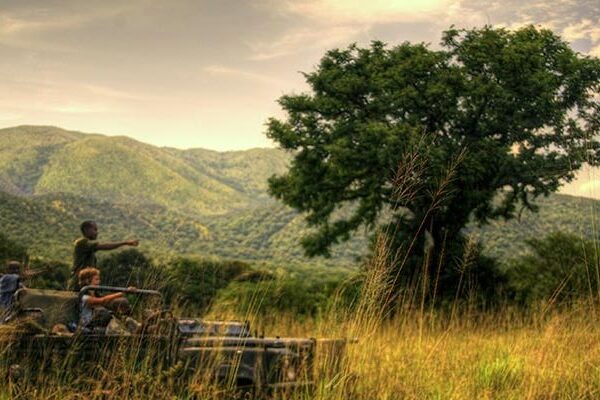
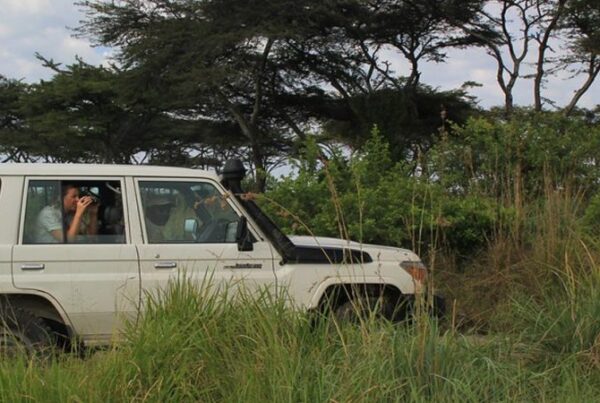
In Uganda’s savannah parks such as Queen Elizabeth, Murchison Falls, and Kidepo Valley, wildlife viewing often takes place from safari vehicles. The way these vehicles move and behave plays a crucial role in protecting both animals and the environment.

Drivers are required to stay on designated tracks, a rule that safeguards fragile vegetation and prevents soil erosion. Off-road driving may seem harmless, but it damages grasslands, compacts soil, and destroys nesting sites of ground birds like lapwings or courser species. Over time, these impacts alter entire ecosystems.

The speed limit within parks, generally around 40 km/h, is designed not just for safety but for harmony. Driving too fast raises dust, disrupts animal movements, and risks collisions with crossing wildlife. Patience is not merely a virtue on safari — it is a necessity. The slower the pace, the richer the experience, for true sightings often come to those who wait.

Vehicles should also limit engine idling near animal groups. The fumes, noise, and vibrations may cause discomfort, especially to sensitive species like elephants or antelope. Ethical guides turn off engines at sightings, allowing travelers to absorb the moment in serenity.

The Silent Language of Respect: Behavior Around Wildlife

In Uganda’s wild places, body language matters as much as words. Animals interpret human gestures instinctively, and even small movements can change an encounter’s outcome. For example, standing abruptly, waving hands, or pointing can alarm animals and cause them to flee. The correct approach is stillness — a composed posture that communicates peace rather than threat.

Feeding animals is strictly prohibited. What may seem like an act of kindness can lead to dependency, disease transmission, and aggression. When animals associate humans with food, they lose their natural fear and may become dangerous or vulnerable to poaching. Feeding bans apply everywhere — from monkeys in Kibale to birds around lodges — preserving the integrity of wildlife behavior.

Eye contact can also carry meaning. In primates, especially gorillas and chimpanzees, prolonged staring may be interpreted as dominance or challenge. Guides instruct trekkers to keep their gaze gentle and avoid direct eye contact during close encounters. This subtle awareness maintains calm interactions and mutual respect.

In every park, guides remind travelers of a simple truth: observation without interference is the essence of ethical safari. The goal is not to capture dominance over nature but to witness its freedom.

Photography with Purpose and Care

Uganda’s wildlife photography opportunities are extraordinary. From the golden savannah light of Murchison to the mist-shrouded forests of Bwindi, every moment begs to be captured. Yet photography must be guided by ethics just as much as admiration.

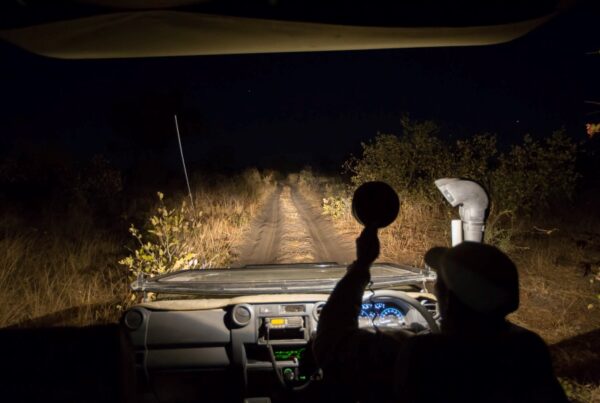
Flash photography is strictly banned during gorilla and chimpanzee trekking. Bright flashes disorient primates, disturb their vision, and may cause anxiety. Even outside forests, the use of flash or bright lights at night can interfere with nocturnal species’ behavior. Responsible photographers rely on natural light or appropriate low-impact equipment to preserve the authenticity of the moment.

Patience replaces pursuit. Chasing animals for better angles or blocking their path for a photograph is both unethical and dangerous. The best wildlife photographs in Uganda emerge from quiet observation, where timing, respect, and understanding replace intrusion.

Furthermore, sharing wildlife photographs carries its own responsibility. Geotagging rare animal locations can unintentionally aid poachers or disrupt sensitive species. Ethical photographers choose to celebrate wildlife without endangering it — ensuring that admiration never leads to exploitation.

Gorilla and Chimpanzee Trekking Rules – Guardians of the Great Apes

Few experiences compare to standing a few meters from a mountain gorilla in the misty forest of Bwindi or watching a chimpanzee in Kibale crack nuts with astonishing intelligence. These encounters are life-changing, but they demand the highest ethical standards.

Great apes share over 95% of their DNA with humans, making them susceptible to many of our diseases. To protect them, strict health and safety regulations govern trekking. Visitors with colds, flu, or any communicable illness are not permitted to participate, and a minimum distance of seven meters must be maintained at all times. This rule is not symbolic — it prevents potential transmission of pathogens that could devastate ape populations.

Group sizes are limited, typically to eight people per gorilla family visit, and interaction time is restricted to one hour. These controls ensure that the apes’ natural routines are not disrupted. The use of masks, introduced during and after the COVID-19 pandemic, further enhances protection and has become a best practice across Uganda’s primate parks.

Physical contact is strictly forbidden. While young gorillas may occasionally approach out of curiosity, visitors must remain still and avoid touching them. Guides act as mediators, ensuring every encounter unfolds safely for both species.

This discipline transforms gorilla trekking from mere adventure into a model of ethical wildlife interaction — one where empathy replaces curiosity and conservation replaces consumption.

What are the wildlife viewing rules and ethical guidelines in Uganda parks?Waste Management and Environmental Integrity

Respecting wildlife also means respecting their environment. Every bottle, wrapper, or discarded item left behind in a park becomes a silent threat. Uganda’s national parks enforce a strict “leave no trace” policy, where visitors are expected to carry all waste back out.

Plastic pollution poses a growing challenge across Africa, and Uganda has taken proactive measures by banning single-use plastic bags. Travelers are encouraged to pack reusable water bottles, biodegradable toiletries, and eco-friendly packaging to minimize their footprint.

Littering is not only unethical but illegal, punishable by fines and possible removal from the park. Even biodegradable waste like fruit peels can disrupt local ecosystems or attract animals to human areas. Ethical travel demands mindfulness in every action — from packing light to disposing responsibly.

In the quiet wilderness, sustainability becomes a daily practice, not a slogan.

The Role of Guides and Rangers

In every Ugandan park, guides and rangers are the custodians of both safety and ethics. Their knowledge extends beyond wildlife behavior to ecological balance, cultural respect, and visitor education. Following their instructions is not optional; it is the foundation of responsible safari conduct.

Guides ensure that viewing distances are respected, routes are followed, and interactions remain controlled. They interpret the land — reading subtle signs like animal tracks or alarm calls — that reveal the deeper narrative of the ecosystem.

Engaging with rangers respectfully honors the human dimension of conservation. Many come from nearby communities and view their work as both livelihood and legacy. By listening to their stories, travelers contribute to a cycle of empowerment that strengthens the connection between tourism and local stewardship.

In Uganda, ethical wildlife viewing is not an individual pursuit but a collective partnership between visitors, guides, and the environment itself.

Cultural Sensitivity and Community Involvement

Wildlife ethics extend beyond animals to include people. Many of Uganda’s parks border communities whose livelihoods intertwine with conservation. Understanding and respecting their traditions is essential to ethical travel.

Supporting community-based tourism — such as visiting craft markets, cultural villages, or local guides — helps channel tourism revenue back into conservation efforts. It discourages poaching by offering alternative incomes and fosters a sense of shared responsibility for wildlife protection.

Visitors should seek permission before photographing locals, particularly in rural or traditional areas. Respectful curiosity fosters mutual appreciation, while intrusion breeds misunderstanding.

In Uganda, wildlife thrives not in isolation but in coexistence — a balance nurtured by both nature and humanity.

Safety and Conservation Laws

Beyond ethics, Uganda enforces clear legal frameworks to protect wildlife. Activities such as poaching, feeding animals, littering, or damaging vegetation are punishable under the Uganda Wildlife Act. Rangers patrol the parks continuously, ensuring compliance and responding to emergencies.

For visitors, these regulations are not obstacles but assurances — they guarantee that the landscapes they traverse remain wild, secure, and thriving. Observing them transforms tourists into guardians, each one contributing to the broader mission of preservation.

Ethical behavior becomes contagious. When travelers model respect, they inspire others — including local youths, guides, and fellow adventurers — to value conservation not as duty, but as identity.

The Spirit of Responsible Tourism

Ultimately, ethical wildlife viewing in Uganda transcends rules; it becomes a mindset. It is about seeing beyond the lens of possession and into the heart of coexistence. Each footprint on a trail, each photograph taken, each moment shared carries consequences. When approached with humility and awareness, tourism becomes a force for good — a bridge between wonder and responsibility.

Uganda’s wildlife is not an exhibition to consume but a symphony to experience. The gorilla’s gaze, the elephant’s rumble, the bird’s song — all are voices in a timeless conversation. Listening with respect ensures that the story continues, not just for us but for the generations that follow.

For those ready to explore Uganda’s national parks with integrity, expertise, and guided care, it is recommended to book your Africa tours and safaris with WildHorn Africa. Their deep commitment to sustainable tourism, experienced guides, and community-driven approach guarantee that every encounter honors both nature and culture.

Because in Uganda, the truest adventure lies not in what you see — but in how gently you walk upon the land that allows you to see it.

How to deal with tipping, bargaining and local markets in Uganda?

How to deal with tipping, bargaining and local markets in Uganda?

By Travel stories and blogs, Uganda travel guides

Tipping, Bargaining and Local Market Etiquette in Uganda | Cultural Guide by WildHorn Africa | How to deal with tipping, bargaining and local markets in Uganda?

There is a rhythm to life in Uganda that is both gentle and vibrant — a rhythm that blends hospitality with commerce, generosity with modesty, and tradition with the evolving pulse of modern tourism. For travelers venturing into this welcoming nation, understanding the nuances of tipping, bargaining, and local markets is not merely about transactions — it’s about engaging with culture. It is a form of connection, a quiet conversation between visitor and host, rooted in respect and mutual appreciation.

Every traveler entering Uganda’s markets, lodges, and safari circuits encounters a society that values humility and interpersonal warmth. Here, tipping is not demanded but appreciated. Bargaining is not confrontation but conversation. Local markets are not simply places to shop but living theaters of color, sound, and human expression.

To navigate these spaces with confidence and grace is to experience Uganda not as an outsider but as a participant in its social dance. The following comprehensive guide dives deeply into how one can approach tipping etiquette, bargaining customs, and market culture in Uganda — with understanding, respect, and a sense of purpose that aligns with the country’s traditions and values.

The Cultural Context of Money and Gratitude in Uganda

Uganda’s culture is built upon respect, community, and reciprocity. Generosity holds a special place in social interactions — not as an obligation, but as a reflection of appreciation. When travelers tip a guide, a porter, or a lodge attendant, the act carries meaning beyond monetary value. It is perceived as a gesture of gratitude that acknowledges service, effort, and human connection.

Historically, Ugandan hospitality predates the modern concept of tipping. In rural traditions, guests were given the best portions of a meal or a comfortable place to sit — not because they were expected to pay, but because hosting was a moral and communal duty. Over time, tourism introduced the practice of tipping as part of international service norms, but its spirit remains embedded in local culture: kindness reciprocated through generosity.

Similarly, bargaining in markets reflects centuries of communal trade. Negotiation is not a contest of willpower but a social interaction guided by respect and humor. Sellers expect dialogue, not haggling born of greed, and when approached with friendliness, they respond with equal warmth.

Understanding these deeper layers transforms transactions into exchanges of mutual joy. To engage with Ugandans on these terms is to align with the cultural fabric of the country — one that treasures dignity as much as livelihood.

Understanding Tipping in Uganda

Tipping in Uganda is neither mandatory nor fixed, but it has become an integral part of the tourism experience. In the hospitality and safari sectors, tips serve as recognition for hard work, especially for those who often operate behind the scenes. Lodge staff, porters, and drivers frequently rely on gratuities to supplement modest wages, and tips often contribute significantly to their livelihoods.

The philosophy behind tipping in Uganda is anchored in appreciation rather than obligation. A tip, no matter how modest, carries symbolic value — it expresses gratitude for effort, patience, and excellence in service. Whether it is a guide who interprets wildlife behavior in Murchison Falls, a ranger who leads you safely through Bwindi’s dense forests, or a housekeeper who leaves your room immaculate after a long trek, each plays a vital role in shaping your travel experience.

Although specific amounts vary by service type and travel style, tipping should always be discreet, personal, and sincere. It is often best done through a brief word of thanks or a handshake, accompanied by a smile — gestures that hold as much meaning as the money itself.

Ugandans place great value on humility and mutual respect. Offering tips respectfully — without extravagance or condescension — upholds the dignity of both giver and receiver.

The Spirit of Fairness in Tipping

Uganda’s tourism professionals are among the most dedicated in Africa. Guides endure long days navigating rough terrain, chefs prepare meals in remote lodges, and porters carry heavy gear through rain and forest. These efforts are often unseen but never insignificant. Tipping, therefore, is more than an act of generosity; it is ethical participation in the tourism economy.

That said, tipping is not meant to replace fair pay. Ethical tour operators ensure their staff receive a living wage, so tips should be seen as a “thank you,” not as compensation. When travelers book safaris through reputable companies — such as WildHorn Africa, which follows fair labor practices — they support systems that value equity and professionalism.

Moreover, tips are often pooled in lodges where service is communal, ensuring that even gardeners, kitchen assistants, or cleaners share in the gratitude. Travelers can ask management how tipping is handled to ensure their contribution reaches everyone who contributed to their comfort.

Tipping thus becomes part of Uganda’s broader story of fairness, solidarity, and sustainability — a small act that reinforces an ethical tourism model grounded in humanity.

Bargaining as a Cultural Exchange

While tipping reflects gratitude, bargaining in Uganda represents engagement. In local markets, especially in towns like Kampala, Jinja, Fort Portal, and Entebbe, negotiation is a natural and expected part of commerce. Sellers and buyers enter into dialogue not as adversaries but as partners in an exchange that values human connection as much as price.

For travelers unfamiliar with this dynamic, the key lies in tone and approach. Bargaining should always be friendly, lighthearted, and respectful. A smile, a laugh, and a few words of greeting in Luganda — such as “Oli otya?” (How are you?) — immediately establish rapport. Sellers appreciate interest in their craft or produce before the discussion turns to price.

Prices in open-air markets are rarely fixed. Vendors often set an initial figure slightly above what they expect, anticipating negotiation. Yet, while bargaining is normal, pushing prices unrealistically low can be perceived as disrespectful. Every handmade basket, carved mask, or woven mat represents hours of labor and cultural artistry. Offering a fair price honors the skill behind the creation.

Uganda’s markets thrive on this dance of exchange — an art that rewards patience, humor, and empathy. Those who approach it as conversation rather than contest leave not only with beautiful souvenirs but also with stories and friendships.

The Social Language of Markets

To stroll through a Ugandan market is to experience the country’s beating heart. The air is rich with the scent of roasted maize, fresh pineapples, and ground coffee. Voices rise and blend in rhythmic negotiation. Women in colorful gomesis and men in light cotton shirts move gracefully among stalls of bananas, fabric, spices, and crafts.

Markets such as Nakasero in Kampala or Jinja Central Market are living cultural tapestries. Each item tells a story — not just of trade but of identity. A woven basket from Ankole reflects pastoral traditions; a bark-cloth wallet from Buganda recalls ancient heritage; a handmade drum echoes the rhythm of village ceremonies.

In these spaces, the goal of the traveler should not be to find the “cheapest” deal, but to engage with authenticity. Asking about an item’s origin or meaning often opens rich conversations. Sellers, proud of their craftsmanship, gladly share the stories behind their goods.

Photography should always be approached with sensitivity. Many vendors are comfortable being photographed, especially when asked politely and thanked afterward. Offering a small token of appreciation or purchasing from them is considered good manners if photos are taken.

Markets are not only commercial spaces but cultural classrooms — places where the traveler learns more about Uganda’s warmth and creativity than any museum could offer.

How to deal with tipping, bargaining and local markets in Uganda?Understanding Market Pricing and Value

In Uganda, pricing is both practical and relational. Factors such as location, tourist presence, and material availability influence cost. Urban markets frequented by tourists may carry higher prices than smaller rural ones, but the difference often reflects access, logistics, and economic need.

For example, crafts purchased near Bwindi Impenetrable Forest or Queen Elizabeth National Park might cost slightly more than those in city centers, yet the proceeds directly benefit communities living adjacent to protected areas. Supporting these local artisans through fair purchases contributes to conservation livelihoods, reducing dependence on forest resources and promoting sustainable coexistence.

Understanding value goes beyond numbers. A carved gorilla figurine or a handwoven mat carries within it the artisan’s skill, heritage, and often the dreams of a family. To pay fairly is to honor that chain of meaning. Bargaining remains appropriate, but it should end in a mutual smile, not resentment. The best deal in Uganda is not the lowest price, but the fairest one.

Etiquette in Restaurants, Hotels, and Safaris

Tipping customs extend beyond markets and into hospitality. In restaurants and cafes, a gratuity of around 5–10% is common when service is attentive. In higher-end establishments, the bill may include a service charge, but even then, leaving a small additional tip directly for the waiter is appreciated.

In lodges and safari camps, tipping envelopes are often provided at reception, allowing guests to leave contributions for staff collectively or individually. For drivers and guides — whose expertise often defines the safari experience — tipping at the end of the journey is customary and highly valued.

Cash tips are preferred, usually in Ugandan shillings (UGX), though U.S. dollars are accepted in some upscale lodges if they are clean, new notes. As with all exchanges in Uganda, discretion is vital. Handing a tip quietly with genuine thanks reflects cultural humility far more than overt gestures.

Ultimately, the etiquette of tipping in Uganda aligns with the spirit of the country itself: thoughtful, warm, and grounded in respect.

Supporting Ethical Trade and Local Artisans

Travelers increasingly seek authentic experiences that contribute positively to the communities they visit. Uganda offers numerous opportunities to support ethical and sustainable trade, especially through its artisan cooperatives and community markets.

Organizations across the country, such as those near Lake Bunyonyi, Rwenzori Mountains, and Kisoro, promote fair-trade principles, ensuring that artisans — often women — receive fair compensation for their work. By purchasing from these cooperatives, visitors empower local families, preserve traditional skills, and help sustain small economies built around art rather than exploitation.

Uganda’s crafts reflect not just beauty but resilience. Many items are made from recycled materials — banana fiber, bark cloth, and cow horn — embodying eco-friendly creativity. Choosing such products reinforces responsible tourism, where consumption supports conservation rather than compromise.

Buying locally also ensures cultural preservation. Traditional techniques of pottery, weaving, and beadwork are passed down through generations, kept alive by the steady flow of appreciation from travelers who understand that every purchase tells a story.

The Interplay Between Bargaining and Respect

At its core, bargaining in Uganda is a dialogue of equality. It requires humor, empathy, and awareness. To insist aggressively on discounts or undervalue handmade items undermines both cultural respect and economic fairness. Similarly, overpaying dramatically to “help” a vendor may create dependency or distort market expectations.

The ideal transaction leaves both parties smiling — the buyer content with value and the seller proud of fair compensation. Bargaining should feel like conversation, not competition. A respectful “thank you” at the end, whether the item is purchased or not, maintains harmony.

In Uganda, kindness is currency. It smooths exchanges, builds friendships, and often leads to small gestures of generosity in return — an extra bracelet, a sample of local coffee, or a blessing from an elder. Such moments remind travelers that the greatest exchanges in Uganda are not commercial but human.

A Traveler’s Mindset: Grace, Gratitude, and Cultural Curiosity

Navigating Uganda’s tipping and market culture gracefully depends less on fixed rules and more on attitude. It requires travelers to approach every encounter with openness, patience, and humility.

Ugandans are remarkably gracious people. They notice when a traveler makes an effort — whether learning a few words in Luganda, showing patience while prices are calculated, or expressing genuine interest in a craft’s story. These gestures create bridges far stronger than any monetary exchange.

Dealing with tipping, bargaining, and markets in Uganda is, in truth, an education in cultural empathy. It teaches patience where haste might offend, understanding where ignorance could misstep, and appreciation where mere transaction might have sufficed. It reveals that every exchange — from a few shillings for a pineapple to a tip for a ranger — contributes to the great fabric of hospitality that defines this nation.

Conclusion: The Art of Giving and Receiving in Uganda

Travel in Uganda is not just about sights — it is about connection. Every conversation in a market, every shared laugh with a vendor, every handshake after a safari reflects a bond of shared humanity. Understanding tipping, bargaining, and local markets is therefore not a matter of mastering economic behavior but of embracing cultural consciousness.

When done with respect and warmth, these interactions enrich both sides. They sustain livelihoods, preserve traditions, and reaffirm Uganda’s place as one of Africa’s most hospitable destinations.

For those seeking to experience Uganda’s vibrant culture, diverse landscapes, and authentic encounters with professionalism and ethical guidance, it is recommended to book your Africa tours and safaris with WildHorn Africa. Their deep local insight, cultural sensitivity, and commitment to responsible travel ensure that every exchange — whether with wildlife, community, or craft — honors the heart of Uganda.

Because in Uganda, the greatest treasures are not only found in its landscapes, but in the generosity of its people and the grace with which one learns to give and receive.

What’s the weather like month-by-month across Uganda?

What’s the weather like month-by-month across Uganda?

By Travel stories and blogs, Uganda travel guides

What’s the weather like month-by-month across Uganda? Uganda Weather by Month | Climate and Best Travel Seasons Explained

There is something profoundly magnetic about Uganda’s climate — a soft balance between tropical warmth and cool mountain breeze, between rain-drenched mornings and sunlit afternoons. Few destinations in the world enjoy such consistent beauty throughout the year. Whether you find yourself watching the mist curl above Bwindi’s gorilla forests, sailing across Lake Victoria’s glimmering expanse, or feeling the heat rise from the savannah plains of Murchison Falls, Uganda’s weather seems almost designed for exploration.

Yet, to truly appreciate the rhythm of travel across this equatorial paradise, one must understand how its seasons shift month by month. Uganda does not have the classic four seasons known in temperate zones; instead, it breathes in cycles of wet and dry periods, each influencing its landscapes, wildlife, and travel experiences differently.

This in-depth guide explores Uganda’s weather month-by-month, revealing how temperature, rainfall, and regional variations shape the traveler’s journey. By understanding these climatic nuances, you can plan safaris, treks, and cultural experiences with precision — and fall even deeper in love with the country known as the Pearl of Africa.

Understanding Uganda’s Climate: The Equatorial Balance

Uganda’s location astride the Equator gives it one of the most stable climates in Africa. Temperatures remain relatively consistent throughout the year, averaging between 20°C and 30°C (68°F–86°F) in most regions. However, elevation plays a crucial role in shaping the local climate.

The southern regions, home to Kampala, Entebbe, and Lake Victoria, are humid and warm, while the western highlands, where Bwindi, Kibale, and Fort Portal lie, experience cooler and mistier conditions. The northern plains toward Kidepo and Gulu are hotter and drier, while the Rwenzori Mountains — the famed “Mountains of the Moon” — bring alpine chill and frequent rainfall.

Rainfall defines Uganda’s climatic rhythm. The country experiences two major rainy seasons — one from March to May and another from September to November — interspersed with drier intervals ideal for safaris and trekking. But even during rainy months, Uganda’s weather rarely becomes inhospitable; showers often fall briefly and are followed by bright sunshine.

This dependable rhythm makes Uganda a year-round destination — yet each month carries its own atmosphere, mood, and magic.

January: The Dry Season’s Golden Calm

January is one of Uganda’s driest and warmest months, marking the heart of the first dry season. Sunshine dominates much of the country, and the landscapes take on a golden hue as vegetation thins across the savannahs of Queen Elizabeth National Park and Murchison Falls.

Temperatures average around 28°C (82°F) in the central and southern regions, while the highlands of Bwindi and Mgahinga stay cooler, hovering near 20°C (68°F). With minimal rain, roads remain accessible, rivers calm, and wildlife viewing exceptional. Animals gather around permanent water sources, making them easier to spot during game drives.

For travelers, January represents clarity — crisp air, open skies, and the perfect conditions for gorilla trekking, boat safaris, and photography. It is also a time when Uganda’s birdlife dazzles in full color, especially as migratory species fill the wetlands around Lake Mburo and the Kazinga Channel.

Evenings tend to be warm, ideal for outdoor dining or cultural performances. Yet, travelers should still carry light jackets, as the highland areas cool significantly after sunset.

February: Warmth, Visibility, and Vibrant Life

February continues the dry spell with similar warmth and reliable sunshine. It is one of the best months for safari and adventure travel, as dust settles and skies turn deep blue — perfect for photography.

Wildlife visibility peaks in February. The dry grasslands of Kidepo Valley National Park teem with elephants, giraffes, and lions moving gracefully through sparse vegetation. The reduced water availability in the wild concentrates animals around rivers and waterholes, allowing extraordinary sightings during both morning and afternoon drives.

In the western region, forested parks like Kibale National Park offer easier trekking conditions for chimpanzee tracking. The trails remain dry and accessible, and the forest canopy glows with light filtering through lush green leaves.

Temperatures remain high, averaging 27°C–32°C (80°F–89°F) in lowland regions. The air is drier, making hydration essential during daytime excursions. February’s stillness captures the essence of Uganda’s dry season — golden light, peaceful landscapes, and abundant wildlife.

March: The First Raindrops of Renewal

By March, subtle changes ripple across Uganda’s weather. The first signs of the long rainy season appear, especially in central and western regions. Skies grow heavier with clouds in the afternoons, and sporadic showers begin to refresh the earth.

Though rainfall increases, mornings remain bright and warm. The showers tend to be brief yet intense, followed by clear skies that bring a glistening freshness to the scenery. The arrival of rain transforms the savannah into a burst of green, and flowers begin to bloom across the hillsides.

Wildlife remains visible, and gorilla trekking continues uninterrupted in Bwindi and Mgahinga. However, trails may become slippery, requiring proper trekking gear and caution. Photographers find this month especially captivating — the contrast between dark clouds and vivid greenery adds drama to every shot.

March embodies transition — the gentle beginning of nature’s renewal, when the first rains breathe life back into Uganda’s landscapes.

April: Rain, Renewal, and Rejuvenation

April is traditionally one of Uganda’s wettest months, with steady rainfall across much of the country. The skies open frequently, rejuvenating vegetation and filling rivers and lakes. Though some roads in remote areas may become muddy, most main routes remain navigable thanks to improving infrastructure.

Rain showers, though frequent, are rarely all-day events. Mornings often begin clear, while afternoons bring dramatic downpours that cool the air and wash the dust from the land. The result is a landscape at its most lush and vibrant — forests glisten, flowers bloom, and waterfalls roar with renewed vigor.

In national parks, animals roam freely in their freshly green habitats, though their distribution becomes wider due to abundant water. This creates more adventurous safari experiences, where each sighting feels like a reward of patience and persistence.

Gorilla trekking remains possible and particularly rewarding during this time. The misty atmosphere adds a mystical aura to the forests, making encounters with the gorillas even more intimate and surreal. For travelers who embrace nature’s rhythms, April is a time of authenticity and immersion — Uganda in its purest, most elemental form.

May: The Last Breath of the Long Rains

May marks the gradual end of the long rainy season. The frequency of rain begins to decline, yet the land remains lush and rejuvenated. The countryside is painted in deep greens, and the air feels fresh, carrying the scent of damp earth and wildflowers.

Temperatures stabilize around 25°C (77°F), creating a cooler, more comfortable atmosphere. The tourist crowds remain minimal, making May an excellent month for those seeking solitude in Uganda’s natural wonders.

Birdwatchers, in particular, find this period magical. Wetlands and forests overflow with activity, and nesting species display brilliant plumage. Mabamba Swamp, near Entebbe, becomes a sanctuary for the elusive shoebill stork, one of Africa’s most sought-after birding icons.

While occasional showers persist, the roads continue to dry, and safaris regain ease. May embodies transition and tranquility — a time when Uganda exhales after months of rain, revealing a landscape reborn and radiant.

June: The Beginning of the Dry Season and Peak Safari Time

June ushers in the second dry season, one of Uganda’s most popular travel periods. The rains recede, leaving behind landscapes that shimmer under clear skies and soft golden light. The air becomes crisp, and humidity drops, offering near-perfect travel conditions across all regions.

The savannahs of Queen Elizabeth, Murchison Falls, and Lake Mburo National Parks burst with wildlife activity. With diminishing water sources, animals congregate near rivers and watering holes, making game drives exceptionally rewarding. Lions bask on rock outcrops, elephants move in family herds, and hippos crowd the shallows of the Nile.

In Bwindi and Mgahinga, gorilla trekking reaches peak season. Trails are dry, visibility excellent, and the mountain air invigorating. The highlands of Fort Portal and Rwenzori bask in crisp sunshine, perfect for hiking and photography.

Temperatures during June average 24°C–28°C (75°F–82°F), with cooler nights in elevated regions. The pleasant climate and increased accessibility make June an ideal month for first-time visitors seeking comfort without compromise.

July: Cool, Clear, and Perfect for Adventure

July is another peak month for travelers to Uganda. It continues the dry spell, bringing some of the best weather conditions of the year. The skies remain largely cloudless, and rainfall is scarce across the country.

This is a time for explorers and photographers. The light is gentle yet abundant, illuminating the rolling plains and distant hills in brilliant tones. Visibility across the national parks is at its best, with crisp air and minimal haze.

In the western highlands, mornings begin cool and misty, while afternoons warm comfortably. Gorilla trekking is particularly popular during July, with dry trails and consistent wildlife activity.

Cultural festivals also thrive during this season. Kampala and Jinja come alive with music, art, and food events, celebrating Uganda’s dynamic spirit. The combination of favorable climate and lively atmosphere makes July both adventurous and immersive — a month where nature and culture intertwine seamlessly.

What’s the weather like month-by-month across Uganda?August: Cool Winds and Continuing Clarity

August remains part of Uganda’s long dry season, though occasional localized showers begin to appear toward the end of the month. The cool, pleasant temperatures make it an ideal period for long overland safaris, especially for travelers combining multiple destinations.

The landscapes retain their golden tones, and wildlife sightings remain abundant. With vegetation thinning further, predators become more visible — lions lounging in the heat, leopards resting in tree branches, and hyenas roaming the plains at dusk.

In northern Uganda, particularly around Kidepo Valley, August represents the essence of wilderness — dramatic skies, open plains, and silence broken only by the call of distant herds.

The mild weather also favors boat safaris on the Nile or the Kazinga Channel, where hippos and crocodiles bask lazily under soft light. For adventure enthusiasts, rafting and kayaking in Jinja reach their exhilarating best under dry skies.

August embodies balance — warmth without discomfort, serenity without stillness. It is Uganda at its most confident and photogenic.

September: The Return of Rain and Renewal

September signals the gradual arrival of Uganda’s short rainy season, particularly in the southern and western regions. Rainfall increases toward the end of the month, though showers remain sporadic and interspersed with sunny intervals.

The landscapes, parched by months of dryness, begin to revive. Grasses grow again, and flowers bloom, painting the savannah in patches of green and gold. The rejuvenation brings a renewed vibrancy to wildlife activity.

In Bwindi, gorilla trekking continues, though trekkers may encounter light rain and muddy trails. The misty forest atmosphere, however, adds a magical touch to the experience, softening the light and enriching photography opportunities.

September remains warm, averaging 26°C (79°F), and with fewer crowds than peak season, it offers a tranquil, authentic experience for travelers seeking depth rather than speed.

October: Short Rains and Soothing Ambience

October deepens the short rainy season, bringing consistent rainfall across most regions. Yet, Uganda’s rains rarely linger; mornings often dawn bright, and afternoon showers refresh the landscape before giving way to golden sunsets.

This month exudes softness — a rhythm of renewal and serenity. The countryside glows in emerald hues, and waterfalls flow stronger. Birdlife thrives, particularly around wetlands and forested areas, making October one of the best months for birdwatching safaris.

Temperatures remain mild and comfortable, rarely exceeding 28°C (82°F). Safari experiences continue to be rewarding, though some unpaved roads may require patience due to occasional flooding.

For photographers, October offers a painter’s palette of contrast — dark clouds against glowing savannahs, mist over lakes, and light filtering through rain-soaked leaves. It is a poetic month, inviting those who appreciate Uganda’s deeper moods.

November: The Last Showers Before Dryness Returns

November carries the final wave of the short rains. The showers persist but begin tapering toward the month’s end, leaving behind moist air and gleaming landscapes.

The combination of softened light and rejuvenated greenery makes it an ideal time for capturing Uganda’s natural beauty in full color. The vegetation bursts with life, and animal sightings remain strong, particularly around permanent water sources.

This is also an excellent month for cultural travel. Local festivities celebrate harvests and thanksgiving, filling cities and towns with music, dance, and culinary delight.

Temperatures rise slightly, hovering between 25°C and 30°C (77°F–86°F). The end of November often hints at the approaching dry season, with clearer skies and longer sunny spells emerging once again.

November’s atmosphere is one of reflection — the earth exhaling after nourishment, readying itself for another cycle of warmth and vitality.

December: Festive Sun and Safari Delight

December marks the return of the dry season and the festive spirit that sweeps across Uganda. Skies clear, humidity drops, and landscapes shimmer under golden sunlight. It is one of the most popular months for both local and international travelers.

Wildlife viewing peaks again as animals congregate around rivers and lakes. The roads are dry, making overland safaris smooth and accessible. Gorilla trekking flourishes under bright, cool mornings and crisp forest air.

Cities and towns buzz with celebration as the year draws to a close. Kampala’s nightlife and Jinja’s lakeside parties become lively hubs of joy and togetherness. Temperatures remain warm but balanced, averaging 27°C (81°F).

December captures Uganda’s essence — radiant, joyful, and inviting. It is a month of abundance, both in nature and in spirit, where the country shines brightest.

Conclusion: Uganda’s Timeless Rhythm of Climate

Uganda’s weather is not just a pattern of temperatures and rains — it is a living rhythm that defines life itself. Each month brings its own beauty and personality, from January’s golden plains to April’s emerald renewal and August’s calm skies. The consistency of the equatorial climate ensures that no month ever truly excludes travel; rather, each offers a distinct flavor of discovery.

Whether you seek the clarity of the dry season or the fertility of the rains, Uganda rewards presence — a chance to witness how the land breathes, transforms, and renews itself.

To experience this harmony firsthand, it is recommended to book your Africa tours and safaris with WildHorn Africa, a trusted operator renowned for crafting journeys that honor both adventure and sustainability. With their expert guidance, you can explore Uganda’s landscapes in any season — confidently, comfortably, and consciously.

Because in Uganda, every month is a masterpiece, and every change in weather is an invitation to experience the Pearl of Africa anew.

What are the best places in Uganda for birdwatching?

What are the best places in Uganda for birdwatching?

By Travel stories and blogs, Uganda travel guides

What are the best places in Uganda for birdwatching? | Best Birdwatching Places in Uganda | Top Birding Destinations and Parks

Few destinations in Africa rival Uganda when it comes to birdwatching. With over 1,080 bird species recorded across its landscapes — nearly half of Africa’s total — the country is an avian paradise where tropical forests, vast wetlands, mountain ranges, and open savannahs converge to create a mosaic of habitats. It is no wonder Uganda is often referred to as the “Birder’s Eden of Africa.” From the haunting call of the African Fish Eagle over Lake Victoria to the elusive beauty of the Shoebill Stork in the papyrus swamps of Mabamba, every region unfolds like a living field guide, filled with color, sound, and wonder.

For both seasoned ornithologists and casual nature lovers, birding in Uganda is not just a pursuit — it is a profound encounter with one of the world’s richest concentrations of birdlife. Every dawn brings a new chorus, every trail a new discovery. But to experience the best of this diversity, it is essential to know where to go and why each place holds its unique ornithological magic.

This in-depth guide explores the best birdwatching destinations in Uganda, revealing their habitats, signature species, and seasonal highlights. It is a journey through wetlands and forests, mountain slopes and crater lakes — a narrative that unites the science of ecology with the art of wonder.

The Ecological Tapestry Behind Uganda’s Bird Diversity

Uganda’s exceptional birdlife stems from its location at a crossroads of Africa’s major biomes. The country straddles the Equator and lies within the Albertine Rift, a biodiversity hotspot that links Central and East African ecosystems. This geographic position allows Uganda to host species from the eastern savannah, the western Congo forests, the northern semi-arid zones, and the southern highlands — all within a relatively compact area.

Altitude plays a key role. From the low-lying Albert Nile at around 600 meters above sea level to the snowcapped peaks of the Rwenzori Mountains surpassing 5,000 meters, each elevation harbors distinct avian communities. The country’s numerous wetlands, lakes, and rivers, including Lake Victoria, Lake Albert, and the Kazinga Channel, attract countless waterbirds and migratory species from Europe and Asia.

This ecological richness makes Uganda a year-round destination for birdwatching. While migratory species peak between November and April, resident birds can be seen in abundance throughout the year, especially during and just after the rainy seasons when breeding plumage transforms the landscape into a canvas of vibrant life.

From the depths of tropical forests to open savannah plains, Uganda’s natural orchestra of feathers and song beckons those who listen closely.

Mabamba Bay Wetland – The Kingdom of the Shoebill

The story of birding in Uganda almost always begins at Mabamba Bay, a vast papyrus wetland located on the northern shores of Lake Victoria, about an hour’s drive from Entebbe. Mabamba is internationally renowned as one of the most reliable places in Africa to see the Shoebill Stork (Balaeniceps rex) — a prehistoric-looking bird that stands nearly five feet tall, with a shoe-shaped bill and piercing gaze that seems to belong to another era.

The wetland is accessed by wooden canoes that glide quietly through narrow channels surrounded by papyrus and reeds. The stillness is broken only by the call of Malachite Kingfishers, the flitting of Blue-breasted Bee-eaters, and the soft rustle of fish jumping beneath the water’s surface. As the canoe drifts, birders scan the edges of floating vegetation for the Shoebill’s unmistakable silhouette — often seen standing motionless as it hunts lungfish, its preferred prey.

Beyond the Shoebill, Mabamba hosts over 300 bird species, including Papyrus Gonolek, African Jacana, Purple Swamphen, and Goliath Heron. The wetland’s proximity to Entebbe makes it an ideal starting point for any birding itinerary, offering both accessibility and iconic sightings that set the tone for the adventures ahead.

Bwindi Impenetrable National Park – The Heart of the Albertine Rift Endemics

In the southwestern highlands, where mist clings to ancient trees and sunlight filters through emerald leaves, lies Bwindi Impenetrable National Park — a UNESCO World Heritage Site famous not only for its mountain gorillas but also as a sanctuary for rare and endemic birds. Bwindi’s unique location within the Albertine Rift gives it the highest concentration of forest bird species in East Africa, with over 350 species recorded, including 23 Albertine Rift endemics found nowhere else on Earth.

The forest’s dense canopy and layered vegetation support species such as the African Green Broadbill, Shelley’s Crimsonwing, and Grauer’s Swamp Warbler — elusive treasures for dedicated birders. Other highlights include the Bar-tailed Trogon, Blue-headed Sunbird, Kivu Ground Thrush, and the Black Bee-eater.

Birding in Bwindi often takes place along well-established trails in sectors like Buhoma, Ruhija, and Nkuringo, each offering different elevations and habitats. The Buhoma Waterfall Trail, for instance, meanders through lowland forest rich in mixed flocks, while the Mubwindi Swamp in Ruhija is known for sightings of Grauer’s Broadbill, one of Africa’s most sought-after birds.

Bwindi’s atmosphere enhances the experience. The calls of Turacos, the drumming of Woodpeckers, and the flutter of Sunbirds create a symphony that feels eternal — a living echo of evolution’s artistry.

Queen Elizabeth National Park – Where Savannah Meets Wetland

In the western region of Uganda, stretching between Lake George and Lake Edward, lies Queen Elizabeth National Park, a mosaic of ecosystems that combines open grasslands, forests, lakes, and volcanic craters. This variety makes it one of the richest birding destinations in Africa, boasting over 600 recorded species — more than any other national park on the continent.

The park’s Kazinga Channel, a natural waterway connecting the two lakes, attracts vast congregations of waterbirds. Pelicans, cormorants, and African Skimmers line the shores, while Pink-backed Pelicans and Yellow-billed Storks wade gracefully in the shallows. A boat cruise along the channel offers close encounters with Kingfishers, Jacanas, African Fish Eagles, and Marabou Storks.

In the savannah plains of the Kasese and Ishasha sectors, birders may find Secretary Birds, Crowned Lapwings, and Martial Eagles soaring above the acacia trees. Forested sections such as Maramagambo and Kyambura Gorge provide a contrasting environment where forest species like Black Bee-eaters, African Finfoots, and Narina Trogons thrive.

Queen Elizabeth’s diversity captures the essence of Uganda’s birdlife — a dynamic meeting of wetlands, woodland, and wilderness in perpetual motion.

Murchison Falls National Park – The Birdlife Along the Nile

Flowing majestically through northern Uganda, the Nile River defines the character of Murchison Falls National Park, the country’s oldest and largest protected area. Known for its dramatic waterfall where the Nile squeezes through a 7-meter gorge before plunging 45 meters, the park is also a haven for over 450 bird species.

Birding here is as spectacular as the scenery. Along the riverbanks, Goliath Herons, Saddle-billed Storks, and African Fish Eagles can be seen effortlessly hunting. The wetlands host African Jacanas and Pied Kingfishers, while the open savannahs teem with Abyssinian Ground Hornbills, Silver Birds, and Denham’s Bustards.

The park is also one of the best places in Uganda to spot the Shoebill, particularly in the delta area where the Nile enters Lake Albert. Early morning boat rides offer the best chance to observe this elusive bird, along with hippos and crocodiles basking along the water’s edge.

The combination of water, woodland, and grassland habitats makes Murchison Falls an unrivaled destination for birders who wish to blend wildlife photography with birdwatching. It is a place where elephants share the same view as herons and where the roar of falling water harmonizes with the call of a distant eagle.What are the best places in Uganda for birdwatching?

Kibale Forest National Park – The Realm of Forest Canopy Birds

Known globally as the Primate Capital of the World, Kibale Forest National Park is also a premier birding destination, harboring more than 370 bird species. The park’s dense tropical forest, interlaced with swamp and woodland edges, supports both lowland and highland avifauna.

Among Kibale’s highlights are the African Pitta, a brightly colored and rare migrant that appears after the rains, and the Green-breasted Pitta, one of Africa’s most desired sightings. The Great Blue Turaco, Black-capped Apalis, and Yellow-spotted Barbet add splashes of color to the canopy, while the soft whistle of the Grey-throated Flycatcher echoes in the understory.

Birding often begins near Kanyanchu Visitor Center, where the forest trails reveal both avian and primate encounters. Mixed flocks of Sunbirds, Weavers, and Robin-Chats animate the treetops, while butterflies dance in the filtered light. The nearby Bigodi Wetland Sanctuary, managed by the local community, complements the forest experience, offering sightings of Papyrus Gonoleks, Speckled Mousebirds, and White-winged Warblers.

Kibale’s birding experience feels intimate — a quiet communion beneath towering trees, where every call becomes a whisper of the wild.

Semuliki National Park – The Congo’s Influence in Uganda

In the far west of Uganda, near the border with the Democratic Republic of Congo, lies Semuliki National Park, one of the most unique birding destinations in the country. This lowland forest forms part of the vast Ituri rainforest system, giving it a distinctly Central African character.

Over 440 bird species have been recorded here, including many that are rare or entirely absent from other parts of East Africa. Species such as the Congo Serpent Eagle, Long-tailed Hawk, Yellow-throated Nicator, and White-crested Hornbill draw serious birders from across the world.

The Sempaya Hot Springs area provides accessible trails for spotting forest birds, while the nearby Semuliki River floodplains support water-associated species. Early mornings in the forest are filled with the rhythmic drumming of Woodpeckers, the chatter of Broadbills, and the haunting cry of the Nkulengu Rail.

Semuliki feels like stepping into another world — humid, green, and alive with sound. It bridges Uganda’s eastern and western birding realms, providing a glimpse into the Congo’s hidden avian treasures.

Kidepo Valley National Park – Wilderness and Raptors of the North

In the far northeastern corner of Uganda, bordering South Sudan and Kenya, Kidepo Valley National Park stands as one of Africa’s most remote and scenic wildernesses. Its vast plains and rugged mountains host over 475 bird species, making it one of the most rewarding yet least visited birding areas in the country.

Kidepo’s semi-arid landscape offers a sharp contrast to Uganda’s humid forests, supporting species more typical of East Africa’s dry savannah. Iconic sightings include the Ostrich, Kori Bustard, Secretary Bird, and Carmine Bee-eater. Raptors dominate the skies — Bateleurs, Verreaux’s Eagles, and Pygmy Falcons soar above the Narus and Kidepo Valleys.

The park’s open terrain allows for uninterrupted observation, especially at dawn and dusk when birds of prey hunt and ground dwellers emerge. Kidepo’s remoteness adds a sense of purity to birding — no crowds, no noise, just the unbroken silence of Africa’s frontier.

For travelers seeking a true wilderness experience where birds and landscapes blend into one timeless scene, Kidepo remains unmatched.

Mgahinga Gorilla National Park – The Highlands of Volcano Birds

Tucked in Uganda’s southwestern corner, Mgahinga Gorilla National Park forms part of the Virunga Volcano Range, a dramatic series of peaks shared with Rwanda and the Congo. Despite being the smallest national park in Uganda, it offers exceptional birdwatching opportunities, particularly for high-altitude species.

The park’s bamboo and montane forest zones support over 180 bird species, including several Albertine Rift endemics such as the Dusky Crimsonwing, Ruwenzori Turaco, and Collared Apalis. The Ruwenzori Double-collared Sunbird and Brown-capped Weaver dazzle the highlands with their iridescent plumage.

Hiking the slopes of Mount Sabinyo or Mount Gahinga brings encounters with mixed flocks that shimmer through the mist. The trails also reveal panoramic views of the Virunga volcanoes, often accompanied by the melodic calls of White-starred Robins and Mountain Yellow Warblers.

Mgahinga’s birdlife feels ethereal, perched between earth and cloud, where every sighting carries a sense of quiet triumph.

Lake Mburo National Park – The Savannah’s Feathered Mosaic

Conveniently located between Kampala and southwestern Uganda, Lake Mburo National Park offers a compact yet vibrant birding experience. Its mosaic of lakes, acacia woodland, and open plains supports over 320 bird species, many of which are easily observable from both land and water.

African Finfoot, White-backed Night Heron, and Papyrus Yellow Warbler are among the park’s specialties. The lake shores teem with Cormorants, Herons, and Kingfishers, while the acacia woodlands echo with the calls of Crested Francolins and Emerald-spotted Wood Doves.

A boat trip on Lake Mburo allows birders to spot African Fish Eagles, Malachite Kingfishers, and Yellow-billed Storks at close range. The park’s accessibility and compact size make it ideal for relaxed birdwatching, especially for travelers with limited time.

Lake Mburo proves that one need not venture far from the main highways to find Uganda’s feathered wonders.

Seasonal Birding and Migration Highlights

Uganda’s birdlife shifts with the seasons, creating different spectacles throughout the year. From November to April, migratory birds from Europe and northern Africa join the local populations, filling wetlands and lakes with species like White-winged Terns and Swallows.

The breeding season, coinciding with the rains between March and May and September and November, transforms the forests and grasslands into colorful theaters of display. Males don their brightest plumage, perform elaborate courtship dances, and fill the air with song.

For those seeking the highest diversity, the dry months of June to August and December to February offer clearer trails and easier access to remote areas, especially in forested regions like Bwindi and Kibale.

Regardless of timing, Uganda rewards patience — the art of waiting and listening until the forest reveals its secrets.

Conclusion: A Symphony of Wings and Wonder

To watch birds in Uganda is to witness the harmony of life itself — where color, song, and movement blend into a living masterpiece. From the prehistoric poise of the Shoebill to the delicate shimmer of the Green-breasted Pitta, every sighting feels personal, earned, and profound.

Uganda’s birdwatching destinations form a journey through time and terrain — from the lowland swamps of Mabamba to the cloud forests of Bwindi and the golden savannahs of Kidepo. Each region offers not just species but stories, inviting travelers to see the land through the eyes of its winged inhabitants.

For those who wish to experience this avian paradise with expert guidance, it is recommended to book your Africa tours and safaris with WildHorn Africa. Their deep knowledge of birding routes, experienced guides, and commitment to responsible travel ensure that every moment spent in Uganda’s wilderness becomes unforgettable.

Because in Uganda, birdwatching is not just an activity — it is a dialogue with nature, a celebration of creation, and a reminder that true freedom often wears feathers.

What are hidden costs / things to factor into Uganda travel budget?

What are hidden costs / things to factor into Uganda travel budget?

By Travel stories and blogs, Uganda travel guides

Hidden Costs of Traveling in Uganda | Complete Uganda Travel Budget Guide 2026

When travelers dream of Uganda — that lush, vibrant land where mountain gorillas roam the misty jungles of Bwindi, the Nile roars through Murchison Falls, and savannahs stretch endlessly beneath golden skies — they imagine a place of untamed wonder. And indeed, Uganda delivers that and more. But behind every seamless safari or cultural adventure lies careful preparation, and at the heart of that preparation is one of the most important questions every traveler must ask: what are the hidden costs and factors to consider in a Uganda travel budget?

While many visitors focus on flights, accommodation, and park fees, Uganda’s beauty is layered with logistical and experiential details that can quietly add to the cost of travel. These are not unnecessary expenses but the realities of travel in a country that values conservation, safety, and authentic experience. Understanding these “hidden” or easily overlooked costs helps travelers plan more realistically — ensuring they explore the Pearl of Africa without financial surprises along the way.

This in-depth guide explores the true cost of traveling to Uganda — not just the numbers, but the context behind them. From permits and tipping to connectivity, cash handling, and seasonal changes, every factor contributes to shaping a safari that is not only affordable but also fulfilling.

Understanding Uganda’s Travel Cost Structure

Uganda’s tourism industry operates within a unique framework. As a country deeply committed to conservation, much of its tourism revenue directly supports wildlife protection, local communities, and national park maintenance. Unlike destinations where mass tourism drives prices down, Uganda prioritizes sustainability and exclusivity, especially in areas like gorilla and chimpanzee trekking.

The official costs — including permits, accommodation, park fees, and transport — form the visible part of a traveler’s budget. Yet, the hidden costs often emerge through smaller, day-to-day realities that come with exploring a developing, adventure-oriented destination. These include tipping, currency exchange, connectivity, porter services, insurance, fuel fluctuations, and local taxes, among others.

By anticipating these details, travelers can move beyond budgeting merely to afford the trip — and instead plan to experience Uganda comfortably, ethically, and without stress.

Permit Fees: The Foundation of Wildlife Encounters

One of the most significant yet often underestimated costs in Uganda travel is the permit system, especially for primate trekking. For those visiting to see mountain gorillas or chimpanzees — arguably the country’s most powerful draw — permits are mandatory, limited, and non-negotiable.

A gorilla trekking permit currently costs USD 800 per person, while a chimpanzee tracking permit ranges from USD 100 to 250, depending on the park. These fees are not arbitrary; they directly fund conservation programs, ranger salaries, anti-poaching patrols, and community development initiatives in regions bordering protected areas.

What travelers often overlook is that permits are non-refundable and date-specific, meaning that any delay, illness, or missed trek due to weather or fatigue still counts as a used permit. It’s a cost that demands not just money but preparedness. Adding flexibility days or insurance that covers permit cancellation helps protect this investment — a wise yet often forgotten consideration in travel budgets.

Transportation Realities: The Cost of Moving Through Beauty

Uganda’s breathtaking diversity — from the Rwenzori Mountains to the Kidepo plains — means that every safari involves significant movement. Yet the country’s road infrastructure, while improving, can make travel time-consuming, especially to remote parks. The cost of transportation therefore extends beyond mere fuel.

Most safari operators use 4×4 vehicles designed to handle rugged terrain, with professional driver-guides. Daily vehicle hire often ranges from USD 150 to 250, including driver fees and maintenance but excluding fuel. Depending on distances, fuel expenses can add another USD 50–100 per day.

For those opting for domestic flights to save time, costs rise further. Local airlines such as Aerolink and Bar Aviation connect Entebbe to destinations like Kihihi (for Bwindi) and Kasese (for Queen Elizabeth), but one-way fares typically cost between USD 200 and 350. Additionally, transfers to and from small airstrips sometimes require private shuttles or lodge pickups — subtle costs that can add up if not included in the safari package.

Even travelers staying in urban areas encounter smaller transport costs: taxis, boda-bodas (motorbike taxis), or private car hires. While inexpensive individually, they can accumulate during multi-day stays. Understanding these mobility costs ensures that the beauty of Uganda’s roads enhances rather than strains the experience.

Tipping: The Silent Expression of Gratitude

Tipping, while not compulsory in Uganda, has become an integral part of the travel experience, reflecting appreciation for service and effort. Yet, many first-time visitors underestimate or overlook its impact on their budget.

Safari guides, porters, lodge staff, and community hosts all play vital roles in crafting seamless experiences. Guides, for instance, are not only drivers but also wildlife experts, interpreters, and logistical coordinators — working tirelessly from dawn to dusk. Porters assist trekkers on steep mountain paths, often carrying equipment or offering support through dense forests.

Typical tipping guidelines suggest USD 10–20 per day for guides, USD 5–10 for porters, and USD 5 per day for lodge staff pools, depending on the level of service. In high-end lodges, envelopes are sometimes provided for discretion. While the total may seem modest per person, over a multi-day itinerary, tipping can easily reach USD 150–250 per traveler, a figure worth incorporating from the outset.

Tipping not only rewards hard work but also directly uplifts livelihoods in rural areas — a meaningful way to give back to the communities that sustain Uganda’s tourism magic.

Meals, Drinks, and Dining Realities

Many safari packages in Uganda include full-board accommodation, covering breakfast, lunch, and dinner. However, not every trip is structured this way. Meals in urban centers, during transit, or on free days can add to costs that travelers often forget to include.

A simple meal at a local restaurant may cost USD 5–10, while mid-range dining in Kampala or Entebbe averages USD 15–30 per person. For travelers preferring international cuisine or wine, the bill can rise to USD 40–60 per meal. Beverages, especially imported alcohol or espresso-based coffee, are typically priced higher than local alternatives.

Additionally, while most lodges provide safe drinking water, bottled water purchases during travel days, hikes, or community visits add incremental costs. Staying hydrated in Uganda’s warm climate often means consuming several bottles daily — a small but continuous expense that grows across two weeks of travel.

Dining costs may not drastically change the total safari budget, but they affect daily spending patterns — especially for travelers combining urban stays with wilderness adventures.What are hidden costs / things to factor into Uganda travel budget?

Currency Exchange and Transaction Charges

Uganda operates on the Ugandan Shilling (UGX), a stable but cash-oriented currency. While US dollars are accepted for major transactions like park permits and lodge payments, local purchases often require shillings. The hidden cost here lies in currency exchange and transaction fees.

Exchanging money at airports or hotels often yields lower rates than licensed forex bureaus in cities. Furthermore, only crisp, recent US dollar notes (issued after 2009) are accepted, and small denominations typically attract poorer rates. This catches many travelers unaware, leading to unnecessary losses or payment complications.

Credit and debit cards are accepted at high-end lodges and hotels, but each transaction usually incurs 3–5% surcharges. ATMs, while widely available in towns, have withdrawal limits and may impose foreign card fees. Budgeting for these small financial inefficiencies — and carrying a balance of cash and cards — prevents stressful surprises in rural areas where electronic payment options are limited.

Visa, Vaccinations, and Health Costs

Every journey begins with entry requirements, and Uganda’s are straightforward yet essential. Most travelers require an entry visa, costing USD 50 for single entry or USD 100 for the East African Tourist Visa, which covers Uganda, Kenya, and Rwanda. These fees are paid online via Uganda’s eVisa system or occasionally on arrival.

However, the real hidden costs lie in health preparation. Uganda requires proof of yellow fever vaccination, and travelers are strongly advised to get immunized against hepatitis A and B, typhoid, meningitis, and tetanus. Depending on the country of residence, these vaccinations can cost USD 100–300 combined.

Additionally, malaria prevention is crucial. Antimalarial tablets, insect repellents, and mosquito nets (if not provided by lodges) add small yet vital expenses. Travel insurance that covers medical emergencies and evacuation — typically 5–7% of the total trip cost — further ensures peace of mind.

These health-related costs, though not glamorous, form the foundation of safe and responsible travel. Ignoring them can lead not only to financial strain but also to avoidable health risks in tropical conditions.

Park Fees and Conservation Levies

Uganda’s national parks are jewels of biodiversity, and entry fees contribute directly to their preservation. Each park charges daily fees — usually between USD 40 and 50 per person — which are separate from activity permits.

However, many travelers overlook conservation levies, community fees, or special activity surcharges. Certain lodges within protected areas include these in their rates, while others list them separately. Night game drives, birding walks, or private guides can each carry additional costs.

Some parks, such as Kidepo Valley or Mgahinga, require multiple-day stays due to their remote locations, meaning entry fees multiply accordingly. Travelers combining several parks should therefore calculate cumulative access fees rather than per-day averages.

These hidden conservation costs, while easy to underestimate, are among the most meaningful investments travelers make in Uganda’s ecological future.

Porterage and Trekking Support: The Unspoken Lifesavers

For many, gorilla trekking in Uganda is a once-in-a-lifetime experience — but it is also physically demanding. Trekking through dense forests, steep slopes, and humid terrain requires endurance, and even the fittest travelers often find themselves relying on porters for assistance.

Hiring a porter costs around USD 20–30 per trek, a small price for invaluable support. Porters not only carry equipment but also lend stability during climbs and descents. Their work sustains families living near the parks and contributes to community development funds.

Additionally, some travelers hire walking sticks, rain ponchos, or gaiters from local vendors near park entrances — minor expenses that significantly enhance comfort. These small services, often unplanned for in advance budgets, become essential once trekking begins.

Communication and Connectivity

While Uganda’s urban centers enjoy reliable mobile coverage, connectivity in rural regions can be patchy or nonexistent. Most travelers purchase local SIM cards (MTN or Airtel) upon arrival, which cost USD 2–5, with data packages averaging USD 10–20 depending on usage.

In remote safari lodges, Wi-Fi access may be limited to common areas or provided only during certain hours due to generator usage. Some high-end lodges offer satellite connectivity, but at an additional fee. For digital nomads or professionals needing consistent online access, portable Wi-Fi devices or extra mobile data can quietly inflate daily spending.

Factoring in connectivity ensures that travelers remain comfortably connected without unexpected digital isolation — particularly useful for navigation, communication with guides, or sharing Uganda’s breathtaking beauty with the world in real time.

Souvenirs and Local Crafts: The Joyful Extras

Uganda’s markets brim with vibrant handwoven baskets, traditional drums, batik fabrics, wooden sculptures, and coffee beans — irresistible mementos of a journey well lived. Yet, these treasures, though modestly priced individually, can cumulatively form a noticeable expense.

Buying directly from artisans or cooperatives supports local craftsmanship and ensures fair pricing. While smaller souvenirs might cost USD 10–30, larger items like paintings or handmade jewelry can range higher, especially in cultural centers like Kampala’s Craft Village or Jinja’s markets.

Travelers should also account for extra baggage allowances if purchasing bulky crafts or coffee bags. Airlines charge between USD 50–100 per extra piece, and shipping costs from Uganda vary based on weight and destination. Planning ahead for souvenir purchases transforms spontaneous joy into budgeted satisfaction.

Seasonality and Price Fluctuations

Uganda’s tourism seasons influence not only park access but also pricing. The dry seasons — June to September and December to February — are peak travel months, marked by clear skies, excellent road conditions, and abundant wildlife sightings. However, they also bring premium rates on accommodation, flights, and activities.

The wet seasons (March to May and October to November) lower prices by 15–30%, as some lodges and operators offer promotional rates. While rains can affect travel schedules, the lush greenery, reduced crowds, and vibrant photography opportunities make low-season travel both economical and rewarding.

Understanding these fluctuations allows travelers to align budgets with seasonal benefits, ensuring that savings do not compromise experience.

The Human Element: Unexpected Opportunities and Gratuities

Uganda is a country of warmth and spontaneity. Along every route, travelers encounter opportunities that, though unplanned, enrich the journey — a local dance performance, a coffee tasting with farmers, or a cultural visit to a Batwa community. These interactions often carry optional contributions or small fees that directly support local livelihoods.

Similarly, some travelers extend gratitude through school donations or village gifts such as stationery or clothing. While voluntary, these gestures add to the overall spend. Factoring a modest “human connection budget” ensures that generosity flows naturally, without financial strain.

In Uganda, the most meaningful experiences often come from these unscripted encounters — priceless in impact, yet deserving of tangible appreciation.

The Role of Tour Operators in Managing Hidden Costs

The easiest way to anticipate and manage hidden costs is by partnering with a reputable local tour operator. Companies such as WildHorn Africa excel in creating transparent, well-detailed itineraries that clarify inclusions, exclusions, and contingencies.

Experienced operators handle logistical complexities — from securing permits and negotiating lodge rates to organizing transfers and advising on tipping customs. Their local expertise helps travelers avoid pitfalls such as inflated prices, unlicensed services, or unplanned expenses.

Working with professionals also ensures accountability. Reputable operators provide itemized quotations, clarify payment terms, and maintain communication throughout the journey. This allows travelers to focus on the experience rather than the expenditure, turning potential “hidden costs” into predictable, manageable elements.

Conclusion: Clarity Is the Real Luxury in Travel

Traveling through Uganda is not just about seeing — it is about feeling. The mist of the rainforest, the thrill of a lion’s roar, the laughter of children in a distant village — these moments are the true currency of experience. But to experience them freely, one must travel wisely, with awareness of the practical and the hidden.

Every cost, from the gorilla permit to the porter’s helping hand, contributes to the larger story of sustainable travel — one that uplifts communities and preserves wilderness. Understanding and anticipating these expenses transforms budgeting from a constraint into a form of empowerment.

For travelers seeking transparency, comfort, and genuine value, it is best to book their Africa tours and safaris with WildHorn Africa, a trusted operator known for integrity, expertise, and personalized service. With their guidance, every dollar is accounted for — and every moment becomes priceless.

What are the sustainable tourism practices in Uganda?

What are the sustainable tourism practices in Uganda?

By Travel stories and blogs, Uganda travel guides

What are the sustainable tourism practices in Uganda? | Sustainable Tourism in Uganda | Responsible Travel and Eco-Safari Guide

As the first rays of sunlight break over the mist-draped hills of southwestern Uganda, the call of a grey-crowned crane echoes across the wetlands, and the ancient forests of Bwindi come alive with the soft chatter of primates. This is the Uganda the world falls in love with — raw, vibrant, and astonishingly beautiful. But beneath the allure of its wildlife and scenery lies a deeper commitment: the drive to protect it all through sustainable tourism.

Uganda, known fondly as the Pearl of Africa, is not only a land of breathtaking biodiversity and cultural richness but also a country leading an inspiring shift toward responsible travel. Sustainable tourism here is not a trend; it is a philosophy — one that merges environmental protection, community empowerment, and cultural preservation into a single, enduring promise to future generations.

In a world grappling with climate change, habitat loss, and over-tourism, Uganda’s approach offers lessons in balance and integrity. This detailed exploration unveils the pillars, challenges, and achievements of sustainable tourism in Uganda, explaining how travelers, operators, and local communities together weave a narrative of hope and coexistence.

Understanding Sustainable Tourism in Uganda

Sustainable tourism is not just about reducing plastic or planting trees. It is about creating systems that allow nature, people, and culture to thrive together. In Uganda, where tourism contributes significantly to the national economy, this concept has evolved into a nationwide movement supported by government agencies, conservation organizations, and local communities.

The Uganda Wildlife Authority (UWA) and the Ministry of Tourism, Wildlife and Antiquities play central roles in shaping policies that protect natural resources while promoting tourism growth. Every activity — from gorilla trekking to community village visits — is designed to minimize environmental impact and maximize local benefit.

The principle guiding this movement is simple: if tourism harms the very resources it relies on, it is not sustainable. Uganda’s model, therefore, focuses on environmental management, equitable revenue sharing, cultural respect, and education for both tourists and hosts.

What makes Uganda stand out is how sustainability is not treated as an optional add-on — it is integrated into the very foundation of its tourism identity.

Conservation Through Controlled Access

Uganda’s most remarkable sustainable achievement lies in how it manages its protected areas. With over 10 national parks, 12 wildlife reserves, and 13 sanctuaries, nearly 10% of Uganda’s total land is under conservation. Yet, the challenge has always been ensuring that tourism thrives without endangering fragile ecosystems.

The solution has been a controlled access policy, most famously applied in gorilla trekking. Only a limited number of permits are issued daily to visit each habituated gorilla family, ensuring that the animals remain undisturbed. Each group of visitors spends exactly one hour with the gorillas under strict supervision from rangers trained in both ecology and visitor management.

This system achieves two goals: it reduces stress on the animals while generating significant funds that directly support conservation and local livelihoods. A portion of every permit fee goes to habitat maintenance, ranger training, veterinary care, and community projects surrounding the parks.

By limiting numbers and maximizing value, Uganda turns tourism into a protective shield for its endangered species. The same model extends to chimpanzee tracking in Kibale, golden monkey visits in Mgahinga, and rhino tracking at Ziwa Sanctuary — proof that sustainability thrives in discipline.

Community Involvement: Tourism that Belongs to the People

True sustainability cannot exist without community ownership. Uganda has recognized this truth by embedding local participation into every stage of its tourism framework. The people living around national parks are not treated as outsiders to conservation but as active partners and beneficiaries.

Communities surrounding Bwindi Impenetrable National Park, for example, receive 20% of gorilla permit revenue, which funds education, healthcare, and infrastructure projects. This approach transforms tourism from an external industry into a shared livelihood.

In regions like Kibale and Murchison Falls, community-based tourism enterprises have flourished. Locals operate craft markets, cultural dance groups, homestays, and guiding services. Such ventures reduce dependency on poaching or illegal logging, turning former threats to wildlife into its strongest protectors.

Women’s cooperatives, in particular, play a central role in sustainable tourism. Through craft production, storytelling, and hospitality, they preserve traditional art forms while gaining financial independence. Every handmade basket or woven mat sold to a visitor represents both culture preserved and a life empowered.

Uganda’s community-led tourism model illustrates that conservation succeeds best when it benefits those who live closest to nature.

Eco-Lodges and Sustainable Accommodation

The rise of eco-lodges across Uganda reflects a shift in how hospitality integrates with conservation. From the luxurious Buhoma Lodge nestled in Bwindi’s forest edge to the solar-powered Baker’s Lodge overlooking the Nile, accommodation design increasingly respects environment and culture.

These lodges employ sustainable architecture — using local materials, renewable energy, and waste recycling systems. Many operate on solar power, collect rainwater, and manage greywater through eco-friendly filtration. Food sourcing often prioritizes local farmers, reducing the carbon footprint of transport and supporting nearby communities.

Even high-end lodges now embrace sustainability not as a marketing tool but as a moral imperative. The concept of “luxury” in Uganda has evolved from opulence to responsibilityluxury that treads lightly, respects culture, and supports conservation.

Guests are encouraged to participate in eco-conscious practices, from reusing towels to avoiding single-use plastics. The collective impact of such practices — multiplied by thousands of visitors each year — creates measurable environmental benefit.

Uganda’s eco-lodge movement proves that comfort and conservation can coexist in harmony, enriching rather than exploiting the landscape.

Waste Management and Plastic Reduction Initiatives

Uganda’s sustainability framework also extends to waste management, a growing challenge in global tourism. Plastic pollution, once rampant, has been targeted through government bans on plastic bags and growing awareness among tour operators.

Many safari companies, particularly ethical ones like WildHorn Africa, now provide guests with refillable water bottles, install water purification systems in vehicles and lodges, and encourage zero-plastic itineraries. These initiatives not only reduce environmental damage but also set new standards for eco-responsible travel in Africa.

At the park level, rangers and guides educate visitors on waste disposal, ensuring that no litter remains in wildlife habitats. The principle is simple yet profound — take nothing but photographs, leave nothing but footprints.

Beyond plastics, sustainability programs also focus on composting organic waste and recycling non-biodegradable materials. Several lodges partner with local recycling projects, transforming waste into crafts, furniture, or construction materials.

Through collective discipline, Uganda demonstrates that sustainability is a chain of small, mindful actions that together create powerful change.

What are the sustainable tourism practices in Uganda?Energy and Water Conservation in Tourism

Energy and water form the backbone of hospitality operations, and Uganda’s sustainable tourism sector has responded by adopting innovative conservation techniques.

Many lodges and camps rely almost entirely on solar energy for lighting and heating. In remote parks such as Kidepo and Queen Elizabeth, where electricity grids are absent, solar systems ensure both reliability and environmental neutrality.

Water scarcity, particularly during dry seasons, has inspired rainwater harvesting systems and greywater recycling units. Some lodges treat wastewater for reuse in gardens, ensuring that even leisure operations maintain ecological equilibrium.

In Uganda, sustainability extends beyond visible gestures; it is engineered into the infrastructure. Every solar panel, every water tank, every composting toilet tells the story of an industry aligning with nature’s rhythm.

Sustainable Transport and Carbon Offsetting

Transportation is one of tourism’s largest sources of carbon emissions. Uganda’s sustainable travel initiatives therefore emphasize carbon-conscious mobility. Safari vehicles are maintained for fuel efficiency, and itineraries are designed to minimize unnecessary mileage between destinations.

Some operators are transitioning toward hybrid and electric safari vehicles, particularly within sensitive ecosystems like Lake Mburo and Murchison Falls. Air travel, while necessary for longer distances, is increasingly balanced with carbon-offset programs that fund tree planting and reforestation projects.

WildHorn Africa, for instance, partners with local conservation NGOs to plant indigenous trees for every safari conducted. These initiatives transform travel impact into renewal, ensuring that each mile traveled contributes to environmental restoration.

Through innovation and accountability, Uganda’s tourism sector proves that exploration can coexist with preservation.

Protecting Biodiversity: Safeguarding Uganda’s Natural Heritage

Uganda’s reputation as a biodiversity hotspot brings with it the responsibility to protect countless species and ecosystems. Sustainable tourism plays a key role in funding and enforcing this protection.

Revenue from park fees supports anti-poaching patrols, veterinary services, and habitat restoration. Community scouts work alongside UWA rangers to monitor wildlife movement and prevent illegal hunting. The Ziwa Rhino Sanctuary, for example, has successfully reintroduced white rhinos through a model that blends tourism revenue with conservation management.

Sustainable tourism also supports biodiversity through awareness. Visitors who experience Uganda’s wild spaces leave as ambassadors for its protection, spreading the message of conservation far beyond the country’s borders.

The balance between visitor access and ecological protection remains delicate, but Uganda’s long-term commitment to conservation-driven tourism ensures that its natural heritage remains both protected and profitable.

Cultural Preservation Through Tourism

Uganda’s sustainability story is not confined to wildlife; it extends deeply into cultural preservation. The country’s more than 50 ethnic groups each contribute unique traditions, languages, and art forms that enrich its identity.

Sustainable tourism recognizes culture as both heritage and living resource. In many regions, tourism provides the financial means to sustain traditional crafts, music, and dance. Cultural performances, storytelling sessions, and artisanal markets are organized ethically — not as spectacles for visitors, but as platforms of expression and education.

Community tourism initiatives encourage respectful cultural exchange. Visitors are taught about local customs, greetings, and taboos before engaging, ensuring that encounters are rooted in respect rather than intrusion.

In a rapidly globalizing world, Uganda’s approach protects culture from commodification, preserving authenticity while enabling prosperity.

Environmental Education and Awareness

Perhaps the most powerful legacy of sustainable tourism is education. Uganda’s eco-tourism projects place immense emphasis on awareness and capacity building for both visitors and locals.

Guides undergo training in environmental interpretation, teaching guests about the interconnectedness of species, climate, and conservation. School programs near parks encourage children to see wildlife not as competition for land but as shared heritage.

Lodges host conservation talks, tree-planting ceremonies, and waste workshops. Visitors, in turn, leave inspired — often continuing their environmental advocacy long after returning home.

This educational exchange transforms tourism from a transaction into transformation — a process through which travelers evolve into conservationists, and locals become environmental stewards.

Challenges on the Road to Sustainability

While Uganda’s achievements are commendable, challenges persist. Climate change threatens water sources and migratory patterns. Infrastructure development sometimes clashes with environmental priorities. Population growth around protected areas increases pressure on resources.

Illegal poaching, though reduced, remains a persistent threat in certain regions. Managing waste in remote parks also poses logistical difficulties.

Yet Uganda’s resilience lies in its proactive approach. Partnerships between government, NGOs, and the private sector constantly refine strategies to address emerging challenges. The Tourism Master Plan integrates climate resilience, waste reduction, and digital monitoring to strengthen accountability.

Uganda’s sustainable tourism journey, though ongoing, stands as a model of continuous adaptation and commitment.

The Role of the Traveler in Sustainability

Sustainability is not the sole duty of governments or operators; it is a shared mission in which travelers play a crucial role. Every decision — from choosing an eco-lodge to supporting community tours — shapes the industry’s future.

In Uganda, responsible travelers adopt practices that align with conservation goals: respecting wildlife distance rules, reducing waste, supporting local artisans, and avoiding environmentally harmful products.

Travelers who educate themselves about Uganda’s ecosystems before arrival enhance their experience while minimizing their footprint. The shift from passive sightseeing to conscious engagement turns tourism into partnership — where both visitor and destination grow in harmony.

A Future Built on Balance and Hope

Uganda’s commitment to sustainable tourism paints a hopeful picture for Africa and the world. It proves that economic growth and ecological integrity need not be enemies. With careful management, respect for culture, and community collaboration, tourism becomes not a threat but a tool for renewal.

The nation’s evolving model emphasizes inclusivity, ensuring that everyone — from rangers to local artisans — has a stake in preserving Uganda’s natural and cultural treasures. As technology advances and awareness deepens, Uganda is poised to lead Africa into a new era of eco-conscious exploration.

Sustainability, in Uganda’s context, is not merely policy — it is identity. It is the invisible promise that every traveler feels while standing before Murchison’s thundering falls or watching gorillas vanish into the mist.

Conclusion: Traveling with Purpose in the Pearl of Africa

To travel sustainably in Uganda is to walk softly upon sacred ground. It is to see the wild not as a spectacle but as a shared inheritance. From eco-lodges built with care to communities thriving through tourism, Uganda’s approach stands as a model of harmony between human ambition and natural preservation.

For travelers seeking to explore Uganda responsibly, it is best to book their Africa tours and safaris with WildHorn Africa, a trusted operator committed to sustainable travel, ethical experiences, and community empowerment. With WildHorn Africa, your journey becomes more than a vacation — it becomes part of Uganda’s story of balance, respect, and resilience.

Because the truest souvenir you can take from Uganda is not a photograph or a carving — it is the knowledge that you helped protect the Pearl of Africa for generations yet to come.

What safety precautions should I take when travelling around Uganda’s cities?

What safety precautions should I take when travelling around Uganda’s cities?

By Travel stories and blogs, Uganda travel guides

What safety precautions should I take when travelling around Uganda’s cities? | Urban Safety in Uganda | How to Travel Safely in Kampala, Entebbe & Jinja

The hum of boda-bodas, the scent of roasting maize by roadside stalls, the rhythmic pulse of laughter and conversation in the evening air — Uganda’s cities are alive with energy, culture, and human warmth. From Kampala’s bustling streets to Entebbe’s tranquil lakeside, Jinja’s adventurous spirit, and Mbarara’s agricultural heart, each city offers a unique window into the nation’s vibrant life. Yet, like any fast-growing urban environment, navigating Uganda’s cities requires awareness, respect, and precaution.

For first-time visitors, understanding how to move safely through Uganda’s cities can make the difference between an enjoyable, worry-free trip and one filled with avoidable missteps. Safety in Uganda is not about fear; it is about preparation — knowing what to expect, how to blend in, and how to engage responsibly. While Uganda is one of the most welcoming and traveler-friendly destinations in Africa, it remains important to approach urban exploration with mindfulness and care.

This comprehensive guide explores how to stay safe while traveling around Uganda’s cities, combining local wisdom, traveler experience, and cultural understanding. Through this lens, we uncover the nuances of urban travel — from transportation and personal security to social etiquette, communication, and health awareness.

Understanding the Nature of Uganda’s Cities

Uganda’s cities pulse with movement, creativity, and transformation. Kampala, the capital, is the nation’s beating heart — a blend of modern development and chaotic charm. Its hills are crowned with skyscrapers, markets, embassies, churches, mosques, and bustling taxi parks. Kampala represents both the challenges and possibilities of urban Africa — dynamic yet unpredictable, full of life yet demanding attentiveness.

Entebbe, the gateway city near Lake Victoria and home to Uganda’s main international airport, offers a calmer atmosphere. It is where visitors often begin and end their journeys, with its tree-lined streets, gardens, and lakeshore tranquility providing a soft landing into the Ugandan rhythm.

Further east lies Jinja, known as the adventure capital of East Africa. Here, safety considerations often extend to outdoor activities such as white-water rafting, quad biking, and kayaking. Meanwhile, Mbarara and Gulu, growing economic centers in the west and north respectively, reveal Uganda’s regional diversity and rapid modernization.

Across all these cities, the key to safety is context. Each location carries its own pace, character, and social etiquette, but the overarching principle remains the same: awareness paired with respect ensures security.

Cultural Awareness as the Foundation of Safety

In Uganda, cultural understanding is the cornerstone of safe and meaningful travel. The warmth of the Ugandan people is unmatched, but it is also accompanied by deep social codes rooted in respect, humility, and community.

Visitors are expected to greet others warmly, especially when entering shops, hotels, or public spaces. A simple “Oli otya?” in Luganda or “Hello” in English opens doors to kindness and cooperation. Abruptness or perceived arrogance can alienate locals and create unnecessary tension.

Dressing modestly, especially in public or rural areas, is another form of respect. While Uganda’s cities are becoming more cosmopolitan, conservative values remain prevalent. Avoiding overly revealing clothing helps blend in and reduces unwanted attention.

Cultural etiquette also extends to photography. Always ask for permission before taking pictures of people, especially in markets or near religious sites. Respecting cultural boundaries not only prevents conflict but also fosters trust, which is one of the most powerful tools for staying safe in unfamiliar environments.

Navigating Uganda’s Transportation Systems

Transportation is one of the most defining features — and potential challenges — of city travel in Uganda. The urban landscape is dominated by boda-bodas (motorcycle taxis), matatus (shared minivans), and ride-hailing apps such as SafeBoda and Uber. Each mode carries its own rhythm and risk profile.

Boda-bodas offer unmatched speed and convenience in navigating traffic jams, but they also present the highest safety risk due to limited regulation and frequent over-speeding. It is recommended to use reputable, app-based services like SafeBoda, which ensure registered riders, helmets, and standardized fares. For short trips, especially during rush hour, these services provide reliability without chaos.

Matatus, on the other hand, are affordable and widely used by locals. They follow specific routes, but their unpredictable schedules and occasional overcrowding may be confusing for first-time visitors. Traveling with a local guide or confirming destinations beforehand helps reduce confusion or potential scams.

For travelers seeking comfort and safety, private hires and ride-hailing apps remain the best option. They are trackable, reliable, and provide clear pricing. However, it is advisable to double-check vehicle registration numbers before entering and to avoid entering unfamiliar cars hailed from the street.

At night, walking long distances or using public transport should be avoided. Even though major cities like Kampala are relatively safe, the cover of darkness can obscure potential hazards. Responsible transportation choices are the foundation of safe urban mobility.

Personal Security and Street Awareness

Street safety in Uganda’s cities revolves around awareness rather than fear. Petty theft, especially pickpocketing, can occur in crowded areas such as Owino Market, Kampala Taxi Park, or during large events. Keeping valuables discreet and carrying minimal cash helps reduce risk.

Using cross-body bags, securing zippers, and avoiding public displays of expensive electronics are simple yet effective precautions. In markets or busy sidewalks, maintaining situational awareness — not paranoia — ensures comfort.

Scams targeting tourists are relatively rare but not absent. Overpricing and minor misdirection in taxi fares are common forms of opportunism. Polite negotiation or pre-confirming prices usually diffuses such attempts. Most Ugandans are honest, but like anywhere in the world, discernment is essential.

When approached by strangers offering unsolicited help, especially around transport hubs, it is safer to decline politely and seek official assistance. Hotels, lodges, and local guides affiliated with recognized tour operators like WildHorn Africa can provide verified information and reliable contacts.

Street safety in Uganda is largely about confidence without confrontation — understanding how to move with calm assurance, acknowledging one’s surroundings, and engaging respectfully.

Financial Safety and Money Management

Managing money wisely contributes greatly to personal safety while traveling in Uganda’s cities. The official currency, the Ugandan Shilling (UGX), is used for all transactions, and cash remains dominant in most urban and rural settings.

Exchanging money should be done at authorized forex bureaus or banks, where rates are transparent and regulated. Avoid street money changers, as counterfeit bills can occasionally circulate in informal exchanges.

Carrying small denominations simplifies transactions and avoids drawing attention when paying in public. Large bills are best kept in hotel safes or money belts. Many midrange and upscale establishments in Kampala, Entebbe, and Jinja accept major credit cards, though network interruptions can make cash a necessary backup.

For ATMs, choose those located within shopping malls, banks, or guarded premises. Using machines at odd hours or isolated areas increases vulnerability.

Digital transactions via mobile money platforms like MTN Mobile Money or Airtel Money are widely used by locals and increasingly accepted by shops and tour companies. These offer an added layer of convenience and security.

In essence, wise money handling in Uganda’s cities is a matter of prudence and discretion — blending practicality with vigilance.

Accommodation Safety and Urban Lodging Etiquette

Where one stays significantly influences overall safety. Uganda’s major cities offer accommodation ranging from international hotels to boutique guesthouses and budget hostels. Regardless of price, security standards should never be compromised.

Reputable accommodations maintain visible security personnel, secure locks, and well-lit premises. Before booking, verifying reviews and confirming the location’s proximity to main roads and amenities enhances safety. Avoid accepting unsolicited offers for accommodation, especially near transport hubs where touts occasionally mislead travelers for commission.

Inside hotels or lodges, valuables should remain secured in safes. Doors and windows should be locked, particularly at night. When staying in guesthouses, it is advisable to inform reception of one’s expected return time if venturing out late.

Respectful conduct toward hotel staff fosters mutual protection. In Uganda, service culture thrives on friendliness, and being polite and communicative ensures staff are attentive to your comfort and wellbeing.

The blend of hospitality and security forms part of Uganda’s urban charm — care rooted in connection rather than control.

Health and Hygiene Awareness in Cities

Urban health awareness forms another dimension of traveler safety. Uganda’s tropical climate and bustling city life expose visitors to new environments, food varieties, and hygiene standards that may differ from what they are accustomed to.

Street food is a vibrant part of urban culture — delicious, affordable, and authentic — but it requires discernment. Freshly cooked items consumed hot are generally safe, while pre-prepared or unrefrigerated foods should be avoided. Drinking bottled or filtered water is recommended, and reputable hotels often provide purified water stations.

Health precautions also extend to preventing mosquito bites, especially in the evenings. Though cities have lower malaria transmission than rural regions, using repellents and sleeping under nets remains wise.

In case of medical needs, Uganda’s cities host several reputable private hospitals and clinics. Facilities such as International Hospital Kampala, Case Medical Centre, and Nakasero Hospital provide international-standard care. Carrying travel insurance that covers emergency evacuation adds a further layer of protection.

Hygiene awareness in Uganda’s cities is less about fear and more about informed adaptation — learning where and how to engage safely while appreciating the country’s lively urban culture.

What safety precautions should I take when travelling around Uganda’s cities?Communication and Connectivity Safety

Communication in Uganda is convenient and accessible. The country has widespread mobile coverage and reliable internet in most urban areas. Yet, digital security and personal awareness remain vital.

Purchasing a local SIM card from recognized providers such as MTN Uganda or Airtel offers affordable access to data and calls. Registration requires a passport, ensuring security and traceability. Avoid using public Wi-Fi networks for financial transactions, as they can expose devices to breaches.

When using ride-hailing apps, food delivery services, or online bookings, confirm official platforms and avoid sharing unnecessary personal details. Maintaining digital discretion ensures safety not only in physical spaces but also online interactions.

Communication extends beyond technology. Keeping trusted contacts informed of one’s movements, particularly when exploring independently, ensures accountability. Establishing a routine check-in habit — even through a simple text — enhances peace of mind.

In Uganda’s cities, connectivity is both a convenience and a tool for safety. Used wisely, it ensures independence without isolation.

Navigating Nightlife and Social Spaces Safely

Uganda’s cities, particularly Kampala, are famous for their vibrant nightlife — a fusion of music, food, and social energy that stretches deep into the night. Experiencing this scene can be one of the highlights of a visit, provided it is approached with caution and cultural sensitivity.

Nightclubs, bars, and lounges in areas like Kololo, Kisementi, and Bukoto are generally safe, but moderation and mindfulness are essential. Accept drinks directly from bartenders and avoid leaving beverages unattended. Excessive alcohol consumption may reduce alertness and increase vulnerability.

Traveling to and from nightlife venues should be arranged in advance through trusted transport providers. Walking alone late at night, especially in unfamiliar neighborhoods, is strongly discouraged. Most incidents of urban insecurity occur during late hours, when vigilance naturally drops.

Social engagement with locals is often friendly and warm, but it is advisable to maintain polite boundaries, particularly when approached by strangers. Uganda’s hospitality should be appreciated within the framework of mutual respect and discernment.

Kampala’s nightlife can be exhilarating, and with the right precautions, it remains one of Africa’s most welcoming and exciting urban experiences.

Legal and Documentation Safety

Every traveler in Uganda must carry valid identification, whether in the form of a passport or a certified copy. This is particularly important when checking into hotels or encountering security checkpoints.

Uganda maintains a visible but courteous police presence in major cities. Roadblocks are routine security measures, not causes for alarm. Being polite, cooperative, and patient ensures smooth interaction.

Avoid involvement in political gatherings, protests, or unauthorized photography of military or government facilities. These actions, though often innocent in intent, can lead to misunderstandings.

Travel insurance that covers personal belongings, health, and liability is essential. It ensures protection from unforeseen situations, including lost luggage or medical emergencies.

Legal safety in Uganda’s cities is grounded in awareness and respect — abiding by local laws, keeping proper documentation, and engaging with officials respectfully.

The Role of Reputable Tour Operators in Urban Safety

For travelers new to Uganda, partnering with experienced tour operators provides not only logistical ease but also a layer of safety. Companies such as WildHorn Africa employ local experts who understand urban dynamics, ensuring guests move confidently and comfortably.

Reputable operators coordinate secure transportation, vetted accommodations, and cultural briefings before city tours. Their relationships with local authorities, guides, and communities enhance visitor protection while supporting ethical tourism standards.

Whether arranging transfers from Entebbe Airport or exploring Kampala’s landmarks, having professional guidance allows travelers to focus on discovery rather than worry.

Safety, when approached through the lens of expertise and care, transforms travel from risk management to immersive enjoyment.

The Human Dimension of Safety in Uganda

Safety in Uganda is not just procedural — it is deeply human. The spirit of Ubuntu, meaning “I am because we are,” defines social interaction. When travelers engage respectfully, they are met with kindness, assistance, and protection from locals proud to showcase their country.

Trust builds through openness and empathy. Whether asking for directions or shopping in a local market, genuine politeness often yields extraordinary generosity. This cultural fabric makes Uganda’s cities not only safer but also profoundly enriching to experience.

Understanding that safety is mutual — travelers respecting the environment and locals extending hospitality — ensures that every interaction strengthens Uganda’s reputation as one of Africa’s most welcoming destinations.

Conclusion: Confidence, Respect, and Awareness

Traveling safely around Uganda’s cities is not a complicated task; it is an art of awareness guided by humility. From navigating bustling streets to embracing local customs, the most secure experiences arise when travelers blend attentiveness with appreciation.

Uganda’s cities are evolving, diverse, and full of opportunity. They reward visitors who approach them with curiosity tempered by caution, confidence shaped by understanding, and respect guided by empathy.

For a seamless, well-coordinated, and safe travel experience, it is recommended to book your Africa tours and safaris with WildHorn Africa. Their commitment to professionalism, local expertise, and traveler welfare ensures every moment in Uganda — from its wild frontiers to its dynamic cities — is enjoyed in comfort and security.

Because safety in Uganda is not about fear. It is about awareness, respect, and connection — the same values that make this remarkable country not only unforgettable but truly transformative.

What are the best photographic locations in Uganda?

What are the best photographic locations in Uganda?

By Travel stories and blogs, Uganda travel guides

Best Photographic Locations in Uganda | Uganda Photography Safari Guide 2026

There is a certain moment that happens only in Uganda — when the sun bleeds through the morning mist of the Rwenzori Mountains, when the eyes of a mountain gorilla lock with yours beneath the emerald canopy of Bwindi, when the Nile crashes in golden fury over Murchison’s rocks — and your camera trembles not from unsteady hands, but from awe. Uganda is not just a destination; it is a canvas of color, contrast, and emotion, making it one of the most rewarding countries on Earth for photography.

From the lush rainforests to sweeping savannahs, from volcanic lakes to bustling markets, every frame in Uganda tells a story — raw, human, and untamed. For both amateur and professional photographers, the country’s diversity offers endless creative opportunities. Whether capturing wildlife in motion, portraits of indigenous tribes, or landscapes drenched in golden light, Uganda has an unmatched photographic soul.

This in-depth article explores the most photogenic locations across Uganda, revealing what makes each unique, how to approach them, and what kind of images they inspire. By the end, you will not only know where to point your lens — you will understand how to see Uganda through it.

The Photographic Essence of Uganda

Uganda’s geography reads like nature’s autobiography — a land bridging East and Central Africa, where savannah meets rainforest, and the Great Rift Valley sculpts deep lakes and jagged escarpments. This diversity creates extraordinary visual variety: misty jungles, open plains, mirrored waters, and cultural vibrancy all coexist within a single country.

For photographers, this means constant transformation of light, color, and mood. Morning mists lend softness to landscapes; afternoon storms bring dramatic skies; golden-hour light creates warmth even in the wild’s stillness. It is a land where storytelling through imagery becomes instinctive.

But Uganda’s photography is not just about beauty — it’s about meaning. The faces of fishermen at Lake Albert, the determination of a porter in Mgahinga, or the elegance of an elephant crossing Queen Elizabeth’s plains are portraits of resilience and grace. Uganda’s magic lies in its authenticity — nothing feels staged, everything feels alive.

Bwindi Impenetrable National Park: The Intimate Portrait of the Wild

No photographic journey through Uganda can begin anywhere but Bwindi Impenetrable National Park, home to over half the world’s remaining mountain gorillas. For wildlife photographers, this ancient rainforest is a sanctuary of emotion and movement, offering encounters that test patience, skill, and heart.

The forest’s density demands precision. Light filters through layers of foliage, creating shafts that highlight fur textures and eye reflections like nature’s own studio. Photographing gorillas requires slow, deliberate composition — focusing not just on their physical presence but their human-like expressions, the tenderness between mothers and infants, and the unspoken hierarchy of the group.

Macro and portrait photography thrive here too. The forest floor teems with orchids, fungi, and jewel-toned insects. Misty trails and tangled vines create dreamlike backdrops, where even a simple leaf glows with vitality.

For those who understand light and intimacy, Bwindi offers more than wildlife imagery — it offers soulful portraiture of the natural world.What are the best photographic locations in Uganda?

Queen Elizabeth National Park: The Theater of Diversity

If Bwindi is intimacy, then Queen Elizabeth National Park is grandeur. Stretching between the Rwenzori Mountains and Lake Edward, this park is a microcosm of Uganda’s biodiversity. It is one of Africa’s most dynamic ecosystems, and photographically, it delivers everything — big game, mirror-like lakes, volcanic craters, and human-wildlife coexistence.

The park’s open savannahs shimmer with light during sunrise and sunset. Lions lounging in acacia trees offer some of Africa’s most iconic shots, while elephants crossing beneath distant volcanoes provide scale and majesty. Photographers often find that early morning fog across the crater lakes creates ethereal compositions — still waters reflecting broken skies and silhouetted trees.

The Kazinga Channel, which links Lakes George and Edward, is a paradise for wildlife and bird photography. Thousands of hippos, buffaloes, and elephants line its shores, while pelicans and kingfishers dive into glistening reflections. Boat safaris allow low-angle shots at eye level with animals — a rare photographic opportunity that transforms perspective from observer to participant.

But what truly defines Queen Elizabeth is contrast — between light and shadow, stillness and motion, wilderness and community. It is a place where one can photograph the wild heart of Africa beating within harmony and tension.

Murchison Falls National Park: The Drama of Water and Wilderness

To capture power in motion, few locations on the continent rival Murchison Falls National Park, where the River Nile explodes through a six-meter gorge before plunging into the world’s longest river course. For photographers, it is pure drama — a visual poem of water, rock, and force.

The falls themselves demand mastery of exposure and shutter speed. Long exposures reveal silky movement and spray, while fast settings freeze the explosive might of the falls in crystal clarity. The surrounding cliffs and rainbows formed by mist provide contrast between fury and beauty.

Beyond the falls, the park’s vast plains stretch toward the Albertine Rift. Here, sunrise paints silhouettes of giraffes, elephants, and hartebeests against golden haze. The combination of water, wildlife, and light creates constant opportunity for visual storytelling.

A boat safari to the base of the falls opens new perspectives — capturing crocodiles sunning on rocks, fish eagles mid-flight, or hippos rising from the river in playful bursts. The park’s west side, across the Nile, offers breathtaking game drives that rival Serengeti’s openness but with fewer crowds — a photographer’s quiet advantage.

Murchison Falls is not just photographed; it is felt. Its energy commands every frame to be taken with respect and awe.

Lake Bunyonyi: The Dreamscape of Reflection

Hidden in Uganda’s southwestern highlands, Lake Bunyonyi — meaning “place of many little birds” — is one of Africa’s most photogenic highland lakes. Its 29 islands, rising like emerald jewels from mist-covered waters, offer tranquil and surreal compositions.

At dawn, the lake becomes a painter’s dream. Morning fog drapes the islands in soft pastels, and fishermen glide in dugout canoes through silver water. Reflections mirror not just the landscape but emotion — stillness, peace, and contemplation.

Portrait photographers find magic here too. Locals, often paddling through mist with baskets or fishing nets, provide silhouettes that evoke timeless stories of coexistence between man and nature. The surrounding terraces, carved into green hillsides, add texture and rhythm to panoramic shots.

At dusk, when the sun sets behind the Kigezi hills, the lake ignites into gold and violet — a visual lullaby for the traveler’s eye. For photographers seeking serenity and composition harmony, Lake Bunyonyi is a masterpiece of natural balance.

Kibale Forest National Park: The Realm of Chimpanzees

Kibale is Uganda’s primate capital, home to over 1,500 chimpanzees and an orchestra of birdlife echoing through its canopy. Photographing in Kibale requires a storyteller’s patience — for here, the focus is not grandeur but interaction and expression.

Chimpanzees, swift and intelligent, move through shadows and shafts of sunlight. Capturing them means learning their rhythm — waiting for those brief seconds when light touches eyes, when play erupts, or when dominance flares in body language.

Beyond primates, Kibale’s textures captivate macro and landscape photographers alike. Massive fig trees, mossy trunks, and shafts of light cutting through morning mist offer otherworldly compositions. The forest feels cinematic — every turn a potential scene of mystery and beauty.

The nearby Bigodi Wetland Sanctuary complements the experience, its wooden walkways and tropical vegetation providing vivid backdrops for avian and human subjects alike. Kibale reminds photographers that the wild’s beauty lies not just in scale, but in detail — in the glint of sweat on a chimp’s brow or the reflection of sunlight in dew.

Kidepo Valley National Park: The Untouched Wilderness

Far from the beaten path, where Uganda touches South Sudan, lies Kidepo Valley National Park — a remote and spectacular expanse often called Africa’s hidden Eden. It is, without question, one of the continent’s most breathtaking yet least photographed locations.

Kidepo is a landscape of vast silence and endless sky. Its golden savannahs stretch to the horizon, framed by mountains and crossed by dry riverbeds that come alive during the rains. This solitude transforms photography into meditation. The golden light here is pure, and the air so clear that distant ridges seem close enough to touch.

Wildlife thrives in its isolation — lions, elephants, cheetahs, giraffes, and thousands of buffalo roam undisturbed. Photographing here rewards those seeking drama without disturbance. A lone giraffe against a crimson sunset, or a herd crossing a dusty plain beneath a thunderstorm, evokes the primal Africa once known only through myth.

Cultural photography also flourishes in Kidepo’s region, home to the Karamojong people, pastoralists whose attire, jewelry, and traditions offer rich visual narratives. The combination of landscape and human heritage makes Kidepo a treasure for photographers seeking stories beyond the lens.

The Rwenzori Mountains: Africa’s Misty Crown

Known as the Mountains of the Moon, the Rwenzori Range is a dream for landscape and adventure photographers. Rising dramatically from the plains of western Uganda, its peaks — often capped with snow — challenge both climbers and cameras.

The lower slopes burst with Afro-montane forest, giant lobelias, and waterfalls cascading through moss-covered rocks. Higher up, glaciers and ridges form dramatic juxtapositions of texture and light. For photographers drawn to scale and mystique, the Rwenzori provides cinematic compositions — swirling clouds, sunbursts over ridgelines, and deep valleys bathed in silver mist.

The challenge of shooting in this environment — cold, altitude, and shifting weather — rewards endurance with imagery few ever capture. The Rwenzori is less about perfection and more about persistence. It teaches photographers that sometimes, the struggle for the shot becomes part of the story itself.

Lake Victoria and Jinja: The Source of the Nile

For photographers drawn to both culture and scenery, Jinja, located on the northern shores of Lake Victoria, blends human vibrancy with natural spectacle. This is where the Nile River begins its 6,650-kilometer journey to the Mediterranean — a moment of history and geography captured in every ripple.

Jinja’s energy is kinetic. Adventure seekers raft, kayak, or bungee over roaring rapids, providing thrilling action photography opportunities. The Nile’s calm sections, however, invite reflection photography — fishermen balancing in slender boats, the sun rising through morning haze, and birdlife skimming the surface in perfect symmetry.

The town itself is filled with color and texture. Colonial-era buildings, street markets, and lakeside cafes offer documentary-style imagery, capturing Uganda’s modern rhythm without losing its heritage.

Photographers who linger discover that Jinja is not just about water — it is about movement, life, and flow. Every frame here pulses with vitality.

Cultural Photography: The Human Heart of Uganda

Beyond landscapes and wildlife, Uganda’s soul beats strongest in its people. The country’s cultural diversity — more than 50 ethnic groups, each with distinct traditions, attire, and language — creates endless storytelling potential.

In the southwest, the Batwa people, once forest dwellers of Bwindi, offer insights into ancient hunter-gatherer traditions. In eastern Uganda, the Bagisu communities near Mount Elgon perform the Imbalu circumcision ritual, a colorful and symbolic rite of passage. The Ankole cattle herders of the west, with their majestic long-horned cattle, provide striking portrait subjects framed by cultural pride.

Urban life adds another dimension. Kampala’s streets buzz with markets, boda-bodas (motorbike taxis), and musicians, blending chaos and harmony in vivid tones. Photographing in cities requires quick reflexes and sensitivity, capturing moments that reflect Uganda’s rhythm — laughter, negotiation, creation, and celebration.

Cultural photography in Uganda is not about intrusion but participation. It demands humility, respect, and curiosity — qualities that allow the photographer to move from observer to storyteller.

The Albertine Rift: The Photographer’s Corridor

Stretching from Lake Albert to Lake Edward, the Albertine Rift Valley is a natural masterpiece. Its geological drama — escarpments, crater lakes, and hot springs — creates endless compositions.

The region’s crater lakes near Fort Portal are particularly photogenic. Their circular symmetry, surrounded by banana plantations and misty hills, feels surreal in early morning light. Birds, reflections, and village life all merge into frames that combine tranquility and vitality.

Further south, Semuliki National Park offers a different tone — mysterious, humid, and primitive. Its hot springs and dense lowland forests feel like stepping into prehistory. The play of steam, sunlight, and shadow challenges photographers to capture atmosphere rather than form.

The Albertine Rift, rich in biodiversity and geological wonder, teaches the essence of landscape photography — to see beyond the obvious and feel the earth’s pulse beneath the lens.

Light, Emotion, and the Ugandan Spirit

Uganda’s best photography is not defined by landmarks but by light and emotion. The golden hue of sunset over Lake Mburo, the silver fog curling through Kibale, the crimson dust of Kidepo at dusk — each tells a story of transformation.

The country’s equatorial position offers consistent light throughout the year, but the interplay between seasons — dry and wet — changes color and texture dramatically. The wet season brings lush vibrancy, reflective surfaces, and moody skies, while the dry months offer sharp contrast and clear horizons. For photographers, these shifts are opportunities to reimagine the same scenes under different moods.

What sets Uganda apart is that its beauty is not polished or predictable. It is wild, spontaneous, and honest — the kind of beauty that challenges photographers to go beyond technique and capture truth.

Conclusion: Capturing the Soul of the Pearl

Uganda’s photographic appeal lies not only in what it shows but in how it makes you feel. It is a country that humbles the photographer, forcing one to slow down, listen to the rhythm of the land, and wait for the moment when light, subject, and emotion align perfectly.

From the thunder of Murchison Falls to the quiet reflection of Lake Bunyonyi, from the piercing gaze of a gorilla in Bwindi to the laughter of children by the roadside, every image tells a story of resilience, grace, and connection.

For photographers seeking authenticity, depth, and diversity, Uganda is a revelation. It is not merely a place to take pictures; it is a place to understand life through them.

And to ensure every journey runs seamlessly, it is best to book your Africa tours and safaris with WildHorn Africa, whose local expertise, safety, and deep understanding of Uganda’s landscapes guarantee that your photography adventure becomes not only visually stunning but emotionally unforgettable.

Because Uganda is not just seen — it is felt, and through your lens, its spirit lives forever.

Close Menu