
search
What are the visa requirements for Uganda – online vs on arrival?

What are the visa requirements for Uganda – online vs on arrival?

By Travel stories and blogs, Uganda travel guides

Uganda Visa Requirements 2026: Online vs On-Arrival Guide | WildHorn Africa

To many travelers, Uganda feels like a dream waiting to be lived — a land where the dense emerald jungles echo with the calls of mountain gorillas, where the Nile crashes through rocky gorges, and where savannah plains stretch endlessly beneath fiery sunsets. But before one can step into this mesmerizing wilderness, there’s a vital step that sets the foundation for a smooth and fulfilling journey: understanding Uganda’s visa requirements.

Whether your journey begins in Entebbe, crosses through Bwindi’s misty trails, or follows the Nile northward, knowing how to obtain your visa — either online or on arrival — ensures that your adventure begins effortlessly. Uganda welcomes travelers from all corners of the world, yet the process of obtaining entry authorization has evolved with technology, global trends, and national policy. The distinction between online visa application and visa on arrival has become a key consideration for international visitors.

This comprehensive guide explores everything a traveler needs to know about Uganda’s visa system: the process, requirements, costs, eligibility, and practical tips — all presented in depth to help you make the best decision for your trip.

Understanding Uganda’s Visa Policy: The Gateway to the Pearl of Africa

Uganda’s visa policy is designed to facilitate tourism, business, and cultural exchange while maintaining border integrity and national security. The government, through the Directorate of Citizenship and Immigration Control (DCIC), oversees all visa issuance processes.

All foreign nationals, except citizens of a few visa-exempt countries, are required to obtain a visa before entry. This policy applies to travelers entering by air through Entebbe International Airport or by land through neighboring countries such as Kenya, Rwanda, Tanzania, and South Sudan.

The system has evolved over the past decade. Previously, most travelers could obtain visas directly upon arrival at Ugandan ports of entry. However, since the introduction of the eVisa system in 2016, Uganda has encouraged digital applications — allowing travelers to apply online before their trip. While visas on arrival are still technically accepted under certain conditions, the online process is now the officially preferred and recommended method for all foreign visitors.

Understanding the distinctions between the two systems helps travelers plan efficiently, avoid delays, and ensure compliance with immigration procedures.

The Uganda eVisa System: A Step Toward Modern Travel

Uganda’s electronic visa (eVisa) platform reflects the country’s commitment to modernization and efficiency. Managed through the official Uganda eVisa portal (https://visas.immigration.go.ug), it allows travelers to apply, pay, and receive approval electronically before arrival. This digital system has streamlined what was once a paper-heavy process into a convenient and predictable procedure.

The eVisa system covers all major visa categories — tourist, business, transit, East African Tourist Visa, and multiple-entry visas. The process typically takes between two and seven working days, depending on the type of visa and the volume of applications being processed.

To apply, travelers complete an online form, upload supporting documents such as a passport copy, passport-sized photo, travel itinerary, and yellow fever vaccination certificate, and pay the applicable fee using an accepted online payment method such as Visa or MasterCard.

Once approved, the applicant receives an approval letter via email, which must be printed and presented upon arrival in Uganda for verification and stamping. This letter serves as official travel authorization — equivalent to a visa pre-clearance — allowing smooth entry through immigration.

The benefits of the eVisa system are numerous. It eliminates the uncertainty of carrying large sums of cash for payment on arrival, reduces waiting time at the airport, and ensures that your travel documents are pre-verified before departure. For many travelers, it represents peace of mind — the assurance that upon arrival, the adventure can begin immediately.

Types of Uganda Visas and Their Validity

Before applying, it is essential to understand the different visa categories Uganda offers. Each serves a distinct purpose and duration of stay, and selecting the correct one ensures compliance with immigration law.

The Single Entry Visa, valid for 90 days, remains the most common choice for tourists and short-term visitors. It allows one entry into Uganda for purposes such as sightseeing, visiting friends, or attending conferences.

The East African Tourist Visa — one of the region’s most innovative travel initiatives — allows visitors to explore Uganda, Rwanda, and Kenya on a single visa. This option, valid for 90 days, is particularly popular among travelers planning multi-country safaris, as it simplifies border transitions and reduces costs.

For business travelers, Uganda offers a Business Visa, also valid for 90 days, allowing participation in trade, conferences, or investment activities. For frequent travelers, a Multiple Entry Visa (6, 12, or 24 months) can be obtained through the online portal but requires additional documentation, including proof of regular travel or business engagements.

In all cases, visas do not permit employment without separate authorization, and overstaying a visa attracts fines or penalties under Ugandan law.

Understanding which visa aligns with your purpose of travel ensures a smooth and lawful experience from arrival to departure.

Visa on Arrival in Uganda: Still Possible but Limited

While Uganda’s eVisa system is now the primary gateway for travelers, visas on arrival remain technically available in exceptional circumstances. Immigration officers at Entebbe International Airport and major land borders can issue visas on arrival to eligible travelers who, for justified reasons, were unable to complete the online process beforehand.

However, this option is not guaranteed and should not be relied upon as the primary plan. Travelers who arrive without prior authorization may face long queues, delays, or even denial of entry if documentation is incomplete or inconsistent.

For those permitted to apply on arrival, the requirements mirror those of the eVisa process. A valid passport (with at least six months of validity and one blank page), proof of accommodation, return ticket, and a yellow fever certificate must be presented. Payment is made in cash — typically USD 50 for a single-entry visa — and receipts are issued at the immigration counter.

Although many visitors have successfully obtained visas on arrival, Uganda’s immigration authorities increasingly emphasize the online pre-approval system as the safest and most efficient approach. Travelers are therefore strongly encouraged to complete their applications online in advance to avoid unnecessary uncertainty at the border.

The Role of the East African Tourist Visa: Seamless Regional Exploration

For those planning to combine Uganda with Rwanda and Kenya, the East African Tourist Visa (EATV) offers unmatched convenience. Introduced through regional cooperation, this joint visa allows multiple entries among the three countries for up to 90 days.

The EATV is applied for in the country of first entry — meaning if your journey begins in Uganda, you should apply through Uganda’s eVisa platform. Once issued, it allows unlimited travel between Uganda, Rwanda, and Kenya without reapplication. However, leaving the EATV region (for instance, entering Tanzania or returning home) automatically invalidates the visa.

This initiative reflects East Africa’s vision of promoting cross-border tourism and shared heritage. For travelers, it represents value and simplicity — one visa, one fee, and one unforgettable multi-country experience.

Documentation Required for Uganda Visa Application

The success of any visa application depends on the completeness and accuracy of supporting documents. Whether applying online or on arrival, the following materials are generally required:

A valid passport with at least six months’ validity beyond the intended stay and one blank page for the visa stamp.
A recent passport-size photograph, preferably taken against a white background.
A copy of the passport bio-data page, clearly legible and properly scanned.
Proof of yellow fever vaccination, mandatory for all travelers entering Uganda.
Proof of accommodation booking or an invitation letter for private visits.
A return or onward flight ticket to confirm departure plans.
Additional documents, such as company letters or invitation notes, may be requested for business or multiple-entry visas.

Accuracy is crucial; discrepancies in details such as names or dates can cause processing delays or rejection. Submitting complete and genuine documentation ensures that your visa is issued promptly without complications.

Payment and Fees: Understanding the Structure

Uganda’s visa fees are standardized and transparent, payable in US dollars either online or at entry points. For the single-entry tourist visa, the cost remains USD 50, while the East African Tourist Visa is USD 100. Multiple-entry visas range from USD 100 to USD 200, depending on duration.

Online payments made via the eVisa portal are secure and generate electronic receipts. It is important to print or save proof of payment for presentation upon arrival. Travelers paying on arrival should carry crisp, recent US dollar bills, as old or damaged notes may not be accepted.

The visa fee is non-refundable, regardless of approval outcome, making careful application essential. Planning and budgeting for this cost ensures clarity before departure.

Processing Time and Approval Expectations

The processing time for eVisa applications varies slightly based on workload, but most approvals are completed within two to five business days. Applicants are notified via email once their visa is approved or if further documentation is required.

While delays are rare, it is wise to apply at least two weeks before travel to allow adequate time for review and correction of any issues. During peak tourism seasons, such as December and July, processing volume increases significantly.

Travelers are reminded that visa approval does not automatically guarantee entry; final authorization rests with immigration officers upon arrival, who verify compliance with health, documentation, and entry conditions. Nevertheless, pre-approved eVisas almost always result in smooth entry experiences.

Special Categories: Transit, Diplomatic, and Courtesy Visas

Uganda also issues visas tailored to special categories of travelers. Transit visas allow passage through Uganda for up to two days for travelers en route to another destination. Diplomatic and official passport holders may be eligible for courtesy visas or exemptions, depending on reciprocal agreements between Uganda and their home countries.

Such arrangements are handled case-by-case and may require advance coordination through embassies or high commissions. For travelers unsure of their category, consulting Uganda’s diplomatic mission or an authorized travel agent ensures proper classification and compliance.

Health and Vaccination Requirements: A Vital Entry Condition

Uganda’s visa process is closely linked to its public health regulations. The country’s tropical environment necessitates vigilance against vector-borne diseases, and the yellow fever vaccination certificate remains a mandatory entry requirement.

Travelers who fail to present valid proof of vaccination may be denied entry or required to receive vaccination at the airport’s medical center at their own cost. Other recommended vaccinations include typhoid, hepatitis A and B, and meningitis.

These health precautions not only protect travelers but also reflect Uganda’s commitment to public safety and disease prevention, ensuring that tourism and community health coexist responsibly.What are the visa requirements for Uganda – online vs on arrival?

Common Mistakes to Avoid During the Visa Process

Despite its simplicity, the visa application process can be undermined by avoidable errors. Travelers sometimes upload blurred or incomplete documents, use incorrect passport numbers, or apply for the wrong visa type. Others overlook the yellow fever requirement or neglect to check spam folders for approval emails.

To prevent issues, every detail should be double-checked before submission. Printing all confirmations and carrying both digital and paper copies of your eVisa approval ensures readiness for inspection.

Another frequent mistake is assuming that all regional borders process visas equally. While major crossings like Entebbe Airport, Busia, Malaba, and Cyanika handle eVisa entries efficiently, smaller posts may have limited digital systems, leading to delays. Consulting your tour operator or airline about the most reliable entry points eliminates surprises on arrival.

Visa Extensions and Overstaying: Rules and Penalties

For travelers wishing to extend their stay, Uganda’s Directorate of Citizenship and Immigration Control offers in-country visa extensions through its online portal or offices in Kampala. Extensions are generally granted for up to an additional 60 or 90 days, provided that the application is made before the original visa expires.

Overstaying without authorization, however, leads to fines or possible restrictions on future entry. Immigration authorities maintain strict enforcement, and travelers are encouraged to monitor their stay durations carefully.

Extensions are processed quickly, often within three to five working days, reflecting Uganda’s understanding of travelers’ evolving needs — especially for those captivated enough to prolong their adventures.

Choosing Between Online and On-Arrival Visas: Which Is Better?

The question at the heart of every traveler’s research remains: Should I apply online or get a visa on arrival?

While both options exist, the eVisa system is the clear winner in reliability, convenience, and compliance. Applying online eliminates uncertainty, allows pre-verification of documents, and minimizes waiting times at entry points.

Visa on arrival remains useful for last-minute travelers or those facing technical difficulties, but it carries potential risks — from long queues to limited cash handling facilities. With the eVisa system, you arrive in Uganda ready to explore, not to negotiate paperwork.

In essence, applying online turns immigration from an obstacle into a formality, letting the true journey begin the moment your feet touch Ugandan soil.

How Tour Operators Simplify the Visa Process

Many travelers prefer to let professionals handle logistics, especially when combining Uganda with neighboring countries. Reputable tour operators such as WildHorn Africa assist clients with visa guidance, application procedures, and document preparation. Their experience ensures that all paperwork aligns with entry regulations, saving travelers time and stress.

For multi-country itineraries, these experts coordinate East African Tourist Visa arrangements and border transfers, guaranteeing that travelers focus solely on the adventure. Their support bridges the gap between digital systems and real-world execution, reflecting why choosing the right operator is as important as selecting the right destination.

Uganda’s Hospitality: Beyond the Visa Formalities

Once the visa formalities are complete, Uganda opens itself to travelers with warmth that transcends bureaucracy. Immigration officers greet visitors with genuine smiles, and the process, though official, feels rooted in hospitality. The moment you pass through customs, the air feels different — humid, fragrant, alive — and the country’s rhythm begins to reveal itself.

Understanding and completing the visa process properly ensures that this welcome is experienced as it should be: smooth, respectful, and without stress. The visa is not merely a stamp in a passport; it is a symbolic key unlocking one of Africa’s most soulful destinations.

Conclusion: The Visa Is the First Step of Your Ugandan Story

Traveling to Uganda begins long before arrival — it begins with the decision to understand and respect its entry requirements. The choice between applying online or obtaining a visa on arrival determines not only convenience but also peace of mind.

In today’s connected world, the online visa system stands as Uganda’s gateway to modern, secure, and efficient travel. It reflects a country eager to welcome visitors with openness and professionalism, ensuring that every adventure begins with confidence.

For travelers seeking expert guidance, it is best to book their Africa tours and safaris with WildHorn Africa, whose seasoned specialists ensure every visa, permit, and border crossing is handled seamlessly. With their experience, travelers focus not on paperwork, but on the heart of Uganda — its people, its wildlife, and its wonder.

Because in the end, the visa is not just permission to enter Uganda — it is the start of a journey into the soul of Africa itself.

Are there ethical considerations for wildlife tourism in Uganda?

Are there ethical considerations for wildlife tourism in Uganda?

By Travel stories and blogs, Uganda travel guides

Ethical Wildlife Tourism in Uganda | Responsible Travel Guide by WildHorn Africa

When the first rays of dawn pierce through the mist-covered forests of Bwindi Impenetrable National Park, the jungle stirs to life. Mountain gorillas begin their day, chimpanzees echo from afar, and the hum of insects creates a rhythm older than civilization itself. To witness such moments is to experience nature in its raw, untamed form. Yet behind every breathtaking encounter lies an important question — what does it mean to experience wildlife ethically?

In Uganda, often called the Pearl of Africa, this question is not a philosophical debate but a living responsibility. The country’s wildlife tourism industry has grown into one of its most vital economic pillars, attracting visitors eager to see gorillas, lions, elephants, and rare birds. But as demand rises, so too does the need to protect the very ecosystems that make these encounters possible. Ethical tourism in Uganda is not simply about observation — it is about respect, coexistence, and sustainability.

This detailed exploration dives deeply into the ethical dimensions of wildlife tourism in Uganda — how it impacts ecosystems, communities, and conservation, and what travelers can do to ensure that their presence uplifts rather than disrupts.

Understanding the Balance Between Tourism and Conservation

Wildlife tourism in Uganda operates within a delicate ecosystem where every decision — from where lodges are built to how tourists behave — has a ripple effect on the environment. The success of the country’s tourism model rests on a fundamental truth: wildlife and wilderness must be preserved not just for the next visitor, but for the next generation.

Uganda is home to 10 national parks, 13 wildlife reserves, and over 30 sanctuaries, covering nearly 10% of its total land area. This commitment to conservation reflects both ecological foresight and cultural pride. Yet maintaining this balance is not easy. Every tourist encounter — a photo taken, a trail walked, a gorilla trek conducted — introduces potential disruption.

Ethical wildlife tourism seeks to minimize harm while maximizing awareness and protection. It asks: how can humans witness the majesty of nature without diminishing it? Uganda’s answer lies in structured conservation management — limiting numbers, enforcing rules, and ensuring communities share in tourism benefits.

When travelers approach Uganda’s wildlife with humility and awareness, tourism becomes a form of protection, not exploitation.

Gorilla Trekking: The Pinnacle of Ethical Wildlife Encounters

Few experiences in the world match the emotion of standing face-to-face with a mountain gorilla in its natural habitat. Uganda’s Bwindi Impenetrable and Mgahinga Gorilla National Parks host more than half of the world’s remaining gorillas, making it a global center for primate tourism. Yet the same activity that inspires awe also carries the potential for harm if not managed ethically.

To protect these endangered giants, Uganda has implemented one of the most rigorously controlled tourism systems in the world. Only eight visitors are allowed to visit a gorilla group per day, and each trek lasts one hour of direct contact. This limitation reduces stress on the animals and minimizes the risk of disease transmission.

Gorillas share over 98% of their DNA with humans, making them highly susceptible to human illnesses — even the common cold. To mitigate risk, tourists are required to maintain a minimum seven-meter distance, wear masks in certain conditions, and refrain from trekking when ill.

Ethical operators, such as WildHorn Africa, strictly adhere to these guidelines, ensuring both traveler safety and gorilla welfare. The revenue from trekking permits — priced at $800 per person — directly funds park protection, ranger salaries, and community projects, transforming tourism into a tool for conservation.

Gorilla trekking thus becomes a profound act of respect — an interaction not based on dominance, but on coexistence.

The Ethical Role of Tour Operators and Guides

In Uganda’s wilderness, guides and tour operators serve as guardians of ethical integrity. Their role extends far beyond logistics; they are interpreters of culture, stewards of safety, and educators on ecological responsibility.

Reputable operators emphasize eco-friendly practices and work closely with the Uganda Wildlife Authority (UWA) to ensure compliance with conservation policies. Their vehicles follow designated tracks to avoid habitat destruction, and their itineraries are designed to balance visitor satisfaction with minimal environmental disruption.

Guides, many of whom are born near these protected areas, offer invaluable insight into animal behavior and conservation history. Their knowledge transforms a simple game drive or trek into a meaningful learning experience, helping visitors appreciate the fragile interdependence of Uganda’s ecosystems.

Operators who value sustainability invest in community training, waste management, and carbon offset initiatives, creating models where tourism benefits ripple through both nature and society. The best ethical experiences are those guided not by profit, but by purpose.

The Human-Wildlife Relationship: A Shared Existence

Uganda’s wildlife does not live in isolation. Surrounding every national park are communities whose lives intertwine with the animals they share land with. The ethics of tourism here extend beyond animal welfare — they encompass human dignity, inclusion, and opportunity.

Historically, some conservation efforts displaced indigenous populations, leading to tension between protection and livelihood. Uganda has worked to reverse this legacy through community-based conservation programs, ensuring that tourism revenue directly supports local development.

Around Bwindi, for example, a percentage of gorilla trekking permit fees funds healthcare, education, and infrastructure for local villages. In Kibale, community projects promote beekeeping and handicrafts as sustainable income sources. In Murchison Falls, lodges employ local staff, reducing dependency on park resources.

This symbiosis transforms tourism into a mutual contract — travelers gain profound experiences while communities gain empowerment. Ethical travel, therefore, is not merely about witnessing wildlife but about understanding its coexistence with humanity.

The Impact of Photography: Capturing Without Disturbing

Wildlife photography is a vital part of Uganda’s tourism appeal. The country’s breathtaking scenery and rich biodiversity make it a dream for photographers. However, capturing the perfect image should never come at the expense of animal well-being.

Flashes, loud noises, and close proximity can stress animals or alter their natural behavior. Ethical photographers respect boundaries and let moments unfold naturally, using patience rather than intrusion to achieve authenticity. The best wildlife images are those that tell stories without interference — a lion’s yawn in the dawn light, a gorilla’s gentle touch, a heron’s wings mirrored in still water.

Uganda’s national park regulations prohibit harassment of wildlife for photography. Responsible operators brief clients on proper etiquette before excursions. Maintaining silence, avoiding feeding animals, and adhering to park distances are not restrictions but privileges that protect the natural order.

Ethical photography is about presence, not possession — seeing the wild as it is, not as we wish to frame it.

Animal Welfare in Sanctuaries and Rehabilitation Centers

Not all wildlife encounters in Uganda occur in the wilderness. Sanctuaries such as the Uganda Wildlife Education Centre (UWEC) in Entebbe and the Ziwa Rhino Sanctuary provide safe havens for rescued or endangered animals. These institutions play a crucial role in education and rehabilitation, but their operations demand scrutiny to ensure ethical standards are maintained.

Ziwa, for example, reintroduced white rhinos to Uganda after decades of extinction caused by poaching. Visitors can track rhinos on foot under ranger supervision — a rare and carefully managed experience that supports conservation breeding.

Ethical sanctuaries prioritize animal welfare, education, and conservation outcomes over commercial spectacle. They avoid exploitative practices such as forced animal performances or close-contact interactions that stress wildlife. Transparent operations, veterinary care, and public awareness campaigns distinguish genuine conservation efforts from unethical captivity.

When choosing to visit sanctuaries, travelers should research accreditation, management transparency, and conservation goals. Supporting ethical facilities contributes to wildlife survival, while visiting exploitative ones fuels harm.

The Ethics of Off-Road Driving and Habitat Protection

Uganda’s national parks feature vast landscapes where vehicles, if unmanaged, can cause long-term ecological damage. Off-road driving may seem harmless to tourists eager for a closer look at wildlife, but it compacts soil, destroys vegetation, and disrupts animal breeding areas.

Ethical operators adhere strictly to designated tracks, balancing guest satisfaction with environmental preservation. Uganda’s Uganda Wildlife Authority enforces these rules, and guides educate tourists on the importance of staying within marked routes.

Similarly, littering — often overlooked — poses serious threats to both animals and landscapes. Plastic waste can be ingested by wildlife or pollute rivers that sustain entire ecosystems. Responsible travelers carry reusable water bottles, minimize packaging, and ensure waste disposal aligns with park protocols.

In ethical tourism, the journey matters as much as the destination. Protecting the path ensures the wilderness remains unspoiled for generations to come.

Are there ethical considerations for wildlife tourism in Uganda?Cultural Sensitivity: Respecting Uganda’s People and Heritage

Wildlife tourism in Uganda often intersects with local culture — from visiting traditional villages to participating in community walks. These interactions can be enriching, but they must be approached with respect and authenticity.

Ethical tourism means engaging with communities on their terms, not as curiosities but as collaborators. Photographs should be taken with consent, and cultural ceremonies should never be treated as staged entertainment for visitors.

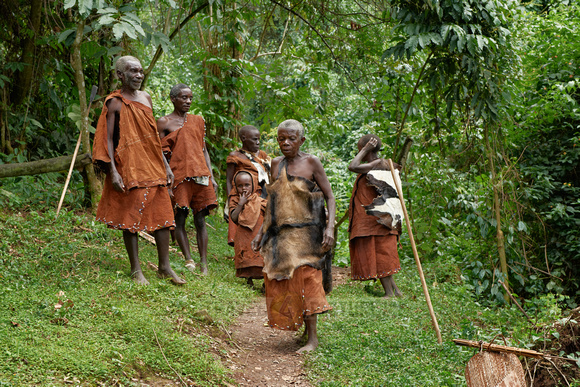
Many communities, such as the Batwa people, have histories deeply connected to the forests. Engaging them as cultural interpreters rather than subjects allows travelers to experience Uganda through indigenous wisdom. Buying locally made crafts and participating in community-run tours ensure that cultural exchange benefits those who share their heritage.

Tourism, when conducted ethically, becomes a bridge — not just between travelers and wildlife, but between people and understanding.

The Challenge of Overtourism and Carrying Capacity

While Uganda’s parks remain less crowded than those in neighboring Kenya or Tanzania, the growing popularity of gorilla trekking and wildlife safaris brings a new ethical challenge: overtourism.

Each visitor, no matter how well-intentioned, contributes to wear and tear on trails, noise pollution, and potential behavioral changes in animals. To prevent this, Uganda has wisely implemented strict visitor caps in fragile areas like Bwindi and Kibale.

Responsible travelers can contribute by booking through operators who respect these limits and by avoiding last-minute, unregulated arrangements that bypass official controls. Traveling in off-peak seasons also reduces strain on popular sites while offering quieter, more intimate encounters.

The ethics of tourism are not just about individual behavior but collective responsibility — understanding that preservation requires moderation.

Combating Poaching Through Tourism Revenue

One of the most profound ethical dimensions of wildlife tourism is its role in combating poaching. In Uganda, tourism directly funds anti-poaching patrols, ranger training, and wildlife monitoring.

Every gorilla permit, park entry fee, or guided tour contributes financially to keeping Uganda’s protected areas secure. Beyond funding, tourism provides local alternatives to illegal hunting — offering jobs as guides, rangers, or artisans.

Communities that benefit economically from tourism are more likely to protect wildlife than exploit it. This economic alignment between conservation and livelihood represents Uganda’s greatest ethical success story — transforming tourism from passive observation into active protection.

However, travelers must remain aware of where their money goes. Booking with reputable, transparent operators ensures that revenue truly supports conservation rather than administrative inefficiency. Ethical travel means choosing partners whose values align with preservation.

Education and Awareness: The Heart of Responsible Travel

At its core, ethical tourism is an education — not only for the traveler but for the host community and future generations. Each journey through Uganda’s wild spaces offers a chance to learn about biodiversity, climate, and coexistence.

The most transformative safaris are those that inspire mindfulness. When guides explain the importance of wetlands for bird migration, or when visitors witness the dedication of rangers in protecting gorillas, awareness deepens into empathy.

Uganda’s tourism authorities and NGOs run community outreach programs teaching sustainable farming, waste management, and coexistence strategies. Travelers who support such initiatives amplify their impact, turning fleeting visits into lasting contributions.

Ethical wildlife tourism is not about perfection — it is about progress, one informed choice at a time.

The Future of Ethical Wildlife Tourism in Uganda

As Uganda’s tourism continues to grow, its future depends on the commitment to sustainability that has long defined its approach. The nation’s policies already stand as models for responsible tourism, yet the global context of climate change and population growth demands continued adaptation.

Technological advances in eco-lodging, renewable energy, and digital conservation monitoring are reshaping how tourism operates. Electric safari vehicles, solar-powered lodges, and reduced plastic use represent steps toward a greener future.

But the real transformation lies in values. When tourists, operators, and communities share a collective ethos of respect and stewardship, Uganda’s wildlife will not just survive — it will thrive. The country’s challenge and opportunity lie in proving that ethical tourism is not a trend but a timeless principle.

Conclusion: Seeing the Wild Through the Lens of Respect

Uganda invites travelers not just to witness its beauty, but to honor it. Ethical wildlife tourism here is more than a code of conduct — it is a promise between humanity and nature. It is a recognition that every photograph, every trek, and every smile shared with a local guide carries responsibility.

In a world where wilderness shrinks daily, Uganda stands as a beacon of coexistence — proving that tourism, when guided by ethics, becomes a force for protection and renewal.

For travelers seeking to experience Uganda’s wildlife with integrity, it is best to book their Africa tours and safaris with WildHorn Africa, a company committed to responsible travel, community empowerment, and conservation excellence. With WildHorn Africa, every journey contributes to something greater — ensuring that Uganda’s mountains, forests, and creatures remain wild, free, and thriving for generations to come.

Because in the end, the true photograph of Uganda is not just what you capture — it is what you preserve.

What’s the best way to budget for Uganda travel?

What’s the best way to budget for Uganda travel?

By Travel stories and blogs, Uganda travel guides

Uganda Travel Budget Guide 2026 | How to Plan and Budget for Your Safari

What’s the Best Way to Budget for Uganda Travel?

Planning a journey to Uganda, the enchanting “Pearl of Africa,” is an exciting step toward a land where raw wilderness meets deep culture, where mountain gorillas dwell in mist-covered forests, and where the Nile flows with the same rhythm that has shaped civilizations for centuries. Yet for every traveler who dreams of this East African gem, one practical question always arises before the adventure begins: What’s the best way to budget for Uganda travel?

Budgeting for Uganda is not just about numbers; it is about crafting a balance between comfort, authenticity, and value. Uganda offers something for every traveler — from luxury safaris along the Kazinga Channel to budget-friendly adventures through the Rwenzori foothills. Understanding how to allocate your resources, anticipate costs, and make informed decisions ensures not only a stress-free journey but also a more meaningful one.

This comprehensive guide dives deeply into every aspect of travel budgeting for Uganda, providing expert insights into accommodation, transport, food, park fees, permits, and hidden expenses — all woven with an appreciation for the realities and rhythms of traveling in one of Africa’s most captivating destinations.

Understanding the Cost Structure of Uganda Travel

Before diving into figures and estimates, it is essential to understand how Uganda’s travel economy works. The country’s tourism sector is designed to support both high-end and budget travelers, offering a flexible range of experiences. However, unlike mass-market destinations, Uganda’s infrastructure focuses on sustainability and quality over quantity.

Costs in Uganda are influenced by park entry fees, road distances, conservation permits, and seasonal variations. Most safari activities are organized through registered operators who manage logistics, park permissions, and transportation — factors that can significantly affect pricing.

Uganda’s most famous experience, mountain gorilla trekking, is also one of the most regulated and conservation-driven activities in Africa, requiring an exclusive permit. This makes understanding the financial aspects of a Ugandan journey crucial for setting realistic expectations.

A good budget begins with awareness. The total cost of travel to Uganda depends on the type of safari chosen — budget, mid-range, or luxury — and how many parks and regions are visited. The longer and broader the itinerary, the more complex the budget becomes, but with careful planning, even a modest budget can unlock the magic of Uganda.

Flights and Arrival Costs: The First Step in Your Budget

The largest upfront cost for most international travelers is the flight to Uganda. The country’s primary entry point, Entebbe International Airport, lies just outside the capital city, Kampala, and serves as the gateway for both tourism and business travel.

Flight prices fluctuate depending on season, departure city, and airline. From Europe or the Middle East, roundtrip flights typically range between $700 and $1,200, while travelers from North America may pay between $1,200 and $1,800, depending on layovers and carriers.

Booking early, using flexible date searches, and monitoring regional airlines such as Ethiopian Airlines, Qatar Airways, Emirates, or KLM often yields the best fares. Another useful budgeting strategy involves combining Uganda travel with a neighboring destination — Rwanda, Kenya, or Tanzania — where regional flights can be relatively affordable, sometimes as low as $100 to $200 one-way.

Upon arrival, travelers must also budget for entry visas, which cost $50 for a single entry or $100 for the East African Tourist Visa, allowing access to Uganda, Kenya, and Rwanda under one permit.

Including these early costs in the total estimate gives a clearer financial picture before landing in Uganda.

Accommodation: From Safari Camps to Urban Comfort

Uganda’s accommodation options range widely, reflecting both the traveler’s preference and the destination’s remoteness. Understanding the tiers of accommodation helps balance comfort and cost while ensuring value.

In major towns like Kampala, Entebbe, and Jinja, travelers find a variety of hotels and guesthouses at competitive rates. Budget travelers can find clean, comfortable lodgings for $30–$60 per night, while mid-range hotels average $80–$150, offering amenities such as air conditioning, Wi-Fi, and on-site dining.

In safari destinations, the landscape changes. National parks like Murchison Falls, Queen Elizabeth, Kibale, and Bwindi offer everything from tented camps and eco-lodges to luxury lodges perched on crater rims or forest edges.

Budget lodges near parks charge around $50–$80 per night, often including breakfast. Mid-range lodges, favored by most travelers for their blend of comfort and immersion, cost between $150 and $300, while high-end properties, especially near gorilla trekking zones, can exceed $600 per night.

While it may be tempting to opt for lower prices, accommodation in Uganda directly impacts your experience. In remote areas, higher prices often reflect access, location, and sustainability measures — not extravagance. A well-chosen lodge provides more than a bed; it offers security, good meals, and a sense of serenity after a day in the wild.

Transportation Within Uganda: Roads, Flights, and Transfers

Uganda’s beauty unfolds across vast and varied landscapes. However, navigating between its national parks and towns requires thoughtful planning, as transportation is both a logistical and financial factor.

The most common safari routes are traveled by road, using 4×4 vehicles driven by professional guides. These vehicles are designed for rugged terrain and comfort over long drives. Safari vehicle hire, including fuel and driver, averages $150–$250 per day, depending on distance and itinerary complexity.

Some travelers opt for group safaris, which reduce costs by sharing vehicles and guides. Others choose private safaris, offering flexibility and exclusivity but requiring a higher budget.

For those wishing to minimize road time, Uganda also offers domestic flights operated by Aerolink and Bar Aviation. These flights connect Entebbe with destinations like Kihihi (for Bwindi), Kasese (for Queen Elizabeth), and Pakuba (for Murchison Falls). Prices vary from $200 to $350 one-way, significantly reducing travel time but increasing the overall budget.

Traveling within Uganda’s cities or towns is affordable. Short rides on boda-bodas (motorbike taxis) cost less than a dollar, while private car hires range between $30–$60 per day.

Factoring in both intercity and park-to-park transfers ensures your travel budget aligns with convenience and comfort.

Park Fees and Activity Permits: The Backbone of Safari Costs

Uganda’s national parks are jewels of conservation, and maintaining them comes at a cost shared between the government and visitors. These park entry fees and permits form the backbone of Uganda’s tourism budget.

Park entry fees generally range from $40 to $50 per person per day, depending on the park. However, the most significant expense — and the most rewarding — is the gorilla trekking permit, priced at $800 per person. This fee directly supports gorilla conservation, community development, and park management.

For chimpanzee tracking, permits in Kibale Forest National Park cost around $250, while experiences in Budongo Forest or Kalinzu cost less, usually between $100 and $150.

Additional activities, such as boat safaris, hot air balloon rides, night drives, and guided hikes, come at extra costs ranging from $30 to $100 each.

These figures may appear high, but they reflect Uganda’s commitment to sustainable tourism. Every dollar contributes to protecting ecosystems and ensuring communities benefit from wildlife conservation — a vital part of the country’s responsible travel ethos.

Meals and Dining: Tasting the Pearl of Africa

Ugandan cuisine is both hearty and affordable. Meals in local restaurants can cost as little as $5–$10, featuring staples like matoke (steamed plantains), beans, rice, and grilled meats. Mid-range restaurants and lodge dining options, catering to international tastes, average $15–$30 per meal, often including fresh fruits, vegetables, and locally sourced ingredients.

At luxury lodges, meals are typically included in the package, offering three-course dining experiences complemented by beautiful settings. Safari lodges frequently include full-board rates, covering breakfast, lunch, and dinner, simplifying budgeting and minimizing daily expenses.

While Uganda’s food scene is grounded in tradition, urban areas like Kampala and Jinja also host diverse international cuisines — Indian, Chinese, Italian, and Lebanese — reflecting the country’s cosmopolitan character.

Travelers should always budget a little extra for beverages, bottled water, or occasional indulgences like a Nile Special beer or a Ugandan coffee at a scenic café.

Seasonal Differences: When to Go and What It Means for Costs

The timing of your visit plays a crucial role in how you budget for Uganda. The country’s tourism calendar revolves around two main dry seasons — December to February and June to September — when wildlife viewing and trekking conditions are ideal.

These months are considered high season, meaning that accommodation, permits, and flight prices are at their peak. Gorilla permits, in particular, sell out months in advance, and lodges near key parks operate at full capacity.

The low season (March to May and October to November) brings rain, but it also brings lower prices. Many lodges offer discounts of up to 20–30%, and some tour operators reduce package rates. The landscapes are greener, photography is stunning, and crowds are fewer.

For budget-conscious travelers, this can be the most rewarding time to visit. However, roads may be muddier, and some remote lodges can be harder to access. Balancing cost savings with weather considerations helps refine a budget that matches expectations and comfort.What’s the best way to budget for Uganda travel?

Hidden and Often Overlooked Costs

Even the most detailed travel budgets can overlook small yet impactful expenses. Uganda’s tipping culture, while not mandatory, is a way of expressing appreciation. Guides, porters, and lodge staff typically receive $5–$15 per day, depending on service.

Travel insurance is essential and should never be omitted. Comprehensive coverage that includes medical emergencies, trip cancellations, and adventure activities typically costs around 5–7% of your total trip cost.

Currency exchange fees, credit card surcharges, and ATM withdrawals can also affect your spending. Uganda’s official currency, the Ugandan Shilling (UGX), is used for most local transactions, while US dollars are preferred for larger payments like permits and accommodations. Carrying crisp, recent US bills (issued after 2009) avoids rejection.

Souvenirs, such as handmade crafts, woven baskets, or Ugandan coffee, add another personal touch to your journey — and should be included in discretionary spending.

Accounting for these “soft” expenses prevents unexpected surprises and ensures a smoother experience from start to finish.

Crafting a Realistic Uganda Travel Budget

While every traveler’s preferences differ, certain budget ranges can serve as reliable guides.

A budget safari in Uganda typically starts at around $250–$300 per person per day, covering accommodation, transport, and activities. A mid-range safari averages $400–$600 per day, striking a balance between comfort and experience. Luxury safaris, offering exclusive lodges, private flights, and personalized service, can cost $800–$1,200 per day or more.

These estimates include meals, transportation, and park fees, ensuring transparency in what travelers can expect. The key to satisfaction lies in matching expectations with the right tier of travel — not overspending for amenities you will not use, nor underspending at the cost of safety and comfort.

Working with experienced operators ensures that your budget aligns with your goals — whether your focus is photography, family travel, adventure, or relaxation.

Maximizing Value: How to Stretch Your Travel Dollar

Budgeting wisely in Uganda is not about cutting corners but about maximizing value. Travelers can optimize costs by choosing overland safaris instead of flights, booking directly with reputable local operators, and traveling during shoulder seasons for better rates.

Combining parks geographically also minimizes transport expenses. For example, visiting Kibale, Queen Elizabeth, and Bwindi in sequence allows for a continuous loop, saving fuel and time.

Many lodges offer discounted packages for longer stays or for combining sister properties. This not only reduces per-night costs but also enhances relaxation by reducing constant transfers.

Lastly, investing in quality — especially in guides and vehicles — pays off in experience. A skilled guide transforms sightings into stories, and a reliable vehicle ensures that your safari remains about adventure, not inconvenience.

The Role of Local Expertise and Professional Operators

Planning and budgeting for a Ugandan journey can seem complex, but with expert guidance, it becomes seamless. Tour specialists such as WildHorn Africa simplify this process by curating itineraries that balance cost, comfort, and experience.

Their intimate knowledge of Uganda’s landscapes, lodges, and logistics allows them to craft packages that deliver exceptional value — ensuring that travelers see the best of the country without financial surprises. Whether organizing gorilla permits, selecting lodges within your price range, or managing transfers, a trusted operator’s support is invaluable in staying within budget while enhancing enjoyment.

WildHorn Africa’s expertise goes beyond numbers; it turns budgets into experiences, ensuring every dollar spent contributes to the quality, safety, and authenticity of your journey.

Conclusion: Budgeting as the Gateway to Freedom

Budgeting for Uganda travel is not a restriction — it is liberation. It transforms dreams into achievable plans, allowing travelers to experience the full grandeur of the Pearl of Africa with clarity and confidence.

A well-planned budget ensures that each day is lived fully, without financial anxiety. It allows for spontaneous detours, extra experiences, and meaningful interactions with people and nature. Uganda rewards those who plan wisely — those who understand that value lies not in how much is spent, but in how deeply each experience is felt.

For travelers ready to turn their plans into reality, it is best to book their Africa tours and safaris with WildHorn Africa, whose deep understanding of Uganda’s landscapes, pricing, and rhythm ensures journeys that are both cost-effective and unforgettable.

Because in the end, the best budget for Uganda is not just measured in money — it is measured in moments.

how to protect yourself with prevention, medication, and travel safety tips. Travel confidently with WildHorn Africa safaris.

Are there malaria/mosquito risks in Uganda and how to protect myself?

By Travel stories and blogs, Uganda travel guides

Are There Malaria and Mosquito Risks in Uganda? | 2026 Uganda Health & Safari Guide

Uganda, fondly known as the Pearl of Africa, is a land of vibrant color, captivating wildlife, and deep natural beauty. From the mist-covered mountains of Bwindi to the sweeping savannahs of Murchison Falls, it is a country that beckons with adventure. Yet, beneath its charm lies a tropical environment that travelers must approach with informed awareness — particularly when it comes to mosquitoes and malaria.

Malaria is one of the most discussed topics among visitors planning a safari in Uganda. Questions often arise: Is malaria common? How can I stay safe? Should I take medication? These are not just practical questions but essential ones, as understanding mosquito-borne risks ensures that travelers enjoy their journey with confidence and peace of mind.

This in-depth guide explores the realities of malaria in Uganda, providing a balanced, factual, and comprehensive overview of prevention, protection, and practical strategies for staying healthy. With proper preparation and awareness, your safari experience in Uganda can remain safe, comfortable, and unforgettable.

Understanding Malaria and Its Presence in Uganda

Malaria is a parasitic disease transmitted by the female Anopheles mosquito, which bites primarily at night. The parasite — Plasmodium falciparum being the most common strain in Africa — enters the bloodstream and infects red blood cells, leading to symptoms such as fever, chills, fatigue, headache, and nausea.

Uganda’s equatorial climate — warm temperatures, abundant rainfall, and lush vegetation — creates ideal conditions for mosquitoes to thrive. Malaria transmission occurs throughout the year, although intensity varies between regions. Low-lying and wetter areas, such as those around Lake Victoria, Queen Elizabeth National Park, and Murchison Falls, tend to have higher mosquito activity compared to higher-altitude zones like Kabale or Kisoro, where the cooler climate reduces breeding.

It is important to note that malaria in Uganda is preventable and treatable. Thousands of travelers visit every year — for gorilla trekking, safaris, and cultural experiences — without incident, thanks to proper precautions and medical preparation. With awareness and preventive action, the risk can be greatly minimized.

Assessing the Real Risk: How Common Is Malaria Among Travelers?

Malaria remains a public health concern in Uganda, primarily affecting local populations in rural areas. However, the risk to short-term travelers who follow medical advice and preventive measures is significantly lower than many assume.

Modern infrastructure, improved mosquito control efforts, and traveler education have greatly reduced malaria-related incidents. Safari lodges, especially in major tourism circuits, are well-equipped with mosquito nets, insect repellents, and screened rooms. Insect control programs have made safari zones safer than they were decades ago.

Nevertheless, mosquitoes are a reality in any tropical environment, and travelers should not underestimate them. Prevention is far more effective than cure, and the combination of medication, protective clothing, and environmental awareness forms the strongest defense.

The risk may vary slightly based on travel season. During the rainy months (March–May and September–November), mosquito activity tends to rise due to the increase in standing water. Dry-season travel (December–February and June–August) usually presents fewer mosquitoes, but protection should never be abandoned completely.

What matters most is not fear, but informed preparedness — an understanding that with the right protection, malaria need not cast a shadow over your adventure.

The Science of Prevention: How to Protect Yourself Effectively

Preventing malaria involves breaking the chain between mosquito and human. The goal is twofold: avoid bites and prevent infection even if a bite occurs. Travelers who combine both strategies achieve near-total protection.

Medical experts universally recommend antimalarial prophylaxis for anyone visiting Uganda. These medications, when taken correctly, reduce the risk of infection even if bitten by an infected mosquito. The most commonly prescribed include atovaquone-proguanil (Malarone), doxycycline, and mefloquine (Lariam) — each with specific dosage schedules and suitability depending on individual health conditions.

Consulting a travel health specialist before departure ensures the correct choice. Timing is crucial; medication should begin before arriving in Uganda, continue daily during the trip, and extend for a period afterward as prescribed. Skipping doses reduces effectiveness, so consistency is essential.

Yet, medication alone is not enough. Physical protection plays an equally vital role. Long-sleeved shirts, lightweight trousers, and closed shoes help reduce exposed skin, particularly during dusk and dawn when mosquitoes are most active. Applying mosquito repellent containing DEET, picaridin, or IR3535 further fortifies defense.

At night, sleeping under insecticide-treated bed nets ensures safety. Most reputable lodges and hotels in Uganda provide these as standard, often tucked around the bed and treated to repel and kill mosquitoes. For outdoor enthusiasts camping in remote regions, carrying personal nets or repellents provides additional security.

These measures, simple yet powerful, form a protective barrier between travelers and the threat of malaria. When used consistently, they turn a potential risk into a manageable detail — one that never interferes with the joy of exploration.

The Role of Environment and Accommodation in Mosquito Protection

Uganda’s hospitality industry understands travelers’ concerns about mosquitoes and malaria, and most safari lodges and hotels have adopted comprehensive mosquito control programs. The combination of environmental management, chemical control, and architectural design has significantly reduced mosquito presence in tourist areas.

Accommodations often use eco-friendly spraying methods and mosquito screens on windows and doors. Many also burn citronella or eucalyptus coils in outdoor spaces during the evening. Camps and lodges located near wetlands or riverbanks often employ drainage systems to minimize standing water where mosquitoes breed.

For travelers, choosing reputable lodges with established mosquito protection policies adds a layer of comfort and safety. Guides and staff are experienced in advising guests on the best practices — from when to apply repellent to how to properly use mosquito nets.

Urban hotels in cities such as Kampala, Entebbe, and Jinja generally pose lower risks compared to rural accommodations, but vigilance remains wise. Even a single bite can transmit malaria, so prevention should never be relaxed.

Awareness of one’s surroundings also helps. Avoiding outdoor exposure during the mosquito’s peak hours — around dawn and dusk — minimizes encounters. Simple adjustments in behavior, like dining indoors after sunset or keeping lodge lights dim, can make a noticeable difference.

Ultimately, mosquito protection in Uganda is not a struggle but a collaboration — between traveler, host, and environment — to ensure comfort and health without compromising the authenticity of the safari experience.

Beyond Malaria: Other Mosquito-Borne Illnesses

While malaria is the most prominent mosquito-borne disease in Uganda, it is not the only one. Other illnesses such as dengue fever, chikungunya, and yellow fever are present, though far less common among travelers.

Yellow fever, in particular, is notable because Uganda requires proof of yellow fever vaccination for all incoming visitors. The vaccine, administered once in a lifetime, offers long-term immunity. Ensuring that your vaccination certificate is valid and carried with your passport is both a legal and medical necessity.

For dengue and chikungunya, there are no vaccines, but prevention follows the same principles as malaria protection — avoiding mosquito bites through repellents, clothing, and nets. Fortunately, the risk of these diseases in major tourist regions remains relatively low.

Understanding these additional risks underscores the importance of general mosquito protection rather than focusing on malaria alone. By safeguarding against bites, travelers automatically reduce the chance of multiple potential infections.

Recognizing Symptoms: Acting Quickly and Wisely

Despite all precautions, travelers should remain attentive to their health during and after their trip. Early recognition of malaria symptoms allows for prompt treatment and full recovery.

The symptoms can appear anywhere between 7 to 30 days after a mosquito bite, sometimes even after returning home. Common signs include high fever, chills, headache, fatigue, muscle pain, and nausea. Because these symptoms resemble flu, travelers often dismiss them — a dangerous mistake.

Anyone who develops fever or flu-like symptoms during or after a trip to Uganda should seek medical attention immediately, informing the doctor about recent travel to a malaria-endemic area. Quick diagnostic tests can confirm infection, and modern treatments — primarily based on artemisinin combination therapy (ACT) — are highly effective when administered early.

The key is vigilance, not fear. Malaria is serious but entirely curable with timely care. Travelers who act quickly rarely experience complications.how to protect yourself with prevention, medication, and travel safety tips. Travel confidently with WildHorn Africa safaris.

Special Considerations for Different Travelers

Each traveler’s circumstances influence the approach to malaria prevention. Families traveling with children, for instance, must ensure that prescribed medication and repellents are appropriate for their age and weight. Pediatric formulations of antimalarials are available, and doctors can provide guidance on dosage.

Pregnant travelers should exercise extra caution, as malaria poses heightened risks to both mother and child. Specialized medical advice is crucial before travel, as some antimalarials are not recommended during pregnancy. Lodges in high-risk areas can provide enhanced mosquito control arrangements upon request.

For long-term visitors or expatriates, regular medical check-ups and consistent prophylaxis adherence remain vital. Locals in endemic areas may develop partial immunity, but foreign residents should never assume the same protection.

Adventure travelers, such as those trekking gorillas or camping near water bodies, should prioritize portable mosquito barriers, insect-proof tents, and treated clothing. These safeguards become especially important in remote areas where immediate medical access may be limited.

Each traveler type faces different levels of exposure, but the underlying principle remains universal: proactive prevention saves lives and ensures an uninterrupted journey.

The Role of Modern Medicine and Vaccination Efforts

Uganda has made remarkable progress in controlling malaria through a combination of public health campaigns, improved treatment access, and community education. The introduction of rapid diagnostic testing and widespread distribution of insecticide-treated nets has significantly reduced cases across the country.

Global efforts have also contributed. Research continues on malaria vaccines, and pilot programs in some African countries have shown promising results. While the vaccine is not yet widely available or a substitute for prophylaxis, its future integration could redefine malaria prevention for travelers and residents alike.

For now, reliance on proven strategies — prophylactic medication, repellents, and protective clothing — remains the foundation of safe travel. The synergy of modern medicine and personal discipline provides a shield strong enough to make malaria a preventable concern rather than an inevitable threat.

Myths and Misconceptions About Malaria in Uganda

Misunderstandings about malaria often lead to unnecessary anxiety or improper precautions. One common myth is that malaria can only occur in rural areas, yet mosquitoes thrive even in urban settings, particularly near vegetation or stagnant water. Another misconception is that a few days of prophylaxis are enough — in truth, the full prescribed course must be completed for maximum effectiveness.

Some travelers assume that repellents alone are sufficient, but without medication, protection remains incomplete. Conversely, others believe that medication alone negates the need for physical precautions, which is equally risky. A holistic approach combining both remains the gold standard.

It is also untrue that malaria immunity can be developed over short stays. Locals in endemic regions may acquire partial resistance over years, but visitors do not share this advantage. Each trip demands renewed protection.

Dispelling these myths empowers travelers with the clarity to make informed decisions and enjoy Uganda’s beauty without undue fear.

Practical Tips for Everyday Protection

Daily routines on safari can easily integrate mosquito protection without disrupting enjoyment. Applying repellent each morning and evening becomes as natural as putting on sunscreen. Wearing light-colored long sleeves during game drives not only protects from mosquitoes but also from the sun’s rays.

Evenings spent by the campfire or on lodge verandas can be enjoyed safely with repellent coils or citronella candles nearby. Keeping windows and doors closed after dark, or ensuring mosquito screens remain intact, helps maintain a bug-free sleeping environment.

Simple habits such as shaking out shoes and clothing before wearing them, and using insect-proof bags for storage, prevent unwanted surprises. Travelers quickly adapt to these routines, finding that they enhance rather than hinder their safari comfort.

The key is consistency — prevention works best when it becomes second nature.

Psychological Reassurance: Reframing Fear into Awareness

The mention of malaria often evokes apprehension among first-time travelers. Yet the reality is that with preparation, Uganda is no more dangerous than other tropical destinations. Fear is replaced by confidence when one understands the science of prevention.

Guides, lodges, and medical professionals across Uganda are experienced in assisting international visitors. Medical facilities in major towns like Kampala, Entebbe, and Fort Portal are equipped to handle malaria testing and treatment promptly. The travel industry operates with awareness and preparedness, ensuring that tourists are both protected and supported.

Approaching malaria prevention as a routine part of responsible travel — rather than a source of fear — transforms the narrative from risk to readiness. Awareness is not anxiety; it is empowerment.

The Reward of Preparedness: Health and Freedom

Traveling safely through Uganda means traveling freely — able to focus on the breathtaking encounters that define the country. When malaria prevention becomes a habit rather than a worry, the traveler’s mind opens fully to the beauty of the journey: the silverbacks of Bwindi, the roar of Murchison Falls, the golden plains of Kidepo at dusk.

Health protection is not a burden but a gateway to deeper enjoyment. It allows travelers to immerse themselves in Uganda’s experiences with peace of mind, knowing they have respected both nature’s wonder and its reality.

Conclusion: Protection as a Path to Adventure

Malaria and mosquitoes are a part of life in Uganda, but they are not barriers to exploration. With informed preparation, responsible travel habits, and medical guidance, they remain manageable and preventable. Uganda’s allure — its wildlife, culture, and warmth — far outweighs the minor inconvenience of taking precautions.

By understanding the risks and embracing protection, travelers not only safeguard their health but also honor the spirit of adventure that brings them to Africa in the first place.

For those seeking expert planning, safety, and unforgettable experiences, it is best to book their Africa tours and safaris with WildHorn Africa. With professional guidance, local expertise, and meticulous attention to traveler care, WildHorn Africa ensures that every moment in Uganda unfolds with both excitement and security.

Because the true essence of travel lies not in avoiding the wild, but in meeting it — wisely, courageously, and well prepared.

What is the state of internet and connectivity while on safari in Uganda?

What is the state of internet and connectivity while on safari in Uganda?

By Travel stories and blogs, Uganda travel guides

What is the state of internet and connectivity while on safari in Uganda? | Internet and Connectivity on Safari in Uganda | Digital Access & Wi-Fi Guide

There is something profoundly humbling about being surrounded by the raw pulse of the African wilderness — the distant roar of a lion at dusk, the flutter of birdsong at dawn, the quiet rhythm of nature unbroken by digital noise. Yet even amid such timeless serenity, the modern traveler inevitably wonders: “Will I have internet on safari in Uganda?” In an era defined by constant connection, where every moment can be shared instantly with the world, it is natural to question how connectivity fits into the safari experience.

Uganda, the Pearl of Africa, has evolved into a destination where untamed nature coexists harmoniously with modern convenience. While the country’s parks and reserves remain deeply wild, its telecommunications infrastructure has expanded dramatically in recent years, ensuring that visitors can stay connected — when they wish to be — even in some of the most remote corners of the land.

Still, the experience of internet and connectivity in Uganda is not uniform. It varies widely between cities, lodges, and national parks, shaped by geography, technology, and even the philosophy of safari travel itself. Understanding this balance is essential for travelers who wish to remain informed, safe, and connected while immersing themselves fully in Uganda’s wilderness beauty.

The Modern Landscape of Connectivity in Uganda

Uganda’s internet infrastructure has advanced steadily over the past decade, driven by growing mobile penetration, fiber-optic expansion, and competition among telecom companies. The nation’s connectivity backbone now stretches from Kampala and Entebbe to far-flung districts like Kisoro, Fort Portal, and Gulu, covering not just urban centers but many rural communities along major travel routes.

Most of Uganda’s internet access is powered by mobile broadband rather than fixed-line connections. This means travelers rely heavily on 3G, 4G, and increasingly 5G networks provided by major telecom operators such as MTN Uganda, Airtel Uganda, and UTL. These providers cover the majority of populated regions, including roads leading to popular safari destinations.

While speed and reliability differ between regions, Uganda’s mobile networks have proven impressively robust, even in locations that were once entirely cut off from digital communication. A journey from Kampala to Bwindi, Queen Elizabeth, or Murchison Falls no longer feels disconnected from the world; connectivity ebbs and flows, but it rarely disappears entirely.

However, the essence of safari lies in balance. While Uganda’s infrastructure allows connection, the remote beauty of its parks reminds travelers that sometimes, the most profound connection is the one made with nature itself.

Connectivity in Major Urban Gateways

Before venturing into the wild, most safaris begin in Kampala, Entebbe, or Jinja — cities that act as digital anchors. Here, internet access rivals that of many developed countries.

Kampala, Uganda’s bustling capital, enjoys extensive fiber-optic coverage. Hotels, cafés, and co-working spaces provide high-speed Wi-Fi, and mobile data speeds often exceed 20 Mbps in central areas. This allows travelers to handle all pre-safari logistics effortlessly — confirming bookings, uploading travel documents, or communicating with guides.

Entebbe, home to Uganda’s international airport and many boutique lodges, offers similarly reliable service. Its lakeside charm is complemented by strong 4G reception and stable hotel Wi-Fi, making it an ideal last stop before the wilderness.

Jinja, the adventure capital on the banks of the Nile, has improved connectivity over recent years. Many lodges near the river now offer decent Wi-Fi, though speeds can fluctuate during peak evening hours when demand increases.

These cities form the digital threshold — the last points of consistent, high-speed access before travelers cross into Uganda’s wild frontier. Once the safari begins, connectivity transforms from a guarantee into a shared experience between nature and technology.

Internet Access Inside National Parks and Safari Lodges

Uganda’s national parks are remote by design. Their isolation preserves wildlife habitats and protects delicate ecosystems from human interference. As such, internet access varies significantly across parks, depending on geography, infrastructure investment, and proximity to towns.

In Queen Elizabeth National Park, the country’s most popular safari destination, connectivity is relatively good. Lodges near Kasese, Mweya Peninsula, and Ishasha often provide Wi-Fi powered by mobile networks or satellite systems. Signal strength ranges from moderate to strong near main roads but weakens deeper inside the park.

In Murchison Falls National Park, lodges on the southern bank of the Nile enjoy partial network coverage, while the northern region remains less connected. Many properties here use signal boosters or satellite Wi-Fi, ensuring guests can send messages or check emails, though streaming or video calls may be limited.

In Bwindi Impenetrable Forest, home to Uganda’s iconic mountain gorillas, connectivity becomes more challenging. The park’s steep terrain and dense vegetation hinder signal strength. However, several lodges around Buhoma, Nkuringo, and Rushaga have installed limited Wi-Fi networks using boosters or satellite links. These connections, while slower, allow travelers to share photos, communicate with family, or post updates — a delicate thread of connection amid the silence of the jungle.

Kidepo Valley National Park, Uganda’s most remote and pristine wilderness, remains the least connected. Cellular service is patchy, and internet access is typically limited to satellite links at high-end lodges. Yet, for many travelers, this digital silence becomes one of Kidepo’s most treasured features — a true escape from the world’s noise.

In all parks, the rule is simple: connectivity exists, but it is deliberately imperfect — a reminder that wilderness is meant to be experienced, not streamed.

The Role of Safari Lodges in Digital Access

Safari lodges in Uganda have adapted creatively to the growing demand for reliable internet. Many have installed Wi-Fi hotspots powered by solar energy or mobile routers, while luxury properties often use satellite internet to ensure broader coverage.

However, lodge connectivity often comes with intentional limitations. Some restrict access to communal areas like lounges or dining terraces to encourage guests to unplug in their private rooms. Others turn Wi-Fi off during certain hours to conserve power and preserve tranquility.

In recent years, eco-lodges have embraced a philosophy of “digital detox safaris.” These lodges promote mindfulness, encouraging travelers to disconnect from digital devices and reconnect with nature. The absence of internet is reframed not as a drawback but as liberation — a chance to listen to the whispers of the forest and the rhythm of life unmediated by screens.

For travelers requiring steady connectivity, it is advisable to confirm Wi-Fi availability before booking. Most mid-range and luxury lodges now list connectivity details transparently, reflecting Uganda’s growing balance between wilderness experience and modern expectation.

Using Mobile Data and Local SIM Cards

For those who prefer independent access, Uganda’s mobile networks offer the most practical and affordable solution. Purchasing a local SIM card upon arrival provides near-nationwide coverage and flexibility.

Both MTN Uganda and Airtel Uganda offer visitor-friendly packages, with data bundles ranging from short-term daily plans to monthly deals. A SIM card can be obtained easily at the airport or in city shops with a valid passport.

4G coverage extends to most urban centers and many national park borders, including Mbarara (for Lake Mburo), Kasese (for Queen Elizabeth), and Fort Portal (for Kibale). In remote parks like Bwindi or Kidepo, the signal weakens, but partial connectivity is still achievable near villages or lodges with signal amplifiers.

Tethering your phone as a hotspot allows laptops or tablets to connect, though speeds depend on proximity to towers and terrain conditions. For essential communication, mobile data in Uganda remains dependable and affordable, with average costs among the lowest in East Africa.

For the modern traveler, carrying a local SIM provides peace of mind — a lifeline for emergencies and a bridge between the digital and natural worlds.

The Challenge of Geography and Terrain

Uganda’s topography is both magnificent and challenging. Its rolling hills, volcanic mountains, and dense forests create natural barriers that influence connectivity.

In high-altitude regions such as the Rwenzori Mountains, steep valleys can block cellular signals entirely. Similarly, Bwindi’s impenetrable forest canopy dampens transmission, creating “dead zones” where neither Wi-Fi nor mobile data penetrates easily.

The government and private telecom companies have made strides in expanding coverage to remote districts through new towers and fiber links, but the priority remains urban corridors and highways. This means travelers entering deep wilderness areas must accept intermittent connection as part of the experience.

In many ways, these moments of disconnection are gifts. They allow travelers to experience Uganda’s landscapes with undivided attention — the way explorers once did, guided by the rhythm of rivers and the calls of unseen birds rather than by notifications.

What is the state of internet and connectivity while on safari in Uganda?Connectivity and Conservation: The Ethical Dimension

Internet expansion brings opportunity, but also ethical questions. In Uganda’s national parks, connectivity must coexist with conservation. Excessive infrastructure — towers, cables, and noise pollution — can disrupt animal habitats and spoil the visual harmony of natural landscapes.

The Uganda Wildlife Authority (UWA) and environmental partners have adopted a cautious approach. Connectivity solutions are carefully placed outside core conservation zones, ensuring minimal ecological impact. Satellite technology, solar energy, and low-emission routers are increasingly used to minimize footprints while supporting responsible tourism.

Furthermore, digital access can strengthen conservation itself. Rangers and scientists use networked devices to monitor wildlife, track poaching activity, and report ecological data in real time. What once took days of manual reporting now happens instantly, improving efficiency and protection.

Thus, while connectivity introduces convenience, it also deepens the bond between technology and sustainability. The goal is not to dominate nature with signals, but to use connection as a tool of stewardship.

The Human Side of Connection: Communities and Communication

In Uganda’s rural and park-adjacent communities, mobile connectivity has transformed livelihoods. Local guides, porters, and artisans now use mobile phones to coordinate work, receive payments, and market services. Tour operators can communicate with lodges and drivers instantly, enhancing safety and coordination.

Travelers, too, benefit from this digital bridge. Staying in touch with family, confirming logistics, or accessing emergency services provides reassurance. Yet, perhaps more importantly, the internet fosters cultural exchange — allowing visitors to share Uganda’s beauty responsibly with the world and inspiring global awareness of its conservation efforts.

Still, the human connection remains the most powerful network of all. Conversations with rangers, laughter with lodge staff, and moments of shared silence under starlit skies — these interactions transcend any Wi-Fi signal.

The Reality of Power Supply and Energy Reliability

Internet access depends not only on signal coverage but also on electricity. Uganda’s safari lodges and rural areas rely heavily on solar power or generators due to limited grid access. This can affect the consistency of Wi-Fi availability, especially in off-grid properties.

Many lodges conserve energy by turning off routers and power systems during midday or late-night hours. Travelers should charge devices whenever possible and carry portable power banks or solar chargers for extended trips.

Despite these challenges, Uganda’s renewable energy movement is growing rapidly. Solar panels now illuminate villages near Bwindi and Kidepo, bringing both light and connection to regions once cut off from modern amenities.

Energy resilience is becoming a cornerstone of sustainable tourism — ensuring that connectivity thrives without compromising environmental ethics.

Staying Safe and Secure Online

While Uganda’s internet infrastructure is generally safe, basic precautions remain advisable. Using virtual private networks (VPNs) on public Wi-Fi adds privacy, especially when accessing sensitive accounts. Lodges and cafés usually secure their networks, but open connections may still expose data to risk.

Travelers should avoid conducting major financial transactions on shared Wi-Fi and ensure their devices are updated with security patches. Using strong passwords and disabling auto-connect features further enhances safety.

In remote regions, mobile network outages are rare but possible. Keeping important contact numbers written down and informing guides of communication plans ensures preparedness for temporary disconnections.

In Uganda’s wilderness, digital safety blends with physical awareness — staying connected responsibly, but never distracted from the beauty that surrounds you.

Embracing the Balance Between Connection and Escape

Perhaps the most profound realization during a safari in Uganda is that true connection often comes through disconnection. While Wi-Fi and mobile data are available, many travelers find that the moments without signal — the hours spent listening to rain over the forest, or watching elephants under a copper sunset — become the ones they remember most.

Uganda invites visitors to slow down, to rediscover simplicity, and to feel presence without mediation. Yet, when needed, the comfort of connectivity is never far away. You can share a photo from Bwindi one moment and still lose yourself in the silence of Queen Elizabeth the next.

This duality — digital access without dominance — defines the state of Uganda’s connectivity today. It reflects a country balancing progress with preservation, technology with tranquility, and human connection with ecological respect.

Conclusion: Connected, Yet Wild

The state of internet and connectivity in Uganda mirrors the essence of the country itself — vibrant, evolving, and beautifully balanced between the ancient and the modern. Travelers can expect reliable access in cities and along major safari routes, intermittent signals within parks, and rare but precious moments of total disconnection deep in the wilderness.

It is a system designed not to isolate visitors but to encourage mindfulness — a gentle reminder that the world can wait while the wild reveals its secrets.

To explore Uganda’s untamed beauty with expert guidance and comfort, it is recommended to book your Africa tours and safaris with WildHorn Africa. Their deep local knowledge, professional coordination, and commitment to sustainable travel ensure that every moment — whether connected or blissfully offline — is experienced safely, authentically, and memorably.

Because in Uganda, connection is not measured in megabytes but in moments — in the shared smiles of a village, the stillness of dawn, and the timeless bond between traveler and nature.

What cultural experiences should I include in a Uganda trip?

What cultural experiences should I include in a Uganda trip?

By Travel stories and blogs, Uganda travel guides

What Cultural Experiences Should I Include in a Uganda Trip? | 2026 Uganda Travel Guide

Uganda is more than its rolling savannahs, mist-shrouded mountains, and silverback gorillas; it is a nation where culture beats at the heart of every experience. Beneath its landscapes lies a living rhythm of tradition and storytelling, expressed through dance, craft, food, and hospitality. A trip to Uganda is incomplete without immersing oneself in its cultural depth — the soulful encounters that connect travelers not just to the land, but to the people who give it meaning.

For those who venture beyond the well-trodden safari trails, Uganda unfolds as an intimate mosaic of ethnic diversity. Over 50 tribes coexist across its regions, each with its own language, customs, music, and heritage. From the ancient kingdoms of Buganda and Bunyoro to the pastoral Karamojong and the forest-dwelling Batwa, every community adds a distinctive hue to the nation’s vibrant cultural tapestry.

This in-depth exploration reveals the most enriching cultural experiences to include in your Uganda itinerary — encounters that celebrate humanity in its purest form. To truly understand Uganda is to sit by its fires, listen to its drums, share its meals, and walk in rhythm with its traditions.

The Heartbeat of Tradition: Understanding Uganda’s Cultural Landscape

Uganda’s cultural diversity is rooted in its geography. The fertile central plains, the highland west, the dry northeast, and the lakeside east all shaped the evolution of distinct societies. These regions developed their traditions around what nature provided — cattle in the north, bananas in the west, fish in the east, and governance in the central kingdoms.

The Baganda, Uganda’s largest ethnic group, inhabit the central region surrounding Kampala. Their influence is deeply embedded in the country’s governance, language, and social systems. The Banyankole, Bakiga, and Batoro dominate the west with strong pastoral and agricultural traditions. In the north, the Acholi and Langi are known for their resilience, storytelling, and communal spirit, while the Basoga and Bagisu in the east are celebrated for their ceremonial rituals and music.

Understanding this mosaic of identities is the first step in experiencing Uganda’s culture authentically. Each tribe expresses its history through everyday life — the way food is prepared, homes are built, and songs are sung.

Travelers who take the time to engage with these communities quickly learn that Uganda’s greatest treasures are not found in museums but in the hearts of its people.

The Royal Heritage: Exploring Uganda’s Ancient Kingdoms

Before colonial borders defined modern Uganda, powerful kingdoms thrived across its territories. Visiting these royal centers offers a glimpse into the pre-colonial civilizations that shaped Ugandan society long before modern governance.

The Buganda Kingdom, centered in Kampala, remains the most influential. The Kabaka (King) still commands great respect, and his palace in Mengo stands as a symbol of enduring heritage. The Kasubi Tombs, a UNESCO World Heritage Site, serve as the resting place of Buganda’s kings — a sacred site that combines architecture, spirituality, and history. The tombs’ thatched domes, constructed using traditional techniques, represent the craftsmanship and reverence of the Baganda people.

In the west, the Tooro Kingdom near Fort Portal invites visitors to experience the elegance of its palace overlooking the Rwenzori Mountains. Here, cultural performances showcase royal dances and narratives passed through generations. Similarly, the Bunyoro-Kitara Kingdom, once among the most powerful in East Africa, maintains a proud legacy of leadership and innovation.

These kingdoms are not relics but living institutions. Visitors can attend royal ceremonies, meet cultural elders, and witness the delicate balance between modernity and tradition. The experience reveals that Uganda’s cultural identity remains rooted in respect — for ancestry, community, and continuity.

The Batwa People: Keepers of the Forest Spirit

In the shadow of the Bwindi and Mgahinga forests live the Batwa, also known as the “Forest People.” For thousands of years, they lived as hunter-gatherers, moving gracefully through the dense jungles that they called home. When the forests became national parks to protect the endangered mountain gorilla, the Batwa were relocated, altering their way of life forever.

Today, community initiatives allow travelers to engage with the Batwa in meaningful ways that support cultural preservation and dignity. Visiting the Batwa Cultural Trail offers insight into their ancient lifestyle — the use of medicinal plants, fire-making techniques, hunting traditions, and storytelling rituals. The experience is emotional and educational, shedding light on the delicate balance between conservation and indigenous rights.

The Batwa teach that the forest is not merely a habitat but a living being — one that breathes, heals, and shelters. Listening to their songs by a campfire or watching them dance among the trees evokes a sense of timeless connection between humanity and nature. For many travelers, this encounter becomes one of the most profound memories of their Uganda journey.

The Karamojong: Warriors of the Northeast

In Uganda’s far northeast lies Karamoja, a region that defies time and convention. Home to the Karamojong, this land of sweeping plains and cattle kraals embodies the rugged beauty of traditional Africa. The Karamojong are semi-nomadic pastoralists known for their striking attire, body adornments, and unwavering pride in their heritage.

Visiting a Karamojong village feels like stepping into a living museum of tradition. Their homesteads, called manyattas, are circular enclosures made of acacia branches, each housing extended families and their livestock. Guests are welcomed with songs, dance, and stories that illuminate a culture built on honor, community, and the deep spiritual bond between people and cattle.

Cattle, to the Karamojong, are not simply livestock but symbols of wealth, beauty, and identity. Every aspect of life — marriage, conflict, and ceremony — revolves around them. Engaging with the community offers travelers an understanding of resilience in one of Uganda’s harshest environments, where tradition thrives despite modernization.

In recent years, cultural tourism initiatives have allowed the Karamojong to share their heritage on their own terms. Travelers are invited to participate respectfully — observing dances under the stars, learning the meaning behind their beadwork, or sharing stories by the fire. It is an encounter that strips away pretense, revealing the raw authenticity of Uganda’s cultural heartland.

The Gisu and the Imbalu Ritual: A Rite of Passage Like No Other

Among the Bagisu people of eastern Uganda, near Mount Elgon, the Imbalu circumcision ceremony stands as one of the country’s most spectacular and culturally significant traditions. Practiced for centuries, this ritual marks the transition from boyhood to manhood and serves as a defining event in the life of every Gisu male.

The ceremony takes place in even-numbered years, attracting thousands of participants and spectators. Drums echo through the hills, and warriors adorned with feathers and paint dance in rhythm as families gather to witness the transformation. The atmosphere is electric — a blend of anticipation, courage, and celebration.

For travelers, witnessing Imbalu (with permission and cultural sensitivity) offers a window into Uganda’s living anthropology. It is not merely a ritual but a reaffirmation of identity and unity within the Gisu community. Elders explain the deep symbolism behind the ceremony, emphasizing courage, discipline, and belonging.

This event, though ancient, continues to evolve, blending traditional music with modern influences while retaining its spiritual essence. Experiencing it firsthand is to witness a society that honors its past while embracing the present.

The Baganda Dance and Music: The Pulse of Central Uganda

To hear the drums of Buganda is to feel the pulse of Uganda itself. Music and dance occupy a sacred place in Ugandan culture — tools of communication, celebration, and healing. In the Buganda region, cultural troupes perform traditional dances that capture the grace and energy of this heritage.•  What cultural experiences should I include in a Uganda trip?

The Bakisimba dance, for instance, originated as a royal expression of joy after a victorious war. It is characterized by rhythmic hip movements accompanied by drums and xylophones. Each beat tells a story, each gesture a message of gratitude and triumph.

In Kampala and Entebbe, cultural centers such as the Ndere Cultural Centre host nightly performances that bring together music from across Uganda’s tribes. These shows offer travelers a colorful introduction to the country’s diversity — from the stomping dances of the Acholi to the graceful movements of the Banyankole.

But the most memorable moments often happen spontaneously — a village gathering, a wedding, or a community celebration where strangers are invited to join the dance. In Uganda, music is not a performance; it is a way of life, an invitation to belong.

The Banyankole and the Cattle Culture of Western Uganda

In the rolling hills of Mbarara and Bushenyi, the Banyankole people uphold a deep-rooted pastoral heritage centered around the Ankole longhorn cattle — majestic creatures with sweeping horns that symbolize pride and wealth.

Visiting a traditional Banyankole homestead allows travelers to experience the rhythms of rural life — milking cows at dawn, herding through green pastures, and preparing local dishes like eshabwe, a milk-based sauce served with matoke.

Elders share stories of ancient herding traditions, courtship rituals, and community leadership structures. Guests quickly learn that cattle are woven into every aspect of life — from song and poetry to negotiation and kinship. The pastoral serenity of western Uganda reflects a slower, gentler side of the country’s identity, one grounded in harmony between humans and animals.

This experience, often offered through community tourism initiatives, provides a powerful contrast to the intensity of urban life. It is here that travelers rediscover simplicity and gratitude — values deeply embedded in Uganda’s cultural philosophy.

The Tooro and the Kingdom of Kindness

The Tooro Kingdom, with its headquarters in Fort Portal, is one of Uganda’s most charming cultural regions. Known for its youthful monarch, the Tooro Kingdom represents a blend of modern influence and traditional grace. Visitors are welcomed into a culture of politeness, respect, and storytelling, where hospitality is a sacred duty.

The Tooro people celebrate their identity through festivals such as the Empango Coronation Ceremony, an event filled with royal processions, traditional songs, and symbolic rituals that reaffirm loyalty to the Omukama (King).

Exploring Tooro also means discovering the stunning landscapes that surround it — crater lakes, tea plantations, and the Rwenzori Mountains. Here, culture and nature intertwine seamlessly. Travelers often find that the kingdom’s charm lies not only in its history but in its people, whose warmth makes every encounter feel like family.

The Food and Coffee Culture: A Taste of Uganda’s Soul

No cultural exploration of Uganda is complete without tasting its food and drink, for every dish tells a story. Meals are moments of unity, where families and strangers gather to share nourishment and conversation.

In villages, travelers are invited to join cooking sessions — peeling matoke, pounding groundnuts, or roasting plantains over open fires. Traditional dishes such as luwombo (stewed chicken or beef wrapped in banana leaves) reflect both creativity and respect for nature’s abundance.

Uganda’s coffee culture also carries deep cultural significance. From the highlands of Bugisu to the slopes of Rwenzori, coffee is grown, harvested, and prepared with ritualistic precision. Farmers proudly demonstrate how beans are dried, roasted, and brewed using local methods. Tasting freshly brewed Ugandan coffee becomes a sensory journey — an experience that connects traveler to land, soil, and story.

Food in Uganda is not simply eaten; it is celebrated. Each flavor is a reminder that culture, like cuisine, is about sharing.

The Markets, Crafts, and Everyday Life

To experience Uganda’s living culture, one must visit its markets — the bustling centers of exchange and community. In cities like Kampala, Jinja, and Fort Portal, markets overflow with color and energy. Stalls display handwoven baskets, barkcloth art, wood carvings, and beaded jewelry, all reflecting local identity.

Artisans take pride in their craftsmanship, often inviting visitors to observe or participate. Buying directly from them not only supports livelihoods but also preserves Uganda’s artisanal heritage.

Equally vibrant are the food markets, where aromas of roasted maize, fresh pineapples, and spices fill the air. Here, interaction is immediate and genuine — bargaining is as much a conversation as it is a transaction. These markets are microcosms of Uganda’s culture, representing the daily rhythm of life in its most tangible form.

Responsible Cultural Travel: Giving Back to Communities

Cultural tourism in Uganda thrives on the principle of mutual respect. Travelers who approach communities with humility and curiosity are rewarded with authentic experiences. Many local initiatives reinvest tourism income into education, healthcare, and conservation, ensuring that culture remains a source of empowerment rather than exploitation.

Participating in community-led projects — whether it’s planting trees, supporting a school, or attending a local festival — allows travelers to contribute positively while learning deeply. This exchange of respect transforms tourism into partnership, bridging cultures in a way that benefits both visitor and host.

Conclusion: The Human Heart of the Pearl of Africa

To travel through Uganda is to encounter humanity in its most genuine form. The country’s landscapes may capture the eye, but its people capture the soul. From the royal ceremonies of Buganda to the forest songs of the Batwa and the warrior dances of Karamoja, Uganda’s cultural experiences weave together history, identity, and hope.

Every handshake, every dance, every shared meal becomes a lesson in connection — a reminder that true travel is not about seeing new places, but about understanding new ways of being.

For those ready to immerse themselves in the full depth of Uganda’s culture, it is best to book their Africa tours and safaris with WildHorn Africa. With carefully curated itineraries that balance wildlife and culture, WildHorn Africa ensures travelers experience the heart of Uganda — not as spectators, but as participants in its living story.

Because the real beauty of Uganda lies not only in its gorillas or lakes, but in the smiles of its people, the sound of its drums, and the warmth of its welcome.

Is Uganda good for solo travellers or women travelling alone?

Is Uganda good for solo travellers or women travelling alone?

By Travel stories and blogs, Uganda travel guides

Is Uganda Safe for Solo Travellers and Women? | Complete 2026 Guide

There is something profoundly liberating about stepping onto Ugandan soil alone — the feeling of standing at the edge of Africa’s raw wilderness, guided only by curiosity and courage. The early morning mist that floats over Lake Bunyonyi, the rhythmic calls of chimpanzees echoing through Kibale Forest, and the gentle smiles of strangers in small roadside towns all whisper the same message: Uganda welcomes you. But for those venturing alone, especially women, a crucial question often arises — is Uganda safe and suitable for solo travellers or women travelling alone?

The answer lies not just in statistics or policies but in the lived experience of thousands who have wandered through Uganda’s national parks, villages, and cities on their own. Uganda is, by nature, a warm, hospitable country, where friendliness is woven into daily life. Yet, like any destination, it requires awareness, cultural respect, and thoughtful planning. This article explores, in detail, what makes Uganda both an inspiring and safe destination for solo and female travellers, while offering a balanced look at the realities, precautions, and rewards of independent exploration in this beautiful corner of Africa.

The Allure of Uganda for the Solo Spirit

Uganda is not just another safari destination; it is a land where nature and humanity blend in profound harmony. For solo travellers, it offers a deeply personal connection to the world — a chance to journey inward while exploring outward. Whether it is trekking to meet the mountain gorillas of Bwindi, kayaking on the Nile River in Jinja, or watching the sunset over the vast savannah of Murchison Falls National Park, every experience feels intimate, as though it belongs solely to you.

The country’s compact geography allows for easy access between major attractions, creating a sense of flow that suits independent exploration. Travelling from Entebbe to Kampala, or from Queen Elizabeth National Park to Lake Mburo, is surprisingly straightforward, with decent roads and growing infrastructure. Uganda also carries an emotional warmth that extends beyond its landscapes. The hospitality of its people — curious, kind, and respectful — often transforms solo journeys into opportunities for friendship.

For female travellers in particular, Uganda offers a cultural gentleness rarely found in busier, more commercialized safari destinations. Ugandan communities tend to value politeness and protection toward visitors, especially women. While prudence is always necessary, the sense of respect and community that defines Ugandan culture often helps women feel both welcome and secure.

The Reality of Safety: Perception Versus Experience

Every solo traveller’s biggest concern is safety. Uganda, like any other developing nation, faces challenges — infrastructural limitations, inconsistent road conditions, and occasional petty theft in urban centers. Yet in comparison to many global destinations, it remains remarkably safe for tourists.

Most visitors to Uganda describe their experience as peaceful, even when traveling alone. Violent crime against foreigners is exceedingly rare. The Ugandan government recognizes tourism as a cornerstone of its economy, and national parks, lodges, and tour operators operate under strong security protocols. Rangers and guides are professionally trained, especially in wildlife and trekking zones.

Kampala, Uganda’s capital, is a bustling metropolis — vibrant, energetic, and modern — but like any large city, it demands situational awareness. Petty theft, such as phone snatching or pickpocketing in crowded places, can occur, particularly in busy transport hubs or markets. For solo or female travellers, the best safety measure is adopting the same vigilance one would apply in any major world city: avoid walking alone late at night, be mindful of valuables, and use trusted transport options.

In the countryside, safety concerns fade almost entirely. Villagers are curious but kind, and many rural lodges provide secure environments with 24-hour staff. Uganda’s tourism network thrives on repeat visitors and word-of-mouth reputation, so maintaining safety and hospitality is central to the industry’s survival.

For women, solo travel in Uganda is generally not intimidating but empowering — provided one travels with mindfulness and cultural respect.

Ugandan Culture and Respect for Women Travellers

Understanding Uganda’s cultural fabric is essential for women traveling alone. Ugandans are warm, courteous, and deeply community-oriented. While gender roles can be traditional, women visitors are usually treated with deference rather than hostility. Local men, in particular, often display protective courtesy rather than aggression toward foreign women.

However, modesty in dress and behavior is appreciated. In urban centers such as Kampala, Entebbe, and Jinja, Western attire is common, and women can dress comfortably in trousers, skirts, or dresses. In rural or conservative areas, modest clothing that covers the knees and shoulders is more appropriate, signaling respect for local norms.

Ugandan greetings are also polite and formal. It is common for strangers to engage in small talk before getting to the main conversation. Eye contact and a warm smile often break the ice quickly. For solo female travellers, this kind of genuine human interaction is both reassuring and grounding.

Women traveling alone often find themselves invited into homes or villages for tea or conversation — gestures of hospitality rather than intrusion. While it is important to remain cautious and selective about accepting invitations, these moments reflect the generosity that defines Ugandan culture.

Logistics and Infrastructure for Solo Travellers

Uganda’s tourism infrastructure has evolved significantly over the past decade. For solo travellers, the options range from independent travel using public transport to guided tours and tailor-made safaris.

The country’s road network connects all major destinations, though journeys between parks can take several hours. Buses and shared taxis (locally called matatus) are inexpensive but less comfortable and may not adhere to fixed schedules. For women traveling alone, public transport is safe during the day but best avoided after dark. Many prefer to hire private drivers or join small-group tours for convenience and peace of mind.

Accommodation options are abundant and varied. In towns and cities, guesthouses, boutique hotels, and hostels provide affordable comfort and opportunities to meet other travellers. Around national parks, lodges range from budget-friendly eco-camps to luxury retreats. Solo travellers often appreciate the inclusive nature of these lodges, where communal dining and guided activities foster connection without compromising independence.

Tour operators play a crucial role in ensuring seamless logistics. Companies such as WildHorn Africa specialize in creating personalized experiences that accommodate the freedom of solo travel while providing structured safety. For women especially, using a reputable operator ensures reliable transfers, secure lodgings, and professional guides — invaluable support for navigating Uganda’s wild and remote landscapes.

Wildlife Safaris: Safe and Soul-Stirring

One of Uganda’s greatest gifts to solo travellers is its intimacy with nature. Gorilla trekking in Bwindi Impenetrable National Park or Mgahinga Gorilla National Park, chimpanzee encounters in Kibale Forest, and game drives across Murchison Falls or Queen Elizabeth National Park are transformative experiences that connect the traveller deeply with the wild.

These activities are not only safe but strictly regulated. Treks and drives are always led by licensed guides and rangers, who prioritize safety above all else. For solo travellers, joining these group excursions is a wonderful way to share experiences with others while maintaining independence.

Many women report that gorilla trekking, in particular, feels empowering — a personal journey of strength, patience, and reward. The camaraderie that develops among trekkers during the hike creates instant friendships, dispelling loneliness and fostering community even in the heart of the jungle.

Safari lodges and park headquarters maintain strict visitor security, ensuring that even those traveling alone sleep comfortably and without worry. Uganda’s tourism system has been refined to guarantee that all travelers, regardless of group size, enjoy full protection and care.

Is Uganda good for solo travellers or women travelling alone?Meeting People: The Joy of Ugandan Hospitality

One of Uganda’s greatest treasures is its people. For solo travellers, this means that loneliness rarely lasts long. Ugandans are famously friendly and curious, often initiating conversations or offering assistance without expectation.

Whether it’s a taxi driver sharing stories of Kampala traffic, a lodge staff member explaining local folklore, or children waving along the roadside, Uganda radiates a kind of warmth that puts travellers instantly at ease. English is the official language, making communication straightforward in most areas. Luganda and Swahili are also widely spoken, and learning a few phrases is always appreciated.

In hostels or guesthouses, social atmospheres thrive. It is common for travellers from across the world to gather around campfires or dinner tables, sharing experiences, laughter, and advice. Many solo travellers find themselves forming spontaneous travel groups, reducing costs and enriching experiences.

Female travellers, in particular, often find Uganda’s social spaces supportive and inclusive. Women-led travel initiatives and community tours provide opportunities to engage meaningfully with local women, artisans, and entrepreneurs, offering both cultural depth and safety.

Challenges and Realities to Consider

While Uganda offers a rewarding experience, it is essential to travel with realistic expectations. The country’s infrastructure is improving but still developing in some regions. Roads can be rough, power outages occasional, and internet connectivity inconsistent in remote areas. For solo travellers, patience and adaptability are invaluable virtues.

Public transport can be unpredictable, and while it is safe, schedules may shift without notice. Booking through reliable providers or arranging private transfers can minimize stress.

For women, the biggest challenge is not overt danger but managing attention. In some areas, curiosity toward foreign women can lead to persistent conversation or flirtation, though rarely harassment. A firm but polite demeanor usually ends such exchanges quickly. Avoiding isolated nightlife venues or excessive alcohol consumption while alone is a simple yet effective precaution.

Health considerations also require awareness. Uganda’s tropical climate and rural conditions mean travelers should be proactive about malaria prevention, mosquito protection, and hydration. Carrying essential medications and consulting a travel clinic before departure are part of responsible preparation.

Overall, the challenges are minor compared to the rewards. They shape the authenticity of travel rather than diminish it.

The Empowerment of Women Travelling Alone in Uganda

Uganda is not merely a destination for women — it is a lesson in empowerment. To stand in the presence of the gorillas, to walk through markets filled with color and sound, to paddle across the Nile at dawn — these moments remind women of their strength, independence, and resilience.

Female travellers often speak of Uganda as a place where they rediscovered confidence. The combination of adventure and warmth, structure and freedom, safety and spontaneity creates the perfect environment for self-reflection and empowerment.

Local women’s initiatives, such as craft cooperatives and community-based tourism projects, allow visitors to connect with Ugandan women in genuine and uplifting ways. These interactions often dissolve cultural barriers and build bridges of mutual respect and understanding.

Uganda encourages women to move through the world on their own terms — guided not by fear but by curiosity. The country’s landscapes mirror that spirit: strong, nurturing, and enduring.

Practical Advice for Safe and Enjoyable Solo Travel

Traveling solo in Uganda rewards preparation. Booking airport transfers in advance ensures a smooth arrival at Entebbe International Airport, where reputable taxis and hotel pickups eliminate uncertainty.

When moving between parks, using organized tours or private drivers provides both comfort and safety, especially for women unfamiliar with local transport systems. Keeping digital and paper copies of important documents — passports, permits, insurance — helps in the rare event of loss or delay.

Mobile communication is simple with local SIM cards from providers like MTN or Airtel, ensuring access to maps and emergency contacts. Most lodges offer secure storage for valuables, and using safes or leaving expensive items at home minimizes risk.

Solo travellers should also embrace local etiquette: greet people warmly, avoid confrontations, and respect cultural customs. The more travelers engage respectfully, the more Uganda opens itself in return.

For women, carrying a shawl or wrap for modesty in conservative areas, avoiding isolated areas after dark, and trusting intuition are timeless safety principles. These simple habits, coupled with Uganda’s inherent hospitality, create a foundation for freedom and peace of mind.

Why Uganda Feels Different for Solo and Female Travellers

Uganda stands apart because it balances authentic adventure with genuine human connection. It is not an overly commercial destination; it retains its soul. The country invites travelers not to consume experiences but to share them — to be part of its rhythm rather than observers of it.

Solo travellers discover that Uganda never feels lonely. Each park, market, or lodge has its own heartbeat, its own warmth that reaches out and includes. Women find that Uganda’s slower pace and respect for community create a sense of belonging rarely felt in crowded destinations.

In Uganda, travel is not rushed or transactional; it is relational. Strangers become guides, guides become friends, and friends become storytellers of your journey. For anyone traveling alone — especially women — Uganda proves that independence need not mean isolation.

Conclusion: A Journey of Strength, Safety, and Soul

Uganda is not only safe for solo and female travellers; it is transformative. It is a destination that rewards trust, curiosity, and courage with experiences that stay for a lifetime. Its people, its wildlife, and its spirit create a journey that feels both intimate and expansive — a place where one can be entirely alone yet never lonely.

Traveling solo through Uganda is an act of self-discovery, one that blends adventure with serenity. Women travelers, in particular, find empowerment in every trek, every conversation, every sunrise. The country offers not just safety, but also belonging — the quiet assurance that you are exactly where you need to be.

For those ready to embark on their own journey through Uganda, it is best to book their Africa tours and safaris with WildHorn Africa, a trusted operator known for professionalism, safety, and personalized service. With expert guidance and local insight, WildHorn Africa ensures that every solo and female traveller experiences Uganda with confidence, comfort, and connection.

Because Uganda does not simply host travelers — it embraces them.

How long should a typical Uganda safari be for a satisfying experience?

How long should a typical Uganda safari be for a satisfying experience?

By Travel stories and blogs, Uganda travel guides

How Long Should a Uganda Safari Be? | Complete Uganda Safari Duration Guide 2026

To experience Uganda is to enter a world where nature’s rhythms replace the clock, where time is measured not in hours but in moments — the moment a mountain gorilla meets your gaze, the moment the Nile’s mist touches your face, the moment the sun sets over savannahs alive with silhouettes. And yet, for travelers planning their journey, a practical question arises: how long should a typical Uganda safari be for a truly satisfying experience?

Uganda, often called the “Pearl of Africa,” is not a destination one rushes through. Its allure lies in variety — from mist-covered rainforests and volcanic peaks to vast plains and serene crater lakes. Each region tells a different story, and every ecosystem demands its own pace of exploration. Unlike countries built around one dominant park, Uganda offers a mosaic of experiences: gorilla trekking, chimpanzee tracking, classic game drives, birding, river safaris, mountain hikes, and cultural encounters.

To fully appreciate this diversity, time is essential. This article provides a deeply detailed look at how long a Uganda safari should ideally last, examining the balance between travel logistics, activities, geography, and depth of experience — ensuring travelers find not just a trip, but a rhythm that allows Uganda to unfold in its natural grace.

Understanding Uganda’s Safari Landscape: The Journey Beyond Distance

Uganda’s charm lies in its contrasts — it is compact, yet immensely varied. Stretching from the snow-capped Rwenzori Mountains in the west to the savannah plains of Kidepo in the northeast, the country offers landscapes that shift dramatically within a single day’s drive.

However, while Uganda’s size might appear manageable on a map, its travel dynamics require careful timing. Many of its most captivating destinations — like Bwindi Impenetrable National Park or Murchison Falls — are located in remote areas, accessible via scenic yet winding roads. This means that journeys between parks often take longer than expected.

For example, traveling from Kampala to Bwindi can take between 8 and 10 hours by road. Although domestic flights shorten this to about an hour, most travelers prefer to drive, not only for affordability but also for the opportunity to witness Uganda’s heartland — its terraced hills, banana plantations, and vibrant roadside villages.

Understanding this balance between distance, diversity, and discovery is key to planning a safari that feels complete rather than compressed.

Short Uganda Safaris: 3 to 5 Days of Focused Wonder

A short safari in Uganda — typically lasting three to five days — is ideal for travelers with limited time or those focusing on a specific highlight such as gorilla trekking or wildlife viewing in a single region.

For many, the dream begins with mountain gorilla trekking, Uganda’s signature experience and one of Africa’s most profound wildlife encounters. Most gorilla safaris center around Bwindi Impenetrable National Park or Mgahinga Gorilla National Park, both located in the southwestern corner of the country.

A 3-day gorilla trekking safari usually includes travel to Bwindi, one day of trekking, and the return journey. While brief, it delivers an unforgettable glimpse into Uganda’s soul — the misty forests, the dense silence before the gorillas appear, and the intimacy of standing just meters from these gentle giants.

Alternatively, a 4- to 5-day itinerary might combine gorilla trekking with Queen Elizabeth National Park, where tree-climbing lions and the Kazinga Channel’s hippos offer contrast to the forest experience. Such short safaris emphasize intensity over range — perfect for travelers seeking deep moments rather than broad coverage.

However, while short safaris are fulfilling, they leave many of Uganda’s treasures untouched. To truly feel the country’s rhythm, travelers often choose to extend their stay.

Medium-Length Safaris: 6 to 9 Days of Balanced Exploration

For those seeking a well-rounded Uganda experience, a 6- to 9-day safari offers the perfect balance between adventure and relaxation. This duration allows travelers to explore multiple national parks without feeling rushed, immersing themselves in both primate tracking and traditional game viewing.

A typical medium-length safari might begin with the mighty Murchison Falls National Park, where the Nile River explodes through a narrow gorge before flowing into serene plains teeming with elephants, giraffes, and buffalo. Visitors can enjoy a mix of boat cruises, game drives, and scenic viewpoints before continuing southward through Kibale Forest, known as the primate capital of East Africa.

Here, travelers encounter chimpanzees in their natural habitat — playful, intelligent, and fascinating to watch. The forest itself brims with life, from butterflies to birds, offering an immersive sensory experience.

From Kibale, the journey continues to Queen Elizabeth National Park, Uganda’s most visited reserve. It combines open savannah with volcanic crater lakes and lush forest corridors. The park’s highlights include boat safaris along the Kazinga Channel, where one can witness herds of elephants bathing and pelicans skimming the water’s surface.

The safari might then conclude in Bwindi Impenetrable Forest, home to half of the world’s remaining mountain gorillas. Ending the trip with gorilla trekking creates a natural crescendo — a finale of emotion, connection, and reflection.

This duration gives travelers time to rest between activities, enjoy the scenic drives, and absorb Uganda’s diverse landscapes and communities. It is often considered the sweet spot for first-time visitors seeking depth without the intensity of long overland travel.

Extended Safaris: 10 to 16 Days of Deep Immersion

For travelers who wish to truly experience Uganda in its fullness, a 10- to 16-day safari represents the most rewarding option. Such a journey transforms travel into transformation — moving beyond sightseeing into true immersion in Uganda’s geography, wildlife, and culture.

Extended safaris often begin in Kampala or Entebbe, then follow a circular route through Uganda’s western and northern circuits. The first leg typically includes Murchison Falls National Park, where the journey along the Nile sets the tone for grandeur. Visitors witness lions, leopards, and elephants against dramatic river backdrops, followed by sunset boat cruises.

The route then proceeds to Kibale Forest for chimpanzee tracking before heading to Queen Elizabeth National Park, where the savannah transitions into forested gorges. Here, travelers explore the Ishasha Sector, famous for its tree-climbing lions, before continuing to Bwindi Impenetrable National Park for the iconic gorilla trek.

After encountering the mountain gorillas, the adventure often continues eastward to Lake Bunyonyi, a tranquil retreat surrounded by terraced hills, ideal for canoeing or resting after days of trekking.

For travelers with more time, the journey can expand northward to Kidepo Valley National Park, one of Africa’s most isolated yet awe-inspiring wilderness areas. Located near the borders of South Sudan and Kenya, Kidepo offers raw, untouched beauty — golden grasslands, rugged mountains, and wildlife interactions unmarred by crowds.

A 14- to 16-day safari can also include Mount Elgon, Sipi Falls, or community-based tourism experiences with the Batwa, Karamojong, or Ankole pastoralists. These encounters add cultural depth, allowing travelers to engage with Uganda’s heritage beyond wildlife.

This length of safari rewards those who travel not only to see but to feel — who wish to understand Uganda’s landscapes, rhythms, and people on an intimate level.How long should a typical Uganda safari be for a satisfying experience?

Geographic Diversity and the Need for Time

One reason Uganda demands time is its sheer geographic variety. Unlike destinations where wildlife experiences cluster in one region, Uganda’s attractions are distributed across the country’s four corners.

The southwest is home to the gorilla highlands and volcanic peaks; the west-central corridor features rainforests, crater lakes, and chimpanzee habitats; the northwest presents the Nile’s grandeur; and the northeast reveals dry savannahs and semi-desert ecosystems.

This distribution means that even a well-planned itinerary involves travel days between parks — not wasted time, but opportunities to witness Uganda’s authentic countryside life.

Each leg of the journey tells its own story: schoolchildren waving by the roadside, farmers tending banana plantations, boda-boda riders weaving through towns, and villages alive with song and color. These moments between destinations often become travelers’ most cherished memories — a reminder that in Uganda, the journey is as beautiful as the destination.

Factors Influencing Safari Duration

Determining the ideal safari length depends on several intertwined factors: interests, fitness, travel style, and season.

For those focused solely on gorilla trekking, a 3-day trip suffices, though many travelers choose longer stays to acclimatize and rest before and after trekking.

Adventure travelers may combine gorilla and chimpanzee tracking, game drives, and hiking, requiring at least 8 to 10 days. Photographers often extend their trips to capture changing light, wildlife behavior, and cultural portraits.

Families and older travelers might prefer a slower-paced itinerary with rest days and fewer transfers. Luxury safaris often feature fly-in routes that shorten travel time between destinations, allowing a 7-day trip to feel as rich as a 10-day overland safari.

The season also matters. During the wet seasons (March to May, October to November), roads in remote areas can be slower, requiring flexible schedules. The dry seasons (June to August, December to February) allow smoother travel and longer daily drives.

Ultimately, the most satisfying safaris are those paced to balance activity with reflection — giving travelers time to appreciate not just Uganda’s sights, but its soul.

The Value of Slow Travel in Uganda

In an era of hurried tourism, Uganda invites travelers to slow down. The country’s beauty reveals itself gradually, through patient observation — the rustle of bamboo in Mgahinga, the stillness of a crater lake at dawn, the unhurried stride of a buffalo across the savannah.

A slower safari allows space for unplanned discoveries: a spontaneous village visit, a coffee plantation tour, or a cultural dance under the stars. These are not add-ons but the essence of Uganda — authentic, spontaneous, and deeply human.

Travelers who spend 10 days or more often describe feeling transformed by the country’s rhythm. Time in Uganda is not measured by kilometers covered, but by connections made — with guides, communities, and landscapes.

To rush through Uganda is to miss its heartbeat; to travel slowly is to hear it clearly.

Sample Safari Duration Recommendations

Though there is no fixed formula, the following guidelines provide perspective on how different safari durations align with traveler goals:

  • 3 to 5 Days: Ideal for focused trips, especially gorilla trekking or short wildlife experiences.

  • 6 to 9 Days: Balanced itineraries combining primate tracking, game viewing, and scenic drives.

  • 10 to 14 Days: Immersive adventures exploring multiple parks and cultural regions.

  • 15+ Days: Extended expeditions covering both classic and remote destinations like Kidepo or Mount Elgon.

Each duration offers a different layer of Uganda’s story. The more time you give her, the more she gives back.

The Role of Expert Planning and Guided Safaris

Choosing the right safari operator can make all the difference in crafting a fulfilling experience within your available time. Experts such as WildHorn Africa tailor itineraries to match individual preferences, ensuring that each day flows seamlessly from one highlight to the next.

Their experience in logistics, local culture, and wildlife behavior transforms ordinary travel into meaningful exploration. Whether it’s coordinating permits for gorilla trekking, arranging fly-in transfers, or selecting lodges that balance comfort and proximity to nature, professional guidance ensures that every moment counts.

A well-planned safari does not feel rushed or repetitive — it feels intentional, with each experience building upon the last, revealing Uganda layer by layer.

The Emotional Arc of a Well-Timed Safari

Beyond logistics, the emotional structure of a Uganda safari unfolds like a symphony. The journey begins with curiosity and builds toward awe, ending in reflection.

Starting in the open plains of Murchison Falls or Queen Elizabeth provides excitement — the thrill of encountering lions, elephants, and hippos. As the days progress, the focus deepens into intimacy — tracking chimpanzees, listening to forest birds, and finally meeting mountain gorillas face-to-face.

This crescendo of connection, followed by quiet relaxation at a place like Lake Bunyonyi or the shores of the Nile, gives the safari emotional balance. Too short a trip truncates this arc; too long without pacing may fatigue the traveler. The ideal safari length creates a natural flow — adventure, awe, reflection, and renewal.

Uganda’s Timelessness: Why Time Feels Different Here

Perhaps the most remarkable thing about Uganda is that time feels slower here — not because of inefficiency, but because life follows nature’s rhythm. The sun dictates the day, not the clock. Conversations linger longer. Journeys take their time.

Travelers often describe leaving Uganda with a changed sense of time — realizing that satisfaction does not come from speed or quantity, but from depth. Spending 10 days or more in Uganda allows this realization to take root.

The country teaches patience, perspective, and presence — qualities often lost in modern travel. In that sense, the ideal safari duration is not just about days spent, but about the transformation it invites.

Conclusion: Finding the Perfect Rhythm for Your Uganda Safari

So, how long should a typical Uganda safari be for a satisfying experience? The answer lies not in a number but in intention.

For a taste of Uganda’s essence, 5 days can deliver wonder. For balance and variety, 8 to 10 days provide harmony. For depth and transformation, 12 to 16 days unfold the full melody of the Pearl of Africa.

The longer one stays, the more Uganda reveals — not just her wildlife, but her warmth, resilience, and quiet majesty.

To ensure every moment counts, travelers are encouraged to book their Africa tours and safaris with WildHorn Africa, whose expertise turns itineraries into experiences and journeys into stories worth remembering.

Because in Uganda, satisfaction is not measured in days, but in how deeply those days are lived.

What language(s) are spoken in Uganda?

What language(s) are spoken in Uganda?

By Travel stories and blogs, Uganda travel guides

What Languages Are Spoken in Uganda? | Complete 2026 Uganda Travel & Culture Guide

To understand Uganda is to listen to its voice — a voice not singular, but harmonious, diverse, and deeply human. The soundscape of this East African nation is filled with the rhythm of greetings, laughter, and storytelling in dozens of tongues. From the bustling markets of Kampala to the quiet villages of Karamoja, every region speaks with a different accent, cadence, and cultural pulse. Uganda’s linguistic diversity reflects the complexity of its history, the richness of its identity, and the unity of its people.

Often referred to as the “Pearl of Africa,” Uganda’s beauty lies not only in its landscapes and wildlife but also in its voices — the songs, proverbs, and languages that have shaped generations. The country is home to more than 40 distinct languages, each carrying the heritage of its people. Yet, despite this diversity, communication flows seamlessly across regions, thanks to shared languages that bridge communities.

In this comprehensive exploration, we uncover the languages spoken in Uganda, their origins, roles, and cultural significance. From English and Swahili, which serve as official tongues, to the indigenous languages that define Uganda’s soul, this narrative captures how language weaves together the threads of national identity.

Uganda’s Linguistic Landscape: A Mirror of Its Diversity

Uganda’s linguistic richness stems from its geographical and cultural diversity. Situated at the crossroads of Africa’s Great Lakes region, Uganda has long been a meeting point of peoples, traders, and kingdoms. Its terrain — from tropical forests to open plains — has allowed communities to develop distinct yet interconnected ways of life, reflected in their languages.

Linguists classify Uganda’s languages primarily into three major families: Bantu, Nilotic, and Central Sudanic. The Bantu languages dominate the southern and western regions, the Nilotic languages are concentrated in the north and northeast, while the Central Sudanic languages appear in scattered northern communities.

Each of these language groups carries unique grammatical structures, tonal patterns, and oral traditions. Yet together they form a linguistic ecosystem that fosters cultural coexistence. The average Ugandan, particularly in urban areas, can speak at least two or three languages fluently — an ability that enhances social harmony and national unity.

Language in Uganda is not just a tool for communication; it is a living reflection of history, culture, and belonging.

English: The Language of Governance, Education, and Global Connection

English stands as one of Uganda’s two official languages — a legacy of British colonial rule that began in the late 19th century. Introduced through administration, Christian missions, and formal education, English became the foundation of Uganda’s modern institutions.

Today, English remains the primary language of government, law, education, and business. It is used in official documents, media broadcasts, and public signage. Schools across the country use English as the main language of instruction from upper primary onwards, while universities conduct all academic work in English.

This has made Uganda one of the most English-proficient nations in Africa, with many Ugandans demonstrating fluency comparable to native-level speakers. English serves as the bridge that connects Uganda’s diverse ethnic groups, allowing for effective governance and participation in international affairs.

Yet, while English represents modernity and progress, it also coexists with indigenous expressions of identity. The blending of English with local idioms and accents has given rise to what locals affectionately call “Ugandan English” — a variant characterized by rhythm, tone, and creativity. Phrases like “You are most welcome” or “You are lost” (meaning “I haven’t seen you in a while”) reflect the warmth of Ugandan hospitality woven into the English language.

English, in Uganda, is more than colonial residue; it is a living, evolving language that bridges tradition and globalization.

Swahili: The Regional Tongue of Trade and Unity

If English is the language of governance, Swahili (Kiswahili) is the language of connection across East Africa. Spoken widely in Uganda, Kenya, Tanzania, and the Democratic Republic of Congo, Swahili serves as a regional lingua franca — a unifying thread linking millions of people from different linguistic backgrounds.

Uganda’s engagement with Swahili dates back centuries, long before colonial borders, through trade along the East African coast and inland routes. Arab merchants, Bantu communities, and Swahili traders carried the language from the coast to the Great Lakes region, where it became associated with commerce and interaction.

In modern Uganda, Swahili enjoys official recognition alongside English. It is taught in schools, used by the military and police, and increasingly adopted in regional trade and diplomacy. Its inclusion as an official language in 2005 signified Uganda’s integration into the East African Community (EAC) and its commitment to regional unity.

However, Swahili’s adoption in Uganda has had a complex history. During the rule of Idi Amin in the 1970s, Swahili became associated with military authority and coercion, leading to public reluctance toward its use. In the decades since, efforts have been made to rehabilitate its image, emphasizing its role as a language of peace, trade, and cultural identity across East Africa.

Today, younger generations are embracing Swahili with enthusiasm, particularly in border towns, markets, and entertainment. It symbolizes openness — a shared identity beyond borders — and connects Uganda to a larger regional narrative.

Luganda: The Heartbeat of Central Uganda

Among Uganda’s indigenous languages, Luganda holds a special place as one of the most widely spoken and influential tongues. It is the language of the Baganda people, the largest ethnic group in the country, concentrated in the central region that includes the capital, Kampala.

Luganda’s influence extends far beyond its native region. As the language of the ancient Buganda Kingdom, it became the first indigenous language to be codified in written form during the colonial era. Missionaries translated the Bible and other religious texts into Luganda, making it one of the earliest African languages to develop a robust written tradition.

Today, Luganda serves as a lingua franca in urban Uganda, particularly in Kampala and its surrounding districts. It is the language of everyday life — spoken in markets, taxis, homes, and radio stations. Even non-Baganda Ugandans often learn basic Luganda phrases to navigate city life and communicate with ease.

Its melodic tone and expressive vocabulary make it ideal for storytelling, music, and humor — elements central to Ugandan culture. Many of the country’s most popular musicians, including the late Philly Bongoley Lutaaya and Jose Chameleone, have used Luganda in their songs, helping to cement it as the cultural heartbeat of the nation.

For travelers, learning simple Luganda greetings such as “Wasuze otya nno?” (How was your night?) or “Webale” (Thank you) opens doors to genuine connection and local warmth. Luganda embodies the hospitality and rhythm of Uganda’s soul.

Regional Languages: The Soul of Uganda’s Ethnic Tapestry

Beyond English, Swahili, and Luganda, Uganda’s linguistic landscape expands into a rich array of regional languages, each carrying distinct histories and worldviews.

In western Uganda, languages such as Runyankole, Rukiga, Runyoro, and Rutooro dominate. These languages belong to the Bantu family and share close linguistic roots, allowing mutual understanding among speakers. They are spoken by communities that once formed powerful kingdoms — the Banyankole of Ankole, the Bakiga of Kigezi, the Batooro of Tooro, and the Banyoro of Bunyoro.

These languages are not merely dialects but living vessels of tradition. They encode values of respect, kinship, and pastoral heritage. Proverbs in Runyankole, for instance, often reflect wisdom drawn from cattle culture — a central aspect of life in southwestern Uganda.

In the east, Lusoga is widely spoken by the Basoga people around Jinja, while Lugisu (or Lumasaba) thrives on the slopes of Mount Elgon among the Bagisu. Each carries rhythmic speech patterns and oral traditions expressed through dance, poetry, and community ceremonies such as the Imbalu circumcision ritual, a defining rite of passage among the Bagisu.

The northern regions introduce the melodic tones of Acholi, Lango, and Alur, languages of Nilotic origin that reflect pastoral and warrior traditions. Their storytelling and music reveal a deep connection to land, cattle, and ancestry. In the northeast, the Karamojong speak Ng’akarimojong, a Nilotic language closely related to Turkana in Kenya.

These regional languages form the cultural architecture of Uganda, shaping everything from greetings to governance, family to folklore. For every Ugandan, one’s native tongue is more than communication — it is identity itself.What language(s) are spoken in Uganda?

Language and Education: The Pathway to Understanding

Language plays a defining role in Uganda’s education system, shaping both accessibility and cultural identity. The government recognizes the importance of mother-tongue instruction in early childhood education, particularly in rural communities where children first learn to read and write in local languages before transitioning to English.

This bilingual approach improves comprehension and learning outcomes, allowing children to build literacy on a foundation of familiarity. As they advance through primary and secondary school, English becomes the dominant language of instruction, preparing them for higher education and global participation.

Swahili is now part of Uganda’s national curriculum, reflecting the country’s growing integration into the East African Community. Efforts to promote multilingual education demonstrate Uganda’s belief that linguistic diversity is an asset, not a barrier.

The coexistence of local languages with English and Swahili ensures that education reflects both cultural preservation and global readiness — nurturing students who are grounded in heritage yet fluent in the world’s lingua franca.

The Role of Language in Ugandan Media and Communication

Uganda’s media landscape mirrors its multilingual society. Radio, the most accessible form of communication in the country, broadcasts in a range of local languages to reach communities nationwide. Stations such as CBS FM (in Luganda), Radio West (in Runyankole), and Mega FM (in Acholi) ensure that information, entertainment, and public discourse remain inclusive.

Television and newspapers primarily use English, but regional programming in local languages continues to grow. This linguistic diversity strengthens democracy by allowing citizens from all backgrounds to engage with national issues.

Advertising and popular culture also reflect Uganda’s linguistic vibrancy. Companies tailor campaigns in local languages, while artists blend English, Luganda, and Swahili lyrics to reach wide audiences. This linguistic flexibility defines Uganda’s creative spirit — expressive, adaptive, and inherently pluralistic.

Language as a Symbol of Identity and Unity

In Uganda, language is both a marker of difference and a bridge of unity. Each tongue defines a cultural boundary, yet all coexist within a shared national identity. The Ugandan constitution enshrines respect for cultural expression, ensuring that no language dominates others in matters of identity and pride.

During festivals, ceremonies, and storytelling, language becomes the heartbeat of belonging. Elders recite oral histories in ancestral tongues, ensuring that younger generations inherit not just words but wisdom. Proverbs carry moral lessons; songs pass down histories; and idioms reflect humor and resilience.

Yet, in urban centers, Uganda’s multilingualism has birthed linguistic fusion. Many young people switch effortlessly between English, Luganda, and Swahili — a phenomenon known as code-switching. This linguistic dance symbolizes the modern Ugandan identity: fluid, cosmopolitan, and proudly African.

In every sense, language in Uganda represents diversity in harmony — a reflection of how different voices can sing one anthem.

Challenges and the Future of Linguistic Diversity

Despite the pride in multilingualism, Uganda faces challenges in balancing global communication with cultural preservation. The dominance of English in education and business sometimes overshadows indigenous languages, leading to fears of gradual decline among younger generations.

Urbanization and intermarriage have accelerated linguistic blending, creating hybrid dialects that, while vibrant, may dilute older forms. Some smaller languages risk extinction if not actively taught and recorded.

To counter this, cultural institutions and academic researchers are working to document and preserve Uganda’s indigenous languages through digital archives, dictionaries, and oral history projects. Radio programs, literature, and local theater are increasingly used to keep languages alive and relevant.

The government’s support for multilingual education also reinforces the idea that modernization need not mean linguistic loss. Uganda’s future, like its past, thrives on inclusion — a belief that every language, whether spoken by millions or a few thousand, holds equal worth in the nation’s mosaic of voices.

For the Traveler: Communicating in Uganda

For visitors, communication in Uganda is remarkably easy. English proficiency is high in urban centers, hotels, and tourism establishments, ensuring that travelers can navigate comfortably. In rural areas, where local languages dominate, Ugandans display remarkable hospitality and patience, often switching languages or using gestures to assist visitors.

Learning a few phrases in Luganda or Swahili earns instant warmth and respect. Simple words like “Webale” (Thank you) or “Asante sana” (Thank you very much) often bridge cultural divides and create genuine connection.

Guides, drivers, and park rangers are usually multilingual, effortlessly interpreting between English, Swahili, and local languages. This adaptability is one of Uganda’s hidden treasures — a linguistic generosity that mirrors its emotional warmth.

Conclusion: Uganda — A Nation That Speaks in Harmony

To travel through Uganda is to listen to a symphony of voices. Every language, from Luganda’s rhythm to Runyankole’s grace and Swahili’s melody, contributes to a grand chorus that defines the nation’s character. It is a place where ancient tongues coexist with modern expression, where language unites rather than divides.

The question of what languages are spoken in Uganda reveals more than vocabulary — it reveals a philosophy of coexistence. Uganda’s people understand that identity is not found in choosing one language over another but in celebrating them all.

For travelers wishing to experience Uganda’s voices firsthand — in the laughter of a market, the song of a storyteller, or the greeting of a guide — it is best to book their Africa tours and safaris with WildHorn Africa. With deep local expertise and multilingual guides, WildHorn Africa ensures that every encounter resonates not just through translation but through genuine understanding.

Because to truly know Uganda is not just to see it — it is to listen.

What wildlife viewing differences are there between Uganda’s parks?

What wildlife viewing differences are there between Uganda’s parks?

By Travel stories and blogs, Uganda travel guides

What Wildlife Viewing Differences Are There Between Uganda’s Parks? | 2026 Uganda Safari Guide

To speak of Uganda, the Pearl of Africa, is to evoke a land where wilderness breathes with a rhythm unlike anywhere else on the continent. From misty mountain forests echoing with the calls of gorillas to golden savannahs alive with lions and elephants, Uganda’s natural diversity is astonishing. Yet, for those planning a safari, one question often arises — what makes the wildlife viewing experiences different from one park to another?

The truth is that Uganda’s national parks are not simply variations of the same wilderness; they are distinct worlds shaped by geography, climate, altitude, and ecosystem. Each one tells a different story of evolution and adaptation, offering unique encounters that appeal to different kinds of travelers. Some parks promise close-up moments with great apes, others unveil vast plains roamed by big cats, while a few blend water and forest landscapes into rare ecological harmony.

This comprehensive exploration reveals the wildlife viewing differences among Uganda’s national parks, delving deeply into the character, habitats, and species that define each one. For travelers seeking not just sightings but understanding — the kind that enriches both heart and mind — Uganda’s mosaic of ecosystems presents a safari experience like no other in Africa.

Understanding Uganda’s Ecological Diversity

Uganda lies at the meeting point of East Africa’s savannah and Central Africa’s rainforest, creating one of the most biologically diverse environments on Earth. Within its borders are more than 10 national parks and numerous reserves that collectively protect over half of Africa’s bird species and 13 types of primates, including the endangered mountain gorilla and chimpanzee.

The country’s varied altitude — from the snow-capped Rwenzori Mountains to the wetlands of Lake Albert — allows ecosystems to shift dramatically within short distances. This topographical variety gives each park its distinct identity, influencing not only the animals that thrive there but also the ways visitors experience them.

For instance, tracking gorillas through the tangled jungles of Bwindi Impenetrable Forest offers an intimate, emotional encounter far removed from the sweeping drama of lion hunts across the open plains of Queen Elizabeth National Park. Meanwhile, gliding along the Nile in Murchison Falls National Park reveals aquatic life that cannot be seen elsewhere. These differences make Uganda a destination where every park feels like a new chapter in the same extraordinary story.

Bwindi Impenetrable National Park: The Realm of the Mountain Gorilla

Hidden in Uganda’s southwest, Bwindi Impenetrable National Park is a living cathedral of mist, moss, and mystery. Its dense forest — a UNESCO World Heritage Site — shelters roughly half of the world’s remaining mountain gorillas. Nowhere else offers such profound proximity to these gentle giants.

Wildlife viewing in Bwindi differs fundamentally from savannah safaris. Here, the experience is not about scanning horizons but venturing on foot into a labyrinth of vegetation, guided by trackers who read every broken twig and faint call. After hours of trekking through vines and ridges, travelers often find themselves face to face with a gorilla family — an encounter that dissolves the distance between species.

Gorilla trekking is emotional, not just visual. The power of seeing a silverback watch over his young, or a baby tug playfully at a mother’s fur, is unforgettable. The forest is alive with other creatures, too — forest elephants, duikers, and over 350 bird species — yet it is the gorilla that defines Bwindi’s soul.

What makes Bwindi unique is its intimacy. Unlike open savannah parks where wildlife is observed from vehicles, here the connection is personal, physical, and deeply humbling. It is a place where silence speaks, and where the line between observer and participant blurs.

Mgahinga Gorilla National Park: The Mountain Sanctuary

Nearby, Mgahinga Gorilla National Park offers a different, though equally stirring, wildlife experience. Smaller than Bwindi but equally dramatic, it sits within the Virunga Volcanoes range, sharing borders with Rwanda and the Democratic Republic of Congo.

Mgahinga’s wildlife viewing focuses not only on mountain gorillas but also on golden monkeys, a rare and beautiful species found only in this region. Watching these agile primates leap through bamboo forests with flashes of orange fur is a delight of its own.

Beyond primates, Mgahinga’s altitude and volcanic terrain attract unique alpine species. The park is also culturally distinct; it is the ancestral homeland of the Batwa pygmies, whose traditions add human depth to the wilderness.

In Mgahinga, the emphasis is on serenity and exclusivity. Visitor numbers are lower than in Bwindi, meaning treks often feel private. The combination of gorillas, golden monkeys, and stunning volcanic scenery makes Mgahinga a perfect complement for travelers seeking solitude and variety.What wildlife viewing differences are there between Uganda’s parks?

Kibale National Park: The Primate Capital of the World

Where Bwindi immerses travelers in dense jungle, Kibale National Park opens a more accessible yet equally enchanting rainforest world. Known as the Primate Capital of the World, Kibale hosts 13 species of primates, including over 1,500 chimpanzees, making it Uganda’s premier destination for chimpanzee tracking.

Wildlife viewing here is characterized by motion and sound. Unlike gorillas, which move slowly and rest often, chimpanzees are energetic and vocal. Their calls echo through the forest canopy like a symphony of excitement. Tracking them means following rangers through tangled trails until the forest bursts into life — the sight of chimps swinging through branches, grooming, or cracking nuts with tools.

Kibale’s diversity extends beyond chimpanzees. L’Hoest’s monkeys, red colobus, and grey-cheeked mangabeys inhabit the same forest, while forest elephants and buffaloes roam quietly in the shadows. The park’s birdlife is extraordinary, with species like the African pitta and green-breasted pitta attracting enthusiasts worldwide.

What sets Kibale apart is its accessibility and educational depth. Visitors can join habituation experiences, spending full days observing primates in their natural environment. This makes Kibale ideal for those who seek not just sightings but understanding — a scientific yet soulful connection with Africa’s closest relatives.

Queen Elizabeth National Park: The Great Ecological Mosaic

If one park captures the essence of Uganda’s ecological diversity, it is Queen Elizabeth National Park. Stretching from the Rwenzori foothills to the Kazinga Channel, it combines savannah, forest, and wetland ecosystems within a single protected area. This mosaic gives rise to one of the most varied wildlife viewing experiences in Africa.

On the Kasenyi Plains, lions stalk herds of kob and buffalo, while elephants traverse acacia woodlands. Around the Ishasha sector, the park’s most famous residents — tree-climbing lions — rest lazily on fig branches, an extraordinary behavior seen in only two places in the world.

Along the Kazinga Channel, a boat cruise transforms safari into spectacle. Hippos crowd the water, crocodiles bask on sandy banks, and elephants descend to drink in the golden light of afternoon. The variety of scenes — from open plains to lakeside wetlands — makes every moment feel like a different ecosystem entirely.

What distinguishes Queen Elizabeth is its balance between wildlife abundance and scenic diversity. It offers both quantity and quality — herds numbering in hundreds and birdlife that surpasses 600 species. The contrast between dry savannah drives and tranquil water safaris creates a rhythm that keeps travelers captivated throughout.

Murchison Falls National Park: The Power of the Nile

In the north, Murchison Falls National Park offers wildlife viewing that marries grandeur with drama. It is Uganda’s largest and oldest park, bisected by the mighty River Nile, which explodes through a narrow gorge at Murchison Falls — the most powerful waterfall on Earth.

The park’s northern section features expansive savannah where elephants, giraffes, lions, and buffalo roam freely. The Nile itself becomes a stage for life — hippos surfacing beside boats, crocodiles gliding silently beneath, and fish eagles crying above.

Boat cruises to the base of the falls or downstream toward the Nile Delta are among the park’s highlights, offering close encounters with both aquatic and terrestrial wildlife. Birdwatchers may spot the elusive shoebill stork, one of Africa’s rarest species.

What makes Murchison unique is its fusion of force and abundance. Nowhere else can travelers witness such a powerful natural phenomenon alongside classic game viewing. The presence of the Nile defines not just the scenery but the behavior of animals, whose survival depends on its eternal flow.

Kidepo Valley National Park: The Wild Frontier

In Uganda’s far northeast lies Kidepo Valley National Park, a landscape of rugged beauty and solitude. Isolated from the main tourist circuit, Kidepo offers one of Africa’s last truly untouched wilderness experiences.

Here, the terrain is vast and open — endless plains framed by distant mountains, where herds of buffalo stretch to the horizon and predators roam freely. Cheetahs, lions, and leopards dominate the grasslands, while elephants, giraffes, and zebras graze in peace.

Unlike other Ugandan parks influenced by Central African forests, Kidepo resembles Kenya’s Turkana and Tanzania’s Serengeti ecosystems, blending dry savannah with acacia scrub. Its remoteness ensures minimal human presence, making wildlife encounters raw and authentic.

The Narus Valley is the park’s beating heart, home to dense concentrations of animals during the dry season. Further north, the Kidepo River Valley offers rare birdlife and cultural encounters with the Karamojong people, whose traditional lifestyle remains largely intact.

What sets Kidepo apart is its sense of timelessness. The wildlife feels wilder, the silence deeper, and the connection more primal. For those who venture this far, Kidepo rewards them not only with sightings but with solitude — the luxury of being alone in Africa’s great wilderness.

Lake Mburo National Park: The Gentle Escape

If Kidepo embodies the raw, untamed wild, Lake Mburo National Park represents the calm and accessible side of Uganda’s wildlife experience. Located just a few hours from Kampala, it is the most convenient park for short safaris and weekend escapes.

Despite its smaller size, Lake Mburo offers a variety of wildlife in picturesque settings. The park is known for zebras, impalas, elands, topis, and hippos, as well as over 300 bird species. Its compact layout allows for more intimate viewing — animals often appear within close range, and the slower pace makes it ideal for walking safaris, horseback rides, and boat excursions.

Lake Mburo stands out for its tranquility. It lacks large predators like lions, which means activities such as cycling or nature walks are possible under ranger supervision. The combination of savannah, woodland, and lake environments creates a softer, more contemplative experience — one focused on scenery, photography, and connection rather than adrenaline.

Rwenzori Mountains National Park: Wildlife in the Clouds

Unlike traditional safari destinations, the Rwenzori Mountains National Park offers wildlife of a different kind — creatures adapted to the alpine world. Known as the “Mountains of the Moon,” the Rwenzoris rise to over 5,000 meters, their slopes cloaked in cloud forests and glaciers.

Wildlife here includes Rwenzori colobus monkeys, giant forest hogs, and unique bird species such as the Rwenzori turaco. The park’s real appeal, however, lies in its fusion of biodiversity and geography. Every ascent reveals a shift in life zones — from tropical rainforest to heather zone to snow-capped peaks.

Rwenzori’s wildlife viewing is immersive but demanding, attracting hikers and biologists more than casual tourists. Yet, for those who venture up, it is a humbling encounter with evolution itself — proof of life’s ability to adapt even in the most extreme altitudes.

Semuliki National Park: The Central African Connection

Tucked along the western border with the Congo, Semuliki National Park represents Uganda’s link to the Congo Basin rainforest. Its dense lowland forest is unlike any other in East Africa, harboring species more typical of Central Africa.

Wildlife viewing here feels otherworldly — forest buffalo, pygmy antelopes, and a dazzling array of butterflies fill the humid air. The park is also home to the Sempaya Hot Springs, natural wonders that bubble and hiss amid tropical vegetation.

Semuliki’s greatest treasure is its birdlife. With over 440 recorded species, including many found nowhere else in East Africa, it is a paradise for ornithologists. Travelers visiting Semuliki experience Uganda’s wilder, more mysterious side — where nature feels ancient and untamed.

Merging Experiences: Why No Two Parks Feel the Same

The beauty of Uganda’s wildlife experience lies in its contrast. While neighboring countries like Kenya and Tanzania focus primarily on open-plain safaris, Uganda offers an intricate blend of ecosystems. Each park presents a new lens through which to view life — from ground-level encounters with gorillas to sweeping vistas filled with elephants.

The difference in altitude alone defines much of the variation. At high elevations, forests dominate and primates thrive; at lower altitudes, grasslands and rivers sustain large mammals. Climate zones shift quickly, giving travelers the sensation of crossing entire worlds within a single journey.

This diversity ensures that Uganda cannot be experienced in one park alone. Each reserve adds another layer to the country’s ecological story, revealing new patterns of behavior, adaptation, and coexistence.

Conservation and Community: The Human Dimension of Wildlife Viewing

Wildlife in Uganda thrives not by chance but by design. The Uganda Wildlife Authority (UWA), along with local communities, has created a model of conservation that integrates people with nature. Revenue from park permits supports nearby villages, funding schools and healthcare.

In Bwindi and Mgahinga, portions of gorilla permit fees are reinvested in community projects, ensuring that conservation benefits those who live closest to wildlife. This coexistence model makes Uganda’s parks not only sanctuaries for animals but also symbols of hope for sustainable tourism.

Visitors, by choosing responsible tour operators and respecting park guidelines, become part of this cycle of preservation. Each wildlife encounter, therefore, carries a deeper meaning — one that extends beyond sight to impact.

Conclusion: A Symphony of Ecosystems

The wildlife viewing differences among Uganda’s parks form a mosaic of experiences unparalleled on the continent. From the emotional intimacy of gorilla trekking in Bwindi to the grand spectacle of Murchison Falls, from the primates of Kibale to the predators of Kidepo, each park offers a different chapter in Uganda’s story of life.

For travelers seeking diversity, Uganda delivers an entire continent in one country. Every landscape holds a unique pulse, every species a lesson in survival. The difference between parks is not a matter of quantity but of character — the soul of each place expressed through its animals, sounds, and light.

To experience this diversity seamlessly and meaningfully, it is best to book their Africa tours and safaris with WildHorn Africa. With expert guides, tailored itineraries, and a commitment to sustainable travel, WildHorn Africa ensures that every visitor not only witnesses Uganda’s wild beauty but also understands it — deeply and personally.

Because in Uganda, wildlife is not just seen; it is felt, lived, and remembered forever.

Close Menu