search
gorilla trekking at Entebbe

The Family-Friendly Activities: gorilla trekking at Entebbe to add to your bucket list

By Travel stories and blogs, Family holidays, Travel guides, Uganda travel guides

The Family-Friendly Activities: Gorilla Trekking at Entebbe to Add to Your Bucket List

An Adventure for the Whole Family

Uganda, often called the Pearl of Africa, is home to some of the most breathtaking wildlife encounters in the world. Among these, gorilla trekking near Entebbe stands out as a once-in-a-lifetime adventure that can be shared across generations. Families traveling together are afforded a unique opportunity to witness the majesty of these gentle giants in their natural habitat while experiencing the rich cultural and natural landscapes that surround them. The journey is not merely an excursion; it is an immersive experience that merges wildlife observation, education, and the serenity of Uganda’s pristine forests into a single, unforgettable adventure.

Why Gorilla Trekking is Ideal for Families

Gorilla trekking has become a hallmark of Uganda’s wildlife tourism, drawing visitors from across the globe. The activity is ideally suited for families because it combines adventure, education, and accessibility. Children and adults alike are captivated by the social dynamics of gorilla families, observing how mothers care for their young and how silverbacks assert their leadership with calm authority. The guided walks through dense forests are paced to accommodate varying levels of stamina, ensuring that even younger family members can participate without feeling rushed or overwhelmed. Solo travelers and parents alike often remark on the life lessons learned during these treks, as the behavior of gorillas subtly mirrors the values of family, cooperation, and social bonds.

The trails leading to gorilla habitats are not only scenic but also provide educational opportunities. Rangers accompanying families share detailed information about the gorillas’ feeding habits, social structures, and conservation challenges. These insights foster a deeper understanding of wildlife preservation and environmental responsibility, making the trek a meaningful experience beyond mere sightseeing. For children, this blend of observation and education can ignite a lifelong curiosity about animals and ecosystems, creating memories that endure far beyond the family vacation.

The Scenic Route from Entebbe

The journey to the gorilla trekking sites begins in Entebbe, a town famous for its tranquil lakeside views and vibrant biodiversity. The drive to the gorilla habitats winds through lush landscapes, rolling hills, and charming villages, offering families a chance to immerse themselves in Uganda’s natural beauty. Along the way, stops at local markets and small eateries allow for tasting traditional Ugandan dishes such as matoke, posho, and freshly smoked fish. These meals provide a tangible connection to the local culture, and for families, they represent an opportunity to share new tastes and culinary experiences together.

The transition from urban Entebbe to the remote forests where gorillas reside is gradual, allowing families to adjust to the rhythm of nature. The roads, lined with towering trees and vibrant flora, set the stage for the adventure that awaits, instilling a sense of anticipation that intensifies as the forest canopy comes into view. This journey alone, often overlooked by travelers in a rush, is filled with scenic beauty that frames the gorilla trek as part of a broader narrative of discovery.

Gorilla Trekking Experience: Close Encounters with Wildlife

Upon arrival at the trekking sites, typically in Bwindi Impenetrable Forest or Mgahinga Gorilla National Park, families are guided through the dense rainforest by highly trained rangers. The gorilla tracking experience is conducted with a focus on safety, sustainability, and respect for the wildlife. Observations are conducted at a close distance, allowing families to see the intricate behaviors of the gorilla family units without disturbing their natural routines. Children are often mesmerized by the playful antics of young gorillas, while adults appreciate the wisdom and authority exhibited by mature silverbacks. The visual and emotional intensity of these encounters fosters a profound sense of respect for wildlife and an appreciation for the delicate balance between humans and nature.

The trek itself is an adventure of both endurance and discovery. Paths can be uneven and steep, requiring careful navigation through undergrowth and occasional streams. Yet, the experience is structured in such a way that families of varying ages can participate, often breaking the journey into manageable segments and allowing for pauses that provide opportunities for observation and reflection. These moments, when the gorillas are quietly observed through the greenery, become the heart of the experience, combining awe, wonder, and contemplation.

Educational Opportunities and Family Bonding

The gorilla trekking experience is enriched by its educational component, which is particularly valuable for families. Rangers offer detailed explanations about gorilla behavior, diet, and conservation status, highlighting the threats these magnificent creatures face due to habitat loss and poaching. Children and adults are encouraged to ask questions, fostering interactive learning that strengthens the family’s engagement with the environment. This knowledge not only enhances the trekking experience but also instills values of environmental stewardship that can extend into everyday life.

Shared experiences, such as spotting a silverback or observing a mother gorilla with her infant, create bonding moments that are difficult to replicate elsewhere. Families often find themselves discussing the intricacies of gorilla social interactions, comparing them to human families, and reflecting on the lessons that can be drawn from observing these remarkable animals. The trek thus becomes a vehicle for both connection and education, forging deeper family ties in the process.

Complementary Activities Around Entebbe

While the highlight of the journey is undeniably the gorilla encounter, the areas surrounding Entebbe offer a variety of family-friendly activities that can complement the trekking adventure. Boat rides on Lake Victoria provide opportunities for bird watching, while visits to local botanical gardens and wildlife sanctuaries expose children to a diverse range of flora and fauna. Families can also engage in cultural experiences, such as participating in traditional music and dance performances or exploring small craft markets that showcase local artistry. These activities enrich the trip, offering a balanced itinerary that combines adventure, learning, and relaxation.

Gastronomy also plays a central role in these complementary activities. Sampling local street food or enjoying meals prepared from fresh, locally sourced ingredients allows families to explore Uganda’s culinary heritage in a way that is interactive and enjoyable. Cooking demonstrations and visits to local farms further expand the family’s understanding of Ugandan culture, making the travel experience immersive and multidimensional.

Planning and Preparation for Families

Preparation for gorilla trekking near Entebbe requires careful attention to logistics, equipment, and safety. Families are advised to schedule their visits during the dry season, when trails are more navigable and the likelihood of wildlife sightings is higher. Clothing should be lightweight yet durable, including long sleeves and trousers to protect against insects and vegetation, along with sturdy walking shoes suitable for uneven terrain. Essential items such as water bottles, insect repellent, and rain gear ensure comfort throughout the trek. Additionally, families should engage with certified guides and rangers, whose expertise ensures safe navigation, educational enrichment, and compliance with conservation protocols.

Travel planning should also consider dietary needs and preferences, particularly for younger family members. Identifying restaurants and lodges that offer nutritious and familiar options alongside traditional Ugandan cuisine can enhance the overall experience, ensuring that the family is well-nourished and comfortable throughout the journey.

The Transformative Impact of Gorilla Trekking

The experience of observing gorillas in their natural habitat offers more than momentary excitement. For families, it fosters an appreciation for wildlife conservation, strengthens intergenerational bonds, and provides lessons in empathy, patience, and observation. The emotional impact of encountering these intelligent and expressive creatures is profound, leaving lasting memories that shape perspectives on nature and humanity. Children often return from the trek inspired by the gorillas’ social behaviors, and adults reflect on the broader implications for environmental stewardship and family values.

The trek is a narrative of connection, not only with wildlife but also with each other. Shared awe, collective reflection, and the challenges of navigating the forest together contribute to a sense of accomplishment and cohesion that enhances the family’s travel experience. The lessons learned and memories created during this journey remain deeply ingrained, long after the family has returned home.

A Must-Do Family Adventure

Gorilla trekking near Entebbe is an extraordinary family-friendly activity that combines adventure, education, and cultural immersion into one transformative experience. From the serene landscapes of Entebbe to the dense rainforests where gorillas reside, every element of the journey has been designed to inspire wonder, facilitate learning, and strengthen family bonds. This experience transcends traditional tourism, offering families a rare opportunity to connect with both nature and one another in a meaningful and unforgettable way.

For families seeking to add an unparalleled adventure to their bucket list, it is highly recommended to book tours and safaris with WildHorn Africa, whose professional guidance ensures a safe, seamless, and enriching experience. Their expertise in organizing gorilla trekking excursions, combined with carefully curated itineraries around Entebbe, provides families with the perfect balance of excitement, education, and comfort, making Uganda a destination that will be remembered for a lifetime.
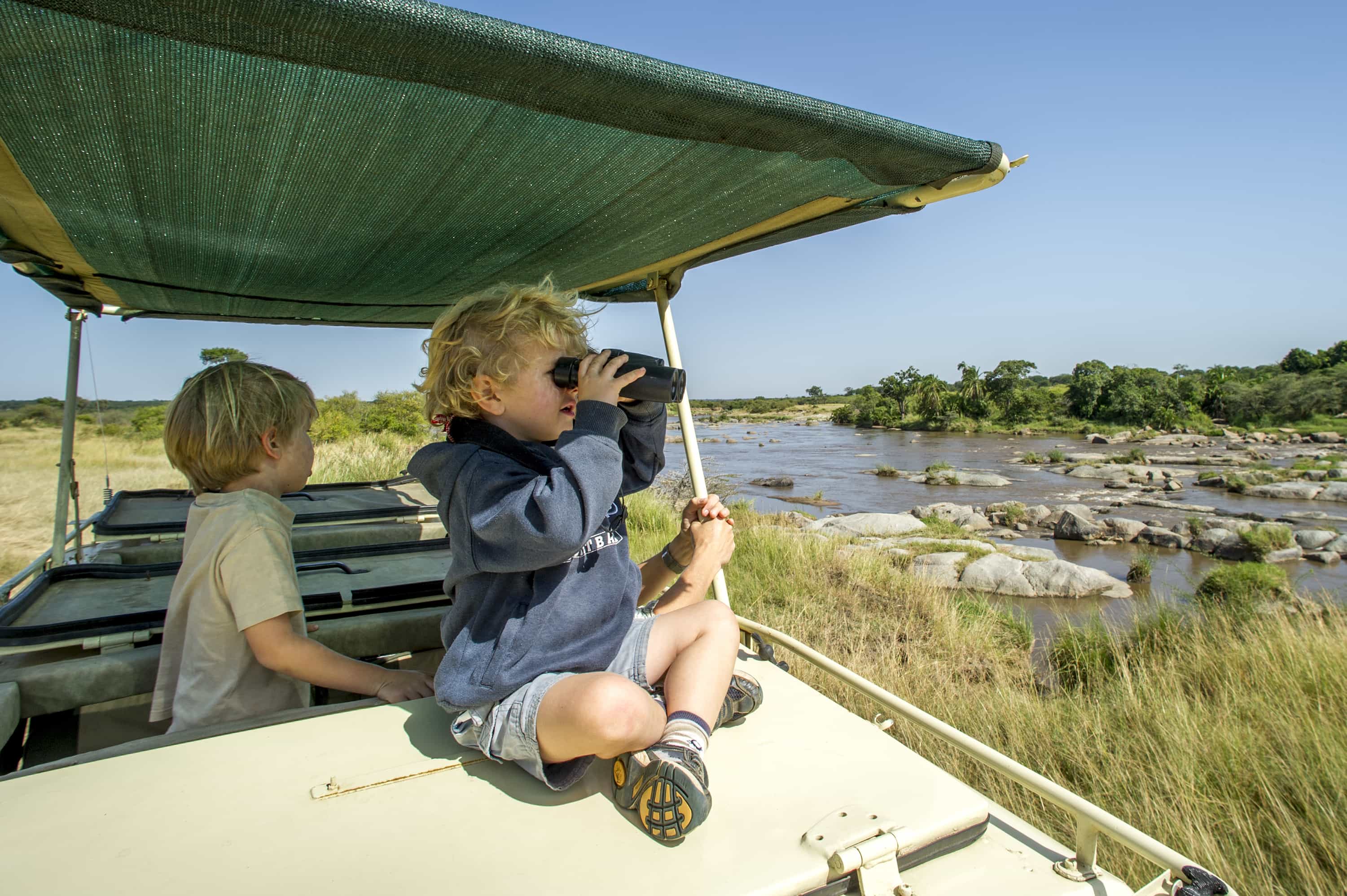
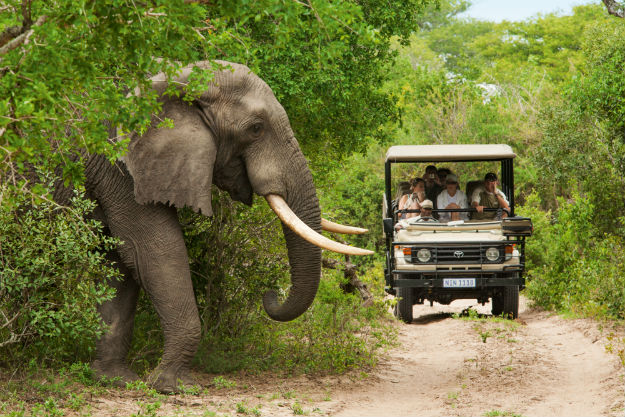
Family-Friendly Activities for game drive in Sipi Falls for birders

Family-Friendly Activities for game drive in Sipi Falls for birders

By Travel stories and blogs, Family holidays, Safari holidays, Travel guides, Uganda travel guides

Family-Friendly Activities for Game Drive in Sipi Falls for Birders

An Enchanting Escape into Nature

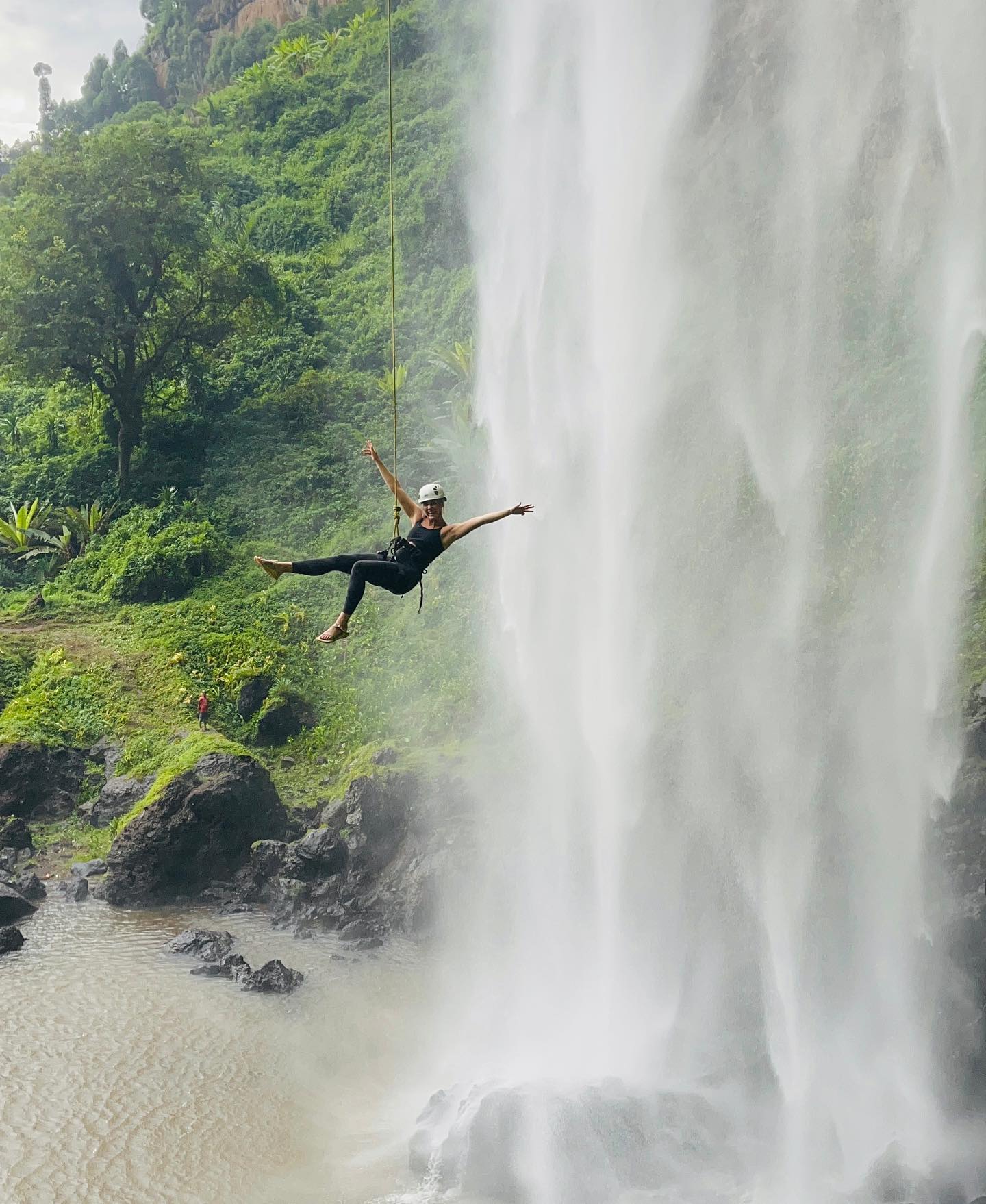
Nestled in the foothills of Mount Elgon, Sipi Falls in Uganda presents a spectacular escape for families seeking a blend of adventure, relaxation, and natural wonder. Renowned for its cascading waterfalls, lush landscapes, and rich biodiversity, this destination has become a haven for bird enthusiasts. Family-friendly game drives in Sipi Falls offer a unique opportunity to combine wildlife observation with the serenity of one of Uganda’s most scenic locales. For birders, young and old, the experience extends beyond mere sightseeing; it immerses travelers in a living classroom where species diversity, ecological interactions, and breathtaking landscapes unfold at every turn.

The journey to Sipi Falls is not just a passage through space but a venture into a realm where nature, culture, and adventure intersect. Families are afforded the chance to create memories together while exploring Uganda’s rich ecosystems, witnessing wildlife in their natural habitats, and observing a kaleidoscope of avian life that is as fascinating as it is educational.

The Allure of Sipi Falls for Families and Birders

Sipi Falls is characterized by a series of three dramatic waterfalls that cascade down the cliffs of Mount Elgon, offering panoramic views that captivate visitors at first sight. The surrounding landscape is lush, dotted with coffee plantations, terraced farms, and verdant forests that provide essential habitats for a wide variety of bird species. For family travelers, the region offers trails and viewpoints that are suitable for all ages, ensuring that even younger members can enjoy the scenery without fatigue or risk.

Birders, in particular, are drawn to the region due to its exceptional avian diversity. Rare and endemic species such as the African broadbill, mountain illadopsis, and purple-breasted sunbird can be spotted along the forested paths and open fields. Each sighting becomes an opportunity for observation and learning, enhancing the experience for children and adults alike. The game drive offers a mobile platform for exploration, allowing families to traverse different habitats while remaining comfortably seated, making it accessible to all members.

Game Drives: Immersive Wildlife Experiences

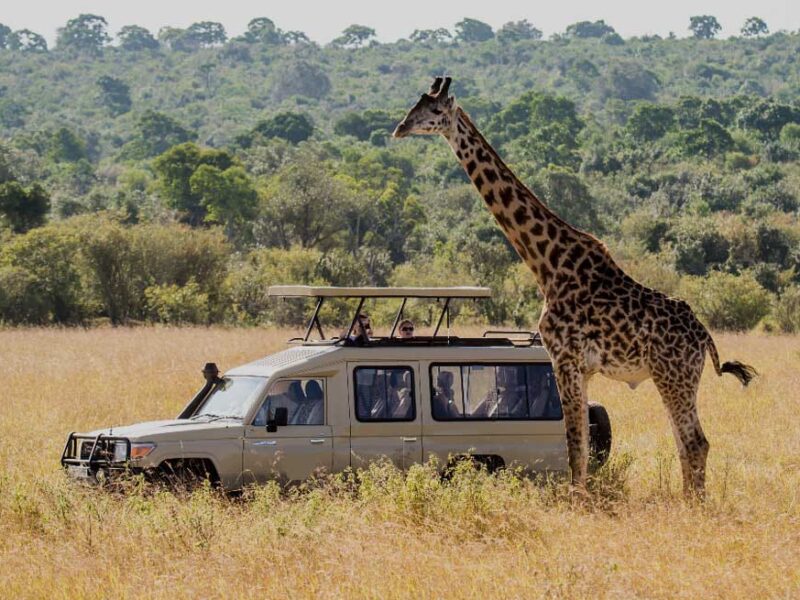
The game drive in Sipi Falls offers more than casual sightseeing. It is conducted under the guidance of trained rangers and birding specialists who ensure that both safety and education are prioritized. The rolling hills, forest edges, and riverbanks provide natural corridors where wildlife can be observed unobtrusively. Families have the opportunity to witness monkeys leaping through the canopy, monitor lizards basking on rocks, and a variety of antelope species grazing in open clearings. For birders, binoculars and field guides become essential tools as they identify species based on plumage, calls, and behavior.

During these drives, emphasis is placed on interpretation and awareness. Rangers highlight the ecological roles of different species, their interactions with the environment, and the conservation challenges they face. Children are encouraged to participate actively, learning to recognize different bird calls, observe feeding behaviors, and understand migratory patterns. The combination of observation, interaction, and storytelling transforms the game drive into a rich educational experience that is both enjoyable and meaningful for the entire family.

Scenic Trails and Waterfall Exploration

While game drives provide mobile exploration, the region’s walking trails complement the experience, allowing families to engage more intimately with the environment. Paths leading to the three waterfalls are well-maintained and offer varying levels of difficulty, making it possible for families to choose routes suited to their comfort levels. Along these trails, flora and fauna reveal themselves in abundance, from flowering shrubs attracting sunbirds to forested sections where raptors may be glimpsed circling overhead.

The waterfalls themselves create natural amphitheaters where sound and motion captivate visitors. Children are often fascinated by the mist and the sudden plunges of water, while adults may reflect on the geological and ecological significance of the area. The combination of game drives and waterfall exploration ensures that the family’s experience is dynamic, blending observation, physical activity, and sensory engagement.

Birding for Families: Learning and Connection

Birding in Sipi Falls offers an exceptional opportunity for families to engage with nature while fostering knowledge and patience. Guided sessions during game drives provide insight into bird identification techniques, feeding habits, and mating behaviors. Families are encouraged to maintain quiet observation, allowing birds to be studied without disturbance. This careful attention enhances children’s understanding of ecosystems and strengthens their appreciation for wildlife.

The experience also cultivates intergenerational learning. Parents, grandparents, and children can share discoveries, compare observations, and participate in storytelling about the birds and their habitats. The connection formed with nature during these moments often extends beyond the trip, fostering long-term interest in conservation and outdoor activities.

Cultural and Culinary Experiences Around Sipi Falls

The region surrounding Sipi Falls is rich in cultural heritage, providing families with opportunities to complement wildlife experiences with local engagement. Small villages offer insights into traditional lifestyles, agricultural practices, and artisanal crafts. Families may witness coffee processing firsthand, learning about the importance of coffee cultivation to local livelihoods, while also sampling freshly brewed local coffee.

Local cuisine enhances the family-friendly experience further. Meals prepared with freshly harvested ingredients showcase the flavors of Uganda, including roasted maize, seasonal fruits, and fish from nearby rivers. Families are encouraged to engage with local cooks, who share stories and preparation techniques, turning each meal into a cultural and educational moment. This combination of wildlife, culture, and gastronomy enriches the journey, making Sipi Falls a destination that caters to curiosity, appetite, and adventure simultaneously.

Planning the Family Adventure

Preparation for a family-friendly game drive and birding adventure in Sipi Falls requires attention to both practical and educational aspects. Families are advised to travel during the dry season to ensure safer trails, clearer visibility for birding, and easier navigation during game drives. Appropriate attire includes lightweight clothing suitable for warm days, along with comfortable walking shoes for trail exploration. Binoculars, field guides, and cameras enhance observation, while rain jackets and insect repellent ensure comfort in the rainforest’s microclimates.

Engaging certified guides and rangers is crucial to maximize both safety and educational value. Their expertise allows for meaningful wildlife encounters and birding observations, while their knowledge of local culture ensures a respectful and immersive experience. Planning should also accommodate dietary needs, particularly for children, to ensure that each meal contributes positively to the overall experience.

The Transformative Impact of Nature on Families

The combination of game drives, birding, and waterfall exploration provides families with an immersive experience that extends beyond entertainment. Children learn to observe, interpret, and appreciate the intricacies of natural systems, while adults often reflect on the beauty and complexity of ecosystems. Shared experiences in Sipi Falls cultivate family cohesion, as challenges and discoveries are experienced collectively. The result is not only a memorable vacation but a transformative journey that inspires curiosity, environmental stewardship, and lifelong bonds with nature.

Witnessing birds in their natural habitat, hearing waterfalls’ rhythmic descent, and observing wildlife along the forested trails instills a sense of wonder and respect for the natural world. Families return home with stories, photographs, and knowledge that extend the impact of the trip far beyond its duration.

Sipi Falls as a Family Destination

Sipi Falls represents a rare convergence of natural beauty, biodiversity, and cultural richness that makes it an ideal destination for family-friendly activities. From immersive game drives to guided birding sessions and waterfall exploration, the region provides an unparalleled opportunity for families to connect with nature, learn together, and create enduring memories. The combination of adventure, education, and relaxation ensures that every family member, from young children to grandparents, finds fulfillment and engagement throughout the journey.

For families seeking to experience the full potential of this destination, it is highly recommended to book tours and safaris with WildHorn Africa. Their expert guidance ensures seamless, safe, and enriching experiences, providing families with curated itineraries that combine wildlife observation, birding, cultural immersion, and gastronomy. Through WildHorn Africa, families are guaranteed a comprehensive adventure in Sipi Falls, creating memories that will last a lifetime.

5 Best Family-friendly Safaris in South Africa

5 Best Family-friendly Safaris in South Africa

By Family holidays, South Africa travel guides, Travel guides, Travel stories and blogs

5 Best Family-Friendly Safaris in South Africa

Where Wild Wonders Meet Family Adventure

South Africa is a land of dramatic landscapes, iconic wildlife, and unforgettable experiences. But beyond the thrilling game drives and luxurious lodges lies a deeper appeal: it is one of the most family-friendly safari destinations in the world. Whether you’re traveling with toddlers, teens, or grandparents, South Africa offers diverse safari experiences that combine wildlife, comfort, safety, and fun for all ages.

From malaria-free reserves to interactive educational programs and tailored accommodations, here are the five best family-friendly safaris in South Africa—each promising memories that will last a lifetime.

1. Madikwe Game Reserve – The Malaria-Free Marvel

Located in South Africa’s North West Province, near the Botswana border, Madikwe Game Reserve is one of the country’s best-kept safari secrets—and a top choice for families.

Why It’s Family-Friendly

  • Malaria-Free Zone: Parents can breathe easy knowing their little ones are safe from malaria without the need for preventive medication.
  • Big Five Viewing: The reserve is home to elephants, lions, leopards, rhinos, and buffalo, as well as wild dogs, giraffes, and countless bird species.
  • Child-Centric Lodges: Accommodations such as Tau Game Lodge and Jaci’s Safari Lodge offer specialized children’s programs, babysitting services, and kiddie safaris.

Experiences for the Whole Family

  • Interactive Safari Drives: Shorter, flexible game drives tailored for young children.
  • Junior Ranger Programs: Nature walks, animal tracking, and bushcraft classes engage kids in conservation while having fun.

Madikwe’s unique blend of accessibility, exclusivity, and family focus make it ideal for first-time safari families.

2. Pilanesberg National Park – Big Game Close to the City

Nestled in an extinct volcanic crater, Pilanesberg National Park is just a 2.5-hour drive from Johannesburg, offering a convenient and rewarding safari experience without extensive travel.

Why It’s Family-Friendly

  • Easy Access: No flights needed, making it ideal for families with young children.
  • Malaria-Free: Like Madikwe, the park is in a malaria-free zone.
  • Wide Range of Accommodation: From family-friendly lodges to budget chalets and luxury resorts.

Activities and Attractions

  • Self-Drive Safaris: For adventurous families wanting a more flexible schedule.
  • Sun City Resort Nearby: Combine your safari with water parks, zip lines, and entertainment.
  • Hideouts and Viewing Decks: Safe, engaging spots where children can observe wildlife up close.

Pilanesberg is perfect for short, accessible safaris that don’t compromise on wildlife or fun.

3. Kruger National Park – The Iconic Safari Adventure

No list would be complete without Kruger National Park, South Africa’s most famous wildlife destination. Stretching over 19,000 square kilometers, Kruger offers a classic safari experience with something for everyone.

Why It’s Family-Friendly

  • Diverse Accommodation Options: From self-catering rest camps to private lodges with family suites.
  • Educational Opportunities: Interpretive centers, guided bush walks, and interactive displays enrich the experience.
  • Varied Landscapes: Keep young minds stimulated with changing scenery and biodiversity.

Best Family Experiences

  • Skukuza Rest Camp: Offers family cottages, a pool, restaurant, and a kids’ play area.
  • Kruger National Park Junior Ranger Program: Teaches children about ecology and wildlife in a fun, engaging format.
  • Night Drives and Braais: Unique opportunities to see nocturnal animals and enjoy traditional outdoor cooking.

While Kruger is more tourist-heavy, careful planning ensures a tailored, rewarding family adventure.

4. Kwandwe Private Game Reserve – Luxury with Heart

Located in the Eastern Cape, Kwandwe Private Game Reserve is a premium destination for families seeking intimate, educational safari experiences in a malaria-free setting.

Why It’s Family-Friendly

  • Private Villas and Family Suites: Complete with pools, chefs, and guides.
  • Customizable Activities: Tailored game drives, treasure hunts, and cooking classes for kids.
  • Deep Conservation Ethos: Opportunities for children to learn about wildlife protection and community support.

Unique Family Offerings

  • Kids on Safari Program: Includes bug collecting, spoor tracking, and interactive learning.
  • Babysitting Services: Available for parents who want a romantic dinner or a longer game drive.
  • Child-Friendly Cuisine: Menus designed to suit all ages.

Kwandwe is for families who value luxury, learning, and legacy all in one.

5. Shamwari Game Reserve – Conservation in Action

Also in the malaria-free Eastern Cape, Shamwari Game Reserve blends wildlife viewing with meaningful conservation engagement.

Why It’s Family-Friendly

  • Malaria-Free: Ensuring peace of mind for families.
  • Purpose-Built Lodges: Like Riverdene Family Lodge, with playrooms, supervised activities, and pools.
  • Educational Depth: Includes visits to the Born Free Big Cat Rescue Centre and the Wildlife Rehabilitation Centre.

Family Highlights

  • Guided Game Drives with Child Specialists: Ensuring safety and engagement.
  • Wildlife Education: Learn about anti-poaching, animal care, and conservation science.
  • Nature Walks: Short, safe bush walks tailored to younger children.

Shamwari is ideal for families who want to combine fun with purpose, learning while exploring.

Tips for a Successful Family Safari

  • Choose Malaria-Free Zones: Especially important for children under 5.
  • Pack Smart: Include sunscreen, hats, binoculars, wildlife guides, and layers of clothing.
  • Plan Shorter Game Drives: Young children can tire easily; many lodges offer shorter, private drives.
  • Embrace Educational Moments: Many reserves offer junior ranger programs or wildlife talks.
  • Involve Everyone: Let kids keep a journal, draw the animals they see, or help plan activities.

Create Unforgettable Family Memories with WildHorn Africa

Family safaris are more than just vacations—they’re shared adventures, filled with awe, laughter, and discovery. From spotting a lion for the first time to sitting around a campfire under the stars, these moments bond families in ways no ordinary holiday can.

WildHorn Africa specializes in crafting tailor-made, family-friendly safaris that balance excitement, safety, comfort, and learning. With expert guides, child-friendly lodges, and customized itineraries, WildHorn Africa turns your safari dreams into lifelong memories.

Book your South African family safari today with WildHorn Africa – where every moment is wild, wondrous, and unforgettable.

Family-Friendly Safaris #Family-Friendly Safaris Family-Friendly Safaris

The Budget-Friendly Ideas: travel safety tips at Jinja for adventure seekers

The Budget-Friendly Ideas: travel safety tips at Jinja for adventure seekers

By Travel stories and blogs, Adventure holidays, Bucket list holidays, Family holidays, Safari holidays, Uganda travel guides

The Budget-Friendly Ideas: Travel Safety Tips at Jinja for Adventure Seekers

Where Adventure Meets Affordability

There is a special energy that radiates from Jinja, a lakeside town in eastern Uganda, celebrated globally as the adventure capital of East Africa. Situated at the point where Lake Victoria releases its waters to form the mighty Nile, Jinja has become a hub for thrill-seekers who crave activities such as white-water rafting, bungee jumping, quad biking, kayaking, and sunset cruises. Its vibrancy is amplified by cultural experiences, lively nightlife, and a welcoming atmosphere that makes every traveler feel at home.

Yet for those drawn by the promise of adrenaline, Jinja offers more than thrills. It offers affordability. Budget-conscious travelers often assume that safety and security are luxuries reserved for premium travel. In reality, Jinja demonstrates that careful preparation and informed choices can allow adventure seekers to experience its wonders with confidence and without overspending. Safety here is not about extravagance but about awareness, responsibility, and the ability to enjoy every activity within one’s means.

This guide explores in depth the budget-friendly safety tips that long-stay adventurers and short-term explorers alike need to know when traveling to Jinja. It blends practical insights with cultural awareness, ensuring that affordability and security are balanced seamlessly to create the ideal adventure experience.

Jinja — The Heartbeat of Adventure

To understand why safety tips are essential, one must first appreciate the character of Jinja itself. The town is a blend of history and modernity, where colonial architecture lines streets filled with cafes, markets, and guesthouses. Beyond the town center lies the Source of the Nile, a point of symbolic and geographical importance that has lured explorers for centuries.

Adventure dominates the traveler’s imagination in Jinja. From the thunderous rapids of the Nile that attract rafters from across the globe, to the quiet allure of horseback safaris through rolling countryside, the destination caters to all levels of adrenaline. Yet every adventure carries inherent risks, especially when pursued with limited budgets where shortcuts may tempt travelers into unsafe decisions.

Safety, therefore, becomes the silent companion of adventure — one that ensures each experience is memorable for the right reasons.The Budget-Friendly Ideas: travel safety tips at Jinja for adventure seekers

Budget Travel and Safety — Striking the Balance

Budget travel is often misunderstood as synonymous with compromise. While costs can be reduced through strategic choices, safety should never be sacrificed. In Jinja, the balance is possible because the town itself is structured around tourism. Adventure operators, guesthouses, and restaurants are accustomed to hosting international visitors and have adapted their services to meet a wide range of budgets without discarding essential safety standards.

For adventure seekers, the priority lies in identifying trustworthy providers. Affordability must never mean recklessness. The challenge is to allocate resources wisely: to invest in areas where safety is non-negotiable, such as rafting or bungee jumping, while economizing on other areas such as accommodation or dining without risking health or comfort.

This mindset allows travelers to engage deeply with Jinja’s offerings while ensuring that every thrill remains secure.

Road Safety — Reaching Jinja Securely

The journey to Jinja is itself an adventure. Located roughly 80 kilometers east of Kampala, the town is accessible by road in about two to three hours. For budget travelers, public buses, shared taxis, or minibuses known as matatus are the most affordable means of transport. However, safety must remain a priority when choosing road transport.

Vehicles should be selected based on reputation and condition rather than the lowest fare. Overcrowding is common in cheaper services, and this increases risks. For those on tighter budgets, reputable bus companies provide safer alternatives without significant additional expense. Traveling during daylight is strongly recommended, as roads are easier to navigate and emergency response is quicker if needed.

Long-stay adventurers often find value in hiring motorcycles (boda bodas) for short distances once in Jinja. While inexpensive, they present risks if drivers are unlicensed or if helmets are not provided. Choosing safer operators, even at a slightly higher price, ensures peace of mind.

Adventure Activities — Budget Choices with Safety in Mind

White-Water Rafting

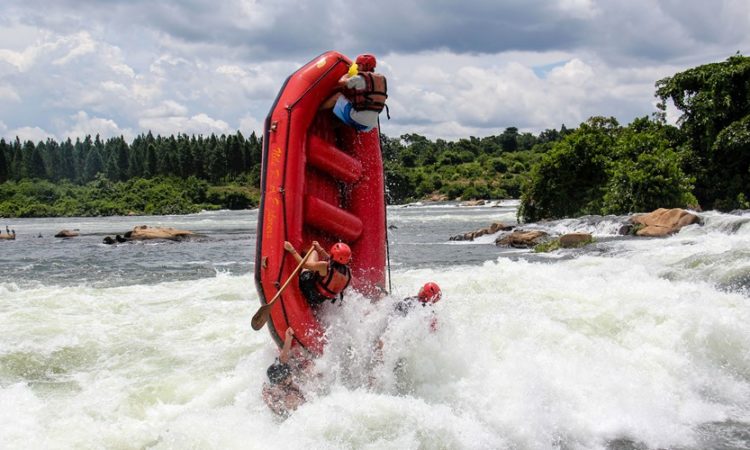
The Nile’s rapids are Jinja’s crown jewel, attracting rafters from across the globe. While several companies offer budget rafting packages, safety standards must guide the choice. Licensed operators provide helmets, life jackets, safety kayakers, and experienced guides who know how to navigate the river’s powerful currents. Though these companies may charge more than unlicensed alternatives, the additional cost is an investment in survival and enjoyment.

Budget-friendly does not mean unsafe rafting; it means selecting half-day trips instead of full-day packages or sharing transport with groups rather than booking privately. The thrill of conquering Grade V rapids is the same, but with safety uncompromised.

Bungee Jumping

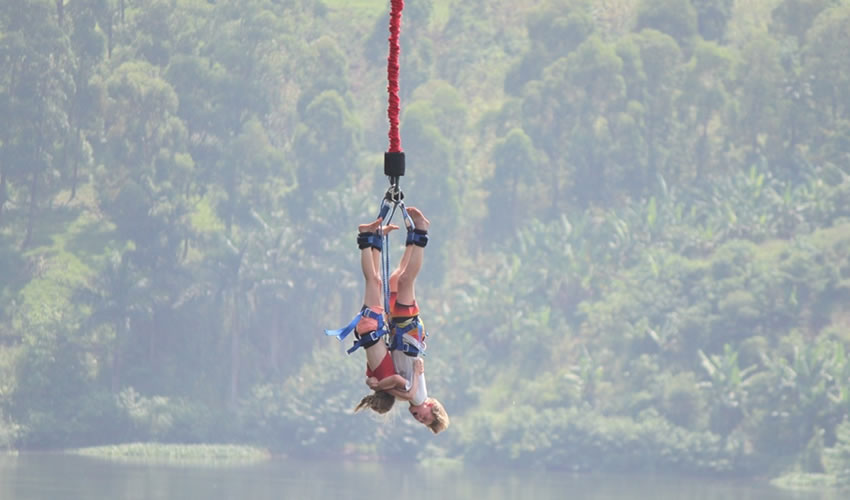
Jinja’s bungee jump is one of Africa’s most iconic experiences, offering a plunge from a towering platform toward the Nile. Here, safety is paramount, as the activity relies on equipment and expertise. Budget travelers should never be tempted by unauthorized operators or shortcuts. Instead, they can reduce costs by combining bungee jumping with other adventure activities in packaged deals offered by reputable companies, ensuring affordability without losing professional standards.The Budget-Friendly Ideas: travel safety tips at Jinja for adventure seekers

Quad Biking and Horseback Riding

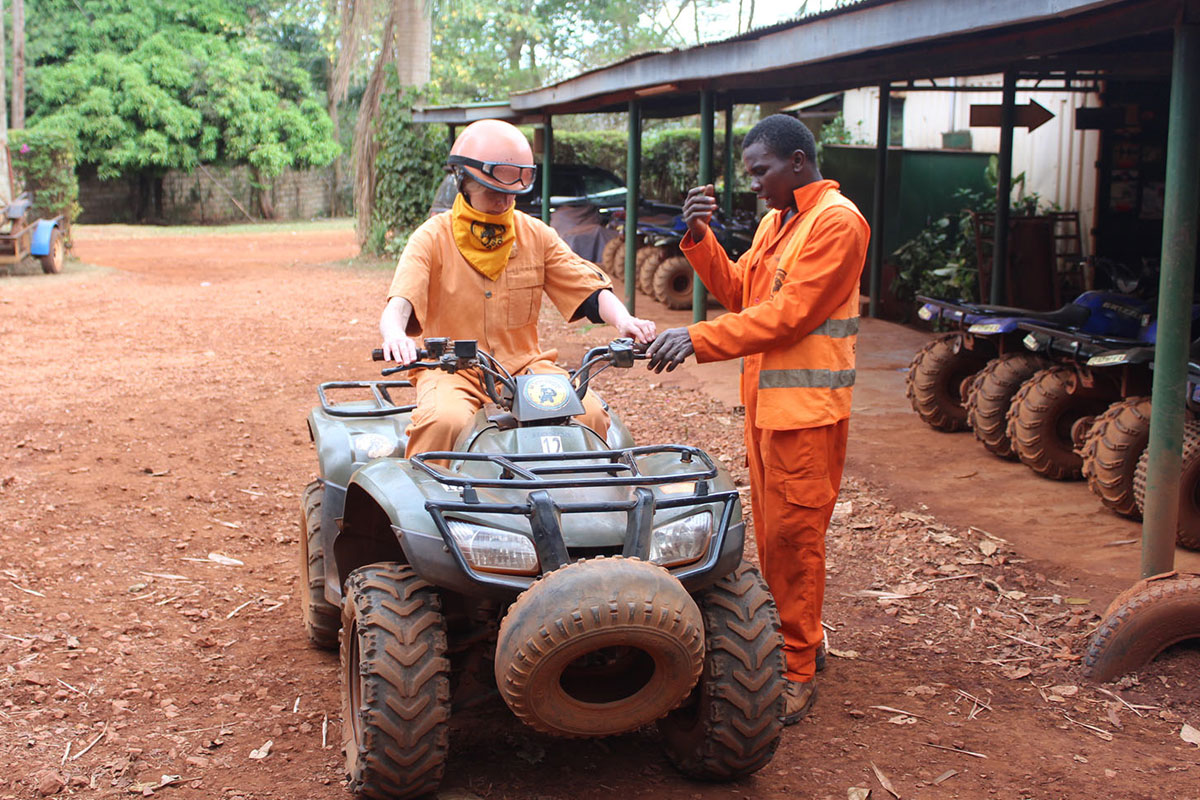
Exploring the countryside on quad bikes or horseback is a popular activity. Budget-conscious travelers can economize by choosing shorter sessions, which still provide immersion into rural life and spectacular views. Safety is assured when operators provide helmets, instruction, and supervision. For horseback safaris, well-trained horses and knowledgeable guides ensure security for both beginners and experienced riders.

Kayaking and Canoeing

For those who prefer quieter adventures, kayaking on calmer sections of the Nile offers affordability and safety. Budget travelers can often share equipment or guides with others, reducing expenses. The crucial point is to ensure that equipment is well maintained and that flotation devices are always provided.

Accommodation — Safe and Affordable Retreats

Jinja offers a spectrum of accommodation, from high-end lodges to modest guesthouses. Budget travelers need not compromise safety for cost. Many guesthouses and eco-lodges around the lake and town provide clean rooms, mosquito nets, and secure environments at affordable rates.

For families or solo adventurers, accommodations with 24-hour reception and secure storage for valuables enhance peace of mind. While dormitory options are popular with backpackers, private rooms in mid-range guesthouses often strike the perfect balance between affordability and safety, especially for those staying longer.

Dining and Food Safety

Food in Jinja reflects Uganda’s culinary vibrancy, blending traditional dishes with international influences. For budget travelers, street food is tempting, yet hygiene must remain the top consideration. Reputable local restaurants often provide inexpensive meals prepared under safer conditions. Dishes such as luwombo, matoke, rolex, and grilled tilapia are not only affordable but also safe when purchased from trusted providers.

For adventure seekers staying longer, self-catering is another safe and budget-friendly option. Fresh produce from local markets allows travelers to enjoy Ugandan flavors while maintaining control over preparation standards.

Health and Wellness — Priorities for Adventure Seekers

Adventure activities exert physical demands, and maintaining health is essential for safety. Budget-conscious travelers must prioritize hydration, malaria prevention, and personal hygiene. Affordable bottled water is widely available, and lodges often provide safe drinking supplies.

Travelers should carry basic first aid kits, including plasters, antiseptics, and insect repellents, which are inexpensive yet invaluable. Long-stay visitors benefit from registering with local clinics, ensuring access to medical services if needed.

Fitness should also be considered. Adventure seekers on limited budgets may not afford extensive recovery treatments, making it important to listen to the body, avoid overexertion, and allow rest between high-energy activities.

Cultural Awareness and Personal Safety

Jinja is a welcoming town, with communities accustomed to hosting international visitors. Still, cultural awareness enhances both safety and enjoyment. Dressing modestly when visiting markets or villages, greeting people respectfully, and supporting local artisans foster goodwill and reduce misunderstandings.

Budget travelers should remain mindful of personal belongings, especially in crowded areas. Affordable safes in guesthouses or discreet money belts provide security for passports and cash. Nightlife in Jinja is lively, but moderation ensures safety. Choosing popular, reputable venues and traveling in groups at night minimizes risks.

Environmental Safety — Protecting Nature and Oneself

Budget-friendly travel often aligns naturally with sustainability. At Lake Victoria and the Nile, adventure seekers should avoid littering, use eco-friendly sunscreen, and respect wildlife habitats. Many eco-lodges and tour operators encourage responsible practices, often at no additional cost.

For safety, avoiding swimming in unfamiliar stretches of the Nile is vital, as currents are unpredictable. Designated swimming areas provided by lodges offer safe alternatives without expense.

Children and families benefit from the lake’s safer zones, where life jackets and supervision transform aquatic fun into secure adventure.

Psychological Comfort for Budget Travelers

Adventure is as much psychological as physical. Budget travelers sometimes fear that lower spending equates to higher risk. In Jinja, this perception can be dispelled through careful choices. Confidence is built by selecting reputable operators, preparing thoughtfully, and recognizing that safety does not require extravagance but intentionality.

Long-stay travelers often find reassurance in building relationships with local providers, staff, and fellow adventurers. Over time, familiarity with routines, cultural rhythms, and town structure creates psychological safety that allows for deeper immersion.

The Legacy of Safe Budget Travel in Jinja

For adventure seekers, the ultimate memory of Jinja lies not in costs or risks but in the exhilaration of its landscapes and activities. White-water rafting on the Nile, jumping into its depths, or gliding across its calm stretches are experiences that linger for a lifetime. Safety ensures those memories remain positive, while affordability ensures that they are accessible to all who dream of them.

The legacy of budget-friendly safety in Jinja is a reminder that luxury lies not only in expensive indulgence but in the freedom to explore responsibly. Every traveler who engages wisely leaves with not only stories of adventure but also lessons in resilience, balance, and cultural respect.

Travel Safely with WildHorn Africa

For adventure seekers who wish to explore Jinja’s thrills with confidence, WildHorn Africa provides curated experiences that balance affordability with uncompromised safety. Their expertise ensures that even budget-conscious travelers enjoy secure activities, reputable lodges, and guided itineraries tailored to both excitement and responsibility.

From arranging white-water rafting with licensed operators to securing affordable yet comfortable accommodations, WildHorn Africa transforms a trip to Jinja into an adventure where safety and affordability are perfectly aligned. By traveling with them, adventurers not only safeguard their journeys but also contribute to sustainable tourism that empowers local communities.

In 2025 and beyond, Jinja remains the beating heart of adventure in Uganda. With WildHorn Africa, travelers can embrace its thrills without hesitation, confident that every step, paddle, and jump is guided by expertise, responsibility, and care.

Safety Guide Kidepo Valley National Park road trip for long-stay travelers

Safety Guide Kidepo Valley National Park road trip for long-stay travelers

By Travel stories and blogs, Adventure holidays, Family holidays, Safari holidays, Uganda travel guides, Wildlife holidays

Safety Guide Kidepo Valley National Park Road Trip for Long-Stay Travelers

Where Wilderness and Adventure Intersect

There are places in Africa where wilderness remains as raw and unspoiled as it was centuries ago. In Uganda, that place is Kidepo Valley National Park, a rugged expanse of savannah, mountains, and semi-arid plains far removed from the bustle of urban centers. Tucked in the country’s northeastern corner near the borders with Kenya and South Sudan, Kidepo is often described as the “true African wilderness” — a sanctuary where landscapes stretch endlessly, wildlife roams freely, and silence is broken only by the calls of lions, cheetahs, and countless birds.

For the modern traveler, and especially for those staying long-term in Uganda, the road trip to Kidepo is not simply a journey. It is an initiation into one of Africa’s most untouched ecosystems. Yet the remoteness that defines Kidepo also brings challenges. Reaching the park involves traversing hundreds of kilometers of rural roads, navigating isolated regions, and preparing for unpredictable conditions. Safety, therefore, becomes not an afterthought but the foundation of the experience.

This guide is designed to offer long-stay travelers a comprehensive perspective on road trip safety to Kidepo Valley National Park. It explores everything from road conditions and timing to vehicle preparation, cultural awareness, and health considerations. More than a checklist, it provides a structured narrative to help travelers engage with Kidepo responsibly, comfortably, and with the confidence that their journey will be as rewarding as it is secure.

The Allure of Kidepo Valley National Park

Before considering safety, one must first understand why Kidepo draws travelers despite its distance. Covering 1,442 square kilometers, the park boasts landscapes unlike any other in Uganda. From the sweeping Narus Valley, rich with herds of buffalo and elephants, to the stark beauty of the Kidepo Valley itself, dotted with Borassus palm trees and traversed by seasonal rivers, the park exudes drama.

Wildlife thrives here in abundance. Kidepo is one of the few places in Uganda where cheetahs, ostriches, and striped hyenas coexist alongside iconic species like lions, giraffes, and elephants. Birdlife is equally impressive, with more than 470 species recorded. For long-stay travelers seeking experiences beyond the common circuits of Bwindi or Queen Elizabeth, Kidepo represents the ultimate reward: exclusivity, authenticity, and grandeur.

The remoteness that makes Kidepo so magical also demands preparation. Travelers cannot simply arrive unplanned; the road trip itself is an adventure that requires foresight, respect, and resilience.Safety Guide Kidepo Valley National Park road trip for long-stay travelers

Road to Kidepo — Distances and Routes

The most common overland journey begins in Kampala, Uganda’s capital. From there, several routes lead northwards, ranging from 550 to 700 kilometers depending on the path chosen. Most trips require at least 10 to 12 hours of driving, often spread across two days for comfort and safety.

Popular routes include traveling through Gulu and Kitgum before turning east toward Kidepo, or taking a more eastern path through Mbale, Soroti, and Moroto, offering opportunities to encounter the dramatic landscapes of Karamoja. Each route has its own conditions and cultural encounters, but all share the common factor of requiring patience and vigilance.

For long-stay travelers, the road trip becomes part of the adventure. Yet it is also where safety concerns emerge most strongly, from varying road surfaces to remoteness and limited services.

Vehicle Considerations — The Foundation of Safety

A road trip to Kidepo cannot be undertaken casually in any vehicle. The distance, terrain, and unpredictability demand a 4×4 vehicle in excellent condition. Roads vary from tarmac highways to gravel tracks, and in rainy seasons, some stretches become muddy and difficult to navigate.

For safety, vehicles should be serviced before departure, ensuring brakes, suspension, and tires are in top condition. Long-stay travelers often rely on rented safari vehicles, which come with added benefits such as professional drivers familiar with the routes. Those who prefer self-drive must prepare thoroughly, carrying spare tires, tools, fuel reserves, and knowledge of basic mechanics.

Luxury in this context is not leather seats or onboard entertainment but the assurance of reliability. A well-prepared vehicle is the first and most critical safeguard against the challenges of the road.

Timing the Journey — Seasonality and Weather

Uganda’s climate plays a decisive role in road safety. The dry seasons — December to February and June to September — are considered the best times for traveling to Kidepo. Roads are more passable, visibility is higher, and conditions in the park are easier for game drives.

The wet seasons, particularly March to May and October to November, pose greater risks. Heavy rains transform dirt tracks into slippery mud, rivers swell, and delays become common. For long-stay travelers with flexible schedules, aligning the road trip with dry months significantly reduces risks and enhances comfort.

Additionally, the timing of departure matters. Starting journeys early in the morning maximizes daylight driving hours, minimizing the dangers associated with navigating rural roads in darkness. For safety, overnights in towns like Gulu or Kitgum are recommended, turning the trip into a paced adventure rather than an exhausting marathon.

Cultural Awareness — Traveling Through Karamoja and Beyond

One of the unique aspects of a Kidepo road trip is the passage through Karamoja, a region once perceived as isolated but now celebrated for its cultural richness. Home to pastoralist communities, Karamoja offers travelers glimpses into traditional lifestyles, cattle herding, and vibrant dances.

For safety and respect, long-stay travelers must approach these encounters with awareness. Photography should always be requested politely, conversations approached with humility, and interactions framed by curiosity rather than intrusion. Lodges and guides often facilitate introductions, ensuring cultural exchanges are safe and meaningful.

The social landscape of northern Uganda has stabilized significantly in recent decades, making travel safer than in the past. Yet, as with all remote regions, attentiveness and cultural sensitivity remain central to security.

Health and Personal Safety Considerations

A road trip to Kidepo traverses areas with limited medical facilities. Long-stay travelers must therefore prepare thoroughly. Carrying a well-stocked first aid kit, personal medications, and insect repellents is essential. Malaria prophylaxis is strongly advised, as mosquitoes are common in lowland areas.

Hydration is equally critical. The semi-arid climate of Kidepo and the long road journey can quickly lead to fatigue if water is not consumed regularly. Lodges and tour operators often ensure supplies, but travelers should carry reserves during transit.

Food safety is another consideration. While roadside stops may be tempting, long-stay travelers are advised to rely on trusted lodges, packed meals, or reputable restaurants in larger towns for hygiene assurance.

Communication and Navigation

Remote regions often mean limited mobile network coverage. Travelers should not rely solely on digital navigation. Paper maps, pre-downloaded GPS routes, and local guides provide security against disorientation.

Satellite phones or radios are often used by professional guides and luxury operators, ensuring constant communication even in the most isolated stretches. For long-stay travelers planning multiple safaris across Uganda, investing in or arranging access to such equipment adds a layer of safety that should not be underestimated.

Inside Kidepo — Road Safety in the Park

Arriving at Kidepo does not end the journey; it begins a new stage of road safety within the park itself. Game drives involve traversing dirt tracks that meander through valleys and across plains. During dry seasons, dust reduces visibility, while wet conditions create mud that challenges even experienced drivers.

Speed must always be moderated. Wildlife has right of way, and sudden appearances of elephants, buffalo, or antelopes on tracks can startle inexperienced drivers. For safety, guided game drives led by professional rangers or lodge drivers are highly recommended, ensuring not only security but also enhanced interpretation of wildlife behavior.

For long-stay travelers, familiarity with park routes builds over time, but initial drives are best undertaken with expert guidance.

Lodges as Safety Anchors

Luxury lodges within and around Kidepo Valley National Park play a central role in safety. They provide secure accommodations, reliable meals, and trained staff familiar with both the environment and local culture. For long-stay visitors, lodges become more than places to sleep — they are hubs of security, wellness, and guidance.

Many lodges also maintain direct communication with park authorities, ensuring that travelers are updated on conditions such as weather changes, road closures, or wildlife movements. This network of support allows visitors to relax, knowing that safety is actively managed.

The Value of Professional Guides

While independent travel appeals to many, Kidepo’s remoteness amplifies the value of professional guides. Experienced drivers and rangers not only enhance safety but enrich the journey through interpretation of landscapes, wildlife, and culture.

For long-stay travelers, professional guidance can be tailored into longer-term relationships, where familiarity allows itineraries to be crafted with precision. The comfort of knowing that logistics and safety are overseen by experts transforms the road trip from daunting to deeply rewarding.

Long-Stay Considerations — Pacing and Sustainability

For those spending extended periods in Uganda, the road trip to Kidepo should not be viewed as an isolated excursion but as part of a broader rhythm of travel. Pacing is crucial. Attempting to cover vast distances in too little time not only increases risks but diminishes enjoyment.

Sustainability also comes into play. Long-stay travelers have the privilege of time, allowing them to engage with communities, support local economies, and minimize the environmental footprint of rushed journeys. Staying longer in Kidepo reduces the frequency of arduous drives and deepens immersion into the wilderness.

Psychological Dimensions of Safety

Safety is not only physical but psychological. For long-stay travelers, confidence grows with familiarity. The first road trip to Kidepo may feel daunting, with every turn of the wheel carrying uncertainty. Yet over time, knowledge of routes, cultural nuances, and personal preparedness builds reassurance.

Travel in remote areas demands a mindset of resilience. Delays, unexpected weather, or road challenges should be viewed not as threats but as part of the adventure. For luxury travelers, indulgence lies not in eliminating unpredictability but in learning to navigate it with grace and assurance.Safety Guide Kidepo Valley National Park road trip for long-stay travelers

The Legacy of the Road Trip

The journey to Kidepo is as memorable as the destination. The landscapes traversed, the cultures encountered, and the resilience cultivated along the way form a narrative that endures long after the trip ends. For long-stay travelers, the road trip becomes a rite of passage — a story told and retold, where challenges overcome enhance rather than diminish the memory.

Safety, therefore, is not about removing risk entirely but about managing it intelligently. With preparation, respect, and guidance, the Kidepo road trip becomes a journey where wilderness and luxury, remoteness and reassurance, adventure and safety coexist in harmony.

Travel Securely with WildHorn Africa

For those ready to embrace the extraordinary journey to Kidepo Valley National Park, WildHorn Africa provides the expertise required to ensure safety and luxury align perfectly. With carefully maintained vehicles, professional drivers, and bespoke itineraries, WildHorn Africa transforms the road trip into a seamless, enriching experience.

From planning safe routes and arranging secure lodges to providing expert cultural guidance and on-ground support, their services ensure that long-stay travelers need not worry about logistics. Instead, they can immerse themselves fully in the grandeur of Kidepo, confident that every detail has been considered.

In Uganda’s most remote wilderness, the greatest luxury is not only discovery but security. And with WildHorn Africa, travelers are guaranteed both, creating a journey that is as safe as it is unforgettable.

Kabaka's Palace Luxury Escape: Best Time to Visit for weekenders

Kabaka’s Palace Luxury Escape: Best Time to Visit for weekenders

By Travel stories and blogs, Bucket list holidays, Family holidays, Luxury holidays, Safari holidays, Uganda travel guides

Kabaka’s Palace Luxury Escape: Best Time to Visit for Weekenders

The Intersection of Royalty and Refinement

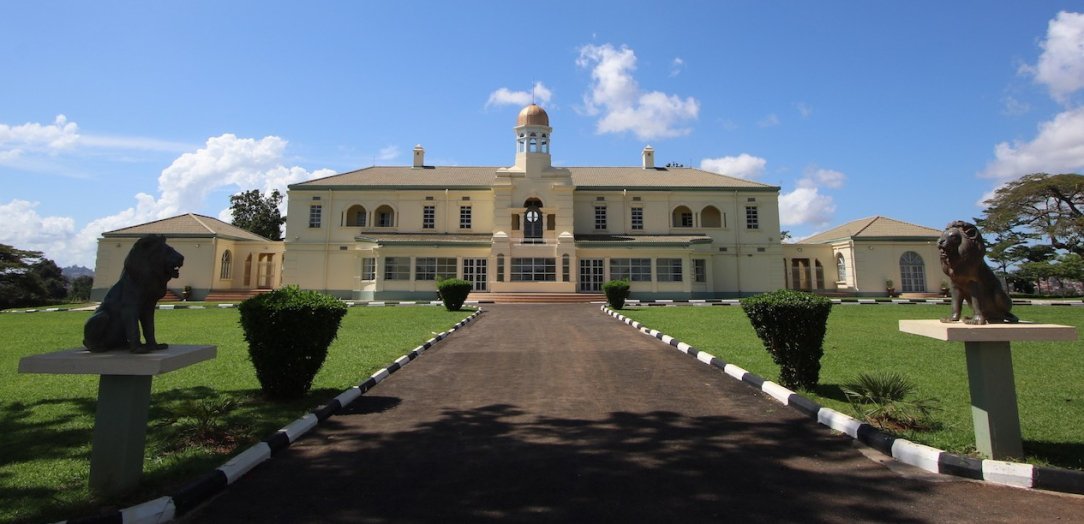
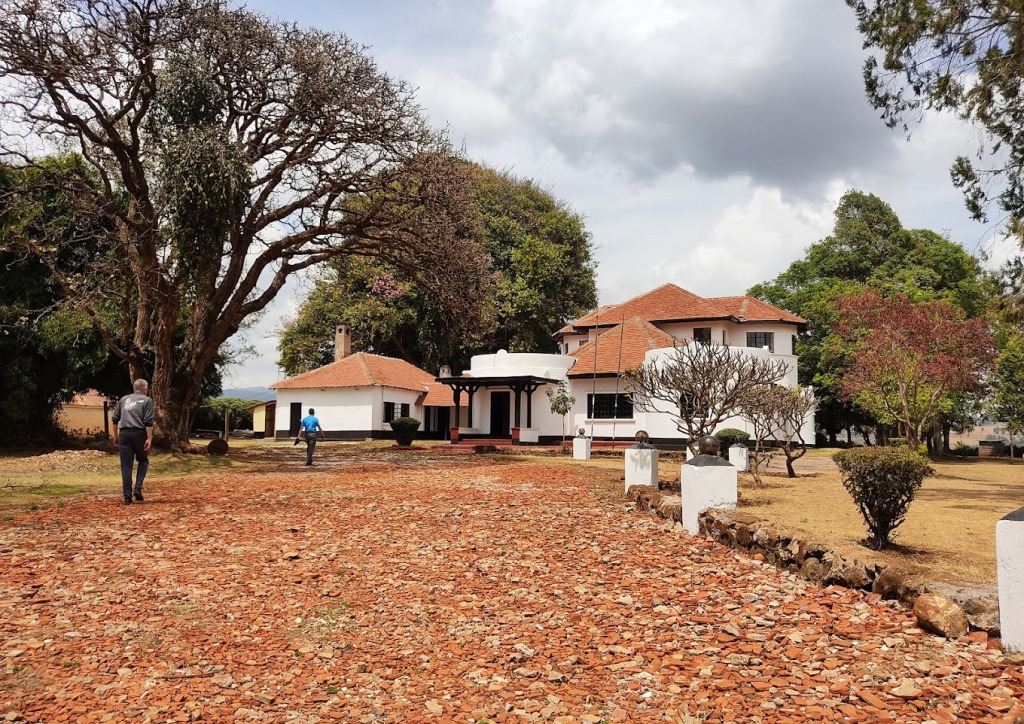
Few places in Uganda combine history, heritage, and luxury as seamlessly as Kabaka’s Palace, perched majestically on Mengo Hill in Kampala. Known locally as Lubiri, this royal residence is more than an architectural marvel — it is the living heartbeat of Buganda’s cultural identity. For centuries, it has stood as a symbol of continuity, resilience, and leadership for the kingdom of Buganda. Yet in today’s era of luxury travel, the palace also offers a rare form of indulgence: the opportunity to step into royal history while enjoying a curated, refined escape.

For the discerning weekender seeking exclusivity, Kabaka’s Palace presents not only grandeur but also intimacy. Its expansive grounds, royal artifacts, and commanding views over Kampala provide a backdrop where luxury is not defined solely by comfort but by immersion into Uganda’s most enduring traditions. The question many ask, however, is this: when is the best time to visit this iconic site to experience it at its finest?

The answer requires more than dates on a calendar. It calls for an understanding of seasons, cultural rhythms, and the subtle nuances that elevate a visit from ordinary sightseeing into a luxury escape worth remembering.

The Palace as a Living Symbol

Before exploring the question of timing, one must first understand the significance of Kabaka’s Palace. Built in 1885 by Kabaka Mwanga II, the palace has witnessed milestones in Buganda’s and Uganda’s history. It has been a site of political drama, cultural preservation, and royal residence, embodying both the triumphs and tribulations of its people.

Unlike many royal residences preserved as static museums, Lubiri is a living symbol of heritage. Its gates remain active, welcoming not only visitors but also events that continue to shape the cultural identity of Buganda. This dynamism transforms any visit into more than sightseeing — it becomes a connection with history in motion. For the luxury traveler, this living heritage is the essence of indulgence: access to narratives that are both timeless and evolving.

Seasons of Kampala — The Climate Dimension

Timing a visit to Kabaka’s Palace requires consideration of Kampala’s climate. Uganda, positioned along the equator, experiences tropical weather with two distinct wet and dry seasons.

The dry seasons, spanning from December to February and again from June to September, are widely regarded as the most favorable. During these months, the palace grounds are bathed in sunshine, skies remain clear, and walking tours unfold without the interruptions of heavy rains. The manicured gardens, already elegant, glow under the light, creating perfect conditions for both photography and leisurely exploration. For weekenders, these months allow an unhurried pace, ensuring comfort and ease while absorbing the palace’s grandeur.

The wet seasons, from March to May and October to November, bring a different atmosphere. While rains may complicate outdoor activities, they imbue the palace surroundings with lush vibrancy. Gardens burst into richer greens, and the air feels fresh and rejuvenated. For those seeking quietude and intimacy, the rains also mean fewer visitors, offering the rare luxury of solitude in a place usually bustling with guests. Here, the timing of the visit is less about weather inconvenience and more about the preference between vibrancy and exclusivity.Kabaka's Palace Luxury Escape: Best Time to Visit for weekenders

Cultural Rhythms — Aligning with Buganda’s Calendar

Beyond weather, the cultural calendar of Buganda adds another dimension to timing. Throughout the year, the palace plays host to ceremonies, commemorations, and cultural festivals that shape the identity of the kingdom.

One of the most celebrated events is the Kabaka’s Birthday Run, an annual gathering that begins at the palace gates, drawing thousands in honor of the king’s health and philanthropy. Visiting during this period immerses travelers in an atmosphere of unity and festivity. Similarly, anniversaries linked to Buganda’s history are often marked by ceremonies that bring the palace grounds alive with music, dance, and traditional regalia.

For luxury weekenders, aligning a visit with such events offers unparalleled depth. It transforms the palace from a site of history into a stage of living culture, where participation — even as an observer — becomes part of the escape. The timing here depends not only on climate but on the desire to experience Buganda in its celebratory rhythm.

The Weekend Advantage

Weekenders face the unique advantage of immersion without overextension. Two to three days spent in Kampala allow for a palace visit framed by complementary experiences that enrich the escape. Timing a palace visit within a weekend itinerary ensures that the grandeur of Lubiri stands as the centerpiece, while other indulgences — fine dining in Kampala, spa retreats in boutique hotels, or Nile boat rides just beyond the city — complete the narrative.

For urban luxury seekers, weekends during the dry seasons align perfectly with outdoor enjoyment, allowing exploration without logistical disruption. However, even rainy-season weekends can be curated into indulgent escapes, as private tours, indoor cultural briefings, and luxury hospitality balance the less predictable climate.

Thus, the best time for weekenders is not dictated only by weather but by intention: whether the traveler seeks festivity, solitude, or cultural resonance.

The Luxury of Guided Immersion

When visiting Kabaka’s Palace, luxury lies in the details of immersion. Private tours, often led by cultural historians or palace guides, elevate the experience by unveiling layers of meaning behind every artifact, architectural feature, and story. Weekend visits scheduled with such guidance ensure that no moment is wasted, and every step through the palace grounds becomes an encounter with history.

The timing of the day also matters. Early mornings bring soft light, fewer crowds, and a calmness that heightens reflection. Late afternoons, in contrast, present golden hues that transform the palace into a photographic masterpiece. For weekenders, the luxury is found in being deliberate with both timing and pace, choosing when to linger, when to reflect, and when to simply absorb the grandeur.

Gastronomy as a Weekend Companion

A palace visit is best paired with indulgence in Buganda’s culinary heritage, which flourishes in Kampala’s fine dining scene. Luxury weekenders often align palace tours with gourmet meals prepared in nearby restaurants or curated dining experiences in boutique hotels. Traditional dishes such as luwombo — a slow-cooked delicacy wrapped in banana leaves — are elevated into fine dining formats, while international cuisines blend seamlessly with local ingredients.

The best time to align such indulgence with a palace visit is typically midday, where a cultural immersion in the morning transitions into culinary relaxation. For weekenders, such pacing ensures balance — exploration in the palace grounds followed by restoration in refined dining spaces.

Photography and Atmosphere

For many travelers, photography defines the essence of timing. The golden hours of morning and evening present unparalleled opportunities to capture the palace against backdrops of soft, glowing skies. Weekenders who time their visit to coincide with these windows leave not only with memories but with heirloom-worthy images.

Rainy-season weekends, though often overlooked, provide a different atmosphere for photography. Clouds lend drama to skies, raindrops create reflective surfaces on palace walkways, and the subdued light enhances textures often flattened by midday sun. For the creative traveler, such conditions represent luxury not in predictability but in the uniqueness of atmosphere.

Wellness and Reflection

Luxury weekend escapes are incomplete without wellness, and the palace visit can be framed as more than sightseeing — it can be experienced as reflection. The spacious grounds, quiet corners, and symbolic architecture create an environment where visitors are invited to pause and contemplate.

The best time for this reflective dimension is often early morning, when the grounds are quiet, or on rainy weekends when the slower rhythm encourages stillness. For the luxury traveler, wellness is found not only in spas and resorts but also in moments where history, architecture, and serenity intersect.Kabaka's Palace Luxury Escape: Best Time to Visit for weekenders

The Year-Round Luxury of Kabaka’s Palace

Ultimately, Kabaka’s Palace is a year-round destination. Its cultural importance ensures relevance at all times, while its architectural grandeur provides a timeless backdrop for indulgence. For weekenders, the best time to visit is not a single month or season but a decision shaped by personal preference.

Dry seasons provide clarity, sunshine, and ease of movement. Wet seasons bring intimacy, vibrancy, and fewer crowds. Cultural festivals inject vibrancy and energy, while quieter weekends allow space for reflection. In all scenarios, the palace offers luxury — not in uniformity but in versatility.

The Lasting Imprint

When the weekend concludes and travelers return to their routines, the imprint of Kabaka’s Palace remains. For some, it is the grandeur of the architecture and its commanding views. For others, it is the stories of Buganda’s kings, their resilience, and their vision. For still others, it is the indulgence of experiencing history with the refinement and exclusivity that luxury travel demands.

The palace teaches that luxury is not about escaping history but about entering it — with respect, awareness, and a sense of privilege. Every visit, no matter the season, becomes a chapter in a larger narrative of cultural appreciation and refined travel.

Experience with WildHorn Africa

For weekenders seeking to experience Kabaka’s Palace as part of a curated luxury escape, the guidance of WildHorn Africa ensures that every detail is perfected. Specialists in crafting bespoke African itineraries, WildHorn Africa combines cultural immersion with comfort, creating experiences that go beyond the ordinary.

By booking with WildHorn Africa, travelers can align their palace visit with Kampala’s finest hospitality, guided tours, and complementary experiences that enrich the weekend. From timing the visit to coincide with cultural events, to securing private access and luxury accommodations, their expertise transforms a simple outing into a royal escape.

For those seeking the best time to visit Kabaka’s Palace, the answer lies not only in calendars but in curation. And with WildHorn Africa, every weekend becomes an opportunity to indulge in luxury, history, and culture in perfect harmony.

Eco-Lodge Reviews at Lake Bunyonyi: Local's Guide with kids

Eco-Lodge Reviews at Lake Bunyonyi: Local’s Guide with kids

By Travel stories and blogs, Adventure holidays, Family holidays, Safari holidays, Uganda travel guides

Eco-Lodge Reviews at Lake Bunyonyi: Local’s Guide with Kids

Where Nature, Family, and Luxury Intertwine

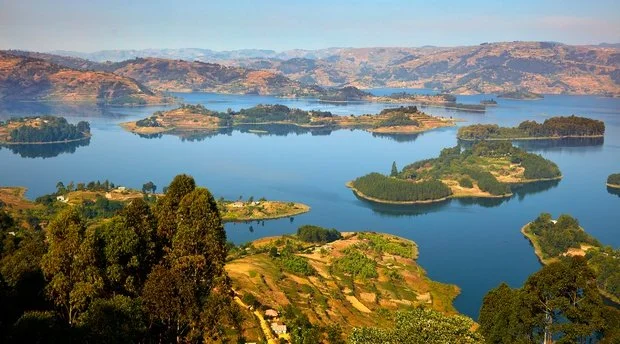
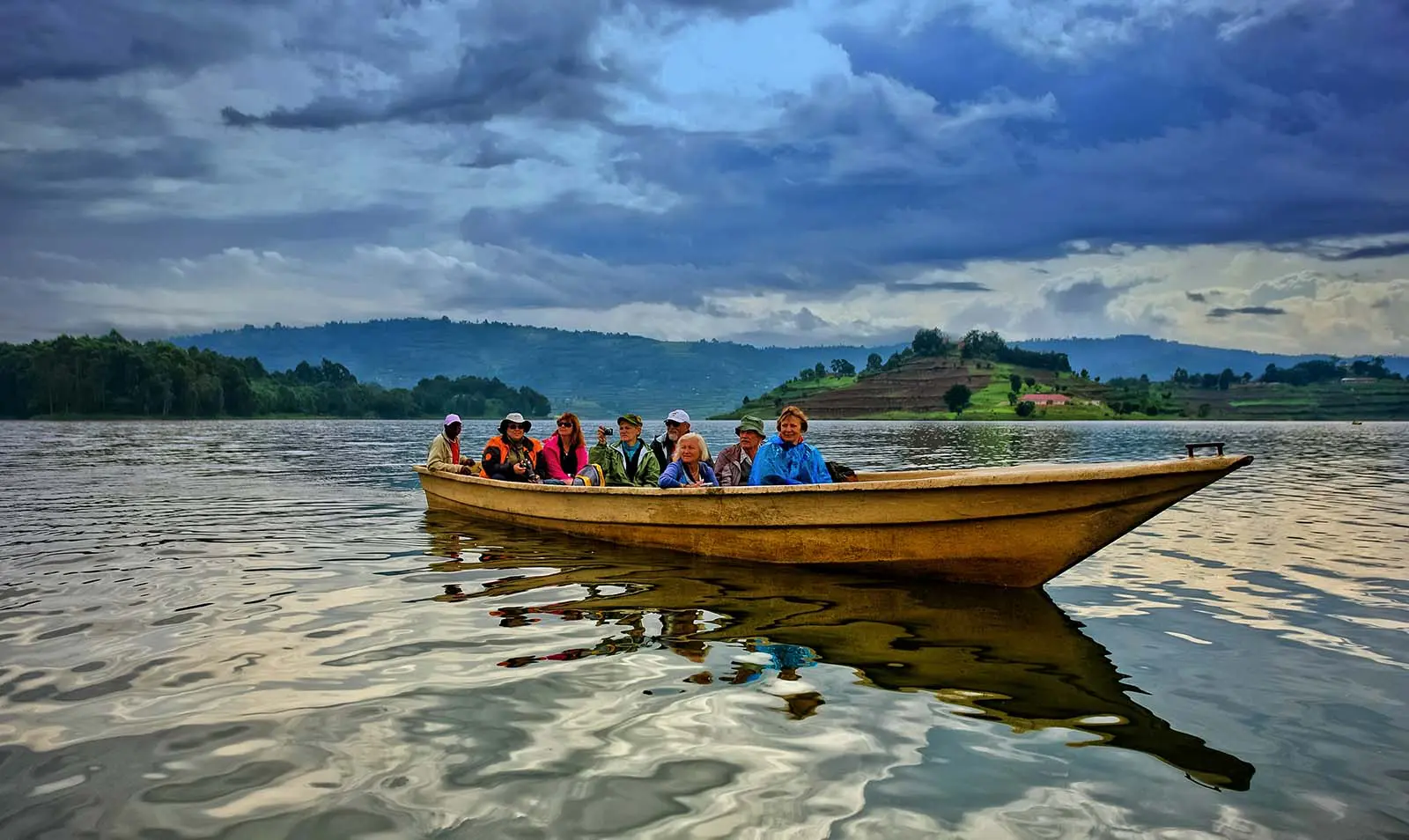
There are destinations that carry an air of mystery, places where nature writes its poetry in still waters and rolling hills, and where each sunrise seems like a new invitation to explore. Lake Bunyonyi, in southwestern Uganda, is such a place. Known as the “Lake of the Little Birds,” it is Africa’s second-deepest lake, dotted with 29 lush islands that rise like emeralds from its reflective surface. For families seeking a luxury retreat that blends sustainability, relaxation, and adventure, Bunyonyi is both an escape and a discovery.

Unlike many destinations where parents must compromise between indulgence and children’s needs, Lake Bunyonyi creates harmony. Here, eco-lodges designed with sustainability at their core offer luxury that is responsible, inclusive, and family-friendly. They provide spaces where children can learn and play, where parents can rejuvenate, and where nature becomes both a playground and a classroom.

This guide is written with the eye of a local who has seen Lake Bunyonyi evolve into a haven for travelers. It reviews eco-lodges through the lens of family experiences, offering first-time visitors and seasoned explorers insights into what makes Bunyonyi not just beautiful, but profoundly enriching when traveling with kids.

The Enchantment of Lake Bunyonyi

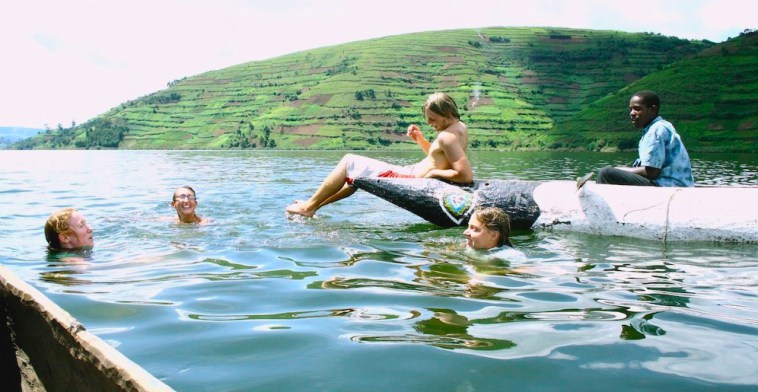
Lake Bunyonyi rests between Kisoro and Kabale districts, just a few hours from Bwindi Impenetrable Forest. Its name, derived from the abundance of small birds that inhabit its shores and islands, speaks to its natural wealth. The lake is bilharzia-free, crocodile-free, and hippo-free, making it one of the safest freshwater lakes in Africa for swimming and family recreation.

The setting itself is luxurious. Rolling terraced hills surround the lake, painted with vibrant greens from banana plantations and dotted with traditional homesteads. Mist often lingers over the water in the morning, creating a dreamlike canvas. For children, this environment sparks imagination, while for adults it offers tranquility unmatched by busier tourist hubs.

To stay in an eco-lodge here is to enter a dialogue with the land. Lodges are designed to blend with the environment, using local materials, renewable energy, and community-driven practices. For families, this translates into an experience that is safe, comfortable, and meaningful — a combination that makes Lake Bunyonyi one of Uganda’s most beloved family escapes.

What Defines an Eco-Lodge at Lake Bunyonyi?

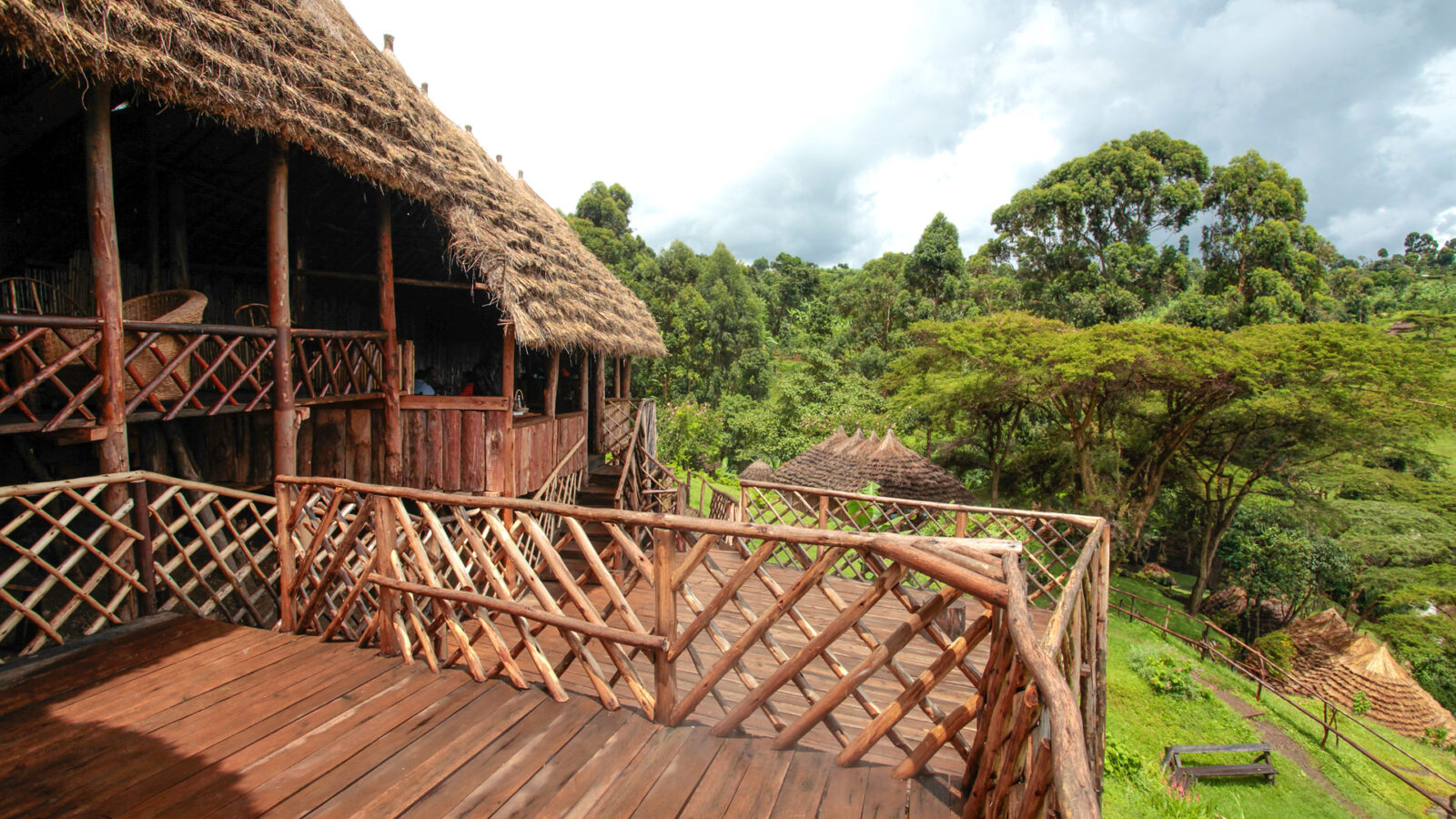
Eco-lodges at Lake Bunyonyi are not just accommodations but philosophies of living with nature rather than against it. Built with minimal environmental impact, they feature designs inspired by local traditions — thatched roofs, wooden decks, stone paths, and open spaces that encourage connection with the landscape.

Sustainability manifests in multiple ways. Many lodges use solar power for electricity and heating, harvest rainwater, and practice waste recycling or composting. Gardens surrounding these lodges often supply fresh vegetables and herbs, while fish served at the dining tables is frequently sourced directly from the lake.

For families with kids, this sustainability becomes an education. Children witness how luxury can coexist with responsibility, learning lessons about ecology and culture in a way no classroom can replicate.Eco-Lodge Reviews at Lake Bunyonyi: Local's Guide with kids

Family-Friendly Eco-Lodges — Spaces of Comfort and Adventure

Several eco-lodges around Lake Bunyonyi have gained reputations for their unique balance of luxury, sustainability, and family inclusivity. Each offers something distinct, yet all share a commitment to creating an environment where parents and children alike feel welcome.

Rooms often include family cottages or interconnecting suites, designed with space and privacy in mind. Play areas, shallow swimming spots, and guided activities ensure that children are engaged, while adults enjoy moments of leisure. The essence of luxury here is not extravagance but personalized experiences: dining under starlit skies, waking to bird calls, and exploring islands with private guides who tailor excursions to families.

Well-trained staff members, many from nearby communities, often serve as cultural interpreters for children, teaching them local songs, dances, and crafts. These moments of connection ensure that the stay is not only about seeing a destination but becoming part of it.

Dining Experiences — Where Taste Meets Education

Food at eco-lodges around Lake Bunyonyi is more than nourishment; it is an expression of both culture and sustainability. Menus celebrate Uganda’s organic abundance: matoke, groundnut sauce, tilapia from the lake, and fresh fruits such as pineapples and passion fruit. International influences are often blended in, ensuring variety and refinement.

For children, meals become both delicious and educational. Many lodges encourage kids to visit gardens where ingredients are grown, teaching them the value of farm-to-table dining. Cooking classes for families sometimes allow children to try their hands at preparing traditional dishes, making dining an adventure rather than a formality.

Luxury in this context lies in detail: meals prepared with care, options tailored to children’s tastes, and dining experiences set against breathtaking backdrops of lake and hills.

Activities for Families with Kids

Lake Bunyonyi thrives on activity, offering adventures that families can share together. Canoe rides across the calm waters are among the most iconic experiences. Traditional dugout canoes allow parents and children to paddle between islands, listening to local stories about their names and histories. For children, the thrill of gliding on water that feels endless is unforgettable.

Hiking trails around the lake provide gentle to moderate challenges suitable for families. Along the way, kids encounter local farms, spot exotic birds, and interact with villagers whose warmth leaves lasting impressions. Swimming in designated safe areas of the lake offers another highlight, with the cool, clean waters a delight for children on warm afternoons.

Eco-lodges often organize cultural performances or craft workshops in the evenings. Children can participate in basket weaving, bead-making, or drumming sessions, channeling creativity while connecting with traditions. These activities enrich the family experience, ensuring that luxury is remembered not as indulgence but as shared joy.

Safety and Comfort — A Parent’s Assurance

For families, especially those with children, safety is paramount. Lake Bunyonyi’s eco-lodges prioritize this through thoughtful design and attentive service. The absence of dangerous aquatic animals makes the lake uniquely reassuring for parents who wish to allow their children to swim. Lodges often provide life jackets, safe swimming zones, and supervision where needed.

Hygiene and comfort are equally prioritized. Eco-lodges maintain high standards of cleanliness, with filtered water, mosquito nets, and well-maintained facilities ensuring health and ease. Staff are accustomed to hosting families, offering flexible meal times and child-focused services.

For luxury travelers with children, this assurance transforms the experience from worry to relaxation, allowing parents to enjoy the same depth of indulgence as they would on a solo or couple’s journey.

Seasons and the Best Times for Families

Lake Bunyonyi’s appeal shifts subtly with the seasons, and timing a family visit is important. The dry seasons — December to February and June to September — are ideal for families with children. Trails are manageable, skies are clear, and outdoor activities unfold with minimal disruption. Canoeing and hiking during these months are particularly enjoyable.

The wet seasons, March to May and October to November, bring heavier rains. While this season offers lush greenery and quieter lodges, trails can be muddy, and outdoor excursions may be interrupted. Families who prefer less crowding and enjoy indoor activities might still find this season rewarding, as eco-lodges provide cozy environments with fireplaces, storytelling sessions, and cultural programs to keep children engaged.

For locals guiding families, the best advice is to align visits with dry months for ease and comfort, but to embrace wet seasons if privacy and intimacy are priorities.Eco-Lodge Reviews at Lake Bunyonyi: Local's Guide with kids

Cultural Context — Teaching Children the Human Story

Eco-lodges around Lake Bunyonyi are deeply connected to nearby communities. Families traveling with kids are often introduced to the Bakiga and Batwa peoples, whose traditions form the cultural fabric of the region.

For children, these interactions are transformative. Visiting a local school, listening to folktales, or watching traditional dances provides lessons that no classroom can replicate. They learn empathy, appreciation for diversity, and the joy of human connection.

Parents often find that these cultural exchanges enrich not only their children’s experience but their own, reminding them that luxury travel is not isolation from local life but immersion into it, carried out with respect and authenticity.

Conservation and Responsibility — Lessons for Young Minds

One of the most powerful aspects of staying in eco-lodges at Lake Bunyonyi is the opportunity to teach children about sustainability. Lodges often involve guests in conservation activities such as tree planting, wetland restoration, or bird-watching walks that highlight endangered species.

For kids, these activities are hands-on lessons in environmental stewardship. They see how waste is recycled, how solar panels generate electricity, and how communities thrive when tourism supports conservation. For parents, the greatest luxury is knowing that travel is leaving a positive legacy — shaping not only the environment but also the values of the next generation.

Wellness and Reflection for Families

Even with children in tow, Lake Bunyonyi offers abundant opportunities for wellness. Early mornings spent watching mist lift from the water create moments of shared stillness for families. Lodges often offer spa services for parents, while kids are entertained with creative activities. Family yoga sessions overlooking the lake or gentle walks through terraced hills provide both exercise and bonding.

Luxury here lies in balance: children play and learn while parents relax and restore. The lake itself, timeless and serene, becomes a teacher of calm, reminding families of the value of slowing down together.

Why Eco-Lodges Are the Perfect Choice for Families

Unlike conventional hotels, eco-lodges at Lake Bunyonyi offer families holistic experiences. They provide comfort without excess, immersion without disruption, and indulgence without guilt. For parents, they ensure peace of mind. For children, they create wonder. For both, they establish a shared memory where luxury is not about separation from nature but intimacy with it.

The local’s perspective emphasizes that Bunyonyi is best experienced slowly. Families who linger discover that every island, every trail, and every evening by the fire adds another layer of richness to their journey. First-time visitors often depart with the promise to return, not because they saw everything but because they realized there was always more to discover.

Book with WildHorn Africa

For families seeking to embrace Lake Bunyonyi’s eco-lodge experiences at their finest, WildHorn Africa is the trusted companion. With expertise in crafting luxury, family-friendly safaris, they ensure that every detail — from selecting the most suitable lodge to arranging child-friendly excursions — is curated with precision and care.

By booking with WildHorn Africa, families gain more than a vacation. They gain peace of mind, knowing their travels support conservation, empower local communities, and provide children with life-changing experiences. Each itinerary becomes a story of elegance, responsibility, and joy — a story that Lake Bunyonyi, with its shimmering waters and islands of wonder, tells best.

In 2025 and beyond, the lake remains one of Uganda’s most cherished treasures. And with WildHorn Africa, families discover it not only as travelers but as part of a legacy of luxury, sustainability, and shared adventure.

Luxury Lodges around Mount Elgon National Park

Luxury Lodges around Mount Elgon National Park

By Travel stories and blogs, Adventure holidays, Family holidays, Safari holidays, Uganda travel guides

Luxury Lodges around Mount Elgon National Park

Where Wilderness Meets Elegance

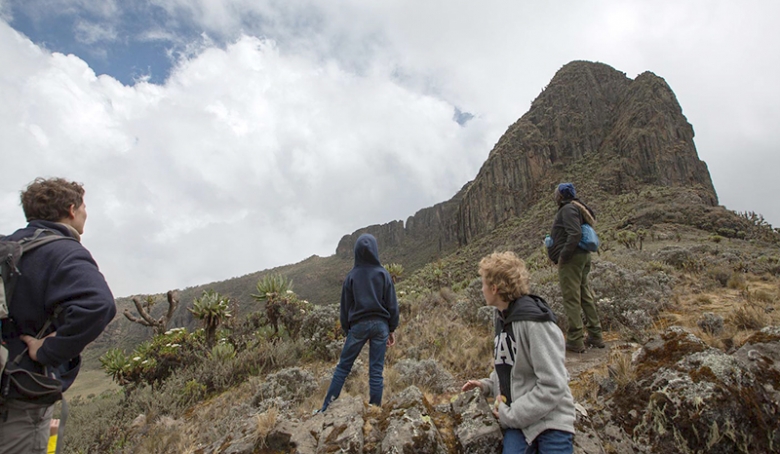
Amid the sweeping highlands and dramatic volcanic slopes of Mount Elgon National Park, a unique convergence of nature and comfort awaits discerning travelers. The park’s towering peaks, cascading waterfalls, and lush forests provide an immersive experience for adventurers and nature enthusiasts, yet the allure of luxury lodges in the surrounding region allows these experiences to be complemented with elegance, privacy, and world-class amenities.

Luxury lodges in and around Mount Elgon do more than offer accommodation—they serve as sanctuaries of tranquility, where travelers can retreat from the rigors of trekking, safari excursions, or cultural exploration. Each lodge is carefully positioned to balance accessibility to the park with unobstructed views of the caldera, verdant valleys, and coffee plantations that blanket the lower slopes. Here, mornings are greeted with panoramic vistas, evenings are accompanied by the gentle rustling of bamboo forests, and every stay becomes an integral part of the Mount Elgon experience.

This article provides a comprehensive guide to the luxury lodges surrounding Mount Elgon National Park, exploring their location, architecture, amenities, experiences offered, and how they enhance the visitor’s journey through one of Uganda’s most compelling natural landscapes.

The Appeal of Luxury Lodges in Mount Elgon

Harmonizing Comfort with Nature

Luxury lodges in the Mount Elgon region are designed to blend seamlessly into their surroundings, using locally sourced materials, architectural styles inspired by the environment, and eco-friendly practices. Guests are often enveloped by panoramic views of rolling hills, volcanic cliffs, and distant savannahs, creating a sense of immersion that is both visually stunning and emotionally restorative.

These lodges prioritize comfort without compromising the authenticity of the wilderness experience. Private suites, elevated terraces, and expansive windows ensure that visitors can appreciate the landscape at any moment, while the use of natural materials, stonework, and timber connects the interiors to the surrounding terrain. The lodges themselves become part of the ecological and aesthetic narrative of Mount Elgon, offering a luxurious lens through which the mountain’s beauty is experienced.

Accessibility and Strategic Location

Most luxury lodges are strategically located near key access points of the park, including Kapchorwa, Sipi Falls, Mbale, and Budadiri. These locations provide easy access to popular hiking trails, waterfalls, caves, and community tourism initiatives. The proximity allows guests to enjoy full-day excursions without extensive travel, while still offering a secluded environment removed from the bustle of towns or major roads.

Accessibility is further enhanced by private transport arrangements provided by many lodges, ensuring that travel to trailheads, viewpoints, and cultural sites is convenient, safe, and comfortable. The integration of location, accessibility, and exclusivity is a defining feature of luxury accommodation in this region.

Signature Luxury Lodges and Their Features

Lodge Architecture and Design

Luxury lodges around Mount Elgon are characterized by a fusion of contemporary design and local aesthetics. Structures often feature thatched roofs reminiscent of traditional Ugandan architecture, combined with modern interiors that include king-sized beds, ensuite bathrooms, and climate control systems. Open-plan designs allow natural light to permeate living spaces, while terraces and balconies provide uninterrupted views of the mountains and valleys below.

The design philosophy is not merely about aesthetics—it serves a functional purpose as well. Elevated foundations protect against humidity, large windows facilitate ventilation, and outdoor seating areas encourage interaction with the surrounding flora and fauna. The result is a lodging experience that feels both exclusive and integrally connected to nature.

Amenities and Guest Services

Luxury lodges offer a wide range of amenities to enhance the visitor experience. Gourmet restaurants serve locally sourced ingredients, often incorporating traditional Ugandan flavors into international cuisine. Spa services, wellness programs, and meditation spaces allow guests to unwind after strenuous hikes or adventurous excursions.

Many lodges provide personalized services such as private guides, tailor-made trekking itineraries, birdwatching tours, and cultural immersion programs. Wi-Fi, private transport, and concierge services ensure that guests enjoy modern conveniences without compromising the sense of escape that defines the Mount Elgon experience.Luxury Lodges around Mount Elgon National Park

Experiential Opportunities at Luxury Lodges

Trekking and Hiking Excursions

Staying at a luxury lodge does not mean compromising on adventure. Guests have easy access to Mount Elgon’s diverse trekking routes, including the Sasa, Sipi, Piswa, and Suam trails. Lodges often arrange for expert guides who accompany visitors, providing insights into flora, fauna, and local culture while ensuring safety and comfort.

Hikes can vary in difficulty and duration, allowing guests to tailor their experiences. Day treks to Sipi Falls or moderate climbs to the caldera rim provide rewarding views without demanding multi-day expeditions. For those seeking a summit experience, multi-day climbs can be arranged with full logistical support from the lodge, including porters, meals, and camping equipment, ensuring that adventure is paired with convenience and luxury.

Wildlife Observation and Birdwatching

The rich biodiversity of Mount Elgon National Park is readily accessible from lodge grounds and surrounding trails. Guests can observe forest elephants visiting cave salt deposits, primates foraging in bamboo belts, and a wide array of bird species including lammergeyers, turacos, and sunbirds. Guided birdwatching excursions allow enthusiasts to identify rare and endemic species while learning about ecological interactions and conservation efforts.

Luxury lodges often provide hides, elevated viewing platforms, and expert guides to enhance observation experiences, ensuring that wildlife encounters are intimate, ethical, and educational. The combination of comfort and proximity to nature creates opportunities for both photography and reflection, fostering a deeper connection to the park’s ecological wealth.

Waterfall and Cave Exploration

Proximity to natural attractions such as Sipi Falls and Kitum Cave adds another dimension to the luxury lodge experience. Day trips to these sites can be arranged with private guides, allowing visitors to explore cascading waterfalls, hidden grottos, and volcanic caves while enjoying the convenience of lodge-arranged transport and support services.

The lodges enhance these excursions by providing meals, picnic setups, and resting points, ensuring that exploration is enjoyable without logistical stress. Visitors can immerse themselves fully in the natural wonders of Mount Elgon, knowing that comfort and care await at the lodge at day’s end.

Cultural Engagement and Community Tourism

Luxury lodges around Mount Elgon increasingly integrate community tourism experiences, providing guests with insights into local life. Visitors may participate in coffee farm tours, craft workshops, or traditional ceremonies under the guidance of community leaders. These experiences enrich the stay, transforming it from mere luxury accommodation into a holistic cultural and ecological journey.

Such engagements also ensure that tourism revenue benefits local populations, supporting livelihoods, education, and conservation initiatives. For luxury travelers, this integration offers a meaningful layer to their visit, blending exclusivity with ethical and immersive experiences.

Sustainability and Eco-Luxury

Environmentally Responsible Practices

Many lodges around Mount Elgon prioritize sustainable and eco-friendly practices, recognizing that the preservation of biodiversity and natural landscapes is essential to maintaining the region’s appeal. Solar power, rainwater harvesting, energy-efficient construction, and waste management systems are increasingly standard features.

This approach not only reduces ecological footprints but also enhances guest experiences. Guests can appreciate the harmony between modern luxury and environmental stewardship, witnessing firsthand how comfort and responsibility coexist seamlessly.

Community Integration and Conservation

Sustainability in luxury lodges extends beyond the environment. Community partnerships ensure that lodges contribute to local development, whether through employment, capacity building, or support for schools and health programs. Guests benefit from interactions with knowledgeable local staff, cultural immersion, and the knowledge that their stay supports conservation and social initiatives.

Planning Your Stay at a Luxury Lodge

Selecting the Right Lodge

Choosing a lodge requires consideration of location, amenities, and experiences offered. Proximity to preferred trails, waterfalls, and villages should align with individual interests. For wildlife enthusiasts, lodges near bamboo forests and moorlands provide better chances of observing endemic species. Those prioritizing cultural engagement may prefer lodges with strong community tourism links.

Timing and Seasonal Considerations

The dry seasons from June to August and December to February are optimal for hiking, wildlife observation, and cultural events. Lodges remain fully operational, offering outdoor experiences and clear views of Mount Elgon’s peaks and valleys. The rainy seasons, while presenting challenges for road travel and trekking, reveal lush landscapes and dramatic waterfalls, offering a different but equally spectacular perspective.

Booking and Packages

Luxury lodges often provide comprehensive packages including accommodation, guided treks, meals, and cultural excursions. Booking in advance is recommended, particularly during peak seasons or for specialized experiences such as summit treks or multi-day wildlife tours. Selecting a lodge with integrated packages ensures that visitors enjoy convenience, safety, and a seamless luxury experience throughout their stay.

The Appeal of Luxury Amidst Adventure

Luxury lodges around Mount Elgon redefine the idea of wilderness accommodation. They combine comfort, privacy, and world-class service with direct access to one of Uganda’s most captivating natural landscapes. Guests enjoy panoramic views, fine dining, and spa treatments while remaining fully immersed in adventure, culture, and ecology.

This balance allows for a travel experience that is restorative, educational, and thrilling, catering to individuals, couples, families, and groups seeking an exclusive and personalized journey. For photographers, naturalists, and adventurers, luxury lodges provide both a base for exploration and a sanctuary for reflection.

Experiencing Mount Elgon in Style

The luxury lodges around Mount Elgon National Park are more than accommodations; they are gateways to immersive exploration, cultural connection, and ecological appreciation. With panoramic vistas, eco-conscious design, curated excursions, and integration with local communities, these lodges offer an experience where comfort and wilderness coexist in harmony.

For travelers wishing to explore Mount Elgon in style while enjoying safety, convenience, and unparalleled natural beauty, it is strongly recommended to book tours and lodge stays through WildHorn Africa. With expertise in crafting tailor-made safaris and mountain adventures, WildHorn Africa ensures that every stay becomes a luxurious, meaningful, and unforgettable journey, leaving guests inspired, relaxed, and deeply connected to the heart of Uganda.

Adventure Activities around Sipi Falls and Mount Elgon

Adventure Activities around Sipi Falls and Mount Elgon

By Travel stories and blogs, Adventure holidays, Family holidays, Uganda travel guides

Adventure Activities around Sipi Falls and Mount Elgon

The Thrill of Uganda’s Eastern Highlands

Nestled on the eastern slopes of Mount Elgon, Sipi Falls is one of Uganda’s most captivating natural landscapes, where cascading waterfalls, rolling hills, and lush coffee plantations merge into a scene of breathtaking beauty. The region is not only visually spectacular but also a hub for adventure activities, offering experiences that combine physical challenge, natural immersion, and cultural engagement. For thrill-seekers, nature enthusiasts, and travelers seeking more than passive sightseeing, Sipi Falls and the surrounding Mount Elgon area provide a dynamic playground where adventure, ecology, and culture converge.

From the adrenaline rush of abseiling down waterfalls to the serenity of horseback rides across misty valleys, the eastern slopes of Mount Elgon cater to a wide range of adventurous pursuits. This article provides a comprehensive exploration of the adventure activities available around Sipi Falls and Mount Elgon, detailing the experiences, practical considerations, and the immersive opportunities that make this region one of Uganda’s premier adventure destinations.

Hiking and Trekking: Scaling Mount Elgon’s Slopes

Day Hikes around Sipi Falls

Sipi Falls offers a variety of hiking trails that cater to different levels of fitness and interest. Visitors can explore the three-tiered waterfalls, traversing trails that wind through farmland, forest patches, and coffee plantations. Guided hikes provide insight into the ecological diversity of the area, including endemic plant species, birdlife, and the interactions between cultivated landscapes and natural ecosystems.

These hikes can be structured as short excursions for half a day or as extended treks that cover multiple waterfalls and vantage points. The trails are designed to offer both adventure and accessibility, allowing visitors to experience the region’s dramatic landscapes while learning about its ecological and cultural significance.

Multi-Day Mount Elgon Treks

For those seeking a more challenging experience, multi-day hikes on Mount Elgon allow adventurers to explore the mountain’s full ecological and geographical diversity. Routes such as the Sasa, Piswa, Kapkwai, and Suam Trails provide gradual ascents through montane forests, bamboo belts, and moorlands. Overnight stays in eco-lodges or community campsites enable hikers to experience the mountain’s environment at varying altitudes while participating in conservation and community programs.

These treks are particularly rewarding for observing wildlife, including elephants visiting cave salt deposits, primates in bamboo forests, and endemic bird species. Guides ensure that visitors navigate trails safely while enriching the experience with ecological and cultural knowledge. Multi-day treks are often tailored to individual or group fitness levels, making them accessible to a wide spectrum of adventure seekers.

Waterfall Adventures: Abseiling and Rock Climbing

Adventure Activities around Sipi Falls and Mount ElgonAbseiling Down Sipi Falls

Sipi Falls is renowned for its abseiling opportunities, which combine technical skill, adrenaline, and the immersive experience of descending one of Uganda’s most scenic waterfalls. Trained instructors guide participants, ensuring that safety equipment, harnesses, and ropes are used correctly. The descent offers a unique perspective of the falls, allowing adventurers to feel the spray, hear the roar of cascading water, and observe the surrounding cliffs and vegetation from a thrilling vantage point.

Abseiling is suitable for beginners and experienced adventurers alike, with routes adjusted according to skill level. It is recommended that participants wear appropriate clothing and footwear, maintain physical readiness, and follow all safety instructions to ensure a secure and exhilarating experience.

Rock Climbing and Scrambling

The cliffs surrounding Sipi Falls provide rock climbing opportunities for more experienced adventurers. Natural rock faces, volcanic formations, and limestone outcrops create challenges that require balance, strength, and strategic planning. Guides provide instruction and safety support, enabling climbers to ascend safely while enjoying panoramic views of the falls, valleys, and distant highlands.

Rock climbing in this region is particularly rewarding because it allows participants to combine physical exertion with the appreciation of geological formations, endemic flora, and birdlife nesting in cliffside habitats. It also offers a perspective on the geological history of Mount Elgon, illustrating the processes that have shaped one of Africa’s most ancient mountains.

Caving and Geological Exploration

Kitum and Cheptui Caves

Mount Elgon’s volcanic history has created a network of caves that are both ecologically and culturally significant. Kitum Cave is famous for the elephants that enter to mine salt deposits, a behavior rare in the animal kingdom. Guided cave tours provide opportunities to observe these interactions safely while learning about the geology, history, and conservation significance of subterranean habitats.

Cheptui Cave, less frequented but equally fascinating, allows visitors to explore volcanic formations, stalactites, and stalagmites. Caving activities often require headlamps, helmets, and careful navigation, and are best undertaken with experienced guides. These excursions combine adventure with education, highlighting the interplay between geological processes, ecological adaptations, and wildlife behavior.

Ecological Insights from Caving

Beyond the thrill of exploration, caving activities contribute to understanding Mount Elgon’s ecosystems. Caves serve as water catchment areas, provide shelter for bats and other species, and play a role in nutrient cycling. Guides often provide explanations on the ecological role of caves, including their importance for local communities who historically utilized cave resources. Visitors gain a multi-layered experience that merges adventure with scientific and cultural learning.

Cycling and Mountain Biking Adventures

Trail Cycling around Sipi Falls

The slopes surrounding Sipi Falls are ideal for mountain biking and cycling excursions. Trails wind through coffee plantations, farmland, forest patches, and valleys, offering a mix of challenging inclines and scenic descents. Biking combines physical exertion with immersive exploration, allowing adventurers to cover more ground than on foot while remaining connected to the natural and cultural environment.

Local guides provide both technical guidance and safety oversight, ensuring that riders navigate trails safely while highlighting points of interest, such as waterfall viewpoints, birdwatching areas, and traditional villages. Mountain biking also fosters interaction with local communities, as riders pass through settlements, markets, and farmland, gaining insight into daily life on the mountain slopes.

Eco-Cycling and Conservation Awareness

Mountain biking tours can be integrated with eco-conscious practices, promoting environmental awareness and sustainable tourism. Riders are encouraged to avoid sensitive areas, minimize disturbance to wildlife, and participate in reforestation or community conservation projects. By combining adventure with sustainability, these activities contribute to both personal fulfillment and the long-term preservation of Mount Elgon’s landscapes.

Cultural Adventure Experiences

Coffee Farm Tours

The Sipi Falls region is embedded within fertile highlands renowned for coffee production, particularly Arabica varieties grown by smallholder farmers. Adventure tourism can be enhanced through participatory coffee farm tours, where visitors engage in planting, harvesting, and processing activities. These experiences combine physical activity with cultural immersion, providing a tangible understanding of the region’s agricultural heritage and its relationship with local communities.

Guides explain traditional farming methods, ecological impacts, and economic significance, allowing visitors to witness firsthand how sustainable agriculture coexists with environmental conservation. Participatory tours also benefit local communities economically, reinforcing the principles of responsible and ethical tourism.

Village and Cultural Walks

Cultural engagement can be incorporated into adventure itineraries through village walks and community visits. Hikers, bikers, or cavers may encounter Bagisu or Sabiny communities, where interactions include craft demonstrations, traditional music and dance, and storytelling. These encounters enhance the adventure experience, providing insight into social structures, rituals, and daily practices while fostering respect for local customs.

Adventure in this context extends beyond physical challenge to include intellectual and emotional engagement, creating a holistic sense of exploration that integrates nature, culture, and personal growth.

Horseback Riding and Nature Safaris

Exploring the Highlands on Horseback

Horseback riding offers a unique perspective on Mount Elgon’s landscapes, allowing adventurers to traverse valleys, ridges, and plantations while maintaining a close connection to the environment. Guided rides are tailored to varying skill levels and include stops at waterfalls, viewpoints, and wildlife observation points.

This activity provides both exercise and relaxation, allowing riders to cover significant distances without fatigue, while simultaneously appreciating the mountain’s natural beauty. It also enables access to areas that are less accessible on foot, offering unique photographic and wildlife observation opportunities.

Nature Safaris and Wildlife Encounters

For those interested in ecological adventure, guided nature safaris within Mount Elgon National Park highlight endemic species, forest elephants, primates, and birdlife. Safaris can be combined with hiking or cycling, creating multi-modal adventures that emphasize observation, photography, and ecological awareness. These experiences are designed to minimize disturbance to wildlife while maximizing educational and immersive value.

Adventure and Sustainability

Responsible Tourism Practices

Adventure activities around Sipi Falls and Mount Elgon are increasingly conducted with sustainability and conservation in mind. Operators and guides emphasize minimizing environmental impact, respecting wildlife, and supporting local communities. Adventure tourism is not only an outlet for thrill-seekers but also a means of promoting ecological awareness and social responsibility.

Visitors are encouraged to use designated trails, follow local guidelines, and participate in community projects where possible. These practices ensure that the mountain’s natural and cultural assets are preserved for future generations while providing meaningful experiences for today’s travelers.

Integrating Community and Conservation

Many adventure activities are linked to community engagement initiatives, such as eco-tourism programs, reforestation efforts, and educational workshops. By combining adventure with conservation and cultural participation, visitors contribute directly to the well-being of the mountain’s ecosystems and local populations. This integration transforms ordinary excursions into transformative experiences that merge excitement with purpose.

Planning Your Adventure

Choosing Activities and Duration

Visitors should select activities based on fitness level, interests, and desired immersion. Day trips, multi-day treks, waterfall adventures, cycling tours, horseback rides, and cultural excursions can be combined to create personalized itineraries. Scheduling activities according to seasonal conditions enhances safety, accessibility, and overall enjoyment.

Safety and Preparation

Safety is paramount. Adventure activities require appropriate clothing, equipment, and guidance. Engaging certified instructors, using protective gear, and following ecological guidelines ensures that the experience is both safe and enriching. Physical preparation, hydration, and acclimatization to altitude are also important for multi-day treks or waterfall abseiling.

Accommodation and Logistics

Luxury lodges, eco-lodges, and community camps provide accommodation that complements adventure activities. Staying near Sipi Falls or key trailheads reduces travel time, offers comfort after strenuous activities, and allows for immersive experiences such as sunrise treks or early morning wildlife observation. Logistics, including transport, meals, guides, and activity equipment, are often coordinated by tour operators, streamlining the adventure experience.

Adventure Beyond Expectations

The Sipi Falls and Mount Elgon region is a haven for adventure seekers, offering a remarkable diversity of activities that span hiking, trekking, abseiling, rock climbing, caving, cycling, horseback riding, and cultural exploration. The combination of physical challenge, ecological immersion, and cultural engagement ensures that every journey is meaningful, thrilling, and transformative.

For travelers seeking a well-coordinated, safe, and enriching adventure in this remarkable landscape, it is highly recommended to book tours and adventure activities through WildHorn Africa. With expertise in curating bespoke safaris, trekking adventures, and ecological experiences, WildHorn Africa ensures that every itinerary is seamless, sustainable, and unforgettable, allowing visitors to experience the full spectrum of Mount Elgon’s natural beauty and adventure opportunities.

Mount Elgon Hiking Itinerary Ideas

Mount Elgon Hiking Itinerary Ideas

By Travel stories and blogs, Adventure holidays, Family holidays, Uganda travel guides

Mount Elgon Hiking Itinerary Ideas

Charting a Journey through Uganda’s Ancient Giant

Rising majestically along the Uganda-Kenya border, Mount Elgon is an ancient volcanic massif that captures the imagination of adventurers, nature enthusiasts, and cultural explorers alike. Unlike many of Africa’s iconic mountains, Mount Elgon is characterized not by sheer verticality but by its vast caldera, expansive slopes, deep gorges, and mist-laden forests, making it uniquely accessible yet profoundly rewarding. Hiking this colossal landscape is more than a physical challenge—it is a journey into the heart of Uganda’s ecological diversity, cultural richness, and geological history.

Planning a hiking itinerary on Mount Elgon involves balancing ambition with realism, considering trail difficulty, accommodation, weather, and the desire to immerse oneself fully in the mountain’s natural and cultural wonders. Each trail provides a distinct experience, from the cascading waters of Sipi Falls to the subterranean mysteries of Kitum Cave. This article explores detailed itinerary ideas, offering guidance on routes, daily schedules, and activities, ensuring that visitors can craft a journey that is both safe and unforgettable.

Understanding Mount Elgon’s Trails and Terrain

The Topography of Mount Elgon

Mount Elgon’s terrain is diverse, with elevations ranging from approximately 1,100 meters at the foothills to over 4,321 meters at Wagagai Peak, the highest point on the Ugandan side. The mountain features steep ridges, gentle slopes, rolling moorlands, bamboo forests, and montane forests. Watercourses carve deep valleys, and caves formed from volcanic activity dot the landscape.

Understanding this diversity is crucial for designing itineraries. Hikes vary from short day treks to multi-day summit climbs. Each trail has distinct challenges, including changes in altitude, variable weather conditions, and the physical demands of hiking through forests, moorlands, and bamboo belts. It is recommended that hikers assess their fitness level, acclimatize gradually, and engage experienced local guides.

Main Hiking Trails

Mount Elgon offers several well-established routes. Among the most popular are the Sasa, Piswa, Kapkwai, and Suam trails, each with unique features. The Sasa Trail, beginning at Budadiri, is the steepest and shortest route to the summit, suitable for hikers seeking a challenging ascent. The Piswa Trail, starting near Kapchorwa, is longer but less strenuous, offering gradual elevation gain and expansive views of the Karamoja plains. Kapkwai and Suam trails traverse the eastern and northern slopes, passing through bamboo forests, waterfalls, and caves, making them ideal for hikers who wish to combine nature and adventure.

One-Day Hiking Itineraries

Day Hikes to Sipi Falls

For travelers constrained by time, day hikes from Sipi Falls lodges provide immersive experiences without the need for overnight trekking. A typical itinerary involves an early morning departure from the lodge, followed by a guided hike to the three tiers of Sipi Falls. The trails wind through farmland, forest patches, and coffee plantations, offering views of the surrounding Elgon foothills.

Upon reaching the falls, hikers can explore natural pools, photograph the cascading waters, and observe bird species inhabiting the area. Returning to the lodge in the afternoon allows time for relaxation, coffee tasting experiences, and interaction with local communities. This day itinerary offers both adventure and cultural engagement, providing a fulfilling glimpse of the mountain’s diversity.

Exploring Kitum Cave

Another feasible one-day itinerary is a guided walk to Kitum Cave, renowned for its ecological and geological significance. The cave is famous for the elephants that enter to mine salt from its walls—a rare behavior observed in few locations worldwide. Hikers can traverse the forested paths, observe wildlife tracks, and explore the cave under the supervision of experienced guides. Returning to a nearby lodge completes a day of adventure, blending geological curiosity with ecological observation.

Two-Day Itineraries: Moderate Trekking Adventures

Sasa Trail Overnight Hike

A two-day itinerary along the Sasa Trail is ideal for hikers seeking moderate adventure. Day one begins with an early ascent from Budadiri, passing through cultivated landscapes, bamboo belts, and forested sections. The trail gradually steepens as hikers approach higher altitudes, offering panoramic views of the surrounding valleys and distant plains.

Accommodation is arranged at a base camp or mountain hut along the trail, where hikers can rest, enjoy a warm meal, and prepare for the summit attempt the following day. The second day involves a pre-dawn climb to Wagagai Peak, allowing hikers to witness sunrise over the caldera—a breathtaking reward for the effort. The descent is gradual, retracing the trail to Budadiri, concluding a two-day experience that combines challenge, scenery, and a deep sense of achievement.Mount Elgon Hiking Itinerary Ideas

Kapkwai Trail Overnight Trek

The Kapkwai Trail offers a less steep but longer alternative, suitable for hikers who prefer gradual elevation gain. The first day involves trekking through bamboo forests and montane vegetation, encountering streams, waterfalls, and birdlife. Evening accommodation can be arranged at a community campsite or eco-lodge, providing interaction with local residents and cultural immersion.

The second day focuses on reaching viewpoints overlooking the caldera and surrounding highlands, offering photographic opportunities and wildlife observation. Descending back to Kapkwai concludes a journey that emphasizes both natural beauty and cultural experience, demonstrating the versatility of Mount Elgon’s trails for moderate hikers.

Three-Day Itineraries: Summit Experiences

Multi-Day Summit via Piswa Trail

For those seeking a summit experience, a three-day itinerary along the Piswa Trail provides a comprehensive adventure. Day one begins with a drive from Mbale or Kapchorwa to the trailhead, followed by trekking through farmland and bamboo belts to an overnight camp at a mid-altitude location. Evening activities include orientation on summit strategies, ecological briefings, and a cultural exchange with local guides.

Day two involves continued ascent through montane forests and moorlands, passing endemic flora and unique fauna. The evening is spent at a higher camp, preparing for the summit push. Day three begins with a pre-dawn climb to Wagagai Peak, where hikers are rewarded with sweeping views of the caldera, neighboring highlands, and distant Kenyan landscapes. Descending through bamboo forests and moorlands, hikers return to trailhead transportation, completing a journey that blends endurance, natural beauty, and accomplishment.

Integrating Waterfall Exploration

Three-day itineraries can be diversified to include visits to Sipi Falls or Kapkwai Falls en route to higher altitudes. This integration allows hikers to experience the park’s aquatic landscapes alongside summit trekking. Guides provide ecological insights, explaining the importance of waterfalls in maintaining biodiversity, water regulation, and local livelihoods. Overnight stays in eco-lodges near waterfalls enrich the itinerary, offering comfort and immersion in natural surroundings.

Four- to Five-Day Itineraries: Extended Exploration

Comprehensive Circuit Hikes

Extended itineraries of four to five days allow hikers to explore multiple trails, ecological zones, and cultural sites. For example, a circuit incorporating the Sasa, Kapkwai, and Piswa Trails enables hikers to traverse bamboo forests, montane zones, moorlands, and valleys, observing diverse flora and fauna along the way. Campsites and eco-lodges provide structured rest points, meals, and interaction with local communities.

Extended hikes also provide opportunities for photography, birdwatching, and wildlife observation, as travelers can spend additional time in specific ecological zones, observing elephants, monkeys, and rare bird species. These itineraries appeal to serious hikers, naturalists, and those seeking a profound connection with Mount Elgon’s landscapes.

Cultural Integration on Extended Treks

Longer hikes facilitate engagement with communities along the mountain slopes, including visits to Bagisu and Sabiny villages. Hikers may participate in coffee farm activities, craft demonstrations, and traditional ceremonies, gaining insights into daily life and local customs. These interactions enrich the hiking experience, transforming it from a purely natural adventure into a cultural and ecological journey.

Considerations for Planning Hiking Itineraries

Fitness and Acclimatization

Given the altitudinal variation of Mount Elgon, hikers are advised to assess physical readiness and consider gradual acclimatization. Trails such as Piswa provide gradual elevation gain, suitable for multi-day treks, while Sasa offers a steeper ascent requiring higher fitness levels. Rest periods, hydration, and moderate pacing are essential for safe and enjoyable hiking.

Seasonal Timing

The dry seasons from June to August and December to February offer optimal hiking conditions, with clear trails, accessible campsites, and better wildlife visibility. Rainy seasons can render trails slippery, increase water levels in streams, and make some areas inaccessible. Planning itineraries according to seasonal conditions ensures safety and enhances the overall experience.

Guiding and Logistics

Engaging experienced local guides is strongly recommended. Guides provide ecological knowledge, trail navigation, and safety oversight, enriching the hike with insights into flora, fauna, and cultural practices. Logistics including porters, meals, camping equipment, and transportation are often coordinated through lodges or tour operators, ensuring a seamless hiking experience.

Integrating Lodges and Camps

Luxury and eco-lodges along Mount Elgon complement hiking itineraries by providing comfort, meals, and rest points. Lodges near Sipi Falls, Kapchorwa, and Mbale offer access to trails while allowing for recovery, spa treatments, and cultural interactions. Camping sites along trails provide immersive wilderness experiences, balancing rustic adventure with guided support. Combining lodge stays with trail camping creates a dynamic and flexible itinerary, tailored to diverse traveler preferences.

Crafting a Meaningful Hiking Experience

Mount Elgon offers an unparalleled combination of adventure, natural beauty, and cultural immersion. Its trails accommodate day hikes, moderate two-day journeys, summit ascents, and extended multi-day circuits. By carefully planning itineraries that balance physical challenge, ecological observation, and cultural engagement, hikers can experience the mountain’s full spectrum of landscapes and experiences.

For travelers seeking an organized, safe, and enriching Mount Elgon experience, it is strongly recommended to book their hiking itineraries and supporting services through WildHorn Africa. With expertise in tailored trekking, eco-tourism, and cultural immersion, WildHorn Africa ensures that every itinerary is not only logistically seamless but also profoundly memorable, transforming a hike into a journey of discovery, achievement, and connection with one of East Africa’s most magnificent natural treasures.

Close Menu