
search
Community Tourism in Mount Elgon Region

Community Tourism in Mount Elgon Region

By Travel stories and blogs, Adventure holidays, Family holidays, Safari holidays, Uganda travel guides

Community Tourism in Mount Elgon Region

Beyond Mountains – The Heartbeat of Mount Elgon

Nestled in the far eastern reaches of Uganda, where lush highlands meet the skies, Mount Elgon rises not only as a natural monument but also as a hub for vibrant communities whose lives are intertwined with the mountain. Known for its vast caldera, cascading waterfalls, and mysterious caves, the region offers more than adventure and breathtaking landscapes. It is a landscape where culture, tradition, and community converge to create an authentic African experience.

For travelers seeking depth beyond sightseeing, community tourism in the Mount Elgon region represents an opportunity to engage meaningfully with local populations, learn about their customs, participate in cultural activities, and support sustainable development. It is a model of tourism that emphasizes shared experiences, mutual respect, and the preservation of both culture and environment. Unlike conventional tours, community tourism allows visitors to witness how human life and nature coexist, making Mount Elgon not merely a destination but a living cultural tapestry.

This article explores the multi-faceted dimensions of community tourism in the Mount Elgon region, delving into its cultural, economic, ecological, and social impacts, and illustrating how travelers can engage in authentic and responsible ways.

The Cultural Landscape of Mount Elgon

The Bagisu People and the Imbalu Ceremony

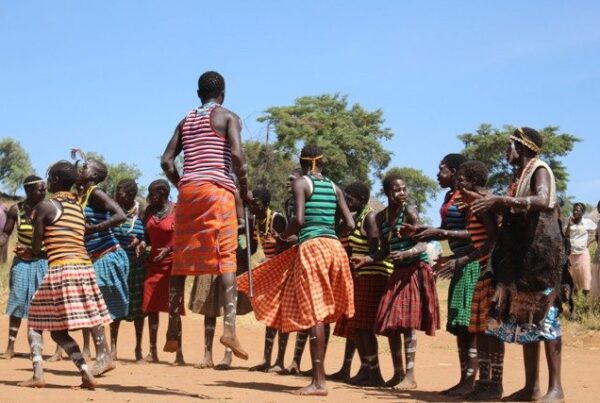
The Bagisu, also referred to as Bamasaba, are one of the primary communities inhabiting the slopes of Mount Elgon. Their culture is deeply intertwined with the mountain, which they regard as sacred. The Imbalu circumcision ceremony is one of the most significant cultural events in the region, marking the transition of boys into manhood. Performed every two years, this ceremony involves ritual dances, singing, drumming, and symbolic rites of passage.

Visitors to the Mount Elgon region who engage in community tourism have the unique opportunity to witness these ceremonies, often under the guidance of local community members who provide context and explain the significance of each ritual. The experience allows tourists to appreciate the depth of tradition while fostering respect for the sacredness of the practice. Photography and participation are generally welcomed when approached with humility, providing a rare insight into one of East Africa’s most striking cultural traditions.

The Sabiny Community and Agricultural Life

To the north and east of the mountain, the Sabiny people live along fertile slopes where terraced farming is a way of life. Coffee, bananas, maize, and vegetables dominate the agricultural landscape, and local farmers have developed sustainable practices that have been refined over generations. For travelers, community-based tours offer immersive experiences in farming life, including participation in coffee cultivation, crop harvesting, and food preparation.

These interactions are not only educational but also foster a sense of empathy and understanding for rural livelihoods. Travelers gain perspective on how communities balance subsistence with commercial farming, how they manage natural resources, and how traditional knowledge complements modern practices.Community Tourism in Mount Elgon Region

Economic Impacts of Community Tourism

Supporting Local Livelihoods

Community tourism in the Mount Elgon region has a tangible economic impact. By choosing to stay in locally-run homesteads, buy food from community markets, or hire local guides, visitors inject revenue directly into the region. Unlike conventional tourism where profits often benefit distant operators or hotels, community tourism ensures that local populations reap the rewards of their cultural and natural resources.

The sale of handmade crafts, traditional clothing, and locally produced goods such as honey, coffee, and woven baskets provides supplementary income. Markets around towns like Mbale, Kapchorwa, and Budadiri thrive due to tourism, with artisans relying on visitors to sustain the value of their work. These exchanges create a mutually beneficial system, empowering communities while enriching the visitor experience.

Capacity Building and Skills Development

Revenue from tourism is increasingly reinvested into community development projects, ranging from education and health services to infrastructure improvements. Local youth often receive training as guides, cultural interpreters, and hospitality providers, developing skills that enhance employability and promote self-sufficiency. Women’s groups in the region benefit from training in handicrafts, agro-processing, and eco-tourism initiatives, creating pathways for empowerment.

Through these programs, tourism serves not only as a revenue stream but also as a vehicle for sustainable development, ensuring that cultural preservation and economic growth proceed hand in hand.

Environmental Stewardship Through Community Engagement

Conservation and Sustainable Practices

Mount Elgon National Park is home to fragile ecosystems, including montane forests, bamboo zones, and moorlands. Community tourism initiatives emphasize the importance of environmental stewardship, educating both locals and visitors about conservation. Through guided walks, forest walks, and participatory projects such as tree planting or waste management, tourists learn about the ecological significance of the mountain and the need to protect it.

The communities around Mount Elgon understand that their livelihoods are intricately linked to the health of the mountain. Protecting forests ensures water sources, preserves wildlife habitats, and sustains agricultural productivity. By engaging travelers in these efforts, tourism becomes a tool for raising awareness while reinforcing local responsibility.

Wildlife Conservation and Ethical Encounters

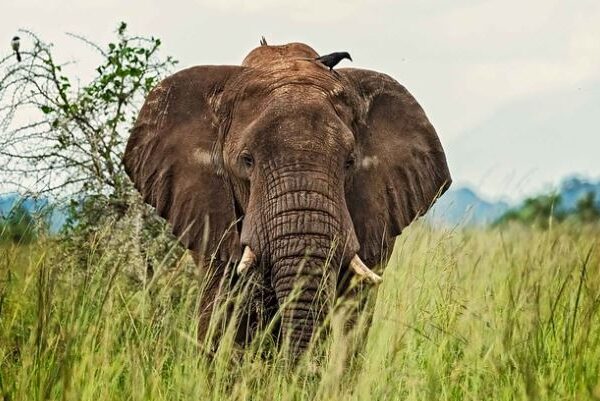
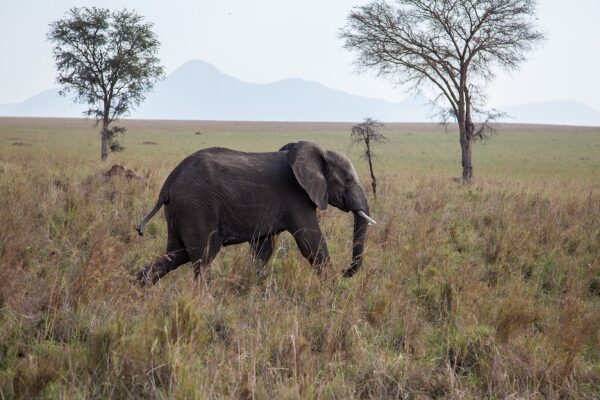
Visitors also benefit from observing wildlife in its natural habitat. From forest elephants visiting caves for salt, to primates in bamboo forests, to endemic bird species like the lammergeyer, the biodiversity of Mount Elgon is astonishing. Community tourism programs encourage ethical wildlife encounters, emphasizing observation without disturbance. Guides trained in both ecology and culture provide context, explaining species behavior and conservation challenges, which enhances appreciation and fosters responsible tourism.

Cultural Exchange and Learning

Homestays as Windows into Daily Life

One of the most powerful aspects of community tourism is the opportunity to stay in homesteads with local families. Homestays allow visitors to experience daily routines, participate in cooking and farming activities, and share meals prepared from local ingredients. Such experiences are deeply immersive, offering insights into family structures, social norms, and community rituals.

Through these exchanges, travelers gain a holistic understanding of the interplay between culture and environment. The experience becomes a dialogue rather than passive observation, fostering empathy, cultural literacy, and a profound connection to place.

Community-led Workshops and Demonstrations

In addition to homestays, communities often organize workshops showcasing traditional crafts, dances, and music. Visitors may learn to weave baskets, roast coffee using age-old techniques, or participate in dance rehearsals. These interactions go beyond entertainment—they serve as platforms for cultural preservation and knowledge transfer. By engaging directly with practitioners, tourists become participants in living traditions, rather than distant observers.

Challenges and Considerations

While community tourism offers numerous benefits, it is not without challenges. Balancing visitor expectations with cultural sensitivity is essential. Tourists must approach traditions respectfully, recognizing that some rituals and practices are sacred and not open to outsiders. Similarly, the environmental impact of increased visitation must be carefully managed to prevent degradation of fragile habitats.

Communities must also navigate the tension between monetizing culture and preserving authenticity. Over-commercialization can dilute traditions, making experiences feel staged rather than organic. Successful programs prioritize authenticity, community consent, and equitable revenue distribution, ensuring that tourism enhances rather than exploits local life.

Planning a Community Tourism Experience

Choosing the Right Entry Points

Most visitors begin their community-based tours through towns like Mbale, Kapchorwa, and Sipi, where local organizations and tour operators coordinate visits. Entrance fees and guide services are often included in package arrangements, ensuring that funds flow directly to host communities. By selecting certified operators, travelers can maximize both their safety and their positive impact.

Timing and Seasonal Considerations

The dry seasons from June to August and December to February offer the best conditions for hiking, village visits, and participation in outdoor cultural events. During these periods, trails are more accessible, waterfalls are visible in full flow, and agricultural activities provide engaging opportunities for visitors. Conversely, the wet seasons, though challenging, reveal the mountain’s lushness and provide a different but equally rewarding perspective.

Ethical Engagement

Visitors are encouraged to approach community tourism with respect and cultural sensitivity. Learning basic greetings, observing dress codes, and following guidance from community leaders ensures a harmonious exchange. Small gestures, such as purchasing goods directly from artisans or contributing to local projects, reinforce the principle that tourism can be both enjoyable and socially responsible.

Broader Impacts of Community Tourism

Community tourism in the Mount Elgon region exemplifies how travel can transform lives and landscapes simultaneously. By connecting visitors to local cultures, economies, and ecosystems, it creates a cycle of mutual benefit. Communities gain revenue, skills, and conservation awareness, while travelers acquire knowledge, meaningful experiences, and memories that extend beyond conventional sightseeing.

The model fosters resilience, as local populations diversify income streams and reduce dependency on external assistance. It also encourages conservation, as economic incentives are aligned with the protection of forests, wildlife, and water resources. In effect, community tourism becomes a sustainable pathway where culture, nature, and economy coexist harmoniously.

The Essence of Community Tourism in Mount Elgon

The Mount Elgon region offers more than trekking trails and waterfalls; it provides a living, breathing cultural landscape shaped by centuries of human-nature interaction. Community tourism transforms the act of visiting into an immersive, educational, and socially responsible endeavor. It allows travelers to witness traditional ceremonies, engage in daily life, support local livelihoods, and participate in conservation efforts.

For those seeking travel experiences that transcend superficial sightseeing, community tourism in Mount Elgon embodies the ideals of authenticity, sustainability, and cultural respect. Each visit contributes to the well-being of local populations, preserves heritage, and deepens the visitor’s understanding of Uganda’s diverse landscapes and peoples.

For travelers wishing to explore Mount Elgon while making a positive impact, it is highly recommended to book their tours through WildHorn Africa, a trusted expert in curating meaningful safaris and mountain experiences. With WildHorn Africa, community tourism becomes seamless, safe, and profoundly enriching, ensuring that every journey fosters connection, understanding, and lasting memories.

Coffee Tours near Mount Elgon: A Cultural Experience

Coffee Tours near Mount Elgon: A Cultural Experience

By Travel stories and blogs, Adventure holidays, Bucket list holidays, Family holidays, Uganda travel guides

Coffee Tours near Mount Elgon: A Cultural Experience

Where Mountains Meet Coffee

On the fertile slopes of Mount Elgon, Uganda’s majestic extinct volcano that rises gracefully on the border with Kenya, there lies a story that is as much about people as it is about the land. This is the story of coffee, a crop that has shaped lives, defined cultural identities, and carried the flavor of this mountain to distant corners of the world. For generations, the communities living around Mount Elgon have cultivated Arabica coffee, tending it with methods passed down through centuries. To walk through these plantations, to pick the ripe cherries alongside local farmers, and to sip a freshly brewed cup while overlooking cascading valleys is to immerse oneself in an experience that blends culture, agriculture, and hospitality into one.

Coffee tours near Mount Elgon are more than agricultural visits; they are cultural journeys. They connect visitors to the rhythms of rural life, reveal the processes behind one of the world’s most cherished beverages, and celebrate the traditions of the Bagisu and Sabiny communities who call the mountain home. With its unique volcanic soils, cool altitudes, and rich rainfall, Mount Elgon offers some of the finest Arabica coffee in the world, and the tours open a window into how geography and culture together create this treasure.

The Roots of Coffee on Mount Elgon

Coffee has long been intertwined with the history of Uganda, and Mount Elgon in particular has emerged as one of the most important centers of Arabica production. The story begins with the arrival of Arabica plants in East Africa during the late 19th century. Farmers on the fertile slopes of Mount Elgon quickly discovered that the combination of high altitude, well-drained volcanic soils, and reliable rainfall created the perfect environment for coffee cultivation.

Over time, coffee became not just a crop but a cultural cornerstone. For the Bagisu, who inhabit much of the mountain’s Ugandan side, coffee became integrated into social practices, rituals, and economic systems. Families cultivated coffee on smallholder plots, and the cherries harvested were both a source of income and a foundation for community exchange.

Today, Mount Elgon’s coffee is globally recognized for its rich aroma, bright acidity, and complex flavor profiles. International markets prize it, and specialty coffee buyers seek beans from the region. Yet what makes coffee from Mount Elgon truly unique is not only its taste but the cultural story that infuses every bean.

Coffee Cultivation: From Seed to Cherry

Visitors embarking on coffee tours near Mount Elgon are often struck by the careful attention given to each stage of the cultivation process. Unlike large commercial plantations, coffee in this region is primarily grown on smallholder farms, often less than two acres in size. This small-scale approach allows for meticulous care and community involvement.

The journey begins with the planting of coffee seeds in nurseries. Farmers nurture seedlings for months, ensuring they are strong enough to withstand the mountain’s diverse weather conditions. Once transplanted into the fields, the young coffee plants grow under the shade of bananas and indigenous trees, which not only protect them from direct sunlight but also enrich the soil.

As the plants mature, they produce blossoms that transform into clusters of green cherries. Over several months, these cherries ripen slowly, turning from green to a deep red. The slower maturation process at higher altitudes enhances the bean’s density and flavor complexity. Harvesting is done by hand, with great care taken to pick only the ripest cherries. This labor-intensive practice reflects the pride farmers take in maintaining quality.

To walk among these farms, to feel the volcanic soil beneath one’s feet, and to see the dedication etched into every row of plants is to understand that coffee here is grown not just as a commodity but as a heritage.Coffee Tours near Mount Elgon: A Cultural Experience

Processing Coffee: From Cherry to Bean

Coffee tours reveal that cultivation is only the first part of the journey. Once harvested, the cherries undergo careful processing, a stage that profoundly influences the flavor of the final cup.

Two main methods are practiced in Mount Elgon: washed processing and natural processing. In washed processing, cherries are pulped to remove the outer skin, and the beans are fermented in water tanks to break down the mucilage. After washing, the beans are dried in the sun, spread out on raised platforms, and regularly turned to ensure even drying.

In natural processing, the cherries are dried whole, with the fruit intact. This method requires careful attention, as the fruit must be turned to prevent spoilage. The resulting coffee often carries a fruitier profile, with hints of berries and wine-like notes.

Both methods highlight the patience and skill of the farmers, who balance traditional knowledge with modern practices. Visitors can participate in these stages, helping to wash, sort, or dry the beans, gaining firsthand insight into the labor behind each cup. The aroma that emerges from drying coffee, a blend of earthiness and sweetness, lingers in memory long after the tour ends.

Roasting and Brewing: The Final Transformation

The final transformation from raw bean to aromatic drink occurs in the roasting and brewing stages, often demonstrated at the end of a coffee tour. In villages around Mount Elgon, roasting is both a practical and social event. Beans are placed on iron pans over open flames, with the crackling sound and rising aroma filling the air.

The freshly roasted beans are ground and brewed using traditional methods, producing a rich, aromatic cup. Guests are invited to share in this experience, not only tasting the coffee but participating in its preparation. To sip coffee while overlooking the lush valleys of Mount Elgon is to savor the journey of the bean from soil to cup, enriched by the cultural warmth of the people who cultivate it.

Coffee and Culture: The Bagisu and Sabiny Traditions

What distinguishes coffee tours near Mount Elgon is not only the agricultural process but the cultural traditions that surround it. The Bagisu people, for example, hold coffee in high regard, integrating it into rituals and ceremonies. Coffee is often shared as a symbol of friendship and hospitality, served to visitors as a gesture of welcome.

During imbalu, the Bagisu initiation ceremony, coffee plays a role in community gatherings, reflecting its deep-rooted place in social life. For the Sabiny, who inhabit the eastern slopes of Mount Elgon, coffee cultivation similarly blends with daily practices and traditions. These communities view coffee not only as an economic lifeline but also as a reflection of identity and continuity.

Tour participants often find that the cultural stories shared during these visits are as enriching as the coffee itself. Elders recount how coffee sustained their families during difficult times, while younger generations speak of new opportunities through specialty markets and tourism. In these narratives, coffee emerges as a thread that weaves together past, present, and future.

Coffee and the Land: The Environmental Connection

Mount Elgon’s unique environment is inseparable from the coffee grown on its slopes. The mountain’s soils, enriched by ancient volcanic eruptions, provide nutrients essential for healthy coffee plants. The altitude, ranging from 1,500 to 2,300 meters, slows the maturation of cherries, enhancing their complexity. The abundant rainfall ensures steady growth, while cooler temperatures create ideal conditions for Arabica varieties.

Sustainable practices are also deeply embedded in the region’s coffee culture. Farmers interplant coffee with bananas, beans, and shade trees, creating agroforestry systems that preserve soil fertility, reduce erosion, and support biodiversity. Visitors on coffee tours witness these environmentally conscious methods firsthand, understanding how ecological balance is preserved while livelihoods are sustained.

In recent years, organic certification and fair-trade practices have gained momentum in Mount Elgon. These initiatives not only ensure environmental responsibility but also enhance the livelihoods of farmers by connecting them to premium markets. The result is coffee that carries not only exceptional taste but also the assurance of sustainability.

The Global Journey of Mount Elgon Coffee

While much of the coffee cultivated near Mount Elgon is consumed locally, a significant portion finds its way to international markets. Specialty roasters across Europe, North America, and Asia prize beans from the region, often highlighting their unique profiles in global competitions.

To taste Mount Elgon coffee abroad is to connect with the landscapes and communities that nurtured it. Yet the experience of drinking it at the source, within sight of the mountain itself, offers an authenticity unmatched elsewhere. Coffee tours make this connection tangible, bridging global appreciation with local heritage.

The Experience of a Coffee Tour

For travelers, a coffee tour near Mount Elgon is not a hurried excursion but a journey into culture and landscape. It begins with a walk through terraced farms, where guides explain the cultivation process and introduce the farmers who tend each plot. The tour progresses through harvesting, processing, and roasting, often allowing guests to try their hand at each stage.

Along the way, the beauty of Mount Elgon’s scenery enhances the experience. Rolling hills stretch into valleys, rivers cut through fertile landscapes, and the distant peaks of the mountain rise above clouds. Villages welcome visitors with warmth, offering traditional meals alongside steaming cups of coffee.

The experience is immersive, engaging all the senses. The touch of cherries freshly plucked, the aroma of roasting beans, the taste of freshly brewed coffee, the sound of songs sung during communal work, and the sight of lush plantations together form a memory that lingers long after departure.

Best Time for Coffee Tours near Mount Elgon

The timing of a coffee tour significantly influences the experience. The harvesting season, which typically occurs from October to February, offers the most interactive opportunities. During these months, visitors can participate in picking cherries, observing processing firsthand, and tasting freshly harvested beans.

The rainy season, from March to May, transforms the landscape into a lush, green paradise, enhancing the scenic beauty of the farms, though some activities may be limited by weather conditions. The drier months, particularly June to September, are excellent for exploring farms, engaging with communities, and combining coffee tours with treks into Mount Elgon National Park.

Each season carries its charm, but for those wishing to experience the full journey of coffee from cherry to cup, the harvesting months are most rewarding.

Beyond Coffee: A Gateway to Mount Elgon’s Wonders

While coffee is the centerpiece of these tours, it often serves as a gateway to the wider attractions of Mount Elgon. Many visitors combine coffee tours with treks to Sipi Falls, explorations of the national park, or cultural interactions in nearby villages. The proximity of farms to these attractions allows for a holistic experience of nature, culture, and agriculture.

Thus, coffee tours become not only cultural encounters but also integral parts of a broader exploration of Uganda’s eastern highlands.

A Cup That Holds a Story

To take part in a coffee tour near Mount Elgon is to discover that coffee is not simply a beverage but a story of land, people, and tradition. From the volcanic soils that nurture the plants to the hands that harvest the cherries, from the rituals of the Bagisu to the innovations of modern farmers, every bean carries a heritage that is both deeply local and globally celebrated.

The experience immerses visitors in a cultural exchange, allowing them to witness and participate in the making of a product that connects Uganda to the world. It is an invitation to walk the fields, share the stories, and sip the flavors that define a region.

For those seeking to transform their travels into meaningful cultural encounters, arranging coffee tours and other authentic adventures through WildHorn Africa ensures a journey that is both enriching and seamlessly guided. With expertise in showcasing the best of Uganda’s heritage and wilderness, WildHorn Africa offers travelers the chance to experience Mount Elgon not just as a mountain but as a living cultural landscape.

Adventure Tours in Semuliki National Park

Adventure Tours in Semuliki National Park

By Travel stories and blogs, Adventure holidays, Family holidays, Safari holidays, Uganda travel guides

Adventure Tours in Semuliki National Park

Semuliki National Park, nestled in the remote Bwamba County of Bundibugyo District in western Uganda, offers an unparalleled adventure experience. Often overshadowed by more renowned parks, Semuliki stands as a testament to Africa’s rich biodiversity and cultural heritage. This park, established in 1993, is a sanctuary for a myriad of species, many of which are rare or endemic to the region. Its significance is underscored by its designation as a UNESCO Biosphere Reserve, highlighting its global ecological importance.

Ecological Significance

A Confluence of Biomes

Semuliki’s unique position at the intersection of the Guinea-Congo and East African biomes results in a rich tapestry of flora and fauna. This convergence has led to the park hosting species that are typically found in Central Africa, making it a critical area for biodiversity conservation. The park’s landscape is characterized by flat to gently undulating terrain, with elevations ranging from 670 to 760 meters above sea level. This topography, combined with an average annual rainfall of 1,500 mm, creates ideal conditions for the thriving ecosystems within.

Rainforest Ecosystem

As East Africa’s only lowland tropical rainforest, Semuliki’s vegetation is predominantly medium-altitude moist evergreen to semi-deciduous forest. The dominant tree species is the Uganda ironwood (Cynometra alexandri), which forms the backbone of the forest structure. Interspersed among these are various other tree species, including swamp forest communities, which contribute to the park’s rich plant diversity. The forest’s dense canopy and layered understory provide habitats for a multitude of species, both flora and fauna.

Adventure Activities in Semuliki National Park

Birdwatching: A Haven for Avian Enthusiasts

Semuliki is a birdwatcher’s paradise, with over 441 recorded bird species, representing 40% of Uganda’s total bird species and 66% of the forest bird species found in the country. Among these are 35 Guinea-Congo forest biome species, such as the spot-breasted ibis and Hartlaub’s duck, which are rare in East Africa. The park also hosts 12 species with extremely restricted ranges, including the Western bronze-naped pigeon and yellow-throated cuckoo. Additionally, 23 Albertine Rift endemic species have been recorded, adding to its global birding significance.

Nature Walks and Trails: Immersing in the Wilderness

Exploring Semuliki on foot allows visitors to immerse themselves in the forest’s sights and sounds. Trails such as the Kirumia Trail offer opportunities to observe wildlife, including primates and butterflies, and to learn about the park’s flora. Night walks are also available, providing a chance to see nocturnal species like bush babies and civets.Adventure Tours in Semuliki National Park

Cultural Experiences: Engaging with the Batwa Community

Visitors to Semuliki can engage with the local Batwa community, gaining insights into their traditional lifestyles and crafts. The Batwa people have a deep connection to the forest, and their knowledge and practices offer valuable perspectives on sustainable living and conservation.

Hot Springs Exploration: Sempaya Hot Springs

The Sempaya Hot Springs, consisting of the male (Bintente) and female (Nyansimbi) springs, are among the most famous attractions in Semuliki National Park. Visitors can witness the boiling geysers and even cook plantains and eggs in the hot waters, offering a unique and memorable experience.

Boat Rides on the Semuliki River: Exploring the Waterways

The Semuliki River meanders through the park, forming ox-bow lakes in some places. Boat rides on the river provide opportunities to observe aquatic life and bird species, such as the papyrus gonolek and caruthers’s cisticola, which are recorded in the surrounding swamps.

Chimpanzee Trekking: Encountering Our Closest Relatives

Semuliki offers chimpanzee trekking experiences, allowing visitors to observe these intelligent primates in their natural habitat. The park’s dense forests provide a suitable environment for chimpanzees, and trekking expeditions are guided by experienced rangers who ensure safety and provide informative insights into the species’ behavior and ecology.

Hiking to Nyaburogo Gorge: Scenic Views and Adventure

For those seeking more strenuous activities, hiking to Nyaburogo Gorge offers challenging terrain and rewarding views. The hike provides opportunities to observe diverse plant species and wildlife, making it a fulfilling adventure for nature enthusiasts.

Conservation Efforts and Challenges

Biodiversity Conservation

Semuliki’s rich biodiversity has attracted the attention of conservationists worldwide. Efforts are underway to protect the park’s unique ecosystems through sustainable tourism, research, and community engagement. The Uganda Wildlife Authority (UWA) plays a pivotal role in these initiatives, working closely with local communities and international partners to ensure the park’s long-term preservation.

Human-Wildlife Conflict

Despite conservation efforts, challenges persist. Human-wildlife conflict remains a significant issue, with local communities sometimes coming into conflict with wildlife over resources. Encroachment and illegal activities, such as poaching and logging, also threaten the park’s integrity. Addressing these challenges requires a collaborative approach that balances conservation goals with the needs and livelihoods of local communities.

Climate Change

Climate change poses an emerging threat to Semuliki’s ecosystems. Shifts in rainfall patterns and temperatures can affect species distributions and the timing of biological events, such as flowering and breeding. Monitoring and adaptive management strategies are essential to mitigate these impacts and ensure the resilience of the park’s ecosystems.

Accommodation and Accessibility

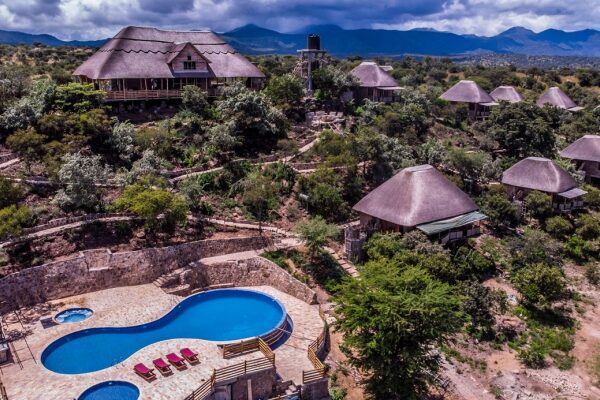
Accommodation options within and around Semuliki National Park cater to various preferences and budgets. Options range from luxury lodges to budget-friendly campsites, ensuring that visitors have comfortable stays while exploring the park’s attractions. Access to the park is facilitated through well-maintained roads, and guided tours are available to enhance the visitor experience.

Semuliki National Park is a hidden gem in Uganda’s vast array of protected areas. Its unique blend of flora, fauna, and cultural heritage makes it a must-visit destination for nature enthusiasts and adventure seekers alike. Whether you’re an avid birdwatcher, a wildlife photographer, or someone seeking to connect with nature, Semuliki offers experiences that are both enriching and unforgettable.

For those planning to explore the wonders of Semuliki and beyond, consider booking your Africa tours and safaris through WildHorn Africa. Their expert guides and tailored itineraries ensure that your journey through Uganda’s natural treasures is both seamless and memorable.

Conservation Challenges in Semuliki National Park

Conservation Challenges in Semuliki National Park

By Travel stories and blogs, Adventure holidays, Family holidays, Safari holidays, Uganda travel guides, Wildlife holidays

Conservation Challenges in Semuliki National Park

Semuliki National Park, located in western Uganda, stands as a testament to the country’s rich biodiversity and ecological significance. Spanning approximately 220 square kilometers, it is one of Uganda’s most biologically diverse protected areas. The park is renowned for its unique lowland tropical rainforest, which harbors species that are rare or absent in other parts of East Africa. Despite its ecological importance, Semuliki National Park faces numerous conservation challenges that threaten its delicate ecosystems and the myriad species it supports.

Habitat Loss and Fragmentation

One of the most pressing threats to Semuliki National Park is habitat loss and fragmentation. Human activities such as agriculture, logging, and infrastructure development have led to the encroachment into the park’s boundaries. This encroachment not only reduces the size of the park but also fragments its habitats, making it difficult for wildlife to move freely and access resources. The park’s proximity to the Democratic Republic of Congo (DRC) further exacerbates this issue, as cross-border activities contribute to the degradation of the forest. Efforts to address habitat loss require coordinated conservation strategies that involve both Ugandan and Congolese authorities.

Poaching and Illegal Wildlife Trade

Poaching remains a significant challenge in Semuliki National Park. Illegal hunting activities target various species, including elephants, chimpanzees, and antelopes, driven by the demand for bushmeat and animal parts. The park’s location near human settlements increases the risk of poaching, as local communities often rely on the park’s resources for sustenance. Additionally, the illegal wildlife trade poses a threat to species such as the African green pigeon, which is considered a delicacy by some local communities. Conservation efforts must focus on strengthening law enforcement and promoting alternative livelihoods for communities to reduce dependence on poaching.

Climate Change and Environmental Stressors

Climate change introduces additional stressors to Semuliki National Park’s ecosystems. Changes in rainfall patterns, increased temperatures, and the frequency of extreme weather events can alter the distribution of species and the structure of habitats. For instance, shifts in temperature and precipitation can affect the breeding cycles of amphibians and the availability of food for various animals. These environmental changes may lead to a mismatch between species’ ecological requirements and the available conditions, potentially resulting in population declines.Conservation Challenges in Semuliki National Park

Community Engagement and Livelihoods

The relationship between local communities and Semuliki National Park is complex. Historically, conservation efforts have often excluded local communities, leading to resentment and non-compliance with park regulations. The eviction of indigenous groups, such as the Batwa, from the park has further strained relations. To address these issues, conservation strategies must prioritize community engagement, ensuring that local populations benefit from the park’s resources through sustainable practices. Programs that promote eco-tourism, sustainable agriculture, and alternative livelihoods can empower communities and foster a sense of ownership and responsibility towards conservation.

Transboundary Conservation Challenges

Semuliki National Park’s location along the border with the DRC introduces transboundary conservation challenges. The park is contiguous with Virunga National Park in the DRC, creating a shared ecosystem that requires coordinated management efforts. However, political instability, differing conservation priorities, and limited resources complicate collaborative initiatives. Effective transboundary conservation requires diplomatic engagement, joint patrols, and shared research initiatives to address common threats and ensure the protection of the entire ecosystem.

Conservation Initiatives and Strategies

In response to these challenges, various conservation initiatives have been implemented in Semuliki National Park. The Uganda Wildlife Authority (UWA) has increased anti-poaching patrols and established community conservation programs to involve local populations in park management. Collaborations with non-governmental organizations and international partners have facilitated habitat restoration projects and environmental education campaigns. Additionally, the promotion of sustainable tourism has generated revenue that supports conservation activities and provides economic incentives for communities to protect the park’s resources.

Semuliki National Park is a vital ecological asset that faces numerous conservation challenges. Addressing these issues requires a multifaceted approach that combines habitat protection, law enforcement, community engagement, and climate change adaptation. By fostering collaboration among local communities, governmental agencies, and international partners, Semuliki National Park can be preserved for future generations. Visitors to the park play a crucial role in supporting conservation efforts through responsible tourism and advocacy. Their engagement not only contributes to the park’s sustainability but also enhances their understanding and appreciation of Uganda’s rich natural heritage.

For those interested in exploring the wonders of Semuliki National Park and contributing to its conservation, consider booking your Africa tours and safaris through WildHorn Africa. Their expert-guided tours offer immersive experiences that highlight the park’s biodiversity and conservation efforts, ensuring that your visit supports sustainable practices and local communities.

How to Get to Semuliki National Park from Kampala

How to Get to Semuliki National Park from Kampala

By Travel stories and blogs, Adventure holidays, Family holidays, Safari holidays, Uganda travel guides, Wildlife holidays

How to Get to Semuliki National Park from Kampala. Embarking on a Journey to Uganda’s Hidden Gem.

Semuliki National Park, nestled in the western part of Uganda, offers a unique blend of biodiversity, cultural heritage, and natural beauty. Situated at the junction of several climatic and ecological zones, the park boasts a rich tapestry of flora and fauna, many of which are shared with the Congo Basin forests. This makes it a haven for nature enthusiasts, bird watchers, and those seeking an off-the-beaten-path adventure. However, reaching Semuliki from Kampala requires careful planning and an understanding of the available transportation options.

Understanding the Route: From Kampala to Semuliki National Park

The Most Common Route: Kampala – Mubende – Fort Portal – Semuliki

The most frequently traveled route to Semuliki National Park from Kampala involves heading northwest through Fort Portal. This route is approximately 395.8 kilometers and takes about 6 to 7 hours by road, depending on traffic and road conditions. The journey offers travelers a scenic view of Uganda’s countryside, passing through towns such as Mubende and Kabarole, and providing glimpses of expansive farmland and tropical forests.

Alternative Route: Via Masaka, Mbarara, and Kasese

An alternative, albeit longer, route involves traveling from Kampala to Masaka, then to Mbarara, and finally to Kasese before heading to Semuliki. This route spans approximately 510 kilometers and takes about 7 to 8 hours by road. While longer, it offers opportunities to visit other attractions along the way, such as Queen Elizabeth National Park and Lake Mburo National Park, providing a richer travel experience.

Transportation Options: Choosing the Best Mode of Travel

Public Bus Services

For budget-conscious travelers, public buses offer an affordable means of reaching Semuliki. Services operate routes from Kampala to Fort Portal, with onward connections to Bundibugyo. These buses typically depart from the main bus parks in Kampala and offer a comfortable ride, with fares ranging in reasonable local currency equivalents. Public buses provide not only a cost-effective option but also a chance to observe local life and interact with Ugandans along the journey.

Private Car Hire

Traveling by private car provides flexibility and comfort, especially for groups or those with tight schedules. The journey takes about 6 to 7 hours, and while it may be more expensive than public transport, it offers the convenience of door-to-door service. Several tour operators and car hire services in Kampala offer this option, with prices varying based on the type of vehicle and services included. Private cars allow travelers to explore detours, take breaks at scenic locations, and maintain a personalized pace that public transport cannot accommodate.

Domestic Flights

For those seeking to minimize travel time, domestic flights are available from Entebbe International Airport to Kasese Airport. From Kasese, travelers can take a taxi to Semuliki National Park, which is approximately a 3-hour drive away. This option is faster but comes at a higher cost. Flying allows one to enjoy the aerial views of Uganda’s lush landscapes, with rivers, mountains, and settlements forming a picturesque prelude to the natural beauty awaiting in Semuliki.

Road Conditions and Travel TipsHow to Get to Semuliki National Park from Kampala

The roads leading to Semuliki National Park can be challenging, particularly during the rainy season. While the main routes are generally passable, some sections may be rough or poorly maintained, requiring careful navigation. Travelers are advised to use a 4×4 vehicle, particularly if continuing to other destinations beyond Semuliki. Daylight travel is recommended to avoid navigating unfamiliar roads in the dark, ensuring both safety and a more relaxed journey. Fuel, food, and water should be stocked before departing smaller towns, as services may be limited along certain stretches.

Attractions Along the Way

The journey to Semuliki National Park is not just about reaching the destination; it is also about the experiences along the way. Travelers passing through Fort Portal can explore the town’s attractions, including local gardens and cultural centers that reflect the Tooro Kingdom’s heritage. The route provides opportunities to engage with local communities, observe traditional farming practices, and witness Uganda’s cultural and ecological diversity. Each town along the route adds depth to the journey, making the trip as enriching as the park itself.

Activities in Semuliki National Park

Upon arrival at Semuliki National Park, visitors are greeted with a plethora of activities that showcase the park’s unique offerings.

Sempaya Hot Springs

A highlight of the park is the Sempaya Hot Springs, which include the female and male springs. The female spring is known for its boiling water that erupts in a dramatic display, while the male spring features a geyser that shoots water high into the air. These geothermal features are a testament to the park’s volcanic origins and provide a rare opportunity to witness nature’s raw energy and power in action.

Bird Watching

Semuliki National Park is a birdwatcher’s paradise, boasting over 400 bird species, including rare and endemic birds. The park’s diverse habitats, ranging from tropical rainforests to wetlands, provide ideal conditions for bird watching. Observing the birds requires patience, but it rewards visitors with glimpses of colorful plumage, unique nesting behaviors, and the opportunity to photograph rare species in their natural environment.

Wildlife Viewing

The park is home to over 60 mammal species, including African buffalo, leopard, hippopotamus, and various primates. Guided nature walks and game drives offer opportunities to spot these animals in their natural habitats. Wildlife viewing in Semuliki is an immersive experience, where the sounds of the forest, the rustle of leaves, and the occasional distant roar create an environment that is both exhilarating and humbling.

Cultural Experiences

Visitors to Semuliki National Park can engage in cultural experiences, such as visiting local communities and learning about their traditions and way of life. These interactions provide a deeper understanding of the region’s cultural heritage and offer a holistic travel experience that combines natural exploration with human connection. Traditional dances, storytelling, and guided village walks allow travelers to appreciate the intricate bond between the land and its people.

Best Time to Visit

The optimal times to visit Semuliki National Park are during the dry seasons, from December to February and from June to July. During these periods, the roads are more accessible, wildlife is easier to spot, and outdoor activities can be enjoyed without disruption. The wet seasons, from March to May and August to November, can make travel challenging due to muddy and impassable roads, limiting access to certain areas within the park and reducing the efficiency of guided tours.

Accommodation Options

Semuliki National Park offers a range of accommodation options to suit different preferences and budgets. From luxury lodges overlooking the forest canopy to budget-friendly campsites set along the riverside, visitors can choose accommodations that best fit their needs. Staying within or near the park allows travelers to maximize their time exploring the wildlife and natural attractions, while also providing comfort and safety during overnight stays. Early booking is recommended, particularly during peak tourist seasons, to ensure availability and to secure lodgings that offer the best amenities.

Planning Your Journey to Semuliki National Park

Reaching Semuliki National Park from Kampala is an adventure in itself, offering travelers a chance to experience Uganda’s diverse landscapes and rich cultural heritage. Whether traveling by public bus, private car, or domestic flight, careful planning ensures a smooth and enjoyable journey. Once at the park, visitors are rewarded with unique natural attractions, a wealth of activities, and cultural experiences that make the visit truly unforgettable.

For a seamless and enriching travel experience, book your African tours and safaris through WildHorn Africa. Their expertise, local knowledge, and personalized services ensure that your journey to Semuliki National Park is not only memorable but also stress-free, allowing you to fully immerse yourself in the extraordinary beauty of Uganda’s hidden gem.

The Toro-Semuliki Wildlife Reserve: What You Need to Know

The Toro-Semuliki Wildlife Reserve: What You Need to Know

By Travel stories and blogs, Family holidays, Group holidays, Luxury holidays, Safari holidays, Uganda travel guides, Wildlife holidays

The Toro-Semuliki Wildlife Reserve: What You Need to Know. A Hidden Jewel of Uganda’s Wilderness

Tucked between the Rwenzori Mountains and the sweeping lowlands of the Albertine Rift Valley, the Toro-Semuliki Wildlife Reserve stands as one of Uganda’s most underrated yet captivating destinations. While names like Murchison Falls and Queen Elizabeth often steal the spotlight, this reserve quietly holds a charm that appeals to those who seek an unspoiled, immersive wilderness. It is a land where savanna meets rainforest, where open plains fade into lush woodlands, and where rivers snake their way through fertile valleys, nourishing both wildlife and people.

The reserve is among the oldest conservation areas in Uganda, established as the Toro Game Reserve in 1926, before being renamed Toro-Semuliki Wildlife Reserve. Its longevity has ensured a landscape rich in biodiversity, cultural heritage, and ecological importance. Visitors who make their way here are often surprised by its diversity—ranging from buffalo herds grazing in the savannas to rare primates swinging through the trees, and from hippos lounging in the Semuliki River to fish eagles calling across the skies.

To understand the Toro-Semuliki Wildlife Reserve is to appreciate a microcosm of Uganda’s natural and cultural wealth. This is not merely a park to be ticked off a safari list; it is a destination that calls for curiosity, patience, and a willingness to embrace both the obvious and the hidden.

A Brief History of the Toro-Semuliki Wildlife Reserve

From Game Reserve to Wildlife Haven

In 1926, colonial authorities declared the area a game reserve, primarily to protect large mammals from hunting. The move reflected both conservation motives and the desire to control resources. Over the decades, the reserve evolved, becoming a haven not only for animals but also for research, eco-tourism, and community integration.

The renaming to Toro-Semuliki Wildlife Reserve highlighted its geographical identity, linking it to the Semuliki River and the cultural region of Toro. Unlike national parks, the reserve was designed to allow some level of human activity, particularly around its fringes, creating a unique model of coexistence between people and wildlife.

Survival Through Challenges

Like many conservation areas, the reserve faced challenges during periods of political instability in Uganda. Poaching and encroachment reduced wildlife numbers at certain times, but dedicated conservation efforts, supported by both government and communities, gradually restored the ecosystem. Today, it stands as a testament to resilience, not only of nature but also of human will to protect it.

The Landscape and Ecosystem

A Meeting of Habitats

Toro-Semuliki Wildlife Reserve covers approximately 542 square kilometers, making it smaller than some of Uganda’s famous parks but offering remarkable ecological diversity. Its landscape blends tropical rainforest, open acacia savanna, grasslands, wetlands, and riverine systems. This unique mixture creates niches for a wide variety of species, ensuring that no two game drives or nature walks feel the same.

The Semuliki River, a defining feature of the reserve, winds along the western boundary, forming part of the border with the Democratic Republic of Congo. This river not only sustains aquatic life such as hippos and crocodiles but also attracts large mammals and birds to its banks. Seasonal swamps and wetlands add further richness, creating feeding and breeding grounds for numerous species.

The Backdrop of the Rwenzori Mountains

To the east, the legendary Mountains of the Moon—the Rwenzoris—rise in dramatic fashion. Their snow-capped peaks and forested foothills create a striking contrast to the lowland plains of the reserve. For visitors, this juxtaposition of landscapes provides an aesthetic thrill, reinforcing the sense of being in a uniquely blessed corner of the world.

Wildlife of Toro-Semuliki Wildlife Reserve

Mammals of the Plains and Forests

The reserve shelters over 60 species of mammals, representing both savanna dwellers and forest specialists. Herds of Ugandan kob, buffalo, and waterbuck can be seen grazing the grasslands, while forest elephants and bush pigs roam the wooded areas. Predators, though less frequently encountered, include leopards, hyenas, and civets.

Perhaps most remarkable is the presence of giant forest hogs, one of Africa’s heaviest wild pig species, often seen foraging near water sources. These unusual mammals, alongside more familiar antelopes, make every safari drive an unpredictable adventure.The Toro-Semuliki Wildlife Reserve: What You Need to Know

Primates of Global Significance

Primates hold a special place in the reserve’s biodiversity. Visitors may encounter olive baboons, black-and-white colobus monkeys, red-tailed monkeys, and patas monkeys. However, the highlight for many is the presence of chimpanzees. Though not as habituated as those in Kibale National Park, the chimpanzees of Toro-Semuliki are vital for research and add an element of excitement to nature walks, where distant calls or fresh nests hint at their presence.

Birdlife Beyond Compare

For ornithologists and bird enthusiasts, Toro-Semuliki Wildlife Reserve is a paradise. With over 440 recorded species, it is one of Uganda’s richest birding areas. The mix of savanna and forest habitats allows sightings of both woodland and wetland birds. The iconic shoebill stork, a highly sought-after species, is occasionally spotted in swampy areas. Raptors such as African fish eagles, palm-nut vultures, and martial eagles patrol the skies, while colorful bee-eaters, turacos, and hornbills enliven the forest canopy.

Aquatic Life Along the River

The Semuliki River itself teems with life. Pods of hippos and stealthy Nile crocodiles dominate the waters. Fish species support both wildlife and local fishing communities, ensuring the river remains central to the reserve’s ecological and human balance.

Activities in the Reserve

Game Drives

Guided game drives provide the best opportunity to explore the diverse habitats of the reserve. Unlike busier parks, Toro-Semuliki offers a more exclusive safari experience, with fewer vehicles and a greater sense of solitude. Drives often reveal large antelope herds, bird concentrations, and sometimes predators in action.

Guided Nature Walks

On foot, visitors engage directly with the environment, discovering details often missed from a vehicle. The walks highlight primates, smaller mammals, and birdlife, as well as medicinal plants and traditional uses of the forest by local communities. The intimacy of walking safaris creates a stronger sense of immersion in the reserve.

Boat Safaris on the Semuliki River

The river provides another dimension of exploration. Boat rides along its course reveal hippos, crocodiles, and waterbirds at close range. The gentle flow of the river, combined with the drama of wildlife sightings, creates a serene yet exhilarating experience.

Community and Cultural Experiences

The reserve is surrounded by communities including the Bamba and Batwa peoples, whose cultural heritage is deeply tied to the land. Visitors can engage in cultural tours, learning about traditional hunting methods, dances, and folklore. These experiences highlight the human dimension of conservation, showing how people and wildlife coexist.

Conservation Importance

A Refuge for Biodiversity

Toro-Semuliki Wildlife Reserve plays a crucial role in preserving species that depend on both savanna and forest habitats. Its strategic location along the Albertine Rift makes it part of one of the most biodiverse regions in Africa. Protecting the reserve ensures the survival of species found nowhere else on the continent.

Human-Wildlife Coexistence

The reserve also demonstrates the challenges and opportunities of balancing conservation with community needs. Local people rely on the land for agriculture and grazing, yet conservation programs encourage sustainable practices, alternative livelihoods, and tourism benefits. This model of coexistence remains a critical experiment for Uganda’s protected areas.

Research and Education

The reserve provides opportunities for scientific research, particularly on chimpanzees, bird species, and ecosystem dynamics. By supporting studies, Toro-Semuliki contributes to global knowledge about biodiversity conservation and climate resilience.

The Best Time to Visit

Toro-Semuliki Wildlife Reserve can be visited year-round, but conditions vary with the seasons. The dry seasons from December to February and June to August are the most favorable for wildlife viewing and accessibility. Roads and trails are easier to navigate, and wildlife congregates around water sources, increasing the chances of sightings.

The wet seasons from March to May and September to November bring lush landscapes and heightened bird activity, though accessibility can be more challenging due to muddy tracks. Birders often prefer these months, as migratory species join the resident populations. Regardless of timing, each season offers its own rewards, making the reserve a versatile destination.

Accommodation Options

The reserve and its surroundings offer a range of accommodation to suit different tastes and budgets. Safari lodges and tented camps provide comfortable stays close to the reserve, while community-based options offer more rustic but culturally enriching experiences. Staying within or near the reserve enhances the sense of immersion, allowing early morning and late evening activities when wildlife is most active.

Why the Toro-Semuliki Wildlife Reserve Matters

What makes Toro-Semuliki unique is its blend of landscapes, biodiversity, and cultural heritage. It is not as crowded as Uganda’s more famous parks, offering visitors a sense of discovery and exclusivity. It is a reserve where one can experience both the drama of Africa’s wildlife and the intimacy of cultural encounters, where the roar of a hippo may mingle with the distant sound of Batwa music.

Its importance extends beyond tourism. By protecting habitats and species, it contributes to Uganda’s ecological health and cultural resilience. It serves as a reminder that conservation is not only about animals but also about people and their relationship with the land.

A Destination Worth Discovering

The Toro-Semuliki Wildlife Reserve may not be as well known as Uganda’s larger national parks, but it embodies the essence of what makes African safaris truly remarkable. Its landscapes are diverse, its wildlife abundant yet unspoiled, and its cultural heritage rich with meaning. To journey here is to discover not just animals and birds but also stories, histories, and the enduring spirit of a land that has nurtured both people and nature for centuries.

For travelers seeking an experience beyond the ordinary—where solitude, authenticity, and diversity combine—Toro-Semuliki is a destination worth prioritizing. To make the most of this journey, it is recommended to plan with experts who understand the rhythms of Uganda’s wilderness. For seamless, insightful, and unforgettable African adventures, visitors are encouraged to book their tours and safaris with WildHorn Africa, a trusted partner in unveiling the continent’s finest treasures.

Best Time to Visit Semuliki National Park

Best Time to Visit Semuliki National Park

By Travel stories and blogs, Family holidays, Luxury holidays, Safari holidays, Uganda travel guides, Wildlife holidays

Best Time to Visit Semuliki National Park. Discovering the Hidden Jewel of Uganda

Nestled deep within the western rift valley of Uganda, where the lush Ituri rainforest of the Congo Basin stretches into Ugandan territory, lies one of Africa’s most captivating natural sanctuaries—Semuliki National Park. Known for its unrivaled bird diversity, rare primates, mystical Sempaya hot springs, and a rich cultural heritage rooted in the traditions of the Batwa and Bamba people, Semuliki has steadily grown into a premier destination for travelers who seek both adventure and serenity.

While its ecological wealth remains constant throughout the year, the experience of exploring Semuliki changes dramatically depending on the season. Rainfall, temperatures, trail conditions, and animal behavior all shift with the passage of months, meaning that the choice of when to visit has a profound impact on what one encounters in the forest. For the passionate birdwatcher, the primate enthusiast, or the cultural explorer, the best time to visit Semuliki National Park becomes not just a practical concern but the foundation of an unforgettable journey.

The Climate of Semuliki National Park

A Distinctive Equatorial Climate

Semuliki National Park enjoys a tropical equatorial climate, owing to its location along the Uganda–Congo border and its relatively low elevation, which ranges between 670 and 760 meters above sea level. Unlike Uganda’s montane parks such as Bwindi or Mgahinga, Semuliki is characterized by warm and humid conditions almost year-round. The forest canopy retains heat, while the presence of the Semuliki River and swampy floodplains ensures a high level of humidity.

Temperatures remain fairly stable, typically ranging between 18°C and 30°C. This consistency makes Semuliki accessible throughout the year, though the forest environment responds dramatically to seasonal rainfall. It is this rainfall pattern—rather than temperature—that defines the rhythm of life in the park and determines the optimal time for different kinds of experiences.

Rainfall Patterns

Rainfall in Semuliki is bi-modal, with two distinct wet seasons separated by drier intervals. Heavy rains occur from March to May and again from September to November. During these periods, the park transforms into a lush, vibrant paradise, with swollen streams, intense greenery, and an explosion of bird activity. However, trails can become muddy, riverbanks slippery, and access more challenging.

The drier months span from December to February and from June to August. These seasons bring relatively less rainfall, easier trail navigation, and better overall accessibility. Wildlife movements also become easier to track, while the clearer skies provide excellent visibility for photography and birdwatching.

Dry Season: December to February and June to August

Ease of Exploration

The dry seasons are widely regarded as the best time to visit Semuliki National Park. The reduced rainfall makes the forest trails, particularly the Kirumia Trail and the Sempaya Trail, more accessible. Hiking becomes less strenuous as the mud recedes, and the risk of slippery slopes diminishes. Visitors find it easier to cover longer distances, allowing them to penetrate deeper into the rainforest and reach diverse habitats.

Birdwatching Opportunities

For birdwatchers, the dry months offer unparalleled clarity. The reduced foliage density allows for better visibility into the canopy and understory, enabling birders to spot elusive species such as the white-crested hornbill, yellow-throated cuckoo, and blue-billed malimbe. Raptors such as the Congo serpent eagle can be observed soaring against clear blue skies, while sunbirds and greenbuls become more conspicuous as they forage in open areas.

The dry months also coincide with increased vocal activity among many bird species. With reduced rain noise in the forest, bird calls resonate more clearly, assisting in identification and enhancing the immersive experience.

Wildlife and Primates

Semuliki is home to primates such as the red-tailed monkey, black-and-white colobus, and grey-cheeked mangabey. During the drier months, primates are often more active near forest edges, where fruiting trees become accessible. Wildlife observation becomes more straightforward as visibility improves in the less-dense foliage.

The famous Sempaya Hot Springs are also easier to access during this season, and the surrounding clearings become excellent vantage points for watching both birdlife and primates in the nearby forest canopy.

Photography and Scenery

Photographers find the dry seasons particularly rewarding. The air is clearer, with reduced mist, making forest landscapes and river scenes more vivid. Sunlight penetrates through the canopy, creating dramatic contrasts of light and shadow, perfect for capturing both wildlife and forest scenery.Best Time to Visit Semuliki National Park

Wet Season: March to May and September to November

A Vibrant, Lush Paradise

Though more challenging in terms of accessibility, the wet seasons transform Semuliki into a spectacularly lush environment. The rains rejuvenate the forest, triggering fresh growth, blooming flowers, and an abundance of insects that in turn attract insectivorous bird species. For the traveler willing to embrace muddy trails and occasional downpours, the rewards can be immense.

Birding Riches in the Wet Months

The wet seasons coincide with heightened bird activity. Many species enter breeding cycles during this period, and the forest resonates with songs and courtship displays. Migratory birds from the Palearctic also arrive, adding seasonal variety to the already impressive checklist. Birdwatchers who visit in the rains often encounter species such as the yellow-throated nicator or the elusive Nkulengu rail, which are more vocal and active during this time.

Although photography becomes more challenging due to mist and cloud cover, the richness of bird behavior compensates with rare and rewarding sightings.

Challenges of the Wet Season

The rains bring inevitable difficulties. Trails, particularly the Kirumia Trail, can become extremely muddy and challenging to navigate. Streams may swell, and crossings can be treacherous. Hikes take longer, and the likelihood of leeches, insects, and damp discomfort increases. Yet, for seasoned adventurers and dedicated birders, these challenges are part of the authentic rainforest experience.

Month-by-Month Guide to Visiting Semuliki

December to February

This period marks the long dry season. It is considered the most favorable time for general tourism, offering the best combination of accessibility and comfort. Birdwatching is excellent, primates are easily observed, and cultural tours to nearby Batwa and Bamba communities are unhindered by rainfall.

March to May

This season ushers in the long rains. While conditions become wetter, birders are rewarded with heightened activity and breeding displays. The forest scenery becomes enchanting, filled with fresh greenery and renewed vibrancy. For adventure seekers, this is a time when Semuliki reveals its raw, untamed essence.

June to August

The short dry season returns, again providing excellent accessibility. This is an ideal time for first-time visitors, as it combines good weather with consistently rewarding wildlife and bird sightings. Photography, in particular, flourishes under clearer skies.

September to November

The short rains descend, enriching the forest with fresh growth. Trails can be challenging, but birders find this season equally rewarding as migratory species arrive, adding an extra dimension to birdwatching expeditions. Travelers prepared for wetter conditions discover the park in one of its most dramatic moods.

Cultural and Scenic Considerations

Visiting Semuliki is not only about wildlife and birding; it is also an immersion into the cultural fabric of western Uganda. The Batwa pygmies and Bamba people have lived in and around the forest for centuries, their traditions deeply intertwined with the land. Seasonal shifts influence cultural experiences as well. Festivals, agricultural practices, and community activities vary across the year, and visitors during different months may witness unique aspects of local life.

The dramatic backdrop of the Rwenzori Mountains, often visible from the park, also changes with the seasons. During the dry months, the snow-capped peaks are seen more clearly, offering breathtaking scenery that enriches the overall experience.

Choosing the Best Time: A Balanced Perspective

The dry seasons remain the most practical and popular times to visit Semuliki National Park, offering easier access, clearer views, and comfortable exploration. However, the wet seasons hold their own allure, especially for passionate birders and adventurers who seek authentic rainforest immersion. Ultimately, the best time depends on the traveler’s priorities. Those who prioritize comfort and accessibility may prefer December to February or June to August, while those who wish to experience heightened bird activity and raw natural vibrancy may embrace March to May or September to November.

Planning Your Journey

Semuliki National Park is a sanctuary where time seems to stand still, where the forest whispers the stories of centuries, and where every season carries its own beauty and mystery. Whether one visits in the clear sunshine of the dry months or under the dramatic rainfall of the wet seasons, the park never ceases to amaze with its rich birdlife, geothermal wonders, primates, and cultural heritage.

The best time to visit is therefore not simply about weather but about what one seeks in an African journey. For a seamless, memorable, and enriching experience in Semuliki and beyond, travelers are encouraged to entrust their safaris to WildHorn Africa, a dedicated tour provider committed to showcasing the wonders of Uganda and the continent at large.

Cultural Tours with the Batwa in Semuliki

Cultural Tours with the Batwa in Semuliki

By Travel stories and blogs, Adventure holidays, Family holidays, Group holidays, Primate holidays, Safari holidays, Uganda travel guides

Cultural Tours with the Batwa in Semuliki. A Journey into the Heart of an Ancient Culture

In the shadow of the Rwenzori Mountains and within the vast green embrace of Semuliki National Park, lies a human story as rich and enduring as the rainforest itself. Beyond the whispers of rustling leaves, the songs of rare birds, and the chatter of playful monkeys, there exists a cultural heartbeat that has pulsed through this land for centuries—the story of the Batwa people. Known as one of Africa’s oldest surviving indigenous groups, the Batwa are more than a community; they are living custodians of traditions, knowledge, and ways of life that are intricately woven into the forests of Semuliki.

To engage in cultural tours with the Batwa is to step into a different dimension of Africa’s heritage. It is to go beyond the safari and beyond the wildlife, into a human experience that reveals how people and forest can exist in profound harmony. Every song, every dance, every shared tale by the fire is a bridge across time, connecting modern travelers with the rhythms of an ancient world.

Semuliki is often celebrated for its wildlife treasures, its primate encounters, and its birding richness. Yet, it is in the cultural immersion with the Batwa that one finds some of the most transformative experiences, where visitors leave not only with memories but with lessons that speak to humanity’s shared origins and resilience.

The Batwa People: Guardians of the Forest

Origins and Identity

The Batwa, sometimes referred to as pygmies, are among the earliest known inhabitants of the Central African forests. Their roots trace back thousands of years, long before national borders and modern societies reshaped Africa’s landscapes. Traditionally, they lived as hunter-gatherers, depending on the forest for food, medicine, and shelter. For them, the forest was not simply a resource but a sacred space, alive with spirits and meaning.

In Semuliki, the Batwa identity remains strongly tied to the forest, even though modern pressures have changed many aspects of their daily lives. They are known for their intimate knowledge of the ecosystem—understanding which plants cure illnesses, which roots are edible, and which paths lead to hidden clearings. This knowledge, passed orally across generations, forms the backbone of their cultural identity.

A Way of Life Intertwined with Nature

The Batwa lived in small, mobile communities, building temporary shelters from leaves and branches. Hunting small game, collecting wild honey, and gathering fruits were part of their survival. Music, dance, and storytelling were equally central, serving as both entertainment and a means of preserving oral history. Every act—from making fire to preparing herbal remedies—was deeply connected to the forest.

Although modern challenges have shifted their lifestyle, cultural tours allow visitors to witness and experience aspects of this heritage firsthand. By engaging with the Batwa, travelers encounter not only a people but a worldview that treats nature as a living companion rather than a resource to be exploited.

The Experience of a Batwa Cultural Tour

A Welcome of Song and Dance

Visitors to the Batwa communities near Semuliki are often welcomed with traditional music and dance. The rhythm of drums, the clapping of hands, and the voices raised in ancient songs create an atmosphere of warmth and celebration. The dances are not merely performances but expressions of identity, echoing rituals once tied to hunting, healing, or celebrating life events.

The participatory nature of these welcomes draws travelers into the experience. Being invited to dance alongside Batwa performers transforms the encounter from observation into shared joy, bridging cultural differences through rhythm and movement.

Storytelling by the Elders

Central to the Batwa experience is the oral tradition of storytelling. Elders recount tales of creation, of the spirits of the forest, and of the animals that share their home. These stories are not only entertaining but also instructional, carrying lessons about respect, bravery, and survival.

For visitors, these moments provide a rare glimpse into the intangible heritage of the Batwa. The cadence of the voices, the fire crackling in the background, and the weight of centuries-old wisdom create a profound sense of connection with a culture that has endured against immense odds.

Demonstrations of Traditional Skills

Cultural tours often include demonstrations of the skills that sustained Batwa communities for generations. Visitors watch as fire is kindled without matches, as herbal medicines are prepared from forest plants, or as hunting techniques are explained. Each skill embodies a deep understanding of the environment, honed over centuries of living in symbiosis with the forest.

The making of crafts, such as baskets or tools, further illustrates the ingenuity of the Batwa. Every item is both functional and symbolic, carrying within it the knowledge of resource use and the artistry of a people connected to their land.

Music as a Language of the Spirit

The Batwa are renowned for their unique music traditions, often performed with wooden flutes, drums, and vocal harmonies that imitate the sounds of the forest. Music plays a vital role in ceremonies, whether to celebrate a successful hunt, to mourn loss, or to invoke blessings from ancestral spirits.

To listen to Batwa music in the setting of Semuliki is to hear an ancient dialogue between people and forest. Visitors often describe these performances as hauntingly beautiful, stirring emotions that transcend cultural and linguistic boundaries.

The Significance of Batwa Cultural Tours

Preserving a Disappearing Heritage

Modern pressures—land disputes, marginalization, and changing lifestyles—have threatened the survival of Batwa traditions. Cultural tours have emerged not only as a way for visitors to experience this heritage but also as a lifeline for the community. The revenue generated from tourism helps sustain cultural practices, support education, and provide health care.

By participating in these tours, travelers become active contributors to the preservation of one of Africa’s most endangered cultures. Each visit affirms that the Batwa’s knowledge and traditions hold value not only for themselves but for humanity at large.

Fostering Cross-Cultural Understanding

Cultural tours with the Batwa are not staged performances but opportunities for genuine exchange. Travelers leave with a deeper appreciation of the resilience, dignity, and wisdom of the Batwa people. At the same time, the Batwa gain recognition and respect for their identity in a world that often overlooks indigenous voices.

This mutual exchange fosters cross-cultural understanding, reminding visitors of the diversity of human existence and the many ways societies can adapt to their environments.Cultural Tours with the Batwa in Semuliki

Challenges Facing the Batwa Today

Displacement and Marginalization

Like many indigenous groups, the Batwa have faced displacement from ancestral lands due to conservation policies and land ownership conflicts. These changes have often forced them into unfamiliar lifestyles, far removed from the forest that shaped their culture. The struggle to retain identity in the face of modern pressures remains a central challenge.

Poverty and Limited Access to Services

Without land and with limited opportunities for employment, many Batwa communities face poverty. Access to education, health care, and social services is often restricted, further deepening their vulnerability. Tourism offers a pathway toward improved livelihoods, but broader structural support remains necessary for long-term stability.

Cultural Erosion in a Modern World

The younger generation of Batwa faces the tension between preserving traditions and adapting to modern society. With increasing integration into mainstream cultures, some elements of Batwa heritage risk being lost. Cultural tours help counter this erosion by creating spaces where traditions are practiced, celebrated, and valued.

The Role of Semuliki in Cultural Tourism

Semuliki National Park is uniquely positioned to highlight Batwa culture. Unlike other parks that focus primarily on wildlife safaris, Semuliki combines natural wonders with human stories. The presence of the Batwa near the park offers travelers the rare chance to experience both biodiversity and cultural diversity in a single journey.

The park’s management, in collaboration with local communities, has recognized the value of cultural tourism as part of its broader mission. By integrating Batwa experiences into the visitor experience, Semuliki demonstrates how conservation and culture can coexist in ways that benefit both people and environment.

Best Time for Cultural Tours with the Batwa

Cultural tours with the Batwa can be enjoyed throughout the year. However, the experience often blends with other activities in Semuliki, such as wildlife viewing or primate tracking, which are most favorable during the dry seasons from December to February and June to August. During these times, access to Batwa communities is easier, with less disruption from heavy rains.

The wet seasons, while more challenging, provide an equally rewarding experience, as the lushness of the forest amplifies the authenticity of the cultural setting. Regardless of the season, the heart of the experience remains unchanged—the chance to encounter the living heritage of the Batwa.

The Transformative Power of Cultural Immersion

Cultural tours with the Batwa in Semuliki often leave visitors profoundly moved. To witness the resilience of a people who have endured centuries of change yet maintained their identity is to encounter the very essence of human strength. The experience transcends tourism, becoming a journey of reflection and understanding.

Travelers return home with more than photographs; they return with stories, lessons, and a renewed sense of connection to humanity’s shared heritage. The Batwa remind us that progress need not erase tradition and that ancient ways of life hold wisdom that modern societies still desperately need.

An Invitation to Experience Living Heritage

Cultural tours with the Batwa in Semuliki National Park are not ordinary excursions. They are encounters with history, resilience, and the spirit of a people who remain deeply tied to the natural world. To share in their songs, to listen to their stories, and to witness their skills is to experience a living heritage that is both fragile and profound.

By choosing to engage with the Batwa, travelers not only enrich their own journeys but also contribute to the preservation of a culture that continues to inspire despite immense challenges. These tours are a reminder that Africa’s treasures are not only found in its landscapes and wildlife but also in the communities that keep ancient traditions alive.

For those seeking more than a safari, for those yearning to experience the human heart of Africa, there is no journey more rewarding than immersing oneself in the world of the Batwa. To ensure a seamless, respectful, and meaningful cultural encounter, it is recommended to plan with experts who understand the delicate balance of heritage and tourism. For an unforgettable experience in Semuliki and beyond, travelers are encouraged to book their African tours and safaris with WildHorn Africa, a trusted guide to the continent’s most authentic adventures.

Exploring Semuliki National Park: Uganda’s Birding Paradise

Exploring Semuliki National Park: Uganda’s Birding Paradise

By Travel stories and blogs, Family holidays, Safari holidays, Uganda travel guides

Exploring Semuliki National Park: Uganda’s Birding Paradise

A Hidden Gem of African Wilderness

Nestled in the remote western corner of Uganda, where the vast Congo Basin merges with the Albertine Rift Valley, lies Semuliki National Park, a sanctuary often described as Uganda’s birding paradise. Unlike the world-famous Bwindi Impenetrable or Queen Elizabeth National Park, Semuliki remains relatively untouched, offering travelers an intimate and authentic wilderness experience. It is a destination that escapes the gaze of mass tourism, quietly preserving a wealth of biodiversity and cultural richness that makes it truly exceptional.

The park is celebrated for its extraordinary birdlife, but its story is far richer than avian wonders alone. Ancient rainforests, meandering rivers, bubbling hot springs, diverse wildlife, and vibrant local communities together weave a narrative that speaks to the very essence of African wilderness. Visitors who step into Semuliki find themselves immersed in a realm where Central African rainforest meets East African savannah, creating a melting pot of ecosystems and species that cannot be found elsewhere in the region.

To explore Semuliki is to be captivated by nature in its purest form: the calls of exotic birds reverberating through the forest canopy, the shimmering haze of geothermal springs rising into the morning air, the soft rustle of primates leaping between branches, and the stories of indigenous communities whose lives remain deeply intertwined with the forest. This is not simply a national park; it is a living, breathing mosaic of nature and culture, preserved for those who venture into Uganda’s lesser-known frontiers.

Location and Geography: The Heart of the Rift Valley

Semuliki National Park is situated in Bundibugyo District, straddling Uganda’s western frontier with the Democratic Republic of Congo. Encompassing about 220 square kilometers, the park may be modest in size, but it is incredibly rich in ecological diversity. The Semuliki River, which meanders lazily along the park’s western boundary, serves as a natural demarcation line between Uganda and Congo. Its floodplains, swamps, and oxbow lakes foster habitats for numerous aquatic species, particularly migratory and resident birds.

The park lies at an altitude ranging between 670 and 760 meters above sea level, making it one of the few lowland tropical rainforests in East Africa. This distinguishes it from the montane forests of Bwindi or Kibale and creates conditions that mirror those of the vast Congo Basin. Its forests are, in fact, extensions of the Ituri Rainforest in Congo, one of the oldest surviving rainforests in the world, estimated to date back more than 25,000 years.

Surrounding the park are remarkable geographical features that frame its identity. To the northeast rise the mystical Rwenzori Mountains, their snow-capped peaks often veiled in clouds. To the west stretches the seemingly endless expanse of Congo’s Ituri, while the fertile Semliki Valley itself is a product of tectonic activity that carved the Rift Valley eons ago. This dramatic geography not only shapes the park’s scenery but also supports a remarkable array of ecosystems, from dense rainforest to riverine woodland and swamp.

The Rainforest Ecosystem: An Ancient Refuge

Semuliki National Park protects one of the few remaining true lowland rainforests in East Africa. Entering its forest is like stepping back in time, into an environment that has existed unchanged for millennia. The canopy towers above like an emerald cathedral, its high branches interwoven with lianas and epiphytes, while the understory teems with shrubs, fungi, and ferns. The air is thick with humidity, carrying the earthy scent of decaying leaves and the sweet fragrance of flowering plants.

This rainforest is not merely beautiful; it is also immensely productive, sustaining countless species. Over 400 bird species, more than 60 mammals, and an unrecorded abundance of insects, amphibians, and reptiles inhabit these forests. Many of these species are endemic to Central Africa, underscoring the park’s unique role as a bridge between East and Central African biodiversity.

Unlike Uganda’s montane forests, Semuliki’s lowland rainforest is easier to explore at ground level, allowing visitors to observe ecosystems in close proximity. Birders, in particular, find themselves immersed in habitats where every turn reveals new calls, colors, and movements. It is this intact and ancient ecosystem that gives Semuliki its reputation as a living museum of biodiversity.

Birding Paradise: The Crown Jewel of Semuliki

Among Semuliki’s greatest treasures is its reputation as one of the top birding destinations in Africa. With over 441 recorded species, the park accounts for nearly 40% of Uganda’s total bird species and almost 67% of the country’s forest birds. Such density and variety make it an unrivaled haven for ornithologists and birdwatching enthusiasts.

Endemic and Rare Species

Many of the species found in Semuliki are endemic to the Congo Basin, meaning that Uganda is the only East African country where they can be spotted. This gives birders an exceptional opportunity to record lifers without traveling deep into Central Africa. Among the most sought-after species are:

  • Nkulengu rail: A shy bird known for its loud, booming calls that often echo through the forest at night.

  • Congo serpent eagle: A striking raptor that soars gracefully above the canopy.

  • Black-wattled hornbill: A large and charismatic species often spotted flying in pairs across the forest.

  • White-crested hornbill: Recognizable by its unique crest and noisy calls.

  • Blue-billed malimbe: A colorful weaver species rarely found outside Central Africa.

  • Yellow-throated cuckoo and Crested malimbe: Both highly prized by birders for their rarity.

Beyond these, the park also shelters species such as the red-billed dwarf hornbill, piping hornbill, and the elusive African piculet, each adding to the richness of the birding checklist.

The Birding Experience

Birding in Semuliki is an experience that demands patience, skill, and a keen sense of observation. Guided walks along the Kirumia Trail, which stretches for about 13 kilometers through the heart of the forest, are particularly rewarding. Birders often spend hours along this trail, pausing frequently to listen for calls or spot movements in the canopy. Unlike open savannah birding, the forest environment makes every sighting a triumph, and the sense of discovery is heightened with each encounter.

What makes Semuliki especially appealing is that birding is not limited to one season. While certain migratory species arrive during specific months, the park’s endemic and resident birds remain active year-round. This ensures that birders, regardless of when they visit, are guaranteed a rewarding checklist.

Wildlife Beyond Birds

Although birds are the highlight, Semuliki National Park shelters an impressive variety of other wildlife. Over 60 species of mammals have been recorded, including some that are rarely seen elsewhere in Uganda.

The park is home to forest elephants, smaller and more elusive than their savannah counterparts. Their presence is often indicated by broken branches and footprints along muddy trails. Forest buffaloes, distinguishable by their darker coats, roam the swamps and floodplains. Antelope species such as the bay duiker and the rare water chevrotain add to the diversity, though their secretive nature makes sightings a rare privilege.

Primates also enrich Semuliki’s wildlife portfolio. Visitors may encounter black-and-white colobus monkeys, red-tailed monkeys, De Brazza’s monkeys, and occasionally even chimpanzees, though the latter are not habituated for tourism. Nocturnal primates such as pottos and galagos add an air of mystery during night walks.

Reptiles, amphibians, and insects abound, with species of butterflies alone numbering in the hundreds. Crocodiles and hippos are frequently seen along the Semuliki River, creating thrilling opportunities for riverine exploration.Exploring Semuliki National Park: Uganda’s Birding Paradise

The Sempaya Hot Springs: Wonders of Fire and Water

One of the park’s most iconic attractions is the Sempaya Hot Springs, geological marvels that steam and bubble in the midst of the rainforest. There are two main springs: the “male” hot spring, locally called Bintente, which is a large pool of boiling water, and the “female” hot spring, known as Nyasimbi, which is smaller but shoots water up to two meters high.

Beyond their scientific intrigue, the hot springs hold deep cultural and spiritual significance for the local communities. Legends tie them to ancestral spirits, fertility rituals, and community gatherings. Visitors often find guides sharing these stories, weaving myth and science into a captivating narrative. The springs also serve practical uses, as locals traditionally cook food such as eggs and plantains in the boiling waters.

Cultural Heritage: The People of Semuliki

Surrounding the park are diverse communities whose cultures enrich the visitor experience. The most notable are the Batwa pygmies, one of Africa’s oldest surviving indigenous groups. Traditionally forest dwellers, the Batwa once depended entirely on hunting, gathering, and forest resources for survival. Although modern pressures have altered their way of life, their knowledge of the forest remains unparalleled.

Visitors can engage with Batwa communities to learn about traditional dances, storytelling, hunting demonstrations, and herbal medicine. These cultural encounters not only deepen understanding but also provide vital support to local livelihoods.

The Bamba and Bakonzo people also inhabit the region, contributing to the area’s cultural richness. Their farming practices, rituals, and folklore demonstrate a profound connection with the land, while their vibrant markets and crafts offer insights into daily life in Bundibugyo.

Activities and Attractions

Exploring Semuliki is an adventure that unfolds across multiple dimensions. Birding remains the star activity, but nature walks, cultural encounters, and river excursions add variety to the experience.

Guided forest walks bring travelers into intimate contact with the rainforest’s beauty, from towering trees to elusive primates. Visits to the hot springs combine natural wonder with cultural storytelling, offering unique photo opportunities.

For those seeking more adventurous experiences, the Kirumia Trail provides a day-long hike through the forest to the Semuliki River, rewarding hikers with sightings of both birds and mammals. The Red Monkey Trail, closer to the park’s edge, is ideal for primate viewing. Night walks reveal a different side of the forest, alive with nocturnal creatures.

Cultural tours to nearby communities complete the Semuliki experience, ensuring that visitors leave with not only memories of wildlife but also an appreciation of human traditions intertwined with the forest.

Seasons of Discovery: When to Visit

Semuliki National Park welcomes visitors throughout the year, yet the experience varies with the seasons.

The dry seasons, from December to February and June to September, are considered the best for birding and hiking. Trails are more accessible, and wildlife activity is heightened around water sources. Birders, in particular, find these months rewarding, as visibility improves and activity is concentrated.

The wet seasons, from March to May and October to November, transform the forest into a lush, vibrant paradise. The rains bring out an explosion of life, from frogs and insects to flowering plants. Though trails can be muddy and challenging, the atmosphere is magical, and migratory bird species enhance birding opportunities.

Ultimately, the choice of when to visit depends on personal interests. Those seeking comfort and ease of movement may prefer the dry months, while those enchanted by the raw vibrancy of rainforests will find the wet season equally rewarding.

Unlocking Uganda’s Birding Treasure

Semuliki National Park is not just a destination—it is an experience that captivates the senses, ignites curiosity, and deepens appreciation for Africa’s wilderness. From its ancient rainforests to its steaming hot springs, from the calls of rare birds to the traditions of its people, Semuliki is a place where nature and culture exist in harmony.

For birders, it stands unmatched as Uganda’s finest paradise of wings and songs. For wildlife enthusiasts, it offers encounters with species rarely seen elsewhere. For cultural travelers, it reveals traditions rooted in centuries of coexistence with the forest. Above all, it is a sanctuary where one can escape the ordinary and connect with Africa at its most authentic.

Travelers who long to explore this hidden gem are encouraged to embark on their journey with expert guidance. For a seamless and enriching safari that brings together Uganda’s wonders, it is highly recommended to book your African tours and safaris with WildHorn Africa, a trusted partner in crafting unforgettable journeys into the heart of the continent.

Sempaya Hot Springs in Semuliki: A Must-See Attraction

Sempaya Hot Springs in Semuliki: A Must-See Attraction

By Travel stories and blogs, Family holidays, Luxury holidays, Safari holidays, Uganda travel guides, Where to go

Sempaya Hot Springs in Semuliki: A Must-See Attraction

Nature’s Fiery Wonder in the Heart of the Rainforest

Deep within Uganda’s Semuliki National Park, hidden among towering rainforest trees and mist-filled valleys, lies one of the most extraordinary natural wonders in East Africa—the Sempaya Hot Springs. Known for their steaming geysers, bubbling pools, and cultural significance, these hot springs are more than geological curiosities. They are an iconic symbol of the park, drawing visitors with their blend of mystery, science, and legend.

To witness the hot springs is to step into a world where the earth seems alive, constantly exhaling its fiery breath into the forest air. The springs hiss and bubble with untamed energy, shooting plumes of steam into the canopy and boiling water that seems to defy the lush greenery surrounding it. Few places in Uganda create such a powerful contrast between fire and water, between the serenity of the rainforest and the raw force of geothermal activity.

The Sempaya Hot Springs are not only a breathtaking sight but also a destination layered with meaning. They serve as cultural landmarks for the communities that have lived in the Semuliki Valley for centuries, they act as habitats for specialized plant life and micro-organisms, and they provide visitors with unforgettable encounters that blend science, legend, and natural beauty.

Exploring these hot springs is therefore more than a casual stop; it is an immersion into one of Uganda’s most captivating and spiritually charged attractions.

Location and Setting: A Jewel in Semuliki National Park

The Sempaya Hot Springs are located within Semuliki National Park, in the Bundibugyo District of western Uganda. The park itself lies at the base of the Rwenzori Mountains, along the floor of the Albertine Rift Valley. It stretches across about 220 square kilometers, dominated by lowland tropical rainforest that extends into the Congo Basin.

The springs are situated in the park’s Sempaya area, about a 30-minute drive from the park headquarters at Ntandi. This section of the park is easily accessible via well-maintained forest trails, offering visitors the chance to immerse themselves in lush vegetation before encountering the dramatic spectacle of geothermal energy.

The surroundings of the hot springs are characterized by dense rainforest, where towering mahogany and ironwood trees intermingle with vines, shrubs, and ferns. The air here is humid, carrying the earthy scent of the forest mixed with the unmistakable tang of sulfur. It is an environment that feels both primeval and alive, as though the earth’s earliest days are preserved in its steaming pools and thick vegetation.

Geological Formation: The Science Behind the Spectacle

The Sempaya Hot Springs are the result of geothermal activity linked to the tectonic dynamics of the Rift Valley. The Albertine Rift, part of the larger East African Rift System, is a region of immense geological activity where the earth’s crust is slowly being pulled apart. As a result, subterranean heat escapes through fissures, heating underground water reservoirs and forcing them to the surface as boiling springs.

The springs manifest in two distinct sites: the male hot spring, locally called Bintente, and the female hot spring, known as Nyasimbi. Both differ in form and scale, yet each illustrates the immense geothermal forces shaping this region.

The male spring is a large pool, calm on the surface but fiercely hot beneath, with water temperatures recorded at over 100 degrees Celsius. The female spring is more dramatic, jetting boiling water up to two meters into the air, creating a perpetual plume of steam that can be seen rising above the forest canopy from a distance.

Geologically, these springs represent a constant interaction between tectonic activity, underground water systems, and surface ecosystems. Their presence underscores the living, breathing nature of the earth beneath Uganda, a reminder that even beneath lush forests, powerful geological forces are always at work.

The Male and Female Hot Springs: A Tale of Two Wonders

Visitors to the Sempaya area are always introduced to the springs as the male and the female hot springs, a distinction that combines natural science with cultural symbolism.

The male spring, Bintente, is located in a swampy clearing, its broad pool shrouded in mist. Though less dramatic in its surface activity, the male spring is no less impressive in scale, covering a large area and exuding intense heat. The water here appears deceptively calm, yet it is boiling hot beneath its placid surface.

The female spring, Nyasimbi, is the most iconic. Nestled deeper in the forest, this geyser-like feature sends scalding water gushing upward with continuous energy. Jets of water and steam hiss loudly, creating a dramatic spectacle that commands attention. Visitors often marvel at the sheer force of Nyasimbi, which seems to symbolize the dynamic power of nature itself.

The naming of the springs as male and female reflects traditional beliefs among the local communities, who view them as embodying fertility, life, and spiritual presence. This cultural interpretation enriches the scientific marvel, turning the springs into not just geological features, but sacred entities with stories and symbolism that resonate across generations.Sempaya Hot Springs in Semuliki: A Must-See Attraction

Cultural Significance: Legends and Beliefs

The Sempaya Hot Springs are deeply embedded in the traditions of the local Bamba and Bakonzo communities. For centuries, they have been regarded as sacred places where ancestral spirits dwell. The local names themselves—Bintente and Nyasimbi—are tied to legends that explain their origins and significance.

According to local folklore, the male spring is linked to a tale of a man who disappeared while searching for food, believed to have been taken by spirits into the earth. The female spring, on the other hand, is associated with a woman who came to search for her missing husband but was herself consumed by the same supernatural forces. These stories, though varied in detail across communities, all emphasize themes of fertility, creation, and the interconnectedness of life and nature.

Traditionally, the springs have been sites of ritual and prayer. Offerings were made to appease spirits believed to reside in the springs, seeking blessings of fertility, good harvests, and protection from misfortune. Even today, some community members hold the springs in spiritual reverence, and cultural guides are eager to share the legends that continue to keep these traditions alive.

The blending of cultural mythology with the springs’ natural spectacle adds a profound dimension to visiting Sempaya. For travelers, it is not only a journey to witness geothermal wonder but also an opportunity to connect with stories that reflect humanity’s enduring relationship with the natural world.

Activities and Visitor Experience

A visit to the Sempaya Hot Springs is designed as a holistic experience that combines walking, nature immersion, storytelling, and visual spectacle. Guided walks from the park headquarters take visitors through lush forest trails, where encounters with monkeys, birds, and butterflies enrich the journey.

The trail to the male hot spring is relatively short and accessible, leading into a swamp clearing where the steaming pool emerges dramatically from the vegetation. Continuing deeper into the forest, the path to the female hot spring is slightly longer, winding through dense greenery before opening onto the geyser’s steaming clearing.

At the springs themselves, the experience is multisensory. The sight of steaming jets, the hiss of escaping gases, the pungent sulfur smell, and the humid heat create an atmosphere that feels otherworldly. Visitors are often encouraged to participate in the age-old tradition of boiling eggs or plantains in the scalding waters, a practice that connects modern tourism with local heritage.

Photography is another highlight, with the billowing steam against the backdrop of rainforest offering dramatic contrasts. Guides enrich the experience with cultural stories, scientific explanations, and historical anecdotes, ensuring that visitors leave not only with memories but with knowledge.

Ecological Importance: More than Just Spectacle

Though the Sempaya Hot Springs are primarily known as attractions, their ecological role cannot be overlooked. The geothermal waters create micro-habitats where specialized plants, algae, and bacteria thrive. These organisms are adapted to extreme heat, contributing to biodiversity in unique ways.

The surrounding swamp and rainforest also benefit from the constant presence of warm water, which influences microclimates in the immediate vicinity. Bird species, amphibians, and insects often concentrate around these habitats, creating hotspots of ecological activity.

Scientists consider geothermal ecosystems such as Sempaya important for research, as they provide insights into how life adapts to extreme conditions and may even hold clues to the origins of life on earth. Thus, the hot springs are not only visually impressive but also ecologically and scientifically significant.

Best Time to Visit: Seasons of the Springs

The Sempaya Hot Springs can be visited year-round, but the experience varies with the seasons. The dry seasons, from December to February and June to September, are ideal for visitors who prefer accessible trails and clear visibility. During these months, forest paths are less muddy, and the springs’ dramatic steam rises clearly into the dry air.

The wet seasons, from March to May and October to November, transform the surrounding forest into a lush, vibrant landscape. Though trails may become slippery and challenging, the rains amplify the rainforest’s vitality, and the contrast between heavy rainfall and steaming hot springs creates an even more dramatic spectacle.

Ultimately, the choice depends on individual preference. Birders and naturalists may favor the wet season for the abundance of life it brings, while those seeking ease of movement and clearer photography may prefer the dry months. Regardless of season, the springs remain a highlight of any visit to Semuliki.

The Sempaya Experience within the Larger Semuliki Adventure

While the Sempaya Hot Springs stand as the centerpiece attraction of Semuliki National Park, they are best appreciated as part of the broader park experience. Visitors who journey to the springs often combine their visit with birdwatching, as the park is home to over 400 species, many of them endemic to the Congo Basin. Nature walks, primate tracking, and cultural encounters with the Batwa and Bamba communities add further depth.

In this sense, the springs are both a climax and a gateway—a singular wonder that introduces travelers to the complexity and richness of Semuliki. By anchoring the experience of geothermal marvels within the broader context of rainforest ecology and human culture, the Sempaya Hot Springs become more than a tourist stop; they become a story of interconnection between earth, life, and people.

A Must-See Attraction in Uganda’s Wilderness

The Sempaya Hot Springs are not merely pools of boiling water. They are the beating heart of Semuliki National Park, a symbol of nature’s raw energy and cultural depth. Rising steam against the rainforest canopy, tales of spirits and fertility, the thrill of boiling eggs in scalding waters, and the scientific wonder of geothermal forces all converge to make this attraction truly unforgettable.

For travelers seeking authentic and enriching experiences, the springs represent a rare chance to witness one of Uganda’s most unique natural wonders. They encapsulate the essence of Semuliki—mysterious, powerful, and deeply rooted in both ecological and cultural significance.

To explore the Sempaya Hot Springs is to uncover a hidden treasure of Uganda, a place where the earth reveals its fiery soul and where humanity’s stories intertwine with the rhythms of nature. It is an experience that resonates long after the steam has faded into the forest air.

For those wishing to immerse themselves in this spectacle, to explore the springs alongside the birdlife, primates, and communities of Semuliki, the most rewarding way is through expert guidance. For a seamless and memorable safari across Uganda’s wilderness, it is highly recommended to book your Africa tours and safaris with WildHorn Africa, a trusted partner in unveiling the continent’s most extraordinary wonders.

Close Menu