search
A Photographer’s Guide to Gorilla Safaris in Bwindi

A Photographer’s Guide to Gorilla Safaris in Bwindi

By Travel stories and blogs, Primate holidays, Uganda travel guides

A Photographer’s Guide to Gorilla Safaris in Bwindi

Capturing the Majesty of Mountain Gorillas

Photography has long been recognized as one of the most powerful tools for connecting with nature, telling stories, and preserving fleeting moments of beauty. Among the most coveted subjects for wildlife photographers are the mountain gorillas of Uganda, whose gentle yet commanding presence has inspired awe worldwide. Bwindi Impenetrable National Park, a UNESCO World Heritage Site, is renowned for harboring nearly half of the global population of these extraordinary primates. For photographers, this park offers a rare opportunity to capture intimate encounters in a setting of lush, mist-shrouded forests, cascading waterfalls, and unparalleled biodiversity. Whether one is an experienced wildlife photographer or an enthusiastic amateur, the preparation, approach, and understanding of both ecological and technical nuances play a pivotal role in achieving memorable images while respecting the delicate balance of the gorillas’ natural habitat.

Understanding Bwindi Impenetrable National Park

Geographical and Ecological Overview

Bwindi Impenetrable National Park spans approximately 321 square kilometers of rugged and tropical rainforest in southwestern Uganda, bordering the Democratic Republic of Congo. The park’s dense vegetation, steep valleys, and mist-laden hills create an environment that is as challenging to navigate as it is visually striking. Its name, “Impenetrable,” reflects the thick undergrowth and intertwined canopy that have remained largely undisturbed by human activity. This environment provides a sanctuary for over 400 species of plants, 120 mammal species, and a remarkable diversity of birds. For photographers, the forest’s layered textures, natural lighting, and dramatic landscapes offer endless opportunities for composition and storytelling.

Mountain Gorillas: The Stars of the Forest

The park’s primary draw for wildlife photographers is the mountain gorilla population, which accounts for nearly half of the species’ remaining numbers globally. Habituated gorilla families have been acclimated to human presence over decades of careful conservation, allowing safe observation and photography. These primates exhibit complex social behavior, emotional intelligence, and striking physical presence, all of which translate into compelling photographic subjects. Understanding their movements, interactions, and daily routines is essential for capturing authentic and ethically responsible images.

Planning a Gorilla Photography Safari

Timing and Seasons for Optimal Photography

The timing of a visit to Bwindi is critical for both wildlife activity and photographic conditions. The park experiences two primary rainy seasons, from March to May and September to November, which influence trail conditions and lighting. While these periods often result in muddy paths and frequent rainfall, the rainforest’s verdant beauty is heightened, and the misty atmosphere can add ethereal quality to photographs. Conversely, the drier months, from June to August and December to February, provide more stable trail conditions and brighter daylight, facilitating easier movement and equipment handling. Photographers often weigh the trade-off between lush, atmospheric shots and practical trekking considerations when selecting their travel window.

Securing Gorilla Permits

Gorilla permits are mandatory for trekking and photography within Bwindi and are issued by the Uganda Wildlife Authority. While permits are universally required, photographers are encouraged to plan months in advance, particularly during peak tourist seasons, to ensure access to habituated gorilla families. The permits also come with strict rules regarding interaction, photography, and behavior around the gorillas, all of which must be observed to ensure ethical practices and the well-being of the animals. Knowledge of these guidelines is essential for photographers to capture moments without causing disturbance.

Selecting the Right Sector

Bwindi is divided into four main sectors: Buhoma, Ruhija, Rushaga, and Nkuringo, each offering distinct trekking and photographic experiences. Buhoma is popular for its moderate trails and accessibility, making it suitable for photographers seeking manageable terrain without sacrificing visual diversity. Ruhija, situated in the northeastern corner of the park, is less frequented, providing more intimate encounters and opportunities for uninterrupted wildlife observation. Rushaga and Nkuringo, in the southern part of the park, present challenging hikes and steep inclines but reward photographers with unique vantage points, dramatic landscapes, and the chance to observe gorilla families in more secluded environments.

Technical Preparation for Gorilla Photography

Equipment Considerations

Photographers venturing into Bwindi are advised to carefully consider their equipment selection, balancing quality, portability, and protection against environmental conditions. DSLR and mirrorless cameras with fast autofocus, high ISO performance, and versatile zoom lenses are ideal for capturing both close-up gorilla portraits and wider environmental compositions. Lenses in the range of 70-200mm or 100-400mm are particularly useful for safe distance photography while maintaining image clarity. Tripods are generally impractical due to dense forest and trekking constraints, although compact monopods can assist in stabilizing shots during longer exposures. Camera protection against moisture, dust, and impact is essential, as the rainforest presents both humidity and unpredictable trail conditions.

Lighting and Composition

The forest canopy often filters sunlight, creating dynamic and sometimes challenging lighting conditions. Photographers must be prepared to adjust ISO, aperture, and shutter speed to accommodate low-light scenarios while minimizing motion blur caused by gorilla movements. Composition techniques, such as framing with foreground foliage, utilizing natural leading lines created by trees and trails, and capturing behavioral interactions, enhance the storytelling aspect of each image. Mist, rain, and dappled light can be creatively incorporated to convey atmosphere, emphasizing the primal beauty of the rainforest environment.

Ethical and Safety Guidelines

Ethical photography is paramount when working with endangered wildlife. A safe distance must be maintained from the gorillas at all times, and flash photography is strictly prohibited to prevent stress. Photographers are instructed to remain quiet, avoid sudden movements, and follow the guidance of trained park rangers and guides. These measures ensure that gorilla behavior remains natural and undisturbed, preserving both their welfare and the authenticity of photographic opportunities.A Photographer’s Guide to Gorilla Safaris in Bwindi

The Gorilla Trekking Experience Through a Photographer’s Lens

The Trekking Journey

Each trek begins in the early morning, with guides leading groups through narrow forest paths, across streams, and up steep inclines. The trail conditions can be physically demanding, requiring endurance, balance, and careful footing. As photographers move through the forest, opportunities arise to capture the interplay of light and shadow, the textures of moss-covered trees, and fleeting glimpses of other wildlife. Attention to environmental details enhances the visual narrative, providing context for the eventual gorilla encounter.

Encountering the Gorillas

Upon reaching a habituated gorilla family, photographers are granted the same one-hour observation period as all visitors. During this time, gorillas engage in natural behaviors such as grooming, foraging, playing, and interacting with their silverback leaders. The subtle nuances of their expressions, postures, and gestures offer rich material for portraiture and behavioral studies. The forest setting provides dynamic backdrops, from dense undergrowth to sunlight filtering through the canopy, allowing for diverse composition opportunities. Photographers are encouraged to capture moments that tell a story, highlighting both the individuality of the gorillas and the broader environmental context.

Behavioral Insights and Timing

Understanding gorilla behavior enhances photographic success. Mornings often see increased activity, including feeding and social interactions, while afternoons may be characterized by rest or travel through the forest. Guides provide real-time interpretation of behaviors, enabling photographers to anticipate movements, focus on key interactions, and capture emotionally resonant images. Patience and observation are critical; moments of intimacy, play, or communication between gorillas can unfold unpredictably, requiring readiness and adaptability.

Enhancing the Photography Experience

Post-Trek Opportunities

Following the gorilla trek, photographers can explore additional opportunities to expand their portfolio. Forest walks, birdwatching excursions, and visits to waterfalls provide complementary subjects that showcase the park’s biodiversity and landscape diversity. Early mornings and late afternoons offer soft, directional light ideal for environmental and portrait photography. Observing and photographing local flora and fauna contributes to a holistic understanding of Bwindi’s ecological richness, creating a more complete visual narrative of the park.

Cultural and Community Engagement

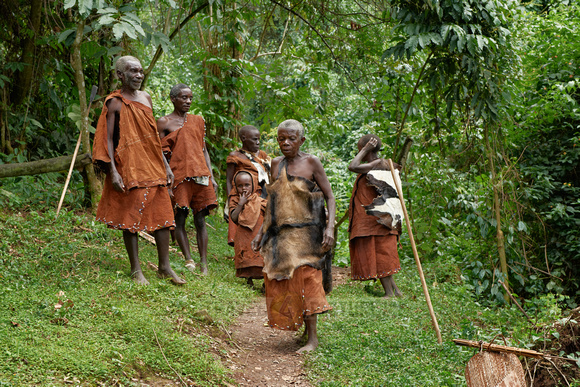
Integration of local communities into the photography experience enriches both technical and contextual aspects. Visits to Batwa villages allow photographers to document traditional practices, rituals, and daily life, adding depth to storytelling and creating a multidimensional portrayal of the region. Ethical engagement, including seeking consent and respecting cultural norms, ensures that images are both authentic and responsible.

Workshops and Guided Photography Tours

Specialized photography workshops and guided tours have been developed in collaboration with conservation organizations. These experiences provide focused instruction on camera techniques, composition, lighting, and wildlife behavior, often led by professional wildlife photographers familiar with Bwindi’s unique challenges. Participation in such programs enhances technical proficiency, increases photographic yield, and fosters a deeper connection with the environment.

Challenges for Gorilla Photography in Bwindi

Environmental and Physical Challenges

The rainforest environment presents inherent challenges, including high humidity, muddy and slippery trails, dense vegetation, and unpredictable weather. Photographers must be physically prepared, equipped with protective clothing, sturdy footwear, and weather-resistant gear. These conditions, while demanding, also contribute to the richness of visual opportunities, from glistening foliage to misty valleys and dynamic wildlife interactions.

Technical Limitations

Low-light conditions, rapidly moving subjects, and dense foliage can test camera performance. Photographers may encounter difficulties with autofocus, noise levels at high ISO, and achieving sufficient depth of field. Strategic equipment selection, understanding of camera settings, and adaptability are essential for overcoming these limitations and ensuring high-quality images.

Balancing Ethical Considerations

The priority of gorilla welfare necessitates that photographers balance the desire for dramatic or intimate shots with respect for animal behavior. Flash is prohibited, close approaches are restricted, and group interactions must be observed without interference. Mastery of ethical practices ensures that photographic opportunities are sustainable and do not compromise conservation objectives.

Maximizing Value in Gorilla Photography Safaris

Integration of Planning and Expertise

Successful photography in Bwindi is achieved through a combination of meticulous planning, expert guidance, and understanding of both ecological and technical parameters. Selecting the appropriate sector, timing visits to align with activity patterns, preparing suitable equipment, and engaging knowledgeable guides maximize both safety and photographic outcomes. Incorporating cultural and environmental context enriches visual storytelling, providing images that resonate beyond aesthetic appeal.

Conservation and Responsible Tourism

Photography in Bwindi is intertwined with broader conservation goals. Ethical practices, support for local communities, and adherence to park regulations ensure that tourism contributes positively to the preservation of mountain gorillas and their habitat. By prioritizing responsible tourism, photographers are able to capture meaningful images while supporting long-term ecological sustainability.

Capturing Moments That Transcend Time

Bwindi Impenetrable National Park offers photographers a rare opportunity to engage intimately with mountain gorillas within one of the most biodiverse and visually striking forests in the world. From preparation and equipment selection to understanding gorilla behavior, trekking logistics, and ethical considerations, every aspect of the experience contributes to the creation of memorable, responsible, and impactful images. The forest’s natural beauty, combined with the emotional resonance of observing these remarkable primates, ensures that photography in Bwindi is both a technical challenge and a profound personal journey.

For those seeking to embark on this transformative adventure, gorilla safaris and wildlife tours in Uganda can be arranged through WildHorn Africa, a trusted provider specializing in expertly guided, immersive, and ethically responsible experiences. By choosing WildHorn Africa, photographers are guaranteed access to high-quality guidance, comprehensive support, and the assurance that every encounter with the gorillas is conducted in a manner that prioritizes conservation, ethical practice, and unforgettable visual storytelling. The forests of Bwindi await, offering photographers the chance to capture moments that will resonate for a lifetime.

Budget-Friendly Gorilla Trekking in Bwindi National Park

Budget-Friendly Gorilla Trekking in Bwindi National Park

By Travel stories and blogs, Primate holidays, Uganda travel guides

Budget-Friendly Gorilla Trekking in Bwindi National Park

An Affordable Adventure into Uganda’s Pristine Wilderness

Uganda is widely recognized as one of the premier destinations for wildlife enthusiasts, offering experiences that rival any on the African continent. Among its most captivating adventures is gorilla trekking, an encounter that provides a rare glimpse into the lives of the majestic mountain gorillas. Bwindi Impenetrable National Park, a UNESCO World Heritage Site, has emerged as the heartland of these experiences, drawing travelers eager to witness these gentle giants in their natural habitat. While the allure of gorilla trekking often evokes images of luxury lodges and high-end packages, it is frequently overlooked that this once-in-a-lifetime adventure can be pursued in a budget-friendly manner without compromising the quality of the encounter. With careful planning, strategic choices, and an understanding of the park’s logistics, affordable gorilla trekking has been made accessible to a wider audience of travelers.

Understanding Bwindi Impenetrable National Park

Geographical Location and Ecological Significance

Bwindi Impenetrable National Park stretches across approximately 321 square kilometers in southwestern Uganda, bordering the Democratic Republic of Congo. Its topography is marked by rolling hills, deep valleys, and dense, tropical forest, giving rise to the park’s moniker of “Impenetrable.” This dense vegetation has remained largely untouched, preserving one of the most biodiverse ecosystems on the continent. It has been recognized globally not only for its population of mountain gorillas but also for its rich biodiversity, which includes over 120 species of mammals, 350 bird species, and an extensive variety of plant life. This ecological wealth provides an immersive backdrop for trekkers, making every step within the park a journey through an unparalleled natural environment.

The Mountain Gorilla Population

Bwindi is home to nearly half of the remaining wild mountain gorilla population worldwide. This concentration has made the park a central hub for conservation, research, and tourism. Habituated gorilla families, trained to tolerate human presence, offer the possibility of up-close encounters that are safe for both the animals and the visitors. Observations of their daily routines, social interactions, and behaviors are conducted under strict guidelines, ensuring minimal disturbance. Despite their size and strength, mountain gorillas exhibit gentle and playful behavior, and their complex social structures provide insights into the intelligence and emotional depth of these extraordinary creatures.

Budget-Friendly Gorilla Trekking: Planning and Preparation

Securing Affordable Gorilla Permits

The cornerstone of any gorilla trekking adventure is the gorilla permit, which grants access to the habituated families within Bwindi. These permits are issued by the Uganda Wildlife Authority and are available at different price points, depending on the season and sector. While peak seasons often command higher prices, careful planning allows for the acquisition of permits at more reasonable rates. Advanced booking is strongly recommended, as permits are limited and sell out quickly. Travelers seeking budget-friendly options are advised to consider trekking during shoulder seasons when permit costs may be slightly reduced and crowds are thinner, thus enhancing the overall experience.

Choosing Cost-Effective Accommodation

Accommodation in and around Bwindi varies widely, ranging from luxury lodges to community-run guesthouses. Budget-conscious travelers can benefit from eco-lodges, guesthouses, and homestays that provide comfortable lodging without the high price tag. These establishments often integrate local culture into their design, offer home-cooked meals, and support community initiatives, providing both a cost-effective and culturally enriching stay. Many guesthouses are located in close proximity to the park entrances, minimizing travel costs and allowing early access to trekking activities. The simplicity of these accommodations should not be mistaken for a lack of quality; in fact, many provide clean, safe, and welcoming environments that rival more expensive options in terms of hospitality.

Local Transportation and Accessibility

Access to Bwindi is facilitated by road travel from major towns such as Kabale or Kisoro. Budget travelers are often advised to use shared taxis or minibuses, which provide a cost-effective means of reaching the park while also offering an authentic glimpse into local life. While private transfers offer convenience, public transportation enables the journey to be more affordable without sacrificing safety or experience. Roads leading to Bwindi, though sometimes rough and winding, are passable with standard vehicles, and travel time can vary depending on weather conditions. It is essential to allocate extra time for travel when planning a budget-friendly trek to ensure a smooth and stress-free journey.

Guided Trekking Services

Trekking within Bwindi is conducted exclusively with the assistance of licensed guides, whose expertise ensures both safety and an enriching experience. While private guides are available at a premium, group treks or shared guiding services are a budget-friendly alternative. These services allow multiple participants to share the cost, making high-quality guidance accessible without compromising the quality of the trek. Guides provide invaluable insights into gorilla behavior, forest ecology, and cultural history, transforming the trek from a simple walk into an educational and immersive experience.

Trekking Routes and Sectors for Budget Travelers

Overview of Bwindi’s Sectors

Bwindi is divided into four main trekking sectors: Buhoma, Ruhija, Rushaga, and Nkuringo. Each sector offers a distinct experience, with varying degrees of difficulty, accessibility, and infrastructure. For budget-conscious travelers, the choice of sector can significantly impact overall costs and logistical ease.

Buhoma, the most popular sector, provides moderate trails and proximity to the majority of accommodations, making it an ideal choice for first-time trekkers seeking affordability and convenience. Ruhija, located in the northeastern corner of the park, is known for its remote and less frequented trails, offering both lower trekking permit demand and a sense of solitude. Rushaga and Nkuringo, situated in the southern regions, provide challenging terrain with steep inclines and longer trekking hours, but their reduced visitation rates often result in lower permit-related costs and a quieter experience.Budget-Friendly Gorilla Trekking in Bwindi National Park

Strategic Planning for Cost Efficiency

Budget-friendly trekking often involves strategic planning regarding departure times, group sizes, and sector selection. Early morning treks reduce the need for extended accommodation stays and allow for shared transport arrangements with other trekkers. Additionally, selecting sectors with fewer visitors can lower incidental costs while simultaneously enhancing the intimacy of the encounter. Local operators and community-run lodges often provide bundled packages that combine permits, guides, accommodation, and meals at discounted rates, allowing travelers to maximize the value of their investment while ensuring a high-quality trekking experience.

Experience of Gorilla Trekking on a Budget

The Trekking Journey

Trekking in Bwindi, regardless of budget, is an immersive experience that engages all senses. Trails wind through dense forest, across streams, and over steep inclines, revealing the park’s rich biodiversity at every turn. The environment is often mist-laden, with towering trees, thick undergrowth, and the calls of exotic birds creating a sense of ancient wilderness. Despite cost considerations, the trekking experience is enriched by the meticulous guidance provided by trained professionals who interpret the forest’s intricate ecosystem and the behaviors of its primate inhabitants.

Encountering the Gorillas

Upon reaching the gorilla family, the moment of encounter is transformative. Even budget-conscious trekkers are granted the same one-hour observation period as other visitors, ensuring equality in the quality of experience. Observations reveal a range of behaviors, from playful interactions among juveniles to the protective nature of dominant silverbacks. The subtleties of gorilla communication, including vocalizations, gestures, and facial expressions, offer profound insights into their intelligence and social structures. Photographic documentation is possible within strict ethical guidelines, allowing memories to be preserved without disrupting the animals’ natural behaviors.

Emotional and Educational Impact

The experience of observing mountain gorillas is often described as both emotional and educational. Budget travelers, despite financial constraints, gain access to a once-in-a-lifetime encounter that fosters a deeper appreciation for conservation efforts and the fragile ecosystems that support these species. The connection with the gorillas transcends economic considerations, leaving a lasting impression that is enriched by the knowledge imparted by local guides and conservationists. Visitors are often inspired to support ongoing efforts to protect gorillas and their habitats through advocacy, donations, or responsible tourism practices.

Additional Budget-Friendly Activities in Bwindi

Nature Walks and Bird Watching

Beyond gorilla trekking, Bwindi offers a wealth of activities that can be enjoyed without significant expense. Guided nature walks along forest trails provide insight into plant species, medicinal herbs, and the park’s intricate ecological networks. Birdwatching enthusiasts can spot numerous endemic and migratory species, contributing to a richer understanding of the park’s biodiversity. These activities are often included in budget accommodation packages or are available at minimal additional cost, allowing travelers to extend their engagement with the environment without substantial financial outlay.

Cultural Experiences and Community Engagement

Interactions with local communities, particularly the Batwa pygmy people, provide opportunities for cultural education and meaningful engagement. Budget travelers can participate in traditional music and dance demonstrations, storytelling sessions, and guided tours of local villages. These experiences not only deepen understanding of indigenous cultures but also contribute directly to community development initiatives, aligning affordability with ethical tourism. The integration of cultural and ecological experiences ensures that even budget-conscious travelers receive a holistic and enriching perspective of the region.

Voluntourism and Conservation Initiatives

For travelers seeking an immersive experience at minimal cost, volunteer programs and conservation projects are sometimes available in partnership with local organizations. Participants may engage in activities such as forest monitoring, trail maintenance, and wildlife observation. These programs provide hands-on experience in conservation while reducing overall travel costs, as accommodation and meals are often included. Voluntourism allows budget travelers to contribute meaningfully to the preservation of Bwindi’s unique ecosystem, enhancing both personal and environmental impact.

Challenges and Considerations for Budget Travelers

Physical Demands

Even with careful planning, trekking in Bwindi is physically demanding. Steep inclines, slippery trails, and dense vegetation require a reasonable level of fitness. Budget travelers must consider appropriate footwear, clothing, and trekking equipment, which can be obtained at modest cost from local suppliers. Adequate preparation ensures both safety and enjoyment, allowing the trek to be undertaken confidently regardless of financial constraints.

Weather and Seasonal Variations

Bwindi’s climate is characterized by frequent rainfall, which can affect both trail conditions and accessibility. Budget travelers are encouraged to plan visits during drier periods when trekking is safer and more comfortable. Nonetheless, even during rainy seasons, the experience remains rewarding, with lush greenery, cascading waterfalls, and mist-shrouded forests enhancing the sense of adventure.

Logistical and Safety Concerns

Budget-conscious trekking requires careful attention to logistical details, including transportation, permit acquisition, and guide coordination. Safety considerations, such as adherence to park regulations, health precautions, and awareness of wildlife behavior, remain paramount. Despite financial limitations, proper planning ensures that the trekking experience remains safe, educational, and unforgettable.

Maximizing Value Without Compromising Experience

Budget-friendly gorilla trekking in Bwindi demonstrates that cost does not necessarily dictate the quality of adventure. Through strategic planning, local knowledge, and careful selection of accommodations and trekking sectors, travelers can access the same intimate encounters with mountain gorillas as those with higher budgets. The richness of the experience is derived from direct engagement with wildlife, immersion in pristine forests, and meaningful interactions with local communities, all of which are available to those traveling mindfully and resourcefully.

The ethos of responsible tourism underscores the importance of supporting conservation efforts and local livelihoods. By choosing budget options that are ethically operated, travelers contribute to the long-term preservation of Bwindi’s unique ecosystem while ensuring that tourism remains inclusive and accessible.

Affordable Access to Uganda’s Gorilla Wilderness

Bwindi Impenetrable National Park remains one of the most extraordinary wildlife destinations on Earth, offering encounters with mountain gorillas that are profound, educational, and unforgettable. Budget-friendly trekking has been made possible through careful planning, strategic choices in accommodations, transportation, and guided services, and an understanding of the park’s diverse sectors. Affordability does not diminish the value or intensity of the experience; rather, it allows a broader range of travelers to witness the majesty of these gentle giants while engaging meaningfully with the forest ecosystem and local communities.

For those seeking to embark on this transformative journey, gorilla treks and safari adventures in Uganda can be booked through WildHorn Africa, a trusted operator specializing in immersive, responsible, and expertly guided wildlife experiences. By choosing WildHorn Africa, travelers are guaranteed a seamless, enriching, and unforgettable adventure that balances affordability with the highest standards of conservation and hospitality. The forests of Bwindi await, offering the chance to step into a world where nature, culture, and adventure converge in one extraordinary encounter.

Bwindi Impenetrable National Park vs Mgahinga: Where to Trek Gorillas

Bwindi Impenetrable National Park vs Mgahinga: Where to Trek Gorillas

By Travel stories and blogs, Primate holidays, Uganda travel guides

Bwindi Impenetrable National Park vs Mgahinga: Where to Trek Gorillas

The Allure of Uganda’s Gorilla Highlands

Uganda, often celebrated as the “Pearl of Africa,” is home to some of the most iconic wildlife experiences on the planet. Among these, gorilla trekking stands as the crown jewel, drawing adventurers and wildlife enthusiasts from across the globe. The dense, mist-laden forests of southwestern Uganda harbor the elusive mountain gorilla, a species that has captivated the imagination of scientists and travelers alike. Two of the nation’s most prominent trekking destinations are Bwindi Impenetrable National Park and Mgahinga Gorilla National Park, each offering a unique encounter with these gentle giants. Choosing between the two is a decision that is shaped not only by logistics but also by the desired trekking experience, wildlife diversity, and natural beauty.

Bwindi Impenetrable National Park: A Living Relic of Nature

Overview and Location

Bwindi Impenetrable National Park, a UNESCO World Heritage Site, stretches over 321 square kilometers of rugged, undulating terrain. Nestled within the southwestern corner of Uganda, the park lies adjacent to the Democratic Republic of Congo’s forests, forming a critical corridor for biodiversity. Its name, “Impenetrable,” is derived from the thick, tangled vegetation that dominates the landscape, creating a forest that appears almost untouchable to the untrained eye. This dense canopy provides sanctuary to over 400 species of plants, 120 mammal species, and a rich avifauna that appeals to bird watchers and ecologists alike.

Gorilla Trekking Experience in Bwindi

The mountain gorilla population in Bwindi is among the largest in the world, accounting for nearly half of the remaining wild gorillas globally. The trekking experience here is distinguished by both its intensity and reward. Treks commence in the early hours of the morning, with guides leading visitors through thick undergrowth, steep valleys, and winding paths. The trails, often muddy and slippery due to frequent rainfall, test the endurance and resolve of trekkers. Despite the challenges, the payoff is profound. Encountering a gorilla family in its natural habitat, observing the intricate social interactions, and witnessing the gentle giants up close instills a sense of awe that lingers long after the trek concludes.

Bwindi is home to multiple habituated gorilla families, each with its own distinct personality traits and social structures. The guides, well-versed in gorilla behavior, ensure that interactions remain safe, respectful, and minimally invasive. Observations are strictly limited to one hour per group, fostering an environment where both the gorillas and the trekkers can engage without undue stress.

Biodiversity Beyond Gorillas

While gorillas dominate the allure, Bwindi’s biodiversity extends far beyond them. The forest is a haven for numerous primate species, including chimpanzees, black-and-white colobus monkeys, and red-tailed monkeys. Its streams and waterfalls host unique amphibians and freshwater fish, while its understory shelters rare orchids and medicinal plants long used by local communities. Birdwatchers can expect to encounter species such as the African green broadbill, great blue turaco, and the elusive grey parrot, making Bwindi an all-encompassing nature experience rather than a single-species destination.

Trekking Logistics and Accessibility

Trekking in Bwindi requires careful preparation. The park is divided into four main sectors: Nkuringo, Buhoma, Ruhija, and Rushaga, each offering varying degrees of difficulty and proximity to gorilla families. Buhoma, the most visited sector, provides relatively moderate trails, suitable for those seeking a more leisurely experience. Nkuringo and Ruhija, in contrast, demand greater stamina due to steep inclines and remote access routes. All treks are guided, with permits required months in advance due to high demand. Accommodations near Bwindi range from luxury lodges with panoramic forest views to community-run guesthouses, providing a spectrum of options for different traveler preferences.Bwindi Impenetrable National Park vs Mgahinga: Where to Trek Gorillas

Mgahinga Gorilla National Park: The Hidden Gem

Overview and Location

In contrast to Bwindi, Mgahinga Gorilla National Park is considerably smaller, spanning only 33.7 square kilometers at the foot of the Virunga Volcanoes. It lies on the border triangle between Uganda, Rwanda, and the Democratic Republic of Congo, creating a unique ecosystem where montane forests, bamboo thickets, and volcanic slopes converge. This park is less frequented than Bwindi, making it a haven for travelers seeking intimacy with nature and a quieter trekking experience.

Gorilla Trekking Experience in Mgahinga

The gorilla population in Mgahinga is smaller, with only one habituated gorilla family available for trekking. Despite this limitation, the experience is equally profound. Trekkers navigate dense bamboo forests and volcanic slopes, often encountering varied terrain and breathtaking panoramas. The trek tends to be less crowded than in Bwindi, providing a sense of exclusivity and a more personal connection with the gorillas. Observing the gorillas’ interactions amidst the backdrop of volcanic peaks offers a unique perspective that is distinct from Bwindi’s dense rainforest setting.

The habituated family in Mgahinga provides insights into gorilla behavior that are slightly different from those in Bwindi due to the park’s unique environment and smaller population size. The guides, trained in both ecological knowledge and cultural history, ensure that the interaction remains educational, safe, and respectful. As with Bwindi, visits are limited to one hour per family to minimize stress on the animals.

Diverse Landscapes and Additional Activities

Mgahinga’s compact size belies its ecological richness. Beyond gorilla trekking, the park is renowned for the Golden Monkey tracking experience, offering trekkers the chance to observe these playful primates in bamboo forests. The Virunga volcanic slopes allow for mountain hiking, where the ascent of Mount Sabinyo or Mount Gahinga provides sweeping views of the tri-national landscape. Hot springs, crater lakes, and cultural encounters with local Batwa communities further enrich the visitor experience, providing a blend of adventure, natural beauty, and anthropological insight.

Trekking Logistics and Accessibility

Accessibility to Mgahinga is generally easier than Bwindi due to its proximity to Kisoro town and less demanding entry processes. The park is less congested, resulting in more flexible scheduling for gorilla permits. Accommodation options, though fewer than Bwindi, include eco-lodges and community guesthouses that emphasize sustainable tourism. The park’s smaller scale means that trekking requires fewer hours in transit, allowing more time to immerse in the natural surroundings or engage in additional activities.

Comparative Analysis: Bwindi vs Mgahinga

Gorilla Population and Viewing Opportunities

The most apparent distinction between Bwindi and Mgahinga lies in the gorilla population. Bwindi boasts multiple habituated families, increasing the likelihood of sightings and offering varied experiences for repeat visitors. Mgahinga, while smaller in gorilla numbers, provides a unique sense of exclusivity and often a more intimate encounter due to lower visitor numbers. For wildlife enthusiasts prioritizing a higher probability of multiple sightings, Bwindi is often preferred. Those seeking a quieter, more secluded experience may find Mgahinga more appealing.

Terrain and Trekking Difficulty

Trekking difficulty is another critical factor. Bwindi’s terrain is characterized by dense, wet rainforest with steep inclines and uneven paths. The forest’s impenetrable nature can make navigation challenging, demanding both physical stamina and mental perseverance. Mgahinga, while still rugged, presents a combination of bamboo forest and volcanic slopes, which can be steep but are generally more open, offering panoramic views along the way. Those with moderate fitness levels may find Mgahinga less physically taxing, while seasoned trekkers may relish Bwindi’s challenging terrain.

Scenic Beauty and Photographic Opportunities

Both parks offer stunning visual landscapes, but in markedly different ways. Bwindi’s dense rainforest, interspersed with misty valleys, waterfalls, and diverse plant life, provides a mystical atmosphere that is ideal for close-up wildlife photography. Mgahinga’s volcanic scenery, with crater lakes and distant peaks, offers sweeping vistas and opportunities for landscape photography that Bwindi cannot match. For travelers seeking to capture the raw, expansive beauty of Uganda’s highlands, Mgahinga presents unique photographic potential.

Wildlife Diversity Beyond Gorillas

While gorillas remain the central attraction, Bwindi’s larger area supports greater biodiversity, from numerous primate species to a rich avifauna, making it a comprehensive wildlife destination. Mgahinga, though smaller, offers the distinctive experience of tracking Golden Monkeys and witnessing the interactions of wildlife in a volcanic ecosystem. The choice between the two thus depends on whether the visitor prioritizes biodiversity and forest immersion (Bwindi) or volcanic landscapes and fewer crowds (Mgahinga).

Cultural and Community Experiences

Cultural engagement is increasingly recognized as an integral part of ecotourism. In Bwindi, interactions with the Batwa pygmy communities provide insights into traditional forest lifestyles, indigenous knowledge, and the challenges of modern conservation. Mgahinga offers similar encounters, but with a more intimate focus due to the smaller scale of tourism. Both parks emphasize responsible tourism, where community benefits are intertwined with conservation efforts, ensuring that visits contribute to both ecological and social sustainability.

Accessibility and Accommodation Options

Accessibility plays a decisive role in planning a gorilla trek. Bwindi’s multiple sectors and varying trail difficulties require careful logistical planning and often involve longer travel times from major towns such as Kabale or Kisoro. Mgahinga’s compact nature allows for shorter travel times and simpler logistics. Accommodation in Bwindi ranges from luxury lodges to budget-friendly guesthouses, while Mgahinga, though more limited, focuses on eco-lodges and community-centered stays. For visitors seeking comfort and a wide range of amenities, Bwindi may hold an advantage, whereas Mgahinga appeals to those prioritizing authenticity and immersion.

Choosing Between Bwindi and Mgahinga

The decision to trek in Bwindi or Mgahinga hinges on several personal preferences. Bwindi is ideal for those seeking abundant wildlife, multiple gorilla encounters, and immersive forest trekking. Mgahinga caters to travelers desiring a quieter, more exclusive experience, coupled with volcanic landscapes and unique primate sightings. Both destinations offer unforgettable encounters with mountain gorillas, yet each provides a distinct interpretation of Uganda’s natural and cultural heritage.

Ultimately, the choice is not merely about which park is better but about the type of adventure and connection with nature that the traveler desires. Bwindi offers a sense of being enveloped by a primeval rainforest teeming with life, while Mgahinga presents an intimate communion with gorillas amidst sweeping volcanic vistas.

An Invitation to Uganda’s Gorilla Wilderness

The mountain gorilla trekking experiences in Bwindi Impenetrable National Park and Mgahinga Gorilla National Park remain among the most compelling wildlife adventures in the world. Each park offers a distinctive combination of natural beauty, wildlife diversity, and cultural richness. Bwindi captivates with its dense, mystical forests and abundant gorilla families, while Mgahinga enchants with serene landscapes, volcanic peaks, and an intimate wildlife encounter. The allure of both destinations lies not only in the gorillas themselves but also in the broader ecological and cultural tapestry that frames each trek.

For travelers seeking to witness the majesty of mountain gorillas, understanding the nuances of each park ensures a more meaningful and fulfilling experience. Whether trekking through Bwindi’s impenetrable forest or ascending Mgahinga’s volcanic slopes, the encounter with these gentle giants is transformative, leaving an indelible mark on all who venture into their world.

To ensure a seamless, well-organized, and unforgettable journey, gorilla treks and safari adventures in Uganda can be booked through WildHorn Africa, a trusted provider specializing in immersive wildlife experiences. By choosing WildHorn Africa, travelers are guaranteed expert guidance, responsible tourism practices, and memories that will last a lifetime.

Cultural Encounters with the Batwa People near Bwindi

Cultural Encounters with the Batwa People near Bwindi

By Travel stories and blogs, Primate holidays, Uganda travel guides

Cultural Encounters with the Batwa People near Bwindi

Experiencing the Living Heritage of Uganda

In the verdant hills surrounding Bwindi Impenetrable National Park, one of Uganda’s most extraordinary cultural landscapes unfolds. Here, the Batwa people, often referred to as the forest dwellers or pygmies, have lived in intimate connection with the tropical rainforest for centuries. Their survival, customs, and traditions are deeply intertwined with the forest ecosystem that forms the backdrop of some of Africa’s most iconic wildlife experiences. For travelers seeking a journey that transcends typical safari encounters, cultural immersion with the Batwa offers insights into a way of life that has endured, adapted, and yet remains remarkably resilient in the face of modern pressures. The opportunity to witness the Batwa’s music, storytelling, medicinal practices, and intimate relationship with nature allows visitors to gain a profound appreciation of the forest beyond its gorilla inhabitants.

The Batwa People: History and Heritage

Origins and Traditional Lifestyle

The Batwa people are among the oldest indigenous communities in East Africa. Historically, they have inhabited the dense forests of southwestern Uganda, surviving as hunter-gatherers with a profound understanding of the forest’s resources. Their lifestyle was traditionally dictated by seasonal changes, availability of edible plants, and the movements of forest animals. The forest was not merely a habitat but a source of identity, spirituality, and sustenance. Knowledge of medicinal plants, tracking skills, and foraging techniques was passed down through generations, forming a rich cultural repository that reflected their adaptation to one of the most challenging environments on the continent.

Impact of Conservation and Displacement

The creation of national parks, particularly Bwindi Impenetrable National Park, led to the displacement of the Batwa from their ancestral forest lands. While conservation efforts have preserved critical habitats for mountain gorillas and other species, they have also disrupted traditional Batwa livelihoods, compelling the community to adapt to sedentary village life and new forms of economic activity. Despite these challenges, cultural practices, oral traditions, and knowledge of forest ecology have been preserved. Engagements with the Batwa today often focus on responsible cultural tourism, where visitors can experience traditional life while contributing to community sustainability.

The Significance of Cultural Tourism with the Batwa

Preserving Heritage Through Engagement

Cultural tourism with the Batwa is not merely a form of entertainment but a mechanism for heritage preservation. Through guided visits, storytelling sessions, music, and dance, the Batwa are able to share their history, values, and ecological knowledge. Visitors are offered a lens into a lifestyle that is closely attuned to nature, demonstrating principles of resourcefulness, environmental stewardship, and community cohesion. These interactions also provide economic incentives for the Batwa, enabling them to sustain cultural practices while participating in modern economic systems.

Ethical Considerations in Cultural Tourism

Engagement with the Batwa must be approached with sensitivity and respect. Photographs, participation in rituals, and interactions should be conducted with consent and understanding. Ethical tourism ensures that cultural representation is authentic and that the benefits of tourism are equitably distributed. Guides and community organizations mediate these interactions, ensuring that cultural experiences remain enriching, educational, and non-exploitative.

Experiencing Batwa Music and Dance

The Role of Music in Daily Life

Music and dance constitute the heartbeat of Batwa culture. Drumming, chanting, and melodic singing are not only forms of entertainment but also vital expressions of social cohesion, spiritual beliefs, and historical memory. Traditional instruments, often crafted from forest materials, accompany dances that narrate stories of hunting, forest life, and community events. For visitors, witnessing or participating in these performances provides an immersive understanding of Batwa identity, connecting rhythm and movement to broader cultural narratives.

Learning Through Observation and Participation

Guided sessions with the Batwa often allow visitors to observe the intricate patterns of dance, understand the symbolism embedded in movements, and appreciate the intergenerational transmission of musical knowledge. Participation, when respectfully offered, fosters empathy and connection, transforming cultural observation into active engagement. Such encounters also reveal the adaptability of Batwa music, which has incorporated influences from neighboring communities while retaining distinct forest-rooted characteristics.

Traditional Knowledge and Forest Ecology

Medicinal Plants and Survival Skills

A profound element of the Batwa’s cultural heritage lies in their understanding of forest ecology. Generations of interaction with Bwindi’s dense rainforest have endowed the community with knowledge of medicinal plants, edible roots, and techniques for identifying forest resources. Visitors are often shown how plants are used to treat ailments, prepare food, and craft tools. This ecological wisdom not only illustrates the Batwa’s ingenuity but also provides a living example of sustainable forest use that contrasts with modern extractive practices.

Hunting and Foraging Practices

While traditional hunting has diminished due to conservation restrictions, the Batwa’s knowledge of animal behavior, tracking, and foraging remains an integral part of cultural heritage. Demonstrations of tracking techniques, identification of animal signs, and insights into seasonal resource management are offered during cultural visits. These interactions highlight the community’s intricate relationship with the environment, emphasizing principles of sustainability, observation, and respect for all living beings within the forest.Cultural Encounters with the Batwa People near Bwindi

Art, Craft, and Cultural Expression

Handicrafts as Cultural Narratives

The Batwa engage in craftsmanship that reflects both utilitarian and artistic sensibilities. Baskets, beaded jewelry, and wooden carvings are created using traditional methods and natural materials. These artifacts convey stories of forest life, social structures, and spiritual beliefs. Visitors are often given the opportunity to observe artisans at work, learning about the processes and symbolism embedded in each creation. Purchases of handicrafts contribute to economic sustainability while supporting the preservation of skills that have been passed down for generations.

Integration of Art in Modern Cultural Tourism

Artistic expression serves as a bridge between tradition and contemporary tourism. Exhibitions, workshops, and community events provide visitors with interactive experiences that go beyond passive observation. Ethical engagement ensures that artisans retain control over the presentation and commercialization of their work, allowing cultural integrity to be maintained while generating income for the community.

Community Life and Daily Activities

Understanding Batwa Social Structures

Daily life among the Batwa is structured around community cohesion, interdependence, and shared responsibilities. Household organization, child-rearing practices, and community decision-making reflect deeply ingrained values of cooperation and reciprocity. Visitors gain insight into these structures through guided interactions, home visits, and participatory experiences. Observing domestic life, food preparation, and communal rituals provides a holistic understanding of Batwa society, extending beyond ceremonial displays to the realities of contemporary living.

Education and Adaptation

Modern challenges, including displacement and integration into village life, have necessitated adaptation among the Batwa. Education initiatives, vocational training, and cultural preservation programs have been developed in collaboration with NGOs and government agencies. Visitors can learn about these efforts, observing the ways in which traditional knowledge is being preserved while addressing socioeconomic needs. Such engagements highlight the dynamic nature of Batwa culture and the community’s resilience in navigating modernity without losing its distinctive identity.

Responsible Engagement and Cultural Sensitivity

Guided Visits and Ethical Practices

Cultural encounters with the Batwa are facilitated by trained guides who ensure that interactions are respectful, safe, and educational. Visitors are instructed on appropriate behaviors, including seeking consent before photography, participating in activities respectfully, and honoring community norms. These practices ensure that cultural engagement is mutually beneficial and that tourism does not disrupt the integrity of Batwa traditions.

Supporting Community Sustainability

Participation in Batwa cultural experiences contributes directly to community development. Entrance fees, donations, and purchases of handicrafts are often reinvested into education, healthcare, and cultural preservation initiatives. Ethical tourism not only provides meaningful experiences for visitors but also empowers the Batwa to maintain their cultural heritage and improve living standards. Through responsible engagement, tourism becomes a tool for cultural resilience and ecological stewardship.

Integrating Batwa Encounters into Bwindi Safaris

Combining Wildlife and Cultural Experiences

For travelers visiting Bwindi Impenetrable National Park, encounters with the Batwa can be seamlessly integrated into a broader safari itinerary. Early morning gorilla trekking can be complemented by afternoon cultural visits, allowing for a multidimensional experience of the forest and its human heritage. Photographers and wildlife enthusiasts alike gain a more complete understanding of the forest ecosystem when its human custodians are included in the journey. The juxtaposition of gorilla observation with Batwa cultural engagement provides depth, context, and narrative richness to the safari experience.

Practical Considerations for Visitors

Logistical planning is essential for maximizing both wildlife and cultural experiences. Transportation to Batwa villages, coordination with guides, and scheduling within the framework of park regulations are necessary considerations. Accommodation near Bwindi ranges from lodges to community-run guesthouses, providing options that support both comfort and ethical engagement. Visitors are encouraged to plan visits thoughtfully, ensuring that encounters are respectful, meaningful, and sustainable.

The Transformative Impact of Cultural Encounters

Personal Enrichment and Perspective

Encounters with the Batwa often leave a lasting impression on visitors, fostering empathy, cross-cultural understanding, and an appreciation for human resilience. Observing traditional practices, hearing oral histories, and participating in communal activities allow travelers to connect with a way of life that is deeply intertwined with nature. The insights gained extend beyond cultural knowledge, influencing perceptions of conservation, sustainability, and the value of indigenous wisdom.

Conservation and Cultural Preservation

The survival of Batwa culture is closely linked to the preservation of Bwindi’s forest ecosystem. Cultural tourism reinforces the importance of sustainable forest management, ethical wildlife observation, and community participation in conservation initiatives. By engaging with the Batwa, visitors contribute to both ecological and cultural preservation, supporting a holistic model of responsible tourism that benefits both people and wildlife.

Embracing the Richness of Batwa Heritage

Cultural encounters with the Batwa people near Bwindi provide a profound dimension to the experience of Uganda’s forests. Through music, dance, craftsmanship, forest knowledge, and daily life, the Batwa offer insights into a human culture that has been shaped by centuries of intimate connection with nature. Visitors gain not only memorable experiences but also a deeper understanding of the ecological and cultural richness of the region. Ethical engagement ensures that these encounters are mutually beneficial, supporting community sustainability and preserving heritage for future generations.

For travelers seeking to combine wildlife adventures with meaningful cultural experiences, tours and safaris in Uganda can be booked through WildHorn Africa. With expertise in both conservation-focused wildlife safaris and responsible cultural tourism, WildHorn Africa ensures that every encounter, from gorilla trekking to Batwa village visits, is conducted with professionalism, sensitivity, and unforgettable impact. By choosing WildHorn Africa, visitors are guaranteed immersive, educational, and transformative experiences that celebrate both the natural and human heritage of Uganda.

Bwindi Impenetrable Forest: UNESCO World Heritage Site Explained

Bwindi Impenetrable Forest: UNESCO World Heritage Site Explained

By Travel stories and blogs, Primate holidays, Uganda travel guides

Bwindi Impenetrable Forest: UNESCO World Heritage Site Explained

The Mystique of Bwindi Impenetrable Forest

Deep in the southwestern corner of Uganda lies a forest that has been described as one of the most enigmatic and biodiverse landscapes on the African continent. Known as Bwindi Impenetrable Forest, this remarkable ecosystem has been recognized as a UNESCO World Heritage Site, reflecting its global ecological and cultural significance. Bwindi is celebrated not only for its dense, ancient rainforest but also for being home to the endangered mountain gorilla, a species that has captured the imagination of scientists, conservationists, and travelers alike. The forest’s impenetrable vegetation, rolling hills, and mist-shrouded valleys create an atmosphere of mystery and adventure, drawing visitors into a world where nature reigns supreme and human presence is carefully managed. Understanding Bwindi in its full ecological, historical, and cultural context allows travelers and scholars to appreciate the exceptional values that earned it UNESCO recognition and to experience the forest as a living, breathing heritage site.

Geographical Location and Topography

Position within Uganda

Bwindi Impenetrable Forest is located in southwestern Uganda, extending across parts of Kisoro, Kanungu, Rubanda, and Kabale districts. Its location places it in close proximity to the Virunga Volcanoes and the borders of the Democratic Republic of Congo and Rwanda. This positioning situates Bwindi within a larger network of high-altitude forests and volcanic ecosystems that are recognized for their unique biodiversity. The forest lies at elevations ranging from approximately 1,160 meters to 2,607 meters above sea level, creating varied microclimates that support an extraordinary range of plant and animal life.

Terrain and Forest Structure

The forest is characterized by steep hills, deep valleys, and a dense canopy that has earned it the designation “Impenetrable.” Thick vines, moss-covered trees, and undergrowth form a complex, multi-layered structure that provides habitat for countless species. Numerous streams and rivers carve their way through the forest, supporting aquatic life and creating lush riparian corridors. The forest’s rugged terrain presents challenges for accessibility, yet it also serves to protect its ecological integrity, allowing flora and fauna to thrive with minimal human disturbance.

Biodiversity and Ecological Significance

Flora and Vegetation Types

Bwindi is considered a biodiversity hotspot, supporting over 400 species of plants, many of which are endemic or rare. The forest includes montane and lowland rainforest, bamboo thickets, swamps, and secondary growth areas. Giant fig trees, towering mahogany, and strangler figs form the canopy, while the understory is enriched with ferns, orchids, and medicinal plants. This diversity not only supports wildlife but also provides the Batwa and local communities with resources for traditional medicines, food, and cultural practices. Ecologists have noted that the forest’s plant richness contributes to carbon sequestration, soil stabilization, and climate regulation, underscoring its global ecological value.

Fauna and Endangered Species

The most famous inhabitants of Bwindi are the mountain gorillas, with the forest supporting nearly half of the world’s remaining population. These primates are highly social, intelligent, and sensitive to environmental changes, making their protection critical. Beyond gorillas, Bwindi is home to more than 120 mammal species, including chimpanzees, elephants, buffalo, leopards, and numerous monkey species such as red-tailed monkeys and black-and-white colobus monkeys. Its avifauna is equally impressive, with over 350 bird species documented, including the African green broadbill, great blue turaco, and the rare grey parrot. Reptiles, amphibians, and invertebrates thrive in the forest’s humid microclimates, creating a complex and interconnected ecosystem that has earned global recognition.

Historical and Cultural Context

Early Human Inhabitants

The forest has been inhabited for centuries by the Batwa people, an indigenous pygmy community whose traditional lifestyle was closely tied to the forest. The Batwa relied on hunting, gathering, and forest knowledge to sustain their communities. Their intimate understanding of the environment allowed them to utilize medicinal plants, track animals, and harvest food sustainably. Archaeological and anthropological studies have revealed that the Batwa possess a rich cultural heritage, including oral histories, music, dance, and rituals, all of which are informed by their relationship with Bwindi.

Impact of Conservation Policies

The designation of Bwindi as a national park and later a UNESCO World Heritage Site led to the displacement of the Batwa from their ancestral lands. While conservation efforts successfully protected endangered species and preserved critical habitats, they also created social challenges by removing traditional access to the forest. Today, programs aimed at integrating the Batwa into cultural tourism and community projects help to restore economic opportunities while preserving cultural heritage. These initiatives underscore the dual role of Bwindi as both a natural and cultural heritage site, highlighting the need for balanced approaches to conservation and human well-being.

UNESCO World Heritage Designation

Criteria for Recognition

Bwindi Impenetrable Forest was inscribed as a UNESCO World Heritage Site in 1994 due to its outstanding universal value. Recognition was based on both ecological and biological criteria, emphasizing the forest’s exceptional biodiversity, presence of endangered species, and role in maintaining ecological processes. The site is celebrated for its irreplaceable contribution to global conservation and for providing a living laboratory for scientific research. UNESCO’s designation has strengthened international support, funding, and awareness, facilitating long-term preservation of Bwindi’s unique ecological and cultural resources.

Implications of the Designation

World Heritage status has brought heightened attention to Bwindi, resulting in increased tourism, research, and conservation initiatives. It has also introduced stricter regulatory frameworks to protect the forest from illegal logging, poaching, and encroachment. While the designation has promoted global recognition, it has also required careful management to balance tourism, community needs, and environmental integrity. The presence of international NGOs, research institutions, and government agencies ensures that conservation strategies are adaptive, science-based, and culturally sensitive.Bwindi Impenetrable Forest: UNESCO World Heritage Site Explained

Gorilla Conservation and Ecotourism

Mountain Gorilla Protection Programs

The conservation of mountain gorillas in Bwindi has been a flagship success story, involving decades of collaborative efforts by the Uganda Wildlife Authority, international conservation organizations, and local communities. Gorilla families are habituated to human presence under controlled conditions, enabling both scientific research and tourism. Strict guidelines are enforced regarding observation time, group size, and behavior to ensure minimal disturbance. The gorilla protection programs have not only stabilized populations but also raised global awareness about the importance of preserving this critically endangered species.

Ecotourism as a Conservation Tool

Tourism in Bwindi is largely ecotourism-focused, emphasizing responsible, low-impact experiences. Gorilla trekking, guided forest walks, and birdwatching generate revenue that supports conservation, park management, and local communities. Sustainable tourism practices ensure that ecological footprints are minimized while maximizing educational and cultural value. Visitors are encouraged to respect wildlife, adhere to park rules, and contribute to community development projects. This integration of tourism and conservation demonstrates a model where natural heritage preservation and economic development are mutually reinforcing.

Trekking and Visitor Experience

Trekking Routes and Park Sectors

Bwindi is divided into four main trekking sectors: Buhoma, Ruhija, Rushaga, and Nkuringo, each offering distinct experiences in terms of terrain, difficulty, and wildlife encounters. Trails wind through dense rainforest, across streams, and over steep inclines, providing opportunities to observe diverse flora, birdlife, and forest mammals. Trekkers are guided by trained rangers who provide ecological interpretation, safety, and logistical support. The trekking experience, while physically demanding, is enriched by the forest’s atmospheric beauty, misty valleys, and the anticipation of encountering gorillas in their natural habitat.

Best Practices for Visitors

Visitors to Bwindi are advised to prepare adequately for challenging terrain and variable weather. Lightweight, breathable clothing, sturdy footwear, and rain protection are recommended. Photography equipment must be managed carefully due to humidity and forest density. Trekkers are instructed to maintain quiet, avoid sudden movements, and observe gorilla guidelines. These practices ensure both personal safety and the continued well-being of wildlife. By following park rules and respecting ecological boundaries, visitors contribute to the long-term sustainability of Bwindi’s natural and cultural assets.

Scientific Research and Ecological Monitoring

Long-Term Studies and Biodiversity Surveys

Bwindi has been the focus of extensive scientific research, particularly concerning gorilla behavior, forest ecology, and biodiversity monitoring. Long-term studies have documented gorilla family dynamics, social structures, and habitat use, providing critical data for conservation planning. Additionally, surveys of plants, birds, insects, and other mammals contribute to understanding ecosystem processes, species interactions, and the impacts of climate change. These research initiatives not only advance scientific knowledge but also inform adaptive management strategies for park conservation.

Community Participation in Research

Local communities, including the Batwa, participate in ecological monitoring and conservation programs. Their traditional knowledge complements scientific data, providing insights into plant uses, animal behavior, and seasonal environmental changes. Community involvement fosters local stewardship and ensures that conservation benefits are shared equitably. Collaborative research approaches enhance both scientific and cultural understanding of Bwindi, reinforcing its value as a living heritage site.

Challenges and Conservation Threats

Human-Wildlife Conflict

Bwindi’s proximity to human settlements occasionally results in human-wildlife conflicts, including crop raiding by gorillas and other wildlife. Mitigation measures, such as community education, buffer zones, and compensation schemes, have been implemented to reduce negative interactions. Effective conflict management is critical to maintaining community support for conservation and ensuring that wildlife populations can thrive without causing hardship to local residents.

Environmental Pressures

Deforestation, climate change, and illegal resource extraction present ongoing challenges to Bwindi’s ecological integrity. Monitoring and enforcement by park authorities, supported by international conservation organizations, aim to prevent habitat degradation. Sustainable tourism and community-based initiatives provide alternative livelihoods, reducing pressure on forest resources. The resilience of Bwindi’s ecosystem relies on adaptive management, continuous research, and strong partnerships between government, communities, and conservationists.

Appreciating Bwindi as a World Heritage Treasure

Bwindi Impenetrable Forest stands as a remarkable example of ecological richness, cultural heritage, and conservation success. Its dense rainforest, diverse wildlife, and historical significance make it one of the world’s most extraordinary natural sites. UNESCO World Heritage designation has highlighted the global importance of preserving Bwindi, balancing the needs of biodiversity, local communities, and responsible tourism. From the intimate observation of mountain gorillas to the appreciation of Batwa heritage, visitors to Bwindi are offered a profound and transformative experience. The forest’s ecological, cultural, and educational values underscore its status as a living heritage site, where conservation, research, and human engagement converge.

For travelers wishing to experience the wonders of Bwindi Impenetrable Forest, tours and safaris can be arranged through WildHorn Africa, a trusted provider specializing in responsible and immersive wildlife experiences. With expert guidance, logistical support, and a focus on sustainability, WildHorn Africa ensures that every journey into Bwindi is conducted ethically, safely, and memorably. By choosing WildHorn Africa, visitors are guaranteed an opportunity to witness the forest’s extraordinary biodiversity, engage with its cultural heritage, and create experiences that resonate long after leaving its verdant depths.

How to cultural tour in Kidepo Valley National Park — Frequently Asked Questions for luxury travelers

How to cultural tour in Kidepo Valley National Park — FAQs

By Travel stories and blogs, Luxury holidays, Uganda travel guides

How to Cultural Tour in Kidepo Valley National Park — Frequently Asked Questions for Luxury Travelers

Unlocking Africa’s Hidden Cultural Gem

In the remote northeast corner of Uganda, where sweeping savannahs dissolve into rugged mountains and timeless valleys, lies Kidepo Valley National Park. This extraordinary wilderness is not only one of the most pristine safari destinations in Africa, but it is also a living tapestry of culture, heritage, and authentic encounters with some of Uganda’s most unique ethnic communities. For luxury travelers seeking an experience that transcends wildlife and stretches into the soul of Africa’s traditions, a cultural tour in Kidepo is a journey into the essence of connection, identity, and memory.

This article explores, in detail, the most frequently asked questions about cultural tours in Kidepo Valley National Park, with a focus on how affluent explorers can enjoy comfort while embracing authenticity. Every section is designed to provide deeper context, thoughtful explanations, and structured clarity, guiding readers toward a richer appreciation of this remarkable destination.

Where Exactly is Kidepo Valley National Park Located?

Kidepo Valley National Park is situated in Uganda’s Karamoja sub-region, bordering South Sudan to the north and Kenya to the east. Covering an area of 1,442 square kilometers, the park is renowned for its remote location, dramatic landscapes, and unspoiled cultural richness. Unlike more frequented Ugandan parks, Kidepo offers an atmosphere of exclusivity, where luxury travelers can enjoy both serenity and adventure without the crowds.

The park is accessible by both road and air. While driving may take up to twelve hours from Kampala, chartered flights reduce the journey to less than two hours, offering a seamless transition for travelers who prioritize comfort and efficiency. This accessibility allows luxury tourists to begin their cultural exploration without enduring exhausting overland journeys.

Why is Kidepo Considered a Cultural Haven?

Kidepo is not merely a wildlife sanctuary; it is also a living stage where ancestral traditions thrive. The Karamoja region, inhabited predominantly by the Karamojong people, has preserved its cultural identity with remarkable resilience. Their way of life—rooted in pastoralism, community cohesion, and deep spiritual beliefs—offers visitors a chance to witness Africa in its most authentic form.

Equally captivating are the Ik people, a small and isolated community residing in the Morungole Mountains, within the vicinity of the park. Unlike the Karamojong, the Ik are agriculturalists with unique rituals, languages, and customs that remain little known to the outside world. For discerning travelers, these cultural experiences are not staged performances but genuine interactions with living traditions.

Thus, Kidepo stands out because it offers not only abundant wildlife such as lions, cheetahs, and elephants, but also the rare opportunity to immerse in authentic cultural heritage that has resisted dilution by modern influences.

How Do Luxury Travelers Experience Culture in Kidepo?

A cultural tour in Kidepo for luxury travelers is carefully curated to balance comfort with authenticity. It is not merely a visit; it is a structured experience designed to inspire, educate, and engage. High-end lodges and tented camps within and around the park provide a base where guests can enjoy fine dining, spa treatments, and elegant accommodations while venturing out to meet communities.

During these tours, luxury travelers are often accompanied by professional cultural guides who bridge language barriers and provide nuanced explanations of customs, ceremonies, and traditional practices. Activities may include visits to homesteads, participation in dance rituals, storytelling sessions with elders, and exploration of traditional crafts. Each encounter is respectful and reciprocal, allowing visitors to engage without intruding on cultural dignity.

The experiences are arranged in ways that preserve both privacy and intimacy, ensuring that travelers enjoy cultural immersion without the discomfort of overcrowding or rushed engagements.

What Communities Can Be Visited in Kidepo?

Two distinct cultural groups dominate the Kidepo Valley experience: the Karamojong and the Ik.

The Karamojong are known for their distinctive dress, often adorned with colorful beads, and for their enduring pastoral lifestyle. Their homesteads, known as manyattas, are organized into communal circles, reflecting their deep sense of unity. Visitors often engage in learning about cattle-keeping traditions, initiation ceremonies, and the spiritual importance of livestock in their society.How to cultural tour in Kidepo Valley National Park — Frequently Asked Questions for luxury travelers

The Ik people, on the other hand, live in the highlands and offer a vastly different perspective. Their remote mountain villages require guided treks, which add an adventurous dimension to cultural tours. The Ik are celebrated for their unique dances, music, and social rituals. Unlike the Karamojong, whose cultural life revolves around cattle, the Ik embody an agricultural ethos, and their stories often reflect the struggles and triumphs of survival in isolation.

Together, these communities present a dual experience—one pastoral and expansive, the other agrarian and intimate—giving travelers a holistic understanding of Uganda’s cultural diversity within a single region.

How Does One Respect Cultural Protocols During Visits?

A question frequently asked by luxury travelers is how to engage respectfully with indigenous communities. Cultural tourism in Kidepo is structured around mutual respect and understanding, with tour organizers ensuring that interactions follow traditional protocols.

Travelers are advised to observe simple etiquette such as dressing modestly, asking before taking photographs, and showing humility when entering homesteads. Guides often brief visitors beforehand, explaining the cultural significance of certain gestures, rituals, and spaces. Luxury travelers benefit from this mediation, as it allows them to connect authentically while avoiding misunderstandings.

Furthermore, cultural tours are designed to ensure that the local communities benefit directly, whether through financial contributions, employment opportunities, or cultural preservation initiatives. This approach guarantees that visits are not exploitative but supportive of sustainable development.

What Kind of Activities Define a Cultural Tour in Kidepo?

A cultural tour in Kidepo unfolds through a series of structured experiences that highlight both daily life and ceremonial practices. Travelers may be welcomed by rhythmic traditional dances performed around the warmth of an evening fire, or they may engage in conversations with elders who recount oral histories passed down for generations.

Visits to manyattas reveal how families organize themselves, raise livestock, and build resilient societies. Some tours include demonstrations of traditional craftsmanship such as beadwork or spear-making, allowing guests to witness the artistry embedded in ordinary life.

For those visiting the Ik, treks into the highlands lead to remote villages where rituals such as harvest celebrations, initiation ceremonies, and communal feasts provide deep cultural insights. The physical effort required to reach the Ik enhances the sense of exclusivity, offering travelers the feeling of discovering a hidden world preserved by mountains.

Every activity is curated to ensure that travelers enjoy comfort, safety, and exclusivity while being immersed in authentic cultural rhythms.

How Safe and Comfortable is the Experience for Luxury Travelers?

One of the central concerns for high-end visitors is safety and comfort. In Kidepo, cultural tours are conducted with meticulous planning. Professional guides and security escorts ensure that journeys to villages and communities are both safe and smooth. Local partnerships further guarantee that visitors are welcomed warmly, with communities informed in advance of cultural exchanges.

In terms of comfort, luxury lodges and tented camps such as Apoka Safari Lodge redefine wilderness living with spacious cottages, gourmet dining, and stunning views over the savannah. After days of cultural immersion, guests can return to sanctuaries of calm where spa treatments, fine wines, and private pools await. This harmony between exploration and relaxation is what makes cultural tours in Kidepo especially attractive for luxury travelers.

When is the Best Time for a Cultural Tour in Kidepo?

The dry seasons between December to March and July to September are considered the most favorable for cultural tours in Kidepo Valley National Park. During these months, travel is easier, and cultural activities often coincide with communal gatherings, dances, and ceremonies. The dry climate also makes treks into the Morungole Mountains more comfortable, ensuring that visits to the Ik communities are accessible.

However, some travelers prefer the wet season between April to June and October to November, when landscapes bloom with greenery and cultural life integrates agricultural rituals. While travel conditions may be more challenging, the wet season reveals another dimension of cultural expression, particularly among the Ik, whose harvest rituals are bound to the land’s fertility.

For luxury travelers, the choice often depends on personal preference, but with chartered flights and high-end accommodations, comfort remains assured throughout the year.

How Do Cultural Tours Integrate with Wildlife Safaris?

Kidepo is famed for its abundant wildlife, and luxury travelers often wonder how cultural tours fit into the broader safari experience. In reality, cultural encounters complement wildlife viewing perfectly. Mornings may be devoted to game drives across the Narus Valley, where herds of buffalo and elephants roam, while afternoons and evenings are reserved for cultural explorations.

The juxtaposition of witnessing lions in the wild followed by sitting with Karamojong elders creates a dual narrative of nature and humanity coexisting in timeless balance. This synthesis is what makes Kidepo so distinctive: it is not simply about observing animals, but about immersing in the human stories that share the same landscapes.

Why Should Luxury Travelers Choose Kidepo for Cultural Tourism?

Kidepo Valley National Park offers something rare in modern travel: the chance to step away from staged performances and into living traditions. Unlike destinations where culture is commodified, Kidepo’s remoteness ensures authenticity. Luxury travelers can thus enjoy the assurance that every song, every dance, and every ritual is not performed for profit alone but is a reflection of genuine identity.

Additionally, the exclusivity of the park—combined with world-class accommodation and professional guiding—ensures that the experience is both luxurious and meaningful. The rarity of encountering other tourists further heightens the sense of privilege, making cultural tours in Kidepo not just memorable but transformative.

A Journey into the Soul of Uganda

A cultural tour in Kidepo Valley National Park is more than an itinerary; it is a profound encounter with Africa’s heritage. For luxury travelers, it offers the perfect blend of exclusivity, comfort, and authenticity. From the pastoral rhythms of the Karamojong to the mountain rituals of the Ik, every interaction reveals layers of resilience, artistry, and humanity.

Kidepo is not merely visited—it is experienced, felt, and remembered. For those seeking a safari that goes beyond wildlife into the heart of culture, Kidepo stands unparalleled.

For an unforgettable cultural and wildlife journey into this hidden corner of Uganda, travelers are encouraged to book their African tours and safaris through WildHorn Africa, a trusted specialist in creating bespoke experiences that honor both luxury and authenticity.

Semuliki National Park: One Week Plan to luxury escape for groups

Semuliki National Park: One Week Plan to luxury escape for groups

By Luxury holidays, Travel stories and blogs, Uganda travel guides

Semuliki National Park: One Week Plan to Luxury Escape for Groups

A Hidden Gem of Uganda’s Wilderness

Nestled in the forests of western Uganda, Semuliki National Park represents one of the most unique and biodiverse ecosystems in the country. Bordering the Democratic Republic of Congo, it is a lush tropical rainforest teeming with wildlife and enveloped by a sense of mystery and serenity. For luxury travelers seeking a group escape, Semuliki offers a rare combination of adventure, exclusivity, and immersive natural experiences.

Unlike more frequented national parks, Semuliki preserves an intimate and unspoiled wilderness, where encounters with primates, elephants, and myriad bird species occur amidst dense vegetation and steaming hot springs. The park’s remoteness ensures that luxury group travelers can experience its wonders without the crowds often associated with safari destinations. Its unique biodiversity, cultural intersections with local communities, and opportunities for bespoke experiences make it an ideal candidate for a one-week luxury itinerary, blending comfort, discovery, and exclusivity.

This guide outlines a comprehensive seven-day plan, designed for groups seeking both adventure and indulgence in Semuliki National Park, highlighting optimal activities, accommodations, wildlife encounters, and cultural interactions.

Understanding Semuliki National Park: Geography and Biodiversity

Semuliki National Park is situated in the Albertine Rift, an area recognized for its extraordinary biodiversity and endemic species. The park covers approximately 220 square kilometers of lowland tropical rainforest, wetlands, and riverine habitats. Its ecological richness supports over 400 bird species, 53 mammal species, and numerous reptiles and amphibians, making it a prime destination for both wildlife enthusiasts and researchers.

The park’s forested terrain provides habitat for primates including chimpanzees, red-tailed monkeys, and black-and-white colobus monkeys. Large mammals such as forest elephants, buffalo, and hippos inhabit the rivers and wetlands. The park also boasts unique flora, including medicinal plants utilized by local communities and ancient mahogany and ironwood trees, which create a verdant canopy for explorers.

Luxury travelers are offered an experience that balances remote natural immersion with comfortable and curated access, allowing groups to witness the richness of the rainforest without sacrificing convenience or refinement.

Day 1: Arrival and Immersive Orientation

A one-week luxury escape in Semuliki begins with a tranquil arrival in the nearby town of Fort Portal or Bundibugyo, from where guided transfers to the park are provided. Upon reaching a luxury lodge or boutique eco-retreat, groups are welcomed with panoramic views of the forest, warm hospitality, and curated refreshments featuring local fruits and beverages.

An orientation session is often held in the evening, introducing the park’s biodiversity, conservation efforts, and planned activities for the week. Guides provide insights into the forest’s unique ecosystem, including the behavior of its primates, elephant movements, and birdlife patterns. This session ensures that group members are well-prepared for both comfort and immersion, fostering a shared understanding of the park’s ecological and cultural significance.

Dinner is typically an elegant affair, highlighting locally sourced ingredients and international culinary techniques, served in a lodge overlooking the forest canopy or the tranquil rivers that thread through the park. The first evening sets the tone for a week where luxury and wilderness intertwine seamlessly.

Day 2: Guided Forest Hikes and Primate Encounters

Early morning marks the beginning of immersive forest exploration. Luxury group travelers embark on guided hikes, led by experienced trackers who provide knowledge on flora, fauna, and forest ecology. The trails, carefully chosen for accessibility and wildlife observation, allow participants to witness primates in their natural habitat, including playful red-tailed monkeys and the elusive black-and-white colobus.

Guides explain the complex relationships within the rainforest, highlighting the role of keystone species and endemic plants. Observing primates in the early morning light provides both photographic and intellectual enrichment, as the forest awakens with calls of birds and the rustle of undergrowth.

Afternoons offer leisure time at the lodge, with optional spa treatments or sunset viewpoints overlooking the dense canopy. The juxtaposition of immersive morning activity with luxurious relaxation in the afternoon exemplifies the balance central to a luxury group experience in Semuliki.

Day 3: Hot Springs and Eco-Therapeutic Experiences

A visit to Semuliki’s hot springs is a highlight of the luxury itinerary. The natural thermal pools are renowned for their mineral-rich waters, historically considered therapeutic by local communities. Guided excursions provide insight into the geological origins of the springs and their cultural significance.

Groups are afforded private access to designated areas, allowing for both relaxation and reflection amidst the forest setting. The combination of warm waters, natural surroundings, and exclusive service contributes to a wellness experience rarely found in traditional safari destinations. Afternoon activities may include guided nature walks focusing on medicinal plants or birdwatching along the riverbanks, further reinforcing the integration of ecology, culture, and luxury leisure.

Evening dining emphasizes regional flavors, with dishes prepared from locally cultivated vegetables, forest-sourced herbs, and freshly caught fish from nearby streams, paired with fine wines or crafted cocktails. The culinary experience is curated to reflect both seasonal availability and the refined tastes of luxury travelers, ensuring that each meal is an extension of the forest immersion.

Day 4: Wildlife Safaris and Birding Excursions

Midweek, the focus shifts to comprehensive wildlife observation. Early morning and late afternoon drives allow luxury group travelers to witness forest elephants, hippos, buffalo, and antelope. Private safari vehicles, equipped with observation decks and expert guides, facilitate intimate encounters while maintaining minimal disturbance to wildlife.

Birding excursions are of particular interest in Semuliki, with the forest hosting endemic and migratory species. Group travelers receive expert guidance on identification and behavior, enhancing appreciation of the park’s rich avifauna. Luxury elements include catered picnic breakfasts along scenic spots, photography guidance, and personalized itineraries that accommodate both beginner and advanced wildlife enthusiasts.

Evenings provide time for cultural engagement with local communities near the park, where traditional crafts, music, and storytelling offer further enrichment. The combination of ecological and cultural experiences deepens the overall immersion, creating a holistic understanding of Semuliki’s environmental and social landscape.Semuliki National Park: One Week Plan to luxury escape for groups

Day 5: Community Volunteering and Sustainable Tourism Engagement

An essential aspect of a luxury group escape is the integration of meaningful engagement with local communities. Semuliki offers structured opportunities for group travelers to participate in conservation projects, sustainable agriculture initiatives, and community development programs.

Activities may include tree planting along reforestation sites, participation in educational programs for local schools, or collaboration with artisans creating sustainable crafts. Luxury lodges facilitate these engagements in a manner that respects both the community and the comfort of travelers, allowing groups to contribute positively while maintaining an immersive yet refined experience.

This day emphasizes the connection between eco-conscious tourism and cultural respect, ensuring that each group member experiences the transformative power of responsible travel without compromising on the luxurious elements of accommodation, dining, and personalized service.

Day 6: Canoe Expeditions and River Exploration

Semuliki’s rivers and wetlands provide opportunities for guided canoe trips, offering a unique perspective on the forest and its wildlife. Group travelers glide along tranquil waterways, observing hippos submerged near riverbanks, crocodiles basking on sandy shores, and birdlife in abundance.

Canoe expeditions are conducted with expert guides, ensuring safety, ecological sensitivity, and optimal observation points. Luxury elements include private canoes for each group or family unit, catered refreshments during excursions, and photography guidance for capturing the lush scenery. This day exemplifies the park’s capacity to combine adventure, intimacy, and indulgence, reinforcing the holistic luxury experience.

Day 7: Reflection, Farewell, and Departure

The final day of a luxury one-week escape is reserved for reflection and relaxation. Mornings are spent at leisure, with options for forest walks, birdwatching, or simply enjoying the panoramic views from lodge verandas. Guests are invited to participate in farewell activities that celebrate both the cultural and ecological highlights of the week, often including a private luncheon featuring seasonal delicacies and ceremonial acknowledgments by local guides and community representatives.

Departures are arranged via private transfers to Fort Portal or Bundibugyo, ensuring seamless logistics and minimal disruption. Luxury travelers leave Semuliki with a sense of fulfillment, having balanced immersive conservation, wildlife observation, cultural engagement, and high-end leisure throughout the seven days.

Why Semuliki is Ideal for Luxury Group Travel

Semuliki National Park offers a unique combination of remoteness, biodiversity, and accessibility, making it ideal for luxury group travel. Its forested landscapes provide an intimate setting for wildlife encounters rarely found in more crowded destinations. The integration of high-end lodges, curated itineraries, personalized service, and cultural experiences ensures that groups experience both immersion and indulgence.

Seasonal timing enhances the quality of the experience, with dry months favoring accessibility and wildlife sightings, while wet months provide lush greenery, rare bird observations, and tranquil atmospheres conducive to relaxation and reflection. The park’s emphasis on sustainability and community engagement further enriches the journey, allowing luxury travelers to leave a meaningful impact.

Crafting an Unforgettable Luxury Escape

A one-week luxury group escape to Semuliki National Park is defined by its careful balance of adventure, cultural immersion, wildlife observation, and indulgent comfort. From guided forest hikes and hot springs to canoe expeditions and curated community engagement, each day offers a combination of exploration and refinement.

Luxury travelers benefit from personalized service, exclusive access, high-end accommodations, and gourmet cuisine, while engaging with one of Uganda’s most biodiverse and culturally rich landscapes. For those seeking a transformative experience that blends conservation, adventure, and indulgence, professional guidance ensures that every detail is meticulously curated.

To ensure that your one-week luxury escape in Semuliki National Park is executed with precision, elegance, and impact, it is recommended to book your Africa tours and safaris with WildHorn Africa, whose expertise guarantees a journey that is immersive, refined, and unforgettable.

The Best Time to Visit: Conservation Volunteering at Toro Kingdom for Luxury Travelers

The Best Time to Visit: conservation volunteering at Toro Kingdom for luxury travelers

By Luxury holidays, Travel stories and blogs, Uganda travel guides

The Best Time to Visit: Conservation Volunteering at Toro Kingdom for Luxury Travelers

An Immersive Experience in Uganda’s Hidden Heritage

In the western region of Uganda, where the Rwenzori Mountains rise like a crown over fertile valleys, the Toro Kingdom presents a unique fusion of cultural heritage, ecological richness, and opportunities for meaningful engagement. Known for its centuries-old monarchy, lush landscapes, and the vibrancy of its communities, Toro is increasingly recognized as a destination where luxury travel can intersect with conservation volunteering, creating experiences that are both indulgent and purposeful.

For travelers seeking more than mere sightseeing, the appeal of Toro lies in its ability to combine exclusive cultural insights, immersive conservation projects, and refined accommodations. The region’s forests, wetlands, and savanna patches serve as living classrooms for volunteers, while its communities offer insights into traditions, arts, and agricultural practices. Visiting Toro is not simply an act of tourism; it is a participation in the ongoing story of preservation, where both nature and culture are safeguarded.

This guide explores the best time to visit Toro Kingdom for luxury travelers interested in conservation volunteering, highlighting seasonal conditions, volunteer opportunities, cultural encounters, and accommodations that ensure the journey is both fulfilling and comfortable.

Understanding Toro Kingdom: Geography, Culture, and Ecology

The Toro Kingdom is situated in Uganda’s western highlands, bordered by the Rwenzori Mountains to the south and the lush plains of Fort Portal to the north. The landscape is characterized by undulating hills, fertile valleys, dense forests, and meandering rivers, offering habitats for a remarkable diversity of wildlife. The region is home to endemic species, forest-dwelling primates, and a variety of birds that attract both ecologists and leisure travelers alike.

Cultural richness is equally compelling. The Toro monarchy, one of Uganda’s most prominent traditional kingdoms, has preserved customs, ceremonies, and governance structures that date back centuries. Visitors are often welcomed into communities where traditional dances, music, and storytelling provide profound insights into the kingdom’s heritage. This combination of ecological and cultural wealth creates a unique backdrop for conservation volunteering, allowing luxury travelers to engage in meaningful work while enjoying the comfort of carefully curated accommodations.

Conservation Volunteering: Purpose and Experience

Conservation volunteering in Toro Kingdom is a multi-faceted experience. Programs often focus on forest preservation, wildlife monitoring, sustainable agriculture, and community education. Volunteers engage with local experts who provide guidance on biodiversity studies, habitat restoration, and eco-tourism development. The activities are designed not only to benefit the environment but also to empower local communities, creating sustainable pathways for both humans and wildlife.

For luxury travelers, the appeal lies in the blend of immersion and comfort. Volunteering days may involve guided forest walks, wildlife observation, or participation in reforestation projects, while evenings are spent in lodges that offer gourmet meals, panoramic views, and spa facilities. This combination ensures that the experience is impactful yet restorative, allowing participants to contribute meaningfully without compromising personal comfort.

Seasonal Variations and Their Impact on Volunteering

The timing of a visit to Toro Kingdom significantly influences the quality of both volunteering and luxury travel experiences. Uganda’s climate is defined by two wet seasons and two dry seasons, and each has implications for conservation work, wildlife observation, and travel logistics.

The dry seasons, from June to September and December to February, provide the most accessible conditions for volunteering activities. Trails through the forests and hills are easier to navigate, wildlife is more concentrated near water sources, and outdoor activities can be conducted without interruption. The dry months also offer ideal conditions for hiking, bird watching, and photography, allowing luxury travelers to combine ecological engagement with scenic exploration.

Conversely, the wet seasons, from March to May and October to November, transform Toro into a lush, verdant paradise. Rivers swell, waterfalls gain intensity, and the landscape appears at its most vibrant. While forest trails can be more challenging, the wet season enhances opportunities for botanical studies, amphibian monitoring, and observation of migratory birds. Luxury accommodations during this period provide warmth, comfort, and intimate spaces to enjoy the scenery, making the rains a backdrop for immersive and reflective experiences.

Designing a Luxury Conservation Itinerary

For travelers with limited time, a carefully curated itinerary ensures that every day in Toro Kingdom is maximized for both impact and indulgence. Early mornings are typically dedicated to volunteer activities, guided by local ecologists and conservationists. These sessions may involve mapping wildlife movement, planting indigenous trees, or assisting in habitat restoration projects. The intensity of the day is balanced by serene afternoons spent exploring cultural sites, visiting Batwa communities, or taking leisure walks along the hillsides overlooking Fort Portal.

Evenings are devoted to refined relaxation, with lodges offering dining experiences that feature locally sourced ingredients, paired with international culinary standards. Wine tastings, spa treatments, and panoramic views of the Rwenzori mountains ensure that luxury remains intertwined with the purpose of the journey. Every element of the itinerary is designed to harmonize engagement and comfort, creating a sense of fulfillment that resonates far beyond the duration of the stay.

Cultural Immersion: Enhancing Conservation Efforts

Conservation in Toro Kingdom is inextricably linked to cultural understanding. Local communities possess knowledge of forest resources, wildlife behavior, and sustainable land management practices that are invaluable to volunteers. Luxury travelers benefit from curated cultural interactions that provide context to their environmental contributions.

Traditional ceremonies, dance performances, and craft demonstrations are arranged to complement conservation projects. By engaging with the kingdom’s elders and artisans, volunteers gain insight into the historical and spiritual significance of the landscapes they work to protect. These encounters ensure that the experience is not purely ecological but holistic, blending science, culture, and luxury into a unified journey.

Accommodations: Where Luxury Meets Sustainability

Luxury lodging in Toro Kingdom has been developed with a deep sensitivity to the surrounding environment. Eco-lodges and boutique retreats are often perched on hilltops or within forest clearings, providing panoramic vistas of the mountains and valleys. These lodges are designed to integrate seamlessly with the landscape, using sustainable materials, solar energy, and water management systems that minimize environmental impact.

Inside, accommodations are equipped with modern amenities while retaining an authentic connection to local culture. Suites often feature handcrafted furniture, private verandas, and open-air showers that allow guests to experience nature intimately. Dining is a focal point, with menus that showcase seasonal produce, traditional flavors, and gourmet techniques. The luxury of these lodges ensures that conservation volunteering is framed not as hardship but as an enriching, comfortable engagement with nature and culture.

The Best Time for Wildlife Observation

Wildlife observation in Toro Kingdom is another factor shaped by the seasons. Dry months are particularly suited for spotting forest primates, small antelopes, and endemic bird species, as animals are more concentrated near water sources and trails are navigable. Photography enthusiasts find these months especially rewarding, as clear skies and golden light enhance the visual splendor of the environment.The Best Time to Visit: Conservation Volunteering at Toro Kingdom for Luxury Travelers

During the wet season, however, species that rely on dense vegetation, such as forest duikers, bushbucks, and certain bird species, become more active. While the trails can be slippery, the opportunity to witness behaviors that are rarely seen in drier periods makes this season particularly special for dedicated wildlife enthusiasts. Luxury travelers can rely on lodge guides and private excursions to access the best observation points, ensuring both safety and exclusivity.

Logistics: Travel, Transport, and Accessibility

Access to Toro Kingdom is facilitated through well-maintained roads leading from Fort Portal, which itself is connected to major Ugandan cities. For luxury travelers, private vehicles, chauffeur services, and guided tours are often arranged to streamline the journey and maximize time spent within the kingdom.

Within Toro, transportation is often a combination of road vehicles and guided forest walks. Some lodges provide 4×4 vehicles equipped for rough terrain, allowing volunteers to reach conservation sites efficiently. Even during wet seasons, the infrastructure ensures that activities are conducted safely, while maintaining the immersive experience that is central to conservation volunteering.

Volunteering Programs and Their Impact

Volunteering programs in Toro Kingdom have been developed in close collaboration with local authorities and environmental organizations. Projects often focus on habitat restoration, biodiversity monitoring, and environmental education. Luxury travelers contribute directly through hands-on activities, data collection, and community engagement.

The impact of these programs extends beyond the duration of a visit. Forest areas rehabilitated during volunteer initiatives support wildlife populations, sustainable agriculture projects provide alternative livelihoods for local communities, and educational outreach fosters environmental stewardship among younger generations. By participating in these programs, luxury travelers become part of a legacy of preservation, leaving a tangible and meaningful footprint in the kingdom.

Cultural and Ecological Synergy: Lessons for Travelers

The integration of cultural understanding with ecological engagement is a hallmark of Toro Kingdom experiences. Luxury travelers are encouraged to reflect on the interdependence of humans and nature, recognizing that conservation success is often linked to local knowledge and participation. By participating in both ecological and cultural activities, travelers gain a profound appreciation for the complexity and resilience of the kingdom’s ecosystems and communities.

This synergy also enhances the luxury experience, as travelers are not merely observers but active participants. The sense of purpose enriches each meal, each view from a lodge, and each interaction, transforming the journey into one of personal and ecological fulfillment.

Timing, Purpose, and Elegance in Toro Kingdom

The best time to visit Toro Kingdom for luxury travelers interested in conservation volunteering is determined by the interplay of seasonal conditions, wildlife activity, and personal preference. Dry seasons favor accessible trails and clear observation opportunities, while wet seasons provide lush landscapes and unique ecological insights. Regardless of timing, the combination of conservation work, cultural immersion, and luxury accommodation ensures a transformative experience.

Volunteering in Toro Kingdom allows travelers to leave a lasting impact while indulging in the comforts of refined lodges, exquisite dining, and curated excursions. Every aspect of the journey, from forest trails to hillside retreats, is crafted to balance purpose with elegance, ensuring that the limited time spent in the kingdom is both meaningful and indulgent.

For those seeking to immerse themselves in this unique blend of culture, ecology, and luxury, it is recommended to entrust travel planning to experts who understand the kingdom intimately. To ensure that your conservation volunteering experience in Toro Kingdom is executed with precision, comfort, and impact, it is highly advised to book your Africa tours and safaris with WildHorn Africa, whose expertise in crafting bespoke luxury travel experiences guarantees a journey that is as purposeful as it is memorable.

The Hidden Gems: luxury escape at Bwindi Impenetrable Forest for avid hikers

Packing Essentials: Mgahinga Gorilla National Park eco-lodge reviews on a budget

By Luxury holidays, Travel stories and blogs, Uganda travel guides

Packing Essentials: Mgahinga Gorilla National Park Eco-Lodge Reviews on a Budget

Unlocking the Hidden Side of Luxury in Simplicity

Perched on the southwestern tip of Uganda, where three countries—Uganda, Rwanda, and the Democratic Republic of Congo—interlace their borders, the Mgahinga Gorilla National Park emerges as a destination that is at once mystical and authentic. The park, though less publicized than its more famous neighbor Bwindi Impenetrable Forest, holds within its modest boundaries an astonishing richness of biodiversity, an intimate gorilla trekking experience, and landscapes where volcanic peaks pierce the skies.

For many travelers, luxury is often synonymous with extravagance, where opulent lodges, fine dining, and indulgent amenities define the journey. Yet in Mgahinga, luxury is often redefined. It is not solely about the plushness of a pillow or the glimmer of a chandelier, but rather about the intimacy of the experience, the comfort within simplicity, and the opportunity to connect deeply with both nature and culture. Budget travel in Mgahinga does not strip away comfort—it elevates the authenticity of adventure, offering eco-lodges that balance affordability with charm, sustainability, and memorable service.

This article provides a comprehensive review of eco-lodges in and around Mgahinga Gorilla National Park that cater to travelers seeking a balance between budget-consciousness and comfort. Beyond the reviews, it also unfolds the packing essentials for those who aim to make the most of their stay. Together, these insights reveal how a budget escape at Mgahinga can be as enriching and transformative as any luxury journey.

Mgahinga Gorilla National Park: A Portrait of Untamed Beauty

Mgahinga is the smallest of Uganda’s national parks, covering a compact 33.7 square kilometers, yet its modest size belies its grandeur. The park sits at the foot of the Virunga Mountain Range, which includes the towering peaks of Mount Muhabura, Mount Sabyinyo, and Mount Gahinga. These extinct volcanoes dominate the landscape, offering both dramatic scenery and challenging hiking opportunities.

The park is best known for its population of endangered mountain gorillas, a smaller yet equally captivating group compared to those in Bwindi. Trekking here provides a more exclusive and intimate gorilla encounter, often with fewer crowds. In addition to gorillas, Mgahinga is home to the golden monkey, a rare primate whose vibrant fur and agile leaps through the bamboo forests enchant visitors.

For hikers, the slopes of the Virungas present trails that blend cultural encounters with natural splendor. Treks lead not only to gorilla families but also through cultural landscapes where the Batwa people, the forest’s ancient custodians, share traditions and survival skills passed down for centuries. This blend of nature, culture, and adventure makes Mgahinga a destination where budget-conscious travelers still discover richness beyond measure.

Eco-Lodges Around Mgahinga: Simplicity with Soul

The heart of budget travel at Mgahinga lies in the eco-lodges that provide both comfort and affordability. These lodges are not designed for extravagance, but rather for immersion, sustainability, and a warm sense of belonging. Many are set on hillsides with breathtaking views of the Virunga volcanoes, offering rustic beauty that harmonizes with the natural environment.

Unlike large resorts, eco-lodges around Mgahinga prioritize intimacy. Guest numbers are often small, allowing for personalized attention and a quieter stay. Rooms may be furnished with simple but comfortable beds, en-suite bathrooms, and verandas that overlook mist-covered forests. Electricity is often powered by solar panels, and water is sometimes heated through eco-friendly methods, underscoring the commitment to sustainability.

Meals at these lodges often feature locally sourced ingredients. Guests savor traditional Ugandan dishes infused with international touches, creating a culinary experience that is hearty yet thoughtful. Dining areas are typically communal, encouraging travelers from diverse backgrounds to share stories of their treks and encounters.

Budget-friendly eco-lodges in Mgahinga redefine the concept of luxury by focusing on experience over extravagance. They offer the chance to wake up to birdsong, to watch sunsets paint volcanic peaks in fiery hues, and to retreat into a world that values connection over consumption.

Case Studies: Eco-Lodge Reviews for the Budget Traveler

Eco-lodges at Mgahinga each bring their own flavor of hospitality, and though they vary in design and amenities, they share the same ethos of sustainability and community. A deeper look into some of the standout budget eco-lodges reveals why they are favored by travelers.

One eco-lodge rests on the gentle slopes of Mount Gahinga itself, blending seamlessly into the volcanic landscape. Its architecture reflects traditional designs, with cottages built from local stone and thatched roofs that echo the region’s heritage. Guests speak of the warmth of the staff, who are not just employees but ambassadors of local culture. The lodge’s proceeds support community initiatives, allowing travelers to know their stay contributes directly to the wellbeing of surrounding villages.

Another lodge, located a short drive from the park’s entrance, charms guests with its simplicity. Rooms are cozy, with wooden furnishings and soft lighting, while common areas overlook the dense bamboo forests where golden monkeys dwell. Meals are communal affairs, with dishes that celebrate the freshness of locally grown produce. Guests often remark that the absence of extravagance is compensated by the authenticity of the atmosphere, where evenings are filled with laughter, storytelling, and the glow of firelight.

Perhaps one of the most memorable eco-lodges is one that combines affordability with conservation leadership. Guests are invited to participate in tree planting initiatives, cultural exchanges with the Batwa, and guided nature walks that go beyond typical tourist paths. Such lodges do not merely host visitors; they immerse them into the rhythm of Mgahinga, making each stay an education as much as a retreat.

Packing Essentials: Preparing for a Budget Yet Refined Adventure

A successful journey into Mgahinga Gorilla National Park begins with thoughtful packing. The terrain, climate, and activities require travelers to balance practicality with comfort, ensuring they are well-prepared without overburdening themselves.

Lightweight, breathable clothing is essential, given the variable climate. Days may begin with cool mornings and evolve into warm afternoons, before dipping into chilly evenings. Layering becomes a traveler’s ally, with light shirts, insulating mid-layers, and a waterproof outer shell to guard against rain. Footwear demands particular attention, as sturdy hiking boots with strong grip are indispensable for navigating muddy trails and steep slopes.

Accessories such as hats, gloves, and scarves are vital for higher-altitude hikes, where temperatures can be surprisingly cold despite equatorial latitudes. For gorilla trekking, gaiters and gloves are useful, as they protect against nettles and dense vegetation. A backpack with hydration capability ensures comfort during long treks, while a waterproof cover safeguards belongings during sudden downpours.

Beyond clothing, packing must also account for practical essentials. A pair of binoculars enriches wildlife encounters, allowing travelers to spot birds and primates from afar. Cameras with protective cases capture the magic of the forest, though the emphasis always remains on experiencing rather than documenting. Insect repellent and sunscreen shield against discomfort, while a basic medical kit provides reassurance on remote trails.

For eco-lodge stays, items such as reusable water bottles, eco-friendly toiletries, and small solar chargers align with the sustainability ethos of the accommodations. Packing light but thoughtfully ensures that travelers are not weighed down yet remain equipped for every adventure Mgahinga offers.

The Balance of Budget and Comfort

Budget travel often raises concerns of compromise, yet in Mgahinga, the equation tilts toward balance. Eco-lodges prove that affordability does not equate to deprivation. Instead, it promotes experiences that prioritize authenticity, sustainability, and community connection.

Comfort in these lodges is not defined by excess, but by thoughtful touches. A soft blanket against the evening chill, a hot cup of Ugandan tea after a long trek, or a welcoming smile from staff who treat guests like family—these are the luxuries that resonate most deeply. Travelers often find that simplicity enhances appreciation, creating a sense of mindfulness that opulent distractions might obscure.The Hidden Gems: luxury escape at Bwindi Impenetrable Forest for avid hikers

For avid hikers and gorilla enthusiasts, the resources saved by choosing budget eco-lodges can be channeled into activities, permits, and cultural interactions, enriching the overall journey. The result is an escape that balances the financial with the experiential, ensuring that memories are not tethered to cost but to authenticity.

Cultural Immersion: Beyond the Forest Trails

Budget eco-lodge experiences at Mgahinga are enriched by the cultural dimension they foster. Many lodges work closely with the Batwa community, offering guests opportunities to learn about their traditions, music, and forest survival skills. Such encounters are often conducted with dignity and respect, ensuring that cultural sharing empowers the Batwa while enlightening visitors.

Guests may also engage with local farmers, artisans, and storytellers, discovering the rhythms of rural Ugandan life. Craft workshops allow for hands-on learning, while village tours unveil the agricultural practices that sustain communities. These cultural exchanges broaden the horizons of budget travelers, revealing that true richness lies not only in landscapes but in human connection.

Eco-lodges, by their very design, serve as gateways into these cultural narratives. They encourage interactions that go beyond the transactional, cultivating bonds that endure long after the journey ends.

Seasons and Timing: Crafting the Perfect Stay

Timing a visit to Mgahinga is critical in shaping the experience. The dry seasons, typically from June to September and December to February, are ideal for trekking, with more stable conditions on the trails. Eco-lodges during these periods often enjoy higher occupancy, creating lively communal atmospheres where guests share stories over campfires.

The wet seasons, from March to May and October to November, bring challenges of slippery trails but also reveal the park’s most lush and vibrant character. Budget travelers may find these months particularly appealing, as eco-lodges often lower rates to attract visitors, making the combination of affordability and intimacy especially rewarding.

Regardless of season, the charm of Mgahinga remains constant. The gorillas dwell in its forests year-round, the golden monkeys leap through bamboo groves regardless of rain, and the volcanic peaks stand sentinel in perpetual majesty. The choice of season simply tailors the flavor of the journey, ensuring that each visit feels uniquely personal.

Redefining Luxury at the Edge of the Virungas

In the quiet majesty of Mgahinga Gorilla National Park, luxury is not defined by extravagance but by connection. Eco-lodges on a budget remind travelers that simplicity can be as rewarding as opulence, that authenticity surpasses excess, and that the most treasured comforts are those aligned with nature and community.

For the avid hiker, the budget-conscious traveler, or the seeker of gorilla encounters, Mgahinga offers an escape that balances affordability with enrichment. Every eco-lodge tells a story—of sustainability, of warmth, of cultural heritage—that deepens the journey beyond the trails. The packing essentials, the preparation, and the embrace of simplicity all converge to make this destination both practical and profound.

To elevate this journey further, it is strongly recommended that travelers entrust their experiences to those who understand Africa’s hidden gems intimately. For a carefully curated itinerary that balances adventure, culture, and affordability without compromising on comfort, book your Africa tours and safaris with WildHorn Africa, the trusted partner in crafting unforgettable journeys across the continent.

7-Day Itinerary — Queen Elizabeth National Park eco-lodge reviews for luxury travelers

7-Day Itinerary — Queen Elizabeth National Park eco-lodge reviews for luxury travelers

By Safari holidays, Travel stories and blogs, Uganda travel guides, Wildlife holidays

7-Day Itinerary — Queen Elizabeth National Park Eco-Lodge Reviews for Luxury Travelers

Luxury Meets Sustainability in Uganda’s Safari Heartland

Among the most celebrated landscapes in East Africa, Queen Elizabeth National Park remains a timeless jewel of Uganda’s tourism crown. Spread across diverse ecosystems that range from sweeping savannah to lush wetlands and dense forests, it is a sanctuary where wildlife flourishes and travelers encounter nature in its purest form. Yet, in 2025, luxury travelers are no longer simply seeking spectacular encounters with lions, elephants, and hippos. They desire experiences that merge indulgence with sustainability—a seamless blend of elegance and responsibility.

This is where the park’s eco-lodges come into focus. Scattered across its vast terrain, these properties redefine luxury by integrating environmental stewardship with world-class hospitality. Constructed with natural materials, powered by renewable energy, and staffed by conservation-minded professionals, the eco-lodges in Queen Elizabeth National Park are not merely places to rest but sanctuaries that celebrate harmony between humanity and wilderness.

For luxury travelers, a 7-day itinerary becomes the perfect framework to experience both the park’s iconic attractions and its most distinguished eco-lodges. Over the course of a week, one can traverse different habitats, enjoy unforgettable wildlife experiences, and return each evening to accommodations that inspire both comfort and conscience. What follows is a detailed exploration of such an itinerary, coupled with reviews of the finest eco-lodges that welcome discerning visitors to Queen Elizabeth National Park.

Day 1: Arrival and First Impressions of the Southern Kazinga Channel

The journey into Queen Elizabeth National Park begins with anticipation. Whether arriving by a domestic flight from Entebbe or driving through the scenic countryside of western Uganda, the entrance into the park is a moment of transformation. The landscapes open into wide savannah plains punctuated by acacia trees, while herds of kob and waterbuck roam freely.

Luxury travelers often choose to settle first near the Kazinga Channel, the natural waterway that links Lake Edward and Lake George. Here, eco-lodges are carefully positioned to provide panoramic views of the water and its vibrant wildlife. Constructed from locally sourced wood and stone, these lodges are designed to blend into the environment rather than dominate it. Solar-powered systems ensure that even as guests indulge in modern luxuries, the ecological footprint remains minimal.

The first evening offers an introduction to the park’s soul. As the sun dips below the horizon, families of hippos gather along the banks of the channel, their calls echoing into the night. Guests retreat to open-air dining terraces where gourmet meals prepared with fresh, local ingredients are served under a canopy of stars. This gentle introduction sets the tone for a week where luxury and sustainability intertwine seamlessly.

Day 2: Game Drive on Kasenyi Plains and Eco-Lodge Refinement

The second day begins with an early morning game drive across the Kasenyi Plains, where predators are most active at dawn. Lions patrol in search of prey, while herds of Uganda kob graze across golden grasses. For luxury travelers, the experience is elevated through private safari vehicles, expertly trained guides, and thoughtful touches such as warm beverages served during sunrise.

After a rewarding day of exploration, guests return to their eco-lodges, where the design itself becomes part of the safari. Suites are often elevated on stilts, offering uninterrupted views across the savannah. Interiors combine modern aesthetics with Ugandan artistry—woven textiles, hand-carved furniture, and natural color palettes that echo the earth tones outside.

Reviews from travelers consistently highlight the sense of serenity these lodges cultivate. Unlike traditional hotels, eco-lodges here prioritize privacy and intimacy, ensuring that luxury is not measured by extravagance but by the depth of connection to the landscape. Evenings may be spent in infinity pools reflecting the starlit sky, or in spa sanctuaries where therapies use indigenous herbs known for their restorative qualities.

Day 3: Kazinga Channel Boat Safari and Lakeside Eco-Luxury

The Kazinga Channel, stretching nearly 40 kilometers, is one of the defining features of Queen Elizabeth National Park. A boat safari along its calm waters introduces families of hippos submerged in the shallows, elephants drinking from the banks, and crocodiles basking in the sun. The birdlife is equally remarkable, with pelicans, kingfishers, and the striking African fish eagle appearing in abundance.

Eco-lodges positioned along the channel offer unrivaled access to this spectacle. Constructed with raised decks and open verandas, they allow guests to watch wildlife without leaving their rooms. The lodges are powered by solar grids, and waste management systems are carefully designed to ensure no harm comes to the delicate water ecosystem.

Evening reviews often emphasize the sense of luxury that comes from such immersion in nature without compromise. Guests enjoy organic farm-to-table cuisine, crafted cocktails infused with Ugandan botanicals, and storytelling sessions around fire pits that recount the cultural significance of the channel. For many, this combination of indulgence and immersion becomes the highlight of the entire trip.

Day 4: Maramagambo Forest Walk and Eco-Lodge Wellness Retreats

Day four shifts the focus from open plains to the mysterious depths of Maramagambo Forest, one of the park’s most intriguing habitats. Guided nature walks introduce guests to the forest’s primates, including L’Hoest’s monkeys and black-and-white colobus, as well as spectacular bat caves that house thousands of winged creatures.7-Day Itinerary — Queen Elizabeth National Park eco-lodge reviews for luxury travelers

For luxury travelers, eco-lodges near the forest provide a sense of retreat and rejuvenation. Built within lush vegetation, these lodges often feature wellness programs that complement the forest’s tranquil atmosphere. Open-air yoga sessions, spa treatments with locally sourced essential oils, and meditation platforms overlooking green canopies allow guests to balance physical adventure with spiritual renewal.

Travelers consistently review these lodges as havens of peace, praising the way they allow one to disconnect from modern distractions while still enjoying impeccable service. The fusion of forest immersion and wellness indulgence creates an experience unlike any other within the park.

Day 5: Ishasha Sector and the Mystery of Tree-Climbing Lions

A journey south leads to the Ishasha Sector, famous worldwide for its rare population of tree-climbing lions. Watching these magnificent predators sprawled across fig branches is an extraordinary sight, and for families and first-time visitors, it often becomes the defining image of their safari.

Eco-lodges in Ishasha are designed to complement the sector’s secluded charm. Reviews highlight their understated elegance—canvas tents with polished wood finishes, open-air showers that look onto the wilderness, and lantern-lit pathways that create an atmosphere of rustic luxury. Sustainability is again at the forefront, with rainwater harvesting and solar energy ensuring minimal environmental impact.

Guests often describe Ishasha lodges as the most intimate of their journey, where evenings are accompanied by the distant roar of lions and mornings begin with the songs of countless birds. For those seeking exclusivity and intimacy, the Ishasha eco-lodges remain unmatched.

Day 6: Birdwatching in Mweya Peninsula and Luxury Repose

Queen Elizabeth National Park is a birdwatcher’s paradise, boasting over 600 recorded species. The Mweya Peninsula, surrounded by the Kazinga Channel and Lake Edward, is particularly rewarding. Families of giant forest hogs wander freely, while birders encounter everything from the rare shoebill stork to brightly colored bee-eaters.

Luxury eco-lodges on Mweya Peninsula combine proximity to wildlife with sophisticated hospitality. Their terraces often overlook the channel, allowing guests to spot birds and wildlife without leaving the lodge. Reviews highlight the remarkable service—personalized attention from staff, curated wine lists, and culinary offerings that reflect both international standards and local flavors.

After days of adventure, the penultimate evening becomes one of repose. Guests relax in lounges with panoramic views, enjoy sunset cruises with champagne toasts, and share stories of the week’s adventures. The Mweya lodges embody the final touch of indulgence before departure.

Day 7: Departure with Lasting Memories of Luxury and Sustainability

The final morning offers one last glimpse of the savannah. Perhaps a short drive or a leisurely breakfast overlooking the Kazinga Channel provides the closure to a week of wonder. Guests prepare to depart, carrying with them not only photographs of lions, elephants, and sunsets but also a deep appreciation for the eco-lodges that made the journey possible.

Reviews consistently emphasize the profound sense of fulfillment that comes from staying in properties that prioritize both comfort and conservation. Luxury travelers leave knowing that their indulgence contributed to sustainable practices, community development, and the preservation of one of Africa’s most remarkable landscapes.

The Distinction of Queen Elizabeth Eco-Lodges: A Review in Retrospect

Across the 7-day itinerary, the eco-lodges of Queen Elizabeth National Park demonstrate a consistent philosophy: luxury defined not by excess, but by harmony with nature. Reviews from discerning travelers highlight several recurring themes.

Guests consistently praise the architecture that blends seamlessly into landscapes, the culinary excellence rooted in fresh Ugandan produce, and the service delivered with warmth and authenticity. Just as important are the eco-initiatives—solar power, rainwater harvesting, wildlife corridors, and partnerships with local communities—that redefine what luxury can mean in the twenty-first century.

For luxury travelers, these lodges do more than provide a place to rest. They create sanctuaries of meaning, where indulgence is inseparable from purpose, and where every sunrise and sunset is experienced not as a spectacle alone but as a shared gift between humanity and wilderness.

A Luxury Journey Rooted in Responsibility

A week within Queen Elizabeth National Park unfolds as a journey of contrasts and harmonies. It is a story of roaring lions and tranquil spa retreats, of boat safaris along the Kazinga Channel and candlelit dinners under starlit skies, of majestic savannahs and intimate eco-lodges that redefine what luxury can mean.

For the luxury traveler of 2025, this is the essence of an eco-conscious escape: indulgence that does not come at the expense of nature, but rather celebrates and sustains it. Each day of the itinerary offers not only adventure but also reflection, ensuring that the journey is as meaningful as it is comfortable.

For travelers ready to embrace this balance of luxury and responsibility, it is essential to plan with experts who understand both indulgence and authenticity. To ensure that every moment of this 7-day adventure in Queen Elizabeth National Park is curated with precision and elegance, it is recommended to book with WildHorn Africa, specialists in luxury safaris who craft journeys where Africa’s wilderness meets timeless sophistication.

Close Menu