search
The Budget-Friendly Ideas: game drive at Bwindi Impenetrable Forest for long-stay travelers

The Budget-Friendly Ideas: game drive at Bwindi Impenetrable Forest for long-stay travelers

By Primate holidays, Safari holidays, Travel guides, Travel stories and blogs, Uganda travel guides

The Budget-Friendly Ideas: Game Drive at Bwindi Impenetrable Forest for Long-Stay Travelers

Where Adventure Meets Affordability

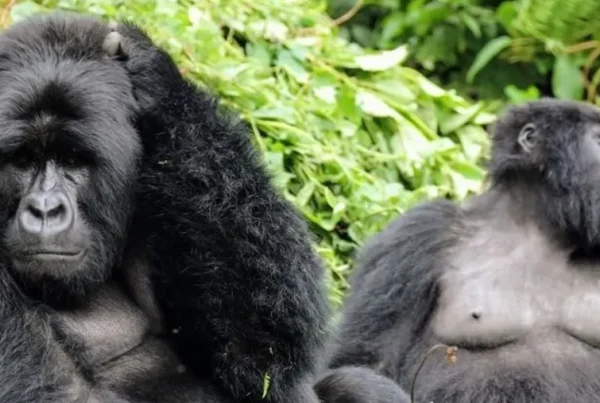
The idea of venturing deep into the legendary Bwindi Impenetrable Forest often conjures images of luxury safaris, exclusive lodges, and costly permits. However, beneath this perception lies a reality that is far more inclusive and accessible. For long-stay travelers, especially those seeking to balance adventure with budget-conscious decisions, Bwindi is a sanctuary where nature’s wonders can be embraced without excessive expenditure. The forest, widely recognized as a UNESCO World Heritage Site and home to half of the world’s mountain gorilla population, also presents opportunities for game drives and wildlife experiences that remain surprisingly budget-friendly.

By carefully exploring affordable alternatives, extending stays to reduce per-day costs, and embracing locally rooted experiences, long-term travelers discover that Bwindi can indeed be enjoyed without exhausting financial resources. This guide seeks to highlight practical and enriching ways to experience game drives in Bwindi while keeping costs manageable, all while maintaining the essence of an authentic wilderness journey.

Understanding Bwindi: Beyond the Gorillas

Most conversations about Bwindi are dominated by gorilla trekking, an activity that often requires significant financial commitment. While it remains a pinnacle of wildlife tourism, it is only a fraction of what this ancient forest offers. The game drives and broader forest exploration provide unique perspectives of wildlife that go beyond gorillas, offering sightings of forest elephants, duikers, bush pigs, primates, and a rich variety of birdlife.

For long-stay travelers, the essence of experiencing Bwindi lies in slowing down and diversifying activities. By spreading out explorations over several days, the forest unveils layers of ecological diversity that are often missed during short, rushed visits. This slow approach not only enriches the journey but also aligns perfectly with budget-friendly planning.

Game Drives in Bwindi: The Overlooked Opportunity

Though Bwindi is more famously celebrated for its dense canopies and trekking trails, its surrounding zones and buffer areas create opportunities for game drives that reveal the park’s hidden inhabitants. The forest edge and connecting savannah landscapes often act as corridors for animals that migrate between different ecosystems.

These drives offer sightings of primates such as L’Hoest’s monkeys and colobus monkeys, alongside antelopes grazing quietly in forest glades. Bird enthusiasts also find game drives to be rewarding, as the park boasts over 350 species, including Albertine Rift endemics that are rarely seen elsewhere. For budget-conscious long-stay visitors, these drives provide excellent value, as they require less financial input than specialized trekking permits while still yielding memorable encounters with Uganda’s biodiversity.

How Long-Stay Travelers Benefit from Budget Planning

Staying longer in Bwindi has undeniable advantages. While short-term visitors often spend heavily on compressed experiences, those who choose extended stays discover that costs can be spread out more effectively. Lodges and community guesthouses frequently offer discounted rates for longer stays, while self-catering options reduce daily expenses significantly.

Game drives can be interspersed with free or low-cost activities such as community walks, cultural exchanges, and forest edge hikes, all of which enrich the overall journey. By alternating high-cost experiences like gorilla trekking with budget-friendly game drives and birding, travelers maintain a sustainable financial rhythm without compromising on the depth of the adventure.

The Role of Community-Based Tourism

One of the most effective ways to enjoy Bwindi on a budget is by engaging with community-led tourism initiatives. Villages surrounding the park offer guided nature walks, traditional performances, storytelling sessions, and opportunities to learn about local crafts. These activities are affordable and often contribute directly to conservation efforts by supporting local livelihoods.

For long-stay travelers, weaving these experiences into the itinerary transforms the journey into more than just wildlife viewing. It becomes a cultural immersion where personal connections are formed, and conservation gains tangible meaning. Game drives thus complement this immersion, providing windows into the wildlife, while community activities reveal the human stories interwoven with the forest.

Choosing Budget-Friendly Accommodation

Accommodation in Bwindi ranges from high-end luxury lodges to modest community guesthouses. For long-stay travelers seeking affordability, guesthouses, bandas, and mid-range eco-lodges provide excellent alternatives. Many of these establishments are strategically located near trailheads and park entrances, ensuring easy access to game drives and guided activities.

Some lodges also offer packages that include meals, guiding services, or discounted excursions for long-term guests. By carefully selecting accommodation that aligns with both budget and location, travelers ensure that they maximize time spent in the wilderness while minimizing unnecessary expenses.

When to Visit for Affordable Game Drives

Seasonality plays an important role in shaping both the experience and the budget. The dry seasons between June and September, and again between December and February, are considered peak months, attracting high visitor numbers and increased accommodation rates. However, long-stay travelers willing to embrace the quieter wet seasons often discover reduced costs and more personalized encounters.

Game drives during the rainy months may present challenges with muddy tracks, yet they also offer lush scenery, dramatic skies, and abundant wildlife sightings. For budget-conscious visitors, this trade-off often proves worthwhile, as expenses are reduced while the experience remains rich and memorable.

Capturing Bwindi on a Budget: Photography Opportunities

For wildlife photographers, Bwindi offers endless possibilities. Game drives through the forest’s edges create opportunities for capturing animals in motion, framed against dramatic backdrops of mist-shrouded hills. Long-stay travelers benefit particularly here, as extended time allows for patience and repeated attempts at perfect shots.

Photography does not always require expensive gear. With careful use of natural light, creativity in framing, and the advantage of time, even modest equipment can produce stunning results. The budget-friendly approach lies not in what is carried but in how moments are sought and framed, making every drive an opportunity for artistry.

Practical Tips for Managing Costs

Success in experiencing Bwindi on a budget lies in preparation and flexibility. Packing essentials such as reusable water bottles, energy snacks, and weather-appropriate clothing reduces the need for constant purchases. Traveling in groups also allows for cost-sharing on game drives, guiding fees, and accommodation, creating a balance between affordability and comfort.

Another budget-friendly idea is to arrange logistics in advance through trusted operators who understand local pricing and can secure favorable deals. For long-stay travelers, this ensures that the overall journey remains well-organized and free from unnecessary surprises.

Why Bwindi Remains Worthwhile for Budget Travelers

At first glance, Bwindi may appear as a destination reserved for high-budget adventurers. However, by embracing game drives, community tourism, affordable accommodation, and long-stay strategies, the forest becomes accessible to those who prioritize value over extravagance. The reward lies not only in the money saved but also in the deeper connection formed through extended engagement with the landscape and its people.

The budget-friendly approach transforms Bwindi into a place where every day offers something new, whether it is the quiet observation of forest elephants, the call of a rare bird, or the warm welcome of a local community. For long-stay travelers, this is more than a journey; it is a relationship with the forest that grows richer over time.

Embracing Bwindi Without Excess

The game drive experience at Bwindi Impenetrable Forest reveals that luxury is not the only path to meaningful adventure. Long-stay travelers, armed with budget-friendly ideas and a willingness to immerse themselves fully, discover that the forest’s treasures are equally available to those who tread carefully with their finances. By blending affordability with curiosity, Bwindi becomes not just a place to visit but a place to inhabit, even if only for a while.

To ensure a seamless and rewarding journey, it is recommended that travelers partner with experts who understand the balance between cost and experience. Booking African tours and safaris through WildHorn Africa provides long-stay explorers with the confidence that every detail, from game drives to accommodation, will be managed thoughtfully, leaving more space for what truly matters—the wonder of Bwindi itself.

Frequently Asked Questions: Ziwa Rhino Sanctuary chimpanzee tracking for weekenders

Frequently Asked Questions: Ziwa Rhino Sanctuary chimpanzee tracking for weekenders

By Travel stories and blogs, Primate holidays, Safari holidays, Travel guides, Uganda travel guides

Frequently Asked Questions: Ziwa Rhino Sanctuary Chimpanzee Tracking for Weekenders

Where Wilderness Meets Curiosity

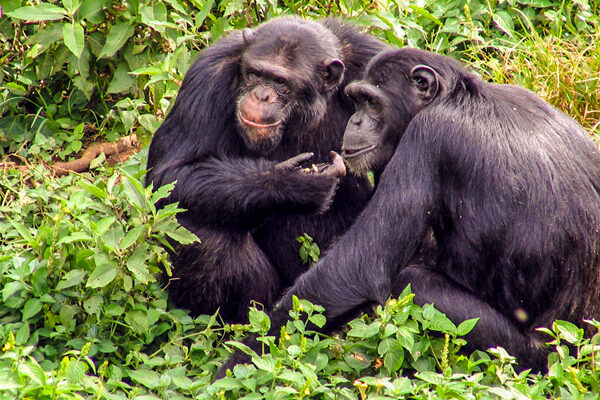
The call of the wild often stirs a unique sense of wonder, and few places in Uganda capture this spirit more vividly than Ziwa Rhino Sanctuary. Widely celebrated as the only place where rhinos are being reintroduced to the Ugandan wilderness, the sanctuary also surprises many visitors with experiences that go beyond rhino tracking. Among these lesser-known adventures lies the opportunity for chimpanzee tracking, an activity that gives weekenders a chance to connect with primates while immersing themselves in the sanctuary’s diverse ecosystem.

For those planning a short escape from the bustle of city life, questions often arise about the experience, its accessibility, and what it entails. This guide seeks to provide clarity by addressing the most pressing questions through detailed insights, ensuring that travelers are well-prepared for a weekend of discovery. By the end, it becomes clear that Ziwa Rhino Sanctuary is not simply about rhinos; it is a holistic encounter with Uganda’s wildlife that enriches both the spirit and the camera roll.

Is Chimpanzee Tracking Really Possible at Ziwa Rhino Sanctuary?

Many visitors assume that Ziwa offers rhino tracking alone. However, the sanctuary, covering over 70 square kilometers, has evolved into a multi-faceted conservation haven. Chimpanzees, though not present in the same densities as in Kibale or Budongo forests, have gradually become part of the sanctuary’s narrative. Their presence highlights the sanctuary’s diversity, where wetlands, woodlands, and savannahs create a complex mosaic of habitats.

Chimpanzee tracking here may not match the scale of larger primate reserves, but it offers something unique. It is intimate, quiet, and personalized, allowing weekenders to encounter primates in a space that is far less crowded than Uganda’s more famous chimpanzee destinations. This makes Ziwa an unexpected gem for those wishing to combine the thrill of rhino conservation with the playful energy of primates.

How Challenging Is Chimpanzee Tracking for Weekenders?

A common concern among weekend travelers is whether chimpanzee tracking requires significant physical endurance. In Ziwa, the activity is designed with accessibility in mind. Trails meander through manageable woodlands and gentle terrain, making the experience approachable for most visitors, including families and older travelers.

Unlike gorilla trekking, which can be physically demanding and lengthy, chimpanzee tracking at Ziwa is comparatively lighter. Walks generally last between one to three hours, depending on the location of the chimps and the pace of the group. For weekenders seeking to balance relaxation with adventure, the activity provides just the right blend of exertion and enjoyment.

When Is the Best Time to Track Chimpanzees at Ziwa?

Chimpanzee tracking is an activity that thrives on timing. The early mornings are particularly rewarding, as primates are more active during the cooler hours of the day. Weekenders are advised to plan their tracking experiences around sunrise when chimps engage in social interactions, foraging, and playful antics that create unforgettable photographic opportunities.

Seasonal variations also play a role. During the dry seasons between December and February, and again from June to September, trails are easier to navigate and visibility within the forest is clearer. However, the wet seasons between March and May or October and November have their own charm, with lush greenery and dramatic forest backdrops adding depth to the experience. Weekenders with flexible schedules may find these quieter months rewarding, as fewer visitors mean more personalized encounters.

What Wildlife Encounters Complement Chimpanzee Tracking?

One of the frequently asked questions revolves around what else can be seen beyond chimpanzees. Ziwa Rhino Sanctuary is, after all, a conservation stronghold where multiple species thrive. While the highlight is undeniably the chance to see rhinos in their natural environment, the sanctuary is also home to over 300 species of birds, countless reptiles, antelopes, and smaller mammals.

Chimpanzee tracking often brings unexpected encounters with vervet monkeys, red-tailed monkeys, or even the shy bushbucks grazing quietly in the undergrowth. The sanctuary’s wetland areas, including the Lugogo swamp, also offer the chance to spot the elusive shoebill stork, a bird prized by ornithologists worldwide. For weekenders seeking to diversify their safari photography, these additional sightings enrich the portfolio of memories created within the sanctuary.

Is It Suitable for Families or Children?

Weekenders traveling with children often wonder if chimpanzee tracking is appropriate for younger explorers. Ziwa has cultivated a reputation for being family-friendly, and this extends to primate tracking as well. While certain minimum age requirements may apply to ensure safety and reduce disturbance to the primates, families with older children often find the experience deeply rewarding.

Children have the unique ability to engage with the playful nature of chimpanzees, often showing a natural fascination with their behaviors. Guides at Ziwa are trained to keep groups safe, patient, and informed, which ensures that younger participants are both entertained and educated. For families wishing to combine wildlife adventure with environmental learning, the sanctuary offers a balanced weekend escape.

What Should Be Carried for the Experience?

Though chimpanzee tracking at Ziwa is relatively short and accessible, preparation remains essential. Sturdy footwear is recommended due to uneven trails, while lightweight clothing in neutral colors allows for comfort and better blending with the environment. Water, insect repellent, and sun protection are indispensable, especially during the dry seasons.

Photography enthusiasts are encouraged to carry cameras with adequate zoom capabilities. The woodlands often present opportunities where light filters beautifully through the canopy, demanding thoughtful composition. However, even simple smartphones can capture powerful moments when paired with patience and creativity. Weekenders need not invest heavily in gear to enjoy meaningful photographic keepsakes.

How Do Chimpanzee Encounters Compare with Other Destinations?

Visitors familiar with Kibale or Budongo may wonder whether Ziwa’s chimpanzee encounters stand up to these larger sanctuaries. While Ziwa does not boast the same population density, what it offers is intimacy and exclusivity. Fewer groups mean less disturbance and more space to observe primates behaving naturally. For weekenders with limited time, this becomes an advantage, as there is less logistical complexity and more focus on the actual experience.

Moreover, combining chimpanzees with rhino tracking creates a dual adventure that is unavailable elsewhere in Uganda. The sanctuary thus stands out as a destination where weekend travelers can immerse themselves in two flagship species within the same landscape, all while remaining close to Kampala and major road networks.

Why Choose Ziwa for a Weekend Escape?

The essence of Ziwa Rhino Sanctuary lies in its balance between conservation and accessibility. Weekenders often face the challenge of finding meaningful wildlife encounters within short timeframes, and Ziwa fulfills this need with grace. The chance to see rhinos, track chimpanzees, and explore rich biodiversity all within a single weekend sets the sanctuary apart.

Accommodation options around the sanctuary cater to varying budgets, ensuring that visitors can enjoy a comfortable stay without excessive expense. Local guides and rangers bring depth to the experience through their knowledge, stories, and commitment to conservation, transforming each encounter into both an adventure and a lesson.

A Sanctuary of Discovery for Weekenders

Ziwa Rhino Sanctuary remains more than a destination for rhino conservation. For weekend travelers seeking to expand their horizons, the opportunity to track chimpanzees introduces a refreshing layer of diversity. Questions about accessibility, timing, and family suitability find reassuring answers in the sanctuary’s thoughtful design and welcoming spirit.

By merging the thrill of rhinos with the intimacy of primate encounters, Ziwa crafts an experience that is immersive yet manageable within the short span of a weekend. The sanctuary stands as a reminder that Uganda’s wildlife treasures are not reserved for lengthy safaris alone; they can also be embraced in quick, rewarding escapes.

To make the most of such unique adventures, it is advised that travelers plan with experts who understand both the sanctuary and its surrounding attractions. Booking African tours and safaris with WildHorn Africa ensures that every weekend journey is enriched with expertise, comfort, and unforgettable encounters with Uganda’s wild heritage.

Where to Stay to Gorilla Trekking

Budongo Forest: Where to Stay to Gorilla Trekking with Limited Time

By Travel stories and blogs, Primate holidays, Travel guides, Uganda travel guides

Budongo Forest: Where to Stay to Gorilla Trekking with Limited Time

A Forest Escape for the Time-Conscious Traveler

Nestled within the expansive landscapes of northwestern Uganda lies Budongo Forest, a natural jewel draped in dense mahogany trees and the songs of countless birds. For most travelers, the name Budongo conjures images of rich biodiversity, especially its famed chimpanzee populations. Yet, for those who arrive with limited time, the forest offers more than a fleeting glimpse into primate life—it serves as a perfect springboard for gorilla trekking adventures in the wider region.

The challenge for many visitors is balancing short schedules with a desire for immersive experiences. In this sense, knowing where to stay becomes the bridge between possibility and fulfillment. Budongo Forest is not just a place to pass through; it is a destination where the right accommodation transforms a constrained itinerary into a memorable journey.

Budongo Forest: The Gateway to Gorilla Adventures

Positioned on the southern edge of Murchison Falls National Park, Budongo is one of the largest natural forests in East Africa. Its vastness provides shelter to chimpanzees, forest elephants, antelopes, and over 360 species of birds. Although gorillas do not inhabit Budongo itself, its location strategically situates travelers within a wider corridor of primate tourism.

For time-sensitive travelers, Budongo’s greatest advantage lies in its proximity to Uganda’s gorilla strongholds, such as Bwindi Impenetrable National Park and Mgahinga Gorilla National Park. While reaching these locations requires additional travel, staying in Budongo allows visitors to combine chimpanzee tracking with gorilla trekking in a compact, carefully managed itinerary. The forest thus becomes an essential base for those who wish to maximize limited days without sacrificing depth of experience.

The Importance of Choosing the Right Stay

When time is restricted, the choice of accommodation is not merely a matter of comfort—it becomes a logistical strategy. The right lodge in Budongo ensures that travelers are well-positioned to embark on chimpanzee treks at dawn, while also allowing efficient transfers toward gorilla trekking hubs.

Accommodation in and around Budongo Forest ranges from eco-lodges tucked under dense canopies to mid-range retreats designed for both relaxation and exploration. Each stay immerses visitors in the forest’s rhythm, where the nights are filled with the distant calls of primates and mornings are greeted by sunrays piercing through towering mahoganies. For travelers on short itineraries, this immersion means that even downtime between treks becomes part of the adventure.

Staying Within the Heart of the Forest

For travelers who prioritize intimacy with nature, staying inside Budongo Forest offers a truly transformative experience. Eco-lodges located within the reserve are designed with minimal environmental footprint while maximizing the sensory connection to the wild. Nights here are spent in the company of cicadas and nocturnal animals, while mornings bring the chatter of chimpanzees echoing across the canopy.

By staying within the forest itself, visitors are afforded quicker access to chimpanzee tracking excursions, reducing transit time and allowing every hour to count. For travelers pressed for time, such efficiency ensures that days are spent in exploration rather than on the road. Moreover, these accommodations often provide guided nature walks, birding tours, and forest interpretation sessions that add layers of meaning to the overall journey.

Staying at the Edge of Budongo: Balancing Comfort and Access

For some travelers, staying just outside the forest provides a balance between natural immersion and broader accessibility. Lodges and guesthouses along the periphery of Budongo combine forest proximity with easier road connections toward southern Uganda, where gorilla trekking takes place.

This positioning is particularly valuable for travelers who aim to link experiences within Murchison Falls National Park—such as game drives or Nile boat cruises—with primate encounters. By basing themselves at the edge of Budongo, visitors retain both the convenience of road transfers and the charm of forest-inspired stays. For short itineraries, this balance often proves ideal, enabling a swift transition from savannah to rainforest.

The Connection Between Budongo and Gorilla Trekking Destinations

A crucial question arises for time-limited travelers: how does one combine Budongo with gorilla trekking? Though gorillas are not resident in Budongo, the forest serves as a practical stopover on a north-to-south or south-to-north safari route. From Budongo, road transfers toward Bwindi Impenetrable National Park can be planned strategically, ensuring that even short trips encompass both chimpanzee and gorilla experiences.

Travelers who stay in Budongo can track chimpanzees in the morning and then continue their journey southward toward gorilla trekking bases. While the drive may take several hours, the reward lies in the seamless weaving of two primate encounters into a condensed timeline. For those who seek both depth and efficiency, this arrangement proves invaluable.

Short-Stay Itineraries Built Around Budongo

Imagine a traveler with just five days in Uganda. By staying in Budongo, the itinerary could begin with chimpanzee tracking in the forest, followed by a game drive in Murchison Falls and a scenic journey south toward Bwindi. With careful planning, gorilla trekking can be achieved within this timeframe, proving that limited schedules do not preclude profound experiences.

Accommodations within Budongo ensure that the first half of this journey is immersed in forest life, while subsequent transfers connect the traveler to Uganda’s gorilla heartlands. In this way, Budongo acts as the gateway through which short itineraries become achievable without feeling rushed or superficial.

Cultural and Community Dimensions of Staying in Budongo

Beyond logistics, the accommodations around Budongo carry cultural depth. Many lodges partner with local communities, employing residents and integrating cultural activities into the visitor experience. Travelers may find themselves learning about traditional forest uses, tasting local cuisine, or engaging in storytelling sessions around evening fires.

For long journeys condensed into limited days, such cultural connections enrich the trip by providing layers beyond wildlife encounters. The stay itself becomes a bridge between people and nature, ensuring that even short visits carry depth and resonance.

Seasonal Considerations for Accommodation Choices

The question of where to stay also depends on seasonal patterns. During the rainy months, internal forest tracks may become more challenging, making stays at the forest edge more practical. In drier months, staying deeper within the forest becomes easier, allowing visitors to immerse more fully without concern for access.

For time-limited travelers, these seasonal considerations are crucial, as unexpected delays can significantly impact a short itinerary. Thus, choosing accommodation that aligns with both season and schedule is essential for ensuring smooth and fulfilling experiences.

The Transformative Nature of a Well-Planned Stay

Ultimately, the decision of where to stay in Budongo is less about luxury and more about purpose. For travelers with ample time, choices may be flexible. But for those with limited days, every detail matters. The right lodge can shorten transfer times, maximize tracking opportunities, and provide cultural enrichment that complements wildlife encounters.

Staying in Budongo ensures that the journey is not fragmented but integrated—where forest nights, chimpanzee mornings, and gorilla treks align seamlessly into a narrative of discovery. Even when time is short, the forest provides a depth that lingers long after departure.

Turning Limited Time into Limitless Experience

Budongo Forest stands as more than a destination; it is a gateway that allows chimpanzee tracking and gorilla trekking to coexist in even the shortest of itineraries. With its strategic location, immersive accommodations, and seamless links to Uganda’s gorilla strongholds, it transforms limited time into an experience of limitless meaning.

By choosing carefully where to stay, travelers ensure that every hour in Uganda carries weight and wonder. The forest becomes both a home and a passage, where schedules shrink but experiences expand.

To ensure that this delicate balance is achieved with expertise, travelers are encouraged to book their safaris with WildHorn Africa, a trusted guide in crafting journeys that weave efficiency with authenticity. With their support, even the briefest stay in Budongo opens into the vastness of Uganda’s primate kingdom.

Chimpanzee Tracking at Source of the Nile: Solo Traveler Guide for foodies

Chimpanzee Tracking at Source of the Nile: Solo Traveler Guide for foodies

By Travel stories and blogs, Primate holidays, Travel guides, Uganda travel guides

Chimpanzee Tracking at Source of the Nile: Solo Traveler Guide for Foodies

A Journey Beyond the Ordinary

The allure of Uganda is often whispered through its lush landscapes, its ancient rivers, and the extraordinary wildlife that roams freely across its national parks. Among the many wonders that the country offers, chimpanzee tracking at the Source of the Nile stands out as an immersive experience that transcends ordinary travel. For the solo traveler with a passion for culinary discovery, this journey is uniquely enchanting, offering an interplay between adventure, wildlife, and gastronomy that few destinations can rival. The experience is not merely a safari; it is a complete sensory journey, a combination of heart-stopping encounters with our closest primate relatives and the rich flavors of local Ugandan cuisine.

The Source of the Nile: A Scenic Starting Point

The adventure begins at the Source of the Nile in Jinja, a site steeped in history and natural beauty. Here, the mighty Nile emerges from the vast Lake Victoria, flowing onward in a journey that has fascinated explorers and scientists for centuries. The location, framed by verdant landscapes and gentle rolling hills, sets the perfect stage for solo travelers seeking both reflection and adventure. The area is tranquil yet vibrant, offering quiet moments along the riverbanks as well as opportunities to engage with local culture and gastronomy. Cafes and small eateries along the river serve fresh fish and local delicacies, allowing travelers to fuel themselves with flavors unique to Uganda before venturing into the forested trails where chimpanzees reside.

The Chimpanzee Encounter: Immersion in the Wild

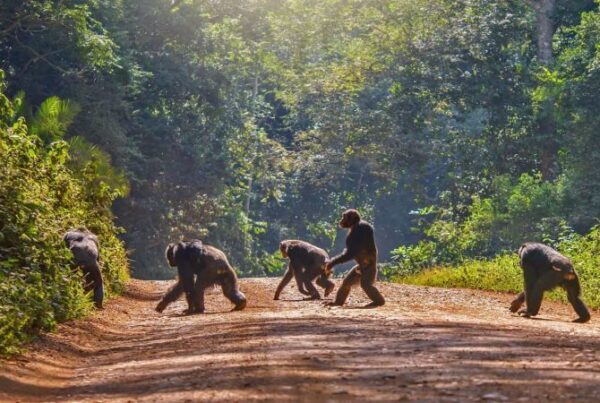
Chimpanzee tracking in Budongo Forest Reserve or the nearby Mabira Forest is an unforgettable component of the journey. These forests, characterized by dense canopies, towering mahogany trees, and vibrant undergrowth, provide the perfect habitat for chimpanzees, whose social structures and playful behaviors captivate observers. Solo travelers are often advised to maintain a respectful distance while remaining observant, allowing the chimpanzees to reveal their natural behaviors without disruption. The tracking experience is guided by trained rangers whose deep understanding of chimpanzee habits ensures both safety and enrichment. Every rustle in the underbrush and every distant call brings anticipation, transforming the forest into a stage where the drama of wildlife unfolds intimately for the observer.

The journey through these forests demands both physical stamina and patience. Trekking paths wind through uneven terrain, often dampened by the rainforest’s frequent rains, requiring travelers to be prepared with appropriate gear. Yet, the reward of observing chimpanzees in their natural habitat is unmatched. Young chimpanzees swing effortlessly from branch to branch, while elders navigate the forest floor with deliberate movements. Solo travelers are given time to reflect on the intelligence and emotional depth of these creatures, forging a connection that resonates far beyond the jungle.

Gastronomic Delights for Solo Travelers

While the forest provides a feast for the eyes and the spirit, Uganda’s culinary landscape satisfies the palate. In Jinja and its surrounding areas, food markets brim with an array of fresh produce, from tropical fruits like jackfruit and passion fruit to freshly caught Nile perch. Local dishes such as matoke—steamed green bananas mashed with spices—and luwombo, a traditional dish cooked in banana leaves, provide solo travelers with an authentic taste of Ugandan culture. Street-side vendors and small cafes offer opportunities to engage with local chefs, who often share stories about their ingredients and cooking techniques, creating a sense of connection beyond the simple act of eating. For the solo traveler, these meals are more than sustenance; they are a gateway into understanding the daily rhythms and cultural nuances of Ugandan life.

The integration of food into the travel experience becomes particularly vivid after a morning of strenuous trekking. Many lodges and riverside restaurants offer farm-to-table experiences, where ingredients are sourced from local farmers and prepared with care. This focus on freshness and sustainability enhances the overall experience, merging adventure with culinary indulgence. Solo travelers are encouraged to sample the wide range of flavors, from mildly spiced stews to freshly pressed fruit juices, allowing the journey to engage all senses simultaneously.

Cultural Interactions Along the Nile

Solo travel in Uganda offers more than natural and culinary delights. Along the Nile, communities remain deeply connected to the river and its resources. Local artisans craft jewelry and pottery, often reflecting symbols of wildlife and historical narratives. Markets bustle with vibrant colors and aromas, creating a sensory tapestry that solo travelers can explore at a leisurely pace. Engaging with local vendors and community members often results in unexpected learning moments, revealing the interplay between Uganda’s natural environment and the daily lives of its people. These interactions are not mere tourist encounters; they offer insights into the resilience, creativity, and hospitality that define Ugandan society.

Planning the Solo Adventure

Preparation for chimpanzee tracking and the associated culinary exploration demands careful consideration. Solo travelers are advised to schedule their visits during the dry season, when trekking paths are less slippery and wildlife sightings are optimal. Lightweight, moisture-wicking clothing and sturdy trekking boots are essential, while insect repellent and a reliable rain jacket ensure comfort in the unpredictable rainforest climate. Solo travelers are encouraged to travel lightly but thoughtfully, balancing the need for preparedness with the desire for spontaneity. The guidance of local rangers is invaluable, offering insights into both chimpanzee behavior and safe navigation through the dense forest.

In addition to trekking gear, planning should incorporate culinary exploration. Identifying eateries known for authentic local cuisine ensures that each meal contributes meaningfully to the solo travel experience. Engaging with chefs and vendors not only enhances the gastronomic journey but also supports local businesses, fostering sustainable tourism practices that benefit both visitors and host communities.

The Reflective Solo Experience

Perhaps the most profound aspect of this journey lies in its potential for introspection. Solo travelers, unbound by the dynamics of a group, can move at a self-determined pace, lingering at moments of natural beauty or pausing to savor the flavors of a freshly prepared meal. The solitude allows for reflection on the interconnectedness of humans, wildlife, and the environment, creating a travel experience that resonates deeply long after the trek is completed. Observing chimpanzees in their natural habitat becomes a mirror, highlighting both the similarities and differences between human and primate societies, and inspiring a renewed appreciation for the natural world.

Embark on a Transformative Journey

Chimpanzee tracking at the Source of the Nile offers a unique convergence of adventure, culinary exploration, and personal reflection. For the solo traveler with an appetite for both discovery and flavor, this experience is unparalleled. Uganda’s lush landscapes, vibrant cultures, and rich culinary traditions provide a backdrop for an immersive journey where each step and each bite contributes to a story of connection, wonder, and self-discovery. Solo travel here transcends mere sightseeing, transforming into a holistic experience that engages mind, body, and spirit.

For travelers seeking to embark on this remarkable journey, it is highly recommended to book tours and safaris with WildHorn Africa, whose expertise ensures safe, seamless, and enriching experiences across Uganda’s most iconic landscapes. Their guided chimpanzee tracking excursions and curated culinary experiences offer solo travelers the perfect balance of adventure, culture, and flavor, creating memories that last a lifetime.

Festival Guide at Mgahinga Gorilla National Park: Top Restaurants for culture lovers

Festival Guide at Mgahinga Gorilla National Park: Top Restaurants for culture lovers

By Travel stories and blogs, Primate holidays, Travel guides, Uganda travel guides

Festival Guide at Mgahinga Gorilla National Park: Top Restaurants for Culture Lovers

Where Gastronomy Meets Tradition

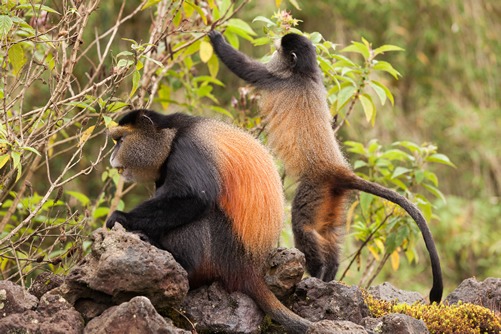
Tucked within the misty slopes of the Virunga Mountains lies Mgahinga Gorilla National Park, a haven known for its majestic gorillas, golden monkeys, and breathtaking volcanic landscapes. Beyond its natural allure, the park is increasingly becoming a space where cultural festivals and culinary experiences converge. For the culture lover, a visit to Mgahinga during festival times offers more than encounters with wildlife; it opens the door to a rich blend of food, music, dance, and storytelling.

What makes this destination particularly enchanting is the way that food is woven into the celebration of heritage. Dining becomes an act of cultural immersion, where every dish narrates history and every flavor preserves identity. For the visitor eager to combine wildlife encounters with cultural indulgence, knowing which restaurants and eateries to explore adds depth to the overall journey.

Mgahinga Festivals: A Cultural and Culinary Window

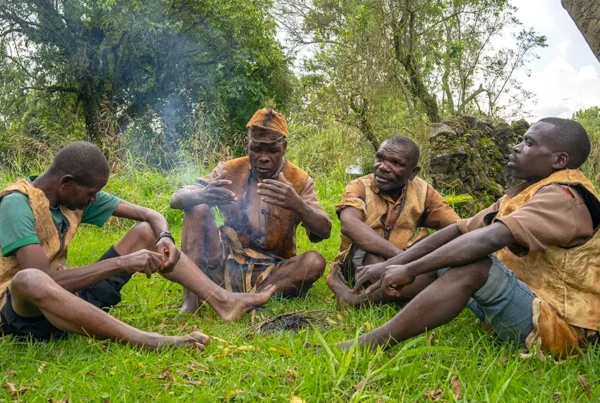
Festivals at Mgahinga are designed not merely as celebrations but as windows into the lives of the Batwa and Bakiga communities who inhabit the surrounding regions. Traditional dances, drumming, and storytelling provide the rhythm, while culinary traditions set the stage for sensory journeys. Local delicacies made from millet, beans, and bananas are often served during these festivals, creating an atmosphere where culture is tasted as much as it is seen or heard.

Restaurants in and around the park seize this opportunity to amplify cultural dining. Menus are often crafted to reflect local celebrations, with chefs paying homage to regional ingredients. The dining spaces become more than places to eat; they are cultural theaters where food complements the vibrancy of festival life.

The Role of Food in Cultural Exploration

For the cultural traveler, food is never a passive element. It is a storytelling tool, an archive of traditions passed down through generations. In Mgahinga, local dishes connect visitors to the land through flavors derived directly from fertile volcanic soils. Sweet potatoes, beans, and smoked meats speak of agricultural practices, while banana-based drinks tell stories of social gatherings and rituals.

When paired with the rhythms of festival drumming or the movements of traditional dances, dining becomes part of the cultural performance. Restaurants around Mgahinga elevate this experience by providing settings where authentic flavors and cultural narratives intertwine seamlessly.

Dining Inside the Park: Immersion at Its Purest

Inside Mgahinga Gorilla National Park itself, accommodation lodges often host cultural dining experiences, especially during festival seasons. Meals served in these lodges draw upon both local and international influences, allowing culture lovers to enjoy regional delicacies without sacrificing comfort.

A stay inside the park ensures that festival evenings flow naturally into cultural feasts. Campfires often become the centerpiece of dining, where visitors gather for freshly prepared dishes while local performers showcase songs and dances. In such settings, food ceases to be an isolated experience and instead becomes part of a communal celebration of heritage.

Culinary Experiences at the Park’s Edge

For travelers wishing to explore more structured dining, the restaurants located at the periphery of Mgahinga present themselves as gateways to cultural immersion. These establishments are typically family-owned, meaning that recipes reflect generations of tradition. Meals are prepared slowly, with an emphasis on authenticity rather than convenience.

Here, culture lovers can expect to be guided through the dining experience, with hosts often explaining the origins of dishes, the significance of certain ingredients, and the customs surrounding their preparation. During festivals, the atmosphere in these restaurants heightens, as live music and storytelling performances often accompany the meals. It is not uncommon for guests to be invited to join dances or sample locally brewed drinks as part of the overall cultural engagement.

Festival-Inspired Dining Themes

During major cultural festivals, restaurants around Mgahinga curate special menus inspired by the festivities. These themes may highlight traditional Batwa foods, such as roasted roots and wild honey, or Bakiga staples like millet bread and local vegetables. Chefs work closely with community elders to ensure that these meals not only taste authentic but also carry the symbolic meaning intended during cultural rituals.

For culture lovers, this thematic dining provides an educational opportunity. Every dish becomes a lesson in resilience, adaptation, and celebration. By partaking in these festival-inspired feasts, visitors gain insights into how food plays a central role in shaping identity and community life.

The Interplay Between Local and Global Flavors

Interestingly, restaurants around Mgahinga also experiment with fusion cuisine, blending global techniques with local ingredients. During festivals, this interplay becomes especially evident, as international visitors inspire chefs to craft menus that speak to diverse palates while retaining cultural integrity. For example, traditional plantain may be paired with modern sauces, or locally sourced fish may be prepared using international grilling methods.

Such innovation ensures that while the dining experience remains rooted in culture, it also evolves to meet contemporary expectations. Culture lovers thus find themselves enjoying meals that feel both timeless and modern, much like the festivals themselves.

The Social Aspect of Festival Dining

Food at festivals in Mgahinga is rarely consumed in isolation. It is a social glue, binding together communities and visitors in shared celebration. Restaurants echo this communal aspect by creating dining spaces that encourage interaction. Long wooden tables, communal serving bowls, and shared drinks symbolize the interconnectedness of cultural life.

For the culture lover, this communal dining becomes as significant as the meals themselves. Conversations with locals over roasted meats, laughter shared while sipping banana beer, and stories exchanged during dessert embody the very essence of cultural immersion. In these spaces, barriers dissolve, and authentic connections flourish.

Cultural Lessons Learned Through Dining

Each restaurant visit around Mgahinga during festival time functions as a cultural classroom. One learns that the use of sorghum flour reflects historical adaptations to the volcanic soils, or that banana wine has long symbolized friendship and hospitality. The act of tasting becomes inseparable from the act of learning, making dining a holistic cultural education.

Restaurants often complement this educational aspect with performances, exhibits, or talks, ensuring that every meal enriches the traveler not just physically but intellectually and emotionally. Such layers of meaning transform dining from a necessity into an act of cultural preservation and appreciation.

Why Restaurants Matter for Culture Lovers at Mgahinga

In a landscape dominated by wildlife encounters and scenic hikes, restaurants around Mgahinga play a unique role. They anchor the cultural dimension of the journey, ensuring that travelers engage not only with the forest’s biodiversity but also with its human heritage. For culture lovers, these dining experiences are not secondary to the gorilla treks or golden monkey sightings; they are complementary, adding flavor and depth to the adventure.

A Feast Beyond the Plate

Mgahinga Gorilla National Park offers more than trekking trails and wildlife wonders; it presents an immersive tapestry of food, culture, and celebration. For culture lovers, the festival atmosphere, combined with carefully curated dining experiences, ensures that every meal becomes a story, every flavor a memory, and every restaurant a gateway to deeper understanding.

Choosing where to dine during festival times is not simply about satisfying hunger but about entering into the heart of cultural heritage. The restaurants in and around Mgahinga embody this philosophy, turning each dish into an act of storytelling and each gathering into a communal celebration.

To ensure that these rich experiences are seamlessly woven into an itinerary, travelers are encouraged to book their cultural safaris with WildHorn Africa, a trusted partner in designing journeys that combine wildlife exploration with authentic cultural immersion. With their expertise, every festival, every flavor, and every story at Mgahinga becomes a timeless memory.

How to chimpanzee tracking in Ssese Islands — Insider Tips with limited time

How to chimpanzee tracking in Ssese Islands — Insider Tips with limited time

By Travel stories and blogs, Primate holidays, Travel guides, Uganda travel guides

How to Chimpanzee Tracking in Ssese Islands — Insider Tips with Limited Time

Discovering the Hidden Primate Paradise

The Ssese Islands, an archipelago nestled within the serene waters of Lake Victoria, are often celebrated for their scenic beaches, palm-lined shores, and tranquil atmosphere. Yet beyond the postcard-perfect vistas lies a lesser-known adventure: chimpanzee tracking. For travelers constrained by limited time, the islands offer a rare combination of accessibility, biodiversity, and cultural immersion. Experiencing these primates in their natural habitat is not only thrilling but also illuminates the delicate balance between human activity and wildlife conservation.

Unlike mainland chimpanzee destinations, the Ssese Islands present a unique opportunity to observe primates in a restricted yet richly biodiverse environment, making them ideal for short but intense wildlife excursions. Insider strategies and careful planning allow visitors to maximize their limited hours, ensuring both meaningful encounters and efficient travel.

Understanding Chimpanzee Habitats on the Islands

Chimpanzees on the Ssese Islands inhabit densely forested regions, often near freshwater sources and elevated terrain. These forests, while smaller than those of Kibale or Budongo, maintain a surprising level of biodiversity. Travelers are advised to familiarize themselves with the behavioral patterns of chimpanzees, as the species exhibits daily routines influenced by food availability, weather, and social hierarchies.

During early mornings, the primates tend to be most active, leaving nests and moving through trees in search of fruit and foliage. Late afternoons see them preparing for rest in constructed nests, creating ideal windows for observation. With limited time, visitors are encouraged to schedule tracking during these periods to optimize sightings.

Planning for a Short but Effective Visit

Time constraints often raise questions about how to structure a chimpanzee tracking trip efficiently. The key is to prioritize accessibility and guided expertise. Travel arrangements typically begin with a boat transfer from the mainland, followed by a short ride to forested entry points where chimpanzee families are known to reside.

Professional guides are indispensable in this context. Their knowledge of the islands’ terrain, chimpanzee behaviors, and seasonal variations enables them to locate primates quickly, minimizing time lost during wandering. Guides also provide insights into forest ecology, conservation efforts, and the cultural significance of the islands to local communities, enhancing the educational value of the tracking experience.

Essential Preparations for Limited-Time Travelers

Chimpanzee tracking, even for short visits, demands thoughtful preparation. Lightweight, breathable clothing in muted tones is preferred to avoid attracting undue attention from wildlife, while sturdy footwear ensures safety on uneven and sometimes muddy terrain. Insect repellent is essential, as the islands’ tropical climate supports high insect activity, particularly near water bodies.

Visitors are also encouraged to carry reusable water bottles and light snacks, maintaining energy levels without relying on plastic disposables. Photography enthusiasts often bring telephoto lenses to capture natural behaviors from a safe distance, while binoculars allow for observing chimpanzees in the forest canopy. Preparing these essentials beforehand ensures that even a half-day or one-day excursion remains productive and fulfilling.

The Tracking Experience: What to Expect

Once in the forest, the trek begins with quiet observation and attentive listening. Chimpanzees communicate through vocalizations, gestures, and movements that signal location, mood, and hierarchy within their group. Tracking involves following these cues while maintaining respectful distance, allowing the animals to behave naturally.

Short-duration treks often last between two to four hours, offering enough time to observe feeding, grooming, and social interactions. The islands’ compact forest areas mean that sightings are frequent, though patience is required. Guides continuously interpret behaviors, enriching the experience by explaining familial structures, mating patterns, and foraging habits.

Conservation Awareness During the Visit

Chimpanzee tracking on the Ssese Islands is closely linked to ongoing conservation efforts. Population monitoring, habitat preservation, and anti-poaching measures are central to protecting the primates’ fragile ecosystem. Visitors are encouraged to respect forest rules, avoid littering, and adhere to guidance provided by rangers.

Even a short visit contributes to conservation when fees support research initiatives, ranger salaries, and habitat maintenance. Travelers gain not only memorable encounters but also the knowledge that their presence reinforces protection measures for these endangered primates.

Integrating Cultural Engagements

While the islands are primarily valued for natural beauty, they are also home to communities whose lives intersect with forest habitats. Short visits can include cultural interactions, such as learning about traditional forest use, medicinal plants, and the islands’ historical role in local livelihoods. Guides often introduce travelers to village crafts, culinary practices, and folklore, connecting the wildlife experience to a broader cultural narrative.

This integration is especially valuable for limited-time visitors, as it ensures that every hour contributes to both ecological understanding and human appreciation. Meals featuring local produce—such as freshly caught fish, cassava-based dishes, or tropical fruits—provide another layer of cultural immersion, complementing the trekking adventure.

Timing and Seasonal Considerations

Seasonality affects chimpanzee activity and accessibility on the islands. The wet season, occurring from March to May and September to November, results in denser vegetation, which can make trekking more challenging but provides abundant food sources for primates. The dry season, spanning December to February and June to August, allows for easier movement on trails but may require longer treks to locate the animals due to sparser feeding zones.

Travelers with limited time are advised to consult local guides regarding the optimal period for chimpanzee sightings. By aligning short visits with favorable conditions, the probability of rewarding encounters is maximized.

Safety and Ethical Guidelines

Ethical considerations are central to chimpanzee tracking, particularly in small island ecosystems. Maintaining a safe distance, minimizing noise, and avoiding direct contact are crucial to prevent stress or disease transmission to primates. Visitors are also advised not to feed the animals, as human food can disrupt natural foraging behaviors.

Safety extends to physical preparedness as well. Trails may be uneven, slippery, or overgrown, requiring caution. Adhering to guide instructions ensures that the adventure is both secure and respectful, creating a positive experience for both humans and wildlife.

Making the Most of Limited Time

For travelers constrained by tight schedules, strategic planning is essential. Combining early morning treks with mid-morning cultural visits, followed by lunch featuring local cuisine and a brief afternoon exploration of surrounding forests or beaches, ensures that every hour contributes to a fulfilling itinerary.

Efficiency is enhanced when accommodations are chosen close to forest entry points or near dock areas for rapid transfers. Even within a single day, a well-structured visit can provide intimate chimpanzee encounters, cultural immersion, and scenic exploration, making the Ssese Islands a rare destination where limited time does not compromise quality.

An Island Adventure with Lasting Impressions

Chimpanzee tracking on the Ssese Islands offers adventure seekers a unique blend of wildlife observation, cultural engagement, and natural beauty, all within a framework suited for limited time. Every step taken on these islands is an opportunity to witness intelligence, social complexity, and the delicate balance between humans and primates.

For travelers seeking to make the most of short visits while ensuring meaningful and responsible encounters, planning, guidance, and cultural sensitivity are paramount. To guarantee a seamless experience where logistics, conservation, and adventure are expertly managed, trips are best arranged through WildHorn Africa, whose expertise ensures that every chimpanzee encounter, cultural interaction, and island exploration becomes a memory that endures far beyond the journey.

chimpanzee tracking for weekenders

Frequently Asked Questions: Ziwa Rhino Sanctuary chimpanzee tracking for weekenders

By Travel stories and blogs, Primate holidays, Travel guides, Uganda travel guides

Frequently Asked Questions: Ziwa Rhino Sanctuary Chimpanzee Tracking for Weekenders

Where Curiosity Meets Adventure

A weekend escape into the wilderness often raises questions before the journey begins. For travelers planning a short but memorable getaway, the Ziwa Rhino Sanctuary has long been a cherished destination for encountering rhinos in their protected habitat. Yet what surprises many visitors is that this sanctuary also provides an opportunity to engage in chimpanzee tracking, making it an unexpected highlight for weekend travelers.

The idea of combining wildlife conservation with primate tracking often sparks curiosity, and those who prepare themselves with the right knowledge can make the most of their visit. In this guide, answers to the most frequently asked questions are explored, providing clarity for culture seekers, nature lovers, and weekend adventurers alike.

What Makes Ziwa Rhino Sanctuary Special for Weekenders?

The sanctuary has been widely celebrated as the only home of wild rhinos in Uganda, yet its appeal extends beyond this single fact. Located conveniently along the Kampala–Gulu highway, Ziwa provides accessibility that suits short-stay and weekend travelers. Visitors are spared the long drives required for other primate destinations, ensuring that a two-day or three-day trip is entirely feasible.

The sanctuary also offers a unique sense of diversity. Within the same space, endangered rhinos roam the savannah while chimpanzees dwell within forested pockets. This unusual combination allows weekenders to experience two iconic species without extending their stay, making Ziwa particularly attractive to travelers who may have limited time yet desire variety in their adventure.

Are Chimpanzees Really Found at Ziwa?

One of the most common questions asked by potential visitors concerns the very presence of chimpanzees at the sanctuary. Traditionally associated with Budongo Forest, Kibale National Park, and Kalinzu, chimpanzee tracking has been less advertised in Ziwa. Yet, the sanctuary is home to smaller groups of chimpanzees that inhabit dense forested sections within the protected landscape.

These chimpanzees are less numerous than in larger forests, yet their presence adds dimension to Ziwa’s conservation story. For the visitor, this provides a chance to experience chimpanzee tracking in a setting that feels quieter and less crowded, creating a more intimate encounter than in some of the larger reserves.

How is Chimpanzee Tracking Conducted at the Sanctuary?

Chimpanzee tracking in Ziwa is managed in a carefully regulated way to balance visitor experiences with conservation priorities. Treks usually begin early in the morning when the apes are most active. Experienced guides lead groups into the forest, following sounds, nests, and feeding signs to locate chimpanzee families.

Unlike in larger chimpanzee hubs, treks here are relatively shorter in distance, suiting weekenders who may not have the time or energy for long hikes. The experience remains authentic, with trackers encouraging guests to appreciate the natural behaviors of the chimpanzees without disturbing their environment. Visitors are often educated about chimpanzee ecology and the challenges of protecting primates in fragmented habitats, creating an experience that is as educational as it is adventurous.

How Much Time Should Be Planned for the Experience?

One of the concerns for weekenders is the length of time required for meaningful wildlife encounters. In Ziwa, chimpanzee tracking can often be completed within a few hours, depending on the movements of the apes and the terrain encountered. This makes it possible to combine chimpanzee tracking with rhino trekking within the same day.

For those dedicating only a weekend, it is recommended that one day is reserved for rhino encounters and another for chimpanzee tracking. This allows travelers to immerse themselves fully in each experience without feeling rushed. Short stays thus remain rewarding, with each day offering its own unique highlights.

Is the Activity Suitable for Groups?

Many weekenders travel as part of groups, whether friends, families, or colleagues seeking a shared escape. Chimpanzee tracking at Ziwa accommodates group travelers well. Guides are skilled at managing small to medium groups, ensuring safety, comfort, and shared participation.

The group setting also enhances the sense of adventure, as shared discoveries—such as the sudden sight of a chimpanzee swinging from branch to branch—create memories that resonate long after the trip has ended. With advance booking, group itineraries can be adjusted to include additional cultural activities, nature walks, or birding tours, making Ziwa a flexible choice for collective weekend travel.

What Should Travelers Pack for the Trek?

Questions about packing are frequent, particularly from weekend travelers who may not have the luxury of carrying extensive luggage. Lightweight clothing, sturdy walking shoes, and insect repellent are essential for comfort in the forest. A reusable water bottle is encouraged to stay hydrated during the trek, while binoculars enhance the chances of spotting not only chimpanzees but also the sanctuary’s diverse birdlife.

For weekenders, the convenience lies in the fact that packing needs are minimal compared to longer treks in more remote parks. The sanctuary’s accessibility and shorter treks mean that essentials can be managed in a single day bag, leaving travelers free to enjoy the experience without logistical burdens.

Are There Accommodation Options Within or Near the Sanctuary?

Accommodation is often one of the first concerns raised by weekend travelers. Ziwa Rhino Sanctuary provides comfortable lodging within its grounds, ranging from eco-lodges to budget-friendly options. Staying inside the sanctuary allows visitors to maximize their time, as activities can begin early in the morning without additional travel.

For those preferring alternatives, guesthouses and lodges are also available along the highway or in nearby towns, offering flexibility in budget and style. Regardless of choice, the proximity of these accommodations ensures that weekend itineraries remain efficient and practical.

How Does Ziwa Compare with Other Chimpanzee Destinations?

Another frequent inquiry is how Ziwa differs from more established chimpanzee destinations like Kibale or Budongo. The most distinctive feature is scale. Whereas Kibale offers vast forests and large chimpanzee populations, Ziwa provides a smaller, more personal experience. Encounters feel more intimate, with fewer tourists and a setting that combines savannah, wetland, and forest.

This smaller scale, however, should not be mistaken for a lesser experience. On the contrary, it appeals strongly to weekenders who may prefer short, manageable treks over long, strenuous hikes. It also adds a sense of exclusivity, as chimpanzee tracking here remains less mainstream, offering a unique alternative to Uganda’s better-known primate destinations.

What Additional Activities Can Be Combined with the Trek?

A weekend in Ziwa need not be limited to chimpanzees alone. Rhino trekking remains the flagship activity, where visitors walk alongside trained rangers to observe these gentle giants in their natural habitat. Beyond this, nature walks, shoebill canoe rides, and birdwatching excursions enhance the diversity of the stay.

The ability to combine such varied activities within a short timeframe makes Ziwa especially appealing to weekenders. It ensures that the journey feels complete, with every hour spent contributing to memorable discoveries.

What Conservation Role Does Chimpanzee Tracking Play?

Finally, visitors often ask whether their participation in chimpanzee tracking contributes to conservation. The answer is affirmative. Fees collected from tracking permits and guided tours are reinvested into the sanctuary’s conservation initiatives. These resources support anti-poaching patrols, habitat restoration, and community engagement programs that secure the survival of both rhinos and chimpanzees.

By choosing to track chimpanzees in Ziwa, weekenders not only enjoy a rare wildlife experience but also contribute directly to the sanctuary’s mission of preserving Uganda’s endangered species. This dual impact—personal fulfillment and environmental stewardship—remains one of the most rewarding aspects of the trip.

A Sanctuary of Surprises

Ziwa Rhino Sanctuary has long been recognized as the home of rhinos, yet its hidden treasure lies in the chance to track chimpanzees during short visits. For weekend travelers, this dual offering transforms a brief escape into a holistic adventure where two of Africa’s most iconic species can be encountered within the same landscape.

The questions often asked by visitors—about accessibility, group suitability, packing, and conservation—reveal the sanctuary’s strength as a destination tailored to modern travelers who value both efficiency and authenticity. For culture lovers and wildlife enthusiasts alike, the sanctuary offers an experience where education, conservation, and discovery merge into a single journey.

To make this rewarding experience seamless and enriching, travelers are encouraged to arrange their itineraries through WildHorn Africa, a trusted guide in crafting journeys that combine conservation with unforgettable encounters. With their expertise, a weekend at Ziwa becomes more than a getaway; it becomes a lasting connection with the wild heart of Uganda.

Seasonal Highlights for gorilla trekking in Toro Kingdom for foodies

Seasonal Highlights for gorilla trekking in Toro Kingdom for foodies

By Travel stories and blogs, Primate holidays, Travel guides, Uganda travel guides

Seasonal Highlights for Gorilla Trekking in Toro Kingdom for Foodies

When Wildlife Meets Culinary Journeys

Few experiences capture the imagination quite like gorilla trekking in the Toro Kingdom, where misty forests embrace ancient hills and the call of the wild harmonizes with the rhythms of culture. For many, the thrill of standing within arm’s reach of a mountain gorilla is reason enough to journey into this remote corner of Uganda. Yet for food lovers, the experience is made even richer when combined with the seasonal culinary delights of Toro, a kingdom that has long been celebrated for its fertile soils, flavorful produce, and deeply rooted traditions in food preparation.

Travelers who arrive in search of gorillas often leave with more than memories of wildlife encounters; they leave with a palate filled with the tastes of a kingdom that treats food as both nourishment and heritage. This guide explores the seasonal highlights that make Toro a destination where gorilla trekking and food culture intertwine seamlessly.

The Seasonal Rhythm of Gorilla Trekking

The forests of Toro, particularly those stretching into the foothills of the Rwenzori Mountains, host an ever-changing landscape shaped by the cycles of rain and sunshine. Gorilla trekking here is deeply tied to these seasons, as the movements of gorilla families often respond to the abundance of fruit, vegetation, and nesting conditions.

During the rainy seasons, which occur from March to May and again from September to November, the forests grow lush and food becomes plentiful for gorillas. These months see gorilla families moving shorter distances, often lingering in areas of dense fruiting trees, making encounters slightly easier for trackers. The trekking trails, however, become slippery and challenging, requiring determination and endurance from visitors.

In contrast, the dry seasons from December to February and from June to August present clearer trails and easier hikes. Although gorillas may roam further in search of food, the chances of sighting remain high, as experienced guides follow their movements with skill. The drier weather also appeals to food lovers, as harvests during these times provide a colorful array of ingredients that define Toro’s culinary identity.

A Food Lover’s Kingdom: Why Toro Stands Out

The Toro Kingdom, with its capital in Fort Portal, has long been a fertile heartland where volcanic soils nourish an abundance of crops. Known as Uganda’s food basket, this region provides fresh produce throughout the year, ensuring that every season presents a distinct culinary palette. Travelers arriving for gorilla trekking are often astonished to discover that local cuisine is as captivating as the wildlife encounters they came to witness.

Food in Toro is never just about eating; it is about community, tradition, and cultural pride. Meals are often served in communal settings, with dishes crafted from recipes passed down through generations. From the staple matoke bananas to aromatic groundnut stews, from roasted tilapia fresh from crater lakes to vibrant seasonal fruits, the kingdom invites every visitor to embark on a parallel journey of flavors alongside their wildlife adventures.

The Wet Season: A Harvest of Comfort and Abundance

For food lovers, the wet season in Toro coincides with harvest periods that bring forth an abundance of starchy staples and leafy greens. Bananas, a cultural and culinary cornerstone of the Toro people, ripen in great numbers during this season. Steamed in banana leaves and served with richly seasoned sauces, matoke becomes the emblematic dish for travelers returning from forest treks.

This period also offers hearty groundnut stews, often prepared to accompany fresh beans or sweet potatoes. Warm and comforting, these meals are especially cherished after long treks in damp and misty conditions. The wet season is also the time for wild mushrooms, foraged from forest edges and transformed into earthy dishes that highlight the connection between Toro’s people and their environment.

The combination of gorilla trekking in rain-drenched forests and evenings spent enjoying abundant local feasts creates a sense of richness that few destinations can rival.

The Dry Season: A Celebration of Light and Flavor

When the rains subside and the skies clear, the dry season transforms Toro into a landscape of sunlit hills and easy trails. For trekkers, this is the most convenient time to navigate the forest. For food lovers, it is equally a season of joy. Markets burst with tropical fruits such as pineapples, passion fruits, and mangoes, their sweetness a refreshing contrast to the earthy flavors of traditional staples.

Barbecued meats become a central highlight during this time, with goat and beef roasted over open flames in lively gatherings. Visitors often find themselves welcomed into communal feasts where the smoky aroma of roasted meat blends with the laughter of shared experiences. This season also favors lighter meals, from millet bread paired with vegetable stews to tilapia dishes flavored with local herbs, reflecting the brighter, more celebratory mood of the dry months.

Pairing Trekking with Culinary Discovery

A remarkable aspect of gorilla trekking in Toro lies in the ability to combine morning treks with afternoon or evening culinary experiences. Travelers often begin the day in dense forests, following guides through vines and undergrowth until they stand face to face with a gorilla family. After hours spent in awe, the return to civilization is rewarded with meals that express the kingdom’s hospitality.

Food tours in Fort Portal provide opportunities for visitors to learn about Toro’s culinary traditions directly from local chefs and households. Many travelers take part in cooking demonstrations, where they discover the artistry of steaming matoke, grinding millet, or preparing groundnut paste from scratch. These encounters make the culinary journey participatory, allowing foodies to immerse themselves in the culture as much as the cuisine.

Seasonal Festivals and Community Gatherings

Toro’s cultural calendar is also punctuated by festivals that celebrate both the land and its people. During harvest periods, communal feasts and cultural performances highlight the interconnectedness of food, music, and identity. For weekend visitors, these events provide a window into Toro’s heart, where gorilla trekking is complemented by evenings of dance, storytelling, and shared dishes.

The dry season is often a time of cultural gatherings when roads are more accessible, and community events become easier to organize. Travelers fortunate enough to visit during these months often find themselves included in celebrations that showcase Toro’s enduring traditions of generosity and culinary artistry.

Conservation and the Culinary Connection

An overlooked yet significant dimension of Toro’s seasonal highlights is the relationship between conservation and food. The same fertile soils that sustain local agriculture also nurture the forests where gorillas thrive. Communities surrounding gorilla habitats have increasingly embraced sustainable farming practices, ensuring that cultivation does not come at the expense of forest preservation.

By supporting local markets, tasting traditional foods, and engaging with farming communities, travelers indirectly contribute to the conservation of gorilla habitats. This interdependence between culinary culture and wildlife preservation underscores why Toro is more than just a trekking destination; it is a place where every meal tells a story of survival, resilience, and coexistence.

Practical Reflections for Long-Term Memories

For food lovers, the key to appreciating Toro’s seasonal highlights lies in embracing the rhythm of both the forest and the kitchen. Wet seasons provide abundant comfort foods that warm both body and spirit after challenging treks, while dry seasons offer light, celebratory dishes that mirror the ease of hiking under clear skies. Together, these experiences transform a journey into something deeply memorable, where gorilla trekking and culinary exploration merge seamlessly.

The richness of Toro lies in its ability to offer diversity. No two seasons are alike, and no two meals are ever exactly the same. Whether it is the smoky sweetness of roasted bananas in June or the earthy richness of mushroom stews in October, every bite becomes part of a traveler’s memory, forever linked to the gorillas and the kingdom that protected them.

A Kingdom of Seasons and Flavors

The Toro Kingdom invites adventurers and food lovers alike to embark on a journey where gorilla trekking and culinary traditions flow together with the rhythm of the seasons. Each time of year offers something distinct, from the misty abundance of the wet months to the sunlit feasts of the dry ones. What remains constant is the kingdom’s ability to transform a short visit into a lifelong memory.

For travelers eager to weave the thrill of gorilla encounters with the richness of culinary discovery, the Toro Kingdom offers a destination that rewards both the spirit of adventure and the love of flavor. To ensure a seamless journey filled with both wildlife wonder and cultural immersion, visitors are encouraged to arrange their safaris through WildHorn Africa, whose expertise in crafting authentic itineraries ensures that every season in Toro becomes an unforgettable story of food, culture, and wildlife.

The What Not to Miss: gorilla trekking at Lakes George and Edward for weekenders

The What Not to Miss: gorilla trekking at Lakes George and Edward for weekenders

By Travel stories and blogs, Primate holidays, Travel guides, Uganda travel guides

The What Not to Miss: Gorilla Trekking at Lakes George and Edward for Weekenders

A Weekend Escape into the Wild

In Uganda’s western reaches, where volcanic slopes roll into serene waters, lies a paradise that captures the imagination of adventurers and nature lovers alike. Lakes George and Edward, cradled within the embrace of the Albertine Rift Valley and the grandeur of Queen Elizabeth National Park, offer more than scenic beauty. For those with limited time, these twin gems provide a gateway into one of Africa’s most sought-after experiences—gorilla trekking.

For weekend travelers, the promise of encountering mountain gorillas while surrounded by shimmering lakes and expansive savannahs transforms a short holiday into a profound journey. This is not just a casual getaway but an immersion into a world where water, wilderness, and wildlife converge. The experience is one that leaves lasting memories, with every moment shaped by the rhythm of the forest and the call of the wild.

The Setting: Lakes George and Edward

The twin lakes, though joined by the Kazinga Channel, carry distinct identities. Lake George is fed by streams from the majestic Rwenzori Mountains, giving it a backdrop of snow-capped peaks and lush wetlands. Lake Edward, vast and expansive, stretches its waters into the Democratic Republic of Congo, embodying the spirit of Africa’s shared natural heritage.

These waters are lifelines to countless species. Hippos wallow in the shallows, elephants graze by the banks, and an abundance of birdlife paints the skies. Yet, beyond this aquatic spectacle, the region serves as a vital gateway for gorilla trekking excursions. The forests that rise beyond the lakes harbor families of gorillas whose presence draws travelers from across the world. For weekenders, the proximity of these lakes to trekking sites ensures that a short visit does not compromise on depth of experience.

The Trekking Experience: Where Forests Meet Giants

Gorilla trekking in this region unfolds like a carefully orchestrated journey. The day begins with anticipation, as groups assemble under the guidance of expert rangers who brief them on the dos and don’ts of entering gorilla territory. The trek itself winds through dense montane forests, where shafts of light pierce the canopy and the air vibrates with the calls of distant primates.

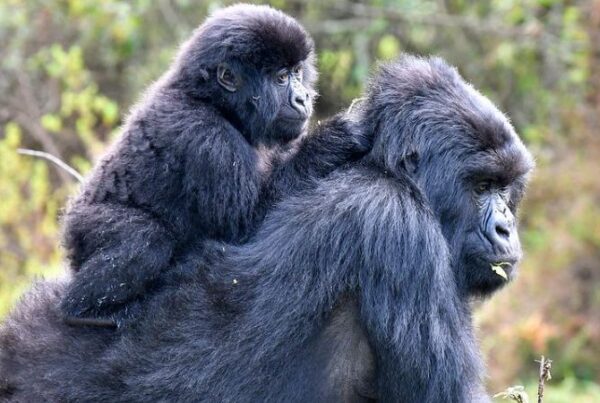
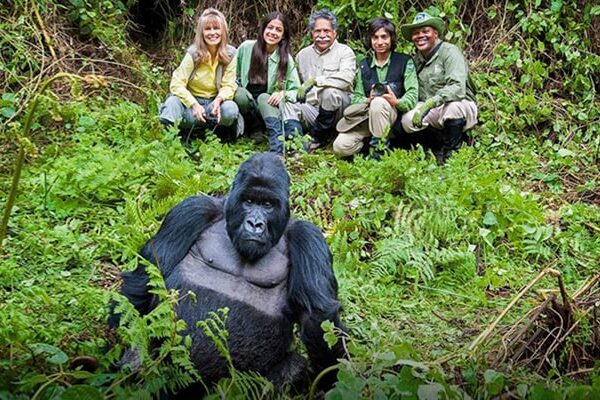
Every step draws the group deeper into the heart of the gorillas’ world. The effort of navigating steep paths and muddy clearings is soon rewarded with the sight of these gentle giants. Observing a silverback watching over his family, or juveniles tumbling playfully in the undergrowth, is a moment of awe that transcends words. The encounter, lasting only an hour, is one of the most profound wildlife interactions on earth, and for weekenders, it condenses a lifetime memory into a single visit.

The Weekend Advantage: Short Yet Full

For travelers who cannot commit to extended safaris, the weekend escape to Lakes George and Edward provides a balanced alternative. The accessibility of the region allows for quick transfers from major towns such as Fort Portal and Kasese, ensuring that even limited time is maximized.

A weekend itinerary typically combines gorilla trekking with lakeside relaxation. After the intensity of the forest adventure, the calm waters of the lakes offer a serene backdrop for reflection. Sunset boat rides on the Kazinga Channel introduce another dimension of wildlife encounters, as hippos surface in great numbers and birds settle along the shores. In this way, weekenders discover that brevity does not diminish the richness of experience; rather, it sharpens the focus on what truly matters.

What Not to Miss: Highlights Around the Lakes

Beyond gorilla trekking, Lakes George and Edward present experiences that should never be overlooked. The Kazinga Channel boat cruise is an immersion into one of the densest concentrations of wildlife in East Africa. Along the banks, elephants gather in family groups while crocodiles bask in the sun. The sheer abundance creates a spectacle that rivals the forest trek.

The surrounding crater lakes and volcanic landscapes also invite exploration. Short hikes around the region reveal panoramic views that capture the lakes shimmering below against the dramatic backdrop of the Rwenzori Mountains. Local fishing communities add a cultural layer to the journey, offering glimpses into traditions that have been shaped for centuries by life on the water. For weekenders, these experiences amplify the richness of the trip without demanding extended time.

Cultural Encounters: The Human Side of the Wild

The region around Lakes George and Edward is not only a natural wonder but also a cultural mosaic. Communities such as the Bakonzo and Batoro live in harmony with the land, carrying traditions that reflect resilience and a deep connection to the environment. Visits to local markets, interactions with community tourism groups, and tasting dishes prepared from fresh lake fish allow weekenders to understand that the journey is not just about gorillas but also about people.

Food, in particular, becomes a window into culture. Fresh tilapia from the lakes, served with matoke and groundnut sauce, connects visitors to the rhythm of local life. Such encounters add depth to a weekend visit, ensuring that the trip resonates beyond wildlife alone.

Preparing for the Trek: Essentials for Weekenders

Though time is limited, preparation remains central to the success of a gorilla trekking adventure. Comfortable trekking boots are vital for navigating the uneven terrain, while long trousers and shirts provide protection from thorns and insects. Rain jackets are indispensable, as sudden downpours are common in the region. Small essentials such as insect repellent, reusable water bottles, and energy snacks ensure that the trek remains both safe and enjoyable.

For weekend groups, harmony depends on collective preparedness. The pace of the trek is determined by the readiness of the least prepared member, making it important for everyone to carry the necessary items. The success of the weekend hinges on these small details, which transform potential discomfort into seamless adventure.

The Best Time for Weekenders

While gorilla trekking is possible throughout the year, the dry seasons from June to August and December to February offer the most favorable conditions. Trails are less slippery, and the overall experience is more comfortable. However, even in the rainy months, the lushness of the forests and the abundance of wildlife make the journey worthwhile.

For weekenders, the choice of season may also align with cultural festivals or local events in the region, adding another layer of richness to the short trip. Regardless of timing, the essential truth remains that every visit offers something unique, shaped by the unpredictability of wildlife and the shifting moods of the lakes.

The Timeless Encounter in a Weekend

In the delicate balance between time and experience, gorilla trekking at Lakes George and Edward emerges as an unmatched adventure for weekenders. The lakes, with their shimmering beauty, provide a backdrop to one of the most profound encounters with wildlife on earth. The journey condenses exploration, culture, and relaxation into a compact yet deeply rewarding escape.

For those seeking to transform a short holiday into an unforgettable story, the key lies in thoughtful preparation and trusted guidance. To ensure that every moment is maximized, every encounter meaningful, and every memory lasting, travelers are encouraged to plan their safaris with WildHorn Africa. With their expertise, the wonder of gorilla trekking and the beauty of Lakes George and Edward unfold seamlessly, creating a weekend adventure that resonates for a lifetime.

Lake Victoria Gorilla Trekking: Ultimate Checklist for culture lovers

Lake Victoria Gorilla Trekking: Ultimate Checklist for culture lovers

By Travel stories and blogs, Primate holidays, Travel guides, Uganda travel guides

Lake Victoria Gorilla Trekking: Ultimate Checklist for Culture Lovers

Where Wildlife Encounters Meet Cultural Immersion

The allure of Lake Victoria extends far beyond its vast waters and picturesque shores. Hidden within the verdant landscapes surrounding the lake lies a unique opportunity: gorilla trekking combined with cultural exploration. For travelers who value both adventure and heritage, this region offers an immersive experience where the raw power of the mountain gorillas intersects with the rich traditions of the communities that have long called this area home.

Culture lovers are often drawn to Uganda for its diverse social tapestry, ranging from traditional dance and music to local crafts and culinary practices. When paired with the profound encounter of observing gorillas in their natural habitat, Lake Victoria becomes a destination that satisfies both the desire for exploration and the appreciation of cultural depth.

Understanding the Gorilla Trekking Experience Near Lake Victoria

Gorilla trekking near Lake Victoria is conducted in forested regions that serve as corridors between national parks and the lake’s fertile surroundings. These forests are less expansive than those of Bwindi or Mgahinga, yet they maintain a dense canopy, diverse flora, and crucially, a presence of mountain gorillas.

Tracking these gorillas is guided by experienced rangers who monitor the animals’ movements daily. Trekking usually begins in the early morning hours, allowing travelers to encounter gorillas during their most active periods. The experience demands patience and attentiveness, as the gorillas’ social behaviors—feeding, grooming, and playing—offer unparalleled insights into primate life while providing opportunities for observation and photography.

Timing and Seasonal Considerations

The timing of the trek plays a critical role in both the success of sightings and the quality of the cultural experience. The wet season, occurring between March and May and again between September and November, transforms the forest into a lush environment where gorillas have ample access to fruits and vegetation. Trails, however, become more challenging, requiring sturdy footwear and careful navigation.

During the dry season, spanning December to February and June to August, the paths are more accessible, and cultural activities in surrounding communities are often easier to experience. Markets, festivals, and village gatherings are more frequent in these months, providing travelers with richer insights into the local traditions that have evolved alongside the natural environment.

Essential Preparations for Culture-Oriented Travelers

For culture lovers approaching gorilla trekking, preparation extends beyond standard trekking gear. Lightweight, breathable clothing in neutral colors is essential to blend with the forest environment while ensuring comfort. Sturdy hiking boots are recommended to navigate uneven terrain safely.

Travelers are encouraged to carry binoculars, a high-quality camera, and a notebook for capturing both wildlife observations and cultural experiences. Insect repellent and sun protection are also necessary due to the humid climate and varying exposure levels. Local currency is useful for purchasing crafts, food items, or participating in village experiences, which often provide authentic engagement opportunities.

Integrating Cultural Exploration into Gorilla Trekking

Gorilla trekking is complemented by a variety of cultural experiences available in the communities surrounding Lake Victoria. Villages host traditional dances, music performances, and storytelling sessions that offer insights into the historical and spiritual relationship between people and the land. Local artisans showcase crafts, including basket weaving, beadwork, and wood carving, reflecting centuries of skill and creativity.

Food is a crucial aspect of cultural immersion. Travelers can sample traditional dishes, such as fresh tilapia from Lake Victoria, matoke prepared with local herbs, and cassava-based meals. These culinary experiences not only nourish the body but also offer a tangible connection to the traditions and daily lives of the communities who live alongside the gorilla habitats.

The Trekking Day: What to Expect

A typical gorilla trekking day begins with an early briefing by rangers, who explain forest safety, chimpanzee and gorilla behaviors, and the importance of maintaining respectful distance. The trek progresses through dense undergrowth, bamboo thickets, and occasionally, swampy areas, requiring both physical endurance and attention to detail.

Upon locating a gorilla family, travelers are allowed a limited time to observe and photograph. During this period, silence is maintained to prevent disturbance, and careful observation is encouraged to appreciate the social structures of the gorillas. Mothers, infants, and silverbacks provide moments of fascination, each displaying behaviors that reflect intelligence, familial bonds, and adaptability within their environment.

After returning from the trek, cultural interactions can continue with guided village visits, participation in cooking demonstrations, or attendance at local performances. These activities ensure that the day remains balanced between natural exploration and cultural engagement.

Safety and Ethical Guidelines

The protection of gorillas and their habitat is paramount. Visitors are instructed to avoid physical contact, maintain a safe distance, and adhere to the instructions provided by rangers. Meals and snacks should not be shared with wildlife, and waste management practices must be strictly observed to prevent environmental impact.

Ethical engagement also extends to cultural experiences. Travelers are encouraged to approach village interactions with respect, avoid intrusive photography, and participate in activities in a way that supports the community without disrupting daily life. By doing so, the cultural exchange becomes mutually beneficial, fostering awareness and understanding.

Maximizing a Limited-Time Visit

For travelers with constrained schedules, careful planning is essential. Trekking permits should be secured in advance, and itineraries can be designed to combine morning wildlife excursions with afternoon cultural visits. Proximity to accommodation is also important, as staying close to the park or lakeside villages reduces travel time and allows for earlier starts and later participation in cultural events.

Even a two-day visit can be deeply rewarding when structured to include early morning trekking, mid-morning village tours, and evening culinary experiences. This approach ensures that travelers leave with both wildlife encounters and an appreciation for the social and cultural fabric of the Lake Victoria region.

Conservation Awareness and Cultural Responsibility

Participating in gorilla trekking and cultural tours carries a responsibility toward conservation and ethical tourism. Entrance fees and guided tours contribute to habitat protection, community development, and ongoing research efforts. By choosing responsibly managed experiences, travelers support initiatives that safeguard gorilla populations while preserving the cultural integrity of local communities.

Awareness of this interconnectedness enhances the overall experience. Observing gorillas and engaging with communities becomes more than a tourist activity; it transforms into an opportunity to witness and support sustainable coexistence between humans and wildlife.

A Journey Beyond Observation

Gorilla trekking near Lake Victoria is not merely a wildlife excursion; it is a journey that intertwines adventure, culture, and conservation. For culture lovers, it offers an opportunity to witness the majesty of gorillas while simultaneously engaging with the traditions, foods, and arts of communities that have harmoniously coexisted with these forests for generations.

By carefully planning, preparing, and participating with awareness and respect, travelers can maximize their experiences even with limited time. To ensure a seamless and enriching visit that combines all elements of adventure, culture, and ethical engagement, arrangements are best made through WildHorn Africa, whose expertise guarantees that every encounter, every meal, and every cultural interaction becomes a lasting memory of Uganda’s unparalleled natural and social heritage.

Close Menu