search
The Complete Guide: Gorilla Trekking at Bwindi Impenetrable Forest in 2025

The Complete Guide: Gorilla Trekking at Bwindi Impenetrable Forest in 2025-2026

By Travel stories and blogs, Primate holidays, Travel guides, Uganda travel guides

The Complete Guide: Gorilla Trekking at Bwindi Impenetrable Forest in 2025-2026

A Journey into Africa’s Living Eden

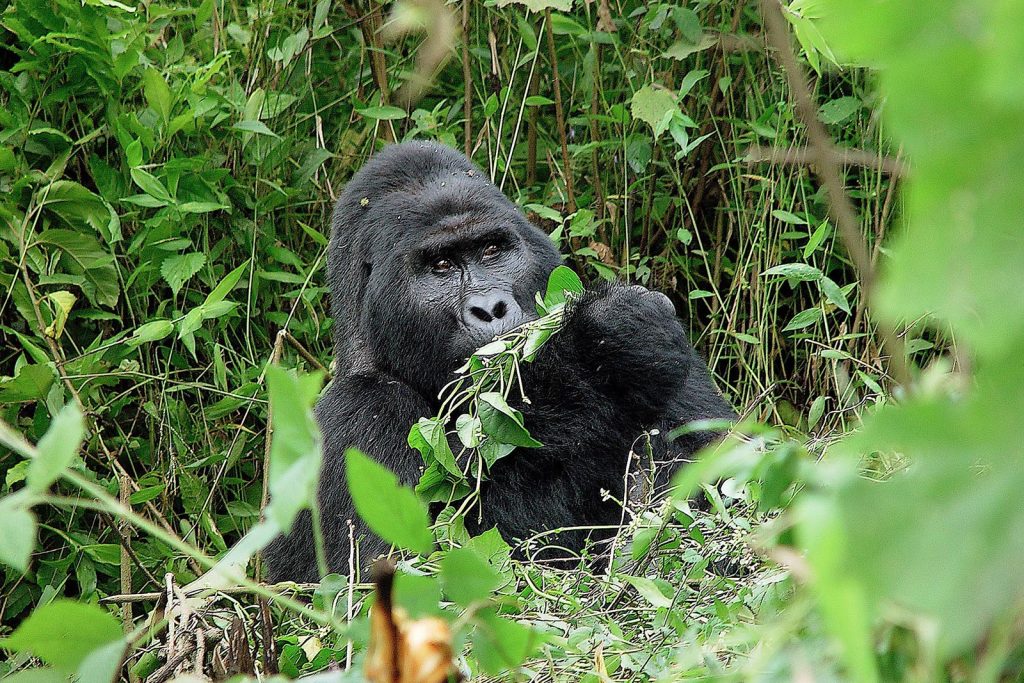
In 2025, gorilla trekking at Bwindi Impenetrable Forest continues to stand as one of the most profound wildlife encounters on earth. Tucked away in southwestern Uganda, this UNESCO World Heritage Site embodies a rare blend of untouched wilderness, cultural richness, and the chance to stand within arm’s reach of the world’s last remaining mountain gorillas. Unlike many safari experiences that are viewed from the comfort of a vehicle, trekking through Bwindi is immersive, raw, and intimate. Visitors are invited to journey through thick vegetation, rugged terrain, and ancient rainforest pathways, only to be rewarded with the sight of a gentle giant staring back in silent recognition.

This experience is not simply a wildlife activity; it is a life-altering pilgrimage. In 2025, with Uganda’s conservation efforts stronger than ever, Bwindi presents itself not only as a sanctuary for gorillas but also as a living classroom where humans and nature converge in harmony.

Location and Significance of Bwindi Impenetrable Forest

Bwindi Impenetrable National Park lies along Uganda’s southwestern border with the Democratic Republic of Congo, covering over 321 square kilometers of pristine rainforest. Its elevation ranges between 1,160 and 2,607 meters, creating diverse ecosystems that sustain not only the endangered mountain gorilla but also over 350 bird species, 200 butterfly species, and countless unique plant forms.

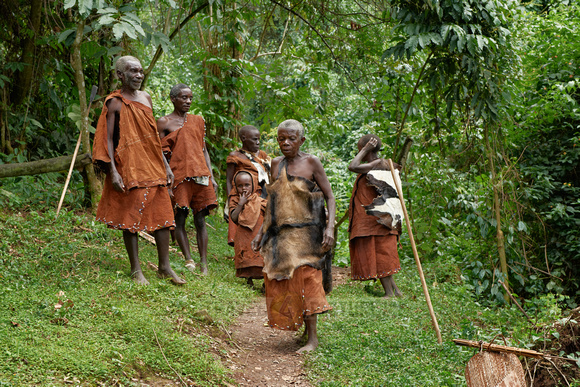
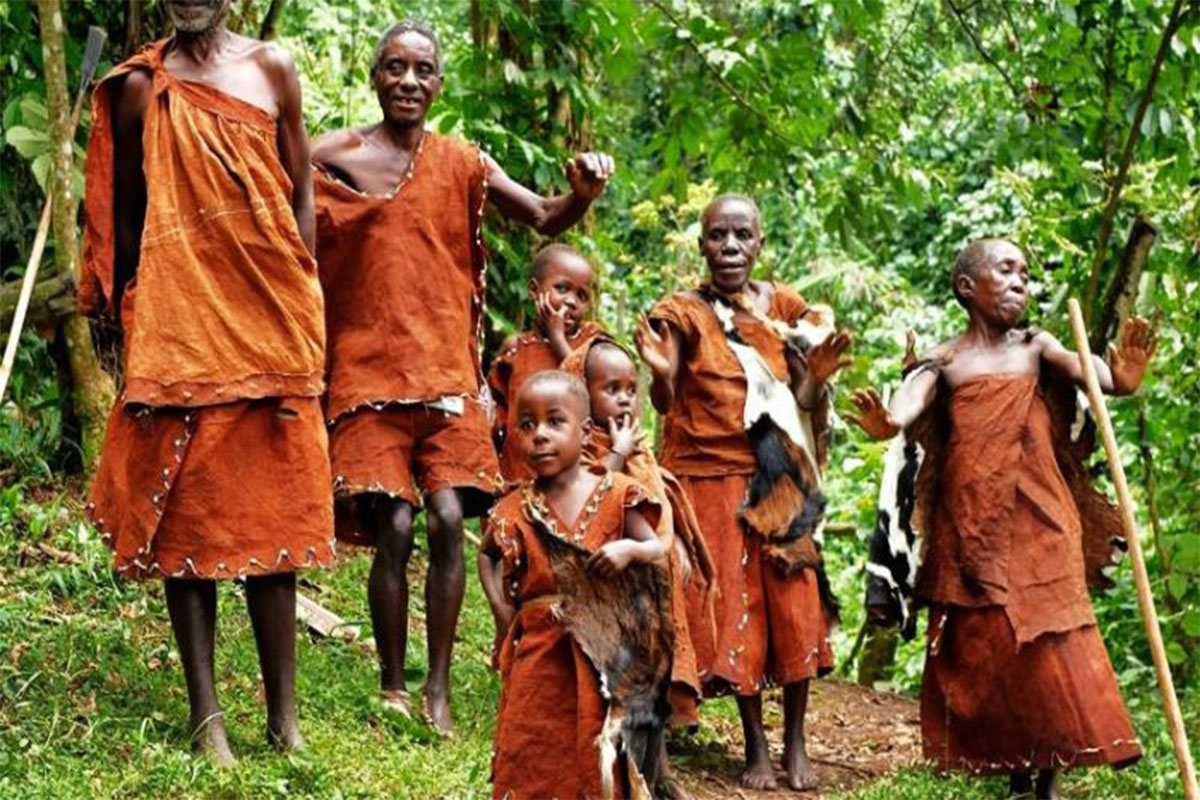
The park’s significance is more than ecological. It is deeply cultural, serving as home to the indigenous Batwa people, one of Africa’s oldest tribes whose existence has been intertwined with the forest for centuries. The very name “Bwindi” translates to “dark place,” a reflection of the dense vegetation that makes this forest almost impenetrable, yet enchanting in its mystery.

How to Reach Bwindi in 2025

Reaching Bwindi has become more convenient in 2025, with improved infrastructure and expanded domestic flight options. Travelers often land at Entebbe International Airport, from where connections can be made either by road or air.

By road, the journey stretches across the Ugandan countryside, offering glimpses of rolling hills, tea plantations, and vibrant local communities. The trip from Kampala or Entebbe to Bwindi takes approximately eight to ten hours, depending on the sector of the park being visited. Alternatively, domestic flights to airstrips at Kihihi or Kisoro dramatically reduce travel time, leaving only a short drive to the forest.

Each sector of Bwindi—Buhoma, Ruhija, Rushaga, and Nkuringo—has its own entry point, and the choice often depends on gorilla permit availability and accommodation preferences.

The Gorilla Trekking Experience in 2025

The heart of Bwindi lies in its gorilla trekking encounters, an activity meticulously regulated to protect both the gorillas and the visitors. In 2025, the Uganda Wildlife Authority continues to allow only a limited number of permits each day, ensuring minimal disruption to gorilla families.

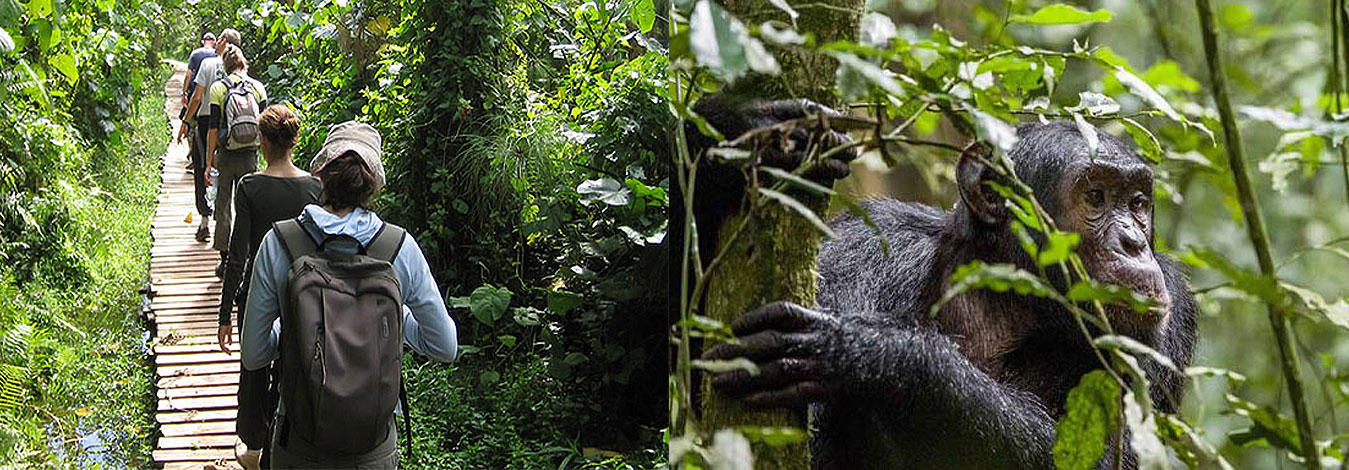
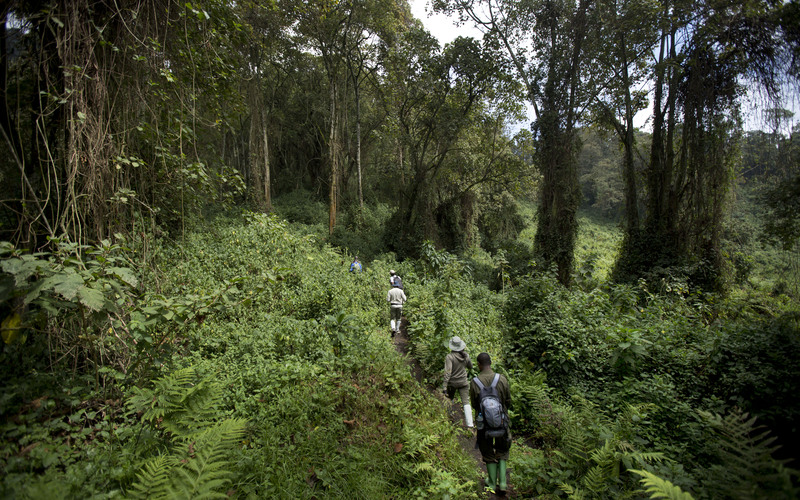
The trek itself begins early in the morning with a briefing by expert guides and trackers. Groups are then assigned to specific gorilla families, and the adventure begins. Trails are not predictable, as the gorillas roam freely in their natural habitat. Trekkers navigate through thick vines, steep ridges, and muddy forest floors, guided by the sounds of chirping birds and distant rustles of wildlife.

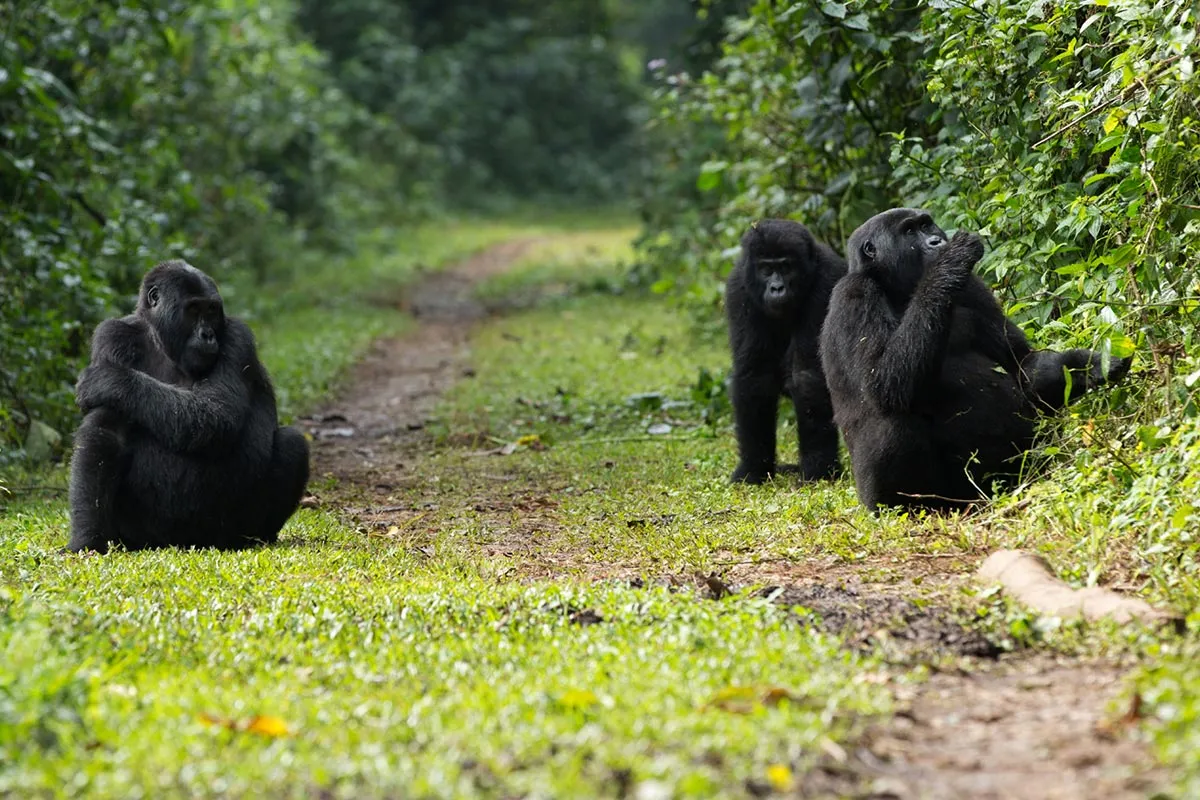
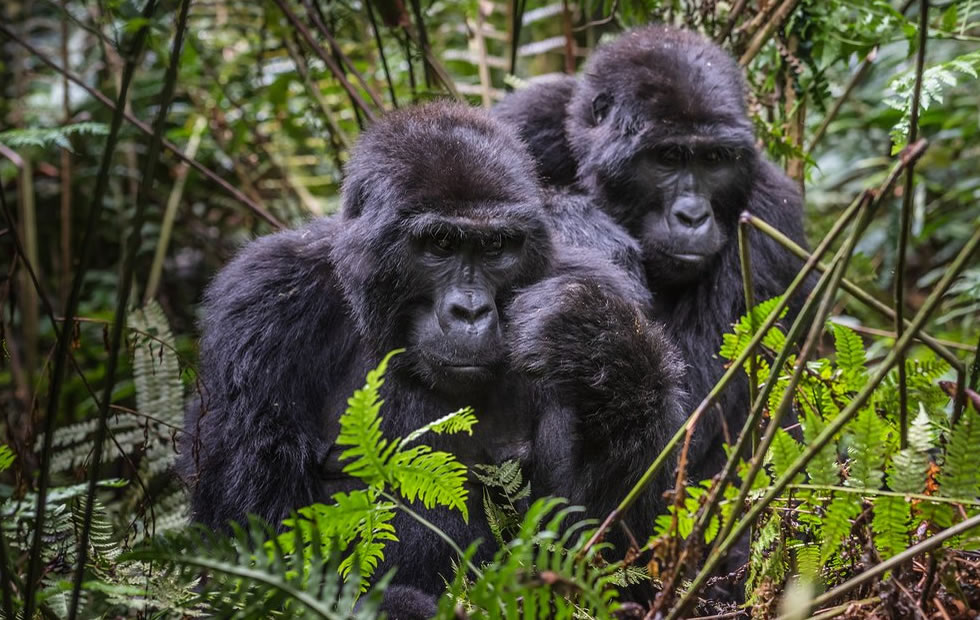
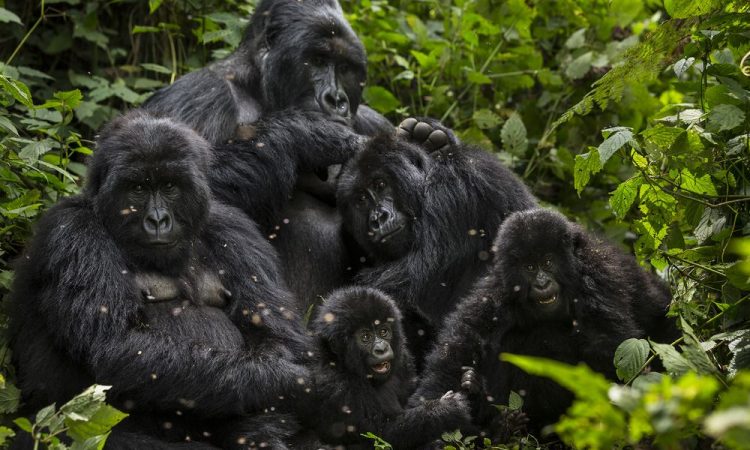
The climax of the trek is the one-hour encounter with a gorilla family. Here, silence and respect are paramount. Watching a silverback command his troop, observing mothers tenderly cradling their infants, or witnessing playful juveniles swinging effortlessly among the trees is nothing short of transformative. Time appears to slow, and the bond between human and gorilla becomes deeply personal, leaving memories etched for a lifetime.

Attractions Beyond the Gorillas

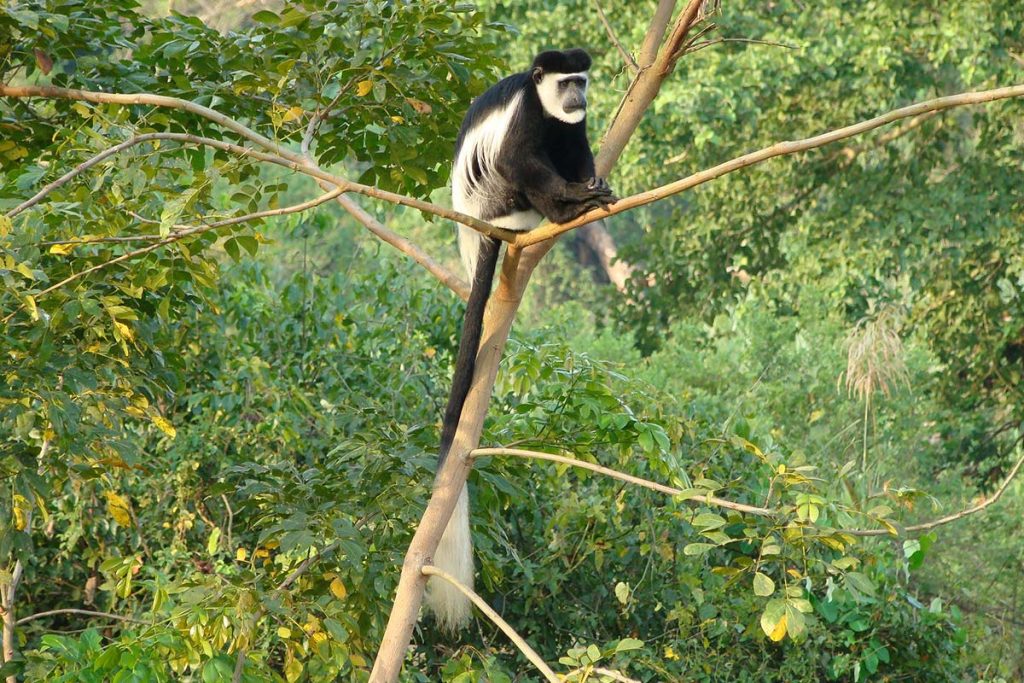
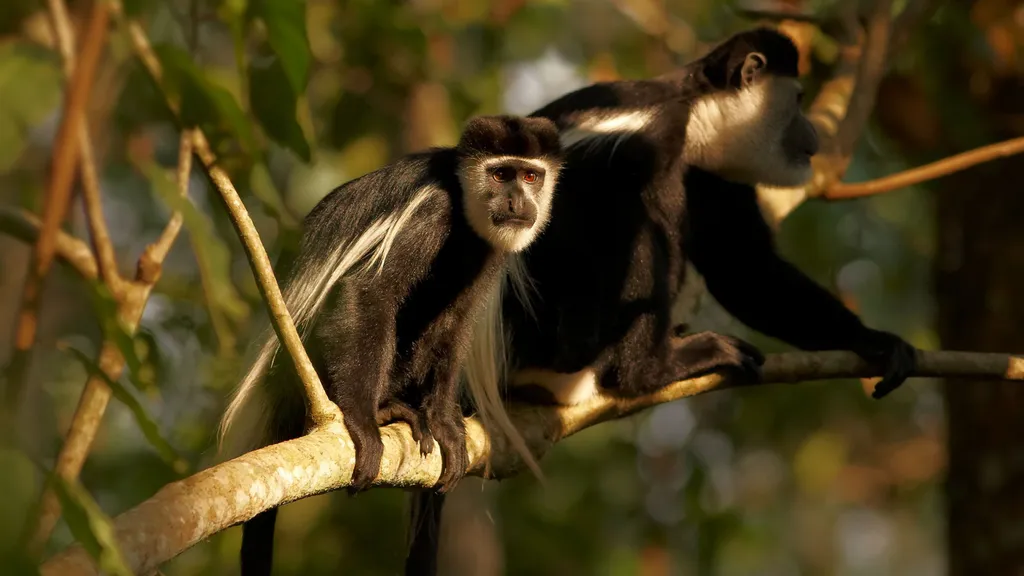
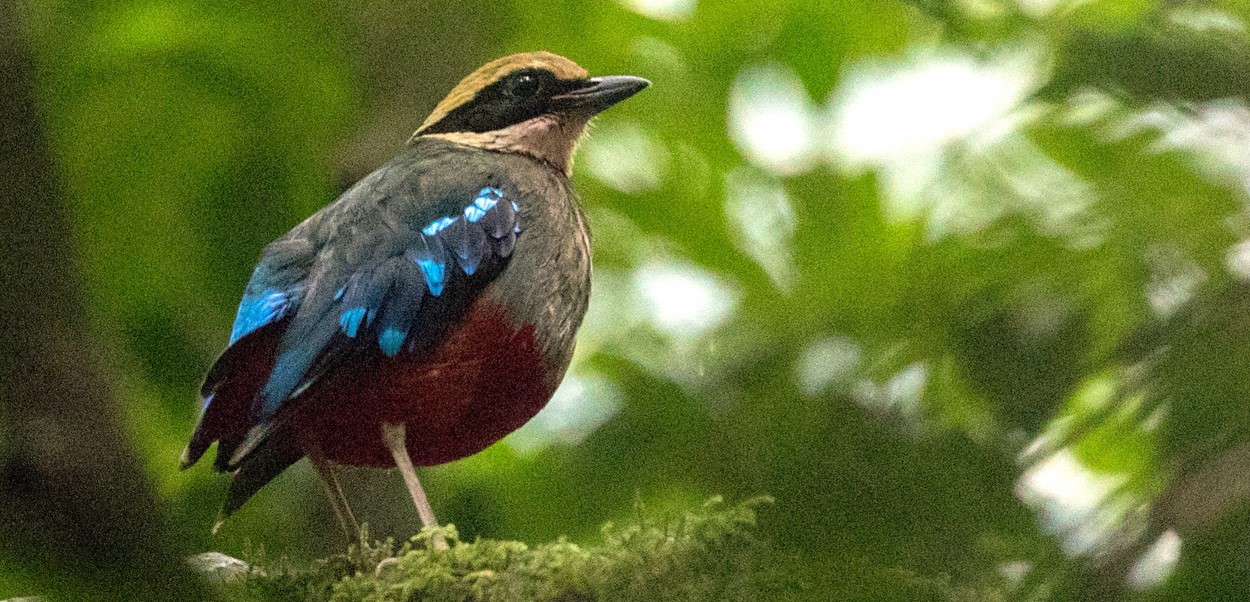
While gorillas are the crown jewel, Bwindi offers much more for the curious traveler in 2025. The park’s rich biodiversity provides opportunities for birdwatching, with species like the African green broadbill and Shelley’s crimsonwing captivating birding enthusiasts. The dense vegetation shelters countless primates, including black-and-white colobus monkeys and L’Hoest’s monkeys, each adding vibrancy to the trekking trails.

Cultural encounters remain another highlight. Visitors are welcomed by the Batwa community, who share stories, music, and demonstrations of forest survival skills. These cultural exchanges not only preserve indigenous traditions but also provide a meaningful bridge between conservation and livelihood support.

Things to Do in Bwindi Beyond Trekking

In 2025, Bwindi has evolved into a multi-dimensional destination. After trekking, travelers may indulge in guided nature walks that reveal hidden waterfalls, forest elephants, and diverse plant life. Village walks introduce the rhythms of Ugandan rural life, where banana beer is brewed, crafts are made, and traditional dances are performed with infectious energy.

For those seeking tranquility, the forest itself provides the perfect retreat. The serenity of Bwindi is unrivaled, offering an atmosphere where reflection and rejuvenation come naturally. With eco-lodges blending into the forest canopy, nights are spent listening to the symphony of crickets, rustling leaves, and distant gorilla calls.

Best Time to Visit Bwindi in 2025

The year 2025 continues to reaffirm the importance of timing when planning a visit to Bwindi. The dry seasons from June to September and December to February remain the most favorable for trekking, as trails are more accessible and conditions are less challenging. During these months, the clarity of the skies also enhances the scenic beauty of the surrounding landscapes.

However, the wet seasons of March to May and October to November offer their own charm. The forest becomes lusher, bird activity intensifies, and fewer tourists create a sense of exclusivity. While treks during these months may be more demanding, the rewards in solitude and vibrancy of nature are profound.

Gorilla Conservation and Responsible Tourism

A central pillar of gorilla trekking in 2025 is conservation. The survival of mountain gorillas is deeply tied to the sustainability of tourism, and every trekker contributes directly to conservation through permit fees. These funds support anti-poaching patrols, community development, and habitat preservation.

Strict rules are enforced to minimize human impact. Trekkers are required to maintain a safe distance, avoid physical contact, and adhere to group limits. Even the act of wearing masks during gorilla visits has become an established practice, protecting gorillas from human-borne diseases.

Tourism is not just a privilege; it is a responsibility. Each visit is a pledge to safeguard one of the planet’s most extraordinary species for future generations.

Preparing for Gorilla Trekking in 2025

Although the trek is achievable for most visitors, preparation is essential. Moderate physical fitness is required, as treks may last anywhere from two to six hours. Proper gear such as sturdy hiking boots, rain jackets, long trousers, and walking sticks enhances the experience.

Travelers in 2025 are also advised to secure gorilla permits well in advance, as demand remains high. Accommodation options range from luxurious lodges to budget-friendly stays, each offering comfort and warm Ugandan hospitality in the heart of the wilderness.

A Call to Experience Bwindi in 2025

Bwindi Impenetrable Forest in 2025 is more than a destination—it is a profound journey into the soul of Africa. To trek through its ancient trees, to meet the gaze of a mountain gorilla, and to embrace the cultural warmth of its people is to embark on a once-in-a-lifetime odyssey.

The opportunity is rare, the memories eternal, and the impact immeasurable. For those seeking to transform dreams into reality, the path leads through the thick green embrace of Bwindi.

For a seamless and unforgettable adventure, it is highly recommended that Africa tours and safaris be booked through WildHorn Africa, a trusted name in curating authentic experiences that connect travelers to the very heart of Uganda’s natural wonders.
Chimpanzee Tracking at Fort Portal: Packing Essentials for groups

Chimpanzee Tracking at Fort Portal: Packing Essentials for groups

By Travel stories and blogs, Primate holidays, Travel guides, Uganda travel guides

Chimpanzee Tracking at Fort Portal: Packing Essentials for Groups

The Call of the Forest

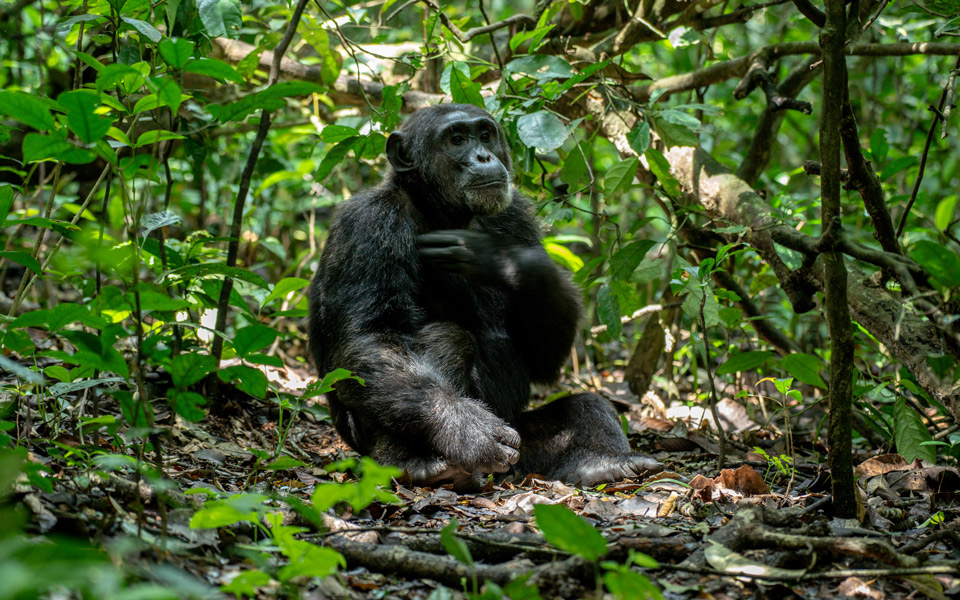
In the heart of western Uganda, beneath the shadow of the Rwenzori Mountains, lies Fort Portal, a town renowned not only for its breathtaking scenery but also for its access to some of Africa’s most enchanting primate experiences. Among these, chimpanzee tracking in Kibale National Park stands as a crown jewel. The journey into the forest in search of these intelligent creatures is far more than a wildlife excursion—it is an immersion into the wilderness, where the air is heavy with the scent of ancient trees, the calls of primates echo from the canopy, and the thrill of discovery beats strongly in the traveler’s chest.

For groups planning this adventure, the excitement is matched by the necessity of preparation. A chimpanzee tracking experience requires more than curiosity; it demands thoughtful packing, cultural awareness, and readiness for the challenges of forest trekking. The difference between a fulfilling journey and a difficult one often lies in the details of what is carried. This article, structured as a local’s guide, offers insight into the essentials that groups must prepare, ensuring that the adventure remains both comfortable and unforgettable.

Understanding the Landscape of Chimpanzee Tracking

Chimpanzee tracking in Kibale National Park, a short drive from Fort Portal, unfolds in a landscape that is both rugged and enchanting. The forest is dense, alive with biodiversity, and often humid. Trails weave through towering mahoganies, tangled undergrowth, and swampy clearings, demanding resilience from those who tread them.

The climate varies with the seasons, ranging from heavy rains that turn paths into mud to drier periods when the sun penetrates the canopy. This variability dictates that what is packed must be suited for both endurance and adaptability. For groups, this preparation becomes even more crucial, as the experience is shared collectively and the rhythm of the trek is often determined by the preparedness of the least equipped member.

Clothing: Dressing for the Forest

The first layer of preparation is found in what is worn. The forest is a living system filled with thorny branches, biting insects, and damp undergrowth. Clothing must therefore serve as protection as well as comfort. Long trousers and long-sleeved shirts are indispensable, shielding the body from scratches and insect bites while maintaining modesty in a culturally respectful setting.

Sturdy walking boots, preferably waterproof, are a necessity for navigating the sometimes treacherous trails. In group experiences, synchronization of pace becomes easier when every member is comfortably dressed and properly supported by footwear that grips in mud and cushions on rocky paths. A light rain jacket or poncho is equally important, as sudden showers are part of the forest’s rhythm. Dressing in muted colors allows travelers to blend seamlessly with the environment, ensuring that the presence of the group does not disturb the chimpanzees.

The Essentials of Comfort and Safety

Beyond clothing, a set of small but vital essentials defines the quality of the tracking experience. Insect repellent becomes an invisible shield against mosquitoes and forest flies, reducing discomfort and health risks. Sunscreen and a wide-brimmed hat provide protection in open areas where the canopy parts. Reusable water bottles or hydration packs ensure that energy is sustained, especially during treks that may stretch for several hours.

First-aid supplies, though often overlooked, remain indispensable for groups. Minor scratches, insect stings, or blisters are easily managed when basic medical items are carried. In shared group experiences, such preparation reflects consideration not only for individual comfort but also for collective well-being. The group dynamic thrives when no member is left behind due to preventable discomfort.

Technology and Tools for the Experience

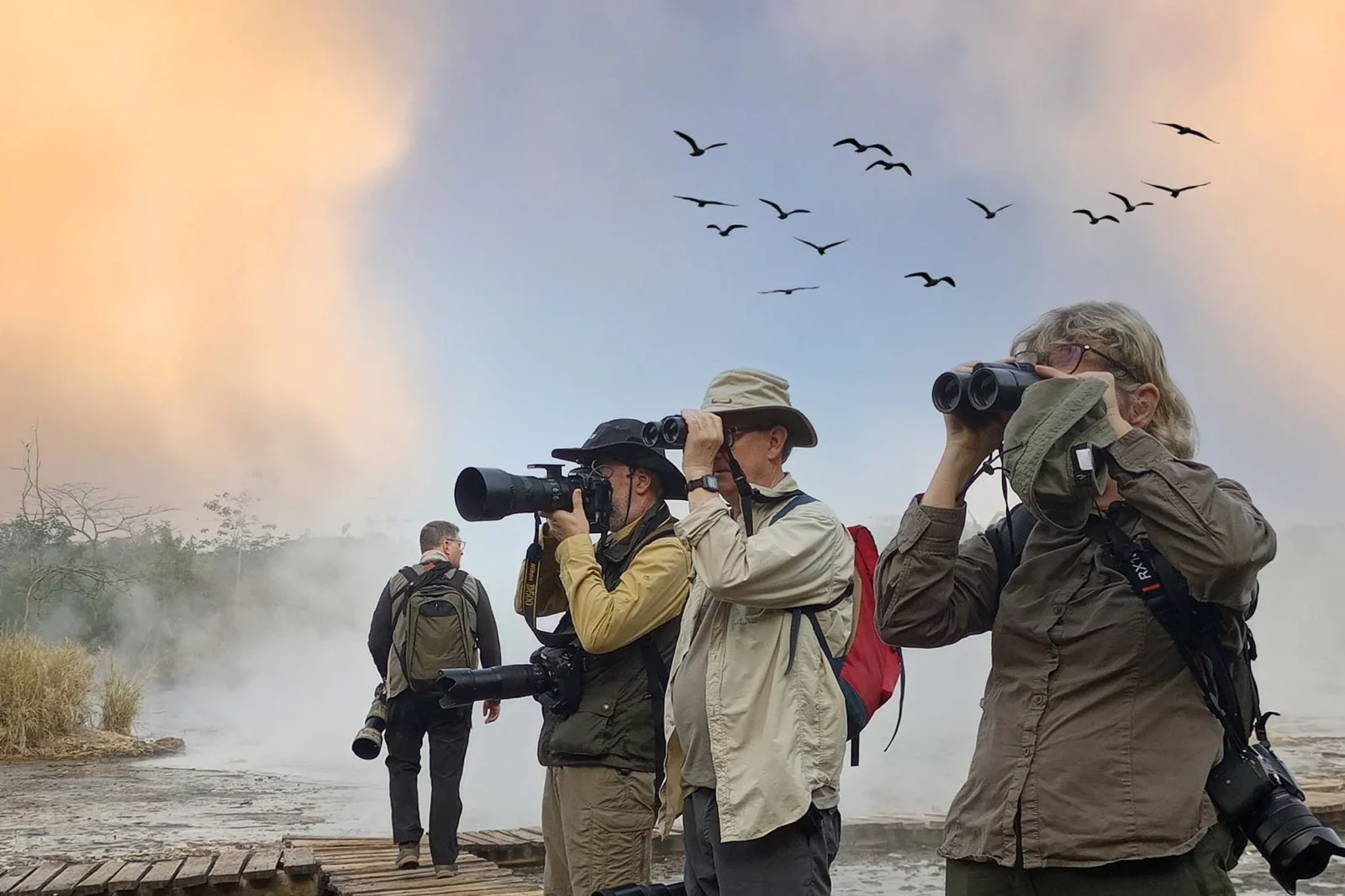
Modern travel often merges adventure with the desire to document. For chimpanzee tracking, cameras with good zoom capability become companions in storytelling. The forest canopy is alive with movement, and while the chimps may descend to the ground, they often remain high in the trees. A reliable camera captures these moments while binoculars bring the finer details of forest life closer.

For groups, sharing such equipment fosters unity, as those without professional gear can still participate in viewing through binoculars or shared photographs. Flash photography is discouraged, as it startles the animals, but thoughtful use of technology enhances the experience without intruding upon it. A small backpack, preferably lightweight and waterproof, becomes the vessel that holds these tools along with snacks, water, and protective gear.

Food and Hydration for Energy

The rhythm of a chimpanzee trek is dictated by the movements of the forest and the unpredictable paths of the chimpanzees themselves. Sometimes the trek may be short, but on other occasions, it can extend into long hours of tracking. For groups, carrying light snacks such as energy bars, fruits, or nuts ensures that stamina is maintained. Water, often underestimated, is the lifeline of the experience, especially in the humid forest climate.

Meals before and after the trek also matter. Fort Portal and its surrounding lodges serve hearty Ugandan staples such as matoke, beans, and fresh vegetables that sustain travelers before the adventure. After tracking, group members often find themselves drawn to local restaurants where traditional dishes reconnect them with the cultural backdrop of the region. In this way, food becomes not only sustenance but also a bonding ritual for groups sharing the journey.

Group Dynamics and Cultural Awareness

Packing essentials extend beyond physical items into the realm of cultural preparation. In Uganda, respect for local communities and conservation efforts is paramount. Groups are expected to listen attentively to guides, follow trekking rules, and respect the delicate balance between humans and wildlife.

Carrying respect, patience, and flexibility may not fill a backpack, but they are as essential as boots or water bottles. For groups, harmony arises when every member recognizes that the forest is a shared space, not just among humans but also with the chimpanzees and other wildlife. The intangible essentials of courtesy and mindfulness create a smoother and more meaningful experience.

Preparing for Weather and Seasons

The timing of chimpanzee tracking influences what must be carried. During the rainy seasons of March to May and September to November, waterproof gear takes precedence, while extra layers become essential in the cooler mornings and evenings. In the drier months of June to August and December to February, dust masks or scarves may be useful for group members sensitive to dry air.

Group leaders often take responsibility for reminding travelers of these seasonal variations, ensuring that no one is caught unprepared. The collective spirit of the group is strengthened when each member feels secure in the knowledge that they have packed appropriately for the season.

The Emotional Essentials: Memory and Connection

Finally, beyond the tangible items that fill a backpack, the most enduring essentials of chimpanzee tracking are carried in the heart. Patience, curiosity, and a willingness to immerse oneself in the unpredictability of the forest are qualities that transform a trek into a life-changing memory. For groups, the shared laughter, mutual encouragement, and collective wonder at the sight of chimpanzees in their natural habitat become the true treasures of the journey.

Every camera click, every whispered observation, and every shared meal afterward becomes part of a mosaic of experiences that outlast the physical journey. Packing, therefore, is not simply about clothing and equipment but also about readiness to embrace the intangible rewards of connection—with nature, with people, and with oneself.

Preparedness as the Path to Fulfillment

A road into Fort Portal and onward into Kibale’s forest is not simply a physical journey but a meticulous preparation for discovery. Packing for chimpanzee tracking is an art that balances practicality, safety, and cultural sensitivity. When approached with care, every item carried transforms from mere necessity into a gateway of comfort, unity, and appreciation.

For groups, preparedness ensures that the adventure is shared harmoniously, that no member is left struggling, and that the focus remains on the wonder of encountering chimpanzees in the wild. The forest rewards those who respect its rhythm and those who arrive ready to immerse themselves fully in its embrace.

To elevate this transformative experience into a seamless and unforgettable journey, it is recommended that travelers plan their African adventures with WildHorn Africa, a trusted name in creating authentic safaris. With expert guidance and tailored itineraries, every trek, every meal, and every shared moment becomes part of a story worth telling for generations.

The Complete Guide: gorilla trekking at Bwindi Impenetrable Forest in 2025-2026

The Complete Guide: gorilla trekking at Bwindi Impenetrable Forest in 2025-2026

By Travel stories and blogs, Adventure holidays, Bucket list holidays, Luxury holidays, Primate holidays, Safari holidays, Uganda travel guides

The Complete Guide: gorilla trekking at Bwindi Impenetrable Forest in 2025-2026.

A Journey into the Heart of the Wild

There are few experiences in the world that embody the true essence of adventure and intimacy with nature more profoundly than gorilla trekking. In 2025, as travel evolves toward deeper, more meaningful encounters, Bwindi Impenetrable Forest in Uganda remains the pinnacle of such journeys. Nestled in the southwestern corner of the country, this UNESCO World Heritage Site stands as one of the last sanctuaries of the critically endangered mountain gorilla, a species whose resilience and beauty continue to inspire travelers and conservationists alike.

To step into Bwindi is to embrace a wilderness so rich and untouched that its very name, impenetrable, evokes mystery and awe. Towering trees, tangled vines, and dense undergrowth conceal not only gorillas but also countless other species, from forest elephants and chimpanzees to hundreds of bird species that make this one of Africa’s most celebrated ecosystems. For the modern traveler, and especially for those seeking luxury escapes, gorilla trekking here in 2025 is more than an activity — it is a profound dialogue with nature, a chance to witness life in its rawest and most vulnerable form, and a commitment to responsible, transformative travel.

This guide offers an in-depth exploration of everything one needs to know, from the history and ecology of Bwindi to the logistics, seasons, and luxury touches that elevate the experience.

Bwindi Impenetrable Forest — A Living Tapestry of Biodiversity

Spanning over 321 square kilometers, Bwindi is part of the Albertine Rift Valley, one of the most biologically diverse regions on earth. Its altitude ranges from 1,160 to 2,607 meters, creating a mosaic of habitats that sustain a vast range of flora and fauna. Ancient by any standard, this forest has stood for more than 25,000 years, surviving geological upheavals and climate shifts to become a sanctuary of resilience.

Beyond gorillas, Bwindi shelters more than 120 mammal species, 350 bird species, and an array of butterflies and reptiles. Its flora is equally rich, with over 200 tree species and 100 fern species. The forest is not simply a backdrop for trekking; it is a vibrant world where every step reveals layers of ecological wonder.

To the people of Uganda, Bwindi is more than wilderness. It is a cultural and spiritual heritage, linked to the Batwa pygmies, indigenous forest dwellers whose ancestral ties to the land run deep. For the traveler in 2025, encountering Bwindi means entering a living tapestry where conservation, culture, and biodiversity weave a story far greater than any one trek.The Complete Guide: gorilla trekking at Bwindi Impenetrable Forest in 2025-2026

Mountain Gorillas — The Beating Heart of Bwindi

The mountain gorilla (Gorilla beringei beringei) is the undeniable star of Bwindi. Unlike lowland gorillas found in other parts of Africa, mountain gorillas cannot survive in captivity, making encounters in the wild their only possibility. An estimated population of around 1,050 mountain gorillas exists globally, with nearly half residing in Bwindi.

These creatures are organized into habituated groups, each led by a dominant silverback who commands authority with strength and wisdom. Their social structures, behaviors, and familial bonds often mirror those of humans, deepening the sense of kinship felt during encounters. Watching them groom one another, play, or forage in the forest underscores both their vulnerability and their resilience.

By 2025, conservation efforts in Uganda have achieved remarkable success. Gorilla numbers have steadily risen thanks to strict protection, community engagement, and tourism revenues reinvested into preservation. For travelers, this means that every permit purchased contributes directly to ensuring the survival of these magnificent primates.

Preparing for Gorilla Trekking in 2025

A trek in Bwindi is no casual stroll; it is an immersive experience demanding physical readiness, patience, and an open spirit. The trails often involve steep climbs, thick undergrowth, and unpredictable weather. Yet these very challenges form part of the luxury of the experience, for what is rare and demanding is often the most rewarding.

In 2025, preparations begin long before setting foot in the forest. Gorilla trekking permits, regulated by the Uganda Wildlife Authority, remain limited to protect the animals and their habitat. Securing these permits well in advance is essential, especially during peak seasons. Each trek is carefully structured, with groups limited to a small number of visitors accompanied by expert rangers and trackers.

The luxury traveler benefits from personalized support — private briefings, expert guides, and curated itineraries that ensure the experience unfolds seamlessly. Whether through specialized gear, concierge assistance, or wellness preparations, the emphasis is on maximizing comfort without diminishing authenticity.

The Trekking Experience — Step by Step

The day of the trek begins at dawn. Guests gather at designated starting points within Bwindi’s four trekking sectors — Buhoma, Ruhija, Rushaga, and Nkuringo. Each sector offers unique terrain, habituated groups, and perspectives on the forest.

After an orientation led by rangers, groups set off into the dense undergrowth. The trek may last from one hour to several, depending on the gorillas’ movements. Paths are carved through thick vegetation, often requiring determination and endurance. Yet every pause brings encounters with other wildlife — birds darting through the canopy, butterflies gliding in dappled sunlight, or the occasional glimpse of monkeys swinging through branches.

And then comes the moment of arrival. The first sight of a gorilla group is indescribable. A silverback may sit calmly, surveying his family with quiet authority. Females may nurse their young, while juveniles tumble in playful mischief. Cameras click, but silence often dominates, as travelers realize they are in the presence of something profoundly rare.

Visits are restricted to one hour to minimize disturbance, yet that hour feels timeless. It is not a performance staged for human eyes but a glimpse into the authentic rhythm of gorilla life. Luxury here is not in gilded surroundings but in the privilege of intimacy with the wild.

Seasons and Timing — When to Visit in 2025

Uganda’s climate allows gorilla trekking year-round, but the dry seasons from June to September and December to February are generally preferred. During these months, trails are more manageable, visibility is higher, and the likelihood of prolonged rain is reduced.

The wet seasons, spanning March to May and October to November, present more challenges — muddy trails, slippery slopes, and heavier rainfall. Yet they also bring advantages: lush greenery, fewer visitors, and often more affordable rates for accommodation. For photographers, the soft light of the rainy season offers unparalleled opportunities.

In 2025, the choice of timing depends not only on logistics but also on intention. Those seeking comfort and ease may prefer dry months, while those craving intimacy and atmosphere may find the wet season more rewarding. Luxury operators increasingly tailor experiences to match these preferences, ensuring that each traveler’s vision of the trek is fulfilled.

Luxury Lodges — Refined Sanctuaries at the Edge of Wilderness

No guide to gorilla trekking would be complete without acknowledging the luxury lodges that frame the experience. Nestled near each sector of Bwindi, these lodges combine world-class hospitality with a deep respect for the environment.

Architectural designs often mirror the forest, with stone, wood, and thatch blending into the landscape. Interiors balance rustic charm with refined comfort — private decks overlooking mist-covered valleys, spa treatments using local botanicals, and gourmet dining that celebrates both Ugandan flavors and international sophistication.

For the luxury traveler, these lodges are not mere accommodations but sanctuaries of restoration. After hours in the forest, they provide space to reflect, relax, and rejuvenate. Evenings often feature storytelling around a fire, private dinners under starlit skies, or wellness rituals that reconnect body and spirit.

Photography and Memory-Making

Gorilla trekking in 2025 is as much about creating memories as it is about living the moment. Photography plays a central role, yet capturing gorillas in dense forest requires skill and awareness. Low light, movement, and the need for discretion present challenges that reward patience and preparation.

Beyond gorillas, the forest itself offers endless subjects. The textures of ancient trees, the iridescence of birds, and the play of light through the canopy create images as captivating as the animals themselves. For luxury travelers, professional photography guides are often available, ensuring that each frame reflects both artistry and authenticity.

Yet the most profound memories often transcend photographs. They reside in the silence when gorilla eyes meet human eyes, in the sound of rain dripping through the canopy, or in the collective breath held as a silverback moves past. These moments, though difficult to capture on film, remain etched in the traveler’s spirit.The Complete Guide: gorilla trekking at Bwindi Impenetrable Forest in 2025-2026

Conservation and Responsibility

By 2025, gorilla trekking is inseparable from the narrative of conservation. Every permit purchased contributes to the protection of gorillas and the empowerment of surrounding communities. Revenues fund anti-poaching patrols, veterinary interventions, and habitat preservation. Equally significant, they support education, healthcare, and livelihoods for local people, ensuring that conservation is not seen as an external imposition but as a shared benefit.

Luxury travel plays a crucial role here. High-value, low-impact tourism ensures that fewer visitors create greater contributions. Travelers are increasingly aware that their indulgence must also be responsibility, and operators emphasize eco-conscious practices — from minimizing plastic to supporting reforestation projects.

For the traveler in 2025, the greatest luxury is knowing that their presence safeguards rather than exploits. Gorilla trekking becomes not only an encounter with wildlife but a commitment to a global conservation legacy.

The Role of Culture — The Batwa Experience

While gorillas dominate attention, the cultural dimension of Bwindi is equally enriching. The Batwa pygmies, once forest dwellers, now engage visitors through cultural encounters that preserve and share their heritage. Storytelling, dance, and demonstrations of traditional forest survival skills provide insight into a way of life intricately tied to the land.

For luxury travelers, private and respectful interactions with the Batwa offer depth beyond wildlife. They remind visitors that conservation is not only about animals but also about people whose identities are woven into the forest. The photo essay of Bwindi, therefore, is incomplete without the human story.

Beyond the Trek — Expanding the Journey

Though gorilla trekking is the centerpiece, Bwindi offers more. Nature walks, birding expeditions, and waterfall hikes provide additional layers of exploration. The surrounding regions — Lake Bunyonyi with its island-studded waters, or Queen Elizabeth National Park with its savannah wildlife — complement the forest experience, creating itineraries of remarkable diversity.

Luxury travelers often craft journeys that begin with urban indulgence in Kampala, flow into the wilderness of Bwindi, and conclude with serene relaxation by Uganda’s lakes or rivers. In 2025, travel is less about isolated activities and more about holistic narratives that engage mind, body, and spirit.

The Lasting Legacy of Bwindi in 2025

When the trek ends and travelers leave Bwindi, what remains is more than photographs or stories. It is a profound transformation. To look into the eyes of a gorilla is to recognize kinship, to feel humility, and to understand the fragile interconnectedness of life. The impenetrable forest, though dense and challenging, reveals truths about resilience, patience, and beauty that linger long after departure.

For the luxury traveler, this legacy is not indulgence alone but meaning. Bwindi in 2025 stands not just as a destination but as a pilgrimage of the heart, where the rarest of wildlife encounters becomes a mirror reflecting our shared humanity.

Curated Gorilla Safaris with WildHorn Africa

For those ready to embrace the ultimate luxury escape into the wild, WildHorn Africa offers unmatched expertise in curating gorilla trekking journeys. From securing permits and arranging private guides to selecting lodges that balance indulgence with authenticity, WildHorn Africa ensures that every step of the journey is elevated to perfection.

With a commitment to sustainability and cultural respect, their itineraries transform gorilla trekking into more than an excursion — they become transformative experiences where luxury and conservation walk hand in hand. By booking with WildHorn Africa, travelers not only secure the best logistical support but also ensure their presence contributes meaningfully to the protection of gorillas and the empowerment of local communities.

In 2025, Bwindi Impenetrable Forest awaits with its timeless secrets and unforgettable encounters. And with WildHorn Africa, every trek becomes a story of luxury, responsibility, and discovery that will define a lifetime of travel memories.

Budongo Forest Day Trip: Ultimate Checklist for luxury travelers

Budongo Forest Day Trip: Ultimate Checklist for luxury travelers

By Travel stories and blogs, Luxury holidays, Primate holidays, Uganda travel guides

Budongo Forest Day Trip: Ultimate Checklist for Luxury Travelers

The Gateway to Untamed Luxury

In the heart of Uganda’s pristine wilderness lies a destination that stirs curiosity and ignites wonder — Budongo Forest, a sanctuary of ancient mahogany trees, whispering canopies, and wildlife encounters that feel as if they belong to another era. For the luxury traveler, a day trip to this natural gem is not merely an excursion but an immersion into a world where exclusivity and raw beauty intertwine. The forest, part of the greater Murchison Falls Conservation Area, offers more than a glimpse of Uganda’s biodiversity; it delivers an experience where comfort, elegance, and adventure coexist in perfect harmony.

The concept of luxury travel has evolved. Today’s discerning travelers seek more than plush amenities and polished services; they yearn for experiences that connect them to authentic landscapes and cultures while maintaining the refined comforts they expect. Budongo Forest epitomizes this new definition of luxury. A single day in its depths becomes a journey that elevates the spirit, nourishes the senses, and creates memories that linger far beyond the return flight home.

This ultimate checklist for luxury travelers is designed not as a superficial guide but as a detailed companion that explores every dimension of a Budongo Forest day trip — from preparation and arrival to the adventures within, and the reflective quietude that follows.

The First Step — Preparing for Budongo in Style

Luxury travel begins long before one sets foot in the destination. The preparation phase is as important as the journey itself, and for Budongo, it sets the tone for what lies ahead. The forest, renowned for its ancient trees and thriving wildlife, calls for a balance of elegance and readiness.

Travelers are advised to consider the season when planning their visit. Uganda’s tropical climate offers lush greenery throughout the year, but the dry months from December to February and June to September provide clearer trails and more favorable conditions for forest exploration. Luxury travelers often prefer this period, as it allows smoother navigation of activities without compromising on comfort.

In terms of attire, preparation is both practical and stylish. Lightweight fabrics suited for humid climates, neutral tones that blend seamlessly with the environment, and comfortable footwear designed for forest trails become essentials. Yet, luxury travelers elevate even practicality into style, choosing pieces that combine functionality with understated elegance. A day trip to Budongo becomes not only an adventure but also an expression of refined presence.Budongo Forest Day Trip: Ultimate Checklist for luxury travelers

The Arrival — First Impressions of Untouched Grandeur

The journey into Budongo Forest is an unveiling of Uganda’s character. From the urban energy of Kampala or Entebbe, the transition into the forest is gradual yet powerful. Roads give way to sweeping countryside, dotted with farms, small villages, and vistas that reflect the heartbeat of rural Uganda. For the luxury traveler, this drive is not a mere transfer but a scenic prelude, often enhanced by private vehicles offering comfort, privacy, and the freedom to pause at vantage points along the way.

Upon arrival, the grandeur of Budongo reveals itself. Towering mahogany trees rise like guardians of an ancient secret, their canopies forming a protective roof over a world teeming with life. The forest air feels different — cooler, fresher, and laden with earthy scents that immediately awaken the senses. The first impression is always one of awe, as the forest exudes both intimacy and majesty. It is a reminder that while luxury is often associated with man-made refinement, nature possesses a grandeur that surpasses any crafted elegance.

Into the Wild — Chimpanzee Tracking as the Pinnacle of the Day

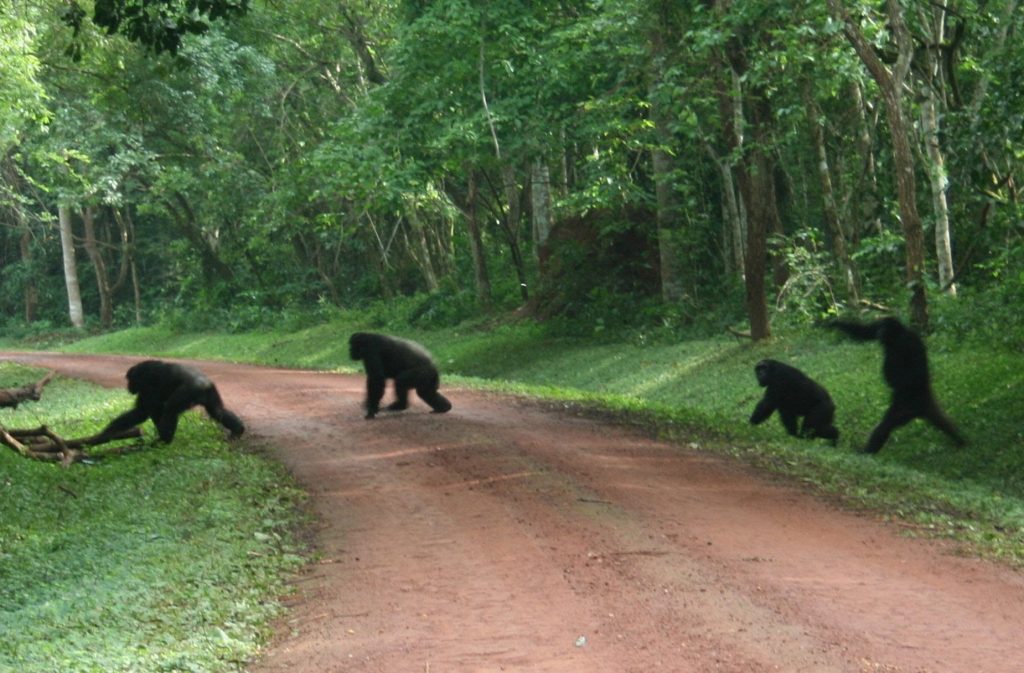
Among Budongo’s most celebrated experiences is chimpanzee tracking, an activity that brings travelers face-to-face with humanity’s closest relatives. The forest is home to one of Uganda’s largest populations of wild chimpanzees, and encountering them is a moment that transcends ordinary adventure.

The experience is curated with precision. Guided by trained experts, travelers move along trails where rustling leaves, distant calls, and the occasional breaking of branches signal the presence of chimpanzees. Each step becomes a dialogue with the forest, where patience is rewarded with moments of connection. When the chimps finally appear — playing in groups, grooming each other, or swinging gracefully between branches — the encounter is profound. Their behaviors mirror human life in ways that are both humbling and inspiring, sparking reflections on kinship and conservation.

For luxury travelers, this moment is heightened by exclusivity. Smaller, private groups ensure intimacy and minimize intrusion, allowing the experience to unfold naturally. The emphasis is not on rushing through but on lingering in the presence of these creatures, observing, absorbing, and connecting. Chimpanzee tracking in Budongo is not only an adventure; it is a meditation on the shared narrative of life on Earth.Budongo Forest Day Trip: Ultimate Checklist for luxury travelers

Beyond the Chimps — Discovering the Layers of Budongo

While chimpanzees capture much of the attention, Budongo Forest holds layers of experiences waiting to be discovered. The forest itself is a living museum of biodiversity. Towering mahoganies, some centuries old, create cathedral-like spaces where sunlight filters through in golden streams. Birdlife flourishes here, with over 350 recorded species filling the canopy with song. For the keen observer, every turn of the path reveals something extraordinary — a flash of color from a kingfisher, the distant drumming of a woodpecker, or the silent glide of a butterfly.

Luxury travelers often find joy in these subtler encounters, appreciating not only the grandeur of iconic wildlife but also the quiet details that complete the forest’s tapestry. Guided walks provide interpretive narratives, where local experts share insights into the ecology, medicinal uses of plants, and the intricate balance that sustains this ecosystem. This deeper understanding elevates the experience from mere sightseeing to a profound journey of learning and connection.

The Luxury of Stillness — Reflective Moments in Nature

Budongo Forest offers more than activity; it provides the luxury of stillness. Amidst the towering trees and symphony of life, travelers find moments of profound peace. For luxury travelers accustomed to fast-paced lives, this stillness is not absence but presence — the presence of nature’s rhythm, uninterrupted by human urgency.

Secluded clearings within the forest provide spaces where one can pause, breathe deeply, and listen. The experience of sitting quietly, surrounded by towering trunks and the distant calls of wildlife, becomes a form of natural meditation. It is here that the true meaning of luxury is redefined — not as opulence or excess, but as access to moments so rare and authentic they cannot be replicated elsewhere.

Fine Dining in the Wild — The Culinary Dimension

Luxury travel is incomplete without culinary indulgence, and even in a forest day trip, this aspect is not overlooked. Thoughtfully curated meals, often blending international flavors with Ugandan freshness, become part of the journey. Private picnic set-ups in carefully chosen forest clearings or riverside locations transform dining into an experience of elegance.

Fresh tropical fruits, locally sourced ingredients, and the craftsmanship of skilled chefs elevate each meal into an event. The juxtaposition of fine dining against the raw backdrop of the forest creates a memory where taste and place intertwine. A glass of wine savored beneath mahogany canopies, accompanied by the distant chatter of chimpanzees, becomes an experience impossible to recreate in any urban setting.

Conservation and Luxury — A Responsible Balance

One of the defining qualities of luxury travel in the modern age is responsibility. Travelers no longer seek indulgence alone; they also desire to contribute positively to the places they visit. Budongo Forest offers this balance seamlessly. Its chimpanzee population and wider biodiversity are protected through carefully managed tourism that prioritizes conservation.

By visiting, luxury travelers become part of this narrative, their presence contributing to the financial support that sustains the forest. Conservation fees ensure that the delicate balance between tourism and preservation is maintained. For many travelers, this adds a profound layer of meaning to their experience — knowing that their journey contributes to safeguarding the forest for future generations.

The Departure — Leaving but Not Forgetting

As the day draws to a close and travelers prepare to leave Budongo, the departure is not marked by finality but by reflection. The return journey carries with it more than physical fatigue; it holds the weight of new memories, impressions, and a deeper connection to Uganda’s soul.

The forest, with its grandeur and intimacy, leaves an imprint that lingers. For the luxury traveler, this is not just another destination checked off a list but an encounter that reshapes perspectives. Budongo becomes a reminder of nature’s majesty and the delicate balance that sustains life. The departure is softened by the knowledge that though one leaves the forest physically, its spirit continues to reside within.

Why Budongo Belongs on Every Luxury Itinerary

Budongo Forest is not merely an optional excursion but an essential chapter in the story of luxury travel through Uganda. It embodies the ideals of refined adventure — where exclusivity, authenticity, and natural grandeur converge. A day trip here enriches broader itineraries that may include gorilla trekking in Bwindi, boat safaris on the Nile, or wildlife drives in Queen Elizabeth National Park.

For honeymooners, families, or solo travelers seeking elegance, Budongo offers the balance of activity and reflection. It is not only about what is seen but about how it is felt, making it an experience that resonates long after it concludes.

Explore with WildHorn Africa

For those who aspire to explore Budongo Forest in the truest spirit of luxury, the guidance and expertise of WildHorn Africa are invaluable. Renowned for crafting bespoke itineraries across East Africa, WildHorn Africa ensures that every detail — from transport and guides to dining and accommodation — is handled with precision and elegance.

Through their curated services, a Budongo Forest day trip becomes not just a visit but a transformative journey, seamlessly integrated into broader safaris that encompass Uganda’s most iconic treasures. By booking through WildHorn Africa, luxury travelers secure the assurance that their adventure will not only meet expectations but surpass them, leaving them with stories that define a lifetime.

Ultimate Checklist for luxury escape in Kibale National Park for first-time visitors

Ultimate Checklist for luxury escape in Kibale National Park for first-time visitors

By Travel stories and blogs, Bucket list holidays, Luxury holidays, Primate holidays, Safari holidays, Uganda travel guides

Ultimate Checklist for Luxury Escape in Kibale National Park for First-Time Visitors

The Gateway to Primate Paradise

When the imagination conjures visions of Africa’s rainforests, it often paints landscapes teeming with mystery, vibrancy, and life that feels older than time itself. In Uganda, that vision becomes reality in Kibale National Park, a destination that continues to captivate both seasoned adventurers and those arriving for the very first time. Known globally as the “Primate Capital of the World,” Kibale is home to the largest concentration of chimpanzees in East Africa and a staggering diversity of other primates and wildlife.

For the first-time luxury traveler, Kibale offers not only the thrill of tracking wild chimpanzees but also the elegance of refined lodges, wellness retreats, and curated experiences that transform an ordinary safari into a life-changing escape. Yet stepping into this world for the first time requires more than excitement. It calls for preparation, knowledge, and an appreciation of both the challenges and privileges of entering such an extraordinary wilderness.

This ultimate checklist has been created to guide the first-time luxury visitor through every dimension of Kibale National Park — from understanding its ecology and timing a visit to exploring its wildlife, culture, and refined accommodations.

Kibale National Park — A Jewel of Biodiversity

Located in western Uganda, Kibale National Park spans 795 square kilometers of diverse habitats. From lowland tropical forests to grasslands and swamps, its landscapes provide sanctuary for an astonishing array of species. Beyond its reputation for chimpanzees, the park is home to more than 13 primate species, including red colobus monkeys, L’Hoest’s monkeys, and the grey-cheeked mangabey.

Birdlife flourishes here too, with more than 370 bird species, making Kibale one of the most rewarding destinations for ornithologists and casual birders alike. Forest elephants, buffalo, antelopes, and countless smaller mammals add further depth to its ecosystem.

For first-time visitors, the initial impression of Kibale is overwhelming in its richness. Towering trees form dense canopies, while the air resonates with the calls of unseen creatures. The sense of stepping into an ancient, living cathedral is immediate and unforgettable.Ultimate Checklist for luxury escape in Kibale National Park for first-time visitors

The Central Experience — Chimpanzee Tracking

While Kibale dazzles with biodiversity, its greatest allure lies in the chimpanzee tracking experience. Over 1,500 chimpanzees inhabit the park, with several groups habituated for tourism. Tracking begins at dawn, guided by expert rangers who interpret sounds, tracks, and subtle signs that lead travelers deep into the forest.

For first-time luxury travelers, the thrill of the encounter is unparalleled. To stand within meters of chimpanzees grooming, feeding, or playing is to witness reflections of our own humanity in their gestures, social bonds, and intelligence. The hour spent in their presence feels suspended in time, a reminder of the profound kinship between humans and these extraordinary primates.

Luxury elevates this experience by ensuring exclusivity and comfort. Private guides, customized treks, and specialized briefings allow travelers to immerse themselves without distraction. Lodges often complement the trek with wellness treatments and gourmet meals, ensuring the adventure ends not in exhaustion but in celebration.

Timing Your Visit — Seasons in Kibale

First-time visitors often ask when the best time is to explore Kibale. The answer lies in Uganda’s tropical climate, which presents both dry and wet seasons.

The dry seasons — from December to February and June to September — are the most popular. Trails remain firm, skies are clearer, and chimpanzee tracking becomes easier. For first-timers, these months provide the most accessible introduction to the forest, minimizing logistical challenges.

The wet seasons, from March to May and October to November, bring heavier rains. Trails can be slippery, and treks demand more endurance. Yet these months also hold unique rewards: the forest is greener, birdlife is particularly abundant, and there are fewer visitors. For those who value intimacy and atmosphere, the wet seasons provide luxury in the form of exclusivity.

In 2025 and beyond, the timing of a visit should be matched to personal preferences — ease of trekking or depth of solitude, vibrancy of activity or richness of atmosphere.

Luxury Lodges — Sanctuaries of Refinement

Kibale’s allure is not confined to its forests. Surrounding the park are some of Uganda’s most exquisite luxury lodges, which frame the wilderness with comfort and elegance.

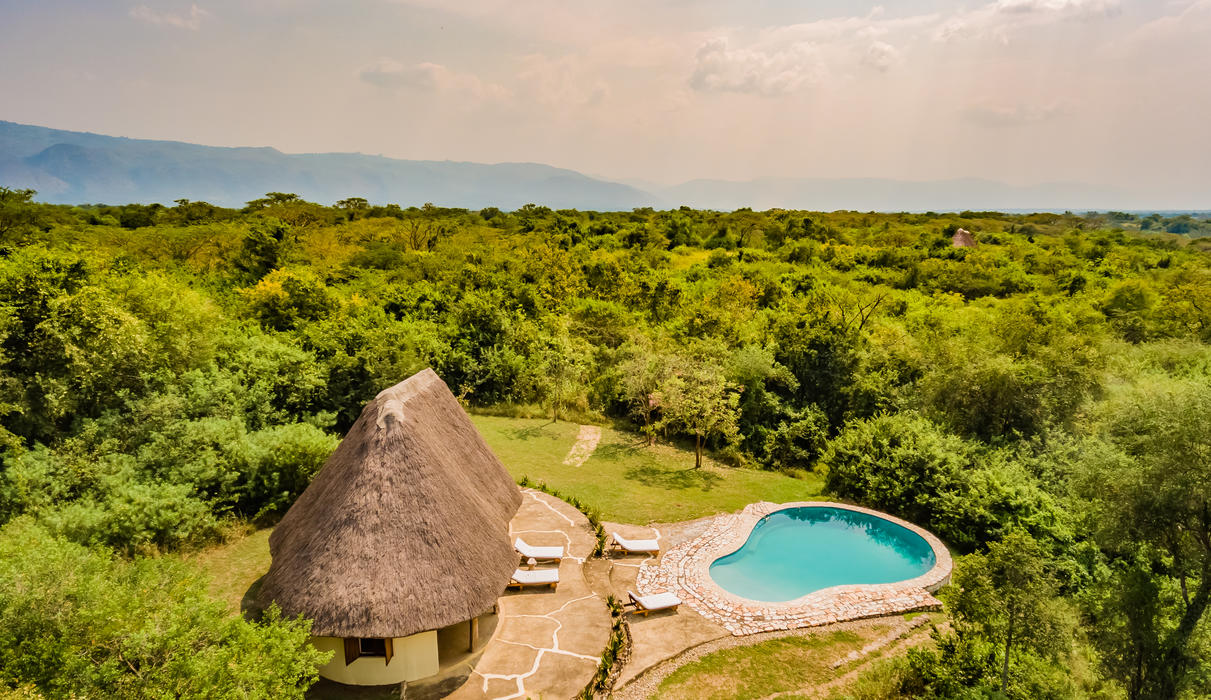
These lodges often sit on private estates, overlooking crater lakes, valleys, or forest edges. Architecture draws on natural materials, blending seamlessly with the landscape. Interiors balance rustic charm with world-class amenities: spacious suites, open decks, infinity pools, and spa sanctuaries that invite relaxation after days of adventure.

Cuisine is another highlight. Menus celebrate Uganda’s organic produce, from fresh tropical fruits to locally sourced meats and vegetables, often presented with international flair. Dining may unfold under starlit skies, beside a fire, or in intimate private settings.

For first-time luxury travelers, these lodges provide the perfect balance: immersion in wild landscapes paired with the assurance of refined comfort. Each evening becomes a retreat into serenity, while each morning begins with anticipation of new discoveries.

Preparing for the Trek — Essentials for First-Time Visitors

For many first-timers, the prospect of chimpanzee tracking raises questions about readiness. Kibale’s trails can be demanding, with uneven ground, steep climbs, and dense vegetation. Proper preparation ensures the trek becomes an adventure rather than a challenge.

Physical fitness plays a role. Moderate endurance is recommended, as treks can last from two to six hours depending on the chimpanzees’ movements. Dressing appropriately is equally important. Lightweight, long-sleeved clothing protects against insects and vegetation. Sturdy hiking boots ensure stability on uneven trails, while rain jackets are essential given the forest’s unpredictable weather.

Luxury travelers often benefit from concierge services at lodges, where essentials such as walking sticks, packed lunches, and even porters are arranged in advance. This attention to detail allows first-time visitors to focus entirely on the experience rather than logistics.

Beyond Chimpanzees — Expanding the Kibale Experience

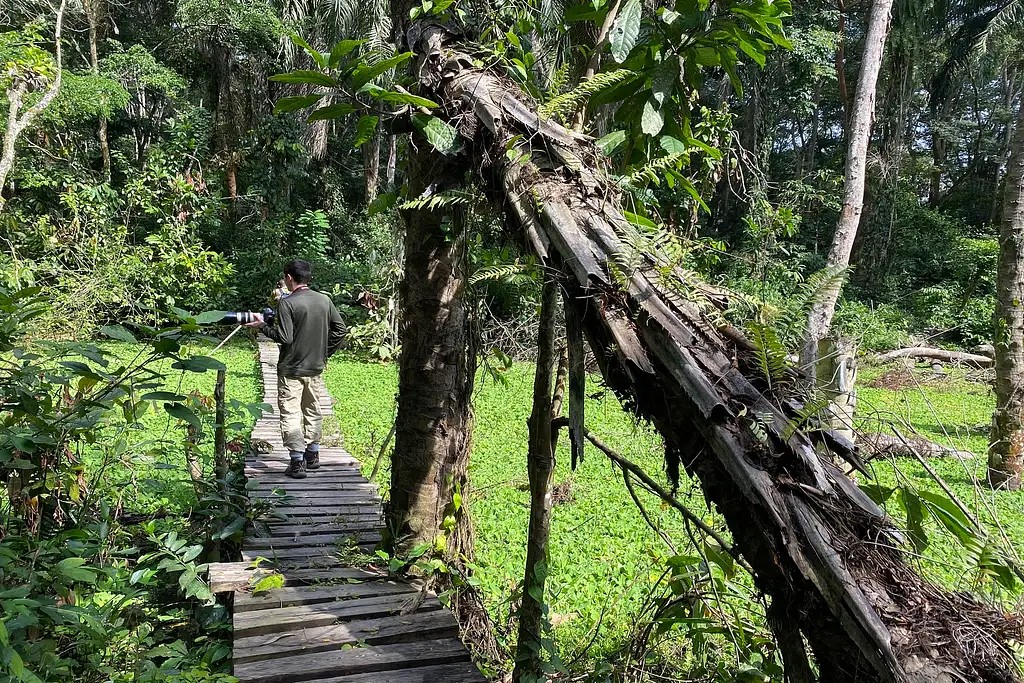
While chimpanzees are the centerpiece, Kibale offers a wealth of additional experiences that first-time travelers should not overlook. The Bigodi Wetland Sanctuary, located just outside the park, provides extraordinary opportunities for birding, primate viewing, and cultural encounters. Walking through its boardwalks and trails reveals species such as the great blue turaco and numerous monkeys in their natural habitats.

Nature walks within the park allow deeper immersion into the forest’s rhythms. From exploring nocturnal species on guided night walks to hiking longer trails that reveal waterfalls and hidden clearings, these activities extend the narrative beyond chimpanzees.

For luxury travelers, personalized itineraries often combine Kibale with other destinations such as Queen Elizabeth National Park or the crater lakes region, creating a journey that balances primate encounters with savannah wildlife and tranquil landscapes.

Cultural Connections — Meeting the People of Kibale

First-time visitors should also engage with the cultural richness surrounding Kibale. The Batooro and Bakiga communities inhabit the region, their traditions reflected in music, dance, and storytelling. Local initiatives, often supported by tourism, allow travelers to visit villages, taste traditional cuisine, and witness crafts such as basket weaving and pottery.

Luxury itineraries emphasize authenticity and respect, ensuring these encounters are not staged performances but genuine exchanges. For many first-time travelers, such interactions provide balance, reminding them that Kibale’s heritage is as much cultural as ecological.

Wellness in the Wilderness

For the luxury traveler, Kibale is not only about adventure but also about wellness. The forest itself becomes a sanctuary for the spirit. The clean air, natural soundscape, and unhurried pace provide therapeutic benefits that extend beyond the physical.

Lodges enhance this with spa treatments inspired by local botanicals, yoga sessions overlooking crater lakes, and meditative spaces where solitude becomes luxury. For first-time visitors, these elements ensure the journey is restorative as well as adventurous, offering balance between physical effort and spiritual renewal.

Conservation and Responsibility

Ultimate Checklist for luxury escape in Kibale National Park for first-time visitorsNo checklist would be complete without acknowledging the responsibility of travel in Kibale. Tourism here plays a direct role in conservation. Permit fees and lodge revenues support anti-poaching patrols, habitat preservation, and community development projects.

For first-time luxury travelers, awareness of this impact deepens the experience. Knowing that one’s presence contributes to the survival of chimpanzees and the empowerment of local communities transforms indulgence into purpose. Luxury, in this context, is not defined by excess but by contributing to legacies that endure.

Photography and Memory-Making

First-time visitors often arrive eager to capture the beauty of Kibale. Photography here requires patience and skill, especially when attempting to photograph chimpanzees in dense forest. Light filters unpredictably through the canopy, and movement is constant. Guides often assist by pointing out angles and predicting behavior, helping travelers secure remarkable shots.

Yet beyond images, the most profound memories lie in the intangible: the sound of chimpanzees drumming on buttress roots, the sudden flash of a turaco’s wings, the stillness of the forest after rain. For first-timers, the challenge is not only to document but to remain present, allowing the forest to impress itself on memory as much as on film.

Crafting the Itinerary — The First-Time Balance

For first-time luxury visitors, the ideal Kibale itinerary balances exploration and relaxation. Days begin with treks or guided walks, unfold with cultural or birding excursions, and conclude with wellness rituals at lodges. Timing is crucial, ensuring that the intensity of primate tracking is complemented by the calm of spa treatments, gourmet dining, or leisurely exploration of crater lakes.

Luxury operators specialize in crafting such itineraries, ensuring that first-time visitors are neither overwhelmed nor underwhelmed. The emphasis is always on pacing, allowing the forest to reveal itself gradually, like chapters in a story.

The Legacy of a First Visit

For first-time visitors, a journey into Kibale is more than a holiday. It is a profound initiation into the mysteries of Africa’s rainforests. It is the thrill of locking eyes with a wild chimpanzee, the wonder of hearing bird calls in predawn light, and the serenity of reflecting in a luxury lodge as mist rises from crater lakes.

The legacy of such a visit is enduring. For many, Kibale becomes the beginning of a lifelong relationship with Africa’s wild places, sparking a desire to return again and again. For others, it is a singular pilgrimage — one that reshapes perspectives on nature, conservation, and luxury itself.

Curated Journeys with WildHorn Africa

For first-time luxury travelers ready to embrace the wonders of Kibale National Park, WildHorn Africa provides the expertise to craft unforgettable escapes. With bespoke itineraries, access to the most refined lodges, and expert guides, WildHorn Africa ensures that every moment is elevated from ordinary to extraordinary.

Their commitment to conservation and cultural respect ensures that luxury is experienced responsibly. From securing chimpanzee permits to arranging wellness retreats, WildHorn Africa transforms the first-time visit into a story of elegance, adventure, and purpose.

In 2025, Kibale awaits with its primate treasures, forested sanctuaries, and cultural soul. And with WildHorn Africa, the first-time traveler is assured that every detail will reflect the true essence of luxury — not only in comfort but in meaning.

Unique Safari Lodges in Semuliki National Park

Unique Safari Lodges in Semuliki National Park

By Travel stories and blogs, Adventure holidays, Honeymoon holidays, Luxury holidays, Primate holidays, Safari holidays, Uganda travel guides, Wildlife holidays

Unique Safari Lodges in Semuliki National Park: A Gateway to Uganda’s Hidden Wilderness

Nestled in the western reaches of Uganda, Semuliki National Park stands as a testament to the country’s rich biodiversity and untamed landscapes. Encompassing approximately 220 square kilometers, this park is the easternmost extension of the vast Ituri Forest of the Congo Basin, making it one of Africa’s oldest and most ecologically significant rainforests. Its unique position offers a blend of Central African flora and fauna, creating a haven for wildlife enthusiasts and photographers alike.

For those seeking an immersive experience, the lodges within and around Semuliki National Park provide more than just accommodation—they offer a gateway to the heart of the wilderness. These establishments are thoughtfully designed to harmonize with the natural surroundings, ensuring minimal environmental impact while delivering unparalleled comfort and service.

Semuliki Safari Lodge: A Sanctuary in the Wild

Overview

Semuliki Safari Lodge is a premier luxury accommodation located within the Toro-Semuliki Wildlife Reserve. Constructed using locally sourced materials, the lodge seamlessly blends traditional African architecture with modern comforts. Its strategic location offers guests direct access to the park’s diverse ecosystems, from dense rainforests to open savannahs.

Accommodation

The lodge boasts eight spacious tented suites, each elevated on wooden platforms to provide panoramic views of the surrounding wilderness. These suites are tastefully furnished with king-sized beds, en-suite bathrooms, and private verandas. The interiors reflect a fusion of rustic charm and elegance, featuring handcrafted furniture and local artworks.

Dining and Amenities

Guests can indulge in gourmet meals at the lodge’s open-air dining area, where dishes are prepared using fresh, locally sourced ingredients. The bar offers a selection of fine wines and spirits, perfect for unwinding after a day of exploration. Additional amenities include a swimming pool, spa services, and a well-stocked library.

Activities

Semuliki Safari Lodge offers a range of activities tailored to nature enthusiasts. Guided game drives provide opportunities to spot the park’s diverse wildlife, including elephants, buffaloes, and various antelope species. Birdwatching excursions are particularly rewarding, with over 400 bird species recorded in the park. Guests can also embark on nature walks, boat trips along the Semuliki River, and cultural visits to nearby Batwa communities.Unique Safari Lodges in Semuliki National Park

Kirimia Guesthouse: A Homely Retreat

Overview

Located near the Kirimia trailhead, Kirimia Guesthouse offers a more intimate and budget-friendly option for travelers. This guesthouse provides basic yet comfortable accommodations, making it ideal for those seeking a closer connection to nature without compromising on essential amenities.

Accommodation

The guesthouse features several self-contained rooms, each equipped with basic furnishings and private bathrooms. While the decor is simple, the rooms are clean and well-maintained, ensuring a restful stay.

Dining and Amenities

Meals are served in a communal dining area, where guests can enjoy home-cooked dishes prepared with locally sourced ingredients. The guesthouse also offers guided walks to the nearby hot springs and forest trails, allowing guests to immerse themselves in the park’s natural beauty.

National Park Bandas and Campsite: Embracing the Outdoors

Overview

Managed by the Uganda Wildlife Authority, the National Park Bandas and Campsite offers a more rustic and adventurous experience for visitors. Situated midway between Sempaya and Ntandi, this facility caters to campers and those preferring a more direct interaction with the environment.

Accommodation

The Bandas are simple, self-contained units that provide basic shelter for guests. For those opting for a more traditional camping experience, the campsite offers designated areas equipped with fire pits and shared facilities. This setup is perfect for travelers looking to experience the park’s wilderness up close.

Activities

Guests can embark on guided walks to the Sempaya hot springs, explore the forest trails, or participate in birdwatching sessions. The proximity to the park’s core areas ensures that visitors have ample opportunities to witness the diverse flora and fauna of Semuliki National Park.

Choosing the Right Lodge for Your Safari

When planning a visit to Semuliki National Park, selecting the appropriate lodge is crucial to ensure a memorable experience. Consider the following factors:

  • Budget: Determine your budget to narrow down accommodation options.

  • Amenities: Identify the amenities that are most important to you, such as Wi-Fi, air conditioning, or spa services.

  • Activities: Choose a lodge that offers activities aligned with your interests, whether it’s birdwatching, game drives, or cultural experiences.

  • Accessibility: Consider the lodge’s proximity to park entrances and key attractions to maximize your time spent exploring.

Immersing Yourself in Semuliki’s Wonders

Semuliki National Park offers a unique blend of natural beauty, rich biodiversity, and cultural heritage. The lodges within and around the park provide diverse options to suit various preferences and budgets. Whether you opt for the luxury of Semuliki Safari Lodge, the homely charm of Kirimia Guesthouse, or the adventurous spirit of the National Park Bandas and Campsite, each accommodation offers a gateway to the park’s wonders.

To ensure a seamless and enriching safari experience, it is advisable to book your accommodation and safari activities through reputable tour operators. WildHorn Africa specializes in crafting personalized African safari experiences, ensuring that your journey through Semuliki National Park is both memorable and transformative.

Semuliki National Park Safari Itinerary Ideas

Semuliki National Park Safari Itinerary Ideas

By Travel stories and blogs, Adventure holidays, Primate holidays, Safari holidays, Uganda travel guides

Semuliki National Park Safari Itinerary Ideas

Semuliki National Park, nestled in the remote Bwamba County of Bundibugyo District in western Uganda, offers an unparalleled adventure experience. Often overshadowed by more renowned parks, Semuliki stands as a testament to Africa’s rich biodiversity and cultural heritage. This park, established in 1993, is a sanctuary for a myriad of species, many of which are rare or endemic to the region. Its significance is underscored by its designation as a UNESCO Biosphere Reserve, highlighting its global ecological importance.

Day 1: Journey to Semuliki National Park

Departure from Kampala

The adventure begins with an early morning departure from Kampala, Uganda’s bustling capital. Travelers embark on a scenic drive through the verdant countryside, passing by the bustling town of Mityana and the serene landscapes of Fort Portal. The journey offers glimpses of rural Ugandan life, with lush plantations and traditional homesteads dotting the landscape. Upon reaching Fort Portal, a brief stop allows for refreshments and a chance to stretch before continuing the journey towards Semuliki.

Arrival and Check-in

Upon arrival at Semuliki National Park, guests check into their chosen accommodations. Options range from luxury lodges to more modest guesthouses, each offering a unique experience. The lodges are strategically located to provide easy access to the park’s main attractions, ensuring that guests can immerse themselves in the natural beauty and tranquility of the area.

Evening Game Drive

As dusk falls, guests embark on a guided night game drive. Equipped with spotlights, the safari vehicle traverses the park’s trails in search of nocturnal wildlife. This is an opportunity to observe species that are elusive during daylight hours, such as leopards, bush babies, and various nocturnal birds. The night air is filled with the sounds of the forest, creating an atmosphere of mystery and excitement.

Day 2: Exploration of Semuliki’s Wonders

Morning Chimpanzee Trekking

The day begins with an early breakfast before heading to the park’s headquarters for a briefing on chimpanzee trekking guidelines. Accompanied by experienced guides, guests venture into the forest in search of chimpanzee troops. The trek offers insights into the behavior and social structures of these intelligent primates, as well as the opportunity to observe other wildlife and plant species that inhabit the forest. The dense canopy and rich biodiversity make each moment in the forest a discovery.

Afternoon Game DriveSemuliki National Park Safari Itinerary Ideas

After a leisurely lunch, guests embark on an afternoon game drive. The park’s diverse habitats support a wide range of wildlife, including forest elephants, buffaloes, and various antelope species. Bird enthusiasts will find delight in the park’s avian diversity, with over 400 bird species recorded, including the rare hornbills and the elusive shoebill stork. The game drive offers ample opportunities for photography and wildlife observation.

Visit to Sempaya Hot Springs

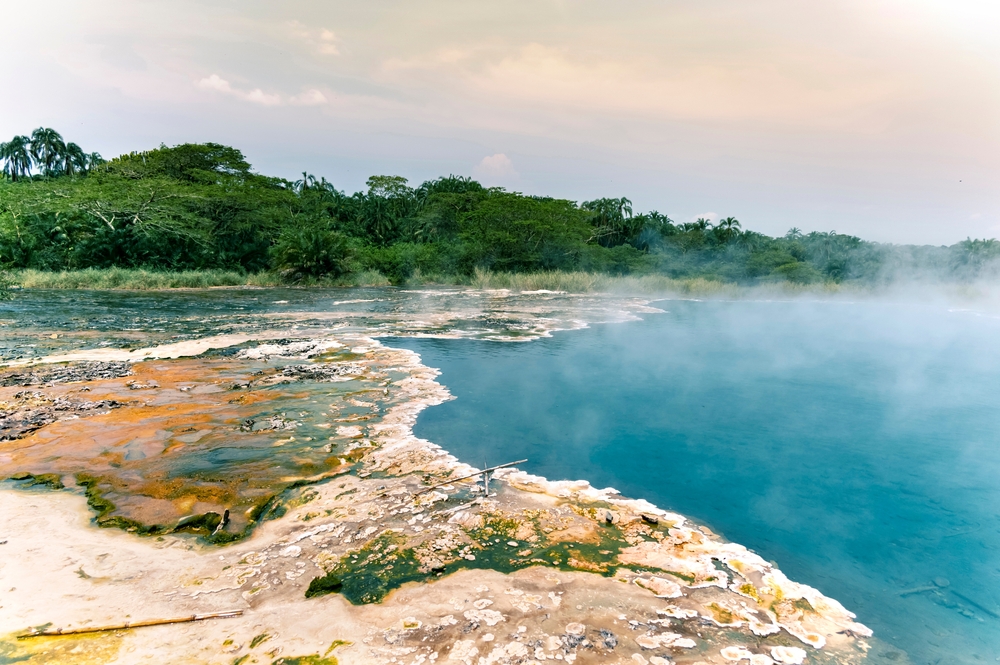
In the late afternoon, a visit to the Sempaya Hot Springs is scheduled. The hot springs are a geological wonder, with boiling geysers that shoot steam and hot water into the air. The male spring, Bintente, has a diameter of 12 meters, while the female spring, Nyasimbi, is a boiling geyser that can reach temperatures of up to 103°C. Local traditions involve cooking food in the hot springs, adding a cultural dimension to the visit.

Day 3: Cultural Immersion and Departure

Batwa Cultural Experience

The final day offers a cultural immersion experience with the Batwa community. The Batwa, often referred to as the “Pygmies,” are indigenous people who have historically lived in the forests. Visitors have the opportunity to learn about their traditional lifestyles, including hunting techniques, medicinal plant knowledge, and cultural rituals. This interaction provides a deeper understanding of the human connection to the forest and the challenges faced by indigenous communities in a changing world.

Return Journey

After the cultural experience, guests begin their journey back to Kampala. The drive retraces the scenic route, offering a final opportunity to absorb the landscapes and rural life of western Uganda. Upon arrival in Kampala, the safari concludes, leaving guests with memories of a unique and enriching adventure.

Extended Itinerary Options

4-Day Safari: Deeper Exploration

For those seeking a more in-depth experience, a 4-day safari allows for additional activities and relaxation. The extra day can be utilized for extended game drives, additional cultural interactions, or simply unwinding at the lodge. This extended itinerary provides a more leisurely pace, ensuring that guests can fully immerse themselves in the park’s offerings.

5-Day Safari: Combination with Kibale National Park

A 5-day safari combines the wonders of Semuliki with the primate-rich Kibale National Park. After exploring Semuliki, guests travel to Kibale for chimpanzee trekking and a visit to the Bigodi Wetland Sanctuary. This combination offers a diverse range of experiences, from forest treks to wetland birdwatching, enriching the overall safari experience.

Semuliki National Park offers a unique blend of wildlife, culture, and natural beauty, making it a must-visit destination for adventurous travelers. Whether on a short 3-day itinerary or an extended safari, visitors are guaranteed an enriching experience that connects them with the heart of Africa.

For those planning to explore the wonders of Semuliki and beyond, consider booking your Africa tours and safaris through WildHorn Africa. Their expert guides and tailored itineraries ensure that your journey through Uganda’s natural treasures is both seamless and memorable.

Primate Tracking in Semuliki National Park

Primate Tracking in Semuliki National Park

By Travel stories and blogs, Adventure holidays, Primate holidays, Safari holidays, Uganda travel guides, Wildlife holidays

Primate Tracking in Semuliki National Park. Into the Realm of the Forest Dwellers

At the heart of Uganda’s western frontier, nestled between the Rwenzori Mountains and the Congo Basin lowlands, lies a world where time seems untouched by modern rhythms—Semuliki National Park. This is a sanctuary where the whisper of the rainforest, the rush of the Semuliki River, and the distant calls of unseen creatures create an atmosphere unlike any other. Though widely celebrated as Uganda’s birding paradise, Semuliki is equally revered for a different yet equally thrilling adventure—primate tracking.

With over eight primate species inhabiting its dense rainforests, Semuliki offers one of the most immersive encounters with some of humanity’s closest relatives. To walk under the towering canopy, hearing rustles above and catching fleeting glimpses of fur and tails, is to step into a timeless drama of survival, play, and coexistence. Every tracking experience unfolds differently, shaped by the forest’s moods, the animals’ behaviors, and the patience of the tracker.

Primate tracking in Semuliki is not merely an excursion; it is a journey into the heart of Africa’s living heritage, where every encounter tells a story of adaptation, intelligence, and ecological balance.

The Unique Setting of Semuliki for Primate Encounters

A Distinctive Rainforest Environment

Unlike most of Uganda’s protected forests, Semuliki is an extension of the Ituri Rainforest of the Democratic Republic of Congo. This gives it a lowland tropical rainforest ecosystem rarely found elsewhere in East Africa. The park’s altitude, between 670 and 760 meters above sea level, creates a warm, humid climate that supports an array of species more typical of Central Africa than Uganda.

The dense vegetation, interspersed with swampy areas and riverine habitats, provides an ideal home for primates. The tall trees offer fruiting canopies, while the understory shelters insectivorous species. The ecological diversity ensures that primates of different diets and habits thrive within the same environment, making Semuliki a hotspot for tracking opportunities.

A Crossroads of Biodiversity

Semuliki is a biological crossroads, where East and Central African species overlap. This results in a primate community that reflects extraordinary variety. For travelers, this means the chance to encounter not only the familiar faces of Uganda’s monkeys but also species rarely seen in other parks.

The Primates of Semuliki National Park

Olive Baboons

The olive baboon is among the most conspicuous primates in Semuliki. Large troops roam the forest edges and savanna fringes, recognizable by their expressive faces and social dynamics. Observing baboons is always fascinating, as their behavior mirrors complex hierarchies, grooming rituals, and playful antics. Their adaptability allows them to thrive in both open and forested areas, often offering some of the most accessible sightings for trackers.

Red-tailed Monkeys

The red-tailed monkey, with its striking chestnut-red tail and white facial markings, is one of the most elegant species of Semuliki. Agile and arboreal, these monkeys are frequently seen leaping between branches in search of fruits, seeds, and insects. They often form mixed-species troops with other monkeys, enhancing the spectacle for trackers who may encounter multiple species at once.

Black-and-white Colobus Monkeys

The black-and-white colobus is among the most iconic primates of African forests. Their long, flowing white mantles and tails make them visually striking against the green canopy. These leaf-eating specialists are quieter than other monkeys, often resting in groups high in the trees. Tracking them requires patience, but the reward is the chance to watch their graceful movements and social bonds.Primate Tracking in Semuliki National Park

Grey-cheeked Mangabeys

The grey-cheeked mangabey is another highlight for trackers. Known for their loud whooping calls, these monkeys are highly active and move in sizable troops. Their playful, curious nature makes them particularly engaging to observe, as they forage for fruits and seeds in the mid-levels of the forest.

De Brazza’s Monkeys

Among the rarer species in Semuliki, the De Brazza’s monkey is distinguished by its white beard and orange crown. Often shy and elusive, they are found near swampy areas and along the river. Their cryptic behavior means that sightings are considered a special reward for trackers who dedicate time to quieter, patient observation.

Vervet Monkeys

The vervet monkey thrives in more open woodland habitats within the park. Their adaptable nature makes them common, but their social interactions and playfulness continue to fascinate trackers. Vervets are excellent indicators of predator presence, often raising alarm calls that ripple across the forest when danger is near.

Pottos

While less conspicuous than diurnal species, the potto adds a nocturnal dimension to primate tracking in Semuliki. These slow-moving, nocturnal primates are often observed during night walks, clinging to branches and hunting insects. Their large eyes and deliberate movements make them particularly memorable for those fortunate enough to encounter them under torchlight.

Chimpanzees of Semuliki

Although not as habituated as in Kibale or Budongo, small populations of chimpanzees inhabit Semuliki. Their presence is often indicated by calls, distant drumming, or nests seen in trees. Spotting chimps in Semuliki is more challenging due to the dense forest, but the possibility adds a layer of excitement to every tracking expedition. For researchers and dedicated trackers, the chance to glimpse these great apes in such a raw, unspoiled environment is profoundly moving.

The Experience of Primate Tracking

Preparation and Guidance

Primate tracking in Semuliki begins with guidance from experienced rangers and local trackers. These individuals, deeply familiar with the forest, interpret subtle signs—fresh droppings, broken branches, distant calls—to lead visitors toward active groups. Their expertise transforms the experience, ensuring that each walk becomes both an educational journey and an adventure.

The Rhythm of the Forest

Tracking primates is as much about embracing the rhythm of the forest as it is about the animals themselves. Mornings often begin with a chorus of calls, signaling the start of activity. As the sun rises, monkeys become more visible, feeding, grooming, and playing. Midday often brings quieter periods, while evenings again resonate with activity as primates settle into resting sites.

The unpredictability of the encounters adds to the allure. A troop may suddenly emerge above a trail, or a baboon group may be found foraging in an open clearing. Patience, attentiveness, and respect for the forest’s pace are essential elements of the experience.

An Immersive Encounter

Unlike safari game drives, primate tracking requires travelers to move on foot, becoming part of the forest. The sounds, smells, and textures of the environment become central to the experience. The rustle of leaves, the scent of damp earth, and the sight of monkeys swinging overhead create an immersion that is both sensory and emotional. Each encounter feels personal, as if stepping briefly into the world of creatures who have thrived here for millennia.

The Role of Primate Tracking in Conservation

Primate tracking in Semuliki carries profound conservation significance. By attracting eco-conscious visitors, the activity generates revenue that supports the protection of the forest and its inhabitants. It also provides employment for local communities, reducing pressures on the forest from unsustainable practices.

Moreover, the presence of tourists underscores the value of primates as living treasures, fostering a culture of conservation among both locals and international visitors. Each successful tracking expedition becomes part of a broader effort to ensure that Semuliki’s primates continue to thrive in their natural habitats.

Cultural Dimensions of Primate Tracking

The human presence in and around Semuliki has shaped the ways primates are understood and encountered. The Batwa pygmies and Bamba people have lived alongside the forest’s primates for generations. Their folklore often intertwines with monkey behavior, offering cultural insights that enrich tracking expeditions.

Local guides sometimes share these stories during tracking experiences, adding layers of meaning to encounters. Observing a troop of colobus monkeys becomes more than a wildlife moment; it becomes an entry point into the cultural narratives that bind people and nature together in this region.

Best Time for Primate Tracking in Semuliki

The dry seasons, from December to February and June to August, provide the most favorable conditions for primate tracking. Trails are drier and easier to navigate, making it possible to reach deep into the forest where primates are most active. Visibility is also improved, with less dense foliage and clearer skies.

During the wet seasons, from March to May and September to November, primate tracking remains rewarding but more challenging. The forest becomes slippery and muddy, requiring greater endurance. Yet, the rains also bring fresh growth, abundant fruiting, and heightened primate activity, making sightings more dynamic and behaviorally rich. For those willing to embrace the challenges, the wet season offers some of the most vibrant tracking experiences.

The Emotional Power of Tracking Primates

Primate tracking is not solely about observation; it is about connection. Watching a mother colobus cradle her infant, hearing the playful calls of red-tailed monkeys, or catching sight of a chimpanzee nest evokes profound reflections on the kinship between humans and these intelligent beings.

The experience often leaves visitors with a renewed sense of respect for the delicate balance of ecosystems and the role primates play in them. It is not unusual for travelers to describe their encounters as transformative, reshaping their understanding of nature and their place within it.

A Journey Beyond the Ordinary

Primate tracking in Semuliki National Park is an adventure that transcends the ordinary boundaries of tourism. It is a journey into the dense, mysterious rainforests of western Uganda, where every step reveals a new secret, every sound carries meaning, and every encounter with a primate deepens the bond between humans and nature.

From the boisterous baboons to the elusive De Brazza’s monkey, from the graceful colobus to the shadowy potto, Semuliki offers an extraordinary theater of life that rewards those who seek patience, respect, and curiosity. More than an activity, primate tracking here is a reminder of Africa’s enduring wilderness, of the resilience of its creatures, and of the responsibility humanity bears to protect them.

For those ready to embark on this remarkable experience, it is recommended to plan with trusted experts who understand the rhythm of Africa’s wild places. For a seamless, insightful, and unforgettable safari in Semuliki and across Uganda, travelers are encouraged to book their journeys with WildHorn Africa, a dedicated partner in unveiling the continent’s treasures.

Cultural Tours with the Batwa in Semuliki

Cultural Tours with the Batwa in Semuliki

By Travel stories and blogs, Adventure holidays, Family holidays, Group holidays, Primate holidays, Safari holidays, Uganda travel guides

Cultural Tours with the Batwa in Semuliki. A Journey into the Heart of an Ancient Culture

In the shadow of the Rwenzori Mountains and within the vast green embrace of Semuliki National Park, lies a human story as rich and enduring as the rainforest itself. Beyond the whispers of rustling leaves, the songs of rare birds, and the chatter of playful monkeys, there exists a cultural heartbeat that has pulsed through this land for centuries—the story of the Batwa people. Known as one of Africa’s oldest surviving indigenous groups, the Batwa are more than a community; they are living custodians of traditions, knowledge, and ways of life that are intricately woven into the forests of Semuliki.

To engage in cultural tours with the Batwa is to step into a different dimension of Africa’s heritage. It is to go beyond the safari and beyond the wildlife, into a human experience that reveals how people and forest can exist in profound harmony. Every song, every dance, every shared tale by the fire is a bridge across time, connecting modern travelers with the rhythms of an ancient world.

Semuliki is often celebrated for its wildlife treasures, its primate encounters, and its birding richness. Yet, it is in the cultural immersion with the Batwa that one finds some of the most transformative experiences, where visitors leave not only with memories but with lessons that speak to humanity’s shared origins and resilience.

The Batwa People: Guardians of the Forest

Origins and Identity

The Batwa, sometimes referred to as pygmies, are among the earliest known inhabitants of the Central African forests. Their roots trace back thousands of years, long before national borders and modern societies reshaped Africa’s landscapes. Traditionally, they lived as hunter-gatherers, depending on the forest for food, medicine, and shelter. For them, the forest was not simply a resource but a sacred space, alive with spirits and meaning.

In Semuliki, the Batwa identity remains strongly tied to the forest, even though modern pressures have changed many aspects of their daily lives. They are known for their intimate knowledge of the ecosystem—understanding which plants cure illnesses, which roots are edible, and which paths lead to hidden clearings. This knowledge, passed orally across generations, forms the backbone of their cultural identity.

A Way of Life Intertwined with Nature

The Batwa lived in small, mobile communities, building temporary shelters from leaves and branches. Hunting small game, collecting wild honey, and gathering fruits were part of their survival. Music, dance, and storytelling were equally central, serving as both entertainment and a means of preserving oral history. Every act—from making fire to preparing herbal remedies—was deeply connected to the forest.

Although modern challenges have shifted their lifestyle, cultural tours allow visitors to witness and experience aspects of this heritage firsthand. By engaging with the Batwa, travelers encounter not only a people but a worldview that treats nature as a living companion rather than a resource to be exploited.

The Experience of a Batwa Cultural Tour

A Welcome of Song and Dance

Visitors to the Batwa communities near Semuliki are often welcomed with traditional music and dance. The rhythm of drums, the clapping of hands, and the voices raised in ancient songs create an atmosphere of warmth and celebration. The dances are not merely performances but expressions of identity, echoing rituals once tied to hunting, healing, or celebrating life events.

The participatory nature of these welcomes draws travelers into the experience. Being invited to dance alongside Batwa performers transforms the encounter from observation into shared joy, bridging cultural differences through rhythm and movement.

Storytelling by the Elders

Central to the Batwa experience is the oral tradition of storytelling. Elders recount tales of creation, of the spirits of the forest, and of the animals that share their home. These stories are not only entertaining but also instructional, carrying lessons about respect, bravery, and survival.

For visitors, these moments provide a rare glimpse into the intangible heritage of the Batwa. The cadence of the voices, the fire crackling in the background, and the weight of centuries-old wisdom create a profound sense of connection with a culture that has endured against immense odds.

Demonstrations of Traditional Skills

Cultural tours often include demonstrations of the skills that sustained Batwa communities for generations. Visitors watch as fire is kindled without matches, as herbal medicines are prepared from forest plants, or as hunting techniques are explained. Each skill embodies a deep understanding of the environment, honed over centuries of living in symbiosis with the forest.

The making of crafts, such as baskets or tools, further illustrates the ingenuity of the Batwa. Every item is both functional and symbolic, carrying within it the knowledge of resource use and the artistry of a people connected to their land.

Music as a Language of the Spirit

The Batwa are renowned for their unique music traditions, often performed with wooden flutes, drums, and vocal harmonies that imitate the sounds of the forest. Music plays a vital role in ceremonies, whether to celebrate a successful hunt, to mourn loss, or to invoke blessings from ancestral spirits.

To listen to Batwa music in the setting of Semuliki is to hear an ancient dialogue between people and forest. Visitors often describe these performances as hauntingly beautiful, stirring emotions that transcend cultural and linguistic boundaries.

The Significance of Batwa Cultural Tours

Preserving a Disappearing Heritage

Modern pressures—land disputes, marginalization, and changing lifestyles—have threatened the survival of Batwa traditions. Cultural tours have emerged not only as a way for visitors to experience this heritage but also as a lifeline for the community. The revenue generated from tourism helps sustain cultural practices, support education, and provide health care.

By participating in these tours, travelers become active contributors to the preservation of one of Africa’s most endangered cultures. Each visit affirms that the Batwa’s knowledge and traditions hold value not only for themselves but for humanity at large.

Fostering Cross-Cultural Understanding

Cultural tours with the Batwa are not staged performances but opportunities for genuine exchange. Travelers leave with a deeper appreciation of the resilience, dignity, and wisdom of the Batwa people. At the same time, the Batwa gain recognition and respect for their identity in a world that often overlooks indigenous voices.

This mutual exchange fosters cross-cultural understanding, reminding visitors of the diversity of human existence and the many ways societies can adapt to their environments.Cultural Tours with the Batwa in Semuliki

Challenges Facing the Batwa Today

Displacement and Marginalization

Like many indigenous groups, the Batwa have faced displacement from ancestral lands due to conservation policies and land ownership conflicts. These changes have often forced them into unfamiliar lifestyles, far removed from the forest that shaped their culture. The struggle to retain identity in the face of modern pressures remains a central challenge.

Poverty and Limited Access to Services

Without land and with limited opportunities for employment, many Batwa communities face poverty. Access to education, health care, and social services is often restricted, further deepening their vulnerability. Tourism offers a pathway toward improved livelihoods, but broader structural support remains necessary for long-term stability.

Cultural Erosion in a Modern World

The younger generation of Batwa faces the tension between preserving traditions and adapting to modern society. With increasing integration into mainstream cultures, some elements of Batwa heritage risk being lost. Cultural tours help counter this erosion by creating spaces where traditions are practiced, celebrated, and valued.

The Role of Semuliki in Cultural Tourism

Semuliki National Park is uniquely positioned to highlight Batwa culture. Unlike other parks that focus primarily on wildlife safaris, Semuliki combines natural wonders with human stories. The presence of the Batwa near the park offers travelers the rare chance to experience both biodiversity and cultural diversity in a single journey.

The park’s management, in collaboration with local communities, has recognized the value of cultural tourism as part of its broader mission. By integrating Batwa experiences into the visitor experience, Semuliki demonstrates how conservation and culture can coexist in ways that benefit both people and environment.

Best Time for Cultural Tours with the Batwa

Cultural tours with the Batwa can be enjoyed throughout the year. However, the experience often blends with other activities in Semuliki, such as wildlife viewing or primate tracking, which are most favorable during the dry seasons from December to February and June to August. During these times, access to Batwa communities is easier, with less disruption from heavy rains.

The wet seasons, while more challenging, provide an equally rewarding experience, as the lushness of the forest amplifies the authenticity of the cultural setting. Regardless of the season, the heart of the experience remains unchanged—the chance to encounter the living heritage of the Batwa.

The Transformative Power of Cultural Immersion

Cultural tours with the Batwa in Semuliki often leave visitors profoundly moved. To witness the resilience of a people who have endured centuries of change yet maintained their identity is to encounter the very essence of human strength. The experience transcends tourism, becoming a journey of reflection and understanding.

Travelers return home with more than photographs; they return with stories, lessons, and a renewed sense of connection to humanity’s shared heritage. The Batwa remind us that progress need not erase tradition and that ancient ways of life hold wisdom that modern societies still desperately need.

An Invitation to Experience Living Heritage

Cultural tours with the Batwa in Semuliki National Park are not ordinary excursions. They are encounters with history, resilience, and the spirit of a people who remain deeply tied to the natural world. To share in their songs, to listen to their stories, and to witness their skills is to experience a living heritage that is both fragile and profound.

By choosing to engage with the Batwa, travelers not only enrich their own journeys but also contribute to the preservation of a culture that continues to inspire despite immense challenges. These tours are a reminder that Africa’s treasures are not only found in its landscapes and wildlife but also in the communities that keep ancient traditions alive.

For those seeking more than a safari, for those yearning to experience the human heart of Africa, there is no journey more rewarding than immersing oneself in the world of the Batwa. To ensure a seamless, respectful, and meaningful cultural encounter, it is recommended to plan with experts who understand the delicate balance of heritage and tourism. For an unforgettable experience in Semuliki and beyond, travelers are encouraged to book their African tours and safaris with WildHorn Africa, a trusted guide to the continent’s most authentic adventures.

Flora and Fauna of Semuliki Forest Explained

Flora and Fauna of Semuliki Forest Explained

By Travel stories and blogs, Primate holidays, Safari holidays, Uganda travel guides, Wildlife holidays

Flora and Fauna of Semuliki Forest Explained

Semuliki National Park, nestled in the remote Bwamba County of Bundibugyo District in western Uganda, stands as a testament to Africa’s rich biodiversity. Often overshadowed by more renowned parks, Semuliki offers a unique glimpse into a world where nature thrives in its most pristine form. This park, established in 1993, is a sanctuary for a myriad of species, many of which are rare or endemic to the region. Its significance is underscored by its designation as a UNESCO Biosphere Reserve, highlighting its global ecological importance.

Ecological Significance

A Confluence of Biomes

Semuliki’s unique position at the intersection of the Guinea-Congo and East African biomes results in a rich tapestry of flora and fauna. This convergence has led to the park hosting species that are typically found in Central Africa, making it a critical area for biodiversity conservation. The park’s landscape is characterized by flat to gently undulating terrain, with elevations ranging from 670 to 760 meters above sea level. This topography, combined with an average annual rainfall of 1,500 mm, creates ideal conditions for the thriving ecosystems within.

Rainforest Ecosystem

As East Africa’s only lowland tropical rainforest, Semuliki’s vegetation is predominantly medium-altitude moist evergreen to semi-deciduous forest. The dominant tree species is the Uganda ironwood (Cynometra alexandri), which forms the backbone of the forest structure. Interspersed among these are various other tree species, including swamp forest communities, which contribute to the park’s rich plant diversity. The forest’s dense canopy and layered understory provide habitats for a multitude of species, both flora and fauna.

Flora of Semuliki Forest

Tree Species Diversity

Semuliki boasts over 331 recorded tree species, with 24 considered restricted and three endangered. This diversity is a testament to the park’s ecological richness and the variety of habitats it supports. Notably, the forest is home to several endemic plant species, including seven flowering plants that are unique to the region. These species contribute to the park’s status as a biodiversity hotspot and underscore the importance of its conservation.

Epiphytes and Understory Flora

The forest floor and understory are rich in epiphytic plants, including orchids, ferns, and mosses. These plants play a crucial role in the ecosystem by contributing to nutrient cycling and providing food and shelter for various organisms. The dense vegetation also supports a variety of insect species, which in turn serve as food sources for higher trophic levels.

Medicinal and Cultural Plants

Beyond their ecological roles, many plant species in Semuliki have cultural and medicinal significance for the local communities. The indigenous Basua people, for instance, have a deep knowledge of the forest’s plant life, using various species for traditional medicine, rituals, and daily sustenance. This symbiotic relationship between the forest and its human inhabitants highlights the intertwined nature of cultural heritage and biodiversity.

Fauna of Semuliki Forest

Mammals

Semuliki is home to over 60 mammal species, including forest elephants, leopards, hippos, and various antelope species. The forest elephants (Loxodonta cyclotis) are particularly notable, being smaller and more elusive than their savanna counterparts. Other significant mammal species include the African buffalo, pygmy flying squirrel, and various species of duikers, such as the bay duiker (Cephalophus dorsalis). These mammals play vital roles in the ecosystem, from seed dispersal to maintaining the balance of predator-prey relationships.

Primates

The park is a haven for primate enthusiasts, hosting nine species. These include the red-tailed monkey, vervet monkey, and the elusive chimpanzee (Pan troglodytes). The presence of these primates underscores the forest’s ecological health and provides opportunities for research and conservation efforts. Chimpanzees, in particular, are of significant interest due to their intelligence and complex social structures.

Birds

Semuliki is a birdwatcher’s paradise, with over 441 recorded bird species, representing 40% of Uganda’s total bird species and 66% of the forest bird species found in the country. Among these are 35 Guinea-Congo forest biome species, such as the spot-breasted ibis and Hartlaub’s duck, which are rare in East Africa. The park also hosts 12 species with extremely restricted ranges, including the Western bronze-naped pigeon and yellow-throated cuckoo. Additionally, 23 Albertine Rift endemic species have been recorded, adding to its global birding significance.

Insects and Other Invertebrates

The park’s insect diversity is equally impressive, with over 490 species of butterflies alone. This includes 46 species of forest swallowtails and charaxes, representing 75% of Uganda’s total. The abundance of these insects is indicative of a healthy ecosystem, as they serve as pollinators and form the base of the food web for many other species.Flora and Fauna of Semuliki Forest Explained

Aquatic Life

The Semuliki River, which flows through the park, supports a variety of aquatic life. Species such as hippos and crocodiles are commonly found in its waters. The river’s ecosystem is intricately linked to the surrounding forest, with seasonal flooding influencing the distribution and behavior of both aquatic and terrestrial species.

Conservation Efforts and Challenges

Biodiversity Conservation

Semuliki’s rich biodiversity has attracted the attention of conservationists worldwide. Efforts are underway to protect the park’s unique ecosystems through sustainable tourism, research, and community engagement. The Uganda Wildlife Authority (UWA) plays a pivotal role in these initiatives, working closely with local communities and international partners to ensure the park’s long-term preservation.

Human-Wildlife Conflict

Despite conservation efforts, challenges persist. Human-wildlife conflict remains a significant issue, with local communities sometimes coming into conflict with wildlife over resources. Encroachment and illegal activities, such as poaching and logging, also threaten the park’s integrity. Addressing these challenges requires a collaborative approach that balances conservation goals with the needs and livelihoods of local communities.

Climate Change

Climate change poses an emerging threat to Semuliki’s ecosystems. Shifts in rainfall patterns and temperatures can affect species distributions and the timing of biological events, such as flowering and breeding. Monitoring and adaptive management strategies are essential to mitigate these impacts and ensure the resilience of the park’s ecosystems.

Activities and Attractions

Birdwatching

Given its rich avian diversity, birdwatching is a popular activity in Semuliki. The park’s varied habitats provide opportunities to observe a wide range of bird species, from elusive ground thrushes to vibrant hornbills. Guided birding tours are available, offering insights into the park’s birdlife and conservation efforts.

Nature Walks and Trails

Exploring Semuliki on foot allows visitors to immerse themselves in the forest’s sights and sounds. Trails such as the Kirumia Trail offer opportunities to observe wildlife, including primates and butterflies, and to learn about the park’s flora. Night walks are also available, providing a chance to see nocturnal species like bush babies and civets.

Cultural Experiences

Visitors to Semuliki can engage with the local Basua community, gaining insights into their traditional lifestyles and crafts. The Basua people have a deep connection to the forest, and their knowledge and practices offer valuable perspectives on sustainable living and conservation.

Semuliki National Park is a hidden gem in Uganda’s vast array of protected areas. Its unique blend of flora, fauna, and cultural heritage makes it a must-visit destination for nature enthusiasts and conservationists alike. Whether you’re an avid birdwatcher, a wildlife photographer, or someone seeking to connect with nature, Semuliki offers experiences that are both enriching and unforgettable.

For those planning to explore the wonders of Semuliki and beyond, consider booking your Africa tours and safaris through WildHorn Africa. Their expert guides and tailored itineraries ensure that your journey through Uganda’s natural treasures is both seamless and memorable.

Close Menu