search
7-Day Itinerary — Queen Elizabeth National Park eco-lodge reviews for luxury travelers

7-Day Itinerary — Queen Elizabeth National Park eco-lodge reviews for luxury travelers

By Safari holidays, Travel stories and blogs, Uganda travel guides, Wildlife holidays

7-Day Itinerary — Queen Elizabeth National Park Eco-Lodge Reviews for Luxury Travelers

Luxury Meets Sustainability in Uganda’s Safari Heartland

Among the most celebrated landscapes in East Africa, Queen Elizabeth National Park remains a timeless jewel of Uganda’s tourism crown. Spread across diverse ecosystems that range from sweeping savannah to lush wetlands and dense forests, it is a sanctuary where wildlife flourishes and travelers encounter nature in its purest form. Yet, in 2025, luxury travelers are no longer simply seeking spectacular encounters with lions, elephants, and hippos. They desire experiences that merge indulgence with sustainability—a seamless blend of elegance and responsibility.

This is where the park’s eco-lodges come into focus. Scattered across its vast terrain, these properties redefine luxury by integrating environmental stewardship with world-class hospitality. Constructed with natural materials, powered by renewable energy, and staffed by conservation-minded professionals, the eco-lodges in Queen Elizabeth National Park are not merely places to rest but sanctuaries that celebrate harmony between humanity and wilderness.

For luxury travelers, a 7-day itinerary becomes the perfect framework to experience both the park’s iconic attractions and its most distinguished eco-lodges. Over the course of a week, one can traverse different habitats, enjoy unforgettable wildlife experiences, and return each evening to accommodations that inspire both comfort and conscience. What follows is a detailed exploration of such an itinerary, coupled with reviews of the finest eco-lodges that welcome discerning visitors to Queen Elizabeth National Park.

Day 1: Arrival and First Impressions of the Southern Kazinga Channel

The journey into Queen Elizabeth National Park begins with anticipation. Whether arriving by a domestic flight from Entebbe or driving through the scenic countryside of western Uganda, the entrance into the park is a moment of transformation. The landscapes open into wide savannah plains punctuated by acacia trees, while herds of kob and waterbuck roam freely.

Luxury travelers often choose to settle first near the Kazinga Channel, the natural waterway that links Lake Edward and Lake George. Here, eco-lodges are carefully positioned to provide panoramic views of the water and its vibrant wildlife. Constructed from locally sourced wood and stone, these lodges are designed to blend into the environment rather than dominate it. Solar-powered systems ensure that even as guests indulge in modern luxuries, the ecological footprint remains minimal.

The first evening offers an introduction to the park’s soul. As the sun dips below the horizon, families of hippos gather along the banks of the channel, their calls echoing into the night. Guests retreat to open-air dining terraces where gourmet meals prepared with fresh, local ingredients are served under a canopy of stars. This gentle introduction sets the tone for a week where luxury and sustainability intertwine seamlessly.

Day 2: Game Drive on Kasenyi Plains and Eco-Lodge Refinement

The second day begins with an early morning game drive across the Kasenyi Plains, where predators are most active at dawn. Lions patrol in search of prey, while herds of Uganda kob graze across golden grasses. For luxury travelers, the experience is elevated through private safari vehicles, expertly trained guides, and thoughtful touches such as warm beverages served during sunrise.

After a rewarding day of exploration, guests return to their eco-lodges, where the design itself becomes part of the safari. Suites are often elevated on stilts, offering uninterrupted views across the savannah. Interiors combine modern aesthetics with Ugandan artistry—woven textiles, hand-carved furniture, and natural color palettes that echo the earth tones outside.

Reviews from travelers consistently highlight the sense of serenity these lodges cultivate. Unlike traditional hotels, eco-lodges here prioritize privacy and intimacy, ensuring that luxury is not measured by extravagance but by the depth of connection to the landscape. Evenings may be spent in infinity pools reflecting the starlit sky, or in spa sanctuaries where therapies use indigenous herbs known for their restorative qualities.

Day 3: Kazinga Channel Boat Safari and Lakeside Eco-Luxury

The Kazinga Channel, stretching nearly 40 kilometers, is one of the defining features of Queen Elizabeth National Park. A boat safari along its calm waters introduces families of hippos submerged in the shallows, elephants drinking from the banks, and crocodiles basking in the sun. The birdlife is equally remarkable, with pelicans, kingfishers, and the striking African fish eagle appearing in abundance.

Eco-lodges positioned along the channel offer unrivaled access to this spectacle. Constructed with raised decks and open verandas, they allow guests to watch wildlife without leaving their rooms. The lodges are powered by solar grids, and waste management systems are carefully designed to ensure no harm comes to the delicate water ecosystem.

Evening reviews often emphasize the sense of luxury that comes from such immersion in nature without compromise. Guests enjoy organic farm-to-table cuisine, crafted cocktails infused with Ugandan botanicals, and storytelling sessions around fire pits that recount the cultural significance of the channel. For many, this combination of indulgence and immersion becomes the highlight of the entire trip.

Day 4: Maramagambo Forest Walk and Eco-Lodge Wellness Retreats

Day four shifts the focus from open plains to the mysterious depths of Maramagambo Forest, one of the park’s most intriguing habitats. Guided nature walks introduce guests to the forest’s primates, including L’Hoest’s monkeys and black-and-white colobus, as well as spectacular bat caves that house thousands of winged creatures.7-Day Itinerary — Queen Elizabeth National Park eco-lodge reviews for luxury travelers

For luxury travelers, eco-lodges near the forest provide a sense of retreat and rejuvenation. Built within lush vegetation, these lodges often feature wellness programs that complement the forest’s tranquil atmosphere. Open-air yoga sessions, spa treatments with locally sourced essential oils, and meditation platforms overlooking green canopies allow guests to balance physical adventure with spiritual renewal.

Travelers consistently review these lodges as havens of peace, praising the way they allow one to disconnect from modern distractions while still enjoying impeccable service. The fusion of forest immersion and wellness indulgence creates an experience unlike any other within the park.

Day 5: Ishasha Sector and the Mystery of Tree-Climbing Lions

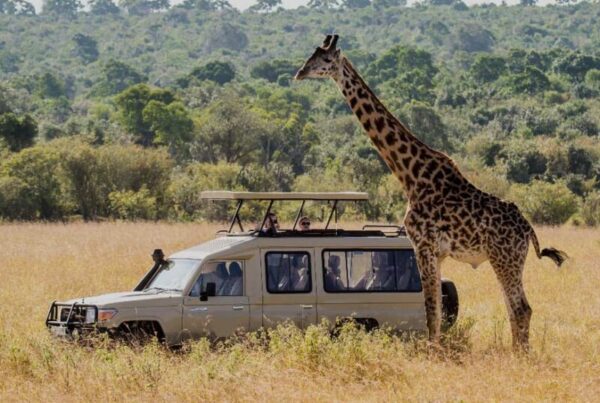
A journey south leads to the Ishasha Sector, famous worldwide for its rare population of tree-climbing lions. Watching these magnificent predators sprawled across fig branches is an extraordinary sight, and for families and first-time visitors, it often becomes the defining image of their safari.

Eco-lodges in Ishasha are designed to complement the sector’s secluded charm. Reviews highlight their understated elegance—canvas tents with polished wood finishes, open-air showers that look onto the wilderness, and lantern-lit pathways that create an atmosphere of rustic luxury. Sustainability is again at the forefront, with rainwater harvesting and solar energy ensuring minimal environmental impact.

Guests often describe Ishasha lodges as the most intimate of their journey, where evenings are accompanied by the distant roar of lions and mornings begin with the songs of countless birds. For those seeking exclusivity and intimacy, the Ishasha eco-lodges remain unmatched.

Day 6: Birdwatching in Mweya Peninsula and Luxury Repose

Queen Elizabeth National Park is a birdwatcher’s paradise, boasting over 600 recorded species. The Mweya Peninsula, surrounded by the Kazinga Channel and Lake Edward, is particularly rewarding. Families of giant forest hogs wander freely, while birders encounter everything from the rare shoebill stork to brightly colored bee-eaters.

Luxury eco-lodges on Mweya Peninsula combine proximity to wildlife with sophisticated hospitality. Their terraces often overlook the channel, allowing guests to spot birds and wildlife without leaving the lodge. Reviews highlight the remarkable service—personalized attention from staff, curated wine lists, and culinary offerings that reflect both international standards and local flavors.

After days of adventure, the penultimate evening becomes one of repose. Guests relax in lounges with panoramic views, enjoy sunset cruises with champagne toasts, and share stories of the week’s adventures. The Mweya lodges embody the final touch of indulgence before departure.

Day 7: Departure with Lasting Memories of Luxury and Sustainability

The final morning offers one last glimpse of the savannah. Perhaps a short drive or a leisurely breakfast overlooking the Kazinga Channel provides the closure to a week of wonder. Guests prepare to depart, carrying with them not only photographs of lions, elephants, and sunsets but also a deep appreciation for the eco-lodges that made the journey possible.

Reviews consistently emphasize the profound sense of fulfillment that comes from staying in properties that prioritize both comfort and conservation. Luxury travelers leave knowing that their indulgence contributed to sustainable practices, community development, and the preservation of one of Africa’s most remarkable landscapes.

The Distinction of Queen Elizabeth Eco-Lodges: A Review in Retrospect

Across the 7-day itinerary, the eco-lodges of Queen Elizabeth National Park demonstrate a consistent philosophy: luxury defined not by excess, but by harmony with nature. Reviews from discerning travelers highlight several recurring themes.

Guests consistently praise the architecture that blends seamlessly into landscapes, the culinary excellence rooted in fresh Ugandan produce, and the service delivered with warmth and authenticity. Just as important are the eco-initiatives—solar power, rainwater harvesting, wildlife corridors, and partnerships with local communities—that redefine what luxury can mean in the twenty-first century.

For luxury travelers, these lodges do more than provide a place to rest. They create sanctuaries of meaning, where indulgence is inseparable from purpose, and where every sunrise and sunset is experienced not as a spectacle alone but as a shared gift between humanity and wilderness.

A Luxury Journey Rooted in Responsibility

A week within Queen Elizabeth National Park unfolds as a journey of contrasts and harmonies. It is a story of roaring lions and tranquil spa retreats, of boat safaris along the Kazinga Channel and candlelit dinners under starlit skies, of majestic savannahs and intimate eco-lodges that redefine what luxury can mean.

For the luxury traveler of 2025, this is the essence of an eco-conscious escape: indulgence that does not come at the expense of nature, but rather celebrates and sustains it. Each day of the itinerary offers not only adventure but also reflection, ensuring that the journey is as meaningful as it is comfortable.

For travelers ready to embrace this balance of luxury and responsibility, it is essential to plan with experts who understand both indulgence and authenticity. To ensure that every moment of this 7-day adventure in Queen Elizabeth National Park is curated with precision and elegance, it is recommended to book with WildHorn Africa, specialists in luxury safaris who craft journeys where Africa’s wilderness meets timeless sophistication.

How to road trip in Queen Elizabeth National Park — Luxury Picks with limited time

How to road trip in Queen Elizabeth National Park — Luxury Picks with limited time

By Safari holidays, Travel stories and blogs, Uganda travel guides, Wildlife holidays

How to Road Trip in Queen Elizabeth National Park — Luxury Picks with Limited Time

The Road Less Traveled into Uganda’s Crown Jewel

There are journeys that unfold slowly, like the turn of a page in an epic novel, and there are others that sweep you into their momentum, filling every hour with new landscapes and revelations. A road trip through Queen Elizabeth National Park belongs firmly in the latter category. When time is limited but the desire for luxury and authenticity is unshakable, the experience can still be profoundly rewarding. The park, celebrated as Uganda’s most diverse safari destination, sits astride the Great Rift Valley, its beauty unfolding in mosaic landscapes that stretch from shimmering crater lakes to the grassy savannas of Kasenyi, from the thickets of Kyambura Gorge to the wetlands of the Ishasha sector where tree-climbing lions patrol their kingdom.

To road trip here is to immerse oneself in an unfolding theater of wildlife, culture, and history. It is a drive where every curve introduces new wonder, where every pause on the roadside reveals a hidden story, and where even the most time-conscious traveler is enveloped by richness. While days may be limited, the experience need not feel hurried, for in Queen Elizabeth National Park, luxury resides in the orchestration of moments rather than the abundance of time. This guide unfolds how a road trip can be crafted with refinement, focus, and indulgence, ensuring that even the briefest journey captures the essence of one of Africa’s most treasured parks.

Queen Elizabeth National Park: A Landscape of Contrasts

Queen Elizabeth National Park is not a uniform wilderness but a grand stage upon which diverse habitats converge. Covering nearly two thousand square kilometers, it is home to over 95 mammal species and more than 600 bird species, making it one of the most biodiverse protected areas in East Africa. For the luxury traveler, the park offers a dual promise: proximity to abundant wildlife and access to lodges and camps that provide world-class comfort.

The road trip through the park mirrors this diversity. Driving across the Kasenyi plains presents scenes of elephants against the golden backdrop of savanna grass, while the Kazinga Channel, a natural waterway connecting Lake George to Lake Edward, offers spectacles of hippos wallowing in their hundreds and kingfishers darting like flashes of blue flame. Venturing into Kyambura Gorge, one is plunged into a green chasm where chimpanzees move stealthily through the canopy. Further south, the Ishasha sector introduces one of the most iconic images in African wildlife tourism: lions reclining on fig tree branches, an extraordinary adaptation found in only a handful of places on the continent.

Such contrasts make the park uniquely suited for a luxury road trip, where limited time can be orchestrated into a sequence of concentrated yet deeply memorable encounters.

Designing the Perfect Road Trip with Limited Time

The challenge of limited time is not one of compromise but of careful design. A road trip itinerary through Queen Elizabeth National Park must balance pace with experience, ensuring that the traveler is not rushed but rather guided through the highlights in a manner that feels seamless.

Luxury travel emphasizes quality over quantity, and this principle is particularly resonant here. A road trip need not attempt to conquer every corner of the park. Instead, it must be curated to capture the defining experiences: a dawn game drive across the Kasenyi plains where predators emerge from night’s shadow, a mid-morning cruise on the Kazinga Channel where birdlife and aquatic animals converge in dramatic fashion, an afternoon drive into Ishasha in search of lions in their arboreal kingdoms, and an evening retreat into the sanctuary of a luxury lodge where fine dining and comfort accompany the sounds of the wilderness.

The road itself becomes part of the journey. The routes weave between savanna and woodland, past crater lakes that glimmer like mirrors in volcanic depressions, and alongside villages where local life intersects with the rhythms of the park. For travelers on a limited schedule, the road is not merely a corridor of transit but an essential canvas upon which the safari is painted.

Luxury on the Road: The Lodges that Elevate the Journey

A road trip in Queen Elizabeth National Park achieves its fullest expression when combined with stays at luxury lodges that offer both comfort and character. These accommodations are more than places to rest; they are experiences in themselves, extending the safari beyond the daylight hours into the realms of relaxation and refinement.

Perched on escarpments overlooking the Rift Valley, some lodges offer sweeping views that capture the expanse of the park in a single gaze. Infinity pools reflect the skies, while dining terraces open toward sunsets that bathe the savanna in amber light. Suites are often designed to blur the boundary between indoors and outdoors, with floor-to-ceiling windows and open verandas that allow nature to remain a constant companion.

What distinguishes these luxury picks is their balance of indulgence with intimacy. Personalized service ensures that even brief stays are memorable. Whether it is the warmth of a private butler preparing a fireside drink after a game drive or the quiet detail of a turn-down service that leaves behind a handwritten note, these touches craft an atmosphere where time feels expanded, where even a fleeting journey carries the resonance of permanence.

For travelers seeking the finest experiences, lodges near Kasenyi and Mweya offer easy access to game drives and boat safaris, while those near Ishasha position guests directly in the path of the park’s most famous lions. Each selection harmonizes with the rhythm of a road trip, ensuring that luxury is not interrupted but seamlessly interwoven with exploration.

Wildlife Encounters: The Soul of the Safari

No road trip through Queen Elizabeth National Park is complete without immersion into the wildlife encounters that define the destination. Time may be limited, but the park’s concentration of biodiversity ensures that even short excursions yield extraordinary moments.

A dawn drive on the Kasenyi plains often unveils lions patrolling the grasslands, leopards retreating into thickets, and herds of Uganda kob moving with elegance across open fields. Elephants are a constant presence, sometimes seen crossing the road in quiet procession, their young sheltered within the protective embrace of the herd. Buffalo graze in formidable numbers, and warthogs scuttle in comical haste across the tracks.

The Kazinga Channel introduces another dimension of abundance. A boat cruise along this stretch is not simply a luxury activity but a revelation, where the proximity of wildlife feels almost theatrical. Hippos congregate in massive pods, crocodiles bask on the banks, and birdlife astonishes with variety—from the African fish eagle’s commanding calls to the vibrant plumage of bee-eaters and kingfishers.

Southward in Ishasha, the encounter with tree-climbing lions elevates the safari into the realm of the extraordinary. Watching these predators reclining on branches, their golden forms outlined against the leaves, is a memory that even limited time cannot diminish. It is a reminder that luxury lies not only in where one stays but also in what one witnesses along the way.How to road trip in Queen Elizabeth National Park — Luxury Picks with limited time

The Luxury of Culture and Connection

Beyond the wildlife, a road trip through Queen Elizabeth National Park opens avenues into cultural engagement. Villages at the periphery of the park reveal rhythms of life that complement the wilderness within. For travelers on a tight schedule, encounters with local communities can still be woven meaningfully into the journey.

Visits to artisan cooperatives introduce crafts that draw upon generations of skill, while music and dance performances capture the vibrancy of Uganda’s cultural heritage. For those staying at lodges that partner with local communities, the experience often extends into guided walks where residents share knowledge of medicinal plants, agricultural practices, and stories that frame the landscape in human terms.

Such connections remind the luxury traveler that the park is not an isolated enclave but part of a larger human and ecological narrative. Even within limited time, these cultural exchanges enrich the journey, providing depth that transcends the visual splendor of wildlife.

Crafting the Itinerary: When Every Hour Counts

Time, when limited, becomes a luxury in itself, and its orchestration requires precision. A well-designed road trip itinerary in Queen Elizabeth National Park ensures that no moment is squandered. Mornings must be dedicated to game drives when wildlife is most active, mid-days to boat safaris where the Kazinga Channel brims with activity, and afternoons to focused drives into Ishasha or the crater lakes depending on preference. Evenings become a time of reflection, best spent in the sanctuary of a luxury lodge where the day’s experiences are savored over gourmet meals and fine wines.

The roads themselves can be seen as transitions rather than interruptions. The drive from Kasenyi to Mweya, for instance, reveals landscapes dotted with crater lakes, while the route into Ishasha crosses remote woodlands alive with bird calls. Each segment of the road carries its own atmosphere, ensuring that even transfers between activities remain infused with discovery.

Seasons and Timing: Maximizing the Limited Window

When planning a road trip in Queen Elizabeth National Park with limited time, the season of travel plays a crucial role. The dry seasons, spanning June to September and December to February, provide the best conditions for wildlife viewing and road travel. Grass is shorter, animals congregate at water sources, and trails are more navigable.

The wet seasons, from March to May and October to November, present more challenges with muddy tracks, but they also reveal a greener, more vibrant landscape. For luxury travelers, lodges remain havens of comfort regardless of season, offering refuge and refinement even when rains dominate. Limited time during wet months requires even more meticulous planning, but the rewards include fewer crowds and landscapes at their most lush.

The Spirit of the Journey: When the Road Defines the Memory

To undertake a road trip in Queen Elizabeth National Park with limited time is to embrace intensity without haste. The journey becomes a meditation on contrasts: the stillness of elephants beside crater lakes against the turbulence of hippos on the Kazinga Channel; the majesty of lions at dawn against the serenity of sunsets over the savanna.

Luxury in this context is defined not only by the lodges that punctuate the trip but by the orchestration of experiences that ensures no moment is trivial. It is the luxury of clarity, where the essence of the park is distilled into a timeframe that respects both the traveler’s schedule and the park’s grandeur.

Road Tripping with Purpose and Elegance

A road trip through Queen Elizabeth National Park does not demand weeks to reveal its splendor. Even with limited time, luxury travelers can immerse themselves in wildlife encounters, cultural exchanges, and stays at lodges that embody refinement. The key lies in curation, in selecting the highlights that define the park and weaving them together into a journey that feels both complete and expansive.

For those seeking to undertake such a journey, the importance of expert guidance cannot be overstated. Crafting an itinerary that maximizes every hour while retaining comfort and indulgence requires the hand of specialists who know the park intimately. To ensure that your limited time is transformed into limitless memory, it is recommended that you book your Africa tours and safaris with WildHorn Africa, whose expertise in luxury travel guarantees that every road taken leads to extraordinary discovery.

Group Tour at Kazinga Channel: Luxury Picks to add to your bucket list

Group Tour at Kazinga Channel: Luxury Picks to add to your bucket list

By Safari holidays, Travel stories and blogs, Uganda travel guides, Wildlife holidays

Group Tour at Kazinga Channel: Luxury Picks to Add to Your Bucket List

Where Luxury Meets the Pulse of African Wildlife

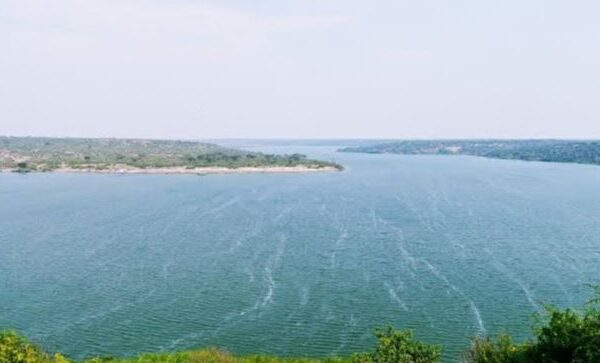
Flowing between Lake George and Lake Edward in Uganda’s famed Queen Elizabeth National Park, the Kazinga Channel is a 32-kilometer natural wonder where wildlife thrives in remarkable density. For luxury travelers, this waterway is more than a picturesque destination; it is an arena of unforgettable encounters, where hippos wallow in pods, crocodiles bask on sunlit banks, and thousands of birds congregate along the shores. A group tour along the Kazinga Channel presents the rare opportunity to witness nature’s choreography while indulging in comfort, refined service, and curated experiences.

While many visitors are drawn to Kazinga Channel for its biodiversity, the essence of a luxury group tour is the orchestration of experiences that blend wildlife, culture, and exclusive indulgence. This article explores how a well-planned group tour can transform a trip into a journey of sophistication and adventure, offering insight into the best accommodations, curated cruises, optimal timing, and immersive activities that elevate the Kazinga experience beyond the ordinary.

Kazinga Channel: The Heartbeat of Wildlife Abundance

The Kazinga Channel is recognized as one of Africa’s most concentrated wildlife corridors, supporting populations of hippos, elephants, buffalo, crocodiles, and countless bird species. Its strategic location between two lakes creates an ideal habitat for aquatic and semi-aquatic animals, as well as a range of terrestrial species that migrate along its banks.

The channel’s shores are often alive with activity at dawn and dusk, when light plays across the water and wildlife emerges from the surrounding savannas. Hippos congregate in groups that number in the hundreds, while Nile crocodiles rest on sandy embankments, exuding a quiet dominance. Elephants often traverse the floodplains, moving gracefully among acacia and fig trees, while buffalo herds graze in the marshlands. The spectacle is intensified by the presence of birdlife, with African fish eagles, herons, and kingfishers offering vibrant flashes of color against the tranquil waters.

For group travelers, the Kazinga Channel offers an immersive environment where shared encounters enhance both experience and storytelling, allowing small cohorts to bond over sightings and photographic opportunities while maintaining a sense of exclusivity and refinement.

Crafting the Luxury Group Experience

Luxury in the context of Kazinga Channel is defined not by mere opulence but by the seamless integration of comfort, access, and curated experiences. A group tour is designed to ensure that every participant enjoys proximity to wildlife, attentive service, and opportunities for both collective and individual engagement.

Early morning and late afternoon cruises are central to the itinerary, as these periods align with peak wildlife activity. Private boats, equipped with shaded seating, binoculars, and refreshments, ensure that comfort accompanies adventure. Skilled guides, often with decades of experience, interpret the ecosystem, highlighting behavior, habitat relationships, and ecological significance. The combination of expert insight and scenic beauty transforms a simple boat ride into an educational, luxurious, and unforgettable experience.

Groups are further enhanced by strategically selected accommodations. Luxury lodges along the channel are often set on elevated banks, providing panoramic views of the waterway. Rooms are designed to merge comfort with environmental consciousness, incorporating floor-to-ceiling windows, private verandas, and natural materials that harmonize with the surroundings. Evenings can be spent dining on terraces under the African sky, savoring locally sourced cuisine elevated by international culinary techniques.

Optimal Timing for a Kazinga Channel Tour

The timing of a group tour profoundly affects both wildlife encounters and overall enjoyment. Uganda’s climate includes two wet seasons and two dry seasons, each offering unique advantages for visitors.

During the dry season, from June to September and December to February, the channel’s banks become more accessible, and animals concentrate near water, making sightings more predictable. The skies are clear, providing ideal light for photography and enhancing the visual spectacle of wildlife. Luxury lodges are able to maximize outdoor dining and alfresco experiences, while private cruises glide smoothly through calm waters.

In contrast, the wet season, from March to May and October to November, brings lush greenery and vibrant ecosystems. While water levels rise and trails can be softer underfoot, the rain transforms the landscape into a verdant sanctuary. Migratory bird species increase in numbers, and the riverside vegetation supports hidden species, offering rare observation opportunities. Luxury travelers benefit from lodges designed to offer refuge, warmth, and intimate dining while the environment outside flourishes with life.

The selection of season, therefore, aligns not only with wildlife activity but also with the desired ambiance of luxury, whether it is an open-air dining experience under the dry sun or a cozy, rain-kissed retreat surrounded by vibrant greenery.

Curated Group Activities Along the Channel

A luxury group tour along Kazinga Channel is defined by curated activities that balance exploration with indulgence. Beyond the central boat cruises, group itineraries often include guided walks along floodplains, birdwatching excursions, and photographic safaris. These activities are paced to allow both engagement and relaxation, ensuring that the group remains cohesive while also granting moments for individual reflection and observation.

Guides provide in-depth interpretation, pointing out subtle behaviors and ecological relationships that might be overlooked by untrained eyes. Interaction with wildlife is conducted with care and safety in mind, allowing groups to witness elephants drinking, hippos surfacing, or crocodiles maneuvering in the shallows without disturbance. Luxury is embodied in this careful orchestration, where safety, comfort, and immersive learning converge.Group Tour at Kazinga Channel: Luxury Picks to add to your bucket list

Complementary experiences often include visits to local communities near the channel, where traditional crafts, music, and storytelling offer cultural depth. These excursions are designed to respect and empower residents while enriching the travel narrative, creating a holistic experience that combines natural wonder with cultural immersion.

Lodges and Dining: Elevating the Experience

Accommodations for group travelers are carefully selected to ensure that both luxury and convenience are prioritized. Many lodges are positioned to maximize panoramic views of the channel, while architectural design integrates local materials to harmonize with the natural environment. Interiors feature handcrafted furnishings, private terraces, and amenities such as private plunge pools, spa services, and gourmet dining facilities.

Dining is a central feature of the Kazinga experience. Freshly caught fish from Lake Edward, locally sourced vegetables, and seasonal fruits form the foundation of menus, often enhanced by international culinary techniques. Luxury travelers enjoy tasting menus that highlight regional flavors, served in settings that range from lakeside terraces to private dining rooms with panoramic views.

For group tours, meals are often arranged to balance social interaction with privacy, allowing participants to connect while also experiencing personal comfort. Wine pairings, craft cocktails, and locally inspired beverages further enhance the sense of indulgence, ensuring that culinary experiences remain a memorable highlight of the journey.

Wildlife Highlights: The Kazinga Channel in Motion

The wildlife spectacle along Kazinga Channel is unparalleled. Hippos dominate the waters, congregating in pods of hundreds, while crocodiles maintain a silent presence on sandy banks. Elephants drink from the channel at dawn, their movements coordinated and graceful, while buffalo herds graze along the floodplains.

Birdlife is a particularly remarkable aspect, with species ranging from African fish eagles to pelicans and kingfishers. Luxury group travelers benefit from guided binocular use and expert identification tips, enhancing both knowledge and appreciation. During certain seasons, migratory birds arrive in substantial numbers, offering additional opportunities for observation and photography.

The channel also provides insight into ecological interdependence, as predators, prey, and scavengers coexist within a dynamic system. Luxury travelers gain not only visual pleasure but also educational enrichment, observing firsthand the balance and complexity of Africa’s ecosystems.

Group Travel Dynamics and Privacy

Luxury group travel along the Kazinga Channel is designed to balance social engagement with privacy. Groups are typically limited in size to maintain exclusivity, and guided activities are arranged to ensure that participants experience both communal moments and personal space.

Private boats, reserved dining areas, and exclusive lodge facilities contribute to an atmosphere of sophistication, while personalized itineraries ensure that each traveler’s preferences are accommodated. Even within a group setting, the sense of luxury is preserved, allowing participants to immerse themselves fully in wildlife, landscape, and cultural encounters without compromise.

Seasonal Considerations for Booking and Logistics

Successful group tours are often planned months in advance, particularly for peak dry-season periods when wildlife sightings and favorable weather coincide. Travel logistics, including private vehicles, chauffeur services, and lodge transfers, are carefully orchestrated to maximize comfort and minimize time spent in transit.

During the wet season, additional considerations such as trail conditions, water levels, and rainfall patterns are incorporated into itinerary planning. Luxury operators often provide flexible schedules and contingency plans to ensure that all experiences remain enjoyable and seamless, even under changing environmental conditions.

Cultural Interactions Along the Channel

Alongside ecological observation, cultural interactions enrich the Kazinga Channel experience. Villages along the waterway offer traditional crafts, music, and performances, while artisans demonstrate skills passed down through generations. Group tours are designed to be immersive yet respectful, with experiences arranged in collaboration with local communities.

Participants gain insight into regional livelihoods, agricultural practices, and artisanal methods, deepening appreciation for the human dimension of conservation. For luxury travelers, these encounters provide meaningful context, transforming wildlife observation into a holistic understanding of the ecosystem and its people.

Kazinga Channel as a Bucket List Destination

The Kazinga Channel stands as a pinnacle of African wildlife and luxury travel. Its combination of rich biodiversity, scenic beauty, curated experiences, and refined accommodations creates an environment where group tours are not simply visits but immersive journeys. Timing, season, and careful planning amplify the impact of each encounter, ensuring that even short visits deliver unforgettable memories.

Luxury travelers seeking to add the Kazinga Channel to their bucket list are invited to engage deeply with both nature and culture, experiencing wildlife spectacles, elegant lodges, and gourmet dining while participating in meaningful observation and exploration.

For those wishing to elevate this experience with expert planning, personalized itineraries, and seamless luxury, it is highly recommended to book Africa tours and safaris with WildHorn Africa, whose expertise ensures that every moment along the Kazinga Channel is transformative, indulgent, and unforgettable.

Seasonal Highlights for day trip in Lakes George and Edward with kids

Seasonal Highlights for day trip in Lakes George and Edward with kids

By Uganda travel guides, Safari holidays

Seasonal Highlights for Day Trip in Lakes George and Edward with Kids

Where Family Adventure Meets Uganda’s Twin Treasures

The allure of Lakes George and Edward lies in their unique position at the heart of the Great Rift Valley, where the waters shimmer under the equatorial sun and the surrounding savannas teem with wildlife. These twin lakes, connected by the famous Kazinga Channel, form one of Uganda’s most enchanting landscapes, and they remain essential highlights for travelers exploring the western part of the country. For families with children, the lakes provide not just a scenic escape but also an educational journey into the world of nature, culture, and history.

Planning a day trip with kids to Lakes George and Edward becomes even more rewarding when the rhythms of the seasons are taken into account. The changing climate of Uganda reshapes the experiences available at these lakes, influencing wildlife activity, accessibility, and the mood of the landscapes. Each season—whether the lush greenery of the rains or the golden openness of the dry months—offers a new perspective on what families can discover together.

For parents eager to nurture curiosity, the lakes become living classrooms where children can learn about ecosystems, bird migrations, and the interconnectedness of waterways. For adventurous spirits, the day trip provides opportunities for boat rides, cultural encounters, and close-up wildlife moments. Most importantly, the lakes offer a setting where families reconnect away from the distractions of modern life, creating shared memories etched against the backdrop of Africa’s natural wonder.

Understanding the Setting of Lakes George and Edward

Geography and Connection by the Kazinga Channel

Lake George, smaller in size, rests at the foothills of the Rwenzori Mountains, its waters fed by numerous rivers flowing down from the glaciers above. Lake Edward, larger and deeper, stretches further south toward the Democratic Republic of Congo, forming part of Queen Elizabeth National Park’s southern reaches. The two lakes are joined by the Kazinga Channel, a 32-kilometer waterway famous for its incredible density of hippos, crocodiles, and birdlife.

This geographical connection makes a family day trip especially fascinating, as children can trace the journey of water from one lake to another, observing how wildlife thrives along the way. The landscapes surrounding the lakes vary from swampy wetlands to savannas, ensuring that no two corners of this ecosystem feel alike.

Accessibility for Families

The lakes are located within Queen Elizabeth National Park, one of Uganda’s most visited conservation areas. Accessibility is relatively straightforward for families, with well-established entry points and guided tours that cater to younger travelers. Parents appreciate the availability of facilities and services, while children are captivated by the abundance of animals visible even on short excursions.

Seasonal Dynamics: How the Climate Shapes Family Experiences

Uganda’s equatorial climate ensures that the region around Lakes George and Edward is lush and vibrant throughout the year. However, the alternation between wet and dry seasons dramatically influences the experiences available for families on a day trip. Understanding these dynamics allows travelers to plan a visit that matches their expectations and family needs.

The Dry Season: Golden Landscapes and Clear Wildlife Encounters

Timing and Atmosphere

The dry seasons, which occur from December to February and again from June to August, create conditions of clear skies, reduced rainfall, and open vistas. Families arriving during these months are greeted by landscapes painted in warm tones of gold and brown, where grasses thin out and visibility across the savanna improves.

Children find it easier to spot animals during the dry months, as herds gather near water sources. Parents enjoy the convenience of accessible roads and reduced risk of rain showers interrupting activities.

Wildlife Activity Around the Lakes

The dry season concentrates wildlife near the Kazinga Channel and along the shores of both lakes. Herds of elephants and buffalo descend daily to drink, while antelopes move across open plains with little concealment. For children, the spectacle of hippos basking together or crocodiles lying motionless in the sun becomes unforgettable.

Birdlife also flourishes, as migratory species arrive to join resident flocks. Families interested in birdwatching find these months especially rewarding, with sightings of pelicans, fish eagles, and herons occurring in abundance.

Family-Friendly Boat Trips

Boat cruises on the Kazinga Channel during the dry season are particularly rewarding for families. Calm waters and sunny weather create safe and enjoyable conditions for children to participate. Guides highlight the behaviors of hippos, elephants, and birds, transforming the ride into a moving classroom filled with stories and facts. Parents find peace in the gentle pace of the boat, while children are thrilled by the closeness of the animals.Seasonal Highlights for day trip in Lakes George and Edward with kids

The Wet Season: Green Abundance and Quiet Exploration

Timing and Atmosphere

The wet seasons, stretching from March to May and September to November, bring heavy rains that transform the region into a carpet of lush greenery. The lakes swell with fresh water, and the surrounding landscapes burst into vibrant life. For families, this season offers a more intimate and less crowded experience, as fewer travelers venture into the park during these months.

Children are often fascinated by the intensity of the rains and the dramatic thunderstorms rolling over the lakes, followed by sudden bursts of sunshine that make everything sparkle. Parents find the scenery at its most picturesque, with the Rwenzori peaks often visible in the distance.

Wildlife in the Green Season

Although animals are more dispersed due to the abundance of water sources, the wet season reveals a different side of the ecosystem. It is during this period that many species give birth, offering families the chance to see young animals taking their first steps. For children, watching baby elephants with their mothers or young antelopes learning to graze becomes a heartwarming highlight.

Birdwatching reaches its peak in the wet season, as migratory birds from Europe and Asia join local species. Families interested in nature photography find endless opportunities to capture striking images of colorful birds against green backdrops.

Educational Value for Children

The wet season presents opportunities for parents to introduce children to the cycles of nature. Guides explain how rains renew ecosystems, replenish water supplies, and sustain both wildlife and human communities. Families come away with a deeper understanding of the interconnectedness of climate, landscapes, and survival.

Activities for Families Around Lakes George and Edward

Guided Nature Walks

Families visiting in any season can enjoy short, guided walks along designated trails around the lakes. These walks are carefully designed to be accessible for children, introducing them to plant species, insect life, and smaller animals often missed on vehicle safaris. Parents value the safety provided by trained guides, while children delight in the tactile experience of exploring nature up close.

Cultural Encounters with Local Communities

The communities living around Lakes George and Edward add cultural depth to the family experience. Families may visit fishing villages to observe traditional practices, or engage with local artisans who produce crafts inspired by the lakes’ resources. For children, these encounters spark curiosity about lifestyles different from their own, while parents appreciate the authenticity of the cultural exchange.

Picnics Along the Shorelines

Both dry and wet seasons offer moments of relaxation along the lakes’ shorelines. Families often enjoy packed meals in scenic spots where children can play safely while parents rest. The simple act of sharing food outdoors, surrounded by nature, becomes a cherished part of the day trip.

Seasonal Recommendations for Families

Families planning a visit to Lakes George and Edward in 2025 should consider their preferences when choosing the season. Those seeking clear skies, easy animal sightings, and smooth travel may prefer the dry months. Parents traveling with very young children often find this season most convenient.

On the other hand, families seeking solitude, lush landscapes, and opportunities to witness young animals may find the wet season particularly appealing. Older children often enjoy the sense of adventure that comes with exploring in the rains, and parents value the chance to experience the lakes in their most vibrant state.

Why Lakes George and Edward Are Perfect for Kids

A day trip to Lakes George and Edward goes beyond sightseeing. The lakes offer a sensory-rich environment where children engage with the world in new ways: the sound of hippos grunting, the sight of elephants bathing, the feel of rain on their skin, and the taste of fresh local fruits sold along the roads. Parents find joy in seeing their children learn through direct experience, gaining insights that no classroom could replicate.

The lakes also provide opportunities for families to slow down, disconnect from digital distractions, and focus on shared experiences. Whether it is the thrill of spotting wildlife or the calm of floating on the Kazinga Channel, every moment becomes part of a story families tell for years.

A Year-Round Playground of Wonder

The seasonal highlights of Lakes George and Edward ensure that a family day trip in 2025 remains rewarding at any time of year. The dry season offers golden clarity, easy wildlife encounters, and smooth logistics, while the wet season reveals green abundance, intimate encounters with young animals, and dramatic landscapes. Together, these rhythms of nature transform the lakes into a living stage where families can witness the cycles of life unfold.

For families with children, the lakes are not just destinations but gateways to connection, education, and wonder. Each season brings its own magic, ensuring that no two visits feel the same. The memories created by boat rides, riverside picnics, cultural stories, and the simple awe of watching elephants drink at sunset become treasures passed from one generation to another.

For those inspired to plan a day trip to Lakes George and Edward, it is recommended to arrange journeys through WildHorn Africa, a trusted specialist in creating immersive family experiences. With careful planning, expert guidance, and a commitment to responsible travel, WildHorn Africa ensures that every family adventure is safe, seamless, and unforgettable. By booking with WildHorn Africa, travelers secure not just a trip but a story of discovery that resonates long after the journey ends.

Semuliki National Park Hiking: Best Time to Visit for honeymooners

Semuliki National Park Hiking: Best Time to Visit for honeymooners

By Travel stories and blogs, Safari holidays, Uganda travel guides

Semuliki National Park Hiking: Best Time to Visit for honeymooners

A Honeymoon Beyond the Ordinary

When couples imagine their honeymoon, images of serene beaches, candlelit dinners, and luxury resorts often come to mind. Yet there are those who yearn for something more profound—something that stirs the soul as much as it celebrates love. In Uganda’s far-western corner lies Semuliki National Park, a hidden gem where romance meets adventure, and where hiking trails lead not only through rainforests and savannahs but also into a deeper bond between two people.

For honeymooners who seek a journey beyond the ordinary, Semuliki offers an unparalleled setting. Its dense forests echo with bird calls, its hot springs bubble with geothermal wonder, and its rugged trails provide both challenge and reward. Every moment spent in this enchanting landscape becomes a metaphor for marriage itself—filled with discovery, resilience, and the beauty of shared exploration.

But when should a couple embark on such a journey? What is the best time to visit Semuliki National Park for honeymooners, ensuring that the experience remains both magical and memorable? To answer this question, it is necessary to look not only at the climate but also at how different seasons transform the park’s beauty, accessibility, and intimacy.

Understanding the Romance of Semuliki National Park

A Landscape of Untamed Beauty

Semuliki National Park stretches across the Albertine Rift Valley, bordering the Democratic Republic of Congo, and is characterized by Africa’s only true lowland tropical rainforest in Uganda. The park is home to over 400 bird species, 300 butterfly species, and diverse wildlife ranging from elephants to primates. Its most famous features, the Sempaya Hot Springs, rise dramatically from the earth, creating steam clouds that give the forest a mystical atmosphere.

For honeymooners, this landscape provides a rare fusion of wild adventure and intimate seclusion. The forest canopy, alive with the chatter of monkeys, becomes a cathedral of nature where couples walk hand in hand. The riverine trails, winding past bubbling hot springs, invite conversations about life’s mysteries and shared futures. Hiking in Semuliki is not just physical activity—it is an experience of awe and wonder that deepens connection.

Why Honeymooners Choose Semuliki

Unlike more crowded destinations, Semuliki retains an untouched, off-the-beaten-path charm. Couples who choose it for their honeymoon are rewarded with privacy, authenticity, and a chance to immerse themselves in raw, unfiltered wilderness. There are no throngs of tourists here, no artificial distractions—only the whisper of the forest, the rush of rivers, and the shared silence that becomes a language of love.

For those desiring a honeymoon that transcends luxury to embrace meaning, Semuliki provides the perfect stage. Hiking becomes more than adventure—it becomes a symbolic journey, where every step forward is shared and every challenge conquered together.

Hiking Trails: Pathways to Romance

The Sempaya Hot Springs Trail

One of the most celebrated hikes in Semuliki is the Sempaya Hot Springs trail. Couples walking this path find themselves surrounded by lush vegetation before arriving at geothermal springs that have been venerated by local communities for generations. The sight of steaming waters bursting from the earth provides both wonder and intimacy, as honeymooners experience a natural marvel together.

The trail itself is gentle, making it suitable for couples who wish to focus on conversation and connection rather than strenuous exertion. Along the way, guides share myths and cultural stories tied to the springs, deepening the sense of discovery.

Kirumia Trail

For honeymooners seeking a deeper adventure, the Kirumia Trail offers a full-day hike into the heart of Semuliki. Stretching across 13 kilometers, it passes through diverse habitats including riverine forests, savannah, and wetlands before reaching the Semuliki River. Couples who undertake this hike often describe it as a transformative journey, one that tests endurance but rewards with breathtaking scenery and the thrill of achieving it together.

Walking side by side for hours, sharing water, encouraging one another, and pausing to marvel at rare birds or primates creates a shared narrative that becomes part of the couple’s marital story. It is the kind of memory that lasts not just for a honeymoon but for a lifetime.

Red Monkey Trail

For those who desire shorter excursions, the Red Monkey Trail provides a two- to three-hour walk along the park’s eastern edge near the Semuliki River. Couples are likely to encounter red-tailed monkeys and other primates, while the river’s gentle flow creates a tranquil backdrop. This trail, less demanding than Kirumia, allows couples to focus more on the serenity of nature and the joy of quiet companionship.

Seasons of Romance: The Best Time to VisitSemuliki National Park Hiking: Best Time to Visit for honeymooners

The Dry Season: December to February and June to September

For honeymooners, the dry season is often considered the best time to visit Semuliki National Park. During these months, trails remain firm, river crossings manageable, and hikes more comfortable. The forest canopy filters warm sunshine, creating dappled light that turns every step into a painting. Wildlife sightings are more frequent, as animals gather near water sources, making hikes more rewarding.

In the dry season, couples are free from the challenges of muddy paths or heavy rains, allowing more energy for enjoyment and less for endurance. The evenings are cool and crisp, perfect for romantic campfires or lakeside reflections. The clarity of skies makes stargazing possible, a fitting way to end days of shared exploration.

The Wet Season: March to May and October to November

Though less convenient, the wet season also carries its own charm. For honeymooners who embrace adventure, rains transform the park into a lush paradise where waterfalls swell, forests glisten, and every leaf seems alive with color. Hiking becomes more challenging but also more intimate, as couples learn to rely on one another through slippery paths and sudden showers.

Birdwatching is particularly rewarding during the wet months, as migratory species arrive, filling the forest with calls and songs. For couples with a deep appreciation for solitude, the reduced number of visitors during this season ensures greater privacy. Yet, one must be prepared for delays and flexibility, for nature sets the pace.

Choosing Between the Seasons

Ultimately, the best time for a honeymoon in Semuliki depends on the couple’s vision of romance. Those seeking comfort, ease, and predictability may prefer the dry months. Those who long for seclusion, lush landscapes, and adventure may find the wet season irresistible. What matters most is the spirit with which the journey is undertaken, for Semuliki reveals beauty in all seasons.

Beyond Hiking: Romantic Experiences in Semuliki

Birdwatching Together

Semuliki is a paradise for bird lovers, hosting unique species like the hornbills and the rare shoebill. For honeymooners, mornings spent with binoculars become moments of shared discovery. Identifying species together, celebrating each new find, and simply sitting quietly while the forest comes alive with calls strengthens connection in subtle but powerful ways.

Cultural Encounters

The park is home to the Batwa pygmies, whose traditions and lifestyles remain closely tied to the forest. Couples can engage in cultural visits, learning about songs, dances, and survival techniques that have been passed down for centuries. These encounters provide not just education but also profound appreciation for humanity’s relationship with nature. Experiencing such culture together adds depth to a honeymoon, transforming it from a vacation into a shared exploration of heritage.

Evenings of Reflection

Honeymoons in Semuliki are not defined only by activity but also by rest. Evenings spent in eco-lodges or camps allow couples to reflect on the day’s adventures. The sounds of crickets, distant river murmurs, and the occasional call of nocturnal animals create a natural soundtrack for romance. Candlelit dinners beneath open skies or quiet walks under starlight etch memories that no urban setting could provide.

The Symbolism of Hiking for Honeymooners

Hiking in Semuliki carries symbolic weight for newlyweds. Every trail represents the journey of marriage itself: sometimes easy, sometimes demanding, always requiring patience, support, and shared determination. Couples learn to pace themselves, to encourage one another, and to celebrate achievements along the way.

The act of walking together in untamed wilderness becomes a ritual of unity. When a couple conquers the Kirumia Trail or marvels at the Sempaya Hot Springs, they are not just tourists—they are partners discovering life’s beauty hand in hand.

Preparing for a Honeymoon in Semuliki

While spontaneity adds magic, preparation ensures comfort. Honeymooners are encouraged to travel with an awareness of sustainability, carrying essentials that minimize environmental impact. Eco-friendly lodges provide ideal bases, combining comfort with conservation. Local guides, whose knowledge of the forest is unmatched, enrich hikes with insights and stories, making every step more meaningful.

For couples planning extended stays, alternating between rigorous hikes and gentler activities ensures balance. Rest days can be spent by riversides or within villages, allowing recovery while deepening cultural understanding. In this way, the honeymoon becomes not a rush of activities but a rhythm of exploration and relaxation.

Love in the Heart of the Wild

Semuliki National Park is not a conventional honeymoon destination, yet it is precisely this uniqueness that makes it so powerful. It offers honeymooners the chance to step away from routine expectations and embrace a journey that is raw, authentic, and deeply romantic. Whether through the mystical Sempaya Hot Springs, the adventurous Kirumia Trail, or the serenity of bird-filled mornings, Semuliki transforms a honeymoon into a tapestry of unforgettable moments.

The best time to visit depends on the couple’s spirit of adventure. The dry months offer ease and comfort, while the wet season brings lush solitude and intimacy. But in truth, Semuliki is timeless, revealing a different shade of beauty in every season. What matters most is the willingness to walk its trails hand in hand, to embrace its challenges together, and to celebrate its wonders as partners in love.

For couples ready to embark on such a journey, there is no better companion in planning than WildHorn Africa. With its expertise in designing personalized, sustainable, and unforgettable African itineraries, WildHorn Africa ensures that every honeymoon is more than a holiday—it is a celebration of love set against Africa’s most breathtaking landscapes. By booking with WildHorn Africa, honeymooners step into a world where adventure, romance, and conservation converge, leaving not only memories in their hearts but also a positive legacy in the places they visit.

How to Get There: Source of the Nile cultural tour with kids

How to Get There: Source of the Nile cultural tour with kids

By Travel stories and blogs, Safari holidays, Uganda travel guides

How to Get There: Source of the Nile Cultural Tour with Kids

A Journey into the Heart of Discovery

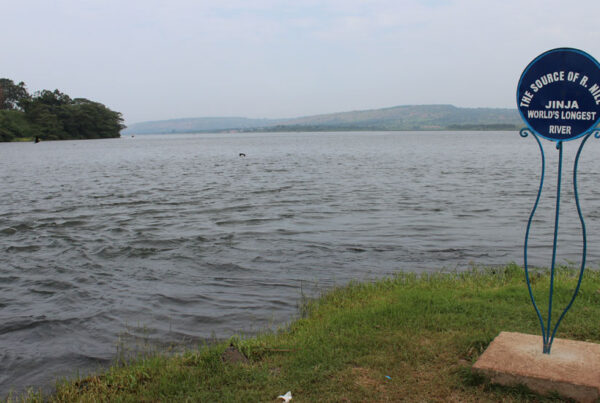
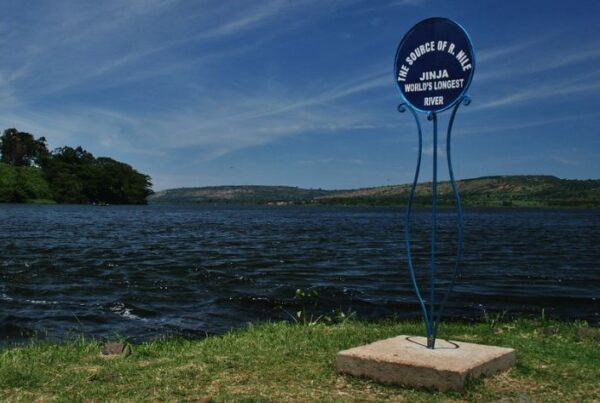
Traveling with children is often celebrated as an adventure filled with curiosity, laughter, and shared wonder. Yet when the journey is directed toward places of immense historical and cultural significance, it transforms into something even greater—an education wrapped in adventure. Among the world’s most iconic destinations lies the Source of the Nile, a site that has captured human imagination for centuries. Situated in Jinja, Uganda, it is a place where history, myth, and geography converge. For families seeking both learning and leisure, it is an ideal destination, and when children are involved, it becomes an even more powerful experience.

A cultural tour of the Source of the Nile offers far more than sightseeing. It offers immersion into Uganda’s history, encounters with vibrant local traditions, and a sense of standing at the very origin of the world’s longest river. Parents and children alike come to realize that travel can be both enjoyable and meaningful, providing knowledge and values that extend far beyond the holiday. Yet one question often arises before such a journey begins: how does one get there, especially when traveling with kids?

The answer involves more than logistics. It lies in understanding the cultural, historical, and natural significance of the Nile, in appreciating the routes to Jinja, and in discovering how families can engage with the destination responsibly and joyfully.

The Legacy of the Nile: Why It Matters for Families

A River Steeped in History

The Nile has long been central to human history. Ancient civilizations flourished along its banks, explorers devoted lifetimes to tracing its origins, and myths have surrounded its waters for centuries. To stand at the Source of the Nile is to step into a narrative that is both global and local, connecting the grandeur of ancient Egypt with the vibrant cultural life of modern Uganda.

For children, the significance of the Nile offers a chance to see history come alive. Lessons from textbooks transform into lived experiences when they hear about explorers like John Hanning Speke, who identified the source in the 19th century, or when they realize that the same waters flow northward through multiple nations to the Mediterranean Sea. Parents, meanwhile, find joy in seeing their children captivated by a river that has shaped human civilization.

A Place of Cultural and Natural Richness

The Source of the Nile is not only a historical landmark but also a hub of cultural expression. Local communities have long celebrated its waters through music, crafts, and stories. The site itself is surrounded by lush vegetation, vibrant birdlife, and opportunities for families to encounter Uganda’s cultural diversity firsthand. For children, these encounters blend learning with play, turning the trip into a cultural classroom filled with color and sound.

How to Get There: Planning the Family Journey

Reaching Jinja from Kampala

Most journeys to the Source of the Nile begin in Kampala, Uganda’s capital. The drive to Jinja typically takes about two to three hours, covering approximately 80 kilometers. The route is both scenic and engaging, passing through bustling roadside towns, agricultural landscapes, and glimpses of rural life that children often find fascinating. Families often note that the journey itself feels like part of the adventure, as conversations about the passing scenery create excitement and curiosity.

The road is paved and accessible, with multiple stops along the way for refreshments or rest. Parents traveling with young children may find it convenient to pause in Mukono or Lugazi, towns located en route, where snacks and small markets offer opportunities for brief cultural encounters. For older children, the drive can become a geography lesson, where maps are followed and distances measured in real time.

The Role of Organized Tours

While independent travel is possible, many families choose to engage with organized tours that provide transport directly from Kampala to Jinja. This option minimizes logistical concerns, ensures safety, and allows parents to focus on creating memories with their children rather than navigating roadways or schedules. Knowledgeable guides accompanying such tours often enrich the journey by sharing stories, historical insights, and cultural background, turning the drive into an introduction to Uganda’s heritage.

Arrival at Jinja

Upon arrival in Jinja, families find themselves in one of Uganda’s most vibrant towns. Known as the adventure capital of East Africa, Jinja combines charm with activity, offering riverside lodges, craft markets, and cultural performances. For children, Jinja itself is a wonder, with brightly painted shops, bustling streets, and the excitement of knowing they stand near the legendary Nile.

From the town center, the Source of the Nile is a short distance away. Guided tours, boat rides, and cultural presentations often begin from established points along the riverbank, making access easy and convenient for families.How to Get There: Source of the Nile cultural tour with kids

Family-Friendly Experiences at the Source

Boat Rides Across the Origin

Perhaps the most captivating moment for families is the boat ride that takes visitors directly to the spot where Lake Victoria’s waters begin their journey northward to form the Nile. For children, the gentle sway of the boat, the sight of fishermen casting nets, and the thrill of standing at the symbolic origin of the world’s longest river become unforgettable. Parents experience a sense of awe, realizing that they share this moment not only with their children but also with the legacy of generations past.

Cultural Encounters Along the Nile

Beyond the natural wonder, the Source of the Nile is surrounded by cultural richness. Local communities perform traditional dances, showcase crafts, and narrate stories linked to the river. For families, these cultural encounters offer opportunities for children to participate—whether through learning a simple drumbeat, tasting local snacks, or purchasing handmade souvenirs that become keepsakes of their adventure.

Such interactions allow children to appreciate diversity and respect cultural traditions, lessons that parents recognize as invaluable in shaping global awareness.

Wildlife and Nature Observations

The banks of the Nile and nearby Lake Victoria host diverse bird species, butterflies, and occasionally monitor lizards basking in the sun. Families strolling along the riverbanks or enjoying boat rides find themselves surrounded by natural beauty. Children often marvel at colorful kingfishers darting across the water or egrets perched gracefully on papyrus. Each sighting becomes part of a shared narrative, blending wonder with learning.

Traveling Responsibly with Kids

Teaching Respect for Nature and Culture

Travel to the Source of the Nile offers parents a rare opportunity to teach children about responsibility in travel. Respecting the environment by avoiding littering, appreciating wildlife from a distance, and honoring local customs becomes part of the family’s journey. Children, quick to learn from example, absorb these values when parents model them consistently.

The cultural dimension is equally important. By encouraging children to listen attentively to guides, participate respectfully in cultural performances, and engage with locals in a considerate manner, parents ensure that the experience fosters empathy and awareness.

Creating Space for Learning and Fun

Responsible travel does not diminish fun—it enhances it. Parents who balance cultural exploration with moments of play ensure that children remain engaged and happy. A family might spend the morning on a boat tour and the afternoon enjoying a picnic near the riverbanks, blending structured learning with leisure. Such balance ensures that the journey feels like an adventure rather than a classroom.

The Deeper Rewards of a Family Cultural Tour

Strengthening Family Bonds

Traveling to the Source of the Nile as a family fosters togetherness in ways few experiences can. The journey, from the car ride to the boat ride, becomes a continuous thread of shared conversation, laughter, and discovery. Parents witness the joy of their children learning in real-world settings, while children treasure the attention and presence of their parents in such unique moments.

These experiences create memories that last long beyond the trip itself. The sight of the Nile’s waters flowing northward, the sound of traditional drums, or the taste of a local delicacy become anchors of family storytelling for years to come.

Inspiring Lifelong Curiosity

Children who stand at the Source of the Nile often develop a deeper curiosity about the world. Questions arise: where does the Nile flow next? How do other cultures live along its banks? Why is it important to protect such rivers? These questions spark conversations that parents can nurture, ensuring that the journey inspires not only temporary wonder but also lifelong curiosity.

Parents, too, find themselves inspired. The act of seeing the world anew through their children’s eyes rekindles a sense of wonder and gratitude. The Source of the Nile becomes more than a destination; it becomes a family milestone that shapes perspectives and values.

Best Time to Visit with Kids

While the Source of the Nile is accessible year-round, families often prefer the dry seasons from December to February and June to August. During these months, the weather is mild, the skies are clear, and outdoor activities are more comfortable. Boat rides are smoother, trails less muddy, and cultural performances more frequent.

However, the wet seasons from March to May and September to November also hold their charm, as the landscapes become lush and vibrant. Families willing to embrace occasional rain showers often enjoy the added benefit of fewer crowds and quieter experiences. Ultimately, the best time depends on each family’s preference for either comfort or lush adventure, with the Nile offering beauty in every season.

A Journey Worth Taking

The Source of the Nile is not simply a geographical landmark—it is a living testament to history, culture, and natural beauty. For families, a cultural tour to this destination offers far more than sightseeing. It provides education, bonding, and the chance to stand together at one of the most iconic sites in the world. Children learn respect, curiosity, and global awareness, while parents find joy in creating lasting memories.

Reaching Jinja may involve a simple drive from Kampala, but the journey it represents is far greater. It is a journey into heritage, into nature, and into family unity. For parents seeking meaningful travel with children, the Source of the Nile remains a destination that combines accessibility with significance.

To make such a journey seamless, enriching, and memorable, there is no better partner than WildHorn Africa. With expertise in organizing family-friendly cultural tours and safaris, WildHorn Africa ensures that every detail is managed with care. By booking with WildHorn Africa, families step confidently into a world where travel is not just a holiday but a purposeful journey—one that honors culture, nurtures curiosity, and celebrates the beauty of Africa together.

5-Day Itinerary for game drive in Arua with limited time

5-Day Itinerary for game drive in Arua with limited time

By Travel stories and blogs, Safari holidays, Travel guides, Uganda travel guides, Wildlife holidays

5-Day Itinerary for Game Drive in Arua with Limited Time

Tucked away in the far northwestern corner of Uganda, where the Nile bends and the horizon stretches into golden savannahs, lies a region of raw beauty and undiscovered adventureArua. Often known as the “Gateway to the West Nile,” Arua sits between Uganda’s lush heartlands and the vast, untamed wilderness bordering the Democratic Republic of Congo and South Sudan. For travellers with a passion for wildlife and nature but limited time, Arua offers a uniquely compact safari experience that blends authentic encounters, rich culture, and scenic tranquility within just a few days.

Unlike Uganda’s more commercial safari circuits around Queen Elizabeth or Murchison Falls, Arua’s charm lies in its off-the-beaten-path atmosphere. The surrounding reserves, rivers, and rural landscapes remain largely untouched, offering a sense of intimacy and solitude rarely found elsewhere. A 5-day game drive itinerary here allows visitors to enjoy thrilling wildlife encounters, soak in local culture, and unwind amid Uganda’s sunlit highlands — all without feeling rushed.

This guide explores a carefully designed 5-day itinerary for a game drive in Arua — a journey crafted for those with limited time yet limitless curiosity. It dives deep into each day’s experience, revealing not only where to go but how it feels to be part of this extraordinary corner of Africa.

Why Arua

Arua is more than a geographical location; it’s an experience shaped by nature, culture, and community. Its landscape is a blend of rolling plains, thick bush, and distant hills, forming a natural transition between Uganda’s savannah ecosystems and Central Africa’s tropical zones.

The city itself is lively — filled with markets, vibrant street life, and a cultural rhythm that reflects the resilience of Uganda’s northwestern people. But just beyond its edges, the wilderness opens wide. The Ajai Wildlife Reserve, White Rhino corridors, and Albert Nile floodplains provide a setting that is both wild and wondrous.

For travellers constrained by time but eager for immersion, Arua’s proximity to these natural treasures makes it ideal. Within a few hours’ drive, you can move from the bustling markets of Arua town to the serene, animal-filled grasslands of Ajai — a landscape still echoing with the footsteps of the once-thriving white rhinos that roamed here.

Detailed itinerary

Day 1: Arrival in Arua and Sunset Drive into the Savannah

Your adventure begins with arrival in Arua town, either by road from Kampala or a short domestic flight from Entebbe. Upon arrival, the air feels lighter — fresher — carrying whispers of acacia leaves and distant rain. The town’s atmosphere is calm yet energetic, a blend of modern life and rural authenticity.5-Day Itinerary for Game Drive in Arua with Limited Time

After settling into your lodge, the first afternoon is best spent getting acquainted with the land. The journey heads toward the outskirts, following red-dirt roads that twist through open fields and homesteads. As you leave the urban heartbeat behind, Uganda’s timeless countryside unfolds — green banana groves, scattered grass-thatched huts, and children waving as your safari vehicle passes.

The evening brings your first short game drive or sunset exploration around the outskirts of Ajai Wildlife Reserve. Here, golden light spills across the savannah, igniting the tall grasses in warm hues of amber and gold. Antelopes emerge to graze as the day cools, and birds — weavers, bee-eaters, and fish eagles — return to their nests.

It is not the rush of a crowded park but the serenity of a forgotten Eden. The stillness is profound. You feel the pulse of the wilderness and sense that this journey, though short, will be deeply immersive. The day ends at a lodge on the edge of the reserve, with a hearty dinner served under a canopy of stars.

Day 2: Game Drive in Ajai Wildlife Reserve — Heart of the West Nile

At dawn, as the mist rises off the wetlands, the day’s true adventure begins. Ajai Wildlife Reserve, located southeast of Arua along the Nile’s banks, spans over 16,000 hectares of savannah, woodland, and riverine plains. Though smaller than Uganda’s major parks, it offers a distinctive ecosystem shaped by the Albert Nile and its seasonal floodplains.

The reserve is a place of revival. Once home to the now-extinct wild white rhinos of northern Uganda, Ajai is being restored through community-driven conservation initiatives. The modern reserve shelters Uganda kob, waterbuck, bushbuck, warthogs, and hippos, as well as diverse birdlife such as African fish eagles, crowned cranes, and herons.5-Day Itinerary for Game Drive in Arua with Limited Time

Your guide leads the way through narrow tracks where dew glistens on the grass. The light is soft, and every turn reveals something new — a pair of hartebeests grazing by the riverbank, a troop of baboons crossing the road, or an eagle perched atop a termite mound.

As the day warms, the drive pauses near the wetlands for a picnic breakfast. The soundscape fills with life — frogs croaking, birds calling, and wind rustling through reeds. Watching the river shimmer beneath the sun, it becomes clear that Ajai’s beauty lies not just in sightings, but in its silence and solitude.

The afternoon can be spent exploring deeper trails, visiting the community conservation outposts, and learning how local efforts sustain this fragile ecosystem. The relationship between people and nature here is intertwined — every restored habitat, every protected corridor tells a story of resilience and coexistence.

Evening descends gently over the plains as you drive back toward your lodge. Dinner is accompanied by the sounds of crickets and the distant laughter of villagers, followed by a peaceful rest in the cool night air.

Day 3: Albert Nile Exploration and Local Encounters

Day three opens with the golden reflection of dawn over the Albert Nile — a spectacular stretch of the great river as it winds north from Lake Albert. This day focuses on riverine exploration and cultural connection, blending wildlife encounters with local insight.

A short drive from Arua brings you to the Nile corridor, where boat rides and riverside walks unveil another dimension of the region’s ecology. Hippos grunt lazily in the shallows, while fishermen cast nets from traditional canoes, their silhouettes mirrored in the water.

As you move along the riverbanks, the landscape shifts from open plains to lush greenery. Birdlife flourishes here — kingfishers dart like blue sparks, herons wade patiently, and fish eagles glide overhead. The atmosphere feels timeless, untouched by the rush of modern tourism.5-Day Itinerary for Game Drive in Arua with Limited Time

By midday, the journey turns inland toward nearby communities. Arua’s people are known for their warmth, creativity, and resilience. Visiting local artisans or traditional homesteads offers a glimpse into daily life — from handwoven crafts to farming practices that have sustained generations. Honeymooners and travellers alike often find these encounters deeply meaningful, as they reflect the heartbeat of real Uganda beyond the safari lens.

Later in the afternoon, a short evening drive along the Arua–Madi Okollo road offers a chance to spot antelopes, monkeys, and bird species preparing for dusk. As the sun lowers, painting the sky in pinks and violets, you return to your lodge for dinner under lantern light, the river whispering softly nearby.

Day 4: Scenic Hills, Cultural Trails, and Evening Drive

On the fourth day, the itinerary transitions from pure wilderness to scenic and cultural exploration. Arua’s surrounding hills, particularly those toward Rhino Camp and Terego, offer breathtaking panoramas and small wildlife corridors frequented by baboons, monkeys, and bushbucks. The trails are dotted with small villages and farmlands, where the pace of life feels gracefully unhurried.

The morning is spent hiking or biking gently through these rolling landscapes, guided by a local expert who shares insights about flora, fauna, and the history of the region. This is also the perfect opportunity for couples or friends to share quiet moments in nature — a picnic beneath acacia trees, a shared laugh while crossing a stream, or simply gazing out over the valley in stillness.5-Day Itinerary for Game Drive in Arua with Limited Time

In the afternoon, the itinerary includes a community visit or market exploration. The Arua Central Market and nearby craft stalls showcase vibrant local produce, fabrics, and woodcarvings. The people here speak with pride about their heritage and are often eager to share stories about their land and wildlife.

As the evening approaches, a short game drive or sunset walk can be arranged within one of the nearby conservation areas or riverine plains. The fading light casts an ethereal glow over the grasslands, and the air fills with the scent of earth after a day’s warmth. You may encounter bush duikers darting into thickets, birds settling on treetops, or the first stars flickering through twilight.

The night ends in tranquil comfort — perhaps with a fireside conversation about the journey so far, a reflection of how five days can hold the essence of an entire adventure.

Day 5: Farewell to the Wild and Return to Arua Town

The final day arrives quietly, with morning light filtering through the curtains and the sounds of distant birds announcing dawn. After breakfast, there’s time for one last nature walk or short drive — a chance to breathe in the wilderness before returning to town.

The journey back to Arua feels reflective. The road winds through landscapes now familiar, each hill and river carrying memories of discovery. For those with a later flight or bus, the day allows for exploration of the city itself. Arua’s charm lies in its mix of old and new — colonial-era buildings stand beside lively markets, and cafes offer aromatic Ugandan coffee brewed to perfection.

As your safari draws to a close, a sense of connection lingers — connection to the land, to its people, and to the quiet beauty that defines northern Uganda. Arua may not boast the crowds or grandeur of larger parks, but its authenticity, solitude, and sincerity make it a destination of the heart.

The Spirit of Arua: More Than Just a Game Drive

A five-day itinerary in Arua offers more than a series of excursions; it offers an immersion into a way of life. The game drives, river tours, and cultural encounters create a rhythm of exploration that mirrors Uganda’s diversity in miniature. Within these few days, travellers witness both the majesty of nature and the grace of human resilience — two forces that have coexisted here for centuries.

In every moment — whether watching antelopes grazing, sharing laughter with a local family, or standing by the Nile as the sun melts into gold — Arua reveals itself as a place where time slows and meaning deepens.

The Hidden Jewel of Northern Uganda

What makes Arua truly special is its ability to surprise. It stands at the crossroads of wilderness and civilization, offering an experience that feels both remote and personal. For those with limited time, this region provides a condensed yet deeply fulfilling safari alternative — a journey that captures the essence of Uganda’s landscapes without the long transfers or crowded lodges.

Arua’s natural beauty, combined with its cultural richness, makes it a destination of quiet transformation. The simplicity of the experience — the rhythm of the road, the songs of birds at dawn, the warmth of the people — leaves a lasting impression that endures long after departure.

The Call to Experience Arua

Every journey begins with a choice — the choice to go beyond the familiar, to discover what lies off the main path. Arua, with its understated charm and untouched wilderness, invites travellers to embrace this spirit of exploration. It is a place for those who seek authentic connection — with nature, with people, and with themselves.

For travellers with limited time but endless curiosity, this 5-day game drive itinerary offers the perfect balance of adventure and ease. It is a reminder that even in a few days, one can live deeply, see vividly, and feel profoundly.

When you are ready to experience Uganda’s hidden north — its golden plains, its Nile reflections, and its quiet, soulful rhythm — choose to book your Africa tours and safaris with WildHorn Africa. With deep expertise, local insight, and a passion for authentic exploration, WildHorn Africa crafts journeys that go beyond sightseeing. Every route, every stop, every sunset is curated to capture the essence of discovery.

Let Arua surprise you. Let the wild call you. And let WildHorn Africa lead you there — where adventure and tranquility meet beneath the wide, unbroken skies of northern Uganda.

Murchison Falls National Park Game Drive: Complete Guide for groups

Murchison Falls National Park Game Drive: Complete Guide for groups

By Travel stories and blogs, Safari holidays, Travel guides, Uganda travel guides, Wildlife holidays

Murchison Falls National Park Game Drive: Complete Guide for Groups

Where the Nile Meets the Wild

There are few places in Africa where nature’s raw power collides so dramatically with untamed wilderness as it does in Murchison Falls National Park. Located in northwestern Uganda, this park is the country’s largest and oldest protected area, a crown jewel that has drawn adventurers, nature enthusiasts, and wildlife lovers from across the globe. For groups traveling together, whether as friends, families, or organized tours, the allure of a game drive here lies not only in the abundance of wildlife but also in the shared experience of discovering the rhythm of the African bush. Every sighting, every turn of the wheel, and every moment by the Nile becomes amplified when experienced collectively. This is more than a safari; it is a complete immersion into Uganda’s wild heart, guided by the roars of lions, the trumpets of elephants, and the thunderous cascade of the falls themselves.

Understanding the Park: A Wilderness of Grandeur

Murchison Falls National Park stretches over 3,840 square kilometers of savanna, riverine woodland, and wetlands, divided by the majestic Nile River as it plunges through a narrow gorge to form the dramatic Murchison Falls. Its landscapes vary from rolling grasslands in the north to dense forests in the south, creating habitats that sustain an impressive diversity of wildlife. For groups, this means that every drive unfolds as a journey through different ecosystems, each holding its own secrets and spectacles.

The northern savanna plains, in particular, are the park’s heart for game drives, where herds of elephants, giraffes, buffalos, and antelopes roam freely. Lions and leopards prowl these plains, and the thrill of spotting them together as a group creates moments that become lifelong memories. The southern section, covered largely by Budongo Forest, adds a layer of primate encounters, particularly chimpanzees, for those who extend their exploration beyond the plains. At the riverbanks, hippos wallow lazily, crocodiles lie in wait, and countless bird species soar overhead, reminding visitors that Murchison is as much a paradise for birdwatchers as it is for big game enthusiasts.

The Game Drive Experience: Shared Adventures in the Wild

Embarking on a game drive in Murchison Falls National Park is to step into a world where every moment holds the possibility of wonder. For groups, the experience is magnified by the collective anticipation that builds with each rustle in the grass or distant animal call. As the safari vehicle winds through the vast savannas, the sense of camaraderie deepens, with laughter, gasps, and shared silences binding travelers together.

Morning game drives often begin just as the sun rises over the horizon, casting golden light across the plains. It is in these cool hours that predators such as lions are most active, stalking their prey or returning from nocturnal hunts. Herds of Uganda kob, Jackson’s hartebeest, and oribi move gracefully through the grasses, providing both the predator and prey spectacle that defines the African wilderness. Afternoon game drives, on the other hand, reveal a softer side of the savanna, with elephants gathering near watering holes, giraffes stretching for acacia leaves, and hippos emerging from the riverbanks as the heat of the day subsides.

Night game drives, though less common, provide a different layer of excitement for groups willing to extend their exploration. The darkness comes alive with nocturnal species such as hyenas, bushbabies, and servals, offering an entirely new perspective on the park’s diverse wildlife. The experience of listening to the wild in the quiet of the night, broken only by the calls of unseen creatures, is one that binds groups in awe and exhilaration.

Best Time for Game Drives: Seasons of Splendor

While Murchison Falls National Park offers year-round opportunities for wildlife viewing, the dry seasons from December to February and from June to September are particularly favorable for group game drives. The grasses remain shorter, waterholes attract concentrations of animals, and the open plains increase the chances of spotting predators. For groups, this ensures more rewarding drives, with less challenge in navigating muddy roads or thick vegetation.

The wet seasons from March to May and from October to November bring lush green landscapes and fewer crowds, creating a different kind of beauty. For groups who appreciate solitude and vibrant scenery, these months provide a more intimate safari experience, although trails can be muddy and wildlife sometimes disperses into denser cover. Birdwatching, however, reaches its peak in the wet season, with migratory species enhancing the park’s avian diversity, which exceeds 450 recorded species.

Group Dynamics: Why Shared Safaris Enrich the Experience

One of the greatest joys of a game drive in Murchison Falls National Park is the way it strengthens connections within groups. Shared safaris encourage interaction, as every sighting is accompanied by excitement, stories, and discussions. Spotting a lion lounging under an acacia tree or witnessing elephants crossing the Nile is exhilarating in itself, but the joy is multiplied when shared with companions. These moments become group narratives, retold long after the journey ends, turning travel companions into lifelong friends.

The structure of group game drives also provides practical advantages. Costs are shared, making access to experienced guides, well-equipped vehicles, and extended drives more affordable. Larger safari vehicles are designed to accommodate groups comfortably, ensuring that no traveler feels excluded from the action. Guides tailor their commentary and driving routes to match the collective interests of the group, creating a customized experience where everyone feels engaged.

Beyond the Drive: Complementary Activities for Groups

While the game drive remains the centerpiece of a visit to Murchison Falls National Park, groups often enrich their safari with complementary activities that reveal other facets of the park’s beauty. A boat cruise along the Nile, leading up to the base of Murchison Falls, provides a striking contrast to the savanna drives. From the water, crocodiles, hippos, and elephants are viewed at eye level, while the thunder of the falls grows louder with each bend.

For groups seeking physical activity, hikes to the top of Murchison Falls offer a dramatic perspective of the river forcing itself through a narrow seven-meter gorge before exploding into a thunderous cascade. This experience, when shared among friends or family, becomes an exhilarating triumph as the spray of the falls cools weary hikers. In the southern sector, chimpanzee tracking in Budongo Forest adds a primate dimension to group itineraries, while birdwatching excursions ensure that avian enthusiasts within the group also find fulfillment.

The Role of Guides: Unlocking the Secrets of the Park

No group safari in Murchison Falls National Park would be complete without the expertise of skilled guides. Their deep knowledge of animal behavior, ecology, and cultural history transforms a game drive from a mere excursion into an educational adventure. For groups, guides also serve as mediators of excitement, ensuring that everyone has the chance to spot wildlife, ask questions, and engage meaningfully with the environment. Their ability to anticipate animal movements and position vehicles for optimal viewing ensures that groups experience the park not as passive observers but as active participants in the unfolding drama of the wild.

Accommodation for Groups: Comfort in the Wilderness

The park and its surrounding areas offer a range of accommodation options tailored to groups, from luxury lodges perched on the banks of the Nile to budget-friendly campsites that foster camaraderie around campfires. Lodges often provide family rooms or group cottages, ensuring that members remain close together while enjoying comfort and convenience. Evenings in these lodges are often as memorable as the game drives, with shared meals, storytelling, and the sounds of the wild forming the perfect backdrop for group bonding.

A Shared Journey into the Wild Heart of Uganda

A game drive in Murchison Falls National Park is more than a safari; it is a shared journey into one of Africa’s most vibrant wildernesses. For groups, the experience transcends wildlife viewing to become a tapestry of memories woven from anticipation, discovery, and collective awe. The roar of Murchison Falls, the sight of giraffes silhouetted against the setting sun, and the laughter shared in safari vehicles remain etched in the minds of travelers long after they have left the park’s gates.

The complete guide for groups reveals not only the best times, activities, and dynamics for a visit but also the essence of what makes Murchison Falls National Park unforgettable. It is the merging of wild landscapes with human connection, where the spirit of adventure is magnified by companionship.

For those inspired to embark on this extraordinary group safari, the assurance of a seamless and enriching journey lies in choosing expert organizers. Booking African tours and safaris through WildHorn Africa guarantees professional planning, knowledgeable guides, and curated experiences that transform a group visit to Murchison Falls National Park into an unparalleled adventure.

Wildlife Photography Tips at Lake Bunyonyi: 7-Day Itinerary for birders

Wildlife Photography Tips at Lake Bunyonyi: 7-Day Itinerary for birders

By Travel stories and blogs, Safari holidays, Uganda travel guides, Wildlife holidays

Wildlife Photography Tips at Lake Bunyonyi: 7-Day Itinerary for Birders

Where Water Meets Wings

Tucked away in the rolling highlands of southwestern Uganda lies the enchanting Lake Bunyonyi, a mystical haven often celebrated as one of the most beautiful lakes in Africa. Its name, meaning “place of many little birds,” is a true reflection of the extraordinary biodiversity that thrives around its shores. For birders, photographers, and travelers seeking both inspiration and tranquility, Lake Bunyonyi is more than a destination—it is a living canvas where nature performs against a backdrop of emerald hills, terraced farms, and over twenty spectacular islands.

Photography in this region is not only about pointing the camera at the famous birds but about learning to work with the moods of the lake, the interplay of light and mist, and the cultural rhythms of the communities living along its shores. A week spent here, structured thoughtfully, offers countless opportunities to refine photographic skills while immersing deeply in the rhythms of Uganda’s natural heritage. This guide outlines a 7-day itinerary tailored for birders with a strong focus on wildlife photography tips, ensuring that every day becomes a moment to capture, preserve, and celebrate.

Understanding Lake Bunyonyi as a Birding Haven

The lake is a sanctuary of serenity, with no hippos or crocodiles disturbing its calm waters, making it one of the safest and most inviting water bodies in East Africa. Beyond its safety, the highlight remains its avian diversity. More than 200 bird species have been recorded here, from the regal grey crowned cranes to the delicate malachite kingfishers. The shoreline vegetation, papyrus swamps, and island forests provide excellent nesting grounds, which means that keen birders always find a subject to focus their lenses upon.

For photographers, the secret to Bunyonyi lies in patience and perspective. Birds are often best captured during early mornings or late afternoons when the sun softens and the lake becomes painted in gold and silver hues. The water’s reflections create a natural frame, giving photographs depth and mood that cannot be replicated in harsher light.

Day 1: Arrival and Setting the Lens

The first day is best spent acclimatizing to the tranquil environment. Travelers arriving at Lake Bunyonyi after a journey from either Kampala or Kabale are usually greeted by the calm expanse of water dotted with islands, each carrying a unique story. Settling into a lakeside lodge offers the perfect opportunity to begin exploring settings and adjusting camera equipment to the surrounding light conditions.

Even without venturing far, the lake’s immediate surroundings introduce an array of bird species such as herons, egrets, and swallows skimming the surface. Photographers are encouraged to begin with wide-angle shots that capture both birdlife and landscapes, emphasizing the relationship between the subjects and their habitats. The first evening often gifts dramatic sunsets over the water, a reminder that Lake Bunyonyi is as much about atmospheric photography as it is about bird portraits.

Day 2: Early Morning Canoe Excursion

Lake Bunyonyi is best appreciated from the water. A guided canoe ride in the early hours of the morning not only reveals the birds perched in papyrus reeds but also introduces travelers to the iconic sounds of the lake as fish eagles call overhead. The mist rising off the water at dawn creates perfect silhouettes for photographers, while the stillness of the lake reflects birds in sharp detail.

The day is most rewarding when approached with a zoom lens ready to capture kingfishers in action as they dive into the water, and patience allows for moments when shy species emerge from papyrus stands. Midday often provides time to review shots, rest, and prepare for an afternoon excursion along the shoreline, where more terrestrial species reveal themselves.

Day 3: Island Hopping for Birding Diversity

Lake Bunyonyi is home to 29 islands, each with its own ecological and cultural story. A full-day excursion to selected islands provides photographers with opportunities to encounter new species while engaging with the communities that depend on the lake. On islands such as Bushara, nature walks open trails where birders find species like the pied wagtail or the great cormorant.

Photography on this day benefits from experimenting with angles. Birds can be framed against dramatic backdrops of terraced hills, while low shooting angles near the waterline help capture reflections. Conversations with local guides add another layer of knowledge, revealing where migratory birds may be hiding and how best to approach them without causing disturbance.

Day 4: Exploring Terraced Highlands

Birding at Lake Bunyonyi is not restricted to the water. The hills surrounding the lake are terraced for farming, and these landscapes are alive with bird activity. Early hikes into the highlands not only provide panoramic views of the lake but also present unique opportunities for photographing birds in farmland settings.

Species such as weavers and sunbirds thrive here, creating colorful opportunities for close-range shots. The human-environment interaction can also be captured—children herding animals, farmers tending crops, and birds feeding in fields—all blending to tell a deeper story of coexistence. Photographers are encouraged to include these cultural elements in their work, creating images that carry both ecological and human narratives.

Day 5: Papyrus Swamp Birding

The papyrus swamps around Lake Bunyonyi are crucial habitats for some of the most sought-after bird species. Spending a dedicated day in these wetlands allows for specialized photography of reed-dwelling birds such as papyrus gonoleks and elusive swamp flycatchers. These habitats require patience and silence, as many species are shy and easily disturbed.

For photography, long lenses become essential, allowing clear shots without intruding into the birds’ space. Lighting in the swamps can be tricky, with shadows and sudden bursts of sunlight creating contrasts. Adjusting exposure and being prepared for fleeting appearances of birds are crucial techniques for success here.

Day 6: Cultural Encounters and Photography

Wildlife photography at Lake Bunyonyi cannot be fully appreciated without acknowledging the people who live around its shores. The Batwa and Bakiga communities offer cultural experiences that enhance the storytelling capacity of photography. Participating in a guided cultural visit introduces traditional dances, crafts, and ways of life that have remained closely linked to the lake.

Photographers benefit by blending wildlife images with cultural portraits, creating a holistic narrative of Lake Bunyonyi as a space of both nature and culture. This day often inspires creativity, encouraging shots that combine birds in flight with villages in the background, or traditional canoes floating alongside fishing birds.

Day 7: Reflections and Farewell Shots

The final day at Lake Bunyonyi is best spent revisiting favorite spots or simply allowing the lake to dictate the pace. Many travelers choose another canoe ride or a quiet walk along the shoreline to capture final photographs. It is a day to reflect on the collection of images accumulated throughout the week, focusing on perfecting compositions and creating a cohesive photographic story.

As the journey draws to an end, sunset once again plays its role, draping the lake in soft light and marking the conclusion of a week immersed in both birding and photography.

Practical Photography Tips for Birders at Lake Bunyonyi

The success of wildlife photography at Lake Bunyonyi depends not only on equipment but also on attitude. Patience is paramount, as many bird species demand long waits before emerging from their cover. Respecting the natural environment ensures that birds continue to thrive without feeling threatened, while experimenting with angles and light transforms ordinary sightings into extraordinary compositions.

Long-stay travelers find that the advantage lies in time. By spending a week, the chance to revisit sites and practice techniques ensures steady improvement and a richer portfolio of images.

The Perfect Blend of Birds and Beauty

Lake Bunyonyi offers more than a birding destination—it is a place where landscapes, culture, and wildlife converge to create a photographer’s dream. Through a carefully planned seven-day itinerary, birders find themselves not only photographing birds but also capturing the moods of the lake, the warmth of its communities, and the serenity of its setting. The result is a collection of memories that reflect both ecological diversity and cultural depth.

For those seeking to experience Lake Bunyonyi in a seamless and fulfilling manner, it is recommended that travel arrangements be entrusted to professionals with an understanding of Uganda’s natural and cultural treasures. Booking Africa tours and safaris through WildHorn Africa ensures that every day spent at the “place of many little birds” becomes an unforgettable step into the heart of beauty, wilderness, and heritage.

Packing Essentials — Queen Elizabeth National Park wildlife photography tips for adventure seekers

Packing Essentials — Queen Elizabeth National Park wildlife photography

By Travel stories and blogs, Safari holidays, Travel guides, Uganda travel guides, Wildlife holidays

Packing Essentials — Queen Elizabeth National Park Wildlife Photography Tips for Adventure Seekers

A Thrill Where Nature Meets the Lens

In the heart of western Uganda lies Queen Elizabeth National Park, a wilderness famed for its sprawling savannahs, shimmering crater lakes, and unparalleled wildlife diversity. To the adventure seeker, it is more than a destination—it is a stage where stories of the wild unfold in real time. And for the wildlife photographer, whether seasoned or aspiring, this park is a living gallery waiting to be captured.

The experience of photography in such a pristine wilderness is unlike any other. It demands patience, precision, and above all, preparation. Every photograph taken becomes not just an image but a testimony to a fleeting encounter—be it the stealth of a leopard in a fig tree, the intensity of a lion’s gaze, or the elegance of elephants crossing the Kazinga Channel’s banks. Yet the success of such an expedition is often determined not only by skill but also by what has been carried along. The essence of packing essentials cannot be overstated, for they form the unseen foundation upon which every image is built.

Why Queen Elizabeth National Park is a Photographer’s Haven

Queen Elizabeth National Park stretches over 1,978 square kilometers, boasting one of the most diverse ecosystems in Africa. The Kazinga Channel teems with hippos and crocodiles, while the open Kasenyi plains burst into life with antelope herds and their ever-watchful predators. The dense Maramagambo forest whispers secrets of rare birds and primates, while the Ishasha sector remains the iconic home of the famous tree-climbing lions.

Such ecological variety ensures that the photographer’s lens never rests idle. With over 95 mammal species and 600 recorded bird species, the park offers a subject at every turn. The shifting landscapes, from golden savannahs to lush wetlands, present constant changes in light, texture, and mood. A trip here is not just a safari but an artistic pilgrimage, where the wilderness becomes both muse and masterpiece.

The Philosophy of Packing for the Wild

The art of packing for a wildlife photography safari is not about excess but about intention. Adventure seekers must understand that every item carried into the park should serve a purpose, balancing practicality with the demands of creativity. It is not merely about filling a bag; it is about curating a set of tools that allow the story of the wild to be told in its truest form.

Clothing forms the first layer of preparation. Breathable, lightweight fabrics in neutral tones blend seamlessly into the environment, avoiding unnecessary attention from wildlife while offering comfort in Uganda’s equatorial climate. The mornings can be crisp and cool, while midday stretches into dry heat, making layered attire a subtle necessity. A wide-brimmed hat provides protection against the harsh sun, while sturdy boots ensure stability in uneven terrain.

Adventure seekers know that protection against elements is not negotiable. Sunscreen, lip balm, and eco-friendly insect repellent create an invisible shield, allowing the photographer to focus on the subject rather than discomfort. A scarf or lightweight shawl often doubles as both dust protection on game drives and a versatile wrap for sudden weather changes. These details may appear small, yet they form the backbone of endurance during long hours in the wild.

The Camera as a Companion

At the core of every packing list lies the camera. In Queen Elizabeth National Park, where opportunities appear suddenly and unpredictably, the camera is not merely equipment—it is a companion. Adventure seekers often prefer DSLR or mirrorless systems equipped with telephoto lenses, which capture distant predators without intrusion. A lens in the range of 100–400mm or beyond ensures that subjects remain close even when distance must be respected.

Yet flexibility remains key. A wide-angle lens allows the landscape to speak as powerfully as the animals themselves. The crater lakes, the Kazinga Channel, and the vast Kasenyi plains deserve frames that celebrate their grandeur. Carrying extra batteries and memory cards is equally critical, as power outlets in the field are scarce and the regret of a missed shot can be profound.

A sturdy tripod or monopod proves invaluable for stabilizing long lenses, particularly during low-light hours when wildlife becomes most active. Early mornings and late evenings, known as golden hours, cast enchanting hues across the landscape, and stability ensures that every frame emerges sharp and professional. The adventure seeker must remember that photography here is not a passive act; it is a pursuit that demands readiness at every turn.

Luxury Meets Practicality in Photography Gear

While functionality guides most packing decisions, luxury adventure seekers often pursue gear that balances high performance with refined design. Camera bags designed with weather-resistant materials, padded compartments, and sleek finishes not only protect valuable equipment but also maintain a sense of style. Reusable stainless-steel water bottles, discreet hydration packs, and compact high-protein snacks elevate the comfort of long drives, ensuring stamina without sacrificing elegance.

Binoculars, often overlooked, complement the camera perfectly. While the camera captures the image, binoculars allow observation, anticipation, and framing before the shutter is pressed. For bird photography, particularly along the Kazinga Channel or in Maramagambo Forest, this pairing becomes indispensable.

Essentials Beyond Photography

Photography is only one part of the adventure. Packing for Queen Elizabeth National Park also requires consideration for the full safari experience. Travel documents, permits, and personal identification must always be accessible. A small journal or notebook, though seemingly old-fashioned, allows reflections and notes that enrich the storytelling process when images are later curated.

Health and safety items form an unseen yet crucial part of packing. A personal first-aid kit, rehydration salts, and prescribed medications create a layer of preparedness against the unexpected. Wet wipes and hand sanitizers, particularly in the dusty or humid conditions of the park, offer small comforts that prevent distractions from the creative process.

The Art of Staying Ready in the Field

Even with the most carefully packed items, success in wildlife photography at Queen Elizabeth National Park depends on the art of staying ready. Game drives move at unpredictable rhythms. A lion may appear lounging on a tree branch in Ishasha or a herd of elephants may suddenly cross the track near Mweya. Adventure seekers must carry essentials in a manner that allows instant access—cameras at the ready, lenses prepared, and personal items organized for quick retrieval.

The ability to transition smoothly from photographing hippos in the Kazinga waters to capturing the delicate flight of a bee-eater requires not only technical skill but also logistical foresight. Packing, therefore, is not just about carrying things; it is about organizing them into a workflow that allows creativity to flourish without interruption.

When to Pack for the Perfect Light

Timing defines much of the photographic journey in Queen Elizabeth National Park. The dry seasons from June to August and December to February are often favored, as wildlife congregates around water sources, creating concentrated opportunities for photography. Clearer skies and manageable road conditions enhance both game drives and camera stability.

Yet the wet seasons, while more challenging, provide lush backdrops of vibrant green, dramatic cloudscapes, and the possibility of capturing rare behavioral scenes. For the adventure seeker, each season offers distinct photographic rewards, and packing must reflect the chosen time. Waterproof covers for cameras, quick-drying clothing, and protective cases become more critical during the rains, while breathable fabrics and dust protection dominate the dry months.

The Narrative Beyond Equipment

At its core, wildlife photography in Queen Elizabeth National Park is about narrative. Packing essentials ensure readiness, but the soul of the experience lies in the patience to wait for the perfect frame, the humility to observe without intrusion, and the awareness that every image captured is part of a larger conservation story.

Adventure seekers are not merely visitors but custodians of memory, using their images to inspire others about the value of protecting these landscapes. Each packed item, whether as simple as sunscreen or as advanced as a telephoto lens, contributes to this mission, enabling the photographer to stand at the intersection of art, adventure, and advocacy.

Crafting a Journey of Elegance and Discovery with WildHorn Africa

A journey into Queen Elizabeth National Park, whether for photography or pure adventure, becomes most rewarding when guided by experts who understand both wilderness and luxury. This is where WildHorn Africa steps in, curating experiences that allow travelers to focus solely on the beauty of the wild while every detail of logistics and comfort is seamlessly handled.

By entrusting the journey to WildHorn Africa, adventure seekers are assured that their photographic safari will unfold as a narrative of sophistication, safety, and authenticity. From the moment the first bag is packed to the final image captured against an African sunset, WildHorn Africa ensures that no detail is overlooked.

The call of Queen Elizabeth National Park is one that resonates deeply with those who crave both adventure and artistry. To answer it fully, the essentials must be chosen with intention, the camera must be wielded with passion, and the journey must be entrusted to those who craft memories with precision. With WildHorn Africa, every frame becomes not just a picture but a timeless story of Africa itself.

Close Menu