search
The Budget-Friendly Ideas: travel safety tips at Jinja for adventure seekers

The Budget-Friendly Ideas: travel safety tips at Jinja for adventure seekers

By Travel stories and blogs, Adventure holidays, Bucket list holidays, Family holidays, Safari holidays, Uganda travel guides

The Budget-Friendly Ideas: Travel Safety Tips at Jinja for Adventure Seekers

Where Adventure Meets Affordability

There is a special energy that radiates from Jinja, a lakeside town in eastern Uganda, celebrated globally as the adventure capital of East Africa. Situated at the point where Lake Victoria releases its waters to form the mighty Nile, Jinja has become a hub for thrill-seekers who crave activities such as white-water rafting, bungee jumping, quad biking, kayaking, and sunset cruises. Its vibrancy is amplified by cultural experiences, lively nightlife, and a welcoming atmosphere that makes every traveler feel at home.

Yet for those drawn by the promise of adrenaline, Jinja offers more than thrills. It offers affordability. Budget-conscious travelers often assume that safety and security are luxuries reserved for premium travel. In reality, Jinja demonstrates that careful preparation and informed choices can allow adventure seekers to experience its wonders with confidence and without overspending. Safety here is not about extravagance but about awareness, responsibility, and the ability to enjoy every activity within one’s means.

This guide explores in depth the budget-friendly safety tips that long-stay adventurers and short-term explorers alike need to know when traveling to Jinja. It blends practical insights with cultural awareness, ensuring that affordability and security are balanced seamlessly to create the ideal adventure experience.

Jinja — The Heartbeat of Adventure

To understand why safety tips are essential, one must first appreciate the character of Jinja itself. The town is a blend of history and modernity, where colonial architecture lines streets filled with cafes, markets, and guesthouses. Beyond the town center lies the Source of the Nile, a point of symbolic and geographical importance that has lured explorers for centuries.

Adventure dominates the traveler’s imagination in Jinja. From the thunderous rapids of the Nile that attract rafters from across the globe, to the quiet allure of horseback safaris through rolling countryside, the destination caters to all levels of adrenaline. Yet every adventure carries inherent risks, especially when pursued with limited budgets where shortcuts may tempt travelers into unsafe decisions.

Safety, therefore, becomes the silent companion of adventure — one that ensures each experience is memorable for the right reasons.The Budget-Friendly Ideas: travel safety tips at Jinja for adventure seekers

Budget Travel and Safety — Striking the Balance

Budget travel is often misunderstood as synonymous with compromise. While costs can be reduced through strategic choices, safety should never be sacrificed. In Jinja, the balance is possible because the town itself is structured around tourism. Adventure operators, guesthouses, and restaurants are accustomed to hosting international visitors and have adapted their services to meet a wide range of budgets without discarding essential safety standards.

For adventure seekers, the priority lies in identifying trustworthy providers. Affordability must never mean recklessness. The challenge is to allocate resources wisely: to invest in areas where safety is non-negotiable, such as rafting or bungee jumping, while economizing on other areas such as accommodation or dining without risking health or comfort.

This mindset allows travelers to engage deeply with Jinja’s offerings while ensuring that every thrill remains secure.

Road Safety — Reaching Jinja Securely

The journey to Jinja is itself an adventure. Located roughly 80 kilometers east of Kampala, the town is accessible by road in about two to three hours. For budget travelers, public buses, shared taxis, or minibuses known as matatus are the most affordable means of transport. However, safety must remain a priority when choosing road transport.

Vehicles should be selected based on reputation and condition rather than the lowest fare. Overcrowding is common in cheaper services, and this increases risks. For those on tighter budgets, reputable bus companies provide safer alternatives without significant additional expense. Traveling during daylight is strongly recommended, as roads are easier to navigate and emergency response is quicker if needed.

Long-stay adventurers often find value in hiring motorcycles (boda bodas) for short distances once in Jinja. While inexpensive, they present risks if drivers are unlicensed or if helmets are not provided. Choosing safer operators, even at a slightly higher price, ensures peace of mind.

Adventure Activities — Budget Choices with Safety in Mind

White-Water Rafting

The Nile’s rapids are Jinja’s crown jewel, attracting rafters from across the globe. While several companies offer budget rafting packages, safety standards must guide the choice. Licensed operators provide helmets, life jackets, safety kayakers, and experienced guides who know how to navigate the river’s powerful currents. Though these companies may charge more than unlicensed alternatives, the additional cost is an investment in survival and enjoyment.

Budget-friendly does not mean unsafe rafting; it means selecting half-day trips instead of full-day packages or sharing transport with groups rather than booking privately. The thrill of conquering Grade V rapids is the same, but with safety uncompromised.

Bungee Jumping

Jinja’s bungee jump is one of Africa’s most iconic experiences, offering a plunge from a towering platform toward the Nile. Here, safety is paramount, as the activity relies on equipment and expertise. Budget travelers should never be tempted by unauthorized operators or shortcuts. Instead, they can reduce costs by combining bungee jumping with other adventure activities in packaged deals offered by reputable companies, ensuring affordability without losing professional standards.The Budget-Friendly Ideas: travel safety tips at Jinja for adventure seekers

Quad Biking and Horseback Riding

Exploring the countryside on quad bikes or horseback is a popular activity. Budget-conscious travelers can economize by choosing shorter sessions, which still provide immersion into rural life and spectacular views. Safety is assured when operators provide helmets, instruction, and supervision. For horseback safaris, well-trained horses and knowledgeable guides ensure security for both beginners and experienced riders.

Kayaking and Canoeing

For those who prefer quieter adventures, kayaking on calmer sections of the Nile offers affordability and safety. Budget travelers can often share equipment or guides with others, reducing expenses. The crucial point is to ensure that equipment is well maintained and that flotation devices are always provided.

Accommodation — Safe and Affordable Retreats

Jinja offers a spectrum of accommodation, from high-end lodges to modest guesthouses. Budget travelers need not compromise safety for cost. Many guesthouses and eco-lodges around the lake and town provide clean rooms, mosquito nets, and secure environments at affordable rates.

For families or solo adventurers, accommodations with 24-hour reception and secure storage for valuables enhance peace of mind. While dormitory options are popular with backpackers, private rooms in mid-range guesthouses often strike the perfect balance between affordability and safety, especially for those staying longer.

Dining and Food Safety

Food in Jinja reflects Uganda’s culinary vibrancy, blending traditional dishes with international influences. For budget travelers, street food is tempting, yet hygiene must remain the top consideration. Reputable local restaurants often provide inexpensive meals prepared under safer conditions. Dishes such as luwombo, matoke, rolex, and grilled tilapia are not only affordable but also safe when purchased from trusted providers.

For adventure seekers staying longer, self-catering is another safe and budget-friendly option. Fresh produce from local markets allows travelers to enjoy Ugandan flavors while maintaining control over preparation standards.

Health and Wellness — Priorities for Adventure Seekers

Adventure activities exert physical demands, and maintaining health is essential for safety. Budget-conscious travelers must prioritize hydration, malaria prevention, and personal hygiene. Affordable bottled water is widely available, and lodges often provide safe drinking supplies.

Travelers should carry basic first aid kits, including plasters, antiseptics, and insect repellents, which are inexpensive yet invaluable. Long-stay visitors benefit from registering with local clinics, ensuring access to medical services if needed.

Fitness should also be considered. Adventure seekers on limited budgets may not afford extensive recovery treatments, making it important to listen to the body, avoid overexertion, and allow rest between high-energy activities.

Cultural Awareness and Personal Safety

Jinja is a welcoming town, with communities accustomed to hosting international visitors. Still, cultural awareness enhances both safety and enjoyment. Dressing modestly when visiting markets or villages, greeting people respectfully, and supporting local artisans foster goodwill and reduce misunderstandings.

Budget travelers should remain mindful of personal belongings, especially in crowded areas. Affordable safes in guesthouses or discreet money belts provide security for passports and cash. Nightlife in Jinja is lively, but moderation ensures safety. Choosing popular, reputable venues and traveling in groups at night minimizes risks.

Environmental Safety — Protecting Nature and Oneself

Budget-friendly travel often aligns naturally with sustainability. At Lake Victoria and the Nile, adventure seekers should avoid littering, use eco-friendly sunscreen, and respect wildlife habitats. Many eco-lodges and tour operators encourage responsible practices, often at no additional cost.

For safety, avoiding swimming in unfamiliar stretches of the Nile is vital, as currents are unpredictable. Designated swimming areas provided by lodges offer safe alternatives without expense.

Children and families benefit from the lake’s safer zones, where life jackets and supervision transform aquatic fun into secure adventure.

Psychological Comfort for Budget Travelers

Adventure is as much psychological as physical. Budget travelers sometimes fear that lower spending equates to higher risk. In Jinja, this perception can be dispelled through careful choices. Confidence is built by selecting reputable operators, preparing thoughtfully, and recognizing that safety does not require extravagance but intentionality.

Long-stay travelers often find reassurance in building relationships with local providers, staff, and fellow adventurers. Over time, familiarity with routines, cultural rhythms, and town structure creates psychological safety that allows for deeper immersion.

The Legacy of Safe Budget Travel in Jinja

For adventure seekers, the ultimate memory of Jinja lies not in costs or risks but in the exhilaration of its landscapes and activities. White-water rafting on the Nile, jumping into its depths, or gliding across its calm stretches are experiences that linger for a lifetime. Safety ensures those memories remain positive, while affordability ensures that they are accessible to all who dream of them.

The legacy of budget-friendly safety in Jinja is a reminder that luxury lies not only in expensive indulgence but in the freedom to explore responsibly. Every traveler who engages wisely leaves with not only stories of adventure but also lessons in resilience, balance, and cultural respect.

Travel Safely with WildHorn Africa

For adventure seekers who wish to explore Jinja’s thrills with confidence, WildHorn Africa provides curated experiences that balance affordability with uncompromised safety. Their expertise ensures that even budget-conscious travelers enjoy secure activities, reputable lodges, and guided itineraries tailored to both excitement and responsibility.

From arranging white-water rafting with licensed operators to securing affordable yet comfortable accommodations, WildHorn Africa transforms a trip to Jinja into an adventure where safety and affordability are perfectly aligned. By traveling with them, adventurers not only safeguard their journeys but also contribute to sustainable tourism that empowers local communities.

In 2025 and beyond, Jinja remains the beating heart of adventure in Uganda. With WildHorn Africa, travelers can embrace its thrills without hesitation, confident that every step, paddle, and jump is guided by expertise, responsibility, and care.

Solo Traveler Guide: Mgahinga Gorilla National Park birding safari for luxury travelers

Solo Traveler Guide: Mgahinga Gorilla National Park birding safari for luxury travelers

By Travel stories and blogs, Adventure holidays, Bucket list holidays, Luxury holidays, Safari holidays, Uganda travel guides

Solo Traveler Guide: Mgahinga Gorilla National Park Birding Safari for Luxury Travelers

A Symphony of Wings in the Mountains

For the solo traveler, luxury is not always defined by grandeur or company. Often, it is the profound silence, the stillness of wild landscapes, and the privilege of observing life in its purest forms that creates the truest sense of indulgence. Few places embody this kind of refined solitude as perfectly as Mgahinga Gorilla National Park, a gem tucked away in Uganda’s Virunga Mountains. While the park is globally recognized for its endangered mountain gorillas, it also holds another secret for those who travel with patience and curiosity: an extraordinary birding safari that ranks among the most captivating in East Africa.

In 2025, as luxury travel continues to embrace meaningful, experiential journeys, Mgahinga emerges as a sanctuary where the world’s most discerning solo adventurers can indulge their senses. With over 180 bird species, including several Albertine Rift endemics found nowhere else on Earth, the park offers an unrivaled combination of exclusivity, biodiversity, and serenity. For the solo luxury traveler, birding here is more than a checklist of species. It is a poetic dialogue with the wild — one in which every call, wingbeat, and flash of color becomes part of a deeply personal journey.

This guide unpacks that journey in full, weaving together the natural heritage of Mgahinga, the rhythms of birding safaris, and the elements of luxury that elevate the experience into something timeless.

Mgahinga Gorilla National Park — Uganda’s Smallest Treasure

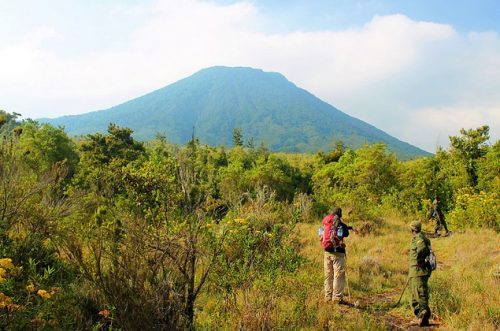
At only 33.7 square kilometers, Mgahinga Gorilla National Park may be Uganda’s smallest protected area, yet its significance far outweighs its size. It forms part of the larger Virunga Conservation Area, which spans Uganda, Rwanda, and the Democratic Republic of Congo, safeguarding a unique volcanic landscape. The park is framed by three towering extinct volcanoes: Mount Muhabura, Mount Gahinga, and Mount Sabyinyo, each cloaked in montane forests, bamboo zones, and afro-alpine vegetation.

This compactness works in favor of the solo traveler. Trails are more intimate, ecosystems overlap seamlessly, and the density of birdlife is heightened by the park’s altitudinal gradients. Birding here is not fragmented but concentrated, allowing for diverse encounters within manageable hikes. For those traveling alone, this accessibility enhances comfort while preserving the sense of adventure.Solo Traveler Guide: Mgahinga Gorilla National Park birding safari for luxury travelers

The Birds of Mgahinga — A Living Collection

Mgahinga’s location in the Albertine Rift makes it one of the richest birding destinations in Africa. The forested slopes and bamboo thickets provide habitat for rare and endemic species, drawing enthusiasts from across the globe. Among its stars are the Rwenzori turaco, with its striking green and crimson plumage, the white-starred robin, the dusky crimsonwing, and the elusive grauer’s swamp warbler.

For solo luxury travelers, the joy lies in the exclusivity of these sightings. Unlike busier parks, Mgahinga offers birding safaris where moments are rarely shared with crowds. When a scarlet-tufted sunbird darts across alpine meadows or a regal crowned crane lifts gracefully into the air, the experience feels deeply personal, as though the wild is performing only for the traveler’s eyes.

Each species is part of a living story that connects ecosystems across borders. Migratory birds from distant continents mingle with endemic species, creating a dynamic tableau where every sighting becomes both a discovery and a connection to broader global rhythms.

Why Solo Travelers Find Luxury in Birding

Traveling alone is often misunderstood as a lack of company, but in truth, it is an intimate form of indulgence. In Mgahinga, birding as a solo traveler provides an unhurried, deeply immersive experience. Without the distractions of group itineraries, every sound, color, and movement in the forest can be absorbed fully.

Luxury here is not measured by extravagance but by exclusivity — the freedom to choose when to pause, when to linger, and when to move on. A solo traveler can spend an hour in a single clearing waiting for a rare bird without pressure, savoring the silence broken only by the forest’s chorus.

Moreover, birding aligns with the contemplative nature of solo journeys. Observing the delicate flight of a bar-tailed trogon or listening to the call of the mountain masked apalis is not simply an observation; it is a meditation. It nurtures patience, heightens awareness, and transforms the journey into an inner as much as an outer exploration.

The Structure of a Birding Safari in Mgahinga

A birding safari in Mgahinga unfolds as a carefully orchestrated rhythm. Days often begin at dawn, when birds are most active. The crisp mountain air carries layers of sound — whistles, chirps, and trills that serve as nature’s morning symphony. Guides, skilled in both sight and sound recognition, lead travelers along trails such as the Gorge Trail between Mount Gahinga and Mount Sabyinyo, renowned for its richness of species.

Midday often slows as birds retreat into shade, allowing for rest and reflection. Luxury travelers use this time to retreat to lodges, where panoramic views of volcanic slopes provide a stage for raptors and other high-soaring species. Afternoons bring renewed activity, with expeditions into bamboo zones or montane forest edges.

For solo travelers, the structure is tailored with flexibility. Without the constraints of larger groups, itineraries can shift to suit personal pace and interest. If the traveler desires to focus on high-altitude specialties or to spend hours perfecting photography of a single species, the schedule accommodates such indulgence.

Seasons and Timing in 2026

Birding in Mgahinga is rewarding year-round, but 2026’s best seasons align with Uganda’s broader climate patterns. The dry months — from December to February and June to September — are most favorable for hiking, as trails remain manageable and skies clear, enhancing visibility. These months also coincide with breeding seasons for many species, increasing the vibrancy of sightings.

The wet seasons, from March to May and October to November, create challenges with muddy paths and mist-covered slopes. Yet they also bring advantages. Migratory birds arrive during these months, swelling the diversity of species. Forests grow lush and resonant, with calls amplified by rain-washed air. For the solo traveler seeking solitude, wet seasons also mean fewer visitors, ensuring almost private access to the park’s treasures.

In 2025, the choice of timing depends on personal priorities: ease of trekking versus intimacy of atmosphere, endemic breeding displays versus migratory influxes. Each season offers its own palette of luxury.

Lodges of Refinement — Where Luxury Meets Wilderness

For solo luxury travelers, the choice of lodge is as important as the trails themselves. Mgahinga’s proximity to Kisoro town and its scenic landscapes offers several high-end options where hospitality mirrors the forest’s serenity.

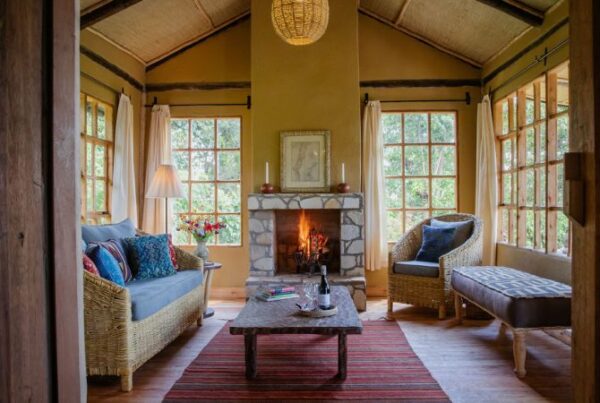
Lodges here blend natural materials with modern refinement, offering panoramic views of the Virunga volcanoes, private cottages with fireplaces, and wellness experiences that complement the physical demands of birding safaris. Fine dining celebrates both Ugandan flavors and international sophistication, often paired with wines that turn every evening into a celebration of discovery.

For solo travelers, luxury lodges provide more than comfort. They create spaces of companionship when desired — through conversations with staff, guides, or fellow travelers — and solitude when needed, with private decks and serene landscapes. This balance ensures that the traveler never feels isolated but always feels in control of their experience.

Photography — Crafting a Visual Narrative

Birding safaris in Mgahinga are as much about storytelling as they are about observation. Photography transforms fleeting moments into lasting narratives. Yet capturing birds in dense forest requires skill, patience, and awareness of light. The dappled canopy often creates challenging conditions where timing and readiness make the difference between a blurred wing and a masterpiece.

For solo luxury travelers, guides often double as photography assistants, pointing out opportunities and advising on positioning. Lodges increasingly offer photography workshops, enabling travelers to refine their craft. The reward is a portfolio of images that not only documents species but conveys the atmosphere of the journey — mist rising from volcanic slopes, the vibrant flash of a turaco’s wings, or the stillness of bamboo groves under soft light.

Luxury here is not simply in owning high-end equipment but in having the time, guidance, and perspective to use it meaningfully.

Wellness and Reflection in the Wild

Beyond birds, Mgahinga offers a setting where wellness thrives. Hiking through mountain air, listening to the forest’s natural symphony, and pausing to reflect in secluded clearings become acts of restoration. For solo travelers, these moments are heightened by the absence of distraction.

Lodges complement this natural wellness with spa treatments using local botanicals, yoga sessions against the backdrop of volcanic peaks, and cuisine that nourishes both body and spirit. Luxury is thus defined not only by sightings but by balance — the merging of exploration and restoration, of effort and ease.Solo Traveler Guide: Mgahinga Gorilla National Park birding safari for luxury travelers

Cultural Encounters — The Human Dimension

No safari in Mgahinga is complete without acknowledging its cultural context. The Batwa pygmies, indigenous to this forest, now share their heritage through guided experiences. Solo travelers often find these encounters deeply moving, as they reveal human stories of resilience, adaptation, and identity.

Learning traditional songs, listening to oral histories, or watching demonstrations of forest survival techniques adds depth beyond birding. For the solo luxury traveler, private cultural interactions provide intimacy and respect, ensuring the experience is authentic and meaningful. These encounters remind visitors that Mgahinga’s richness lies not only in its birds but also in the people who have lived alongside them for generations.

Conservation and Responsibility

By 2025, conservation remains central to Mgahinga’s story. Tourism revenues directly fund protection of habitats, anti-poaching patrols, and community initiatives. Solo travelers, through their permits and lodge stays, become part of this larger conservation narrative.

Luxury travel here is not about excess but about responsibility with privilege. Knowing that one’s presence contributes to safeguarding endangered species and supporting local communities is itself a form of indulgence. For many, this knowledge elevates the experience from personal pleasure to shared legacy.

Beyond Birding — Complementary Adventures

Though birding is the focus, Mgahinga offers complementary activities that enrich the solo traveler’s journey. Gorilla trekking remains the park’s most iconic activity, while golden monkey tracking provides another rare primate encounter. Volcano hikes, such as scaling Mount Sabyinyo, offer panoramic views across three countries, turning every step into a photographic triumph.

These complementary adventures create a holistic itinerary where birding is part of a broader exploration of the Virunga landscape. Luxury lies in the ability to choose — to craft a personal journey where each day balances discovery, challenge, and restoration.

The Lasting Legacy of a Solo Birding Safari

When the solo traveler departs Mgahinga, the memory carried is not only of species listed or photographs captured but of transformation. Birding here is more than observation; it is immersion. Each call heard, each wing observed, and each silence felt contributes to a narrative of connection.

The legacy of such a safari is twofold. For the traveler, it is an enriched awareness of life’s subtleties, an appreciation of patience, and a collection of stories that can be retold for a lifetime. For the park and its communities, it is the support that sustains conservation and cultural resilience. In this exchange, solo luxury travel becomes a dialogue — personal, responsible, and unforgettable.

Experience with WildHorn Africa

For those who aspire to embrace Mgahinga Gorilla National Park in all its birding splendor, WildHorn Africa offers the expertise and refinement required. Specialists in designing bespoke luxury safaris, WildHorn Africa ensures that solo travelers receive the attention, flexibility, and exclusivity that define their journeys.

From securing expert birding guides and arranging luxury lodge stays to curating cultural interactions with care, their itineraries balance comfort with authenticity. With WildHorn Africa, a solo traveler’s birding safari becomes not only seamless but transformative, ensuring that every detail reflects both indulgence and responsibility.

In 2025, Mgahinga awaits with its symphony of wings, its volcanic grandeur, and its cultural soul. And with WildHorn Africa, the solo luxury traveler discovers that the truest indulgence lies in traveling deeply, responsibly, and meaningfully, one bird at a time.

The Complete Guide: gorilla trekking at Bwindi Impenetrable Forest in 2025-2026

The Complete Guide: gorilla trekking at Bwindi Impenetrable Forest in 2025-2026

By Travel stories and blogs, Adventure holidays, Bucket list holidays, Luxury holidays, Primate holidays, Safari holidays, Uganda travel guides

The Complete Guide: gorilla trekking at Bwindi Impenetrable Forest in 2025-2026.

A Journey into the Heart of the Wild

There are few experiences in the world that embody the true essence of adventure and intimacy with nature more profoundly than gorilla trekking. In 2025, as travel evolves toward deeper, more meaningful encounters, Bwindi Impenetrable Forest in Uganda remains the pinnacle of such journeys. Nestled in the southwestern corner of the country, this UNESCO World Heritage Site stands as one of the last sanctuaries of the critically endangered mountain gorilla, a species whose resilience and beauty continue to inspire travelers and conservationists alike.

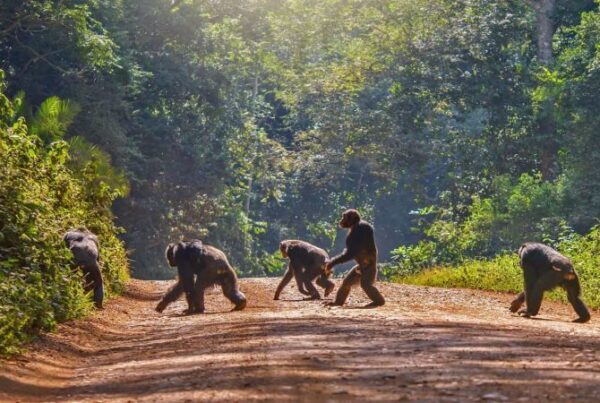
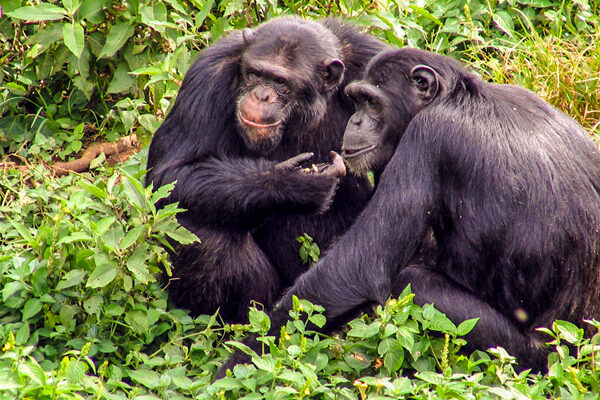
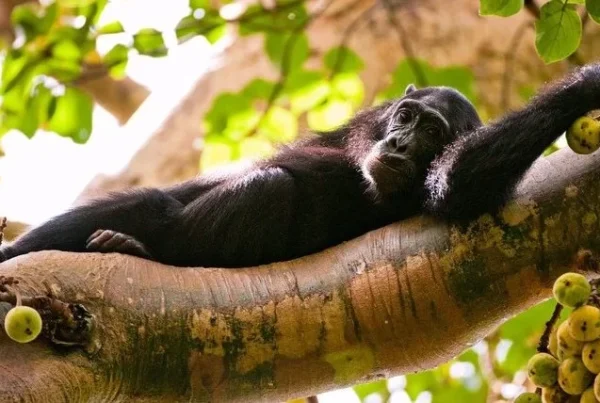
To step into Bwindi is to embrace a wilderness so rich and untouched that its very name, impenetrable, evokes mystery and awe. Towering trees, tangled vines, and dense undergrowth conceal not only gorillas but also countless other species, from forest elephants and chimpanzees to hundreds of bird species that make this one of Africa’s most celebrated ecosystems. For the modern traveler, and especially for those seeking luxury escapes, gorilla trekking here in 2025 is more than an activity — it is a profound dialogue with nature, a chance to witness life in its rawest and most vulnerable form, and a commitment to responsible, transformative travel.

This guide offers an in-depth exploration of everything one needs to know, from the history and ecology of Bwindi to the logistics, seasons, and luxury touches that elevate the experience.

Bwindi Impenetrable Forest — A Living Tapestry of Biodiversity

Spanning over 321 square kilometers, Bwindi is part of the Albertine Rift Valley, one of the most biologically diverse regions on earth. Its altitude ranges from 1,160 to 2,607 meters, creating a mosaic of habitats that sustain a vast range of flora and fauna. Ancient by any standard, this forest has stood for more than 25,000 years, surviving geological upheavals and climate shifts to become a sanctuary of resilience.

Beyond gorillas, Bwindi shelters more than 120 mammal species, 350 bird species, and an array of butterflies and reptiles. Its flora is equally rich, with over 200 tree species and 100 fern species. The forest is not simply a backdrop for trekking; it is a vibrant world where every step reveals layers of ecological wonder.

To the people of Uganda, Bwindi is more than wilderness. It is a cultural and spiritual heritage, linked to the Batwa pygmies, indigenous forest dwellers whose ancestral ties to the land run deep. For the traveler in 2025, encountering Bwindi means entering a living tapestry where conservation, culture, and biodiversity weave a story far greater than any one trek.The Complete Guide: gorilla trekking at Bwindi Impenetrable Forest in 2025-2026

Mountain Gorillas — The Beating Heart of Bwindi

The mountain gorilla (Gorilla beringei beringei) is the undeniable star of Bwindi. Unlike lowland gorillas found in other parts of Africa, mountain gorillas cannot survive in captivity, making encounters in the wild their only possibility. An estimated population of around 1,050 mountain gorillas exists globally, with nearly half residing in Bwindi.

These creatures are organized into habituated groups, each led by a dominant silverback who commands authority with strength and wisdom. Their social structures, behaviors, and familial bonds often mirror those of humans, deepening the sense of kinship felt during encounters. Watching them groom one another, play, or forage in the forest underscores both their vulnerability and their resilience.

By 2025, conservation efforts in Uganda have achieved remarkable success. Gorilla numbers have steadily risen thanks to strict protection, community engagement, and tourism revenues reinvested into preservation. For travelers, this means that every permit purchased contributes directly to ensuring the survival of these magnificent primates.

Preparing for Gorilla Trekking in 2025

A trek in Bwindi is no casual stroll; it is an immersive experience demanding physical readiness, patience, and an open spirit. The trails often involve steep climbs, thick undergrowth, and unpredictable weather. Yet these very challenges form part of the luxury of the experience, for what is rare and demanding is often the most rewarding.

In 2025, preparations begin long before setting foot in the forest. Gorilla trekking permits, regulated by the Uganda Wildlife Authority, remain limited to protect the animals and their habitat. Securing these permits well in advance is essential, especially during peak seasons. Each trek is carefully structured, with groups limited to a small number of visitors accompanied by expert rangers and trackers.

The luxury traveler benefits from personalized support — private briefings, expert guides, and curated itineraries that ensure the experience unfolds seamlessly. Whether through specialized gear, concierge assistance, or wellness preparations, the emphasis is on maximizing comfort without diminishing authenticity.

The Trekking Experience — Step by Step

The day of the trek begins at dawn. Guests gather at designated starting points within Bwindi’s four trekking sectors — Buhoma, Ruhija, Rushaga, and Nkuringo. Each sector offers unique terrain, habituated groups, and perspectives on the forest.

After an orientation led by rangers, groups set off into the dense undergrowth. The trek may last from one hour to several, depending on the gorillas’ movements. Paths are carved through thick vegetation, often requiring determination and endurance. Yet every pause brings encounters with other wildlife — birds darting through the canopy, butterflies gliding in dappled sunlight, or the occasional glimpse of monkeys swinging through branches.

And then comes the moment of arrival. The first sight of a gorilla group is indescribable. A silverback may sit calmly, surveying his family with quiet authority. Females may nurse their young, while juveniles tumble in playful mischief. Cameras click, but silence often dominates, as travelers realize they are in the presence of something profoundly rare.

Visits are restricted to one hour to minimize disturbance, yet that hour feels timeless. It is not a performance staged for human eyes but a glimpse into the authentic rhythm of gorilla life. Luxury here is not in gilded surroundings but in the privilege of intimacy with the wild.

Seasons and Timing — When to Visit in 2025

Uganda’s climate allows gorilla trekking year-round, but the dry seasons from June to September and December to February are generally preferred. During these months, trails are more manageable, visibility is higher, and the likelihood of prolonged rain is reduced.

The wet seasons, spanning March to May and October to November, present more challenges — muddy trails, slippery slopes, and heavier rainfall. Yet they also bring advantages: lush greenery, fewer visitors, and often more affordable rates for accommodation. For photographers, the soft light of the rainy season offers unparalleled opportunities.

In 2025, the choice of timing depends not only on logistics but also on intention. Those seeking comfort and ease may prefer dry months, while those craving intimacy and atmosphere may find the wet season more rewarding. Luxury operators increasingly tailor experiences to match these preferences, ensuring that each traveler’s vision of the trek is fulfilled.

Luxury Lodges — Refined Sanctuaries at the Edge of Wilderness

No guide to gorilla trekking would be complete without acknowledging the luxury lodges that frame the experience. Nestled near each sector of Bwindi, these lodges combine world-class hospitality with a deep respect for the environment.

Architectural designs often mirror the forest, with stone, wood, and thatch blending into the landscape. Interiors balance rustic charm with refined comfort — private decks overlooking mist-covered valleys, spa treatments using local botanicals, and gourmet dining that celebrates both Ugandan flavors and international sophistication.

For the luxury traveler, these lodges are not mere accommodations but sanctuaries of restoration. After hours in the forest, they provide space to reflect, relax, and rejuvenate. Evenings often feature storytelling around a fire, private dinners under starlit skies, or wellness rituals that reconnect body and spirit.

Photography and Memory-Making

Gorilla trekking in 2025 is as much about creating memories as it is about living the moment. Photography plays a central role, yet capturing gorillas in dense forest requires skill and awareness. Low light, movement, and the need for discretion present challenges that reward patience and preparation.

Beyond gorillas, the forest itself offers endless subjects. The textures of ancient trees, the iridescence of birds, and the play of light through the canopy create images as captivating as the animals themselves. For luxury travelers, professional photography guides are often available, ensuring that each frame reflects both artistry and authenticity.

Yet the most profound memories often transcend photographs. They reside in the silence when gorilla eyes meet human eyes, in the sound of rain dripping through the canopy, or in the collective breath held as a silverback moves past. These moments, though difficult to capture on film, remain etched in the traveler’s spirit.The Complete Guide: gorilla trekking at Bwindi Impenetrable Forest in 2025-2026

Conservation and Responsibility

By 2025, gorilla trekking is inseparable from the narrative of conservation. Every permit purchased contributes to the protection of gorillas and the empowerment of surrounding communities. Revenues fund anti-poaching patrols, veterinary interventions, and habitat preservation. Equally significant, they support education, healthcare, and livelihoods for local people, ensuring that conservation is not seen as an external imposition but as a shared benefit.

Luxury travel plays a crucial role here. High-value, low-impact tourism ensures that fewer visitors create greater contributions. Travelers are increasingly aware that their indulgence must also be responsibility, and operators emphasize eco-conscious practices — from minimizing plastic to supporting reforestation projects.

For the traveler in 2025, the greatest luxury is knowing that their presence safeguards rather than exploits. Gorilla trekking becomes not only an encounter with wildlife but a commitment to a global conservation legacy.

The Role of Culture — The Batwa Experience

While gorillas dominate attention, the cultural dimension of Bwindi is equally enriching. The Batwa pygmies, once forest dwellers, now engage visitors through cultural encounters that preserve and share their heritage. Storytelling, dance, and demonstrations of traditional forest survival skills provide insight into a way of life intricately tied to the land.

For luxury travelers, private and respectful interactions with the Batwa offer depth beyond wildlife. They remind visitors that conservation is not only about animals but also about people whose identities are woven into the forest. The photo essay of Bwindi, therefore, is incomplete without the human story.

Beyond the Trek — Expanding the Journey

Though gorilla trekking is the centerpiece, Bwindi offers more. Nature walks, birding expeditions, and waterfall hikes provide additional layers of exploration. The surrounding regions — Lake Bunyonyi with its island-studded waters, or Queen Elizabeth National Park with its savannah wildlife — complement the forest experience, creating itineraries of remarkable diversity.

Luxury travelers often craft journeys that begin with urban indulgence in Kampala, flow into the wilderness of Bwindi, and conclude with serene relaxation by Uganda’s lakes or rivers. In 2025, travel is less about isolated activities and more about holistic narratives that engage mind, body, and spirit.

The Lasting Legacy of Bwindi in 2025

When the trek ends and travelers leave Bwindi, what remains is more than photographs or stories. It is a profound transformation. To look into the eyes of a gorilla is to recognize kinship, to feel humility, and to understand the fragile interconnectedness of life. The impenetrable forest, though dense and challenging, reveals truths about resilience, patience, and beauty that linger long after departure.

For the luxury traveler, this legacy is not indulgence alone but meaning. Bwindi in 2025 stands not just as a destination but as a pilgrimage of the heart, where the rarest of wildlife encounters becomes a mirror reflecting our shared humanity.

Curated Gorilla Safaris with WildHorn Africa

For those ready to embrace the ultimate luxury escape into the wild, WildHorn Africa offers unmatched expertise in curating gorilla trekking journeys. From securing permits and arranging private guides to selecting lodges that balance indulgence with authenticity, WildHorn Africa ensures that every step of the journey is elevated to perfection.

With a commitment to sustainability and cultural respect, their itineraries transform gorilla trekking into more than an excursion — they become transformative experiences where luxury and conservation walk hand in hand. By booking with WildHorn Africa, travelers not only secure the best logistical support but also ensure their presence contributes meaningfully to the protection of gorillas and the empowerment of local communities.

In 2025, Bwindi Impenetrable Forest awaits with its timeless secrets and unforgettable encounters. And with WildHorn Africa, every trek becomes a story of luxury, responsibility, and discovery that will define a lifetime of travel memories.

How to Festival Guide in Ssese Islands — Frequently Asked Questions for Groups

How to Festival Guide in Ssese Islands — Frequently Asked Questions for Groups

By Travel stories and blogs, Adventure holidays, Bucket list holidays, Luxury holidays, Safari holidays, Uganda travel guides

How to Festival Guide in Ssese Islands — Frequently Asked Questions for Groups

Where Celebration Meets Paradise

The word festival conjures images of music, laughter, shared meals, and cultural rhythms that transform ordinary spaces into extraordinary experiences. Now imagine such celebrations unfolding not in crowded city streets, but on the serene shores of one of Africa’s most enchanting destinations — the Ssese Islands. Scattered across the northwestern corner of Lake Victoria, this archipelago of eighty-four islands is a sanctuary of palm-lined beaches, emerald forests, and gentle waters. For groups traveling together, the Ssese Islands offer an unmatched setting for festivals that combine community spirit with the beauty of nature.

From small private gatherings to larger cultural or musical events, the islands have grown into a discreet hub for celebrations. Their remoteness adds exclusivity, while their accessibility ensures that travelers are never isolated. Yet for groups planning to attend or host a festival here, questions inevitably arise: when is the best time, how does one prepare, what traditions are respected, and how can safety and affordability be balanced?

This guide, written with both the detail of local knowledge and the eye of a traveler, addresses these questions in depth. Structured as a frequently asked questions exploration, it equips groups with the information needed to enjoy Ssese festivals fully, responsibly, and luxuriously.

What Makes the Ssese Islands Ideal for Festivals?

The Ssese Islands are more than just a collection of landmasses on Lake Victoria; they are a landscape infused with tranquility and cultural heritage. Festivals here benefit from natural settings that lend themselves to celebration. Beaches stretch wide, providing open-air venues for concerts, dances, or bonfire nights. Forest clearings allow intimate gatherings under starlit skies, while resorts and eco-lodges offer the infrastructure required for organized events.

The islands’ diversity also enhances festivals. Some islands, such as Bugala, are larger and better developed, catering to larger groups with hotels, restaurants, and transport facilities. Others, more secluded, allow groups to create private and exclusive retreats where music blends with the sound of waves and laughter echoes through the night.

For groups, the Ssese Islands provide the rare balance of isolation and connection — isolated enough to create privacy and intimacy, yet connected enough to ensure comfort and accessibility.How to Festival Guide in Ssese Islands — Frequently Asked Questions for Groups

When Is the Best Time for Festivals in the Ssese Islands?

The question of timing is central for groups planning festivals. Uganda’s equatorial climate shapes the rhythm of life, with two dry seasons — December to February and June to September — considered most favorable for outdoor events. These months offer clear skies, minimal rainfall, and calm lake waters, ensuring that beach parties, open-air concerts, and group excursions unfold without weather-related disruptions.

During the rainy seasons — March to May and October to November — the islands take on a different character. Lush greenery intensifies, and the air becomes charged with vitality. While heavy rains can affect outdoor gatherings, they also create a sense of intimacy, making indoor festivals in lodges or under tents particularly atmospheric. For smaller groups seeking exclusivity, the rainy months often provide reduced accommodation costs and fewer competing events, enhancing affordability.

Ultimately, the timing depends on the group’s priorities: sunlit openness of the dry months or the cozy vibrancy of the rainy seasons. Both create unforgettable festivals, though in different ways.

How Do Groups Travel Safely to the Ssese Islands?

Travel to the Ssese Islands begins with a journey across Lake Victoria. The most common entry point is Nakiwogo Landing Site in Entebbe, from where ferries and boats depart to Bugala Island, the archipelago’s largest and most accessible island. Public ferries provide affordable transport, while private charters offer convenience and exclusivity for groups.

Safety during travel is paramount. Groups are advised to choose licensed operators who provide life jackets and adhere to weather advisories. Larger ferries offer stability, while speedboats shorten travel times but require greater attentiveness to conditions. For groups traveling during festivals, advance booking ensures seats, as demand rises sharply during peak celebrations.

Upon arrival at Bugala, smaller boats can transfer groups to other islands, depending on the chosen festival venue. Patience and planning are essential, as lake transport operates on schedules that are flexible rather than rigid. The journey itself, however, is part of the celebration, offering breathtaking views of Uganda’s great inland sea.

What Accommodations Suit Festival Groups?

Festivals in the Ssese Islands vary widely in scale, and so do the accommodations. Groups attending larger festivals often find Bugala Island’s resorts ideal, with their capacity for hosting events and their facilities such as bars, pools, and beachfront dining. These resorts provide convenience for both day and night gatherings, ensuring that groups can celebrate without concern for transport.

For smaller groups or private festivals, eco-lodges and guesthouses on less populated islands provide more intimate spaces. These lodges, often built with local materials and designed with sustainability in mind, allow groups to customize their celebrations while enjoying exclusive privacy. Camping is another option, especially during music or cultural festivals, where tents line the beaches and nights are spent under the stars.

Budget does not need to compromise safety or comfort. The islands host a wide range of accommodations, from luxury lodges to modest guesthouses, ensuring that groups of varying sizes and financial capacities can find suitable options.

What Are the Cultural Norms During Festivals?

Festivals on the Ssese Islands, while open and joyous, remain grounded in local traditions. Respect for the communities that host these events is essential. Music, dance, and storytelling are integral parts of island culture, and many festivals incorporate local performers whose rhythms and narratives enrich the celebrations.

Groups are encouraged to participate actively yet respectfully, joining dances, learning songs, or sampling traditional dishes such as smoked fish and matoke. Photography is welcomed, but consent should always be sought, particularly during intimate cultural displays.

Alcohol consumption, while common at festivals, should be enjoyed with moderation, ensuring that celebrations remain harmonious rather than disruptive. The cultural essence of Ssese festivals lies in community and togetherness, values that groups should embrace as part of their experience.

How Can Groups Stay Safe During Festivals?

Safety during festivals encompasses several dimensions: health, security, and environmental responsibility.

Health safety begins with water. While bottled and filtered water are widely available at resorts and lodges, groups should avoid consuming untreated lake water. Mosquitoes are common in the islands, so repellents and nets are essential. For groups engaging in swimming or water sports, designated safe zones are recommended, as currents in some areas can be unpredictable.

Security is generally strong, as communities in Ssese Islands are accustomed to tourism. However, groups should remain vigilant with personal belongings, especially during crowded events. Valuables are best left in lodge safes or kept discreetly during outings. Traveling in groups at night adds an extra layer of reassurance, ensuring that festival celebrations flow smoothly.

Environmental safety is equally important. Festivals should respect the islands’ fragile ecosystems by minimizing waste, using reusable containers, and supporting eco-conscious operators. Leaving the beaches and forests as pristine as they were found ensures that future travelers can enjoy the same beauty.

What Activities Complement Festivals for Groups?

Festivals in the Ssese Islands are not limited to music or dance alone. They often integrate outdoor activities that enhance group bonding and adventure. Fishing excursions on Lake Victoria allow groups to experience traditional livelihoods, while guided forest walks reveal the islands’ biodiversity, from monkeys to colorful birdlife.

Boat rides between islands provide opportunities for exploration, with each island offering unique legends and landscapes. Historical sites, such as traditional shrines and colonial-era remnants, allow groups to deepen their cultural knowledge. For those seeking relaxation, beaches offer tranquil settings for swimming, volleyball, or simply basking in the sun.

The key for groups is balance — alternating high-energy festival nights with restorative days ensures that the overall experience remains joyful rather than exhausting.

Are Festivals Affordable for Groups?

Cost is one of the most common questions for groups, especially those planning multi-day celebrations. The Ssese Islands accommodate a wide spectrum of budgets. Ferry fares are modest, group accommodations often provide discounts, and local meals remain affordable. For groups with higher budgets, private charters, luxury lodges, and premium dining elevate the festival into indulgence.

What makes the Ssese Islands particularly attractive is that affordability does not eliminate authenticity. Groups celebrating on modest budgets can still enjoy beaches, cultural performances, and bonfires without compromise. The value lies not in extravagance but in the shared joy of community, nature, and rhythm.

How Do Seasons Influence Festivals?

Seasonality plays a defining role in shaping festivals in the Ssese Islands. During the dry seasons, open-air concerts, beach gatherings, and large-scale events flourish. Warm nights extend celebrations into dawn, with minimal disruptions. For photographers, these months offer crisp clarity for documenting group moments.How to Festival Guide in Ssese Islands — Frequently Asked Questions for Groups

During rainy seasons, festivals shift tone. Tents, lodges, and indoor spaces become central, creating cozy atmospheres where drumming and dancing continue despite the rain. Smaller group festivals often thrive during these months, benefiting from reduced crowds and enhanced intimacy. Rain itself adds drama, transforming bonfires into symbols of resilience and togetherness.

Groups are advised to align their festival goals with seasonal characteristics. Large-scale gatherings shine in the dry months, while private or smaller festivals find unique charm in the rainy seasons.

What Lasting Impact Do Festivals in the Ssese Islands Create?

Festivals here are not fleeting; they leave legacies. For groups, the memories extend beyond music or dance to include moments of connection — laughter around bonfires, shared meals, sunrise swims, or conversations under starlit skies. The islands imprint themselves through sensory richness, where every sound, taste, and sight becomes part of a collective memory.

For local communities, festivals create livelihoods, strengthen cultural pride, and foster exchange. For travelers, they provide not only joy but also lessons in sustainability, cultural respect, and the value of shared human experiences.

Celebrate with WildHorn Africa

For groups planning to embrace the magic of Ssese Island festivals, WildHorn Africa offers the expertise and precision needed to transform plans into seamless realities. Their bespoke itineraries balance luxury, authenticity, and affordability, ensuring that every group finds its rhythm in paradise.

From arranging safe transport across Lake Victoria to securing accommodations that fit both budget and comfort, WildHorn Africa ensures that festivals unfold without worry. Their local knowledge guarantees that cultural encounters remain respectful, while their logistical support ensures that celebrations remain joyful rather than stressful.

By booking through WildHorn Africa, groups do not merely attend festivals; they become part of a living story, where Lake Victoria’s islands, Uganda’s traditions, and the spirit of community converge. In 2025 and beyond, the Ssese Islands remain one of East Africa’s most extraordinary festival destinations. With WildHorn Africa, groups can celebrate with confidence, safety, and style, knowing that their experience is guided by experts who understand both the land and the rhythm of its people.

Safety Guide Kidepo Valley National Park road trip for long-stay travelers

Safety Guide Kidepo Valley National Park road trip for long-stay travelers

By Travel stories and blogs, Adventure holidays, Family holidays, Safari holidays, Uganda travel guides, Wildlife holidays

Safety Guide Kidepo Valley National Park Road Trip for Long-Stay Travelers

Where Wilderness and Adventure Intersect

There are places in Africa where wilderness remains as raw and unspoiled as it was centuries ago. In Uganda, that place is Kidepo Valley National Park, a rugged expanse of savannah, mountains, and semi-arid plains far removed from the bustle of urban centers. Tucked in the country’s northeastern corner near the borders with Kenya and South Sudan, Kidepo is often described as the “true African wilderness” — a sanctuary where landscapes stretch endlessly, wildlife roams freely, and silence is broken only by the calls of lions, cheetahs, and countless birds.

For the modern traveler, and especially for those staying long-term in Uganda, the road trip to Kidepo is not simply a journey. It is an initiation into one of Africa’s most untouched ecosystems. Yet the remoteness that defines Kidepo also brings challenges. Reaching the park involves traversing hundreds of kilometers of rural roads, navigating isolated regions, and preparing for unpredictable conditions. Safety, therefore, becomes not an afterthought but the foundation of the experience.

This guide is designed to offer long-stay travelers a comprehensive perspective on road trip safety to Kidepo Valley National Park. It explores everything from road conditions and timing to vehicle preparation, cultural awareness, and health considerations. More than a checklist, it provides a structured narrative to help travelers engage with Kidepo responsibly, comfortably, and with the confidence that their journey will be as rewarding as it is secure.

The Allure of Kidepo Valley National Park

Before considering safety, one must first understand why Kidepo draws travelers despite its distance. Covering 1,442 square kilometers, the park boasts landscapes unlike any other in Uganda. From the sweeping Narus Valley, rich with herds of buffalo and elephants, to the stark beauty of the Kidepo Valley itself, dotted with Borassus palm trees and traversed by seasonal rivers, the park exudes drama.

Wildlife thrives here in abundance. Kidepo is one of the few places in Uganda where cheetahs, ostriches, and striped hyenas coexist alongside iconic species like lions, giraffes, and elephants. Birdlife is equally impressive, with more than 470 species recorded. For long-stay travelers seeking experiences beyond the common circuits of Bwindi or Queen Elizabeth, Kidepo represents the ultimate reward: exclusivity, authenticity, and grandeur.

The remoteness that makes Kidepo so magical also demands preparation. Travelers cannot simply arrive unplanned; the road trip itself is an adventure that requires foresight, respect, and resilience.Safety Guide Kidepo Valley National Park road trip for long-stay travelers

Road to Kidepo — Distances and Routes

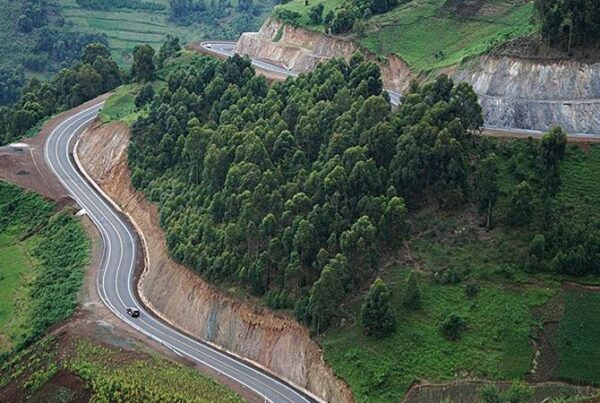
The most common overland journey begins in Kampala, Uganda’s capital. From there, several routes lead northwards, ranging from 550 to 700 kilometers depending on the path chosen. Most trips require at least 10 to 12 hours of driving, often spread across two days for comfort and safety.

Popular routes include traveling through Gulu and Kitgum before turning east toward Kidepo, or taking a more eastern path through Mbale, Soroti, and Moroto, offering opportunities to encounter the dramatic landscapes of Karamoja. Each route has its own conditions and cultural encounters, but all share the common factor of requiring patience and vigilance.

For long-stay travelers, the road trip becomes part of the adventure. Yet it is also where safety concerns emerge most strongly, from varying road surfaces to remoteness and limited services.

Vehicle Considerations — The Foundation of Safety

A road trip to Kidepo cannot be undertaken casually in any vehicle. The distance, terrain, and unpredictability demand a 4×4 vehicle in excellent condition. Roads vary from tarmac highways to gravel tracks, and in rainy seasons, some stretches become muddy and difficult to navigate.

For safety, vehicles should be serviced before departure, ensuring brakes, suspension, and tires are in top condition. Long-stay travelers often rely on rented safari vehicles, which come with added benefits such as professional drivers familiar with the routes. Those who prefer self-drive must prepare thoroughly, carrying spare tires, tools, fuel reserves, and knowledge of basic mechanics.

Luxury in this context is not leather seats or onboard entertainment but the assurance of reliability. A well-prepared vehicle is the first and most critical safeguard against the challenges of the road.

Timing the Journey — Seasonality and Weather

Uganda’s climate plays a decisive role in road safety. The dry seasons — December to February and June to September — are considered the best times for traveling to Kidepo. Roads are more passable, visibility is higher, and conditions in the park are easier for game drives.

The wet seasons, particularly March to May and October to November, pose greater risks. Heavy rains transform dirt tracks into slippery mud, rivers swell, and delays become common. For long-stay travelers with flexible schedules, aligning the road trip with dry months significantly reduces risks and enhances comfort.

Additionally, the timing of departure matters. Starting journeys early in the morning maximizes daylight driving hours, minimizing the dangers associated with navigating rural roads in darkness. For safety, overnights in towns like Gulu or Kitgum are recommended, turning the trip into a paced adventure rather than an exhausting marathon.

Cultural Awareness — Traveling Through Karamoja and Beyond

One of the unique aspects of a Kidepo road trip is the passage through Karamoja, a region once perceived as isolated but now celebrated for its cultural richness. Home to pastoralist communities, Karamoja offers travelers glimpses into traditional lifestyles, cattle herding, and vibrant dances.

For safety and respect, long-stay travelers must approach these encounters with awareness. Photography should always be requested politely, conversations approached with humility, and interactions framed by curiosity rather than intrusion. Lodges and guides often facilitate introductions, ensuring cultural exchanges are safe and meaningful.

The social landscape of northern Uganda has stabilized significantly in recent decades, making travel safer than in the past. Yet, as with all remote regions, attentiveness and cultural sensitivity remain central to security.

Health and Personal Safety Considerations

A road trip to Kidepo traverses areas with limited medical facilities. Long-stay travelers must therefore prepare thoroughly. Carrying a well-stocked first aid kit, personal medications, and insect repellents is essential. Malaria prophylaxis is strongly advised, as mosquitoes are common in lowland areas.

Hydration is equally critical. The semi-arid climate of Kidepo and the long road journey can quickly lead to fatigue if water is not consumed regularly. Lodges and tour operators often ensure supplies, but travelers should carry reserves during transit.

Food safety is another consideration. While roadside stops may be tempting, long-stay travelers are advised to rely on trusted lodges, packed meals, or reputable restaurants in larger towns for hygiene assurance.

Communication and Navigation

Remote regions often mean limited mobile network coverage. Travelers should not rely solely on digital navigation. Paper maps, pre-downloaded GPS routes, and local guides provide security against disorientation.

Satellite phones or radios are often used by professional guides and luxury operators, ensuring constant communication even in the most isolated stretches. For long-stay travelers planning multiple safaris across Uganda, investing in or arranging access to such equipment adds a layer of safety that should not be underestimated.

Inside Kidepo — Road Safety in the Park

Arriving at Kidepo does not end the journey; it begins a new stage of road safety within the park itself. Game drives involve traversing dirt tracks that meander through valleys and across plains. During dry seasons, dust reduces visibility, while wet conditions create mud that challenges even experienced drivers.

Speed must always be moderated. Wildlife has right of way, and sudden appearances of elephants, buffalo, or antelopes on tracks can startle inexperienced drivers. For safety, guided game drives led by professional rangers or lodge drivers are highly recommended, ensuring not only security but also enhanced interpretation of wildlife behavior.

For long-stay travelers, familiarity with park routes builds over time, but initial drives are best undertaken with expert guidance.

Lodges as Safety Anchors

Luxury lodges within and around Kidepo Valley National Park play a central role in safety. They provide secure accommodations, reliable meals, and trained staff familiar with both the environment and local culture. For long-stay visitors, lodges become more than places to sleep — they are hubs of security, wellness, and guidance.

Many lodges also maintain direct communication with park authorities, ensuring that travelers are updated on conditions such as weather changes, road closures, or wildlife movements. This network of support allows visitors to relax, knowing that safety is actively managed.

The Value of Professional Guides

While independent travel appeals to many, Kidepo’s remoteness amplifies the value of professional guides. Experienced drivers and rangers not only enhance safety but enrich the journey through interpretation of landscapes, wildlife, and culture.

For long-stay travelers, professional guidance can be tailored into longer-term relationships, where familiarity allows itineraries to be crafted with precision. The comfort of knowing that logistics and safety are overseen by experts transforms the road trip from daunting to deeply rewarding.

Long-Stay Considerations — Pacing and Sustainability

For those spending extended periods in Uganda, the road trip to Kidepo should not be viewed as an isolated excursion but as part of a broader rhythm of travel. Pacing is crucial. Attempting to cover vast distances in too little time not only increases risks but diminishes enjoyment.

Sustainability also comes into play. Long-stay travelers have the privilege of time, allowing them to engage with communities, support local economies, and minimize the environmental footprint of rushed journeys. Staying longer in Kidepo reduces the frequency of arduous drives and deepens immersion into the wilderness.

Psychological Dimensions of Safety

Safety is not only physical but psychological. For long-stay travelers, confidence grows with familiarity. The first road trip to Kidepo may feel daunting, with every turn of the wheel carrying uncertainty. Yet over time, knowledge of routes, cultural nuances, and personal preparedness builds reassurance.

Travel in remote areas demands a mindset of resilience. Delays, unexpected weather, or road challenges should be viewed not as threats but as part of the adventure. For luxury travelers, indulgence lies not in eliminating unpredictability but in learning to navigate it with grace and assurance.Safety Guide Kidepo Valley National Park road trip for long-stay travelers

The Legacy of the Road Trip

The journey to Kidepo is as memorable as the destination. The landscapes traversed, the cultures encountered, and the resilience cultivated along the way form a narrative that endures long after the trip ends. For long-stay travelers, the road trip becomes a rite of passage — a story told and retold, where challenges overcome enhance rather than diminish the memory.

Safety, therefore, is not about removing risk entirely but about managing it intelligently. With preparation, respect, and guidance, the Kidepo road trip becomes a journey where wilderness and luxury, remoteness and reassurance, adventure and safety coexist in harmony.

Travel Securely with WildHorn Africa

For those ready to embrace the extraordinary journey to Kidepo Valley National Park, WildHorn Africa provides the expertise required to ensure safety and luxury align perfectly. With carefully maintained vehicles, professional drivers, and bespoke itineraries, WildHorn Africa transforms the road trip into a seamless, enriching experience.

From planning safe routes and arranging secure lodges to providing expert cultural guidance and on-ground support, their services ensure that long-stay travelers need not worry about logistics. Instead, they can immerse themselves fully in the grandeur of Kidepo, confident that every detail has been considered.

In Uganda’s most remote wilderness, the greatest luxury is not only discovery but security. And with WildHorn Africa, travelers are guaranteed both, creating a journey that is as safe as it is unforgettable.

3-Day Itinerary: Source of the Nile seasonal guide for photographers

3-Day Itinerary: Source of the Nile seasonal guide for photographers

By Travel stories and blogs, Adventure holidays, Safari holidays, Uganda travel guides

3-Day Itinerary: Source of the Nile Seasonal Guide for Photographers

A Journey Where Water Meets Wonder

Few destinations in Africa stir the imagination quite like the Source of the Nile in Jinja, Uganda. It is here that Lake Victoria releases its waters to form the longest river in the world, a river whose history, legends, and lifeblood have shaped entire civilizations. To stand at this symbolic origin is to connect with a story that stretches across continents, yet for the modern traveler — and especially for photographers — the Source of the Nile offers far more than historical significance. It is a living, breathing landscape of water, wildlife, and culture that changes its moods with every season.

Photography thrives in such diversity. The Nile at Jinja is not static but dynamic: its light shifts with the hour, its colors change with the season, and its subjects range from birds in mid-flight to fishermen at dawn. For the photographer seeking a three-day immersion, the Source of the Nile offers a canvas of endless possibilities. The key lies in knowing how to structure the itinerary and how to adapt to seasonal nuances that transform the river into a kaleidoscope of visual opportunities.

This guide provides a carefully curated 3-day photography itinerary that blends luxury with authenticity, framed around the seasonal rhythms of the Nile. It is written for those who wish not only to take pictures but to create narratives that reflect the essence of Uganda’s most iconic destination.

Seasons at the Source — Understanding Light and Mood

Before delving into the itinerary, one must first grasp how seasons influence the Nile. Uganda’s climate is tropical, with two main dry seasons — from December to February and June to September — and two rainy seasons — from March to May and October to November.

The dry seasons bring clear skies, golden sunlight, and easier access to trails and boat rides. For photographers, these months provide clarity, sharp contrasts, and predictable conditions ideal for capturing wide landscapes and crisp portraits. Sunsets over the river are particularly vivid, while early mornings offer mist lifting in soft layers, perfect for moody compositions.

The rainy seasons, however, reveal another face of the Nile. Clouds roll in with drama, diffused light softens details, and rain showers create reflections that transform ordinary subjects into poetic frames. While roads may be muddy and schedules less predictable, the rewards for patient photographers are immense. The interplay of storm and light often produces images more evocative than those of the dry months.

Thus, the three-day itinerary is designed with flexibility, ensuring that each season provides its own version of the Nile’s story.3-Day Itinerary: Source of the Nile seasonal guide for photographers

Day 1 — Dawn to Dusk with the Nile

Morning: Sunrise at the Source

The first day begins at dawn, when the Nile awakens slowly and quietly. Photographers gather at the edge of Lake Victoria, where the lake’s vast surface narrows into the beginnings of the river. The mist often lingers at this hour, softening the horizon and casting the water in ethereal tones. Fishermen preparing their canoes provide compelling foregrounds, their silhouettes etched against the pale light.

The best approach is to focus on storytelling: wide shots to capture the transition of lake to river, close-ups of hands gripping paddles, and portraits of birds perched silently on papyrus reeds. Seasonal variations determine the tone — golden hues dominate in the dry months, while soft grays and greens emerge during the rains.

Midday: Exploring the Islands

By midday, the light grows harsher, demanding different strategies. A boat excursion across the Nile’s small islands offers photographers fresh angles. Birds such as cormorants, kingfishers, and fish eagles dominate the skies, while monitor lizards sun themselves along the shores. Here, telephoto lenses become essential, enabling intimate captures without intrusion.

Lunch at a riverside eco-lodge provides respite and an opportunity for reflective photography. Even the act of dining by the Nile, with its slow-moving waters and passing boats, can yield evocative lifestyle images that balance human presence with natural beauty.

Evening: Sunset Reflections

As the day wanes, the Nile transforms once more. Sunsets at Jinja are celebrated for their brilliance, with skies shifting from orange to crimson to violet. Photographers position themselves at vantage points along the riverbank or from boats drifting quietly downstream. The silhouettes of fishermen returning home, birds gliding low over the water, and ripples catching the last light all provide endless creative opportunities.

For luxury travelers, a private sunset cruise elevates the experience. Here, photography combines indulgence with artistry, ensuring that the first day ends not only with images but with memories framed by comfort and exclusivity.

Day 2 — Wildlife, Culture, and Seasonal Moods

Morning: Birdlife in Motion

Day two begins with an emphasis on wildlife, particularly the birding opportunities that make Jinja one of Uganda’s most rewarding avian destinations. Early starts allow photographers to capture the activity of species such as the pied kingfisher diving for fish, the great blue turaco gliding across the canopy, or the African fish eagle swooping with regal precision.

Seasonality again plays a role. During rainy months, migratory species enrich the diversity, while in dry seasons, clarity and predictability enhance the precision of action shots. Patience and quiet observation yield rewards, turning every wingbeat into a frozen story.

Midday: Cultural Encounters

Photography is not limited to nature alone. By midday, attention shifts to Jinja’s cultural fabric. Visits to local markets reveal colors, textures, and expressions that tell stories of daily life. Stalls laden with fruits, spices, and crafts create vibrant compositions, while portraits of traders highlight human resilience and hospitality.

Children playing along the riverbanks, fishermen mending their nets, or women carrying baskets balanced with grace all become subjects of cultural storytelling. Respect and consent guide every shot, ensuring that photography becomes a bridge rather than a barrier.

Evening: Drama of Seasonal Storms

For those visiting during rainy months, evenings often bring dramatic storms. Clouds gather with intensity, lightning illuminates the horizon, and rain creates rippling reflections across the Nile. For photographers, these moments provide some of the most evocative images of the trip.

In dry seasons, evenings lean toward serenity, with calm waters and softer skies. Long exposures at this time capture the slow movement of the river, creating dreamlike images that contrast with the drama of previous hours.

Day 3 — Expanding Horizons

Morning: Adventure Photography

The third day brings the chance to capture Jinja’s identity as Uganda’s adventure capital. White-water rafting, kayaking, and bungee jumping create dynamic opportunities for photographers who wish to showcase motion, energy, and human courage against the backdrop of the Nile.

Here, safety must guide every frame. Professional operators provide secure platforms for photographers to capture rafters plunging into rapids, kayakers navigating currents, or jumpers in mid-flight against wide skies. Even as a spectator, the photographer becomes part of the drama, using the lens to freeze moments of exhilaration.

Midday: Quiet Reflections

After the intensity of adventure, midday offers a shift toward quiet reflection. Gentle canoe rides through calmer waters allow for contemplative compositions. Macro photography thrives here, focusing on dragonflies, water lilies, or droplets of water catching sunlight.

The slower pace suits long-stay travelers who wish to balance their portfolios with images of serenity alongside action. In rainy seasons, these hours may be punctuated by showers, turning leaves and flowers into glistening subjects of delicate beauty.

Evening: Farewell to the Nile

The itinerary concludes with a final evening at the river. Photographers return to favorite spots or seek new angles, aware that every sunset is unique. The farewell is not only visual but emotional, as the Nile leaves its imprint not only on memory cards but on the spirit.

For those who have engaged deeply, the images captured across three days are not random but narrative — a story of dawns, days, and dusks shaped by the seasonal moods of the Source of the Nile.

Luxury in Photography — Beyond the Lens

3-Day Itinerary: Source of the Nile seasonal guide for photographersFor photographers, luxury lies not only in indulgence but in the conditions that allow creativity to flourish. At the Source of the Nile, eco-lodges and luxury retreats provide sanctuaries where equipment can be recharged, portfolios reviewed, and bodies restored. Spas overlooking the water, gourmet meals crafted from local produce, and private viewing decks enhance the journey, ensuring that artistry is supported by comfort.

For long-stay photographers, such sanctuaries also provide stability, allowing them to revisit locations across seasons, to wait for perfect light, and to build deeper connections with the landscapes and communities they document. Luxury here is not excess but freedom — the freedom to create without constraint.

Conservation and Responsibility in Photography

The Source of the Nile is more than a subject; it is a living ecosystem that demands respect. Photographers must approach their craft with responsibility, ensuring that wildlife is never disturbed, local communities are treated with dignity, and the river’s fragile balance is preserved.

Seasonal challenges such as rising water levels or increased waste during peak tourism months highlight the need for eco-conscious travel. Using reusable materials, supporting community-led initiatives, and practicing ethical photography ensures that each image captured contributes not only to personal portfolios but also to collective preservation.

The Lasting Legacy of a Seasonal Itinerary

Three days at the Source of the Nile may seem brief, yet when structured thoughtfully, it becomes a lifetime of images and impressions. Seasonal variations ensure that no two trips are the same. Dry months provide clarity and vibrancy, rainy months yield drama and intimacy, and cultural rhythms infuse the journey with humanity.

For photographers, the legacy lies not only in the images created but in the awareness cultivated — an understanding that light, water, and people are all interconnected. The Nile becomes more than a backdrop; it becomes a teacher, offering lessons in patience, humility, and appreciation.

Capture the Nile with WildHorn Africa

For photographers who wish to experience the Source of the Nile in its fullest splendor, WildHorn Africa offers curated journeys designed to balance artistry with luxury. With expert guides, tailored itineraries, and exclusive access to the best vantage points, WildHorn Africa ensures that each frame reflects both authenticity and refinement.

From arranging private boat rides timed for golden hour to securing eco-lodge stays that blend sustainability with comfort, their expertise allows photographers to focus on their craft while trusting every detail of the journey to professionals. By booking with WildHorn Africa, travelers do not simply visit the Source of the Nile; they immerse themselves in its narrative, capturing its beauty across seasons in a way that is both responsible and luxurious.

In 2025 and beyond, the Nile continues to inspire adventurers and artists alike. And with WildHorn Africa, photographers discover that the greatest luxury lies not only in what is seen but in how it is experienced, framed, and remembered.

Photo Essay for hiking in Lakes George and Edward for luxury travelers

Photo Essay for hiking in Lakes George and Edward for luxury travelers

By Travel stories and blogs, Adventure holidays, Luxury holidays, Safari holidays, Uganda travel guides, Wildlife holidays

Photo Essay for Hiking in Lakes George and Edward for Luxury Travelers

The Art of Storytelling Through Images

There are places where words falter, where landscapes are so profound, so drenched in history, beauty, and soul, that only the lens of a camera can faithfully capture their essence. Lakes George and Edward, twin jewels nestled within Uganda’s western frontier, represent such landscapes. They are not simply bodies of water but living canvases, framed by the majestic Rwenzori Mountains to the north and the savannah plains of Queen Elizabeth National Park to the south. For the luxury traveler, hiking around these lakes is not just an adventure — it is an immersion into nature’s grandest photo essay, where every step and every frame becomes a story of balance between wilderness and indulgence.

To hike here is to engage with the environment in its rawest form while embracing luxury in its most refined definition: exclusivity, authenticity, and personal transformation. Cameras become both companions and witnesses, documenting the quiet ripples of dawn on Lake George, the sprawling horizons of Lake Edward, and the encounters with wildlife and culture that unfold along the journey. Each photograph taken does not merely document but elevates the traveler’s experience, transforming fleeting impressions into timeless narratives.

The Setting — Twin Lakes of Contrast and Harmony

Lakes George and Edward form part of Uganda’s Albertine Rift Valley, a region of extraordinary geological and ecological significance. Though connected by the Kazinga Channel, they possess distinct personalities.

Lake George, smaller yet intimate, is encircled by papyrus swamps that host rich birdlife. It exudes a quiet charm, almost as if whispering its stories rather than declaring them. In contrast, Lake Edward, expansive and open, stretches majestically into the horizon, straddling the border with the Democratic Republic of Congo. Its vast waters reflect skies that shift from blazing blue at midday to soft crimson at sunset.

Together, these lakes embody both contrast and harmony, providing photographers and hikers with two lenses through which to experience Uganda: one intimate and delicate, the other grand and commanding. Hiking trails that weave around their shores offer not only panoramic views but opportunities to engage with wildlife, landscapes, and human communities that define the character of this region.Photo Essay for hiking in Lakes George and Edward for luxury travelers

Hiking as a Luxury Experience

For the discerning traveler, hiking in the landscapes surrounding Lakes George and Edward is not defined by rugged hardship but by the luxury of connection. To walk here is to slow down, to savor each step, and to let the senses fully absorb the environment. The exclusivity lies in the pace, where travelers are not rushed but allowed to linger at vantage points, waiting for the perfect light to transform a view into a masterpiece.

Luxury hiking around these lakes is supported by refined experiences that elevate the journey. Private guides, often with expertise in both natural history and photography, lead travelers along trails less taken. Riverside lodges provide retreats after long walks, where tired muscles are soothed in spas and fine wines accompany evenings of reflection. Gourmet meals, often sourced from local produce, transform post-hike dining into an indulgence of its own.

Thus, the act of hiking becomes more than physical exploration. It becomes a carefully curated narrative where comfort and authenticity walk hand in hand.

Capturing the Morning Light at Lake George

The photo essay begins with dawn at Lake George. As the first rays of sunlight pierce through the mist, the papyrus swamps awaken with sound and movement. Kingfishers dive into the water with precision, while herons stand statuesque along the banks, their reflections shimmering on the still surface. The camera captures the interplay of light and shadow, the delicate textures of reeds, and the subtle hues of morning skies.

For the photographer, patience becomes the ultimate luxury. The soft morning light offers a palette that flatters every subject, from the gleam of a bird’s wing to the rippling patterns of water stirred by a gentle breeze. Hiking along the lake’s perimeter at this time of day feels like moving through a private gallery curated by nature itself.

Midday Encounters — Wildlife and Community

As the day advances, the trails around the lakes reveal a tapestry of encounters. Elephants may appear at a distance, silhouetted against the savannah backdrop, while buffalo herds graze calmly in the plains that stretch toward Queen Elizabeth National Park. Antelopes, ever watchful, dart gracefully across clearings, their movement challenging the camera to freeze fleeting moments of elegance.

Equally compelling are the human stories interwoven with these landscapes. Local fishing communities along the shores of both lakes provide vibrant photographic opportunities. Wooden canoes rest against the shallows, fishermen mend their nets under the sun, and children play along the banks, their laughter echoing against the open waters. Respectful photography here captures not just subjects but the resilience and rhythm of life in harmony with the lakes.

For luxury travelers, private cultural interactions are often arranged with sensitivity, ensuring that encounters are meaningful rather than intrusive. Each image taken in such contexts becomes part of a larger story where human presence complements, rather than diminishes, the grandeur of the natural environment.Photo Essay for hiking in Lakes George and Edward for luxury travelers

Afternoon Trails — Between Lakes and Channel

The afternoon hike often follows trails that approach the Kazinga Channel, the natural link between Lakes George and Edward. This waterway is a spectacle in itself, home to one of the densest concentrations of hippos in the world. Crocodiles bask on its muddy banks, while elephants and antelopes gather at its edges to drink.

For the photographer, this is a theater of life where drama and stillness coexist. The challenge lies in composition — framing hippos yawning with exaggerated gestures, or capturing the silent patience of a crocodile lying in wait. Birds add another layer of complexity, their wings casting fleeting shadows on the water’s surface.

The luxury of the hike here lies in exclusivity. Private boats may complement the walking journey, allowing travelers to capture images from unique angles on the water. The rhythm of the afternoon slows, as both hiker and camera anticipate the transition into evening’s golden hues.

The Grandeur of Lake Edward at Sunset

No photo essay of this region is complete without the grandeur of Lake Edward at sunset. As the day wanes, the expansive waters transform into a mirror of the sky, reflecting clouds bathed in orange, pink, and violet. The silhouettes of fishing boats, returning from their daily work, glide gently across the water, creating images that embody both beauty and livelihood.

The vastness of Lake Edward invites wide-angle photography, where horizon lines stretch endlessly and compositions emphasize scale. For luxury travelers, private viewing decks at lakeside lodges offer ideal vantage points to capture this transition. With a glass of wine in hand and camera at the ready, the traveler becomes both participant and observer in this daily symphony of light.

This moment is more than photography; it is reflection. The images captured here carry the weight of both natural beauty and human perseverance, reminding travelers that luxury is not only indulgence but awareness.

Nighttime Photography — The Silent Mystery

For those who extend their essay into the night, the lakes reveal another face. The skies above western Uganda are largely unpolluted by artificial light, offering extraordinary opportunities for astrophotography. Stars scatter across the heavens, their reflections mirrored faintly in the dark waters. The Rwenzori Mountains, often shrouded in mystery, appear as shadowy guardians under the moonlight.

The silence of night, punctuated only by distant animal calls, provides a backdrop of serenity. Long-exposure photography captures both the stillness of the lakes and the movement of stars across the sky. For luxury travelers, guided night walks or private stargazing sessions elevate the experience, combining science, art, and introspection into a single frame.

The Philosophy Behind the Photo Essay

The act of creating a photo essay around Lakes George and Edward is not merely about compiling images but about constructing a narrative. Each photograph is a sentence, each sequence a paragraph, and together they form a story that reflects the traveler’s journey.

Luxury travelers often find that this process mirrors their broader philosophy of travel. Rather than rushing to collect destinations, they linger to collect moments. Photography becomes a discipline of mindfulness, where observation, patience, and respect guide every click of the shutter. The resulting essay is not only a record of landscapes and wildlife but a reflection of the traveler’s engagement with place.

Luxury in Reflection and Wellness

Photography and hiking in this region also serve as acts of wellness. The physical rhythm of walking, combined with the mental concentration of photography, creates a balance of body and mind. The lakes, with their expansive horizons and serene waters, provide natural therapy for those seeking restoration.

For luxury travelers, the journey is complemented by refined wellness offerings. Riverside lodges provide spa treatments that draw from local traditions, yoga sessions overlooking the lakes, and gourmet dining that nourishes both palate and spirit. Thus, the hiking photo essay is framed not by exhaustion but by rejuvenation, where luxury and exploration support rather than oppose each other.

The Lasting Legacy of Lakes George and Edward

When the hiking trails are completed and the final photographs are reviewed, the legacy of Lakes George and Edward lingers. The images captured are not just visual souvenirs but intimate reflections of time spent in landscapes that remain both timeless and fragile.

For the luxury traveler, the true value lies not in the quantity of images but in their meaning. A single shot of a kingfisher in mid-dive, or of the sun setting behind fishing boats, can carry more weight than a hundred casual frames. These images become heirlooms of experience, stories that can be shared across generations, and reminders of a journey where luxury and nature coexisted harmoniously.

Curated Journeys with WildHorn Africa

For those who wish to transform the dream of a hiking photo essay around Lakes George and Edward into reality, WildHorn Africa offers unmatched expertise. Specialists in designing luxury itineraries across East Africa, WildHorn Africa ensures that every detail of the journey — from photography-focused hikes to private cultural interactions and lodge stays — is curated with precision and elegance.

By traveling with WildHorn Africa, luxury travelers are guaranteed more than access; they are promised immersion. Immersion in landscapes that inspire, in communities that welcome, and in journeys that leave lasting legacies. Each photo essay crafted under their guidance becomes not only a personal story but a testament to the art of responsible, refined, and unforgettable travel.

Ultimate Checklist for luxury escape in Kibale National Park for first-time visitors

Ultimate Checklist for luxury escape in Kibale National Park for first-time visitors

By Travel stories and blogs, Bucket list holidays, Luxury holidays, Primate holidays, Safari holidays, Uganda travel guides

Ultimate Checklist for Luxury Escape in Kibale National Park for First-Time Visitors

The Gateway to Primate Paradise

When the imagination conjures visions of Africa’s rainforests, it often paints landscapes teeming with mystery, vibrancy, and life that feels older than time itself. In Uganda, that vision becomes reality in Kibale National Park, a destination that continues to captivate both seasoned adventurers and those arriving for the very first time. Known globally as the “Primate Capital of the World,” Kibale is home to the largest concentration of chimpanzees in East Africa and a staggering diversity of other primates and wildlife.

For the first-time luxury traveler, Kibale offers not only the thrill of tracking wild chimpanzees but also the elegance of refined lodges, wellness retreats, and curated experiences that transform an ordinary safari into a life-changing escape. Yet stepping into this world for the first time requires more than excitement. It calls for preparation, knowledge, and an appreciation of both the challenges and privileges of entering such an extraordinary wilderness.

This ultimate checklist has been created to guide the first-time luxury visitor through every dimension of Kibale National Park — from understanding its ecology and timing a visit to exploring its wildlife, culture, and refined accommodations.

Kibale National Park — A Jewel of Biodiversity

Located in western Uganda, Kibale National Park spans 795 square kilometers of diverse habitats. From lowland tropical forests to grasslands and swamps, its landscapes provide sanctuary for an astonishing array of species. Beyond its reputation for chimpanzees, the park is home to more than 13 primate species, including red colobus monkeys, L’Hoest’s monkeys, and the grey-cheeked mangabey.

Birdlife flourishes here too, with more than 370 bird species, making Kibale one of the most rewarding destinations for ornithologists and casual birders alike. Forest elephants, buffalo, antelopes, and countless smaller mammals add further depth to its ecosystem.

For first-time visitors, the initial impression of Kibale is overwhelming in its richness. Towering trees form dense canopies, while the air resonates with the calls of unseen creatures. The sense of stepping into an ancient, living cathedral is immediate and unforgettable.Ultimate Checklist for luxury escape in Kibale National Park for first-time visitors

The Central Experience — Chimpanzee Tracking

While Kibale dazzles with biodiversity, its greatest allure lies in the chimpanzee tracking experience. Over 1,500 chimpanzees inhabit the park, with several groups habituated for tourism. Tracking begins at dawn, guided by expert rangers who interpret sounds, tracks, and subtle signs that lead travelers deep into the forest.

For first-time luxury travelers, the thrill of the encounter is unparalleled. To stand within meters of chimpanzees grooming, feeding, or playing is to witness reflections of our own humanity in their gestures, social bonds, and intelligence. The hour spent in their presence feels suspended in time, a reminder of the profound kinship between humans and these extraordinary primates.

Luxury elevates this experience by ensuring exclusivity and comfort. Private guides, customized treks, and specialized briefings allow travelers to immerse themselves without distraction. Lodges often complement the trek with wellness treatments and gourmet meals, ensuring the adventure ends not in exhaustion but in celebration.

Timing Your Visit — Seasons in Kibale

First-time visitors often ask when the best time is to explore Kibale. The answer lies in Uganda’s tropical climate, which presents both dry and wet seasons.

The dry seasons — from December to February and June to September — are the most popular. Trails remain firm, skies are clearer, and chimpanzee tracking becomes easier. For first-timers, these months provide the most accessible introduction to the forest, minimizing logistical challenges.

The wet seasons, from March to May and October to November, bring heavier rains. Trails can be slippery, and treks demand more endurance. Yet these months also hold unique rewards: the forest is greener, birdlife is particularly abundant, and there are fewer visitors. For those who value intimacy and atmosphere, the wet seasons provide luxury in the form of exclusivity.

In 2025 and beyond, the timing of a visit should be matched to personal preferences — ease of trekking or depth of solitude, vibrancy of activity or richness of atmosphere.

Luxury Lodges — Sanctuaries of Refinement

Kibale’s allure is not confined to its forests. Surrounding the park are some of Uganda’s most exquisite luxury lodges, which frame the wilderness with comfort and elegance.

These lodges often sit on private estates, overlooking crater lakes, valleys, or forest edges. Architecture draws on natural materials, blending seamlessly with the landscape. Interiors balance rustic charm with world-class amenities: spacious suites, open decks, infinity pools, and spa sanctuaries that invite relaxation after days of adventure.

Cuisine is another highlight. Menus celebrate Uganda’s organic produce, from fresh tropical fruits to locally sourced meats and vegetables, often presented with international flair. Dining may unfold under starlit skies, beside a fire, or in intimate private settings.

For first-time luxury travelers, these lodges provide the perfect balance: immersion in wild landscapes paired with the assurance of refined comfort. Each evening becomes a retreat into serenity, while each morning begins with anticipation of new discoveries.

Preparing for the Trek — Essentials for First-Time Visitors

For many first-timers, the prospect of chimpanzee tracking raises questions about readiness. Kibale’s trails can be demanding, with uneven ground, steep climbs, and dense vegetation. Proper preparation ensures the trek becomes an adventure rather than a challenge.

Physical fitness plays a role. Moderate endurance is recommended, as treks can last from two to six hours depending on the chimpanzees’ movements. Dressing appropriately is equally important. Lightweight, long-sleeved clothing protects against insects and vegetation. Sturdy hiking boots ensure stability on uneven trails, while rain jackets are essential given the forest’s unpredictable weather.

Luxury travelers often benefit from concierge services at lodges, where essentials such as walking sticks, packed lunches, and even porters are arranged in advance. This attention to detail allows first-time visitors to focus entirely on the experience rather than logistics.

Beyond Chimpanzees — Expanding the Kibale Experience

While chimpanzees are the centerpiece, Kibale offers a wealth of additional experiences that first-time travelers should not overlook. The Bigodi Wetland Sanctuary, located just outside the park, provides extraordinary opportunities for birding, primate viewing, and cultural encounters. Walking through its boardwalks and trails reveals species such as the great blue turaco and numerous monkeys in their natural habitats.

Nature walks within the park allow deeper immersion into the forest’s rhythms. From exploring nocturnal species on guided night walks to hiking longer trails that reveal waterfalls and hidden clearings, these activities extend the narrative beyond chimpanzees.

For luxury travelers, personalized itineraries often combine Kibale with other destinations such as Queen Elizabeth National Park or the crater lakes region, creating a journey that balances primate encounters with savannah wildlife and tranquil landscapes.

Cultural Connections — Meeting the People of Kibale

First-time visitors should also engage with the cultural richness surrounding Kibale. The Batooro and Bakiga communities inhabit the region, their traditions reflected in music, dance, and storytelling. Local initiatives, often supported by tourism, allow travelers to visit villages, taste traditional cuisine, and witness crafts such as basket weaving and pottery.

Luxury itineraries emphasize authenticity and respect, ensuring these encounters are not staged performances but genuine exchanges. For many first-time travelers, such interactions provide balance, reminding them that Kibale’s heritage is as much cultural as ecological.

Wellness in the Wilderness

For the luxury traveler, Kibale is not only about adventure but also about wellness. The forest itself becomes a sanctuary for the spirit. The clean air, natural soundscape, and unhurried pace provide therapeutic benefits that extend beyond the physical.

Lodges enhance this with spa treatments inspired by local botanicals, yoga sessions overlooking crater lakes, and meditative spaces where solitude becomes luxury. For first-time visitors, these elements ensure the journey is restorative as well as adventurous, offering balance between physical effort and spiritual renewal.

Conservation and Responsibility

Ultimate Checklist for luxury escape in Kibale National Park for first-time visitorsNo checklist would be complete without acknowledging the responsibility of travel in Kibale. Tourism here plays a direct role in conservation. Permit fees and lodge revenues support anti-poaching patrols, habitat preservation, and community development projects.

For first-time luxury travelers, awareness of this impact deepens the experience. Knowing that one’s presence contributes to the survival of chimpanzees and the empowerment of local communities transforms indulgence into purpose. Luxury, in this context, is not defined by excess but by contributing to legacies that endure.

Photography and Memory-Making

First-time visitors often arrive eager to capture the beauty of Kibale. Photography here requires patience and skill, especially when attempting to photograph chimpanzees in dense forest. Light filters unpredictably through the canopy, and movement is constant. Guides often assist by pointing out angles and predicting behavior, helping travelers secure remarkable shots.

Yet beyond images, the most profound memories lie in the intangible: the sound of chimpanzees drumming on buttress roots, the sudden flash of a turaco’s wings, the stillness of the forest after rain. For first-timers, the challenge is not only to document but to remain present, allowing the forest to impress itself on memory as much as on film.

Crafting the Itinerary — The First-Time Balance

For first-time luxury visitors, the ideal Kibale itinerary balances exploration and relaxation. Days begin with treks or guided walks, unfold with cultural or birding excursions, and conclude with wellness rituals at lodges. Timing is crucial, ensuring that the intensity of primate tracking is complemented by the calm of spa treatments, gourmet dining, or leisurely exploration of crater lakes.

Luxury operators specialize in crafting such itineraries, ensuring that first-time visitors are neither overwhelmed nor underwhelmed. The emphasis is always on pacing, allowing the forest to reveal itself gradually, like chapters in a story.

The Legacy of a First Visit

For first-time visitors, a journey into Kibale is more than a holiday. It is a profound initiation into the mysteries of Africa’s rainforests. It is the thrill of locking eyes with a wild chimpanzee, the wonder of hearing bird calls in predawn light, and the serenity of reflecting in a luxury lodge as mist rises from crater lakes.

The legacy of such a visit is enduring. For many, Kibale becomes the beginning of a lifelong relationship with Africa’s wild places, sparking a desire to return again and again. For others, it is a singular pilgrimage — one that reshapes perspectives on nature, conservation, and luxury itself.

Curated Journeys with WildHorn Africa

For first-time luxury travelers ready to embrace the wonders of Kibale National Park, WildHorn Africa provides the expertise to craft unforgettable escapes. With bespoke itineraries, access to the most refined lodges, and expert guides, WildHorn Africa ensures that every moment is elevated from ordinary to extraordinary.

Their commitment to conservation and cultural respect ensures that luxury is experienced responsibly. From securing chimpanzee permits to arranging wellness retreats, WildHorn Africa transforms the first-time visit into a story of elegance, adventure, and purpose.

In 2025, Kibale awaits with its primate treasures, forested sanctuaries, and cultural soul. And with WildHorn Africa, the first-time traveler is assured that every detail will reflect the true essence of luxury — not only in comfort but in meaning.

Kabaka's Palace Luxury Escape: Best Time to Visit for weekenders

Kabaka’s Palace Luxury Escape: Best Time to Visit for weekenders

By Travel stories and blogs, Bucket list holidays, Family holidays, Luxury holidays, Safari holidays, Uganda travel guides

Kabaka’s Palace Luxury Escape: Best Time to Visit for Weekenders

The Intersection of Royalty and Refinement

Few places in Uganda combine history, heritage, and luxury as seamlessly as Kabaka’s Palace, perched majestically on Mengo Hill in Kampala. Known locally as Lubiri, this royal residence is more than an architectural marvel — it is the living heartbeat of Buganda’s cultural identity. For centuries, it has stood as a symbol of continuity, resilience, and leadership for the kingdom of Buganda. Yet in today’s era of luxury travel, the palace also offers a rare form of indulgence: the opportunity to step into royal history while enjoying a curated, refined escape.

For the discerning weekender seeking exclusivity, Kabaka’s Palace presents not only grandeur but also intimacy. Its expansive grounds, royal artifacts, and commanding views over Kampala provide a backdrop where luxury is not defined solely by comfort but by immersion into Uganda’s most enduring traditions. The question many ask, however, is this: when is the best time to visit this iconic site to experience it at its finest?

The answer requires more than dates on a calendar. It calls for an understanding of seasons, cultural rhythms, and the subtle nuances that elevate a visit from ordinary sightseeing into a luxury escape worth remembering.

The Palace as a Living Symbol

Before exploring the question of timing, one must first understand the significance of Kabaka’s Palace. Built in 1885 by Kabaka Mwanga II, the palace has witnessed milestones in Buganda’s and Uganda’s history. It has been a site of political drama, cultural preservation, and royal residence, embodying both the triumphs and tribulations of its people.

Unlike many royal residences preserved as static museums, Lubiri is a living symbol of heritage. Its gates remain active, welcoming not only visitors but also events that continue to shape the cultural identity of Buganda. This dynamism transforms any visit into more than sightseeing — it becomes a connection with history in motion. For the luxury traveler, this living heritage is the essence of indulgence: access to narratives that are both timeless and evolving.

Seasons of Kampala — The Climate Dimension

Timing a visit to Kabaka’s Palace requires consideration of Kampala’s climate. Uganda, positioned along the equator, experiences tropical weather with two distinct wet and dry seasons.

The dry seasons, spanning from December to February and again from June to September, are widely regarded as the most favorable. During these months, the palace grounds are bathed in sunshine, skies remain clear, and walking tours unfold without the interruptions of heavy rains. The manicured gardens, already elegant, glow under the light, creating perfect conditions for both photography and leisurely exploration. For weekenders, these months allow an unhurried pace, ensuring comfort and ease while absorbing the palace’s grandeur.

The wet seasons, from March to May and October to November, bring a different atmosphere. While rains may complicate outdoor activities, they imbue the palace surroundings with lush vibrancy. Gardens burst into richer greens, and the air feels fresh and rejuvenated. For those seeking quietude and intimacy, the rains also mean fewer visitors, offering the rare luxury of solitude in a place usually bustling with guests. Here, the timing of the visit is less about weather inconvenience and more about the preference between vibrancy and exclusivity.Kabaka's Palace Luxury Escape: Best Time to Visit for weekenders

Cultural Rhythms — Aligning with Buganda’s Calendar

Beyond weather, the cultural calendar of Buganda adds another dimension to timing. Throughout the year, the palace plays host to ceremonies, commemorations, and cultural festivals that shape the identity of the kingdom.

One of the most celebrated events is the Kabaka’s Birthday Run, an annual gathering that begins at the palace gates, drawing thousands in honor of the king’s health and philanthropy. Visiting during this period immerses travelers in an atmosphere of unity and festivity. Similarly, anniversaries linked to Buganda’s history are often marked by ceremonies that bring the palace grounds alive with music, dance, and traditional regalia.

For luxury weekenders, aligning a visit with such events offers unparalleled depth. It transforms the palace from a site of history into a stage of living culture, where participation — even as an observer — becomes part of the escape. The timing here depends not only on climate but on the desire to experience Buganda in its celebratory rhythm.

The Weekend Advantage

Weekenders face the unique advantage of immersion without overextension. Two to three days spent in Kampala allow for a palace visit framed by complementary experiences that enrich the escape. Timing a palace visit within a weekend itinerary ensures that the grandeur of Lubiri stands as the centerpiece, while other indulgences — fine dining in Kampala, spa retreats in boutique hotels, or Nile boat rides just beyond the city — complete the narrative.

For urban luxury seekers, weekends during the dry seasons align perfectly with outdoor enjoyment, allowing exploration without logistical disruption. However, even rainy-season weekends can be curated into indulgent escapes, as private tours, indoor cultural briefings, and luxury hospitality balance the less predictable climate.

Thus, the best time for weekenders is not dictated only by weather but by intention: whether the traveler seeks festivity, solitude, or cultural resonance.

The Luxury of Guided Immersion

When visiting Kabaka’s Palace, luxury lies in the details of immersion. Private tours, often led by cultural historians or palace guides, elevate the experience by unveiling layers of meaning behind every artifact, architectural feature, and story. Weekend visits scheduled with such guidance ensure that no moment is wasted, and every step through the palace grounds becomes an encounter with history.

The timing of the day also matters. Early mornings bring soft light, fewer crowds, and a calmness that heightens reflection. Late afternoons, in contrast, present golden hues that transform the palace into a photographic masterpiece. For weekenders, the luxury is found in being deliberate with both timing and pace, choosing when to linger, when to reflect, and when to simply absorb the grandeur.

Gastronomy as a Weekend Companion

A palace visit is best paired with indulgence in Buganda’s culinary heritage, which flourishes in Kampala’s fine dining scene. Luxury weekenders often align palace tours with gourmet meals prepared in nearby restaurants or curated dining experiences in boutique hotels. Traditional dishes such as luwombo — a slow-cooked delicacy wrapped in banana leaves — are elevated into fine dining formats, while international cuisines blend seamlessly with local ingredients.

The best time to align such indulgence with a palace visit is typically midday, where a cultural immersion in the morning transitions into culinary relaxation. For weekenders, such pacing ensures balance — exploration in the palace grounds followed by restoration in refined dining spaces.

Photography and Atmosphere

For many travelers, photography defines the essence of timing. The golden hours of morning and evening present unparalleled opportunities to capture the palace against backdrops of soft, glowing skies. Weekenders who time their visit to coincide with these windows leave not only with memories but with heirloom-worthy images.

Rainy-season weekends, though often overlooked, provide a different atmosphere for photography. Clouds lend drama to skies, raindrops create reflective surfaces on palace walkways, and the subdued light enhances textures often flattened by midday sun. For the creative traveler, such conditions represent luxury not in predictability but in the uniqueness of atmosphere.

Wellness and Reflection

Luxury weekend escapes are incomplete without wellness, and the palace visit can be framed as more than sightseeing — it can be experienced as reflection. The spacious grounds, quiet corners, and symbolic architecture create an environment where visitors are invited to pause and contemplate.

The best time for this reflective dimension is often early morning, when the grounds are quiet, or on rainy weekends when the slower rhythm encourages stillness. For the luxury traveler, wellness is found not only in spas and resorts but also in moments where history, architecture, and serenity intersect.Kabaka's Palace Luxury Escape: Best Time to Visit for weekenders

The Year-Round Luxury of Kabaka’s Palace

Ultimately, Kabaka’s Palace is a year-round destination. Its cultural importance ensures relevance at all times, while its architectural grandeur provides a timeless backdrop for indulgence. For weekenders, the best time to visit is not a single month or season but a decision shaped by personal preference.

Dry seasons provide clarity, sunshine, and ease of movement. Wet seasons bring intimacy, vibrancy, and fewer crowds. Cultural festivals inject vibrancy and energy, while quieter weekends allow space for reflection. In all scenarios, the palace offers luxury — not in uniformity but in versatility.

The Lasting Imprint

When the weekend concludes and travelers return to their routines, the imprint of Kabaka’s Palace remains. For some, it is the grandeur of the architecture and its commanding views. For others, it is the stories of Buganda’s kings, their resilience, and their vision. For still others, it is the indulgence of experiencing history with the refinement and exclusivity that luxury travel demands.

The palace teaches that luxury is not about escaping history but about entering it — with respect, awareness, and a sense of privilege. Every visit, no matter the season, becomes a chapter in a larger narrative of cultural appreciation and refined travel.

Experience with WildHorn Africa

For weekenders seeking to experience Kabaka’s Palace as part of a curated luxury escape, the guidance of WildHorn Africa ensures that every detail is perfected. Specialists in crafting bespoke African itineraries, WildHorn Africa combines cultural immersion with comfort, creating experiences that go beyond the ordinary.

By booking with WildHorn Africa, travelers can align their palace visit with Kampala’s finest hospitality, guided tours, and complementary experiences that enrich the weekend. From timing the visit to coincide with cultural events, to securing private access and luxury accommodations, their expertise transforms a simple outing into a royal escape.

For those seeking the best time to visit Kabaka’s Palace, the answer lies not only in calendars but in curation. And with WildHorn Africa, every weekend becomes an opportunity to indulge in luxury, history, and culture in perfect harmony.

Eco-Lodge Reviews at Butiaba: Frequently Asked Questions for adventure seekers

Eco-Lodge Reviews at Butiaba: Frequently Asked Questions for adventure seekers

By Travel stories and blogs, Adventure holidays, Safari holidays, Uganda travel guides, Wildlife holidays

Eco-Lodge Reviews at Butiaba: Frequently Asked Questions for Adventure Seekers

Where Nature and Adventure Embrace

On the northern shores of Lake Albert, a small fishing town called Butiaba carries with it an aura of discovery, romance, and wild charm. Once a bustling port during the colonial era, Butiaba has transformed into a unique retreat where adventure seekers and luxury travelers converge to explore Uganda’s hidden frontier. With the rising awareness of responsible tourism, eco-lodges have become the preferred choice for travelers who crave adventure while remaining committed to preserving the natural environment.

Butiaba offers more than just accommodation; it offers an immersion into landscapes, cultures, and wildlife that together paint a vivid picture of Uganda’s raw beauty. Yet, as the popularity of eco-lodges grows, many travelers preparing to visit find themselves filled with questions. What defines an eco-lodge here? How sustainable are these properties? What kind of adventure can be expected during a stay? And importantly, does the experience compromise on luxury for the sake of sustainability?

This guide seeks to answer the most frequently asked questions, not in brief strokes but with the depth that adventure seekers require. Every section explores a facet of eco-lodge life in Butiaba, ensuring that travelers arrive with clarity, confidence, and anticipation.

What Makes an Eco-Lodge in Butiaba Unique?

Eco-lodges in Butiaba are distinguished by their commitment to sustainability and immersion in nature. Unlike conventional hotels, these lodges are designed to exist in harmony with the environment. Built from locally sourced materials, often with thatched roofs, recycled wood, and natural stone, their architecture reflects the landscape rather than competes with it.

Their uniqueness also lies in their location. Perched near the shores of Lake Albert, many eco-lodges offer sweeping views of the water and surrounding hills. At dawn, the lake glimmers with a golden hue, while at sunset, silhouettes of fishing canoes create a timeless scene. These settings are not accidental; they are carefully chosen to allow travelers to experience the intimacy of nature without overwhelming it.

In Butiaba, an eco-lodge is not simply a place to sleep. It is a philosophy of accommodation where sustainability, culture, and adventure converge. Guests do not only witness the environment; they become part of its rhythm.Eco-Lodge Reviews at Butiaba: Frequently Asked Questions for adventure seekers

How Sustainable Are Eco-Lodges in Butiaba?

Sustainability is more than a marketing phrase here. Eco-lodges in Butiaba operate with principles that ensure their impact on the environment is minimal. Electricity is often powered by solar energy, water is harvested from rainfall, and waste is managed through composting and recycling. These measures are not simply optional extras but integral parts of their operation.

Food served at these lodges is usually sourced locally. Fresh fish from Lake Albert, organic vegetables from nearby farms, and tropical fruits are staples of the menus. By sourcing locally, lodges reduce their carbon footprint while also supporting the surrounding communities.

Perhaps most importantly, eco-lodges here foster community participation. Staff are often drawn from local villages, and training programs ensure that skills are developed, creating opportunities that extend far beyond tourism. By staying in such lodges, adventure seekers indirectly support conservation efforts and social empowerment, making sustainability a shared responsibility.

Will Staying in an Eco-Lodge Compromise Luxury?

One of the most frequently asked questions about eco-lodges in Butiaba is whether sustainability comes at the expense of luxury. The answer lies in how luxury itself is defined. If luxury is measured solely by opulence and excess, then an eco-lodge may appear modest. But if luxury is understood as exclusivity, tranquility, and authenticity, then eco-lodges represent the pinnacle of refined experience.

Rooms are designed with simplicity and elegance, offering natural ventilation, open-air verandas, and sweeping views. The absence of heavy technology fosters an atmosphere of peace, where the soundtrack of the stay is provided by chirping birds, rustling trees, and the gentle lapping of the lake’s waves. Beds are draped with mosquito nets, ensuring comfort while maintaining rustic charm.

Luxury here is also defined by the sense of privacy and intimacy. Unlike large resorts, eco-lodges are often small, with fewer guests. This ensures personal attention, curated experiences, and a sense of being far removed from the crowds. For adventure seekers, such exclusivity becomes the true mark of indulgence.

What Adventures Await Around Butiaba’s Eco-Lodges?

Adventure is at the heart of Butiaba’s appeal. The eco-lodges serve as gateways into a diverse range of activities that cater to both adrenaline seekers and cultural explorers.

The proximity to Lake Albert allows for boat rides, where travelers can observe fishermen at work, spot hippos basking near the shore, and marvel at the birdlife that thrives in this ecosystem. The lake itself is a spectacle, shifting moods with the weather, sometimes calm as glass and other times wild with waves.

For those with a love of trekking, the nearby Albertine Rift landscapes provide trails through hills and valleys that reveal Uganda’s geological wonders. The views from higher grounds stretch endlessly, rewarding effort with panoramas that feel untouched.

Cultural excursions into surrounding villages enrich the adventure. Meeting local communities, hearing stories of Butiaba’s history as a trading hub, and engaging with traditional music and dance connect travelers to the heartbeat of the region. These experiences are not staged performances but genuine encounters that bridge cultures and generations.

Eco-lodges also serve as resting points for extended safaris into Murchison Falls National Park, only a few hours away. Here, game drives reveal elephants, lions, giraffes, and the thunderous spectacle of the Nile forcing itself through a narrow gorge at Murchison Falls. For many adventure seekers, Butiaba becomes not an isolated destination but an integral part of a larger exploration.

How Do Eco-Lodges Preserve the Authentic Butiaba Experience?

Eco-lodges excel at maintaining authenticity by aligning themselves with the essence of Butiaba rather than attempting to transform it. They are designed to blend into the environment rather than stand apart from it. From the architecture to the menus, the emphasis is on reflecting local identity.

Staff members often serve as cultural ambassadors, sharing stories, traditions, and knowledge that deepen travelers’ understanding. Dining areas overlook the lake not only for scenic beauty but also to remind guests of the community’s connection to fishing. The use of local materials in construction ensures that lodges are part of the landscape rather than intrusions upon it.

For adventure seekers who long for experiences that are real rather than staged, this authenticity is invaluable. Staying in an eco-lodge in Butiaba is not about escaping into artificial luxury but about stepping into the genuine rhythm of the place, while still enjoying comfort and care.

Is Connectivity Available for Long-Stay Travelers?

In a world increasingly defined by digital presence, many long-stay travelers ask whether eco-lodges in Butiaba provide connectivity. The answer is nuanced. Some lodges offer Wi-Fi in common areas, powered by solar energy, but the connection may not be as fast or consistent as in urban centers.

Rather than being seen as a limitation, this is often embraced as a gift. For adventure seekers, a reduced digital footprint allows for deeper engagement with the natural world and the immediate community. Even for long-stay travelers who require occasional connectivity, eco-lodges strike a balance by offering enough access for essentials without overwhelming the peaceful atmosphere.Eco-Lodge Reviews at Butiaba: Frequently Asked Questions for adventure seekers

Are Eco-Lodges in Butiaba Safe for Adventure Seekers?

Safety is a legitimate concern for every traveler, and eco-lodges in Butiaba place it at the forefront of their hospitality. Rooms are secure, staff are attentive, and proximity to local communities ensures a sense of inclusion rather than isolation. The natural challenges, such as mosquitoes or uneven trails, are mitigated through practical solutions: mosquito nets, guided walks, and clear orientation briefings.

For adventure seekers venturing onto the lake or into the hills, professional guides accompany excursions. These guides are not only trained in safety but also deeply knowledgeable about the environment, ensuring that exploration remains thrilling yet secure. Thus, adventure in Butiaba is pursued with both excitement and peace of mind.

How Do Eco-Lodges Support Local Communities?

One of the most powerful features of eco-lodges in Butiaba is their active contribution to local livelihoods. By employing local staff, sourcing food and materials from nearby markets, and involving communities in cultural programs, lodges ensure that tourism benefits extend beyond their walls.

Adventure seekers who stay longer often find themselves drawn into local initiatives, from tree-planting projects to educational programs for children. This community connection transforms the travel experience from consumption to contribution. Guests leave knowing that their presence has supported growth and resilience within the host community.

What Should Adventure Seekers Expect in Terms of Weather?

Butiaba’s climate is generally warm, with temperatures moderated by the lake. Dry seasons, from December to February and June to September, provide the most favorable conditions for exploration, with clearer skies and manageable trails. During the rainy seasons, the forested hills come alive with green vibrancy, though paths may become slippery.

Adventure seekers are encouraged to view weather not as an obstacle but as part of the experience. Rain in Butiaba often arrives in dramatic bursts before giving way to clear skies, creating moments of contrast that add depth to the adventure. Eco-lodges are prepared for these shifts, offering sheltered spaces and cozy interiors where travelers can retreat until the skies clear.

What Lasting Impressions Do Eco-Lodges in Butiaba Leave?

For many travelers, the memories of Butiaba are not defined by opulent amenities but by the feeling of connection. The view of the sun rising over Lake Albert, the sound of laughter in a nearby village, the taste of freshly grilled fish seasoned with local spices, and the sense of peace in a starlit night — these become the treasures of the journey.

Eco-lodges ensure that these impressions are not fleeting. By combining comfort with authenticity, sustainability with indulgence, they leave guests with a sense of having lived something rare and meaningful. For adventure seekers, Butiaba becomes not just a stop on their travels but a chapter that shapes their understanding of responsible exploration.

Journey with WildHorn Africa

To experience the full spectrum of Butiaba’s eco-lodge charm, WildHorn Africa stands as the ideal partner. With expertise in crafting bespoke adventures, WildHorn Africa ensures that every detail of the journey is infused with care and precision. From arranging stays at the most refined eco-lodges to curating adventures across Lake Albert and beyond, their itineraries strike the perfect balance of sustainability, authenticity, and comfort.

By booking with WildHorn Africa, adventure seekers are assured of more than accommodation; they are promised an immersive journey where every day contributes to conservation, community, and personal discovery. In Butiaba, the adventure is not only about where one travels but also about how one travels, and with WildHorn Africa, every moment resonates with responsibility and refinement.

Close Menu