search
How to Travel Responsibly for luxury escape in Arua for long-stay travelers

How to Travel Responsibly for luxury escape in Arua for long-stay travelers

By Travel stories and blogs, Luxury holidays, Responsible travel tips, Uganda travel guides

How to Travel Responsibly for Luxury Escape in Arua for Long-Stay Travelers

A New Dawn in Luxury Travel

In the far northwestern corner of Uganda, where rolling landscapes meet vibrant culture and timeless traditions, Arua emerges as a destination quietly redefining the notion of luxury escape. Once seen merely as a transit hub linking Uganda to South Sudan and the Democratic Republic of Congo, Arua has grown into a sophisticated retreat where modern travelers can indulge in exclusivity while immersing themselves in authentic local experiences. Yet, for long-stay visitors, the question is no longer just about luxury itself but how it can be pursued responsibly — ensuring indulgence aligns harmoniously with sustainability, culture, and community.

Responsible travel is no longer a niche concept. It has become the gold standard for today’s luxury adventurers, who seek to balance their enjoyment with a positive contribution to the places they explore. In Arua, this ethos takes on a deeper meaning, for here the journey extends beyond beautiful landscapes and refined accommodations into the rich heart of a region that thrives on its resilience, heritage, and hospitality. Arua’s luxury escapes demand not only comfort but also mindfulness, especially for long-stay travelers whose presence shapes the rhythm of local life.

This guide unravels how to travel responsibly in Arua, blending sophistication with accountability, indulgence with empathy, and adventure with preservation.

Why Arua Appeals to Long-Stay Luxury Travelers

Arua’s magnetic pull lies in its dual nature. On one hand, it is cosmopolitan in character, with lively streets, bustling markets, and a growing infrastructure that welcomes international visitors. On the other, it remains deeply rooted in tradition, with cultural practices, ancestral lands, and ways of life that have endured for centuries.

Long-stay travelers are increasingly drawn here because Arua offers space to slow down. Unlike destinations that demand whirlwind exploration, Arua invites visitors to linger, observe, and immerse. The climate, milder than much of Uganda, makes extended stays comfortable, while its location near the Nile and the great Albertine Rift ensures access to extraordinary natural beauty.

Luxury in Arua is not about grand ostentation but about subtlety — boutique lodges, curated experiences, and the freedom to engage with local culture at an unhurried pace. For travelers staying longer, this slower rhythm amplifies the importance of responsible engagement. The longer one resides in a community, the deeper the responsibility to ensure that presence enriches rather than depletes.

The Philosophy of Responsible Luxury

The very idea of responsible luxury rests on balance. It does not deny indulgence but refines it, shaping experiences that are pleasurable yet conscious of their impact. In Arua, responsible luxury for long-stay travelers can be understood through three interwoven dimensions: sustainability, cultural respect, and economic inclusivity.

Sustainability ensures that the natural environment remains pristine. From the forests to the rivers, Arua’s natural wealth requires stewardship. Cultural respect emphasizes the recognition and celebration of local traditions, ensuring they are engaged with authenticity rather than exploitation. Economic inclusivity underlines the importance of empowering local communities by ensuring that the benefits of luxury tourism extend to them directly.

When practiced together, these values transform a long stay in Arua from an individual indulgence into a shared journey where the traveler and the host community both thrive.How to Travel Responsibly for luxury escape in Arua for long-stay travelers

Sustainable Practices in a Northern Paradise

The landscapes around Arua are delicate yet resilient. Hills roll gently into fertile plains, while forests provide habitat to birds, primates, and countless plant species. For long-stay luxury travelers, sustainability begins with an awareness of one’s footprint. Choosing eco-conscious accommodations, where energy is harnessed responsibly and waste is minimized, becomes a powerful first step.

Many luxury lodges around Arua now incorporate solar power, water harvesting systems, and waste management strategies into their design. Long-stay travelers benefit from the serenity of staying in places that harmonize with the environment rather than disrupt it. The architecture itself often mirrors local design, using natural materials that blend with the landscape while maintaining refined comfort.

Sustainability also extends into daily living. The use of reusable water bottles, energy-efficient appliances, and mindful consumption of local resources ensures that one’s stay does not strain the delicate balance of the ecosystem. For luxury travelers who remain for weeks or even months, these practices are not trivial; they are essential. They symbolize respect for Arua’s natural heritage and commitment to preserving its integrity.

Cultural Immersion with Respect and Elegance

The heart of responsible travel in Arua lies in the embrace of culture. The Lugbara people, who form the majority in this region, carry traditions that span centuries. Their music, dance, storytelling, and craftsmanship are not performances staged for tourists but lived realities that shape their identity.

For long-stay travelers, immersion in this cultural wealth requires sensitivity. Attending community ceremonies, visiting local markets, and learning traditional crafts must be done with humility and respect. Photography, for instance, should always follow consent, as images capture not just faces but dignity. Conversations with elders, artisans, and community leaders become pathways to genuine understanding rather than superficial engagement.

Luxury travelers can also deepen their connection through culinary exploration. Arua’s cuisine reflects its agricultural richness, with cassava, millet, beans, and groundnuts forming staple meals. Tasting local dishes, prepared with authenticity, offers both nourishment and insight into the community’s relationship with land and tradition. Sharing meals with locals transforms the act of dining into a cultural exchange, where flavors and stories intertwine.

The Role of Long-Stay Travelers in Economic Empowerment

Responsible luxury is not only about minimizing harm but actively creating benefit. For long-stay travelers in Arua, the opportunity to contribute economically to local communities is profound. Each purchase, each service used, and each experience chosen shapes the livelihood of those who call this region home.

By selecting accommodations that employ local staff, sourcing crafts directly from artisans, and engaging guides from the community, luxury travelers ensure that wealth circulates locally. This empowerment strengthens cultural preservation, as artisans and performers find value in sustaining their traditions. It also builds resilience, ensuring that communities thrive alongside tourism rather than being overshadowed by it.

Extended stays amplify this impact. Over weeks or months, the relationships formed with local service providers become more personal. The exchange transcends transaction and becomes a partnership, where the traveler recognizes the humanity and dignity behind every service rendered. In this way, luxury transforms from indulgence into a force for shared prosperity.

Wellness and Slow Living in Arua

One of the hallmarks of long-stay luxury travel is the cultivation of wellness. Arua offers a landscape where slow living is not a trend but a way of life. The calm pace of local communities, the rhythms of farming cycles, and the simplicity of rural routines create a grounding contrast to urban chaos.

For travelers, wellness manifests in multiple forms. Morning walks through the countryside, yoga sessions under wide African skies, and meditation by riversides provide opportunities to reconnect with oneself. The forested hills and open plains create natural sanctuaries where silence speaks louder than words.

Wellness is also nurtured through diet. Access to fresh, organic produce allows travelers to nourish their bodies with meals that are as healthy as they are flavorful. For long-stay visitors, this dietary rhythm becomes an integral part of the luxury escape, supporting both physical vitality and mental clarity.How to Travel Responsibly for luxury escape in Arua for long-stay travelers

Responsible Exploration of Surrounding Landscapes

While Arua itself is captivating, its surroundings extend the invitation to explore responsibly. The nearby Nile River offers opportunities for serene boat rides, where birdlife and riverine vegetation create a mesmerizing tableau. The West Nile landscapes, with their rolling hills and cultural villages, provide pathways for guided hikes that emphasize low-impact exploration.

For luxury travelers, the principle of responsible exploration applies. Motorized excursions are balanced with walking tours, and wildlife is observed respectfully, ensuring minimal disturbance. Guides from local communities provide knowledge that enriches the experience while ensuring that benefits are equitably distributed. Every outing becomes a learning journey rather than mere entertainment.

Long-Stay Responsibility — A Deeper Commitment

Unlike short-term visitors, long-stay travelers shape the social and cultural fabric of their host communities more significantly. With weeks or months in Arua, luxury travelers become temporary residents, sharing space, resources, and daily rhythms. This proximity demands a deeper sense of responsibility.

Engagement should be marked by consistency in respecting local norms, sensitivity in interactions, and humility in participation. Long-term presence offers opportunities to support community initiatives, such as contributing to conservation projects, educational programs, or local enterprises. Responsible long-stay travel in Arua thus becomes not just about consumption but about meaningful contribution.

This deeper commitment transforms the luxury escape into a legacy — one where travelers leave not only with memories but also with an imprint of positive change.

Redefining Luxury in the Context of Arua

In global narratives, luxury is often associated with excess, exclusivity, and detachment. In Arua, however, luxury takes on a different meaning. It is defined not by what is consumed but by what is experienced responsibly. The serenity of untouched landscapes, the authenticity of cultural encounters, and the satisfaction of contributing positively form the pillars of luxury here.

This redefinition is crucial for long-stay travelers. Over time, the allure of material excess fades, while the richness of relationships, cultural immersion, and environmental harmony deepens. Luxury in Arua becomes a lived philosophy rather than a passing indulgence.

The Lasting Legacy of Responsible Luxury Travel

When the time comes to leave Arua, long-stay travelers often find that their journey has reshaped their understanding of travel itself. What began as an escape becomes a transformative passage — where indulgence was balanced with mindfulness, and where every choice echoed responsibility.

The legacy of such travel is twofold. For the traveler, it is the enrichment of soul and spirit, carrying memories of landscapes, faces, and moments that resonate with meaning. For the host community, it is the tangible and intangible benefits left behind — economic empowerment, cultural respect, and environmental preservation.

In this balance, the true essence of responsible luxury is found, not as a fleeting idea but as a lived reality.

Experience Arua with WildHorn Africa

For those who aspire to embrace Arua in this refined and responsible way, partnering with WildHorn Africa ensures the journey is elevated to its fullest potential. Specialists in curating long-stay luxury escapes across East Africa, WildHorn Africa designs itineraries that blend indulgence with responsibility. Every detail — from eco-luxury accommodations to guided cultural immersions — is crafted with precision and empathy.

By booking with WildHorn Africa, travelers gain more than access; they gain assurance. Assurance that their stay in Arua will not only fulfill personal desires for comfort and adventure but also honor the principles of sustainability and cultural respect. Assurance that their luxury escape will leave behind a positive legacy, enriching both themselves and the communities they engage with.

In Arua, responsible luxury is not an option but the path itself. And with WildHorn Africa, every long-stay journey becomes a chapter of elegance, mindfulness, and timeless connection.

Conservation Efforts in Mgahinga Gorilla National Park

Conservation Efforts in Mgahinga Gorilla National Park

By Travel stories and blogs, Primate holidays, Responsible travel tips, Uganda travel guides

Conservation Efforts in Mgahinga Gorilla National Park

Guardians of a Pristine Wilderness

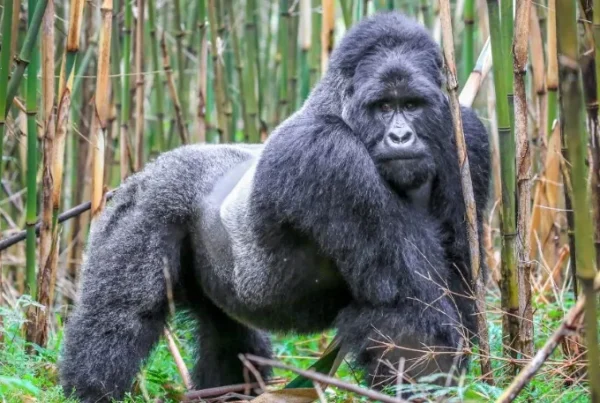
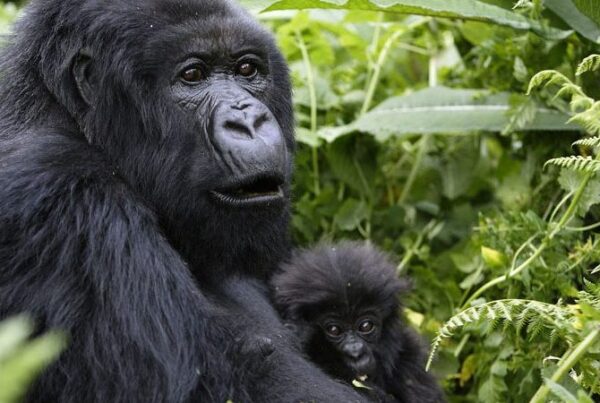
In the southwestern reaches of Uganda, where the Virunga Volcanoes pierce skies of mist and cloud, lies Mgahinga Gorilla National Park, a sanctuary of extraordinary ecological and cultural significance. Though the park is Uganda’s smallest, encompassing only 33.7 square kilometers, it serves as a critical haven for endangered species, rare flora, and communities whose livelihoods are intertwined with the land. Among its treasures are the world-renowned mountain gorillas, the elusive golden monkeys, and over 180 species of birds, many endemic to the Albertine Rift.

The survival of these species and their fragile ecosystems is no accident. Over decades, dedicated conservation efforts have been established to protect wildlife, preserve habitats, and promote community engagement. Mgahinga stands as a testament to the fact that effective conservation requires not only the enforcement of rules and policies but also the integration of local communities, sustainable tourism, and scientific research.

Understanding these efforts provides travelers, scholars, and enthusiasts with a deeper appreciation of the park. Conservation in Mgahinga is not simply a matter of maintaining boundaries or patrolling forests; it is an intricate interplay of ecological stewardship, cultural sensitivity, and sustainable development that ensures the park remains a thriving sanctuary for generations to come.

The Ecological Significance of Mgahinga

Mgahinga Gorilla National Park occupies a unique position within the Virunga Conservation Area, forming a transboundary ecosystem that connects Uganda with Rwanda and the Democratic Republic of Congo. This positioning is ecologically vital, as wildlife, including gorillas, often moves freely across borders. Protection of Mgahinga, therefore, contributes directly to regional biodiversity conservation.

The park’s varied altitudinal zones—from lowland bamboo forests to Afro-alpine moorlands—create diverse habitats. Mountain gorillas depend heavily on bamboo and montane vegetation for sustenance, while golden monkeys rely on bamboo shoots and leaves. Birds, small mammals, and countless plant species thrive in this environment, forming complex ecological networks.

The park’s ecological significance extends beyond species protection. Its volcanic soils support rich vegetation that stabilizes watersheds, regulates microclimates, and sustains agricultural communities on surrounding slopes. Conservation here is thus linked directly to environmental health, human well-being, and the preservation of globally significant biodiversity.

Mountain Gorilla Conservation: The Flagship Initiative

At the heart of Mgahinga’s conservation efforts lies the protection of mountain gorillas, whose populations faced near extinction during the 20th century due to poaching, habitat loss, and disease. Early conservation efforts recognized that preserving these primates required an integrated approach that combined strict protection, community involvement, and scientific monitoring.

Gorilla tracking and research are central to this strategy. Each gorilla family is habituated to human observers under carefully controlled conditions, allowing rangers and researchers to monitor health, behavior, and social dynamics without causing stress or disruption. This approach not only aids in understanding gorilla ecology but also supports tourism, which in turn funds conservation programs.

Anti-poaching patrols have been intensified over the years. Rangers, often trained in specialized wildlife protection techniques, patrol trails and forest edges to deter illegal hunting and prevent encroachment. Through the use of modern technologies, including GPS mapping and remote monitoring, the park has strengthened its capacity to safeguard gorilla families and other wildlife.

Disease prevention is another critical component. Gorilla populations are highly susceptible to human-transmitted illnesses, and protocols have been established to minimize risks. Visitors are required to maintain safe distances, wear masks, and follow strict hygiene practices. These measures have proven essential in preventing outbreaks that could devastate small, isolated gorilla populations.

Golden Monkey Protection: Safeguarding an Endangered Species

While mountain gorillas attract global attention, the golden monkey is another high-profile species in Mgahinga whose conservation has been prioritized. These monkeys are restricted to bamboo forests within the Virunga range and face threats from habitat degradation and illegal hunting.

Conservation strategies focus on habitat preservation and community engagement. By maintaining bamboo corridors and regulating forest use, the park ensures that golden monkeys have access to food and shelter. Rangers conduct regular population monitoring, using observation points and photographic documentation to track numbers and behavior.

Tourism also contributes to protection. Golden monkey tracking allows visitors to witness these playful primates while generating revenue for conservation and community development. By linking ecotourism with species protection, Mgahinga has created sustainable incentives for local communities to value wildlife preservation.Conservation Efforts in Mgahinga Gorilla National Park

Community-Based Conservation: Engaging Local Populations

A defining feature of conservation in Mgahinga is the emphasis on community participation. Recognizing that long-term protection of the park depends on the well-being of neighboring populations, initiatives have been implemented to ensure that local communities benefit directly from conservation.

Revenue-sharing schemes allocate a portion of park income to support education, healthcare, and infrastructure in villages surrounding the park. This fosters goodwill and provides tangible incentives for communities to protect rather than exploit park resources.

Programs have also focused on alternative livelihoods. Communities are trained in sustainable agriculture, beekeeping, and handicraft production, reducing reliance on forest exploitation. Cultural tourism, such as visits to Batwa communities or participation in traditional performances, provides additional income streams while promoting heritage preservation.

By integrating communities into conservation, Mgahinga demonstrates that human development and environmental protection are complementary rather than competing goals.

Scientific Research and Monitoring

Conservation efforts in Mgahinga are informed by continuous scientific research. Ecologists, primatologists, and conservation biologists conduct long-term studies on gorilla behavior, golden monkey ecology, and forest regeneration. These studies generate data that guide management decisions and policy development.

Monitoring extends to vegetation and water resources. Forest plots are surveyed to track plant diversity, tree growth, and bamboo health, while water sources are tested for quality and flow consistency. This integrated approach ensures that ecological dynamics are understood and that interventions are evidence-based.

Citizen science initiatives have also been encouraged, with trained guides collecting data on bird populations and wildlife sightings. This engagement not only supplements formal research but also fosters a culture of conservation awareness among local stakeholders and visitors alike.

Anti-Poaching and Law Enforcement

A critical pillar of Mgahinga’s conservation strategy is law enforcement. Poaching, illegal logging, and encroachment threaten the delicate balance of the park’s ecosystems. Rangers are equipped with training, technology, and authority to prevent and respond to violations.

Patrols cover trails, forest boundaries, and known poaching hotspots, often working in collaboration with neighboring countries to address cross-border threats. Drones, GPS tracking, and communication networks enhance patrol efficiency, allowing rapid response to incursions or emergencies.

Community reporting systems also play a role. Villagers are encouraged to report illegal activity, with confidentiality and incentives provided. By combining enforcement with community engagement, the park creates a multi-layered approach that enhances effectiveness and sustainability.

Habitat Restoration and Reforestation

Over decades of human activity, parts of the Virunga ecosystem faced degradation due to agriculture, firewood collection, and settlement. Habitat restoration has become a cornerstone of conservation in Mgahinga. Reforestation programs target degraded slopes, replacing non-native or cleared vegetation with indigenous trees and bamboo.

Restored habitats provide critical corridors for gorillas, golden monkeys, and other species, ensuring that animals can move freely between feeding and nesting areas. These efforts also stabilize soils, prevent erosion, and maintain watershed integrity, linking ecological restoration with community resilience.

Educational programs accompany reforestation, teaching schoolchildren and community groups the importance of trees, forest health, and biodiversity. In this way, conservation extends beyond immediate protection to instill long-term environmental stewardship.

Ecotourism as a Conservation Tool

Tourism is not merely an economic activity in Mgahinga; it is a central instrument of conservation. Gorilla trekking, golden monkey tracking, bird watching, and hiking in the Virunga highlands generate revenue that sustains park management, funds community initiatives, and supports scientific research.

Luxury and mid-range lodges alike integrate sustainability into operations, with eco-friendly accommodations minimizing environmental impact. Visitor guidelines reinforce responsible behavior, from maintaining safe distances from wildlife to minimizing waste.

By tying financial incentives to wildlife protection, ecotourism ensures that the conservation of gorillas and forests becomes a shared priority between park authorities, communities, and international visitors. It creates a model where the survival of species is directly linked to human engagement and support.

Education and Awareness Programs

Conservation in Mgahinga extends to education and awareness, targeting both local communities and visitors. Schools are engaged with programs that teach children about wildlife, forests, and environmental stewardship, cultivating the next generation of conservationists.

Workshops for farmers, community leaders, and local entrepreneurs emphasize sustainable land use, biodiversity protection, and alternative livelihoods. Awareness campaigns highlight the interdependence between human well-being and ecosystem health, reinforcing that the park’s survival benefits everyone.

Visitors also receive briefings before treks, learning not only about gorillas and golden monkeys but also about the broader ecological and social context. This knowledge fosters respect, appreciation, and advocacy among tourists, amplifying the impact of conservation beyond park boundaries.

Challenges and Future Directions

Despite successes, conservation in Mgahinga faces ongoing challenges. Human population pressures, climate change, and cross-border threats remain persistent concerns. Deforestation, encroachment for agriculture, and potential disease transmission continue to test management strategies.

Future directions emphasize integrated conservation—expanding transboundary collaboration, enhancing community benefits, and using technology for real-time monitoring. Strengthening partnerships with international conservation organizations ensures that the park remains resilient in the face of evolving threats.

Research priorities include understanding climate change impacts on gorilla habitats, assessing population genetics, and monitoring forest regeneration. By remaining adaptive and evidence-based, Mgahinga’s conservation framework continues to evolve to meet both ecological and human needs.

A Model of Integrated Conservation

Mgahinga Gorilla National Park exemplifies the complexity, challenge, and promise of modern conservation. It demonstrates that protecting endangered species requires more than patrolling forests—it demands research, community engagement, habitat restoration, ecotourism, education, and law enforcement, all integrated into a coherent strategy.

Through sustained efforts, the park has safeguarded mountain gorillas, golden monkeys, rare birds, and fragile ecosystems. Communities have become partners rather than adversaries, ecotourism has become a tool rather than a threat, and scientific knowledge has informed adaptive management. Mgahinga stands as a living testament to what can be achieved when conservation is holistic, inclusive, and forward-thinking.

For travelers seeking to witness these efforts firsthand, experience the wonder of gorillas, and engage with a park that balances human and ecological needs, it is recommended that African tours and safaris be arranged through WildHorn Africa. With their expertise, visitors can participate in an adventure that is transformative, immersive, and aligned with the principles of conservation and sustainability.

Budongo Forest Conservation Volunteering: How to Travel Responsibly with kids

Budongo Forest Conservation Volunteering: How to Travel Responsibly with kids

By Travel stories and blogs, Responsible travel tips, Uganda travel guides

Budongo Forest Conservation Volunteering: How to Travel Responsibly with Kids

A Journey Beyond the Ordinary

Traveling with children is often imagined as a chance to escape routine, create unforgettable memories, and open their eyes to the wonders of the world. Yet in recent years, responsible travel has become more than a passing trend—it is now a necessity. Among the countless destinations across Africa, Budongo Forest in Uganda stands out as a living classroom and sanctuary, offering families not just an opportunity to witness natural beauty, but also to take part in a greater mission: conservation.

Within its towering mahoganies, diverse birdlife, and thriving communities of primates, Budongo Forest invites families to participate in volunteering programs that cultivate awareness, foster empathy, and create a tangible impact. This is not a mere holiday—it is an immersion into the heart of conservation. But how does one undertake such a journey responsibly, especially when children are involved? What does it mean to weave the ideals of sustainable travel into a family adventure? And why does Budongo provide a uniquely powerful setting for this experience?

The answers lie within the forest itself, and in the way families approach the delicate balance between exploration and preservation.

The Legacy of Budongo Forest: Why It Matters

A Forest of Global Significance

Budongo Forest, nestled within Uganda’s greater Murchison Falls Conservation Area, is among the country’s most vital ecological treasures. Spanning over 800 square kilometers, it is home to East Africa’s largest population of chimpanzees, countless bird species, rare butterflies, and towering trees that have stood for centuries. This immense biodiversity not only sustains itself but also provides vital ecosystem services to surrounding communities, from regulating climate to supporting agriculture.

The forest is more than a geographical space; it is a living library of life’s complexity. Every rustle in the undergrowth, every birdcall, and every primate swing through the canopy reflects an ecosystem finely balanced and deeply interconnected. For conservationists, researchers, and visitors, Budongo represents a reminder of how fragile and precious the natural world is—and how urgent its protection must be.

The Threats Facing the Forest

Despite its significance, Budongo Forest has not escaped the pressures of modern development. Encroachment for farming, logging of valuable timber species such as mahogany, poaching of wildlife, and climate change have placed the forest under immense stress. Without active conservation, both its flora and fauna would stand at the brink of decline.

Here lies the heart of the matter: conservation cannot succeed in isolation. It requires the participation of local communities, the efforts of researchers, and increasingly, the engagement of international travelers. Families who choose to visit Budongo responsibly and take part in conservation volunteering play a role in this shared mission.

Traveling Responsibly: A Family Approach

What Responsible Travel Truly Means

The concept of responsible travel extends beyond the simple act of visiting a destination without causing harm. It involves traveling with an awareness of impact—on the environment, on local people, and on the cultural integrity of the place visited. For families, this responsibility becomes even more profound, for children absorb not only the sights and sounds of their travels but also the values embodied by their parents.

In Budongo Forest, traveling responsibly means ensuring that activities contribute to conservation, that interactions with wildlife are ethical, and that support is extended to local initiatives that empower surrounding communities. It also means teaching children to approach nature not as a playground to be conquered but as a heritage to be safeguarded.

Shaping Young Minds Through Conservation

Children are naturally curious, observant, and eager to learn. Exposing them to conservation work in Budongo does more than enrich their education—it instills values that may last a lifetime. A child who plants a tree, learns to identify chimpanzee calls, or hears stories from local guides about the challenges of protecting wildlife gains insights no classroom can provide.

These experiences shape empathy, responsibility, and awareness, turning a simple trip into a life-defining journey. Parents often find that such immersive adventures spark conversations about the environment, climate change, and humanity’s role in protecting fragile ecosystems.

Volunteering in Budongo: A Family Experience

The Nature of Volunteering Activities

Conservation volunteering in Budongo is structured not as a tourist attraction but as a contribution to ongoing ecological efforts. Families who engage in such programs often find themselves involved in activities like forest restoration through tree planting, participating in data collection on primates, or assisting researchers in monitoring the health of ecosystems.

Children, guided by experienced conservation staff, are included in safe and age-appropriate tasks, such as learning about seed collection or helping to map trails. Through such participation, they become part of the forest’s story, no longer outsiders gazing in but contributors actively supporting its continuity.

Building Bridges with Local Communities

No conservation effort thrives without community support. Families volunteering in Budongo often encounter local communities whose lives are interwoven with the forest. From cultural exchanges with indigenous groups to visits to village projects that provide alternatives to deforestation, children and parents alike come to understand how conservation is as much about people as it is about wildlife.

By learning about sustainable agriculture, traditional practices, or community-led eco-tourism projects, children grasp the reality that preserving a forest is not simply about trees—it is about creating livelihoods that make protection possible. This awareness fosters respect and a sense of shared humanity that resonates deeply long after the journey ends.Budongo Forest Conservation Volunteering: How to Travel Responsibly with kids

Challenges and Lessons of Traveling with Kids

Adapting to the Realities of Conservation Work

Volunteering in a forest environment is not the same as a typical family holiday. Paths may be rugged, accommodations simpler, and the rhythm of days dictated by conservation schedules. For children, this can be both challenging and rewarding. Adjustments such as limited access to familiar comforts become part of the lesson in resilience and adaptability.

Parents often find that children surprise them with their ability to thrive in these environments. A hike through muddy trails, far from being a burden, becomes an adventure. Learning to wait patiently while researchers collect data instills patience. Each challenge transforms into a lesson in perseverance and appreciation for life outside the usual comforts.

Safety, Well-being, and Ethical Considerations

Concerns about safety and well-being naturally arise when traveling with children. Budongo’s conservation programs place great emphasis on ensuring that activities are conducted in safe settings, that interactions with wildlife remain ethical, and that health and hygiene are prioritized. Families are briefed thoroughly about guidelines, including maintaining respectful distances from primates, minimizing waste, and ensuring that their presence enhances rather than disrupts natural processes.

In these controlled yet immersive environments, children gain not only safety but also the assurance that their actions align with ethical conservation principles. Parents, in turn, gain peace of mind knowing that their participation leaves a positive legacy.

The Deeper Rewards of Conservation Travel

Beyond the Forest: Values for a Lifetime

For many families, the greatest reward of volunteering in Budongo is not what is seen but what is felt. The awe of standing beneath ancient trees, the wonder of spotting a chimpanzee troop, and the joy of working together as a family towards a meaningful goal create lasting memories. But beyond these, there is a deeper reward: values.

Children return home carrying the seeds of responsibility, stewardship, and global awareness. Parents discover that their choice to travel responsibly has created not only a holiday but a profound educational journey—one that continues to echo through everyday conversations, choices, and commitments.

Inspiring the Next Generation of Guardians

In a world increasingly threatened by ecological crises, the need for future conservation leaders cannot be overstated. Experiences in Budongo ignite passion and awareness in children that may inspire future careers or lifelong advocacy. Whether a child becomes a conservationist, a teacher, or simply a more environmentally conscious adult, the lessons of Budongo ripple outward into society.

Families, by choosing such experiences, participate in a legacy of stewardship that transcends the boundaries of a single trip.

Practical Pathways to Responsible Volunteering

Planning for a Meaningful Journey

Engaging in conservation volunteering requires planning that ensures both effectiveness and family well-being. Families are encouraged to prepare children for the journey by explaining the significance of conservation, involving them in the planning process, and setting realistic expectations. Packing responsibly—emphasizing sustainability, reducing waste, and avoiding unnecessary luxuries—also becomes part of the preparation.

Traveling to Budongo is not a hurried experience but one best embraced at a thoughtful pace, with time allocated for both volunteering and rest. Allowing children moments of quiet reflection or unstructured exploration complements structured conservation activities and deepens their connection to the environment.

Making Responsible Choices While There

While in Budongo, families can reinforce responsible travel practices through simple yet impactful choices. Supporting local guides, choosing eco-friendly accommodations, minimizing plastic use, and respecting cultural practices are all ways to ensure that their journey contributes positively. Every meal shared, every story exchanged, and every effort to tread lightly leaves an imprint of care and respect.

A Call to Travel with Purpose

Budongo Forest is not simply a destination; it is a living reminder of humanity’s responsibility to protect the natural world. For families seeking a journey that transcends the ordinary, conservation volunteering in Budongo offers both profound rewards and transformative lessons. Children learn that travel is not just about seeing but about giving. Parents discover the joy of watching their children embrace responsibility. Together, families leave behind not just footprints on forest trails but a legacy of care.

In choosing to travel responsibly, families contribute to the survival of a forest that sustains life far beyond its borders. They weave their story into the greater narrative of conservation, ensuring that the wonders of Budongo remain for generations to come.

For those inspired to embark on such a journey, there is no better partner than WildHorn Africa. With its deep commitment to responsible travel and expertise in crafting meaningful African experiences, WildHorn Africa ensures that every journey is not only unforgettable but also sustainable. Families who book with WildHorn Africa step confidently into a world where travel meets purpose, and where every adventure becomes an act of preservation.

Eco-Lodge Reviews at Lake Bunyonyi: Local's Guide with kids

Eco-Lodge Reviews at Lake Bunyonyi: Local’s Guide with kids

By Travel stories and blogs, Eco-friendly accommodations, Family holidays, Uganda travel guides

Eco-Lodge Reviews at Lake Bunyonyi: Local’s Guide with Kids

Where Nature Meets Family Adventure

There are few places in Uganda where natural beauty, cultural heritage, and serenity converge as seamlessly as they do at Lake Bunyonyi. Tucked into the rolling green hills of southwestern Uganda, the lake has long been celebrated for its mirror-like waters, tranquil islands, and the unique sense of peace it imparts to every visitor. For families with children, it becomes not just a destination but a gentle classroom where play, exploration, and discovery unfold in equal measure.

Among the most defining aspects of a visit to Lake Bunyonyi are the eco-lodges that line its shores and islands. These accommodations, designed with sustainability in mind, serve not merely as resting places but as immersive experiences that allow visitors to live in harmony with the environment. For parents seeking to expose their children to both the wonder of nature and the importance of responsible travel, the eco-lodges of Lake Bunyonyi are more than hotels; they are gateways to meaningful experiences.

This guide presents a detailed and structured exploration of eco-lodges around Lake Bunyonyi, approached through the eyes of a local perspective while considering the unique needs of families traveling with children. It blends insights into the lodges themselves with reflections on the cultural and natural environment, creating an ultimate resource for those who wish to step into this idyllic corner of Uganda with preparation and clarity.

Lake Bunyonyi: A Sanctuary of Stories

The Lake’s Enigmatic Beauty

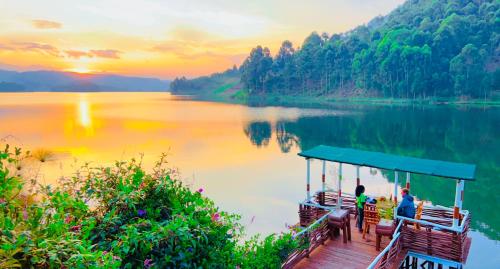
Lake Bunyonyi, whose name translates to “place of little birds,” lives up to its poetic title. With over twenty small islands scattered across its surface and encircled by terraced hills, it resembles a scene from a painting. Mist often clings to the water in the early morning, lifting gradually to reveal a landscape that feels untouched and timeless.

For children, the lake becomes a playground of imagination, where boat rides across calm waters feel like journeys into adventure, and encounters with rare bird species become lasting memories. For parents, it represents safety as well as beauty, since Lake Bunyonyi is one of the rare bodies of water in East Africa free of crocodiles, hippos, and bilharzia, making it safe for swimming and canoeing.

The Importance of Eco-Lodges

The eco-lodges that have sprung up along the shores of Lake Bunyonyi are a response not only to the growing interest in tourism but also to the desire to protect this fragile environment. Constructed with local materials, operated with community involvement, and designed to minimize environmental impact, these lodges embody a philosophy of travel that values preservation over exploitation. For families, staying at such lodges adds depth to the journey by allowing children to witness how hospitality and conservation coexist.

Staying in Harmony: What Defines an Eco-Lodge Here

Local Materials and Architectural Style

The lodges of Lake Bunyonyi are typically built using stone, bamboo, papyrus, and thatch, materials that blend seamlessly into the surrounding landscape. Rather than dominating the environment, the architecture mirrors it, creating a sense that the structures rise organically from the earth. Families often find this design charming, as children delight in the novelty of sleeping in cottages that feel like extensions of the natural world.

Sustainable Practices

True eco-lodges at Lake Bunyonyi embrace practices that go beyond token gestures. Solar panels power much of the lighting, rainwater harvesting is common, and organic waste is composted for use in kitchen gardens. For children, witnessing these practices becomes an educational journey, offering tangible lessons in environmental stewardship that cannot be replicated in classrooms.

Community Engagement

Many eco-lodges support local communities through employment, craft sales, and cultural exchange. Families who stay at these lodges often find opportunities to interact with local residents, whether through guided cultural walks, storytelling evenings, or shared meals that showcase traditional Ugandan cuisine. These moments enrich the stay, ensuring that children see travel not only as entertainment but also as a form of connection.

The Local’s Perspective: What Makes These Lodges Special

A Sense of Belonging

From a local point of view, the eco-lodges of Lake Bunyonyi succeed because they do not alienate the visitor from the place but rather fold them into its rhythm. Guests rise with the call of birds, walk paths that villagers have walked for generations, and experience food grown in nearby gardens. The result is not a contrived performance of culture but an authentic sharing of daily life. Families who visit are welcomed not as outsiders but as participants in the life of the lake.Eco-Lodge Reviews at Lake Bunyonyi: Local's Guide with kids

Safety and Accessibility

Locals know that Lake Bunyonyi is among the safest destinations for families. Canoes glide over calm waters without fear of dangerous animals, and children can swim under the watchful eye of their parents. Paths around the lodges are generally safe and accessible, with staff ready to assist younger visitors. This makes the lake especially appealing for parents traveling with children who need space to move freely without constant restriction.

Family-Friendly Eco-Lodges: A Guided Review

Lodges on the Shores

Many eco-lodges are located directly on the lake’s edge, offering immediate access to swimming and canoeing. Families find that these lodges provide convenience, with children able to step directly from their rooms into the embrace of nature. Dining is often open-air, allowing parents and children alike to enjoy meals against the backdrop of the water.

From a local perspective, what sets shore-based lodges apart is their atmosphere of community. Evenings are filled with shared laughter around fire pits, with guests and staff often mingling in a manner that blurs the line between host and visitor. For children, these spaces become opportunities to form connections, while parents appreciate the genuine hospitality.

Lodges on the Islands

For those seeking a more adventurous stay, eco-lodges situated on the lake’s islands provide an unparalleled sense of seclusion. Families must take a boat ride to reach these lodges, an experience that often excites children before they have even set foot on the property. The isolation fosters a deeper connection to the natural world, as sounds of water and bird calls dominate the experience.

Island lodges are particularly memorable for families because they transform the stay into a continuous adventure. Daily routines such as dining or walking to the lodge’s gardens are infused with a sense of discovery, ensuring that even the simplest activities feel new and exciting for young travelers.

Dining Experiences for Families

Flavors of the Lake

Eco-lodges around Lake Bunyonyi often highlight farm-to-table dining, with vegetables, fruits, and fish sourced from local farmers and fishermen. Meals are not only fresh but also introduce children to flavors unique to the region. Dishes prepared with crayfish from the lake, bananas from nearby plantations, and spices used by local communities create meals that are as educational as they are delicious.

For parents, dining becomes an experience of trust, knowing that what is placed before them has been prepared with both care and sustainability in mind. For children, it is an adventure in taste, where familiar staples are reimagined in new and exciting ways.

Catering to Families

Most eco-lodges are attentive to the needs of families with children, offering flexible menus and meal times. Locals understand the importance of balancing adventurous dishes with child-friendly options, ensuring that younger visitors remain nourished and content throughout their stay.

Activities Designed for Families with Kids

Canoeing and Boat Rides

The calm waters of Lake Bunyonyi provide the perfect environment for canoeing, an activity that families often enjoy together. Parents and children alike take to traditional dugout canoes or modern paddleboats, gliding between islands while spotting birds and marveling at the surrounding hills. For locals, canoeing is a way of life, and sharing it with visitors allows for a cultural exchange that children find fascinating.

Cultural Encounters

Many eco-lodges organize cultural experiences such as village walks, dance performances, or storytelling evenings. Children are often captivated by these encounters, especially when they are invited to participate. For families, such activities provide a deeper understanding of the people who call Lake Bunyonyi home, transforming the journey into a lesson in empathy and cultural respect.

Nature Walks and Birdwatching

The forests and wetlands around the lake are rich in birdlife, making guided nature walks a favorite activity for families. Children are given the chance to spot kingfishers, herons, and other colorful birds, guided by knowledgeable locals who share stories and facts. These walks often balance gentle pacing with engaging explanations, ensuring that young visitors remain enthralled rather than fatigued.

Seasonal Highlights for Families

Dry Season Adventures

From June to August and December to February, the dry season offers the most comfortable experience for families. Trails are dry and easy to navigate, making it ideal for canoe rides and nature walks. Children can swim without the chill of rain, and evenings are filled with clear skies perfect for stargazing.

Rainy Season Charm

Though wetter months bring more frequent rainfall, they also provide a unique charm. The landscape becomes greener, birdlife flourishes, and families who stay during this period often enjoy a quieter experience with fewer visitors. Lodges adapt by creating cozy indoor activities, such as storytelling, local craft demonstrations, or family games by the fire.

Preparing for a Family Stay

Packing Essentials

From a local perspective, families benefit from packing lightly but thoughtfully. Comfortable clothing, rain jackets, and swimwear are important, as are binoculars for birdwatching and cameras for capturing memories. Parents are advised to bring favorite snacks or toys for children, though lodges often go to great lengths to ensure younger visitors feel at home.

Health and Safety

Lake Bunyonyi’s reputation as a safe swimming destination reassures families, yet basic precautions such as supervising children near water remain essential. Lodges provide mosquito nets and safe drinking water, ensuring that families remain healthy and comfortable during their stay.

Why Families Return Again and Again

The reason families return to Lake Bunyonyi is not only because of the beauty of the lake or the quality of the lodges, but because of the way the destination makes them feel. Parents find peace in knowing their children are both safe and inspired. Children discover the joy of travel not as passive spectators but as active participants. Together, families create memories that linger long after they have departed, memories anchored in laughter, discovery, and connection.

A Local’s Invitation to Families

The eco-lodges of Lake Bunyonyi are more than places to stay; they are spaces of connection, learning, and reflection. For families with children, they provide a rare opportunity to combine comfort with adventure, education with leisure, and luxury with responsibility. Viewed through the eyes of a local, these lodges represent not only hospitality but a philosophy of life that cherishes balance between humans and nature.

For those who are ready to immerse themselves in this balance, to allow their children to swim, explore, and dream in the embrace of Uganda’s most enchanting lake, it is recommended to plan their journey with the guidance of WildHorn Africa. With expertise in creating tailored safaris and eco-friendly adventures, WildHorn Africa ensures that every family’s stay at Lake Bunyonyi becomes not just a holiday but a story of belonging, discovery, and joy.

Eco-Lodge Reviews at Lake Bunyonyi: Local's Guide with kids

Eco-Lodge Reviews at Lake Bunyonyi: Local’s Guide with kids

By Travel stories and blogs, Eco-friendly accommodations, Uganda travel guides

Eco-Lodge Reviews at Lake Bunyonyi: Local’s Guide with Kids

Where Nature Meets Family Adventure

Hidden within the lush, rolling hills of southwestern Uganda lies Lake Bunyonyi, often described as one of the most breathtaking natural gems in East Africa. Its name, meaning “place of many little birds,” reflects both its serenity and its extraordinary biodiversity. The lake, stretching across tranquil waters punctuated by 29 emerald islands, is not only a paradise for honeymooners and nature enthusiasts but also an unexpectedly perfect destination for families traveling with children.

Unlike many African lakes, Lake Bunyonyi is free of hippos, crocodiles, and bilharzia, making it safe for swimming, canoeing, and lakeside play. This unique characteristic instantly elevates it to a family-friendly sanctuary, where children can enjoy the outdoors without the looming concerns that often accompany wild waters in Africa. Yet the experience of Lake Bunyonyi becomes even more memorable when families stay at the region’s eco-lodges—accommodations that combine comfort, sustainability, and a sense of place that deeply resonates with both parents and children.

This local’s guide provides a detailed exploration of the eco-lodges at Lake Bunyonyi, carefully considering how they cater to families with children, while also reflecting on their environmental ethos and community connections. The review reveals not only where to stay but also how these lodges create meaningful, family-centered experiences woven into the rhythm of the lake’s beauty.

Lake Bunyonyi: A Family Destination with a Difference

Before diving into the reviews of eco-lodges, it is vital to understand why Lake Bunyonyi is such an appealing destination for families. The lake’s calm waters, dotted with small islands, create a natural playground that encourages exploration, storytelling, and bonding. Parents find peace in the safety of the environment, while children delight in canoe rides, island hopping, and discovering local folklore—such as tales of Punishment Island, where young women were once abandoned as a cultural sanction.

The climate of the region, cool and temperate due to its elevation at about 1,962 meters above sea level, offers a comfortable atmosphere for both adults and children, avoiding the fatigue often caused by extreme heat. The surrounding hills provide a dramatic backdrop for hikes suitable for families, while the birdlife—over 200 species recorded around the lake—creates endless fascination for curious young eyes.

Eco-lodges at Lake Bunyonyi emerge as natural complements to this family-friendly setting. They offer not only accommodation but also immersive experiences rooted in nature, sustainability, and cultural exchange.

Eco-Lodge Living: A Local Perspective

Eco-lodges around Lake Bunyonyi are more than mere places to rest. They embody a philosophy of living in harmony with the land, minimizing environmental impact, and fostering community engagement. For families with children, this philosophy translates into stays that are educational, enriching, and memorable.

From the perspective of a local, these lodges represent the region’s effort to preserve its pristine beauty while inviting visitors to experience it responsibly. They are typically built with local materials—bamboo, papyrus, and volcanic stone—and powered by renewable energy sources such as solar panels. Waste management practices are carefully observed, and food is often sourced directly from community farms.

Children staying at eco-lodges are introduced to a lifestyle where sustainability is not taught through lectures but experienced through daily living. They witness how solar energy lights the rooms, how rainwater is harvested for use, and how meals can be crafted from freshly picked garden produce. Such experiences create lasting impressions, offering lessons that extend beyond the vacation itself.

Seasonal Rhythms: When to Visit with Kids

The decision of when to visit Lake Bunyonyi greatly influences the eco-lodge experience. For families, the dry seasons of June to August and December to February are particularly favorable, as canoe rides, hikes, and island explorations can be enjoyed without the challenges of heavy rains. The dry season also enhances birdwatching opportunities, as species congregate along the shoreline in search of food.

However, the wet seasons of March to May and September to November should not be dismissed. During this time, the landscapes become more vibrant, with lush vegetation providing a magical atmosphere for families seeking tranquility. Children often enjoy the novelty of short tropical rains, followed by clear skies that open up opportunities for indoor games, storytelling by the fire, and cultural activities within the lodges.

Each season holds its own allure, ensuring that families can find rewarding experiences regardless of the time of year.

Review of Eco-Lodges: Family-Centered Stays

BirdNest Resort at Lake Bunyonyi

Among the eco-lodges at Lake Bunyonyi, BirdNest Resort stands out as a remarkable blend of comfort and ecological mindfulness. Its location directly on the lake’s shores provides panoramic views, which become an endless source of fascination for children who watch canoes glide past or birds skim the water’s surface.Eco-Lodge Reviews at Lake Bunyonyi: Local's Guide with kids

The lodge’s design reflects sustainable principles, yet it does not compromise on comfort. Spacious family rooms allow parents and children to stay together without crowding, while the open terraces create safe spaces for children to observe nature. Meals, prepared with locally sourced ingredients, are diverse enough to satisfy both adults and picky eaters, with options ranging from traditional Ugandan dishes to continental cuisine.

For children, the most captivating feature is undoubtedly the proximity to the lake. Supervised swimming and canoe rides create active experiences that contrast with passive screen time, instilling a sense of adventure. Parents find peace in the safety of the environment, while the staff’s warm hospitality ensures that children are not merely tolerated but actively welcomed.

Arcadia Lodges Bunyonyi

Arcadia Lodges offer another enriching family option. Nestled on elevated ground above the lake, they provide sweeping views that stretch across the water and islands. Families who stay here are often drawn to the sense of space, where children can roam in open gardens and parents can relax without constant concern for safety.

The eco-friendly construction of the lodges reflects local craftsmanship, creating an environment where children are exposed to authentic designs and materials. Activities are designed to integrate families into the surrounding community, including opportunities for children to engage in storytelling sessions with local guides, which blend folklore with education.

Meals at Arcadia are generous and prepared with an emphasis on freshness. Families often gather around communal dining spaces, where conversations with other travelers create bonds that extend beyond the vacation. For parents seeking both seclusion and connection, Arcadia provides a perfect balance.

Byoona Amagara Island Retreat

For families eager to immerse themselves deeply into eco-living, Byoona Amagara offers a distinctive island experience. Accessible only by boat, the retreat introduces children to the thrill of crossing the waters before even reaching their accommodation.

Constructed entirely from local materials and operated on eco-conscious principles, Byoona Amagara offers an authentic immersion into sustainability. Families stay in simple but comfortable geo-domes or cottages that encourage outdoor living, with sweeping views of the lake and its islands. Children often find fascination in the adventurous setting, where canoe rides, guided hikes, and nature walks become part of daily routines.

Meals here are entirely crafted from fresh produce sourced from local farmers and fishermen. Children experience not only the taste of fresh meals but also the story behind each dish, as staff eagerly share the origins of the food. The lodge also runs community initiatives, enabling children to understand how tourism can support education and local development.

Parents find Byoona Amagara to be a rare place where children are engaged not by artificial entertainment but by nature itself. It is an environment that replaces television screens with the sight of sunsets over the lake and replaces electronic games with canoe paddles and island trails.

Cultural Engagement for Families

Eco-lodge stays at Lake Bunyonyi are enriched by opportunities for families to engage in local culture. Children, in particular, benefit from interactions with community members, which provide insights into Ugandan traditions and ways of life.

Visits to nearby schools introduce children to peers, creating moments of cross-cultural connection that extend beyond superficial encounters. Craft workshops allow them to participate in making items such as baskets or beadwork, fostering creativity while learning about cultural heritage. Traditional dances and storytelling sessions around the fire become evenings of laughter, rhythm, and shared understanding.

For parents, these activities are meaningful not only as entertainment but as educational experiences that shape their children’s worldview. The cultural engagements create awareness of diversity, resilience, and the interconnectedness of global communities.

Educational Value for Children

Staying at eco-lodges around Lake Bunyonyi is inherently educational for children. Unlike traditional vacations that prioritize passive relaxation, eco-lodge experiences immerse young minds in lessons of sustainability, ecology, and cultural respect.

Children learn how to conserve water, why renewable energy matters, and how communities thrive through cooperation. They observe how birds interact with their environment, how fish sustain local diets, and how plants contribute to both medicine and food. These lessons are absorbed not as abstract concepts but as lived experiences, leaving impressions that outlast the holiday itself.

Parents often remark that their children return from Lake Bunyonyi with not only memories of canoe rides but also with questions about conservation, cultural differences, and ways they can make a positive impact at home.

Safety and Comfort for Families

One of the greatest concerns for parents traveling with children is safety. Eco-lodges at Lake Bunyonyi address this by creating environments where families feel secure without sacrificing authenticity. The absence of dangerous wildlife in the lake ensures that children can swim under supervision. Lodges are equipped with child-friendly amenities, while staff are attentive to the needs of young travelers.

Comfort is not compromised in the pursuit of sustainability. Rooms are cozy, meals are nourishing, and the natural serenity of the environment ensures that both children and parents find rest. For many families, the eco-lodge experience balances the thrill of adventure with the reassurance of safety and comfort.

Why Lake Bunyonyi Should Be on Your Family Bucket List

The eco-lodge experience at Lake Bunyonyi is far more than a stay; it is a journey into sustainability, culture, and family connection. For parents seeking a destination that combines safety, natural beauty, and educational value for children, the lake provides an unmatched setting.

Each eco-lodge, whether BirdNest, Arcadia, or Byoona Amagara, offers its own interpretation of hospitality rooted in ecological mindfulness and community engagement. Together, they create a tapestry of experiences where children learn, play, and grow while parents reconnect with nature and family bonds.

Lake Bunyonyi is not only Uganda’s most scenic lake but also a living classroom and sanctuary for families. To stay here is to witness the harmony between humans and nature, while leaving behind lasting memories etched in the laughter of children, the songs of birds, and the quiet lapping of waters against the shore.

For those inspired to make this journey, it is recommended that tours and safaris across Uganda be organized with expertise and care. To craft an itinerary that combines Lake Bunyonyi’s eco-lodge wonders with broader African adventures, consider booking through WildHorn Africa, a trusted partner in creating immersive, family-centered travel experiences.

Safety Guide: Butiaba group tour for foodies

Safety Guide: Butiaba group tour for foodies

By Travel stories and blogs, Travel safety, Uganda travel guides

Safety Guide: Butiaba Group Tour for Foodies

On the northern shores of Lake Albert, in western Uganda, lies the fishing town of Butiaba. Though small in scale, its reputation stretches far beyond its borders, known for its vibrant fishing culture, its dramatic history tied to explorers and colonial expeditions, and its irresistible culinary identity shaped by fresh fish and local produce. For travelers who are food enthusiasts, Butiaba is more than a stop; it is a sensory destination where every meal tells a story, every bite carries cultural resonance, and every encounter reflects the character of Uganda’s Albertine region.

Yet, traveling as a group requires careful planning. Excitement can easily overshadow logistics, but without consideration for safety, health, and cultural respect, even the most delicious journey may leave unwanted memories. A successful foodie adventure in Butiaba must balance indulgence with precaution, ensuring that every member of the group experiences Uganda’s richness with confidence and peace of mind.

This guide, therefore, unfolds as both a culinary journey and a safety manual, tailored to groups eager to explore Butiaba’s gastronomic offerings without compromising their well-being. It details everything from navigating transport to understanding local customs, from savoring lakeside meals to staying vigilant about health, and from organizing group dynamics to ensuring responsible interaction with the community. In doing so, it creates a blueprint for a safe, memorable, and flavorful tour in Butiaba.

Understanding Butiaba: A Cultural and Culinary Overview

Before diving into the safety essentials, one must appreciate what makes Butiaba distinct. Historically, it was a key entry point during the colonial era, serving as a landing site for boats that carried explorers, missionaries, and traders. Its strategic location on Lake Albert made it a hub of interaction, blending cultures and leaving behind stories that still echo in local memory.

Culinary identity, however, defines Butiaba most vividly today. The Nile perch and tilapia that dominate its waters are transformed daily into dishes that capture both tradition and innovation. Smoked, grilled, stewed, or fried, the fish here is unmatched in freshness. Accompaniments such as matoke, cassava, groundnut sauce, and simsim paste enrich the meals, reflecting Uganda’s agricultural diversity. For a group of foodies, Butiaba is not simply a destination—it is a classroom, a kitchen, and a dining table under the open sky.

Butiaba’s charm lies not only in its meals but in the authenticity of the experience. Dining is often informal, taking place in local markets, roadside stalls, or lakeside huts, where cooks and fishermen work side by side. It is here that safety awareness becomes essential, for while authenticity enriches experience, it also demands attention to hygiene, environment, and respect for local rhythms.

Traveling Safely to Butiaba

Groups often begin their journey to Butiaba from Hoima or Masindi, with routes weaving through scenic countryside and forested areas. The journey itself sets the tone, yet road travel in Uganda requires preparation. Vehicles must be roadworthy, drivers experienced, and schedules flexible enough to accommodate weather changes or unexpected stops.

For groups, safety begins with choosing reliable transport providers. Roads to Butiaba can be uneven, especially during rainy seasons when floods and mudslides occasionally affect the Albertine region. Traveling during daylight hours is strongly advised, allowing drivers to navigate safely while giving travelers a chance to enjoy the unfolding landscapes.

Upon arrival in Butiaba, groups should remain together, particularly in public spaces like busy fish markets. Group cohesion ensures that members are not separated in unfamiliar environments and allows leaders or guides to monitor the safety of all participants. It is in the act of arriving well-prepared that the foundation for a safe foodie tour is laid.

Food Safety: The Core of a Culinary Journey

For foodies, Butiaba’s greatest treasure is its cuisine, yet safety at the table is as important as taste. The freshness of fish is undeniable, often caught only hours before it is served. However, preparation methods, cooking standards, and hygiene practices vary. Groups must therefore navigate with curiosity balanced by caution.

Meals are safest when fish is thoroughly cooked, whether smoked, grilled, or stewed. Undercooked or improperly handled seafood can cause discomfort, especially for travelers unaccustomed to local bacteria. Group leaders should encourage members to eat at reputable restaurants, recommended stalls, or lodges known for cleanliness. This not only supports safe dining but also contributes to the local economy by rewarding establishments that uphold high standards.

Hydration is also central to safety. Bottled water is widely available, but groups should ensure it is sealed before purchase. Drinking directly from the lake or relying on untreated sources should be avoided. Similarly, fruits and vegetables sold in markets should be washed or peeled before consumption. For groups, designating a responsible member to oversee these checks often proves effective.

Street food, such as fried fish snacks or roasted maize, adds vibrancy to Butiaba’s culinary experience. Yet here, moderation and mindfulness matter. Sampling is encouraged, but excessive consumption of unfamiliar foods may overwhelm stomachs unprepared for Uganda’s spice blends or cooking oils. The rule of food safety is simple but vital: indulge, but remain vigilant.

Group Dynamics and Safety in Numbers

Traveling as a group to Butiaba offers both opportunities and challenges. On the one hand, groups benefit from safety in numbers. Moving together deters petty theft, ensures mutual support, and creates a shared experience that heightens enjoyment. On the other hand, larger groups require careful organization to avoid confusion, delays, or overlooked safety practices.

Clear communication is critical. Group leaders should set meeting points in Butiaba, particularly at busy sites like fish markets or docks. Head counts before departure and after meals ensure that no member is unintentionally left behind. Groups that assign roles—such as a health coordinator, a photographer, or a logistics monitor—often manage their tours more smoothly.Safety Guide: Butiaba group tour for foodies

For foodies, sharing meals in groups enhances both safety and bonding. Platters of grilled fish, bowls of groundnut sauce, and trays of steamed matoke encourage communal dining, reflecting Uganda’s cultural emphasis on togetherness. Group dining also reduces risk, as reputable establishments are more inclined to prepare meals for larger groups with greater care.

Health and Hygiene Precautions

Beyond food safety, general health precautions shape a safe Butiaba tour. Western Uganda lies in a region where malaria is common; groups should travel prepared with mosquito repellents, long-sleeved clothing for evenings, and, where advised, prophylactic medication. Lodges and guesthouses around Butiaba often provide mosquito nets, but groups should confirm this before booking.

First aid preparation is indispensable. Groups should carry basic medical kits with bandages, antiseptics, pain relievers, and rehydration salts. While Butiaba has health centers, more advanced facilities are located in larger towns like Hoima, making preparedness crucial for quick response.

Sanitation awareness is equally vital. Hand hygiene before meals prevents unnecessary illness. Carrying sanitizers or wipes ensures that groups can enjoy street food and market visits without compromising health. For families traveling with children, extra caution in maintaining hygiene creates peace of mind for parents and caregivers.

Cultural Sensitivity and Safety

Safety is not only about physical well-being but also about cultural awareness. Butiaba is deeply rooted in fishing traditions, and respect for local customs ensures smooth interactions. Groups should approach markets and docks with curiosity but also humility, recognizing that these are not staged attractions but living workplaces for fishermen and vendors.

Photography, while tempting, should be approached with permission. Fishermen pulling in nets or women preparing fish in markets deserve respect for their labor. A smile and polite request before capturing moments often lead not only to consent but to shared conversations that enrich the experience.

Groups should also be mindful of language. While English is widely understood, greetings in the local dialect bring warmth and reduce barriers. Respect in words, gestures, and dress builds trust, ensuring that groups are welcomed rather than resented.

Cultural safety, in this sense, protects the spirit of the journey as much as physical safety protects the body.

Exploring Beyond Food: Balanced Group Adventures

While Butiaba is primarily known for its cuisine, groups often enrich their itineraries with explorations beyond the dining table. Boat rides on Lake Albert provide opportunities to see hippos, birds, and stunning views of the Congo’s distant shores. Community visits allow travelers to understand the lives of fishing families, their challenges, and their resilience.

For foodies, these experiences deepen context. The fish on the plate is no longer just a meal but part of a broader ecological and cultural cycle. Seeing fishermen cast nets at dawn or children helping prepare evening fires creates connections between food and the human hands behind it.

Safety during these explorations requires guides who understand the terrain, boats equipped with life jackets, and group leaders who monitor participation closely. Groups that balance food with gentle exploration often leave Butiaba with a fuller, richer understanding of its essence.

Best Times for a Safe Butiaba Tour

The rhythm of safety in Butiaba is also influenced by seasonality. The dry seasons, from December to February and June to August, provide the most comfortable conditions. Roads remain accessible, markets are lively, and boat rides across Lake Albert unfold smoothly.

During the rainy seasons, however, Butiaba experiences floods that may disrupt travel. Roads become slippery, and the lake’s waters grow unpredictable. While the town remains accessible, groups must prepare for delays, alternate routes, and weather adjustments. Those who plan ahead, scheduling flexible itineraries, continue to enjoy the richness of Butiaba even during wetter months.

Seasonality also shapes the food scene. Dry months often coincide with bustling fishing activity, offering groups abundant fresh catch. Rainy months bring fertile harvests of fruits and vegetables, adding vibrant accompaniments to fish-based meals. Knowing these cycles ensures that groups not only travel safely but also dine in harmony with nature’s rhythm.

Responsible Travel and Sustainability

A safe group foodie tour in Butiaba must also consider the sustainability of resources. Lake Albert, like many African lakes, faces challenges of overfishing and environmental strain. Groups are encouraged to dine responsibly, supporting establishments that source fish sustainably and respect community welfare.

Avoiding food waste is equally critical. Group dining can easily lead to excess, but planning portions and sharing meals ensures respect for both food and community. Groups can also contribute to sustainability by purchasing locally made crafts, supporting community initiatives, and engaging with fishermen in ways that honor rather than exploit their traditions.

Responsible travel, in this sense, enhances safety by ensuring harmony with both people and environment. It ensures that future generations of foodies will continue to find Butiaba as authentic and abundant as it is today.

Safety as the Flavor Enhancer

A group tour to Butiaba for foodies is more than a culinary indulgence; it is a journey into Uganda’s cultural heart, where every meal reflects the rhythms of lake, land, and life. Yet safety remains the silent ingredient that enhances every flavor. Without attention to food hygiene, health precautions, cultural sensitivity, and group organization, the experience risks being diminished. With safety woven into every step, however, the journey becomes a symphony of taste, laughter, and shared memory.

The checklist for groups is clear: travel with reliable transport, dine with awareness, maintain health vigilance, respect cultural rhythms, and embrace sustainability. In doing so, groups discover not only the flavors of Nile perch or groundnut sauce but also the deeper satisfaction of traveling responsibly and securely.

For travelers who dream of such seamless journeys—where safety, cuisine, and discovery converge—it is wise to trust partners who know the land, the people, and the details of group travel. That is why it is recommended to book your African tours and safaris through WildHorn Africa, ensuring that every Butiaba group foodie tour is designed with expertise, care, and a passion for creating unforgettable and secure adventures.

How to Travel Responsibly for hiking in Bwindi Impenetrable Forest for families

How to Travel Responsibly for hiking in Bwindi Impenetrable Forest for families

By Travel stories and blogs, Adventure holidays, Responsible travel tips, Travel guides, Uganda travel guides

How to Travel Responsibly for Hiking in Bwindi Impenetrable Forest for Families

A Journey into the Heart of Uganda’s Green Jewel

Nestled in the southwestern corner of Uganda lies Bwindi Impenetrable Forest, one of Africa’s most enchanting natural wonders. Known for its ancient rainforest, mist-shrouded hills, and the rare mountain gorillas, Bwindi is far more than a hiking destination—it is a living sanctuary where nature, culture, and conservation intersect. Families seeking adventure in this UNESCO World Heritage Site are rewarded with unforgettable encounters, but such journeys must be taken with care. Responsible travel is not simply an option here; it is a duty. Every step taken along its trails carries both an opportunity and a responsibility to protect the fragile ecosystem and to ensure that local communities benefit from tourism in a meaningful way.

Understanding how to travel responsibly in Bwindi as a family requires more than basic planning. It calls for awareness, respect, and commitment to practices that prioritize conservation, cultural appreciation, and safety. This article explores in depth the principles and practices that families should embrace when embarking on a hiking experience in Bwindi Impenetrable Forest, ensuring that every journey leaves a positive legacy.

Understanding the Fragility of Bwindi’s Ecosystem

The forest of Bwindi is often described as ancient and primeval, dating back over 25,000 years. Within its dense vegetation lives an extraordinary diversity of life, from butterflies and rare birds to primates and towering trees. Most notable are the mountain gorillas, whose survival depends heavily on the preservation of this unique habitat. Hiking in this forest as a family offers not only the thrill of adventure but also the chance to witness firsthand the importance of conservation.

Responsible travel begins with awareness. Families must recognize that this environment is both delicate and irreplaceable. Careless movements, littering, or disturbances to wildlife can leave long-lasting scars. When children are introduced to such a setting, it is important for parents to instill values of respect, ensuring that the younger generation grows up with a consciousness of environmental responsibility.

Preparing for a Responsible Hiking Experience

Family hikes in Bwindi require thoughtful preparation. Responsible travel is not only about what happens inside the forest but also about decisions made before arrival. Choosing reputable operators, respecting park regulations, and preparing children mentally and physically for the experience are all part of responsible travel.

A hike in Bwindi is unlike ordinary family excursions. The terrain is steep, humid, and unpredictable, requiring stamina and patience. Families are therefore encouraged to select trails suited to their abilities. Preparation also means packing lightly yet thoughtfully—ensuring that reusable water bottles replace plastics, that eco-friendly gear is chosen, and that nothing is left behind in the forest. Parents have the responsibility to guide their children on why such measures matter, making the hike both educational and sustainable.

Respecting the Wildlife and Their Space

Among the most memorable highlights of hiking in Bwindi is the chance to see mountain gorillas in their natural habitat. Yet, such encounters demand deep respect. Families must remember that gorillas are not performers but wild beings whose existence is already threatened. Responsible travel emphasizes the importance of minimal disturbance.

Hikers are instructed to maintain a safe distance, avoid flash photography, and keep voices low. Even young children must be taught to remain calm and respectful during these encounters. The experience of seeing a gorilla family mirrors the values of human families—nurturing, protective, and bonded. This offers parents an opportunity to teach children that respect for wildlife is an extension of respect for life itself.

Engaging with Local Communities Responsibly

Traveling responsibly in Bwindi extends beyond the forest into the lives of the local communities who have long coexisted with this environment. The Batwa people, for instance, are an indigenous community with deep ancestral ties to the forest. Interactions with local communities are enriching for families, offering cultural insights and life lessons about resilience, tradition, and harmony with nature.

However, such engagements must always be approached with sensitivity. Responsible travel emphasizes respect rather than exploitation. Families should ensure that community visits are conducted through ethical programs that directly benefit the people involved. Purchasing locally made crafts, participating in cultural performances with appreciation, and supporting community-run initiatives all contribute to sustainable tourism. Parents can guide children to see these interactions not as spectacles but as genuine cultural exchanges where mutual respect is paramount.

Ensuring Safety and Comfort While Being Responsible

Family travel in Bwindi demands attention to safety. The forest is dense, trails are challenging, and weather conditions are often unpredictable. Responsible families ensure that safety precautions are prioritized without compromising environmental integrity. Hiring local guides not only ensures safety but also provides economic support to the communities. Following the instructions of rangers is essential, for these rules are designed to protect both visitors and wildlife.

Comfort can also be aligned with responsibility. Lodges around Bwindi now increasingly embrace eco-friendly practices, from solar energy to rainwater harvesting. Choosing such accommodation options demonstrates to children that comfort and responsibility can go hand in hand. Families can experience the warmth of Ugandan hospitality while also reducing their ecological footprint.

Teaching Children the Value of Responsible Travel

Perhaps the most lasting impact of traveling responsibly in Bwindi lies in the lessons children carry home. Hiking as a family in this pristine environment provides a platform for teaching environmental stewardship, respect for wildlife, and cultural appreciation. When parents emphasize why waste must not be left behind, why silence is maintained near gorillas, or why communities must be supported, they nurture the values of responsible global citizens.

Children who witness their parents practicing these principles are more likely to grow into travelers who respect destinations rather than consume them. Bwindi becomes not only a family adventure but also a classroom without walls, where lessons of responsibility are taught in the most vivid and meaningful ways.

The Broader Impact of Responsible Travel in Bwindi

Every responsible choice made by families during their hikes contributes to the broader mission of conservation and sustainability. Entrance fees, when managed responsibly, go toward protecting gorillas and other wildlife. Community tourism projects create opportunities for locals, reducing pressures that could otherwise lead to deforestation. By traveling responsibly, families are directly contributing to the protection of Bwindi for generations to come.

The ripple effect of these choices extends beyond the forest. Children who learn in Bwindi carry these values to other parts of the world, shaping future behaviors and decisions. Families who choose responsible travel play a crucial role in bridging the gap between tourism and conservation.

Hiking Bwindi as a Responsible Family Adventure

Traveling to Bwindi Impenetrable Forest as a family is far more than an adventurous holiday. It is a profound journey into one of the most remarkable ecosystems on Earth, where responsibility and wonder coexist. The forest offers lessons in humility, patience, and respect. By preparing adequately, respecting wildlife, engaging with communities sensitively, and prioritizing safety, families ensure that their adventure leaves a positive mark.

In the end, the true beauty of Bwindi lies not only in its misty hills and gorilla families but also in the responsibility travelers take in preserving it. A family that hikes responsibly contributes to the safeguarding of this natural heritage while teaching the younger generation the irreplaceable value of conservation.

For families eager to embark on such transformative adventures across Uganda and beyond, it is highly recommended to plan journeys through WildHorn Africa. With their expertise in sustainable travel and deep knowledge of African destinations, they ensure that every safari and tour not only brings joy and discovery but also upholds the highest principles of responsible travel.

The How to Travel Responsibly: best time to go at Kabale for birders

The How to Travel Responsibly: best time to go at Kabale for birders

By Travel stories and blogs, Responsible travel tips, Travel guides, Uganda travel guides

The How to Travel Responsibly: Best Time to Go to Kabale for Birders

Embracing Responsible Birding in the Heart of Kabale

Kabale, often referred to as the “Switzerland of Uganda,” is renowned for its rolling hills, verdant valleys, and diverse avian population, making it an ideal destination for birdwatchers seeking both scenic beauty and rich biodiversity. For those committed to responsible travel, visiting Kabale offers the opportunity to observe rare and endemic species while contributing positively to local conservation and communities. Understanding the best time to go, as well as ethical practices in birding and travel, ensures that both nature and culture are respected, enhancing the overall experience for birders and photographers alike.

Birding in Kabale is not merely an observational activity but a practice of mindful engagement with the environment, requiring knowledge of seasonal avian patterns, awareness of human impact, and strategies for minimizing disruption to natural habitats. By aligning travel with these principles, birders can achieve both personal fulfillment and ecological stewardship.

Understanding Kabale as a Birding Destination

Kabale is characterized by diverse ecosystems that support a wide variety of bird species. Its high-altitude forests, bamboo groves, agricultural landscapes, and wetland areas provide habitats for both resident and migratory birds. Notable species include turacos, sunbirds, hornbills, and endemic warblers, many of which can be observed in their natural behaviors across forest patches and open fields.

The region’s elevation and climate contribute to year-round avian diversity. Seasonal variations influence both visibility and activity patterns, highlighting the importance of timing visits to align with bird behavior and breeding cycles. For photographers and birders, this understanding allows for the capture of authentic interactions, feeding behaviors, and nesting activities.

Best Time to Visit for Birdwatching

The optimal period for birding in Kabale depends on both weather and avian migration patterns. The dry seasons, typically from June to August and December to February, are particularly favorable. During these months, reduced rainfall allows for easier access to trails, better visibility within forested areas, and higher concentrations of birds near water sources. The clear skies and softer lighting also enhance photography, allowing for vivid images of both birds and landscapes.

In contrast, the wet seasons, from March to May and September to November, bring lush greenery and active breeding behavior among many species. While trails may be muddy and access slightly more challenging, these months provide opportunities to observe nesting birds, fledglings, and migratory species that arrive to exploit seasonal resources. Travel during this period requires proper preparation, including waterproof gear, sturdy footwear, and guidance from local birding experts.

Principles of Responsible Travel in Kabale

Traveling responsibly in Kabale involves a commitment to ethical and sustainable practices. Birders are encouraged to minimize disturbance by maintaining appropriate distances from nests, roosts, and feeding sites. Avoiding loud noises, sudden movements, and the use of flash photography ensures that birds exhibit natural behaviors, enhancing both observation quality and photographic authenticity.

Respecting local communities is equally essential. Engaging with guides, supporting community-run lodges, and purchasing locally produced goods contribute positively to the regional economy. Cultural sensitivity, including understanding traditional land use and practices, fosters harmonious interaction and reinforces the role of tourism in sustainable development.

Planning a Birding Itinerary

A well-structured itinerary enhances the experience of birders while ensuring safety and ethical engagement. Early morning excursions capitalize on peak bird activity, when feeding, vocalization, and territorial behaviors are most pronounced. Guided forest walks, bamboo grove exploration, and visits to wetlands and farmland edges allow for encounters with a variety of species within compact areas.

Afternoons may be used for reflective observation, photography review, and exploration of less frequented trails. Such periods provide quieter opportunities to witness elusive species, photograph subtle interactions, and immerse in the sounds and rhythms of the natural environment. Combining structured excursions with unstructured exploration ensures both comprehensive coverage and a relaxed experience.

Photography and Observation Techniques

For responsible birding photography in Kabale, preparation and technique are crucial. Telephoto lenses are recommended for capturing detailed images without intruding on bird habitats, while wide-angle lenses allow contextual shots of birds within landscapes. Utilizing natural light, particularly during dawn and late afternoon, enhances color accuracy and reduces stress on birds compared to flash photography.

Photographers are encouraged to observe before photographing, identifying subjects, and anticipating behavior. Slow, deliberate movements and quiet positioning contribute to more authentic captures. Recording observations and photographic notes also facilitates species documentation, educational engagement, and subsequent sharing of findings for conservation purposes.

Ethical and Environmental Considerations

Responsible travel in Kabale extends beyond ethical observation to include environmental stewardship. Trails should be respected to minimize soil erosion and habitat disturbance, while littering and waste must be strictly avoided. Birders can further contribute by participating in or supporting local conservation initiatives, such as tree planting, habitat restoration, and citizen science monitoring projects.

Interactions with wildlife should always prioritize the animals’ welfare. Feeding birds, attempting to manipulate behavior, or encroaching on breeding areas is strictly discouraged. Ethical practices ensure that Kabale’s avian populations remain healthy, that future generations can enjoy these species, and that the natural balance of ecosystems is maintained.

Accommodations and Logistics

Staying near key birding sites in Kabale enhances both convenience and safety. Eco-lodges, community-run guesthouses, and boutique accommodations offer easy access to forests, wetlands, and farmland edges, enabling early morning starts and flexible field sessions. Selecting lodgings with knowledgeable staff or resident guides enhances the quality of birding experiences while providing insights into local species and seasonal patterns.

Travel logistics, including transportation, trail access, and equipment storage, should be coordinated in advance to ensure seamless transitions between observation points. Well-planned routes minimize travel time, reduce fatigue, and allow for maximum field engagement.

Combining Birding with Cultural Appreciation

Kabale offers opportunities for birders to experience local culture alongside natural exploration. Village visits, craft markets, and interactions with traditional communities provide context for how humans coexist with natural habitats. Observing traditional land management practices, agricultural methods, and community conservation efforts enriches the birding experience, highlighting the interdependence between humans and wildlife.

Documenting these interactions through photography, notes, or storytelling emphasizes holistic understanding and fosters appreciation of both ecological and cultural landscapes. Families, students, and professional birders alike benefit from integrating cultural awareness into wildlife observation.

Harmonizing Travel, Conservation, and Photography

Kabale presents a unique combination of scenic beauty, avian diversity, and cultural richness, making it an ideal destination for responsible birding. By aligning visits with seasonal highlights, adhering to ethical practices, and supporting local communities, birders can achieve meaningful encounters while contributing to conservation and sustainable tourism. Observing and photographing birds responsibly ensures both personal fulfillment and long-term ecological impact.

To guarantee a smooth, safe, and responsible birding experience in Kabale, it is recommended to book your Africa tours and safaris via WildHorn Africa, where expert guidance, local knowledge, and logistical support ensure that every moment—from dawn observation to immersive photography—is maximized for safety, enjoyment, and ethical engagement with nature.

Packing Essentials: Mgahinga Gorilla National Park Eco-Lodge Reviews on a Budget

Packing Essentials: Mgahinga Gorilla National Park Eco-Lodge Reviews on a Budget

By Eco-friendly accommodations, Primate holidays, Travel guides, Travel stories and blogs, Uganda travel guides

Packing Essentials: Mgahinga Gorilla National Park Eco-Lodge Reviews on a Budget

The Call of the Wild in Comfort

Deep within southwestern Uganda, Mgahinga Gorilla National Park rises like a sanctuary of raw wilderness, guarded by mist-covered volcanoes and enriched with an aura of timeless beauty. For travelers, this park is synonymous with rare encounters with the endangered mountain gorillas and golden monkeys, but equally, it is about the deeper experience of immersing oneself in an environment where nature reigns supreme. Yet, the question that lingers in the minds of many budget-conscious explorers is how to balance the costs of visiting such an extraordinary destination without compromising the comfort of the journey.

The answer lies in the eco-lodges surrounding Mgahinga, which are increasingly becoming the lifeline of sustainable tourism. These lodges, scattered along the edges of the park, provide not just a place to sleep but a holistic environment where conservation, culture, and affordability blend seamlessly. To enjoy them fully, however, travelers must prepare wisely, packing the essentials that make the difference between a seamless adventure and an uncomfortable experience.

This guide offers a detailed exploration of packing essentials for Mgahinga Gorilla National Park while weaving in a review of eco-lodges that have carved their niche for budget travelers.

Understanding the Essence of Eco-Lodges in Mgahinga

Eco-lodges in Mgahinga are not simply accommodations; they are extensions of the natural environment, designed to minimize ecological impact while maximizing visitor comfort. Their architecture often mirrors the local culture, featuring traditional designs built from locally sourced materials. From thatched roofs to volcanic stone walls, these lodges tell a story of harmony with nature.

What makes them attractive to travelers on a budget is the combination of affordability and authenticity. Unlike large luxury lodges that often price themselves beyond the reach of average travelers, eco-lodges focus on community engagement, sustainability, and cultural immersion. Guests not only rest in serene surroundings but also participate in conservation through their stay, as a portion of the proceeds goes directly to preserving gorilla habitats and supporting local communities.

Packing Essentials for the Journey

A journey to Mgahinga demands preparation beyond the ordinary. The mountainous terrain, the unpredictable weather, and the activities awaiting in the park all require travelers to pack thoughtfully. While budget lodges provide basic amenities, there are personal items that should always be carried to enhance comfort.

The foremost item is sturdy trekking gear. Gorilla trekking, which is the centerpiece of most visits, requires waterproof hiking boots, long trousers, and lightweight breathable shirts that guard against the stinging nettles found in the forest. Rain jackets and ponchos are indispensable, as showers can descend without warning even in the dry season.

In addition, packing essentials must include insect repellent to ward off mosquitoes and other forest insects, a wide-brimmed hat for sun protection, and reusable water bottles to stay hydrated during treks. For budget travelers staying in eco-lodges, items such as flashlights, extra batteries, and power banks are also valuable, as many eco-lodges rely on solar power and may have limited electricity at night.

Photography gear also deserves a place in every traveler’s backpack. Gorillas are best captured through long-lens cameras, and waterproof cases ensure the equipment survives both mist and rain. Packing binoculars enhances the experience of observing not only gorillas but also the spectacular birdlife and golden monkeys that flourish in the park.

Budget-Friendly Eco-Lodges: A Review

Mgahinga is graced with eco-lodges that deliver quality service without straining the wallets of visitors. These lodges are not just accommodation points but experiences in themselves, designed to amplify the wonder of the park.

One of the most renowned is Amajambere Iwacu Community Camp, located at the entrance of the park. This lodge is operated by the local community and provides both budget dormitory-style huts and private cottages. The rustic simplicity of the camp is its charm, allowing travelers to wake up to views of the Virunga volcanoes while knowing that their stay supports local livelihoods.

Another standout is Mgahinga Gorilla Guest Camp, a modest yet charming eco-lodge nestled amidst lush greenery. Here, affordability is blended with warm hospitality, where staff go above and beyond to ensure trekkers are prepared for their excursions. Nights here are often filled with stories exchanged around a fire, while the days are consumed by treks and explorations.

The Mucha Hotel in Kisoro, though slightly outside the park, offers budget travelers another eco-conscious option. With comfortable rooms, breathtaking river views, and locally inspired meals, it caters to groups seeking affordability while remaining connected to the park’s heartbeat.

These eco-lodges, though simple, highlight that luxury is not always measured by grandeur but by the authenticity of connection—with nature, with community, and with one’s inner sense of discovery.

Dining in Harmony with Nature

One of the most delightful aspects of staying in eco-lodges around Mgahinga is the dining experience. Meals often feature locally sourced produce, giving guests a taste of Ugandan cuisine in its freshest form. Matoke (steamed plantain), beans, fresh vegetables, and locally brewed beverages are commonly served. Budget travelers appreciate not only the affordability of such meals but also the opportunity to dine in a manner that directly supports local farmers.

Packing reusable cutlery, collapsible bowls, or insulated flasks ensures that travelers reduce their ecological footprint while also being prepared for packed lunches during trekking expeditions.

The Role of Eco-Lodges in Conservation

Budget eco-lodges in Mgahinga go beyond providing shelter. They act as guardians of the environment. By staying in these lodges, travelers actively participate in conservation. Many eco-lodges invest in reforestation projects, support local schools, and educate both visitors and residents on sustainable living.

This means that a carefully packed backpack and a well-chosen lodge together create a ripple effect of positive impact. A traveler not only safeguards personal comfort during treks but also contributes to a greater cause—the protection of the mountain gorillas and their fragile ecosystem.

Timing Your Visit in 2025

In 2025, the flow of visitors to Mgahinga is expected to grow, with more eco-conscious travelers seeking authentic and budget-friendly alternatives. The best months for trekking remain the dry seasons of June to September and December to February. However, for those who wish to capture the lush vibrancy of the park and are prepared for muddy trails, the rainy months of March to May and October to November provide equally rewarding experiences.

Packing wisely for either season ensures that budget travelers are not caught unprepared, whether by sudden rainfall or by the chill of high-altitude evenings.

The Group Experience on a Budget

Eco-lodges around Mgahinga are particularly suited for groups traveling on a budget. Dormitory-style accommodations or shared cottages reduce costs while enhancing the collective spirit of exploration. Packing shared essentials like first aid kits, portable stoves, or group snacks further reduces expenses, allowing funds to be allocated to permits and guided experiences instead.

Group reviews of these eco-lodges often highlight the sense of community fostered during the stay—whether it is gathering for meals, trekking together, or simply sitting under a starlit sky recounting the day’s encounters.

Balancing Budget, Comfort, and Experience

Traveling to Mgahinga Gorilla National Park does not need to drain one’s resources. With the right packing essentials and the selection of eco-lodges designed to offer both affordability and authenticity, the journey becomes accessible without sacrificing depth. Eco-lodges not only provide comfort but also instill a sense of purpose, ensuring that every dollar spent supports conservation and local communities.

In 2025, as more travelers turn toward sustainable and budget-conscious tourism, Mgahinga’s eco-lodges will remain beacons of responsible travel. For those ready to experience the magic of mountain gorillas, the tranquility of volcanic landscapes, and the warmth of Ugandan hospitality—all while traveling on a budget—the time is now to plan the adventure wisely.

For a seamless experience, where every detail of your safari is thoughtfully arranged and every moment carefully curated, it is recommended to book your African journeys through WildHorn Africa, a trusted partner in turning dreams of exploration into unforgettable realities.

Travel safety in Uganda

Travel safety in Uganda

By Travel guides, Travel safety, Travel stories and blogs, Uganda travel guides

Travel Safety in Uganda
Exploring the Pearl of Africa with Confidence and Peace of Mind

An Inviting Destination with Precautions in Place

Uganda, often called the “Pearl of Africa,” continues to captivate travelers with its extraordinary landscapes, diverse wildlife, and rich cultural tapestry. The allure of gorilla trekking in Bwindi, the grandeur of the Nile, and the vast savannahs of Murchison Falls beckon visitors from across the globe. While Uganda offers incredible experiences, the question of travel safety naturally arises. Understanding the realities on the ground and being prepared contributes significantly to a secure and enjoyable journey.

It is important to recognize that Uganda is a stable and welcoming country where tourism is supported by local authorities and communities alike. Yet, like any destination, travel safety depends on awareness, good planning, and respect for local customs. By embracing informed strategies, visitors are empowered to navigate Uganda’s diverse environments—from bustling cities to remote wildernesses—confidently and comfortably.

Political Stability and General Security

Over recent decades, Uganda has maintained relative political stability, especially compared to some neighboring countries. The government has invested in improving infrastructure, security services, and tourism facilities, aiming to provide a safe environment for visitors. Tourist areas, including national parks and major towns, are generally well-policed and secure.

Incidents of violent crime targeting tourists are rare, though petty crimes such as pickpocketing and opportunistic theft can occur, particularly in crowded markets, transport hubs, and urban centers. Vigilance in public spaces is advised, as is the prudent use of personal belongings and valuables. Travelers who exercise standard caution, such as avoiding poorly lit or isolated areas at night and securing belongings, typically experience trouble-free visits.

Public demonstrations and political rallies are uncommon but may happen. These events are usually peaceful, but it is wise for travelers to avoid any large gatherings or protests to minimize risk.

Health and Hygiene Safety

Health safety is a critical aspect of travel in Uganda. The country lies in a tropical region where diseases such as malaria are endemic. Travelers are advised to take prescribed antimalarial medication and follow preventive measures against mosquito bites.

Waterborne illnesses may also present risks, particularly in rural areas where access to clean water is limited. Safe drinking water should always be consumed, and food hygiene practices should be observed. Eating freshly cooked meals and avoiding raw or street foods where hygiene cannot be guaranteed are advisable precautions.

Medical facilities are available in Kampala and other major towns, including private hospitals offering high-quality care. However, remote areas might lack immediate medical access, making comprehensive travel insurance with evacuation coverage essential. Medical emergencies are rare but should be planned for in advance.

Road Travel and Transportation Safety

Road travel constitutes the primary mode of transport for many visitors exploring Uganda’s parks and regions. While recent investments have improved the condition of major highways, some rural roads can remain challenging, particularly during the rainy season when mud and flooding affect accessibility.

Road safety protocols, such as seatbelt use and adherence to speed limits, are enforced, though enforcement levels vary. Drivers may encounter unpredictable road conditions and differing driving habits compared to Western countries. Hiring experienced, professional drivers or using established tour operators who provide reliable transport is strongly recommended.

Public transport options such as buses and minibuses operate extensively but are less suited to tourists unfamiliar with local systems due to variable safety and comfort standards. Using private or company-arranged vehicles remains the safer choice.

Wildlife and Nature Safety

One of Uganda’s greatest attractions—its wildlife—also requires awareness and caution. National parks and reserves have established safety guidelines to protect both visitors and animals. Approaching wildlife without proper guidance is discouraged, as wild animals can be unpredictable.

Gorilla trekking, a highlight for many visitors, is conducted under strict supervision by trained guides who ensure safety protocols are followed, minimizing risk to both humans and gorillas. Similarly, game drives and nature walks should always be done with authorized guides familiar with the terrain and animal behavior.

Natural hazards such as uneven terrain, insects, and potential exposure to tropical weather must also be considered. Wearing appropriate footwear, carrying insect repellent, and staying hydrated enhance safety during outdoor excursions.

Cultural Respect and Personal Conduct

Uganda’s population is characterized by warmth and hospitality, yet cultural norms and traditions vary widely across regions and ethnic groups. Respecting local customs, dress codes, and social etiquette is vital to positive interactions and personal safety.

Visitors are encouraged to seek permission before photographing individuals or cultural sites and to engage openly and respectfully with community members. Sensitivity towards religious beliefs, gender roles, and community values fosters goodwill and helps avoid misunderstandings.

In some rural areas, behaviors considered acceptable in Western countries might be frowned upon or misunderstood. Being aware of such differences and adapting behavior accordingly ensures a respectful and safe travel experience.

Practical Tips for Safe Travel in Uganda

While the safety landscape in Uganda is generally positive, preparation remains key. Having reliable communications, including mobile phones with local SIM cards, can be invaluable. Registering travel plans with embassies or consulates, particularly for longer stays or remote expeditions, is advisable.

Travelers are often advised to carry photocopies of important documents, limit cash on hand, and use hotel safes for valuables. Engaging with reputable tour operators guarantees professional support, local knowledge, and swift assistance in case of unforeseen events.

Flexibility and patience are virtues, especially when encountering delays or changes in plans caused by weather or logistics. The unexpected often adds to the richness of travel in Uganda, provided safety is prioritized.

Navigating Safety with WildHorn Africa

The experience of Uganda’s splendor is best enjoyed with confidence and expert guidance. WildHorn Africa has earned a reputation for exceptional professionalism, safety-first practices, and intimate local knowledge. Their team provides not only expertly planned itineraries but also prioritizes traveler security at every step.

From airport pickups and secure accommodations to trained guides and vetted transport, WildHorn Africa ensures that your exploration of Uganda is seamless and safe. Emergency support, health advice, and personalized care form the foundation of their service, allowing travelers to focus on what truly matters—immersing themselves in the wonder of Uganda.

Book your African safari with WildHorn Africa, and journey into the Pearl of Africa with assured safety, expert support, and unforgettable memories awaiting you.

Close Menu