





© WildHorn Africa. All Rights Reserved.
Congo Travel Advice
Travel to the Congo offers a rare and rewarding opportunity to explore one of Africa’s most biodiverse, culturally rich, and ecologically significant regions. The country, formally known as the Republic of the Congo, lies at the heart of Central Africa and is shaped by dense rainforests, sweeping river systems, thriving wildlife populations, and communities that have preserved centuries-old traditions. It is distinct from its larger neighbour, the Democratic Republic of the Congo, and is considered a more accessible, tourism-friendly environment. As a destination still largely untouched by mass tourism, the Congo appeals to travellers who seek unexplored landscapes, scientific richness, and encounters with nature that feel deeply immersive and authentic. From the primate-rich jungles of Odzala-Kokoua National Park to the tranquil coastal region of Pointe-Noire and the cultural pulse of Brazzaville, the Congo reveals a world that has remained wild, alive, and wonderfully unrefined.
Travellers who arrive in the Congo often describe the experience as an awakening—a journey into environments that appear almost prehistoric in their depth and density. The lowland rainforests, which form part of the Congo Basin, are among the most important ecological systems on Earth, producing vast amounts of the planet’s oxygen and supporting some of the world’s most endangered species, including western lowland gorillas, forest elephants, and a wide variety of endemic birds and plants. Rivers wind like silver arteries through the forest, villages sit harmoniously beside the water, and ancient traditions continue to shape the rhythm of daily life. The Congo offers travellers not only a deep sense of adventure, but also a profound appreciation for the cultural and environmental heritage that makes this region essential to global conservation. This article provides comprehensive Congo travel advice designed to help travellers navigate the country with confidence, clarity, and respect for the landscapes and communities they will encounter.
Quick Facts
The Republic of the Congo is located in Central Africa, bordering Gabon, Cameroon, the Central African Republic, Angola (Cabinda exclave), and the Democratic Republic of the Congo. The capital city, Brazzaville, is positioned along the Congo River directly across from Kinshasa, making the two capitals the closest pair of national capitals in the world. The official language of the Congo is French, reflecting the country’s colonial history, while indigenous languages such as Lingala and Kituba are widely spoken and deeply rooted in daily communication. The country’s population is relatively small compared to its geographic size, creating a sense of space and tranquility across its landscapes, especially in rural regions.
The currency used is the Central African CFA Franc, which is shared with several neighbouring countries. The national economy relies on oil production, forestry, agriculture, and small but growing tourism sectors linked to conservation areas. Time in the Congo follows West Africa Time (WAT), remaining consistent year-round without daylight savings adjustments. Although urban areas exhibit modern infrastructure, much of the country remains heavily forested and sparsely populated, preserving a sense of remoteness and ecological purity. These foundational facts provide the grounding needed to understand more detailed aspects of travelling within the Congo.
Geography and Climate
Geographically, the Congo is dominated by its vast forest systems, which cover a significant portion of the country and form part of the Congo Basin—one of the most expansive tropical rainforests on the planet. The terrain alternates between dense jungle, rolling savannah, river floodplains, and coastal stretches along the Atlantic Ocean. The mighty Congo River, the second-largest river in the world by water volume, shapes much of the country’s hydrology and cultural identity. Its tributaries weave through deep equatorial forests, creating environments that support astonishing levels of biodiversity. Odzala-Kokoua National Park, one of Africa’s oldest reserves, protects millions of hectares of untouched forest and serves as a sanctuary for rare species and ecological research. Other significant natural regions include Nouabalé-Ndoki National Park, Conkouati-Douli National Park, and the coastal plains near Pointe-Noire.
The climate in the Congo is typically equatorial, marked by high humidity, warm temperatures, and substantial seasonal rainfall. The country experiences two main seasons: a rainy season and a dry season. The rainy season generally runs from September to December and again from February to May, with heavy downpours that support lush vegetation, enhance river levels, and intensify the vibrancy of the rainforest. The dry season occurs between June and September and again in January, though temperatures remain warm year-round. The equatorial climate nurtures dense vegetation and supports an abundance of wildlife, but travellers should be prepared for humidity, rain showers, and variable conditions depending on the season. Understanding the climate helps travellers plan their journeys with realistic expectations and a deeper appreciation for the ecological mechanisms that shape this unique environment.
Passports and Visas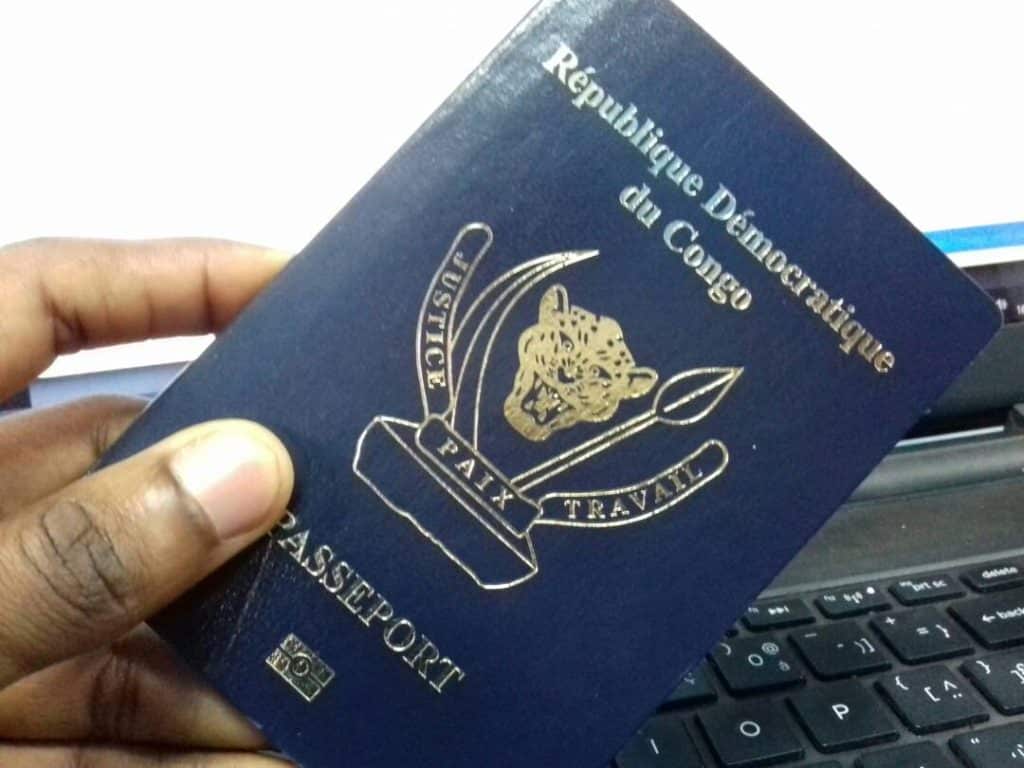
Entry into the Republic of the Congo requires a valid passport with at least six months of remaining validity from the date of entry, along with sufficient blank pages for stamps. Most international travellers, including those from Europe, North America, and many other countries, require a visa to enter the Congo. Visas must typically be obtained in advance from a Congolese embassy or consulate, although in recent years, certain entry ports have begun offering simplified or pre-arranged systems to accommodate tourism growth. Nonetheless, travellers are advised to complete visa arrangements well before departure to avoid delays and complications.
In many cases, visa applicants may be asked to provide invitation letters, confirmed hotel reservations, proof of onward travel, or evidence of sufficient funds for the duration of their stay. It is advisable to contact the nearest embassy directly for precise requirements, as regulations may change periodically. For travellers exploring multiple countries in Central Africa, it is important to note that visa policies vary significantly between nations within the region, making careful planning essential. Immigration officers may also request proof of yellow fever vaccination, as the Congo is classified as a region where yellow fever transmission is possible. It is therefore prudent to carry both passport and vaccination card at all times, especially when crossing borders.
Health
Health considerations in the Congo are an essential part of travel preparation, particularly due to the country’s location within the tropical rainforest zone. Travellers should consult a travel health specialist several weeks before departure to ensure they receive up-to-date medical advice tailored to their itinerary. Yellow fever vaccination is mandatory for entry and proof of vaccination must be presented at immigration. Additional recommended vaccinations may include hepatitis A, hepatitis B, typhoid, meningitis, and routine immunisations such as tetanus and measles if not already up to date. Malaria is present throughout the country, making anti-malarial medication, insect repellent, mosquito nets, and proper clothing extremely important for reducing risk.
Water and food safety should be taken seriously in both urban and rural areas. Bottled, boiled, or purified water is recommended for drinking, brushing teeth, and preparing food whenever possible. Travellers staying in remote forest camps will usually be provided with purified water and safe meals prepared by trained kitchen staff. Heat, humidity, and exposure to the rainforest environment can also influence health, so hydration and sun protection are essential. Travellers with pre-existing medical conditions should bring all necessary medications, as specific prescriptions may not be available in local pharmacies. Medical facilities in Brazzaville and Pointe-Noire are comparatively well equipped, but remote regions rely on more basic health services, making preparation crucial.
Insurance
Comprehensive travel insurance is strongly recommended for all travellers visiting the Congo due to the remote nature of many destinations, particularly wildlife reserves and forest-based camps. Insurance should cover medical care, emergency evacuation, trip cancellations, lost luggage, and any adventure activities included in the itinerary. Emergency evacuation is particularly important in regions such as Odzala-Kokoua National Park or Nouabalé-Ndoki, where the nearest fully equipped medical facilities may be many hours or even days away by road. Many safari lodges and tour operators require proof of evacuation insurance prior to guests’ arrival as part of their safety protocols.
Travel insurance also offers vital protection against unexpected disruptions that may arise from flight delays, missed connections, or schedule changes. Although the Congo’s main airports are functional and efficient, flights to and from remote areas can be affected by weather conditions, logistical challenges, and seasonal road conditions. Comprehensive insurance ensures peace of mind and supports travellers who may need to adjust their plans unexpectedly while exploring this remarkable destination.
Money
The Republic of the Congo uses the Central African CFA Franc (XAF), a currency shared with several countries in the Central African region and backed by the French Treasury. In urban centres such as Brazzaville and Pointe-Noire, credit and debit cards are accepted in major hotels, restaurants, and some retail establishments. However, rural areas and national parks operate largely on a cash-based system, making it necessary for travellers to carry enough local currency to cover expenses during remote journeys. ATMs can be found in major cities but may not always be reliable, so travellers often obtain local currency upon arrival or exchange foreign money at reputable banks or bureaus.
US dollars and euros are sometimes accepted in higher-end establishments, though this depends on individual operators. When carrying foreign currency, it is advisable to bring clean, undamaged notes, as torn or worn bills may not be accepted. Budgeting realistically for tips, lodge payments, domestic transport, and incidental expenses ensures a smoother travel experience, especially when exploring remote rainforest regions where ATM access is limited or nonexistent.
Tipping
Tipping is appreciated throughout the Congo as a gesture of gratitude for good service, although it is not mandatory. Local hospitality teams, guides, trackers, and camp staff work diligently to ensure travellers enjoy safe, comfortable, and enriching experiences in areas that often require enormous logistical effort. The amount tipped is left to the traveller’s discretion, influenced by the nature of the service, the duration of the stay, and the type of experience. Many lodges and camps offer guidance on tipping norms and may provide communal tip boxes to ensure that gratuities are shared fairly among staff. Tipping contributes to local livelihoods and supports the broader tourism economy in a country where hospitality employment is an important source of income for communities near parks and reserves.
Travel Destinations
The Republic of the Congo offers an extraordinary range of travel destinations, each contributing to the country’s emerging reputation as a premier destination for conservation-driven adventure tourism. Odzala-Kokoua National Park stands out as the crown jewel of Congolese tourism, attracting travellers from around the world who come to track western lowland gorillas, explore dense jungles, walk through forest bais, and immerse themselves in one of the most biodiverse habitats on Earth. The park’s remote camps provide a deep sense of wilderness immersion, offering guided walks, river excursions, and extraordinary wildlife encounters with species such as forest elephants, sitatunga antelope, and countless bird species. Nouabalé-Ndoki National Park, another vital protected area, forms part of the tri-national Sangha Trinational landscape and is known for its pristine forests and rich primate diversity.
Beyond the rainforests, travellers find cultural vibrancy and urban charm in Brazzaville, where colourful markets, riverside promenades, and architectural landmarks mingle with modern cultural expressions. Pointe-Noire offers a coastal atmosphere shaped by Atlantic breezes, sandy beaches, and a slower pace that contrasts beautifully with the dense interior forests. Conkouati-Douli National Park combines marine, coastal, and forest ecosystems, allowing travellers to explore mangroves, beaches, and inland landscapes in a single journey. This variety of destinations gives travellers the flexibility to design deeply personalized journeys—whether focused on wildlife, culture, coastal relaxation, or scientific exploration.
How to Get There
The Republic of the Congo is accessible through two international airports: Maya-Maya International Airport in Brazzaville and Agostinho-Neto International Airport in Pointe-Noire. Most international travellers arrive via regional hubs such as Addis Ababa, Nairobi, Casablanca, Paris, Istanbul, or Johannesburg. Flight schedules vary depending on the season and airline routes, making it important to plan international connections well in advance. Once in the Congo, domestic flights connect Brazzaville with Pointe-Noire, and charter flights are often used to reach remote safari regions, particularly those within or near Odzala-Kokoua National Park.
Road travel is common within cities and between some neighbouring regions, although infrastructure varies widely. In remote areas, four-wheel-drive vehicles are essential due to forest conditions, unpaved roads, and seasonal changes that affect road quality. Water travel is also part of the country’s transport network, particularly along sections of the Congo River. Most travellers exploring national parks work with established tour operators or lodges that organize all transfers, ensuring safer and more efficient movement between destinations. Due to the remote nature of many attractions, planning transportation in advance helps avoid delays and maximizes time spent exploring.
Best Time to Visit
The best time to visit the Congo depends on the experiences travellers seek. The dry seasons, especially from June to September, offer easier travel conditions, reduced humidity, lighter rains, and improved accessibility to remote park regions. Wildlife viewing is generally more predictable during these months, as animals are easier to track and vegetation is less dense. Gorilla tracking in Odzala-Kokoua is possible year-round, but many travellers prefer the dry season for the comfort of walking through forest paths with less mud and rainfall. The green seasons bring heavier rainfall, particularly from September to December and March to May, but they also transform the rainforest into a lush, vibrant environment ideal for birdwatching, photography, and appreciating the full ecological richness of the Congo Basin.
Travellers interested in cultural experiences may visit at any time of year, as major cultural rhythms and ceremonies occur throughout different seasons. Climate patterns are generally consistent, but local variations can influence specific destinations, especially coastal or riverine regions. The best time to visit ultimately aligns with personal interests, travel style, and tolerance for humidity or rain. With proper preparation, the Congo remains a year-round destination that rewards travellers with profound natural beauty and rare wildlife experiences.