26 Day Uganda’s Grand Hiking Tour
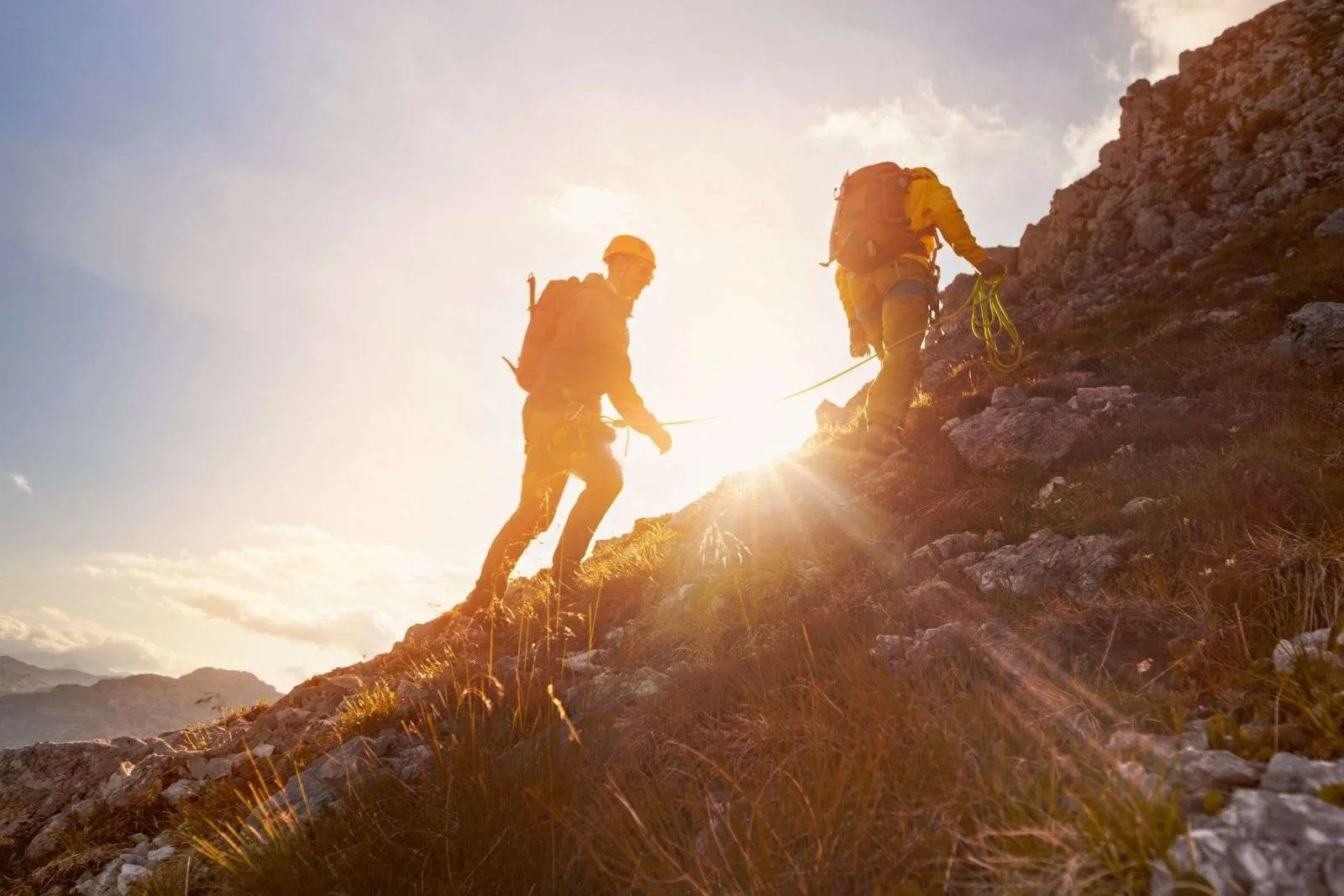
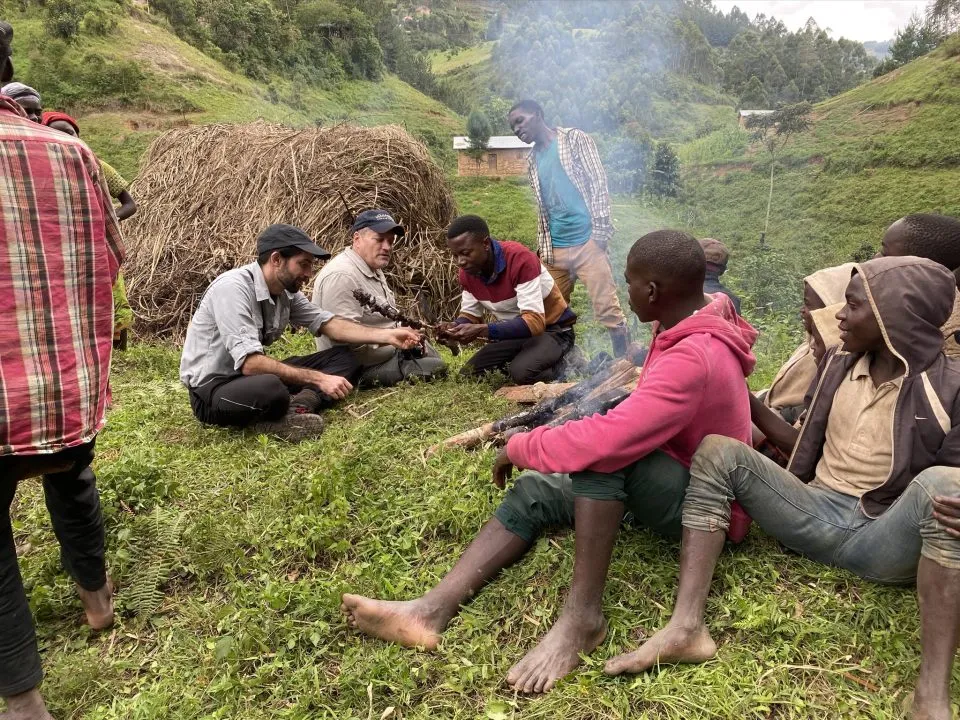
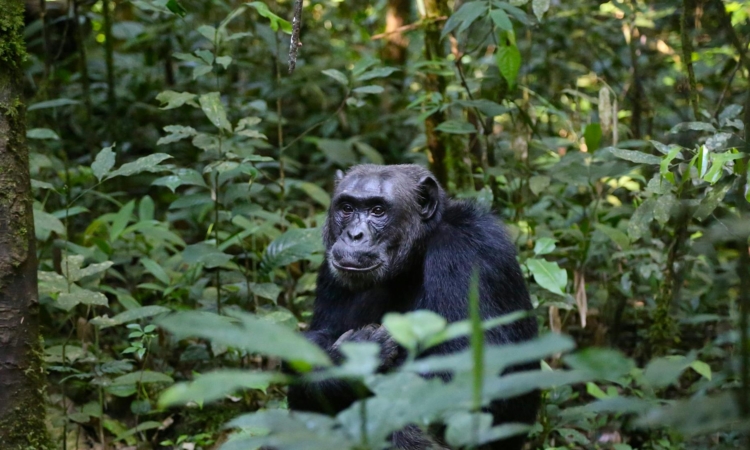
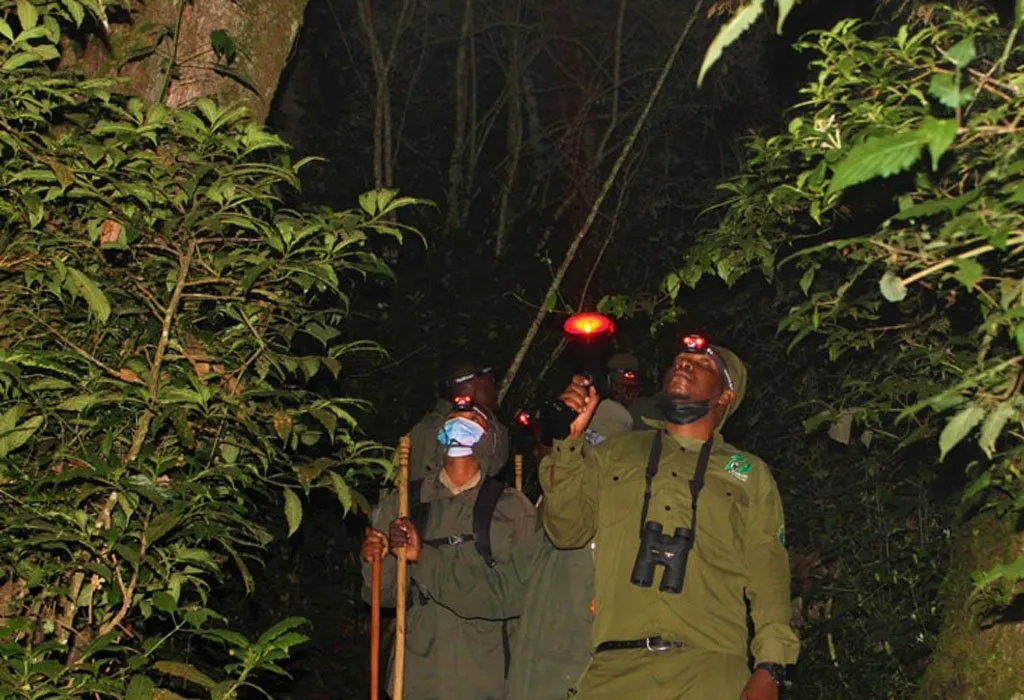
The 26 Day Uganda’s Grand Hiking Tour is a deeply immersive expedition designed for travelers who want to experience Uganda on foot, step by step, landscape by landscape. This itinerary is not about ticking off highlights at speed. It is about rhythm, endurance, connection, and perspective. Uganda’s extraordinary geographical diversity makes it one of Africa’s most rewarding hiking destinations, offering volcanic mountains, ancient rainforests, alpine moorlands, rolling highlands, savannah escarpments, crater lakes, and river valleys within one coherent journey.
This tour has been structured to progress gradually across the country, allowing the body to acclimatize, the mind to settle, and understanding to deepen. Each hiking region introduces a new ecological zone, cultural context, and physical challenge, ensuring variety while maintaining continuity. Rest days, cultural encounters, and scenic transitions are intentionally built in to preserve balance and sustainability over the full 26 days.
26 Day Uganda’s Grand Hiking Tour
- DAY 1
- DAY 2
- DAY 3
- DAY 4
- DAY 5
- DAY 6
- DAY 7
- DAY 8
- DAY 9
- DAY 10
- DAY 11
- DAY 12
- DAY 13
- DAY 14
- DAY 15
- DAY 16
- DAY 17
- DAY 18
- DAY 19
- DAY 20
- DAY 21
- DAY 22
- DAY 23
- DAY 24
- DAY 25
- DAY 26
Arrival in Uganda and Orientation
Arrival takes place in Entebbe, followed by a private transfer to a comfortable guest lodge. This day is reserved for rest, briefing, and gentle adjustment after international travel. In the afternoon, a full orientation session is conducted covering hiking expectations, terrain, safety procedures, cultural etiquette, and environmental responsibility.
The evening is relaxed, allowing travelers to recover energy and mentally prepare for the journey ahead.
Transfer to Eastern Uganda
The journey begins with a scenic drive eastward toward Uganda’s volcanic and highland regions. Rolling countryside, plantations, and rural settlements dominate the landscape, offering early insight into Uganda’s agricultural heartland.
A short acclimatization walk is undertaken in the afternoon, focusing on gentle elevation gain and stretching after travel. This walk introduces the hiking pace that will define the tour.
Mount Elgon Foothills Hike
This day introduces the first serious hiking terrain on the lower slopes of Mount Elgon National Park. The hike moves through montane forest, farmland, and waterfalls, allowing hikers to adjust gradually to altitude and trail conditions.
The focus is on steady movement rather than distance, with ample time for observation, photography, and rest.
Mount Elgon Sipi Trail Exploration
Hiking continues along the Sipi trail system, renowned for its waterfalls, cliffs, and panoramic escarpments. This day emphasizes elevation changes, balance, and stamina while remaining accessible.
Local guides provide cultural insight into the communities living on the mountain slopes, adding social context to the physical journey.
Extended Mount Elgon High-Altitude Hike
A longer hike takes place higher on Mount Elgon, introducing moorland vegetation and expansive views. This is a physically demanding day designed to build endurance early in the tour.
The afternoon is reserved for rest and recovery, reinforcing the importance of pacing across the full 26 days.
Transfer to the Karamoja Borderlands
The tour transitions northward into Uganda’s semi-arid northeastern region. The change in landscape is dramatic, moving from lush highlands to open plains and rocky outcrops.
A short sunset walk introduces the terrain and prepares hikers for the days ahead.
Karamoja Cultural Hiking Route
This day combines hiking with cultural immersion. Trails follow traditional footpaths used by local communities, revealing how movement across land shapes daily life.
The hike emphasizes distance rather than elevation, offering a different physical challenge and a deeper cultural perspective.
Moroto Hills Ascent
A full-day hike in the Moroto Hills introduces steeper gradients and exposed terrain. The landscape here feels raw and expansive, reinforcing the diversity of Uganda’s hiking environments.
This hike strengthens cardiovascular endurance and leg stamina, critical for later mountain stages.
Transfer to Northern Uganda – Nile Corridor
The journey continues westward toward the Nile basin. The day is largely restorative, allowing muscles to recover after consecutive hiking days.
A gentle riverside walk in the evening introduces the next ecological zone.
Murchison Escarpment Hike
Hiking takes place along escarpments overlooking the Nile, offering sweeping views and varied terrain. The trail alternates between woodland, rocky paths, and open viewpoints.
This hike focuses on balance, controlled descent, and sustained movement.
Transfer to Western Uganda Highlands
The tour moves southwest into Uganda’s highland belt, where elevation and vegetation increase noticeably. The drive itself is scenic, crossing river systems and fertile landscapes.
The afternoon is free for rest, preparation, and light stretching.
Kibale Crater Lakes Hiking Circuit
Hiking begins around the crater lakes near Kibale National Park. Trails wind through tea estates, forest edges, and volcanic depressions filled with water.
This day emphasizes sustained rolling terrain rather than steep ascents.
Forest-to-Farmland Transition Hike
A longer hike explores the transition zones between forest and human settlement. This day offers insight into conservation boundaries and land-use patterns.
Physical demands are moderate, allowing for cultural engagement along the route.
Transfer to the Rwenzori Foothills
The itinerary now enters one of Africa’s most iconic hiking regions. Arrival near the foothills of the Rwenzori Mountains National Park marks a major milestone in the tour.
The afternoon is reserved for briefing, gear checks, and rest.
Rwenzori Lower Slopes Hike
The first Rwenzori hike focuses on acclimatization. Trails pass through bamboo forest and moss-covered vegetation, introducing humidity and uneven footing.
Pacing is slow and deliberate to prepare for higher altitudes.
Rwenzori Mid-Altitude Trek
Hiking continues upward into montane forest and heath zones. Terrain becomes more technical, with roots, mud, and elevation gain requiring concentration and teamwork.
This day is physically demanding but deeply rewarding.
Rwenzori Alpine Zone Exploration
A high-altitude day hike explores the alpine zone without summiting. Giant lobelias, dramatic valleys, and cool temperatures define the experience.
This stage emphasizes resilience and mental focus.
Descent and Recovery Day
Descent from the Rwenzori slopes is managed carefully to reduce strain on joints. The afternoon is reserved for full recovery, stretching, and rest.
This day is essential for injury prevention and energy restoration.
Transfer to Queen Elizabeth Highlands
The journey moves southward to the escarpments overlooking the Albertine Rift. The change in landscape introduces open savannah and crater-dotted hills.
A gentle evening walk offers relaxation and scenic appreciation.
Kyambura Gorge Rim Hike
Hiking takes place along the rim of Kyambura Gorge, combining elevation, forest edges, and expansive views. The terrain is varied but manageable.
This hike reinforces endurance without excessive strain.
Transfer to Bwindi Highlands
The tour transitions into the dense, mountainous region surrounding Bwindi Impenetrable National Park. The terrain becomes steep, forested, and deeply atmospheric.
The afternoon is reserved for rest and mental preparation.
Bwindi Community Hiking Trails
Hiking follows community-managed trails around Bwindi’s perimeter. Steep ascents, narrow paths, and forest views define the day.
This hike emphasizes leg strength and balance.
Bwindi Forest Edge Trek
A longer trek explores forest edges and ridge paths. Mist, birdsong, and dense vegetation create a powerful sense of immersion.
This day is physically demanding and emotionally resonant.
Transfer to Lake Bunyonyi Highlands
The landscape opens into terraced hills and islands as the tour reaches Lake Bunyonyi. The afternoon is restful, allowing recovery after Bwindi’s intensity.
Optional gentle walks are available.
Lake Bunyonyi Island Hiking Circuit
A final full hiking day explores island trails and lakeside paths. Elevation changes are moderate, focusing on reflection and completion rather than challenge.
This day serves as a symbolic conclusion to the journey.
Return to Entebbe and Departure
The final day involves transfer back to Entebbe for international departure. Time is reserved for reflection, debriefing, and closure.
The 26 Day Uganda’s Grand Hiking Tour concludes not with exhaustion, but with a deep sense of achievement and connection.
Included
Excluded
-
International flights
-
Travel insurance (mandatory)
-
Personal hiking gear
-
Tips for guides and porters
-
Alcoholic beverages
-
Optional activities not listed
When is the best time to travel?
Scan to start chatting with us now!
The best time to visit is generally considered to be during the dry season, when weather conditions are more pleasant and travel is less likely to be disrupted, typically based on your preferred destinations. During this period, landscapes are at their most vibrant, wildlife sightings are more frequent, and activities can be enjoyed with greater ease. While visits are possible year-round, choosing this window is often recommended to ensure the most rewarding and comfortable experience.

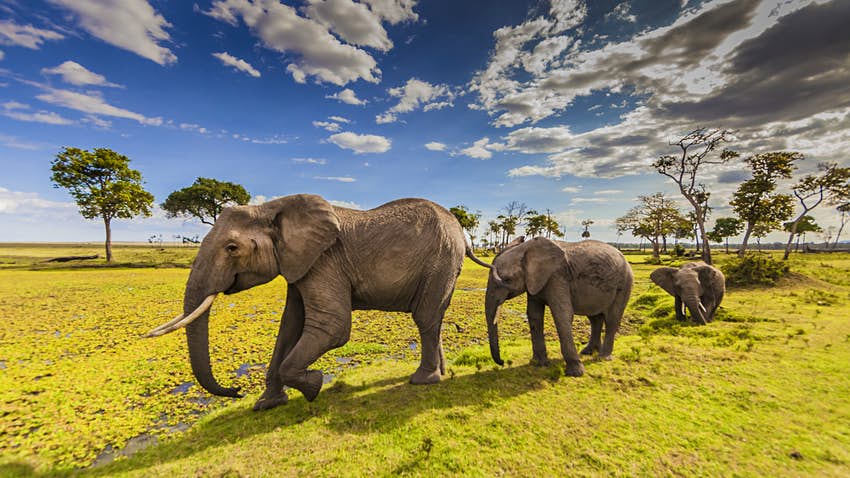
General Climate
-
Southern Africa is hot and wet—great for lush landscapes but not ideal for wildlife spotting.
-
East Africa is dry and sunny—excellent for safaris and beach holidays.
-
North Africa (e.g., Egypt) is pleasantly cool.
Why: Peak of the dry season; excellent for wildlife viewing, especially in the Maasai Mara and Amboseli. Also great beach weather along the coast.
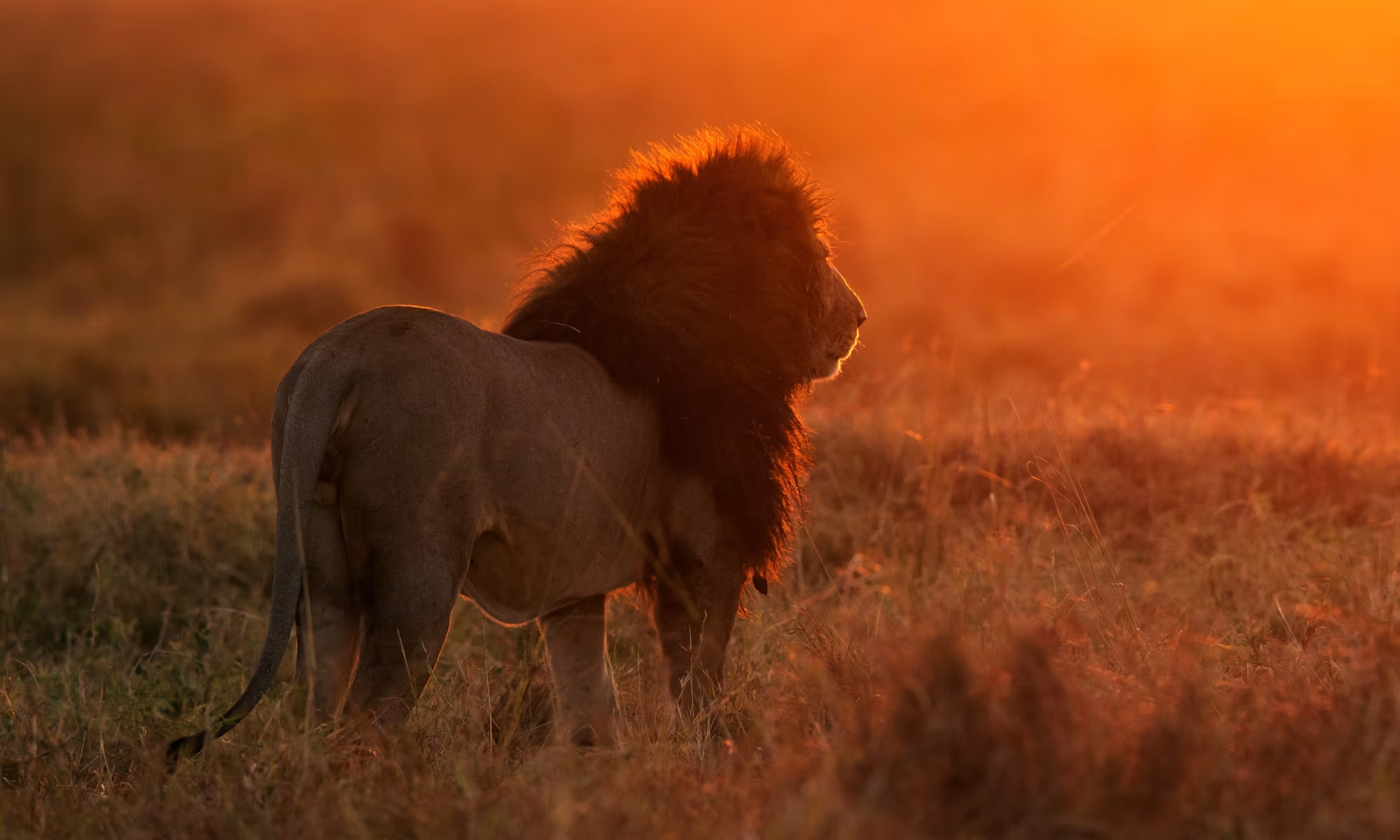
General Climate
- Similar to January. East Africa remains dry and ideal for travel.
- Southern Africa continues to experience summer rains.
Why: Calving season in the southern Serengeti; predators are active. Good weather in Zanzibar for beach lovers.
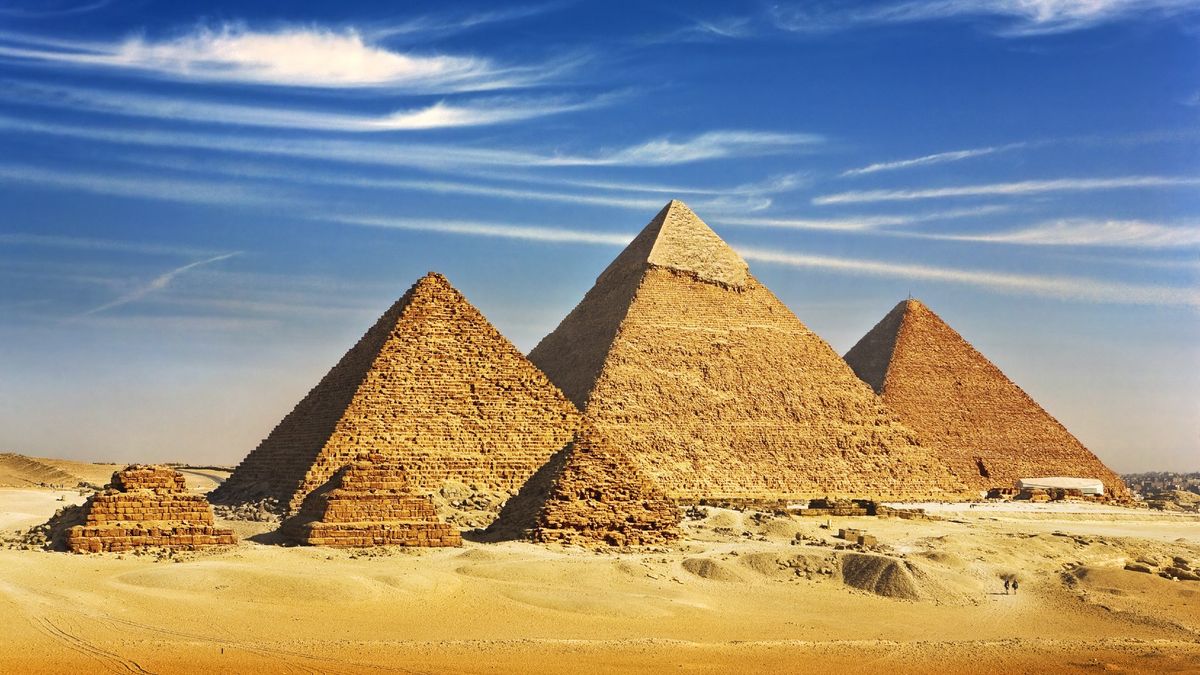
General Climate
-
Wettest month in East Africa; not ideal for safaris.
-
Southern Africa is still rainy, but the tail end of the wet season.
-
North Africa heats up quickly.
Why: Warm but not oppressively hot. Ideal for exploring ancient sites like Luxor, Aswan, and the Pyramids.
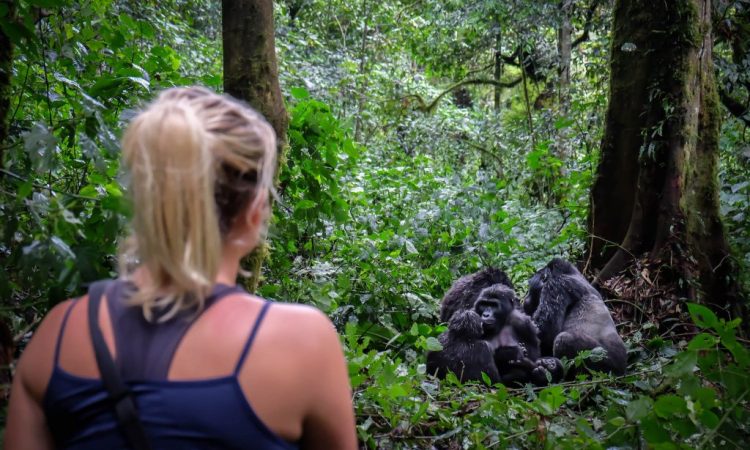
General Climate
- Rain begins in East Africa.
- Southern Africa starts to transition, with some rains still occurring.
- Egypt begins warming up.
Why: Great for gorilla trekking in Bwindi before the heavier rains. Cooler weather in the mountains and fewer crowds.
General Climate
-
Peak dry season in East and Southern Africa—excellent for game viewing.
-
Nights can be cold in desert regions.
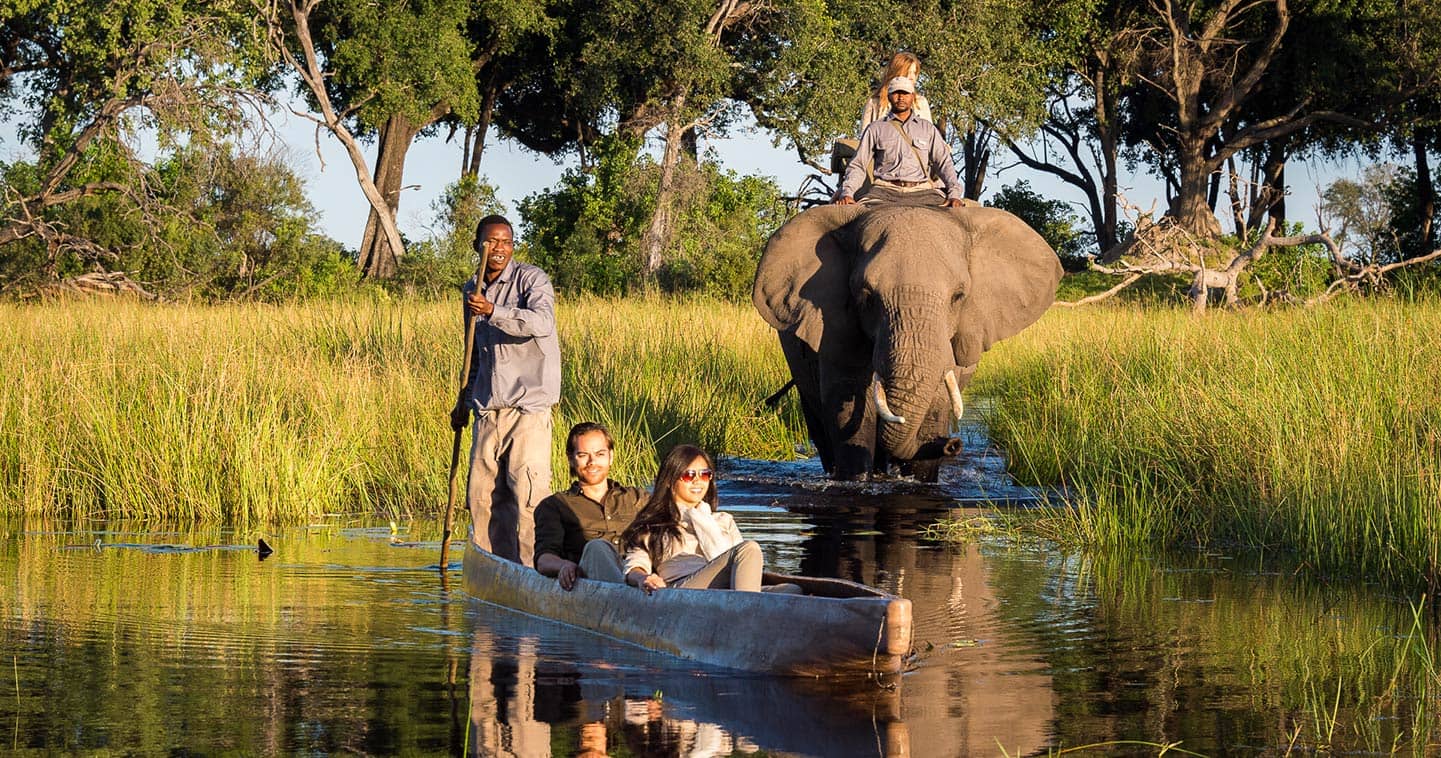
Why: Outstanding game viewing in the Okavango Delta during the annual flood. Dry and comfortable weather.
General Climate
-
Dry season in most regions of East and Southern Africa.
-
Cooler temperatures and clearer skies.
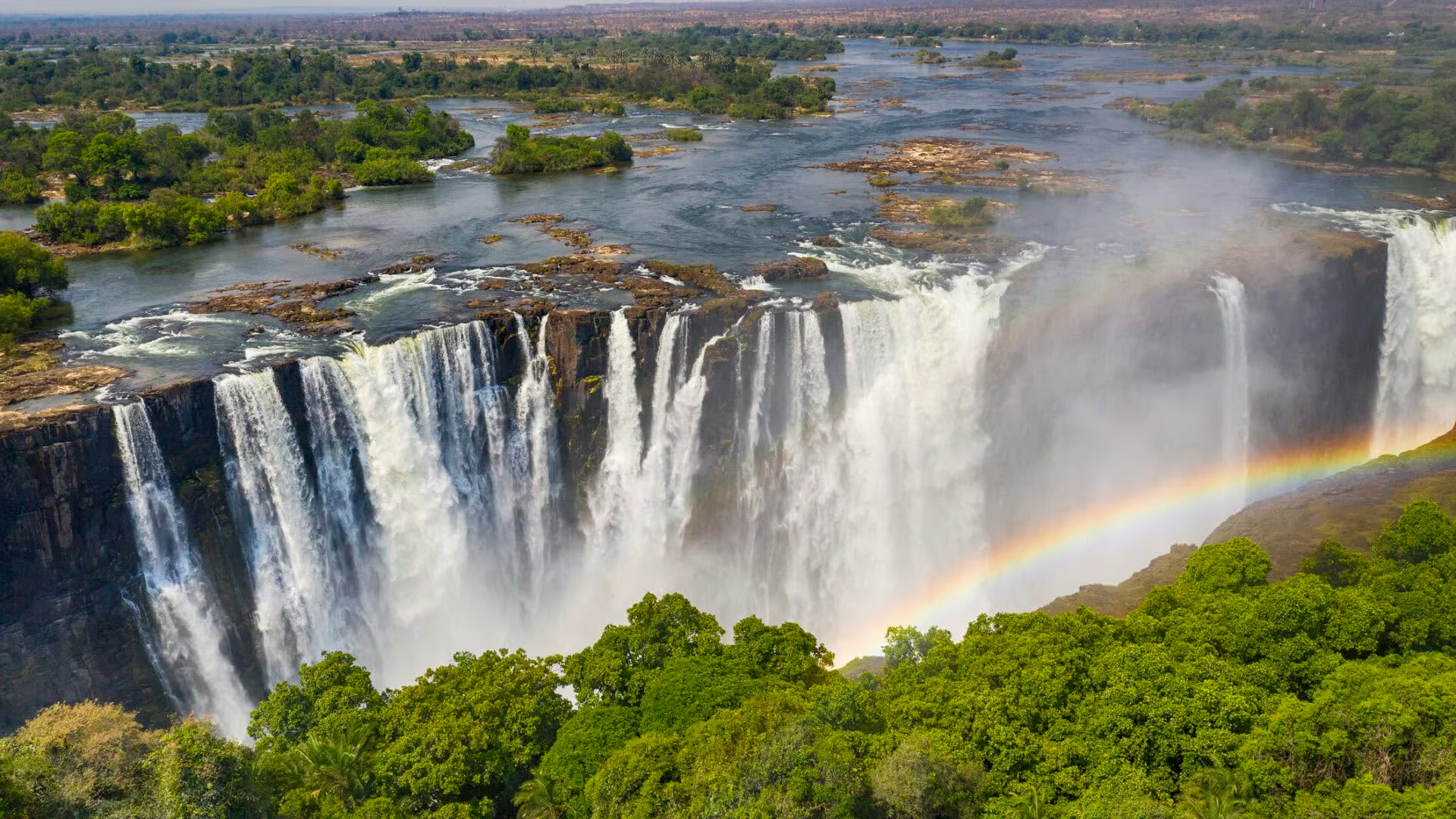
Why: Prime safari season begins. Victoria Falls is still in full flow, and wildlife viewing improves as vegetation thins out.
General Climate
-
Prime dry season continues in East and Southern Africa.
-
Cooler temperatures in the highlands.
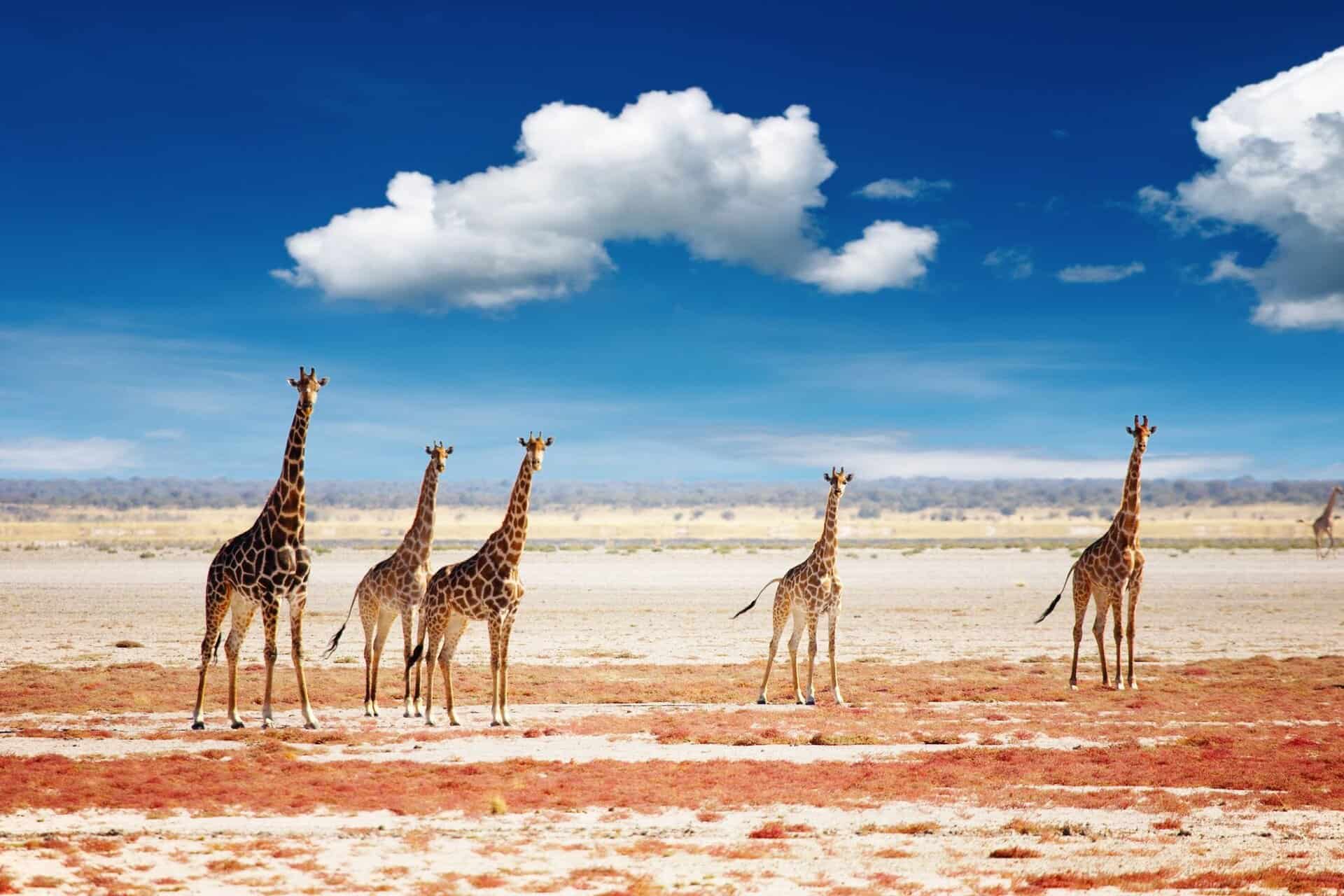
Why: Cool, dry, and clear. Perfect time for dramatic desert landscapes, wildlife viewing in Etosha, and exploring Sossusvlei.
General Climate
-
End of rainy season in East Africa—landscapes are lush.
-
Southern Africa becomes cooler and drier—a sign of great safaris to come.
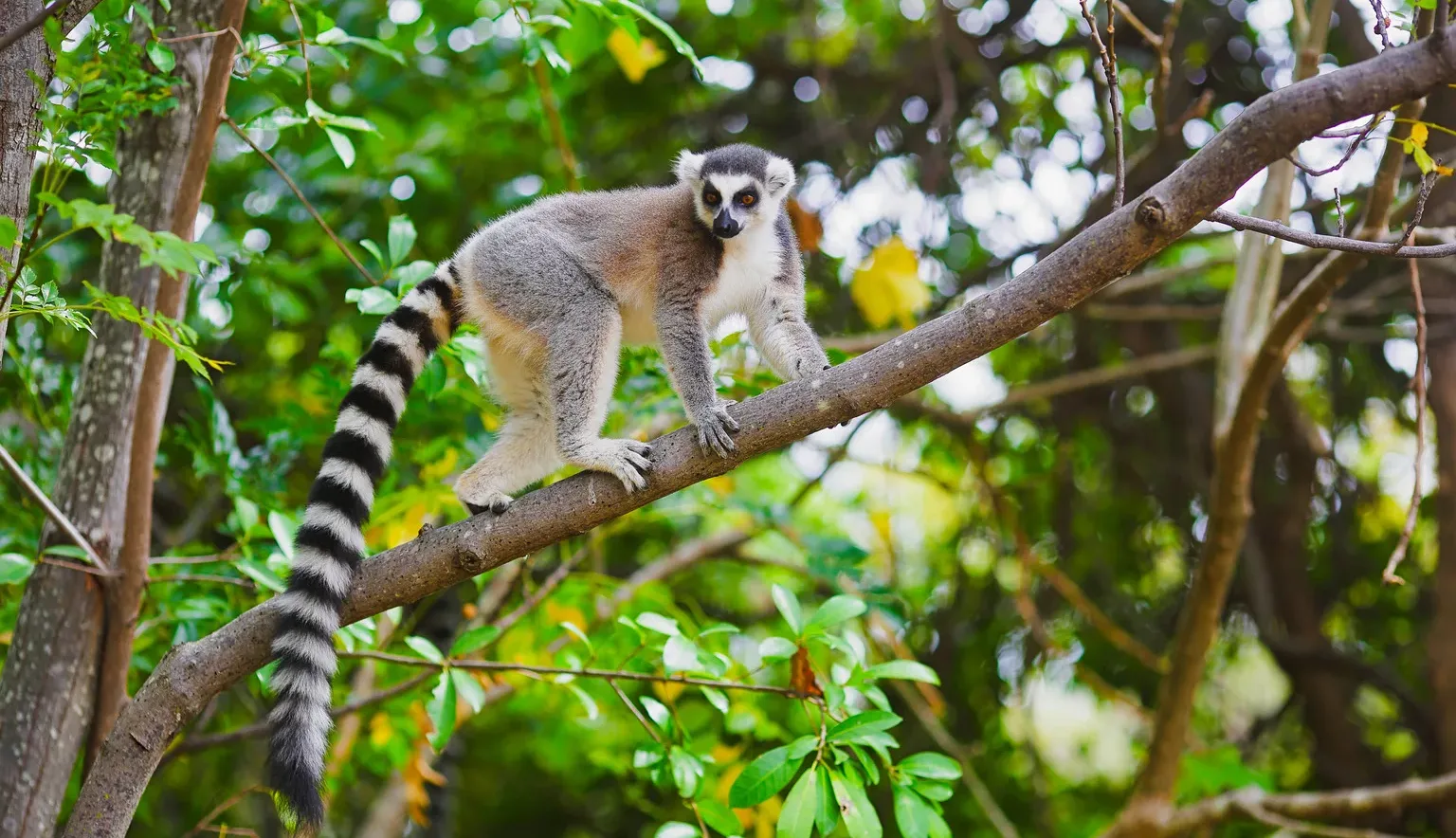
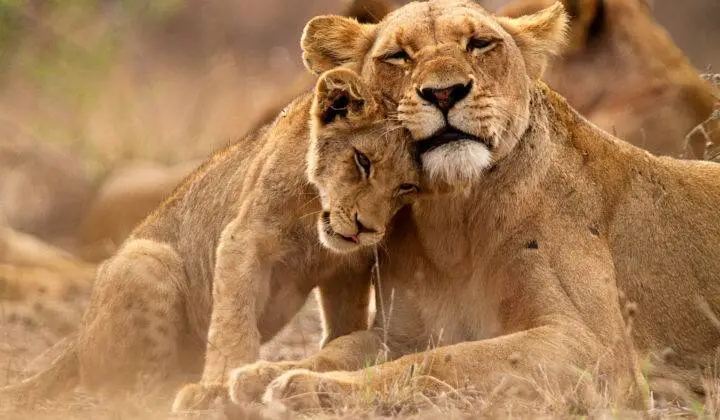
Why: Dry season begins; ideal time to see lemurs and other endemic wildlife. Also good for trekking and photography.
General Climate
-
Dry season continues but temperatures start to rise.
-
Wildlife congregates around water sources.
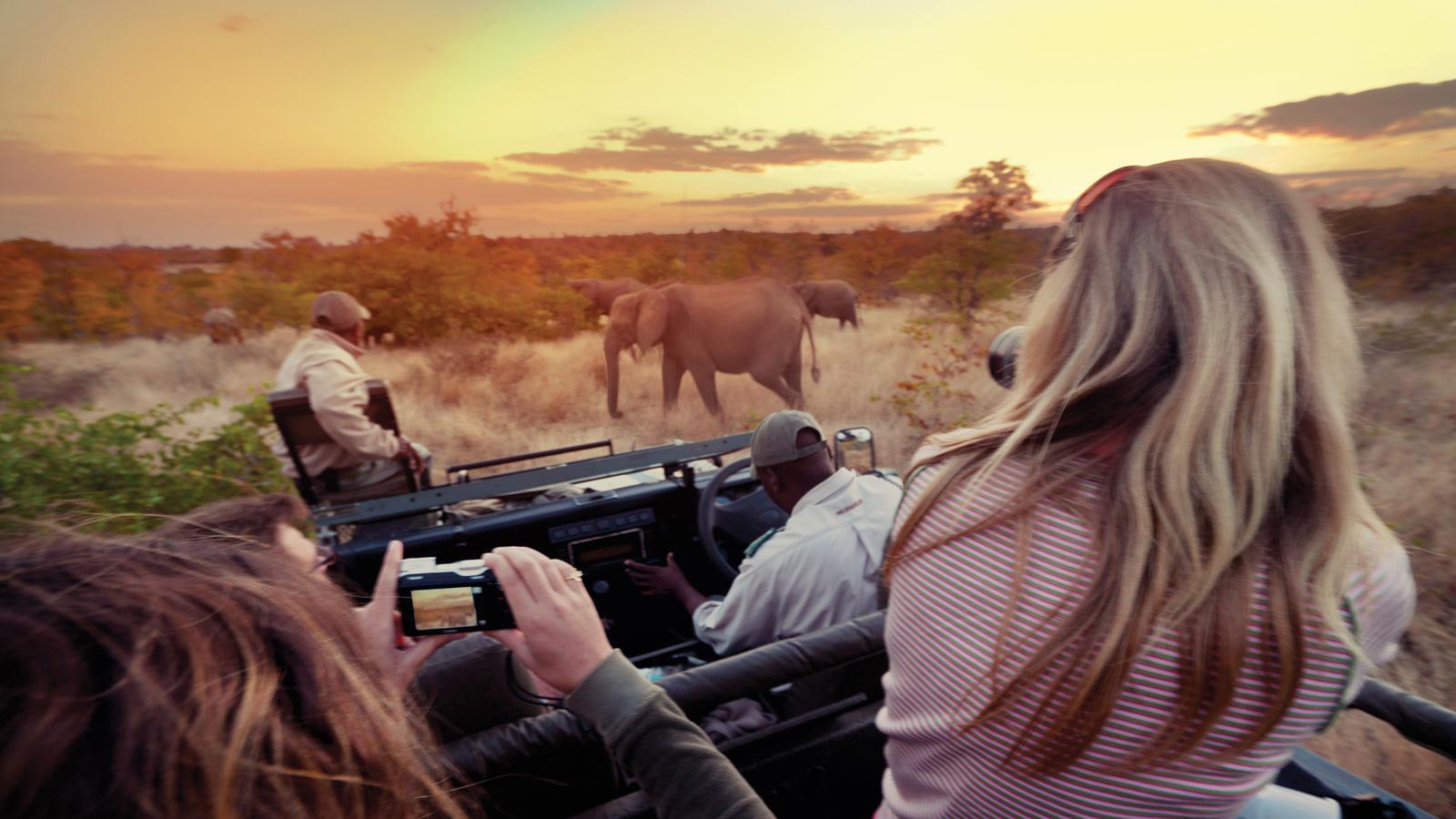
Why: One of the best months for game viewing in Hwange National Park and visiting Victoria Falls with good flow and visibility.
General Climate
-
Hot and dry across most of Africa.
-
Late dry season—excellent for spotting wildlife.
Why: Great for safaris in Kruger and start of wildflower bloom in the Western Cape. Also good time for whale watching along the coast.
General Climate
-
Rain returns to East Africa (short rains).
-
Southern Africa sees rising temperatures.
-
Still good wildlife viewing in some places before the rains fully begin.
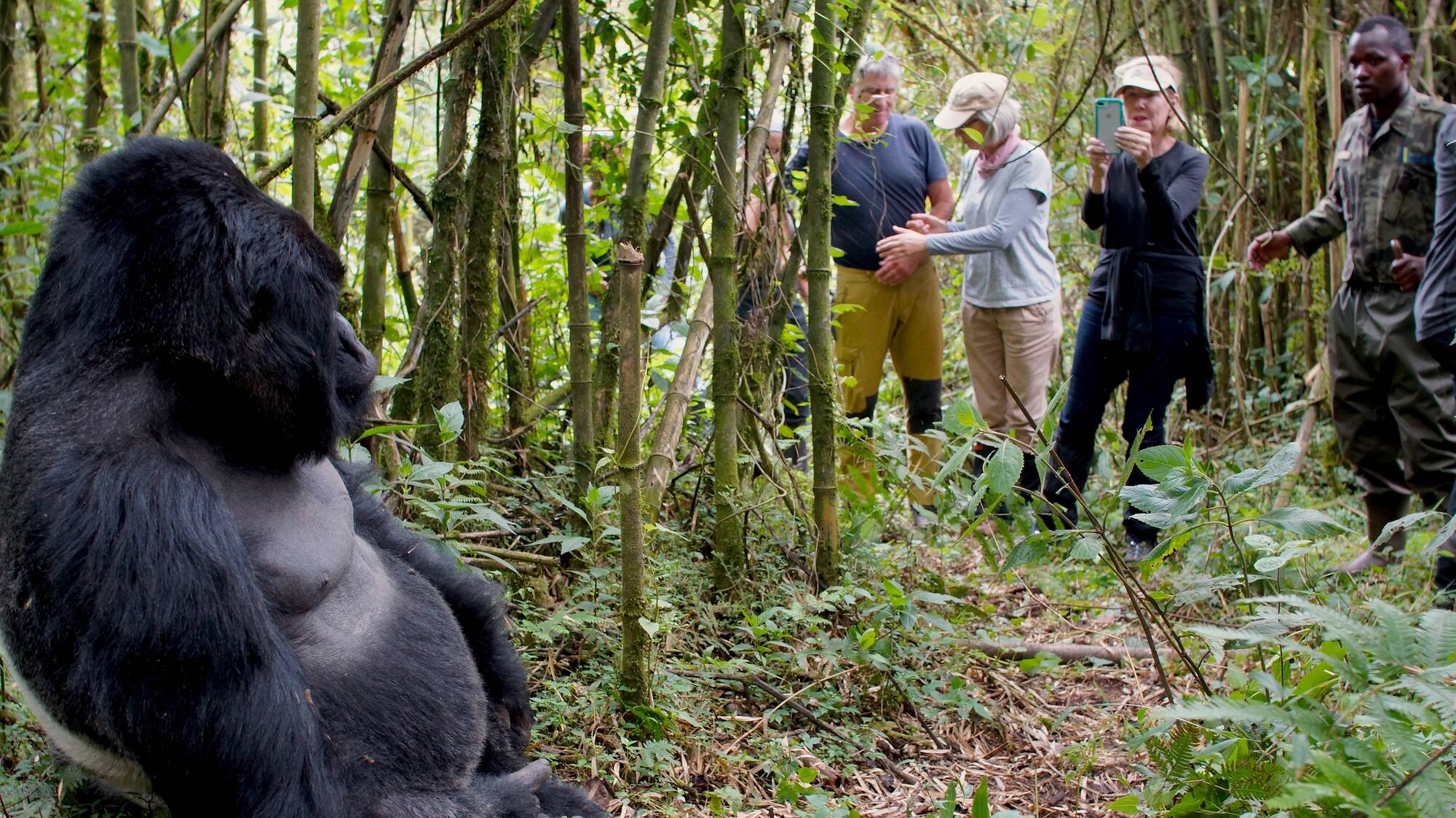
Why: Short rainy season, but still accessible for gorilla trekking. Lush green scenery and fewer tourists.
General Climate
-
Warm and wet in Southern Africa.
-
East Africa enjoys another dry spell (short dry season).
-
North Africa is cool and dry.
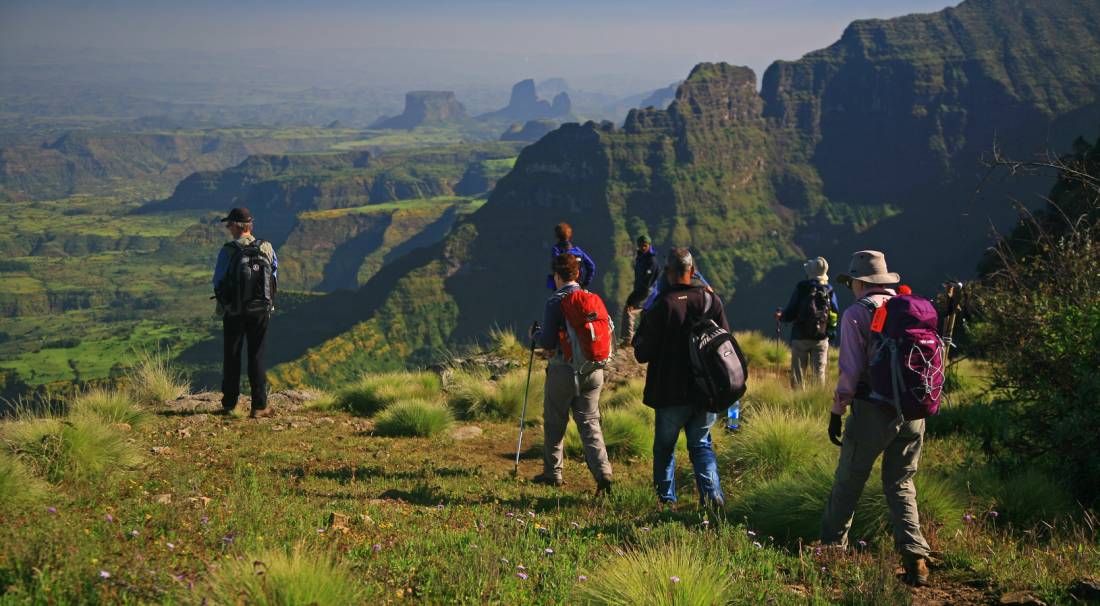
Why: Dry season starts; ideal for historical sites, Simien Mountains trekking, and experiencing Timket preparations.
Featured Headlines
Check out the latest travel news, blogs, and stories
AllAboutAbout UsAdventure holidaysBotswanaBotswana places to visitBotswana travel guidesBucket list holidaysCongoCongo places to visitCongo travel guidesContact UsDestinationsEco-friendly accommodationsEgyptEgypt travel guidesEthiopiaEthiopia travel guidesExperiencesFamily holidaysGabonGabon travel guidesGet inspiredGroup holidaysHoliday typesHoneymoon holidaysJoin our teamKenyaKenya travel guidesKenya trip ideasLuxury holidaysMadagascarMadagascar travel guidesMalawiMalawi travel guidesMozambiqueMozambique travel guidesNamibiaNamibia accommodationsNamibia places to visitNamibia travel guidesNamibia trip ideasOff the beaten track holidaysPrimate holidaysRefer a friendResponsible travel tipsRwandaRwanda travel guidesRwanda trip ideasSafari holidaysSouth AfricaSouth Africa best time to visitSouth Africa travel guidesSouth Africa trip ideasSouth SudanSouth Sudan places to visitSpecial offersSustainable travelTanzaniaTanzania places to visitTanzania travel guidesTanzania trip ideasTravel guidesTravel safetyTravel stories and blogsUgandaUganda accommodationsUganda best time to visitUganda places to visitUganda travel guidesUganda trip ideasWhen to goWhere to goWildlife holidaysYour first safariZambiaZambia places to visitZambia travel guidesZimbabweZimbabwe places to visitZimbabwe travel guides