
An East Africa safari represents the most authentic and historically rooted wildlife experience on the African continent. It is in East Africa that the safari concept was born, refined, and elevated into a global benchmark for wildlife travel. The region’s vast savannahs, volcanic highlands, ancient forests, and rift valley lakes form interconnected ecosystems where wildlife still moves according to natural rhythms established thousands of years ago. An East Africa safari is not defined by isolated game sightings, but by immersion into landscapes where predator and prey coexist at scale, cultures remain deeply linked to nature, and conservation is embedded into everyday life.
East Africa stands apart because of its ecological diversity and continuity. Within a single safari circuit, travelers can experience classic Big Five savannahs, track endangered mountain gorillas in mist-covered forests, follow the Great Migration across open plains, and observe chimpanzees in tropical rainforest. This concentration of globally significant wildlife experiences within a relatively compact region makes East Africa the most comprehensive safari destination in the world.
Understanding What Defines an East Africa Safari
An East Africa safari is shaped by geography, climate, and evolutionary history. The region lies along the Great Rift Valley, a geological feature that has influenced rainfall patterns, vegetation zones, and species distribution over millions of years. This geological diversity created a mosaic of habitats, each supporting distinct wildlife communities.
Unlike fenced reserves elsewhere in the world, East African safari ecosystems remain largely open and interconnected. Wildlife moves freely across national borders and protected areas, responding to seasonal rains and food availability. This freedom of movement allows ecological processes such as migration, breeding, and predation to function naturally, creating dynamic safari experiences that change throughout the year.
Equally important is East Africa’s long-established conservation culture. Wildlife protection began here earlier than in most parts of Africa, resulting in extensive protected areas, professional guiding traditions, and strong research institutions. An East Africa safari therefore combines spectacle with scientific understanding and conservation responsibility.
Tanzania and the Foundations of the Classic Safari
Tanzania is often considered the cornerstone of the East Africa safari experience due to its vast protected areas and exceptional wildlife density.
Serengeti National Park and the Migration System
The Serengeti National Park is the most iconic safari landscape in East Africa and one of the most important wildlife ecosystems on Earth. Covering thousands of square kilometers, the Serengeti supports the largest remaining terrestrial mammal migration, involving over a million wildebeest accompanied by zebra and gazelle.
This migration is not a single event but a continuous ecological cycle driven by rainfall patterns. As herds move, they shape grassland regeneration, sustain predator populations, and support scavenger species. Lions, cheetahs, leopards, hyenas, and crocodiles depend on this movement for survival. An East Africa safari in the Serengeti offers front-row access to one of nature’s most complex and powerful systems.
Ngorongoro Conservation Area and Concentrated Wildlife
Adjacent to the Serengeti lies the Ngorongoro Conservation Area, a unique safari landscape where wildlife conservation and traditional pastoralism coexist. The Ngorongoro Crater, formed by a collapsed volcano, contains one of the highest concentrations of wildlife in Africa within a relatively small area.
This natural enclosure supports lions, elephants, buffalo, leopards, and critically endangered black rhinos. For many travelers, Ngorongoro represents one of the most reliable locations for Big Five encounters on an East Africa safari, while also illustrating how conservation and human land use can function together under careful management.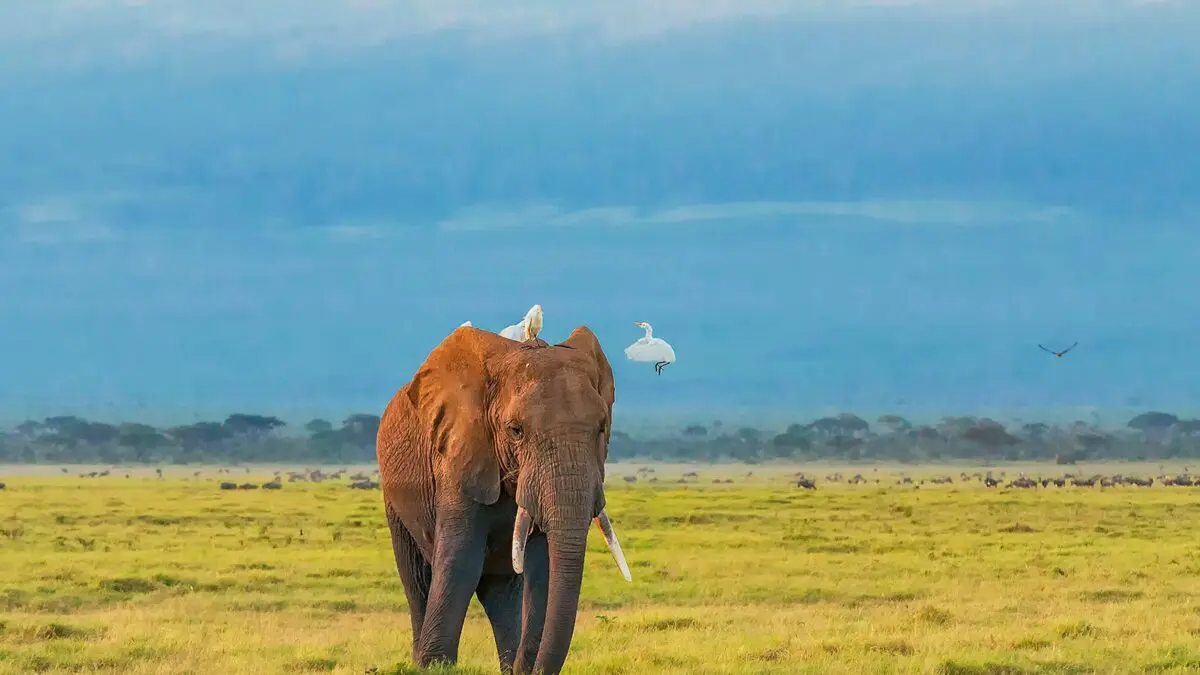
Kenya and the Evolution of Community-Based Safaris
Kenya plays a central role in shaping the modern East Africa safari through innovation in conservation and tourism management.
Maasai Mara and Predator-Dominated Plains
The Maasai Mara National Reserve forms the northern extension of the Serengeti ecosystem and is internationally celebrated for its predator density and dramatic wildlife interactions. Lions, cheetahs, and leopards thrive here due to abundant prey and open grasslands.
Seasonal migration crossings across the Mara River provide some of the most intense wildlife moments in East Africa, but the Mara’s value extends far beyond this period. Year-round resident wildlife ensures consistent safari quality, making it a cornerstone destination within any East Africa safari itinerary.
Conservancies and Sustainable Safari Models
What truly distinguishes Kenya’s safari offering is its conservancy model. Wildlife conservancies surrounding the Maasai Mara are managed in partnership with local landowners, primarily Maasai communities. These conservancies extend habitat protection beyond the reserve, reduce overcrowding, and ensure tourism revenue directly benefits local people.
An East Africa safari in Kenya’s conservancies offers lower vehicle density, flexible guiding, and deeper cultural engagement. This model has become a global example of how community involvement strengthens conservation outcomes while enhancing safari quality.
Uganda and the Forest Dimension of East Africa Safaris
Uganda expands the East Africa safari experience beyond open savannahs into dense tropical forests and wetland systems.
Bwindi Impenetrable National Park and Gorilla Safaris
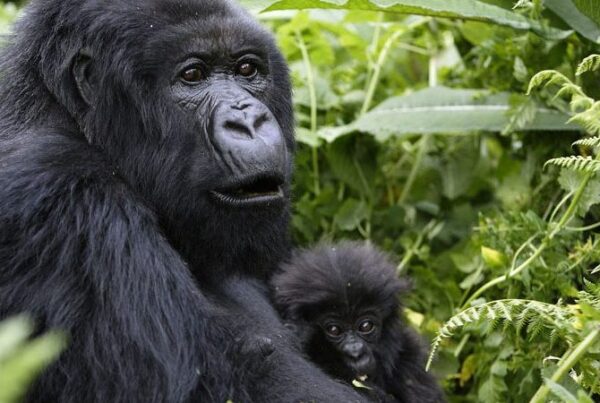
The Bwindi Impenetrable National Park is one of the most biologically diverse forests in Africa and home to nearly half of the world’s remaining mountain gorillas. Gorilla trekking in Bwindi is one of the most powerful wildlife encounters available on an East Africa safari.
This experience is strictly regulated, with limited permits, small group sizes, and close monitoring to protect gorilla health and behavior. Revenue generated supports forest conservation, veterinary care, and community development, making gorilla safaris a model of conservation-driven tourism.
Savannah and Wetland Safaris in Uganda
Beyond primates, Uganda offers classic safari experiences in savannah parks that are less crowded than their counterparts elsewhere in East Africa. Queen Elizabeth National Park, Murchison Falls National Park, and other reserves support elephants, buffalo, lions, leopards, and rich birdlife.
Uganda’s safari landscapes are shaped by lakes, rivers, and forest corridors, adding ecological variety to an East Africa safari itinerary.
Rwanda and High-Impact, Low-Volume Safaris
Rwanda represents a modern evolution of the East Africa safari, focusing on high-value, low-impact tourism.
Volcanoes National Park and Gorilla Conservation
The Volcanoes National Park protects mountain gorillas within a dramatic volcanic landscape of bamboo forests and alpine vegetation. Rwanda’s conservation strategy prioritizes limited visitor numbers, premium pricing, and strong reinvestment into conservation and community development.
An East Africa safari in Rwanda emphasizes efficiency, security, and conservation transparency. Gorilla trekking here is complemented by cultural experiences and conservation education, creating a holistic safari model rooted in sustainability.
Wildlife Diversity on an East Africa Safari
An East Africa safari offers exceptional wildlife diversity due to the region’s varied habitats. Savannah ecosystems support large herbivores and apex predators, while forests harbor primates, birds, and endemic species. Wetlands and lakes attract hippos, crocodiles, and migratory birds.
This diversity allows travelers to experience multiple ecological zones within a single journey. Few regions globally offer such a broad spectrum of wildlife experiences within such close proximity.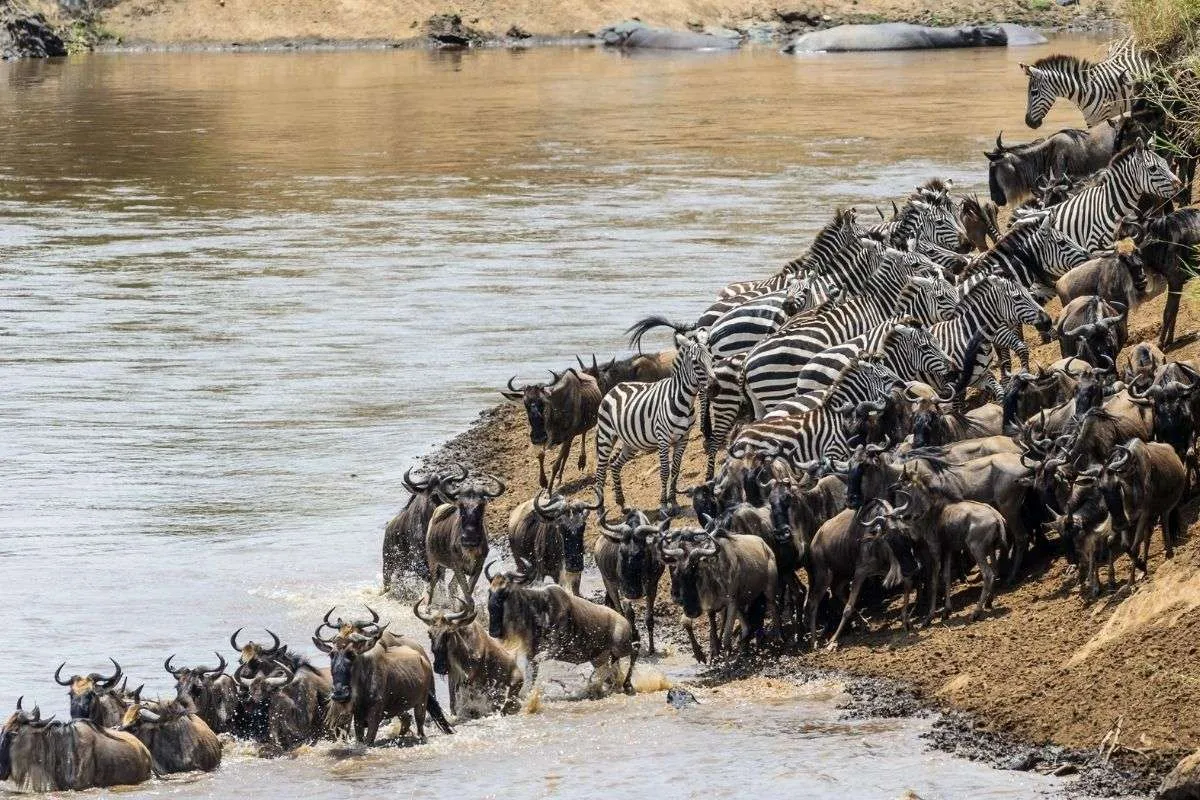
The Role of the Great Migration in East Africa Safaris
The Great Migration is central to East Africa safari planning, but it is often misunderstood. Rather than a single event, the migration is a continuous movement driven by rainfall and grazing cycles. Understanding this process allows travelers to align safari timing with ecological reality rather than fixed dates.
While river crossings are dramatic, other phases of the migration offer equally meaningful experiences, including calving seasons, predator concentration, and vast herd movements across open plains.
Conservation and Community in East Africa Safaris
Conservation is inseparable from the East Africa safari experience. Tourism revenue funds national park management, anti-poaching patrols, wildlife research, and habitat restoration. In many areas, safari tourism is the primary economic incentive for wildlife protection.
Community involvement is particularly strong in East Africa. Conservancies, community lodges, and revenue-sharing models ensure local people benefit directly from wildlife conservation. This relationship is critical for reducing human–wildlife conflict and sustaining long-term protection.
Safari Styles in East Africa
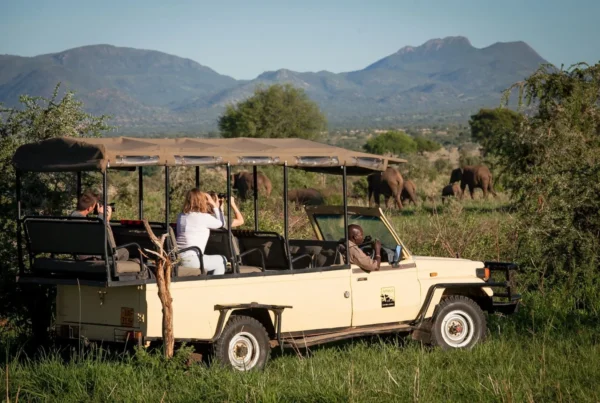
East Africa safaris take many forms, from traditional game drives to walking safaris, boat safaris, and primate tracking. Each style offers a different perspective on wildlife and ecosystems.
Walking safaris emphasize tracks, plants, and animal behavior. Boat safaris provide access to aquatic ecosystems. Primate safaris require patience and physical effort but offer unmatched emotional impact. Together, these styles create a layered and comprehensive safari experience.
Seasonal Dynamics and Planning an East Africa Safari
Seasonality shapes every East Africa safari. Rainfall patterns influence wildlife movement, vegetation density, and road accessibility. Dry seasons often concentrate animals around water sources, while wet seasons bring lush landscapes, newborn animals, and fewer visitors.
Understanding these dynamics allows travelers to choose travel periods that align with their interests, whether focused on migration, birdlife, or quieter safari conditions.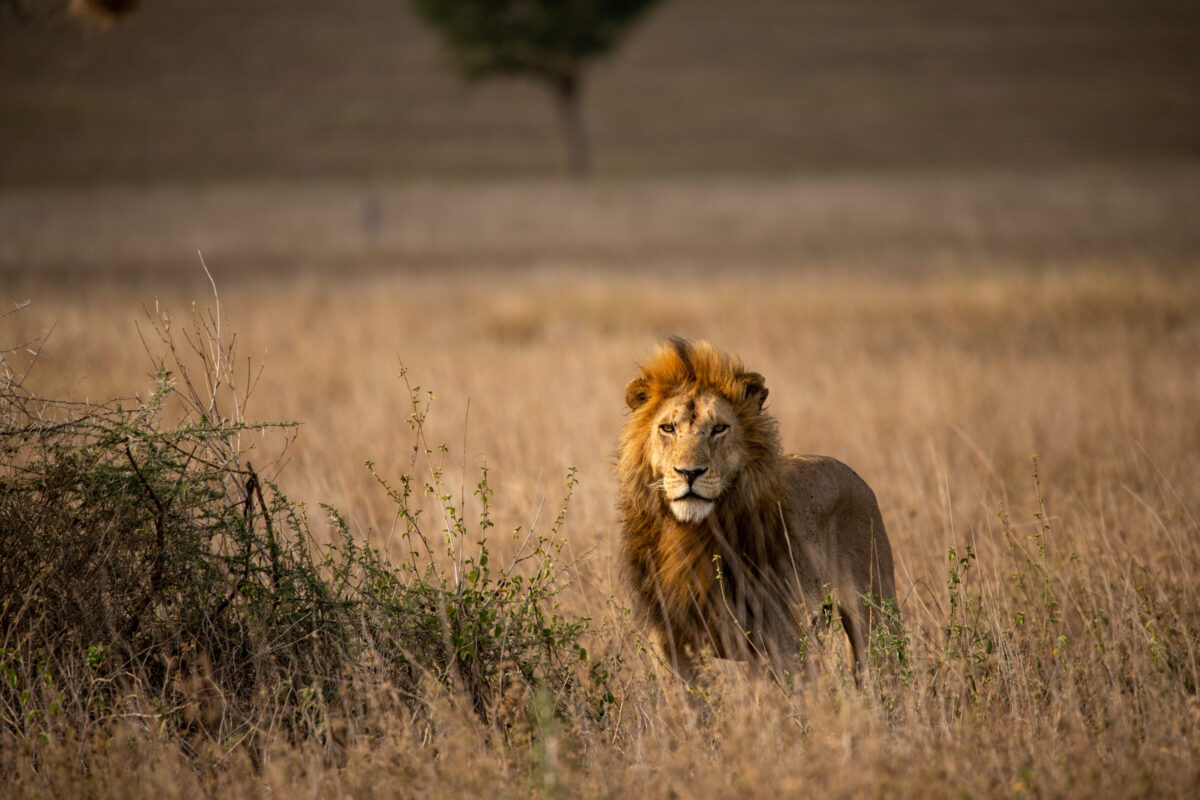
Who an East Africa Safari Is Best Suited For
An East Africa safari suits travelers seeking depth, diversity, and authenticity. It appeals to first-time safari travelers, seasoned wildlife enthusiasts, photographers, conservation-minded visitors, and those interested in cultural context alongside wildlife.
The region’s variety allows itineraries to be tailored to different travel styles, budgets, and interests without compromising ecological integrity.
Why the East Africa Safari Remains Unmatched
The East Africa safari remains unmatched because it protects some of the largest, most functional ecosystems left on Earth. Wildlife here still moves freely across vast landscapes, guided by natural laws rather than fences or artificial management.
In a world of shrinking wilderness, East Africa stands as a living archive of natural history and a model for conservation-led tourism. An East Africa safari is not simply a journey through wildlife destinations; it is an education in ecology, resilience, and coexistence that leaves a lasting impression long after the journey ends.