





© WildHorn Africa. All Rights Reserved.
Ethiopia Travel Advice
Ethiopia is a country unlike any other on the African continent, offering travellers a journey through landscapes, cultures, and historical epochs that feel both ancient and timeless. As one of the world’s oldest continuously inhabited regions, Ethiopia carries a sense of depth that is felt in its monumental highland churches, centuries-old traditions, archaeological sites that reveal early human origins, and a culture that has preserved its individuality despite waves of global change. A journey through Ethiopia is shaped by its extraordinary diversity. Highland plateaus stretch across much of the country, providing cool climates and dramatic scenery, while deep river valleys carve through landscapes that shift from volcanic formations to lowland deserts. Travellers may walk among rock-hewn churches that have stood since the 12th century, explore markets filled with spices, crafts, and ritual objects, or encounter pastoral communities whose livelihoods are tied to ancient agricultural rhythms.
Ethiopia’s travel experience is enriched by its people, whose warmth and hospitality are recognised by visitors from around the world. The country’s cultural identity has been shaped by a unique calendar, script, cuisine, and Orthodox Christian heritage that has remained independent for centuries. The Ethiopian highlands are often referred to as the “Roof of Africa,” not only because of their elevation but also because of their imposing natural beauty. In addition, Ethiopia’s role as the birthplace of coffee has given rise to rituals that reflect both community and tradition, allowing travellers to experience hospitality through the shared ceremony of roasting, grinding, and brewing. Whether arriving to trek in the Simien Mountains, trace human history in the Rift Valley, witness ancient religious festivals, or experience the surreal volcanic landscapes of the Danakil Depression, visitors quickly realise that Ethiopia is a place of layers and contrasts that requires time and curiosity to fully appreciate.
Quick Facts
Ethiopia is located in the Horn of Africa and is bordered by Eritrea, Djibouti, Somalia, Kenya, South Sudan, and Sudan. With a population surpassing one hundred million, it is one of Africa’s most populous countries and one of the fastest-growing economies on the continent. The capital city, Addis Ababa, stands near the centre of the country at an elevation of over 2,300 meters, making it one of the highest capital cities in the world. Ethiopia’s official language is Amharic, although the country is home to more than eighty ethnic groups and a wide array of local languages such as Oromo, Tigrinya, and Somali. English is commonly taught in schools and is widely used in business, tourism, and higher education.
The Ethiopian calendar differs from the Gregorian system by approximately seven to eight years and features twelve thirty-day months followed by a shorter thirteenth month. Timekeeping also follows a unique cultural pattern where the day begins at sunrise rather than midnight. The currency used is the Ethiopian birr, which should be obtained locally upon arrival for ease of payment. Ethiopia maintains its own script, known as Ge’ez, and has preserved many cultural traditions that reflect a strong sense of historical continuity. These quick facts offer essential context for travellers preparing for a journey into a country where modernity and ancient identity blend seamlessly in daily life.
Geography and Climate
Ethiopia’s geography is among the most varied and dramatic in Africa, shaped by high mountain ranges, deep valleys, active volcanoes, fertile plateaus, and sprawling lowlands. The Ethiopian Highlands dominate much of the country, giving rise to temperate climates and fertile agricultural zones. These highlands are bisected by the Great Rift Valley, a geological feature of immense scientific significance that extends across East Africa. Lakes such as Lake Tana, Lake Awasa, and Lake Shala occupy sections of the Rift Valley, each contributing unique ecosystems and cultural importance. Lake Tana, the source of the Blue Nile, is particularly notable for its monasteries and religious heritage.
To the north, the Simien and Bale mountain ranges rise dramatically with peaks that exceed 4,000 meters, offering some of the most impressive trekking environments on the continent. These areas serve as habitats for endemic species such as the gelada monkey, the Ethiopian wolf, and the walia ibex. In stark contrast, the Danakil Depression in the northeast sits below sea level and is considered one of the hottest places on Earth. Its colourful sulphur springs, salt flats, and active volcanoes such as Erta Ale create landscapes that appear almost extraterrestrial. The lowland regions in the south and east transition into semi-arid and pastoralist zones inhabited by communities whose livelihoods depend on mobility, cattle herding, and ancient traditions.
The climate varies significantly depending on altitude. The highlands enjoy mild temperatures throughout much of the year, while the lowlands can experience intense heat, particularly during the dry season. Ethiopia has two primary seasons: the dry season, which runs from October to May, and the rainy season, which peaks between June and September. A shorter rainy period occurs in March and April in some regions. Understanding these climatic patterns helps travellers plan appropriate clothing, itinerary timing, and expectations regarding weather-related changes in travel conditions.
Passports and Visas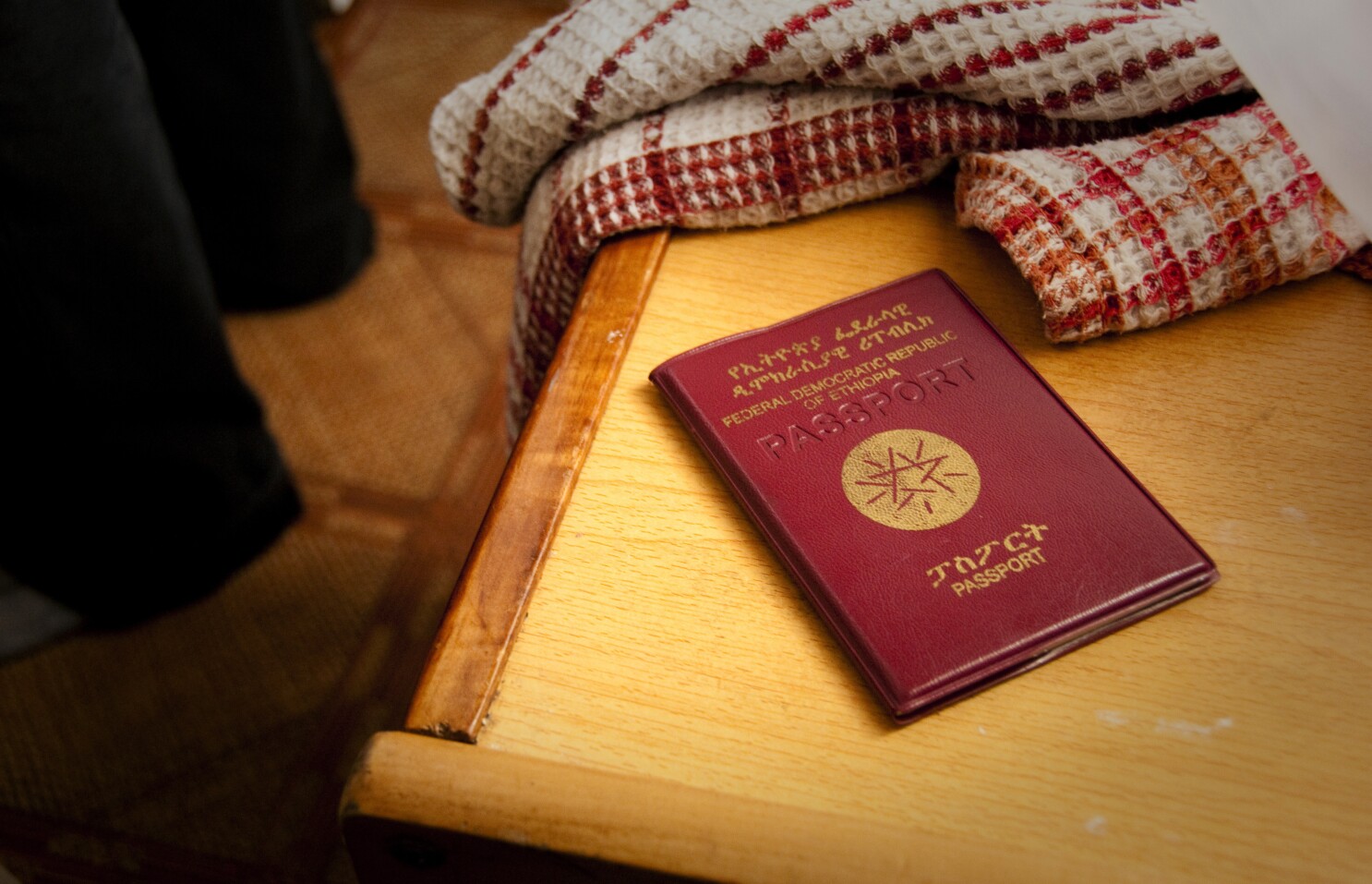
Travellers entering Ethiopia must hold a passport with at least six months of validity from the date of arrival and sufficient blank pages for visa stamps. Ethiopia’s visa policies have become increasingly streamlined, particularly for tourism. Many nationalities can obtain an e-visa through the official Ethiopian government portal prior to travel. The e-visa is typically valid for thirty or ninety days depending on the option selected. Visitors may also apply for a visa on arrival at Addis Ababa Bole International Airport, though pre-arranged visas tend to expedite the arrival process and reduce waiting times.
Those arriving overland through border posts should verify whether visa-on-arrival services are available at their chosen crossings, as regulations differ depending on the entry point. Travellers staying beyond their visa validity may be subject to fines or delays when exiting the country, making it essential to renew visas in advance if extending the trip. Immigration officers may request proof of onward or return travel, hotel reservations, or evidence of adequate funds for the duration of the stay. Ensuring that all travel documents match booking details and that printed copies of essential reservations are carried helps facilitate a smooth entry process.
Health
Health preparedness is an important component of any trip to Ethiopia, particularly given its varied altitudes, climates, and urban-rural divides. Travellers are advised to consult a travel health specialist six weeks prior to departure to review vaccination needs and personal medical considerations. Routine vaccinations such as tetanus, measles, and hepatitis A are commonly recommended. Additional vaccinations may be suggested depending on the region of travel. Yellow fever vaccination is required for travellers arriving from countries where yellow fever transmission is present and may be requested at entry points.
Malaria is present in many lowland and moderate-altitude areas, including parts of the Rift Valley and southern Ethiopia, making anti-malarial medication, insect repellent, and protective clothing essential for travellers visiting those regions. The highlands offer reduced malaria risk due to cooler temperatures and elevation. Tap water is not recommended for drinking in most parts of Ethiopia, and travellers should rely on bottled, boiled, or purified water. Care should be taken when consuming raw vegetables, salads, or street food unless the source is trusted and hygiene visibly maintained.
Altitude sickness can affect travellers visiting high-altitude destinations such as the Simien Mountains or Addis Ababa. Symptoms may include headaches, shortness of breath, fatigue, or nausea. Ascending gradually, staying hydrated, and avoiding strenuous activity upon immediate arrival at high elevations can help manage symptoms. Those with respiratory or heart conditions should consult a medical professional before finalising travel plans. Private hospitals in Addis Ababa provide reputable care, while rural areas may have limited facilities. Travellers with medical conditions should bring prescribed medications in original containers and carry documentation if required by airport security.
Insurance
Comprehensive travel insurance is considered essential for travel in Ethiopia. The geographic diversity, climatic variations, and long travel distances between major destinations mean travellers may encounter unexpected circumstances requiring medical or logistical support. Insurance should cover emergency medical care, evacuation, trip cancellations, lost baggage, and adventure activities. Travellers visiting high-altitude trekking regions, desert environments, remote communities, or wildlife reserves benefit significantly from policies that include medical evacuation to Addis Ababa or an international medical facility. Many trekking routes and rural regions have limited access to advanced medical care, making insurance critical.
Insurance also protects against flight delays, unexpected schedule changes, or cancellations that may occur due to weather conditions, seasonal challenges, or regional events. Given Ethiopia’s expansive geography, a reliable insurance policy provides peace of mind and allows travellers to explore confidently and safely.
Money
The Ethiopian birr is the official currency, and it is best obtained within the country through banks, ATMs, or currency exchange bureaus. Credit cards are accepted in major hotels, high-end restaurants, and certain stores in Addis Ababa, but cash remains the primary mode of transaction in most parts of the country. ATMs are generally available in larger towns, though travellers should not rely on them exclusively, as machine availability and card compatibility can vary. Exchanging foreign currency at authorised locations ensures better security and compliance with Ethiopian regulations.
Most travellers find that carrying moderate amounts of cash is necessary for purchasing food, transport, souvenirs, and local services. International currencies such as US dollars may be accepted for certain tourism-related expenses, but reliance on foreign currency should be minimal outside major hotels or tour operators. Bargaining is common in markets and among local vendors, although fixed prices are often observed in large establishments. Care should be taken to store money securely, particularly in crowded areas.
Tipping
Tipping is widely practised in Ethiopia and is appreciated as a gesture of gratitude for services rendered. It is customary to offer tips to guides, drivers, hotel staff, and restaurant servers. While not compulsory, tipping acknowledges the efforts of individuals who contribute to a traveller’s experience and often supplements livelihoods in the tourism sector. Tipping practices may vary depending on the location, type of service, and length of stay, but even modest contributions are valued. Travellers carrying small denominations of the Ethiopian birr will find tipping easier and more seamless during their journey.
Travel Destinations
Ethiopia offers an astonishing variety of travel destinations that reflect its cultural, historical, and ecological diversity. Addis Ababa serves as the gateway to the country, offering museums such as the National Museum of Ethiopia, where fossils like Lucy provide insight into human origins. The city’s lively markets, coffee ceremonies, and vibrant neighbourhoods provide an introduction to contemporary Ethiopian life.
The northern historical circuit remains a highlight for many travellers. In Lalibela, rock-hewn churches carved into volcanic tuff stand as masterpieces of medieval engineering and spiritual devotion. These churches, some connected by tunnels and passages, remain active places of worship, creating an atmosphere that blends centuries-old traditions with present-day religious life. Axum, another historical city, is associated with the ancient Aksumite Kingdom, renowned for its obelisks, archaeological sites, and churches connected with Ethiopia’s long tradition of Christianity. Gondar, known for its castle complex and royal enclosure, offers travellers a glimpse into Ethiopia’s imperial history.
The Simien Mountains provide some of Africa’s most dramatic mountain scenery, with jagged peaks, deep gorges, and high-altitude plateaus. The region is known for its endemic wildlife, most notably the gelada monkey, which is often observed in large groups near cliff edges. The Bale Mountains in the southeast offer another highland landscape with unique flora and fauna, including the Ethiopian wolf, one of the most endangered carnivores in the world.
The Rift Valley introduces a contrasting environment of lakes, birdlife, and agricultural landscapes. Towns such as Hawassa offer lakeside retreats, while the area supports significant biodiversity. The south of Ethiopia brings travellers into contact with communities whose cultural traditions remain integral to daily life. Regions such as the Omo Valley are home to groups such as the Hamar, Mursi, and Karo, whose ways of life reflect ancient pastoral traditions intertwined with modern influences.
To the northeast, the Danakil Depression offers one of the most surreal landscapes on Earth. Its colourful sulphur springs, salt mining operations, and volcanic craters provide travellers with an entirely different vantage point on Ethiopia’s geological significance. Although challenging, journeys to the Danakil reward travellers with sights found nowhere else on the continent.
How to Get There
Ethiopia is well connected through Addis Ababa Bole International Airport, one of Africa’s busiest hubs and the operational centre of Ethiopian Airlines, a globally recognised carrier. International flights link Addis Ababa to cities across Africa, Europe, North America, Asia, and the Middle East. Domestic flights provide efficient access to major destinations such as Lalibela, Gondar, Axum, Bahir Dar, Dire Dawa, and Arba Minch. Given Ethiopia’s vast size and mountainous terrain, domestic flights are the most time-effective way to explore multiple regions.
Overland travel is possible through road networks that connect major cities and towns, although travel times may be long due to mountainous terrain and regional variations in infrastructure. Guided tours and private transport are common for accessing remote areas such as the Simien Mountains or the southern cultural regions. Railway services operate between Addis Ababa and Djibouti, primarily for freight but also offering passenger services on certain schedules. Boats are used in limited regions, particularly around Lake Tana.
Best Time to Visit
The best time to visit Ethiopia generally falls between October and April, when the dry season offers cooler temperatures, clearer skies, and more comfortable travel conditions. These months are ideal for exploring historical sites, trekking in the highlands, or enjoying urban experiences without the interference of heavy rainfall. The landscape remains vibrant after the rainy season, making conditions particularly pleasant during the months following September.
The rainy season from June to September brings agricultural richness but may hinder travel in remote areas due to muddy conditions or reduced road access. Nonetheless, some travellers appreciate the green season for its lush landscapes, fewer crowds, and opportunities for photography. The Danakil Depression, due to its extreme heat, is best visited between November and February when temperatures are less intense. Festivals such as Timkat and Meskel attract travellers seeking to experience Ethiopia’s spiritual traditions and cultural heritage, making these months especially enriching for cultural tourism.