
A Kenya safari is the original safari experience—the place where the very idea of wildlife travel was shaped, named, and refined into what the world now understands as a safari. Kenya is not simply a destination; it is a living archive of Africa’s natural history, where open savannahs, dramatic escarpments, alkaline lakes, and ancient migration corridors still function as complete ecosystems. To travel on safari in Kenya is to enter landscapes where wildlife moves freely, predators hunt by instinct, and human cultures have coexisted with nature for centuries.
What makes a Kenya safari exceptional is balance. Kenya combines world-famous wildlife density with innovative conservation models, professional guiding traditions, and strong community involvement. It offers both spectacle and substance. From the thunder of migrating wildebeest to the quiet patience of a leopard in an acacia tree, Kenya delivers safari experiences that are raw, educational, and deeply meaningful.
Understanding the Essence of a Kenya Safari
A Kenya safari is defined by scale, openness, and ecological authenticity. Unlike fenced reserves in other parts of the world, most of Kenya’s major safari ecosystems remain open landscapes. Wildlife moves across national reserves, conservancies, and community lands following rainfall patterns and grazing cycles rather than artificial boundaries.
Kenya’s safari experience is also shaped by its people. The Maasai, Samburu, and other pastoral communities have lived alongside wildlife for generations. Their traditional land-use practices, combined with modern conservation strategies, have helped preserve large tracts of wildlife habitat. Today, safari tourism provides a critical economic incentive to protect these landscapes, making Kenya one of Africa’s most important conservation success stories.
Another defining feature of a Kenya safari is guiding excellence. Kenya has one of the longest-established safari guide training traditions in Africa. Professional guides are skilled in animal behavior, tracking, ecology, and storytelling, transforming wildlife sightings into deep learning experiences.
The Maasai Mara and the Heart of Kenyan Safaris
No discussion of a Kenya safari is complete without the Maasai Mara National Reserve, the country’s most iconic safari destination and one of the most celebrated wildlife areas in the world.
Wildlife Density and Predator Dominance
The Maasai Mara is renowned for its exceptional wildlife density. Lions, cheetahs, and leopards thrive here due to abundant prey and open grasslands. The reserve supports one of the highest concentrations of predators in Africa, making it a prime destination for dramatic wildlife encounters throughout the year.
Unlike destinations that peak only during specific seasons, the Mara offers consistent safari quality. Resident wildlife populations ensure that game viewing remains excellent even outside the migration months, reinforcing its reputation as a cornerstone of any Kenya safari itinerary.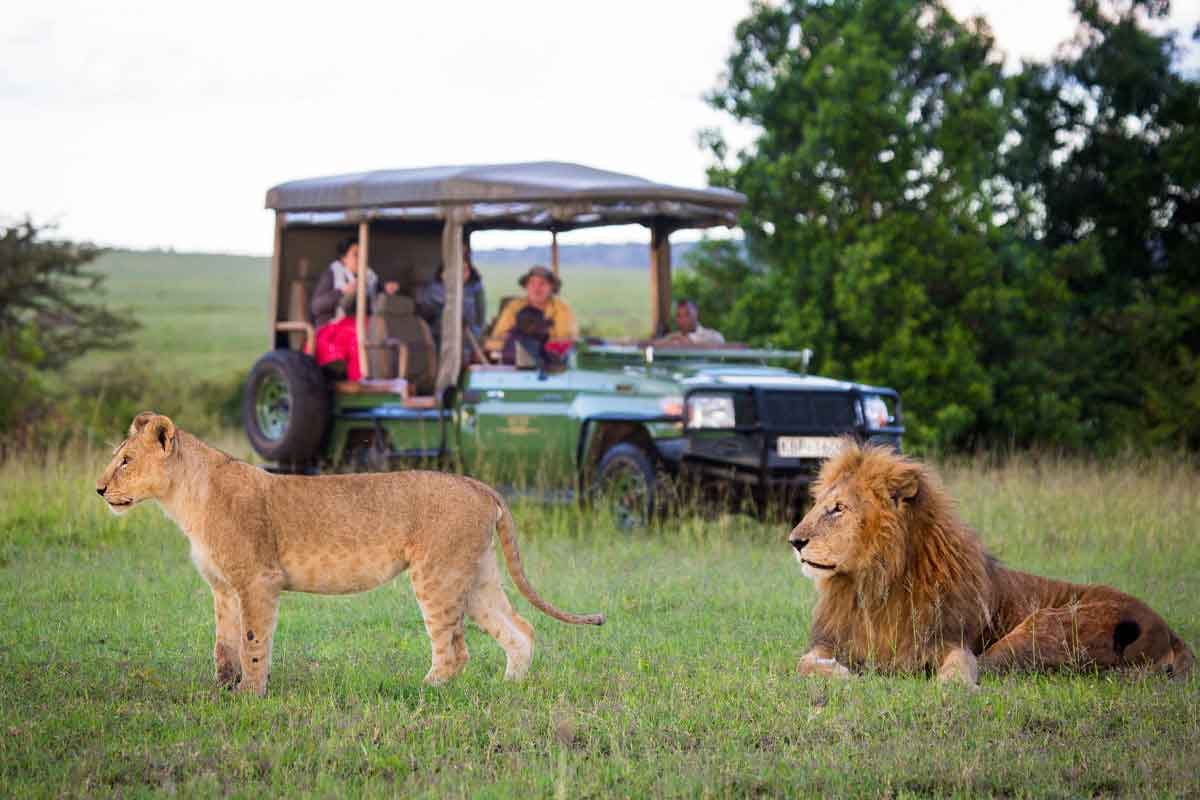
The Great Migration in Kenya
Each year, vast herds of wildebeest and zebra move into the Maasai Mara from the Serengeti in search of fresh grazing. This phase of the Great Migration brings intense predator activity and dramatic river crossings. While the crossings attract global attention, the migration’s importance lies in its ecological role. Grazing patterns regenerate grasslands, sustain predator populations, and maintain ecosystem balance.
A Kenya safari during the migration season offers insight into one of the last remaining large-scale animal movements on Earth. However, understanding the migration as a continuous cycle rather than a single event allows travelers to appreciate the Mara year-round.
Conservancies and the Evolution of the Kenya Safari
One of Kenya’s greatest contributions to modern safari tourism is the development of wildlife conservancies surrounding national reserves.
Community-Led Conservation
Wildlife conservancies in Kenya are managed in partnership with local landowners, primarily Maasai communities. Land is leased for conservation purposes, and tourism revenue is shared directly with community members. This model reduces pressure on national reserves, expands habitat protection, and ensures local people benefit economically from wildlife conservation.
For travelers, conservancies offer a more exclusive safari experience. Vehicle numbers are limited, off-road driving is often permitted, and activities such as guided walks and night game drives are possible. A Kenya safari in a conservancy combines exceptional wildlife viewing with meaningful community engagement.
Sustainability and Safari Quality
Conservancies have transformed safari quality in Kenya. By dispersing tourism across wider landscapes, they reduce overcrowding in core reserves and allow wildlife to move freely. This approach strengthens long-term conservation outcomes while enhancing the safari experience through privacy and flexibility.
Amboseli and the Iconic Elephant Landscapes
Southern Kenya is home to Amboseli National Park, one of Africa’s most visually striking safari destinations.
Elephants and Kilimanjaro Backdrops
Amboseli is famous for its large-tusked elephants and sweeping views of Mount Kilimanjaro. The park’s open plains and swamp systems support elephants, buffalo, lions, and a variety of birdlife. Elephant research and protection efforts in Amboseli have contributed significantly to global understanding of elephant behavior and social structure.
A Kenya safari in Amboseli emphasizes observation and photography, offering unobstructed views of wildlife against dramatic mountain backdrops. Seasonal water availability shapes wildlife movement, creating dynamic safari conditions throughout the year.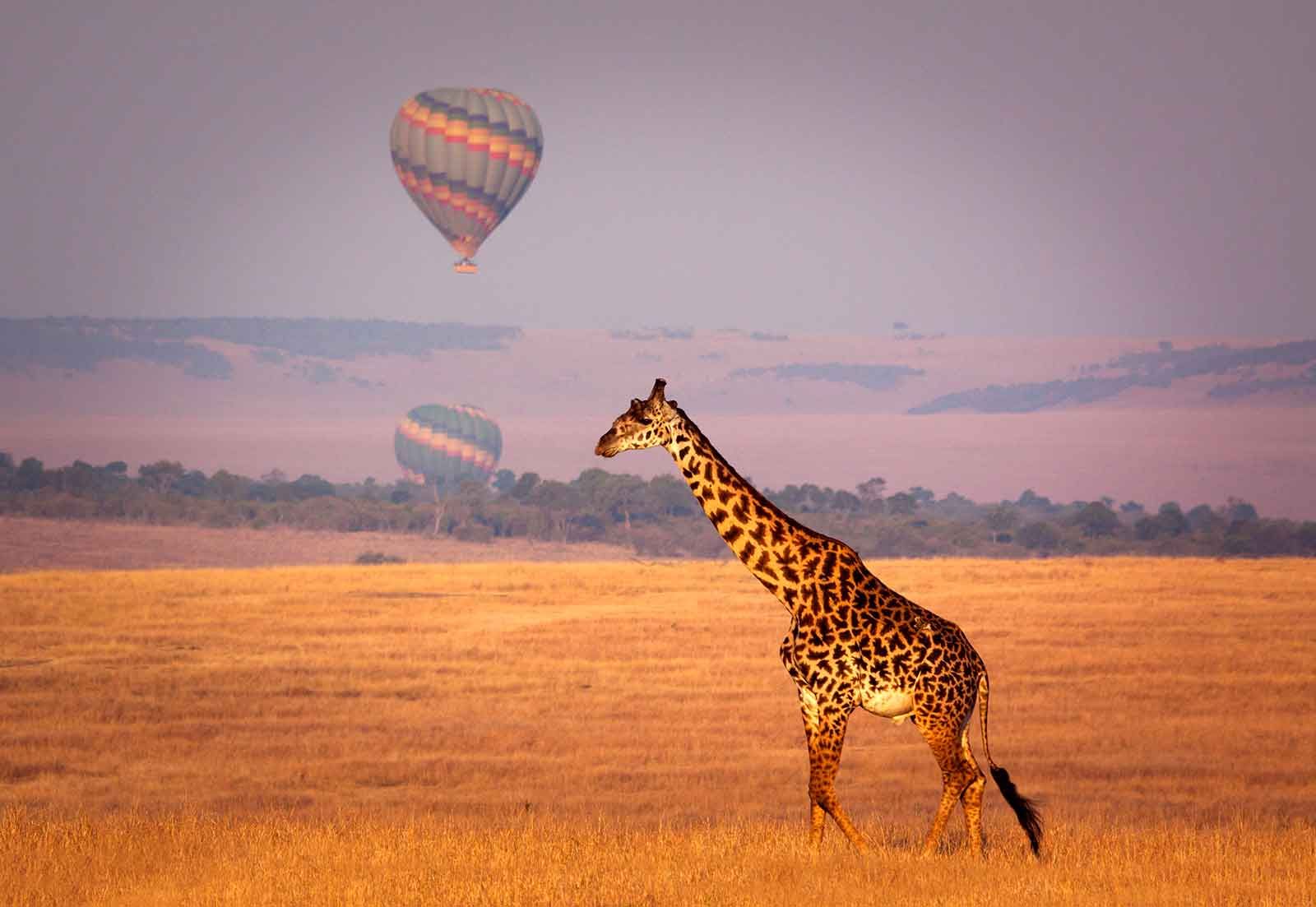
Samburu and the Northern Frontier Safaris
Northern Kenya offers a distinct safari experience shaped by arid landscapes and unique wildlife adaptations.
Samburu Ecosystem and Endemic Species
The Samburu National Reserve lies within a semi-arid region where the Ewaso Nyiro River sustains wildlife. Samburu is known for species adapted to dry conditions, including Grevy’s zebra, reticulated giraffe, Beisa oryx, and Somali ostrich.
A Kenya safari in Samburu highlights ecological resilience and adaptation. Wildlife here behaves differently from savannah species elsewhere, offering educational insight into survival strategies in harsh environments.
Cultural Context in Northern Kenya
Samburu communities maintain strong cultural traditions closely tied to pastoralism. Safari experiences in this region often include cultural interpretation that enhances understanding of human–wildlife coexistence in arid landscapes.
Lake Nakuru and Rift Valley Safari Landscapes
Kenya’s Rift Valley introduces a different safari dimension centered on lakes and wetlands.
Flamingos, Rhinos, and Woodland Safaris
Lake Nakuru National Park is renowned for its rhino sanctuary and diverse birdlife. While flamingo numbers fluctuate with water conditions, the park remains an important refuge for both black and white rhinos.
The park’s woodland and grassland habitats support lions, leopards, and buffalo, making it a compact yet diverse safari destination. A Kenya safari in the Rift Valley offers variety and accessibility, particularly for travelers with limited time.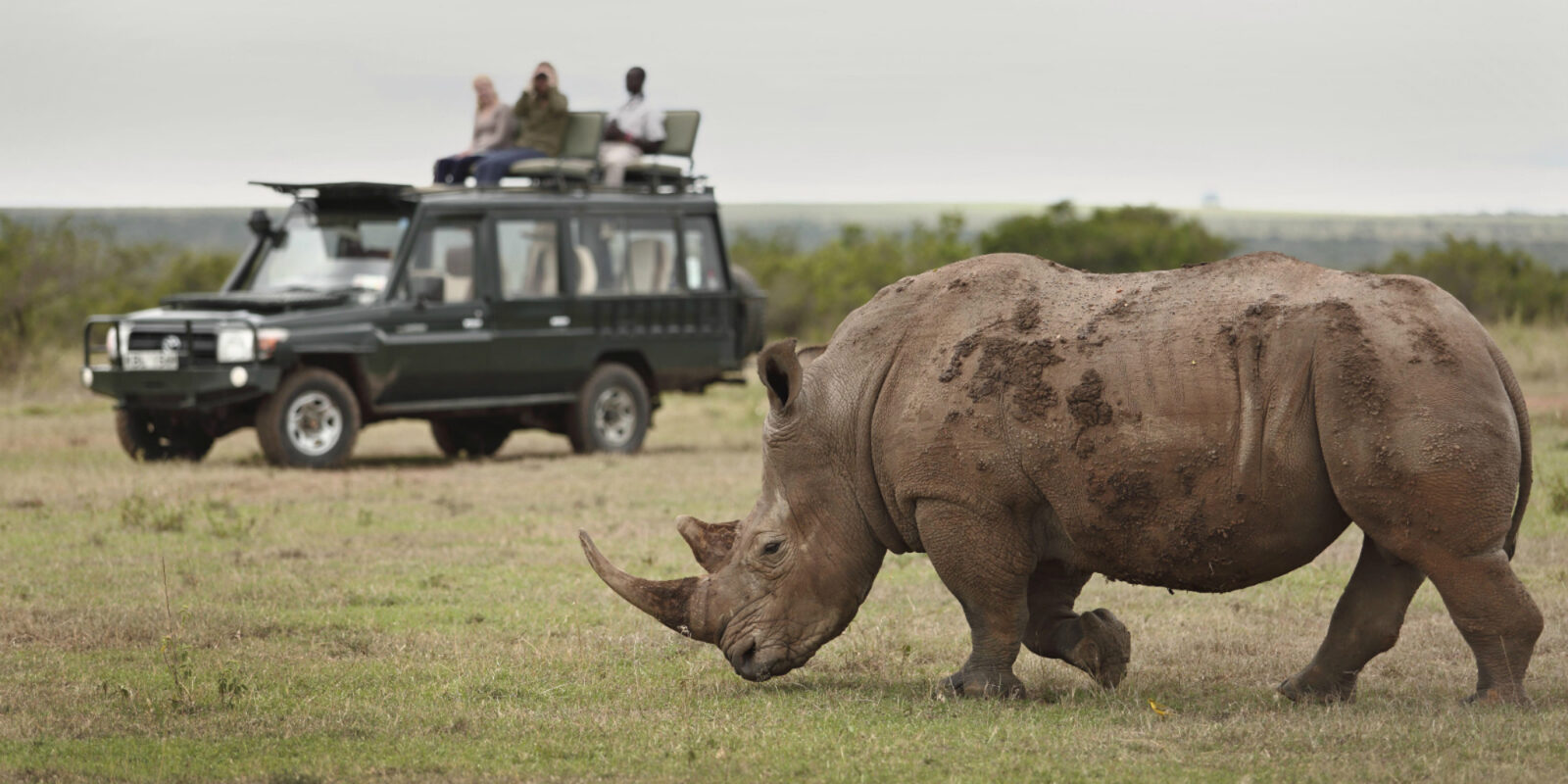
Tsavo and the Scale of Wilderness
Eastern Kenya is dominated by Tsavo National Park, one of Africa’s largest protected areas.
Vast Landscapes and Red Elephants
Tsavo is characterized by immense scale, rugged terrain, and relatively low visitor density. The park is famous for its red-dust elephants, shaped by the region’s volcanic soils. Wildlife here is more dispersed, offering a sense of exploration and solitude.
A Kenya safari in Tsavo emphasizes wilderness rather than density. It appeals to travelers seeking space, landscape photography, and a deeper sense of remoteness.
Wildlife Diversity on a Kenya Safari
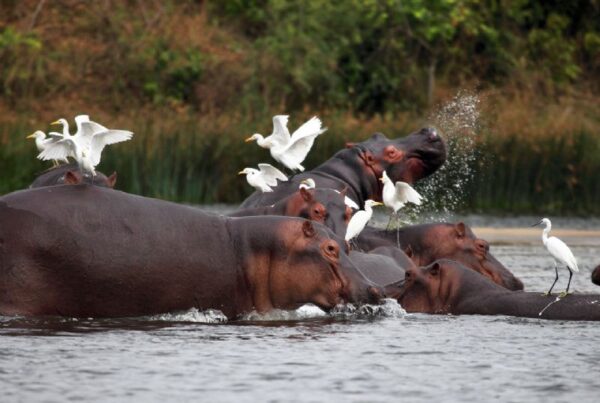
Kenya supports extraordinary wildlife diversity due to its varied habitats. Savannahs host large herbivores and apex predators, wetlands attract hippos and birds, forests shelter primates, and arid regions support specialized species.
Big Five encounters are common in major parks and conservancies, while Kenya’s birdlife exceeds 1,000 recorded species. This biodiversity allows Kenya safaris to cater to a wide range of interests, from predator-focused trips to birdwatching and conservation-oriented travel.
Safari Styles Available in Kenya
A Kenya safari can be experienced in multiple formats. Classic game drives remain the foundation, allowing efficient wildlife viewing across open landscapes. Walking safaris, particularly in conservancies, offer intimate engagement with tracks, plants, and smaller species.
Boat safaris on lakes and rivers reveal aquatic ecosystems, while night drives expose nocturnal wildlife often unseen during the day. Photographic safaris benefit from Kenya’s open terrain and professional guiding, enabling ethical and extended observation.
Conservation and Community in Kenyan Safaris
Kenya’s safari industry is deeply intertwined with conservation. Tourism revenue supports park management, anti-poaching units, wildlife research, and habitat restoration. Community conservancies ensure that local people receive tangible benefits from wildlife protection.
This relationship is critical in a country where human population growth and land-use pressure are ongoing challenges. A Kenya safari directly contributes to sustaining wildlife by reinforcing the economic value of conservation.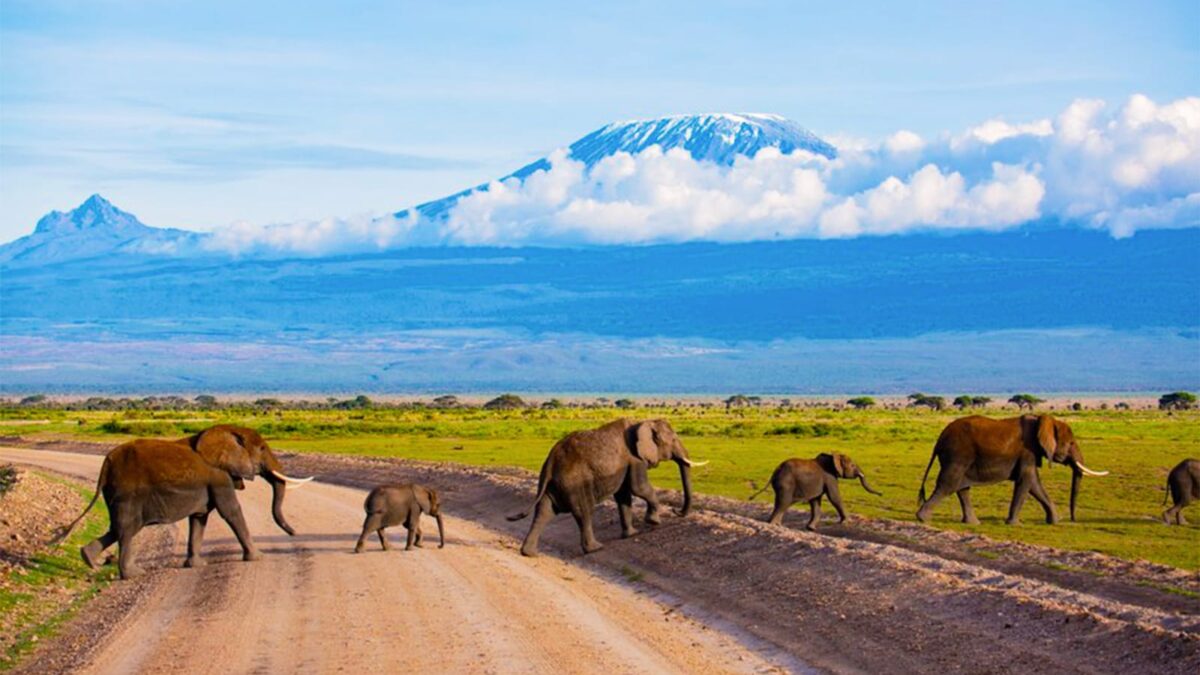
Seasonal Dynamics and Planning a Kenya Safari
Seasonality influences every Kenya safari. Dry seasons typically offer concentrated wildlife viewing as animals gather around water sources, while wet seasons bring lush landscapes, calving activity, and fewer visitors.
Understanding rainfall patterns allows travelers to plan safaris that align with personal interests rather than fixed assumptions. Kenya’s year-round wildlife presence ensures rewarding experiences in all seasons when planned correctly.
Who a Kenya Safari Is Best Suited For
A Kenya safari suits a wide range of travelers, from first-time visitors to seasoned wildlife enthusiasts. Its diversity allows itineraries to be tailored for families, photographers, conservation-minded travelers, and those seeking cultural context alongside wildlife.
Kenya’s accessibility, infrastructure, and guiding expertise make it one of the most versatile safari destinations in Africa.
Why the Kenya Safari Remains Iconic
The Kenya safari remains iconic because it combines everything that defines Africa’s wildlife heritage: open landscapes, abundant animals, cultural depth, and conservation leadership. It is where safari travel began and where it continues to evolve.
In a world of shrinking wilderness, Kenya stands as a reminder that conservation and tourism can work together when guided by respect, science, and community partnership. A Kenya safari is not just a journey into nature; it is an encounter with living ecosystems and a contribution to their future.