
Amazing Spotter: Kidepo Valley National Park
There are places in Africa where wildlife is abundant, places where landscapes are beautiful, and places where solitude still exists. Then there is Kidepo Valley National Park, a destination that quietly combines all three into one of the continent’s most extraordinary safari settings. Often described as Africa’s last true wilderness, Kidepo is not a park that reveals itself quickly or loudly. It rewards patience, curiosity, and deep observation. This is why it is best described as an amazing spotter—a place where those who truly look, rather than merely glance, are rewarded with rare sightings, dramatic scenes, and a profound sense of discovery.
Located in the remote northeast of Uganda, Kidepo Valley National Park stands apart from the mainstream safari circuit. Its isolation is not a drawback but its greatest asset. Wildlife here behaves naturally, landscapes stretch uninterrupted to distant horizons, and human presence feels incidental rather than imposed. For travelers who value authenticity, rarity, and depth, Kidepo is not just a destination. It is a revelation.
Why Kidepo Valley National Park Is an Amazing Spotter Destination
The concept of an “amazing spotter” goes beyond the number of animals seen. It refers to the quality of sightings, the natural behavior of wildlife, and the clarity with which ecosystems can be observed. Kidepo excels on all three fronts. The park’s low visitor numbers and vast open spaces allow animals to live with minimal disturbance, creating conditions where observation feels privileged rather than crowded.
In Kidepo, spotting wildlife is not competitive. There are no convoys of vehicles or hurried radio calls. Sightings unfold quietly, often with no other human presence in view. This solitude sharpens awareness and allows travelers to notice details often missed elsewhere. Subtle movements, interactions, and patterns become visible, reinforcing why Kidepo Valley National Park is regarded as an amazing spotter for discerning safari enthusiasts.
The Geography That Shapes Exceptional Wildlife Spotting
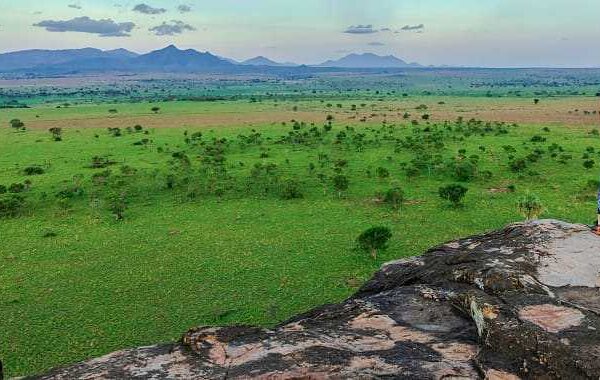
Kidepo’s geography is central to its spotting excellence. The park lies in a semi-arid savannah basin bordered by dramatic mountain ranges, including the Morungole Mountains and distant escarpments stretching into South Sudan and Kenya. This topography creates open plains punctuated by seasonal rivers and rocky outcrops, offering long sightlines ideal for wildlife observation.
The Narus Valley, in particular, acts as a wildlife magnet during dry seasons. Permanent water sources attract large concentrations of animals, creating predictable yet natural gathering points. These open valleys allow for uninterrupted viewing, where predators and prey can be observed interacting across wide expanses. This visibility is a defining feature of Kidepo as an amazing spotter destination.
A Refuge for Rare and Northern Species
One of the most compelling reasons Kidepo stands out is its unique species composition. The park hosts several animals not found elsewhere in Uganda, giving it a distinctly East African and semi-desert character. This diversity elevates the spotting experience from familiar to exceptional.
Species such as cheetahs, striped hyenas, bat-eared foxes, and caracals are among Kidepo’s highlights. Large herds of buffalo, elephants, and plains game roam freely, while predators operate across vast territories. For experienced safari travelers, Kidepo offers the thrill of encountering species that feel genuinely rare rather than routinely encountered.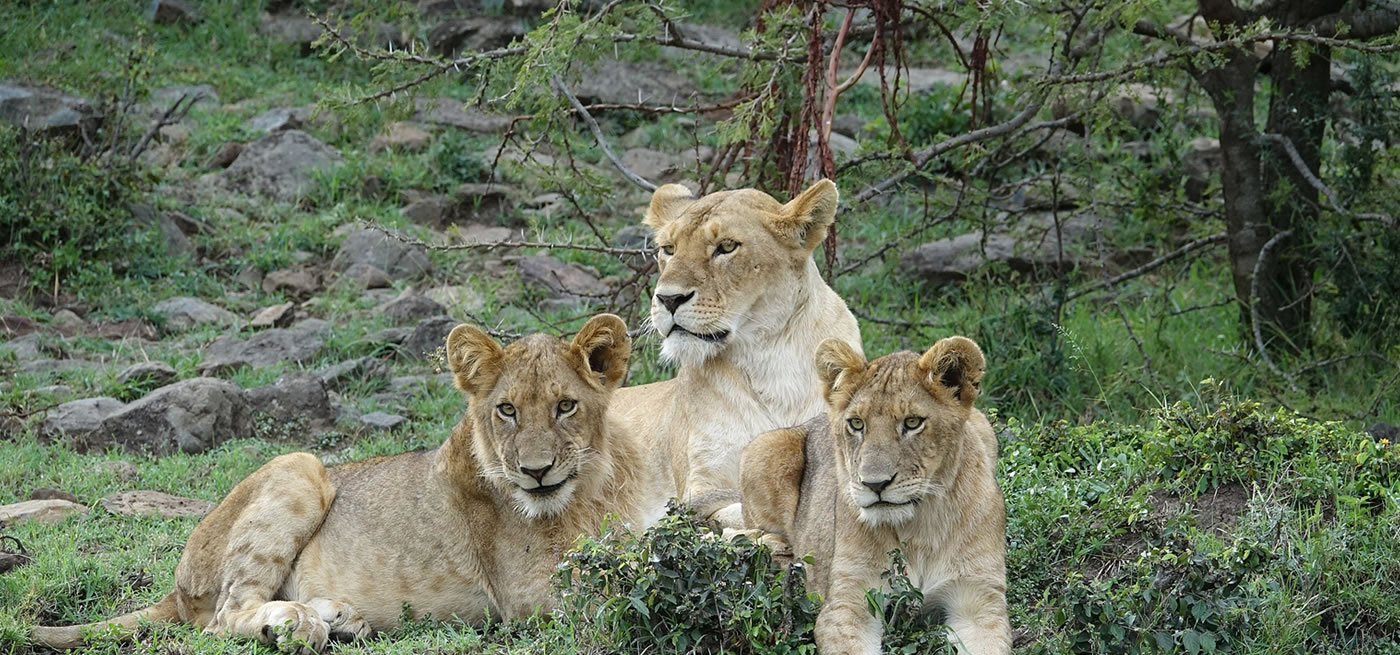
Predator Spotting in a True Wilderness
Predator sightings in Kidepo are particularly rewarding because they occur in an environment largely untouched by mass tourism. Lions here are often seen moving across open plains in daylight, resting on rocky outcrops, or patrolling dry riverbeds. Their behavior feels unconditioned, driven by instinct rather than habituation to vehicles.
Cheetahs thrive in Kidepo’s open landscapes, using visibility and speed to hunt effectively. Their presence reinforces the park’s status as an amazing spotter, especially for travelers who appreciate observing hunting strategies and predator-prey dynamics rather than merely ticking species off a list.
Elephant and Buffalo Encounters Defined by Space
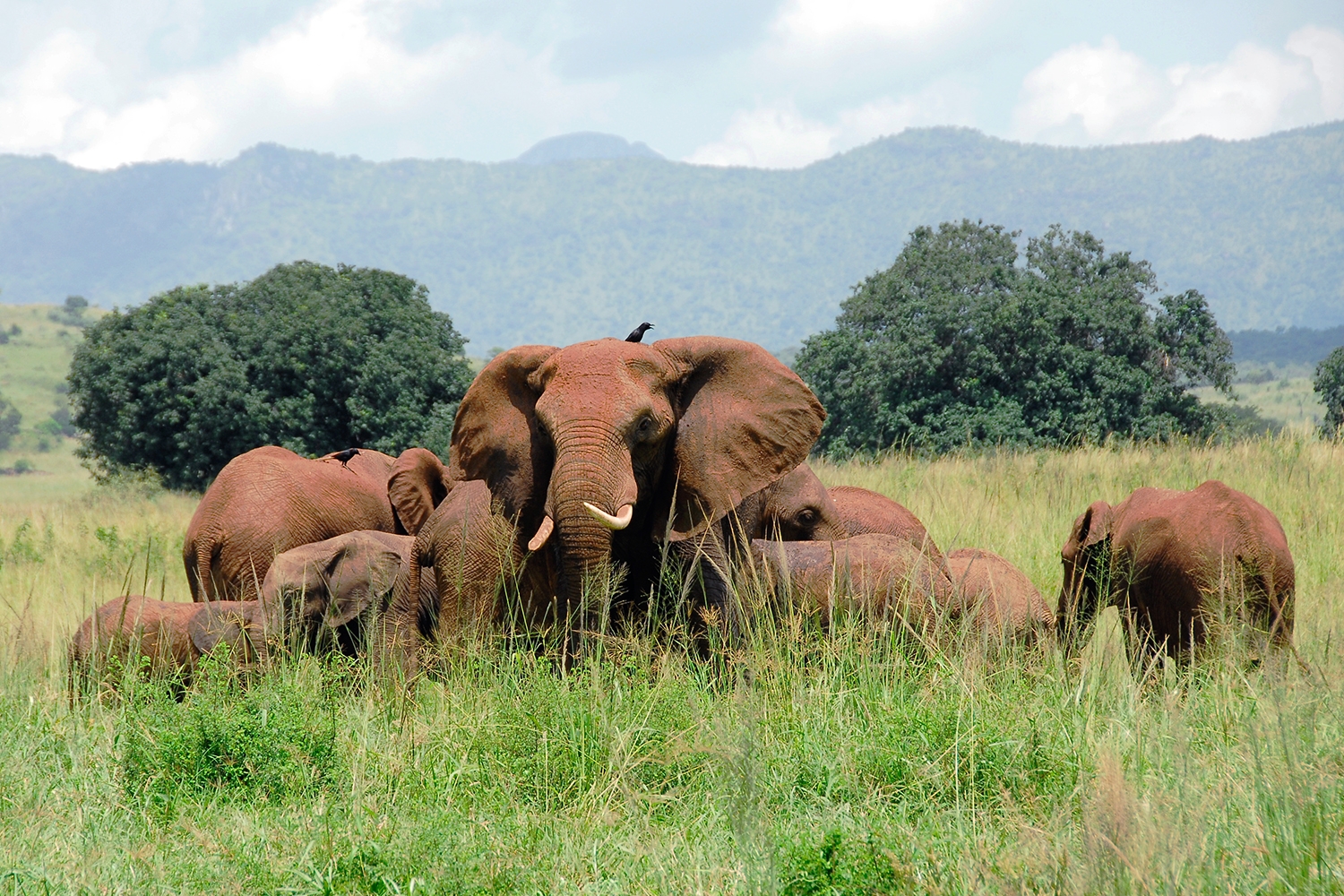
Large mammals in Kidepo are defined by space and freedom. Elephant herds move across wide valleys without crowding, allowing for extended observation of social behavior, communication, and movement patterns. Encounters feel calm and unforced, with animals displaying confidence rather than vigilance.
Buffalo herds in Kidepo are among the largest in East Africa. Thousands of individuals may be seen together, forming moving landscapes of muscle and dust. Watching these herds from a distance offers insight into collective behavior rarely observable in more congested parks. This scale and clarity are central to why Kidepo Valley National Park is considered an amazing spotter for large mammal observation.
Birdlife Spotting in an Underrated Paradise
While Kidepo is often celebrated for mammals, its birdlife is equally impressive. The park lies within a transitional zone that supports species from East Africa, Central Africa, and semi-arid regions. This overlap results in exceptional avian diversity.
Birds of prey are particularly prominent, taking advantage of open landscapes and thermal currents. Ostriches, secretary birds, and Kori bustards add to the park’s distinctive character. For birdwatchers, Kidepo is an amazing spotter where rare and region-specific species can be observed with minimal competition or disturbance.
Light, Landscape, and the Art of Spotting
Kidepo’s light enhances wildlife spotting in subtle but powerful ways. Early mornings bring cool air and soft illumination, revealing animals moving between feeding and resting areas. Afternoons stretch into golden hours where dust, grass, and silhouettes create dramatic contrasts.
Because the landscape is open and uncluttered, animals are often visible from great distances. This allows spotters to anticipate movement, track behavior over time, and understand spatial relationships within the ecosystem. In Kidepo, spotting becomes an exercise in observation rather than reaction.
Silence as a Spotting Advantage
Silence is one of Kidepo’s most underrated assets. The absence of traffic noise, radio chatter, and crowds creates an acoustic environment where natural sounds dominate. Footsteps, alarm calls, and distant movements become detectable.
This quiet amplifies spotting potential. Guides and travelers can hear wildlife before seeing it, allowing for strategic positioning and respectful approach. Silence also encourages animals to behave naturally, reinforcing the authenticity of sightings. This acoustic clarity contributes significantly to Kidepo’s reputation as an amazing spotter destination.
The Role of Skilled Guiding in Kidepo
Kidepo rewards skilled guides more than any other park in Uganda. Without dense vehicle traffic or constant updates, spotting relies on experience, intuition, and deep ecological knowledge. Reading tracks, understanding seasonal movement, and interpreting behavior are essential.
A knowledgeable guide transforms a Kidepo safari into a masterclass in wildlife observation. They help travelers understand not just what they are seeing, but why it is happening. This interpretive depth elevates the park from visually impressive to intellectually engaging, reinforcing its status as an amazing spotter location.
Seasonal Dynamics and Their Impact on Spotting
Seasonality shapes wildlife distribution in Kidepo more visibly than in many parks. During dry seasons, animals concentrate around permanent water sources, making spotting more predictable and rewarding. Open plains allow for extended viewing of large groups and predator activity.
In wetter periods, the landscape transforms. Grass grows tall, water becomes widespread, and animals disperse. Spotting requires patience and broader exploration, but rewards those willing to look deeper. Each season offers a different version of Kidepo as an amazing spotter, emphasizing adaptability and observation skills.
Cultural Landscapes and Human Presence
Kidepo’s surrounding communities, including the Karamojong people, add cultural depth to the landscape. Their pastoral traditions and relationship with the land provide context for wildlife conservation in this remote region.
Understanding this human dimension enhances the spotting experience. Wildlife movements are interpreted within a broader ecological and cultural framework, reinforcing the interconnectedness of people, animals, and land. This holistic perspective distinguishes Kidepo from purely visual safari destinations.
Photography and the Challenge of True Observation
Kidepo is a photographer’s dream, but it also challenges photographers to move beyond close-ups. Wide-angle compositions, environmental portraits, and storytelling imagery thrive here. The park encourages patience and framing rather than rapid-fire shooting.
However, many travelers find that Kidepo rewards presence more than photography. Some of the most powerful moments—watching a cheetah scan the plains or elephants crossing under stormy skies—are best experienced without a lens. This emphasis on observation reinforces Kidepo’s identity as an amazing spotter rather than a spectacle-driven park.
Comparing Kidepo to Other African Safari Destinations
Unlike high-traffic parks, Kidepo offers rarity through isolation rather than exclusivity pricing. It does not rely on luxury alone to impress. Its appeal lies in authenticity, scale, and the quality of wildlife encounters.
For travelers familiar with more famous reserves, Kidepo feels refreshing and grounding. It strips safari back to its essence: land, animals, and observation. This purity is why many seasoned travelers regard Kidepo Valley National Park as one of Africa’s most rewarding spotting destinations.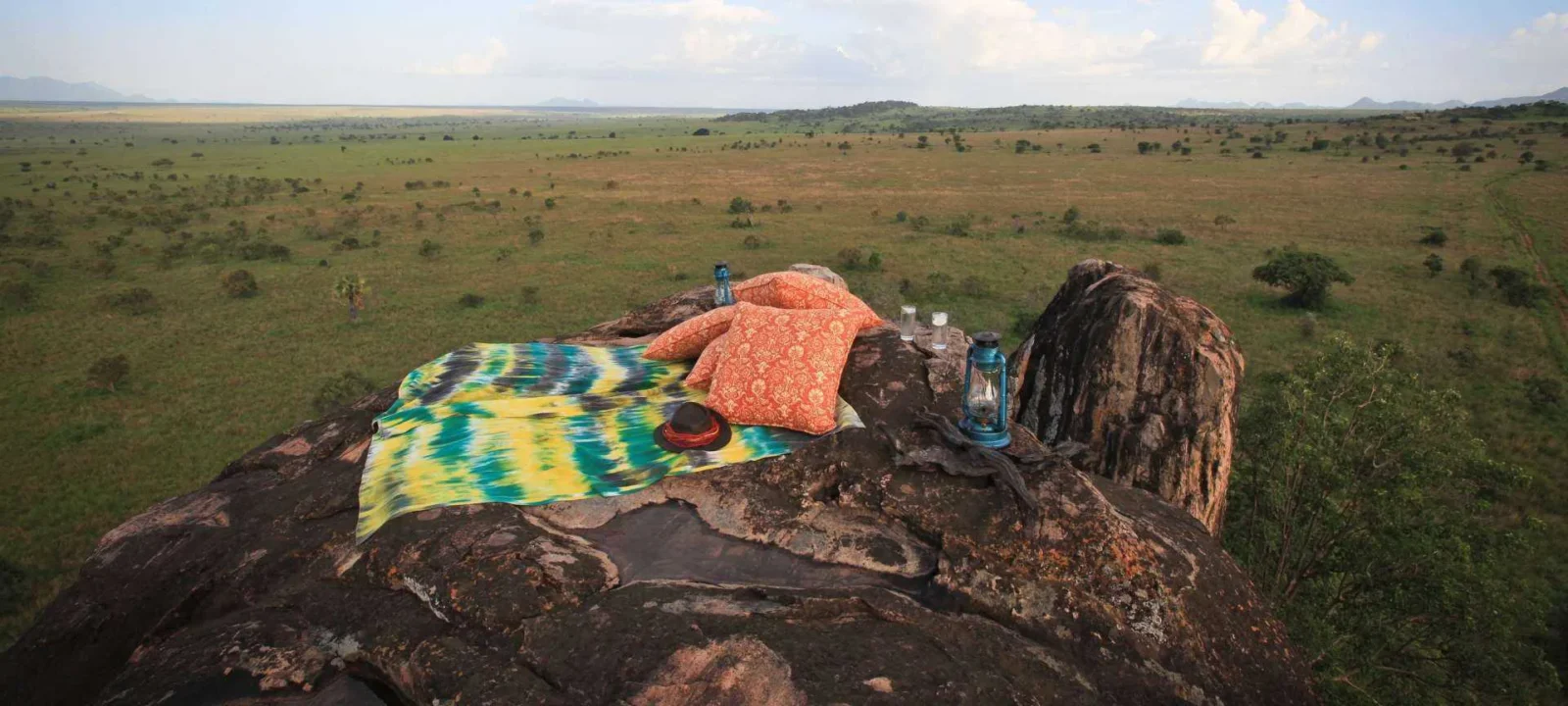
The Emotional Impact of Spotting in Kidepo
Spotting wildlife in Kidepo often triggers a different emotional response than elsewhere. The absence of crowds creates a sense of privilege and discovery. Sightings feel personal rather than shared, intimate rather than staged.
This emotional depth lingers. Travelers often recall Kidepo not by species count, but by moments of stillness, vastness, and connection. These memories define the park as an amazing spotter in both visual and emotional terms.
Conservation Significance of Kidepo Valley National Park
Kidepo plays a critical role in conserving northern Uganda’s wildlife and ecosystems. Its remoteness has protected it from overdevelopment, allowing natural processes to continue largely uninterrupted.
Responsible tourism supports conservation efforts, ranger presence, and community engagement. Visiting Kidepo as an amazing spotter destination contributes to the long-term protection of one of East Africa’s most intact wilderness areas.
Who Kidepo Is Truly For
Kidepo is not designed for rushed itineraries or checklist safaris. It appeals to travelers who value depth, patience, and authenticity. Wildlife enthusiasts, photographers, conservation-minded explorers, and seasoned safari-goers find particular fulfillment here.
Those willing to travel farther and stay longer are rewarded with experiences that feel rare and meaningful. Kidepo is an amazing spotter for those who understand that the best sightings are often earned rather than delivered.
Why Kidepo Leaves a Lasting Impression
Kidepo leaves an impression because it feels real. There is no performance, no urgency to impress. The land exists on its own terms, and visitors are invited to observe rather than consume.
This honesty resonates deeply. Long after departure, travelers remember the silence, the space, and the feeling of seeing wildlife as it truly is. These memories define Kidepo Valley National Park as an amazing spotter that stands apart in Africa’s safari landscape.
The Timeless Appeal of Kidepo Valley National Park
In a world where wilderness is increasingly rare, Kidepo remains vast, raw, and unapologetically wild. Its appeal is timeless because it offers something increasingly difficult to find: space to observe, time to understand, and silence to reflect.
As an amazing spotter, Kidepo does not overwhelm. It reveals. It invites travelers to slow down, look deeper, and reconnect with the fundamentals of wildlife observation. This is why Kidepo Valley National Park is not just a destination to visit, but a place to experience—and remember—for a lifetime.