
A Maasai Mara safari is one of the most powerful wildlife experiences on Earth, defined by vast open plains, intense predator activity, and a living relationship between people, wildlife, and land. The Maasai Mara is not simply Kenya’s most famous safari destination; it is one of Africa’s most important ecological strongholds and a benchmark against which safari experiences worldwide are measured. Here, wildlife lives at full scale, ecosystems remain open and connected, and nature follows ancient rhythms shaped by rainfall, grazing cycles, and survival.
What distinguishes a Maasai Mara safari is immediacy. Wildlife encounters unfold in open grasslands where visibility is exceptional and animal behavior is rarely obscured by dense vegetation. Predators hunt in daylight, herbivores move in vast numbers, and dramatic interactions occur without warning. At the same time, the Mara is deeply human. It is a cultural landscape shaped by the Maasai people, whose pastoral traditions and modern conservation partnerships have played a defining role in protecting this ecosystem.
Understanding the Maasai Mara as a Living Ecosystem
The Maasai Mara is not an isolated reserve but the northern extension of the greater Serengeti–Mara ecosystem. At its core lies Maasai Mara National Reserve, a protected area that forms part of one of the last large, functioning savannah ecosystems on the planet. Wildlife moves freely across reserve boundaries into surrounding conservancies and community lands, following rainfall patterns and grazing availability rather than political borders.
This openness is critical. It allows large herbivore populations to remain genetically healthy and ensures predators can maintain natural territories. A Maasai Mara safari is therefore not a curated experience; it is an immersion into an ecosystem that continues to regulate itself largely without human interference.
The Mara’s rolling grasslands, river systems, seasonal marshes, and scattered woodlands each support different species and behaviors. Understanding this diversity is key to appreciating the depth of a Maasai Mara safari.
The Role of the Great Migration in the Maasai Mara
The Great Migration is central to the global reputation of the Maasai Mara, but its significance goes far beyond spectacle.
Migration as an Ecological Engine
Each year, vast herds of wildebeest and zebra move north from the Serengeti into the Maasai Mara in response to seasonal rains. This movement sustains the grasslands through controlled grazing and supports predator populations across the ecosystem. The migration is not a single event but a continuous ecological process that shapes the Mara year after year.
A Maasai Mara safari during migration season reveals how tightly linked rainfall, grass growth, herbivore movement, and predator behavior truly are. These dynamics illustrate why the Mara remains one of the most biologically productive landscapes in Africa.
River Crossings and Natural Selection
The Mara River crossings are among the most dramatic wildlife moments anywhere in the world. Herds gather at steep riverbanks, hesitate, surge forward, and face strong currents and predators. While these scenes draw global attention, they also demonstrate natural selection at work. The crossings regulate herd numbers, feed predators, and complete the nutrient cycle of the ecosystem.
On a Maasai Mara safari, understanding the crossings as part of a broader ecological system transforms them from dramatic scenes into meaningful lessons about survival and balance.
Predator Density and the Power of Carnivores
The Maasai Mara supports one of the highest concentrations of predators in Africa, making it a cornerstone destination for carnivore-focused safaris.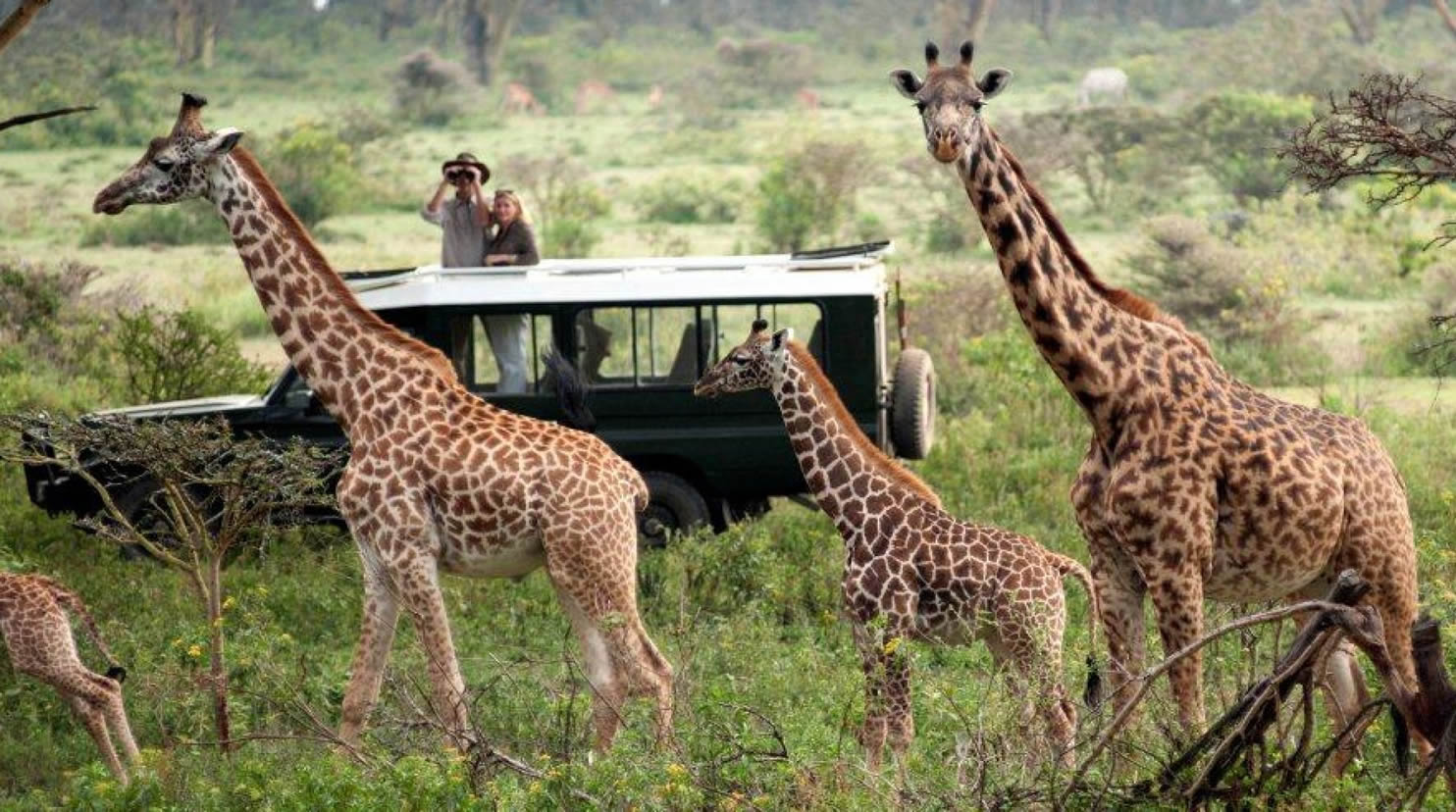
Lions and Pride Dynamics
Lions dominate the Maasai Mara landscape. The open plains support large prides that defend territories rich in prey. Their social structure, cooperative hunting strategies, and territorial behavior are visible in daylight, offering exceptional opportunities for extended observation.
A Maasai Mara safari allows travelers to follow lion prides over time, witnessing interactions between adults, cub development, and hunting behavior shaped by prey movement.
Cheetahs and Speed on the Open Plains
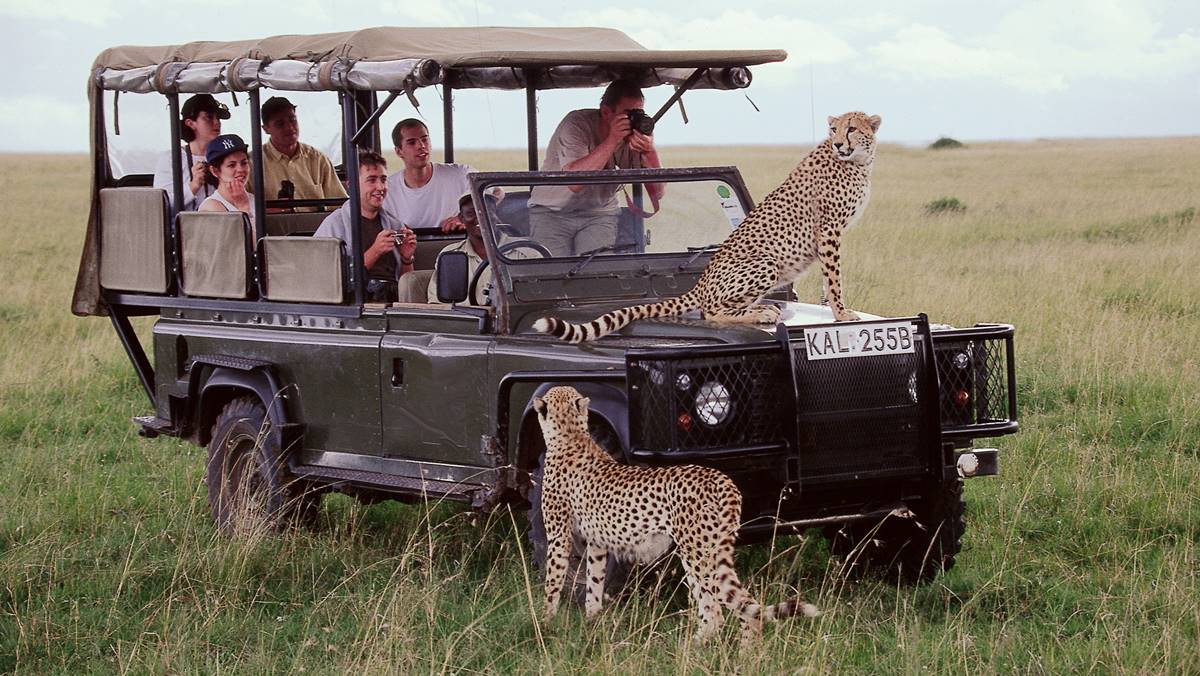
The Mara’s open grasslands are ideal for cheetahs, whose survival depends on speed and visibility. Unlike ambush predators, cheetahs hunt in full view, relying on acceleration and precision. Observing cheetahs on a Maasai Mara safari reveals the delicate balance between power and vulnerability that defines their existence.
Leopards and Riverine Habitats
Leopards in the Maasai Mara are commonly found along riverine forests where cover allows stealth hunting. Their solitary nature and adaptability make sightings particularly rewarding. A Maasai Mara safari highlights how habitat diversity supports different predator strategies within the same ecosystem.
Hyenas and the Hidden Architects of Balance
Hyenas are among the most influential species in the Mara, yet often misunderstood. Highly intelligent and social, they function as both hunters and scavengers, recycling nutrients and maintaining ecosystem health. Observing hyenas on safari offers insight into cooperation, hierarchy, and resilience.
Herbivores and the Foundation of the Mara
The abundance of predators in the Maasai Mara is supported by equally impressive herbivore populations. Wildebeest, zebra, gazelle, buffalo, giraffe, and elephant shape vegetation patterns and sustain the food web.
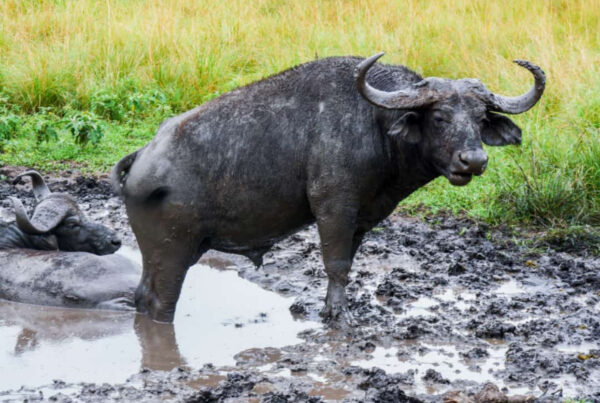
Elephants act as ecosystem engineers, opening up woodlands and creating water access points for other species. Buffalo grazing influences grassland composition, while smaller antelope occupy specific ecological niches that reduce competition and increase biodiversity.
A Maasai Mara safari reveals how herbivores are not passive prey but active drivers of ecosystem function.
Rivers, Marshes, and Seasonal Landscapes
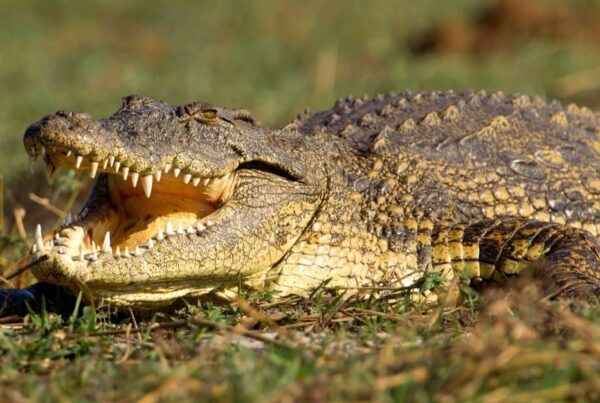
The Mara River and its tributaries are lifelines for wildlife, especially during dry periods. These water sources support hippos, crocodiles, birds, and large concentrations of mammals seeking hydration.
Seasonal marshes retain water long after rains have ended, attracting herbivores and predators alike. A Maasai Mara safari during different seasons highlights how water availability shapes wildlife distribution and behavior across the landscape.
Conservancies and the Evolution of the Modern Mara Safari
One of the most important developments in the Maasai Mara has been the creation of wildlife conservancies surrounding the national reserve.
Community-Based Conservation
Maasai Mara conservancies are managed through partnerships between landowners and conservation organizations. Local Maasai families lease land for wildlife conservation and receive direct income from tourism. This model has expanded protected habitat, reduced human–wildlife conflict, and improved livelihoods.
For travelers, conservancies offer a different safari experience. Vehicle numbers are strictly limited, off-road driving is permitted, and activities such as guided walks and night safaris are possible. A Maasai Mara safari in a conservancy emphasizes exclusivity, flexibility, and deeper ecological engagement.
Reducing Pressure on the Reserve
By dispersing tourism across wider areas, conservancies reduce overcrowding within the national reserve. This improves wildlife behavior and enhances safari quality while strengthening conservation outcomes. The conservancy model is now considered one of Africa’s most successful approaches to sustainable safari tourism.
Cultural Context of the Maasai Mara Safari
The Maasai people are inseparable from the identity of the Maasai Mara. Their pastoral culture, characterized by cattle herding and seasonal movement, has historically coexisted with wildlife.
Modern safari tourism has created new opportunities for cultural preservation and economic development. Community-run conservancies, cultural interpretation programs, and education initiatives allow Maasai communities to benefit directly from conservation.
A Maasai Mara safari gains depth when travelers understand this human dimension. It illustrates that conservation is not only about wildlife, but about people and land working together.
Safari Styles in the Maasai Mara
A Maasai Mara safari can be experienced in several formats, each offering a different perspective on the ecosystem.
Game drives remain the foundation, allowing efficient exploration of open plains and predator territories. Walking safaris in conservancies offer intimate engagement with tracks, plants, and smaller species. Night safaris reveal nocturnal behavior rarely seen during daylight hours.
Photographic safaris thrive in the Mara due to open terrain and predictable wildlife movement. Ethical positioning and extended observation time allow photographers to document natural behavior without disturbance.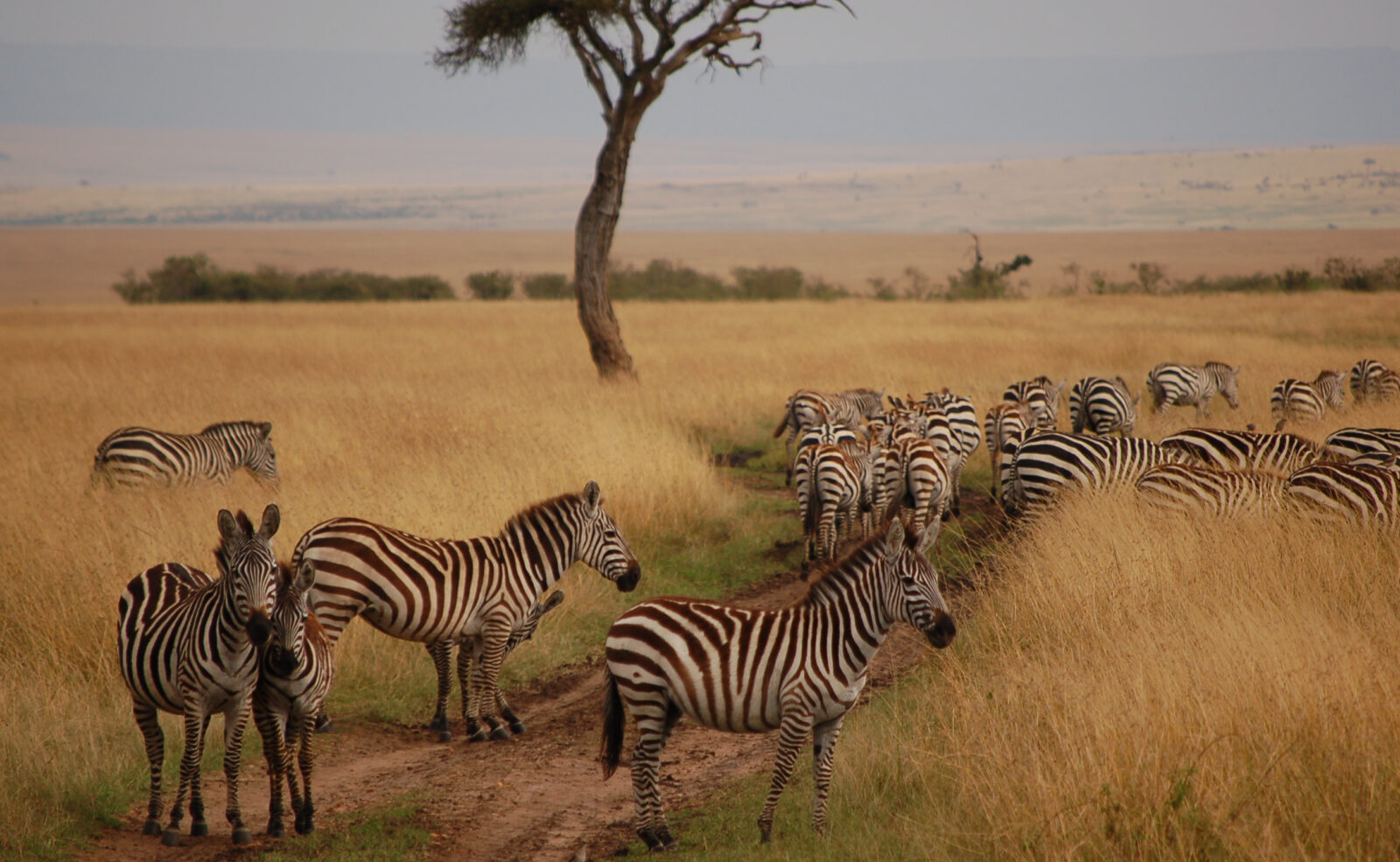
Seasonal Dynamics and Planning a Maasai Mara Safari
Seasonality plays a critical role in shaping the Maasai Mara safari experience. Dry seasons concentrate wildlife around water sources and increase predator visibility. Wet seasons bring lush landscapes, calving activity, and fewer visitors.
The migration typically reaches the Mara between mid-year and early autumn, but its timing varies with rainfall. Understanding these patterns allows travelers to plan based on ecological reality rather than fixed dates.
A Maasai Mara safari is rewarding year-round when expectations align with natural cycles.
Conservation Challenges and the Future of the Mara
Despite its success, the Maasai Mara faces ongoing challenges. Population growth, land subdivision, and climate variability place pressure on migration corridors and water systems. Conservation initiatives focus on maintaining open landscapes, supporting community livelihoods, and adapting to environmental change.
Safari tourism plays a central role in addressing these challenges by providing financial incentives for conservation. A Maasai Mara safari directly contributes to protecting wildlife and sustaining the ecosystem.
Who the Maasai Mara Safari Is Best Suited For
A Maasai Mara safari suits a wide range of travelers. It appeals to first-time safari visitors seeking dramatic wildlife encounters, photographers focused on predators, and conservation-minded travelers interested in community-based tourism.
Its accessibility, wildlife density, and variety of safari styles make the Mara one of Africa’s most versatile safari destinations.
Why the Maasai Mara Safari Remains Iconic
The Maasai Mara safari remains iconic because it delivers wildlife at full intensity within a living cultural landscape. It is a place where predators and prey interact daily, where migration continues across open plains, and where conservation has proven that people and wildlife can coexist.
In a world of shrinking wilderness, the Maasai Mara stands as a symbol of what can be protected when ecological understanding, community partnership, and responsible tourism align. A Maasai Mara safari is not simply a journey into nature; it is an encounter with one of Earth’s last great wildlife systems, still alive, still moving, and still shaping the future of conservation.