





© WildHorn Africa. All Rights Reserved.
Madagascar Travel Advice
Madagascar is one of the most remarkable and biologically unique destinations on Earth, drawing travellers with its extraordinary landscapes, ancient cultural traditions, and rare wildlife that exists nowhere else in the world. The island’s separation from mainland Africa over eighty million years ago created an evolutionary haven where lemurs, chameleons, baobab trees, spiny forests, and hundreds of endemic bird species developed in isolation. As a result, journeys through Madagascar offer travellers the opportunity to witness ecosystems and species that do not resemble anything found elsewhere. From the enchanting rainforest canopies of Andasibe to the dramatic limestone pinnacles of Tsingy de Bemaraha, the serene beaches of Nosy Be, and the windswept savannahs of the south, Madagascar presents a continent within an island, layered with scientific, cultural, and ecological depth.
Travel to Madagascar is often described as transformative, not simply because of its biodiversity, but because of the gentle pace of life and the warmth of its people. Each region possesses a distinct identity shaped by centuries of trade, migration, and tradition. The Malagasy people speak a language derived from Austronesian roots, practise customs influenced by African and Asian cultural exchanges, and live according to values grounded in ancestral honour and community. Markets overflow with spices, woven crafts, and traditional medicines. Villages remain deeply connected to ancestral lands, while vibrant cities reveal a blend of modern life and historic heritage. For many travellers, Madagascar offers an escape into nature and culture that feels untouched by modern global influence, yet completely welcoming.
Quick Facts
Madagascar is located in the Indian Ocean off the southeastern coast of Africa and is considered the world’s fourth-largest island. Its population exceeds twenty-eight million people, representing eighteen major ethnic groups that share a common Malagasy identity. Antananarivo, often referred to simply as “Tana,” serves as the capital and cultural heart of the country. Malagasy and French are the official languages, with French widely used in government, education, and tourism sectors, while English is spoken in select hotels and by guides but not widely used in rural areas.
The national currency is the Malagasy Ariary, which remains a primarily cash-based currency used across cities, towns, and villages. Madagascar operates within the East Africa Time zone without daylight savings adjustments. The country’s cultural fabric is shaped by diverse influences, including African, Southeast Asian, Arab, and European heritage. Spiritual traditions focused on honouring ancestors remain important, and travellers often notice rituals, ceremonies, and daily customs that reflect this connection. These foundational facts help travellers understand the social, linguistic, and cultural context in which their journey will unfold.
Geography and Climate
Madagascar’s geography is extraordinarily diverse, shaped by millions of years of evolutionary isolation. The island stretches more than 1,500 kilometres from north to south, creating a mosaic of distinct geological, ecological, and climatic zones. Central highlands dominate much of the island’s interior, featuring terraced rice fields, volcanic formations, and cool upland climates that contrast sharply with the lowlands. These highlands are home to many of Madagascar’s major cities, including Antananarivo, Antsirabe, and Fianarantsoa. East of the highlands, steep escarpments give way to humid rainforests that receive some of the country’s highest rainfall. Destinations such as Andasibe-Mantadia National Park and Ranomafana offer dense canopies, lush vegetation, and habitats for many species of lemurs, reptiles, and amphibians.
In stark contrast, the western side of the island contains dry deciduous forests, baobab-lined plains, and the surreal geological wonder of Tsingy de Bemaraha. The Tsingy, with its towering limestone spires and deep canyons, is one of the island’s most dramatic natural formations and a UNESCO World Heritage Site. The southern regions, including the spiny forests near Ifaty and Anakao, reveal landscapes shaped by drought-resistant flora, unique reptiles, and distinct cultural groups. To the north, volcanic islands such as Nosy Be and the mountainous region of Diego Suarez blend tropical beaches with dense forests and striking coastal views.
Madagascar’s climate varies significantly between regions. The east coast experiences high humidity and heavy rainfall, especially between December and March. The central highlands enjoy temperate weather with cooler evenings, while the west remains comparatively dry. The south, influenced by semi-arid conditions, experiences hotter and drier climates throughout the year. Cyclones occasionally affect the northeast and east coast during the rainy season. Understanding these climatic variations is essential for travellers planning wildlife experiences, coastal holidays, hiking routes, or multi-region itineraries, as seasonal conditions can influence accessibility and comfort.
Passports and Visas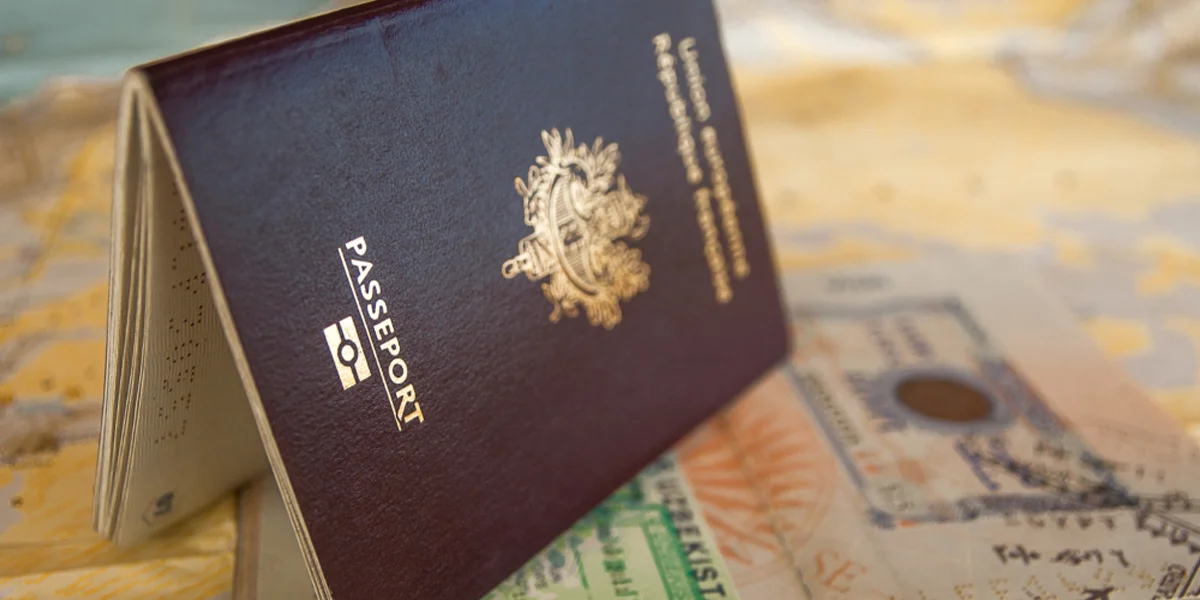
Travellers entering Madagascar must hold a passport with at least six months of validity from the date of arrival and have adequate blank pages for entry stamps. Most visitors require a visa to enter the country, but Madagascar has made the process relatively straightforward. Tourist visas are available on arrival at international airports such as Ivato International Airport in Antananarivo and at certain seaports. Travellers may also apply for an e-visa before departure through the government portal to streamline the arrival process. Visas are typically valid for either thirty or sixty days, depending on the traveller’s preference.
Upon arrival, immigration authorities may request proof of accommodation, return or onward travel, and documentation confirming sufficient funds for the duration of the stay. Visa fees vary depending on the length of stay. Travellers planning to remain in Madagascar for extended periods must apply for a visa extension through local immigration offices. Those travelling through land borders from neighbouring countries, such as Comoros or Mozambique by sea, should confirm specific entry requirements before undertaking such journeys. Ensuring documents are organised and printed helps facilitate a smooth arrival.
Health
Health preparation is an important aspect of travelling to Madagascar, particularly due to the island’s varied ecosystems and the prevalence of tropical diseases. Travellers should consult a travel health specialist several weeks before departure to review vaccination needs and personal medical considerations. Recommended vaccinations often include hepatitis A, typhoid, tetanus, and routine immunisations. Yellow fever vaccination is required only for travellers arriving from countries where yellow fever is present, but carrying a vaccination certificate remains advisable for border consistency.
Malaria is present throughout much of Madagascar, particularly in coastal regions, lowlands, and areas outside the central highlands. Anti-malarial medication, mosquito nets, and appropriate insect repellent are important. Travellers visiting rainforest regions should take additional precautions due to the higher presence of insects. Although Madagascar has a cooler highland region, malaria prevention remains essential unless confirmed otherwise by health professionals.
Tap water is generally not safe for drinking, and travellers should rely on bottled, filtered, or boiled water. Food hygiene varies between establishments, and travellers should choose cooked foods from reliable sources. Fresh fruits should be washed with purified water or peeled before consumption. Madagascar’s cuisine is diverse, but travellers with sensitive stomachs may wish to introduce new foods gradually.
In remote regions and national parks, medical facilities may be limited. Travellers with specific medical needs should pack necessary medications in original containers along with relevant documentation. Heat, humidity, and long travel distances between destinations require attention to proper hydration and pacing. Madagascar’s forests contain insects and plants that may cause irritation, making long sleeves and closed shoes beneficial during treks.
Insurance
Comprehensive travel insurance is strongly recommended for all travellers visiting Madagascar. Many of the country’s most iconic destinations, such as Tsingy de Bemaraha, Masoala National Park, and the west coast, are located in remote regions where medical assistance may not be readily available. Insurance should include medical care, emergency evacuation, and repatriation, as well as coverage for trip cancellations, lost luggage, and delays. Because Madagascar’s infrastructure varies widely, travel disruptions may occur during the rainy season or in regions affected by cyclones, making cancellation coverage valuable.
Those planning adventure activities such as trekking, wildlife expeditions, diving, or boat travel should ensure their policy includes coverage for these experiences. Travellers walking along sharp limestone areas in the Tsingy or visiting rugged coastal regions benefit greatly from evacuation insurance. Policies that include medical transportation to Antananarivo or another regional medical hub provide meaningful reassurance. Insurance remains a key component of responsible travel planning in Madagascar due to the island’s geographic diversity and logistical realities.
Money
Madagascar’s official currency is the Malagasy Ariary, and it is used throughout the country for most transactions. ATMs are available in major cities such as Antananarivo, Nosy Be, Antsirabe, and Tulear, although availability becomes scarce in rural regions and national parks. Credit cards are accepted in many hotels, tour companies, and upscale restaurants but are far less common in local markets, small guesthouses, or remote communities. Travellers should carry sufficient cash, especially when journeying into rural areas where electronic payment systems may be unavailable.
Foreign currencies such as euros and US dollars may be exchanged at authorised banks, exchange offices, and some hotels. Exchange rates vary, and it is advisable to compare rates where possible. Travellers should keep money secure and avoid carrying large sums during transfers or market visits. Budget considerations should account for park entry fees, domestic transport, meals, craft purchases, and optional tours, which can accumulate depending on itinerary style.
Tipping
Tipping is welcomed in Madagascar and reflects appreciation for good service, although it is not strictly mandatory. In hotels, restaurants, and with guides or drivers, tipping is an important gesture that supports local livelihoods. Many tourism professionals work in demanding environments, particularly those involved in wildlife tracking, forest guiding, or navigating remote regions. Having small denominations of local currency makes tipping easier, and travellers often find that even modest contributions are warmly received.
Travel Destinations
Madagascar offers an extraordinarily wide range of travel destinations, each representing a distinct ecological, cultural, or scenic identity. The rainforests of Andasibe-Mantadia remain among the most visited destinations due to their accessibility from Antananarivo and the presence of the indri, the largest of all lemur species. Their haunting calls resonate through the forest each morning, creating an atmosphere unmatched elsewhere. Ranomafana National Park, located in the southeastern highlands, offers lush rainforest trails, endemic birds, and numerous lemur species, including the rare golden bamboo lemur.
The west of Madagascar is dominated by dry forests, baobab woodlands, and the remarkable Tsingy de Bemaraha. Travellers exploring the Tsingy navigate suspended bridges, narrow canyons, and limestone spires that create one of the most visually stunning geological landscapes in the world. Near Morondava, the Avenue of the Baobabs provides one of Madagascar’s most iconic sunset scenes, where towering baobabs line a dirt road illuminated by warm golden light.
To the north, the island of Nosy Be and its surrounding archipelago attract travellers seeking beaches, marine wildlife, and relaxed island life. Whale watching, diving, and snorkelling flourish in the region’s clear waters. Inland from the coast, the city of Diego Suarez (Antsiranana) provides access to dramatic landscapes such as the Red Tsingy, Montagne d’Ambre National Park, and the emerald waters of the Three Bays.
The south reveals an entirely different character defined by spiny forests, semi-arid landscapes, and cultural traditions that differ from those of the central highlands. Ifaty, Tulear, and Anakao offer coastal retreats, while the interior regions introduce travellers to communities whose livelihoods revolve around cattle herding and traditional fishing. The southeast, home to Fort Dauphin (Taolagnaro), combines beaches, mountains, and rainforests in a single region.
Madagascar’s cities each have their own rhythm. Antananarivo blends history, markets, architecture, and contemporary life. Antsirabe is known for its cooler climate and artisanal workshops. Fianarantsoa serves as a cultural corridor connecting the highlands with the south. These destinations create a tapestry of experiences that reveal Madagascar as a multidimensional island with endless potential for exploration.
How to Get There
Madagascar is primarily accessed through Ivato International Airport in Antananarivo, which receives flights from Africa, Europe, and the Indian Ocean region. Airlines from Paris, Johannesburg, Nairobi, Addis Ababa, and Mauritius operate regular routes to the island. Nosy Be also receives international flights from select destinations, primarily catering to beach and resort travellers.
Within Madagascar, domestic flights play an essential role due to the island’s size and the length of overland journeys. Air transport links Antananarivo to major hubs such as Nosy Be, Tulear, Fort Dauphin, Antsiranana, and Morondava. While domestic flights simplify travel, schedules may vary, and delays can occur, making flexible planning advisable.
Overland travel is possible but often demanding. Roads vary widely in condition, with some modern highways between key cities and other routes that become challenging during the rainy season. Four-wheel-drive vehicles are essential for reaching many national parks, and journeys can take longer than expected due to terrain or weather. Rail services exist but are limited and primarily serve local communities rather than tourists. Boat travel is common between islands in the north and for coastal excursions.
Best Time to Visit
The best time to visit Madagascar depends on the desired experiences and the regions being explored. The dry season, from April to November, is generally considered the most favourable period for travel. During these months, wildlife viewing improves, road conditions stabilise, and trekking becomes more comfortable across parks and reserves. The peak months for lemur activity, birdwatching, and forest exploration fall between June and September, when temperatures are mild and landscapes remain vibrant.
The rainy season, which typically spans December to March, brings heavy rainfall to many regions, particularly the east coast. Cyclones may affect coastal areas, making travel difficult in some regions. However, the rainy season also brings lush vegetation, active wildlife, and excellent opportunities for botanical exploration. The west and south remain comparatively drier even during these months, though roads may still be affected.
Travellers seeking marine experiences, such as whale watching, should plan for specific seasons. Humpback whales migrate near the east coast between June and September, especially around Sainte Marie Island. Nosy Be remains a year-round destination, though humidity increases during the rainy season. Understanding Madagascar’s seasonal rhythms helps travellers plan according to their priorities, whether focused on wildlife, trekking, beaches, or cultural immersion.