search
Cultural Encounters with the Batwa People near Bwindi

Cultural Encounters with the Batwa People near Bwindi

By Travel stories and blogs, Primate holidays, Uganda travel guides

Cultural Encounters with the Batwa People near Bwindi

Experiencing the Living Heritage of Uganda

In the verdant hills surrounding Bwindi Impenetrable National Park, one of Uganda’s most extraordinary cultural landscapes unfolds. Here, the Batwa people, often referred to as the forest dwellers or pygmies, have lived in intimate connection with the tropical rainforest for centuries. Their survival, customs, and traditions are deeply intertwined with the forest ecosystem that forms the backdrop of some of Africa’s most iconic wildlife experiences. For travelers seeking a journey that transcends typical safari encounters, cultural immersion with the Batwa offers insights into a way of life that has endured, adapted, and yet remains remarkably resilient in the face of modern pressures. The opportunity to witness the Batwa’s music, storytelling, medicinal practices, and intimate relationship with nature allows visitors to gain a profound appreciation of the forest beyond its gorilla inhabitants.

The Batwa People: History and Heritage

Origins and Traditional Lifestyle

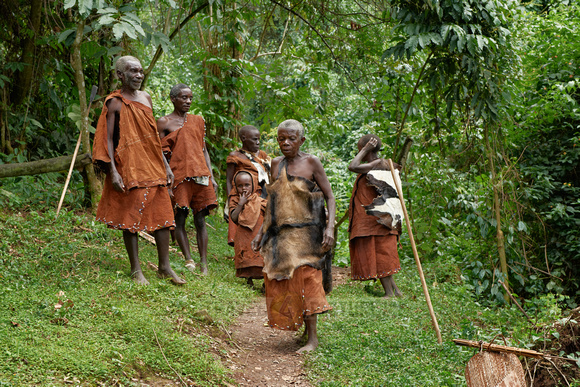
The Batwa people are among the oldest indigenous communities in East Africa. Historically, they have inhabited the dense forests of southwestern Uganda, surviving as hunter-gatherers with a profound understanding of the forest’s resources. Their lifestyle was traditionally dictated by seasonal changes, availability of edible plants, and the movements of forest animals. The forest was not merely a habitat but a source of identity, spirituality, and sustenance. Knowledge of medicinal plants, tracking skills, and foraging techniques was passed down through generations, forming a rich cultural repository that reflected their adaptation to one of the most challenging environments on the continent.

Impact of Conservation and Displacement

The creation of national parks, particularly Bwindi Impenetrable National Park, led to the displacement of the Batwa from their ancestral forest lands. While conservation efforts have preserved critical habitats for mountain gorillas and other species, they have also disrupted traditional Batwa livelihoods, compelling the community to adapt to sedentary village life and new forms of economic activity. Despite these challenges, cultural practices, oral traditions, and knowledge of forest ecology have been preserved. Engagements with the Batwa today often focus on responsible cultural tourism, where visitors can experience traditional life while contributing to community sustainability.

The Significance of Cultural Tourism with the Batwa

Preserving Heritage Through Engagement

Cultural tourism with the Batwa is not merely a form of entertainment but a mechanism for heritage preservation. Through guided visits, storytelling sessions, music, and dance, the Batwa are able to share their history, values, and ecological knowledge. Visitors are offered a lens into a lifestyle that is closely attuned to nature, demonstrating principles of resourcefulness, environmental stewardship, and community cohesion. These interactions also provide economic incentives for the Batwa, enabling them to sustain cultural practices while participating in modern economic systems.

Ethical Considerations in Cultural Tourism

Engagement with the Batwa must be approached with sensitivity and respect. Photographs, participation in rituals, and interactions should be conducted with consent and understanding. Ethical tourism ensures that cultural representation is authentic and that the benefits of tourism are equitably distributed. Guides and community organizations mediate these interactions, ensuring that cultural experiences remain enriching, educational, and non-exploitative.

Experiencing Batwa Music and Dance

The Role of Music in Daily Life

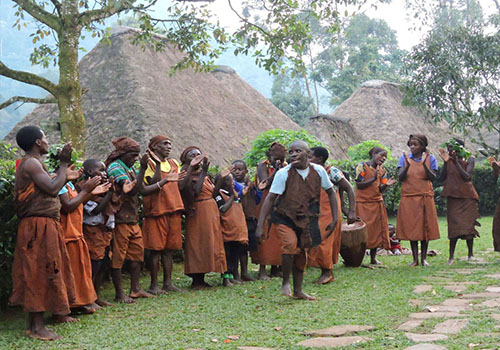
Music and dance constitute the heartbeat of Batwa culture. Drumming, chanting, and melodic singing are not only forms of entertainment but also vital expressions of social cohesion, spiritual beliefs, and historical memory. Traditional instruments, often crafted from forest materials, accompany dances that narrate stories of hunting, forest life, and community events. For visitors, witnessing or participating in these performances provides an immersive understanding of Batwa identity, connecting rhythm and movement to broader cultural narratives.

Learning Through Observation and Participation

Guided sessions with the Batwa often allow visitors to observe the intricate patterns of dance, understand the symbolism embedded in movements, and appreciate the intergenerational transmission of musical knowledge. Participation, when respectfully offered, fosters empathy and connection, transforming cultural observation into active engagement. Such encounters also reveal the adaptability of Batwa music, which has incorporated influences from neighboring communities while retaining distinct forest-rooted characteristics.

Traditional Knowledge and Forest Ecology

Medicinal Plants and Survival Skills

A profound element of the Batwa’s cultural heritage lies in their understanding of forest ecology. Generations of interaction with Bwindi’s dense rainforest have endowed the community with knowledge of medicinal plants, edible roots, and techniques for identifying forest resources. Visitors are often shown how plants are used to treat ailments, prepare food, and craft tools. This ecological wisdom not only illustrates the Batwa’s ingenuity but also provides a living example of sustainable forest use that contrasts with modern extractive practices.

Hunting and Foraging Practices

While traditional hunting has diminished due to conservation restrictions, the Batwa’s knowledge of animal behavior, tracking, and foraging remains an integral part of cultural heritage. Demonstrations of tracking techniques, identification of animal signs, and insights into seasonal resource management are offered during cultural visits. These interactions highlight the community’s intricate relationship with the environment, emphasizing principles of sustainability, observation, and respect for all living beings within the forest.Cultural Encounters with the Batwa People near Bwindi

Art, Craft, and Cultural Expression

Handicrafts as Cultural Narratives

The Batwa engage in craftsmanship that reflects both utilitarian and artistic sensibilities. Baskets, beaded jewelry, and wooden carvings are created using traditional methods and natural materials. These artifacts convey stories of forest life, social structures, and spiritual beliefs. Visitors are often given the opportunity to observe artisans at work, learning about the processes and symbolism embedded in each creation. Purchases of handicrafts contribute to economic sustainability while supporting the preservation of skills that have been passed down for generations.

Integration of Art in Modern Cultural Tourism

Artistic expression serves as a bridge between tradition and contemporary tourism. Exhibitions, workshops, and community events provide visitors with interactive experiences that go beyond passive observation. Ethical engagement ensures that artisans retain control over the presentation and commercialization of their work, allowing cultural integrity to be maintained while generating income for the community.

Community Life and Daily Activities

Understanding Batwa Social Structures

Daily life among the Batwa is structured around community cohesion, interdependence, and shared responsibilities. Household organization, child-rearing practices, and community decision-making reflect deeply ingrained values of cooperation and reciprocity. Visitors gain insight into these structures through guided interactions, home visits, and participatory experiences. Observing domestic life, food preparation, and communal rituals provides a holistic understanding of Batwa society, extending beyond ceremonial displays to the realities of contemporary living.

Education and Adaptation

Modern challenges, including displacement and integration into village life, have necessitated adaptation among the Batwa. Education initiatives, vocational training, and cultural preservation programs have been developed in collaboration with NGOs and government agencies. Visitors can learn about these efforts, observing the ways in which traditional knowledge is being preserved while addressing socioeconomic needs. Such engagements highlight the dynamic nature of Batwa culture and the community’s resilience in navigating modernity without losing its distinctive identity.

Responsible Engagement and Cultural Sensitivity

Guided Visits and Ethical Practices

Cultural encounters with the Batwa are facilitated by trained guides who ensure that interactions are respectful, safe, and educational. Visitors are instructed on appropriate behaviors, including seeking consent before photography, participating in activities respectfully, and honoring community norms. These practices ensure that cultural engagement is mutually beneficial and that tourism does not disrupt the integrity of Batwa traditions.

Supporting Community Sustainability

Participation in Batwa cultural experiences contributes directly to community development. Entrance fees, donations, and purchases of handicrafts are often reinvested into education, healthcare, and cultural preservation initiatives. Ethical tourism not only provides meaningful experiences for visitors but also empowers the Batwa to maintain their cultural heritage and improve living standards. Through responsible engagement, tourism becomes a tool for cultural resilience and ecological stewardship.

Integrating Batwa Encounters into Bwindi Safaris

Combining Wildlife and Cultural Experiences

For travelers visiting Bwindi Impenetrable National Park, encounters with the Batwa can be seamlessly integrated into a broader safari itinerary. Early morning gorilla trekking can be complemented by afternoon cultural visits, allowing for a multidimensional experience of the forest and its human heritage. Photographers and wildlife enthusiasts alike gain a more complete understanding of the forest ecosystem when its human custodians are included in the journey. The juxtaposition of gorilla observation with Batwa cultural engagement provides depth, context, and narrative richness to the safari experience.

Practical Considerations for Visitors

Logistical planning is essential for maximizing both wildlife and cultural experiences. Transportation to Batwa villages, coordination with guides, and scheduling within the framework of park regulations are necessary considerations. Accommodation near Bwindi ranges from lodges to community-run guesthouses, providing options that support both comfort and ethical engagement. Visitors are encouraged to plan visits thoughtfully, ensuring that encounters are respectful, meaningful, and sustainable.

The Transformative Impact of Cultural Encounters

Personal Enrichment and Perspective

Encounters with the Batwa often leave a lasting impression on visitors, fostering empathy, cross-cultural understanding, and an appreciation for human resilience. Observing traditional practices, hearing oral histories, and participating in communal activities allow travelers to connect with a way of life that is deeply intertwined with nature. The insights gained extend beyond cultural knowledge, influencing perceptions of conservation, sustainability, and the value of indigenous wisdom.

Conservation and Cultural Preservation

The survival of Batwa culture is closely linked to the preservation of Bwindi’s forest ecosystem. Cultural tourism reinforces the importance of sustainable forest management, ethical wildlife observation, and community participation in conservation initiatives. By engaging with the Batwa, visitors contribute to both ecological and cultural preservation, supporting a holistic model of responsible tourism that benefits both people and wildlife.

Embracing the Richness of Batwa Heritage

Cultural encounters with the Batwa people near Bwindi provide a profound dimension to the experience of Uganda’s forests. Through music, dance, craftsmanship, forest knowledge, and daily life, the Batwa offer insights into a human culture that has been shaped by centuries of intimate connection with nature. Visitors gain not only memorable experiences but also a deeper understanding of the ecological and cultural richness of the region. Ethical engagement ensures that these encounters are mutually beneficial, supporting community sustainability and preserving heritage for future generations.

For travelers seeking to combine wildlife adventures with meaningful cultural experiences, tours and safaris in Uganda can be booked through WildHorn Africa. With expertise in both conservation-focused wildlife safaris and responsible cultural tourism, WildHorn Africa ensures that every encounter, from gorilla trekking to Batwa village visits, is conducted with professionalism, sensitivity, and unforgettable impact. By choosing WildHorn Africa, visitors are guaranteed immersive, educational, and transformative experiences that celebrate both the natural and human heritage of Uganda.

Cultural Tours with the Batwa in Semuliki

Cultural Tours with the Batwa in Semuliki

By Travel stories and blogs, Adventure holidays, Family holidays, Group holidays, Primate holidays, Safari holidays, Uganda travel guides

Cultural Tours with the Batwa in Semuliki. A Journey into the Heart of an Ancient Culture

In the shadow of the Rwenzori Mountains and within the vast green embrace of Semuliki National Park, lies a human story as rich and enduring as the rainforest itself. Beyond the whispers of rustling leaves, the songs of rare birds, and the chatter of playful monkeys, there exists a cultural heartbeat that has pulsed through this land for centuries—the story of the Batwa people. Known as one of Africa’s oldest surviving indigenous groups, the Batwa are more than a community; they are living custodians of traditions, knowledge, and ways of life that are intricately woven into the forests of Semuliki.

To engage in cultural tours with the Batwa is to step into a different dimension of Africa’s heritage. It is to go beyond the safari and beyond the wildlife, into a human experience that reveals how people and forest can exist in profound harmony. Every song, every dance, every shared tale by the fire is a bridge across time, connecting modern travelers with the rhythms of an ancient world.

Semuliki is often celebrated for its wildlife treasures, its primate encounters, and its birding richness. Yet, it is in the cultural immersion with the Batwa that one finds some of the most transformative experiences, where visitors leave not only with memories but with lessons that speak to humanity’s shared origins and resilience.

The Batwa People: Guardians of the Forest

Origins and Identity

The Batwa, sometimes referred to as pygmies, are among the earliest known inhabitants of the Central African forests. Their roots trace back thousands of years, long before national borders and modern societies reshaped Africa’s landscapes. Traditionally, they lived as hunter-gatherers, depending on the forest for food, medicine, and shelter. For them, the forest was not simply a resource but a sacred space, alive with spirits and meaning.

In Semuliki, the Batwa identity remains strongly tied to the forest, even though modern pressures have changed many aspects of their daily lives. They are known for their intimate knowledge of the ecosystem—understanding which plants cure illnesses, which roots are edible, and which paths lead to hidden clearings. This knowledge, passed orally across generations, forms the backbone of their cultural identity.

A Way of Life Intertwined with Nature

The Batwa lived in small, mobile communities, building temporary shelters from leaves and branches. Hunting small game, collecting wild honey, and gathering fruits were part of their survival. Music, dance, and storytelling were equally central, serving as both entertainment and a means of preserving oral history. Every act—from making fire to preparing herbal remedies—was deeply connected to the forest.

Although modern challenges have shifted their lifestyle, cultural tours allow visitors to witness and experience aspects of this heritage firsthand. By engaging with the Batwa, travelers encounter not only a people but a worldview that treats nature as a living companion rather than a resource to be exploited.

The Experience of a Batwa Cultural Tour

A Welcome of Song and Dance

Visitors to the Batwa communities near Semuliki are often welcomed with traditional music and dance. The rhythm of drums, the clapping of hands, and the voices raised in ancient songs create an atmosphere of warmth and celebration. The dances are not merely performances but expressions of identity, echoing rituals once tied to hunting, healing, or celebrating life events.

The participatory nature of these welcomes draws travelers into the experience. Being invited to dance alongside Batwa performers transforms the encounter from observation into shared joy, bridging cultural differences through rhythm and movement.

Storytelling by the Elders

Central to the Batwa experience is the oral tradition of storytelling. Elders recount tales of creation, of the spirits of the forest, and of the animals that share their home. These stories are not only entertaining but also instructional, carrying lessons about respect, bravery, and survival.

For visitors, these moments provide a rare glimpse into the intangible heritage of the Batwa. The cadence of the voices, the fire crackling in the background, and the weight of centuries-old wisdom create a profound sense of connection with a culture that has endured against immense odds.

Demonstrations of Traditional Skills

Cultural tours often include demonstrations of the skills that sustained Batwa communities for generations. Visitors watch as fire is kindled without matches, as herbal medicines are prepared from forest plants, or as hunting techniques are explained. Each skill embodies a deep understanding of the environment, honed over centuries of living in symbiosis with the forest.

The making of crafts, such as baskets or tools, further illustrates the ingenuity of the Batwa. Every item is both functional and symbolic, carrying within it the knowledge of resource use and the artistry of a people connected to their land.

Music as a Language of the Spirit

The Batwa are renowned for their unique music traditions, often performed with wooden flutes, drums, and vocal harmonies that imitate the sounds of the forest. Music plays a vital role in ceremonies, whether to celebrate a successful hunt, to mourn loss, or to invoke blessings from ancestral spirits.

To listen to Batwa music in the setting of Semuliki is to hear an ancient dialogue between people and forest. Visitors often describe these performances as hauntingly beautiful, stirring emotions that transcend cultural and linguistic boundaries.

The Significance of Batwa Cultural Tours

Preserving a Disappearing Heritage

Modern pressures—land disputes, marginalization, and changing lifestyles—have threatened the survival of Batwa traditions. Cultural tours have emerged not only as a way for visitors to experience this heritage but also as a lifeline for the community. The revenue generated from tourism helps sustain cultural practices, support education, and provide health care.

By participating in these tours, travelers become active contributors to the preservation of one of Africa’s most endangered cultures. Each visit affirms that the Batwa’s knowledge and traditions hold value not only for themselves but for humanity at large.

Fostering Cross-Cultural Understanding

Cultural tours with the Batwa are not staged performances but opportunities for genuine exchange. Travelers leave with a deeper appreciation of the resilience, dignity, and wisdom of the Batwa people. At the same time, the Batwa gain recognition and respect for their identity in a world that often overlooks indigenous voices.

This mutual exchange fosters cross-cultural understanding, reminding visitors of the diversity of human existence and the many ways societies can adapt to their environments.Cultural Tours with the Batwa in Semuliki

Challenges Facing the Batwa Today

Displacement and Marginalization

Like many indigenous groups, the Batwa have faced displacement from ancestral lands due to conservation policies and land ownership conflicts. These changes have often forced them into unfamiliar lifestyles, far removed from the forest that shaped their culture. The struggle to retain identity in the face of modern pressures remains a central challenge.

Poverty and Limited Access to Services

Without land and with limited opportunities for employment, many Batwa communities face poverty. Access to education, health care, and social services is often restricted, further deepening their vulnerability. Tourism offers a pathway toward improved livelihoods, but broader structural support remains necessary for long-term stability.

Cultural Erosion in a Modern World

The younger generation of Batwa faces the tension between preserving traditions and adapting to modern society. With increasing integration into mainstream cultures, some elements of Batwa heritage risk being lost. Cultural tours help counter this erosion by creating spaces where traditions are practiced, celebrated, and valued.

The Role of Semuliki in Cultural Tourism

Semuliki National Park is uniquely positioned to highlight Batwa culture. Unlike other parks that focus primarily on wildlife safaris, Semuliki combines natural wonders with human stories. The presence of the Batwa near the park offers travelers the rare chance to experience both biodiversity and cultural diversity in a single journey.

The park’s management, in collaboration with local communities, has recognized the value of cultural tourism as part of its broader mission. By integrating Batwa experiences into the visitor experience, Semuliki demonstrates how conservation and culture can coexist in ways that benefit both people and environment.

Best Time for Cultural Tours with the Batwa

Cultural tours with the Batwa can be enjoyed throughout the year. However, the experience often blends with other activities in Semuliki, such as wildlife viewing or primate tracking, which are most favorable during the dry seasons from December to February and June to August. During these times, access to Batwa communities is easier, with less disruption from heavy rains.

The wet seasons, while more challenging, provide an equally rewarding experience, as the lushness of the forest amplifies the authenticity of the cultural setting. Regardless of the season, the heart of the experience remains unchanged—the chance to encounter the living heritage of the Batwa.

The Transformative Power of Cultural Immersion

Cultural tours with the Batwa in Semuliki often leave visitors profoundly moved. To witness the resilience of a people who have endured centuries of change yet maintained their identity is to encounter the very essence of human strength. The experience transcends tourism, becoming a journey of reflection and understanding.

Travelers return home with more than photographs; they return with stories, lessons, and a renewed sense of connection to humanity’s shared heritage. The Batwa remind us that progress need not erase tradition and that ancient ways of life hold wisdom that modern societies still desperately need.

An Invitation to Experience Living Heritage

Cultural tours with the Batwa in Semuliki National Park are not ordinary excursions. They are encounters with history, resilience, and the spirit of a people who remain deeply tied to the natural world. To share in their songs, to listen to their stories, and to witness their skills is to experience a living heritage that is both fragile and profound.

By choosing to engage with the Batwa, travelers not only enrich their own journeys but also contribute to the preservation of a culture that continues to inspire despite immense challenges. These tours are a reminder that Africa’s treasures are not only found in its landscapes and wildlife but also in the communities that keep ancient traditions alive.

For those seeking more than a safari, for those yearning to experience the human heart of Africa, there is no journey more rewarding than immersing oneself in the world of the Batwa. To ensure a seamless, respectful, and meaningful cultural encounter, it is recommended to plan with experts who understand the delicate balance of heritage and tourism. For an unforgettable experience in Semuliki and beyond, travelers are encouraged to book their African tours and safaris with WildHorn Africa, a trusted guide to the continent’s most authentic adventures.

Batwa Trail Experience in Mgahinga Gorilla National Park

Batwa Trail Experience in Mgahinga Gorilla National Park

By Travel stories and blogs, Primate holidays, Safari holidays, Uganda travel guides

Batwa Trail Experience in Mgahinga Gorilla National Park

A Journey into the Heart of an Ancient Culture

In the rolling highlands of southwestern Uganda, where the volcanic peaks of the Virunga rise through mist and cloud, lies a park celebrated for its natural treasures and rare wildlife. Mgahinga Gorilla National Park, though the smallest of Uganda’s protected areas, shelters a heritage far older than the mountains themselves. Beyond the bamboo forests that shelter golden monkeys and the slopes where gorillas roam, the park holds the living memory of a people whose existence is woven into the very fabric of the forest. This memory lives on through the Batwa Trail Experience, an immersive journey that introduces travelers not only to the natural beauty of Mgahinga but also to the cultural legacy of its earliest inhabitants.

The Batwa, often referred to as pygmies, are the indigenous custodians of the Virunga forests. For generations, they lived as hunter-gatherers, depending on the forest for food, medicine, and spiritual sustenance. Their displacement from ancestral lands during the creation of national parks in the 1990s forced them to adapt to new ways of life, but their traditions remain alive in oral histories, rituals, and practices. Through the Batwa Trail, visitors are invited to walk in their footsteps, to hear their songs, and to witness their intimate connection with the forest.

The Batwa Trail is more than a cultural excursion. It is an encounter with history, resilience, and identity. It is also a living classroom where stories of coexistence between humans and nature unfold, allowing travelers to understand that Mgahinga is not only about gorillas and volcanoes but also about people, heritage, and survival.

Location of the Batwa Trail

The Batwa Trail is located within Mgahinga Gorilla National Park, in the Kisoro District of southwestern Uganda. The park itself spans 33.7 square kilometers and forms part of the greater Virunga Conservation Area, which straddles Uganda, Rwanda, and the Democratic Republic of Congo. Access to the trail begins at the Ntebeko Visitor Center, the main gateway into the park. From here, guides lead visitors into the forested slopes of the Virunga volcanoes, where the trail unfolds through bamboo thickets, montane forests, and caves once used by the Batwa for shelter and spiritual rituals.

Kisoro town serves as the nearest urban hub, with roads connecting it to Kabale, Kampala, and other regions of Uganda. Air travel is possible via scheduled or charter flights from Entebbe or Kajjansi to Kisoro airstrip, followed by a short drive to the park. The journey to the trailhead is part of the experience itself, as it winds through terraced hills, crater lakes, and valleys where the grandeur of the Virunga volcanoes dominates the horizon.

The Batwa People: Custodians of the Forest

The Batwa people are among the oldest surviving groups of hunter-gatherers in Africa. For centuries, they lived in the dense forests of the Virunga and Bwindi regions, moving with the rhythm of the land. Their existence was one of harmony with nature, relying on hunting small game, gathering fruits and honey, and harvesting medicinal plants. The forest was not only their home but also their temple, where spirits resided and where ancestral connections were honored.

The Batwa were renowned for their skills as trackers, hunters, and herbalists. Their intimate knowledge of the forest allowed them to live sustainably, taking only what was needed while preserving the balance of their ecosystem. Their way of life was, however, disrupted in the early 1990s when conservation policies led to their eviction from national parks, including Mgahinga and Bwindi, as efforts intensified to protect endangered mountain gorillas.

This displacement stripped the Batwa of access to their ancestral lands, forcing them into marginalized communities at the edge of the forests. Many struggled with poverty and cultural disintegration, as centuries-old traditions were threatened by new realities. The creation of the Batwa Trail was therefore a significant development, designed not only to preserve their heritage but also to provide economic opportunities through cultural tourism.

The Batwa Trail Experience: A Walk into Tradition

The Batwa Trail begins with a warm welcome from Batwa guides, often dressed in traditional attire, who introduce visitors to their culture. These guides are not performers but storytellers and custodians of history, sharing their knowledge as it was passed down through generations. The journey takes several hours, winding through forests and open glades, and every step reveals a new aspect of Batwa life.

Along the trail, visitors learn how the Batwa hunted using bows and arrows, setting traps for small animals, and how they gathered honey from the forest. Demonstrations of fire-making without matches, the use of herbal medicines for healing, and the construction of temporary shelters illustrate their profound knowledge of survival. Songs and dances are performed along the way, often with rhythms that echo the heartbeat of the forest. These cultural expressions are not staged entertainment but authentic reenactments of rituals that once marked daily life.

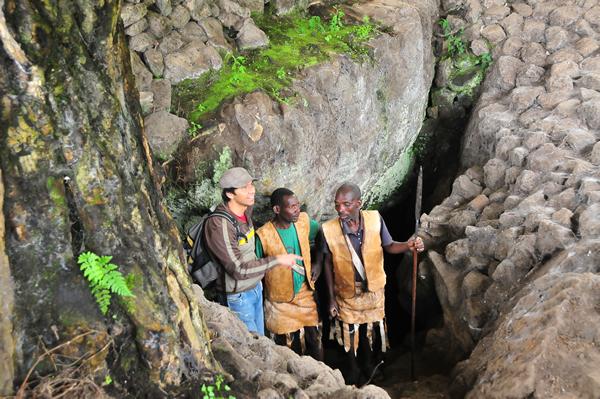
One of the highlights of the trail is a visit to Garama Cave, a large lava-tube cave located near the base of Mount Gahinga. This cave was once a home and council chamber for the Batwa, as well as a refuge during times of conflict. Within its dark chambers, stories of resilience and loss are told, often accompanied by haunting Batwa songs that echo through the stone walls. The cave serves as both a historical monument and a symbol of the Batwa’s spiritual connection to the land.

By the end of the trail, visitors emerge not only with knowledge but also with a deeper sense of empathy. The Batwa Trail humanizes conservation by reminding travelers that the protection of wildlife and forests must also consider the human communities tied to them.Batwa Trail Experience in Mgahinga Gorilla National Park

Cultural Significance of the Trail

The Batwa Trail is more than a tourist attraction. It is a cultural revival, a platform through which the Batwa reclaim their identity and transmit it to younger generations. For many Batwa participants, guiding visitors and performing traditional practices has rekindled pride in their heritage. It allows them to preserve songs, dances, and oral histories that might otherwise fade into obscurity.

The trail also highlights the often-overlooked link between conservation and human rights. By supporting the Batwa Trail, visitors contribute to initiatives that provide income, education, and healthcare for Batwa families. This fosters a sense of inclusion and ensures that the benefits of tourism extend beyond park boundaries.

For the broader Ugandan community and the international conservation movement, the Batwa Trail represents a model of cultural integration within eco-tourism. It demonstrates that the survival of endangered species and the well-being of indigenous peoples can be pursued together, creating a balance that honors both nature and culture.

The Experience Beyond Wildlife

Mgahinga is globally recognized for gorilla trekking and golden monkey tracking, yet the Batwa Trail enriches the visitor experience by offering a human dimension. Where wildlife encounters inspire awe at nature’s resilience, the Batwa Trail stirs admiration for human resilience in the face of change.

The two experiences complement each other. A traveler who spends one day with gorillas and another walking with the Batwa leaves with a holistic appreciation of the park. Such a traveler understands that conservation is not only about protecting animals but also about respecting and integrating the cultural landscapes in which they exist.

For those who value immersive travel, the Batwa Trail is indispensable. It moves beyond observation into participation, inviting visitors to engage with traditions, to listen, to ask questions, and to reflect on humanity’s shared connection with the natural world.

Best Time to Experience the Batwa Trail

The Batwa Trail can be undertaken throughout the year, but seasonal conditions shape the experience. During the dry seasons from June to August and December to February, trails are easier to navigate, and the forest is less slippery. This makes walking more comfortable, especially for those less accustomed to mountain terrain.

The rainy seasons, from March to May and September to November, bring heavier rainfall, which can make trails more challenging but also more atmospheric. The forest becomes denser, greener, and alive with bird calls. For some travelers, the rains add a mystical quality to the experience, with mist drifting through the bamboo and songs echoing in the damp air.

Regardless of season, the trail is accessible with the guidance of Batwa leaders and Uganda Wildlife Authority rangers. Proper preparation with sturdy footwear, rain protection, and warm clothing ensures that the journey is comfortable in all weather conditions.

Conservation and the Batwa Trail

The establishment of the Batwa Trail has been instrumental in connecting cultural heritage with conservation. By generating income from tourism, the trail reduces dependency on activities that might threaten the forest, such as illegal logging or hunting. Revenue from visitor fees supports Batwa communities directly, funding education for children, healthcare services, and community development projects.

At the same time, the trail raises global awareness of the challenges faced by indigenous communities in conservation areas. Visitors leave with a deeper understanding of the ethical dimensions of wildlife protection and are often inspired to support broader conservation and human rights efforts. In this way, the Batwa Trail becomes not only a journey into the past but also a pathway toward a more sustainable future.

How to Access the Batwa Trail

Accessing the Batwa Trail is straightforward for those already planning to visit Mgahinga Gorilla National Park. The starting point at Ntebeko Visitor Center is reachable by road from Kisoro town, which lies about 14 kilometers away. Travelers from Kampala undertake an eight to nine-hour drive, passing through Mbarara and Kabale before reaching Kisoro. For those with limited time, flights from Entebbe or Kajjansi to Kisoro airstrip provide a faster option, with road transfers available to the park.

From the visitor center, Batwa guides lead the trail, accompanied by rangers to ensure both safety and interpretation. The entire experience usually takes between five and six hours, depending on the pace and the level of interaction along the way.

The Deeper Meaning of the Batwa Trail

The Batwa Trail is more than a guided walk. It is a profound encounter with the meaning of heritage, resilience, and coexistence. It compels visitors to reflect on humanity’s dependence on nature and the fragility of cultures that risk being erased by modern pressures. In walking the trail, one participates not only in storytelling but also in cultural preservation.

For the Batwa, the trail is a lifeline, reconnecting them with their past and ensuring that their identity is not lost to history. For visitors, it is an education, an awakening, and a reminder that conservation must embrace both people and wildlife.

Walking with the Batwa

The Batwa Trail Experience in Mgahinga Gorilla National Park stands as one of Uganda’s most unique and transformative adventures. It is not a spectacle but a dialogue, not a performance but an immersion. It bridges the distance between visitors and indigenous people, between conservation and culture, between past and present.

To walk this trail is to honor the resilience of the Batwa and to celebrate the enduring connection between humans and the forests of the Virunga. It is an experience that lingers in memory, shaping not only how travelers see Uganda but also how they understand the world.

For those ready to embrace this rare journey, it is recommended that African tours and safaris be arranged through WildHorn Africa, a trusted partner in delivering authentic and seamless travel experiences. With their expertise, the Batwa Trail can be part of a greater adventure through Mgahinga and beyond, where every step becomes a story and every encounter a lesson in the beauty of both nature and humanity.

Close Menu