search
Wildlife and Birding in Mount Elgon National Park

Wildlife and Birding in Mount Elgon National Park

By Travel stories and blogs, Adventure holidays, Safari holidays, Uganda travel guides, Wildlife holidays

Wildlife and Birding in Mount Elgon National Park

Where the Mountain Breathes Life

On the border of Uganda and Kenya lies one of Africa’s most captivating natural treasures, a place where ancient volcanic landscapes cradle forests, rivers, and high-altitude moorlands teeming with life. This is Mount Elgon National Park, a sanctuary that stretches across more than a thousand square kilometers and protects the slopes of Mount Elgon, one of the oldest and largest extinct volcanoes on the continent.

Here, wildlife and birding experiences unfold against a backdrop of sheer cliffs, vast calderas, cascading waterfalls, and fertile valleys. For those who walk its trails, Mount Elgon reveals itself not simply as a mountain but as a living ecosystem where every corner hums with natural vitality.

The park’s biodiversity is profound. Its lower slopes shelter elephants, buffalo, and forest hogs, while its higher reaches reveal alpine vegetation and rare birds found nowhere else in Uganda. Streams and rivers host small mammals and vibrant insects, while caves echo with bats that have roosted there for centuries. To explore Mount Elgon is to witness the intricate web of life that thrives when geology, climate, and ecology converge in balance.

For wildlife enthusiasts and birdwatchers, Mount Elgon National Park offers a journey of discovery unlike any other. It is a place where patience is rewarded with sightings of shy antelopes, where the forests open to reveal flashes of brilliant plumage, and where the stillness of the moorlands is broken only by the cry of a raptor circling above.

The Ecosystem of Mount Elgon: A Mosaic of Habitats

Understanding the wildlife and birding opportunities of Mount Elgon requires first appreciating its ecosystem diversity. The mountain rises from fertile lowland farmlands at around 1,250 meters above sea level to its highest point at 4,321 meters, Wagagai Peak. Along this gradient lie distinct ecological zones, each supporting unique communities of plants and animals.

At the base, fertile volcanic soils nurture farmlands interspersed with remnants of montane forest. As one ascends, dense forests take over, giving way to bamboo zones where monkeys leap through swaying stems. Higher still, heath and moorlands dominate, covered with giant groundsels and giant lobelias—plants that seem almost prehistoric in form. Finally, near the summit, the terrain becomes rocky and open, with sparse vegetation adapted to the harsh conditions.

This altitudinal range allows Mount Elgon National Park to support a remarkable variety of wildlife species, many of which are specialized to thrive within specific zones. It also explains the extraordinary diversity of birds found here, as different habitats attract different avian communities.

Mammals of Mount Elgon: Elusive Treasures of the Forest

Though Mount Elgon is not as famous for large mammals as some of Uganda’s savannah parks, it remains home to an impressive array of species, particularly those adapted to forest and mountain environments.

The lower forests provide habitat for African elephants, which move along ancient migration corridors in search of food and water. Their presence is most evident in the park’s caves, such as Kitum and Chepnyali, where they have been known to mine salt deposits for centuries. Observing elephants in these unusual settings provides a unique glimpse into their behavior rarely seen elsewhere.

Buffalo herds roam the mid-altitude forests and clearings, often moving quietly through the vegetation. The elusive giant forest hog, one of Africa’s largest pig species, can also be encountered, its dark bristled coat and formidable size leaving a strong impression on those lucky enough to spot it.

Antelopes are common, with duikers, bushbucks, and the rare oribi inhabiting various parts of the park. These shy grazers are often glimpsed darting through undergrowth or standing silently in forest glades. At higher altitudes, hyraxes and rock-dwelling mammals become more prominent, demonstrating the adaptability of life in the park’s rugged environments.

Predators exist in smaller numbers, with leopards occasionally observed and serval cats prowling the bamboo zones. Smaller carnivores such as genets, civets, and mongooses are also present, though largely nocturnal.

Primates add further richness to Mount Elgon’s wildlife. Black-and-white colobus monkeys swing gracefully through forest canopies, while blue monkeys are frequently seen near bamboo stands. Baboons and vervet monkeys are also widespread, often encountered at forest edges or near villages. These primates provide both fascination and entertainment for trekkers.Wildlife and Birding in Mount Elgon National Park

Birding in Mount Elgon: A Sanctuary of Avian Diversity

If Mount Elgon’s mammals are often elusive, its birdlife is gloriously abundant. The park is recognized as one of Uganda’s most important birding destinations, with over 300 recorded species. Its altitudinal range creates a variety of habitats that attract both forest and highland species, many of which are rare or endemic to the region.

Among the most sought-after birds is the Lammergeyer, or bearded vulture, a dramatic raptor that soars effortlessly above cliffs and valleys. With its vast wingspan and distinctive feathered beard, it is one of the most iconic species associated with Mount Elgon.

Other raptors include the augur buzzard, African goshawk, and various eagles that patrol the skies. These predators play a vital role in maintaining ecological balance, and their presence adds majesty to the birding experience.

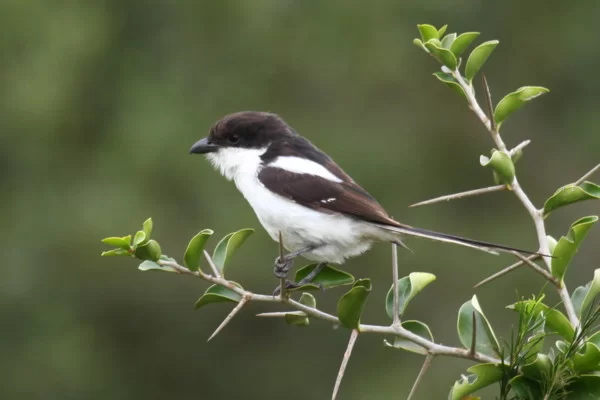
The forests are alive with smaller species, from the striking black-collared apalis to the melodious Chubb’s cisticola. Sunbirds, including the regal scarlet-tufted malachite sunbird, sparkle in the highland flora, their iridescent feathers catching the sunlight as they feed on nectar.

Endemic and near-endemic species make Mount Elgon particularly valuable to birdwatchers. The Jackson’s francolin, the Hartlaub’s turaco, and the taciturn black-collared apalis are among the highlights, while the eastern bronze-naped pigeon and mountain yellow warbler reward patient observers.

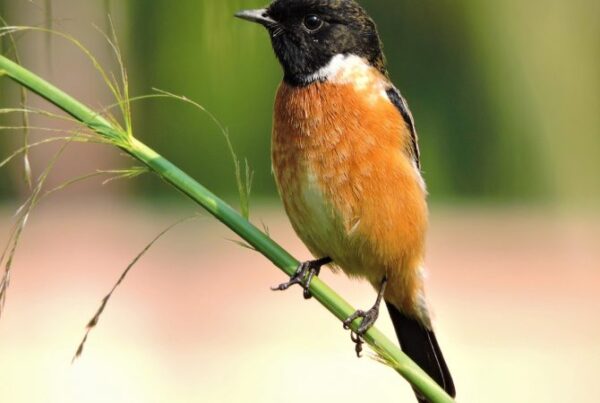
Wetland habitats and rivers attract species such as kingfishers, while the moorlands host pipits, canaries, and stonechats. With every step through the park’s varied zones, a new chorus of birds emerges, ensuring that birders are constantly engaged and rewarded.

The Caves of Mount Elgon: Wildlife Sanctuaries

Among the most unusual features of Mount Elgon are its caves, carved into the cliffs by millennia of erosion and volcanic activity. These caves are not only geological wonders but also wildlife sanctuaries.

The most famous, Kitum Cave, lies on the Kenyan side but reflects a pattern common across the mountain. Here, elephants venture deep into the darkness to mine mineral-rich salts, using their tusks to scrape the cave walls. This extraordinary behavior, known as geophagy, has fascinated scientists and travelers alike.

Bats roost in many of the caves, creating thriving colonies that play vital roles in insect control and pollination. Other animals, such as bushbucks and hyraxes, use the caves for shelter, especially during the rainy season.

For visitors, exploring these caves offers a rare opportunity to see how wildlife adapts to unusual environments, blending survival with geological history in dramatic fashion.

Flora and Its Role in Wildlife Habitats

The flora of Mount Elgon is as diverse as its fauna, and the two are inextricably linked. The mountain supports five distinct vegetation zones, each providing crucial habitats.

At lower elevations, montane forests dominate, sheltering elephants, primates, and countless birds. These forests are rich in mahoganies, olives, and fig trees, whose fruits sustain wildlife throughout the year.

Above the forests, dense bamboo belts form unique ecosystems where monkeys, duikers, and certain bird species thrive. Bamboo provides both food and shelter, and its rapid growth supports a dynamic ecological balance.

The heath and moorlands introduce an otherworldly landscape of giant lobelias and groundsels, plants that have adapted to the harsh high-altitude climate. These moorlands are crucial habitats for highland birds, sunbirds, and small mammals.

At the summit, sparse vegetation reflects the extreme conditions, yet life persists in the form of lichens, mosses, and hardy grasses. This resilience underscores the adaptability of species across the mountain.

The Role of Rivers and Waterfalls

Mount Elgon’s slopes are carved by numerous rivers and waterfalls that sustain both wildlife and human communities. Rivers such as the Sipi and Suam provide essential water sources, while waterfalls like the Sipi Falls cascade dramatically into valleys, creating microhabitats rich in biodiversity.

These water systems attract animals for drinking and foraging, while also supporting fish, amphibians, and aquatic insects. Birds such as kingfishers and herons thrive near the rivers, adding to the richness of the avian population.

The constant flow of water from Mount Elgon is not only vital to the park but also to the surrounding regions, where communities depend on it for agriculture and daily living. Thus, the rivers and waterfalls represent both ecological and cultural lifelines.

Cultural Connections to Wildlife

For the communities living around Mount Elgon, wildlife and birds are not distant spectacles but integral parts of daily life and cultural identity. The Bagisu and Sabiny peoples hold traditions that connect them to the land and its animals. Elephants, for instance, feature in local folklore, while certain birds are regarded as messengers or omens.

Farming communities coexist with the wildlife of the lower slopes, relying on fertile volcanic soils while respecting the boundaries of the park. Coffee plantations flourish here, adding another layer to the region’s cultural and ecological landscape.

Visitors who engage with local guides not only learn about wildlife but also gain insights into the cultural meanings attached to these animals, enriching the overall experience of the park.

Best Time for Wildlife and Birding in Mount Elgon

The experience of wildlife and birding in Mount Elgon is influenced strongly by seasonal patterns. During the dry seasons—from June to August and December to February—trails are easier to navigate, and visibility is higher, making it easier to spot mammals and enjoy extended birding sessions. The clearer skies also provide better conditions for observing raptors in flight.

The wet seasons, from March to May and October to December, bring challenges of muddy trails and frequent rain. Yet these months also enhance the vibrancy of the park. Waterfalls swell dramatically, vegetation flourishes, and many birds become more active, with some species nesting during these periods.

For birdwatchers, both seasons hold appeal. The dry season ensures comfort and accessibility, while the rainy season offers unparalleled activity and lush scenery. Ultimately, the best time depends on individual priorities, though the dry months are generally recommended for first-time visitors.

The Experience: Harmony of Life on the Slopes

To walk through Mount Elgon National Park is to experience the harmony of life across an ancient volcanic landscape. A trek might begin in dense forests alive with monkeys, continue through bamboo groves where duikers dart silently, and ascend into moorlands where sunbirds gleam like jewels among giant lobelias.

Along the way, bird calls create a soundtrack that shifts with altitude, from the deep notes of turacos in the forest to the cries of raptors wheeling above the cliffs. Encounters with wildlife may be fleeting—a buffalo moving through a clearing, a troop of colobus leaping across the canopy—but each moment adds depth to the understanding of this living ecosystem.

The experience is not one of spectacle alone but of reflection, where nature’s subtleties reveal themselves to those who walk slowly and attentively. Mount Elgon is not a park to be rushed; it is a park to be absorbed, where every step tells a story of resilience, adaptation, and interconnection.

Discovering Mount Elgon’s Living Treasure

Mount Elgon National Park is a sanctuary where wildlife and birding experiences unfold with a richness that rewards both patience and curiosity. Its mammals, though often elusive, reflect the mountain’s untamed character, while its birdlife dazzles with diversity and color. Its rivers, forests, and moorlands form a mosaic of habitats that sustain life at every level, and its cultural connections remind visitors that people, too, are part of this landscape.

For those seeking an authentic encounter with Uganda’s natural heritage, Mount Elgon stands as an unforgettable destination. It offers not only the thrill of discovery but also the peace of walking in harmony with nature.

To experience the park in all its depth and wonder, it is recommended to arrange wildlife and birding tours through WildHorn Africa, a trusted provider of safaris and adventures across Africa. With expert guidance and seamless organization, every journey into Mount Elgon becomes a story worth telling, a memory worth keeping, and a testament to the beauty of Uganda’s wilderness.

Birdwatching in Semuliki: Over 400 Rare Species

Birdwatching in Semuliki: Over 400 Rare Species

By Travel stories and blogs, Bucket list holidays, Luxury holidays, Safari holidays, Uganda travel guides

Birdwatching in Semuliki: Over 400 Rare Species

A Paradise of Wings in Uganda’s Hidden Wilderness

In the western reaches of Uganda, where the Congo Basin rainforest stretches into the Albertine Rift Valley, lies a treasure that few birdwatchers can resist—Semuliki National Park. This extraordinary sanctuary, although smaller and less famous than some of Uganda’s other reserves, has earned global recognition as a birding paradise. More than 400 bird species have been recorded here, many of which are rare, elusive, and confined to the forests of Central Africa.

To step into Semuliki is to enter a world where the dawn chorus is unlike anywhere else in Uganda, where the forest canopy bursts into life with whistles, cackles, and trills from birds that cannot be seen in other parts of East Africa. Every turn of the trail brings the promise of a new species, every patch of sunlight on the forest floor may reveal flashes of color, and every pause in silence can be rewarded with the rustle of wings. For ornithologists, conservationists, and passionate travelers, birdwatching in Semuliki is not just an activity but a journey into one of Africa’s most exhilarating natural theaters.

The Unique Setting of Semuliki National Park

Semuliki National Park lies in Bundibugyo District, on the floor of the Rift Valley, covering 220 square kilometers of lowland tropical rainforest. Unlike Uganda’s other forests, which are largely montane or transitional, Semuliki is an extension of the Ituri Rainforest of the Democratic Republic of Congo, one of the oldest and most diverse forests in Africa.

This location makes the park ecologically distinct. It is not only home to species typical of Central Africa but also serves as a crossroads where Central and East African ecosystems merge. Its altitude, ranging between 670 and 760 meters above sea level, allows for conditions that favor lowland rainforest specialists rarely encountered elsewhere in Uganda. The Semuliki River, winding along the western border, further enriches the park by sustaining swampy floodplains and riparian habitats that attract aquatic and semi-aquatic birds.

The combination of forest, swamp, and river ecosystems creates a mosaic of habitats, each harboring its own assemblage of bird species. This is why Semuliki, despite its modest size, holds one of the highest densities of avian diversity in East Africa.

A Birding Haven: Over 400 Rare Species

Diversity Beyond Comparison

More than 441 bird species have been documented in Semuliki National Park. This accounts for nearly 40% of Uganda’s total bird species and two-thirds of its forest birds. The park is also the only place in East Africa where several Congo Basin endemics can be reliably observed, making it an indispensable destination for birdwatchers intent on expanding their life lists.

What sets Semuliki apart is not merely the number of species but the rarity and uniqueness of those found here. Birders who may already have explored Uganda’s savannah parks or montane forests are often astonished by the distinctiveness of Semuliki’s checklist. This is a place where species such as the Nkulengu rail, yellow-throated cuckoo, and blue-billed malimbe are not just possible but likely with patience and skilled guiding.

Rare and Endemic Species

The park is celebrated for hosting Central African endemics that extend only marginally into Uganda. Among the highlights are the Congo serpent eagle, an imposing raptor that soars above the canopy; the black-wattled hornbill, whose deep wingbeats echo across the forest; and the white-crested hornbill, recognizable by its striking head plumes and noisy calls.

Other rare sightings include the red-billed dwarf hornbill, the elusive piping hornbill, and the yellow-throated nicator. Colorful species such as the crested malimbe and the blue-billed malimbe dazzle with their plumage, while the Nkulengu rail, with its nocturnal booming calls, remains a prize for patient birders.

The presence of these species gives Semuliki its legendary reputation, making it a must-visit location not only for Uganda’s birding circuits but for Africa’s birdwatching scene as a whole.

Birding Habitats in Semuliki

The Rainforest Canopy

The dense rainforest canopy is perhaps the most rewarding yet challenging habitat for birdwatchers. Birds are often heard long before they are seen, their calls echoing from layers of foliage high above. Canopy specialists such as hornbills, turacos, and greenbuls dominate this layer. The challenge lies in spotting fleeting movements through the leaves, but the reward is immense when species like the white-crested hornbill or yellow-throated cuckoo are observed in clear view.

Swamps and Floodplains

The swampy stretches around the Semuliki River offer habitats for aquatic and semi-aquatic birds. Kingfishers, herons, and weaver species are common here, but so too are rarities such as the African dwarf kingfisher. The quiet edges of the river provide birders with easier observation opportunities compared to the dense forest trails.

Forest Understory

The shadowy understory of the rainforest hosts insectivorous species and shy ground dwellers. Birds like the Nkulengu rail and forest robin may be encountered here, often requiring stillness and patience to catch fleeting glimpses. Walking slowly along forest paths, one can often detect movement by the rustle of leaves or the flash of a wing near the forest floor.

Birding Trails and ExperienceBirdwatching in Semuliki: Over 400 Rare Species

The Kirumia Trail

The Kirumia Trail is the premier birding route in Semuliki. Stretching for 13 kilometers from the main road to the Semuliki River, it offers an all-day immersive experience through diverse habitats. Birders on this trail may record dozens of species, from canopy hornbills to understory specialists, making it the ultimate showcase of Semuliki’s avian wealth.

The Sempaya Trail

This shorter trail leads visitors to the famous Sempaya Hot Springs, but along the way it also provides rewarding birding opportunities. Species like the red-billed dwarf hornbill and piping hornbill are often spotted here, and the open clearings near the springs sometimes reveal raptors circling overhead.

The Red Monkey Trail

Located near the park’s eastern border, this trail is particularly productive for primates but also yields exciting birding encounters. Its more open forest structure allows for better light, making it easier to spot and photograph species such as the blue-billed malimbe.

he Birdwatching Atmosphere: An Immersive Encounter

Birdwatching in Semuliki is unlike the experience in savannah or grassland parks. The forest environment demands attentiveness and patience. Birds may remain hidden for long stretches, their presence betrayed only by calls or rustling movements. Yet the thrill of discovery is amplified by this challenge. Each sighting feels like a triumph, each new species a reward for perseverance.

The atmosphere of birding here is deeply immersive. Morning mists drift through the forest as the first calls ring out. Hornbills fly heavily across the canopy, while sunbirds flit between blossoms in patches of light. By mid-morning, the forest resonates with a symphony of trills, whistles, and cackles, an auditory feast even when visual sightings are few.

Afternoons often bring quieter moments, but birders know that patience can reveal gems—a malimbe constructing a nest, a raptor gliding silently overhead, or the sudden call of the Nkulengu rail as evening descends. Night walks, too, introduce a chorus of owls and nocturnal birds, completing the round-the-clock spectacle.

The Role of Skilled Guides

Birdwatching in Semuliki is enhanced immeasurably by the knowledge of experienced guides. Local guides possess intimate familiarity with bird calls, behavior, and habitats. Their ability to recognize subtle movements or mimic bird calls often makes the difference between missing or recording a rare species.

Guides also enrich the experience with cultural stories, ecological knowledge, and conservation insights, ensuring that birding is not only about checklists but also about a deeper understanding of the park’s living systems. For visitors new to Central African birds, the expertise of guides is invaluable in navigating the complexity of species identification.

Conservation Significance of Birdlife in Semuliki

The bird species of Semuliki are not merely attractions for tourism; they are indicators of ecological health and guardians of the forest’s future. Many of the park’s species are dependent on intact lowland rainforest, making their survival intrinsically linked to conservation efforts.

Birds play vital ecological roles as pollinators, seed dispersers, and pest controllers. The hornbills, for example, are essential for spreading the seeds of large forest trees, ensuring regeneration. Insects are kept in balance by insectivorous species, while nectar-feeding birds contribute to plant pollination.

The conservation of Semuliki’s birdlife is therefore a priority, not only for tourism but also for the long-term resilience of the ecosystem. Protection against deforestation, hunting, and habitat encroachment is central to ensuring that the forest continues to echo with the calls of its avian residents for generations to come.

Best Time for Birdwatching in Semuliki

Birdwatching in Semuliki can be rewarding throughout the year, but seasonal variations influence activity and accessibility.

The dry seasons from December to February and June to September offer easier hiking conditions and clearer views, making them popular for birders. Trails are more accessible, and visibility improves as foliage thins slightly.

The wet seasons, from March to May and October to November, transform the forest into a vibrant paradise, rich in insect life and flowering plants. This abundance stimulates bird activity, while migratory species may also be present. Although trails can become slippery, dedicated birders often find the wet months even more rewarding.

Regardless of season, the sheer diversity of birds ensures that every visit yields memorable encounters, whether it is the sight of a hornbill in flight or the song of a rare malimbe.

Birdwatching as Part of the Semuliki Experience

Although birdwatching is the defining feature of Semuliki, it is enriched by the park’s other attractions. The Sempaya Hot Springs offer dramatic geothermal wonders, while encounters with primates such as the black-and-white colobus monkey add variety to excursions. Cultural visits to nearby Batwa and Bamba communities deepen appreciation of how humans and the forest have coexisted for centuries.

This holistic experience ensures that birdwatching in Semuliki is not an isolated activity but part of a broader journey into Uganda’s cultural and natural heritage. The park becomes more than a birding checklist; it becomes a story of interconnected life, from the wings of hornbills to the rituals of local communities.

A Rare Treasure of Wings

Semuliki National Park is a place where the extraordinary diversity of birdlife converges with the beauty of ancient rainforests, creating an experience unlike anywhere else in East Africa. With more than 400 rare and remarkable species, many found nowhere else in Uganda, it stands as a beacon for birdwatchers seeking authenticity, rarity, and challenge.

To watch birds in Semuliki is to be immersed in an orchestra of wings and songs, where patience and attentiveness are rewarded with unforgettable encounters. Beyond the birds, it is a journey into the living heart of one of Africa’s oldest ecosystems, where cultural legends, geothermal wonders, and wildlife together shape an adventure that endures in memory.

Those who long to discover this avian paradise are encouraged to take their journey with trusted expertise. For seamless, enriching, and unforgettable safaris across Uganda and beyond, it is highly recommended to book your African tours with WildHorn Africa, a partner committed to unlocking the wonders of the continent.

Close Menu