search
How to Travel Responsibly for hiking in Bwindi Impenetrable Forest for families

How to Travel Responsibly for hiking in Bwindi Impenetrable Forest for families

By Travel stories and blogs, Adventure holidays, Responsible travel tips, Travel guides, Uganda travel guides

How to Travel Responsibly for Hiking in Bwindi Impenetrable Forest for Families

A Journey into the Heart of Uganda’s Green Jewel

Nestled in the southwestern corner of Uganda lies Bwindi Impenetrable Forest, one of Africa’s most enchanting natural wonders. Known for its ancient rainforest, mist-shrouded hills, and the rare mountain gorillas, Bwindi is far more than a hiking destination—it is a living sanctuary where nature, culture, and conservation intersect. Families seeking adventure in this UNESCO World Heritage Site are rewarded with unforgettable encounters, but such journeys must be taken with care. Responsible travel is not simply an option here; it is a duty. Every step taken along its trails carries both an opportunity and a responsibility to protect the fragile ecosystem and to ensure that local communities benefit from tourism in a meaningful way.

Understanding how to travel responsibly in Bwindi as a family requires more than basic planning. It calls for awareness, respect, and commitment to practices that prioritize conservation, cultural appreciation, and safety. This article explores in depth the principles and practices that families should embrace when embarking on a hiking experience in Bwindi Impenetrable Forest, ensuring that every journey leaves a positive legacy.

Understanding the Fragility of Bwindi’s Ecosystem

The forest of Bwindi is often described as ancient and primeval, dating back over 25,000 years. Within its dense vegetation lives an extraordinary diversity of life, from butterflies and rare birds to primates and towering trees. Most notable are the mountain gorillas, whose survival depends heavily on the preservation of this unique habitat. Hiking in this forest as a family offers not only the thrill of adventure but also the chance to witness firsthand the importance of conservation.

Responsible travel begins with awareness. Families must recognize that this environment is both delicate and irreplaceable. Careless movements, littering, or disturbances to wildlife can leave long-lasting scars. When children are introduced to such a setting, it is important for parents to instill values of respect, ensuring that the younger generation grows up with a consciousness of environmental responsibility.

Preparing for a Responsible Hiking Experience

Family hikes in Bwindi require thoughtful preparation. Responsible travel is not only about what happens inside the forest but also about decisions made before arrival. Choosing reputable operators, respecting park regulations, and preparing children mentally and physically for the experience are all part of responsible travel.

A hike in Bwindi is unlike ordinary family excursions. The terrain is steep, humid, and unpredictable, requiring stamina and patience. Families are therefore encouraged to select trails suited to their abilities. Preparation also means packing lightly yet thoughtfully—ensuring that reusable water bottles replace plastics, that eco-friendly gear is chosen, and that nothing is left behind in the forest. Parents have the responsibility to guide their children on why such measures matter, making the hike both educational and sustainable.

Respecting the Wildlife and Their Space

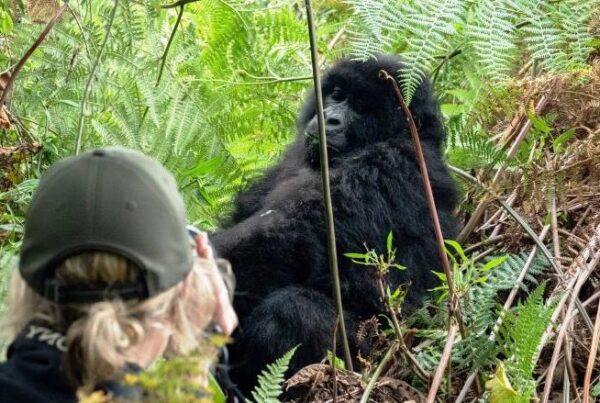
Among the most memorable highlights of hiking in Bwindi is the chance to see mountain gorillas in their natural habitat. Yet, such encounters demand deep respect. Families must remember that gorillas are not performers but wild beings whose existence is already threatened. Responsible travel emphasizes the importance of minimal disturbance.

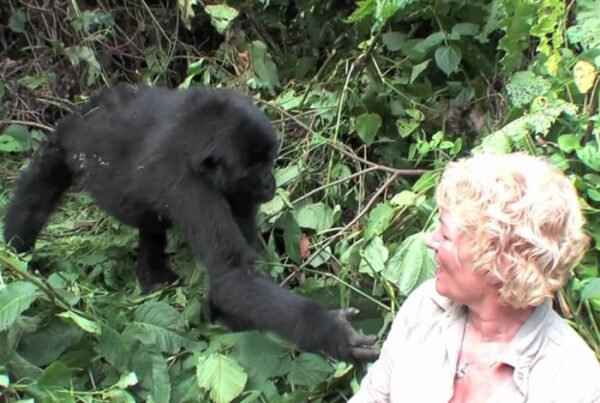
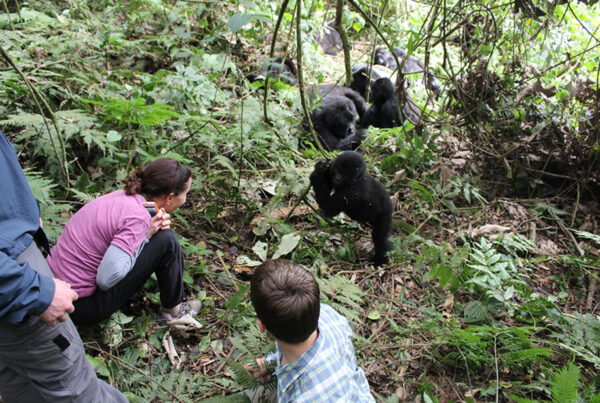
Hikers are instructed to maintain a safe distance, avoid flash photography, and keep voices low. Even young children must be taught to remain calm and respectful during these encounters. The experience of seeing a gorilla family mirrors the values of human families—nurturing, protective, and bonded. This offers parents an opportunity to teach children that respect for wildlife is an extension of respect for life itself.

Engaging with Local Communities Responsibly

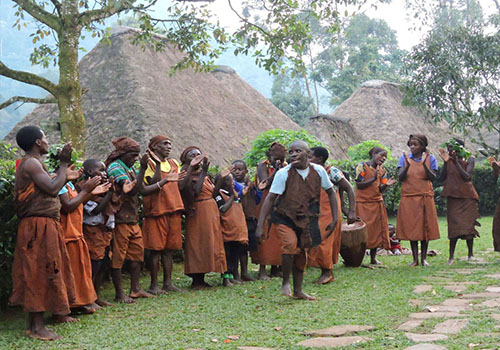
Traveling responsibly in Bwindi extends beyond the forest into the lives of the local communities who have long coexisted with this environment. The Batwa people, for instance, are an indigenous community with deep ancestral ties to the forest. Interactions with local communities are enriching for families, offering cultural insights and life lessons about resilience, tradition, and harmony with nature.

However, such engagements must always be approached with sensitivity. Responsible travel emphasizes respect rather than exploitation. Families should ensure that community visits are conducted through ethical programs that directly benefit the people involved. Purchasing locally made crafts, participating in cultural performances with appreciation, and supporting community-run initiatives all contribute to sustainable tourism. Parents can guide children to see these interactions not as spectacles but as genuine cultural exchanges where mutual respect is paramount.

Ensuring Safety and Comfort While Being Responsible

Family travel in Bwindi demands attention to safety. The forest is dense, trails are challenging, and weather conditions are often unpredictable. Responsible families ensure that safety precautions are prioritized without compromising environmental integrity. Hiring local guides not only ensures safety but also provides economic support to the communities. Following the instructions of rangers is essential, for these rules are designed to protect both visitors and wildlife.

Comfort can also be aligned with responsibility. Lodges around Bwindi now increasingly embrace eco-friendly practices, from solar energy to rainwater harvesting. Choosing such accommodation options demonstrates to children that comfort and responsibility can go hand in hand. Families can experience the warmth of Ugandan hospitality while also reducing their ecological footprint.

Teaching Children the Value of Responsible Travel

Perhaps the most lasting impact of traveling responsibly in Bwindi lies in the lessons children carry home. Hiking as a family in this pristine environment provides a platform for teaching environmental stewardship, respect for wildlife, and cultural appreciation. When parents emphasize why waste must not be left behind, why silence is maintained near gorillas, or why communities must be supported, they nurture the values of responsible global citizens.

Children who witness their parents practicing these principles are more likely to grow into travelers who respect destinations rather than consume them. Bwindi becomes not only a family adventure but also a classroom without walls, where lessons of responsibility are taught in the most vivid and meaningful ways.

The Broader Impact of Responsible Travel in Bwindi

Every responsible choice made by families during their hikes contributes to the broader mission of conservation and sustainability. Entrance fees, when managed responsibly, go toward protecting gorillas and other wildlife. Community tourism projects create opportunities for locals, reducing pressures that could otherwise lead to deforestation. By traveling responsibly, families are directly contributing to the protection of Bwindi for generations to come.

The ripple effect of these choices extends beyond the forest. Children who learn in Bwindi carry these values to other parts of the world, shaping future behaviors and decisions. Families who choose responsible travel play a crucial role in bridging the gap between tourism and conservation.

Hiking Bwindi as a Responsible Family Adventure

Traveling to Bwindi Impenetrable Forest as a family is far more than an adventurous holiday. It is a profound journey into one of the most remarkable ecosystems on Earth, where responsibility and wonder coexist. The forest offers lessons in humility, patience, and respect. By preparing adequately, respecting wildlife, engaging with communities sensitively, and prioritizing safety, families ensure that their adventure leaves a positive mark.

In the end, the true beauty of Bwindi lies not only in its misty hills and gorilla families but also in the responsibility travelers take in preserving it. A family that hikes responsibly contributes to the safeguarding of this natural heritage while teaching the younger generation the irreplaceable value of conservation.

For families eager to embark on such transformative adventures across Uganda and beyond, it is highly recommended to plan journeys through WildHorn Africa. With their expertise in sustainable travel and deep knowledge of African destinations, they ensure that every safari and tour not only brings joy and discovery but also upholds the highest principles of responsible travel.

The Budget-Friendly Ideas: game drive at Bwindi Impenetrable Forest for long-stay travelers

The Budget-Friendly Ideas: game drive at Bwindi Impenetrable Forest for long-stay travelers

By Primate holidays, Safari holidays, Travel guides, Travel stories and blogs, Uganda travel guides

The Budget-Friendly Ideas: Game Drive at Bwindi Impenetrable Forest for Long-Stay Travelers

Where Adventure Meets Affordability

The idea of venturing deep into the legendary Bwindi Impenetrable Forest often conjures images of luxury safaris, exclusive lodges, and costly permits. However, beneath this perception lies a reality that is far more inclusive and accessible. For long-stay travelers, especially those seeking to balance adventure with budget-conscious decisions, Bwindi is a sanctuary where nature’s wonders can be embraced without excessive expenditure. The forest, widely recognized as a UNESCO World Heritage Site and home to half of the world’s mountain gorilla population, also presents opportunities for game drives and wildlife experiences that remain surprisingly budget-friendly.

By carefully exploring affordable alternatives, extending stays to reduce per-day costs, and embracing locally rooted experiences, long-term travelers discover that Bwindi can indeed be enjoyed without exhausting financial resources. This guide seeks to highlight practical and enriching ways to experience game drives in Bwindi while keeping costs manageable, all while maintaining the essence of an authentic wilderness journey.

Understanding Bwindi: Beyond the Gorillas

Most conversations about Bwindi are dominated by gorilla trekking, an activity that often requires significant financial commitment. While it remains a pinnacle of wildlife tourism, it is only a fraction of what this ancient forest offers. The game drives and broader forest exploration provide unique perspectives of wildlife that go beyond gorillas, offering sightings of forest elephants, duikers, bush pigs, primates, and a rich variety of birdlife.

For long-stay travelers, the essence of experiencing Bwindi lies in slowing down and diversifying activities. By spreading out explorations over several days, the forest unveils layers of ecological diversity that are often missed during short, rushed visits. This slow approach not only enriches the journey but also aligns perfectly with budget-friendly planning.

Game Drives in Bwindi: The Overlooked Opportunity

Though Bwindi is more famously celebrated for its dense canopies and trekking trails, its surrounding zones and buffer areas create opportunities for game drives that reveal the park’s hidden inhabitants. The forest edge and connecting savannah landscapes often act as corridors for animals that migrate between different ecosystems.

These drives offer sightings of primates such as L’Hoest’s monkeys and colobus monkeys, alongside antelopes grazing quietly in forest glades. Bird enthusiasts also find game drives to be rewarding, as the park boasts over 350 species, including Albertine Rift endemics that are rarely seen elsewhere. For budget-conscious long-stay visitors, these drives provide excellent value, as they require less financial input than specialized trekking permits while still yielding memorable encounters with Uganda’s biodiversity.

How Long-Stay Travelers Benefit from Budget Planning

Staying longer in Bwindi has undeniable advantages. While short-term visitors often spend heavily on compressed experiences, those who choose extended stays discover that costs can be spread out more effectively. Lodges and community guesthouses frequently offer discounted rates for longer stays, while self-catering options reduce daily expenses significantly.

Game drives can be interspersed with free or low-cost activities such as community walks, cultural exchanges, and forest edge hikes, all of which enrich the overall journey. By alternating high-cost experiences like gorilla trekking with budget-friendly game drives and birding, travelers maintain a sustainable financial rhythm without compromising on the depth of the adventure.

The Role of Community-Based Tourism

One of the most effective ways to enjoy Bwindi on a budget is by engaging with community-led tourism initiatives. Villages surrounding the park offer guided nature walks, traditional performances, storytelling sessions, and opportunities to learn about local crafts. These activities are affordable and often contribute directly to conservation efforts by supporting local livelihoods.

For long-stay travelers, weaving these experiences into the itinerary transforms the journey into more than just wildlife viewing. It becomes a cultural immersion where personal connections are formed, and conservation gains tangible meaning. Game drives thus complement this immersion, providing windows into the wildlife, while community activities reveal the human stories interwoven with the forest.

Choosing Budget-Friendly Accommodation

Accommodation in Bwindi ranges from high-end luxury lodges to modest community guesthouses. For long-stay travelers seeking affordability, guesthouses, bandas, and mid-range eco-lodges provide excellent alternatives. Many of these establishments are strategically located near trailheads and park entrances, ensuring easy access to game drives and guided activities.

Some lodges also offer packages that include meals, guiding services, or discounted excursions for long-term guests. By carefully selecting accommodation that aligns with both budget and location, travelers ensure that they maximize time spent in the wilderness while minimizing unnecessary expenses.

When to Visit for Affordable Game Drives

Seasonality plays an important role in shaping both the experience and the budget. The dry seasons between June and September, and again between December and February, are considered peak months, attracting high visitor numbers and increased accommodation rates. However, long-stay travelers willing to embrace the quieter wet seasons often discover reduced costs and more personalized encounters.

Game drives during the rainy months may present challenges with muddy tracks, yet they also offer lush scenery, dramatic skies, and abundant wildlife sightings. For budget-conscious visitors, this trade-off often proves worthwhile, as expenses are reduced while the experience remains rich and memorable.

Capturing Bwindi on a Budget: Photography Opportunities

For wildlife photographers, Bwindi offers endless possibilities. Game drives through the forest’s edges create opportunities for capturing animals in motion, framed against dramatic backdrops of mist-shrouded hills. Long-stay travelers benefit particularly here, as extended time allows for patience and repeated attempts at perfect shots.

Photography does not always require expensive gear. With careful use of natural light, creativity in framing, and the advantage of time, even modest equipment can produce stunning results. The budget-friendly approach lies not in what is carried but in how moments are sought and framed, making every drive an opportunity for artistry.

Practical Tips for Managing Costs

Success in experiencing Bwindi on a budget lies in preparation and flexibility. Packing essentials such as reusable water bottles, energy snacks, and weather-appropriate clothing reduces the need for constant purchases. Traveling in groups also allows for cost-sharing on game drives, guiding fees, and accommodation, creating a balance between affordability and comfort.

Another budget-friendly idea is to arrange logistics in advance through trusted operators who understand local pricing and can secure favorable deals. For long-stay travelers, this ensures that the overall journey remains well-organized and free from unnecessary surprises.

Why Bwindi Remains Worthwhile for Budget Travelers

At first glance, Bwindi may appear as a destination reserved for high-budget adventurers. However, by embracing game drives, community tourism, affordable accommodation, and long-stay strategies, the forest becomes accessible to those who prioritize value over extravagance. The reward lies not only in the money saved but also in the deeper connection formed through extended engagement with the landscape and its people.

The budget-friendly approach transforms Bwindi into a place where every day offers something new, whether it is the quiet observation of forest elephants, the call of a rare bird, or the warm welcome of a local community. For long-stay travelers, this is more than a journey; it is a relationship with the forest that grows richer over time.

Embracing Bwindi Without Excess

The game drive experience at Bwindi Impenetrable Forest reveals that luxury is not the only path to meaningful adventure. Long-stay travelers, armed with budget-friendly ideas and a willingness to immerse themselves fully, discover that the forest’s treasures are equally available to those who tread carefully with their finances. By blending affordability with curiosity, Bwindi becomes not just a place to visit but a place to inhabit, even if only for a while.

To ensure a seamless and rewarding journey, it is recommended that travelers partner with experts who understand the balance between cost and experience. Booking African tours and safaris through WildHorn Africa provides long-stay explorers with the confidence that every detail, from game drives to accommodation, will be managed thoughtfully, leaving more space for what truly matters—the wonder of Bwindi itself.

The Complete Guide: Gorilla Trekking at Bwindi Impenetrable Forest in 2025

The Complete Guide: Gorilla Trekking at Bwindi Impenetrable Forest in 2025-2026

By Travel stories and blogs, Primate holidays, Travel guides, Uganda travel guides

The Complete Guide: Gorilla Trekking at Bwindi Impenetrable Forest in 2025-2026

A Journey into Africa’s Living Eden

In 2025, gorilla trekking at Bwindi Impenetrable Forest continues to stand as one of the most profound wildlife encounters on earth. Tucked away in southwestern Uganda, this UNESCO World Heritage Site embodies a rare blend of untouched wilderness, cultural richness, and the chance to stand within arm’s reach of the world’s last remaining mountain gorillas. Unlike many safari experiences that are viewed from the comfort of a vehicle, trekking through Bwindi is immersive, raw, and intimate. Visitors are invited to journey through thick vegetation, rugged terrain, and ancient rainforest pathways, only to be rewarded with the sight of a gentle giant staring back in silent recognition.

This experience is not simply a wildlife activity; it is a life-altering pilgrimage. In 2025, with Uganda’s conservation efforts stronger than ever, Bwindi presents itself not only as a sanctuary for gorillas but also as a living classroom where humans and nature converge in harmony.

Location and Significance of Bwindi Impenetrable Forest

Bwindi Impenetrable National Park lies along Uganda’s southwestern border with the Democratic Republic of Congo, covering over 321 square kilometers of pristine rainforest. Its elevation ranges between 1,160 and 2,607 meters, creating diverse ecosystems that sustain not only the endangered mountain gorilla but also over 350 bird species, 200 butterfly species, and countless unique plant forms.

The park’s significance is more than ecological. It is deeply cultural, serving as home to the indigenous Batwa people, one of Africa’s oldest tribes whose existence has been intertwined with the forest for centuries. The very name “Bwindi” translates to “dark place,” a reflection of the dense vegetation that makes this forest almost impenetrable, yet enchanting in its mystery.

How to Reach Bwindi in 2025

Reaching Bwindi has become more convenient in 2025, with improved infrastructure and expanded domestic flight options. Travelers often land at Entebbe International Airport, from where connections can be made either by road or air.

By road, the journey stretches across the Ugandan countryside, offering glimpses of rolling hills, tea plantations, and vibrant local communities. The trip from Kampala or Entebbe to Bwindi takes approximately eight to ten hours, depending on the sector of the park being visited. Alternatively, domestic flights to airstrips at Kihihi or Kisoro dramatically reduce travel time, leaving only a short drive to the forest.

Each sector of Bwindi—Buhoma, Ruhija, Rushaga, and Nkuringo—has its own entry point, and the choice often depends on gorilla permit availability and accommodation preferences.

The Gorilla Trekking Experience in 2025

The heart of Bwindi lies in its gorilla trekking encounters, an activity meticulously regulated to protect both the gorillas and the visitors. In 2025, the Uganda Wildlife Authority continues to allow only a limited number of permits each day, ensuring minimal disruption to gorilla families.

The trek itself begins early in the morning with a briefing by expert guides and trackers. Groups are then assigned to specific gorilla families, and the adventure begins. Trails are not predictable, as the gorillas roam freely in their natural habitat. Trekkers navigate through thick vines, steep ridges, and muddy forest floors, guided by the sounds of chirping birds and distant rustles of wildlife.

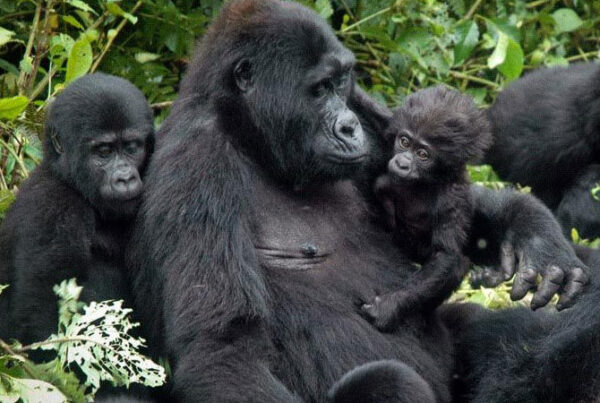
The climax of the trek is the one-hour encounter with a gorilla family. Here, silence and respect are paramount. Watching a silverback command his troop, observing mothers tenderly cradling their infants, or witnessing playful juveniles swinging effortlessly among the trees is nothing short of transformative. Time appears to slow, and the bond between human and gorilla becomes deeply personal, leaving memories etched for a lifetime.

Attractions Beyond the Gorillas

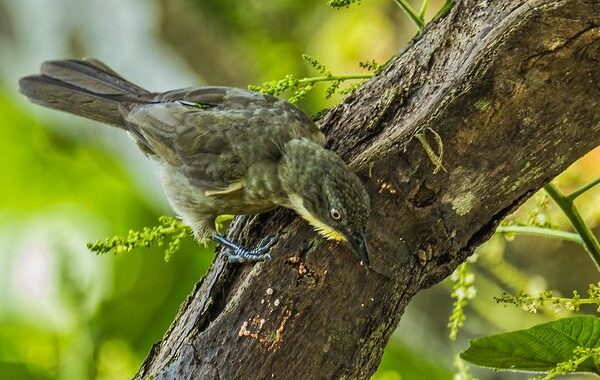
While gorillas are the crown jewel, Bwindi offers much more for the curious traveler in 2025. The park’s rich biodiversity provides opportunities for birdwatching, with species like the African green broadbill and Shelley’s crimsonwing captivating birding enthusiasts. The dense vegetation shelters countless primates, including black-and-white colobus monkeys and L’Hoest’s monkeys, each adding vibrancy to the trekking trails.

Cultural encounters remain another highlight. Visitors are welcomed by the Batwa community, who share stories, music, and demonstrations of forest survival skills. These cultural exchanges not only preserve indigenous traditions but also provide a meaningful bridge between conservation and livelihood support.

Things to Do in Bwindi Beyond Trekking

In 2025, Bwindi has evolved into a multi-dimensional destination. After trekking, travelers may indulge in guided nature walks that reveal hidden waterfalls, forest elephants, and diverse plant life. Village walks introduce the rhythms of Ugandan rural life, where banana beer is brewed, crafts are made, and traditional dances are performed with infectious energy.

For those seeking tranquility, the forest itself provides the perfect retreat. The serenity of Bwindi is unrivaled, offering an atmosphere where reflection and rejuvenation come naturally. With eco-lodges blending into the forest canopy, nights are spent listening to the symphony of crickets, rustling leaves, and distant gorilla calls.

Best Time to Visit Bwindi in 2025

The year 2025 continues to reaffirm the importance of timing when planning a visit to Bwindi. The dry seasons from June to September and December to February remain the most favorable for trekking, as trails are more accessible and conditions are less challenging. During these months, the clarity of the skies also enhances the scenic beauty of the surrounding landscapes.

However, the wet seasons of March to May and October to November offer their own charm. The forest becomes lusher, bird activity intensifies, and fewer tourists create a sense of exclusivity. While treks during these months may be more demanding, the rewards in solitude and vibrancy of nature are profound.

Gorilla Conservation and Responsible Tourism

A central pillar of gorilla trekking in 2025 is conservation. The survival of mountain gorillas is deeply tied to the sustainability of tourism, and every trekker contributes directly to conservation through permit fees. These funds support anti-poaching patrols, community development, and habitat preservation.

Strict rules are enforced to minimize human impact. Trekkers are required to maintain a safe distance, avoid physical contact, and adhere to group limits. Even the act of wearing masks during gorilla visits has become an established practice, protecting gorillas from human-borne diseases.

Tourism is not just a privilege; it is a responsibility. Each visit is a pledge to safeguard one of the planet’s most extraordinary species for future generations.

Preparing for Gorilla Trekking in 2025

Although the trek is achievable for most visitors, preparation is essential. Moderate physical fitness is required, as treks may last anywhere from two to six hours. Proper gear such as sturdy hiking boots, rain jackets, long trousers, and walking sticks enhances the experience.

Travelers in 2025 are also advised to secure gorilla permits well in advance, as demand remains high. Accommodation options range from luxurious lodges to budget-friendly stays, each offering comfort and warm Ugandan hospitality in the heart of the wilderness.

A Call to Experience Bwindi in 2025

Bwindi Impenetrable Forest in 2025 is more than a destination—it is a profound journey into the soul of Africa. To trek through its ancient trees, to meet the gaze of a mountain gorilla, and to embrace the cultural warmth of its people is to embark on a once-in-a-lifetime odyssey.

The opportunity is rare, the memories eternal, and the impact immeasurable. For those seeking to transform dreams into reality, the path leads through the thick green embrace of Bwindi.

For a seamless and unforgettable adventure, it is highly recommended that Africa tours and safaris be booked through WildHorn Africa, a trusted name in curating authentic experiences that connect travelers to the very heart of Uganda’s natural wonders.

10 Best-value Luxury Bwindi Safari Lodges & Camps

10 Best-value Luxury Bwindi Safari Lodges & Camps

By Travel guides, Travel stories and blogs, Uganda travel guides

10 Best-Value Luxury Bwindi Safari Lodges & Camps: Experience Gorilla Trekking in Unmatched Comfort

Where Luxury Meets Pristine Wilderness

Bwindi Impenetrable Forest, located in southwestern Uganda, is renowned worldwide for its rare mountain gorillas and awe-inspiring biodiversity. As one of Africa’s most coveted safari destinations, Bwindi offers travelers the once-in-a-lifetime opportunity to trek alongside these gentle giants, witnessing intimate moments of wildlife behavior in their natural habitat. This extraordinary experience is increasingly sought by discerning travelers who expect not only unforgettable wildlife encounters but also luxury accommodations that provide comfort, exclusivity, and immersive cultural interactions.

In recent years, Bwindi has seen a remarkable development of lodges and camps that successfully combine high-end hospitality with sustainable tourism practices. The balance of ecological responsibility and world-class service ensures that visitors can experience the magic of the forest without compromising the delicate environment or local communities. The concept of “best-value luxury” in Bwindi captures this dual promise: opulence that respects nature, all while maintaining accessibility to a broader range of travelers.

This article explores ten of the best-value luxury lodges and camps in Bwindi, providing deeper insights into what sets each apart, how they harmonize with the forest’s rhythms, and why they represent a compelling choice for travelers in 2025 and beyond.

1. Mahogany Springs Lodge: Elevated Elegance in the Heart of Bwindi

Mahogany Springs Lodge exemplifies elevated luxury nestled within the forest’s embrace. Perched on the edge of the impenetrable forest, the lodge offers panoramic views of the surrounding hills and valleys. The accommodation is crafted with local materials, blending seamlessly into the environment while providing modern comforts such as en-suite bathrooms, fine dining, and personalized service.

Guests are treated to an array of activities beyond gorilla trekking, including guided forest walks, birdwatching, and cultural visits to nearby Batwa communities. Mahogany Springs’ commitment to community empowerment and conservation enhances its appeal, making it a lodge where luxury is harmonized with purpose.

2. Clouds Mountain Gorilla Lodge: Boutique Luxury Amidst Nature

Clouds Mountain Gorilla Lodge is recognized for its intimate, boutique-style hospitality. Located at the forest’s edge, the lodge offers an exclusive atmosphere with just a handful of cottages designed to maximize privacy and connection to nature. The décor combines rustic charm with contemporary elegance, ensuring that comfort is never sacrificed.

The culinary experience at Clouds is noteworthy, featuring locally sourced ingredients and a variety of international dishes. The lodge’s expert guides are deeply knowledgeable about Bwindi’s ecology and wildlife, enriching every moment of the safari. This lodge stands out as an exceptional value for travelers seeking personalized, luxury immersion.

3. Buhoma Lodge: A Family-Friendly Luxury Escape

Buhoma Lodge is renowned for its warm hospitality and spacious accommodations that cater especially to families and groups. Its location near the Buhoma Gorilla Tracking sector makes it ideal for those looking to combine convenience with comfort. The thatched cottages offer privacy and a cozy atmosphere, enhanced by wooden decks overlooking lush gardens.

The lodge facilitates a variety of activities designed for all ages, from gorilla trekking to community visits and cultural performances. Buhoma Lodge’s approach to blending luxury with accessibility provides an excellent value proposition for families embarking on a Bwindi safari.

4. Engagi Lodge: A Secluded Sanctuary of Sophistication

Engagi Lodge sits within a private forest reserve adjacent to Bwindi, offering guests a more secluded and exclusive experience. The architectural style reflects modern African aesthetics, with spacious tents and stone cottages that incorporate natural elements. Each accommodation features luxurious en-suite facilities, private verandas, and views of the verdant forest.

A standout feature of Engagi is its dedication to conservation education, with guests invited to participate in tree planting and wildlife monitoring initiatives. This lodge offers a refined, tranquil setting where the luxury of privacy meets the authenticity of ecological stewardship.

5. Clouds Bwindi Lodge: Luxury Reimagined in the Forest Canopy

Distinct from its similarly named counterpart, Clouds Bwindi Lodge is perched high above the forest floor, offering a dramatic vantage point over Bwindi’s mist-shrouded valleys. Elevated walkways and treehouse-style rooms make this lodge an architectural marvel, enabling guests to feel enveloped by the forest.

The design merges comfort with adventure, featuring modern amenities while encouraging guests to connect deeply with the environment. Luxury is expressed here through unique spatial experiences and impeccable service, making it an unforgettable place to stay during gorilla safaris.

6. Silverback Lodge: An Eco-Conscious Luxury Experience

Silverback Lodge prides itself on being both luxurious and environmentally conscious. Located near Buhoma village, the lodge integrates eco-friendly technologies such as solar power and rainwater harvesting, minimizing its ecological footprint. Its spacious rooms offer comfort with local craftsmanship decorating the interiors.

The lodge promotes cultural exchanges with the local communities and supports gorilla conservation projects. Visitors can expect a rich blend of luxury, learning, and environmental respect, all at a value that reflects ethical travel priorities.

7. Gorilla Safari Lodge: Comfort with Cultural Connection

Situated near the Buhoma sector, Gorilla Safari Lodge offers comfortable accommodations coupled with immersive cultural experiences. Guests are invited to engage with the Batwa pygmy community, learning about their traditions and challenges. The lodge’s setting in lush gardens provides a peaceful retreat after intensive trekking days.

With emphasis on personalized service and educational programming, Gorilla Safari Lodge provides an excellent balance of comfort, culture, and conservation focus, making it a great value for travelers who want more than just wildlife sightings.

8. Nkuringo Bwindi Gorilla Lodge: Exclusive Luxury at the Forest’s Edge

Nkuringo Bwindi Gorilla Lodge is located at the forest’s southwestern edge and is often praised for its exclusivity and intimate atmosphere. The lodge offers stunning views of the forest and the surrounding hills, with elegantly furnished cottages that blend local architectural styles and modern amenities.

This lodge is ideal for travelers who seek a peaceful sanctuary after their gorilla treks and who appreciate high standards of service and fine dining. Nkuringo stands as a strong contender in Bwindi’s best-value luxury category due to its combination of privacy, comfort, and immersion.

9. Rushaga Gorilla Camp: Wilderness Meets Comfort

Rushaga Gorilla Camp is a luxury tented camp situated near the Rushaga sector, known for its spacious tents and exceptional comfort. The camp’s location deep in the forest region offers guests a sense of adventure coupled with the amenities expected of a high-end safari.

Guests can expect attentive service, gourmet meals, and expert-guided activities. The camp’s rustic elegance appeals to travelers looking to combine the romance of camping with the reassurance of luxury standards. It offers one of the best values for travelers seeking an authentic forest experience without sacrificing comfort.

10. Clouds Lodge Bwindi: Elevated Luxury with Environmental Stewardship

Another gem in the Bwindi landscape is Clouds Lodge Bwindi, which emphasizes environmental stewardship and cultural sensitivity while providing luxurious accommodations. The lodge’s structure harmonizes with the forest canopy, offering spectacular views and a calming atmosphere.

With a strong commitment to sustainable tourism, this lodge incorporates solar energy, waste reduction programs, and community engagement projects. It represents a luxury safari experience that honors the environment and supports local livelihoods, making it an exceptional value choice.

Secure Your Bwindi Luxury Safari with WildHorn Africa

Bwindi’s unparalleled beauty and the profound experience of gorilla trekking demand accommodations that reflect the significance of the journey. These ten best-value luxury lodges and camps embody the fusion of comfort, ecological responsibility, cultural respect, and unforgettable wildlife encounters. Choosing one of these properties ensures that your safari will be not only luxurious but also meaningful and sustainable.

To unlock the full potential of a Bwindi safari, expert guidance and personalized planning are essential. For travelers ready to embark on this extraordinary adventure, WildHorn Africa offers bespoke safari packages tailored to individual needs and aspirations. With WildHorn Africa’s deep local knowledge and commitment to responsible tourism, your journey into Bwindi’s magical forest will be seamlessly orchestrated, allowing you to focus entirely on the wonder of the wild.

The Complete Guide: gorilla trekking at Bwindi Impenetrable Forest in 2025-2026

The Complete Guide: gorilla trekking at Bwindi Impenetrable Forest in 2025-2026

By Travel stories and blogs, Adventure holidays, Bucket list holidays, Luxury holidays, Primate holidays, Safari holidays, Uganda travel guides

The Complete Guide: gorilla trekking at Bwindi Impenetrable Forest in 2025-2026.

A Journey into the Heart of the Wild

There are few experiences in the world that embody the true essence of adventure and intimacy with nature more profoundly than gorilla trekking. In 2025, as travel evolves toward deeper, more meaningful encounters, Bwindi Impenetrable Forest in Uganda remains the pinnacle of such journeys. Nestled in the southwestern corner of the country, this UNESCO World Heritage Site stands as one of the last sanctuaries of the critically endangered mountain gorilla, a species whose resilience and beauty continue to inspire travelers and conservationists alike.

To step into Bwindi is to embrace a wilderness so rich and untouched that its very name, impenetrable, evokes mystery and awe. Towering trees, tangled vines, and dense undergrowth conceal not only gorillas but also countless other species, from forest elephants and chimpanzees to hundreds of bird species that make this one of Africa’s most celebrated ecosystems. For the modern traveler, and especially for those seeking luxury escapes, gorilla trekking here in 2025 is more than an activity — it is a profound dialogue with nature, a chance to witness life in its rawest and most vulnerable form, and a commitment to responsible, transformative travel.

This guide offers an in-depth exploration of everything one needs to know, from the history and ecology of Bwindi to the logistics, seasons, and luxury touches that elevate the experience.

Bwindi Impenetrable Forest — A Living Tapestry of Biodiversity

Spanning over 321 square kilometers, Bwindi is part of the Albertine Rift Valley, one of the most biologically diverse regions on earth. Its altitude ranges from 1,160 to 2,607 meters, creating a mosaic of habitats that sustain a vast range of flora and fauna. Ancient by any standard, this forest has stood for more than 25,000 years, surviving geological upheavals and climate shifts to become a sanctuary of resilience.

Beyond gorillas, Bwindi shelters more than 120 mammal species, 350 bird species, and an array of butterflies and reptiles. Its flora is equally rich, with over 200 tree species and 100 fern species. The forest is not simply a backdrop for trekking; it is a vibrant world where every step reveals layers of ecological wonder.

To the people of Uganda, Bwindi is more than wilderness. It is a cultural and spiritual heritage, linked to the Batwa pygmies, indigenous forest dwellers whose ancestral ties to the land run deep. For the traveler in 2025, encountering Bwindi means entering a living tapestry where conservation, culture, and biodiversity weave a story far greater than any one trek.The Complete Guide: gorilla trekking at Bwindi Impenetrable Forest in 2025-2026

Mountain Gorillas — The Beating Heart of Bwindi

The mountain gorilla (Gorilla beringei beringei) is the undeniable star of Bwindi. Unlike lowland gorillas found in other parts of Africa, mountain gorillas cannot survive in captivity, making encounters in the wild their only possibility. An estimated population of around 1,050 mountain gorillas exists globally, with nearly half residing in Bwindi.

These creatures are organized into habituated groups, each led by a dominant silverback who commands authority with strength and wisdom. Their social structures, behaviors, and familial bonds often mirror those of humans, deepening the sense of kinship felt during encounters. Watching them groom one another, play, or forage in the forest underscores both their vulnerability and their resilience.

By 2025, conservation efforts in Uganda have achieved remarkable success. Gorilla numbers have steadily risen thanks to strict protection, community engagement, and tourism revenues reinvested into preservation. For travelers, this means that every permit purchased contributes directly to ensuring the survival of these magnificent primates.

Preparing for Gorilla Trekking in 2025

A trek in Bwindi is no casual stroll; it is an immersive experience demanding physical readiness, patience, and an open spirit. The trails often involve steep climbs, thick undergrowth, and unpredictable weather. Yet these very challenges form part of the luxury of the experience, for what is rare and demanding is often the most rewarding.

In 2025, preparations begin long before setting foot in the forest. Gorilla trekking permits, regulated by the Uganda Wildlife Authority, remain limited to protect the animals and their habitat. Securing these permits well in advance is essential, especially during peak seasons. Each trek is carefully structured, with groups limited to a small number of visitors accompanied by expert rangers and trackers.

The luxury traveler benefits from personalized support — private briefings, expert guides, and curated itineraries that ensure the experience unfolds seamlessly. Whether through specialized gear, concierge assistance, or wellness preparations, the emphasis is on maximizing comfort without diminishing authenticity.

The Trekking Experience — Step by Step

The day of the trek begins at dawn. Guests gather at designated starting points within Bwindi’s four trekking sectors — Buhoma, Ruhija, Rushaga, and Nkuringo. Each sector offers unique terrain, habituated groups, and perspectives on the forest.

After an orientation led by rangers, groups set off into the dense undergrowth. The trek may last from one hour to several, depending on the gorillas’ movements. Paths are carved through thick vegetation, often requiring determination and endurance. Yet every pause brings encounters with other wildlife — birds darting through the canopy, butterflies gliding in dappled sunlight, or the occasional glimpse of monkeys swinging through branches.

And then comes the moment of arrival. The first sight of a gorilla group is indescribable. A silverback may sit calmly, surveying his family with quiet authority. Females may nurse their young, while juveniles tumble in playful mischief. Cameras click, but silence often dominates, as travelers realize they are in the presence of something profoundly rare.

Visits are restricted to one hour to minimize disturbance, yet that hour feels timeless. It is not a performance staged for human eyes but a glimpse into the authentic rhythm of gorilla life. Luxury here is not in gilded surroundings but in the privilege of intimacy with the wild.

Seasons and Timing — When to Visit in 2025

Uganda’s climate allows gorilla trekking year-round, but the dry seasons from June to September and December to February are generally preferred. During these months, trails are more manageable, visibility is higher, and the likelihood of prolonged rain is reduced.

The wet seasons, spanning March to May and October to November, present more challenges — muddy trails, slippery slopes, and heavier rainfall. Yet they also bring advantages: lush greenery, fewer visitors, and often more affordable rates for accommodation. For photographers, the soft light of the rainy season offers unparalleled opportunities.

In 2025, the choice of timing depends not only on logistics but also on intention. Those seeking comfort and ease may prefer dry months, while those craving intimacy and atmosphere may find the wet season more rewarding. Luxury operators increasingly tailor experiences to match these preferences, ensuring that each traveler’s vision of the trek is fulfilled.

Luxury Lodges — Refined Sanctuaries at the Edge of Wilderness

No guide to gorilla trekking would be complete without acknowledging the luxury lodges that frame the experience. Nestled near each sector of Bwindi, these lodges combine world-class hospitality with a deep respect for the environment.

Architectural designs often mirror the forest, with stone, wood, and thatch blending into the landscape. Interiors balance rustic charm with refined comfort — private decks overlooking mist-covered valleys, spa treatments using local botanicals, and gourmet dining that celebrates both Ugandan flavors and international sophistication.

For the luxury traveler, these lodges are not mere accommodations but sanctuaries of restoration. After hours in the forest, they provide space to reflect, relax, and rejuvenate. Evenings often feature storytelling around a fire, private dinners under starlit skies, or wellness rituals that reconnect body and spirit.

Photography and Memory-Making

Gorilla trekking in 2025 is as much about creating memories as it is about living the moment. Photography plays a central role, yet capturing gorillas in dense forest requires skill and awareness. Low light, movement, and the need for discretion present challenges that reward patience and preparation.

Beyond gorillas, the forest itself offers endless subjects. The textures of ancient trees, the iridescence of birds, and the play of light through the canopy create images as captivating as the animals themselves. For luxury travelers, professional photography guides are often available, ensuring that each frame reflects both artistry and authenticity.

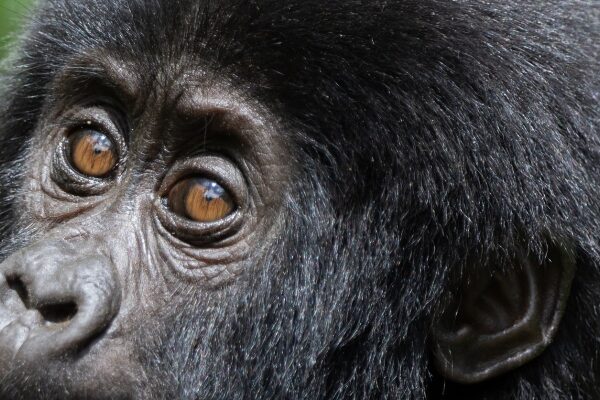
Yet the most profound memories often transcend photographs. They reside in the silence when gorilla eyes meet human eyes, in the sound of rain dripping through the canopy, or in the collective breath held as a silverback moves past. These moments, though difficult to capture on film, remain etched in the traveler’s spirit.The Complete Guide: gorilla trekking at Bwindi Impenetrable Forest in 2025-2026

Conservation and Responsibility

By 2025, gorilla trekking is inseparable from the narrative of conservation. Every permit purchased contributes to the protection of gorillas and the empowerment of surrounding communities. Revenues fund anti-poaching patrols, veterinary interventions, and habitat preservation. Equally significant, they support education, healthcare, and livelihoods for local people, ensuring that conservation is not seen as an external imposition but as a shared benefit.

Luxury travel plays a crucial role here. High-value, low-impact tourism ensures that fewer visitors create greater contributions. Travelers are increasingly aware that their indulgence must also be responsibility, and operators emphasize eco-conscious practices — from minimizing plastic to supporting reforestation projects.

For the traveler in 2025, the greatest luxury is knowing that their presence safeguards rather than exploits. Gorilla trekking becomes not only an encounter with wildlife but a commitment to a global conservation legacy.

The Role of Culture — The Batwa Experience

While gorillas dominate attention, the cultural dimension of Bwindi is equally enriching. The Batwa pygmies, once forest dwellers, now engage visitors through cultural encounters that preserve and share their heritage. Storytelling, dance, and demonstrations of traditional forest survival skills provide insight into a way of life intricately tied to the land.

For luxury travelers, private and respectful interactions with the Batwa offer depth beyond wildlife. They remind visitors that conservation is not only about animals but also about people whose identities are woven into the forest. The photo essay of Bwindi, therefore, is incomplete without the human story.

Beyond the Trek — Expanding the Journey

Though gorilla trekking is the centerpiece, Bwindi offers more. Nature walks, birding expeditions, and waterfall hikes provide additional layers of exploration. The surrounding regions — Lake Bunyonyi with its island-studded waters, or Queen Elizabeth National Park with its savannah wildlife — complement the forest experience, creating itineraries of remarkable diversity.

Luxury travelers often craft journeys that begin with urban indulgence in Kampala, flow into the wilderness of Bwindi, and conclude with serene relaxation by Uganda’s lakes or rivers. In 2025, travel is less about isolated activities and more about holistic narratives that engage mind, body, and spirit.

The Lasting Legacy of Bwindi in 2025

When the trek ends and travelers leave Bwindi, what remains is more than photographs or stories. It is a profound transformation. To look into the eyes of a gorilla is to recognize kinship, to feel humility, and to understand the fragile interconnectedness of life. The impenetrable forest, though dense and challenging, reveals truths about resilience, patience, and beauty that linger long after departure.

For the luxury traveler, this legacy is not indulgence alone but meaning. Bwindi in 2025 stands not just as a destination but as a pilgrimage of the heart, where the rarest of wildlife encounters becomes a mirror reflecting our shared humanity.

Curated Gorilla Safaris with WildHorn Africa

For those ready to embrace the ultimate luxury escape into the wild, WildHorn Africa offers unmatched expertise in curating gorilla trekking journeys. From securing permits and arranging private guides to selecting lodges that balance indulgence with authenticity, WildHorn Africa ensures that every step of the journey is elevated to perfection.

With a commitment to sustainability and cultural respect, their itineraries transform gorilla trekking into more than an excursion — they become transformative experiences where luxury and conservation walk hand in hand. By booking with WildHorn Africa, travelers not only secure the best logistical support but also ensure their presence contributes meaningfully to the protection of gorillas and the empowerment of local communities.

In 2025, Bwindi Impenetrable Forest awaits with its timeless secrets and unforgettable encounters. And with WildHorn Africa, every trek becomes a story of luxury, responsibility, and discovery that will define a lifetime of travel memories.

Mgahinga vs Bwindi: Which is Better for Gorilla Trekking?

Mgahinga vs Bwindi: Which is Better for Gorilla Trekking?

By Travel stories and blogs, Primate holidays, Uganda travel guides

Mgahinga vs Bwindi: Which is Better for Gorilla Trekking?

The Quest for an Unforgettable Gorilla Encounter

In the misty highlands of southwestern Uganda, where lush forests embrace the slopes of ancient volcanoes, the chance to come face to face with a mountain gorilla remains one of the most sought-after adventures in the world. These gentle giants, critically endangered and found only in the Virunga Massif and Bwindi Impenetrable Forest, symbolize both the fragility and resilience of the natural world. For travelers drawn to Uganda, two iconic destinations emerge as the gateways to this encounter: Mgahinga Gorilla National Park and Bwindi Impenetrable National Park.

The question that echoes among wildlife enthusiasts, photographers, and conservation-minded travelers is simple yet profound: which park offers the better gorilla trekking experience? The answer, however, cannot be reduced to a single choice. Each park carries its own allure, challenges, and rewards, shaped by geography, biodiversity, and culture. While Mgahinga offers intimacy with landscapes of volcanic majesty and cultural encounters with the Batwa, Bwindi offers vastness, diversity, and multiple trekking options.

This comparative exploration aims to unravel the essence of both parks, examining their history, ecosystems, gorilla families, trekking experiences, and surrounding attractions. By the end, travelers will be able to discern which destination aligns most with their personal sense of adventure, while appreciating that both contribute profoundly to the conservation of mountain gorillas and the empowerment of local communities.

Location and Accessibility

Mgahinga Gorilla National Park: The Jewel of the Virunga Volcanoes

Mgahinga Gorilla National Park lies in the far southwestern corner of Uganda, within Kisoro District, covering 33.7 square kilometers. It is the smallest of Uganda’s national parks but forms part of the larger Virunga Conservation Area shared with Rwanda’s Volcanoes National Park and the Democratic Republic of Congo’s Virunga National Park. Its location is defined by three dormant volcanoes—Mount Sabinyo, Mount Gahinga, and Mount Muhabura—whose slopes are draped with bamboo and montane forests.

Accessibility to Mgahinga is facilitated by road journeys of approximately nine hours from Kampala through Kabale and Kisoro, with scenic views of terraced hills and crater lakes along the way. Alternatively, travelers can opt for domestic flights from Entebbe or Kajjansi to Kisoro airstrip, followed by a short drive to the park’s Ntebeko Visitor Center, the gateway to trekking adventures.

Bwindi Impenetrable National Park: The Vastness of the Jungle

Bwindi Impenetrable National Park, a UNESCO World Heritage Site, sprawls across 321 square kilometers in the districts of Kanungu, Kabale, and Kisoro. Known for its dense and ancient rainforest, which dates back over 25,000 years, Bwindi is home to nearly half of the world’s remaining mountain gorillas. Unlike Mgahinga, its terrain is characterized by steep ridges, valleys, and thick vegetation, earning it the name “impenetrable.”

Travelers access Bwindi through four main trailheads: Buhoma in the north, Ruhija in the east, Rushaga in the south, and Nkuringo also in the south. Road journeys from Kampala take about eight to nine hours, while flights from Entebbe or Kajjansi land at Kihihi or Kisoro airstrips, with subsequent transfers to the chosen sector.

Gorilla Populations and Families

Mgahinga Gorilla National Park: The Nyakagezi Family

Mgahinga is home to a single habituated gorilla family known as the Nyakagezi group. This family, though smaller in number compared to Bwindi’s multiple groups, is famed for its stability and accessibility. Comprising several silverbacks, females, and infants, the Nyakagezi group often remains within Ugandan borders, offering consistent trekking opportunities, unlike in the past when it occasionally crossed into Rwanda or the Democratic Republic of Congo.

The presence of multiple silverbacks in the group adds to the fascination, as visitors witness intricate social dynamics rarely observed elsewhere. Trekking in Mgahinga thus provides intimacy, as all trekking permits are allocated to this single group, ensuring that encounters are focused and often less crowded.

Bwindi Impenetrable National Park: Diversity of Gorilla Families

Bwindi offers a more extensive array of habituated gorilla groups, numbering over 20 families distributed across its four sectors. This diversity translates into a wider range of trekking opportunities, with different terrains, distances, and family compositions. Visitors can choose treks depending on their fitness levels, time preferences, or the unique behaviors of specific families.

The abundance of gorilla groups also increases permit availability, making Bwindi the more accessible option for larger numbers of travelers. Each encounter, however, remains strictly regulated, with only eight visitors allowed per family per day, preserving the quality of the experience while minimizing stress on the gorillas.

Trekking Experience

Trekking in Mgahinga: Intimacy Amid Volcanoes

Gorilla trekking in Mgahinga is shaped by the park’s volcanic landscape. Trails wind through bamboo forests, montane woodlands, and open clearings, offering expansive views of the Virunga volcanoes. The trek is often less strenuous compared to Bwindi, though the altitude can present challenges for some.

Because only one family is habituated, trekking groups are limited, and the atmosphere is intimate. Encounters with the Nyakagezi group are immersive, with fewer visitors competing for space and photographers finding unobstructed opportunities to capture close moments. The backdrop of volcanic peaks adds a dramatic aesthetic, creating a sense of grandeur that defines the Mgahinga experience.

Trekking in Bwindi: Immersion in the Impenetrable Forest

Trekking in Bwindi is a test of endurance and reward. The thick undergrowth, steep ridges, and unpredictable terrain demand physical fitness and patience. However, the journey through Bwindi’s ancient rainforest is an experience in itself, revealing rare bird species, forest elephants, and unique plant life along the way.

Encounters with gorilla families in Bwindi are shaped by the density of the vegetation, often requiring visitors to maneuver through foliage for clear views. Yet this immersion in raw wilderness makes the moment of contact even more profound. Bwindi’s diversity of gorilla groups also means that each trek can be unique, whether observing playful infants in Ruhija or dominant silverbacks in Nkuringo.Mgahinga vs Bwindi: Which is Better for Gorilla Trekking?

Surrounding Attractions and Activities

Mgahinga: Beyond Gorillas

Mgahinga offers more than gorillas. Visitors can embark on hikes to the summits of Mount Sabinyo, Mount Muhabura, or Mount Gahinga, each rewarding climbers with panoramic views of the Virunga ranges and neighboring countries. The park is also home to golden monkeys, another rare primate species that can be tracked alongside gorillas.

The Batwa Trail provides a cultural dimension, where indigenous Batwa guides lead travelers through their ancestral forest, demonstrating hunting techniques, herbal medicine, and storytelling. This cultural immersion distinguishes Mgahinga, blending natural and human heritage in a single journey.

Bwindi: Diversity of Experiences

Bwindi complements gorilla trekking with rich birding opportunities, being home to over 350 species, including numerous Albertine Rift endemics. Community walks in Buhoma or Nkuringo introduce visitors to local crafts, dances, and rural life, while forest walks reveal waterfalls and hidden trails.

The park’s designation as a UNESCO site underscores its ecological importance, making it appealing not only for gorilla enthusiasts but also for naturalists seeking broader biodiversity experiences. Luxury lodges, midrange accommodations, and budget-friendly camps dot the park’s periphery, ensuring that every traveler finds a suitable base.

Permit Availability and Costs

Both Mgahinga and Bwindi are managed by the Uganda Wildlife Authority, and permits for gorilla trekking are priced uniformly. As of recent years, the cost of a permit in Uganda stands at USD 700 per person for foreign non-residents, USD 600 for foreign residents, and UGX 250,000 for East African citizens.

In Mgahinga, permits are limited to the single Nyakagezi group, which means availability is constrained but encounters are more intimate. In Bwindi, the larger number of habituated groups increases the overall number of permits, providing greater flexibility in planning. For travelers with tight schedules or larger groups, Bwindi often proves more practical.

Best Time to Visit

Both parks can be visited year-round, though conditions vary by season. The dry months from June to August and December to February are favored for trekking, as trails are less slippery and navigation is easier. These months also align with peak tourist seasons, when demand for permits and accommodations is high.

The wet months of March to May and September to November bring heavier rainfall, making treks more challenging but also more rewarding for those who prefer solitude and lush scenery. Gorilla sightings remain consistent regardless of season, as the families do not migrate but remain within the forests.

Comparing the Experiences

When weighing Mgahinga against Bwindi, the decision often rests on personal preference. Mgahinga offers intimacy, fewer crowds, and the dramatic setting of volcanoes, with the added bonus of golden monkeys and Batwa cultural experiences. Its single gorilla family, however, limits permit numbers and variety. Bwindi, on the other hand, offers vastness, diversity, and a wider range of trekking options, making it more reliable for securing permits and ensuring encounters. Its terrain, while more challenging, adds to the sense of immersion in a primeval wilderness.

Neither park is superior in absolute terms. Both are treasures in their own right, complementing rather than competing with each other. For travelers with time, experiencing both parks creates the ultimate gorilla trekking adventure, combining the intimacy of Mgahinga with the grandeur of Bwindi.

Conservation and Community Impact

Both parks stand as pillars of gorilla conservation and community empowerment. Permit revenues are shared with local communities, funding schools, healthcare, and infrastructure, while employment opportunities in guiding, hospitality, and crafts uplift livelihoods.

Mgahinga’s Batwa Trail underscores the integration of cultural heritage into conservation, while Bwindi’s multiple community-based initiatives highlight the role of ecotourism in rural development. Supporting either park contributes to the survival of mountain gorillas and the dignity of human communities, making every permit purchased a step toward sustainable futures.

Choosing the Right Path

The choice between Mgahinga Gorilla National Park and Bwindi Impenetrable National Park is not one of superiority but of alignment with personal travel aspirations. Those seeking solitude, intimacy, and the drama of volcanic landscapes may find Mgahinga irresistible. Those desiring variety, broader accessibility, and immersion in a vast primeval forest may gravitate toward Bwindi.

In the end, both parks deliver on the promise of an unforgettable gorilla trekking experience, where the gaze of a silverback or the playfulness of an infant leaves indelible memories. They remind travelers that beyond the trek lies a larger narrative of conservation, resilience, and shared human responsibility.

For those inspired to embark on this life-changing journey, it is recommended that African tours and safaris be arranged through WildHorn Africa, a trusted partner in crafting authentic, seamless, and transformative travel experiences. With their expertise, every trek—whether in Mgahinga, Bwindi, or both—becomes not just an adventure but a story of connection with nature and humanity.

Buhoma Sector

Buhoma Sector

By Travel stories and blogs, Luxury holidays, Primate holidays, Uganda travel guides

Buhoma Sector: The Gateway to Uganda’s Gorilla Haven

Stepping into a Pristine Wilderness

In the northwestern reaches of Bwindi Impenetrable National Park, where misty mountains rise from rolling valleys and dense forests cloak the slopes in emerald splendor, lies Buhoma Sector, a sanctuary of unparalleled natural beauty. Renowned for its biodiversity and cultural richness, Buhoma represents a destination where adventure, conservation, and cultural heritage intersect, providing travelers with an immersive experience into one of Africa’s most extraordinary ecosystems. Unlike the more frequented tourist corridors, Buhoma exudes a sense of intimacy, where the forest’s rhythm dominates, and wildlife encounters evoke awe and reverence.

From the moment the sector is entered, the sights and sounds of the forest engage the senses. The forest canopy, heavy with mist and moss, shelters species found nowhere else, while the calls of primates and the distant roar of waterfalls create a symphony that underscores the wilderness’s vitality. This sector, long celebrated for its successful gorilla conservation programs, provides not only a window into the lives of these magnificent creatures but also into the cultural tapestry of communities whose existence has been intertwined with the forest for generations. Every journey through Buhoma is a narrative of ecological wonder and human resilience, inviting travelers to experience the essence of Uganda’s wild heart.

Geographical Setting and Location

Buhoma Sector is located in Kanungu District, forming the northwestern entry point to Bwindi Impenetrable National Park, a UNESCO World Heritage Site recognized for its global ecological importance. The sector lies at elevations ranging from approximately 1,160 to 2,500 meters above sea level, resulting in a tropical montane climate characterized by cool mornings, warm afternoons, and frequent misty conditions. This elevation diversity creates microclimates that support a wide variety of endemic flora and fauna.

The sector’s terrain is distinguished by steep hills, narrow valleys, and dense forest patches interspersed with rivers and streams. These natural features have historically limited extensive human settlement, preserving much of the forest’s pristine character. Buhoma also serves as an ecological corridor, connecting Bwindi’s forests to adjacent landscapes in the Democratic Republic of Congo, thereby facilitating wildlife movement and genetic diversity for critical species such as the mountain gorilla. The sector’s geographical positioning, combined with its accessibility from the town of Buhoma, renders it a pivotal hub for conservation and tourism activities within the park.

Historical and Cultural Significance

The history of Buhoma Sector is inseparably linked to both its forested environment and the communities that have inhabited its periphery for centuries. The Batwa pygmies, the forest’s original custodians, have traditionally lived in harmony with the ecosystem, relying on it for food, shelter, and medicinal resources. Their intricate knowledge of the forest’s flora and fauna has been passed down across generations, influencing contemporary conservation strategies and enhancing scientific understanding of montane ecosystems.

The establishment of Bwindi Impenetrable National Park in 1991 necessitated the relocation of the Batwa and other local communities, creating profound social and cultural disruptions. Nevertheless, the Batwa have preserved elements of their heritage through music, dance, storytelling, and craftsmanship. Visitors to Buhoma are afforded the opportunity to engage with these cultural expressions, offering a unique glimpse into a living heritage that has adapted to modern pressures without losing its traditional essence.

The Bakiga and Bafumbira communities, who inhabit the surrounding hillsides, contribute to the cultural landscape through agriculture and traditional practices. Terraced farming of bananas, tea, and coffee is a common sight, reflecting centuries of adaptation to the steep, forested terrain. Festivals, communal rituals, and seasonal celebrations remain closely tied to natural cycles, demonstrating a cultural commitment to ecological stewardship that has endured despite the pressures of modernization.

Biodiversity and Ecological Value

Buhoma Sector is globally acknowledged for its remarkable biodiversity, serving as a crucial habitat for the endangered mountain gorilla. Several habituated gorilla families reside within the sector, allowing controlled trekking experiences that are both scientifically significant and emotionally transformative for visitors. The forest provides these gorillas with abundant food sources, safe breeding grounds, and a protected environment, ensuring the species’ survival. Observing gorillas in their natural habitat offers an unparalleled opportunity to witness social hierarchies, playful interactions, and familial dynamics, revealing the intricate fabric of wildlife life within this ecosystem.

Beyond gorillas, Buhoma’s forests are home to chimpanzees, forest elephants, golden monkeys, duikers, and a diverse array of avian species. Rare orchids, medicinal plants, and hardwood trees contribute to the forest’s ecological complexity, supporting both wildlife and local communities. Seasonal variations in flowering, fruiting, and animal movement create a dynamic and ever-evolving environment, underscoring the forest’s role as a living laboratory for biodiversity research and ecological conservation.

Conservation initiatives within Buhoma focus on maintaining ecosystem integrity rather than solely protecting individual species. Anti-poaching patrols, habitat restoration, and community-driven sustainable agriculture programs have been implemented to reduce anthropogenic pressures and enhance the forest’s resilience. Additionally, the sector’s contribution to water catchment, carbon sequestration, and soil conservation extends its ecological importance beyond national borders, establishing Buhoma as a critical node in regional environmental stability.

Gorilla Trekking: A Profound Encounter

The defining attraction of Buhoma Sector is undoubtedly gorilla trekking, a physically demanding but spiritually enriching experience. Trekkers traverse dense forest, steep ridges, and river valleys under the guidance of trained rangers before encountering a gorilla family. The initial sight of a silverback or an infant gorilla evokes profound emotions of awe, respect, and connection to the natural world. Such encounters are transformative, offering insights into gorilla behavior, social organization, and the subtleties of non-human communication.Buhoma Sector

Gorilla trekking is strictly regulated to minimize environmental impact and disturbance to the animals. Visitor groups are limited in size, and interactions are monitored to ensure the safety and well-being of both gorillas and humans. This careful balance underscores the importance of responsible tourism in maintaining ecological integrity while providing educational and emotional enrichment for travelers. The experience of observing gorillas in their natural habitat reinforces global conservation awareness and inspires ongoing support for both local and international preservation efforts.

Community Engagement and Sustainable Tourism

Sustainable tourism practices are central to Buhoma’s conservation model. Local communities are actively involved in tourism operations, ensuring that economic benefits are equitably distributed and cultural heritage is preserved. The Buhoma Community Gorilla Camp exemplifies this approach, offering employment opportunities, skill development, and direct revenue to residents. The reinvestment of tourism income into healthcare, education, and infrastructure has created tangible improvements in community well-being, linking conservation success directly to social development.

Cultural engagement extends beyond economic participation. Visitors are invited to experience traditional music, dance, and craftwork, and to observe agricultural practices and local culinary traditions. Such interactions provide travelers with a holistic understanding of human-environment interdependence, while empowering communities to maintain cultural continuity. Environmental education initiatives targeting youth and schools further enhance conservation outcomes, cultivating a new generation of forest stewards invested in preserving Buhoma’s ecological and cultural heritage.

Hiking, Nature Walks, and Scenic Exploration

Buhoma Sector offers extensive opportunities for hiking and nature exploration. Trails wind through forested valleys, alongside streams and waterfalls, and over steep ridges that provide panoramic views of the surrounding mountains. These treks allow visitors to experience the forest’s subtleties firsthand, observing rare plants, endemic birds, and elusive wildlife in their natural habitats.

Guided walks include interpretive explanations of ecological relationships, plant uses, and cultural practices, transforming every excursion into a comprehensive educational experience. The physical demands of hiking steep and often slippery terrain are balanced by the immersive engagement with one of the world’s most biologically diverse forests. Each journey reinforces the complexity of ecosystem interconnections, illustrating the delicate balance that sustains life within Buhoma Sector.

Climate and Optimal Visiting Periods

Buhoma Sector experiences a tropical montane climate, moderated by its elevation. Rainfall occurs primarily in two main seasons: March to May and September to November. During these periods, the forest becomes lush and vibrant, although trekking conditions can be challenging due to slippery trails and swollen rivers.

Dry seasons, from June to August and December to February, provide optimal conditions for trekking and wildlife observation. Temperature variations between day and night, especially at higher altitudes, require preparation for sudden changes. Despite seasonal differences, each visit offers unique opportunities to observe wildlife behavior, flowering cycles, and forest dynamics, ensuring that Buhoma remains a compelling destination throughout the year.

Accommodation and Visitor Experience

Accommodation in Buhoma Sector is designed to blend harmoniously with the natural environment while offering comfort and immersive experiences. Eco-lodges and community camps use sustainable materials, solar energy, and responsible waste management practices. The Buhoma Community Gorilla Camp provides both comfort and proximity to trekking trails, enabling visitors to engage fully with the forest while supporting local communities.

Hospitality in Buhoma emphasizes authentic, personalized experiences. Guests are welcomed with traditional greetings, locally sourced refreshments, and opportunities to observe cultural practices firsthand. Dining experiences often feature fresh, organic produce from surrounding farms, reinforcing the connection between sustainable agriculture, community well-being, and ecological stewardship. Accommodation in Buhoma is therefore not merely functional but transformative, allowing travelers to understand the intricate relationship between culture, environment, and conservation.

Challenges and Conservation Initiatives

Despite its protected status, Buhoma Sector faces challenges such as human-wildlife conflict, deforestation, poaching, and the impacts of climate change. These factors threaten both biodiversity and the livelihoods of local communities.

Conservation efforts in Buhoma are multifaceted, combining scientific research, community involvement, and policy enforcement. Anti-poaching patrols, habitat restoration, and ecological monitoring are complemented by environmental education programs targeting youth and schools. The integration of community participation ensures that conservation strategies are inclusive, adaptive, and sustainable, protecting both the forest ecosystem and the human populations that depend upon it.

Buhoma as a Premier Ecotourism Destination

Buhoma Sector embodies the convergence of ecological wonder, cultural richness, and community resilience. Its mist-laden forests, endangered gorillas, and vibrant communities create a destination that is both awe-inspiring and transformative. Visitors are immersed in landscapes largely unchanged for centuries, while engaging with communities whose stewardship exemplifies sustainable living.

Every experience in Buhoma, from gorilla trekking to cultural interactions and hiking adventures, deepens understanding of the delicate balance between human activity and ecological preservation. For travelers seeking a meaningful encounter with one of Uganda’s most remarkable regions, booking tours and safaris through WildHorn Africa guarantees expert guidance, responsible tourism practices, and direct support for conservation and local development. Through WildHorn Africa, each journey into Buhoma Sector becomes not only a personal adventure but also a contribution to the long-term preservation of Uganda’s extraordinary natural and cultural heritage.

Nkuringo Sector

Nkuringo Sector

By Travel stories and blogs, Luxury holidays, Primate holidays, Safari holidays, Uganda travel guides

Nkuringo Sector: Gateway to Uganda’s Pristine Wilderness

The Allure of Nkuringo

Nestled in the southwestern reaches of Uganda, Nkuringo Sector is a realm where nature’s grandeur unfolds in its most raw and compelling form. Renowned for its lush landscapes, rich biodiversity, and cultural depth, Nkuringo captivates the imagination of every traveler who ventures into its bounds. Unlike other regions in Uganda that have become saturated with tourism, Nkuringo retains a sense of untouched wilderness, making it an unparalleled destination for those seeking an intimate encounter with Africa’s wild heart. This sector, part of the greater Bwindi Impenetrable National Park, is not only a sanctuary for wildlife but also a crucible of cultural heritage and community-driven conservation initiatives, offering visitors a multi-dimensional experience where ecological preservation and human tradition intertwine seamlessly.

From the moment one sets foot in Nkuringo, the terrain and environment engage the senses. Towering trees cloak the mist-laden slopes, and the chorus of endemic birds creates a symphony that underscores the profound isolation and serenity of the region. The air itself seems infused with history, carrying whispers of the Batwa people, whose ancestral ties to the forest remain strong despite the pressures of modernization. For conservationists, ecologists, and travelers alike, Nkuringo stands as a living testament to the resilience of nature and the enduring significance of community stewardship.

Location and Geographical Context

Nkuringo Sector is situated in Kanungu District, in the southwestern corner of Uganda. It occupies the southern boundary of Bwindi Impenetrable National Park, one of the most biologically diverse regions in the world and a UNESCO World Heritage Site. Its positioning along the rugged Virunga volcanic chain endows the sector with dramatic terrain, characterized by steep hills, deep valleys, and an intricate network of rivers and streams. The altitudinal variations within Nkuringo create microclimates that support an extraordinary range of flora and fauna, many of which are found nowhere else on the planet.

The landscape is dominated by dense montane forests, interspersed with small agricultural plots that reflect the delicate balance between human habitation and ecological preservation. From a broader perspective, Nkuringo serves as a vital ecological corridor connecting the forests of Bwindi to those of neighboring Democratic Republic of Congo and Rwanda, thus playing a critical role in regional biodiversity conservation. The geographical isolation of Nkuringo has historically limited large-scale human settlement, thereby preserving its pristine environment and maintaining its status as one of Uganda’s most unspoiled natural treasures.

Historical and Cultural Significance

The history of Nkuringo Sector is intertwined with both the forest it borders and the communities that inhabit it. The Batwa pygmies, the original inhabitants of Bwindi, have left an indelible imprint on the sector’s cultural landscape. For centuries, the Batwa lived as hunter-gatherers within the dense forest, relying on its resources for survival. Their traditional knowledge of medicinal plants, forest navigation, and wildlife behavior has been passed down through generations and continues to influence conservation practices today.

Over time, however, the establishment of Bwindi Impenetrable National Park and subsequent conservation policies led to the relocation of the Batwa from their ancestral lands. Despite this displacement, the Batwa community in Nkuringo has managed to maintain its cultural identity, adapting their practices to modern life while continuing to participate actively in eco-tourism initiatives. Today, visitors are offered rare glimpses into the traditions, music, dance, and storytelling of the Batwa, providing an immersive cultural experience that complements the natural wonders of the sector.

The cultural heritage of Nkuringo is further reflected in the agricultural practices of the Bakiga and Bafumbira communities, who inhabit the surrounding hills. Terraced farms, tea plantations, and smallholder gardens demonstrate centuries-old techniques adapted to the steep terrain, showcasing a harmonious coexistence between humans and the environment. Festivals, rituals, and communal activities remain deeply rooted in the rhythms of nature, emphasizing respect for the forest and its creatures.

Biodiversity and Ecological Importance

Nkuringo Sector is internationally celebrated for its extraordinary biodiversity. As a gateway to Bwindi Impenetrable National Park, the sector is a critical habitat for the endangered mountain gorilla, one of the world’s most iconic and threatened species. The forest here provides food, shelter, and breeding grounds for approximately half of the global mountain gorilla population, making Nkuringo a focal point for primatological research and conservation efforts.

Beyond gorillas, the sector hosts a remarkable array of wildlife, including chimpanzees, golden monkeys, forest elephants, and a myriad of bird species. The forest’s dense canopy shelters rare plants and medicinal herbs, many of which remain undocumented or under-researched. Seasonal flowering and fruiting patterns attract diverse insect and bird populations, creating a dynamic ecological web that sustains the forest’s health and resilience.

Conservation in Nkuringo is not only about protecting charismatic wildlife but also involves safeguarding the entire ecosystem. Initiatives such as community-based forest management, anti-poaching patrols, and sustainable agriculture have been implemented to mitigate the pressures of human encroachment. Nkuringo’s ecological significance extends beyond its borders, as the sector contributes to regional water catchment, carbon sequestration, and soil preservation, thereby supporting broader environmental stability in southwestern Uganda.

Gorilla Trekking: A Transformative Experience

Perhaps the most compelling reason for visiting Nkuringo Sector is the opportunity to participate in gorilla trekking, an experience that is as spiritually moving as it is visually spectacular. Trekkers navigate the challenging terrain under the guidance of experienced rangers, often moving for hours through dense undergrowth before encountering a family of gorillas. The first sight of a silverback or a playful infant gorilla evokes a profound sense of awe and humility, reminding visitors of the fragility and majesty of life in the wild.

The trekking experience in Nkuringo is carefully regulated to ensure minimal disturbance to the gorillas. Each group is limited to a small number of visitors per day, and interactions are closely monitored by conservation staff. This controlled approach not only enhances the quality of the encounter but also reinforces the importance of responsible tourism in safeguarding endangered species. The emotional impact of gorilla trekking often leaves visitors with a renewed appreciation for conservation, and many choose to support local initiatives financially or through volunteer programs.Nkuringo Sector

Community Engagement and Sustainable Tourism

Nkuringo Sector stands as a model for community-driven conservation, where local populations are integrally involved in the management and benefits of tourism. The Nkuringo Gorilla Community Camp, for instance, is a flagship initiative that empowers residents through employment, training, and revenue-sharing schemes. Income generated from tourism is reinvested into local infrastructure, healthcare, and education, fostering tangible improvements in community well-being.

Moreover, community tourism initiatives provide visitors with enriching cultural encounters. Guests are welcomed into traditional homesteads, participate in banana brewing demonstrations, learn basket weaving techniques, and experience local culinary traditions. These engagements not only support livelihoods but also facilitate meaningful cross-cultural exchange, ensuring that tourism in Nkuringo remains ethically grounded and socially responsible.

Educational programs within the sector further highlight the interconnectedness of ecology and community. Schools and youth groups are actively involved in environmental awareness campaigns, forest patrols, and wildlife monitoring. By embedding conservation values within the community, Nkuringo has cultivated a generation of guardians committed to preserving the forest for future generations.

Hiking and Nature Walks

Beyond gorilla trekking, Nkuringo offers an extensive network of hiking and nature trails that traverse the sector’s dramatic landscapes. Trails wind through mist-covered valleys, alongside rushing rivers, and up steep ridges, providing panoramic views of Bwindi’s undulating hills. Guided walks often reveal hidden waterfalls, rare orchids, and endemic bird species, turning every step into an educational journey.

The physical challenges of hiking in Nkuringo are counterbalanced by the profound sense of immersion in nature. Walking silently through the forest, one can observe the delicate balance of life, from the smallest insects to the towering mahogany trees. Interpretive guides enrich the experience by explaining ecological relationships, conservation strategies, and the cultural significance of various plants and landscapes. These excursions underscore Nkuringo’s potential not merely as a tourist destination but as a living classroom for ecology, conservation, and anthropology.

Climate and Best Time to Visit

Nkuringo Sector experiences a tropical montane climate, characterized by two main rainy seasons and relatively stable temperatures throughout the year. The rainy seasons, occurring from March to May and September to November, bring lush greenery but also challenging trekking conditions, as trails become slippery and rivers swell. Conversely, the dry seasons from June to August and December to February provide optimal trekking conditions, with firmer trails and better visibility within the forest.

Temperature variations within Nkuringo are largely dictated by altitude, with higher elevations experiencing cooler temperatures, particularly at night. Visitors are advised to prepare for sudden weather changes, as mist and rain can occur unexpectedly, even during the dry season. Regardless of the timing, each visit offers unique opportunities to witness seasonal wildlife behavior, flowering patterns, and the dynamic interplay between climate and ecosystem health.

Accommodation and Hospitality

Accommodation in Nkuringo Sector reflects the region’s commitment to eco-friendly tourism. Lodges and community camps are designed to blend seamlessly with the natural environment, using sustainable materials, solar energy, and waste reduction practices. Nkuringo Gorilla Community Camp, in particular, exemplifies this philosophy, offering comfortable lodgings while providing direct benefits to the local community.

Hospitality in the sector emphasizes personalized service and immersive experiences. Guests are often greeted with traditional ceremonies or locally sourced refreshments, reinforcing a sense of connection to both the environment and the people who inhabit it. Dining experiences frequently incorporate organic produce from nearby farms, allowing visitors to savor the flavors of the region while supporting sustainable agriculture. This careful integration of comfort, culture, and conservation ensures that accommodation in Nkuringo is not merely functional but transformative.

Challenges and Conservation Efforts

Despite its ecological and cultural wealth, Nkuringo Sector faces significant challenges. Human-wildlife conflict, deforestation, and the pressures of population growth threaten to destabilize the delicate balance between conservation and community needs. Poaching, though reduced through stringent patrols, remains a concern, particularly for species like bush pigs and duikers. Climate change also poses long-term risks, altering rainfall patterns and potentially impacting forest health and gorilla habitats.

In response, a range of conservation strategies has been implemented. Collaborative efforts between the Uganda Wildlife Authority, non-governmental organizations, and local communities have led to strengthened anti-poaching measures, habitat restoration projects, and environmental education programs. Research initiatives within Nkuringo provide critical data on wildlife populations, forest health, and ecosystem dynamics, informing adaptive management practices. Importantly, the active involvement of local residents in these initiatives has fostered a sense of ownership, ensuring that conservation is both inclusive and effective.

Nkuringo as a Destination of Distinction

Nkuringo Sector is more than a gateway to Bwindi Impenetrable National Park; it is a destination where nature, culture, and community converge to create an unforgettable experience. Its dramatic landscapes, unparalleled biodiversity, and rich cultural heritage provide a multi-layered journey into the heart of Uganda’s wilderness. Visitors are not merely spectators but participants in an ongoing narrative of conservation, resilience, and sustainable development.

Every aspect of Nkuringo, from its towering gorillas to its intricate network of community-led initiatives, embodies a delicate balance between preserving the past, nurturing the present, and safeguarding the future. For travelers seeking authenticity, adventure, and meaningful engagement with both nature and culture, Nkuringo Sector offers a singular opportunity to witness the extraordinary while contributing positively to its preservation.

For those inspired to embark on this remarkable journey, booking tours and safaris through WildHorn Africa ensures not only an expertly guided experience but also a meaningful connection to local communities and conservation efforts. WildHorn Africa’s dedication to sustainable tourism guarantees that every visit to Nkuringo supports the preservation of its unique landscapes and wildlife, making each journey both unforgettable and impactful.

Rushaga Sector

Rushaga Sector

By Travel stories and blogs, Luxury holidays, Primate holidays, Safari holidays, Uganda travel guides

Rushaga Sector: Heart of Uganda’s Gorilla Wilderness

An Invitation to Untamed Splendor

In the southwestern reaches of Uganda, where mist-laden forests and rolling hills converge in serene majesty, lies Rushaga Sector, a destination where the wonders of nature are preserved in their most authentic form. Unlike the well-trodden paths of conventional tourism, Rushaga offers a tranquil sanctuary where the forest’s ancient rhythms dominate and the presence of wildlife evokes both awe and humility. Within its boundaries, life moves at the pace of the forest itself, revealing intricate ecological interconnections and a rich cultural heritage that has endured for centuries.

Rushaga has become synonymous with mountain gorilla conservation, attracting travelers from across the globe who seek more than mere observation—they yearn for a profound connection with one of the planet’s most endangered species. Beyond its wildlife, the sector embodies a successful model of community-led tourism, where local populations actively participate in preserving their environment while sharing cultural knowledge and traditions with visitors. Each journey through Rushaga is therefore both a natural and cultural immersion, demonstrating the delicate balance between ecological protection and human engagement that defines Uganda’s most treasured landscapes.

Location and Geographical Overview

Rushaga Sector is situated in Kanungu District, forming the southern corridor of Bwindi Impenetrable National Park, one of Uganda’s most biodiverse and ecologically significant protected areas. Its strategic location at the southern edge of the forest renders it an essential entry point for gorilla trekking expeditions, offering access to a landscape characterized by dense montane forests, steep hills, and deep valleys carved by centuries of flowing rivers. The sector’s elevation varies significantly, creating microclimates that support diverse flora and fauna, many species of which exist nowhere else in the world.

The terrain of Rushaga is both challenging and captivating, with narrow trails meandering through thick vegetation, offering glimpses of waterfalls, moss-covered rocks, and ancient tree canopies. This rugged geography has historically limited extensive settlement, allowing the forest to thrive relatively undisturbed. The sector also forms a critical ecological corridor connecting Bwindi to neighboring forested regions in Rwanda and the Democratic Republic of Congo, ensuring the survival of species that require extensive ranges for foraging and breeding.

Historical and Cultural Context

The historical narrative of Rushaga is inseparable from the forest that envelopes it and the communities that inhabit its periphery. For centuries, the Batwa people, recognized as the original forest dwellers, have maintained a profound connection to the ecosystem. Their knowledge of medicinal plants, tracking of wildlife, and intimate understanding of forest ecology has been integral to both survival and the preservation of local biodiversity.

With the establishment of Bwindi Impenetrable National Park, the Batwa and other local communities were gradually relocated, creating complex challenges regarding cultural continuity and land use. Despite these disruptions, the Batwa community in Rushaga has retained its identity through music, dance, storytelling, and artisanal crafts, which continue to be shared with visitors. These cultural exchanges provide a living bridge between past and present, offering travelers not just observation but participation in a heritage that has endured through resilience and adaptation.

The Bakiga and Bafumbira communities, who inhabit the surrounding hills, have also contributed to the cultural landscape of Rushaga. Their terraced farms, tea plantations, and small-scale subsistence agriculture exemplify sustainable land management practices, reflecting centuries of adaptation to the region’s steep slopes. Rituals, communal festivals, and traditional knowledge reinforce a strong sense of place and environmental stewardship, integrating cultural practices with ecological awareness.

Ecological Significance and Biodiversity

Rushaga Sector is internationally recognized for its remarkable biodiversity. As part of Bwindi Impenetrable National Park, it provides essential habitat for the endangered mountain gorilla, accounting for a significant proportion of the global population. The forest’s dense canopy, abundant food sources, and protected environment make it a haven for gorillas, whose behavior, social structures, and familial bonds fascinate researchers and visitors alike.

The sector’s biodiversity extends beyond gorillas. Forest elephants, golden monkeys, chimpanzees, and numerous antelope species inhabit its depths, while rare bird species fill the skies with vibrant colors and songs. The flora is equally diverse, comprising endemic orchids, medicinal plants, and towering hardwoods that sustain the forest’s intricate ecological web. Seasonal variations influence flowering, fruiting, and animal movements, creating a dynamic ecosystem that continues to be studied for its scientific and conservation value.

Conservation efforts in Rushaga emphasize ecosystem integrity rather than solely species protection. Initiatives include anti-poaching patrols, habitat restoration, and community engagement programs that promote sustainable land use. The sector’s role in water catchment, carbon sequestration, and soil preservation highlights its broader environmental significance, extending its impact well beyond the boundaries of Bwindi.

Gorilla Trekking: An Unparalleled Encounter

The defining attraction of Rushaga Sector is undoubtedly gorilla trekking, an immersive experience that is as demanding physically as it is rewarding emotionally. Trekkers are guided through dense vegetation by skilled rangers, sometimes hiking for hours before encountering a gorilla family. The first glimpse of a silverback or infant gorilla evokes a sense of profound respect and connection, underscoring the delicate balance between human presence and wildlife conservation.Rushaga Sector

Treks are meticulously regulated to minimize impact on the gorillas and their habitat. Visitor numbers are limited, and strict guidelines govern behavior during encounters, ensuring the preservation of natural behaviors and forest integrity. The experience is transformative, often leaving a lasting impression on travelers and inspiring ongoing support for conservation initiatives. Through gorilla trekking, Rushaga exemplifies responsible tourism, where visitors are engaged not merely as spectators but as contributors to the sustainability of one of the planet’s most fragile ecosystems.

Community Engagement and Sustainable Tourism

In Rushaga Sector, community involvement is integral to conservation and tourism. Programs such as the Rushaga Gorilla Community Camp have been established to ensure that tourism revenues directly benefit local populations. Employment opportunities, skill training, and revenue-sharing initiatives contribute to improved healthcare, education, and infrastructure within the surrounding villages, reinforcing the link between conservation success and community welfare.

Tourism activities extend beyond wildlife observation, offering cultural immersion through home visits, traditional music and dance performances, and artisan workshops. Visitors participate in banana beer brewing, basket weaving, and local culinary preparation, deepening their appreciation for the human dimension of the forested landscape. Such interactions ensure that tourism is mutually beneficial, fostering understanding, respect, and sustainable economic growth within the sector.

Educational programs are also embedded within Rushaga’s tourism framework. Schools and youth groups are involved in forest monitoring, environmental awareness campaigns, and biodiversity documentation, cultivating a generation of informed custodians committed to the protection of their natural heritage. By intertwining education, conservation, and cultural engagement, Rushaga has become a model for holistic, community-centered tourism.

Hiking, Nature Walks, and Scenic Exploration

The terrain of Rushaga Sector offers extensive opportunities for hiking and nature exploration. Trails meander through mist-covered valleys, alongside rivers, and over undulating hills, providing panoramic views of Bwindi’s forested expanses. Hikes reveal hidden waterfalls, rare orchids, and endemic bird species, transforming each journey into a multifaceted encounter with nature.

Guided walks are rich in ecological and cultural insights, with interpretive guides explaining plant uses, wildlife behavior, and the historical significance of specific landscapes. The physical challenges posed by the sector’s steep trails are offset by the sense of immersion in one of the world’s most unique ecosystems. Each step along the forest floor reinforces the interconnectedness of species and the delicate balance that sustains life within the sector. These excursions further underscore the value of experiential learning, where travelers gain knowledge, appreciation, and inspiration from direct engagement with the environment.

Climate and Optimal Visiting Periods

Rushaga Sector experiences a tropical montane climate, with relatively consistent temperatures moderated by elevation. Two primary rainy seasons, from March to May and September to November, bring heavy rainfall that transforms the forest into a lush, verdant paradise. However, these periods also present challenges for trekking, as trails become slippery and rivers may swell.

The dry seasons, from June to August and December to February, are preferred for trekking due to more stable weather and clearer forest visibility. Temperature variations are influenced by altitude, with cooler conditions experienced at higher elevations, particularly in early mornings and evenings. Despite seasonal fluctuations, every visit offers distinct opportunities to observe wildlife behavior, flowering patterns, and the dynamic interplay between climate and forest ecology. Preparation for sudden weather changes is advised, as the sector’s microclimates can shift rapidly, even within a single day.

Accommodation and Visitor Experience

Accommodation in Rushaga Sector is designed to integrate seamlessly with the environment while offering comfort and cultural immersion. Lodges and community camps utilize sustainable construction materials, solar energy, and waste reduction practices to minimize ecological impact. The Rushaga Gorilla Community Camp exemplifies this approach, providing well-appointed lodging that benefits the local community while maintaining close proximity to trekking trails and cultural sites.

Hospitality in Rushaga emphasizes personalized, immersive experiences. Guests are often welcomed with traditional ceremonies, locally sourced refreshments, and opportunities to engage with artisans and farmers. Dining experiences frequently feature fresh, organic produce sourced from nearby farms, reinforcing the connection between ecological sustainability and daily life. This careful integration of comfort, culture, and conservation ensures that accommodation is not merely functional but transformative, fostering a deeper appreciation for both the forest and the communities that steward it.

Challenges and Conservation Initiatives

Despite its protected status, Rushaga Sector faces ongoing challenges. Human-wildlife conflict, deforestation, poaching, and pressures from population growth threaten ecological stability. Climate change introduces additional risks, potentially affecting rainfall patterns, forest composition, and gorilla habitats.

In response, a range of integrated conservation measures has been implemented. Collaborative programs between the Uganda Wildlife Authority, NGOs, and local communities focus on habitat restoration, anti-poaching patrols, environmental education, and research initiatives. Local engagement remains central, as communities participate in monitoring wildlife, enforcing sustainable farming practices, and promoting eco-tourism. These combined efforts ensure that conservation is inclusive, adaptive, and sustainable, safeguarding Rushaga’s ecological and cultural heritage for future generations.

Rushaga as a Destination of Distinction

Rushaga Sector represents a unique convergence of nature, culture, and conservation. Its mist-shrouded forests, endangered gorillas, and vibrant communities create a destination that is both captivating and transformative. Visitors are immersed in landscapes that have remained largely unaltered for centuries, while simultaneously engaging with traditions and initiatives that exemplify sustainable human-environment interaction.

Every visit to Rushaga is an opportunity to witness the extraordinary, from the quiet majesty of gorillas in their natural habitat to the enduring resilience of communities dedicated to conservation. The sector embodies a vision of tourism that is ethical, enriching, and deeply connected to place.

For travelers seeking an unforgettable experience, booking tours and safaris with WildHorn Africa ensures expert guidance, sustainable practices, and meaningful engagement with both wildlife and local communities. Through WildHorn Africa, every journey into Rushaga Sector becomes not only a personal adventure but also a contribution to the preservation of Uganda’s extraordinary natural and cultural heritage.

Ruhija Sector

Ruhija Sector

By Travel stories and blogs, Luxury holidays, Primate holidays, Safari holidays, Uganda travel guides

Ruhija Sector: The Hidden Gem of Uganda’s Gorilla Heartland

Entering the Realm of Wilderness

In the remote highlands of southwestern Uganda, where mist curls over rolling hills and ancient forests stretch as far as the eye can see, lies Ruhija Sector, a sanctuary where nature reigns supreme and the rhythm of the forest is felt in every breath. Often less frequented than other entry points into Bwindi Impenetrable National Park, Ruhija has earned a reputation as a serene and exclusive destination for travelers who seek an intimate experience with one of Africa’s most iconic species—the endangered mountain gorilla. The sector’s tranquil beauty is coupled with a profound ecological and cultural significance, making it an area where the preservation of biodiversity and human tradition intersect seamlessly.

Ruhija’s landscape is defined by steep, mist-covered mountains, dense montane forests, and winding streams that traverse the valleys below. The air is thick with the scent of wet earth and flowering trees, while the chorus of endemic birds and distant primate calls creates an ambiance that is both mystical and invigorating. This is a place where adventure and reflection converge, offering travelers an opportunity to witness the raw majesty of the forest while engaging with the local communities whose lives are intertwined with the land.

Geographical Context and Location

Ruhija Sector is situated in Kanungu District, forming the eastern corridor of Bwindi Impenetrable National Park, a UNESCO World Heritage Site recognized for its exceptional biodiversity. The sector occupies higher elevations than some other entry points, creating a cooler and often mist-laden environment that is ideal for the forest’s diverse flora and fauna. Its geographic positioning within the Virunga volcanic belt results in rugged terrain, with steep ridges, deep valleys, and a network of streams that sustain both the forest ecosystem and human settlements.

The sector’s relative isolation has preserved much of its natural integrity, as human settlement is limited by the challenging terrain. Small communities are dispersed along the hillsides, their livelihoods closely tied to subsistence agriculture, tea cultivation, and eco-tourism initiatives. The area’s unique topography also creates distinct microclimates, which support a wide variety of plant and animal species. These geographic and climatic factors contribute to Ruhija’s standing as a critical corridor for wildlife movement, particularly for species that rely on large, connected habitats for survival.

Historical and Cultural Significance

The history of Ruhija Sector is deeply rooted in the forest that surrounds it and in the people who have called it home for centuries. The Batwa pygmies, often referred to as the original inhabitants of Bwindi, maintained a symbiotic relationship with the forest, relying on it for sustenance, shelter, and cultural practices. Their intimate knowledge of medicinal plants, wildlife tracking, and forest ecology has been passed down through generations and continues to inform modern conservation strategies within the sector.

Following the establishment of Bwindi Impenetrable National Park, the Batwa were relocated, creating complex challenges related to cultural preservation and land access. Despite these disruptions, their traditions endure, expressed through music, dance, storytelling, and artisanal crafts. Visitors to Ruhija are afforded rare opportunities to experience these cultural practices firsthand, providing an immersive connection to a heritage that has been shaped by centuries of coexistence with the forest.

In addition to the Batwa, the Bakiga and Bafumbira communities inhabit the surrounding hills, practicing terrace farming and cultivating crops such as bananas, tea, and coffee. These communities have adapted their agricultural practices to the steep and challenging terrain, demonstrating a sustainable relationship between human activity and ecological preservation. Festivals, rituals, and communal practices are closely tied to the natural cycles of the land, reinforcing the cultural significance of environmental stewardship.

Biodiversity and Ecological Importance

Ruhija Sector is globally recognized for its extraordinary biodiversity. The sector serves as a vital habitat for the endangered mountain gorilla, with several habituated families residing within its forests. The dense montane forest provides abundant food sources and safe breeding grounds, ensuring the survival of this critically endangered species. Observing gorillas in their natural habitat offers a unique insight into their social structures, communication patterns, and familial bonds, revealing a world that is at once familiar and profoundly wild.

The sector is also home to a wide variety of other wildlife. Chimpanzees, golden monkeys, forest elephants, and several antelope species inhabit the forests, while numerous endemic and migratory bird species populate the canopy. Rare plant species, including orchids and medicinal herbs, thrive in the sector’s microclimates, contributing to its status as a global biodiversity hotspot. Seasonal changes influence flowering, fruiting, and animal behavior, creating a dynamic and ever-changing ecosystem that continues to attract researchers and conservationists from around the world.

Conservation efforts within Ruhija prioritize ecosystem-wide sustainability. Anti-poaching patrols, habitat restoration projects, and community engagement programs are implemented to maintain the integrity of the forest. The sector also plays a crucial role in regional environmental stability, contributing to water catchment, soil preservation, and carbon sequestration, thereby impacting both local and global ecological health.

Gorilla Trekking: A Transformational Experience

Gorilla trekking in Ruhija Sector is a life-altering experience that demands physical endurance, patience, and reverence for nature. Trekkers navigate through steep terrain under the guidance of experienced rangers, often traversing mist-covered valleys and thick undergrowth before encountering a gorilla family. The initial sight of a silverback or an infant gorilla elicits a profound sense of connection, humility, and wonder, highlighting the importance of protecting these magnificent creatures and their habitats.Ruhija Sector

Trekking is carefully regulated to minimize human impact on the gorillas and their environment. Visitor numbers are limited, and strict behavioral guidelines are enforced, ensuring that interactions remain safe and minimally intrusive. The experience is not merely observational; it is a deep engagement with the living ecosystem, where travelers witness social interactions, foraging behavior, and even playful dynamics among gorilla groups. Such encounters foster a lasting awareness of conservation and an appreciation for the delicate balance required to sustain the species in the wild.

Community Involvement and Sustainable Tourism

Sustainable tourism is at the heart of Ruhija’s conservation model. The sector’s local communities are actively involved in tourism initiatives, ensuring that economic benefits are distributed equitably and that cultural heritage is preserved. Community camps and lodges, such as the Ruhija Gorilla Community Camp, offer employment opportunities, skill development, and direct revenue to local residents, thereby enhancing livelihoods while fostering a strong sense of stewardship over the forest.

Tourism activities extend beyond wildlife observation. Guests are invited to participate in cultural experiences, including traditional music and dance, artisanal craft demonstrations, and visits to local farms. Through these interactions, visitors gain a deeper understanding of the interconnectedness of culture, ecology, and community well-being, while communities are empowered to maintain their traditions and benefit economically.

Educational programs further enhance the sector’s conservation efforts. Youth and schools are involved in environmental awareness campaigns, biodiversity monitoring, and reforestation projects. This active engagement cultivates a generation of informed custodians who are invested in preserving Ruhija’s ecological and cultural legacy for future generations.

Hiking and Nature Exploration

Ruhija Sector offers extensive opportunities for hiking and immersive nature walks. Trails traverse mist-shrouded hills, alongside rivers and waterfalls, and through dense forests, providing panoramic views of the surrounding landscape. These excursions allow travelers to observe the subtleties of the forest ecosystem, from rare plant species to intricate animal behaviors.

Guided walks are enriched with interpretive information about the flora, fauna, and cultural history of the region. The physical demands of trekking steep trails are offset by the immersive experience of moving silently through one of the world’s most pristine ecosystems. Each hike reinforces the interconnectedness of species and habitats, providing both education and inspiration. Visitors gain an appreciation for the complexity of ecological relationships and the importance of sustainable interaction with the environment.

Climate and Best Times to Visit

Ruhija Sector experiences a tropical montane climate, characterized by cool temperatures due to its high elevation. Rainfall occurs primarily in two main seasons, from March to May and September to November, transforming the forest into a lush, vibrant landscape. While these periods are visually stunning, trekking conditions can be challenging due to muddy trails and swollen rivers.

The dry seasons, from June to August and December to February, are ideal for trekking, offering more stable trails and enhanced visibility within the forest. Temperature variations can be significant between day and night, particularly at higher elevations, requiring travelers to prepare for sudden shifts in weather. Despite these variations, every season offers unique opportunities to observe wildlife behavior, flowering patterns, and ecological processes, ensuring that Ruhija remains a compelling destination year-round.

Accommodation and Visitor Experience

Accommodation in Ruhija Sector is designed to harmonize with the natural environment while providing comfort and cultural immersion. Eco-lodges and community camps utilize sustainable construction materials, solar energy, and waste management practices, minimizing environmental impact while enhancing visitor experience. The Ruhija Gorilla Community Camp exemplifies this approach, offering comfortable lodging, access to trekking trails, and opportunities for cultural engagement.

Hospitality in Ruhija emphasizes personalized service and authentic experiences. Visitors are welcomed with traditional greetings, locally sourced refreshments, and chances to interact with artisans and farmers. Dining experiences feature fresh, organic produce sourced from the surrounding hills, reinforcing the connection between ecological sustainability and local livelihoods. Accommodation in Ruhija is therefore not merely functional but transformative, providing guests with a holistic understanding of the interplay between culture, environment, and conservation.

Challenges and Conservation Efforts

Despite its protected status, Ruhija Sector faces ongoing ecological and social challenges. Human-wildlife conflict, deforestation, poaching, and the pressures of population growth pose risks to both biodiversity and community well-being. Climate change adds further uncertainty, potentially altering rainfall patterns, forest composition, and gorilla habitats.

Conservation strategies in Ruhija are multifaceted, combining scientific research, community engagement, and policy enforcement. Anti-poaching patrols, habitat restoration, and biodiversity monitoring are complemented by educational initiatives that involve local schools and youth groups. The active participation of communities ensures that conservation is inclusive, adaptive, and sustainable, safeguarding both the forest and its human inhabitants for generations to come.

Ruhija as a Premier Ecotourism Destination

Ruhija Sector represents a unique convergence of natural beauty, biodiversity, and cultural heritage. Its mist-laden hills, endangered gorillas, and resilient communities create a destination that is both awe-inspiring and transformative. Visitors are immersed in landscapes that have remained largely unchanged for centuries, while also engaging with local populations who exemplify sustainable living and environmental stewardship.

Every experience in Ruhija, from gorilla trekking to cultural interactions and hiking adventures, fosters a deeper understanding of the delicate balance between human activity and ecological preservation. For travelers seeking an authentic and meaningful encounter with one of Uganda’s most remarkable regions, booking tours and safaris through WildHorn Africa ensures expert guidance, responsible tourism practices, and direct support for conservation and community development. Through WildHorn Africa, every journey into Ruhija Sector becomes not only a personal adventure but also a contribution to the long-term preservation of Uganda’s extraordinary natural and cultural heritage.

Close Menu