search
Walking with the Locals

Walking with the Locals

By Travel stories and blogs

Walking with the Locals: Community Tours in Africa That Redefine Connection

To walk through an African village is to step into a living story — one that unfolds not through monuments or museums, but through people. The land hums with rhythm; the air carries the scent of firewood and earth; and every face holds a tale of endurance, laughter, and belonging. It is here, among the dusty pathways and vibrant smiles, that travelers encounter the real Africa — not from the window of a safari vehicle, but side by side with those who call it home.

Walking with the locals is more than a journey; it is a dialogue between cultures, a bridge between worlds. It invites travelers to slow down, to listen, and to connect beyond the surface. While safaris capture the wilderness of Africa, community tours reveal its humanity. They allow one to witness not just wildlife but life itself — in its raw, humble, and deeply meaningful form.

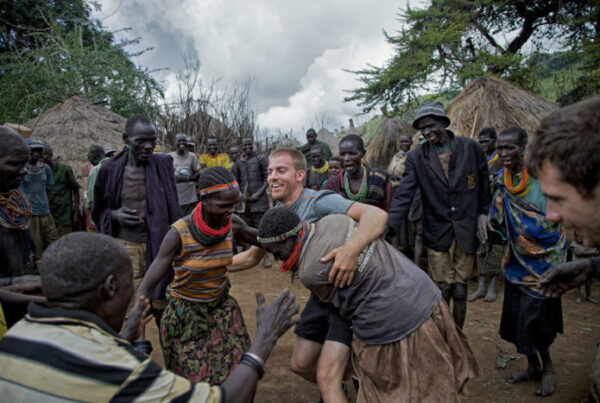
Through community tours in Africa, visitors become participants rather than spectators. They walk through fields and markets, share meals, join dances, and learn traditions that have been preserved for centuries. Every encounter becomes an exchange — a lesson in simplicity, resilience, and unity.

The Meaning of Community Tours in Africa

The essence of a community tour lies in its authenticity. These are not orchestrated performances but genuine invitations into daily life. They are experiences rooted in mutual respect — opportunities for travelers to engage with African communities in ways that uplift, educate, and inspire.

Unlike conventional tourism, community tours prioritize human connection. They shift focus from landscapes to livelihoods, from destinations to stories. Travelers are welcomed into homes, introduced to artisans, and guided through the everyday rhythms of rural life. They learn how communities farm, cook, celebrate, and sustain themselves, discovering that Africa’s strength lies not in spectacle, but in spirit.

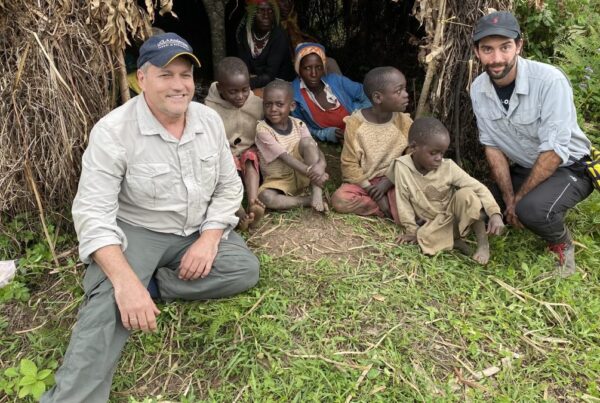
Each region tells its own story. From the Maasai villages of Kenya and Tanzania to the Batwa and Bakiga communities in Uganda, from the Zulu homesteads of South Africa to the Himba settlements of Namibia — these experiences vary, yet all share the same heartbeat: togetherness.

The goal is not to watch but to walk — to participate in a shared journey of understanding. In doing so, travelers see Africa not through the lens of exoticism, but as a mirror of humanity itself.

The Daily Life Experience

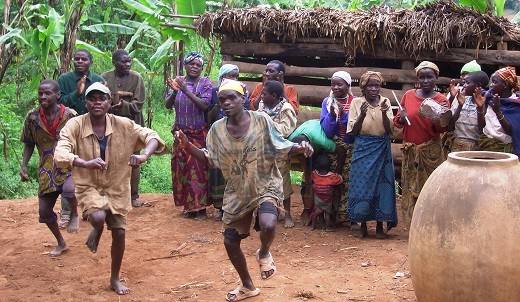
In the villages and communities that dot the African landscape, life moves in harmony with nature. Dawn breaks gently, casting golden light over grass-thatched homes. The air carries the sounds of roosters crowing, goats bleating, and children laughing. Women begin their morning tasks — grinding grains, fetching water, or tending gardens — while men prepare for the fields or carpentry work.

The day unfolds with an unhurried grace. Every task is shared, every moment purposeful. Food is prepared slowly, conversations are plentiful, and time is measured not by hours but by the rhythm of life. For travelers walking alongside the locals, it becomes clear that life here is not about rushing forward but about being present — deeply, fully, and gratefully.

To fetch water with a village mother, to grind millet with her daughters, or to share stories with elders beneath the shade of a tree — these are moments that transcend tourism. They reveal a philosophy of living anchored in community, patience, and gratitude.

When the sun sets, the village transforms. Fires are lit, songs rise, and laughter fills the night air. Children gather around their grandparents to listen to tales that have shaped generations. Visitors often find themselves drawn into the circle, partaking in the universal ritual of storytelling that binds humanity together.

Traditions and the Fabric of African Identity

Culture in Africa is not an artifact of the past; it is a living, breathing force that shapes every aspect of daily life. Through community tours, travelers gain rare access to this cultural continuum — a chance to witness traditions that have been preserved and practiced for centuries.

Births, weddings, harvests, and initiations are marked by elaborate rituals that embody gratitude, unity, and spirituality. The beating of drums, the chanting of songs, and the vibrant dances all tell stories — of creation, of triumph, of resilience. Each movement, each melody carries meaning.

These traditions are not performed for entertainment but lived with reverence. They are the heartbeat of community identity. For travelers, to witness or even participate in them is to glimpse the sacredness of African life — where the spiritual and physical worlds intertwine seamlessly.

Among the most powerful experiences are those that involve storytelling. Elders speak of ancestors, of myths and moral lessons that guide behavior and belief. The act of listening itself becomes transformative — a reminder that wisdom, once shared through words and rhythm, remains timeless.

Walking with the LocalsThe Women Who Hold It All Together

African communities are sustained by the quiet yet unyielding strength of women. They are farmers, mothers, teachers, and creators — the lifeblood of their families and the keepers of cultural continuity.

From sunrise to nightfall, women embody resilience. They tend crops, raise children, manage households, and still find time to craft beauty with their hands — weaving baskets, creating pottery, or designing beadwork that tells ancestral stories. Their artistry and industry not only sustain families but also strengthen local economies.

Many community tours highlight women-led cooperatives and social enterprises. Travelers meet artisans whose work supports education for their children or funds healthcare for their neighbors. These encounters go beyond admiration; they inspire respect and awareness of how empowerment flows naturally when opportunity meets determination.

To walk beside these women, to hear their laughter and see their skill, is to understand that Africa’s greatest resource is not its land or wildlife, but its people — especially its women, who carry the continent forward with dignity and grace.

The Power of Ubuntu: Hospitality and Human Connection

Perhaps the most striking feature of community tours in Africa is the genuine warmth of the welcome. The African philosophy of Ubuntu — “I am because we are” — defines every interaction. Guests are not treated as outsiders; they are embraced as family.

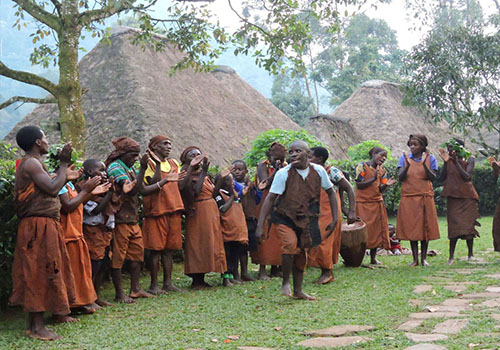
Upon arrival, visitors are often greeted with song and dance, a joyful ritual that breaks barriers and sets the tone for connection. Meals are shared communally, and conversations flow freely despite language differences. There is no pretense, no distance — only a deep sense of belonging.

In rural Africa, generosity is woven into the social fabric. Food, no matter how simple, is shared with pride. A bowl of maize porridge, a serving of beans, or a mug of fresh milk becomes more than sustenance — it becomes a gesture of friendship.

Such hospitality humbles even the most seasoned traveler. It reminds us that kindness is not born of abundance but of empathy. It is in these exchanges — a shared meal, a laugh, a story — that the spirit of Africa reveals itself most clearly.

Music, Dance, and Celebration

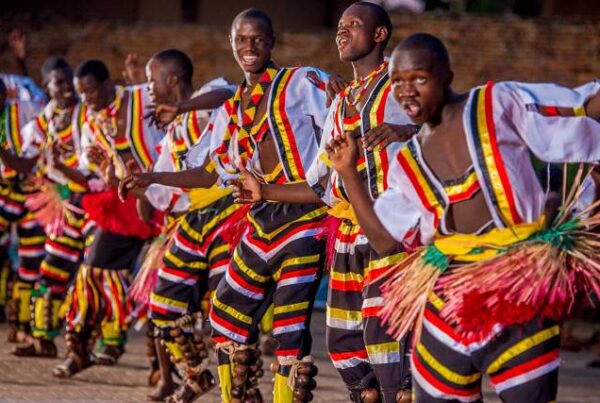
Music is the heartbeat of Africa, and in its communities, rhythm is life. To hear the drums echo across the fields, to feel the vibrations beneath your feet, is to understand the continent’s spirit in its purest form.

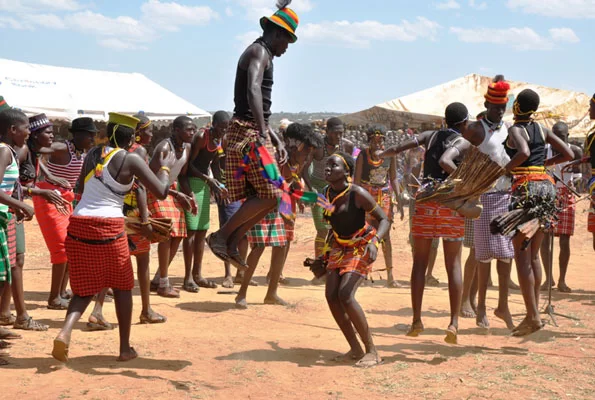
In African villages, music and dance are not reserved for special occasions; they are woven into daily existence. Work songs accompany farming, lullabies soothe children to sleep, and ceremonial rhythms mark the milestones of life. The drumbeat is both a call and a language — it summons, celebrates, and heals.

Travelers who join these musical gatherings often find themselves transformed. Dancing under starlit skies, surrounded by people who move as one, they experience something beyond performance — a collective energy that transcends culture and language.

It is said that Africa does not sing to life but through it, and nowhere is this truer than in its villages. Each note, each sway, is a declaration of joy and survival, a testament to humanity’s shared rhythm.

Art, Craft, and Storytelling

African creativity finds its truest expression in its villages. Art is not a pastime here; it is identity made visible. Every carving, painting, and textile is a reflection of belief, history, and hope.

Visitors who embark on community tours often witness artisans at work — shaping clay into pots, weaving baskets from reeds, or threading beads into intricate patterns. Each creation carries significance. The colors tell stories, the designs encode wisdom, and the craftsmanship itself symbolizes connection to both earth and ancestry.

Art in Africa’s villages is also a bridge between generations. Elders teach younger artisans the symbolism and techniques that keep traditions alive. Travelers purchasing these crafts are not simply acquiring souvenirs but supporting continuity — ensuring that culture remains a living legacy, not a fading relic.

Education and the Spirit of Progress

Education stands at the heart of Africa’s transformation. In many rural communities, schools are built through collective effort — by parents, elders, and even the students themselves.

Teachers, often drawn from within the community, serve as both educators and role models. Their work extends beyond classrooms, guiding children to embrace knowledge while respecting heritage. Lessons blend academic subjects with moral and cultural education, ensuring that progress does not erase tradition.

Travelers who visit these schools during community tours often describe it as one of the most moving parts of their journey. The sight of children reciting lessons with enthusiasm, their faces glowing with ambition, paints a portrait of hope. It is a reminder that Africa’s future lies in these bright eyes and eager minds.

Walking with the LocalsSustainability and Responsible Tourism

Community tours thrive on balance — between preservation and participation, between cultural pride and modern opportunity. Responsible tourism is the key to maintaining this harmony.

Tour operators like WildHorn Africa work hand in hand with communities to ensure that tourism uplifts rather than disrupts. Locals are involved in planning and guiding, ensuring authenticity and respect. Revenue supports schools, healthcare, and conservation projects, creating a cycle of empowerment.

Travelers, in turn, are encouraged to engage thoughtfully — to listen more than they speak, to respect customs, and to support local artisans. In doing so, they become part of Africa’s ongoing story of sustainable growth and cultural preservation.

The goal is mutual benefit. Communities gain visibility and resources; visitors gain understanding and perspective. Together, they shape a form of travel that honors humanity and nature alike.

The Emotional Resonance of Walking with the Locals

What sets community tours apart from other forms of travel is the depth of emotional connection they create. These experiences are not about observation — they are about participation, humility, and transformation.

Walking beside farmers in the fields, sitting with elders beneath acacia trees, or helping prepare a traditional meal evokes a profound sense of belonging. It strips away barriers of wealth, language, and nationality, reminding travelers of a universal truth: we are all part of one shared story.

Such experiences linger long after the journey ends. They change perspectives, foster empathy, and awaken gratitude. For many, these moments become the most cherished memories of Africa — more powerful than any photograph or luxury experience.

To walk with the locals is to walk into understanding — of the land, of culture, and of oneself.

Journey Deeper with WildHorn Africa

To truly know Africa, one must walk it — not from the comfort of a vehicle, but alongside those who live its rhythms. Community tours offer that rare opportunity to engage with authenticity, to learn through presence, and to connect through humanity.

This is the Africa that lies beyond the safari — where smiles are the currency of kindness, where stories replace souvenirs, and where every handshake feels like a welcome home.

To walk with the locals is to rediscover the essence of travel: empathy, understanding, and transformation. It is a journey that reveals not only the heart of Africa but the heart within us all.

Book your next Africa tour and cultural safari with WildHorn Africa, and experience the continent in its most authentic form — through its people, its traditions, and its living communities that make Africa a story worth walking.

Experience African Villages

Experience African Villages

By Travel stories and blogs

Experience African Villages – Authentic Culture, Community, and Heritage with WildHorn Africa

To experience African villages is to journey into the beating heart of the continent — a place where the essence of Africa’s soul still thrives in rhythm with nature, culture, and human connection. Beyond the glamorous safari lodges, towering cities, and luxurious resorts lies a world that remains timeless and pure. It is a world of people whose lives flow with purpose, tradition, and harmony — a world where community defines existence and simplicity becomes a form of beauty.

The village, in Africa, is more than a home; it is a universe of identity, history, and belonging. Every hut, every pathway, every song sung at dusk tells a story of survival and continuity. To walk through an African village is to step into a living museum — not one frozen in time, but one that breathes, evolves, and welcomes. Here, the line between visitor and local dissolves, replaced by shared laughter, songs, and stories that span generations.

For travelers seeking authenticity, humanity, and meaning, the African village experience is not merely a trip — it is an awakening. It allows one to witness the unseen side of Africa — the one written not in guidebooks, but in hearts and memories.

The Meaning and Significance of Experiencing African Villages

An African village experience represents a deeper, more intimate form of travel — one that transcends photography and sightseeing to embrace connection and understanding. Africa’s villages are the cradles of culture, where language, song, and wisdom flow from one generation to the next. They hold within them the secrets of survival, the poetry of community, and the resilience of spirit that defines the continent.

When one experiences a village in Africa, one witnesses a way of life rooted in unity and purpose. Families work together, eat together, and celebrate together. Each person contributes to the collective good, and the rhythm of life flows harmoniously between labor and laughter. In an age where much of the world has grown distant and digital, African villages remain grounded in the tangible — in the touch of the soil, the sound of drums, and the sacred bond of kinship.

For travelers, this journey is both educational and emotional. It unveils the cultural backbone of Africa, showing that its true wealth is not gold or wildlife, but the warmth of its people and the richness of their traditions.

The Heartbeat of Daily Village Life

In the villages of Africa, life unfolds with the sunrise. The first rays of dawn illuminate fields, huts, and dusty paths as roosters crow and children’s laughter pierces the morning air. The aroma of wood smoke rises from cooking fires, and the hum of life begins — steady, simple, and rhythmic.

Each day follows a natural pattern shaped by the land. In rural communities, farming sustains existence. Men and women tend to fields of maize, cassava, millet, and beans. Oxen plow, hands sow seeds, and prayers are whispered for rain and abundance. Livestock graze nearby, forming an integral part of livelihood and identity.

Women carry immense responsibility in this rhythm. They rise early to fetch water, prepare meals, care for children, and manage the household. Yet their labor is infused with grace and community spirit. Songs accompany work, laughter softens fatigue, and a sense of shared purpose gives meaning to every task.

Children, too, play vital roles. They learn by observing elders — tending goats, helping in gardens, or attending school when accessible. Elders themselves are the keepers of wisdom, teaching through storytelling and example. In every gesture and routine, there is balance — between generations, between nature and humanity, between the past and the present.

Evenings bring tranquility. As the sun sets in a cascade of gold and crimson, families gather around fires. Meals are shared, stories are told, and songs rise into the night air. It is in these quiet, glowing moments that travelers truly feel Africa — raw, unhurried, and alive.Experience African Villages

Tradition, Culture, and the Essence of Identity

To experience an African village is to encounter tradition in its purest form. Customs are not relics; they are living codes of behavior, belief, and belonging. From birth to death, every stage of life is marked by rituals that affirm connection to ancestors and community.

Birth ceremonies welcome new life with blessings and songs. Initiation rites mark the transition from childhood to adulthood, teaching values of courage, respect, and endurance. Marriage celebrations are vibrant spectacles of color, dance, and exchange, symbolizing unity not just between individuals but between families and clans.

Spirituality runs through these traditions like a river. In most villages, the physical and spiritual worlds coexist. Ancestors are believed to guide the living, and nature — the land, rivers, trees, and mountains — is seen as sacred. Such beliefs have shaped the African relationship with the environment, fostering a sense of stewardship and reverence.

Visitors witnessing these traditions often describe them as profound — not merely performances, but revelations of meaning and continuity. Every dance, chant, and gesture speaks of the human journey and the eternal bond between earth and spirit.

The Role of Women in African Villages

No exploration of African village life can be complete without acknowledging the power and grace of women. They are the foundation upon which community life stands — the cultivators of both land and legacy. Their resilience defines the rhythm of existence, and their hands shape the daily miracles that sustain entire families.

In most villages, women engage in multiple roles: farmers, mothers, entrepreneurs, and artists. They manage food production, weaving, pottery, and traditional medicine. Their crafts tell stories — woven baskets that symbolize fertility, pottery etched with patterns of lineage, or beaded jewelry that reflects identity and pride.

Beyond their physical labor, women embody spiritual and emotional strength. They are storytellers, caregivers, and mediators. Their songs accompany every significant moment, turning labor into music and hardship into endurance. To sit with African women, to hear their laughter and wisdom, is to feel the soul of Africa itself — grounded, nurturing, and indomitable.

Many travelers who visit villages leave inspired by the unity and dignity of African women. Their way of life is not merely a reflection of survival, but of grace under the sun — a testament to balance and belonging.

Hospitality and Connection: The Spirit of Ubuntu

One of the most unforgettable aspects of the African village experience is hospitality. In Africa, a guest is never a stranger. The principle of Ubuntu — “I am because we are” — defines social relationships. It is the idea that humanity is bound together in compassion and respect.

Visitors are welcomed with open hearts, sometimes with traditional songs, dances, or symbolic gifts. A handshake or shared meal seals friendship. The warmth of this welcome transcends language and culture, reminding travelers that kindness is a universal language.

Food is often the centerpiece of hospitality. Meals made from local ingredients — maize porridge, roasted bananas, sweet potatoes, or stews rich in flavor — are shared communally. Eating together symbolizes unity, and visitors are always invited to join, regardless of status or background.

Such experiences leave deep impressions. The generosity of people who share what little they have teaches a powerful lesson about gratitude and humility. It reveals that true wealth in Africa is not measured by possessions but by relationships and the joy of giving.

Art, Music, and Dance: The Pulse of African Villages

Art and music are not luxuries in African village life — they are necessities of expression and identity. Through them, communities celebrate, communicate, and connect with the spiritual world. Every dance tells a story, every drumbeat carries a heartbeat of history.

Visitors often find themselves drawn into the energy of dance circles under starlit skies. The drum’s rhythm speaks a universal language — one that transcends nationality or culture. Songs are spontaneous, filled with laughter and meaning, often recounting love, labor, or lessons of morality.

Artistic expression extends into daily life. Beads, carvings, textiles, and masks are crafted with deep symbolism. They embody clan identity, social status, and ancestral heritage. Even body art — in the form of paint or scarification — can signify courage, beauty, or belonging.

To witness or participate in these forms of creativity is to see Africa in motion — dynamic, spiritual, and joyous. It is a reminder that art, in its truest form, is not a luxury of the few but a lifeline of the many.

Education and the Power of Knowledge

In African villages, education holds a sacred value. It represents hope, progress, and the bridge between tradition and modernity. Schools often stand as symbols of collective effort, built through communal labor and fueled by dreams of a better tomorrow.

Despite challenges such as limited resources and distance, children attend school with enthusiasm. Lessons are often held under trees or in simple classrooms, yet the thirst for knowledge remains unbroken. Teachers, many of whom come from the same villages, dedicate their lives to shaping young minds, blending formal education with lessons in morality and culture.

For visitors, interacting with students and teachers offers a glimpse into Africa’s determination. Education here is not taken for granted — it is cherished as a path toward self-reliance and empowerment. It is also through education that traditional knowledge finds preservation, as elders and teachers integrate folklore, local history, and indigenous wisdom into learning.

In this harmony of past and future, Africa’s resilience shines brightest — its villages nurturing minds that carry both heritage and hope.

Experience African VillagesSustainability and the Future of Village Tourism

As global travelers seek authentic experiences, African village tours have gained prominence. Yet, the true value of such encounters lies in sustainable tourism — travel that uplifts rather than exploits.

Responsible village tourism ensures that communities benefit directly. Revenue supports schools, healthcare, clean water projects, and cultural preservation. Visitors are encouraged to approach with sensitivity — to ask before photographing, to respect customs, and to support local crafts rather than imported souvenirs.

Operators who prioritize sustainability, such as WildHorn Africa, work closely with local communities to maintain authenticity. They ensure that tourism becomes a source of empowerment, not disruption. The goal is mutual respect: the traveler gains understanding, and the host gains opportunity.

Through this approach, village tourism not only connects worlds but safeguards heritage. It ensures that as Africa modernizes, her traditions remain alive — honored, respected, and shared.

The Transformative Power of Experiencing African Villages

The impact of experiencing African villages goes far beyond cultural education; it is a spiritual and emotional transformation. Travelers often leave changed — humbled by simplicity, inspired by resilience, and awakened to the beauty of human connection.

In a world driven by haste and consumption, village life offers a counter-narrative — one of patience, gratitude, and interdependence. Watching a mother cradle her child by the fire, seeing a farmer’s pride in his harvest, or hearing children sing in harmony reminds one that joy is not found in abundance but in contentment.

This experience becomes a mirror for self-reflection. It challenges preconceived notions of progress and success, teaching that fulfillment lies not in wealth but in purpose and belonging. For many, it becomes the most memorable part of their African journey — the moment they stop seeing Africa as a destination and start feeling it as a living, breathing spirit.

Where to Experience Authentic Village Life

Across the continent, countless regions offer travelers the chance to experience authentic village life. In East Africa, Uganda’s Batwa and Bakiga communities share forest traditions and ancient songs, while Rwanda’s Iby’Iwacu Cultural Village showcases dance, craft, and storytelling near Volcanoes National Park.

Kenya and Tanzania welcome visitors into Maasai homesteads — iconic symbols of pastoral strength and heritage. Southern Africa reveals equally captivating encounters among the Zulu, Xhosa, and Himba peoples, each with unique traditions that mirror Africa’s diversity.

Every visit unveils something distinct: a way of life shaped by environment, history, and resilience. Yet across these differences lies a shared humanity — the understanding that despite distance and language, we are all bound by the same universal rhythm of life.

Discover the Soul of Africa with WildHorn Africa

To experience African villages is to rediscover the meaning of connection. It is to see the world through the eyes of those who live in harmony with the earth and each other. It is to learn that time can move with purpose, that community can define joy, and that culture can be both ancient and alive.

These villages are not relics of the past; they are guardians of the future. They remind the world that humanity’s strength lies in unity and that true wealth is measured in kindness, laughter, and tradition.

If you seek not just a vacation but a transformation — an experience that touches your spirit as much as your senses — let Africa’s villages call you. Listen to the songs that rise with the dawn, walk the paths that echo with stories, and embrace the warmth of hearts unspoiled by haste.

Book your next Africa tour and cultural safari with WildHorn Africa, and let the timeless spirit of African villages show you what it truly means to belong.

Beyond the Safari

Beyond the Safari

By Travel stories and blogs

Beyond the Safari – Authentic African Village Tours That Bring Culture to Life | WildHorn Africa

There is an Africa that most travelers never truly see — an Africa that breathes quietly behind the thunder of waterfalls, beyond the call of lions, and far from the dust trails of safari vehicles. It is an Africa of villages, of firelight and laughter, of ancient songs and everyday strength. To go beyond the safari and experience African village tours is to peel back the surface of adventure and encounter the continent’s truest heartbeat: its people, its traditions, and its soul.

While safaris capture the wild beauty of nature, village tours unveil the deeper story — one of culture, humanity, and connection. They invite travelers not to observe from a distance but to participate, to listen, to share. This is not a journey of spectacle but of meaning, where life’s simplicity becomes its greatest luxury. It is here, in the quiet corners of Africa’s rural communities, that travelers discover the timeless grace of the continent and the authenticity that lies beyond the safari.

The Hidden Depth of African Travel

African safaris have long been celebrated for their grandeur — the majestic elephants in Amboseli, the vast herds of wildebeest in the Serengeti, the golden plains of Maasai Mara. Yet, beyond these cinematic scenes lies another form of exploration, one less about wilderness and more about wisdom.

The African village experience represents a kind of travel that transcends photography. It offers travelers a glimpse into the heart of African life — how people live, work, celebrate, and survive in harmony with the land. These tours go beyond itineraries; they are invitations to understand the continent’s humanity.

Each village tells a story woven through centuries of resilience. It speaks of communities that have endured change without losing their essence, of traditions that remain vibrant despite modernization, and of people whose joy endures even amidst hardship. For travelers seeking depth, authenticity, and human connection, village tours reveal the Africa that exists not just in landscapes but in souls.

The Rhythm of Daily Life

Life in an African village moves in rhythm with the rising and setting of the sun. The pace is unhurried yet full of purpose. At dawn, the air fills with the sounds of awakening — roosters crow, children’s laughter echoes, and the aroma of wood smoke drifts gently across the fields.

Women begin their morning with quiet grace, fetching water from streams, pounding millet, or lighting cooking fires. Men prepare for the day’s work in the fields, with tools carried over their shoulders and songs of labor rising into the cool morning air. The community moves as one, bound by cooperation and respect.

Throughout the day, activities unfold like verses in a poem. Farmers till the soil; herders guide their cattle to pastures; artisans weave, carve, and mold objects that blend function with artistry. In the afternoons, the village hums with conversation, with elders sharing wisdom and children playing games passed down through generations.

Evenings bring the magic of togetherness. Families and neighbors gather around open fires, sharing stories and laughter under a canopy of stars. The sound of drums and singing carries across the night — not as performance, but as life itself. It is a rhythm that seems to echo the very pulse of the continent.

To experience this is to rediscover something universal — the beauty of living in harmony with time, with land, and with each other.

Traditions That Define the Spirit

Tradition is the living heartbeat of Africa’s villages. It is in the rituals that mark life’s milestones, the songs that hold memory, and the dances that speak without words. In these communities, culture is not a thing to be preserved in museums; it is lived daily.

Birth, marriage, and death — the cycle of life — are honored with reverence and celebration. A newborn is greeted with song and blessing, as elders pray for the child’s health and purpose. Initiation ceremonies guide adolescents into adulthood, teaching values of responsibility, courage, and unity. Weddings are moments of profound joy, drawing entire villages together in feasting, dancing, and spiritual union.

Even in mourning, African villages celebrate continuity. Death is not an end but a transition — a return to the ancestors who remain present in every wind, every harvest, and every prayer.

To witness these traditions is to feel the depth of Africa’s soul. Each gesture, chant, and color carries meaning. They tell stories of resilience, belonging, and respect for life — stories that travelers carry home, etched in their hearts long after the journey ends.

Beyond the SafariWomen: The Pillars of Village Life

The strength of African villages rests firmly on the shoulders of its women. They are the builders, nurturers, educators, and innovators who sustain families and communities alike. To understand village life is to understand their central role in shaping its rhythm.

Women rise before dawn to begin their day’s work — fetching water, tending to gardens, preparing food, and ensuring that their households flourish. They balance labor with love, weaving together the physical and emotional fabric of the community. Their knowledge of the land, their skill in crafts, and their wisdom in social matters make them the heart of rural Africa.

Beyond their daily responsibilities, women are also cultural custodians. They pass down traditions through storytelling, songs, and dances that teach history, morality, and identity. Their artistry — from weaving baskets to designing beadwork — transforms necessity into expression.

Visitors who meet and interact with African women often describe these encounters as humbling. Their grace under pressure, their laughter amidst adversity, and their pride in heritage reflect an unbreakable spirit. Through them, one learns that strength and gentleness can coexist, and that resilience is the quiet power that sustains life itself.

Hospitality: The Warmth That Welcomes the World

Hospitality in African villages is not an act of courtesy; it is a way of life. The concept of Ubuntu, meaning “I am because we are,” captures this perfectly. It is a philosophy of interconnectedness that shapes every gesture of kindness, every shared meal, and every smile.

Visitors to African villages are greeted with genuine warmth. It is common to be welcomed with song, dance, and laughter — symbols of joy that dissolve any sense of unfamiliarity. A simple handshake or offering of food becomes an act of friendship.

Meals, in particular, hold deep significance. To share food is to share trust. Traditional dishes such as millet porridge, roasted cassava, stewed beans, or fresh tropical fruit are prepared with care and presented with pride. Each flavor tells a story of the land, the season, and the people who cultivated it.

This hospitality transcends language. It is felt, not spoken — a reminder that kindness needs no translation. Travelers leave not as tourists but as extended family, having experienced the generosity that defines the African spirit.

Music and Dance: The Pulse of the Continent

If there is one language that unites all of Africa, it is rhythm. Music and dance are at the core of African identity, and nowhere is this more alive than in its villages. Here, music is not confined to celebration; it is part of daily existence — a heartbeat that keeps life vibrant.

Drums are sacred instruments, their deep tones believed to echo the voice of ancestors. Flutes, rattles, and handclaps accompany melodies that speak of love, labor, and life. Dance is spontaneous, expressive, and communal. Every movement carries meaning — from the stomping of feet that honors the earth to the graceful sway that mirrors the wind.

For visitors, joining in these dances is more than entertainment. It is participation in something ancient and universal — a celebration of the body’s connection to emotion, of community’s connection to spirit. Through music and dance, Africa tells its story in the language of joy.

Art and Craft: Creativity Rooted in Heritage

Artistry in African villages is a way of recording history, identity, and belief. Each creation, whether a woven basket, a carved mask, or a beaded necklace, carries meaning beyond its physical form.

Craftsmanship is learned from childhood, passed down through generations. Materials are drawn from the earth — clay, reeds, wood, and dyes made from plants and minerals. Every design, every symbol, has a purpose. Patterns represent fertility, unity, or protection. Colors signify emotion and clan identity.

Travelers who observe artisans at work see not only skill but devotion. There is patience in every stroke, mindfulness in every weave. To purchase such art is not merely to acquire an object, but to take home a piece of living heritage — a fragment of Africa’s enduring creativity.

Education and Community Development

Education in Africa’s villages stands as both a challenge and a beacon of hope. Schools are often modest — a few classrooms built through communal effort, equipped with limited resources but infinite determination. Teachers serve not only as educators but as mentors, shaping the minds and hearts of the next generation.

Children walk long distances to attend class, their enthusiasm undimmed by the journey. Lessons are not limited to textbooks; they encompass the values of cooperation, respect, and stewardship of the environment. Elders also play an essential role, passing down oral history and traditional knowledge that complement modern education.

For travelers, visiting village schools can be deeply moving. It reveals a spirit of resilience and ambition — a determination to build a future without forgetting the past. Every smile in those classrooms is a reminder that education remains the bridge between tradition and transformation.

Beyond the SafariSustainability and Responsible Tourism

As the allure of village tours grows, so does the need for responsible and sustainable tourism. Authentic cultural experiences must protect dignity, empower communities, and preserve heritage rather than commodify it.

Tour operators such as WildHorn Africa have pioneered approaches that place communities at the center of the experience. Local guides, storytellers, and artisans lead the encounters, ensuring that tourism revenue flows directly into the villages. Such partnerships foster mutual respect — travelers gain insight and connection, while residents gain opportunity and pride.

Sustainability also extends to the environment. African villages depend on the land, and responsible tourism supports reforestation, clean water projects, and education in conservation. By choosing ethical travel, visitors help protect both culture and nature — ensuring that Africa’s authenticity remains intact for generations to come.

The Emotional Impact of Going Beyond the Safari

What makes a village tour unforgettable is not simply what is seen, but what is felt. It is the realization that the essence of travel lies not in distance but in connection.

Sitting by a fire under a starlit African sky, one begins to understand that life’s true beauty lies in simplicity. The smiles of strangers who treat you as kin, the laughter shared over food, the songs that rise into the night — these are experiences that linger long after the journey ends.

Travelers often describe their time in African villages as transformative. It strips away the noise of modern life and replaces it with clarity. It reminds us that happiness is not bought but built — through relationships, gratitude, and purpose.

Beyond the safari, beyond the wildlife and wonders, lies a deeper Africa — one that welcomes the traveler not as a guest but as a participant in its timeless story.

Where to Experience Authentic African Village Life

Across Africa, countless communities open their doors to travelers seeking authenticity. In East Africa, Uganda’s Batwa and Bakiga villages near Bwindi tell stories of ancient forest life. Rwanda’s Iby’Iwacu Cultural Village brings local traditions to life through dance, drumming, and storytelling. In Kenya and Tanzania, Maasai homesteads invite visitors into their world of cattle, color, and song. Southern Africa offers equally rich experiences among the Zulu, Xhosa, and Himba people, each preserving distinct customs and aesthetics.

Each visit reveals a different face of Africa — diverse yet unified in warmth and humanity. What binds them all is authenticity: life lived with intention, dignity, and joy.

Step Beyond the Safari with WildHorn Africa

To go beyond the safari is to step into the living soul of Africa. It is to realize that the continent’s greatest beauty lies not only in its landscapes or wildlife but in the quiet power of its people.

An African village tour is more than an excursion — it is an immersion into the heart of culture. It offers a chance to slow down, to listen, and to see life as it is meant to be lived: in balance with nature, in community, and in gratitude.

When travelers venture into Africa’s villages, they do more than witness a different way of life — they become part of it. They discover that Africa’s greatest treasures are not its safaris but its stories, not its lodges but its laughter, not its luxury but its love.

Book your next Africa tour and cultural safari with WildHorn Africa, and step beyond the safari into the timeless villages where Africa’s heart still beats in song, in spirit, and in soul.

African Villages – Real Village Lifestyle

African Villages – Real Village Lifestyle

By Travel stories and blogs

African Villages – Real Village Lifestyle | Authentic African Culture and Heritage Tours with WildHorn Africa

There exists a world in Africa that moves to the rhythm of the earth — slow, deliberate, and harmonious. It is a world where the golden sun rises over rolling fields, where smoke curls gently from cooking fires, and where laughter drifts across the morning air as children run barefoot through dusty paths. This world is found not in the modern skylines of African cities or the luxury lodges that dot its national parks, but in the humble, beating heart of the continent — the African village.

To experience real African village lifestyle is to encounter Africa as it has always been: pure, vibrant, and deeply human. It is to step into a life shaped by community, culture, and tradition, where people live in connection with the land and with one another. Every African village tells a story — of ancestors, of faith, of endurance, and of beauty found in simplicity. For travelers who seek authenticity, meaning, and understanding, the African village is not merely a destination — it is an awakening.

The Meaning of the African Village

An African village is far more than a cluster of huts or houses; it is a living ecosystem — a social, cultural, and spiritual network where life unfolds in balance with nature. For centuries, villages have served as the foundation of African civilization, preserving languages, values, and customs that urbanization has yet to erase.

Each village has its own identity, shaped by geography, climate, and tribe. In East Africa, red-robed Maasai herders move gracefully across the savannah, while in the lush highlands of Uganda, Bakiga farmers cultivate steep terraces of banana and coffee. In Southern Africa, Zulu and Xhosa homesteads hum with dance, drumming, and storytelling, while in West Africa, Fulani and Yoruba villages thrive on the strength of extended families and ancient crafts.

The African village is not a relic of the past — it is a living testament to continuity. Though the modern world presses closer each year, village life remains guided by tradition, respect, and rhythm. It is within these simple yet profound communities that Africa’s true heritage resides.

The Rhythm of Daily Life

To step into an African village is to witness a way of life that follows the sun rather than the clock. Dawn awakens the community with a quiet hum of activity. The first rays of light filter through thatched roofs as women kindle fires, the smell of smoke and millet porridge mingling in the air. Children’s laughter echoes as they fetch water or herd goats, and roosters announce the birth of another day.

The morning unfolds with purpose. Men head to fields, forests, or rivers depending on their livelihood — some to farm, others to fish or herd cattle. Women tend to gardens, grind grains, prepare food, and weave baskets. Every task is performed with a quiet grace, its rhythm dictated by generations of practice. Work in the village is rarely solitary; it is a communal act, a shared effort that strengthens bonds and ensures survival.

As the day matures, the heat of the African sun slows the pace. Conversations drift beneath mango trees, and songs rise in the distance — melodies that carry stories, humor, and history. Children learn through imitation, absorbing lessons of life not from textbooks but from the wisdom of elders.

Evenings bring renewal. As the sun melts into the horizon, painting the sky in deep hues of amber and violet, families gather around fires. The night is filled with laughter, stories, and the rhythmic beat of drums. Stars blaze above, untouched by city lights, and the village becomes a constellation of warmth and life beneath the African sky.

Community and the Essence of Belonging

The African village lifestyle is anchored in community. Individual identity is defined not by possessions or achievements but by one’s role in the collective. In these villages, the phrase “I am because we are” — known as Ubuntu in Southern Africa — is not just a philosophy but a lived reality.

Neighbors are more than acquaintances; they are family. When one household rejoices, the entire village celebrates; when hardship strikes, the burden is shared. Food, labor, and laughter are communal resources. This deep interconnectedness is what sustains the African village — a network of trust and mutual support that ensures no one stands alone.

Visitors often find this sense of togetherness deeply moving. It challenges the modern notions of individualism and reminds one that the greatest human strength lies in unity. The African village shows that wealth can exist without material abundance — that true richness is measured in kindness, shared purpose, and belonging.

African Villages – Real Village LifestyleTraditions, Rituals, and Cultural Continuity

Culture in African villages is not confined to museums or ceremonies — it breathes in everyday life. Rituals mark every stage of existence, from birth to death, ensuring that each moment holds meaning. These traditions, passed through countless generations, form the moral and spiritual compass of African society.

Births are celebrated with songs and blessings, while initiations mark the passage from childhood to adulthood. Marriage ceremonies, often filled with color, dance, and song, unite families and reinforce social harmony. Funerals, though somber, are not purely mournful; they celebrate life and affirm the unbroken link between the living and the ancestors.

Spirituality permeates the African village. The unseen world is never far away. Ancestors are believed to guide and protect, and nature — rivers, trees, animals — carries sacred energy. In many communities, traditional healers and elders serve as intermediaries between the spiritual and physical realms, their wisdom respected by all.

Travelers fortunate enough to witness these ceremonies find themselves deeply transformed. They discover a worldview that sees life as cyclical and interconnected — where every gesture, every song, every dance holds spiritual resonance.

The Role of Women in Village Life

In the story of the real African village lifestyle, women are its heartbeat. They carry the community — both literally and symbolically — on their shoulders. From dawn till dusk, their work shapes the rhythm of daily existence. They cultivate fields, fetch water, prepare food, weave crafts, and raise children, all while maintaining the emotional harmony of the household.

Yet beyond their labor lies a deeper power. Women are the keepers of culture — the storytellers, singers, and teachers. Through lullabies and tales, they transmit moral lessons and ancestral knowledge. In many villages, women lead cooperatives that sustain local economies, crafting textiles, pottery, and jewelry that reflect beauty born of heritage.

Their grace, resilience, and strength are unmistakable. Visitors often speak of the inspiration drawn from African women — how they move through challenges with quiet dignity, their laughter a song of defiance and hope. To understand village life, one must first understand its women; they are, in essence, the custodians of Africa’s continuity.

Hospitality and the Spirit of Ubuntu

Hospitality in African villages is legendary. To be a guest is to be family. The tradition of Ubuntu — meaning humanity toward others — governs every act of kindness, ensuring that visitors are welcomed not as outsiders but as kin.

Upon arrival, travelers are often greeted with song, dance, or symbolic offerings. It may be a calabash of water, a bowl of fruit, or simply a warm handshake — each gesture steeped in respect. Meals are shared freely, regardless of wealth, and stories flow easily between host and guest.

Dining in a village is an experience of connection. Food is prepared with care and served communally, reflecting the belief that sharing sustains the soul. Simple dishes of maize, beans, cassava, or vegetables, seasoned with local spices, carry flavors that speak of both land and love.

For many travelers, this hospitality becomes the most memorable part of their journey. It reveals an Africa that is open, generous, and deeply human — a place where warmth resides not in luxury but in spirit.

Art, Dance, and Music: The Language of the Soul

In the villages of Africa, art is not confined to galleries, and music is not performed on stages. Both are woven into the fabric of daily life. Every gesture, every rhythm, and every song carries purpose and emotion.

Dance is a language of expression — a celebration of life, fertility, harvest, or victory. The beat of the drum is its heartbeat, guiding movements that are both physical and spiritual. In many communities, each dance holds significance, with rhythms passed down through generations.

Music accompanies every event — from lullabies sung at night to communal celebrations. Instruments such as drums, marimbas, flutes, and rattles are crafted by hand and played with unmatched passion. The sounds rise and fall like the wind over the savannah, carrying stories that words alone cannot convey.

Artistry flourishes in form and function. Beads, masks, pottery, and textiles are created not for vanity but for meaning. Colors symbolize emotions or status; patterns tell tales of lineage or faith. When visitors purchase or observe these crafts, they are not simply admiring beauty — they are witnessing centuries of heritage preserved in form.

Education and the Promise of the Future

Education in African villages is a bridge between tradition and transformation. It is viewed as both a gift and a responsibility. Though resources may be limited, the desire for learning runs deep. Schools, often built through collective effort, stand as symbols of hope.

Children walk miles to attend classes, their curiosity undimmed by distance or difficulty. Lessons are conducted in open-air classrooms or under trees, where teachers — often heroes in their own right — impart not only academic knowledge but also values of respect and integrity.

Education, however, extends beyond formal schooling. Storytelling, apprenticeship, and community gatherings continue to play vital roles in passing on skills and wisdom. Elders ensure that while the young learn about the wider world, they never forget the roots that ground them.

For visitors, interacting with students and teachers provides a humbling experience — a glimpse of Africa’s next generation, poised to blend heritage with progress, tradition with innovation.

African Villages – Real Village LifestyleSustainability and Responsible Tourism

As more travelers seek authentic cultural encounters, the rise of village tourism has brought both opportunity and responsibility. When done ethically, it becomes a force for empowerment — preserving culture while improving livelihoods.

Sustainable tourism practices ensure that communities directly benefit from visits. Local guides, artisans, and farmers participate in shaping experiences, allowing travelers to engage meaningfully. This approach helps protect cultural integrity, ensuring that traditions are shared respectfully, not commercialized.

Tour operators like WildHorn Africa champion this model by partnering with communities to promote responsible travel. Visitors are encouraged to observe with sensitivity — asking before photographing, honoring customs, and purchasing local products that sustain village economies.

In this balance of respect and curiosity, tourism becomes more than observation; it becomes exchange. Travelers leave enriched with understanding, while villages gain resources and pride in their heritage.

The Transformative Power of Real African Village Life

The real African village lifestyle teaches lessons that linger long after one leaves. It reminds travelers of humanity’s shared origins — of a time when people lived in rhythm with the land, dependent on each other and guided by respect for nature.

To experience such a life is to rediscover the essence of being human. One learns that happiness is found not in abundance but in gratitude, that progress means nothing without identity, and that community is the foundation of peace.

The African village does not seek to impress; it invites reflection. It shows that dignity and wisdom can thrive amidst simplicity, and that joy can exist without luxury. It is a world where every sunrise feels like a new beginning and every handshake feels like a homecoming.

For many, this encounter becomes a turning point — a journey inward as much as outward. It is a reminder that beyond technology, beyond ambition, lies something eternal: the human spirit in its purest form.

Discover the Real Africa with WildHorn Africa

To explore African villages is to walk into the living soul of Africa. It is to see a continent through the eyes of its people — those who carry its traditions, dreams, and stories in their hearts. It is a journey that goes beyond travel, beyond adventure, into something timeless and true.

When you experience real African village lifestyle, you do not just visit; you connect. You share meals, songs, and smiles. You listen to stories told by firelight, and you begin to understand that Africa’s greatest treasure is its people — strong, kind, and enduring.

Let the road lead you to the villages where time slows, where hearts open, and where every moment feels like a return to something ancient and sacred.

Book your next African tour and cultural safari with WildHorn Africa, and let the authenticity of Africa’s villages transform your journey into a story you will carry forever.

Experience Africa Village Lifestyle

Experience Africa Village Lifestyle

By Travel stories and blogs

Experience Africa Village Lifestyle – Authentic African Culture and Community with WildHorn Africa

There are few travel experiences as transformative, intimate, and memorable as the chance to experience Africa’s village lifestyle. Beyond the sweeping savannahs, the glittering cities, and the famous national parks lies a deeper Africa — one that lives in its villages, where time slows, hearts open, and traditions thrive. It is here that the continent reveals its truest form — vibrant, spiritual, resilient, and connected to nature in ways the modern world has forgotten.

To step into an African village is to enter a living world of rhythm and heritage. The songs of farmers at dawn, the laughter of children at play, the scent of wood smoke curling through the air — all weave a tapestry of life that has endured for centuries. Every day unfolds with purpose, shaped by the land and guided by ancient wisdom.

For travelers seeking authenticity, understanding, and human connection, village life offers a rare kind of truth. It is an invitation to witness Africa not as a spectacle, but as a story — a story written in community, tradition, and shared humanity.

The Meaning and Beauty of the African Village Lifestyle

The African village lifestyle represents the foundation of the continent’s cultural and social identity. It is a way of life where relationships define existence, where nature dictates rhythm, and where community forms the heartbeat of survival. Unlike the fast pace of city life, villages offer a world where values are measured not in possessions but in belonging.

Every African village, whether nestled in the rolling hills of Uganda, the deserts of Namibia, or the plains of Tanzania, holds a unique identity. Architecture, language, and daily routines differ from one region to another, yet all share common threads — hospitality, respect for elders, and deep-rooted spirituality. The African village is a mosaic of unity and diversity, an ever-evolving expression of history and heritage.

In these spaces, time feels eternal. The soil holds the footprints of ancestors, and every tree seems to whisper stories of the past. To experience village life is to reconnect with something primal and grounding — the understanding that humanity is part of nature, not separate from it.

Daily Life and the Rhythm of Existence

The day in an African village begins long before sunrise. The first light of dawn finds life already in motion. Roosters crow, cattle stir, and the air fills with the soft hum of morning routines. Women begin their tasks — fetching water, grinding grains, preparing meals over open fires — while men prepare for work in the fields or forests.

There is no rush, only rhythm. The African village lifestyle follows the natural cycle of the sun and seasons. Farming, fishing, herding, or crafting are performed not as chores but as acts of sustenance and connection. Work and life blend seamlessly, guided by cooperation rather than competition.

Children grow up surrounded by learning — not confined to classrooms alone, but immersed in the wisdom of elders and the practical knowledge of daily living. They learn how to cultivate the land, care for animals, and understand the language of the earth. Their education extends beyond books, shaping their respect for culture, family, and nature.

As the day ends, the village transforms. The setting sun casts golden hues over fields, and laughter echoes from every corner. Evenings are for stories, for song, and for togetherness. Under starlit skies, people gather around fires to share news, wisdom, and joy. These moments remind visitors that the essence of life lies not in speed or wealth, but in shared experience.

Traditions, Rituals, and Cultural Identity

The village lifestyle in Africa is deeply rooted in tradition. Every milestone — from birth to adulthood, marriage to death — is marked by ceremony. These rituals are not mere formalities but profound expressions of faith, identity, and continuity.

Birth celebrations welcome new life with blessings, songs, and symbolic gestures that link the child to ancestors. Initiation rites guide young people into adulthood, teaching courage, discipline, and moral strength. Weddings unite not only couples but entire families and clans, celebrated with dance, feast, and laughter that can last for days.

Even in mourning, African villages express unity and reverence. Funerals are both solemn and celebratory — affirmations of life and legacy. The deceased are remembered as part of a spiritual continuum that binds the living to their ancestors.

Spirituality flows through every custom. Villagers believe that nature holds sacred power — rivers, trees, and mountains are not mere landscapes but living spirits deserving of respect. Prayers and offerings maintain harmony between people and the natural world.

Travelers fortunate enough to witness such traditions find them both moving and enlightening. They reveal a worldview that celebrates balance, belonging, and gratitude — values increasingly rare in modern society.

Experience Africa Village LifestyleThe Power and Grace of African Women

No exploration of Africa’s village lifestyle would be complete without honoring the women who sustain it. They are the silent architects of daily life — mothers, farmers, healers, and leaders whose strength and tenderness keep communities thriving.

From the first light of dawn until late into the night, women work tirelessly. They tend gardens, prepare meals, fetch water, care for children, and craft beautiful creations from natural materials. Yet, beyond their physical labor lies emotional and spiritual leadership. They teach values, preserve customs, and ensure the transmission of culture from one generation to the next.

In many villages, women form cooperatives that drive local economies. They sell crafts, manage microfinance groups, and advocate for education and environmental preservation. Their resilience and ingenuity represent the spirit of Africa — patient, creative, and unyielding.

Visitors often describe the women they meet in African villages as unforgettable — their laughter contagious, their grace humbling, their eyes filled with the quiet wisdom of centuries. To experience their daily life is to understand that empowerment, in Africa, begins not with policy but with community and purpose.

Hospitality and the Spirit of Ubuntu

African hospitality is legendary. It is guided by the philosophy of Ubuntu, a word found across Southern Africa that means “I am because we are.” In the villages, this concept is not abstract; it is a lived reality. Guests are treated as family, strangers as friends, and generosity as a duty of the heart.

Upon arrival, visitors are often greeted with warm smiles, traditional songs, and heartfelt welcomes. Even in the simplest of homes, space is made for guests, and food is shared with pride. A bowl of millet porridge, roasted plantains, or freshly brewed tea becomes a gesture of connection.

This hospitality goes beyond courtesy; it is sacred. It reflects the belief that to care for others is to affirm one’s humanity. Travelers who experience this kindness often leave transformed — reminded that the world’s richest hearts can reside in the humblest places.

Music, Dance, and Artistic Expression

In the African village, music and dance are not just art forms; they are languages of life. Every event — from a harvest to a wedding, from mourning to celebration — is expressed through rhythm, movement, and song.

The beat of drums reverberates across the land, calling people together. It is said that the drumbeat mirrors the heartbeat of the earth, connecting the living to the ancestors. Villagers dance with abandon, their movements fluid and symbolic. Each gesture tells a story — of gratitude, of love, of triumph over hardship.

Art is equally central to village life. Beadwork, pottery, textiles, carvings, and masks are created not only for beauty but for meaning. Patterns and colors carry messages — of clan identity, status, or spiritual belief. These creations reflect both individuality and collective heritage, making each piece a living record of culture.

To participate in such artistry, even as an observer, is to feel Africa’s creativity and spirit come alive. It is to see that art, in its purest form, is not confined to galleries but thrives wherever there is life, community, and imagination.

Education, Knowledge, and the Future

Education in African villages holds immense value. It is seen not merely as a path to modern success but as a means to preserve and adapt tradition. In many villages, schools are built by the community itself, often through shared labor and limited resources.

Children attend classes that teach both modern subjects and traditional wisdom. Lessons are often conducted beneath trees or in modest classrooms, but the passion for learning burns brightly. Teachers — often locals — serve not only as educators but as role models, bridging old and new worlds.

Informal education continues outside the classroom. Elders teach through storytelling, guiding youth in moral reasoning, environmental care, and history. Skills such as farming, herding, or crafting are passed on through mentorship and example.

This holistic approach ensures that progress does not erase heritage. Instead, it creates a generation capable of leading Africa forward while remaining grounded in its roots. Visitors who interact with village schools often speak of hope — a quiet yet powerful optimism that radiates from every child’s smile.

Sustainability and Responsible Village Tourism

As travelers increasingly seek authentic experiences, village tourism has emerged as a meaningful way to connect cultures. Yet, such experiences must be conducted with respect and care to ensure they benefit the communities they celebrate.

Sustainable tourism emphasizes partnership. Local residents lead the tours, manage homestays, and sell their crafts, ensuring that economic benefits remain within the village. Visitors are encouraged to engage mindfully — to listen, learn, and contribute positively to the community.

Operators like WildHorn Africa collaborate closely with local leaders to promote responsible travel. Their approach honors culture rather than commodifies it, allowing guests to witness authenticity without exploitation. Every visit supports education, infrastructure, and conservation efforts, ensuring that tourism uplifts rather than disturbs.

Through responsible engagement, travelers become part of Africa’s story — not as observers but as allies in preserving its cultural legacy.

Experience Africa Village LifestyleThe Emotional Power of Living Among Villages

The most profound impact of experiencing Africa’s village lifestyle lies not in what is seen, but in what is felt. It is the stillness of dawn, the laughter shared over food, the warmth of strangers who treat you like kin. It is the moment when you realize that wealth is not measured in money, but in meaning.

For many travelers, these experiences become life-changing. The simplicity of village life challenges modern notions of fulfillment. It reminds us that happiness grows from gratitude, not accumulation; from connection, not isolation.

Sitting by a fire as stars blanket the sky, one begins to understand why the African village endures. It is not a place left behind by time — it is a sanctuary from it. It preserves the essential truths of humanity that modern life too often forgets.

Where to Experience Africa’s Village Lifestyle

Across the continent, countless destinations invite travelers to immerse themselves in authentic village life. In East Africa, Uganda’s Batwa and Bakiga communities near Bwindi offer glimpses into forest traditions and storytelling that date back centuries. Rwanda’s cultural villages near Volcanoes National Park bring ancient music and dance to life alongside warm hospitality.

Kenya and Tanzania’s Maasai villages provide an intimate look at pastoral life, where cattle, color, and community form an inseparable bond. In Southern Africa, Zulu, Himba, and Tswana villages showcase distinct traditions of art, faith, and family.

Each village holds something unique — yet all share one truth: the spirit of Africa is alive and thriving in its people.

Discover the True Africa with WildHorn Africa

To experience Africa’s village lifestyle is to step into the heart of authenticity. It is to see, hear, and feel a way of life that reveals what the world often overlooks — the strength of simplicity, the beauty of connection, and the wisdom of living in harmony.

In every village, every song, and every smile lies the story of a continent unbroken by time. This is Africa as it truly is — welcoming, wise, and full of soul.

For those who wish not just to visit Africa but to understand it, the villages await — ready to share their warmth, their stories, and their spirit.

Book your next Africa tour and cultural safari with WildHorn Africa, and let the heartbeat of Africa’s villages guide you into a world where tradition, humanity, and nature become one unforgettable experience.

The soul of Africa

The Soul of Africa

By Travel stories and blogs

The Soul of Africa – Village Tours That Bring Culture to Life | WildHorn Africa

There is a place in Africa where time slows, where every sunrise feels like a rebirth of hope, and where the pulse of life beats in rhythm with the land. It is found not in the cities or the resorts, but in the villages — living sanctuaries of tradition, music, and humanity. To embark on an immersive village tour is to walk into the heart of Africa’s soul, where the air hums with ancestral whispers and every face tells a story that bridges centuries.

The modern world often views Africa through the lens of its wildlife or landscapes — the majestic elephants of the Serengeti, the misty mountains of Rwanda, or the thundering cascades of Victoria Falls. Yet, the true essence of Africa lies in its people, in the small rural communities that preserve its languages, crafts, and customs. To journey into these villages is to step beyond tourism into transformation. It is an experience that enlightens the mind, stirs the spirit, and reminds one that culture, at its deepest level, is the art of living.

This is the soul of Africa — a living heritage that breathes through the songs, dances, and daily rhythms of its villages.

The Meaning and Spirit of Immersive Village Tours

An immersive village tour is not a performance or a display for travelers; it is a genuine invitation into Africa’s living culture. These tours are designed not to showcase people as artifacts of tradition, but to honor their ways of life, offering travelers the rare privilege of participation.

Each African village holds its own story, shaped by environment and history. Some are perched on verdant highlands where banana groves sway in the breeze; others rest along lakeshores, where fishing nets glisten under the morning sun. Some thrive in the semi-arid plains of East Africa, where the pastoral Maasai tend their herds with timeless grace. Despite differences in geography or language, every village shares one unbroken truth — life is lived through connection.

Unlike conventional tourism, village experiences are built on authenticity. Travelers are welcomed not as visitors but as participants. They are invited into homes, into conversations, into the rhythm of life. They cook, dance, sing, and learn. It is immersion at its purest form — not watching culture from the outside but feeling it from within.

The Heartbeat of Village Life

In African villages, life unfolds in harmony with the natural world. The rhythm of existence is set not by clocks but by the sun and the seasons. As dawn breaks, the village stirs to life. The sound of roosters mingles with the laughter of children, the smell of burning wood fills the air, and the rustle of leaves signals the start of another day.

Men and women begin their daily routines with quiet purpose. Some head to fields to cultivate maize, millet, or cassava. Others fish along the lakeshores or craft tools and ornaments. Women fetch water, tend gardens, and prepare food over open fires, their movements graceful and efficient. Children assist where they can, learning from observation, absorbing the wisdom of their elders through experience rather than instruction.

Even the smallest task carries meaning. Farming, cooking, weaving, or drumming — each act is an expression of balance and gratitude. Life in an African village is not fragmented; it flows as a seamless dance of survival, cooperation, and celebration.

When evening falls, the pace slows. The golden sun dips below the horizon, casting long shadows across the land. Families gather around the fire, sharing stories that bind generations. Elders recount tales of courage and creation, preserving memory through oral tradition. It is here, under the vast African sky, that travelers truly grasp the beauty of a life grounded in simplicity and connection.

Traditions and the Sacred Thread of Continuity

African villages are the keepers of tradition — sanctuaries where rituals, languages, and customs remain untouched by time. Every act, every celebration, and every song carries a purpose rooted in spiritual and communal values.

Birth is celebrated with joy and ceremony, marking the arrival of new life as a continuation of ancestral lineage. Initiation rites guide youth into adulthood, teaching them responsibility, wisdom, and the ethics of community. Marriage is not merely the union of two individuals but a joining of families and clans, honored through days of dancing and festivity. Even in death, the circle remains unbroken, as the departed are revered as ancestors — eternal guardians of the living.

Spirituality is not separated from daily life; it permeates every action. The African worldview recognizes the sacredness of existence — that every tree, river, and mountain holds spirit. Nature is not a resource to be exploited but a relative to be respected.

To witness or take part in such ceremonies during a village tour is to feel the pulse of humanity’s oldest wisdom — that life is sacred, cyclical, and interconnected. These moments transcend observation; they become experiences of awe and humility.

The soul of AfricaThe Role of Women: Pillars of the Village

No narrative of African village life is complete without honoring its women. They are the architects of family, the keepers of culture, and the silent strength behind community continuity.

From dawn to dusk, women carry the heartbeat of the village. They prepare meals that nourish both body and spirit, weave baskets and mats with astonishing artistry, and ensure that traditions are passed from one generation to the next. They are also the economists of the village — managing small businesses, selling crafts, and participating in community savings groups that sustain families through difficult seasons.

Yet beyond labor, African women embody resilience and leadership. They sing during work, dance during hardship, and find laughter even in adversity. Their songs tell stories of love, struggle, and triumph — melodies that have carried entire nations through times of change.

Visitors often find the presence of these women transformative. Their dignity, wisdom, and warmth offer a glimpse into the very essence of African resilience. Through them, one understands that strength in Africa is not loud or boastful — it is lived, endured, and shared.

The Language of Hospitality: Ubuntu in Motion

African hospitality is legendary, and in the villages, it takes on its most profound form. The guiding philosophy of Ubuntu — meaning “I am because we are” — governs every social interaction. Guests are not strangers but honored members of the extended family.

Upon arrival, visitors may be welcomed with songs, dances, or simple gifts — symbols of goodwill and joy. A meal is shared, often prepared with care and pride. Traditional dishes made from locally grown ingredients — roasted plantains, cassava bread, bean stews, or millet porridge — are presented as expressions of unity.

Hospitality in the African village is not transactional; it is spiritual. It represents the belief that generosity enriches both giver and receiver. Travelers quickly learn that warmth and kindness are not gestures but ways of being.

To share food, laughter, or conversation under the African sun is to witness Ubuntu in motion — humanity practiced with sincerity and grace.

Music, Dance, and the Expression of Spirit

The soul of Africa beats through its music and dance. In the villages, these art forms are not performances but essential languages of life. Rhythm is found in everything — in footsteps, in the pounding of grain, in the laughter of children.

Drums hold a sacred place in African society. Their beats carry messages across distances and generations, calling people to gather, to mourn, or to celebrate. Each drumbeat mirrors the heartbeat of the earth, linking the physical and the spiritual.

Dance, too, holds meaning beyond movement. It is a dialogue between the body and the divine, between individuals and the collective. Whether performed at weddings, harvests, or spiritual rituals, dance expresses what words cannot — the joy, sorrow, and vitality of being alive.

For travelers, joining in these dances can be both exhilarating and humbling. It dissolves barriers, uniting people in shared rhythm. The experience is not just entertainment; it is communion — an ancient reminder that joy is the world’s oldest language.

Art, Craft, and the Expression of Identity

Every village in Africa is an open-air gallery, where art is not a luxury but a way of life. Beads, baskets, pottery, and carvings tell stories of ancestry, spirituality, and community identity.

Craftsmanship is passed down through generations, with skills learned by watching elders and perfected through practice. The colors, textures, and patterns of African art are deeply symbolic — representing family, beliefs, and historical memory. A woven basket might depict fertility; a carved mask might represent wisdom or protection.

When visitors purchase or witness these crafts being made, they are not merely observing artistry but participating in the preservation of cultural heritage. Each piece embodies the connection between creativity and continuity — a living dialogue between past and present.

Education and the Promise of Tomorrow

Education in African villages serves as a bridge between tradition and transformation. Schools often stand as testaments to community unity, built through collective effort. Children attend with enthusiasm, their dreams shaped by both modern learning and cultural wisdom.

Lessons extend beyond classrooms. Storytelling, farming, music, and moral instruction continue to serve as vital forms of education. Elders play an integral role, ensuring that young people inherit not only knowledge but values — respect, patience, and responsibility.

Visitors who engage with village schools witness an inspiring blend of old and new. The determination of teachers, the curiosity of children, and the joy of shared learning paint a portrait of hope. It is a reminder that Africa’s future is being written not in boardrooms, but in these modest classrooms where dreams are born.

Sustainability and Responsible Tourism

As immersive village tours grow in popularity, the importance of sustainable tourism cannot be overstated. True cultural travel must honor dignity, empower communities, and protect heritage.

Responsible operators like WildHorn Africa ensure that tours are conducted ethically — guided by local voices, with fair compensation and respect for tradition. Visitors are encouraged to engage respectfully, seeking understanding rather than spectacle. The goal is exchange, not extraction.

Sustainability also involves preserving the environment. Villages depend on the land, and eco-conscious tourism supports reforestation, clean water initiatives, and education. When travelers choose responsible partners, they become part of a cycle that uplifts rather than disrupts.

Through such mindful travel, culture and conservation walk hand in hand, ensuring that Africa’s soul continues to thrive for generations to come.

The soul of AfricaThe Emotional Impact of Immersive Village Tours

The power of an immersive village tour lies not in what one sees but in what one feels. The experience reaches beyond curiosity — it touches something universal within.

To share a meal with a family, to listen to elders recount legends by firelight, to dance beneath a sky unspoiled by city lights — these moments transcend travel. They are awakenings, reminding travelers of humanity’s shared roots and resilience.

Many who experience village life speak of its transformative effect. The simplicity of living, the beauty of cooperation, and the sincerity of joy challenge modern notions of wealth and success. It teaches that happiness lies not in abundance but in gratitude; not in ownership but in belonging.

Such encounters often linger in memory long after the journey ends, changing the traveler’s perception of life itself. The African village, in its humility and harmony, becomes a mirror reflecting what the world has forgotten — that peace begins with connection.

Regions to Experience the Soul of Africa

Across the continent, diverse regions offer opportunities to experience the heart of village life. In Uganda, the Batwa and Bakiga communities near Bwindi Impenetrable National Park welcome visitors into their forest heritage, sharing songs, stories, and traditional medicine.

In Rwanda, the Iby’Iwacu Cultural Village near Volcanoes National Park showcases the resilience and artistry of local people through music, craft, and cuisine. Kenya and Tanzania’s Maasai villages provide glimpses into ancient pastoral traditions, while Southern Africa’s Zulu, Himba, and Xhosa homesteads offer colorful expressions of identity and spirit.

Each encounter, though unique, reveals the same universal rhythm — the heartbeat of Africa’s soul.

Discover the Soul of Africa with WildHorn Africa

To journey through Africa’s villages is to enter the continent’s living soul. It is to feel the warmth of its people, to hear the stories that shaped its identity, and to witness traditions that continue to define its beauty.

An immersive village tour is not just a journey; it is a conversation between past and present, between visitor and host, between humanity and the earth itself. It is an experience that transforms travel into connection and curiosity into understanding.

If you wish to explore the real Africa — to feel its rhythm, taste its food, and share in its stories — then let your next adventure take you beyond the safari trails and into the heart of its villages.

Book your next Africa tour and cultural safari with WildHorn Africa, and let the soul of Africa come alive before your eyes — through its people, its traditions, and its timeless spirit.

African Women

African Women

By Travel stories and blogs

African Women: Exploring the Lifestyle, Strength, and Cultural Essence of the Continent

Across the boundless landscapes of Africa — from the sunlit savannahs to the fertile highlands, from the vibrant coastal towns to the tranquil rural villages — one presence remains constant, graceful, and powerful: the African woman. She is the unspoken rhythm of a continent that breathes history, heritage, and hope. The story of African women is not merely one of gender or geography — it is the living narrative of resilience, culture, family, and evolution. To explore the lifestyle of African women is to open a window into the very soul of Africa itself.

The Timeless Spirit of African Womanhood

The story of African womanhood stretches across centuries, transcending colonial disruptions, political shifts, and social transformation. From the ancient queens of Nubia to modern entrepreneurs and global changemakers, African women have continuously shaped the moral, economic, and spiritual compass of their societies. Their daily lives echo the balance between tradition and modernity — a world where ancestral customs coexist with contemporary aspirations.

In rural Africa, women rise with the first light of dawn, the rhythm of their day set by the tasks that sustain entire communities. They till the land, prepare meals, nurture children, and weave cultural identity through every act. In cities, African women walk in the worlds of business, politics, and education, carrying with them the same unyielding grace that has defined their lineage for generations. Whether adorned in vibrant kitenge, ankara, or kanga, or dressed in sharp urban suits, African women express their individuality through color, creativity, and strength — embodying the continent’s essence of adaptability and pride.

African WomenCultural Identity and Traditional Roles

To understand the lifestyle of African women, one must begin within the framework of culture — that vast tapestry woven with diverse languages, ethnicities, and belief systems. Each region of Africa holds its own understanding of femininity, motherhood, and community. In many traditional societies, women are revered as the life-givers — the keepers of continuity. Their roles extend far beyond domesticity, encompassing education, spirituality, and leadership.

In matrilineal communities such as those in Ghana, Malawi, and parts of Uganda, lineage and inheritance pass through the woman’s line, reflecting an age-old recognition of women as custodians of heritage. In contrast, patriarchal communities assign more authority to men, yet still regard women as vital pillars of stability and moral guidance. Across the continent, ceremonies like initiation rites, marriage rituals, and harvest festivals revolve around women — their presence signifying fertility, growth, and balance.

Even as modernization reshapes African societies, the core reverence for womanhood remains deeply ingrained. Traditional midwives, herbalists, and storytellers hold positions of respect, their wisdom linking generations and reminding younger women of the sacredness of their identity.

Economic Power and the Backbone of Communities

African women form the economic backbone of the continent’s informal and formal sectors alike. It has been estimated that nearly 70% of small-scale farming and trading in Africa is driven by women. In bustling markets from Kampala to Nairobi, from Lagos to Accra, the hum of commerce is carried by the voices of women — negotiating prices, arranging goods, and creating livelihoods.

Women are not merely participants in Africa’s economies; they are its pulse. Through cooperatives and small enterprises, they sustain families and drive local development. Many are involved in agricultural production, textile crafting, food processing, and tourism — industries that reflect Africa’s cultural wealth. The emergence of microfinance institutions and community savings groups has further empowered women to invest in education, expand businesses, and enhance food security.

This economic resilience has become an emblem of modern African womanhood. Despite limited access to credit and resources, women have transformed adversity into innovation, proving that empowerment is not given but cultivated through persistence and unity. Initiatives supporting female entrepreneurship have begun to bridge gender gaps, with African women increasingly taking leadership roles in trade, fashion, and technology.

Education and the Rise of a New Generation

For centuries, education was a privilege reserved for a few, but the landscape has shifted dramatically. African women are now among the most rapidly advancing demographic in education globally. From classrooms in Kigali to universities in Nairobi and Cape Town, young women are rewriting the script of possibility.

The journey has not been easy. In many rural areas, girls still face barriers to education — including early marriage, poverty, and social expectations. Yet the determination to learn remains unbreakable. Nonprofit organizations, government initiatives, and community programs have increased access to schooling, while women leaders and activists have used their voices to challenge outdated norms.

Education has become the defining tool of liberation for African women. It is through learning that they gain access to healthcare knowledge, entrepreneurship, leadership, and global connection. The rise of female scientists, engineers, and innovators across Africa signifies a turning tide — a movement where intellect complements heritage, and progress aligns with culture.

Fashion, Beauty, and Expression

Fashion is not merely aesthetic in Africa — it is identity in motion. The lifestyle of African women is vividly expressed through their attire, hairstyles, and adornments, each symbolizing belonging and creativity. Traditional fabrics like Kente from Ghana, Kitenge from East Africa, and Shweshwe from South Africa speak of history, community, and pride. Patterns and colors are not random; they communicate marital status, region, or mood.

The art of hairstyling holds cultural and social meaning as well. Braiding, threading, and wrapping are not only beauty practices but also cultural conversations passed down from mother to daughter. Jewelry made from beads, cowries, or brass embodies both elegance and storytelling.

As global fashion has evolved, African women have blended tradition with modern sophistication, inspiring designers around the world. The rise of Afrocentric fashion on international runways and red carpets reflects how African aesthetics now shape global trends. The African woman, confident in her authenticity, wears her heritage as a crown — radiant, unapologetic, and dignified.

Family, Motherhood, and Community Bonds

At the heart of African society lies the family — and at the heart of every family stands the woman. The African woman’s life revolves around her role as nurturer, guide, and protector. Her motherhood extends beyond her biological children to the collective community — “it takes a village to raise a child” is not a saying but a lived philosophy across the continent.

Motherhood in Africa carries both reverence and responsibility. It is a balance of caregiving, moral teaching, and economic support. In many homes, women are the silent managers — ensuring that every member is clothed, fed, and emotionally grounded. Even amidst economic hardship, the African mother embodies strength through tenderness.

Community bonds also reflect this collective spirit. Women come together in self-help groups, faith-based gatherings, and cooperative societies, forming circles of mutual support. Through song, storytelling, and shared labor, they preserve values and sustain hope. It is within these communal ties that the true essence of African womanhood flourishes — in unity, compassion, and shared endurance.

Faith, Spirituality, and Moral Grounding

Religion and spirituality play an integral role in the lives of African women. Whether in Christianity, Islam, or indigenous belief systems, faith forms a cornerstone of identity. African women are often the heartbeat of their congregations — leading choirs, prayer groups, and charitable missions. Their spirituality is expressed not only in worship but in daily acts of kindness, patience, and stewardship.

Traditional spiritual practices continue to coexist with modern religions, often blending in ways unique to African culture. Women are seen as intermediaries between the physical and spiritual realms — healers, prophetesses, and guardians of sacred traditions. Their connection to the land, ancestors, and nature reflects a profound awareness of life’s interconnectedness.

Spirituality offers African women not only comfort but also courage — the strength to endure hardship, the wisdom to guide families, and the faith to envision brighter futures. In their prayers, songs, and rituals lies a quiet power that has carried generations through transitions and trials.

Social Change and the Voice of Modern African Women

Today, African women are redefining their place in society with remarkable determination. The voices of activists, artists, and political leaders echo across the continent, challenging gender inequality and social injustices. Figures like Wangari Maathai, Chimamanda Ngozi Adichie, Ellen Johnson Sirleaf, and Graça Machel have paved the way for countless others to rise.

Modern African women are not abandoning tradition; they are redefining it. They stand at the crossroads where ancient wisdom meets digital innovation. From tech startups in Lagos to film studios in Nairobi and Kigali, women are shaping new narratives that celebrate both empowerment and identity.

Social media has amplified their voices, enabling them to share stories, inspire movements, and connect globally. Conversations around women’s rights, reproductive health, and leadership have found new energy through these digital platforms. As Africa continues to modernize, the balance between progress and cultural preservation remains guided by women — ever mindful of where they come from and where they wish to go.

Challenges and Triumphs in a Changing World

The lifestyle of African women, while richly diverse, is not without struggle. Gender-based violence, unequal access to healthcare, and limited political representation remain persistent challenges. Rural women often face the harshest realities — balancing labor-intensive agriculture with family responsibilities, often without access to adequate infrastructure.

Yet, in every difficulty lies triumph. Across nations, women’s advocacy groups have risen to challenge these disparities. Grassroots organizations have championed the education of girls, the rights of widows, and the inclusion of women in governance. The African Union’s Agenda 2063 and the UN’s Sustainable Development Goals have recognized women’s empowerment as central to the continent’s growth.

It is this resilience — the ability to transform pain into purpose — that continues to define African womanhood. Each generation carries the legacy forward, ensuring that the sacrifices of mothers and grandmothers are not forgotten but honored through progress.African Women

Arts, Music, and the Celebration of Feminine Strength

Art is the mirror of society, and in African art, the presence of women is omnipresent. From the ancient rock paintings of the Sahara to contemporary photography and film, women have been both muse and creator. Traditional dances celebrate fertility and femininity, while songs sung in marketplaces, fields, and churches capture the poetry of everyday life.

Music and storytelling serve as vessels for empowerment. Through rhythm and melody, women express joy, sorrow, and wisdom. The lilting harmonies of African choirs, the percussive energy of drumming circles, and the eloquence of poetic performance reflect how African women turn language and art into instruments of unity.

In visual arts and literature, African women have emerged as powerful narrators. Their creations explore identity, motherhood, and justice — painting a truthful picture of the modern African experience. These expressions bridge past and present, showing the world that the voice of African women is not a whisper but a resounding anthem.

Health, Wellness, and Traditional Knowledge

Health and well-being hold a sacred place in African life, and women remain the custodians of traditional healing knowledge. For centuries, herbal remedies, massage, and midwifery have been part of their repertoire of care. Village midwives and herbalists play critical roles in maternal health, using ancestral wisdom passed down through generations.

Modern African women are integrating this traditional knowledge with modern healthcare practices, promoting wellness from a holistic perspective. Community health workers, many of whom are women, are now central figures in public health education — teaching about hygiene, nutrition, and disease prevention.

Wellness is not viewed only as physical in Africa but also as emotional and spiritual. Rest, dance, storytelling, and song are all part of the rhythm of healing. Women embody this interconnected view of life — balancing body, mind, and spirit in ways that modern science is only beginning to understand.

The African Woman and Tourism: Living Heritage

One of the most fascinating aspects of African tourism is the way it weaves cultural encounters around women’s lives. Village visits, handicraft workshops, cooking classes, and storytelling evenings all highlight the artistry and warmth of African women. Travelers who engage in such cultural exchanges gain not only souvenirs but lasting memories of human connection.

In East Africa, for example, visits to Batwa or Maasai villages reveal how women preserve ancient customs. In West Africa, markets run by women tell stories of trade and tradition. These experiences are deeply enriching, allowing travelers to see Africa not merely as a destination but as a living, breathing culture shaped by women’s strength and creativity.

To truly understand Africa, one must experience her through the eyes of her women — their laughter, songs, crafts, and enduring faith. Their stories breathe life into the landscapes, transforming every visit into a personal encounter with heritage.

Legacy and the Future of African Womanhood

The future of African women stands radiant with promise. As education expands and economies grow, women are stepping into leadership roles across every sector. Yet, their progress remains anchored in timeless values — compassion, family, spirituality, and respect for nature.

The African woman’s journey continues to inspire the world — from the queen mothers of the Ashanti Kingdom to the modern CEOs of Nairobi and Kigali. Her evolution tells a story of strength without arrogance, ambition balanced by grace, and power tempered with humility.

In every era, African women have been the silent architects of society. Their legacy is carved in the rhythm of drums, the patterns of woven cloth, the laughter of children, and the songs that echo across valleys and plains. Their story is Africa’s story — complex, beautiful, and everlasting.

Conclusion: Experience the World of African Women

To explore Africa through her women is to discover a continent through its heartbeats. Each village, each city, and each community carries a unique version of this story — woven into the daily rhythm of cooking fires, market songs, and dances beneath starlit skies. The lifestyle of African women is not merely to be observed; it is to be felt, shared, and celebrated.

Those who wish to experience the authenticity of Africa — its culture, its warmth, and its humanity — are invited to embark on journeys that connect them with the real essence of the land. Witness the creativity of African women artisans, taste meals cooked with tradition and love, and listen to stories that bridge centuries.

Your next adventure awaits, and it begins with an understanding of the women who make Africa what it is — resilient, radiant, and full of soul.

Book your next Africa tour and cultural safari with WildHorn Africa and let the spirit of African womanhood guide your journey.

African Village Tour Experience

African Village Tour Experience

By Travel stories and blogs

African Village Tour Experience – Authentic Culture, Daily Life, and Heritage with WildHorn Africa

There is a world in Africa that exists far beyond the glamorous safari lodges, the vast national parks, and the dramatic wildlife encounters. It is a world of quiet mornings filled with the scent of wood smoke, of rhythmic songs that echo through the air at sunset, of laughter, storytelling, and deep human connection. This world lives in the African village — the cradle of community, culture, and continuity. To embark on an African village tour experience is to step into the soul of the continent itself, to see Africa not through the lens of tourism but through the eyes of its people.

In every corner of Africa, villages remain the living heartbeat of tradition. They are spaces where heritage thrives, where daily life unfolds in harmony with nature, and where humanity feels unfiltered and real. This journey is not merely an excursion; it is an immersion into identity, wisdom, and authenticity — an encounter that transforms not just the way you see Africa, but the way you understand the world.

The Meaning Behind the African Village Experience

The African village tour experience represents one of the most profound and enlightening forms of travel. It transcends sightseeing and invites travelers into genuine human exchange. Unlike the structured confines of urban tourism, the village offers something deeper — connection, understanding, and perspective.

Every African village tells a unique story shaped by its landscape, language, and lineage. In East Africa, the highland villages of Uganda or Rwanda hum with the sounds of farming, drumming, and storytelling. In Southern Africa, Zulu, Xhosa, and Himba communities reflect vibrant identities that have endured for generations. Across the Sahel and West Africa, villages pulse with the rhythm of dance, markets, and oral tradition.

The experience allows visitors to witness the raw beauty of life lived in its most natural rhythm — free from the rush of modernity yet full of joy and purpose. It reveals how African societies have maintained their balance with the land, how customs guide everyday interactions, and how community defines existence. This immersion helps travelers discover that Africa’s greatest treasures are not confined to its landscapes or wildlife, but lie within its people — their resilience, creativity, and warmth.

Daily Life in the Village: A Symphony of Simplicity and Strength

A day in an African village begins at sunrise, when the first rays of light filter through banana leaves or acacia branches. The air carries the scent of earth and dew as life stirs awake. Women prepare morning meals over open fires, children chase each other around the compound, and men gather tools for farming or fishing. There is movement, rhythm, and purpose — each act a reflection of harmony between human life and nature.

The pace of life is dictated not by clocks, but by the sun, the seasons, and the community. Work and social interaction are intertwined; labor is shared, laughter abundant, and collaboration essential. Farming is a cornerstone of village existence — crops like maize, millet, cassava, and beans grow in small family plots, sustaining both body and spirit. Visitors who join in planting, harvesting, or cooking find that the experience is as humbling as it is educational.

The role of elders is central in village life. They are the guardians of wisdom, mediators of disputes, and custodians of tradition. Their words carry authority born of experience, and their stories pass on moral lessons to younger generations. The presence of visitors is often seen as an opportunity for exchange — a moment when two worlds meet and share understanding beyond language barriers.

Evenings are moments of beauty and connection. The orange glow of sunset gives way to starlit skies, and families gather around fires to share food, music, and stories. In this quiet simplicity, visitors discover the essence of Africa — a life that values relationships over possessions, patience over haste, and community over individualism.

Tradition, Belief, and Cultural Identity

In every African village, tradition is not a relic of the past; it is a living force. Customs shape the rhythm of life, from birth to adulthood, marriage to death. Each stage of life is marked by rituals that reaffirm belonging and identity. These ceremonies — often accompanied by drumming, dancing, and symbolic acts — create bonds that unite entire communities.

Belief systems vary across the continent but share a common thread of reverence for nature and the ancestors. Spirituality is not confined to temples or churches; it flows through every aspect of daily life. The land, rivers, trees, and mountains are seen as sacred, imbued with the presence of ancestral spirits. This worldview fosters a deep respect for the environment and for all living things.

Travelers often find these spiritual dimensions enlightening. Participating in or observing a community ritual — be it a dance for rain, a blessing ceremony, or a storytelling night — offers insight into Africa’s ancient philosophy of harmony. It teaches that existence is not separate from nature, and that the strength of a people lies in their connection to the unseen threads that bind generations together.

African Village Tour ExperienceThe Role of Women: The Pillars of African Villages

No understanding of village life would be complete without recognizing the pivotal role of women. They are the builders, nurturers, and sustainers of community life. From dawn until late night, their hands shape the rhythm of existence — tending fields, fetching water, cooking, weaving, and caring for families. Yet beyond these roles, women are also decision-makers, teachers, and cultural custodians.

In many African societies, women lead cooperative groups that produce crafts, manage local savings, and educate girls. Their resilience and creativity fuel not just households but entire economies. Visitors often find inspiration in their strength — in how they balance tradition with innovation, in how they sustain families through challenging circumstances, and in how they carry cultural pride with elegance and humility.

Joining women in daily activities such as basket weaving, pottery, or food preparation offers travelers more than just a cultural lesson; it offers perspective. It reveals how dignity, pride, and independence are born not from material wealth but from the ability to sustain life, nurture others, and remain rooted in identity.

Food and Hospitality: The Taste of African Warmth

To share a meal in an African village is to partake in one of the continent’s most profound expressions of hospitality. Food is more than nourishment — it is an act of unity. Meals are prepared communally, using ingredients harvested from the land. Dishes like millet porridge, roasted plantains, beans, cassava bread, and stews flavored with local spices offer a taste of Africa’s diversity and ingenuity.

Guests are often welcomed with open arms and invited to share what is available, no matter how modest. This generosity is not measured in abundance but in sincerity. Visitors soon realize that African hospitality comes from the heart — an instinctive warmth that sees strangers as potential friends.

Eating together also becomes a cultural experience, teaching travelers about social customs. In many communities, elders eat first, signifying respect, while visitors are served as honored guests. Conversations flow freely, laughter fills the air, and every meal becomes a celebration of connection.

Art, Music, and Dance: The Language of the Soul

Artistic expression in African villages is not separate from life; it is woven into the fabric of existence. Music, dance, and art serve as communication, celebration, and spiritual practice. Every sound of a drum, every sway of a dancer, and every carving of wood carries meaning.

Drums are considered sacred in many African cultures. Their beats are said to echo the human heartbeat, connecting the living to the ancestors. Visitors may witness dances performed for harvests, weddings, or ceremonies, where each movement tells a story. Participation is often encouraged, and travelers find themselves drawn into the rhythm — moving not as tourists but as part of the collective pulse.

Artistry flourishes through craftsmanship as well. Beads, masks, pottery, and textiles are created with deep symbolism. Colors and patterns represent clans, spiritual beliefs, and social status. To purchase or admire these creations is to glimpse centuries of heritage distilled into tangible form. For those seeking authenticity, these art forms are living reminders that creativity in Africa is not confined to galleries — it breathes in the villages, in the hands of the people, and in the heart of the culture.

Education, Knowledge, and the Future of the Village

Education is both a challenge and a beacon of hope in many African villages. Schools are often built by communities, and teachers work tirelessly to shape the minds of the next generation. Lessons are conducted under trees or in simple classrooms, where the thirst for knowledge shines brightly in the faces of young learners.

Visitors who engage with schools during their tours often leave transformed by the enthusiasm and discipline they encounter. Education here is not taken for granted — it is viewed as a bridge to opportunity, as well as a means to preserve identity. Children are taught not only mathematics and science but also cultural values, storytelling, and respect for elders.

In this way, education in the African village does more than prepare children for modern life; it ensures that the wisdom of their ancestors remains alive. The future of the African continent depends greatly on these communities — on their ability to blend tradition with progress while keeping their cultural soul intact.

Sustainability and Responsible Cultural Tourism

As the appeal of African village tours grows, so too does the need for sustainable and responsible tourism. Authentic cultural experiences must prioritize the dignity, welfare, and autonomy of local communities. When done responsibly, tourism becomes a tool for empowerment rather than exploitation.

Ethical operators ensure that the communities benefit directly from the tours through fair compensation, infrastructure support, and cultural preservation. Visitors are encouraged to engage respectfully — seeking permission before taking photographs, dressing modestly, and showing genuine curiosity instead of voyeurism.

This approach strengthens mutual respect between host and guest. It allows travelers to walk away enriched with understanding, while communities gain the means to sustain their traditions. The result is a partnership rooted in appreciation and reciprocity, where tourism supports education, clean water projects, and local entrepreneurship.

Responsible village tourism also protects the authenticity that makes these experiences meaningful. By choosing sustainable travel, visitors help ensure that future generations can continue to experience Africa’s living heritage in its purest form.

African Village Tour ExperienceThe Emotional and Transformative Power of the Experience

What makes the African village tour experience so profound is not only what one sees but what one feels. It is the quiet humility of life lived with purpose, the kindness of strangers, and the wisdom found in simplicity. The experience invites introspection — a moment to question the rush of modern existence and rediscover the value of human connection.

Travelers often describe these encounters as transformative. The laughter of children, the strength of women, and the dignity of elders leave impressions that linger long after the journey ends. It becomes clear that Africa’s greatest wealth lies not in gold or wildlife but in the hearts of its people.

The village experience also teaches a universal truth: that happiness is not found in possessions but in belonging. The warmth of community life reminds visitors that humanity shares one home — and that our differences, when embraced with respect, create beauty rather than division.

Iconic Regions for Authentic Village Encounters

Across the continent, countless destinations offer immersive village experiences that complement wildlife and adventure safaris. In Uganda, visitors can spend time with the Batwa and Bakiga near Bwindi Impenetrable National Park, learning about forest life and traditional medicine. In Rwanda, cultural villages near Volcanoes National Park combine traditional performances with daily life interactions.

Kenya and Tanzania open doors to the vibrant Maasai communities, whose red-shawled warriors and bead-adorned women embody timeless grace and pride. In Southern Africa, Zulu homesteads, Himba settlements, and Tswana villages showcase the continent’s ethnic richness and hospitality.

Each of these encounters reveals the diversity of African identity. Though the languages, attire, and customs differ, the sense of community, respect, and connection remains universal. No matter where you go, the African village offers a window into a world that is deeply rooted yet ever evolving.

Why the African Village Tour Experience Matters

The importance of village tours extends beyond cultural curiosity. They preserve languages, crafts, and oral traditions that risk fading in the face of modernization. They provide economic opportunities for communities and foster pride among the youth who see their heritage valued by global travelers.

For visitors, these experiences fulfill a deeper need — the desire for authentic human connection. In a world where travel often feels commercialized, African village tours offer sincerity. They are reminders that the essence of travel is not movement, but meaning.

Every handshake, every story, and every shared smile becomes a bridge across continents and generations. The African village experience transforms both visitor and host — proving that in understanding others, we rediscover ourselves.

Step into the Soul of Africa with WildHorn Africa

To journey through an African village is to walk into the living heart of Africa. It is to witness beauty unfiltered, to hear the music of humanity, and to feel time slow to the rhythm of the drum and the dance. The experience is not about observing culture — it is about becoming part of it, if only for a moment.

Whether you are drawn by the artistry, the storytelling, the food, or the profound simplicity of life, every step through an African village brings you closer to what truly matters — connection, respect, and understanding.

Let the spirit of the continent guide you into its villages, where stories live in every song, and where tradition meets the sunrise of modern hope. The African village tour experience is not just a journey — it is a memory that becomes part of your soul.

Book your next African tour and cultural safari with WildHorn Africa, and let the timeless spirit of Africa’s villages reveal a world of heritage, warmth, and humanity like no other.

Village Tours

Village Tours

By Travel stories and blogs

Village Tours – Authentic African Culture, Community, and Heritage with WildHorn Africa

To travel through Africa is to encounter breathtaking landscapes, extraordinary wildlife, and vibrant cities filled with rhythm and color. Yet, beyond the savannahs and safaris, beyond the golden beaches and bustling markets, there lies another world — one that reveals Africa in its most genuine and human form. This is the world of village tours, where travelers step beyond observation and into participation, where stories are not just told but lived.

A village tour is more than an excursion; it is an intimate passage into the essence of culture, tradition, and community. It is where travelers find the heart of Africa beating — not in skyscrapers or resorts, but in villages where life unfolds with simplicity, dignity, and grace. The laughter of children, the rhythm of drumming, and the aroma of wood-smoked meals create a symphony of authenticity that defines what it truly means to connect.

To embark on a village tour is to return to the roots of humanity — to witness a life where time moves with the sun, where communities thrive in cooperation, and where every greeting carries the weight of genuine warmth. For those who seek to experience Africa beyond the lens of tourism, the village is the mirror of its soul.

The Meaning and Essence of Village Tours

A village tour represents more than a guided visit; it is an immersion into the living heritage of Africa. These tours open a window into rural life — where people live in harmony with nature, and where the customs, languages, and rituals of ancient cultures remain beautifully preserved.

Each African village carries its own distinct identity, shaped by its environment and its people. Some are nestled among mountains and rolling hills, others stretch along lakeshores or savannah plains. In every one of them, life unfolds with a sense of rhythm — work, laughter, storytelling, and song weaving seamlessly together.

To experience a village is to understand Africa at its deepest level. It is to see how communities sustain themselves, how they celebrate, and how they survive. These tours highlight the interconnectedness of people and land, revealing that the strength of Africa does not lie in its monuments or modern developments, but in its people — resilient, welcoming, and wise.

Daily Life: The Heartbeat of the Village

Life in an African village begins with dawn. As the first light spreads across the horizon, the air fills with soft murmurs of activity. The crackle of firewood, the crowing of roosters, and the laughter of children mark the start of another day. Women move gracefully with baskets balanced on their heads, collecting water or preparing meals, while men head toward fields, forests, or fishing spots to provide for their families.

The rhythm of life is slow but purposeful. Time is not ruled by clocks, but by the sun’s journey across the sky. Work, play, and rest are all intertwined in a natural flow that honors both effort and balance. Visitors soon learn that in African villages, productivity and peace coexist — people labor with joy and gather with gratitude.

Evenings are times of reflection and togetherness. As the sun dips below the horizon, families and neighbors gather around fires. Stories are told, drums are played, and songs echo through the night air. Under a canopy of stars, laughter and music unite generations, binding people not only to one another but to their ancestors who came before.

To witness such a moment is to feel a rare kind of peace — a reminder that life, in its simplest form, holds the greatest beauty.

Culture, Tradition, and the Spirit of Continuity

The African village is a keeper of traditions that span centuries. In a world racing toward modernization, these communities preserve the essence of what makes culture meaningful — respect for elders, connection to nature, and reverence for ancestry.

Each stage of life in the village is marked by ceremonies rich in symbolism. Births are celebrated with blessings and dances, marking the arrival of a new soul into the community. Initiation rites usher youth into adulthood through lessons in courage, wisdom, and responsibility. Marriage ceremonies unite not just two individuals but entire families, sealed with song, food, and ritual. Even death is not seen as an end but a transition — a return to the ancestors.

Spirituality flows naturally through these customs. It is not confined to temples or churches but woven into the fabric of life. The land itself is sacred, and every tree, river, or mountain carries a story or spirit. Ancestors are honored as protectors, and daily prayers are whispered in gratitude to the unseen forces that sustain life.

Travelers who witness these traditions often speak of their transformative power. To see a community dance for rain or sing blessings at dawn is to encounter a way of life that recognizes the divine in all things. It is to understand that for African villages, faith is not a belief — it is a way of being.

The Role of Women in Village Life

In the story of African villages, women are both the heart and the hands of the community. Their roles extend far beyond domestic duties — they are cultivators of land, nurturers of children, keepers of wisdom, and guardians of tradition.

From dawn till dusk, women work tirelessly. They plant crops, fetch water, prepare meals, and engage in small-scale trade. Yet, within their labor lies artistry and strength. The baskets they weave, the pottery they mold, and the meals they prepare are not mere tasks but expressions of skill and love.

Women also hold immense social and spiritual influence. They lead songs, initiate community gatherings, and teach the next generation through storytelling and example. In many communities, they are the healers — midwives, herbalists, and counselors who hold knowledge passed down through centuries.

For visitors, meeting African women in their villages is a humbling experience. Their resilience, humor, and grace reflect a kind of strength the modern world often overlooks. In their eyes, one sees the soul of Africa — steadfast, kind, and endlessly creative.

Village ToursHospitality and the Art of Welcome

One of the most defining aspects of a village tour is hospitality. In Africa, the act of welcoming a guest is sacred. Visitors are not treated as strangers but as part of the community, honored with food, smiles, and stories.

Upon arrival, travelers may be greeted with traditional songs or dances, gestures of joy that set the tone for connection. A calabash of local drink or freshly prepared fruit may be offered as a sign of respect. Such hospitality is not dependent on wealth but on generosity of spirit.

Food is central to the African experience. Meals are shared communally, symbolizing unity. Whether it’s cassava bread, roasted plantain, millet porridge, or spicy stews, each dish tells a story of land and labor. Eating together transcends language — it becomes a celebration of life itself.

The concept of Ubuntu, meaning “I am because we are,” embodies this warmth. In African villages, relationships are the true currency of life, and giving is an act of gratitude rather than obligation.

Music, Dance, and Storytelling: The Language of Life

The soundscape of African village life is alive with rhythm and song. Music is not an art form confined to performance — it is the pulse of existence. It marks celebrations, rituals, and daily labor, binding communities together through shared expression.

Drums are central to this rhythm. Their beats echo across fields and valleys, summoning people to gather, celebrate, or reflect. Each drumbeat carries meaning — a call to unity, a symbol of power, a prayer to the ancestors.

Dance, too, plays an essential role. Movements are not random; they narrate stories of harvests, victories, and love. Every gesture, every sway of the body, connects participants to their history and to one another.

Storytelling, often performed by elders or griots, is another vital form of cultural preservation. Around the evening fire, tales of tricksters, heroes, and ancestors are shared. These stories carry moral lessons, humor, and deep philosophical truths. For travelers, listening to such tales is a reminder that wisdom transcends education — it is found in the cadence of spoken word and the warmth of shared memory.

Village ToursEducation and the Future of the Village

In many African villages, education represents both progress and preservation. Schools, often built through communal effort, stand as symbols of hope. Teachers — many trained locally — dedicate themselves to nurturing the next generation while instilling pride in cultural identity.

Children attend classes with enthusiasm, often walking long distances just to learn. Lessons are simple yet powerful — reading, mathematics, environmental awareness, and local history all taught under the same roof. But education extends beyond classrooms. It is in the fields where elders teach sustainable farming, in workshops where crafts are passed down, and in stories that preserve language and values.

Visitors participating in educational initiatives gain an inspiring perspective. They witness the determination of a generation that seeks to bridge tradition and technology, ensuring that modernization enhances rather than erases heritage.

Sustainability and Responsible Tourism

As global travelers increasingly seek authentic experiences, village tours have emerged as powerful tools for cultural exchange and community development. However, such encounters must be approached with respect and responsibility.

Sustainable tourism ensures that communities benefit directly from the presence of visitors. Local guides, artisans, and performers are compensated fairly, and traditions are shared with dignity rather than exploited for entertainment. When managed ethically, tourism helps fund education, healthcare, and infrastructure, creating opportunities while preserving authenticity.

Travelers are encouraged to engage mindfully — to listen more than they speak, to ask before photographing, and to purchase handmade crafts that support local artisans. Operators such as WildHorn Africa work closely with communities to ensure that village tours are designed to uplift, educate, and inspire.

This model of travel creates a symbiotic relationship. Villages gain resources and pride, while travelers gain wisdom and understanding — proof that tourism, when guided by empathy, becomes a force for good.

The Emotional and Transformative Impact of Village Experiences

The power of a village tour lies not just in what is seen but in what is felt. Travelers leave not with souvenirs, but with stories — of laughter shared under trees, of songs sung at dusk, of children’s smiles that speak a universal language.

The experience challenges perspectives. It strips away assumptions about wealth, happiness, and progress. It shows that fulfillment can be found in simplicity, that strength can coexist with gentleness, and that connection is the essence of existence.

Many visitors describe their time in African villages as life-changing. It teaches humility, gratitude, and awareness — the understanding that the truest form of richness lies not in possessions but in people.

Destinations for Authentic Village Tours

Across Africa, countless regions offer travelers a chance to immerse themselves in genuine village life. In Uganda, visitors can meet the Batwa and Bakiga communities, whose forest heritage tells tales of ancient harmony with nature. In Rwanda, cultural villages near Volcanoes National Park celebrate the traditions of the Iby’Iwacu community with drumming, crafts, and storytelling.

Kenya and Tanzania introduce travelers to the Maasai — proud pastoralists whose red-shawled attire and warrior dances captivate all who visit. Southern Africa offers encounters with the Zulu, Xhosa, and Himba people, whose homesteads blend tradition with the artistry of design and craft.

Each destination carries its own rhythm, language, and warmth. Yet, what unites them all is authenticity — the chance to experience Africa as it truly is, unfiltered and unforgettable.

Discover the Real Africa with WildHorn Africa

To embark on a village tour is to walk into Africa’s most intimate stories. It is to discover a continent through its people — their kindness, resilience, and joy. It is a journey of connection, not just observation; of learning, not just traveling.

The beauty of the African village lies not in its simplicity alone, but in its soul — a living reminder that the strength of humanity lies in togetherness. Every handshake, every shared meal, and every song becomes a bridge across cultures and time.

For travelers who seek to go beyond the ordinary, who wish to experience Africa through authenticity and emotion, village tours are the ultimate path. They reveal a side of Africa untouched by modern noise — one that speaks softly but powerfully to the heart.

Book your next Africa tour and cultural safari with WildHorn Africa, and let the timeless spirit of Africa’s villages guide you into a world where culture, connection, and humanity become one.

African Village Tours

African Village Tours

By Travel stories and blogs

African Village Tours – Authentic African Culture, Traditions, and Heritage with WildHorn Africa

To step into an African village is to walk through the living pages of history. Beyond the wild savannahs, the roaring wildlife, and the luxury lodges that often define African travel lies an experience far more intimate and revealing — the African village tour. Here, the rhythm of daily life moves to the beat of ancestral songs, and time unfolds in harmony with nature, tradition, and community. Every smile, every handshake, and every shared story becomes a window into the soul of the continent.

The heart of Africa does not only beat in her national parks or her bustling cities; it beats most profoundly in her villages — in the laughter of children running through the fields, in the wisdom of elders gathered beneath the shade of an old tree, and in the songs that accompany work and celebration alike. An African village tour is not simply a sightseeing experience — it is a journey of connection, understanding, and rediscovery of what it means to live with purpose and community.

The Meaning and Essence of African Village Tours

The concept of an African village tour transcends the idea of tourism. It is a cultural immersion designed to bridge the gap between travelers and indigenous communities. Visitors are invited not as spectators but as participants in a living heritage that stretches back centuries. Each village has its own identity — shaped by language, climate, geography, and traditions — and each tells a different story of resilience, creativity, and humanity.

These tours allow travelers to engage with Africa beyond the postcard image of safaris and wildlife. They reveal the values that sustain the continent — respect for elders, unity, hospitality, and the harmony between human life and the natural environment. The experience of visiting a village draws one closer to Africa’s heartbeat, offering insights that no museum or textbook can provide.

Whether you find yourself in a Maasai boma in Kenya, a Batwa settlement near Bwindi in Uganda, or a Zulu homestead in South Africa, the sense of belonging is instant and profound. It is in these quiet corners that Africa whispers her oldest truths — that life is sacred, community is strength, and heritage is a living flame passed from one generation to the next.

Daily Life and Traditional Practices

To truly grasp the essence of African village life, one must look closely at the rhythm of daily routines. In many rural communities, the day begins at sunrise, when the soft golden light washes over huts and farmlands. The aroma of wood smoke fills the air as families prepare breakfast — often simple meals made from maize, cassava, millet, or sorghum.African Village Tours

Men and women share responsibilities shaped by cultural traditions. Women tend to household chores, fetch water, care for children, and manage small farms or gardens. Men often engage in herding, fishing, hunting, or craftwork, depending on the environment. Yet these roles are fluid; cooperation forms the cornerstone of village life.

Agriculture remains the backbone of most rural African economies. Visitors witnessing the planting, weeding, and harvesting cycles are introduced to sustainable farming methods passed down through generations. It is an education in patience and harmony with the earth. Villages are also centers of craftsmanship — pottery, basket weaving, wood carving, and beadwork flourish here. These creations are not only functional but deeply symbolic, carrying patterns that represent lineage, beliefs, and status.

The sense of time in African villages is different — not measured by clocks but by the movement of the sun, the crowing of roosters, and the sounds of life awakening. Each day follows a rhythm that honors both labor and leisure, and the communal spirit ensures that no one stands alone in either joy or hardship.

Cultural Rituals and Ceremonies

African villages are living theatres of culture, where rituals and ceremonies punctuate the calendar with color, music, and meaning. Birth, initiation, marriage, and death — the four major milestones of life — are celebrated with reverence and symbolism.

During initiation rites, boys and girls are guided into adulthood through lessons taught by elders, songs, and symbolic acts. These ceremonies are not only personal transitions but communal affirmations of continuity and identity. Weddings are grand affairs, rich with dance, song, and gift exchange, reflecting the deep social importance of family and alliance.

Funerals, though solemn, are celebrations of life — gatherings that bring entire villages together in remembrance and unity. Spiritual ceremonies also abound, paying homage to ancestors believed to guide and protect the living. In some villages, drumming and chanting accompany prayers for rain, good harvests, or healing, reminding visitors of the spiritual depth embedded in everyday existence.

To witness or participate in such ceremonies is to experience Africa at its most profound — a connection that transcends language, religion, or nationality. It is here that one truly understands how community and spirituality are woven seamlessly into the African worldview.

The Role of Storytelling and Oral Traditions

Storytelling in African villages is not merely entertainment; it is education, history, and moral instruction all in one. Around evening fires, elders gather children and visitors alike to share tales of tricksters, heroes, animals, and ancestors. These narratives pass down wisdom, teach social values, and preserve cultural memory in societies where written records were once rare.

An African village tour often includes moments like these — intimate storytelling sessions that reveal how knowledge, philosophy, and humor coexist in African life. The storyteller, often a respected elder or griot, weaves words into living tapestries, accompanied by drums, flutes, and chants. The experience is both timeless and deeply moving, for it illustrates how oral tradition continues to bind Africa’s people together.

Architecture and Village Design

The physical layout of an African village mirrors its social and spiritual organization. The arrangement of homes, meeting places, and shrines reflects communal harmony and ancestral presence. Houses are often circular — a symbol of continuity and equality — constructed using natural materials like mud, thatch, wood, and stone.

The central space, known in many communities as the kraal or courtyard, serves as the heart of social interaction. It is where elders hold meetings, where dances are performed, and where visitors are welcomed. Each building holds significance, from the granary storing the harvest to the kitchen hut that sustains daily life.

For travelers, observing or even participating in the construction of traditional huts can be an eye-opening experience. It showcases indigenous knowledge of architecture adapted perfectly to climate and environment — a balance of functionality, sustainability, and artistry that modern design often overlooks.

The Importance of Women in Village Life

The African village would not exist in its vibrant form without women. They are the life-force of the community — nurturers, educators, laborers, and keepers of tradition. Their day begins before sunrise and ends long after sunset, their hands shaping the rhythm of family and community life.

Women manage households, grow food, weave mats, and care for children. They are also the custodians of cultural rituals, especially those concerning birth and initiation. In many villages, women lead cooperative groups that manage local savings, craft production, and small-scale trade.

Visitors to villages are often struck by the dignity and resilience of African women. Despite limited resources, they radiate strength and optimism. Their songs, laughter, and stories carry the soul of the community, making every village encounter richer and more human.

Hospitality and Human Connection

Hospitality in Africa is not an act of courtesy — it is a sacred duty. Guests are considered blessings, and their presence is received with warmth and sincerity. Upon arrival in many villages, visitors are greeted with handshakes, songs, or a symbolic offering such as water or food.

Sharing a meal is a gesture of friendship, and the experience of eating local dishes — from freshly ground millet porridge to roasted plantains or spicy stews — offers a taste of Africa’s generosity. Food, in African culture, is not merely sustenance; it is communion.

Even when language barriers exist, communication flows effortlessly through smiles, gestures, and shared humanity. It is this hospitality that often leaves travelers deeply moved — the realization that joy, kindness, and belonging can thrive even in the simplest surroundings.

African Village ToursEducation and the Future of Rural Communities

Education has become a cornerstone of hope in African villages. In many rural areas, schools are built through community efforts, sometimes with help from visiting travelers and NGOs. Teachers work with limited resources but unlimited passion, shaping the next generation’s minds.

Visitors often have the chance to interact with students, participate in classroom activities, or contribute to educational programs. Such exchanges create mutual inspiration — the children learning from the visitors’ experiences while travelers gain insight into the determination and dreams of Africa’s youth.

Education also plays a crucial role in preserving cultural identity. Lessons often incorporate local language, history, and traditions, ensuring that progress does not come at the cost of heritage. Through education, African villages are not only surviving but evolving — merging tradition with innovation for a brighter future.

Music, Dance, and Artistic Expression

No African village tour is complete without the experience of music and dance. These are not performances for entertainment alone — they are acts of communal expression, storytelling, and spiritual release. The drumbeat is Africa’s heartbeat, connecting the living to the ancestors and binding the community in shared rhythm.

In many villages, visitors are invited to join dances or learn simple drumming patterns. Such participation creates joyful moments that transcend cultural boundaries. The energy of African music — from the rhythmic pounding of drums to the melodic call-and-response singing — reflects the essence of life itself: resilience, joy, and unity.

Art also flourishes in these settings. Beadwork, masks, textiles, and carvings are more than souvenirs; they are embodiments of identity and symbolism. Every color, pattern, and shape carries meaning — representing clans, beliefs, or historical events. To bring one home is to carry a piece of Africa’s living heritage.

African Village ToursSustainability and Responsible Tourism

The growing popularity of African village tours brings with it the need for responsible tourism. True cultural exchange must benefit both the traveler and the host community. Sustainable village tourism ensures that the dignity, autonomy, and traditions of local people are respected while providing tangible benefits like employment, education, and infrastructure support.

Ethical tour operators collaborate directly with village leaders, ensuring fair compensation and community involvement. Such partnerships empower locals to manage their own tourism programs, preserving authenticity while preventing exploitation.

Visitors are encouraged to approach these experiences with respect — asking before taking photographs, dressing modestly, and showing genuine interest in the people rather than treating the visit as a spectacle. When done with sensitivity, village tourism becomes a force for good — uplifting communities while offering travelers profound cultural enrichment.

The Emotional Impact of Village Experiences

What makes African village tours unforgettable is not simply what one sees, but what one feels. The simplicity of life, the beauty of human connection, and the wisdom found in everyday acts leave a lasting impression. Travelers often speak of being humbled by the generosity of people who have so little yet give so much.

It is in these moments — sitting by a fire, sharing laughter with villagers, or walking through farmlands at dusk — that one realizes the essence of Africa cannot be captured in luxury or spectacle. It resides in authenticity, in humanity stripped of pretense, in the gentle reminder that happiness is rooted in gratitude and belonging.

African Village ToursPopular Destinations for Village Tours

From East Africa’s highlands to Southern Africa’s plains, every region offers its own version of village life. In Uganda, visitors may explore the Batwa and Bakiga communities near Bwindi Impenetrable National Park — ancient forest dwellers with deep ecological wisdom. Rwanda’s cultural villages near Volcanoes National Park showcase traditional dance, farming, and storytelling that complement gorilla trekking adventures.

In Kenya and Tanzania, Maasai villages stand as iconic symbols of pastoral life and pride, their colorful attire and customs capturing imaginations worldwide. In Southern Africa, the Zulu, Xhosa, and Himba communities open their doors to travelers seeking deeper insight into their unique traditions. Each village, though distinct, carries the same thread of warmth, hospitality, and pride.

These destinations reveal that the true treasures of Africa are not confined to landscapes or wildlife — they live within her people.

Why African Village Tours Matter

In an era where globalization often erodes cultural diversity, African village tours serve as bridges of preservation and understanding. They allow communities to celebrate their identity while adapting to modern realities. For travelers, these tours offer perspective — a rediscovery of the value of simplicity, family, and community.

Cultural tourism of this kind also contributes to economic growth in remote areas, helping communities access better education, healthcare, and infrastructure. It strengthens pride among younger generations who see their traditions not as relics of the past but as assets for the future.

Ultimately, village tours matter because they reconnect humanity with its roots. They remind us that progress does not mean forgetting where we come from, and that wisdom often resides in the quiet corners of the world.

Discover the Real Africa with WildHorn Africa

To walk through an African village is to feel time slow down, to hear the language of the earth, and to meet the soul of a continent in its purest form. The laughter of children, the rhythm of drums, the scent of wood smoke, and the open arms of hospitality combine to create moments that stay forever in the heart.

Every village tells a story — one of resilience, beauty, and hope. It is a story that deserves to be seen, heard, and shared. Those who seek the true meaning of travel — not just to see, but to connect and to understand — will find it here, among the people who keep Africa’s oldest traditions alive.

For an authentic journey into the heart of Africa’s culture and heritage, there is no better way than to embark on an African Village Tour. Let your adventure lead you beyond the ordinary, where humanity shines brightest and life is felt in every smile.

Book your next African tour and cultural safari with WildHorn Africa and let the spirit of Africa’s villages awaken your soul.

Close Menu