search
Luxury Safari Lodges in Bwindi Impenetrable National Park

Luxury Safari Lodges in Bwindi Impenetrable National Park

By Travel stories and blogs, Primate holidays, Uganda travel guides

Luxury Safari Lodges in Bwindi Impenetrable National Park

The Pinnacle of Comfort Amidst Untamed Wilderness

In the heart of southwestern Uganda, where mist-shrouded mountains rise above emerald valleys and ancient forests teem with wildlife, Bwindi Impenetrable National Park has emerged as one of Africa’s most extraordinary destinations for both adventure and luxury. While the park is globally renowned for its endangered mountain gorillas, it is equally celebrated for the world-class safari lodges that offer a seamless blend of comfort, exclusivity, and intimate encounters with nature. Staying in Bwindi’s luxury lodges transforms the wilderness experience, allowing guests to enjoy the forest’s grandeur without forgoing the elegance and sophistication expected of a premium safari.

Luxury in Bwindi is defined not only by refined accommodations and high-end amenities but also by the careful integration of lodges into the forest ecosystem. Guests awaken to the symphony of birdsong, descend to freshly prepared gourmet breakfasts, and venture into the forest under the guidance of experienced rangers, knowing that their lodgings reflect sustainable and environmentally responsible practices. The juxtaposition of raw wilderness and refined comfort creates an unparalleled safari experience, making Bwindi a must-visit destination for discerning travelers.

The Geographic and Ecological Significance of Bwindi

Bwindi Impenetrable National Park encompasses approximately 321 square kilometers of dense tropical forest, situated along the western edge of Uganda near the border with the Democratic Republic of Congo. Its elevation varies from 1,160 meters in the valleys to over 2,600 meters at the higher ridges, resulting in diverse vegetation zones ranging from lowland swamp forests to high-altitude bamboo and montane forests. This ecological complexity has not only made Bwindi a critical refuge for wildlife but also an ideal setting for safari lodges that offer immersive experiences while preserving the integrity of the environment.

The park is part of the Albertine Rift, a biodiversity hotspot renowned for its endemic species and ecological richness. The interplay of misty mountains, flowing streams, and dense vegetation provides habitats for over 350 bird species, multiple primate species including the iconic mountain gorillas, and countless mammals and reptiles. Luxury lodges in Bwindi are strategically positioned to maximize encounters with wildlife while ensuring minimal disturbance to these delicate ecosystems.

Bwindi’s climatic conditions, characterized by a bimodal rainfall pattern, create a year-round lush environment that supports both flora and fauna. Guests are often greeted with mornings cloaked in mist and evenings softened by the gentle patter of rain, enhancing the sense of seclusion and serenity. The lodges, designed to harmonize with these conditions, often feature natural materials, elevated platforms, and open designs that allow nature to be both observed and experienced intimately.

Defining Luxury in Bwindi Safari Lodges

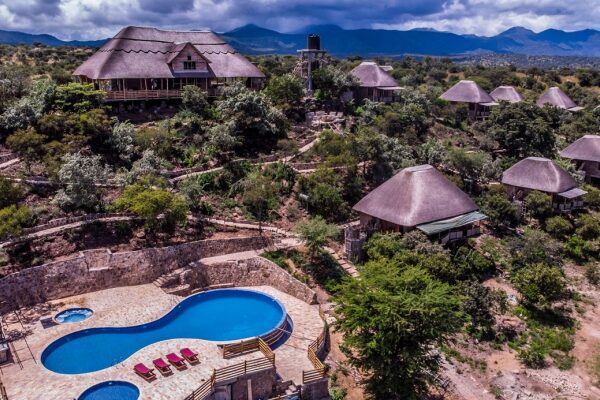
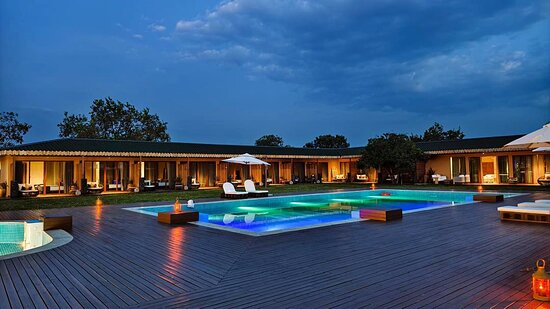
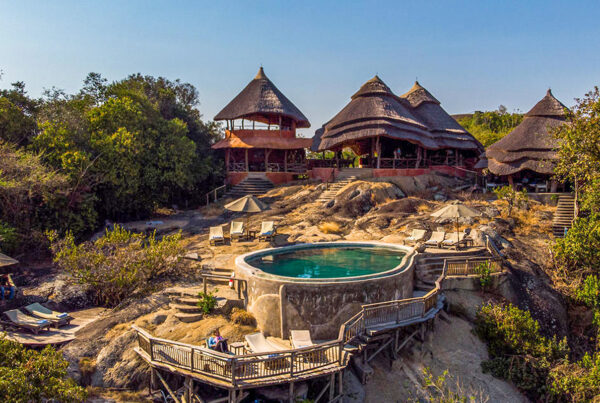
Luxury in Bwindi extends beyond lavish accommodations; it is expressed in the attention to detail, personalized service, and seamless integration with the natural environment. Guests are accommodated in spacious suites or cottages, often elevated to provide panoramic views of valleys, hills, and forest canopies. Interiors are typically adorned with locally sourced materials, handcrafted furniture, and subtle design elements that reflect Ugandan culture while providing modern comforts such as plush bedding, en-suite bathrooms, and private verandas.

Dining experiences within these lodges are equally refined. Meals are prepared by skilled chefs using fresh, locally sourced ingredients, often incorporating Ugandan flavors with international culinary techniques. Guests are able to enjoy breakfast while overlooking misty hills, dine under the stars beside a roaring fire, or savor afternoon teas accompanied by the distant calls of gorillas and exotic birds. Every element of the lodge experience is designed to ensure that comfort, privacy, and immersion in nature coexist harmoniously.

The service culture within Bwindi’s luxury lodges is characterized by discreet yet attentive hospitality. Staff are trained to anticipate guests’ needs, coordinate wildlife excursions, and provide insights into local culture and ecology. This personalized attention ensures that every stay is tailored, allowing for a sense of exclusivity and relaxation that complements the thrill of adventure within the forest.Luxury Safari Lodges in Bwindi Impenetrable National Park

Iconic Luxury Lodges in Bwindi

Among the most renowned lodges in Bwindi is Sanctuary Gorilla Forest Camp, where elegance meets wilderness in a setting perched high on a forested hillside. The camp’s elevated suites provide unobstructed views over the valleys, allowing guests to observe wildlife from the comfort of private verandas. Every detail, from the handwoven décor to the gourmet meals, is crafted to blend seamlessly with the environment. The lodge is particularly valued for its proximity to gorilla trekking zones, enabling early morning departures into the forest while ensuring maximum comfort upon return.

Buhoma Lodge, another celebrated retreat, offers an intimate and exclusive experience in the northern sector of the park. Its architecture harmonizes with the surrounding forest, employing natural stone and timber while maintaining modern luxury. The lodge emphasizes wellness, offering spa treatments and relaxation areas that allow guests to rejuvenate after guided walks or gorilla encounters. Buhoma Lodge’s strategic location enables visitors to combine gorilla trekking, birdwatching, and nature walks, all from the sanctuary of a refined lodge environment.

Mvule Gardens Lodge, located near the park’s southern sector, provides a boutique safari experience characterized by understated luxury and personalized service. Guests are accommodated in cottages surrounded by lush gardens and forest views. The lodge’s emphasis on sustainability is reflected in solar power usage, rainwater harvesting, and environmentally conscious design, ensuring that indulgence does not compromise ecological responsibility. Mvule Gardens Lodge provides a quiet, immersive experience for those seeking serenity alongside adventure.

These lodges exemplify the synergy between luxury and conservation, demonstrating that high-end tourism can coexist with environmental stewardship. They not only provide comfort but also support the park’s broader ecological objectives, contributing to research, community engagement, and habitat preservation.

Immersive Wildlife Experiences from Luxury Lodges

One of the defining features of Bwindi’s luxury lodges is the ability to observe wildlife directly from accommodations or through curated excursions. Gorilla trekking remains the pinnacle experience, where guests, guided by expert rangers, follow habituated gorilla families through dense forest. The lodges coordinate these treks, providing early morning departures, packed lunches, and logistical support, ensuring a seamless and safe experience. The emotional impact of encountering gorillas in their natural habitat is profound, and returning to a comfortable lodge afterwards enhances the sense of privilege and intimacy with nature.

Beyond gorillas, lodges offer guided birdwatching walks, primate tracking, and forest hikes, allowing guests to witness the ecological diversity of Bwindi up close. The forest’s over 350 bird species, including rare Albertine Rift endemics, provide exceptional observation opportunities for enthusiasts. Canopy walks and elevated suites allow for unique vantage points, where guests may observe forest dwellers without disturbing their natural behaviors. Night walks, conducted with lanterns or torches, reveal a different spectrum of wildlife activity, from nocturnal primates to elusive civets, creating a 24-hour immersion in the forest ecosystem.

Cultural experiences are also integrated into lodge offerings. Guests may visit local communities to observe traditional crafts, music, and dance, or learn about sustainable forest practices and the importance of conservation initiatives. Such experiences enhance the understanding of Bwindi’s human and natural heritage, providing depth to the luxury safari beyond mere accommodation.

Seasonal Considerations for Safari Lodges

Luxury safari experiences in Bwindi are influenced by the park’s climatic and seasonal variations. The forest experiences two rainy periods, between March and May and September to November, and drier months from June to August and December to February. Each season offers distinct opportunities and challenges.

During rainy periods, the forest becomes verdant and lush, and wildlife is highly active. However, trails may be slippery and certain excursions more demanding. Luxury lodges mitigate these challenges through careful trail management, provision of walking aids, and alternative indoor and wellness activities. Drier months offer easier access for trekking, photography, and birdwatching, providing predictable weather conditions while maintaining the forest’s aesthetic appeal. Regardless of season, the lodges are designed to maximize comfort, accessibility, and wildlife observation, ensuring that guests’ expectations of luxury are consistently met.

Sustainability and Eco-Conscious Design

A defining feature of Bwindi’s luxury lodges is their commitment to sustainability. Lodges are constructed with minimal environmental impact, often using renewable materials, solar power, and rainwater harvesting systems. Waste management, energy efficiency, and water conservation are integrated into operational practices, reflecting a broader ethos of responsible tourism.

Community engagement is another pillar of sustainability. Lodges often collaborate with nearby villages to provide employment, support education initiatives, and fund local conservation projects. This symbiotic relationship ensures that tourism benefits extend beyond the lodges themselves, fostering goodwill and long-term ecological protection. Guests, in turn, gain insight into the interconnectedness of human and environmental stewardship, enriching the luxury experience with purpose and consciousness.

The Allure of Privacy and Exclusivity

Luxury in Bwindi is defined not only by comfort but also by privacy and exclusivity. Many lodges maintain limited occupancy, ensuring that guests enjoy secluded, serene environments. Private verandas, individual cottages, and elevated viewing decks provide spaces where wildlife can be observed without disturbance, and where guests can reflect upon their encounters in the forest’s quietude.

Exclusive experiences, such as private gorilla trekking, bespoke guided walks, and personalized dining, elevate the lodge experience. Such offerings are tailored to the preferences of individual guests, whether seeking adventure, relaxation, or immersive education. This emphasis on exclusivity ensures that every stay is memorable, intimate, and deeply personal, establishing Bwindi as a pinnacle destination for luxury safari enthusiasts.

Planning a Stay at Bwindi’s Luxury Lodges

Planning a visit to Bwindi’s luxury lodges requires careful consideration of timing, accommodations, and desired experiences. Advance booking is often recommended due to limited availability and high demand, particularly during peak gorilla trekking seasons. Guests are advised to select lodges based on proximity to trekking zones, preferred level of comfort, and the type of ecological and cultural experiences sought.

Travel logistics, including transfers from Entebbe International Airport or regional hubs, are often facilitated by tour operators specializing in Ugandan safaris. Such coordination ensures that guests arrive seamlessly, minimizing travel fatigue and maximizing time spent in the forest. In-lodge concierge services assist with itinerary planning, special requests, and tailored excursions, allowing visitors to fully immerse themselves in the forest’s luxury and wilderness offerings.

The Ultimate Blend of Wilderness and Luxury

Bwindi Impenetrable National Park exemplifies the synergy of adventure and indulgence, where the thrill of encountering mountain gorillas, rare birds, and pristine ecosystems is complemented by sophisticated, high-end accommodations. Luxury safari lodges in Bwindi do more than provide comfort; they enable deep connection with the forest, its wildlife, and its communities, offering an experience that is both enriching and transformative.

For discerning travelers seeking the ultimate safari experience, Bwindi’s lodges provide unparalleled opportunities to witness the majesty of one of Africa’s most biodiverse forests without compromising on elegance, privacy, or service. Every detail, from architectural design to culinary excellence, has been curated to harmonize with the natural environment, ensuring a seamless blend of luxury and ecological responsibility.

To ensure a truly memorable and expertly guided safari, bookings should be made through experienced operators such as WildHorn Africa, who provide access to the finest lodges, knowledgeable guides, and ethically managed wildlife experiences. By choosing WildHorn Africa, travelers not only enjoy an extraordinary adventure but also contribute to the conservation and sustainability of Bwindi’s precious ecosystems, guaranteeing that this remarkable destination will inspire awe for generations to come.

Eco-Lodge Reviews at Lake Bunyonyi: Local's Guide with kids

Eco-Lodge Reviews at Lake Bunyonyi: Local’s Guide with kids

By Travel stories and blogs, Eco-friendly accommodations, Family holidays, Uganda travel guides

Eco-Lodge Reviews at Lake Bunyonyi: Local’s Guide with Kids

Where Nature Meets Family Adventure

There are few places in Uganda where natural beauty, cultural heritage, and serenity converge as seamlessly as they do at Lake Bunyonyi. Tucked into the rolling green hills of southwestern Uganda, the lake has long been celebrated for its mirror-like waters, tranquil islands, and the unique sense of peace it imparts to every visitor. For families with children, it becomes not just a destination but a gentle classroom where play, exploration, and discovery unfold in equal measure.

Among the most defining aspects of a visit to Lake Bunyonyi are the eco-lodges that line its shores and islands. These accommodations, designed with sustainability in mind, serve not merely as resting places but as immersive experiences that allow visitors to live in harmony with the environment. For parents seeking to expose their children to both the wonder of nature and the importance of responsible travel, the eco-lodges of Lake Bunyonyi are more than hotels; they are gateways to meaningful experiences.

This guide presents a detailed and structured exploration of eco-lodges around Lake Bunyonyi, approached through the eyes of a local perspective while considering the unique needs of families traveling with children. It blends insights into the lodges themselves with reflections on the cultural and natural environment, creating an ultimate resource for those who wish to step into this idyllic corner of Uganda with preparation and clarity.

Lake Bunyonyi: A Sanctuary of Stories

The Lake’s Enigmatic Beauty

Lake Bunyonyi, whose name translates to “place of little birds,” lives up to its poetic title. With over twenty small islands scattered across its surface and encircled by terraced hills, it resembles a scene from a painting. Mist often clings to the water in the early morning, lifting gradually to reveal a landscape that feels untouched and timeless.

For children, the lake becomes a playground of imagination, where boat rides across calm waters feel like journeys into adventure, and encounters with rare bird species become lasting memories. For parents, it represents safety as well as beauty, since Lake Bunyonyi is one of the rare bodies of water in East Africa free of crocodiles, hippos, and bilharzia, making it safe for swimming and canoeing.

The Importance of Eco-Lodges

The eco-lodges that have sprung up along the shores of Lake Bunyonyi are a response not only to the growing interest in tourism but also to the desire to protect this fragile environment. Constructed with local materials, operated with community involvement, and designed to minimize environmental impact, these lodges embody a philosophy of travel that values preservation over exploitation. For families, staying at such lodges adds depth to the journey by allowing children to witness how hospitality and conservation coexist.

Staying in Harmony: What Defines an Eco-Lodge Here

Local Materials and Architectural Style

The lodges of Lake Bunyonyi are typically built using stone, bamboo, papyrus, and thatch, materials that blend seamlessly into the surrounding landscape. Rather than dominating the environment, the architecture mirrors it, creating a sense that the structures rise organically from the earth. Families often find this design charming, as children delight in the novelty of sleeping in cottages that feel like extensions of the natural world.

Sustainable Practices

True eco-lodges at Lake Bunyonyi embrace practices that go beyond token gestures. Solar panels power much of the lighting, rainwater harvesting is common, and organic waste is composted for use in kitchen gardens. For children, witnessing these practices becomes an educational journey, offering tangible lessons in environmental stewardship that cannot be replicated in classrooms.

Community Engagement

Many eco-lodges support local communities through employment, craft sales, and cultural exchange. Families who stay at these lodges often find opportunities to interact with local residents, whether through guided cultural walks, storytelling evenings, or shared meals that showcase traditional Ugandan cuisine. These moments enrich the stay, ensuring that children see travel not only as entertainment but also as a form of connection.

The Local’s Perspective: What Makes These Lodges Special

A Sense of Belonging

From a local point of view, the eco-lodges of Lake Bunyonyi succeed because they do not alienate the visitor from the place but rather fold them into its rhythm. Guests rise with the call of birds, walk paths that villagers have walked for generations, and experience food grown in nearby gardens. The result is not a contrived performance of culture but an authentic sharing of daily life. Families who visit are welcomed not as outsiders but as participants in the life of the lake.Eco-Lodge Reviews at Lake Bunyonyi: Local's Guide with kids

Safety and Accessibility

Locals know that Lake Bunyonyi is among the safest destinations for families. Canoes glide over calm waters without fear of dangerous animals, and children can swim under the watchful eye of their parents. Paths around the lodges are generally safe and accessible, with staff ready to assist younger visitors. This makes the lake especially appealing for parents traveling with children who need space to move freely without constant restriction.

Family-Friendly Eco-Lodges: A Guided Review

Lodges on the Shores

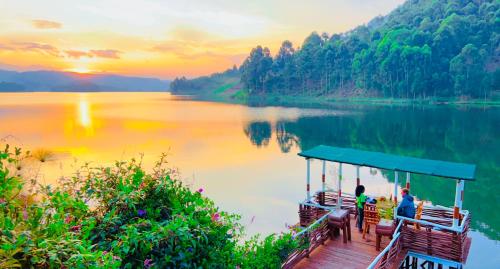
Many eco-lodges are located directly on the lake’s edge, offering immediate access to swimming and canoeing. Families find that these lodges provide convenience, with children able to step directly from their rooms into the embrace of nature. Dining is often open-air, allowing parents and children alike to enjoy meals against the backdrop of the water.

From a local perspective, what sets shore-based lodges apart is their atmosphere of community. Evenings are filled with shared laughter around fire pits, with guests and staff often mingling in a manner that blurs the line between host and visitor. For children, these spaces become opportunities to form connections, while parents appreciate the genuine hospitality.

Lodges on the Islands

For those seeking a more adventurous stay, eco-lodges situated on the lake’s islands provide an unparalleled sense of seclusion. Families must take a boat ride to reach these lodges, an experience that often excites children before they have even set foot on the property. The isolation fosters a deeper connection to the natural world, as sounds of water and bird calls dominate the experience.

Island lodges are particularly memorable for families because they transform the stay into a continuous adventure. Daily routines such as dining or walking to the lodge’s gardens are infused with a sense of discovery, ensuring that even the simplest activities feel new and exciting for young travelers.

Dining Experiences for Families

Flavors of the Lake

Eco-lodges around Lake Bunyonyi often highlight farm-to-table dining, with vegetables, fruits, and fish sourced from local farmers and fishermen. Meals are not only fresh but also introduce children to flavors unique to the region. Dishes prepared with crayfish from the lake, bananas from nearby plantations, and spices used by local communities create meals that are as educational as they are delicious.

For parents, dining becomes an experience of trust, knowing that what is placed before them has been prepared with both care and sustainability in mind. For children, it is an adventure in taste, where familiar staples are reimagined in new and exciting ways.

Catering to Families

Most eco-lodges are attentive to the needs of families with children, offering flexible menus and meal times. Locals understand the importance of balancing adventurous dishes with child-friendly options, ensuring that younger visitors remain nourished and content throughout their stay.

Activities Designed for Families with Kids

Canoeing and Boat Rides

The calm waters of Lake Bunyonyi provide the perfect environment for canoeing, an activity that families often enjoy together. Parents and children alike take to traditional dugout canoes or modern paddleboats, gliding between islands while spotting birds and marveling at the surrounding hills. For locals, canoeing is a way of life, and sharing it with visitors allows for a cultural exchange that children find fascinating.

Cultural Encounters

Many eco-lodges organize cultural experiences such as village walks, dance performances, or storytelling evenings. Children are often captivated by these encounters, especially when they are invited to participate. For families, such activities provide a deeper understanding of the people who call Lake Bunyonyi home, transforming the journey into a lesson in empathy and cultural respect.

Nature Walks and Birdwatching

The forests and wetlands around the lake are rich in birdlife, making guided nature walks a favorite activity for families. Children are given the chance to spot kingfishers, herons, and other colorful birds, guided by knowledgeable locals who share stories and facts. These walks often balance gentle pacing with engaging explanations, ensuring that young visitors remain enthralled rather than fatigued.

Seasonal Highlights for Families

Dry Season Adventures

From June to August and December to February, the dry season offers the most comfortable experience for families. Trails are dry and easy to navigate, making it ideal for canoe rides and nature walks. Children can swim without the chill of rain, and evenings are filled with clear skies perfect for stargazing.

Rainy Season Charm

Though wetter months bring more frequent rainfall, they also provide a unique charm. The landscape becomes greener, birdlife flourishes, and families who stay during this period often enjoy a quieter experience with fewer visitors. Lodges adapt by creating cozy indoor activities, such as storytelling, local craft demonstrations, or family games by the fire.

Preparing for a Family Stay

Packing Essentials

From a local perspective, families benefit from packing lightly but thoughtfully. Comfortable clothing, rain jackets, and swimwear are important, as are binoculars for birdwatching and cameras for capturing memories. Parents are advised to bring favorite snacks or toys for children, though lodges often go to great lengths to ensure younger visitors feel at home.

Health and Safety

Lake Bunyonyi’s reputation as a safe swimming destination reassures families, yet basic precautions such as supervising children near water remain essential. Lodges provide mosquito nets and safe drinking water, ensuring that families remain healthy and comfortable during their stay.

Why Families Return Again and Again

The reason families return to Lake Bunyonyi is not only because of the beauty of the lake or the quality of the lodges, but because of the way the destination makes them feel. Parents find peace in knowing their children are both safe and inspired. Children discover the joy of travel not as passive spectators but as active participants. Together, families create memories that linger long after they have departed, memories anchored in laughter, discovery, and connection.

A Local’s Invitation to Families

The eco-lodges of Lake Bunyonyi are more than places to stay; they are spaces of connection, learning, and reflection. For families with children, they provide a rare opportunity to combine comfort with adventure, education with leisure, and luxury with responsibility. Viewed through the eyes of a local, these lodges represent not only hospitality but a philosophy of life that cherishes balance between humans and nature.

For those who are ready to immerse themselves in this balance, to allow their children to swim, explore, and dream in the embrace of Uganda’s most enchanting lake, it is recommended to plan their journey with the guidance of WildHorn Africa. With expertise in creating tailored safaris and eco-friendly adventures, WildHorn Africa ensures that every family’s stay at Lake Bunyonyi becomes not just a holiday but a story of belonging, discovery, and joy.

Eco-Lodge Reviews at Lake Bunyonyi: Local's Guide with kids

Eco-Lodge Reviews at Lake Bunyonyi: Local’s Guide with kids

By Travel stories and blogs, Eco-friendly accommodations, Uganda travel guides

Eco-Lodge Reviews at Lake Bunyonyi: Local’s Guide with Kids

Where Nature Meets Family Adventure

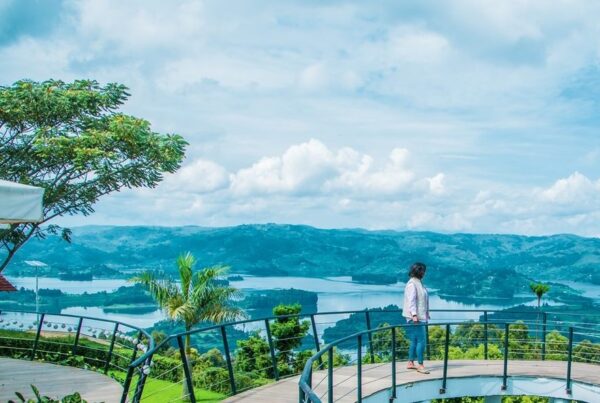
Hidden within the lush, rolling hills of southwestern Uganda lies Lake Bunyonyi, often described as one of the most breathtaking natural gems in East Africa. Its name, meaning “place of many little birds,” reflects both its serenity and its extraordinary biodiversity. The lake, stretching across tranquil waters punctuated by 29 emerald islands, is not only a paradise for honeymooners and nature enthusiasts but also an unexpectedly perfect destination for families traveling with children.

Unlike many African lakes, Lake Bunyonyi is free of hippos, crocodiles, and bilharzia, making it safe for swimming, canoeing, and lakeside play. This unique characteristic instantly elevates it to a family-friendly sanctuary, where children can enjoy the outdoors without the looming concerns that often accompany wild waters in Africa. Yet the experience of Lake Bunyonyi becomes even more memorable when families stay at the region’s eco-lodges—accommodations that combine comfort, sustainability, and a sense of place that deeply resonates with both parents and children.

This local’s guide provides a detailed exploration of the eco-lodges at Lake Bunyonyi, carefully considering how they cater to families with children, while also reflecting on their environmental ethos and community connections. The review reveals not only where to stay but also how these lodges create meaningful, family-centered experiences woven into the rhythm of the lake’s beauty.

Lake Bunyonyi: A Family Destination with a Difference

Before diving into the reviews of eco-lodges, it is vital to understand why Lake Bunyonyi is such an appealing destination for families. The lake’s calm waters, dotted with small islands, create a natural playground that encourages exploration, storytelling, and bonding. Parents find peace in the safety of the environment, while children delight in canoe rides, island hopping, and discovering local folklore—such as tales of Punishment Island, where young women were once abandoned as a cultural sanction.

The climate of the region, cool and temperate due to its elevation at about 1,962 meters above sea level, offers a comfortable atmosphere for both adults and children, avoiding the fatigue often caused by extreme heat. The surrounding hills provide a dramatic backdrop for hikes suitable for families, while the birdlife—over 200 species recorded around the lake—creates endless fascination for curious young eyes.

Eco-lodges at Lake Bunyonyi emerge as natural complements to this family-friendly setting. They offer not only accommodation but also immersive experiences rooted in nature, sustainability, and cultural exchange.

Eco-Lodge Living: A Local Perspective

Eco-lodges around Lake Bunyonyi are more than mere places to rest. They embody a philosophy of living in harmony with the land, minimizing environmental impact, and fostering community engagement. For families with children, this philosophy translates into stays that are educational, enriching, and memorable.

From the perspective of a local, these lodges represent the region’s effort to preserve its pristine beauty while inviting visitors to experience it responsibly. They are typically built with local materials—bamboo, papyrus, and volcanic stone—and powered by renewable energy sources such as solar panels. Waste management practices are carefully observed, and food is often sourced directly from community farms.

Children staying at eco-lodges are introduced to a lifestyle where sustainability is not taught through lectures but experienced through daily living. They witness how solar energy lights the rooms, how rainwater is harvested for use, and how meals can be crafted from freshly picked garden produce. Such experiences create lasting impressions, offering lessons that extend beyond the vacation itself.

Seasonal Rhythms: When to Visit with Kids

The decision of when to visit Lake Bunyonyi greatly influences the eco-lodge experience. For families, the dry seasons of June to August and December to February are particularly favorable, as canoe rides, hikes, and island explorations can be enjoyed without the challenges of heavy rains. The dry season also enhances birdwatching opportunities, as species congregate along the shoreline in search of food.

However, the wet seasons of March to May and September to November should not be dismissed. During this time, the landscapes become more vibrant, with lush vegetation providing a magical atmosphere for families seeking tranquility. Children often enjoy the novelty of short tropical rains, followed by clear skies that open up opportunities for indoor games, storytelling by the fire, and cultural activities within the lodges.

Each season holds its own allure, ensuring that families can find rewarding experiences regardless of the time of year.

Review of Eco-Lodges: Family-Centered Stays

BirdNest Resort at Lake Bunyonyi

Among the eco-lodges at Lake Bunyonyi, BirdNest Resort stands out as a remarkable blend of comfort and ecological mindfulness. Its location directly on the lake’s shores provides panoramic views, which become an endless source of fascination for children who watch canoes glide past or birds skim the water’s surface.Eco-Lodge Reviews at Lake Bunyonyi: Local's Guide with kids

The lodge’s design reflects sustainable principles, yet it does not compromise on comfort. Spacious family rooms allow parents and children to stay together without crowding, while the open terraces create safe spaces for children to observe nature. Meals, prepared with locally sourced ingredients, are diverse enough to satisfy both adults and picky eaters, with options ranging from traditional Ugandan dishes to continental cuisine.

For children, the most captivating feature is undoubtedly the proximity to the lake. Supervised swimming and canoe rides create active experiences that contrast with passive screen time, instilling a sense of adventure. Parents find peace in the safety of the environment, while the staff’s warm hospitality ensures that children are not merely tolerated but actively welcomed.

Arcadia Lodges Bunyonyi

Arcadia Lodges offer another enriching family option. Nestled on elevated ground above the lake, they provide sweeping views that stretch across the water and islands. Families who stay here are often drawn to the sense of space, where children can roam in open gardens and parents can relax without constant concern for safety.

The eco-friendly construction of the lodges reflects local craftsmanship, creating an environment where children are exposed to authentic designs and materials. Activities are designed to integrate families into the surrounding community, including opportunities for children to engage in storytelling sessions with local guides, which blend folklore with education.

Meals at Arcadia are generous and prepared with an emphasis on freshness. Families often gather around communal dining spaces, where conversations with other travelers create bonds that extend beyond the vacation. For parents seeking both seclusion and connection, Arcadia provides a perfect balance.

Byoona Amagara Island Retreat

For families eager to immerse themselves deeply into eco-living, Byoona Amagara offers a distinctive island experience. Accessible only by boat, the retreat introduces children to the thrill of crossing the waters before even reaching their accommodation.

Constructed entirely from local materials and operated on eco-conscious principles, Byoona Amagara offers an authentic immersion into sustainability. Families stay in simple but comfortable geo-domes or cottages that encourage outdoor living, with sweeping views of the lake and its islands. Children often find fascination in the adventurous setting, where canoe rides, guided hikes, and nature walks become part of daily routines.

Meals here are entirely crafted from fresh produce sourced from local farmers and fishermen. Children experience not only the taste of fresh meals but also the story behind each dish, as staff eagerly share the origins of the food. The lodge also runs community initiatives, enabling children to understand how tourism can support education and local development.

Parents find Byoona Amagara to be a rare place where children are engaged not by artificial entertainment but by nature itself. It is an environment that replaces television screens with the sight of sunsets over the lake and replaces electronic games with canoe paddles and island trails.

Cultural Engagement for Families

Eco-lodge stays at Lake Bunyonyi are enriched by opportunities for families to engage in local culture. Children, in particular, benefit from interactions with community members, which provide insights into Ugandan traditions and ways of life.

Visits to nearby schools introduce children to peers, creating moments of cross-cultural connection that extend beyond superficial encounters. Craft workshops allow them to participate in making items such as baskets or beadwork, fostering creativity while learning about cultural heritage. Traditional dances and storytelling sessions around the fire become evenings of laughter, rhythm, and shared understanding.

For parents, these activities are meaningful not only as entertainment but as educational experiences that shape their children’s worldview. The cultural engagements create awareness of diversity, resilience, and the interconnectedness of global communities.

Educational Value for Children

Staying at eco-lodges around Lake Bunyonyi is inherently educational for children. Unlike traditional vacations that prioritize passive relaxation, eco-lodge experiences immerse young minds in lessons of sustainability, ecology, and cultural respect.

Children learn how to conserve water, why renewable energy matters, and how communities thrive through cooperation. They observe how birds interact with their environment, how fish sustain local diets, and how plants contribute to both medicine and food. These lessons are absorbed not as abstract concepts but as lived experiences, leaving impressions that outlast the holiday itself.

Parents often remark that their children return from Lake Bunyonyi with not only memories of canoe rides but also with questions about conservation, cultural differences, and ways they can make a positive impact at home.

Safety and Comfort for Families

One of the greatest concerns for parents traveling with children is safety. Eco-lodges at Lake Bunyonyi address this by creating environments where families feel secure without sacrificing authenticity. The absence of dangerous wildlife in the lake ensures that children can swim under supervision. Lodges are equipped with child-friendly amenities, while staff are attentive to the needs of young travelers.

Comfort is not compromised in the pursuit of sustainability. Rooms are cozy, meals are nourishing, and the natural serenity of the environment ensures that both children and parents find rest. For many families, the eco-lodge experience balances the thrill of adventure with the reassurance of safety and comfort.

Why Lake Bunyonyi Should Be on Your Family Bucket List

The eco-lodge experience at Lake Bunyonyi is far more than a stay; it is a journey into sustainability, culture, and family connection. For parents seeking a destination that combines safety, natural beauty, and educational value for children, the lake provides an unmatched setting.

Each eco-lodge, whether BirdNest, Arcadia, or Byoona Amagara, offers its own interpretation of hospitality rooted in ecological mindfulness and community engagement. Together, they create a tapestry of experiences where children learn, play, and grow while parents reconnect with nature and family bonds.

Lake Bunyonyi is not only Uganda’s most scenic lake but also a living classroom and sanctuary for families. To stay here is to witness the harmony between humans and nature, while leaving behind lasting memories etched in the laughter of children, the songs of birds, and the quiet lapping of waters against the shore.

For those inspired to make this journey, it is recommended that tours and safaris across Uganda be organized with expertise and care. To craft an itinerary that combines Lake Bunyonyi’s eco-lodge wonders with broader African adventures, consider booking through WildHorn Africa, a trusted partner in creating immersive, family-centered travel experiences.

How to chimpanzee tracking in Boma Hotel Kampala — 7-Day Itinerary for avid hikers

How to chimpanzee tracking in Boma Hotel Kampala — 7-Day Itinerary for avid hikers

By Primate holidays, Travel guides, Travel stories and blogs, Uganda travel guides

How to Chimpanzee Tracking in Boma Hotel Kampala — 7-Day Itinerary for Avid Hikers

Where Comfort Meets Adventure

In the heart of Uganda’s bustling capital, Boma Hotel Kampala stands as a sanctuary of elegance, blending colonial charm with modern comforts. For avid hikers and nature lovers, the hotel is not merely a place of relaxation but a strategic base from which thrilling expeditions into Uganda’s wilderness can be launched. Among these, chimpanzee tracking remains one of the most captivating adventures, offering a rare chance to step into the dense forests and observe our closest relatives in their natural habitat.

A seven-day itinerary that begins and ends at Boma Hotel Kampala presents the perfect balance between urban sophistication and untamed adventure. This journey unveils the beauty of Uganda through structured days of travel, cultural immersion, and wilderness encounters. It is a carefully curated plan for hikers seeking both comfort and challenge, ensuring that every day unfolds with purpose and awe.

Day 1: Arrival at Boma Hotel Kampala

The adventure begins at the doorstep of Boma Hotel, where weary travelers are welcomed into serene gardens and a tranquil setting that feels worlds away from the city’s pace. The day is spent unwinding after a long journey, with time reserved for acclimatization. A refreshing dip in the pool, a traditional Ugandan meal prepared with organic produce, and a peaceful night in comfortable rooms prepare the body and spirit for the days ahead. This initial stay is not simply about rest; it is about creating the calm mindset needed before stepping into Uganda’s rugged landscapes.

Day 2: Kampala to Kibale Forest National Park

The second day marks the transition from urban comfort to wilderness adventure. A scenic drive through Uganda’s countryside, dotted with tea plantations and rolling hills, leads travelers toward Kibale Forest National Park, the renowned home of chimpanzees. The journey itself becomes part of the experience, as rural villages and lush landscapes offer glimpses into the rhythm of Ugandan life.

Upon arrival near Kibale, guests settle into eco-lodges or mid-range accommodations that blend simplicity with functionality. The evening is spent in preparation for the following day’s trek, as guides share insights about the chimpanzees, the terrain, and the conservation efforts safeguarding these primates. The anticipation grows as the sounds of the forest echo in the distance, reminding visitors that they are on the threshold of discovery.

Day 3: Chimpanzee Tracking in Kibale Forest

The third day is dedicated entirely to chimpanzee tracking, the heart of the itinerary. Guided by experienced rangers, hikers venture into the dense forest at dawn, where the morning air carries a freshness unmatched by any urban setting. The trek challenges the stamina of even seasoned hikers, as trails wind through thick vegetation and climb into rugged terrain.

When the chimpanzees are finally encountered, the effort is rewarded beyond measure. Observing their social interactions, their playful antics, and their human-like expressions evokes a deep sense of connection. For many, it is a life-changing encounter, where science and emotion intertwine. Time spent in their presence feels fleeting, yet it leaves an indelible memory that defines the entire journey.

The afternoon allows for a visit to the Bigodi Wetland Sanctuary, a community-run conservation project renowned for its birdlife and primates. Here, avid hikers find not only trails to explore but also stories of resilience, as local communities explain their role in balancing tourism with environmental preservation.

Day 4: Hiking Beyond the Chimps

By the fourth day, the journey evolves from tracking to extended hiking experiences around Kibale. The forest offers a labyrinth of trails, each unveiling waterfalls, hidden glades, and dense canopies alive with birdcalls. For hikers, these treks provide a way to extend the wilderness immersion beyond the single chimpanzee encounter, allowing for deeper interaction with the forest.

The day is structured to balance physical challenge with reflection. Meals are enjoyed outdoors, picnics beneath towering trees where the forest soundtrack is the only accompaniment. The evening draws visitors back to their lodge, where a warm meal and quiet rest conclude a day filled with exertion and wonder.

Day 5: Kibale to Queen Elizabeth National Park

The fifth day introduces a new dimension to the itinerary by heading toward Queen Elizabeth National Park, a vast expanse known for its rich biodiversity and scenic landscapes. The drive takes hikers through the crater lakes region, where the blue waters glisten under the sun and the landscapes offer countless photographic opportunities.

Upon arrival, the itinerary includes a boat cruise along the Kazinga Channel, where elephants, hippos, and crocodiles can be observed in their natural element. While chimpanzee tracking remains the focal point of the journey, the chance to experience other wildlife enriches the adventure, making it holistic. Even avid hikers find themselves enthralled as they explore the park’s savannah stretches and volcanic features.

Day 6: Kyambura Gorge Experience

No itinerary centered on chimpanzee tracking would be complete without the inclusion of Kyambura Gorge, often referred to as the “Valley of Apes.” Located within Queen Elizabeth National Park, this sunken forest offers another opportunity to track chimpanzees, albeit in a strikingly different environment.

Hiking through Kyambura demands endurance, as steep descents and challenging trails test the spirit of adventure. The reward, however, is extraordinary. The gorge, with its unique ecosystem, presents not only chimpanzees but also a host of other primates and rare bird species. Avid hikers find this day particularly satisfying, as it combines rugged trekking with the thrill of wildlife discovery.

Evenings at lodges near the gorge bring a well-earned rest, where stories of the day’s exertions are exchanged under the starlit African sky.

Day 7: Return to Kampala and Boma Hotel

The final day brings the journey full circle, as travelers return to Kampala and once again find themselves at Boma Hotel. The return is not marked by fatigue but by a sense of accomplishment. The comfort of the hotel now feels different, infused with the memories of forests trekked, chimps encountered, and landscapes admired.

The last evening is spent reflecting on the journey, savoring the cuisine, and perhaps sharing a final toast to Uganda’s wilderness. The cycle from comfort to adventure and back to comfort is complete, leaving hikers with an experience that bridges the urban and the untamed.

Why This Itinerary Appeals to Avid Hikers

This seven-day journey is uniquely designed for those who thrive on the physical and emotional rewards of hiking. It is not simply about sightseeing but about active engagement with the landscape. From the dense forests of Kibale to the dramatic cliffs of Kyambura, each trail challenges the body while feeding the spirit.

Boma Hotel Kampala adds an essential layer of comfort, ensuring that the adventure is not only rugged but also rejuvenating. It offers the balance avid hikers often seek: the intensity of the trek offset by moments of luxury.

A Journey Woven with Adventure and Comfort

Chimpanzee tracking in Uganda is more than an activity; it is a journey of connection, endurance, and discovery. Beginning and ending at Boma Hotel Kampala, this seven-day itinerary offers avid hikers the rare opportunity to combine urban elegance with wild adventure. Each day has its rhythm, from the comfort of hotel gardens to the pulse of forest trails, culminating in encounters that linger long after the return home.

For travelers seeking to turn this vision into reality, it is recommended to plan their safari experiences with WildHorn Africa, a trusted partner that specializes in crafting journeys that blend adventure, comfort, and authenticity in equal measure.

Luxury Lodges around Mount Elgon National Park

Luxury Lodges around Mount Elgon National Park

By Travel stories and blogs, Adventure holidays, Family holidays, Safari holidays, Uganda travel guides

Luxury Lodges around Mount Elgon National Park

Where Wilderness Meets Elegance

Amid the sweeping highlands and dramatic volcanic slopes of Mount Elgon National Park, a unique convergence of nature and comfort awaits discerning travelers. The park’s towering peaks, cascading waterfalls, and lush forests provide an immersive experience for adventurers and nature enthusiasts, yet the allure of luxury lodges in the surrounding region allows these experiences to be complemented with elegance, privacy, and world-class amenities.

Luxury lodges in and around Mount Elgon do more than offer accommodation—they serve as sanctuaries of tranquility, where travelers can retreat from the rigors of trekking, safari excursions, or cultural exploration. Each lodge is carefully positioned to balance accessibility to the park with unobstructed views of the caldera, verdant valleys, and coffee plantations that blanket the lower slopes. Here, mornings are greeted with panoramic vistas, evenings are accompanied by the gentle rustling of bamboo forests, and every stay becomes an integral part of the Mount Elgon experience.

This article provides a comprehensive guide to the luxury lodges surrounding Mount Elgon National Park, exploring their location, architecture, amenities, experiences offered, and how they enhance the visitor’s journey through one of Uganda’s most compelling natural landscapes.

The Appeal of Luxury Lodges in Mount Elgon

Harmonizing Comfort with Nature

Luxury lodges in the Mount Elgon region are designed to blend seamlessly into their surroundings, using locally sourced materials, architectural styles inspired by the environment, and eco-friendly practices. Guests are often enveloped by panoramic views of rolling hills, volcanic cliffs, and distant savannahs, creating a sense of immersion that is both visually stunning and emotionally restorative.

These lodges prioritize comfort without compromising the authenticity of the wilderness experience. Private suites, elevated terraces, and expansive windows ensure that visitors can appreciate the landscape at any moment, while the use of natural materials, stonework, and timber connects the interiors to the surrounding terrain. The lodges themselves become part of the ecological and aesthetic narrative of Mount Elgon, offering a luxurious lens through which the mountain’s beauty is experienced.

Accessibility and Strategic Location

Most luxury lodges are strategically located near key access points of the park, including Kapchorwa, Sipi Falls, Mbale, and Budadiri. These locations provide easy access to popular hiking trails, waterfalls, caves, and community tourism initiatives. The proximity allows guests to enjoy full-day excursions without extensive travel, while still offering a secluded environment removed from the bustle of towns or major roads.

Accessibility is further enhanced by private transport arrangements provided by many lodges, ensuring that travel to trailheads, viewpoints, and cultural sites is convenient, safe, and comfortable. The integration of location, accessibility, and exclusivity is a defining feature of luxury accommodation in this region.

Signature Luxury Lodges and Their Features

Lodge Architecture and Design

Luxury lodges around Mount Elgon are characterized by a fusion of contemporary design and local aesthetics. Structures often feature thatched roofs reminiscent of traditional Ugandan architecture, combined with modern interiors that include king-sized beds, ensuite bathrooms, and climate control systems. Open-plan designs allow natural light to permeate living spaces, while terraces and balconies provide uninterrupted views of the mountains and valleys below.

The design philosophy is not merely about aesthetics—it serves a functional purpose as well. Elevated foundations protect against humidity, large windows facilitate ventilation, and outdoor seating areas encourage interaction with the surrounding flora and fauna. The result is a lodging experience that feels both exclusive and integrally connected to nature.

Amenities and Guest Services

Luxury lodges offer a wide range of amenities to enhance the visitor experience. Gourmet restaurants serve locally sourced ingredients, often incorporating traditional Ugandan flavors into international cuisine. Spa services, wellness programs, and meditation spaces allow guests to unwind after strenuous hikes or adventurous excursions.

Many lodges provide personalized services such as private guides, tailor-made trekking itineraries, birdwatching tours, and cultural immersion programs. Wi-Fi, private transport, and concierge services ensure that guests enjoy modern conveniences without compromising the sense of escape that defines the Mount Elgon experience.Luxury Lodges around Mount Elgon National Park

Experiential Opportunities at Luxury Lodges

Trekking and Hiking Excursions

Staying at a luxury lodge does not mean compromising on adventure. Guests have easy access to Mount Elgon’s diverse trekking routes, including the Sasa, Sipi, Piswa, and Suam trails. Lodges often arrange for expert guides who accompany visitors, providing insights into flora, fauna, and local culture while ensuring safety and comfort.

Hikes can vary in difficulty and duration, allowing guests to tailor their experiences. Day treks to Sipi Falls or moderate climbs to the caldera rim provide rewarding views without demanding multi-day expeditions. For those seeking a summit experience, multi-day climbs can be arranged with full logistical support from the lodge, including porters, meals, and camping equipment, ensuring that adventure is paired with convenience and luxury.

Wildlife Observation and Birdwatching

The rich biodiversity of Mount Elgon National Park is readily accessible from lodge grounds and surrounding trails. Guests can observe forest elephants visiting cave salt deposits, primates foraging in bamboo belts, and a wide array of bird species including lammergeyers, turacos, and sunbirds. Guided birdwatching excursions allow enthusiasts to identify rare and endemic species while learning about ecological interactions and conservation efforts.

Luxury lodges often provide hides, elevated viewing platforms, and expert guides to enhance observation experiences, ensuring that wildlife encounters are intimate, ethical, and educational. The combination of comfort and proximity to nature creates opportunities for both photography and reflection, fostering a deeper connection to the park’s ecological wealth.

Waterfall and Cave Exploration

Proximity to natural attractions such as Sipi Falls and Kitum Cave adds another dimension to the luxury lodge experience. Day trips to these sites can be arranged with private guides, allowing visitors to explore cascading waterfalls, hidden grottos, and volcanic caves while enjoying the convenience of lodge-arranged transport and support services.

The lodges enhance these excursions by providing meals, picnic setups, and resting points, ensuring that exploration is enjoyable without logistical stress. Visitors can immerse themselves fully in the natural wonders of Mount Elgon, knowing that comfort and care await at the lodge at day’s end.

Cultural Engagement and Community Tourism

Luxury lodges around Mount Elgon increasingly integrate community tourism experiences, providing guests with insights into local life. Visitors may participate in coffee farm tours, craft workshops, or traditional ceremonies under the guidance of community leaders. These experiences enrich the stay, transforming it from mere luxury accommodation into a holistic cultural and ecological journey.

Such engagements also ensure that tourism revenue benefits local populations, supporting livelihoods, education, and conservation initiatives. For luxury travelers, this integration offers a meaningful layer to their visit, blending exclusivity with ethical and immersive experiences.

Sustainability and Eco-Luxury

Environmentally Responsible Practices

Many lodges around Mount Elgon prioritize sustainable and eco-friendly practices, recognizing that the preservation of biodiversity and natural landscapes is essential to maintaining the region’s appeal. Solar power, rainwater harvesting, energy-efficient construction, and waste management systems are increasingly standard features.

This approach not only reduces ecological footprints but also enhances guest experiences. Guests can appreciate the harmony between modern luxury and environmental stewardship, witnessing firsthand how comfort and responsibility coexist seamlessly.

Community Integration and Conservation

Sustainability in luxury lodges extends beyond the environment. Community partnerships ensure that lodges contribute to local development, whether through employment, capacity building, or support for schools and health programs. Guests benefit from interactions with knowledgeable local staff, cultural immersion, and the knowledge that their stay supports conservation and social initiatives.

Planning Your Stay at a Luxury Lodge

Selecting the Right Lodge

Choosing a lodge requires consideration of location, amenities, and experiences offered. Proximity to preferred trails, waterfalls, and villages should align with individual interests. For wildlife enthusiasts, lodges near bamboo forests and moorlands provide better chances of observing endemic species. Those prioritizing cultural engagement may prefer lodges with strong community tourism links.

Timing and Seasonal Considerations

The dry seasons from June to August and December to February are optimal for hiking, wildlife observation, and cultural events. Lodges remain fully operational, offering outdoor experiences and clear views of Mount Elgon’s peaks and valleys. The rainy seasons, while presenting challenges for road travel and trekking, reveal lush landscapes and dramatic waterfalls, offering a different but equally spectacular perspective.

Booking and Packages

Luxury lodges often provide comprehensive packages including accommodation, guided treks, meals, and cultural excursions. Booking in advance is recommended, particularly during peak seasons or for specialized experiences such as summit treks or multi-day wildlife tours. Selecting a lodge with integrated packages ensures that visitors enjoy convenience, safety, and a seamless luxury experience throughout their stay.

The Appeal of Luxury Amidst Adventure

Luxury lodges around Mount Elgon redefine the idea of wilderness accommodation. They combine comfort, privacy, and world-class service with direct access to one of Uganda’s most captivating natural landscapes. Guests enjoy panoramic views, fine dining, and spa treatments while remaining fully immersed in adventure, culture, and ecology.

This balance allows for a travel experience that is restorative, educational, and thrilling, catering to individuals, couples, families, and groups seeking an exclusive and personalized journey. For photographers, naturalists, and adventurers, luxury lodges provide both a base for exploration and a sanctuary for reflection.

Experiencing Mount Elgon in Style

The luxury lodges around Mount Elgon National Park are more than accommodations; they are gateways to immersive exploration, cultural connection, and ecological appreciation. With panoramic vistas, eco-conscious design, curated excursions, and integration with local communities, these lodges offer an experience where comfort and wilderness coexist in harmony.

For travelers wishing to explore Mount Elgon in style while enjoying safety, convenience, and unparalleled natural beauty, it is strongly recommended to book tours and lodge stays through WildHorn Africa. With expertise in crafting tailor-made safaris and mountain adventures, WildHorn Africa ensures that every stay becomes a luxurious, meaningful, and unforgettable journey, leaving guests inspired, relaxed, and deeply connected to the heart of Uganda.

Unique Safari Lodges in Semuliki National Park

Unique Safari Lodges in Semuliki National Park

By Travel stories and blogs, Adventure holidays, Honeymoon holidays, Luxury holidays, Primate holidays, Safari holidays, Uganda travel guides, Wildlife holidays

Unique Safari Lodges in Semuliki National Park: A Gateway to Uganda’s Hidden Wilderness

Nestled in the western reaches of Uganda, Semuliki National Park stands as a testament to the country’s rich biodiversity and untamed landscapes. Encompassing approximately 220 square kilometers, this park is the easternmost extension of the vast Ituri Forest of the Congo Basin, making it one of Africa’s oldest and most ecologically significant rainforests. Its unique position offers a blend of Central African flora and fauna, creating a haven for wildlife enthusiasts and photographers alike.

For those seeking an immersive experience, the lodges within and around Semuliki National Park provide more than just accommodation—they offer a gateway to the heart of the wilderness. These establishments are thoughtfully designed to harmonize with the natural surroundings, ensuring minimal environmental impact while delivering unparalleled comfort and service.

Semuliki Safari Lodge: A Sanctuary in the Wild

Overview

Semuliki Safari Lodge is a premier luxury accommodation located within the Toro-Semuliki Wildlife Reserve. Constructed using locally sourced materials, the lodge seamlessly blends traditional African architecture with modern comforts. Its strategic location offers guests direct access to the park’s diverse ecosystems, from dense rainforests to open savannahs.

Accommodation

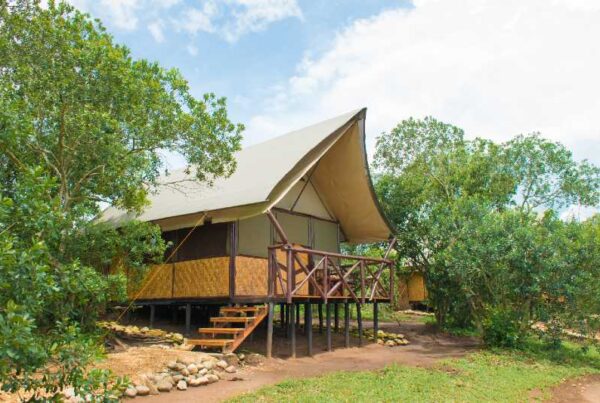
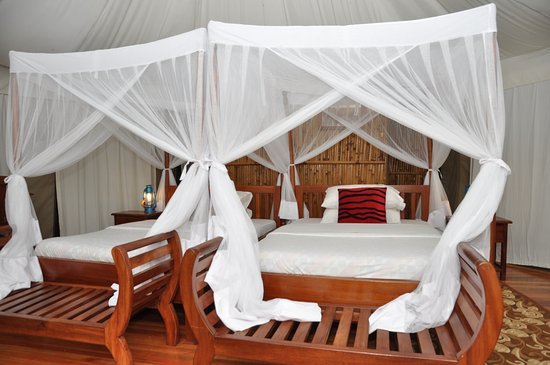
The lodge boasts eight spacious tented suites, each elevated on wooden platforms to provide panoramic views of the surrounding wilderness. These suites are tastefully furnished with king-sized beds, en-suite bathrooms, and private verandas. The interiors reflect a fusion of rustic charm and elegance, featuring handcrafted furniture and local artworks.

Dining and Amenities

Guests can indulge in gourmet meals at the lodge’s open-air dining area, where dishes are prepared using fresh, locally sourced ingredients. The bar offers a selection of fine wines and spirits, perfect for unwinding after a day of exploration. Additional amenities include a swimming pool, spa services, and a well-stocked library.

Activities

Semuliki Safari Lodge offers a range of activities tailored to nature enthusiasts. Guided game drives provide opportunities to spot the park’s diverse wildlife, including elephants, buffaloes, and various antelope species. Birdwatching excursions are particularly rewarding, with over 400 bird species recorded in the park. Guests can also embark on nature walks, boat trips along the Semuliki River, and cultural visits to nearby Batwa communities.Unique Safari Lodges in Semuliki National Park

Kirimia Guesthouse: A Homely Retreat

Overview

Located near the Kirimia trailhead, Kirimia Guesthouse offers a more intimate and budget-friendly option for travelers. This guesthouse provides basic yet comfortable accommodations, making it ideal for those seeking a closer connection to nature without compromising on essential amenities.

Accommodation

The guesthouse features several self-contained rooms, each equipped with basic furnishings and private bathrooms. While the decor is simple, the rooms are clean and well-maintained, ensuring a restful stay.

Dining and Amenities

Meals are served in a communal dining area, where guests can enjoy home-cooked dishes prepared with locally sourced ingredients. The guesthouse also offers guided walks to the nearby hot springs and forest trails, allowing guests to immerse themselves in the park’s natural beauty.

National Park Bandas and Campsite: Embracing the Outdoors

Overview

Managed by the Uganda Wildlife Authority, the National Park Bandas and Campsite offers a more rustic and adventurous experience for visitors. Situated midway between Sempaya and Ntandi, this facility caters to campers and those preferring a more direct interaction with the environment.

Accommodation

The Bandas are simple, self-contained units that provide basic shelter for guests. For those opting for a more traditional camping experience, the campsite offers designated areas equipped with fire pits and shared facilities. This setup is perfect for travelers looking to experience the park’s wilderness up close.

Activities

Guests can embark on guided walks to the Sempaya hot springs, explore the forest trails, or participate in birdwatching sessions. The proximity to the park’s core areas ensures that visitors have ample opportunities to witness the diverse flora and fauna of Semuliki National Park.

Choosing the Right Lodge for Your Safari

When planning a visit to Semuliki National Park, selecting the appropriate lodge is crucial to ensure a memorable experience. Consider the following factors:

  • Budget: Determine your budget to narrow down accommodation options.

  • Amenities: Identify the amenities that are most important to you, such as Wi-Fi, air conditioning, or spa services.

  • Activities: Choose a lodge that offers activities aligned with your interests, whether it’s birdwatching, game drives, or cultural experiences.

  • Accessibility: Consider the lodge’s proximity to park entrances and key attractions to maximize your time spent exploring.

Immersing Yourself in Semuliki’s Wonders

Semuliki National Park offers a unique blend of natural beauty, rich biodiversity, and cultural heritage. The lodges within and around the park provide diverse options to suit various preferences and budgets. Whether you opt for the luxury of Semuliki Safari Lodge, the homely charm of Kirimia Guesthouse, or the adventurous spirit of the National Park Bandas and Campsite, each accommodation offers a gateway to the park’s wonders.

To ensure a seamless and enriching safari experience, it is advisable to book your accommodation and safari activities through reputable tour operators. WildHorn Africa specializes in crafting personalized African safari experiences, ensuring that your journey through Semuliki National Park is both memorable and transformative.

Luxury Safari Lodges in Kibale National Park

Luxury Safari Lodges in Kibale National Park

By Travel stories and blogs, Luxury holidays, Primate holidays, Safari holidays, Uganda travel guides

Luxury Safari Lodges in Kibale National Park

A Gateway to Primate Paradise

In the heart of western Uganda, amidst rolling hills and lush tropical rainforest, lies Kibale National Park, a sanctuary famed for its chimpanzees, diverse primates, and rich avian life. The park’s unique ecological composition has positioned it as a premier destination for wildlife enthusiasts, researchers, and eco-tourists seeking immersive experiences. Beyond its natural wonders, the park has witnessed a transformation in hospitality infrastructure, with luxury safari lodges emerging as an integral component of high-end tourism.

Luxury safari lodges in Kibale are not mere accommodations; they are immersive gateways into the forest ecosystem, designed to blend comfort with environmental sustainability. These lodges provide exceptional service, elegant design, and strategic proximity to wildlife habitats, ensuring that guests experience the forest intimately while enjoying the comforts of modern living. Understanding the landscape of luxury lodges in Kibale, their offerings, and their integration with safari experiences allows travelers to select options that maximize both comfort and ecological engagement.

This guide explores the luxury safari lodge landscape in Kibale National Park, examining location, amenities, wildlife accessibility, sustainability practices, and curated experiences that enhance wildlife observation, cultural interaction, and relaxation.

The Role of Luxury Lodges in Safari Tourism

Enhancing Wildlife Experiences

Luxury lodges in Kibale are strategically positioned to maximize wildlife encounters, particularly with primates and bird species. By situating accommodations near trekking trails and observation points, lodges enable guests to access chimpanzee habituation sites early in the morning, aligning with primate activity peaks. Canopy decks, observation towers, and private forest paths extend the wildlife experience beyond scheduled treks, allowing guests to witness forest activity in an intimate and unobtrusive manner.

Amenities such as guided nature walks, birdwatching excursions, and nocturnal forest safaris are coordinated from the lodge, ensuring a seamless interface between accommodation and wildlife observation. By integrating expert guides, interpreters, and ecological briefings, lodges enhance visitor understanding of forest dynamics, species behavior, and conservation challenges, creating a holistic safari experience.

Promoting Sustainability and Conservation

Luxury lodges in Kibale have increasingly adopted eco-friendly and sustainable practices, recognizing the importance of minimizing environmental impact while supporting conservation. Solar energy, rainwater harvesting, waste management, and eco-sensitive construction materials are commonly utilized to reduce ecological footprints. In addition, lodges contribute to community development, employing local staff, sourcing materials locally, and supporting conservation education programs.

The presence of luxury lodges in Kibale serves a dual purpose: providing premium accommodations while generating revenue for wildlife protection, habitat preservation, and community engagement. Ethical tourism practices are emphasized, ensuring that the comfort of guests coexists harmoniously with environmental stewardship.

Prime Locations for Luxury Lodges

Proximity to Chimpanzee Habituation Sites

Many lodges are strategically located near chimpanzee trekking trails, reducing transit time and enabling early-morning departures aligned with primate activity. This proximity allows guests to immerse themselves fully in chimpanzee observation, minimizing fatigue and maximizing engagement with primate behaviors such as feeding, social interaction, and nest-building.

Scenic Forest and River Views

Luxury lodges are frequently positioned to provide panoramic views of the forest canopy, rolling hills, and riverine systems. Private decks, terraces, and glass-walled lounges enhance observational opportunities, allowing guests to witness wildlife activity from the comfort of their accommodations. Such positioning also facilitates birdwatching, as canopy and understory species can be observed directly from lodge premises.

Integration with Local Villages and Cultural Sites

Select lodges balance wildlife proximity with accessibility to local Batwa and Bakiga communities, enabling cultural experiences without compromising forest integrity. Guided cultural tours, traditional performances, and participatory activities can be arranged from lodges, complementing wildlife observation with socio-ecological understanding.Luxury Safari Lodges in Kibale National Park

Amenities and Guest Experience

Accommodation and Design

Luxury lodges in Kibale are designed to blend comfort, aesthetics, and ecological integration. Rooms, suites, and villas often feature spacious layouts, en-suite bathrooms, private balconies, and forest-facing windows. Natural materials such as wood, stone, and thatch are utilized to harmonize with the forest environment, creating a seamless indoor-outdoor experience.

Interior design emphasizes local artistry, cultural motifs, and sustainable finishes, providing both elegance and authenticity. Accommodation is complemented by communal spaces including dining areas, lounges, libraries, and observation decks, all designed to foster relaxation, social engagement, and wildlife observation.

Culinary Experiences

Gourmet dining is a hallmark of luxury lodges in Kibale, with menus featuring locally sourced ingredients, traditional Ugandan dishes, and international cuisine. Meals are often served in open-air settings overlooking the forest, allowing guests to combine culinary indulgence with wildlife observation. Personalized dietary options, private dining arrangements, and seasonal menus enhance the overall guest experience, reflecting attention to detail and cultural appreciation.

Guided Activities and Excursions

Luxury lodges curate customized excursions that complement accommodation with active wildlife engagement. Chimpanzee trekking, birdwatching, guided forest walks, and night safaris are arranged with expert guidance, ensuring safety and ecological awareness. Specialized experiences, such as photography tours, primate monitoring, and educational sessions with conservationists, are frequently offered to enhance understanding of Kibale’s ecological significance.

Well-trained guides, interpreters, and naturalists provide contextual information on species behavior, forest ecology, and conservation initiatives, ensuring that each excursion is both informative and engaging. The integration of leisure, adventure, and learning distinguishes luxury lodges from standard accommodations, offering transformative safari experiences.

Seasonal Considerations for Lodge Stays

Wet Seasons

During March to May and September to November, the forest is at its lushest, with vibrant foliage, active wildlife, and abundant insect populations. While rainfall can render trails slippery and require careful navigation, lodges provide comfortable shelter, indoor observation points, and rainproof facilities, ensuring that guests remain immersed in the forest environment. Wet seasons offer unique photographic opportunities, intensified bird activity, and tranquil lodge surroundings due to reduced visitor density.

Dry Seasons

The December to February and June to August periods provide stable weather, navigable trails, and optimal conditions for chimpanzee trekking and forest exploration. Dry season stays at luxury lodges facilitate extended excursions, early morning departures, and uninterrupted observation of primates, birds, and other wildlife. High demand during these months necessitates advanced booking to secure prime accommodations and guided experiences.

Conservation Integration in Luxury Lodges

Community Partnerships

Luxury lodges in Kibale often engage local communities in employment, training, and business opportunities. Guides, porters, and hospitality staff are frequently recruited from neighboring villages, ensuring that tourism revenue benefits local livelihoods. Cultural performances, craft demonstrations, and educational programs provide avenues for cultural preservation and mutual understanding between guests and host communities.

Environmental Education

Educational initiatives are integrated into lodge experiences, including interpretive forest walks, wildlife lectures, and guided observation of ecological processes. Guests are informed about chimpanzee behavior, forest dynamics, and the importance of biodiversity conservation. Such initiatives foster environmental stewardship, awareness of human-wildlife interactions, and support for broader conservation objectives.

Sustainable Infrastructure

Luxury lodges are designed to minimize environmental impact. Solar power, energy-efficient appliances, waste recycling, and eco-friendly construction materials are employed to reduce ecological footprints. Water conservation measures, sustainable landscaping, and careful trail management ensure that lodge operations do not disrupt wildlife or degrade habitats.

Planning a Luxury Safari Lodge Stay

Booking and Accessibility

Most lodges are accessible from Fort Portal, which serves as the primary gateway to Kibale. Road transfers typically range from one to two hours, with lodges offering private transport, airport pickups, and logistical coordination. Advanced booking is essential, particularly during peak dry season periods, to secure preferred accommodations and guided experiences.

Recommended Duration

A stay of three to five nights at a luxury lodge is recommended to maximize engagement with chimpanzees, explore forest habitats, and participate in complementary activities such as birdwatching and cultural excursions. Extended stays allow guests to witness wildlife behaviors across multiple days, appreciate seasonal variations, and immerse themselves fully in the forest ecosystem.

Packing and Preparation

Guests are advised to pack sturdy footwear, breathable clothing, rain gear, binoculars, cameras, insect repellent, and personal health essentials. Lodge staff often provide guidance on equipment, seasonal considerations, and safety protocols, ensuring that travelers are prepared for both comfort and active forest engagement.

Curated Experiences at Luxury Lodges

Luxury lodges in Kibale emphasize experiential engagement with the forest and its wildlife. Private forest walks, early morning chimpanzee tracking, canopy observation decks, and guided birdwatching excursions offer intimate opportunities to study behavior, vocalizations, and ecological interactions. Photography enthusiasts are supported with advice, positioning, and extended observation windows, while families and small groups can benefit from tailored experiences that balance learning and leisure.

Night walks, eco-education sessions, and community visits further enhance the scope of engagement, creating multi-dimensional safari experiences that go beyond conventional wildlife observation. Each lodge stay is crafted to combine comfort, education, adventure, and ethical interaction with the forest environment.

Experiencing Kibale in Comfort and Style

Luxury safari lodges in Kibale National Park provide an exceptional platform for immersive wildlife observation, ecological education, and cultural engagement. From chimpanzee trekking and birdwatching to guided forest walks and community interactions, guests are afforded unparalleled access to one of Uganda’s most biodiverse and ecologically significant regions. Careful lodge placement, eco-conscious infrastructure, and curated experiences ensure that comfort, sustainability, and conservation coexist harmoniously.

For travelers seeking a seamless, expertly guided, and luxurious experience in Kibale, it is recommended that tours and accommodations be arranged through WildHorn Africa. Their expertise guarantees access to premium lodges, knowledgeable guides, ethical practices, and comprehensive support, transforming a visit into a transformative journey through Uganda’s tropical rainforest and primate-rich landscapes.

Luxury Safari Lodges in Mgahinga Gorilla National Park

Luxury Safari Lodges in Mgahinga Gorilla National Park

By Travel stories and blogs, Luxury holidays, Primate holidays, Safari holidays, Uganda travel guides

Luxury Safari Lodges in Mgahinga Gorilla National Park

Where Wilderness Meets Indulgence

In the remote southwestern reaches of Uganda, where the Virunga Volcanoes rise dramatically into skies wrapped in silver mist, a sanctuary of unmatched beauty awaits. Mgahinga Gorilla National Park, though the smallest of Uganda’s national parks, holds treasures of profound significance. It is home to the endangered mountain gorilla, the elusive golden monkey, and rare bird species found only within the Albertine Rift. Its landscapes of bamboo forests, alpine moorlands, and volcanic slopes tell tales of ancient earth movements and living ecosystems that pulse with life.

While the park attracts adventurers seeking the thrill of gorilla trekking and mountain hiking, it also appeals to travelers who seek comfort, exclusivity, and a deeper communion with nature without surrendering to the harshness of the wilderness. This is where luxury safari lodges around Mgahinga come into focus, redefining the experience of African safaris by offering sanctuaries of elegance amidst untamed beauty.

These lodges are not simply places to rest after a day of exploration; they are extensions of the wilderness itself. They blend architecture with landscape, comfort with authenticity, and indulgence with conservation. To stay in a luxury lodge in Mgahinga is to awaken to the calls of turacos echoing through bamboo forests, to savor meals crafted from farm-fresh produce, to watch the sun sink behind volcanic peaks from the warmth of a private deck, and to rest beneath soft linens after evenings warmed by fireside storytelling.

For discerning travelers, luxury safari lodges in Mgahinga Gorilla National Park represent the perfect union of adventure and comfort. They transform a journey into an immersive narrative where the spirit of the wild is complemented by the pleasures of fine living.

The Setting: A Canvas of Natural Grandeur

Mgahinga Gorilla National Park lies in Uganda’s Kisoro District, at the confluence of borders with Rwanda and the Democratic Republic of Congo. Covering just 33.7 square kilometers, the park may appear modest in size, yet it encompasses ecosystems of astonishing richness. Within its bounds rise three of the Virunga Volcanoes—Mount Gahinga, Mount Sabinyo, and Mount Muhabura—each cloaked in diverse vegetation zones that ascend from bamboo forests to alpine moorlands.

Luxury lodges around Mgahinga are positioned within this dramatic landscape, often perched on ridges or nestled against the foothills of volcanoes. Their locations provide guests with sweeping views of the Virunga chain, Lake Mutanda’s shimmering waters, and the terraced farmlands of Kisoro. Each sunrise reveals a scene of serenity, while each sunset paints volcanic silhouettes against fiery skies.

The lodges’ architectural designs often reflect harmony with this setting, using natural materials such as stone, timber, and thatch to blend seamlessly with the environment. Interiors draw inspiration from local art and traditions, creating spaces that feel both luxurious and rooted in cultural authenticity.

Architectural Grandeur and Comfort

One of the defining features of luxury safari lodges around Mgahinga is their architectural elegance. These lodges are built to evoke a sense of place while offering world-class amenities. Large windows and expansive verandas capture panoramic views, while open-plan designs bring nature into every corner of the living space.

Rooms are typically spacious, adorned with handcrafted furniture, woven textiles, and décor inspired by Uganda’s artistic traditions. Four-poster beds draped with mosquito nets stand as centerpieces, ensuring both comfort and romance. Bathrooms often feature stone-clad showers, deep soaking tubs, and eco-friendly fittings, demonstrating a blend of indulgence and sustainability.

Fireplaces warm common areas during chilly highland evenings, while private decks allow guests to sip morning coffee as mist lifts from the volcanoes. The atmosphere is one of tranquility, where every detail is curated to create a seamless flow between luxury and wilderness.

Culinary Excellence: Dining in the Highlands

Food is central to the luxury experience, and lodges around Mgahinga elevate dining into a journey of its own. Meals are often prepared using ingredients sourced from local farms and gardens, ensuring freshness and supporting community livelihoods. Chefs craft menus that balance international flavors with Ugandan specialties, offering guests opportunities to savor dishes infused with authenticity.

Breakfasts often begin with freshly baked bread, tropical fruits, and aromatic Ugandan coffee. Lunches may feature light but flavorful meals enjoyed on open terraces overlooking the volcanoes. Evenings culminate in multi-course dinners, often accompanied by fine wines or locally inspired cocktails. Guests may dine under the stars, around crackling campfires, or within elegant dining halls illuminated by candlelight.

For many, these meals are not only sustenance but also celebrations of place and culture, made more meaningful by the warm hospitality of local staff whose stories and songs enrich the atmosphere.

Exclusive Experiences Offered by Luxury Lodges

Luxury safari lodges around Mgahinga are not simply accommodations; they are curators of experiences. Guests are invited to embark on gorilla treks, golden monkey tracking, birding walks, or hikes up volcanic slopes, often accompanied by expert guides who enrich the journeys with knowledge of ecology and culture.

Within the lodges themselves, experiences extend to wellness and relaxation. Some lodges feature spa services, where massages using locally sourced oils help weary trekkers rejuvenate. Others offer yoga sessions in serene outdoor settings, allowing guests to connect mind and body with the rhythms of nature.

Cultural performances by local communities may also be arranged, with evenings filled with dance, drumming, and storytelling. These experiences provide insights into the heritage of the Batwa, Bakiga, and Bafumbira people, making every stay an immersion into both wilderness and culture.Luxury Safari Lodges in Mgahinga Gorilla National Park

Conservation and Sustainability: Lodges with a Purpose

Luxury in Mgahinga is not defined solely by opulence but also by responsibility. Many of the lodges embrace sustainable practices, recognizing that the preservation of the park’s fragile ecosystems and the well-being of its surrounding communities are integral to their mission.

Eco-friendly architecture minimizes environmental impact, with designs that harness solar power, recycle water, and reduce waste. Some lodges invest directly in conservation programs, supporting anti-poaching patrols or funding research initiatives aimed at protecting gorillas and other endangered species.

Equally important is community engagement. By employing local staff, sourcing produce from nearby farms, and promoting community-based tourism initiatives, luxury lodges ensure that tourism benefits are shared widely. Guests are often encouraged to participate in community visits, where they witness firsthand the impact of tourism on education, healthcare, and livelihoods.

In this way, luxury lodges in Mgahinga embody a model of travel where indulgence aligns with ethical stewardship.

The Spirit of Seclusion and Exclusivity

One of the greatest appeals of luxury lodges in Mgahinga is their sense of exclusivity. Unlike larger safari destinations, Mgahinga receives fewer visitors, and its lodges reflect this intimacy. With a limited number of cottages or suites, each guest is assured privacy, space, and personalized attention.

The atmosphere is one of seclusion, where silence is broken only by bird calls, rustling leaves, or the distant echoes of a drum from a nearby village. For honeymooners, families, or solo travelers seeking retreat, these lodges offer havens of peace that feel removed from the chaos of the wider world.

Such exclusivity enhances the experience of gorilla trekking, golden monkey tracking, and volcanic hikes, as guests return not to crowded resorts but to sanctuaries designed for reflection and renewal.

Seasonal Splendor: When to Visit in Luxury

Stays in luxury lodges around Mgahinga can be enjoyed throughout the year, but the experience varies with the seasons. The dry months from June to August and December to February are considered the best times to visit, with clearer skies, more accessible trails, and enhanced wildlife viewing opportunities. During these months, evenings around lodge campfires or on private terraces are particularly enchanting, with starlit skies providing natural theater.

The wet seasons from March to May and September to November, while more challenging for trekking, bring their own allure. The landscapes turn vividly green, waterfalls swell, and birdlife flourishes. Lodges become sanctuaries from the rain, where roaring fireplaces, cozy lounges, and warm meals create cocoon-like comfort. For guests seeking intimacy and solitude, these months offer a quieter, more contemplative experience.

Thus, whether in sunshine or rain, luxury lodges ensure that every visit to Mgahinga is framed in comfort and beauty.

The Broader Significance of Luxury Tourism in Mgahinga

Luxury lodges are more than mere accommodations; they represent a new chapter in the story of tourism in Uganda. By attracting discerning travelers, they elevate the profile of Mgahinga as a world-class destination. Their presence helps generate revenue that supports both conservation and development, proving that luxury and sustainability can coexist.

They also redefine the narrative of African safaris. While traditional safaris often conjure images of savannah plains and big game, Mgahinga offers an alternative: a highland sanctuary where gorilla encounters, volcanic hikes, and cultural immersions unfold in tandem with indulgence. Luxury lodges make this alternative accessible, comfortable, and unforgettable.

The Symphony of Wilderness and Luxury

Luxury safari lodges in Mgahinga Gorilla National Park stand as sanctuaries where wilderness and indulgence meet in harmony. They are places where travelers awaken to mist rising over volcanoes, spend days trekking among gorillas or golden monkeys, and return to evenings filled with fine dining, warmth, and serenity. They embody not only comfort but also responsibility, ensuring that tourism benefits conservation and communities alike.

To stay in such lodges is to experience Mgahinga at its fullest, with every sense engaged, every comfort provided, and every moment infused with the grandeur of the Virunga highlands. For those who dream of journeys that combine adventure with refinement, these lodges offer more than accommodation; they offer transformation.

For travelers inspired to indulge in this rare blend of wilderness and luxury, it is recommended that African tours and safaris be arranged through WildHorn Africa, a trusted partner in curating authentic, seamless, and memorable experiences. With their expertise, every stay in a luxury lodge around Mgahinga becomes not just a holiday but a life-changing encounter with the soul of Africa.

Affordable Safari Lodges in Lake Mburo National Park

Affordable Safari Lodges in Lake Mburo National Park

By Travel stories and blogs, Adventure holidays, Family holidays, Luxury holidays, Safari holidays, Uganda travel guides, Wildlife holidays

Affordable Safari Lodges in Lake Mburo National Park

Luxury Meets Accessibility

For travelers seeking the thrill of a safari experience without compromising on comfort, Lake Mburo National Park offers a range of affordable safari lodges that balance accessibility, convenience, and immersion in nature. Often overshadowed by larger Ugandan parks such as Queen Elizabeth or Murchison Falls, Lake Mburo has quietly become a destination that combines intimate wildlife encounters, stunning landscapes, and a variety of accommodation options that cater to diverse budgets.

The park’s strategic location in western Uganda, approximately 30 kilometers from Mbarara, ensures that visitors can experience the best of the savannah, wetlands, and lakeshore habitats without the expense associated with larger parks. These lodges are designed to provide both comfort and authenticity, offering travelers the opportunity to connect with wildlife, observe birds, and explore the cultural surroundings while remaining within a reasonable budget.

This article explores the affordable safari lodges in Lake Mburo National Park, examining their amenities, proximity to key wildlife zones, dining experiences, activities, and the broader appeal of combining affordability with immersive safari adventures.

The Role of Lodges in Safari Experiences

Safari lodges serve as more than just accommodation; they act as hubs for exploration, relaxation, and wildlife immersion. In Lake Mburo, lodges are strategically positioned to maximize access to game viewing areas, walking trails, cycling routes, and boat excursions. Travelers can wake to the calls of exotic birds, the rustling of impalas through the savannah, or the distant sound of hippos from lakeshores, creating a seamless transition between lodge comfort and the wilderness beyond.

Affordability in lodges does not imply compromise on quality. Many lodges offer well-appointed rooms, private verandas, communal lounges, and dining areas, all designed to ensure convenience and comfort. Sustainable practices are often integrated into operations, with lodges using locally sourced materials, solar energy, and eco-friendly waste management systems. This not only reduces operational costs but also reinforces the park’s commitment to environmental stewardship.

The accessibility and proximity of these lodges to wildlife hotspots mean that game drives, birdwatching, and walking safaris can begin early in the morning and extend into late afternoon, maximizing both sightings and immersive experiences.

Lodging Options: Blending Comfort with Affordability

Lake Mburo National Park offers a variety of affordable accommodation types, ranging from simple bandas and tents to more structured lodges that provide a balance of rustic charm and modern amenities. These establishments cater to travelers who prioritize wildlife access, scenic surroundings, and authentic safari experiences over luxury branding.

Many lodges feature rustic cottages or chalets built from locally sourced materials such as timber, thatch, and mud, designed to harmonize with the natural landscape. Interiors are simple but comfortable, often including mosquito nets, private bathrooms, and verandas overlooking the savannah or lakeshore. The combination of affordability and immersion allows travelers to experience the park intimately while maintaining essential comfort.

Tent-based accommodations provide another budget-friendly option. Elevated or semi-permanent tents are typically equipped with beds, linens, and basic amenities, offering a sense of adventure while remaining secure and weather-resistant. These lodges appeal to travelers seeking a closer connection to nature, allowing wildlife sounds and morning bird calls to become part of the experience.

Dining Experiences in Affordable Lodges

Dining at affordable lodges in Lake Mburo is designed to highlight local flavors while maintaining international standards of quality and hygiene. Meals often include traditional Ugandan staples such as matooke, beans, cassava, and freshly prepared meats, accompanied by fresh vegetables and seasonal fruits.

Many lodges integrate outdoor dining experiences, allowing guests to enjoy meals with expansive views of the savannah, lakes, or woodland areas. The ambience created by natural surroundings, the sounds of wildlife, and evening sunsets enhances the overall safari experience. Morning breakfasts are often served before early game drives, while evening dinners provide opportunities to relax, reflect, and share experiences with fellow travelers.

Special arrangements for dietary preferences and group bookings are typically accommodated, ensuring that affordable lodges meet diverse visitor needs without compromising on quality.

Wildlife Proximity and Accessibility

One of the primary advantages of staying in lodges near Lake Mburo is their proximity to key wildlife habitats. Unlike larger parks where distances between sightings can be significant, lodges in this park are strategically located near grasslands, woodlands, and lakeshores, ensuring that wildlife is visible from both rooms and communal areas.

Hippos can often be heard surfacing in the nearby lakes, while zebras, elands, and impalas graze in the adjacent savannah. Birdwatchers benefit from immediate access to wetlands, papyrus swamps, and acacia woodlands, where species such as African fish eagles, kingfishers, herons, and the elusive shoebill are frequently observed.

This proximity also reduces travel time to game viewing areas, allowing for flexible safari schedules. Guests can enjoy early morning game drives, midday rest at the lodge, and late afternoon excursions, maximizing both observation opportunities and personal comfort.Affordable Safari Lodges in Lake Mburo National Park

Activities Offered by Affordable Lodges

Affordable lodges in Lake Mburo are not solely places to sleep; they act as launching points for diverse safari experiences. Game drives, guided walking safaris, horseback excursions, and boat trips are often organized directly from the lodge, providing convenience and integrated experiences.

Cycling safaris, in particular, have grown in popularity, allowing guests to traverse the park quietly and intimately. Boat excursions on Lake Mburo provide additional perspectives, revealing hippos, crocodiles, and waterbirds in their natural habitats. Walking safaris offer close encounters with flora and smaller fauna, guided by knowledgeable staff who share insights into ecology, wildlife behavior, and conservation.

Cultural experiences are also integrated into lodge activities. Visits to nearby Banyankole communities allow guests to witness pastoral traditions, local crafts, and village life, creating a holistic safari experience that blends wildlife observation with human stories and heritage.

Seasonal Considerations for Affordable Lodges

The experience of staying in Lake Mburo is influenced by seasonal variations, which affect wildlife behavior, accessibility, and landscape aesthetics. Dry seasons, from June to August and December to February, are characterized by concentrated wildlife around water sources, clear skies, and easier access to trails, creating optimal conditions for game drives and outdoor activities.

Wet seasons, from March to May and September to November, bring lush landscapes, vibrant bird activity, and newborn wildlife. Trails may be muddier, and certain areas less accessible, but the richness of the scenery and increased biodiversity make this season appealing for photography and ecological observation.

Affordable lodges typically adapt to these seasonal conditions, ensuring that guests have access to alternative activities, such as boat trips or guided walks, even when terrain conditions are challenging.

Community Engagement and Local Benefits

Many affordable lodges in Lake Mburo are designed with community involvement and economic support in mind. Local staff are employed in guiding, hospitality, and management roles, ensuring that tourism directly benefits surrounding communities. Guests often have opportunities to purchase handicrafts, participate in cultural activities, and learn about sustainable practices, reinforcing positive social and environmental impacts.

This integration of community and tourism enhances the authenticity of the safari experience. Visitors gain a sense of connection to the people and culture of western Uganda, complementing the wildlife encounters and natural beauty of the park.

Sustainability Practices in Affordable Lodges

Sustainability is a cornerstone of lodge operations in Lake Mburo. Many establishments implement eco-friendly practices, including solar power, rainwater harvesting, waste management, and environmentally responsible building materials. These measures reduce operational costs, minimize environmental impact, and align with the park’s broader conservation objectives.

Guests are encouraged to participate in sustainable practices, including water conservation, responsible waste disposal, and adherence to park regulations. By staying in lodges that prioritize sustainability, visitors contribute to the preservation of Lake Mburo’s unique ecosystems while enjoying accessible and comfortable accommodation.

Choosing the Right Lodge

Selecting the appropriate lodge depends on several factors: proximity to wildlife, type of accommodation, available activities, and budget. Travelers are advised to consider their priorities, whether they seek lakefront views, immediate access to game drives, cultural immersion, or quiet retreat settings.

Booking in advance is recommended, particularly during peak seasons, as lodges fill quickly due to the park’s compact size and popularity. Engaging with knowledgeable operators ensures that guests receive guidance tailored to their interests, physical abilities, and desired safari experiences.

The combination of affordability, strategic location, and integrated activities ensures that guests receive exceptional value while remaining fully immersed in the natural and cultural richness of Lake Mburo.

Accessible Safaris without Compromise

Affordable safari lodges in Lake Mburo National Park demonstrate that authentic wildlife experiences and comfort can coexist with budget-conscious travel. By providing strategic locations, engaging activities, cultural connections, and eco-conscious practices, these lodges allow travelers to experience Uganda’s wildlife, landscapes, and heritage fully.

Whether observing hippos from a lakeside veranda, cycling quietly through the savannah, or engaging with local communities, guests are offered a comprehensive and immersive safari experience. For travelers seeking quality, accessibility, and unforgettable encounters, booking Africa tours and safaris with WildHorn Africa ensures expert guidance, seamless planning, and a journey that combines affordability with authentic adventure.

The Best Safari Lodges in Kidepo Valley National Park

The Best Safari Lodges in Kidepo Valley National Park

By Travel stories and blogs, Family holidays, Luxury holidays, Safari holidays, Uganda travel guides, Wildlife holidays

The Best Safari Lodges in Kidepo Valley National Park

Experiencing Kidepo in Comfort and Style

Kidepo Valley National Park, located in the remote northeastern corner of Uganda, is renowned for its untamed landscapes, abundant wildlife, and authentic safari experiences. The park’s isolation has preserved its natural beauty, making it one of Africa’s last true wilderness destinations. For travelers seeking to explore this spectacular terrain, the choice of accommodation can greatly enhance the overall safari experience. Safari lodges in Kidepo are designed not merely to provide shelter, but to immerse guests in the rhythms of the wilderness, offering luxury, comfort, and proximity to nature simultaneously.

The best lodges in the park are strategically situated near key wildlife areas such as the Narus and Kidepo Valleys, offering easy access to game drives, walking safaris, and birdwatching excursions. Each lodge has been developed to harmonize with the environment, blending architectural elegance with minimal ecological impact. This article examines the leading safari lodges in Kidepo Valley National Park, highlighting their location, amenities, wildlife access, and the unique experiences they offer to travelers seeking a luxurious yet immersive African safari.

Geography and Strategic Locations of Lodges

Safari lodges in Kidepo are carefully positioned to maximize wildlife encounters and scenic beauty. The Narus Valley, with its expansive savannahs and seasonal river, attracts large herds of elephants, buffaloes, and antelopes, making lodges in this area ideal for game observation. Elevated vantage points provide unobstructed views of plains and waterholes, allowing guests to witness animal behavior without disturbance.

In contrast, lodges near the Kidepo Valley offer dramatic settings among rocky hills and ridges. These lodges provide more secluded experiences, where guests can observe elusive predators and smaller wildlife at close range. Proximity to rivers and ephemeral water sources ensures that birdwatching enthusiasts can enjoy a diverse array of species, from raptors patrolling the skies to waterbirds gathering at riverbanks. The strategic placement of lodges in these key locations ensures that the park’s natural beauty and biodiversity are accessible with minimal travel time.

Luxury and Comfort in the Wilderness

Despite Kidepo’s remote location, lodges in the park provide world-class comfort without compromising the natural ambiance. Accommodations range from tented camps with canvas walls to permanent structures with stone and wood designs that reflect local aesthetics. Spacious tents and chalets are furnished with high-quality bedding, en-suite bathrooms, and private verandas that overlook the savannah or river, allowing guests to observe wildlife from the comfort of their lodgings.

Modern amenities such as electricity, Wi-Fi, and dining facilities are seamlessly integrated into the lodge infrastructure, ensuring convenience while preserving the sense of being in a wilderness setting. Communal areas, including lounges, dining halls, and outdoor decks, are often designed to encourage relaxation and interaction, while maintaining privacy and a connection with the surrounding landscape. Luxury in Kidepo is defined not only by physical comfort but also by immersive experiences and unobstructed access to nature.

Wildlife Viewing from the Lodges

One of the defining features of Kidepo’s safari lodges is their proximity to wildlife corridors and watering points. From sunrise to sunset, animals can often be observed moving across the plains, drinking from rivers, or grazing near the lodges. Guests may witness elephants bathing in the Narus River, buffalo herds grazing on open grasslands, and predators stealthily patrolling their territories.

For birdwatching enthusiasts, the lodges offer close encounters with resident and migratory species. Raptors such as martial eagles and bateleur eagles are frequently observed soaring above the plains, while waterbirds congregate along rivers and seasonal pools. The integration of wildlife observation into the lodge experience ensures that each moment spent at the accommodation contributes to the safari adventure, making it more than just a place to rest.

Signature Lodges and Unique Experiences

Certain lodges in Kidepo have developed reputations for providing signature safari experiences. For instance, lodges positioned on elevated ridges allow guests to enjoy panoramic views of the valleys, capturing the vastness of the landscape at sunrise and sunset. Game drives departing directly from these lodges minimize travel time, providing more opportunities to observe wildlife during peak activity hours.

Some lodges offer walking safaris, guided by experienced rangers, enabling guests to explore areas inaccessible by vehicle. These excursions provide intimate encounters with tracks, smaller mammals, and bird species, allowing travelers to experience the subtle dynamics of the ecosystem up close. Cultural experiences, such as visits to nearby Karamojong communities, are also facilitated by certain lodges, offering insights into local traditions and lifestyles that complement the wildlife experience.The Best Safari Lodges in Kidepo Valley National Park

Dining and Culinary Experiences

Dining at Kidepo’s safari lodges is carefully curated to enhance the overall experience. Meals often feature a combination of local ingredients and international cuisine, prepared with attention to quality and presentation. Guests may dine under the stars, with open-air setups overlooking the plains or riverbanks, allowing for meals accompanied by the sights and sounds of the wilderness.

Breakfasts are timed to precede early morning game drives, providing sustenance for long excursions, while evening meals are often leisurely, allowing guests to reflect on the day’s wildlife encounters. Some lodges offer themed dinners or special events, such as bush breakfasts and sundowner experiences, creating memorable culinary moments integrated into the safari experience.

Sustainability and Ecological Responsibility

Sustainable practices are central to the operation of lodges in Kidepo Valley National Park. Water and energy conservation measures, waste management protocols, and environmentally sensitive construction techniques are commonly implemented to reduce the ecological footprint. Solar energy, rainwater harvesting, and eco-friendly materials ensure that the lodges coexist harmoniously with the surrounding wilderness.

Community engagement is also a focus, with lodges supporting local employment, cultural preservation, and conservation initiatives. Guests are often informed about these efforts, enhancing awareness of the broader ecological and social context of their visit. By combining luxury with sustainability, the lodges demonstrate that high-quality safari experiences can coexist with environmental stewardship.

Accessibility and Logistics

Access to Kidepo’s safari lodges is facilitated by both road and air. Overland travel from Kampala, although long and sometimes challenging, is possible in 4×4 vehicles, allowing guests to experience the changing landscapes en route to the park. For those seeking efficiency and comfort, charter flights from Entebbe International Airport or other regional hubs land at nearby airstrips, with transfers arranged directly to the lodges.

Guides and lodge staff assist with transportation logistics, ensuring smooth arrivals and departures. Vehicle maintenance, navigation of park roads, and coordination with rangers are all managed by the lodge teams, allowing guests to focus on relaxation, observation, and exploration rather than travel challenges.

Activities and Safari Packages

The lodges in Kidepo offer a range of safari activities tailored to different interests. Morning and evening game drives are standard, often conducted in open-top vehicles that allow unobstructed views of wildlife. Walking safaris, birdwatching excursions, and photography-focused trips are also arranged according to guest preferences.

Certain lodges provide customized safari packages, integrating cultural visits to Karamojong communities, river excursions, and night drives where permitted. This flexibility ensures that every guest can experience the park according to personal interests, combining adventure, education, and relaxation in a seamless itinerary.

Safety and Comfort in a Remote Setting

Safety is a priority in Kidepo, given its remote location and the presence of large wildlife. Lodges maintain well-trained staff, secure perimeters, and emergency protocols to ensure guest security. Vehicles used for excursions are equipped for rough terrain and communication with park authorities, while guides are experienced in wildlife behavior and risk management.

Medical preparedness is also integrated into lodge operations, with first aid kits, emergency transport, and contact with regional medical facilities established to handle unforeseen situations. These measures ensure that guests can immerse themselves in the wilderness with confidence, knowing that both comfort and safety are addressed comprehensively.

The Allure of Remote Luxury

The combination of isolation, natural beauty, and high-quality accommodation creates a unique appeal for Kidepo’s safari lodges. Unlike more crowded parks, where lodges may compete for proximity to wildlife, Kidepo’s remote setting ensures solitude, privacy, and exclusivity. Guests are able to experience the park in its most authentic state, with unspoiled vistas, unhurried wildlife observation, and a sense of being part of the ecosystem rather than an outside observer.

The luxury experience in Kidepo is thus defined not only by physical amenities but also by the quality of engagement with nature, wildlife, and culture, creating memories that extend far beyond the duration of the stay.

Planning Your Stay in Kidepo

Choosing the right safari lodge in Kidepo Valley National Park is an essential component of a successful safari. Lodges offer strategic locations, comfortable accommodations, immersive wildlife experiences, and cultural engagement, all within a framework of sustainability and ecological responsibility. From luxury tented camps with panoramic views to permanent lodges nestled among hills and riverbanks, each option enhances the experience of exploring one of Uganda’s most remote and spectacular wilderness areas.

To fully enjoy the splendor, wildlife, and serenity of Kidepo, the expertise and logistical support of professional safari operators are invaluable. For travelers seeking seamless, luxurious, and immersive safari experiences, it is recommended to book your Africa tours and safaris with WildHorn Africa, a trusted provider dedicated to crafting unforgettable journeys into the heart of Uganda’s wild northeast.

Close Menu