search
Is Uganda family-friendly for safari trips with kids?

Is Uganda family-friendly for safari trips with kids?

By Travel stories and blogs, Uganda travel guides

Is Uganda Family-Friendly for Safari Trips with Kids? | Complete 2026 Family Safari Guide

The idea of taking children on a safari in Africa often stirs both excitement and hesitation. Parents dream of giving their little ones the chance to see elephants in the wild, to hear lions roaring at night, and to watch the sunset over a landscape that feels like the very cradle of life. Yet questions naturally arise — Is it safe? Is it practical? Is it even enjoyable for kids? When it comes to Uganda, the answer is a resounding yes. Uganda is not just a destination for seasoned adventurers or honeymooners chasing gorilla trails; it is a country that can enchant and accommodate families in ways that few other African nations can.

With its combination of gentle landscapes, warm-hearted people, and a growing network of family-oriented lodges and experiences, Uganda is becoming one of East Africa’s most family-friendly safari destinations. The country offers an environment where adventure feels safe, wildlife experiences are deeply personal, and culture is accessible in ways that children can easily connect with.

This detailed guide explores exactly what makes Uganda suitable for family safaris — from child safety and family-friendly lodges to tailored activities, wildlife encounters, and educational opportunities. It examines the realities, challenges, and immense rewards of bringing children on safari, showing how Uganda’s gentle nature makes it the perfect introduction to Africa for young explorers.

The Charm of Uganda: Why Families Fall in Love with It

Uganda is often described as the “Pearl of Africa” — a title it earns not only from its natural beauty but also from its spirit. This is a country where every landscape seems alive, every encounter feels personal, and every experience carries a sense of warmth and wonder. Unlike some safari destinations where large crowds and vast distances can make travel tiring for families, Uganda’s smaller scale and welcoming culture create a more intimate and accessible environment.

From the shores of Lake Victoria to the forests of Bwindi, Uganda offers a tapestry of ecosystems that appeal to every age group. The wildlife is spectacular yet approachable; the parks are diverse but well-connected; and the people, known for their kindness, go out of their way to make visitors — especially children — feel at home.

For families seeking a balance between adventure and comfort, Uganda provides the perfect setting. Days are filled with discovery — from boat cruises surrounded by hippos to forest walks in search of chimpanzees — while evenings bring the joy of storytelling by the campfire, the glow of lanterns, and the quiet symphony of the bush.

Safety First: How Uganda Keeps Families Secure

Safety is the foundation of any family trip, and Uganda has worked tirelessly to ensure that its national parks and tourism zones are well-protected and well-managed. The Uganda Wildlife Authority (UWA) maintains strict safety protocols across all reserves, ensuring that both visitors and wildlife coexist peacefully. Park rangers are well-trained and always accompany visitors on nature walks, game drives, and boat trips.

In lodges and camps, safety measures extend to fenced or elevated designs that keep animals at a respectful distance, while still allowing the thrilling experience of hearing them nearby. Many family lodges employ guards and guides who accompany guests between rooms after dark, a comforting feature for parents.

Health-wise, Uganda requires visitors to be vaccinated against yellow fever, and families are encouraged to take malaria prophylaxis. Reputable lodges often have mosquito nets and screened rooms, ensuring restful nights. Clinics and hospitals in major towns like Kampala, Fort Portal, and Mbarara are accessible for any emergencies, while most safari lodges are equipped with first-aid facilities and can coordinate medical evacuation if needed.

For families traveling with children, tour operators such as WildHorn Africa prioritize routes, accommodations, and experiences that balance safety, comfort, and adventure — making it possible to explore the wild without worry.

Choosing the Right Destinations: Uganda’s Family Safari Regions

Uganda’s geography is diverse and captivating, offering distinct regions that cater to different family interests and comfort levels. Each destination adds a layer of excitement and learning, ensuring that children remain engaged and inspired throughout the journey.

Queen Elizabeth National Park: The Classic Family Safari Experience

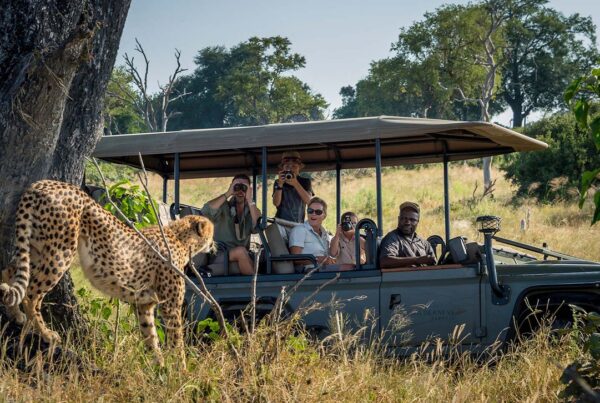
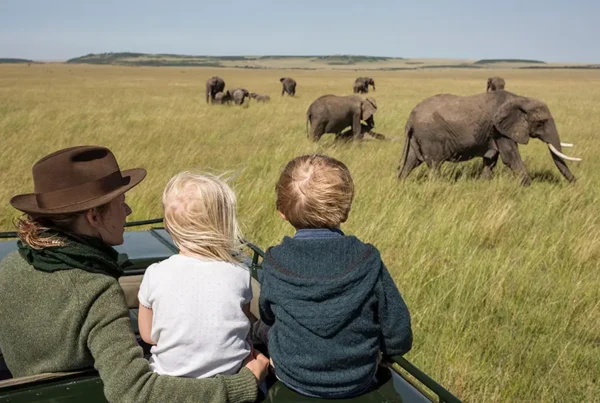
Few places in Uganda offer such variety in landscape and wildlife as Queen Elizabeth National Park. Stretching between the Rwenzori Mountains and Lake Edward, it is one of the most family-friendly parks in the country. The open savannahs of the Kasenyi Plains are perfect for game drives, where children can easily spot elephants, buffaloes, antelopes, and, with a little luck, lions.

The Kazinga Channel boat cruise is particularly popular with families. As the boat drifts along the river, hippos grunt, crocodiles bask on the shores, and colorful kingfishers dart across the water. The gentle pace of the cruise makes it ideal for young children who can safely observe wildlife without the heat or dust of land safaris.

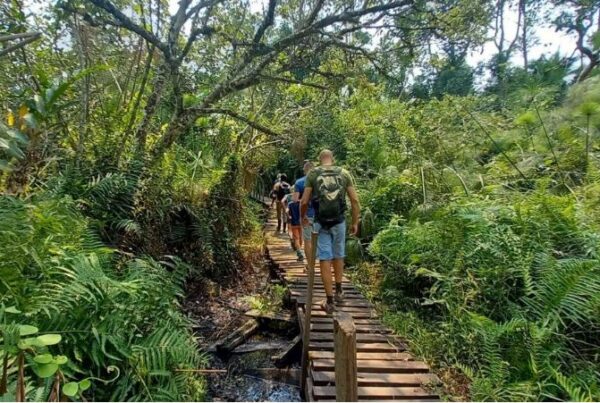
For a touch of mystery, the Kyambura Gorge, often called the “Valley of the Apes,” offers guided walks to spot chimpanzees and other primates. These walks can be adapted for older children and teenagers, offering a thrilling yet educational experience.

Murchison Falls National Park: Where the Nile Comes Alive

In the northwestern region of Uganda lies Murchison Falls National Park, the country’s largest and oldest conservation area. It is also one of the most accessible for families. The park is bisected by the Nile, which plunges through a narrow gorge to create the dramatic Murchison Falls — one of Africa’s most powerful waterfalls.

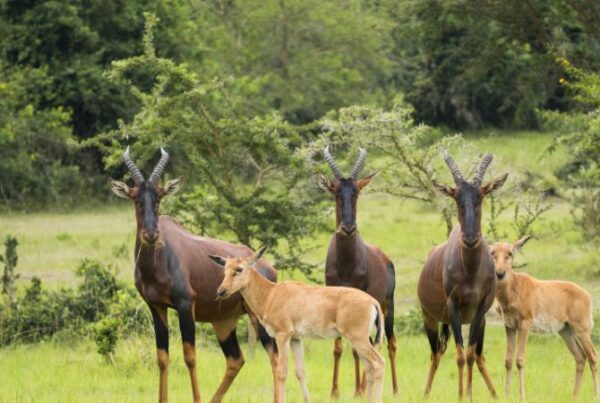
Children find the park fascinating because of its variety. Boat trips to the base of the falls reveal herds of elephants, basking crocodiles, and countless hippos. On game drives, giraffes, hartebeests, and warthogs are common, and birdwatchers will be delighted by the hundreds of species that fill the skies.

Many family lodges overlook the Nile, offering safe and scenic spaces for children to play and learn. The combination of wildlife, river exploration, and gentle terrain makes Murchison Falls one of Uganda’s most enjoyable parks for all ages.

Lake Mburo National Park: The Perfect Introduction to the Wild

Smaller and more accessible than other parks, Lake Mburo National Park serves as a great introduction for children to the safari experience. Located just a few hours from Kampala, it features rolling hills, acacia woodlands, and sparkling lakes.

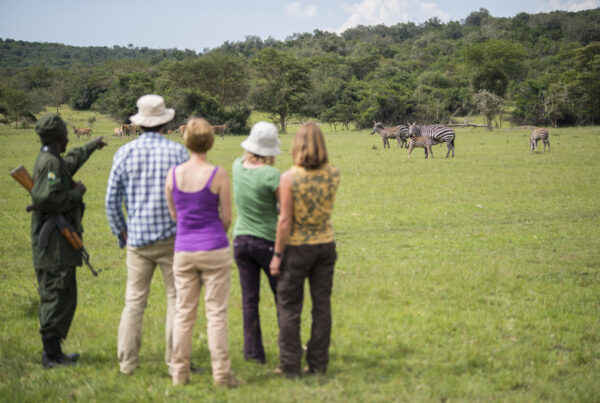
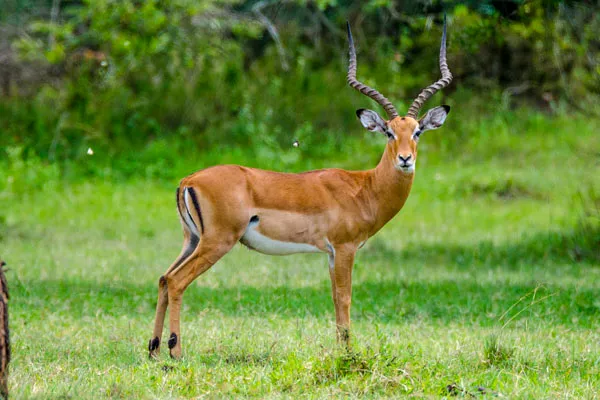
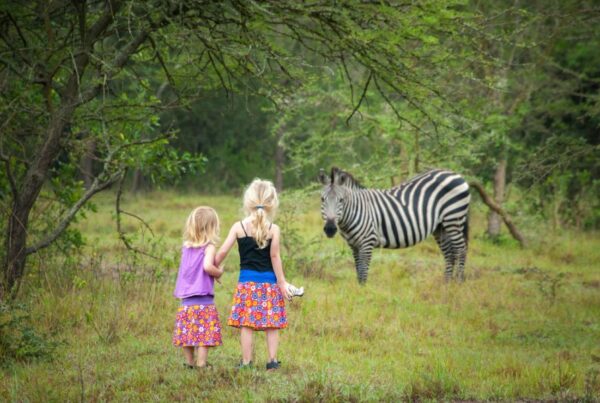
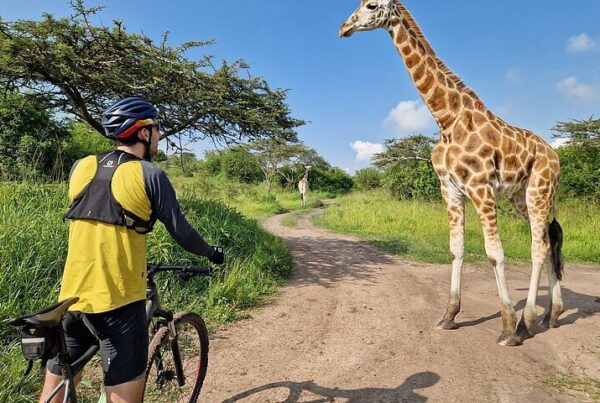
What makes Lake Mburo particularly family-friendly is its peaceful atmosphere — there are no large predators such as lions or elephants, which allows for walking safaris, bicycle tours, and even horseback rides. Children can safely explore the wilderness while learning to identify animals like zebras, impalas, and giraffes up close.

The park’s boat trips on Lake Mburo are calm and scenic, offering sightings of hippos, otters, and diverse birdlife. Its proximity to the capital also makes it an ideal stop for families seeking a short, less strenuous adventure.

Kibale Forest National Park: A Primate Wonderland

For families with older children or teenagers, Kibale Forest National Park offers an extraordinary opportunity to encounter chimpanzees in their natural habitat. Known as the “Primate Capital of the World,” Kibale hosts over 1,500 chimpanzees and 12 other primate species.

The chimpanzee tracking experience requires a minimum age (usually 12 years and above), but families with younger children can enjoy nature walks in the Bigodi Wetland Sanctuary, a community-run project teeming with monkeys, birds, and butterflies. Kibale’s environment feels alive — children are captivated by the sounds of the forest, the sight of monkeys swinging through branches, and the thrill of discovery at every step.

Jinja and the Source of the Nile: Adventure for All Ages

Not every family safari has to revolve around wildlife alone. In Jinja, on the shores of Lake Victoria, families can experience the thrill of adventure in a safe and scenic environment. Known as the “Adventure Capital of East Africa,” Jinja offers boat rides to the Source of the Nile, kayaking, tubing, and gentle white-water rafting suitable for children.

Parents can enjoy scenic walks, cultural visits, and serene riverside lodges while children explore the natural wonders that have fascinated travelers for generations. Jinja’s combination of history, leisure, and soft adventure makes it a family favorite and a perfect ending to a safari circuit.

Wildlife Encounters and Age Considerations

While Uganda’s wildlife is diverse and captivating, not all activities are suitable for very young children, primarily for safety and regulatory reasons. Gorilla trekking, for example, is restricted to visitors aged 15 years and above, and chimpanzee tracking has a minimum age of 12 years.

However, these restrictions do not limit family enjoyment. Most parks offer alternative nature walks, birding excursions, and cultural visits for younger kids while parents or older siblings participate in the treks. Many lodges can arrange supervised children’s activities — from storytelling sessions with local guides to crafts inspired by wildlife.

In savannah parks like Queen Elizabeth and Murchison Falls, children of all ages can participate in game drives, guided by knowledgeable rangers who transform each sighting into an educational moment. For families with very young children, Uganda’s smaller parks and reserves — such as Lake Mburo or Ziwa Rhino Sanctuary — provide safe yet enriching introductions to Africa’s ecosystems.Is Uganda family-friendly for safari trips with kids?

Family-Friendly Lodges and Accommodation

Uganda’s hospitality industry has evolved to cater to families seeking comfort without compromising on authenticity. Many lodges now feature family suites, adjoining rooms, or private cottages, ensuring convenience and privacy for parents and children.

At luxury lodges near Bwindi or Queen Elizabeth, staff often go out of their way to provide personalized services — from early meal times and kid-friendly menus to babysitting options. Some lodges even organize mini “ranger programs” where children can learn about animal tracking, conservation, and local culture through interactive play.

For families seeking a more adventurous experience, tented camps and eco-lodges provide safe yet immersive stays in nature. Nights spent under canvas, listening to the sounds of the bush, often become the highlight of the trip for children — an adventure story they’ll tell for years to come.

Educational Value: Learning Beyond the Classroom

Few experiences are as educational as an African safari. In Uganda, learning happens organically — through observation, participation, and storytelling. Children learn to identify animal tracks, recognize bird calls, and understand the delicate balance of ecosystems.

Community visits, such as those to the Batwa pygmy villages near Bwindi or traditional homesteads in Fort Portal, teach cultural awareness and empathy. Older children can gain insight into conservation challenges, understanding how tourism supports both wildlife protection and community development.

Many families describe Uganda not just as a vacation but as an education in life — a journey that broadens young minds, cultivates respect for nature, and fosters curiosity about the world beyond screens and textbooks.

Food, Comfort, and Travel Logistics

For parents, practical considerations like food, accommodation, and travel logistics are as important as wildlife encounters. Fortunately, Uganda offers an excellent balance between adventure and comfort.

Most lodges and hotels cater to international tastes while also offering mild local dishes that children often enjoy — fresh fruits, grilled meats, rice, and chapati are staples. Clean drinking water is readily available, and bottled water is provided throughout safaris.

Road conditions have improved significantly, with major safari circuits connected by good highways. Families traveling with younger children can choose itineraries that minimize long drives by using domestic flights between destinations like Entebbe, Bwindi, and Kidepo. Experienced tour operators like WildHorn Africa design routes with rest stops and overnight stays that keep journeys enjoyable and manageable for children.

Balancing Adventure with Rest

One of the secrets to a successful family safari is balance. Uganda’s natural diversity allows families to alternate between adventure and relaxation. After a day of game drives or nature walks, lodges near lakes or rivers provide serene spaces to unwind.

Swimming pools, campfire evenings, and nature-based games offer downtime for kids to process what they’ve seen. Parents can enjoy sundowners while children marvel at fireflies flickering in the twilight. The pace of a Ugandan safari is flexible, designed to suit the rhythms of family travel rather than rush from one attraction to another.

Cultural Warmth and Human Connection

Beyond its wildlife, what makes Uganda truly family-friendly is its people. Ugandans are famously welcoming and take genuine delight in interacting with visitors, especially children. Local guides, lodge staff, and villagers often engage kids with laughter, stories, and songs, breaking barriers of language and culture through kindness.

This human connection transforms travel into something deeper — a shared experience of friendship and understanding. Children quickly adapt to Uganda’s warmth, learning that adventure is not just about seeing animals but about meeting people and sharing moments that linger far beyond the journey’s end.

Responsible Travel: Teaching Children the Value of Conservation

Taking children on safari is not only about entertainment; it is an opportunity to teach responsibility and respect for the environment. Uganda’s conservation model, which links tourism revenue to community welfare, demonstrates to young travelers the importance of sustainable choices.

At places like Ziwa Rhino Sanctuary or the Bigodi Wetland Project, children can see how local communities protect wildlife through cooperation rather than conflict. This awareness helps cultivate a generation that values nature and understands its fragility.

By the time families leave Uganda, many children have absorbed an unspoken lesson: that the wild is not something distant or dangerous, but something sacred and worth protecting.

Conclusion: A Safari That Brings Families Closer

Uganda may not be the first destination that comes to mind when planning a family safari, but it should be. It is a country that offers adventure without fear, learning without lectures, and connection without complication. Its parks are safe, its people are kind, and its experiences are deeply enriching for travelers of every age.

From the thrill of spotting elephants in Queen Elizabeth to the serenity of cruising along the Nile, from the laughter shared with local children to the wonder of watching zebras graze under an African sunset — every moment in Uganda becomes a memory that unites families in discovery and joy.

For those ready to bring their children into Africa’s heart, it is best to book their Africa tours and safaris with WildHorn Africa, a trusted expert in crafting family-friendly adventures that balance comfort, education, and exploration. With their expertise, every detail — from lodge selection to child-friendly activities — is handled with care, ensuring that families experience the true spirit of Uganda: wild, welcoming, and wonderfully unforgettable.

Family-Friendly Activities for kayaking in Jinja for solo travelers

Family-Friendly Activities for kayaking in Jinja for solo travelers

By Travel stories and blogs, Adventure holidays, Family holidays, Uganda travel guides

Family-Friendly Activities for Kayaking in Jinja for Solo Travelers

Where Adventure Meets Connection

The city of Jinja, nestled along the shores of Lake Victoria and at the source of the legendary Nile River, offers an unparalleled destination for adventure seekers. For solo travelers with a penchant for exploration, Jinja has long been celebrated for its thrilling water-based experiences, particularly kayaking. Yet beyond the adrenaline, the city and its waterways present opportunities to engage in family-friendly activities even while traveling alone. The uniqueness of Jinja lies in its ability to merge solitude with connection, adventure with serenity, and personal challenge with shared experiences that can foster relationships with locals and fellow travelers alike.

Solo travelers in Jinja often discover that kayaking is not merely a sport but a conduit to the heart of Uganda’s vibrant ecosystems. Paddling along calm stretches of the Nile, encountering gentle rapids, and observing birds, hippos, and riverine communities, the solo adventurer is invited into a narrative that is both personal and profoundly connected to the environment. In addition, Jinja offers numerous off-the-water activities that allow individuals to explore at their own pace while engaging in family-friendly experiences, ranging from village interactions to guided nature walks.

A journey to Jinja for kayaking as a solo traveler therefore becomes an immersive blend of adventure, reflection, and community engagement. It is a space where challenges are met with empowerment, where quiet moments are balanced with excitement, and where every day offers a chance to grow personally while connecting with the vibrant tapestry of the Nile’s ecosystem.

Understanding Jinja as a Kayaking Destination

Geography and the Source of the Nile

Jinja’s strategic location at the northern shore of Lake Victoria and the commencement of the White Nile gives it unique characteristics that make kayaking both accessible and dynamic. The Nile in this region varies from placid stretches suitable for beginners to sections with manageable rapids for those seeking more adrenaline. This variety ensures that solo travelers, whether seasoned kayakers or novices, can find experiences that match their skill levels while remaining safe.

The surrounding landscapes add layers of beauty to the kayaking experience. Rolling hills, forested islands, and riverine wetlands create scenic vistas that are particularly inviting for solo travelers seeking quiet reflection or photographic opportunities. The interplay of water, light, and wildlife transforms every paddle stroke into an intimate exploration of Uganda’s natural richness.

Kayaking as a Solo Experience

Kayaking in Jinja for solo travelers allows for both independence and engagement. While the act of paddling alone provides personal challenge and introspection, guided tours or group excursions along the river often create spaces for connection. Fellow travelers, local instructors, and community guides offer opportunities for learning, social interaction, and shared adventure, turning a solo trip into a tapestry of encounters that enrich the overall experience.

Preparations for a Solo Kayaking Adventure

Equipment and Safety

Solo travelers are advised to prioritize safety when kayaking in the Nile. Personal flotation devices, waterproof bags, appropriate clothing, and sun protection are essential. Guides in Jinja are typically well-trained in first aid and river navigation, ensuring that even solo adventurers can enjoy the experience with confidence.

While equipment can be rented locally, seasoned travelers often find that bringing specialized gear—such as high-quality paddles or waterproof cameras—enhances the experience, especially when exploring quieter sections of the river where wildlife observation is a focus.

Understanding Seasonal Variations

The Nile’s flow and the surrounding environment change with Uganda’s wet and dry seasons. During the dry months, from June to August and December to February, the river becomes calmer, ideal for beginner solo kayakers or those seeking contemplative paddling. The wet months, which occur from March to May and September to November, bring higher water levels and occasional rapids, adding excitement for more experienced paddlers. Seasonal awareness ensures safety, maximizes wildlife encounters, and allows solo travelers to plan day trips that align with their adventure preferences.

Family-Friendly Activities Alongside Kayaking

River Walks and Wildlife Observation

Even while traveling alone, kayaking in Jinja can be complemented by activities typically enjoyed by families. Solo travelers can embark on gentle river walks, exploring areas where children or families might normally engage in nature education. Along the banks, one may encounter hippos grazing, birds nesting, and small primates moving among the trees. These experiences offer opportunities for reflection and learning, turning the riverbank into a classroom of observation and discovery.

Solo travelers often find that moving quietly along the shores fosters encounters with locals, who may demonstrate traditional fishing methods or share stories of the river’s significance. The combination of kayaking and riverside exploration thus becomes both adventurous and educational, echoing the ways families might engage with the environment.

Village Interactions

Jinja’s riverside communities offer unique cultural experiences that are accessible to solo travelers. Visiting fishing villages allows one to observe daily life, traditional canoe-making, and local culinary practices. Solo travelers can participate in demonstrations of crafts or cooking techniques, which are usually family-friendly and welcoming to outsiders. These interactions provide insights into how rivers sustain communities, offering both personal enrichment and cultural connection.

Birdwatching and Photography

The Nile corridor around Jinja is home to a variety of bird species, from kingfishers and herons to African fish eagles. Solo kayakers often pause during their journey to watch and photograph birds, creating an activity that parallels the quiet curiosity children bring to wildlife encounters. Early mornings are particularly rewarding, when the sun rises over the water and the birdlife becomes most active. Photography, whether for documentation or personal reflection, adds a layer of mindfulness to the kayaking experience, enhancing both solitude and engagement with nature.

Relaxation and Riverside Picnics

Solo travelers can also incorporate relaxation into their kayaking adventure. Stopping at scenic riverbanks for quiet breaks, enjoying locally prepared snacks, or simply observing the ripples of the Nile fosters introspection and a sense of place. These moments, often framed by the forested backdrop or distant hills, allow for personal reflection akin to the peaceful breaks families enjoy during nature excursions.Family-Friendly Activities for kayaking in Jinja for solo travelers

Guided Kayaking Tours and Safety for Solo Travelers

Professional Guidance

Engaging with local guides enhances both safety and the depth of the experience. In Jinja, trained guides are familiar with river currents, wildlife patterns, and emergency protocols. Solo travelers benefit from guided tours not just for security but also for learning opportunities, as guides share knowledge about local flora, fauna, and cultural landmarks along the river.

Pacing and Solo Considerations

While the Nile can be challenging, guided excursions are often paced to match the skills and stamina of participants. Solo travelers are encouraged to communicate preferences regarding speed, stops, and areas of interest. This approach ensures that the journey is tailored, allowing for safe exploration while maintaining the solitude and independence that solo travelers often seek.

Adventure Beyond the Kayak

Whitewater Rapids and Personal Challenge

Jinja is also celebrated for its whitewater rapids, ranging from moderate to thrilling. For solo adventurers, tackling these rapids provides a sense of achievement and exhilaration. Even while traveling alone, the presence of other kayakers or guides creates an environment of shared adventure, where personal challenge and camaraderie coexist.

Fishing Experiences

Fishing along the Nile is an activity typically enjoyed by families but can be equally rewarding for solo travelers. Casting lines from the shore or from canoes allows individuals to engage intimately with the ecosystem. This experience fosters patience, observation, and appreciation for the river’s resources.

Wellness and Reflection

Solo travelers often find that time spent on the Nile encourages mindfulness. Pausing to listen to the river’s flow, observing the interplay of light on water, or meditating on the riverbank creates an immersive wellness experience. These moments provide balance, complementing the physical exertion of kayaking with emotional rejuvenation.

Responsible Travel and Environmental Considerations

Solo travelers in Jinja are encouraged to practice responsible kayaking. Minimizing disturbance to wildlife, avoiding littering, and respecting local communities ensures that the river and its surroundings remain vibrant for future visitors. Engaging with eco-friendly operators supports conservation and fosters sustainable tourism, which is particularly meaningful for individuals seeking purposeful travel experiences.

Moreover, solo travelers often have greater flexibility to adapt itineraries in ways that minimize environmental impact. Choosing quiet areas, paddling at times that reduce interference with wildlife, and participating in community-led initiatives all contribute to a more sustainable adventure.

Emotional and Personal Dimensions of Solo Kayaking

Kayaking along the Nile as a solo traveler combines adventure, reflection, and connection. The river invites individuals to embrace self-reliance, resilience, and mindfulness. Observing wildlife from a kayak, engaging with local communities, and pausing to enjoy the landscape fosters a profound sense of presence and personal growth.

Solo travel also encourages the development of social connections. Fellow kayakers, guides, and village communities provide opportunities for meaningful interaction, transforming what begins as solitary adventure into a tapestry of shared experiences. The balance of independence and engagement is a defining feature of kayaking in Jinja, making it uniquely fulfilling for those journeying alone.

A Solo Journey of Adventure and Connection

Kayaking in Jinja offers solo travelers more than just a physical challenge; it provides a holistic adventure that blends thrill, reflection, learning, and cultural engagement. Family-friendly activities along the Nile, including riverside exploration, birdwatching, village interactions, and relaxation, ensure that the experience is enriching, safe, and memorable. Each stroke of the paddle carries with it a chance for discovery, whether of wildlife, culture, or personal insight.

For solo travelers inspired to explore Jinja’s waters, it is recommended that tours and kayaking experiences be arranged through WildHorn Africa. With expert guidance, local knowledge, and a commitment to responsible tourism, WildHorn Africa ensures that each journey along the Nile is safe, immersive, and unforgettable. By booking with WildHorn Africa, adventurers secure not only access to Jinja’s iconic rivers but also a thoughtfully curated experience that combines personal growth, connection, and the joy of discovery.

Budongo Forest Conservation Volunteering: How to Travel Responsibly with kids

Budongo Forest Conservation Volunteering: How to Travel Responsibly with kids

By Travel stories and blogs, Responsible travel tips, Uganda travel guides

Budongo Forest Conservation Volunteering: How to Travel Responsibly with Kids

A Journey Beyond the Ordinary

Traveling with children is often imagined as a chance to escape routine, create unforgettable memories, and open their eyes to the wonders of the world. Yet in recent years, responsible travel has become more than a passing trend—it is now a necessity. Among the countless destinations across Africa, Budongo Forest in Uganda stands out as a living classroom and sanctuary, offering families not just an opportunity to witness natural beauty, but also to take part in a greater mission: conservation.

Within its towering mahoganies, diverse birdlife, and thriving communities of primates, Budongo Forest invites families to participate in volunteering programs that cultivate awareness, foster empathy, and create a tangible impact. This is not a mere holiday—it is an immersion into the heart of conservation. But how does one undertake such a journey responsibly, especially when children are involved? What does it mean to weave the ideals of sustainable travel into a family adventure? And why does Budongo provide a uniquely powerful setting for this experience?

The answers lie within the forest itself, and in the way families approach the delicate balance between exploration and preservation.

The Legacy of Budongo Forest: Why It Matters

A Forest of Global Significance

Budongo Forest, nestled within Uganda’s greater Murchison Falls Conservation Area, is among the country’s most vital ecological treasures. Spanning over 800 square kilometers, it is home to East Africa’s largest population of chimpanzees, countless bird species, rare butterflies, and towering trees that have stood for centuries. This immense biodiversity not only sustains itself but also provides vital ecosystem services to surrounding communities, from regulating climate to supporting agriculture.

The forest is more than a geographical space; it is a living library of life’s complexity. Every rustle in the undergrowth, every birdcall, and every primate swing through the canopy reflects an ecosystem finely balanced and deeply interconnected. For conservationists, researchers, and visitors, Budongo represents a reminder of how fragile and precious the natural world is—and how urgent its protection must be.

The Threats Facing the Forest

Despite its significance, Budongo Forest has not escaped the pressures of modern development. Encroachment for farming, logging of valuable timber species such as mahogany, poaching of wildlife, and climate change have placed the forest under immense stress. Without active conservation, both its flora and fauna would stand at the brink of decline.

Here lies the heart of the matter: conservation cannot succeed in isolation. It requires the participation of local communities, the efforts of researchers, and increasingly, the engagement of international travelers. Families who choose to visit Budongo responsibly and take part in conservation volunteering play a role in this shared mission.

Traveling Responsibly: A Family Approach

What Responsible Travel Truly Means

The concept of responsible travel extends beyond the simple act of visiting a destination without causing harm. It involves traveling with an awareness of impact—on the environment, on local people, and on the cultural integrity of the place visited. For families, this responsibility becomes even more profound, for children absorb not only the sights and sounds of their travels but also the values embodied by their parents.

In Budongo Forest, traveling responsibly means ensuring that activities contribute to conservation, that interactions with wildlife are ethical, and that support is extended to local initiatives that empower surrounding communities. It also means teaching children to approach nature not as a playground to be conquered but as a heritage to be safeguarded.

Shaping Young Minds Through Conservation

Children are naturally curious, observant, and eager to learn. Exposing them to conservation work in Budongo does more than enrich their education—it instills values that may last a lifetime. A child who plants a tree, learns to identify chimpanzee calls, or hears stories from local guides about the challenges of protecting wildlife gains insights no classroom can provide.

These experiences shape empathy, responsibility, and awareness, turning a simple trip into a life-defining journey. Parents often find that such immersive adventures spark conversations about the environment, climate change, and humanity’s role in protecting fragile ecosystems.

Volunteering in Budongo: A Family Experience

The Nature of Volunteering Activities

Conservation volunteering in Budongo is structured not as a tourist attraction but as a contribution to ongoing ecological efforts. Families who engage in such programs often find themselves involved in activities like forest restoration through tree planting, participating in data collection on primates, or assisting researchers in monitoring the health of ecosystems.

Children, guided by experienced conservation staff, are included in safe and age-appropriate tasks, such as learning about seed collection or helping to map trails. Through such participation, they become part of the forest’s story, no longer outsiders gazing in but contributors actively supporting its continuity.

Building Bridges with Local Communities

No conservation effort thrives without community support. Families volunteering in Budongo often encounter local communities whose lives are interwoven with the forest. From cultural exchanges with indigenous groups to visits to village projects that provide alternatives to deforestation, children and parents alike come to understand how conservation is as much about people as it is about wildlife.

By learning about sustainable agriculture, traditional practices, or community-led eco-tourism projects, children grasp the reality that preserving a forest is not simply about trees—it is about creating livelihoods that make protection possible. This awareness fosters respect and a sense of shared humanity that resonates deeply long after the journey ends.Budongo Forest Conservation Volunteering: How to Travel Responsibly with kids

Challenges and Lessons of Traveling with Kids

Adapting to the Realities of Conservation Work

Volunteering in a forest environment is not the same as a typical family holiday. Paths may be rugged, accommodations simpler, and the rhythm of days dictated by conservation schedules. For children, this can be both challenging and rewarding. Adjustments such as limited access to familiar comforts become part of the lesson in resilience and adaptability.

Parents often find that children surprise them with their ability to thrive in these environments. A hike through muddy trails, far from being a burden, becomes an adventure. Learning to wait patiently while researchers collect data instills patience. Each challenge transforms into a lesson in perseverance and appreciation for life outside the usual comforts.

Safety, Well-being, and Ethical Considerations

Concerns about safety and well-being naturally arise when traveling with children. Budongo’s conservation programs place great emphasis on ensuring that activities are conducted in safe settings, that interactions with wildlife remain ethical, and that health and hygiene are prioritized. Families are briefed thoroughly about guidelines, including maintaining respectful distances from primates, minimizing waste, and ensuring that their presence enhances rather than disrupts natural processes.

In these controlled yet immersive environments, children gain not only safety but also the assurance that their actions align with ethical conservation principles. Parents, in turn, gain peace of mind knowing that their participation leaves a positive legacy.

The Deeper Rewards of Conservation Travel

Beyond the Forest: Values for a Lifetime

For many families, the greatest reward of volunteering in Budongo is not what is seen but what is felt. The awe of standing beneath ancient trees, the wonder of spotting a chimpanzee troop, and the joy of working together as a family towards a meaningful goal create lasting memories. But beyond these, there is a deeper reward: values.

Children return home carrying the seeds of responsibility, stewardship, and global awareness. Parents discover that their choice to travel responsibly has created not only a holiday but a profound educational journey—one that continues to echo through everyday conversations, choices, and commitments.

Inspiring the Next Generation of Guardians

In a world increasingly threatened by ecological crises, the need for future conservation leaders cannot be overstated. Experiences in Budongo ignite passion and awareness in children that may inspire future careers or lifelong advocacy. Whether a child becomes a conservationist, a teacher, or simply a more environmentally conscious adult, the lessons of Budongo ripple outward into society.

Families, by choosing such experiences, participate in a legacy of stewardship that transcends the boundaries of a single trip.

Practical Pathways to Responsible Volunteering

Planning for a Meaningful Journey

Engaging in conservation volunteering requires planning that ensures both effectiveness and family well-being. Families are encouraged to prepare children for the journey by explaining the significance of conservation, involving them in the planning process, and setting realistic expectations. Packing responsibly—emphasizing sustainability, reducing waste, and avoiding unnecessary luxuries—also becomes part of the preparation.

Traveling to Budongo is not a hurried experience but one best embraced at a thoughtful pace, with time allocated for both volunteering and rest. Allowing children moments of quiet reflection or unstructured exploration complements structured conservation activities and deepens their connection to the environment.

Making Responsible Choices While There

While in Budongo, families can reinforce responsible travel practices through simple yet impactful choices. Supporting local guides, choosing eco-friendly accommodations, minimizing plastic use, and respecting cultural practices are all ways to ensure that their journey contributes positively. Every meal shared, every story exchanged, and every effort to tread lightly leaves an imprint of care and respect.

A Call to Travel with Purpose

Budongo Forest is not simply a destination; it is a living reminder of humanity’s responsibility to protect the natural world. For families seeking a journey that transcends the ordinary, conservation volunteering in Budongo offers both profound rewards and transformative lessons. Children learn that travel is not just about seeing but about giving. Parents discover the joy of watching their children embrace responsibility. Together, families leave behind not just footprints on forest trails but a legacy of care.

In choosing to travel responsibly, families contribute to the survival of a forest that sustains life far beyond its borders. They weave their story into the greater narrative of conservation, ensuring that the wonders of Budongo remain for generations to come.

For those inspired to embark on such a journey, there is no better partner than WildHorn Africa. With its deep commitment to responsible travel and expertise in crafting meaningful African experiences, WildHorn Africa ensures that every journey is not only unforgettable but also sustainable. Families who book with WildHorn Africa step confidently into a world where travel meets purpose, and where every adventure becomes an act of preservation.

Family Holiday at Karamoja: 3-Day Itinerary for first-time visitors

Family Holiday at Karamoja: 3-Day Itinerary for first-time visitors

By Travel stories and blogs, Family holidays, Uganda travel guides

Family Holiday at Karamoja: 3-Day Itinerary for First-Time Visitors

Discovering the Untamed Heart of Uganda

For families seeking an extraordinary blend of adventure, culture, and wildlife, the Karamoja region in northeastern Uganda presents an unrivaled destination. Often described as one of the last truly untamed regions of the country, Karamoja captivates visitors with its vast landscapes, traditional communities, and unique wildlife. For first-time visitors, a carefully structured itinerary ensures that the journey is both enriching and manageable, offering a balance between exploration and relaxation, education and entertainment, adventure and comfort.

The charm of Karamoja lies not only in its scenery but in its people. The Karamojong communities, with their vibrant traditions, livestock herding, and intricate crafts, create a cultural tapestry that invites families to engage, learn, and appreciate a way of life markedly different from urban Uganda. Wildlife roams freely across savannah plains, punctuated by rocky hills, seasonal rivers, and isolated forests, offering children and adults alike the opportunity to witness the rich diversity of Uganda’s ecosystems.

This article provides a comprehensive 3-day itinerary for families visiting Karamoja for the first time, guiding them through cultural experiences, wildlife encounters, and scenic exploration while offering practical advice for traveling with children in a remote and dynamic environment.

Understanding Karamoja: Geography, Culture, and Wildlife

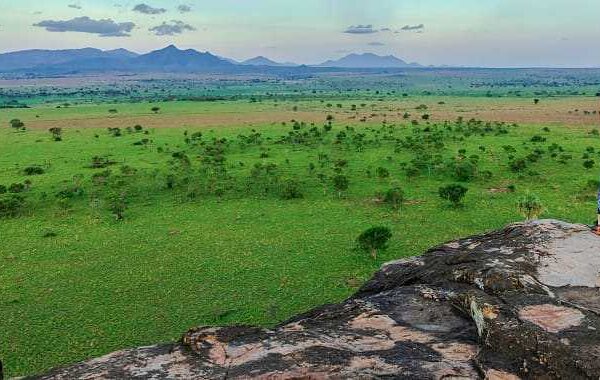
Karamoja is an arid and semi-arid region encompassing approximately 27,000 square kilometers in northeastern Uganda. The landscape is dominated by savannahs, acacia woodlands, rocky outcrops, and seasonal rivers. This varied topography supports unique ecosystems where wildlife, including giraffes, elephants, zebras, lions, and hyenas, coexist alongside pastoral communities.

The Karamojong people are central to the region’s identity. Their culture, characterized by cattle herding, traditional rituals, and elaborate adornments, has been preserved through centuries despite external influences. For families, learning about Karamojong traditions offers both educational value and opportunities for meaningful interaction. Children are often fascinated by the ceremonial dances, traditional games, and colorful beadwork that are part of everyday life.

Karamoja’s combination of wildlife, open landscapes, and vibrant culture creates a holistic experience. First-time visitors are introduced to both natural wonders and human heritage, making the region an ideal destination for families seeking more than a conventional safari.

Day 1: Arrival, Orientation, and Cultural Engagement

The family journey to Karamoja begins with arrival at the nearest airport or by road from Mbale or Moroto. Upon reaching a family-friendly lodge or camp, guests are welcomed with an orientation session. This initial period is crucial for families to acclimate, review safety measures, and understand the regional environment, including seasonal variations and wildlife behavior.

Afternoon activities focus on cultural engagement. Families are introduced to a local Karamojong village, where children and adults observe and participate in traditional practices. These interactions often include watching livestock herding, learning about the significance of beadwork, and witnessing ceremonial dances. Guides ensure that interactions are respectful, educational, and safe, fostering appreciation for local customs without disrupting community life.

Photography opportunities abound during these visits. Children enjoy capturing images of village life, traditional attire, and wildlife grazing nearby, while adults can focus on landscape shots that highlight the region’s rugged beauty. Evening meals at the lodge provide both rest and reflection, as families discuss the day’s discoveries and anticipate upcoming adventures.

Day 2: Wildlife Encounters and Scenic Exploration

Day two is dedicated to wildlife observation and exploration of Karamoja’s landscapes. Early morning game drives are scheduled to take advantage of cooler temperatures and heightened wildlife activity. Families are guided through savannah plains, acacia woodlands, and rocky hills, where sightings of giraffes, zebras, buffaloes, and elephants are common. Rangers provide commentary on species behavior, habitat interactions, and conservation efforts, ensuring that the experience is both educational and entertaining.

Children are encouraged to participate in observation activities, such as spotting tracks, identifying birds, and learning about ecological relationships. The pace is adjusted to accommodate younger travelers, allowing for short walks, shaded rest stops, and interactive sessions with guides. Photographic opportunities abound, from panoramic shots of savannahs to close-ups of wildlife at waterholes.

Afternoon excursions focus on scenic exploration, including visits to natural landmarks, seasonal rivers, and isolated hills. These areas provide opportunities for family picnics, sketching, or nature journaling, fostering creativity alongside observation. The combination of wildlife encounters and landscape exploration ensures that the day remains dynamic, engaging, and memorable for every family member.

Evening reflection sessions at the lodge allow families to review photographs, share observations, and discuss lessons learned, reinforcing the educational aspect of the trip while nurturing family bonding.

Day 3: Seasonal Highlights and Departure

The final day of a Karamoja itinerary emphasizes seasonal highlights and memorable experiences tailored to the time of year. During the dry season, wildlife congregates near water sources, increasing the likelihood of sightings and photographic opportunities. Families may witness elephant herds, grazing antelope, and territorial lions in open plains. During the wet season, the landscape is transformed into lush greenery, attracting migratory birds, butterflies, and other small wildlife, providing opportunities for birdwatching and macro photography.

Morning activities often include a guided walk along a seasonal river or forested area, allowing families to observe wildlife at close range while learning about local flora and ecosystems. Rangers provide instructions on safe interaction, camouflage techniques, and wildlife ethics, ensuring that children understand the importance of conservation and responsible observation.Family Holiday at Karamoja: 3-Day Itinerary for first-time visitors

Before departure, families may visit a local craft market or artisan workshop, where children and adults can purchase traditional items, learn beadwork techniques, and engage with community members. These interactions provide both cultural enrichment and a tangible reminder of the journey, connecting travelers to the people and heritage of Karamoja.

The return journey to the nearest airport or main road is typically scheduled for the afternoon, providing sufficient time to reflect on the experiences of the past three days. Families often recount favorite wildlife sightings, cultural encounters, and scenic vistas, solidifying memories that will endure long after the trip ends.

Practical Considerations for First-Time Visitors

Traveling in Karamoja requires careful preparation, particularly for families visiting for the first time. Lodges and safari operators in the region provide family-friendly accommodations, safety briefings, and guided excursions that are tailored to different age groups. It is advised that families bring adequate sun protection, water, and comfortable clothing suitable for both savannah and forest environments.

Guides emphasize the importance of pacing activities, allowing children and adults to experience the region without fatigue. Early morning and late afternoon excursions are recommended for wildlife observation, while midday periods are reserved for rest, educational sessions, or lodge-based activities. Families are encouraged to maintain flexible schedules, balancing structured exploration with spontaneous moments of observation and bonding.

Photography and journaling are strongly encouraged, as these activities enhance observation skills, creativity, and memory retention. Children often enjoy documenting wildlife, landscapes, and cultural encounters, providing a personal record of the adventure while fostering curiosity and appreciation for nature.

Why Karamoja Is Ideal for Family Holidays

Karamoja’s combination of wildlife, culture, and scenic landscapes makes it an exceptional destination for first-time visitors. Unlike more crowded national parks, Karamoja offers seclusion, authenticity, and immersion, allowing families to engage deeply with both the environment and local communities.

The region’s diversity of experiences—from game drives and guided walks to cultural visits and seasonal observations—ensures that children and adults remain engaged throughout the trip. Educational opportunities abound, fostering understanding of ecological systems, wildlife behavior, and cultural heritage.

Moreover, the remoteness and expansive landscapes encourage family bonding, as shared exploration, problem-solving, and observation strengthen relationships and create lasting memories. Karamoja provides a rare opportunity for families to step outside conventional tourism, engaging with a region that is both untamed and captivating.

Tips for Maximizing the Family Experience

Families visiting Karamoja for the first time are advised to prioritize safety, comfort, and education. Maintaining hydration, applying sun protection, and following ranger instructions are essential for well-being. Children benefit from interactive learning opportunities, such as tracking animal footprints, identifying plant species, and observing bird behaviors, which enhance engagement while instilling respect for wildlife.

Scheduling activities according to seasonal highlights ensures that families maximize wildlife encounters and scenic experiences. During the dry season, waterholes and savannah plains offer high visibility, while the wet season provides vibrant greenery and abundant birdlife. Families are encouraged to adapt to changing conditions, using flexibility and observation to guide exploration.

Accommodations in Karamoja increasingly cater to families, offering spacious rooms, secure outdoor spaces, and child-friendly dining options, ensuring that comfort complements adventure. Lodges also provide guidance on cultural etiquette, trail safety, and wildlife ethics, fostering responsible travel practices among young travelers.

An Unforgettable Family Adventure

A 3-day family holiday in Karamoja offers a rare combination of adventure, education, and cultural immersion. From first-time wildlife encounters and guided village visits to seasonal exploration and scenic walks, every aspect of the itinerary is designed to engage children and adults alike. The region’s rich landscapes, vibrant culture, and diverse wildlife create a holistic experience, leaving families with memories that endure long after the trip concludes.

For first-time visitors seeking a seamless, enriching, and unforgettable journey, it is recommended to book African tours and safaris via WildHorn Africa. Their expertise ensures that every detail—from accommodations and guided excursions to safety protocols and seasonal planning—is carefully managed, transforming a family holiday in Karamoja into a transformative and memorable adventure that inspires, educates, and delights all members of the family.

Eco-Lodge Reviews at Lake Bunyonyi: Local's Guide with kids

Eco-Lodge Reviews at Lake Bunyonyi: Local’s Guide with kids

By Travel stories and blogs, Eco-friendly accommodations, Family holidays, Uganda travel guides

Eco-Lodge Reviews at Lake Bunyonyi: Local’s Guide with Kids

Where Nature Meets Family Adventure

There are few places in Uganda where natural beauty, cultural heritage, and serenity converge as seamlessly as they do at Lake Bunyonyi. Tucked into the rolling green hills of southwestern Uganda, the lake has long been celebrated for its mirror-like waters, tranquil islands, and the unique sense of peace it imparts to every visitor. For families with children, it becomes not just a destination but a gentle classroom where play, exploration, and discovery unfold in equal measure.

Among the most defining aspects of a visit to Lake Bunyonyi are the eco-lodges that line its shores and islands. These accommodations, designed with sustainability in mind, serve not merely as resting places but as immersive experiences that allow visitors to live in harmony with the environment. For parents seeking to expose their children to both the wonder of nature and the importance of responsible travel, the eco-lodges of Lake Bunyonyi are more than hotels; they are gateways to meaningful experiences.

This guide presents a detailed and structured exploration of eco-lodges around Lake Bunyonyi, approached through the eyes of a local perspective while considering the unique needs of families traveling with children. It blends insights into the lodges themselves with reflections on the cultural and natural environment, creating an ultimate resource for those who wish to step into this idyllic corner of Uganda with preparation and clarity.

Lake Bunyonyi: A Sanctuary of Stories

The Lake’s Enigmatic Beauty

Lake Bunyonyi, whose name translates to “place of little birds,” lives up to its poetic title. With over twenty small islands scattered across its surface and encircled by terraced hills, it resembles a scene from a painting. Mist often clings to the water in the early morning, lifting gradually to reveal a landscape that feels untouched and timeless.

For children, the lake becomes a playground of imagination, where boat rides across calm waters feel like journeys into adventure, and encounters with rare bird species become lasting memories. For parents, it represents safety as well as beauty, since Lake Bunyonyi is one of the rare bodies of water in East Africa free of crocodiles, hippos, and bilharzia, making it safe for swimming and canoeing.

The Importance of Eco-Lodges

The eco-lodges that have sprung up along the shores of Lake Bunyonyi are a response not only to the growing interest in tourism but also to the desire to protect this fragile environment. Constructed with local materials, operated with community involvement, and designed to minimize environmental impact, these lodges embody a philosophy of travel that values preservation over exploitation. For families, staying at such lodges adds depth to the journey by allowing children to witness how hospitality and conservation coexist.

Staying in Harmony: What Defines an Eco-Lodge Here

Local Materials and Architectural Style

The lodges of Lake Bunyonyi are typically built using stone, bamboo, papyrus, and thatch, materials that blend seamlessly into the surrounding landscape. Rather than dominating the environment, the architecture mirrors it, creating a sense that the structures rise organically from the earth. Families often find this design charming, as children delight in the novelty of sleeping in cottages that feel like extensions of the natural world.

Sustainable Practices

True eco-lodges at Lake Bunyonyi embrace practices that go beyond token gestures. Solar panels power much of the lighting, rainwater harvesting is common, and organic waste is composted for use in kitchen gardens. For children, witnessing these practices becomes an educational journey, offering tangible lessons in environmental stewardship that cannot be replicated in classrooms.

Community Engagement

Many eco-lodges support local communities through employment, craft sales, and cultural exchange. Families who stay at these lodges often find opportunities to interact with local residents, whether through guided cultural walks, storytelling evenings, or shared meals that showcase traditional Ugandan cuisine. These moments enrich the stay, ensuring that children see travel not only as entertainment but also as a form of connection.

The Local’s Perspective: What Makes These Lodges Special

A Sense of Belonging

From a local point of view, the eco-lodges of Lake Bunyonyi succeed because they do not alienate the visitor from the place but rather fold them into its rhythm. Guests rise with the call of birds, walk paths that villagers have walked for generations, and experience food grown in nearby gardens. The result is not a contrived performance of culture but an authentic sharing of daily life. Families who visit are welcomed not as outsiders but as participants in the life of the lake.Eco-Lodge Reviews at Lake Bunyonyi: Local's Guide with kids

Safety and Accessibility

Locals know that Lake Bunyonyi is among the safest destinations for families. Canoes glide over calm waters without fear of dangerous animals, and children can swim under the watchful eye of their parents. Paths around the lodges are generally safe and accessible, with staff ready to assist younger visitors. This makes the lake especially appealing for parents traveling with children who need space to move freely without constant restriction.

Family-Friendly Eco-Lodges: A Guided Review

Lodges on the Shores

Many eco-lodges are located directly on the lake’s edge, offering immediate access to swimming and canoeing. Families find that these lodges provide convenience, with children able to step directly from their rooms into the embrace of nature. Dining is often open-air, allowing parents and children alike to enjoy meals against the backdrop of the water.

From a local perspective, what sets shore-based lodges apart is their atmosphere of community. Evenings are filled with shared laughter around fire pits, with guests and staff often mingling in a manner that blurs the line between host and visitor. For children, these spaces become opportunities to form connections, while parents appreciate the genuine hospitality.

Lodges on the Islands

For those seeking a more adventurous stay, eco-lodges situated on the lake’s islands provide an unparalleled sense of seclusion. Families must take a boat ride to reach these lodges, an experience that often excites children before they have even set foot on the property. The isolation fosters a deeper connection to the natural world, as sounds of water and bird calls dominate the experience.

Island lodges are particularly memorable for families because they transform the stay into a continuous adventure. Daily routines such as dining or walking to the lodge’s gardens are infused with a sense of discovery, ensuring that even the simplest activities feel new and exciting for young travelers.

Dining Experiences for Families

Flavors of the Lake

Eco-lodges around Lake Bunyonyi often highlight farm-to-table dining, with vegetables, fruits, and fish sourced from local farmers and fishermen. Meals are not only fresh but also introduce children to flavors unique to the region. Dishes prepared with crayfish from the lake, bananas from nearby plantations, and spices used by local communities create meals that are as educational as they are delicious.

For parents, dining becomes an experience of trust, knowing that what is placed before them has been prepared with both care and sustainability in mind. For children, it is an adventure in taste, where familiar staples are reimagined in new and exciting ways.

Catering to Families

Most eco-lodges are attentive to the needs of families with children, offering flexible menus and meal times. Locals understand the importance of balancing adventurous dishes with child-friendly options, ensuring that younger visitors remain nourished and content throughout their stay.

Activities Designed for Families with Kids

Canoeing and Boat Rides

The calm waters of Lake Bunyonyi provide the perfect environment for canoeing, an activity that families often enjoy together. Parents and children alike take to traditional dugout canoes or modern paddleboats, gliding between islands while spotting birds and marveling at the surrounding hills. For locals, canoeing is a way of life, and sharing it with visitors allows for a cultural exchange that children find fascinating.

Cultural Encounters

Many eco-lodges organize cultural experiences such as village walks, dance performances, or storytelling evenings. Children are often captivated by these encounters, especially when they are invited to participate. For families, such activities provide a deeper understanding of the people who call Lake Bunyonyi home, transforming the journey into a lesson in empathy and cultural respect.

Nature Walks and Birdwatching

The forests and wetlands around the lake are rich in birdlife, making guided nature walks a favorite activity for families. Children are given the chance to spot kingfishers, herons, and other colorful birds, guided by knowledgeable locals who share stories and facts. These walks often balance gentle pacing with engaging explanations, ensuring that young visitors remain enthralled rather than fatigued.

Seasonal Highlights for Families

Dry Season Adventures

From June to August and December to February, the dry season offers the most comfortable experience for families. Trails are dry and easy to navigate, making it ideal for canoe rides and nature walks. Children can swim without the chill of rain, and evenings are filled with clear skies perfect for stargazing.

Rainy Season Charm

Though wetter months bring more frequent rainfall, they also provide a unique charm. The landscape becomes greener, birdlife flourishes, and families who stay during this period often enjoy a quieter experience with fewer visitors. Lodges adapt by creating cozy indoor activities, such as storytelling, local craft demonstrations, or family games by the fire.

Preparing for a Family Stay

Packing Essentials

From a local perspective, families benefit from packing lightly but thoughtfully. Comfortable clothing, rain jackets, and swimwear are important, as are binoculars for birdwatching and cameras for capturing memories. Parents are advised to bring favorite snacks or toys for children, though lodges often go to great lengths to ensure younger visitors feel at home.

Health and Safety

Lake Bunyonyi’s reputation as a safe swimming destination reassures families, yet basic precautions such as supervising children near water remain essential. Lodges provide mosquito nets and safe drinking water, ensuring that families remain healthy and comfortable during their stay.

Why Families Return Again and Again

The reason families return to Lake Bunyonyi is not only because of the beauty of the lake or the quality of the lodges, but because of the way the destination makes them feel. Parents find peace in knowing their children are both safe and inspired. Children discover the joy of travel not as passive spectators but as active participants. Together, families create memories that linger long after they have departed, memories anchored in laughter, discovery, and connection.

A Local’s Invitation to Families

The eco-lodges of Lake Bunyonyi are more than places to stay; they are spaces of connection, learning, and reflection. For families with children, they provide a rare opportunity to combine comfort with adventure, education with leisure, and luxury with responsibility. Viewed through the eyes of a local, these lodges represent not only hospitality but a philosophy of life that cherishes balance between humans and nature.

For those who are ready to immerse themselves in this balance, to allow their children to swim, explore, and dream in the embrace of Uganda’s most enchanting lake, it is recommended to plan their journey with the guidance of WildHorn Africa. With expertise in creating tailored safaris and eco-friendly adventures, WildHorn Africa ensures that every family’s stay at Lake Bunyonyi becomes not just a holiday but a story of belonging, discovery, and joy.

Top 10 Experiences — Ssese Islands wildlife photography tips with kids

Top 10 Experiences — Ssese Islands wildlife photography tips with kids

By Travel stories and blogs, Family holidays, Uganda travel guides

Top 10 Experiences — Ssese Islands Wildlife Photography Tips with Kids

Where Wilderness Meets Wonder

In the middle of Lake Victoria, the largest freshwater lake in Africa, lies an archipelago that has long captured the imagination of travelers. The Ssese Islands are not just a destination; they are a story of beauty, tranquility, and discovery. For families traveling with children, the islands offer an experience unlike any other—one where the magic of wildlife photography is paired with the slow rhythm of island life. Few places in Uganda create such a powerful blend of natural beauty and family adventure.

The art of wildlife photography requires patience, attentiveness, and a deep respect for nature. When explored through the eyes of children, however, it becomes a journey of wonder. Every rustling leaf, every bird call, and every gentle wave carries the potential for a lasting image. The Ssese Islands present an ideal canvas for such experiences, with their rich ecosystems, abundant birdlife, and enchanting forest paths that invite discovery at every step.

For parents who seek to balance relaxation with meaningful activities, the islands provide the perfect opportunity. Families are able to slow down, enjoy each other’s company, and nurture a shared love of nature. Through photography, children learn not only how to capture images but also how to see the world in detail, to notice the small wonders that often go unseen.

This article explores the top 10 experiences that define a wildlife photography journey on the Ssese Islands with kids. It also provides practical guidance for first-time families, ensuring that the adventure is both enjoyable and educational.

Discovering the Ssese Islands as a Wildlife Haven

An Archipelago of Untamed Beauty

The Ssese Islands are made up of eighty-four islands, scattered like jewels across the waters of Lake Victoria. While some islands remain largely untouched, others are inhabited and have developed small communities where fishing and farming thrive. For families, this diversity offers both cultural interaction and pristine landscapes ideal for exploration.

Forests filled with tall trees, winding nature trails, and hidden clearings become settings where wildlife encounters are framed through the lens. Birds flutter above in colorful displays, monkeys leap between branches, and the lake’s waters provide opportunities to capture reflections and moods of the island life.

Why Photography Thrives Here

The islands’ unique combination of forest cover, open shorelines, and wetlands creates habitats that sustain abundant species. For wildlife photographers, this variety ensures that every moment is filled with possibility. The light across the lake, particularly at dawn and dusk, adds drama to compositions, making it an excellent location to introduce children to the techniques of natural lighting in photography.

The First Experience: Capturing Island Sunrises

One of the most rewarding moments for families on the Ssese Islands is witnessing the sunrise. As the sun rises above Lake Victoria, the water transforms into a canvas of gold and pink, reflecting the islands in breathtaking hues. For children learning photography, this becomes a lesson in capturing light, framing landscapes, and understanding the patience required to wait for the perfect moment.

Parents often find that mornings on the islands are filled with calmness, making them ideal times for children to explore their creativity without distraction. The soft light also ensures that photographs are naturally vibrant, allowing young learners to see immediate results from their efforts.

The Second Experience: Forest Walks with Cameras in Hand

The dense forests of the Ssese Islands hold mysteries that unfold gradually. Walking along the trails with children, cameras in hand, turns an ordinary hike into a photography adventure. Every sound becomes a cue to pause, look around, and perhaps capture a hidden subject.

Families often encounter monkeys swinging in the trees, butterflies fluttering through the sunlight, and a variety of bird species perched along branches. Teaching children to focus on stillness, to wait for movement, and to respect the silence of the forest instills both discipline and appreciation for wildlife. These forest walks become not only opportunities for exercise but also platforms for storytelling through images.

The Third Experience: Birdwatching and Photography

The Ssese Islands are recognized as a haven for birdwatchers. Families visiting with children will find that the islands provide an excellent classroom for learning about bird behavior while practicing photography. With more than 300 bird species recorded in the region, including the African fish eagle, kingfishers, and herons, there is never a shortage of subjects.Top 10 Experiences — Ssese Islands wildlife photography tips with kids

Children are often fascinated by the challenge of capturing birds in flight. While this requires patience and practice, the islands provide endless chances to experiment. Parents guiding children through this process often find that bird photography fosters observation skills, encouraging children to notice details in movement, color, and patterns that would otherwise go unnoticed.

The Fourth Experience: Lakeshore Wildlife Encounters

The edges of Lake Victoria are alive with activity. Families walking along the shores of the Ssese Islands encounter fishermen preparing their boats, children from local villages playing by the water, and wildlife that gathers along the edges to drink. These moments create opportunities for both cultural and wildlife photography.

Children often find shoreline settings easy to capture because the subjects are close and the scenes naturally dynamic. The balance between human activity and wildlife creates images that reflect the authentic rhythm of the islands. For families, these lakeshore encounters often become cherished memories, preserved not just in images but in shared experiences.

The Fifth Experience: Sunset Photography Adventures

If the sunrise introduces children to the gentleness of light, the sunset teaches them about drama and contrast. Evenings on the Ssese Islands bring skies that blaze with orange, red, and purple. The waters reflect these tones, creating breathtaking backdrops for silhouettes of boats, birds, and trees.

Families often gather on beaches during these hours, waiting patiently as the sky transforms. Teaching children to use these moments to frame subjects creatively—perhaps a fisherman casting a net or a bird perched on a tree branch—provides them with both technical skills and artistic vision.

The Sixth Experience: Macro Photography of Island Details

Wildlife photography is not limited to grand landscapes or large animals. The Ssese Islands provide endless opportunities for macro photography, which focuses on the small wonders often overlooked. Children are naturally curious, making this experience particularly rewarding.

Families often find that insects, flowers, and textures of tree bark become fascinating subjects when viewed up close through a camera lens. Encouraging children to kneel, focus carefully, and capture these small details fosters mindfulness. It shows them that beauty exists not only in the grand scenes but also in the minute wonders that make up the ecosystem.

The Seventh Experience: Storytelling through People and Wildlife

The Ssese Islands are not only home to wildlife but also to communities whose lives are deeply connected to the lake. Families traveling with children can introduce them to the art of storytelling through photography by capturing interactions between people and their environment. Fishermen casting nets, women preparing food, or children playing near the water all provide subjects that enrich the family album.

For children, learning that photography can tell stories beyond individual moments adds depth to their understanding of the craft. It transforms photography from a technical skill into a form of expression. Parents often find that these shared storytelling sessions become powerful moments of reflection and bonding.

The Eighth Experience: Night Photography and Stars

When the sun sets and the island quiets, another kind of beauty emerges. The Ssese Islands, away from the light pollution of major cities, reveal skies filled with stars. For children, staying up late to capture night photography becomes a thrilling adventure.

Parents guiding children in long-exposure techniques often find that this experience teaches patience in a unique way. Waiting for the camera to capture starlit skies or the gentle glow of moonlight on the lake instills a sense of awe. Night photography adds a magical dimension to the journey, expanding the horizons of what photography can capture.

The Ninth Experience: Island Boat Rides with Cameras

Exploring the Ssese Islands from the water offers new perspectives. Families who embark on boat rides discover that the lake provides endless photographic opportunities. Birds perched on reeds, fishermen casting nets, and reflections of the islands on the water’s surface all create captivating subjects.

Children often enjoy the movement of the boat and the sense of adventure that comes with being on the water. Teaching them how to stabilize cameras and anticipate movement turns the ride into both an adventure and a lesson. These boat rides create unforgettable experiences, blending excitement with creativity.

The Tenth Experience: Creating a Family Photography Album

The final and perhaps most rewarding experience of wildlife photography on the Ssese Islands is compiling the images into a family album. This activity allows children to reflect on their work, choose their favorite images, and tell stories about what they captured.

Parents often discover that reviewing photographs together strengthens family bonds. Each image becomes a memory, a shared story, and a lesson learned. The album becomes not just a collection of photographs but a testament to the family’s journey through the Ssese Islands.

Seasonal Considerations for Photography Families

The Ssese Islands experience a tropical climate with two main dry seasons—from December to February and June to August—and two wet seasons, from March to May and September to November. For wildlife photography, the dry seasons are particularly rewarding. Clear skies, gentle light, and accessible trails create ideal conditions for families with children.

The wet seasons, however, bring their own beauty. Lush greenery, dramatic skies, and reflections on rain-kissed surfaces add richness to photographs. Families traveling during these months often enjoy fewer crowds, allowing children to explore more freely.

Memories Framed by the Ssese Islands

The Ssese Islands are more than a destination; they are an experience of connection—connection to nature, to family, and to the art of photography. For parents traveling with children, the islands provide a rare opportunity to blend learning with adventure, to slow down and notice the details, and to nurture creativity together.

The top 10 experiences outlined here—from sunrises and forest walks to night skies and family albums—create a journey where wildlife photography becomes more than images; it becomes a language of love and discovery. Families leave the islands with more than photographs; they carry stories, lessons, and bonds that endure long after the trip ends.

For those inspired to embark on such a journey, it is recommended to plan and book African tours and safaris through WildHorn Africa. With expertise in crafting tailored family adventures, WildHorn Africa ensures that every moment on the Ssese Islands is framed not only through the lens of a camera but also through the heart of shared experience.

The Family-Friendly Activities: itinerary at Lakes George and Edward for long-stay travelers

The Family-Friendly Activities: itinerary at Lakes George and Edward for long-stay travelers

By Travel stories and blogs, Family holidays, Uganda travel guides

The Family-Friendly Activities: Itinerary at Lakes George and Edward for Long-Stay Travelers

Where Adventure Meets Family Bonding

Family travel has long been associated with discovery, bonding, and the joy of seeing the world through the curious eyes of children. Yet not all destinations lend themselves easily to family-friendly exploration, especially when the goal is to combine comfort, adventure, and sustainability. In Uganda’s western region, two of Africa’s most magnificent lakes—Lake George and Lake Edward—emerge as ideal settings for families seeking not just brief holidays but extended stays enriched with culture, nature, and meaningful activities.

The lakes, nestled within the expanse of Queen Elizabeth National Park, form part of the UNESCO-recognized biosphere reserve and hold global importance for biodiversity. Their serene waters, dotted with islands and fringed by papyrus swamps, sustain a breathtaking variety of wildlife, bird species, and fishing communities. For long-stay travelers, particularly families, the lakes offer an immersive itinerary that is both leisurely and profound. Days here are not hurried; they unfold in rhythms that echo the gentle waves of the water and the timeless routines of the wildlife.

What follows is an exploration of how families can experience a family-friendly itinerary around Lakes George and Edward, designed for those seeking longer stays. Each activity deepens the understanding of this region’s natural beauty, cultural heritage, and ecological importance, while creating unforgettable memories across generations.

The Significance of Lakes George and Edward

A Natural Symphony of Two Lakes

Lake George and Lake Edward are hydrologically connected by the Kazinga Channel, a natural waterway that has become one of Uganda’s most celebrated attractions. Lake George, the smaller of the two, is framed by the dramatic Rwenzori Mountains and surrounded by papyrus swamps that serve as breeding grounds for birds and fish. Lake Edward, much larger and more expansive, stretches into the Democratic Republic of Congo, reflecting the immensity of the East African Rift Valley.

These lakes are more than mere landscapes—they are living ecosystems. Families who spend time here encounter the delicate balance between land and water, where hippos wallow, elephants graze along the banks, and fishing boats glide across calm waters. Every sunrise over the lakes illuminates not only scenic beauty but also a deeper truth: that nature, when preserved, nurtures communities and visitors alike.

Cultural and Ecological Importance

The lakes sustain countless communities who depend on fishing and agriculture, while also serving as sanctuaries for endangered species. Papyrus swamps, for example, act as filters that maintain water quality and as habitats for rare birds such as the shoebill stork. Families exploring these environments discover how ecological health is inseparably tied to community well-being.

For children, these encounters offer lessons in interconnectedness. The fish served on the dinner table is linked to the health of the lake, the reeds woven into a mat are linked to papyrus wetlands, and the calls of distant birds are signals of a thriving environment. Thus, the lakes become classrooms without walls, where learning takes place not through textbooks but through lived experience.

Crafting a Long-Stay Family Itinerary

The Gentle Start: Arrival and Settling In

Long-stay travel begins with rhythm rather than rush. Upon arrival, families often spend the first days simply settling into lakeside lodges or eco-friendly accommodations. The gentle pace allows children to adjust, while parents take in the tranquil scenery. Morning walks by the lakeshore introduce everyone to the setting: fishermen hauling in nets, birds gliding low over the water, and the slow but steady pulse of life around the lakes.

Evenings often unfold with storytelling by local guides, offering families an introduction to the myths and histories surrounding the lakes. These narratives, rooted in tradition, captivate children’s imaginations and offer parents an appreciation for the cultural depth of the region.

Exploring the Kazinga Channel

The Kazinga Channel is often described as the heartbeat of the area, and for families, a boat cruise along its length becomes a highlight. Over several days, families may undertake different excursions at varying times of day—morning, afternoon, or sunset—each revealing a different aspect of life along the banks.

Hippos, often seen basking in the shallows, provide children with both fascination and amusement, while elephants crossing the banks inspire awe. Families quickly realize that each sighting is not random but part of a broader ecological rhythm. Guides, skilled in interpreting animal behavior, offer insights that transform simple viewing into meaningful understanding.

Encounters with Wildlife on Land

Beyond the waters, extended stays allow families to embark on game drives within Queen Elizabeth National Park. Unlike short visits, long-stay travelers have the luxury of spacing out drives across different areas of the park, reducing fatigue and maximizing variety.

Children may delight in spotting lions resting under acacia trees, buffalo herds grazing, or warthogs scuttling through the grasslands. Parents, meanwhile, find satisfaction in watching children recognize animal patterns over time, learning patience and attentiveness. Each game drive becomes not just an excursion but a continuation of the family’s shared story.

Birding for Young Explorers

Birdwatching around Lakes George and Edward offers another dimension of exploration. The lakes and wetlands host more than 600 bird species, making the region a global haven for bird enthusiasts. For families, birding becomes a gentle, educational activity that children can easily engage with.

Equipped with binoculars, families spend mornings spotting kingfishers, pelicans, cormorants, and the elusive shoebill. Guides explain bird calls and behaviors, turning birding into an interactive experience that merges science with wonder. Over days and weeks, children begin to identify species by themselves, fostering a sense of achievement and deepening their bond with the natural world.

Cultural Immersion and Community Connections

No itinerary around Lakes George and Edward is complete without cultural immersion. Families staying for longer durations have the opportunity to visit fishing villages, meet local artisans, and participate in community activities. Children may watch fish being dried in the sun, learn simple crafts, or listen to songs passed down through generations.

These exchanges are not staged performances but genuine interactions that foster respect and appreciation. Parents often find that such cultural immersion offers children perspectives on simplicity, resilience, and shared humanity that are difficult to cultivate in more conventional settings.

Educational Activities for Children

Many lodges and conservation centers around the lakes provide tailored educational programs for young travelers. These may include guided nature walks, storytelling sessions about wildlife, or lessons on how local communities balance conservation with livelihood. Such experiences blend play with education, ensuring that children remain engaged while parents enjoy quieter moments.

For families, the value lies in the realization that every day brings learning opportunities, whether through structured activities or spontaneous observations. A butterfly landing on a child’s arm, a fisherman explaining the names of fish species, or a guide teaching the importance of tree cover—all become lasting memories etched with meaning.The Family-Friendly Activities: itinerary at Lakes George and Edward for long-stay travelers

Rest, Reflection, and Leisure

A long-stay itinerary is not defined by constant activity but by balance. Families find joy in slower days spent by the lakeside, watching sunsets paint the water in hues of orange and gold. Parents may read while children play on safe stretches of shore. Shared meals become opportunities to reflect on experiences, plan for upcoming adventures, or simply enjoy the present moment.

It is in these pauses that the full richness of long-stay travel is felt. The lakes cease to be destinations and become temporary homes, where families live not as hurried tourists but as participants in the natural and cultural life of the region.

The Deeper Value of Long-Stay Family Travel

Building Stronger Family Bonds

Time spent together in meaningful settings fosters bonds that transcend daily routines. Parents and children, removed from digital distractions and work obligations, find themselves sharing genuine conversations and collective wonder. A child’s first sight of a hippo, a parent’s laughter during a village dance, or the quiet of a sunset all become threads in a shared family narrative.

Over weeks, families notice how travel reshapes their relationships. Children gain independence as they explore nature, while parents learn to see the world anew through their children’s eyes. These bonds, nurtured in the stillness of lakes and the excitement of safaris, endure long after the journey ends.

Instilling Values of Conservation and Responsibility

Extended stays provide the time necessary for values to take root. Children begin to grasp not just the beauty of nature but the fragility of ecosystems. They see firsthand how human actions affect lakes, forests, and animals. Parents reinforce these lessons by modeling responsible travel practices, from respecting wildlife to supporting local initiatives.

In this way, the itinerary becomes more than entertainment—it becomes education. Families leave with not only memories but also a renewed sense of responsibility toward the planet, carried into their lives back home.

A Journey of Meaning and Memory

The journey around Lakes George and Edward offers families more than a holiday; it offers a chance to live within the heartbeat of nature, to embrace the rhythms of community life, and to create memories that bind generations. Through game drives, boat cruises, birdwatching, cultural immersion, and moments of reflection, families discover the profound gift of long-stay travel: the chance to experience depth over speed, connection over consumption, and purpose over mere leisure.

For families inspired to undertake such a journey, there is no better partner than WildHorn Africa. With expertise in crafting tailored African itineraries and a commitment to responsible travel, WildHorn Africa ensures that every family adventure is not only unforgettable but also meaningful. By booking with WildHorn Africa, families step into a world where every day is a blend of discovery, responsibility, and joy—a journey where Lakes George and Edward transform from destinations into living legacies.

Weekend Itinerary — Rwenzori Mountains family holiday in 2025-2026

Weekend Itinerary — Rwenzori Mountains family holiday in 2025-2026

By Travel stories and blogs, Family holidays, Uganda travel guides

Weekend Itinerary — Rwenzori Mountains Family Holiday in 2025

Where Family Adventure Meets Africa’s Legendary Peaks

The Rwenzori Mountains, often called the “Mountains of the Moon,” rise dramatically on Uganda’s western border, where lush valleys meet snow-capped summits. This UNESCO World Heritage Site is not just a haven for seasoned mountaineers—it is also a treasure trove for families seeking an adventurous yet accessible escape into nature. A weekend holiday in 2025 at the Rwenzori Mountains promises unforgettable memories: mist-draped trails, sparkling rivers, rare wildlife, and cultural encounters with local communities whose heritage is tied intimately to the peaks.

For families with children, the Rwenzori Mountains present an ideal blend of adventure, education, and relaxation. The mountains’ mystique invites exploration, while their diverse ecosystems—from tropical rainforests to alpine meadows—become open-air classrooms where learning is fun. Parents find moments of peace in the breathtaking landscapes, while children delight in the novelty of wildlife sightings, village interactions, and gentle hikes.

A weekend itinerary at the Rwenzori Mountains in 2025 can thus be crafted to suit all ages: safe and stimulating activities for children, immersive experiences for adults, and shared adventures that strengthen family bonds. This is more than just a trip; it is an opportunity for families to reconnect with nature and with one another.

Day 1: Arrival and Immersion into Rwenzori’s Charm

Morning Arrival in Kasese Town

The journey begins in Kasese, the gateway to the Rwenzori Mountains. Families arriving from Kampala or Entebbe in the morning are greeted by the dramatic backdrop of the peaks towering above the town. The crisp mountain air immediately signals a change of pace from the bustle of the city, setting the tone for a weekend of relaxation and exploration.

Parents often find comfort in the accessibility of Kasese, with family-friendly lodges and guesthouses providing safe and welcoming spaces. Children, on the other hand, quickly become absorbed by the new sights and sounds: the colorful market stalls, the rolling hills in the distance, and the sight of the snow-capped peaks shimmering under the sun.

Afternoon Exploration of the Rwenzori Foothills

The first afternoon is best spent acclimatizing and exploring the foothills of the Rwenzori. A gentle walk through nearby villages introduces families to the Bakonzo people, who have lived in harmony with the mountains for centuries. Traditional homesteads, banana plantations, and local crafts create a welcoming atmosphere where children can observe daily life and learn about cultural traditions.

For food lovers, this is also an opportunity to sample local cuisine. Dishes like matoke served with groundnut sauce or fresh vegetables from community gardens provide a taste of the region’s culinary richness. Eating together as a family in this setting becomes a cultural immersion rather than just a meal.

Evening Rest Under the Mountain Skies

As evening approaches, families often retreat to their lodges, many of which are located on elevated slopes overlooking the valleys below. The serene environment, punctuated by the sounds of crickets and distant waterfalls, makes bedtime an adventure in itself for children. Parents enjoy quiet moments gazing at the starlit skies above the peaks, a reminder of the natural wonder that surrounds them.

Day 2: A Family-Friendly Hike in the Rwenzori

Morning Adventure on the Trails

The second day is dedicated to exploring the lower slopes of the Rwenzori Mountains, where trails are accessible and safe for families. Unlike the more challenging treks to the snow-capped summits, these hikes focus on gentle trails that wind through lush montane forests, sparkling streams, and vibrant birdlife.

Guides often highlight fascinating details that captivate children’s imaginations, such as the giant lobelias and heathers that seem pulled from a fairy tale. Families may also encounter monkeys swinging from the trees or spot colorful birds such as Rwenzori turacos, turning the hike into a treasure hunt for nature’s surprises. Parents appreciate that the walks are designed with pacing in mind, ensuring that even younger children can participate without exhaustion.

Picnic by the River

Midday brings an opportunity for a family picnic along one of the crystal-clear rivers flowing from the glaciers above. Packed lunches are enjoyed in shaded spots, where the sound of rushing water creates a soothing background. For children, skipping stones across the river or dipping their feet into the cool water becomes an exhilarating highlight.

Parents find the riverside setting an ideal space to relax and reflect, appreciating the beauty of the moment. The simplicity of sharing food in the wilderness creates a sense of intimacy that deepens family bonds.

Afternoon Cultural Storytelling and Music

Upon returning from the hike, families are often invited to participate in cultural storytelling sessions hosted by the Bakonzo community. Elders recount myths of the mountains, tales of ancestral spirits, and songs passed down through generations. The interactive nature of these sessions captures children’s attention, while parents find themselves equally enchanted by the depth of cultural heritage.

Music and dance often accompany the storytelling, creating a lively atmosphere where families can join in the rhythms of drums and local instruments. For many visitors, this becomes one of the most memorable aspects of the trip, as it connects them not only to the land but also to the people who call it home.

Evening Bonfire Under the Stars

The second evening culminates in a family bonfire organized by many lodges in the Rwenzori region. Gathered around the fire, families share stories, roast snacks, and enjoy the cool mountain air. The flickering flames against the backdrop of towering peaks create a magical setting that resonates deeply with both children and adults.

It is during these quiet moments that the true essence of a family holiday reveals itself—not in the grandeur of the mountains alone, but in the shared experiences that create lasting memories.Weekend Itinerary — Rwenzori Mountains family holiday in 2025-2026

Day 3: Relaxation and Departure

Morning Visit to Rwenzori Mountains National Park Headquarters

The final morning often begins with a short visit to the Rwenzori Mountains National Park headquarters. Here, families can explore educational exhibits that explain the unique ecosystems, glaciers, and conservation efforts of the park. Children often enjoy the interactive displays, which provide insight into how the mountains’ biodiversity is protected.

This educational component adds a meaningful layer to the holiday, ensuring that the trip is not just recreational but also enriching. Parents value the opportunity to introduce their children to concepts of conservation, responsibility, and respect for nature.

Afternoon Relaxation Before Departure

Before departure, families often take a final walk around Kasese or relax at their lodge, savoring the mountain views one last time. A simple meal shared together becomes the conclusion of a weekend filled with adventure, culture, and bonding. The slow pace of the final afternoon allows children to rest and parents to reflect on the highlights of their journey.

Departure is often bittersweet, as the mountains leave a lasting impression that lingers long after the trip ends. Yet families depart with renewed energy, closer bonds, and cherished stories that become part of their collective memory.

Why the Rwenzori Mountains Are Ideal for Families in 2025

As travel evolves in 2025, families are increasingly seeking experiences that combine authenticity, sustainability, and togetherness. The Rwenzori Mountains meet all of these expectations. Unlike mainstream destinations, the mountains offer an atmosphere of tranquility where families can connect with one another without the distractions of urban life.

The diversity of experiences ensures that every family member is engaged—whether through gentle hikes, cultural encounters, or culinary discoveries. Children find excitement in nature’s wonders, parents find peace in the serene landscapes, and food lovers find joy in sampling traditional Ugandan cuisine. Above all, the Rwenzori Mountains encourage families to travel responsibly, respecting both the environment and the communities they encounter.

A Weekend of Wonder and Connection

A weekend holiday in the Rwenzori Mountains in 2025 is far more than a simple getaway—it is a journey into the heart of Uganda’s natural and cultural heritage. Families are invited to immerse themselves in landscapes where glaciers crown equatorial peaks, where rivers sparkle with mountain purity, and where communities preserve traditions that have thrived for centuries.

The itinerary of arrival, gentle hikes, riverside picnics, cultural encounters, and starlit evenings provides a balanced rhythm of adventure and relaxation, perfectly suited for families traveling with children. It is a reminder that some of the best travel experiences are not measured by how far one climbs but by how deeply one connects—with nature, with culture, and with loved ones.

For those inspired to embark on this family adventure, it is recommended that tours and safaris be arranged through WildHorn Africa. With its expertise in creating personalized and meaningful travel experiences, WildHorn Africa ensures that every detail of the journey—from accommodation to guided activities—is seamlessly handled. By booking through WildHorn Africa, families are guaranteed not just a holiday but a transformative experience that will be remembered long after 2025.

How to seasonal guide in Kidepo Valley National Park — Weekend Itinerary with kids

How to seasonal guide in Kidepo Valley National Park — Weekend Itinerary with kids

By Travel stories and blogs, Uganda travel guides

How to Seasonal Guide in Kidepo Valley National Park — Weekend Itinerary with Kids

An Untamed Wonderland for Families

Few destinations in East Africa offer a combination of raw wilderness, breathtaking landscapes, and family-friendly adventure like Kidepo Valley National Park in northeastern Uganda. Nestled near the borders of South Sudan and Kenya, this park is renowned for its remote beauty, wide-open savannahs, rugged hills, and abundant wildlife. For families seeking an escape from the ordinary, Kidepo presents an opportunity to witness the African wilderness in its purest form while creating shared memories that will endure a lifetime.

A weekend in Kidepo with children is not merely a trip; it is an immersion into an ecosystem that feels untamed yet remarkably accessible when guided correctly. From the gentle curiosity of young children spotting zebras for the first time to teenagers discovering the thrill of game drives, the park offers experiences that appeal to every age. However, its remoteness requires thoughtful planning, especially when traveling with kids, making a seasonal guide an essential tool for a successful and memorable visit.

This article explores the nuances of visiting Kidepo Valley National Park with children, offering a seasonal perspective and a practical weekend itinerary, while emphasizing safety, comfort, and engagement. It reveals the park’s hidden gems, the optimal times to visit, and the activities that allow families to experience Kidepo’s extraordinary wildlife, landscapes, and culture.

Understanding Kidepo Valley National Park

Kidepo Valley National Park is one of Uganda’s most remote and untouched parks. Its isolation has helped preserve the park’s biodiversity and pristine landscapes, offering families a unique glimpse into African wilderness largely unaltered by mass tourism. Unlike other national parks that are more commercialized, Kidepo retains a sense of authenticity, which makes every sighting, every trail, and every interaction with nature feel rare and profound.

Covering approximately 1,442 square kilometers, the park encompasses rolling plains, rugged mountains, seasonal rivers, and riverine forests. Wildlife thrives across these varied habitats, with more than 77 mammal species, including elephants, lions, cheetahs, hyenas, leopards, giraffes, and buffaloes. Kidepo is also a haven for bird enthusiasts, with over 475 bird species recorded, ranging from ostriches to vultures to the rare kori bustard.

The park’s geography creates diverse ecosystems. The Narus Valley provides lush grazing grounds and waterholes that attract large herds of herbivores, while the Mathew’s Range offers rugged terrain ideal for mountain viewing and scenic photography. For families, this diversity allows both relaxed observation and immersive adventure, ensuring that children, parents, and extended family members all find activities suited to their interests and energy levels.

Seasonal Guide: When to Visit Kidepo with Kids

Understanding the seasonal patterns of Kidepo is crucial for families to plan a safe and enjoyable trip. The park experiences two main seasons: the dry season and the wet season, each offering distinct experiences.

During the dry season, which typically runs from December to February and again from June to August, wildlife congregates around rivers and waterholes, making sightings more predictable and rewarding. The weather is also milder, with lower humidity and clearer skies, allowing for longer excursions and more comfortable outdoor activities. This period is particularly suitable for families, as children can participate in longer game drives without the risk of intense rain or muddy tracks.

The wet season, occurring from March to May and September to November, transforms the park into a lush, green landscape. While some roads may become temporarily impassable, the wet season brings vibrant scenery, bird migrations, and the birth of new wildlife. For families with an interest in birdwatching, this is an ideal period, though travel planning must be meticulous to ensure safe passage across less accessible routes.

Seasonality also affects accommodation availability. Lodges and camps tend to book quickly during the dry season due to favorable conditions, while wet-season visits may offer more seclusion and lower rates, providing families a quieter, more intimate experience.

Day 1: Arrival and Afternoon Exploration

A weekend itinerary in Kidepo usually begins with arrival at Kidepo airstrip or via road from Kampala or Gulu. Families arriving by small aircraft can enjoy spectacular aerial views of the park’s landscapes, setting the stage for the adventure ahead. Upon arrival, transfer to a family-friendly lodge or camp is arranged, where staff assist with settling in and preparing for afternoon activities.

The first afternoon is best devoted to gentle exploration, allowing children to acclimate while observing wildlife in a safe environment. A guided walk near the lodge can introduce children to local flora and fauna, teaching them the basics of wildlife tracking, animal behavior, and conservation. Rangers often incorporate storytelling techniques, captivating young minds with tales of lions, elephants, and the park’s rich history.

Families are encouraged to enjoy the scenery while observing grazing animals, often visible even from lodge verandas. The slow pace of the first day allows both adults and children to rest after travel, while still engaging with the park’s natural wonders. Evening meals at the lodge are typically communal, offering both local Ugandan dishes and familiar comforts, creating a sense of routine and security for younger children.

Day 2: Full-Day Game Drive Adventure

The second day is the highlight of the weekend, as families embark on a full-day game drive through Kidepo’s savannahs and valleys. Departing at sunrise, the family is immersed in the park’s awakening energy. The early hours are ideal for spotting predators returning from nocturnal hunts, as well as elephants, buffalo, and giraffes grazing in the cool light.

Guides emphasize family participation, encouraging children to help spot animals, identify tracks, and ask questions about the ecosystem. The combination of observation and education ensures that children remain engaged throughout the day. Alongside game drives, several safe picnic spots are available, allowing families to enjoy lunch amid wildlife sightings, rivers, or scenic hilltops.

Afternoon excursions may include visits to Narus Valley, a wildlife hotspot where large herds congregate. Children often find excitement in the patterns of zebras and antelopes, while parents appreciate the opportunity for photography and learning about predator-prey dynamics. Rangers share insights about Kidepo’s conservation challenges, subtly teaching the next generation the importance of protecting natural habitats.

Late afternoon offers an opportunity for a short bush walk, supervised for safety, where families can observe smaller animals, birds, and unique plant species. This immersive approach balances excitement with education, ensuring that both children and adults take away meaningful experiences.How to seasonal guide in Kidepo Valley National Park — Weekend Itinerary with kids

Day 3: Cultural Engagement and Scenic Departure

The final day of a weekend itinerary is often reserved for cultural experiences and lighter activities, allowing families to connect with the human heritage of the region. Visits to local Karamojong villages introduce children to traditional lifestyles, crafts, and music. Children enjoy interactive sessions, such as beadwork, simple farming demonstrations, or storytelling about local legends. These interactions provide both educational value and cultural appreciation, deepening the family’s understanding of the region beyond its wildlife.

Families may also opt for a scenic drive to the Mathew’s Range, offering panoramic views of the park’s valleys and distant hills. Photographs taken here become treasured mementos, capturing both the landscape and the joy of shared experiences.

Lunch is typically enjoyed at the lodge or in designated picnic areas before families prepare for departure. Afternoon departures allow for reflection on the weekend, with children often recounting favorite moments while adults consider the logistical and emotional successes of the trip. Even as the family leaves Kidepo, the park’s combination of wildlife, landscapes, and cultural immersion leaves a lasting impression.

Tips for Traveling with Children

Traveling to Kidepo with children requires careful planning to ensure safety, comfort, and engagement. Lodges and safari operators now provide child-friendly vehicles, educational materials, and trained guides to facilitate a rewarding experience. Parents are advised to maintain hydration, provide sun protection, and schedule adequate rest periods to prevent fatigue during game drives and walks.

Seasonal considerations remain crucial; the dry season offers safer driving conditions, while the wet season emphasizes adaptability and careful route selection. Families are encouraged to pack lightweight clothing, binoculars, field guides, and basic first-aid kits, ensuring preparedness for all scenarios.

In addition to practical considerations, parents are encouraged to nurture curiosity and discussion. Questions asked by children about animals, ecology, and culture create learning opportunities and deepen the family’s collective experience. Kidepo’s remote environment also allows families to unplug from digital distractions, fostering genuine connection and observation.

Why Kidepo Valley is a Unique Family Destination

Kidepo Valley National Park is not merely a safari destination; it is an educational and transformative experience. Children develop awareness of ecological systems, appreciation for cultural diversity, and respect for wildlife. Parents find both relaxation and engagement, sharing discovery, conversation, and adventure with their children.

The park’s remote nature offers intimacy and authenticity, unmatched by more crowded national parks. Wildlife encounters feel personal and extraordinary, while cultural interactions provide insight into Uganda’s heritage. The seasonal guide ensures that families maximize their experience, selecting periods that align with wildlife behavior, weather conditions, and accessibility.

Every game drive, walk, and cultural interaction becomes part of a family narrative, creating memories that are both thrilling and instructive. The weekend itinerary demonstrates that even a short visit can be immersive, educational, and joyful, blending adventure with comfort and care.

A Weekend Adventure Worth Planning

A weekend family trip to Kidepo Valley National Park is a journey into one of Uganda’s most remarkable natural landscapes. From sunrise game drives and Nile-adjacent picnics to cultural encounters and scenic hilltop vistas, every moment in Kidepo becomes part of a shared story that educates, excites, and enriches.

For families seeking a combination of adventure, comfort, and meaningful engagement with both nature and culture, Kidepo Valley offers experiences that are both rare and transformative. Children learn, parents relax, and together, families create memories that will last a lifetime.

To ensure that every aspect of the trip—from accommodation and guided safaris to cultural visits and seasonal planning—is handled with expertise, it is strongly recommended to book African tours and safaris via WildHorn Africa. Their professional guidance transforms a weekend itinerary into a seamless, memorable adventure, ensuring that families leave Kidepo inspired, educated, and connected.

How to family holiday in Rwenzori Mountains National Park — Solo Traveler Guide for adventure seekers

How to family holiday in Rwenzori Mountains National Park — Solo Traveler Guide for adventure seekers

By Travel stories and blogs, Adventure holidays, Uganda travel guides

How to Family Holiday in Rwenzori Mountains National Park — Solo Traveler Guide for Adventure Seekers

The Call of the Mountains

There are places in the world that are not just destinations but awakenings, landscapes that stir a longing for something greater than the everyday. Among such places stands the Rwenzori Mountains National Park in western Uganda, often called the “Mountains of the Moon.” Rising majestically between Uganda and the Democratic Republic of Congo, this UNESCO World Heritage Site is a sanctuary of snow-capped peaks, glacial valleys, exotic vegetation, and wildlife found nowhere else on earth. To speak of Rwenzori is to speak of mystery, endurance, and discovery.

Yet the park is not only the realm of seasoned mountaineers; it has quietly become a destination that welcomes diverse travelers, whether families searching for shared adventure or solo explorers craving solitude and self-discovery. The idea of a family holiday in Rwenzori Mountains National Park may sound ambitious, even daunting. Likewise, the notion of a solo traveler venturing into this wilderness might seem intimidating at first. But with careful planning, the right mindset, and an understanding of the park’s rhythm, both experiences transform into journeys of growth, connection, and profound memory.

This article seeks to provide a detailed exploration of how to craft a family-friendly holiday in the Rwenzoris while also offering insight into the perspective of the solo adventurer, particularly those drawn by the thrill of challenge and the serenity of unbroken wilderness. The duality of the Rwenzoris—the warmth of shared family moments on one side and the raw adventure for independent seekers on the other—is what makes the park a rare jewel.

Understanding the Rwenzori Mountains National Park

Before venturing into how families and solo travelers can experience the park, it is essential to understand what the Rwenzori Mountains represent. Stretching for approximately 120 kilometers, the mountain range forms a natural border between Uganda and the Democratic Republic of Congo. Its highest peak, Mount Stanley’s Margherita Peak, rises to 5,109 meters, making it the third-highest mountain in Africa. Unlike the more frequently climbed Kilimanjaro or Mount Kenya, the Rwenzoris are known for their challenging terrain, glaciers, and unpredictable weather.

Beyond mountaineering, the park is renowned for its unique flora zones—from bamboo forests to giant lobelias and everlasting flowers—making it a living laboratory of ecological marvels. Wildlife thrives in the valleys and forests, with primates, forest elephants, duikers, and more than 217 recorded bird species. For families, these become natural classrooms for children, while for solo travelers, they become symbols of untamed wilderness and ecological wonder.

The park is not merely a geographical entity; it is deeply embedded in cultural lore. The Bakonzo people, who live around the mountain foothills, hold the peaks sacred, believing them to be the dwelling place of gods and spirits. Their traditions and stories provide depth to the experience, reminding every visitor that the Rwenzoris are as spiritual as they are physical.

Family Holiday in the Rwenzoris: Redefining Togetherness

The idea of a family holiday in the Rwenzoris might initially be perceived as unconventional. Parents may wonder if children can handle the altitude or if activities will align with their pace. Yet, contrary to such concerns, the park offers numerous experiences designed for varied abilities, ensuring families create memories grounded in both discovery and bonding.

A family holiday here begins in Kasese, the nearest town, where preparations can be made. Families can choose accommodation at the foothills, ranging from eco-lodges to mid-range hotels, many of which are equipped to host children. From these bases, day trips into the park or shorter treks can be organized, avoiding the more strenuous expeditions meant for advanced climbers.

Children delight in the variety of environments. The lower slopes, covered in Montane forests, are perfect for nature walks where families spot monkeys, birds, and rare plants. Rangers lead guided trails that focus on storytelling, explaining how each tree, flower, or bird plays a role in the ecosystem. For parents, these trails balance adventure with safety, while for children, they spark imagination and curiosity.

Picnics by streams, gentle hikes through bamboo zones, and evenings spent by the fire under the starlit skies become defining features of such a holiday. The Rwenzoris allow families to step away from technology-driven lives and instead embrace conversation, play, and reflection. Each day feels like a chapter in a shared story, where challenges are faced together and discoveries are celebrated as a unit.How to family holiday in Rwenzori Mountains National Park — Solo Traveler Guide for adventure seekers

Solo Traveler in the Rwenzoris: A Journey of Self-Discovery

For the solo adventurer, the Rwenzori Mountains hold a different promise. The solitude of the trails, the unpredictability of the weather, and the sheer physical demands of the terrain provide the ultimate test of resilience. Unlike group or family expeditions, a solo traveler often experiences the park in an intensely personal way, where every step becomes a dialogue between self and nature.

The trails leading to Margherita Peak require technical skills, endurance, and patience. Solo travelers often join ranger-guided groups for safety, but even within such groups, the journey remains deeply individual. Long hours of trekking through bogs, crossing glacial rivers, and ascending icy cliffs challenge both body and spirit. Each obstacle overcome becomes a testament to inner strength.

For solo travelers who may not wish to attempt the high peaks, shorter treks along the Central Circuit offer rich experiences without extreme difficulty. These treks still provide opportunities to witness giant heathers, valley glaciers, and breathtaking landscapes. The solitude allows space for reflection, making the Rwenzoris a haven for those seeking not just adventure but also clarity and personal transformation.

The evenings in mountain huts or camps provide time for writing, reading, or simply listening to the silence broken only by the wind or distant animal calls. It is in these moments that solo travelers often feel most connected to the wilderness, experiencing the timeless stillness that the Rwenzoris embody.

Adventure in the Rwenzoris: Balancing Thrill and Safety

Whether traveling as a family or solo, adventure in the Rwenzoris requires preparation and awareness. The park is known for its boggy terrain, heavy rains, and sudden weather shifts. Families with children are encouraged to remain on designated shorter trails, ensuring safety and enjoyment without unnecessary risk. Rangers, trained in both guiding and education, ensure that families are accompanied by knowledgeable companions throughout.

For solo travelers, safety lies in discipline. Hiring experienced guides, joining authorized expeditions, and respecting the limits of one’s ability become critical. While the allure of scaling peaks is strong, the Rwenzoris demand humility; the mountain decides what it allows each visitor to achieve. This balance between thrill and respect is what makes every adventure here meaningful.

Both families and solo travelers benefit from the park’s infrastructure of camps, huts, and ranger posts, which provide essential rest and safety points. Meals are often shared with guides and fellow trekkers, turning even solitary journeys into opportunities for companionship. The unpredictability of the Rwenzoris ensures that no two experiences are alike, but what remains constant is the deep sense of accomplishment felt by all who enter.

Cultural Connections: Meeting the Bakonzo People

A holiday in the Rwenzoris, whether as a family or solo, would be incomplete without engaging with the Bakonzo people, who inhabit the mountain foothills. Known for their resilience and hospitality, the Bakonzo live in harmony with the challenging environment, farming on terraced slopes and practicing traditions that reflect a profound relationship with the mountains.

Families often visit villages where children interact with their local peers, discovering games, songs, and stories that transcend cultural boundaries. Parents appreciate the chance to learn about traditional farming practices, food preparation, and weaving, all of which reflect sustainable living.

For solo travelers, engaging with the Bakonzo offers companionship and insight, breaking the isolation of solitary treks with moments of cultural exchange. Listening to elders recount legends of the mountain gods or sharing meals in homesteads enriches the overall experience, reminding visitors that adventure is not just about landscapes but also about people.

The cultural connection grounds the entire journey, giving depth to the wilderness exploration. It frames the Rwenzoris not just as a natural wonder but as a living cultural landscape where spirituality, livelihood, and resilience intertwine.

The Transformative Power of the Rwenzoris

Every journey into the Rwenzoris leaves a mark. Families often return home with stronger bonds, having shared challenges and triumphs that deepen their sense of togetherness. Children who encounter nature in such raw form develop a lifelong appreciation for conservation and cultural diversity. Parents find satisfaction in having exposed their families to experiences beyond the ordinary, planting seeds of adventure and resilience.

Solo travelers emerge transformed in other ways. The solitude of the Rwenzoris strips away distractions, forcing introspection and resilience. Many return with renewed confidence, clarity of thought, and a profound connection to the natural world. The hardships faced along the way are remembered not as obstacles but as turning points in personal growth.

The Rwenzori Mountains National Park thus becomes more than a holiday destination; it becomes a teacher, a mirror, and a sanctuary. Whether one travels with loved ones or alone, the park offers experiences that resonate long after departure.

The Mountains Await

To holiday in the Rwenzori Mountains National Park is to step into a world where beauty and challenge merge, where every trail holds a lesson, and where both families and solo travelers can discover something extraordinary. For families, it is an opportunity to create timeless memories together, embracing the outdoors in ways that nurture curiosity and connection. For solo travelers, it is a journey into the heart of self and nature, a quest for adventure that awakens inner strength and clarity.

The mountains call differently to every traveler, but they call nonetheless. Their glaciers, forests, and stories stand as an invitation to explore, to learn, and to be transformed. To answer that call with confidence, one needs the guidance of experts who understand both the wilderness and the traveler’s needs.

For those ready to embark on such an unforgettable journey, the path is clear. Book your African tours and safaris with WildHorn Africa, where every detail is thoughtfully curated, safety is prioritized, and the spirit of adventure is honored. With their expertise, the Rwenzori Mountains will not just be visited—they will be experienced, embraced, and remembered forever.

Close Menu