search
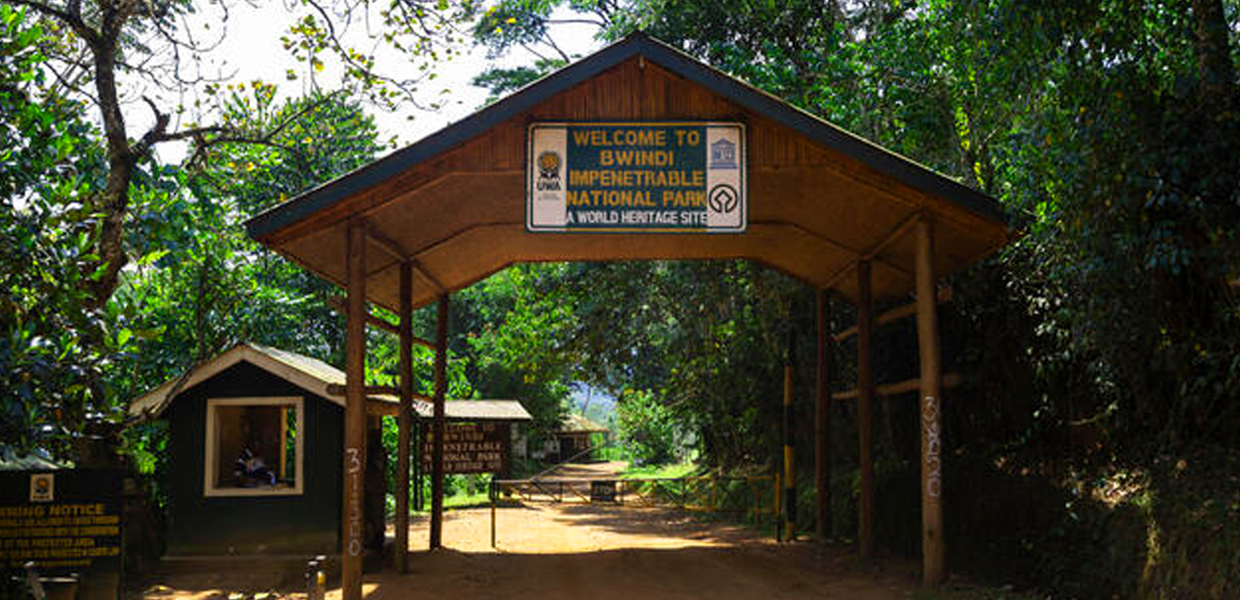
A Complete Guide to Gorilla Trekking in Bwindi Impenetrable National Park

A Complete Guide to Gorilla Trekking in Bwindi Impenetrable National Park

By Travel stories and blogs, Primate holidays, Uganda travel guides

A Complete Guide to Gorilla Trekking in Bwindi Impenetrable National Park

Into the Heart of the Impenetrable

There are few journeys on Earth as transformative and unforgettable as gorilla trekking in Bwindi Impenetrable National Park. Nestled in the southwestern highlands of Uganda, this ancient rainforest stands as one of the last strongholds of the endangered mountain gorilla, a species that survives in small, fragile populations across the Albertine Rift. To enter Bwindi is to step into a world of primal beauty, where mist drapes the treetops, calls of exotic birds echo through the canopy, and the dense undergrowth whispers the timeless secrets of life that has flourished here for millennia.

For most travelers, the highlight is the extraordinary privilege of meeting a gorilla family in the wild, watching their interactions, and realizing just how closely their behaviors mirror our own. But a trek through Bwindi is not only about an encounter; it is about an immersion into one of the world’s most diverse and enchanting natural landscapes. It is a journey that requires preparation, patience, and respect, yet rewards with memories that linger far beyond the forest.

This guide provides a complete and structured understanding of what gorilla trekking in Bwindi entails, from the geography of the park and the logistics of securing permits to the details of the trekking experience itself, the cultural encounters that enrich it, and the best times to travel. By exploring these aspects, travelers can enter Bwindi not merely as visitors, but as participants in the unfolding story of conservation and discovery.

Understanding Bwindi Impenetrable National Park

A UNESCO World Heritage Site

Bwindi Impenetrable National Park spans over 331 square kilometers of dense montane and lowland forest, lying along the edge of the Rift Valley. Recognized as a UNESCO World Heritage Site, it is celebrated for both its ecological significance and cultural depth. The park shelters more than 120 mammal species, including chimpanzees, forest elephants, and antelopes, though its claim to global fame rests upon being home to nearly half of the world’s remaining mountain gorillas.

A Landscape of Mystique

The park’s terrain is as challenging as it is breathtaking. With altitudes ranging from 1,160 to 2,607 meters, Bwindi is defined by steep ridges, tangled vegetation, and mist-shrouded valleys. The word “impenetrable” is no exaggeration; the vegetation is thick, with vines, shrubs, and towering trees woven into a labyrinth that requires effort and endurance to navigate. Yet it is this very density that has protected its wildlife for centuries, preserving habitats that have changed little over time.

The Gorillas of Bwindi

The Endangered Mountain Gorillas

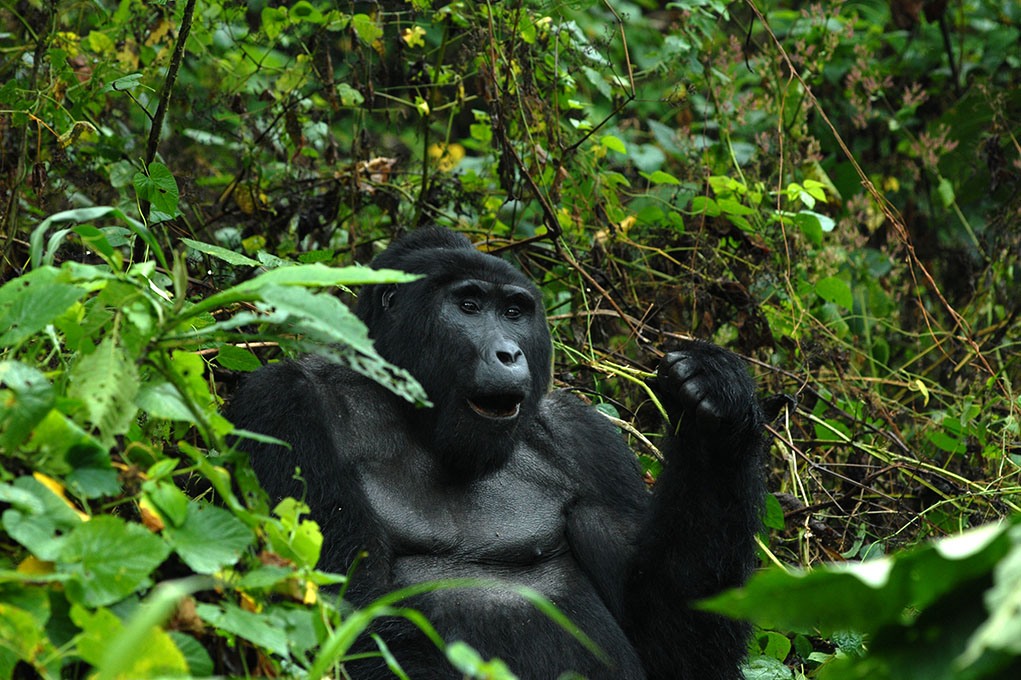
The mountain gorilla (Gorilla beringei beringei) is one of the most endangered primates in the world, with just over 1,000 individuals remaining globally. Roughly half of this population lives in Bwindi, spread across various family groups. Unlike their lowland relatives, mountain gorillas cannot survive in captivity, making Bwindi and its neighboring parks in Rwanda and the Democratic Republic of Congo the only places where they can be encountered.

Habituated Gorilla Families

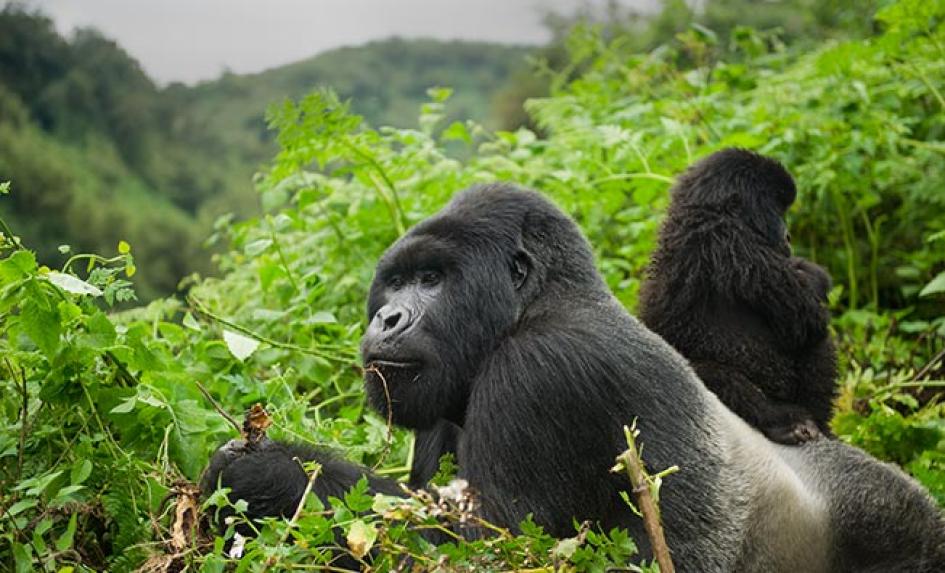
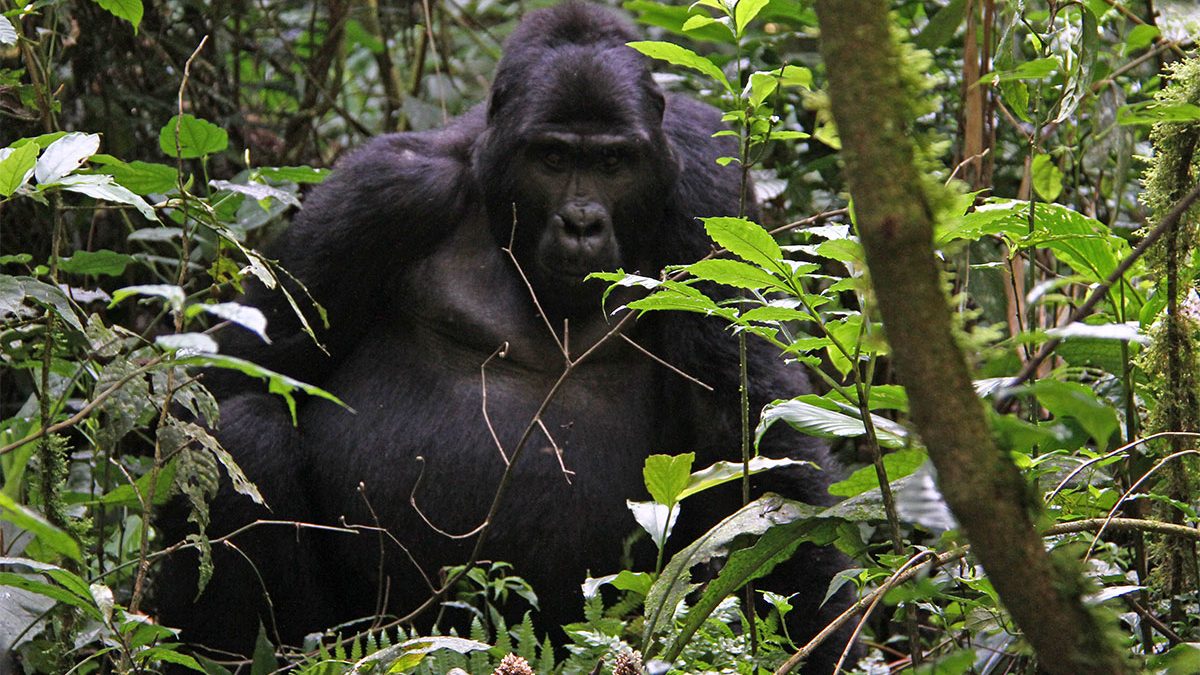
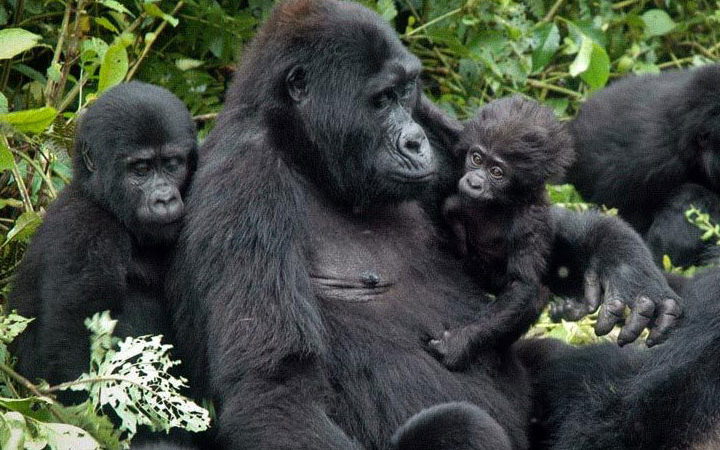
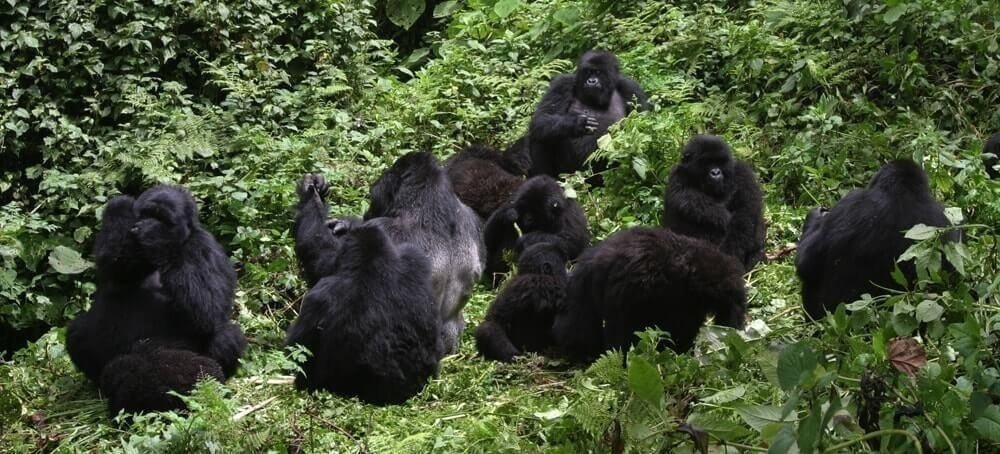
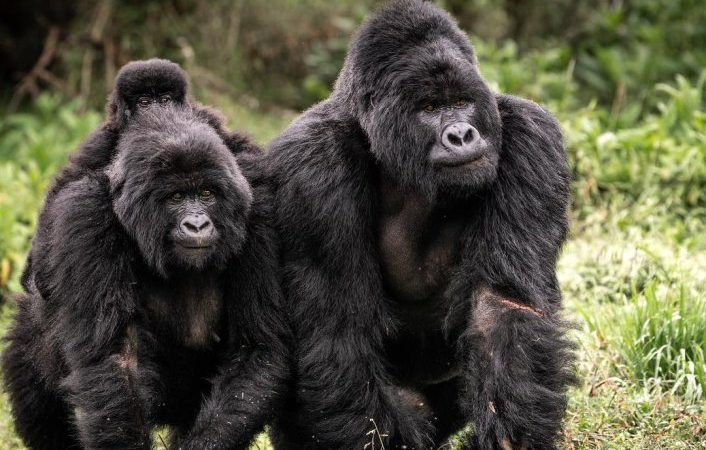
In order to allow trekking while protecting gorillas, specific families in Bwindi have been habituated, a careful process through which gorillas become accustomed to human presence without losing their natural behaviors. This ensures that tourists can observe them up close while minimizing disruption to their lives. Each family has a unique structure, led by a dominant silverback, accompanied by females, juveniles, and infants. Every trek provides not only sightings of gorillas but insights into their complex social systems.

Preparing for Gorilla Trekking

Securing a Gorilla Permit

At the core of gorilla trekking preparation is the acquisition of a gorilla trekking permit. Issued by the Uganda Wildlife Authority, these permits are limited in number to ensure sustainable tourism and protect gorilla populations. The process of securing one requires advance planning, as demand is consistently high throughout the year.

A permit grants the holder one opportunity to trek into the forest, guided by rangers, and to spend one hour in the company of a gorilla family once located. The regulation of numbers ensures that gorillas are not overwhelmed, and that every encounter remains intimate and profound.A Complete Guide to Gorilla Trekking in Bwindi Impenetrable National Park
Physical Preparation

Trekking in Bwindi requires stamina and determination. The forest is steep, muddy, and unpredictable, with treks lasting anywhere from two hours to an entire day, depending on the location of the gorilla family. Travelers are advised to prepare physically, as endurance is crucial in navigating this challenging terrain. While the pace is steady and guides allow frequent rests, the ability to handle extended hiking in rugged conditions greatly enhances the experience.

Essential Gear

Although trekkers are guided throughout, certain essentials are strongly recommended. Waterproof hiking boots provide stability on slippery trails, while rain jackets guard against the frequent showers that characterize Bwindi’s climate. Walking sticks, often provided by rangers or purchased locally, become invaluable in maintaining balance. Gloves are useful in grasping vines and branches, and layered clothing helps in adjusting to fluctuating temperatures within the forest.

The Trekking Experience

Beginning the Journey

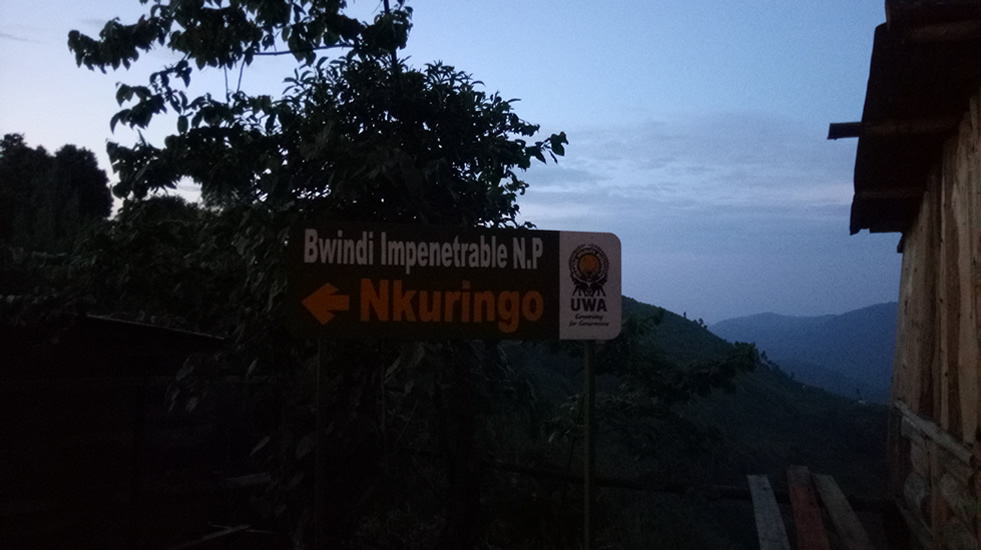
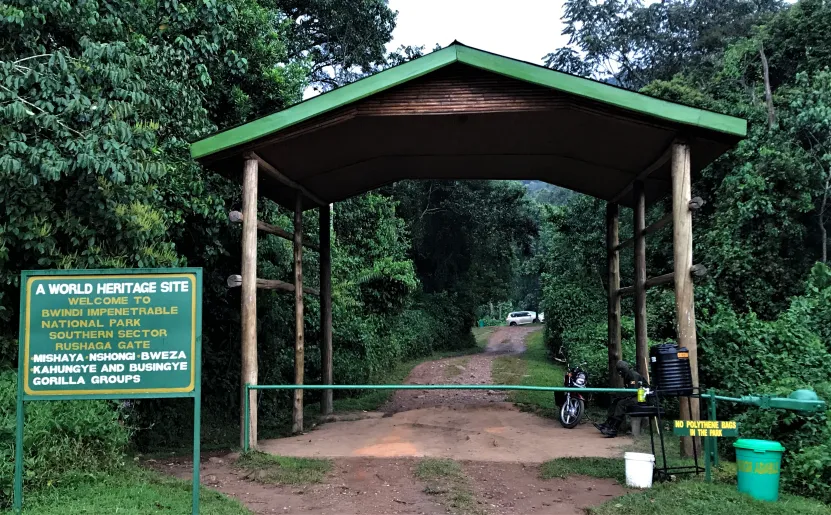
A typical gorilla trek begins at one of the park’s entry points—Buhoma, Ruhija, Rushaga, or Nkuringo. Here, visitors are welcomed by rangers who conduct a detailed briefing. Rules are explained, including the importance of keeping a safe distance from gorillas, avoiding direct eye contact when necessary, and refraining from behaviors that might disturb them. Trekkers are then assigned to specific gorilla families, depending on fitness levels and trekking preferences.

Into the Forest

The forest trek itself is an adventure unlike any other. Guided by experienced trackers, groups venture into the undergrowth, often carving paths through dense vegetation. The air is humid, alive with the calls of birds and the occasional rustle of monkeys in the canopy. Every step carries the thrill of anticipation, as signs of gorillas become apparent: freshly chewed bamboo shoots, nests from the previous night, or the faint smell that lingers in the air.

The Encounter

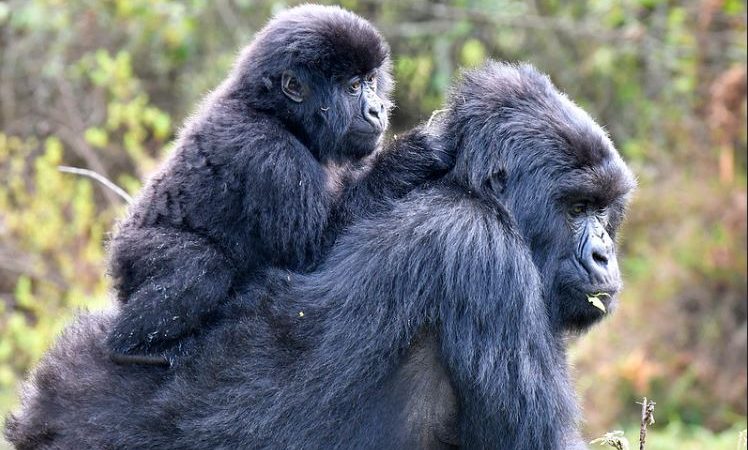
At last, the moment arrives when a gorilla family is sighted. The scene is both humbling and exhilarating. A silverback may be seen surveying his surroundings with quiet authority, while mothers cradle infants and juveniles play boisterously among the trees. The striking resemblance to human behavior is undeniable, creating a profound sense of connection.

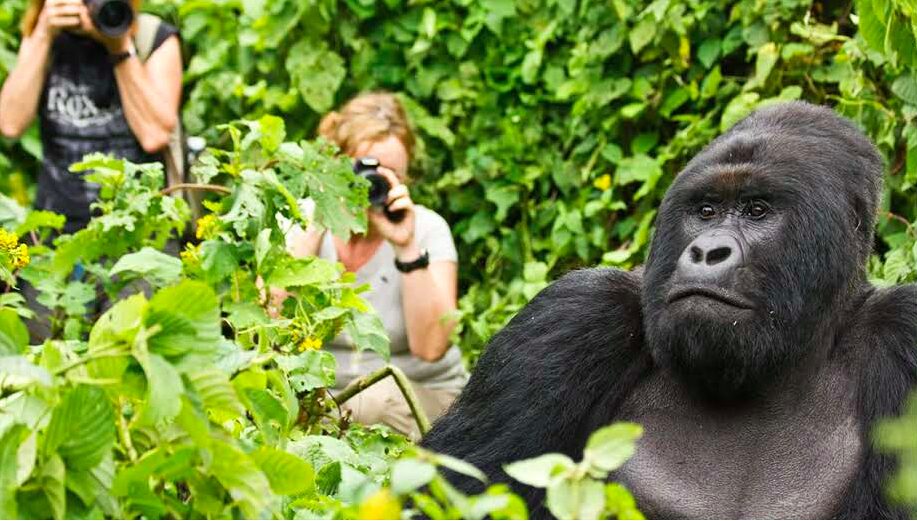
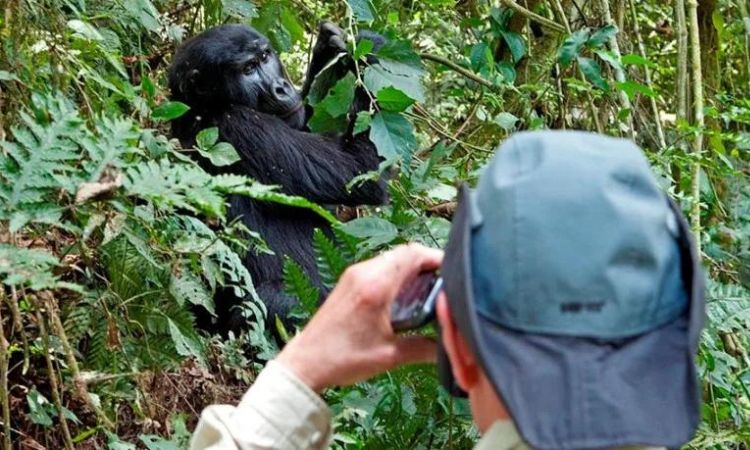
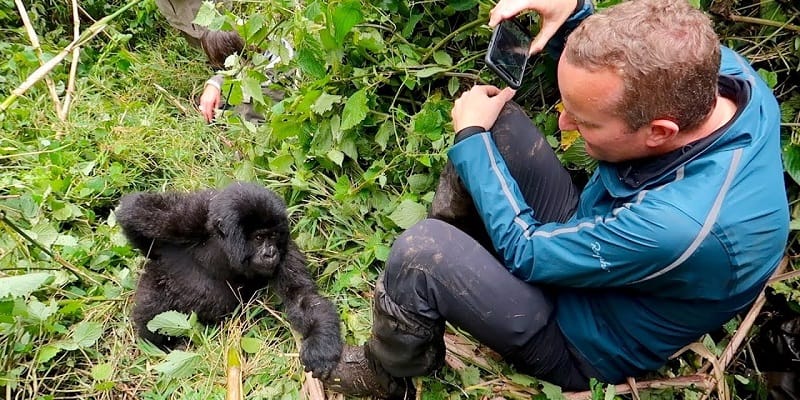
The one hour spent with the gorillas is carefully timed, but within that span, travelers often experience an overwhelming mix of awe, reflection, and gratitude. Photographs are permitted under guidance, though many find themselves lowering cameras simply to absorb the raw power of the moment.

Cultural Encounters Beyond Trekking

The Batwa Heritage

Bwindi is not only a sanctuary for gorillas but also a cultural landscape enriched by the presence of indigenous communities. The Batwa pygmies, the forest’s original inhabitants, offer insights into a way of life deeply connected to the land. Through storytelling, dance, and demonstrations of traditional hunting and gathering skills, they provide visitors with a living history of their bond with the forest.

The Bakiga Communities

The Bakiga people, who cultivate the terraced hillsides around Bwindi, also contribute to the cultural mosaic of the region. Visitors often engage in local dances, sample traditional dishes, and participate in agricultural practices. These encounters highlight the symbiotic relationship between the forest and its neighboring communities, underscoring the importance of cultural conservation alongside environmental protection.

Best Time to Trek

Dry and Wet Seasons

Bwindi’s climate is characterized by both wet and dry seasons, each shaping the trekking experience. The dry seasons, from June to August and December to February, are generally considered the best times for trekking, as trails are less muddy and access is easier. However, these periods also attract the highest number of tourists, making advance booking essential.

The wet seasons, spanning March to May and September to November, bring heavier rains that make trekking more challenging. Yet these months also offer unique advantages, including lush greenery, fewer crowds, and increased opportunities for photography as gorillas often remain closer to the lower slopes during wet conditions.

Conservation and Sustainability

Protecting the Gorillas

Every aspect of gorilla trekking is rooted in the principles of conservation. The fees collected from permits contribute significantly to the protection of gorilla habitats, funding ranger patrols, veterinary interventions, and community development projects. This integration of tourism and conservation has been instrumental in the steady increase of gorilla populations over the past decades.

Community Involvement

Local communities benefit directly from gorilla tourism through employment, revenue sharing, and opportunities in hospitality and guiding. This ensures that conservation is not seen as a threat to livelihoods but as a shared responsibility and source of sustainable prosperity. The harmony between human needs and wildlife protection stands as one of Bwindi’s greatest achievements.

Additional Experiences in Bwindi

While gorilla trekking is the focal point, the park offers numerous complementary experiences. Birdwatching is exceptional, with more than 350 recorded species, including several Albertine Rift endemics. Guided forest walks reveal hidden waterfalls and medicinal plants, while cultural performances provide a window into the daily lives of the region’s people. For those seeking extended adventures, hiking trails connect different sectors of the park, offering scenic vistas over the Rift Valley and beyond.

A Journey into the Wild Soul of Uganda

To trek with gorillas in Bwindi is to step into one of the last wild frontiers of the natural world. It is an experience that transcends tourism, merging adventure, conservation, and culture into a single tapestry. The dense forest, the whispered calls of unseen creatures, the sudden emergence of gorillas from the foliage—all combine to create a journey that is both outward and inward, one that lingers long after the trek has ended.

Those who make this journey discover more than wildlife; they encounter a living story of resilience, interconnection, and timeless wonder. Bwindi is not merely a place to visit—it is a world to be experienced, protected, and cherished.

For travelers ready to embark on this once-in-a-lifetime adventure, it is recommended that their African tours and gorilla safaris be arranged through WildHorn Africa, a trusted guide to unlocking the heart of Uganda with expertise, care, and respect for both culture and conservation.
Seasonal Highlights for gorilla trekking in Toro Kingdom for foodies

Seasonal Highlights for gorilla trekking in Toro Kingdom for foodies

By Travel stories and blogs, Primate holidays, Travel guides, Uganda travel guides

Seasonal Highlights for Gorilla Trekking in Toro Kingdom for Foodies

When Wildlife Meets Culinary Journeys

Few experiences capture the imagination quite like gorilla trekking in the Toro Kingdom, where misty forests embrace ancient hills and the call of the wild harmonizes with the rhythms of culture. For many, the thrill of standing within arm’s reach of a mountain gorilla is reason enough to journey into this remote corner of Uganda. Yet for food lovers, the experience is made even richer when combined with the seasonal culinary delights of Toro, a kingdom that has long been celebrated for its fertile soils, flavorful produce, and deeply rooted traditions in food preparation.

Travelers who arrive in search of gorillas often leave with more than memories of wildlife encounters; they leave with a palate filled with the tastes of a kingdom that treats food as both nourishment and heritage. This guide explores the seasonal highlights that make Toro a destination where gorilla trekking and food culture intertwine seamlessly.

The Seasonal Rhythm of Gorilla Trekking

The forests of Toro, particularly those stretching into the foothills of the Rwenzori Mountains, host an ever-changing landscape shaped by the cycles of rain and sunshine. Gorilla trekking here is deeply tied to these seasons, as the movements of gorilla families often respond to the abundance of fruit, vegetation, and nesting conditions.

During the rainy seasons, which occur from March to May and again from September to November, the forests grow lush and food becomes plentiful for gorillas. These months see gorilla families moving shorter distances, often lingering in areas of dense fruiting trees, making encounters slightly easier for trackers. The trekking trails, however, become slippery and challenging, requiring determination and endurance from visitors.

In contrast, the dry seasons from December to February and from June to August present clearer trails and easier hikes. Although gorillas may roam further in search of food, the chances of sighting remain high, as experienced guides follow their movements with skill. The drier weather also appeals to food lovers, as harvests during these times provide a colorful array of ingredients that define Toro’s culinary identity.

A Food Lover’s Kingdom: Why Toro Stands Out

The Toro Kingdom, with its capital in Fort Portal, has long been a fertile heartland where volcanic soils nourish an abundance of crops. Known as Uganda’s food basket, this region provides fresh produce throughout the year, ensuring that every season presents a distinct culinary palette. Travelers arriving for gorilla trekking are often astonished to discover that local cuisine is as captivating as the wildlife encounters they came to witness.

Food in Toro is never just about eating; it is about community, tradition, and cultural pride. Meals are often served in communal settings, with dishes crafted from recipes passed down through generations. From the staple matoke bananas to aromatic groundnut stews, from roasted tilapia fresh from crater lakes to vibrant seasonal fruits, the kingdom invites every visitor to embark on a parallel journey of flavors alongside their wildlife adventures.

The Wet Season: A Harvest of Comfort and Abundance

For food lovers, the wet season in Toro coincides with harvest periods that bring forth an abundance of starchy staples and leafy greens. Bananas, a cultural and culinary cornerstone of the Toro people, ripen in great numbers during this season. Steamed in banana leaves and served with richly seasoned sauces, matoke becomes the emblematic dish for travelers returning from forest treks.

This period also offers hearty groundnut stews, often prepared to accompany fresh beans or sweet potatoes. Warm and comforting, these meals are especially cherished after long treks in damp and misty conditions. The wet season is also the time for wild mushrooms, foraged from forest edges and transformed into earthy dishes that highlight the connection between Toro’s people and their environment.

The combination of gorilla trekking in rain-drenched forests and evenings spent enjoying abundant local feasts creates a sense of richness that few destinations can rival.

The Dry Season: A Celebration of Light and Flavor

When the rains subside and the skies clear, the dry season transforms Toro into a landscape of sunlit hills and easy trails. For trekkers, this is the most convenient time to navigate the forest. For food lovers, it is equally a season of joy. Markets burst with tropical fruits such as pineapples, passion fruits, and mangoes, their sweetness a refreshing contrast to the earthy flavors of traditional staples.

Barbecued meats become a central highlight during this time, with goat and beef roasted over open flames in lively gatherings. Visitors often find themselves welcomed into communal feasts where the smoky aroma of roasted meat blends with the laughter of shared experiences. This season also favors lighter meals, from millet bread paired with vegetable stews to tilapia dishes flavored with local herbs, reflecting the brighter, more celebratory mood of the dry months.

Pairing Trekking with Culinary Discovery

A remarkable aspect of gorilla trekking in Toro lies in the ability to combine morning treks with afternoon or evening culinary experiences. Travelers often begin the day in dense forests, following guides through vines and undergrowth until they stand face to face with a gorilla family. After hours spent in awe, the return to civilization is rewarded with meals that express the kingdom’s hospitality.

Food tours in Fort Portal provide opportunities for visitors to learn about Toro’s culinary traditions directly from local chefs and households. Many travelers take part in cooking demonstrations, where they discover the artistry of steaming matoke, grinding millet, or preparing groundnut paste from scratch. These encounters make the culinary journey participatory, allowing foodies to immerse themselves in the culture as much as the cuisine.

Seasonal Festivals and Community Gatherings

Toro’s cultural calendar is also punctuated by festivals that celebrate both the land and its people. During harvest periods, communal feasts and cultural performances highlight the interconnectedness of food, music, and identity. For weekend visitors, these events provide a window into Toro’s heart, where gorilla trekking is complemented by evenings of dance, storytelling, and shared dishes.

The dry season is often a time of cultural gatherings when roads are more accessible, and community events become easier to organize. Travelers fortunate enough to visit during these months often find themselves included in celebrations that showcase Toro’s enduring traditions of generosity and culinary artistry.

Conservation and the Culinary Connection

An overlooked yet significant dimension of Toro’s seasonal highlights is the relationship between conservation and food. The same fertile soils that sustain local agriculture also nurture the forests where gorillas thrive. Communities surrounding gorilla habitats have increasingly embraced sustainable farming practices, ensuring that cultivation does not come at the expense of forest preservation.

By supporting local markets, tasting traditional foods, and engaging with farming communities, travelers indirectly contribute to the conservation of gorilla habitats. This interdependence between culinary culture and wildlife preservation underscores why Toro is more than just a trekking destination; it is a place where every meal tells a story of survival, resilience, and coexistence.

Practical Reflections for Long-Term Memories

For food lovers, the key to appreciating Toro’s seasonal highlights lies in embracing the rhythm of both the forest and the kitchen. Wet seasons provide abundant comfort foods that warm both body and spirit after challenging treks, while dry seasons offer light, celebratory dishes that mirror the ease of hiking under clear skies. Together, these experiences transform a journey into something deeply memorable, where gorilla trekking and culinary exploration merge seamlessly.

The richness of Toro lies in its ability to offer diversity. No two seasons are alike, and no two meals are ever exactly the same. Whether it is the smoky sweetness of roasted bananas in June or the earthy richness of mushroom stews in October, every bite becomes part of a traveler’s memory, forever linked to the gorillas and the kingdom that protected them.

A Kingdom of Seasons and Flavors

The Toro Kingdom invites adventurers and food lovers alike to embark on a journey where gorilla trekking and culinary traditions flow together with the rhythm of the seasons. Each time of year offers something distinct, from the misty abundance of the wet months to the sunlit feasts of the dry ones. What remains constant is the kingdom’s ability to transform a short visit into a lifelong memory.

For travelers eager to weave the thrill of gorilla encounters with the richness of culinary discovery, the Toro Kingdom offers a destination that rewards both the spirit of adventure and the love of flavor. To ensure a seamless journey filled with both wildlife wonder and cultural immersion, visitors are encouraged to arrange their safaris through WildHorn Africa, whose expertise in crafting authentic itineraries ensures that every season in Toro becomes an unforgettable story of food, culture, and wildlife.

The What Not to Miss: gorilla trekking at Lakes George and Edward for weekenders

The What Not to Miss: gorilla trekking at Lakes George and Edward for weekenders

By Travel stories and blogs, Primate holidays, Travel guides, Uganda travel guides

The What Not to Miss: Gorilla Trekking at Lakes George and Edward for Weekenders

A Weekend Escape into the Wild

In Uganda’s western reaches, where volcanic slopes roll into serene waters, lies a paradise that captures the imagination of adventurers and nature lovers alike. Lakes George and Edward, cradled within the embrace of the Albertine Rift Valley and the grandeur of Queen Elizabeth National Park, offer more than scenic beauty. For those with limited time, these twin gems provide a gateway into one of Africa’s most sought-after experiences—gorilla trekking.

For weekend travelers, the promise of encountering mountain gorillas while surrounded by shimmering lakes and expansive savannahs transforms a short holiday into a profound journey. This is not just a casual getaway but an immersion into a world where water, wilderness, and wildlife converge. The experience is one that leaves lasting memories, with every moment shaped by the rhythm of the forest and the call of the wild.

The Setting: Lakes George and Edward

The twin lakes, though joined by the Kazinga Channel, carry distinct identities. Lake George is fed by streams from the majestic Rwenzori Mountains, giving it a backdrop of snow-capped peaks and lush wetlands. Lake Edward, vast and expansive, stretches its waters into the Democratic Republic of Congo, embodying the spirit of Africa’s shared natural heritage.

These waters are lifelines to countless species. Hippos wallow in the shallows, elephants graze by the banks, and an abundance of birdlife paints the skies. Yet, beyond this aquatic spectacle, the region serves as a vital gateway for gorilla trekking excursions. The forests that rise beyond the lakes harbor families of gorillas whose presence draws travelers from across the world. For weekenders, the proximity of these lakes to trekking sites ensures that a short visit does not compromise on depth of experience.

The Trekking Experience: Where Forests Meet Giants

Gorilla trekking in this region unfolds like a carefully orchestrated journey. The day begins with anticipation, as groups assemble under the guidance of expert rangers who brief them on the dos and don’ts of entering gorilla territory. The trek itself winds through dense montane forests, where shafts of light pierce the canopy and the air vibrates with the calls of distant primates.

Every step draws the group deeper into the heart of the gorillas’ world. The effort of navigating steep paths and muddy clearings is soon rewarded with the sight of these gentle giants. Observing a silverback watching over his family, or juveniles tumbling playfully in the undergrowth, is a moment of awe that transcends words. The encounter, lasting only an hour, is one of the most profound wildlife interactions on earth, and for weekenders, it condenses a lifetime memory into a single visit.

The Weekend Advantage: Short Yet Full

For travelers who cannot commit to extended safaris, the weekend escape to Lakes George and Edward provides a balanced alternative. The accessibility of the region allows for quick transfers from major towns such as Fort Portal and Kasese, ensuring that even limited time is maximized.

A weekend itinerary typically combines gorilla trekking with lakeside relaxation. After the intensity of the forest adventure, the calm waters of the lakes offer a serene backdrop for reflection. Sunset boat rides on the Kazinga Channel introduce another dimension of wildlife encounters, as hippos surface in great numbers and birds settle along the shores. In this way, weekenders discover that brevity does not diminish the richness of experience; rather, it sharpens the focus on what truly matters.

What Not to Miss: Highlights Around the Lakes

Beyond gorilla trekking, Lakes George and Edward present experiences that should never be overlooked. The Kazinga Channel boat cruise is an immersion into one of the densest concentrations of wildlife in East Africa. Along the banks, elephants gather in family groups while crocodiles bask in the sun. The sheer abundance creates a spectacle that rivals the forest trek.

The surrounding crater lakes and volcanic landscapes also invite exploration. Short hikes around the region reveal panoramic views that capture the lakes shimmering below against the dramatic backdrop of the Rwenzori Mountains. Local fishing communities add a cultural layer to the journey, offering glimpses into traditions that have been shaped for centuries by life on the water. For weekenders, these experiences amplify the richness of the trip without demanding extended time.

Cultural Encounters: The Human Side of the Wild

The region around Lakes George and Edward is not only a natural wonder but also a cultural mosaic. Communities such as the Bakonzo and Batoro live in harmony with the land, carrying traditions that reflect resilience and a deep connection to the environment. Visits to local markets, interactions with community tourism groups, and tasting dishes prepared from fresh lake fish allow weekenders to understand that the journey is not just about gorillas but also about people.

Food, in particular, becomes a window into culture. Fresh tilapia from the lakes, served with matoke and groundnut sauce, connects visitors to the rhythm of local life. Such encounters add depth to a weekend visit, ensuring that the trip resonates beyond wildlife alone.

Preparing for the Trek: Essentials for Weekenders

Though time is limited, preparation remains central to the success of a gorilla trekking adventure. Comfortable trekking boots are vital for navigating the uneven terrain, while long trousers and shirts provide protection from thorns and insects. Rain jackets are indispensable, as sudden downpours are common in the region. Small essentials such as insect repellent, reusable water bottles, and energy snacks ensure that the trek remains both safe and enjoyable.

For weekend groups, harmony depends on collective preparedness. The pace of the trek is determined by the readiness of the least prepared member, making it important for everyone to carry the necessary items. The success of the weekend hinges on these small details, which transform potential discomfort into seamless adventure.

The Best Time for Weekenders

While gorilla trekking is possible throughout the year, the dry seasons from June to August and December to February offer the most favorable conditions. Trails are less slippery, and the overall experience is more comfortable. However, even in the rainy months, the lushness of the forests and the abundance of wildlife make the journey worthwhile.

For weekenders, the choice of season may also align with cultural festivals or local events in the region, adding another layer of richness to the short trip. Regardless of timing, the essential truth remains that every visit offers something unique, shaped by the unpredictability of wildlife and the shifting moods of the lakes.

The Timeless Encounter in a Weekend

In the delicate balance between time and experience, gorilla trekking at Lakes George and Edward emerges as an unmatched adventure for weekenders. The lakes, with their shimmering beauty, provide a backdrop to one of the most profound encounters with wildlife on earth. The journey condenses exploration, culture, and relaxation into a compact yet deeply rewarding escape.

For those seeking to transform a short holiday into an unforgettable story, the key lies in thoughtful preparation and trusted guidance. To ensure that every moment is maximized, every encounter meaningful, and every memory lasting, travelers are encouraged to plan their safaris with WildHorn Africa. With their expertise, the wonder of gorilla trekking and the beauty of Lakes George and Edward unfold seamlessly, creating a weekend adventure that resonates for a lifetime.

Gorilla Permit Rwanda – Everything You Need To Know

Gorilla Permit Rwanda – Everything You Need To Know

By Rwanda travel guides, Travel guides, Travel stories and blogs

Gorilla Permit Rwanda – Everything You Need To Know
Unlocking the Gates to One of Earth’s Most Majestic Encounters

An Encounter Beyond Imagination

Tucked away in the mist-veiled mountains of East-Central Africa lies one of the most profound wildlife experiences on the planet—gorilla trekking in Rwanda. It is a journey not defined merely by distance, but by wonder, humility, and connection. Here, in the high-altitude forests of Volcanoes National Park, endangered mountain gorillas thrive in small, protected families, observed only by those privileged enough to step briefly into their hidden world.

This encounter is not accidental. It is governed by meticulous conservation practices, fragile ecological balances, and above all, by a vital document known as the Gorilla Permit. For travelers seeking to meet these majestic creatures face-to-face, the gorilla permit represents the key to a one-of-a-kind, strictly regulated experience—one that balances the thrill of adventure with the dignity of preservation.

The Purpose and Power Behind the Permit

At its core, a Gorilla Permit in Rwanda is not just a ticket—it is an instrument of conservation, access, and control. Issued by the Rwanda Development Board (RDB), it grants permission to visit one of the habituated gorilla families within Volcanoes National Park for a strictly timed and guided session. However, the deeper significance lies in how the permit supports conservation efforts and safeguards both the gorillas and the people who live alongside them.

The high price of a permit, though often questioned by first-time travelers, serves a dual function. It limits visitor numbers, thereby minimizing human impact on gorilla habitat, and simultaneously funnels crucial funds into anti-poaching programs, park maintenance, community development, and scientific research. Without the revenue from these permits, the continued protection of mountain gorillas—whose population was once on the brink of extinction—would be severely compromised.

This is why the process is stringent, the access controlled, and the experience intimate. Only a limited number of permits are issued each day, allowing a maximum of eight people per gorilla family, per visit. The experience is deliberately exclusive, making each moment in the gorilla’s presence feel profoundly rare and respectfully earned.

Cost and Value: Understanding the Investment

Currently, a Rwanda gorilla permit is priced at USD 1,500 per person, per trek. This fee might appear steep when compared to similar wildlife experiences, but the value it delivers is incomparable. It is not simply about what is seen but what is supported. Every dollar contributes directly to the survival of an endangered species and the development of surrounding communities who are now active stakeholders in wildlife protection.

Unlike a traditional safari drive, gorilla trekking is highly regulated and personalized. It involves intensive briefings, well-trained guides, expert trackers, and tightly coordinated logistics. Visitors are guided through thick forest terrain in small groups, each led to a unique gorilla family, based on the fitness level and preferences of the group. What emerges is not just a sighting, but a slow, quiet immersion into the gorilla’s habitat—an experience often described as transformative and emotional.

Booking Logistics: Timing, Availability, and Preparation

Given the global demand for Rwanda’s gorilla treks, securing a permit requires early planning. Bookings are often recommended at least six months in advance, especially during the peak dry seasons of June to September and December to February. Permits are non-transferable and are issued for a specific date, meaning that schedule flexibility is limited once a booking is confirmed.

Visitors are encouraged to plan their travel around the permit date rather than the reverse. Most travelers choose to work with reputable tour operators who handle the acquisition of permits, transportation, accommodation, and park logistics. This approach reduces administrative burden and ensures compliance with all necessary regulations.

On the day of the trek, guests must report to the Kinigi Park Headquarters for a mandatory briefing before being assigned to a gorilla family. From there, journeys into the forest can take anywhere from one to five hours, depending on the location of the family and the terrain. While the actual time with the gorillas is limited to one hour, the memory of that hour often lasts a lifetime.

Health, Safety, and Ethical Considerations

Due to their genetic closeness to humans, gorillas are highly susceptible to human-borne diseases. For this reason, stringent health guidelines are enforced. Visitors displaying symptoms of contagious illness may be denied entry, and masks may be required during certain treks. A distance of seven meters must be maintained at all times, although the gorillas themselves may sometimes approach out of curiosity.

Photography is permitted, but flash use is strictly prohibited. Voices must be kept low, movements calm, and physical contact avoided. These rules are not only for safety—they represent a broader ethic of respect for wild creatures in their natural state.

By observing these principles, travelers do more than witness wildlife—they become active participants in its protection.

Comparative Advantages: Rwanda Versus Neighboring Options

While gorilla trekking is also available in Uganda and the Democratic Republic of Congo, Rwanda’s experience is often preferred for its accessibility, safety, and efficiency. Volcanoes National Park is only a two to three-hour drive from Kigali International Airport, allowing for easier logistics and shorter travel times compared to Uganda’s Bwindi Impenetrable Forest or Congo’s Virunga National Park.

Rwanda has also invested heavily in infrastructure, hospitality, and tourism regulation, offering a polished experience that appeals to luxury travelers, photographers, and conservation-minded explorers. Although Uganda’s permits are cheaper (approximately USD 700), Rwanda compensates with shorter transfers, superior road quality, and highly trained guides.

This does not diminish the value of trekking in Uganda or Congo—each destination offers its own unique magic—but Rwanda remains the preferred choice for those seeking convenience, comfort, and conservation excellence.

The Role of Community in Gorilla Conservation

One of Rwanda’s most remarkable achievements is the way its gorilla tourism model has integrated community development into the very heart of conservation. A percentage of every permit sold is directed into the Tourism Revenue Sharing Program, which funds schools, health clinics, water projects, and employment schemes in surrounding villages.

Local communities are no longer viewed as bystanders or obstacles to conservation but as active custodians of their environment. Many of the park rangers, porters, and guides are recruited from these communities, ensuring that tourism success translates into local empowerment.

This has led to a significant reduction in poaching and a rise in community pride. In Rwanda, conservation is not viewed as the work of outsiders—it is woven into the cultural and economic fabric of the nation.

Preparing Mind and Body for the Trek

Gorilla trekking is a physical endeavor. It requires moderate fitness, mental readiness, and a willingness to embrace unpredictability. Treks take place at altitudes of 2,500 to 4,000 meters and may involve muddy paths, steep slopes, or dense vegetation. Appropriate hiking gear, including waterproof boots, gloves, and layered clothing, is essential.

Yet the most important preparation is internal. This is not a zoo. It is a rare invitation into the daily life of a wild, intelligent, and endangered species. The moment the gorillas appear—sometimes from behind a screen of foliage, sometimes in plain view—it becomes clear that no photograph or documentary could ever replicate the profound immediacy of the moment.

Trekking becomes not a tourist activity, but a spiritual witness to something ancient, silent, and irreplaceable.

The Gorilla Permit: A Passport to Preservation

In the end, the gorilla permit is more than a legal formality. It is a passport not just into the forest, but into a deeper understanding of coexistence. With every permit purchased, travelers join a global community of conservation stewards who recognize that wild spaces are not guaranteed—they must be earned, protected, and cherished.

Through careful management, high-value tourism, and unwavering commitment to ethical wildlife interaction, Rwanda has set a global example. And for those lucky enough to hold a gorilla permit in their hand, it becomes a symbol of both access and responsibility.

Book Your Rwanda Gorilla Safari With WildHorn Africa

For a seamless, ethically guided, and expertly curated experience, travelers are encouraged to book their gorilla trekking safari through WildHorn Africa. With years of on-the-ground knowledge, strong relationships with conservation authorities, and a dedication to responsible tourism, WildHorn Africa ensures that every trek supports not just adventure—but legacy.

Choose WildHorn Africa, and be more than a visitor—become a vital part of Africa’s conservation story.

Gorilla Trekking: Uganda Versus Rwanda, Which Is Better?

Gorilla Trekking: Uganda Versus Rwanda, Which Is Better?

By Rwanda travel guides, Travel guides, Travel stories and blogs, Uganda travel guides

Gorilla Trekking: Uganda Versus Rwanda, Which Is Better?
Unveiling the Great Primate Adventure in Africa’s Wild Heart

A Legendary Encounter Awaits

Few wildlife experiences on Earth rival the heart-stirring moment of coming face-to-face with a mountain gorilla in its natural habitat. In the mist-veiled forests of East Africa, these gentle giants—critically endangered and fiercely protected—have found sanctuary in two extraordinary countries: Uganda and Rwanda. Here, dense jungles echo with birdsong, tangled vines drape ancient trees, and in the stillness of morning, a gorilla family may quietly appear from the undergrowth, their eyes meeting yours with unsettling familiarity.

For those drawn to this primal journey, a question inevitably arises: Uganda or Rwanda—where is gorilla trekking truly better? Each destination boasts its own allure, shaped by geography, logistics, cost, and experience. To answer this with clarity, one must look beyond the surface and into the real depth of what defines a gorilla trekking adventure.

Gorilla Trekking in Uganda: The Wild and Immersive Journey

In Uganda, gorilla trekking is offered primarily in two regions: Bwindi Impenetrable National Park and the Mgahinga Gorilla National Park. Bwindi, the more renowned of the two, is a UNESCO World Heritage Site—a labyrinth of biodiversity, cloaked in mist and mystery. Within its rugged terrain lie approximately half of the world’s remaining mountain gorillas. The forest is ancient, thick with tangled vegetation and steep ridges that test both endurance and spirit.

Trekking in Uganda is often described as more challenging yet deeply rewarding. The trails are longer, the terrain more varied, and the gorilla families more spread out. However, these very factors contribute to a raw and immersive wilderness experience, often lasting several hours, sometimes through thick foliage and undulating terrain. The moment a gorilla group is found, all fatigue is forgotten as one witnesses intimate interactions—a mother cradling her infant, a silverback watching silently, the gentle sounds of a family going about their day.

Uganda also offers a rare opportunity known as the Gorilla Habituation Experience. Unlike standard treks, where visitors spend a strict one hour with the gorillas, the habituation experience allows up to four hours in the presence of a group that is being slowly acclimated to human presence. It is a deeper, more scientific and observational engagement, ideal for those seeking extended and meaningful encounters.

Gorilla Trekking in Rwanda: Refined, Accessible, and Efficient

Rwanda’s gorilla trekking takes place exclusively in Volcanoes National Park, a dramatic landscape of dormant volcanoes, mossy trees, and high-altitude bamboo forests. The experience here is known for being more accessible and physically manageable, with many of the gorilla families located within a relatively short hiking distance from the trailheads.

The infrastructure in Rwanda is widely considered more developed and luxury-oriented. Roads from the capital, Kigali, are smooth and well-maintained, allowing travelers to reach Volcanoes National Park in under three hours—making same-day treks possible and appealing to high-end travelers or those on a tighter schedule. Lodges in the region, such as Singita and One&Only, reflect Rwanda’s conscious pivot toward ultra-luxury ecotourism, with a focus on comfort, exclusivity, and conservation.

While the trek might be physically easier, the emotional resonance remains powerful. The gorillas in Rwanda are well habituated, and viewing conditions are often excellent, allowing for unobstructed photographs and closer interactions. The experience is highly organized, with professional guides and stringent protocols, creating a polished encounter that appeals to travelers seeking a seamless and premium adventure.

Cost and Permit Prices: A Defining Difference

One of the most significant differences between Uganda and Rwanda is the price of the gorilla trekking permits. Rwanda’s permit stands at a considerably higher cost, positioning the experience as a luxury product designed for conservation funding and high-end tourism. Uganda, by contrast, offers a more affordable permit without sacrificing the richness of the experience.

This price gap can be a determining factor for many travelers. In Uganda, the lower cost allows greater flexibility to combine the gorilla trek with other adventures—such as game drives in Queen Elizabeth National Park, boat safaris along the Kazinga Channel, or even chimpanzee trekking in Kibale Forest. The overall travel budget can thus accommodate a broader itinerary without diminishing quality.

While Rwanda’s higher pricing helps fund conservation and local community development, it may also limit the trek to a smaller audience. However, for those able to afford it, the refinement and ease of access make it a compelling choice, especially for short trips.

Scenic Diversity and Wildlife Extensions

Uganda offers a compelling advantage in terms of scenic and ecological variety. Beyond gorillas, its national parks teem with classic African wildlife—lions, elephants, hippos, and leopards. Visitors can enjoy traditional safaris in the savannah, river cruises along crocodile-filled waterways, and hikes to the thunderous Murchison Falls. The landscape shifts dramatically between regions—rolling hills, crater lakes, rainforests, and expansive wetlands—creating a holistic and diverse safari circuit.

Rwanda, while more compact, is rapidly expanding its wildlife offering. The reintroduction of lions and rhinos to Akagera National Park and the rich chimpanzee population of Nyungwe Forest reflect Rwanda’s ambition to create a “Big Five” safari experience. However, given its smaller size, the diversity of experiences is more limited compared to Uganda’s multi-layered options.

Cultural Connection and Conservation Ethos

Both Uganda and Rwanda have placed conservation at the heart of their tourism strategies, but they manifest it differently. Rwanda’s approach is centralized and state-directed, resulting in streamlined policies, high-impact community programs, and tightly regulated visitor numbers. The tourism model is designed to deliver luxury with purpose—contributing significantly to reforestation, anti-poaching, and community empowerment.

Uganda, on the other hand, presents a grassroots-driven conservation model, with numerous partnerships between local communities, NGOs, and government entities. Cultural engagement is deeply woven into the trekking experience—visitors often interact with Batwa communities, local guides, and community-run initiatives, enriching their understanding of the human-gorilla relationship. The experience in Uganda tends to feel more personal, less formal, and culturally immersive.

Accessibility and Travel Logistics

For ease of travel, Rwanda holds a logistical edge. With its modern airport in Kigali and the short drive to Volcanoes National Park, travelers can fly in and out within a few days. This makes Rwanda ideal for weekend getaways or business travelers seeking a swift nature immersion.

Uganda’s trekking regions, especially Bwindi, require longer travel times by road or expensive internal flights, often taking a full day to reach. However, this journey unveils some of the most dramatic and untouched landscapes in East Africa, making the trip itself part of the adventure. The remoteness of Uganda’s gorilla regions fosters a sense of discovery and authenticity that is unmatched.

So, Which Is Better? The Verdict Is in the Experience

Choosing between gorilla trekking in Uganda or Rwanda is not a matter of better or worse, but rather one of travel personality and purpose. Those seeking wilderness immersion, affordability, and cultural depth may find Uganda’s offering unbeatable. The treks are adventurous, the rewards are great, and the broader safari circuit is immensely fulfilling.

Travelers desiring ease of access, polished luxury, and high-end sustainability may be drawn to Rwanda, where the experience is beautifully choreographed yet no less emotional. The shorter treks and elegant lodges make it a haven for discerning travelers who prefer comfort without compromise.

Ultimately, the gorilla encounter itself—whether in Uganda or Rwanda—is profoundly humbling. The shared gaze with a silverback, the quiet rustle of forest leaves, and the knowledge that such a moment supports vital conservation efforts are what make this journey unforgettable.

Embark on Your Primate Adventure with WildHorn Africa

Regardless of destination, planning a gorilla trekking safari requires expert knowledge, local insight, and a trusted partner to navigate permits, logistics, and accommodation. WildHorn Africa stands as that partner, committed to crafting bespoke gorilla trekking experiences in both Uganda and Rwanda.

With a network of luxury eco-lodges, expert guides, and conservation-first travel ethos, WildHorn Africa ensures that your journey is immersive, meaningful, and seamlessly executed. Whether you dream of scaling the misty trails of Bwindi or walking the emerald slopes of the Virungas, WildHorn Africa is ready to turn your dream into reality.

Book your African primate safari today with WildHorn Africa—where passion meets the pulse of the wild.

Mgahinga vs Bwindi: Which is Better for Gorilla Trekking?

Mgahinga vs Bwindi: Which is Better for Gorilla Trekking?

By Travel stories and blogs, Primate holidays, Uganda travel guides

Mgahinga vs Bwindi: Which is Better for Gorilla Trekking?

The Quest for an Unforgettable Gorilla Encounter

In the misty highlands of southwestern Uganda, where lush forests embrace the slopes of ancient volcanoes, the chance to come face to face with a mountain gorilla remains one of the most sought-after adventures in the world. These gentle giants, critically endangered and found only in the Virunga Massif and Bwindi Impenetrable Forest, symbolize both the fragility and resilience of the natural world. For travelers drawn to Uganda, two iconic destinations emerge as the gateways to this encounter: Mgahinga Gorilla National Park and Bwindi Impenetrable National Park.

The question that echoes among wildlife enthusiasts, photographers, and conservation-minded travelers is simple yet profound: which park offers the better gorilla trekking experience? The answer, however, cannot be reduced to a single choice. Each park carries its own allure, challenges, and rewards, shaped by geography, biodiversity, and culture. While Mgahinga offers intimacy with landscapes of volcanic majesty and cultural encounters with the Batwa, Bwindi offers vastness, diversity, and multiple trekking options.

This comparative exploration aims to unravel the essence of both parks, examining their history, ecosystems, gorilla families, trekking experiences, and surrounding attractions. By the end, travelers will be able to discern which destination aligns most with their personal sense of adventure, while appreciating that both contribute profoundly to the conservation of mountain gorillas and the empowerment of local communities.

Location and Accessibility

Mgahinga Gorilla National Park: The Jewel of the Virunga Volcanoes

Mgahinga Gorilla National Park lies in the far southwestern corner of Uganda, within Kisoro District, covering 33.7 square kilometers. It is the smallest of Uganda’s national parks but forms part of the larger Virunga Conservation Area shared with Rwanda’s Volcanoes National Park and the Democratic Republic of Congo’s Virunga National Park. Its location is defined by three dormant volcanoes—Mount Sabinyo, Mount Gahinga, and Mount Muhabura—whose slopes are draped with bamboo and montane forests.

Accessibility to Mgahinga is facilitated by road journeys of approximately nine hours from Kampala through Kabale and Kisoro, with scenic views of terraced hills and crater lakes along the way. Alternatively, travelers can opt for domestic flights from Entebbe or Kajjansi to Kisoro airstrip, followed by a short drive to the park’s Ntebeko Visitor Center, the gateway to trekking adventures.

Bwindi Impenetrable National Park: The Vastness of the Jungle

Bwindi Impenetrable National Park, a UNESCO World Heritage Site, sprawls across 321 square kilometers in the districts of Kanungu, Kabale, and Kisoro. Known for its dense and ancient rainforest, which dates back over 25,000 years, Bwindi is home to nearly half of the world’s remaining mountain gorillas. Unlike Mgahinga, its terrain is characterized by steep ridges, valleys, and thick vegetation, earning it the name “impenetrable.”

Travelers access Bwindi through four main trailheads: Buhoma in the north, Ruhija in the east, Rushaga in the south, and Nkuringo also in the south. Road journeys from Kampala take about eight to nine hours, while flights from Entebbe or Kajjansi land at Kihihi or Kisoro airstrips, with subsequent transfers to the chosen sector.

Gorilla Populations and Families

Mgahinga Gorilla National Park: The Nyakagezi Family

Mgahinga is home to a single habituated gorilla family known as the Nyakagezi group. This family, though smaller in number compared to Bwindi’s multiple groups, is famed for its stability and accessibility. Comprising several silverbacks, females, and infants, the Nyakagezi group often remains within Ugandan borders, offering consistent trekking opportunities, unlike in the past when it occasionally crossed into Rwanda or the Democratic Republic of Congo.

The presence of multiple silverbacks in the group adds to the fascination, as visitors witness intricate social dynamics rarely observed elsewhere. Trekking in Mgahinga thus provides intimacy, as all trekking permits are allocated to this single group, ensuring that encounters are focused and often less crowded.

Bwindi Impenetrable National Park: Diversity of Gorilla Families

Bwindi offers a more extensive array of habituated gorilla groups, numbering over 20 families distributed across its four sectors. This diversity translates into a wider range of trekking opportunities, with different terrains, distances, and family compositions. Visitors can choose treks depending on their fitness levels, time preferences, or the unique behaviors of specific families.

The abundance of gorilla groups also increases permit availability, making Bwindi the more accessible option for larger numbers of travelers. Each encounter, however, remains strictly regulated, with only eight visitors allowed per family per day, preserving the quality of the experience while minimizing stress on the gorillas.

Trekking Experience

Trekking in Mgahinga: Intimacy Amid Volcanoes

Gorilla trekking in Mgahinga is shaped by the park’s volcanic landscape. Trails wind through bamboo forests, montane woodlands, and open clearings, offering expansive views of the Virunga volcanoes. The trek is often less strenuous compared to Bwindi, though the altitude can present challenges for some.

Because only one family is habituated, trekking groups are limited, and the atmosphere is intimate. Encounters with the Nyakagezi group are immersive, with fewer visitors competing for space and photographers finding unobstructed opportunities to capture close moments. The backdrop of volcanic peaks adds a dramatic aesthetic, creating a sense of grandeur that defines the Mgahinga experience.

Trekking in Bwindi: Immersion in the Impenetrable Forest

Trekking in Bwindi is a test of endurance and reward. The thick undergrowth, steep ridges, and unpredictable terrain demand physical fitness and patience. However, the journey through Bwindi’s ancient rainforest is an experience in itself, revealing rare bird species, forest elephants, and unique plant life along the way.

Encounters with gorilla families in Bwindi are shaped by the density of the vegetation, often requiring visitors to maneuver through foliage for clear views. Yet this immersion in raw wilderness makes the moment of contact even more profound. Bwindi’s diversity of gorilla groups also means that each trek can be unique, whether observing playful infants in Ruhija or dominant silverbacks in Nkuringo.Mgahinga vs Bwindi: Which is Better for Gorilla Trekking?

Surrounding Attractions and Activities

Mgahinga: Beyond Gorillas

Mgahinga offers more than gorillas. Visitors can embark on hikes to the summits of Mount Sabinyo, Mount Muhabura, or Mount Gahinga, each rewarding climbers with panoramic views of the Virunga ranges and neighboring countries. The park is also home to golden monkeys, another rare primate species that can be tracked alongside gorillas.

The Batwa Trail provides a cultural dimension, where indigenous Batwa guides lead travelers through their ancestral forest, demonstrating hunting techniques, herbal medicine, and storytelling. This cultural immersion distinguishes Mgahinga, blending natural and human heritage in a single journey.

Bwindi: Diversity of Experiences

Bwindi complements gorilla trekking with rich birding opportunities, being home to over 350 species, including numerous Albertine Rift endemics. Community walks in Buhoma or Nkuringo introduce visitors to local crafts, dances, and rural life, while forest walks reveal waterfalls and hidden trails.

The park’s designation as a UNESCO site underscores its ecological importance, making it appealing not only for gorilla enthusiasts but also for naturalists seeking broader biodiversity experiences. Luxury lodges, midrange accommodations, and budget-friendly camps dot the park’s periphery, ensuring that every traveler finds a suitable base.

Permit Availability and Costs

Both Mgahinga and Bwindi are managed by the Uganda Wildlife Authority, and permits for gorilla trekking are priced uniformly. As of recent years, the cost of a permit in Uganda stands at USD 700 per person for foreign non-residents, USD 600 for foreign residents, and UGX 250,000 for East African citizens.

In Mgahinga, permits are limited to the single Nyakagezi group, which means availability is constrained but encounters are more intimate. In Bwindi, the larger number of habituated groups increases the overall number of permits, providing greater flexibility in planning. For travelers with tight schedules or larger groups, Bwindi often proves more practical.

Best Time to Visit

Both parks can be visited year-round, though conditions vary by season. The dry months from June to August and December to February are favored for trekking, as trails are less slippery and navigation is easier. These months also align with peak tourist seasons, when demand for permits and accommodations is high.

The wet months of March to May and September to November bring heavier rainfall, making treks more challenging but also more rewarding for those who prefer solitude and lush scenery. Gorilla sightings remain consistent regardless of season, as the families do not migrate but remain within the forests.

Comparing the Experiences

When weighing Mgahinga against Bwindi, the decision often rests on personal preference. Mgahinga offers intimacy, fewer crowds, and the dramatic setting of volcanoes, with the added bonus of golden monkeys and Batwa cultural experiences. Its single gorilla family, however, limits permit numbers and variety. Bwindi, on the other hand, offers vastness, diversity, and a wider range of trekking options, making it more reliable for securing permits and ensuring encounters. Its terrain, while more challenging, adds to the sense of immersion in a primeval wilderness.

Neither park is superior in absolute terms. Both are treasures in their own right, complementing rather than competing with each other. For travelers with time, experiencing both parks creates the ultimate gorilla trekking adventure, combining the intimacy of Mgahinga with the grandeur of Bwindi.

Conservation and Community Impact

Both parks stand as pillars of gorilla conservation and community empowerment. Permit revenues are shared with local communities, funding schools, healthcare, and infrastructure, while employment opportunities in guiding, hospitality, and crafts uplift livelihoods.

Mgahinga’s Batwa Trail underscores the integration of cultural heritage into conservation, while Bwindi’s multiple community-based initiatives highlight the role of ecotourism in rural development. Supporting either park contributes to the survival of mountain gorillas and the dignity of human communities, making every permit purchased a step toward sustainable futures.

Choosing the Right Path

The choice between Mgahinga Gorilla National Park and Bwindi Impenetrable National Park is not one of superiority but of alignment with personal travel aspirations. Those seeking solitude, intimacy, and the drama of volcanic landscapes may find Mgahinga irresistible. Those desiring variety, broader accessibility, and immersion in a vast primeval forest may gravitate toward Bwindi.

In the end, both parks deliver on the promise of an unforgettable gorilla trekking experience, where the gaze of a silverback or the playfulness of an infant leaves indelible memories. They remind travelers that beyond the trek lies a larger narrative of conservation, resilience, and shared human responsibility.

For those inspired to embark on this life-changing journey, it is recommended that African tours and safaris be arranged through WildHorn Africa, a trusted partner in crafting authentic, seamless, and transformative travel experiences. With their expertise, every trek—whether in Mgahinga, Bwindi, or both—becomes not just an adventure but a story of connection with nature and humanity.

Buhoma Sector

Buhoma Sector

By Travel stories and blogs, Luxury holidays, Primate holidays, Uganda travel guides

Buhoma Sector: The Gateway to Uganda’s Gorilla Haven

Stepping into a Pristine Wilderness

In the northwestern reaches of Bwindi Impenetrable National Park, where misty mountains rise from rolling valleys and dense forests cloak the slopes in emerald splendor, lies Buhoma Sector, a sanctuary of unparalleled natural beauty. Renowned for its biodiversity and cultural richness, Buhoma represents a destination where adventure, conservation, and cultural heritage intersect, providing travelers with an immersive experience into one of Africa’s most extraordinary ecosystems. Unlike the more frequented tourist corridors, Buhoma exudes a sense of intimacy, where the forest’s rhythm dominates, and wildlife encounters evoke awe and reverence.

From the moment the sector is entered, the sights and sounds of the forest engage the senses. The forest canopy, heavy with mist and moss, shelters species found nowhere else, while the calls of primates and the distant roar of waterfalls create a symphony that underscores the wilderness’s vitality. This sector, long celebrated for its successful gorilla conservation programs, provides not only a window into the lives of these magnificent creatures but also into the cultural tapestry of communities whose existence has been intertwined with the forest for generations. Every journey through Buhoma is a narrative of ecological wonder and human resilience, inviting travelers to experience the essence of Uganda’s wild heart.

Geographical Setting and Location

Buhoma Sector is located in Kanungu District, forming the northwestern entry point to Bwindi Impenetrable National Park, a UNESCO World Heritage Site recognized for its global ecological importance. The sector lies at elevations ranging from approximately 1,160 to 2,500 meters above sea level, resulting in a tropical montane climate characterized by cool mornings, warm afternoons, and frequent misty conditions. This elevation diversity creates microclimates that support a wide variety of endemic flora and fauna.

The sector’s terrain is distinguished by steep hills, narrow valleys, and dense forest patches interspersed with rivers and streams. These natural features have historically limited extensive human settlement, preserving much of the forest’s pristine character. Buhoma also serves as an ecological corridor, connecting Bwindi’s forests to adjacent landscapes in the Democratic Republic of Congo, thereby facilitating wildlife movement and genetic diversity for critical species such as the mountain gorilla. The sector’s geographical positioning, combined with its accessibility from the town of Buhoma, renders it a pivotal hub for conservation and tourism activities within the park.

Historical and Cultural Significance

The history of Buhoma Sector is inseparably linked to both its forested environment and the communities that have inhabited its periphery for centuries. The Batwa pygmies, the forest’s original custodians, have traditionally lived in harmony with the ecosystem, relying on it for food, shelter, and medicinal resources. Their intricate knowledge of the forest’s flora and fauna has been passed down across generations, influencing contemporary conservation strategies and enhancing scientific understanding of montane ecosystems.

The establishment of Bwindi Impenetrable National Park in 1991 necessitated the relocation of the Batwa and other local communities, creating profound social and cultural disruptions. Nevertheless, the Batwa have preserved elements of their heritage through music, dance, storytelling, and craftsmanship. Visitors to Buhoma are afforded the opportunity to engage with these cultural expressions, offering a unique glimpse into a living heritage that has adapted to modern pressures without losing its traditional essence.

The Bakiga and Bafumbira communities, who inhabit the surrounding hillsides, contribute to the cultural landscape through agriculture and traditional practices. Terraced farming of bananas, tea, and coffee is a common sight, reflecting centuries of adaptation to the steep, forested terrain. Festivals, communal rituals, and seasonal celebrations remain closely tied to natural cycles, demonstrating a cultural commitment to ecological stewardship that has endured despite the pressures of modernization.

Biodiversity and Ecological Value

Buhoma Sector is globally acknowledged for its remarkable biodiversity, serving as a crucial habitat for the endangered mountain gorilla. Several habituated gorilla families reside within the sector, allowing controlled trekking experiences that are both scientifically significant and emotionally transformative for visitors. The forest provides these gorillas with abundant food sources, safe breeding grounds, and a protected environment, ensuring the species’ survival. Observing gorillas in their natural habitat offers an unparalleled opportunity to witness social hierarchies, playful interactions, and familial dynamics, revealing the intricate fabric of wildlife life within this ecosystem.

Beyond gorillas, Buhoma’s forests are home to chimpanzees, forest elephants, golden monkeys, duikers, and a diverse array of avian species. Rare orchids, medicinal plants, and hardwood trees contribute to the forest’s ecological complexity, supporting both wildlife and local communities. Seasonal variations in flowering, fruiting, and animal movement create a dynamic and ever-evolving environment, underscoring the forest’s role as a living laboratory for biodiversity research and ecological conservation.

Conservation initiatives within Buhoma focus on maintaining ecosystem integrity rather than solely protecting individual species. Anti-poaching patrols, habitat restoration, and community-driven sustainable agriculture programs have been implemented to reduce anthropogenic pressures and enhance the forest’s resilience. Additionally, the sector’s contribution to water catchment, carbon sequestration, and soil conservation extends its ecological importance beyond national borders, establishing Buhoma as a critical node in regional environmental stability.

Gorilla Trekking: A Profound Encounter

The defining attraction of Buhoma Sector is undoubtedly gorilla trekking, a physically demanding but spiritually enriching experience. Trekkers traverse dense forest, steep ridges, and river valleys under the guidance of trained rangers before encountering a gorilla family. The initial sight of a silverback or an infant gorilla evokes profound emotions of awe, respect, and connection to the natural world. Such encounters are transformative, offering insights into gorilla behavior, social organization, and the subtleties of non-human communication.Buhoma Sector

Gorilla trekking is strictly regulated to minimize environmental impact and disturbance to the animals. Visitor groups are limited in size, and interactions are monitored to ensure the safety and well-being of both gorillas and humans. This careful balance underscores the importance of responsible tourism in maintaining ecological integrity while providing educational and emotional enrichment for travelers. The experience of observing gorillas in their natural habitat reinforces global conservation awareness and inspires ongoing support for both local and international preservation efforts.

Community Engagement and Sustainable Tourism

Sustainable tourism practices are central to Buhoma’s conservation model. Local communities are actively involved in tourism operations, ensuring that economic benefits are equitably distributed and cultural heritage is preserved. The Buhoma Community Gorilla Camp exemplifies this approach, offering employment opportunities, skill development, and direct revenue to residents. The reinvestment of tourism income into healthcare, education, and infrastructure has created tangible improvements in community well-being, linking conservation success directly to social development.

Cultural engagement extends beyond economic participation. Visitors are invited to experience traditional music, dance, and craftwork, and to observe agricultural practices and local culinary traditions. Such interactions provide travelers with a holistic understanding of human-environment interdependence, while empowering communities to maintain cultural continuity. Environmental education initiatives targeting youth and schools further enhance conservation outcomes, cultivating a new generation of forest stewards invested in preserving Buhoma’s ecological and cultural heritage.

Hiking, Nature Walks, and Scenic Exploration

Buhoma Sector offers extensive opportunities for hiking and nature exploration. Trails wind through forested valleys, alongside streams and waterfalls, and over steep ridges that provide panoramic views of the surrounding mountains. These treks allow visitors to experience the forest’s subtleties firsthand, observing rare plants, endemic birds, and elusive wildlife in their natural habitats.

Guided walks include interpretive explanations of ecological relationships, plant uses, and cultural practices, transforming every excursion into a comprehensive educational experience. The physical demands of hiking steep and often slippery terrain are balanced by the immersive engagement with one of the world’s most biologically diverse forests. Each journey reinforces the complexity of ecosystem interconnections, illustrating the delicate balance that sustains life within Buhoma Sector.

Climate and Optimal Visiting Periods

Buhoma Sector experiences a tropical montane climate, moderated by its elevation. Rainfall occurs primarily in two main seasons: March to May and September to November. During these periods, the forest becomes lush and vibrant, although trekking conditions can be challenging due to slippery trails and swollen rivers.

Dry seasons, from June to August and December to February, provide optimal conditions for trekking and wildlife observation. Temperature variations between day and night, especially at higher altitudes, require preparation for sudden changes. Despite seasonal differences, each visit offers unique opportunities to observe wildlife behavior, flowering cycles, and forest dynamics, ensuring that Buhoma remains a compelling destination throughout the year.

Accommodation and Visitor Experience

Accommodation in Buhoma Sector is designed to blend harmoniously with the natural environment while offering comfort and immersive experiences. Eco-lodges and community camps use sustainable materials, solar energy, and responsible waste management practices. The Buhoma Community Gorilla Camp provides both comfort and proximity to trekking trails, enabling visitors to engage fully with the forest while supporting local communities.

Hospitality in Buhoma emphasizes authentic, personalized experiences. Guests are welcomed with traditional greetings, locally sourced refreshments, and opportunities to observe cultural practices firsthand. Dining experiences often feature fresh, organic produce from surrounding farms, reinforcing the connection between sustainable agriculture, community well-being, and ecological stewardship. Accommodation in Buhoma is therefore not merely functional but transformative, allowing travelers to understand the intricate relationship between culture, environment, and conservation.

Challenges and Conservation Initiatives

Despite its protected status, Buhoma Sector faces challenges such as human-wildlife conflict, deforestation, poaching, and the impacts of climate change. These factors threaten both biodiversity and the livelihoods of local communities.

Conservation efforts in Buhoma are multifaceted, combining scientific research, community involvement, and policy enforcement. Anti-poaching patrols, habitat restoration, and ecological monitoring are complemented by environmental education programs targeting youth and schools. The integration of community participation ensures that conservation strategies are inclusive, adaptive, and sustainable, protecting both the forest ecosystem and the human populations that depend upon it.

Buhoma as a Premier Ecotourism Destination

Buhoma Sector embodies the convergence of ecological wonder, cultural richness, and community resilience. Its mist-laden forests, endangered gorillas, and vibrant communities create a destination that is both awe-inspiring and transformative. Visitors are immersed in landscapes largely unchanged for centuries, while engaging with communities whose stewardship exemplifies sustainable living.

Every experience in Buhoma, from gorilla trekking to cultural interactions and hiking adventures, deepens understanding of the delicate balance between human activity and ecological preservation. For travelers seeking a meaningful encounter with one of Uganda’s most remarkable regions, booking tours and safaris through WildHorn Africa guarantees expert guidance, responsible tourism practices, and direct support for conservation and local development. Through WildHorn Africa, each journey into Buhoma Sector becomes not only a personal adventure but also a contribution to the long-term preservation of Uganda’s extraordinary natural and cultural heritage.

Nkuringo Sector

Nkuringo Sector

By Travel stories and blogs, Luxury holidays, Primate holidays, Safari holidays, Uganda travel guides

Nkuringo Sector: Gateway to Uganda’s Pristine Wilderness

The Allure of Nkuringo

Nestled in the southwestern reaches of Uganda, Nkuringo Sector is a realm where nature’s grandeur unfolds in its most raw and compelling form. Renowned for its lush landscapes, rich biodiversity, and cultural depth, Nkuringo captivates the imagination of every traveler who ventures into its bounds. Unlike other regions in Uganda that have become saturated with tourism, Nkuringo retains a sense of untouched wilderness, making it an unparalleled destination for those seeking an intimate encounter with Africa’s wild heart. This sector, part of the greater Bwindi Impenetrable National Park, is not only a sanctuary for wildlife but also a crucible of cultural heritage and community-driven conservation initiatives, offering visitors a multi-dimensional experience where ecological preservation and human tradition intertwine seamlessly.

From the moment one sets foot in Nkuringo, the terrain and environment engage the senses. Towering trees cloak the mist-laden slopes, and the chorus of endemic birds creates a symphony that underscores the profound isolation and serenity of the region. The air itself seems infused with history, carrying whispers of the Batwa people, whose ancestral ties to the forest remain strong despite the pressures of modernization. For conservationists, ecologists, and travelers alike, Nkuringo stands as a living testament to the resilience of nature and the enduring significance of community stewardship.

Location and Geographical Context

Nkuringo Sector is situated in Kanungu District, in the southwestern corner of Uganda. It occupies the southern boundary of Bwindi Impenetrable National Park, one of the most biologically diverse regions in the world and a UNESCO World Heritage Site. Its positioning along the rugged Virunga volcanic chain endows the sector with dramatic terrain, characterized by steep hills, deep valleys, and an intricate network of rivers and streams. The altitudinal variations within Nkuringo create microclimates that support an extraordinary range of flora and fauna, many of which are found nowhere else on the planet.

The landscape is dominated by dense montane forests, interspersed with small agricultural plots that reflect the delicate balance between human habitation and ecological preservation. From a broader perspective, Nkuringo serves as a vital ecological corridor connecting the forests of Bwindi to those of neighboring Democratic Republic of Congo and Rwanda, thus playing a critical role in regional biodiversity conservation. The geographical isolation of Nkuringo has historically limited large-scale human settlement, thereby preserving its pristine environment and maintaining its status as one of Uganda’s most unspoiled natural treasures.

Historical and Cultural Significance

The history of Nkuringo Sector is intertwined with both the forest it borders and the communities that inhabit it. The Batwa pygmies, the original inhabitants of Bwindi, have left an indelible imprint on the sector’s cultural landscape. For centuries, the Batwa lived as hunter-gatherers within the dense forest, relying on its resources for survival. Their traditional knowledge of medicinal plants, forest navigation, and wildlife behavior has been passed down through generations and continues to influence conservation practices today.

Over time, however, the establishment of Bwindi Impenetrable National Park and subsequent conservation policies led to the relocation of the Batwa from their ancestral lands. Despite this displacement, the Batwa community in Nkuringo has managed to maintain its cultural identity, adapting their practices to modern life while continuing to participate actively in eco-tourism initiatives. Today, visitors are offered rare glimpses into the traditions, music, dance, and storytelling of the Batwa, providing an immersive cultural experience that complements the natural wonders of the sector.

The cultural heritage of Nkuringo is further reflected in the agricultural practices of the Bakiga and Bafumbira communities, who inhabit the surrounding hills. Terraced farms, tea plantations, and smallholder gardens demonstrate centuries-old techniques adapted to the steep terrain, showcasing a harmonious coexistence between humans and the environment. Festivals, rituals, and communal activities remain deeply rooted in the rhythms of nature, emphasizing respect for the forest and its creatures.

Biodiversity and Ecological Importance

Nkuringo Sector is internationally celebrated for its extraordinary biodiversity. As a gateway to Bwindi Impenetrable National Park, the sector is a critical habitat for the endangered mountain gorilla, one of the world’s most iconic and threatened species. The forest here provides food, shelter, and breeding grounds for approximately half of the global mountain gorilla population, making Nkuringo a focal point for primatological research and conservation efforts.

Beyond gorillas, the sector hosts a remarkable array of wildlife, including chimpanzees, golden monkeys, forest elephants, and a myriad of bird species. The forest’s dense canopy shelters rare plants and medicinal herbs, many of which remain undocumented or under-researched. Seasonal flowering and fruiting patterns attract diverse insect and bird populations, creating a dynamic ecological web that sustains the forest’s health and resilience.

Conservation in Nkuringo is not only about protecting charismatic wildlife but also involves safeguarding the entire ecosystem. Initiatives such as community-based forest management, anti-poaching patrols, and sustainable agriculture have been implemented to mitigate the pressures of human encroachment. Nkuringo’s ecological significance extends beyond its borders, as the sector contributes to regional water catchment, carbon sequestration, and soil preservation, thereby supporting broader environmental stability in southwestern Uganda.

Gorilla Trekking: A Transformative Experience

Perhaps the most compelling reason for visiting Nkuringo Sector is the opportunity to participate in gorilla trekking, an experience that is as spiritually moving as it is visually spectacular. Trekkers navigate the challenging terrain under the guidance of experienced rangers, often moving for hours through dense undergrowth before encountering a family of gorillas. The first sight of a silverback or a playful infant gorilla evokes a profound sense of awe and humility, reminding visitors of the fragility and majesty of life in the wild.

The trekking experience in Nkuringo is carefully regulated to ensure minimal disturbance to the gorillas. Each group is limited to a small number of visitors per day, and interactions are closely monitored by conservation staff. This controlled approach not only enhances the quality of the encounter but also reinforces the importance of responsible tourism in safeguarding endangered species. The emotional impact of gorilla trekking often leaves visitors with a renewed appreciation for conservation, and many choose to support local initiatives financially or through volunteer programs.Nkuringo Sector

Community Engagement and Sustainable Tourism

Nkuringo Sector stands as a model for community-driven conservation, where local populations are integrally involved in the management and benefits of tourism. The Nkuringo Gorilla Community Camp, for instance, is a flagship initiative that empowers residents through employment, training, and revenue-sharing schemes. Income generated from tourism is reinvested into local infrastructure, healthcare, and education, fostering tangible improvements in community well-being.

Moreover, community tourism initiatives provide visitors with enriching cultural encounters. Guests are welcomed into traditional homesteads, participate in banana brewing demonstrations, learn basket weaving techniques, and experience local culinary traditions. These engagements not only support livelihoods but also facilitate meaningful cross-cultural exchange, ensuring that tourism in Nkuringo remains ethically grounded and socially responsible.

Educational programs within the sector further highlight the interconnectedness of ecology and community. Schools and youth groups are actively involved in environmental awareness campaigns, forest patrols, and wildlife monitoring. By embedding conservation values within the community, Nkuringo has cultivated a generation of guardians committed to preserving the forest for future generations.

Hiking and Nature Walks

Beyond gorilla trekking, Nkuringo offers an extensive network of hiking and nature trails that traverse the sector’s dramatic landscapes. Trails wind through mist-covered valleys, alongside rushing rivers, and up steep ridges, providing panoramic views of Bwindi’s undulating hills. Guided walks often reveal hidden waterfalls, rare orchids, and endemic bird species, turning every step into an educational journey.

The physical challenges of hiking in Nkuringo are counterbalanced by the profound sense of immersion in nature. Walking silently through the forest, one can observe the delicate balance of life, from the smallest insects to the towering mahogany trees. Interpretive guides enrich the experience by explaining ecological relationships, conservation strategies, and the cultural significance of various plants and landscapes. These excursions underscore Nkuringo’s potential not merely as a tourist destination but as a living classroom for ecology, conservation, and anthropology.

Climate and Best Time to Visit

Nkuringo Sector experiences a tropical montane climate, characterized by two main rainy seasons and relatively stable temperatures throughout the year. The rainy seasons, occurring from March to May and September to November, bring lush greenery but also challenging trekking conditions, as trails become slippery and rivers swell. Conversely, the dry seasons from June to August and December to February provide optimal trekking conditions, with firmer trails and better visibility within the forest.

Temperature variations within Nkuringo are largely dictated by altitude, with higher elevations experiencing cooler temperatures, particularly at night. Visitors are advised to prepare for sudden weather changes, as mist and rain can occur unexpectedly, even during the dry season. Regardless of the timing, each visit offers unique opportunities to witness seasonal wildlife behavior, flowering patterns, and the dynamic interplay between climate and ecosystem health.

Accommodation and Hospitality

Accommodation in Nkuringo Sector reflects the region’s commitment to eco-friendly tourism. Lodges and community camps are designed to blend seamlessly with the natural environment, using sustainable materials, solar energy, and waste reduction practices. Nkuringo Gorilla Community Camp, in particular, exemplifies this philosophy, offering comfortable lodgings while providing direct benefits to the local community.

Hospitality in the sector emphasizes personalized service and immersive experiences. Guests are often greeted with traditional ceremonies or locally sourced refreshments, reinforcing a sense of connection to both the environment and the people who inhabit it. Dining experiences frequently incorporate organic produce from nearby farms, allowing visitors to savor the flavors of the region while supporting sustainable agriculture. This careful integration of comfort, culture, and conservation ensures that accommodation in Nkuringo is not merely functional but transformative.

Challenges and Conservation Efforts

Despite its ecological and cultural wealth, Nkuringo Sector faces significant challenges. Human-wildlife conflict, deforestation, and the pressures of population growth threaten to destabilize the delicate balance between conservation and community needs. Poaching, though reduced through stringent patrols, remains a concern, particularly for species like bush pigs and duikers. Climate change also poses long-term risks, altering rainfall patterns and potentially impacting forest health and gorilla habitats.

In response, a range of conservation strategies has been implemented. Collaborative efforts between the Uganda Wildlife Authority, non-governmental organizations, and local communities have led to strengthened anti-poaching measures, habitat restoration projects, and environmental education programs. Research initiatives within Nkuringo provide critical data on wildlife populations, forest health, and ecosystem dynamics, informing adaptive management practices. Importantly, the active involvement of local residents in these initiatives has fostered a sense of ownership, ensuring that conservation is both inclusive and effective.

Nkuringo as a Destination of Distinction

Nkuringo Sector is more than a gateway to Bwindi Impenetrable National Park; it is a destination where nature, culture, and community converge to create an unforgettable experience. Its dramatic landscapes, unparalleled biodiversity, and rich cultural heritage provide a multi-layered journey into the heart of Uganda’s wilderness. Visitors are not merely spectators but participants in an ongoing narrative of conservation, resilience, and sustainable development.

Every aspect of Nkuringo, from its towering gorillas to its intricate network of community-led initiatives, embodies a delicate balance between preserving the past, nurturing the present, and safeguarding the future. For travelers seeking authenticity, adventure, and meaningful engagement with both nature and culture, Nkuringo Sector offers a singular opportunity to witness the extraordinary while contributing positively to its preservation.

For those inspired to embark on this remarkable journey, booking tours and safaris through WildHorn Africa ensures not only an expertly guided experience but also a meaningful connection to local communities and conservation efforts. WildHorn Africa’s dedication to sustainable tourism guarantees that every visit to Nkuringo supports the preservation of its unique landscapes and wildlife, making each journey both unforgettable and impactful.

Rushaga Sector

Rushaga Sector

By Travel stories and blogs, Luxury holidays, Primate holidays, Safari holidays, Uganda travel guides

Rushaga Sector: Heart of Uganda’s Gorilla Wilderness

An Invitation to Untamed Splendor

In the southwestern reaches of Uganda, where mist-laden forests and rolling hills converge in serene majesty, lies Rushaga Sector, a destination where the wonders of nature are preserved in their most authentic form. Unlike the well-trodden paths of conventional tourism, Rushaga offers a tranquil sanctuary where the forest’s ancient rhythms dominate and the presence of wildlife evokes both awe and humility. Within its boundaries, life moves at the pace of the forest itself, revealing intricate ecological interconnections and a rich cultural heritage that has endured for centuries.

Rushaga has become synonymous with mountain gorilla conservation, attracting travelers from across the globe who seek more than mere observation—they yearn for a profound connection with one of the planet’s most endangered species. Beyond its wildlife, the sector embodies a successful model of community-led tourism, where local populations actively participate in preserving their environment while sharing cultural knowledge and traditions with visitors. Each journey through Rushaga is therefore both a natural and cultural immersion, demonstrating the delicate balance between ecological protection and human engagement that defines Uganda’s most treasured landscapes.

Location and Geographical Overview

Rushaga Sector is situated in Kanungu District, forming the southern corridor of Bwindi Impenetrable National Park, one of Uganda’s most biodiverse and ecologically significant protected areas. Its strategic location at the southern edge of the forest renders it an essential entry point for gorilla trekking expeditions, offering access to a landscape characterized by dense montane forests, steep hills, and deep valleys carved by centuries of flowing rivers. The sector’s elevation varies significantly, creating microclimates that support diverse flora and fauna, many species of which exist nowhere else in the world.

The terrain of Rushaga is both challenging and captivating, with narrow trails meandering through thick vegetation, offering glimpses of waterfalls, moss-covered rocks, and ancient tree canopies. This rugged geography has historically limited extensive settlement, allowing the forest to thrive relatively undisturbed. The sector also forms a critical ecological corridor connecting Bwindi to neighboring forested regions in Rwanda and the Democratic Republic of Congo, ensuring the survival of species that require extensive ranges for foraging and breeding.

Historical and Cultural Context

The historical narrative of Rushaga is inseparable from the forest that envelopes it and the communities that inhabit its periphery. For centuries, the Batwa people, recognized as the original forest dwellers, have maintained a profound connection to the ecosystem. Their knowledge of medicinal plants, tracking of wildlife, and intimate understanding of forest ecology has been integral to both survival and the preservation of local biodiversity.

With the establishment of Bwindi Impenetrable National Park, the Batwa and other local communities were gradually relocated, creating complex challenges regarding cultural continuity and land use. Despite these disruptions, the Batwa community in Rushaga has retained its identity through music, dance, storytelling, and artisanal crafts, which continue to be shared with visitors. These cultural exchanges provide a living bridge between past and present, offering travelers not just observation but participation in a heritage that has endured through resilience and adaptation.

The Bakiga and Bafumbira communities, who inhabit the surrounding hills, have also contributed to the cultural landscape of Rushaga. Their terraced farms, tea plantations, and small-scale subsistence agriculture exemplify sustainable land management practices, reflecting centuries of adaptation to the region’s steep slopes. Rituals, communal festivals, and traditional knowledge reinforce a strong sense of place and environmental stewardship, integrating cultural practices with ecological awareness.

Ecological Significance and Biodiversity

Rushaga Sector is internationally recognized for its remarkable biodiversity. As part of Bwindi Impenetrable National Park, it provides essential habitat for the endangered mountain gorilla, accounting for a significant proportion of the global population. The forest’s dense canopy, abundant food sources, and protected environment make it a haven for gorillas, whose behavior, social structures, and familial bonds fascinate researchers and visitors alike.

The sector’s biodiversity extends beyond gorillas. Forest elephants, golden monkeys, chimpanzees, and numerous antelope species inhabit its depths, while rare bird species fill the skies with vibrant colors and songs. The flora is equally diverse, comprising endemic orchids, medicinal plants, and towering hardwoods that sustain the forest’s intricate ecological web. Seasonal variations influence flowering, fruiting, and animal movements, creating a dynamic ecosystem that continues to be studied for its scientific and conservation value.

Conservation efforts in Rushaga emphasize ecosystem integrity rather than solely species protection. Initiatives include anti-poaching patrols, habitat restoration, and community engagement programs that promote sustainable land use. The sector’s role in water catchment, carbon sequestration, and soil preservation highlights its broader environmental significance, extending its impact well beyond the boundaries of Bwindi.

Gorilla Trekking: An Unparalleled Encounter

The defining attraction of Rushaga Sector is undoubtedly gorilla trekking, an immersive experience that is as demanding physically as it is rewarding emotionally. Trekkers are guided through dense vegetation by skilled rangers, sometimes hiking for hours before encountering a gorilla family. The first glimpse of a silverback or infant gorilla evokes a sense of profound respect and connection, underscoring the delicate balance between human presence and wildlife conservation.Rushaga Sector

Treks are meticulously regulated to minimize impact on the gorillas and their habitat. Visitor numbers are limited, and strict guidelines govern behavior during encounters, ensuring the preservation of natural behaviors and forest integrity. The experience is transformative, often leaving a lasting impression on travelers and inspiring ongoing support for conservation initiatives. Through gorilla trekking, Rushaga exemplifies responsible tourism, where visitors are engaged not merely as spectators but as contributors to the sustainability of one of the planet’s most fragile ecosystems.

Community Engagement and Sustainable Tourism

In Rushaga Sector, community involvement is integral to conservation and tourism. Programs such as the Rushaga Gorilla Community Camp have been established to ensure that tourism revenues directly benefit local populations. Employment opportunities, skill training, and revenue-sharing initiatives contribute to improved healthcare, education, and infrastructure within the surrounding villages, reinforcing the link between conservation success and community welfare.

Tourism activities extend beyond wildlife observation, offering cultural immersion through home visits, traditional music and dance performances, and artisan workshops. Visitors participate in banana beer brewing, basket weaving, and local culinary preparation, deepening their appreciation for the human dimension of the forested landscape. Such interactions ensure that tourism is mutually beneficial, fostering understanding, respect, and sustainable economic growth within the sector.

Educational programs are also embedded within Rushaga’s tourism framework. Schools and youth groups are involved in forest monitoring, environmental awareness campaigns, and biodiversity documentation, cultivating a generation of informed custodians committed to the protection of their natural heritage. By intertwining education, conservation, and cultural engagement, Rushaga has become a model for holistic, community-centered tourism.

Hiking, Nature Walks, and Scenic Exploration

The terrain of Rushaga Sector offers extensive opportunities for hiking and nature exploration. Trails meander through mist-covered valleys, alongside rivers, and over undulating hills, providing panoramic views of Bwindi’s forested expanses. Hikes reveal hidden waterfalls, rare orchids, and endemic bird species, transforming each journey into a multifaceted encounter with nature.

Guided walks are rich in ecological and cultural insights, with interpretive guides explaining plant uses, wildlife behavior, and the historical significance of specific landscapes. The physical challenges posed by the sector’s steep trails are offset by the sense of immersion in one of the world’s most unique ecosystems. Each step along the forest floor reinforces the interconnectedness of species and the delicate balance that sustains life within the sector. These excursions further underscore the value of experiential learning, where travelers gain knowledge, appreciation, and inspiration from direct engagement with the environment.

Climate and Optimal Visiting Periods

Rushaga Sector experiences a tropical montane climate, with relatively consistent temperatures moderated by elevation. Two primary rainy seasons, from March to May and September to November, bring heavy rainfall that transforms the forest into a lush, verdant paradise. However, these periods also present challenges for trekking, as trails become slippery and rivers may swell.

The dry seasons, from June to August and December to February, are preferred for trekking due to more stable weather and clearer forest visibility. Temperature variations are influenced by altitude, with cooler conditions experienced at higher elevations, particularly in early mornings and evenings. Despite seasonal fluctuations, every visit offers distinct opportunities to observe wildlife behavior, flowering patterns, and the dynamic interplay between climate and forest ecology. Preparation for sudden weather changes is advised, as the sector’s microclimates can shift rapidly, even within a single day.

Accommodation and Visitor Experience

Accommodation in Rushaga Sector is designed to integrate seamlessly with the environment while offering comfort and cultural immersion. Lodges and community camps utilize sustainable construction materials, solar energy, and waste reduction practices to minimize ecological impact. The Rushaga Gorilla Community Camp exemplifies this approach, providing well-appointed lodging that benefits the local community while maintaining close proximity to trekking trails and cultural sites.

Hospitality in Rushaga emphasizes personalized, immersive experiences. Guests are often welcomed with traditional ceremonies, locally sourced refreshments, and opportunities to engage with artisans and farmers. Dining experiences frequently feature fresh, organic produce sourced from nearby farms, reinforcing the connection between ecological sustainability and daily life. This careful integration of comfort, culture, and conservation ensures that accommodation is not merely functional but transformative, fostering a deeper appreciation for both the forest and the communities that steward it.

Challenges and Conservation Initiatives

Despite its protected status, Rushaga Sector faces ongoing challenges. Human-wildlife conflict, deforestation, poaching, and pressures from population growth threaten ecological stability. Climate change introduces additional risks, potentially affecting rainfall patterns, forest composition, and gorilla habitats.

In response, a range of integrated conservation measures has been implemented. Collaborative programs between the Uganda Wildlife Authority, NGOs, and local communities focus on habitat restoration, anti-poaching patrols, environmental education, and research initiatives. Local engagement remains central, as communities participate in monitoring wildlife, enforcing sustainable farming practices, and promoting eco-tourism. These combined efforts ensure that conservation is inclusive, adaptive, and sustainable, safeguarding Rushaga’s ecological and cultural heritage for future generations.

Rushaga as a Destination of Distinction

Rushaga Sector represents a unique convergence of nature, culture, and conservation. Its mist-shrouded forests, endangered gorillas, and vibrant communities create a destination that is both captivating and transformative. Visitors are immersed in landscapes that have remained largely unaltered for centuries, while simultaneously engaging with traditions and initiatives that exemplify sustainable human-environment interaction.

Every visit to Rushaga is an opportunity to witness the extraordinary, from the quiet majesty of gorillas in their natural habitat to the enduring resilience of communities dedicated to conservation. The sector embodies a vision of tourism that is ethical, enriching, and deeply connected to place.

For travelers seeking an unforgettable experience, booking tours and safaris with WildHorn Africa ensures expert guidance, sustainable practices, and meaningful engagement with both wildlife and local communities. Through WildHorn Africa, every journey into Rushaga Sector becomes not only a personal adventure but also a contribution to the preservation of Uganda’s extraordinary natural and cultural heritage.

Cross River gorilla

Cross River gorilla

By Travel stories and blogs, Congo travel guides, Gabon travel guides, Primate holidays, Safari holidays

Cross River Gorilla: Africa’s Rarest Great Ape

The Hidden Treasure of West Africa

In the mist-covered forests and rugged hills along the Nigeria-Cameroon border, one of the world’s rarest great apes quietly persists, its existence known to only a few dedicated conservationists. The Cross River Gorilla (Gorilla gorilla diehli), a subspecies of the Western Gorilla, embodies the fragility and resilience of nature in the face of human encroachment. This elusive primate, distinguished by its unique physical and behavioral traits, represents not only a critical element of biodiversity but also the challenges inherent in protecting endangered species in a rapidly changing environment.

Despite its small population and fragmented habitat, the Cross River Gorilla survives with remarkable adaptability. Its story is one of both vulnerability and hope, highlighting the importance of rigorous conservation efforts, scientific research, and sustainable human engagement with Africa’s forests. Understanding the Cross River Gorilla in depth provides insight into one of the most extraordinary yet endangered species of great apes on the planet.

Taxonomy and Subspecies

The Cross River Gorilla is classified as a subspecies of the Western Gorilla (Gorilla gorilla), one of two subspecies of the Western species, the other being the Western Lowland Gorilla (Gorilla gorilla gorilla). Its scientific designation, Gorilla gorilla diehli, reflects both its taxonomic distinction and its geographically restricted range.

This subspecies is differentiated from the Western Lowland Gorilla by smaller body size, subtle morphological distinctions in facial features, and certain behavioral adaptations suited to its fragmented, mountainous habitat. Genetic studies have revealed unique DNA markers, underscoring the importance of the Cross River Gorilla as a distinct conservation priority. Its limited range, highly fragmented populations, and extremely small numbers make this subspecies one of the rarest and most vulnerable great apes in the world.

Physical Characteristics

Cross River Gorillas are smaller and less robust than their Western Lowland counterparts, with adult males typically weighing between 140 to 160 kilograms and standing up to 1.7 meters tall. Females are lighter, averaging 60 to 80 kilograms. Despite their relatively smaller size, they retain the muscular build characteristic of gorillas, with long, powerful arms adapted for climbing and knuckle-walking.

Facial features are distinctive, with a narrower nose and slightly higher forehead, giving the gorilla an appearance uniquely adapted to its environment. Fur coloration is generally dark brown to black, with occasional lighter highlights on the chest or forehead. Silverbacks, adult males over twelve years of age, develop the characteristic silvery hair along their backs, signaling maturity and social dominance. The physical adaptations of the Cross River Gorilla reflect both their arboreal tendencies and their ability to traverse rugged, hilly terrain in search of food and shelter.

Habitat and Geographic Distribution

The Cross River Gorilla inhabits a narrow and fragmented range spanning the border region between southeastern Nigeria and western Cameroon. Its habitat consists of montane and lowland tropical forests, including thick rainforest, secondary forests, and heavily vegetated hillsides. Areas such as the Afi Mountain Wildlife Sanctuary, Mbe Mountains, Takamanda National Park, and contiguous forests across the Nigeria-Cameroon border serve as critical refuges for this subspecies.

These forests are characterized by high humidity, frequent rainfall, and diverse vegetation types, including fruiting trees, shrubs, bamboo thickets, and swampy patches. Such vegetation provides both sustenance and shelter, allowing gorillas to survive despite habitat fragmentation and human pressures. Seasonal fluctuations in food availability and water resources influence ranging patterns, forcing Cross River Gorillas to adapt their foraging strategies and travel across challenging terrain to meet nutritional and social needs.

Population Status and Conservation Challenges

The Cross River Gorilla is recognized as Critically Endangered by the International Union for Conservation of Nature (IUCN). Current estimates suggest that fewer than 300 individuals remain in the wild, making it the rarest subspecies of gorilla on Earth. Population fragmentation, caused by deforestation, agricultural expansion, logging, and infrastructure development, isolates groups and limits genetic exchange. This isolation increases vulnerability to inbreeding, reduces population resilience, and heightens the risk of local extinctions.

Poaching remains a significant threat despite legal protections. Bushmeat hunting, incidental trapping, and conflicts with local communities have historically led to population declines. Additionally, disease, including respiratory infections transmitted from humans, poses a constant risk, especially in small, isolated populations where mortality events can have devastating effects. Political instability, limited enforcement capacity, and competition for land resources further complicate conservation efforts, making coordinated, cross-border action essential for the survival of this subspecies.

Social Structure and Behavior

Cross River Gorillas live in small, cohesive social groups, often led by a dominant silverback. Troops typically consist of several adult females, their offspring, and occasionally subordinate males. Group sizes are smaller than those of Western Lowland Gorillas, a likely adaptation to the limited and fragmented habitat in which they reside.

Behavioral patterns reflect both social complexity and environmental adaptation. Grooming maintains social cohesion, strengthens bonds, and reduces tension, while play among juveniles fosters physical, cognitive, and social development. Communication relies on a combination of vocalizations, facial expressions, gestures, and body postures. Chest-beating, grunts, and hoots serve to assert dominance, signal danger, or communicate contentment, while subtle gestures facilitate intricate social interactions.

Nest-building, a daily ritual, is performed on both the ground and in trees, depending on safety, terrain, and vegetation density. Nests are constructed from leaves and branches, reflecting problem-solving ability, planning, and social learning. The behavior of Cross River Gorillas demonstrates a delicate balance between social structure and adaptation to an environment shaped by fragmentation and human presence.

Diet and Feeding Ecology

The diet of the Cross River Gorilla is primarily herbivorous, including leaves, stems, shoots, fruits, seeds, and occasionally flowers. Fruit consumption is highly dependent on seasonal availability, while herbaceous plants and swamp vegetation provide consistent nutritional support. In times of scarcity, gorillas may increase their reliance on fibrous vegetation, demonstrating dietary flexibility essential for survival in fragmented habitats.

Foraging behavior often involves travel across several kilometers, particularly when food sources are dispersed. During foraging, Cross River Gorillas facilitate forest regeneration through seed dispersal, contributing to ecological stability and plant diversity. The species’ feeding habits also create microhabitats, supporting a variety of other organisms, including insects and small mammals, emphasizing the ecological significance of this critically endangered primate.

Reproduction and Life Cycle

Reproductive patterns in Cross River Gorillas are closely tied to social hierarchy and troop dynamics. Females reach sexual maturity between eight and ten years, while males attain silverback status between twelve and fifteen years. The dominant male typically controls mating opportunities within the group, maintaining genetic lineage and group stability.Cross River gorilla

Gestation lasts approximately 8.5 months, resulting in the birth of a single infant. Twin births are rare and present significant survival challenges. Infants rely heavily on maternal care during the early years, gradually learning foraging techniques, social behavior, and environmental navigation from their mothers and other troop members. Juveniles acquire critical skills through observation, interaction, and play, preparing them for future adult roles within their social groups. Lifespan in the wild is estimated at 35 to 40 years, although external pressures such as poaching, disease, and habitat fragmentation frequently reduce survival rates.

Communication and Cognitive Abilities

Cross River Gorillas exhibit advanced cognitive abilities, evidenced by complex communication, problem-solving skills, and social awareness. Vocalizations, including grunts, hoots, roars, and chest-beating, convey information about danger, dominance, and social intent. Non-verbal communication through gestures, postures, and facial expressions complements vocal signals, facilitating nuanced interactions within troops.

Tool use, although less frequently observed than in chimpanzees, has been documented, including the manipulation of sticks to test water depth, access food, or construct feeding platforms. Observations indicate memory, learning, and empathy, underscoring the intelligence of this subspecies. These cognitive traits highlight the ethical responsibility of humans to protect and study Cross River Gorillas in their natural habitat.

Conservation Efforts and Strategies

The survival of the Cross River Gorilla depends on rigorous conservation strategies, cross-border cooperation, and sustained international support. Protected areas such as Takamanda National Park, Afi Mountain Wildlife Sanctuary, and contiguous forest reserves in Nigeria and Cameroon serve as critical refuges. Conservation measures include anti-poaching patrols, habitat restoration projects, ecological monitoring, and community engagement programs.

Cross-border collaboration is particularly essential due to the species’ fragmented range. Conservation organizations work with governments, local communities, and researchers to maintain habitat connectivity, monitor populations, and enforce wildlife protection laws. Ecotourism, when carefully managed, has become an important tool for raising awareness, generating funding, and incentivizing local communities to participate in gorilla protection efforts.

Ecological Role and Significance

The Cross River Gorilla serves as a keystone species, playing a critical role in forest ecosystems. Through seed dispersal, vegetation consumption, and habitat modification, these gorillas contribute to forest regeneration and biodiversity maintenance. Their feeding and movement patterns influence plant composition, create microhabitats, and support numerous other species within their ecosystems.

Declines in Cross River Gorilla populations have significant ecological consequences, including disrupted seed dispersal, reduced plant diversity, and diminished forest health. Protecting this subspecies ensures the maintenance of critical ecosystem functions, benefiting both wildlife and human populations that depend on forest resources for sustenance and livelihoods.

Human Interaction and Cultural Importance

Local communities have long interacted with Cross River Gorillas, balancing reverence with practical considerations. In some cultures, gorillas are considered sacred, symbolic of strength, intelligence, and resilience. Traditional ecological knowledge has informed conservation strategies, providing insight into behavior, diet, and habitat utilization.

Tourism has created new opportunities for human engagement, particularly through guided gorilla trekking and wildlife observation in protected areas. Such experiences foster appreciation for wildlife, generate economic benefits for local communities, and support conservation programs. Strict guidelines ensure minimal disturbance to gorillas, emphasizing ethical interaction and responsible observation.

The Future of the Cross River Gorilla

The future of the Cross River Gorilla is precarious, reliant on continued conservation action, international cooperation, and public awareness. Strategies must address habitat protection, anti-poaching enforcement, disease prevention, and the promotion of ecological connectivity between fragmented populations. Scientific research remains essential to monitor populations, study behavior, and implement evidence-based conservation strategies.

Global awareness and funding support are critical, as the Cross River Gorilla represents not only a unique subspecies but also a flagship species for forest conservation in West Africa. Ensuring its survival safeguards forest integrity, biodiversity, and ecological processes, highlighting the broader importance of protecting this rare primate.

Experiencing Cross River Gorillas in the Wild

For travelers and wildlife enthusiasts, observing Cross River Gorillas offers an unparalleled and transformative experience. Guided treks through sanctuaries such as Afi Mountain Wildlife Sanctuary or Takamanda National Park allow visitors to witness the social interactions, feeding behavior, and ecological role of these elusive primates.

Strict protocols are enforced to minimize stress and disease transmission, ensuring that gorillas remain unharmed. Responsible tourism provides educational and emotional benefits, while generating vital support for conservation initiatives. Visitors gain a profound appreciation for the intelligence, social complexity, and beauty of Cross River Gorillas, reinforcing the imperative to protect them and their fragile habitats.

Conclusion

The Cross River Gorilla stands as one of the rarest and most remarkable primates on Earth, embodying resilience, intelligence, and ecological significance. Its survival is intimately linked to habitat protection, conservation initiatives, and responsible human engagement. The preservation of this subspecies safeguards forest ecosystems, promotes biodiversity, and underscores the urgent need for global awareness and action.

For those seeking a unique and unforgettable wildlife experience, guided tours and safaris provide an opportunity to witness the elusive Cross River Gorilla in its natural environment. By booking through reputable providers such as WildHorn Africa, visitors can observe these extraordinary primates while contributing directly to conservation efforts, ensuring that future generations may continue to marvel at the rarest great ape in Africa.

Close Menu