search
Ruhija Sector

Ruhija Sector

By Travel stories and blogs, Luxury holidays, Primate holidays, Safari holidays, Uganda travel guides

Ruhija Sector: The Hidden Gem of Uganda’s Gorilla Heartland

Entering the Realm of Wilderness

In the remote highlands of southwestern Uganda, where mist curls over rolling hills and ancient forests stretch as far as the eye can see, lies Ruhija Sector, a sanctuary where nature reigns supreme and the rhythm of the forest is felt in every breath. Often less frequented than other entry points into Bwindi Impenetrable National Park, Ruhija has earned a reputation as a serene and exclusive destination for travelers who seek an intimate experience with one of Africa’s most iconic species—the endangered mountain gorilla. The sector’s tranquil beauty is coupled with a profound ecological and cultural significance, making it an area where the preservation of biodiversity and human tradition intersect seamlessly.

Ruhija’s landscape is defined by steep, mist-covered mountains, dense montane forests, and winding streams that traverse the valleys below. The air is thick with the scent of wet earth and flowering trees, while the chorus of endemic birds and distant primate calls creates an ambiance that is both mystical and invigorating. This is a place where adventure and reflection converge, offering travelers an opportunity to witness the raw majesty of the forest while engaging with the local communities whose lives are intertwined with the land.

Geographical Context and Location

Ruhija Sector is situated in Kanungu District, forming the eastern corridor of Bwindi Impenetrable National Park, a UNESCO World Heritage Site recognized for its exceptional biodiversity. The sector occupies higher elevations than some other entry points, creating a cooler and often mist-laden environment that is ideal for the forest’s diverse flora and fauna. Its geographic positioning within the Virunga volcanic belt results in rugged terrain, with steep ridges, deep valleys, and a network of streams that sustain both the forest ecosystem and human settlements.

The sector’s relative isolation has preserved much of its natural integrity, as human settlement is limited by the challenging terrain. Small communities are dispersed along the hillsides, their livelihoods closely tied to subsistence agriculture, tea cultivation, and eco-tourism initiatives. The area’s unique topography also creates distinct microclimates, which support a wide variety of plant and animal species. These geographic and climatic factors contribute to Ruhija’s standing as a critical corridor for wildlife movement, particularly for species that rely on large, connected habitats for survival.

Historical and Cultural Significance

The history of Ruhija Sector is deeply rooted in the forest that surrounds it and in the people who have called it home for centuries. The Batwa pygmies, often referred to as the original inhabitants of Bwindi, maintained a symbiotic relationship with the forest, relying on it for sustenance, shelter, and cultural practices. Their intimate knowledge of medicinal plants, wildlife tracking, and forest ecology has been passed down through generations and continues to inform modern conservation strategies within the sector.

Following the establishment of Bwindi Impenetrable National Park, the Batwa were relocated, creating complex challenges related to cultural preservation and land access. Despite these disruptions, their traditions endure, expressed through music, dance, storytelling, and artisanal crafts. Visitors to Ruhija are afforded rare opportunities to experience these cultural practices firsthand, providing an immersive connection to a heritage that has been shaped by centuries of coexistence with the forest.

In addition to the Batwa, the Bakiga and Bafumbira communities inhabit the surrounding hills, practicing terrace farming and cultivating crops such as bananas, tea, and coffee. These communities have adapted their agricultural practices to the steep and challenging terrain, demonstrating a sustainable relationship between human activity and ecological preservation. Festivals, rituals, and communal practices are closely tied to the natural cycles of the land, reinforcing the cultural significance of environmental stewardship.

Biodiversity and Ecological Importance

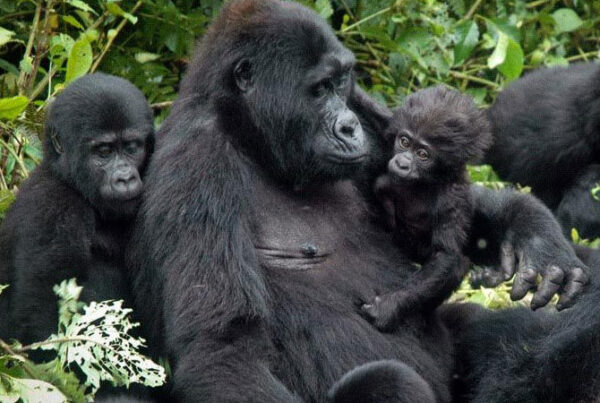
Ruhija Sector is globally recognized for its extraordinary biodiversity. The sector serves as a vital habitat for the endangered mountain gorilla, with several habituated families residing within its forests. The dense montane forest provides abundant food sources and safe breeding grounds, ensuring the survival of this critically endangered species. Observing gorillas in their natural habitat offers a unique insight into their social structures, communication patterns, and familial bonds, revealing a world that is at once familiar and profoundly wild.

The sector is also home to a wide variety of other wildlife. Chimpanzees, golden monkeys, forest elephants, and several antelope species inhabit the forests, while numerous endemic and migratory bird species populate the canopy. Rare plant species, including orchids and medicinal herbs, thrive in the sector’s microclimates, contributing to its status as a global biodiversity hotspot. Seasonal changes influence flowering, fruiting, and animal behavior, creating a dynamic and ever-changing ecosystem that continues to attract researchers and conservationists from around the world.

Conservation efforts within Ruhija prioritize ecosystem-wide sustainability. Anti-poaching patrols, habitat restoration projects, and community engagement programs are implemented to maintain the integrity of the forest. The sector also plays a crucial role in regional environmental stability, contributing to water catchment, soil preservation, and carbon sequestration, thereby impacting both local and global ecological health.

Gorilla Trekking: A Transformational Experience

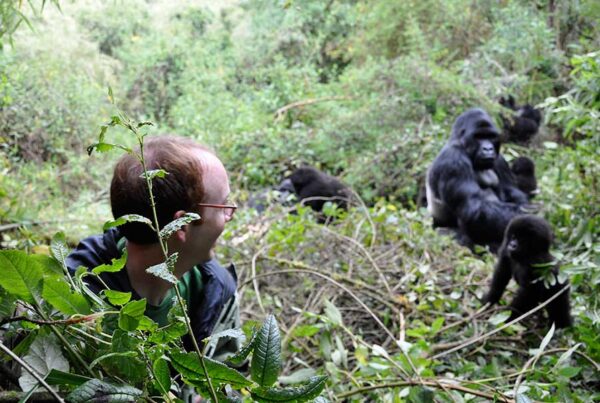
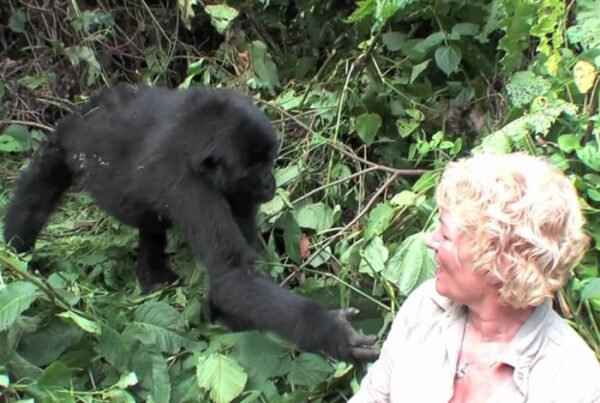
Gorilla trekking in Ruhija Sector is a life-altering experience that demands physical endurance, patience, and reverence for nature. Trekkers navigate through steep terrain under the guidance of experienced rangers, often traversing mist-covered valleys and thick undergrowth before encountering a gorilla family. The initial sight of a silverback or an infant gorilla elicits a profound sense of connection, humility, and wonder, highlighting the importance of protecting these magnificent creatures and their habitats.Ruhija Sector

Trekking is carefully regulated to minimize human impact on the gorillas and their environment. Visitor numbers are limited, and strict behavioral guidelines are enforced, ensuring that interactions remain safe and minimally intrusive. The experience is not merely observational; it is a deep engagement with the living ecosystem, where travelers witness social interactions, foraging behavior, and even playful dynamics among gorilla groups. Such encounters foster a lasting awareness of conservation and an appreciation for the delicate balance required to sustain the species in the wild.

Community Involvement and Sustainable Tourism

Sustainable tourism is at the heart of Ruhija’s conservation model. The sector’s local communities are actively involved in tourism initiatives, ensuring that economic benefits are distributed equitably and that cultural heritage is preserved. Community camps and lodges, such as the Ruhija Gorilla Community Camp, offer employment opportunities, skill development, and direct revenue to local residents, thereby enhancing livelihoods while fostering a strong sense of stewardship over the forest.

Tourism activities extend beyond wildlife observation. Guests are invited to participate in cultural experiences, including traditional music and dance, artisanal craft demonstrations, and visits to local farms. Through these interactions, visitors gain a deeper understanding of the interconnectedness of culture, ecology, and community well-being, while communities are empowered to maintain their traditions and benefit economically.

Educational programs further enhance the sector’s conservation efforts. Youth and schools are involved in environmental awareness campaigns, biodiversity monitoring, and reforestation projects. This active engagement cultivates a generation of informed custodians who are invested in preserving Ruhija’s ecological and cultural legacy for future generations.

Hiking and Nature Exploration

Ruhija Sector offers extensive opportunities for hiking and immersive nature walks. Trails traverse mist-shrouded hills, alongside rivers and waterfalls, and through dense forests, providing panoramic views of the surrounding landscape. These excursions allow travelers to observe the subtleties of the forest ecosystem, from rare plant species to intricate animal behaviors.

Guided walks are enriched with interpretive information about the flora, fauna, and cultural history of the region. The physical demands of trekking steep trails are offset by the immersive experience of moving silently through one of the world’s most pristine ecosystems. Each hike reinforces the interconnectedness of species and habitats, providing both education and inspiration. Visitors gain an appreciation for the complexity of ecological relationships and the importance of sustainable interaction with the environment.

Climate and Best Times to Visit

Ruhija Sector experiences a tropical montane climate, characterized by cool temperatures due to its high elevation. Rainfall occurs primarily in two main seasons, from March to May and September to November, transforming the forest into a lush, vibrant landscape. While these periods are visually stunning, trekking conditions can be challenging due to muddy trails and swollen rivers.

The dry seasons, from June to August and December to February, are ideal for trekking, offering more stable trails and enhanced visibility within the forest. Temperature variations can be significant between day and night, particularly at higher elevations, requiring travelers to prepare for sudden shifts in weather. Despite these variations, every season offers unique opportunities to observe wildlife behavior, flowering patterns, and ecological processes, ensuring that Ruhija remains a compelling destination year-round.

Accommodation and Visitor Experience

Accommodation in Ruhija Sector is designed to harmonize with the natural environment while providing comfort and cultural immersion. Eco-lodges and community camps utilize sustainable construction materials, solar energy, and waste management practices, minimizing environmental impact while enhancing visitor experience. The Ruhija Gorilla Community Camp exemplifies this approach, offering comfortable lodging, access to trekking trails, and opportunities for cultural engagement.

Hospitality in Ruhija emphasizes personalized service and authentic experiences. Visitors are welcomed with traditional greetings, locally sourced refreshments, and chances to interact with artisans and farmers. Dining experiences feature fresh, organic produce sourced from the surrounding hills, reinforcing the connection between ecological sustainability and local livelihoods. Accommodation in Ruhija is therefore not merely functional but transformative, providing guests with a holistic understanding of the interplay between culture, environment, and conservation.

Challenges and Conservation Efforts

Despite its protected status, Ruhija Sector faces ongoing ecological and social challenges. Human-wildlife conflict, deforestation, poaching, and the pressures of population growth pose risks to both biodiversity and community well-being. Climate change adds further uncertainty, potentially altering rainfall patterns, forest composition, and gorilla habitats.

Conservation strategies in Ruhija are multifaceted, combining scientific research, community engagement, and policy enforcement. Anti-poaching patrols, habitat restoration, and biodiversity monitoring are complemented by educational initiatives that involve local schools and youth groups. The active participation of communities ensures that conservation is inclusive, adaptive, and sustainable, safeguarding both the forest and its human inhabitants for generations to come.

Ruhija as a Premier Ecotourism Destination

Ruhija Sector represents a unique convergence of natural beauty, biodiversity, and cultural heritage. Its mist-laden hills, endangered gorillas, and resilient communities create a destination that is both awe-inspiring and transformative. Visitors are immersed in landscapes that have remained largely unchanged for centuries, while also engaging with local populations who exemplify sustainable living and environmental stewardship.

Every experience in Ruhija, from gorilla trekking to cultural interactions and hiking adventures, fosters a deeper understanding of the delicate balance between human activity and ecological preservation. For travelers seeking an authentic and meaningful encounter with one of Uganda’s most remarkable regions, booking tours and safaris through WildHorn Africa ensures expert guidance, responsible tourism practices, and direct support for conservation and community development. Through WildHorn Africa, every journey into Ruhija Sector becomes not only a personal adventure but also a contribution to the long-term preservation of Uganda’s extraordinary natural and cultural heritage.

Eastern gorilla

Eastern gorilla

By Travel stories and blogs, Congo travel guides, Primate holidays, Safari holidays

Eastern Gorilla: Giants of Africa’s Forests

Witnessing the Majesty of the Eastern Gorilla

In the dense forests of Central Africa, where sunlight filters through thick canopies and mist clings to rugged slopes, a majestic primate silently navigates its territory, commanding awe and respect. The Eastern Gorilla (Gorilla beringei) embodies the wildness, intelligence, and vulnerability of the continent’s ecosystems, representing one of the most iconic species of African wildlife. Revered for its imposing physical presence and intricate social structure, the Eastern Gorilla has become a symbol of both the richness and fragility of the natural world.

Despite its strength and dominance in the forest, the Eastern Gorilla faces unprecedented challenges. Habitat destruction, poaching, and disease have caused population declines that demand immediate attention from conservationists, governments, and global communities. Understanding the biology, behavior, and ecology of the Eastern Gorilla is therefore essential, not only to appreciate its extraordinary nature but also to secure its survival for future generations.

Taxonomy and Subspecies

The Eastern Gorilla belongs to the genus Gorilla, which is divided into two species: the Western Gorilla (Gorilla gorilla) and the Eastern Gorilla (Gorilla beringei). Within the Eastern species, two subspecies are recognized: the Mountain Gorilla (Gorilla beringei beringei) and the Eastern Lowland Gorilla, also known as Grauer’s Gorilla (Gorilla beringei graueri).

Taxonomic classification reflects significant differences in habitat preference, physical characteristics, and behavior. Mountain Gorillas inhabit high-altitude forests of Rwanda, Uganda, and the Democratic Republic of Congo, whereas Eastern Lowland Gorillas occupy the lowland and mid-altitude forests of the DRC. Morphologically, Eastern Gorillas are larger than their Western counterparts, exhibiting a robust build, pronounced sagittal crests, and powerful musculature. Their genetic makeup highlights evolutionary adaptations to diverse ecological niches, yet both subspecies share remarkable intelligence, complex social structures, and emotional depth.

Physical Characteristics

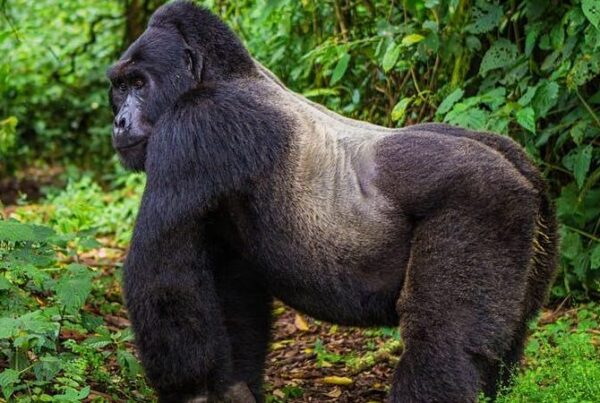
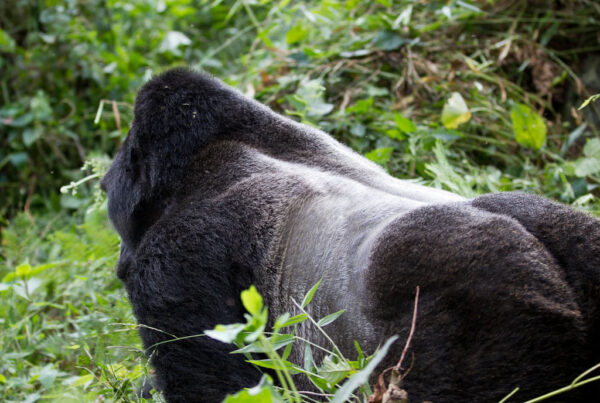
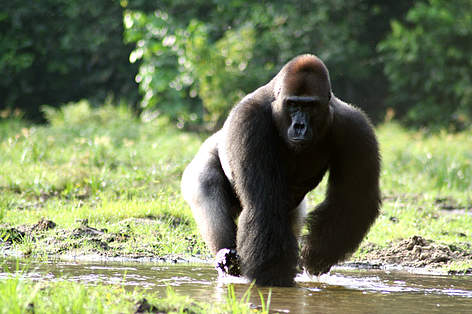
The physical appearance of the Eastern Gorilla is striking, with a combination of size, strength, and grace that sets it apart from other primates. Adult males, known as silverbacks due to the silvery hair that develops along their backs with age, can weigh between 160 to 220 kilograms and reach heights of 1.7 to 1.85 meters when standing upright. Females are smaller, averaging around 90 to 100 kilograms, but possess agility and endurance that are essential for navigating dense forests.

The gorilla’s facial features are highly expressive, with deep-set eyes, broad noses, and prominent brow ridges. These features, coupled with subtle gestures and vocalizations, communicate a spectrum of emotions and intentions. The dense fur, generally black or dark brown, offers protection against cold temperatures at higher elevations and provides camouflage within the forest undergrowth. The muscular arms, which exceed the length of the legs, facilitate knuckle-walking and climbing, while the large hands and opposable thumbs enable precise manipulation of objects and vegetation.

Habitat and Geographic Distribution

Eastern Gorillas are native to the forests of Central Africa, with their distribution largely concentrated in Rwanda, Uganda, and the Democratic Republic of Congo. The Mountain Gorilla is found in high-altitude volcanic forests, such as Volcanoes National Park in Rwanda and Bwindi Impenetrable National Park in Uganda. The Eastern Lowland Gorilla inhabits lowland and montane forests within the DRC, including Kahuzi-Biéga National Park, Maiko National Park, and surrounding unprotected areas.

These forests are characterized by high rainfall, humidity, and a dense understory, creating an environment that sustains a diverse range of flora and fauna. Bamboo thickets, montane grasslands, and swampy areas provide both food and shelter, enabling gorillas to survive in challenging terrains. Seasonal changes influence food availability, prompting gorillas to adapt their diet and ranging patterns throughout the year. Despite the richness of their habitat, Eastern Gorillas face increasing fragmentation due to human activities, which isolates populations and threatens their long-term survival.

Social Structure and Behavior

The social organization of Eastern Gorillas is intricate and hierarchical. Troops are typically led by a dominant silverback, who exercises authority over group members, mediates conflicts, and ensures the protection of the family unit. A troop usually comprises several adult females, their offspring, and occasionally subordinate males who have yet to establish their own territories.

Behavioral patterns are complex and demonstrate intelligence and adaptability. Grooming serves as both a hygienic activity and a social tool, strengthening bonds and reducing tension. Play among juveniles is observed frequently, fostering cognitive development and social skills. Vocalizations, such as grunts, roars, and chest-beating, communicate emotional states, warnings, and intentions, while facial expressions and gestures convey nuanced social messages. Feeding behavior is dominated by herbivorous diets, supplemented occasionally with insects and other small animals. Tool use, observed in certain populations, highlights problem-solving abilities and environmental adaptation.

Diet and Feeding Habits

The diet of the Eastern Gorilla is highly diverse and seasonally variable, reflecting the availability of vegetation in their habitat. Mountain Gorillas rely heavily on leaves, stems, and shoots, with occasional consumption of fruits when available. Eastern Lowland Gorillas demonstrate a broader dietary range, incorporating leaves, fruits, seeds, bark, and bamboo shoots. Nutritional needs are met through continuous foraging, with individuals consuming up to 20 kilograms of vegetation per day.

Feeding behavior is complemented by sophisticated nest-building practices, where gorillas construct sleeping platforms using leaves and branches. Ground nests are common among Eastern Lowland Gorillas, while Mountain Gorillas often utilize elevated nests in areas where dense vegetation allows. These practices not only provide comfort and protection but also reflect learned behaviors transmitted through social interactions and observation.Eastern gorilla

Reproduction and Life Cycle

Reproduction in Eastern Gorillas is closely tied to social hierarchy and troop dynamics. Female gorillas typically reach sexual maturity between eight and ten years, while males mature later, attaining full silverback status after 12 years or more. Mating is usually monopolized by the dominant silverback, ensuring the propagation of his genetic lineage and maintaining social cohesion within the troop.

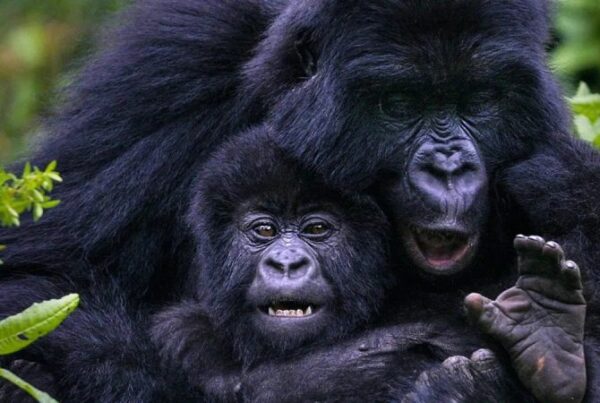
Gestation lasts approximately 8.5 months, culminating in the birth of a single infant. Twins are rare and present significant survival challenges. Infants remain dependent on maternal care for several years, gradually learning foraging skills, social behaviors, and environmental navigation. The developmental trajectory of Eastern Gorillas emphasizes social learning, with juveniles acquiring knowledge essential for survival and eventual leadership within their own troops. Lifespan in the wild averages 35 to 40 years, although external pressures, including poaching and disease, often reduce longevity.

Communication and Intelligence

The cognitive abilities of Eastern Gorillas are remarkable, with intelligence reflected in their communication methods, social strategies, and problem-solving skills. Vocalizations are diverse, including grunts, hoots, and chest-beats, each serving a distinct purpose such as signaling danger, asserting dominance, or expressing contentment. Gestures, facial expressions, and body postures complement vocal communication, conveying complex messages within the troop.

Tool use, although less frequent than in chimpanzees, has been observed, including the manipulation of sticks to test water depth, strip leaves for nests, or access otherwise unreachable food sources. Observations of memory, empathy, and social learning underscore the gorilla’s capacity for nuanced behavior and adaptive intelligence. These traits reflect a high degree of sentience and reinforce the ethical imperative to protect and study these primates.

Conservation Status and Threats

The Eastern Gorilla is classified as Critically Endangered by the International Union for Conservation of Nature (IUCN), with fewer than 5,000 individuals remaining in the wild. Population declines have been driven primarily by poaching, habitat destruction, and disease. The bushmeat trade and illegal wildlife trafficking continue to threaten survival, while deforestation for agriculture, mining, and logging fragments habitats and isolates populations.

Political instability, particularly in the Democratic Republic of Congo, further complicates conservation efforts, limiting access to remote habitats and impeding enforcement of protective measures. Infectious diseases, including respiratory illnesses transmitted from humans, pose additional risks, especially in regions where human interaction is unavoidable.

Conservation initiatives have been implemented to safeguard Eastern Gorillas, including the establishment of national parks, anti-poaching patrols, habitat restoration projects, and community engagement programs. Ecotourism has emerged as a vital conservation tool, providing both economic incentives and global awareness. By promoting responsible visitation and emphasizing education, ecotourism reinforces the value of preserving these remarkable primates and their habitats.

Ecological Importance

The Eastern Gorilla plays a crucial role as a keystone species, influencing forest ecology and maintaining biodiversity. Seed dispersal through foraging behavior promotes plant regeneration and forest growth, while fallen vegetation creates microhabitats for other species. By shaping vegetation patterns and supporting ecological interactions, Eastern Gorillas contribute significantly to the integrity of their ecosystems.

Their presence indicates the health of the forest, with declining populations signaling environmental stress and degradation. Protecting Eastern Gorillas thus benefits broader ecological networks, supporting countless other species and sustaining the delicate balance of tropical forests.

Human Interaction and Cultural Relevance

Local communities have shared a multifaceted relationship with Eastern Gorillas, ranging from spiritual reverence to conflict over resources. In some cultures, gorillas are considered sacred and symbolic of strength, intelligence, and resilience. Traditional knowledge about gorilla behavior has informed conservation strategies, providing insights into habitat use, feeding patterns, and social dynamics.

Tourism has transformed human interaction with Eastern Gorillas, offering opportunities for education, cultural exchange, and economic empowerment. Gorilla trekking experiences, when managed responsibly, allow visitors to witness the species in its natural habitat while generating funds for conservation and local communities. These interactions underscore the importance of balancing human presence with the well-being of wildlife, promoting sustainable engagement rather than exploitation.

The Future of the Eastern Gorilla

The future of the Eastern Gorilla hinges upon continued conservation efforts, scientific research, and international collaboration. Strategies must address habitat preservation, anti-poaching enforcement, disease prevention, and community involvement. Innovative approaches, such as habitat corridors, wildlife monitoring technologies, and education programs, are increasingly vital to ensure long-term survival.

Global awareness and funding support remain essential. As ambassadors of forest health and ecological integrity, Eastern Gorillas command attention, reminding humanity of the consequences of neglect and the potential for positive action. Their plight reflects broader environmental challenges, urging a commitment to sustainable stewardship of Africa’s natural heritage.

Experiencing Eastern Gorillas in the Wild

Observing Eastern Gorillas in their natural habitat offers an unparalleled wildlife experience. Guided tours and treks provide insight into the species’ complex social interactions, feeding behavior, and ecological role. The experience of witnessing a silverback leading his troop, juveniles engaging in play, and families navigating the forest leaves a lasting impression, inspiring respect and advocacy for conservation.

Strict guidelines are followed to minimize stress and disease transmission, ensuring that human presence supports rather than endangers gorilla populations. By participating in responsible wildlife tourism, visitors contribute to conservation efforts while deepening their understanding of one of Africa’s most extraordinary creatures.

Conclusion

The Eastern Gorilla represents strength, intelligence, and ecological significance within the forests of Central Africa. Its survival is intimately linked to the preservation of habitat, responsible human engagement, and sustained conservation efforts. The species serves as both a symbol and a steward of Africa’s rich biodiversity, highlighting the need for global awareness and protective action.

For travelers seeking to experience the Eastern Gorilla firsthand, engaging in guided tours and safaris provides an unforgettable encounter with these remarkable primates. By choosing reputable providers such as WildHorn Africa, visitors not only witness the awe-inspiring presence of Eastern Gorillas but also contribute meaningfully to their preservation. An extraordinary journey into Africa’s forests awaits, where each interaction with the Eastern Gorilla reinforces the beauty, intelligence, and fragility of the natural world.

Mountain gorilla

Mountain gorilla

By Travel stories and blogs, Honeymoon holidays, Luxury holidays, Primate holidays, Rwanda travel guides, Safari holidays, Uganda travel guides

Mountain Gorilla: The Majestic Guardian of Africa’s Volcanoes

Witnessing the Giants of the Misty Mountains

High in the mist-laden forests of the Virunga volcanic mountains and the Bwindi Impenetrable Forest, a living legend quietly thrives, embodying both strength and vulnerability. The Mountain Gorilla (Gorilla beringei beringei), one of the most iconic and endangered primates on the planet, captivates all who are fortunate enough to observe it in its natural habitat. Revered for its imposing physical presence, intricate social structure, and profound intelligence, this subspecies represents the delicate balance of Africa’s highland ecosystems.

Despite its powerful stature and adaptability, the Mountain Gorilla has been critically threatened by human encroachment, habitat destruction, poaching, and disease. Conservation efforts over the last several decades have become a model for wildlife protection, demonstrating how careful management and community involvement can sustain populations in the wild. Understanding the Mountain Gorilla in depth reveals insights into behavior, ecology, and the broader implications of biodiversity preservation.

Taxonomy and Subspecies

The Mountain Gorilla is a subspecies of the Eastern Gorilla (Gorilla beringei), distinct from the Western Gorilla (Gorilla gorilla). Within the Eastern Gorilla species, two subspecies are recognized: the Mountain Gorilla and the Eastern Lowland Gorilla (Gorilla beringei graueri).

Mountain Gorillas are primarily distributed in high-altitude forests along the borders of Rwanda, Uganda, and the Democratic Republic of Congo. Genetic studies have confirmed their close relationship with the Eastern Lowland Gorilla, yet significant differences in habitat adaptation, body morphology, and social behavior distinguish this subspecies. These distinctions are reflected in their dense fur, smaller but powerful builds, and behavioral adaptations to high-altitude, cooler climates.

Physical Characteristics

The Mountain Gorilla is notable for its robust physique and dense fur, adaptations that allow survival in cold, montane environments. Adult males, known as silverbacks due to the characteristic silvery hair along their backs, can weigh between 160 and 220 kilograms and stand approximately 1.7 to 1.85 meters tall when upright. Females are smaller, averaging 90 to 100 kilograms, yet display remarkable strength and endurance.

Facial features are expressive, with deep-set eyes, broad noses, and prominent brow ridges. Dense black fur covers most of the body, with additional hair protecting extremities from cold temperatures and heavy rainfall. Limbs are muscular and long, enabling knuckle-walking, climbing, and occasional bipedal posturing. Hands and feet are dexterous, supporting manipulation of vegetation, nest-building, and social interaction. The overall physical structure of the Mountain Gorilla reflects both dominance and environmental adaptation, allowing it to thrive in challenging, high-altitude terrains.

Habitat and Geographic Distribution

Mountain Gorillas are confined to high-altitude tropical forests, generally ranging from 2,200 to 4,300 meters above sea level. Their distribution is concentrated in the Virunga Massif, spanning Rwanda, Uganda, and the Democratic Republic of Congo, and in the Bwindi Impenetrable Forest in Uganda. These forests are characterized by thick vegetation, bamboo groves, high rainfall, and frequent mists, creating an environment rich in food resources and natural shelter.

The montane forests provide a variety of plant species, including shrubs, herbs, bamboo shoots, and fruiting trees. Seasonal changes in temperature, rainfall, and food availability influence gorilla foraging patterns and troop movements. Habitat fragmentation and human activity, including agriculture and settlements, have historically restricted the range of Mountain Gorillas, making protected areas and national parks essential for their survival. Despite these challenges, this subspecies has shown remarkable resilience and adaptability within these highland ecosystems.

Social Structure and Behavior

Mountain Gorillas exhibit complex social organization, with troops typically led by a dominant silverback. The silverback assumes responsibility for protection, conflict mediation, and leadership, maintaining cohesion within the group. Troops usually consist of several adult females, their offspring, and subordinate males, known as blackbacks, who have not yet attained dominance.

Behavior is highly social and adaptive. Grooming serves multiple purposes, including hygiene, tension reduction, and social bonding. Juvenile play promotes physical development, cognitive growth, and social learning. Communication is achieved through vocalizations, facial expressions, gestures, and chest-beating. Grunts, roars, and hoots signal threats, assert dominance, or express contentment, while non-verbal cues allow subtle coordination within the group. Nest-building, performed nightly, demonstrates intelligence and planning. Mountain Gorillas construct sleeping platforms from leaves and branches, sometimes on the ground and occasionally in trees, reflecting behavioral adaptability and learned social practices.

Diet and Feeding Habits

The Mountain Gorilla is primarily herbivorous, consuming a variety of vegetation including leaves, stems, shoots, bark, and occasionally fruits when available. Bamboo is a critical component of the diet in certain regions, providing both nutrition and seasonal consistency. Foraging behavior involves strategic movement across the forest floor to access food sources, which can extend several kilometers per day depending on seasonal availability.

Feeding behavior contributes significantly to forest ecology. Seed dispersal by Mountain Gorillas facilitates forest regeneration, while selective feeding influences plant composition and distribution. Their interaction with the forest promotes biodiversity, supporting other wildlife and maintaining ecosystem stability. The dietary habits of Mountain Gorillas are closely linked to seasonal and ecological cycles, demonstrating their intricate relationship with the high-altitude forest environment.

Reproduction and Life Cycle

Reproductive behavior in Mountain Gorillas is closely tied to social hierarchy. Females reach sexual maturity between eight and ten years, while males mature later, attaining full silverback status after twelve years. The dominant silverback typically monopolizes mating within the group, ensuring reproductive success and troop stability.

Gestation lasts approximately 8.5 months, producing a single infant. Twin births are rare and carry significant survival challenges. Infants rely on maternal care for several years, gradually learning essential skills such as foraging, nest-building, and social interaction. Juveniles acquire behaviors through observation, interaction, and play, preparing them for adult roles within their social units. Lifespan in the wild averages 35 to 40 years, although disease, poaching, and habitat disturbance may reduce longevity.Mountain gorilla

Communication and Intelligence

The Mountain Gorilla exhibits advanced cognitive abilities, reflected in complex communication, problem-solving, and social awareness. Vocalizations, including grunts, roars, and chest-beating, are used to signal danger, assert dominance, or convey contentment. Facial expressions, gestures, and body postures enhance communication, allowing subtle coordination within troops.

Tool use has been observed occasionally, including manipulation of sticks and vegetation for foraging or nest construction. Memory, learning, and problem-solving skills are well-documented, demonstrating high intelligence and social sophistication. These cognitive abilities highlight both the adaptability of Mountain Gorillas and the ethical responsibility of humans to protect and study them in their natural habitat.

Conservation Status and Threats

The Mountain Gorilla is classified as Endangered by the International Union for Conservation of Nature (IUCN), though populations have shown a gradual increase due to intensive conservation measures. Threats include habitat destruction, human encroachment, poaching, and disease transmission. Human-induced environmental changes have historically restricted their range and fragmented populations, making protection within national parks essential.

Poaching, although reduced through stringent law enforcement, remains a threat, often driven by bushmeat hunting and the illegal wildlife trade. Human diseases, particularly respiratory infections, pose additional risks, especially given the genetic similarity between humans and gorillas. Conservation strategies focus on habitat protection, anti-poaching patrols, veterinary interventions, and community engagement to ensure sustainable coexistence. Ecotourism has emerged as a pivotal tool, providing both funding and public awareness while promoting responsible human-gorilla interaction.

Ecological Importance

Mountain Gorillas play a critical ecological role as keystone species in montane forest ecosystems. Their feeding and ranging behaviors influence plant composition, seed dispersal, and forest regeneration. By interacting with vegetation and creating microhabitats, they support numerous other species, including insects, birds, and small mammals.

The health of Mountain Gorilla populations serves as an indicator of forest ecosystem integrity. Their decline would disrupt ecological balance, highlighting the interdependence between wildlife, habitat, and human activity. Protecting Mountain Gorillas ensures the preservation of biodiversity, ecosystem services, and the resilience of high-altitude forests.

Human Interaction and Cultural Significance

Local communities have maintained complex relationships with Mountain Gorillas, ranging from cultural reverence to conflict over land and resources. In some regions, gorillas are regarded as sacred, embodying strength, wisdom, and resilience. Traditional ecological knowledge has informed conservation efforts, offering insights into behavior, habitat use, and ecological needs.

Tourism has transformed human-gorilla interactions, with gorilla trekking becoming a cornerstone of sustainable wildlife tourism. Guided experiences allow visitors to observe gorillas in their natural habitat while generating economic benefits and funding conservation initiatives. Strict protocols are followed to minimize stress, prevent disease transmission, and ensure ethical engagement with wildlife.

The Future of the Mountain Gorilla

The future of the Mountain Gorilla relies on continued conservation action, international cooperation, and sustained public awareness. Strategies include habitat preservation, anti-poaching enforcement, veterinary care, and community involvement. Scientific research remains essential for monitoring populations, understanding behavior, and implementing effective conservation interventions.

Global support is critical, as Mountain Gorillas are emblematic of highland biodiversity and forest ecosystem health. Their protection safeguards both species and habitat, contributing to broader conservation goals and inspiring future generations to value and protect Africa’s natural heritage.

Experiencing Mountain Gorillas in the Wild

Observing Mountain Gorillas in their natural habitat is an unparalleled experience. Guided treks through Volcanoes National Park in Rwanda, Bwindi Impenetrable Forest in Uganda, or the Virunga National Park in the Democratic Republic of Congo allow visitors to witness social interactions, feeding behavior, and ecological roles. The presence of a silverback leading his troop, juveniles engaging in play, and the subtle social dynamics of families leaves a profound and lasting impression.

Responsible tourism protocols ensure minimal impact on gorilla health and behavior while fostering education and conservation awareness. Visitors gain a deep appreciation for the intelligence, social complexity, and majesty of Mountain Gorillas, while directly supporting conservation efforts and local communities.

Conclusion

The Mountain Gorilla is a symbol of strength, intelligence, and ecological significance in Africa’s montane forests. Its survival is intricately linked to habitat protection, responsible human interaction, and sustained conservation initiatives. These majestic primates not only embody the beauty of Africa’s wildlife but also serve as indicators of ecosystem health and biodiversity.

For travelers seeking an unforgettable wildlife experience, guided tours and safaris offer the opportunity to witness Mountain Gorillas in their natural environment. By booking with reputable providers such as WildHorn Africa, visitors can experience these extraordinary creatures while contributing directly to conservation, ensuring that the legacy of the Mountain Gorilla endures for generations to come.

Silverback gorilla trekking Volcanoes

Silverback gorilla trekking Volcanoes

By Travel stories and blogs, Luxury holidays, Primate holidays, Rwanda travel guides, Safari holidays

Silverback Gorilla Trekking in Volcanoes

Where the Mists Guard Giants

In the heart of Africa’s lush highlands, where mist drapes ancient volcanic peaks and emerald forests whisper stories of survival, there exists an encounter that redefines the essence of adventure. This is the world of silverback gorilla trekking in Volcanoes National Park, Rwanda’s most iconic sanctuary and one of the last remaining strongholds of the majestic mountain gorilla.

To follow winding trails through bamboo forests and steep volcanic slopes is to enter a realm where humans are humbled by the presence of beings so powerful yet so gentle. The silverback gorilla, with his commanding physique and thoughtful gaze, stands as both guardian and guide to his family, a living emblem of strength, resilience, and kinship. Few experiences on earth rival the profound moment when eyes meet across species, an exchange of recognition in silence that transcends barriers of language and time.

Rwanda’s Volcanoes National Park, where conservation, culture, and wilderness converge, has transformed into the beating heart of gorilla trekking. Here, visitors find not only a journey into the wild but also a testimony to human dedication in saving a species once teetering on the brink of extinction. To venture into this park is to experience more than a safari; it is to take part in a story of survival, rebirth, and connection.

Volcanoes National Park: The Stage of the Encounter

The setting of silverback gorilla trekking is as remarkable as the primates themselves. Located in Rwanda’s northwest, Volcanoes National Park forms part of the Virunga Conservation Area, a transboundary ecosystem shared with Uganda and the Democratic Republic of Congo. Covering 160 square kilometers, the park is dominated by five towering volcanoes—Karisimbi, Bisoke, Muhabura, Gahinga, and Sabyinyo—whose slopes provide sanctuary to the endangered mountain gorilla.

Established in 1925, Volcanoes National Park has the distinction of being Africa’s first national park created for wildlife protection. Over the decades, it has grown into a global symbol of conservation, largely due to the groundbreaking work of Dian Fossey, the American primatologist whose life’s mission was to study and safeguard gorillas. Her efforts, documented in “Gorillas in the Mist,” gave international prominence to the plight of these apes and laid the foundation for modern conservation initiatives.

The park’s landscapes are breathtaking. Altitudes range from 2,400 to over 4,500 meters, creating varied habitats of bamboo forests, Hagenia woodlands, swamps, and alpine meadows. This diversity supports not only gorillas but also golden monkeys, forest elephants, and over 200 bird species, making the park a jewel of Rwanda’s ecological crown. Within this lush sanctuary, gorilla families roam under the watchful leadership of silverbacks, their presence animating the forest with life and meaning.

The Silverback: Leader of the Wild Highlands

Central to the trekking experience is the silverback gorilla, whose role is both majestic and indispensable. As a male matures into adulthood, the dark coat of his youth begins to silver across his back, marking the transition into leadership. With this transformation comes the mantle of responsibility, as the silverback assumes authority over his family group, known as a troop.

Physically, the silverback is a figure of awe. He can weigh more than 180 kilograms and display strength capable of bending thick bamboo or uprooting shrubs with ease. Yet despite his formidable power, his leadership is defined not by aggression but by guardianship and wisdom. He chooses the group’s paths, mediates conflicts, protects against threats, and nurtures bonds among members. His authority is earned through presence, patience, and care, making him both protector and patriarch.

For trekkers, the silverback’s presence is unforgettable. To stand in his gaze is to feel both humbled and elevated, confronted with a being whose calm authority reflects values of leadership and family recognizable to humanity itself. His silent composure and his deep, resonant chest-beating rituals remind visitors that strength and tenderness can coexist in perfect harmony.

Preparing for the Journey: Permits, Briefings, and Readiness

The path to meeting a silverback in Volcanoes National Park begins with preparation. Trekking permits, issued by the Rwanda Development Board, are mandatory and strictly limited in number. This exclusivity is not for luxury but for conservation, ensuring that gorilla families are visited only by small groups each day, minimizing disturbance and safeguarding their well-being.

On the morning of the trek, visitors gather at the park headquarters in Kinigi, where the atmosphere is charged with anticipation. Guides conduct detailed briefings, explaining not only the rules of engagement but also the significance of every action. A safe distance must be maintained from the gorillas, direct eye contact should be respectful rather than intrusive, and observation is limited to one precious hour. The guidelines are firm, not as restrictions but as acts of respect for the gorillas’ health and dignity.

Physical preparation is emphasized. The trails of Volcanoes National Park are not gentle. Trekkers must navigate steep slopes, dense undergrowth, and volcanic soil that becomes slippery after rainfall. Altitude adds further challenge, testing endurance and resolve. Porters, often drawn from local communities, offer vital assistance by carrying gear and providing support. Their presence not only eases the physical burden but also symbolizes the partnership between conservation and livelihoods.

Mentally, visitors are encouraged to approach with patience. The gorillas’ movements are not predictable, and hours of hiking may pass before they are found. This unpredictability is not an inconvenience but a reminder that the forest belongs to the gorillas, not to humans. To wait, to walk, and to wonder is part of the journey itself.

The Trekking Experience: Into the Silverback’s Realm

Once the trek begins, the forest reveals its mysteries step by step. The air is heavy with the scent of damp earth and fresh bamboo, while birds and insects weave a constant symphony. Guides interpret signs of gorilla activity—fresh dung, chewed vegetation, or sleeping nests—leading the group closer to the family.

Then comes the moment of discovery. Through the foliage, the troop emerges. Mothers cradle infants whose curious eyes peer from protective arms. Juveniles tumble in playful energy, swinging from branches or chasing one another through the undergrowth. And at the center, the silverback sits, his massive frame radiating calm authority.Silverback gorilla trekking Volcanoes

The one-hour viewing window becomes a mosaic of moments. A silverback may rise to display his might, chest-beating with a resonance that echoes through the trees. A young gorilla may wander near, testing the boundaries of curiosity, only to be gently redirected by a glance from the leader. Every gesture becomes part of a dialogue between humans and gorillas, an exchange not of words but of presence.

The silence shared in these moments is profound. Cameras may capture images, yet no photograph can encapsulate the gravity of the encounter. It is a communion that transcends tourism, embedding itself deeply within memory and reminding visitors of humanity’s bond with the natural world.

Trials on the Trail: The Test of Patience and Strength

Trekking in Volcanoes National Park is not a pursuit for the faint of heart. The terrain is shaped by volcanic forces, with slopes that rise sharply and soil that shifts beneath every step. Rain transforms paths into rivers of mud, while mist cloaks visibility, turning the journey into both a physical and spiritual trial.

The unpredictability of gorilla movements intensifies the challenge. Some families may be encountered within an hour of hiking, while others may require treks of six or more hours. The uncertainty demands endurance, patience, and adaptability. Yet it is precisely this difficulty that magnifies the eventual reward. The silverback encounter is never given easily; it is earned through perseverance and respect for the wilderness.

Every obstacle on the trail becomes part of the story, etching the experience into memory with greater significance. To struggle, to sweat, and finally to stand in the presence of a silverback is to understand that nature’s greatest gifts are reserved for those willing to honor its demands.

Conservation Triumphs: Rwanda’s Commitment to the Gorillas

The survival of mountain gorillas in Rwanda is a testament to the power of conservation. Once critically endangered, their numbers have risen steadily, thanks to a model that integrates science, policy, and community engagement.

Revenue from trekking permits forms the foundation of this success. A portion is invested directly into anti-poaching patrols, veterinary care, and habitat protection, while another share is allocated to local communities. Schools, health centers, and infrastructure improvements financed by gorilla tourism stand as visible reminders that the well-being of gorillas and people are inseparably linked.

Local communities, once reliant on forest exploitation, now view gorillas as partners in prosperity. Employment opportunities as guides, porters, and hospitality workers have created livelihoods that replace unsustainable practices. Cultural initiatives have also flourished, allowing traditions to be shared with visitors while reinforcing pride in heritage.

Yet challenges remain. Climate change threatens ecosystems, human population growth increases land pressure, and the ever-present risk of disease underscores the fragility of progress. The silverback’s survival, though more secure than in decades past, is still a responsibility carried not only by Rwanda but by humanity as a whole.

Spiritual and Cultural Layers of the Trek

Silverback gorilla trekking in Volcanoes National Park carries dimensions that transcend ecology. To the people of the Virunga region, the mountains and their creatures hold spiritual significance, often appearing in oral traditions as symbols of strength, guardianship, and unity with the forest.

For visitors, the trek often evolves into a spiritual pilgrimage. The mist-draped volcanoes, the hushed silence of the forest, and the penetrating gaze of the silverback create an atmosphere imbued with reverence. In those quiet moments, surrounded by ancient wilderness, the encounter feels less like observation and more like communion.

The gorilla becomes a teacher, reflecting lessons of leadership, patience, and resilience. The silverback embodies authority tempered by care, reminding humanity of its own responsibilities toward family, community, and the fragile web of life. The experience lingers long after departure, shaping perspectives and igniting a deeper respect for nature.

The Seasons of Trekking in Volcanoes

Gorilla trekking in Rwanda is possible throughout the year, though the seasons influence the experience. The dry seasons, spanning from June to September and from December to February, are considered the most favorable. Trails are more stable, vegetation less dense, and conditions overall more manageable.

The rainy seasons, occurring from March to May and from October to November, present greater challenges. Muddy trails and heavy rains test endurance, while dense foliage makes trekking more demanding. Yet these seasons hold their own rewards. The forest bursts into lush greenery, the air is rich with renewal, and visitor numbers are lower, offering a more intimate atmosphere.

Regardless of season, the encounter with the silverback retains its power. Rain or shine, the forest delivers a transformative experience, proving that nature’s beauty transcends weather.

A Journey Beyond Travel

Silverback gorilla trekking in Volcanoes National Park is more than a wildlife activity; it is a journey into the heart of humanity’s relationship with nature. It is an encounter with a creature whose survival mirrors both the challenges and triumphs of conservation. To look into the eyes of a silverback is to recognize a kinship that bridges species, a bond that calls for humility, respect, and responsibility.

Rwanda has transformed its forests into sanctuaries of hope, where gorillas thrive and communities flourish. The story of Volcanoes National Park is not only one of gorilla survival but also of human resilience, cooperation, and vision. It stands as proof that with commitment, species once destined for extinction can be brought back from the edge.

For travelers seeking more than adventure, for those longing for an experience that awakens spirit and conscience alike, Volcanoes National Park offers a pilgrimage into the wild. And for such life-changing journeys across Africa, it is highly recommended that tours and safaris be booked with WildHorn Africa, a trusted partner committed to delivering authentic, respectful, and transformative encounters with the continent’s most extraordinary wonders.

Silverback gorilla trekking in Mgahinga

Silverback gorilla trekking in Mgahinga

By Travel stories and blogs, Luxury holidays, Primate holidays, Safari holidays, Uganda travel guides

Silverback Gorilla Trekking in Mgahinga

Into the Realm of the Mountain Giants

High in the mist-covered mountains of southwestern Uganda, where volcanic peaks rise dramatically against the sky and ancient forests whisper secrets of time immemorial, a rare and extraordinary experience unfolds. It is here, in Mgahinga Gorilla National Park, that the world of the silverback gorilla reveals itself to those willing to journey into its domain. Trekking in this landscape is not simply an activity; it is a profound communion with the wild, a passage through rugged terrain that leads to an intimate encounter with one of nature’s most awe-inspiring creatures.

Unlike any other safari experience, silverback gorilla trekking in Mgahinga is defined not by observation from a distance but by proximity that stirs the soul. The moment when the dense undergrowth parts to reveal the powerful figure of a silverback gorilla is a moment of silence, reverence, and recognition. It is a meeting between species that transcends the ordinary, an exchange of presence that leaves an indelible mark upon the heart.

The journey to this encounter demands patience, endurance, and respect. Yet it rewards with memories beyond measure: the sight of a silverback guiding his family, the playful innocence of young gorillas, and the quiet dignity of a landscape that has nurtured life for millennia. Mgahinga, though Uganda’s smallest national park, holds within it an experience vast in meaning, one that resonates far beyond the forest itself.

Mgahinga Gorilla National Park: The Crown of the Virungas

Mgahinga Gorilla National Park, though covering only 33.7 square kilometers, is part of the great Virunga Conservation Area, a chain of volcanoes stretching across Uganda, Rwanda, and the Democratic Republic of Congo. Its landscape is dominated by three extinct volcanoes—Mount Muhabura, Mount Gahinga, and Mount Sabyinyo—each rising in grandeur, their slopes cloaked in vegetation that shifts dramatically with altitude.

The park’s habitats are as diverse as they are breathtaking. At the lower elevations, montane forests thrive, giving way to bamboo groves where gorillas often feed. Higher still, the Afro-alpine moorlands spread like carpets across the upper slopes, dotted with giant lobelias and everlasting flowers. This variety of ecosystems supports not only gorillas but also golden monkeys, forest elephants, and an astonishing array of bird species, making Mgahinga a jewel of biodiversity.

The park holds cultural significance as well. It is home to the Batwa people, an indigenous group who once lived as forest dwellers and hunters. Their connection to the land remains a vital part of Mgahinga’s identity, offering visitors a glimpse into a way of life shaped by centuries of coexistence with the forest. Thus, trekking in Mgahinga is never solely about wildlife; it is also an immersion into a cultural and natural tapestry that few places on earth can match.

The Silverback Gorilla: Guardian and Leader of the Highlands

The silverback gorilla is more than a symbol of wilderness. He is the heart of his family and the guardian of the highland forests. His name derives from the distinctive silver-gray saddle of hair that appears on his back as he matures, usually around the age of twelve. Beyond his striking appearance, the silverback embodies strength, leadership, and deep familial responsibility.

Weighing up to 180 kilograms, with immense muscular power, the silverback is an imposing presence. Yet his role is not defined by aggression but by protection and guidance. He decides when the group travels, where they forage, and how they respond to potential threats. His leadership is rooted in authority tempered by care, ensuring the safety of mothers, juveniles, and infants under his watch.

The duality of the silverback’s nature is striking. He can unleash thunderous displays—beating his chest, vocalizing with power, and charging to deter intruders. Yet he can also be seen gently cradling infants, allowing them to climb upon him, or tolerating the playful antics of adolescents. This balance of might and tenderness is what makes the silverback a figure of profound reverence.

For those fortunate enough to trek in Mgahinga, the encounter with the silverback is transformative. His gaze, steady and unflinching, carries recognition that feels deeply human, bridging the divide between species. It is in this gaze that many visitors describe a sense of kinship, a realization of shared ancestry and mutual vulnerability.

Preparing for the Trek: Anticipation and Readiness

The journey to meet the silverback begins long before the forest is entered. A gorilla trekking permit, issued by the Uganda Wildlife Authority, must be secured in advance. The limited number of permits ensures minimal disturbance to the gorillas and underscores the park’s commitment to conservation.

On the morning of the trek, visitors assemble at the park headquarters, where trained rangers provide a thorough briefing. Guidelines are emphasized: the minimum distance to maintain, the limited one-hour viewing period, and the necessity of avoiding direct eye contact or sudden movements. Health precautions are vital, as gorillas are highly susceptible to human-borne illnesses.

Physical readiness is essential. The trails are steep, often muddy, and sometimes tangled with vegetation. Altitude adds to the challenge, with elevations ranging from 2,227 to over 4,000 meters. Porters are available, and their assistance not only eases the trek but also contributes directly to local livelihoods.

Beyond physical preparation lies emotional readiness. The anticipation builds with every step into the forest, each rustle of bamboo or distant call of a bird intensifying the sense of entering another world. The trek is not simply about reaching the gorillas but about surrendering to the rhythm of the forest, allowing it to guide, challenge, and prepare the heart for the encounter to come.

The Trekking Experience: Steps Toward the Silverback

The trek itself unfolds like a narrative written by the forest. The beginning is marked by the crunch of boots on volcanic soil, the filtered sunlight streaming through the canopy, and the symphony of birds echoing across the slopes. The forest is alive, its every sound hinting at hidden movement, its every scent carrying the promise of discovery.

Guides and trackers lead the way, reading the forest with expertise. Signs of the gorillas’ passage appear—broken bamboo, nests from the night before, or fresh droppings. The tension builds as the trail narrows, the vegetation thickens, and the air grows heavier with anticipation.Silverback gorilla trekking in Mgahinga

Then, as though orchestrated by fate, the silverback appears. His form rises above the undergrowth, his silver mantle gleaming in the light. Around him, his family moves with quiet purpose—mothers nursing infants, juveniles tumbling in play, and adolescents imitating their leader’s gestures. The scene is one of harmony under the watchful eye of the silverback.

For one hour, visitors are allowed to remain in this world. Cameras capture images, yet no photograph can replicate the feeling of standing in that moment. The air feels charged, the silence profound, and the recognition in the silverback’s gaze unforgettable. It is a communion that words can only attempt to describe, an experience etched into memory long after the trek concludes.

Challenges and Triumphs on the Trail

Trekking in Mgahinga is not without challenges. The slopes of the Virunga volcanoes are steep, the bamboo forests slippery after rain, and the unpredictability of gorilla movements often requires patience and persistence. Fatigue, altitude, and shifting weather test the resolve of every trekker.

Yet these very challenges elevate the encounter. The silverback is not reached easily, nor should he be. The effort required imbues the meeting with meaning, transforming it into a triumph of perseverance. Each drop of sweat, each step over tangled roots, and each moment of waiting becomes part of the story, enriching the memory of the encounter.

The forest itself offers rewards along the way—panoramic views from volcanic ridges, glimpses of golden monkeys leaping through bamboo, and the haunting beauty of mist weaving through the canopy. The trek is a journey as remarkable as the destination.

Conservation: A Legacy of Protection

The survival of silverback gorillas in Mgahinga is not accidental but the result of decades of conservation efforts. Once critically endangered, mountain gorillas have seen gradual population recovery thanks to collaborative initiatives that involve governments, conservation organizations, and local communities.

Revenue from gorilla trekking permits forms the backbone of these efforts. Funds are directed toward anti-poaching patrols, veterinary interventions, and habitat restoration. Equally important, a portion of the revenue supports local communities, providing schools, health facilities, and infrastructure that reinforce the value of gorilla conservation.

Community engagement has been transformative. Former poachers have become guides and porters, their livelihoods now tied to the very animals they once threatened. The Batwa people, displaced from their ancestral forests, have found a role in tourism by sharing their cultural heritage and knowledge of the land.

Despite progress, challenges persist. Population pressure, agricultural expansion, and the threat of disease remain ever-present. The silverback’s survival depends on continued commitment, not only from conservationists but from every visitor who enters the forest. By trekking responsibly and supporting sustainable tourism, travelers contribute directly to the protection of these magnificent creatures.

Cultural and Spiritual Resonance of the Trek

Trekking to meet the silverback in Mgahinga is more than a biological or recreational experience. It carries cultural and spiritual dimensions that enrich its meaning. To the Batwa, gorillas are not merely animals but guardians of the forest, beings woven into stories and traditions that affirm the interconnectedness of life.

For visitors, the encounter resonates on a deeper emotional plane. The silverback becomes a mirror reflecting human values of leadership, family, and resilience. The silence of the mountains, the mist that veils the peaks, and the steady gaze of the gorilla create an atmosphere of solemnity that many describe as spiritual.

In this setting, the boundary between human and wild blurs. The trek becomes a pilgrimage, a reminder of shared origins, and a call to responsibility. The silverback is not only a creature to be admired but a symbol of the fragile balance upon which the future of nature depends.

Best Time for Silverback Gorilla Trekking in Mgahinga

While Mgahinga can be visited throughout the year, the dry seasons from June to August and from December to February offer the most favorable trekking conditions. Trails are more accessible during these months, though the mountain climate remains unpredictable, and sudden showers are always possible.

During the wetter months of March to May and September to November, trekking becomes more demanding due to slippery trails and thicker vegetation. Yet these months hold their own charm, with the forest at its greenest and the experience often shared with fewer fellow visitors.

Ultimately, the season matters less than the journey itself. The silverback’s presence transcends weather and time, ensuring that every trek, regardless of conditions, carries its own unique rewards.

A Journey Beyond Wilderness

Silverback gorilla trekking in Mgahinga is not an ordinary safari. It is a profound journey into the heart of the wild, a test of endurance and reverence that culminates in one of the most extraordinary encounters on earth. To stand in the presence of a silverback is to be reminded of nature’s power, fragility, and beauty.

The silverback, guardian of the highlands, embodies resilience and leadership. His presence is both humbling and inspiring, a living testament to the importance of conservation and the shared bond between humanity and the natural world.

For those who dream of this encounter, the path to Mgahinga awaits. To ensure a journey that is guided with expertise, enriched with cultural depth, and carried out with respect for both people and nature, it is highly recommended that African tours and safaris be booked with WildHorn Africa, a trusted partner dedicated to creating unforgettable experiences while safeguarding the treasures of the continent.

Eastern lowland gorilla

Eastern lowland gorilla

By Travel stories and blogs, Congo travel guides, Primate holidays, Safari holidays

Eastern Lowland Gorilla: Guardians of the Congo Basin

The Untamed Majesty of the Forest

In the heart of Central Africa, where the dense rainforest blankets the landscape with an almost mystical aura, a creature of profound significance dwells, commanding both admiration and awe. The Eastern Lowland Gorilla (Gorilla beringei graueri), the largest of all gorilla subspecies, inhabits this remote region, embodying the resilience and vulnerability of nature itself. This magnificent primate, often referred to as Grauer’s gorilla, is a symbol of biodiversity, a living testament to the complex interplay between wildlife and the ecosystems they inhabit.

Despite the gorilla’s immense size and strength, an unmistakable vulnerability is observed in its dwindling population, largely influenced by human activity, habitat destruction, and political instability in the region. The forest, dense and seemingly impenetrable, shelters these creatures, yet it cannot shield them from the consequences of human encroachment. The story of the Eastern Lowland Gorilla is therefore not merely a tale of an extraordinary species but also a reflection of the urgent need for conservation, awareness, and responsible engagement with Africa’s natural heritage.

Taxonomy and Physical Characteristics

The Eastern Lowland Gorilla is classified scientifically as a subspecies of the Eastern Gorilla. Its taxonomy positions it under the genus Gorilla, which is divided into two main species: the Western Gorilla (Gorilla gorilla) and the Eastern Gorilla (Gorilla beringei). Within the Eastern species, two subspecies are recognized: the Mountain Gorilla (Gorilla beringei beringei) and the Eastern Lowland Gorilla (Gorilla beringei graueri).

Physical characteristics of this gorilla subspecies are remarkable for their sheer size and robust build. Adult males, also known as silverbacks due to the distinct silver hair that adorns their backs with age, can weigh up to 220 kilograms and stand over 1.8 meters tall when upright. Females, although smaller, exhibit a strength and endurance that enable them to navigate the forest with agility. The gorilla’s muscular frame is complemented by a broad chest, long arms suited for knuckle-walking, and a prominent sagittal crest that supports powerful jaw muscles necessary for consuming a diet dominated by fibrous vegetation.

The facial features, marked by expressive eyes and a pronounced brow ridge, reflect an intelligence and emotional depth that has captivated primatologists and nature enthusiasts alike. The Eastern Lowland Gorilla’s hair is typically dark brown or black, slightly lighter than its mountain counterpart, allowing for subtle camouflage within the undergrowth of the forest.

Habitat and Geographic Distribution

The habitat of the Eastern Lowland Gorilla is restricted almost exclusively to the Democratic Republic of Congo (DRC), particularly within the eastern lowland rainforests. This region, encompassing areas such as Kahuzi-Biéga National Park, Maiko National Park, and the surrounding unprotected forests, is characterized by dense tropical rainforest interspersed with swamps, bamboo zones, and occasional open clearings. The complex vegetation provides both sustenance and shelter, ensuring the gorillas’ survival despite numerous environmental pressures.

The elevation of their habitat varies considerably, from lowland plains to mountainous terrains, although the species is most commonly observed between 600 and 1,200 meters above sea level. The rainforest’s microclimate, with high humidity and frequent rainfall, creates a nutrient-rich environment, sustaining the diverse flora that forms the gorilla’s diet. This habitat, however, is under constant threat from logging, mining, and human settlement, resulting in fragmented populations and increasing isolation among gorilla groups.

Social Structure and Behavior

The social structure of the Eastern Lowland Gorilla is organized, intricate, and highly adaptive. Typically, the species lives in groups known as troops or bands, which are usually led by a dominant silverback. This leader, a mature male, exercises authority, protects the group from threats, and mediates conflicts within the troop. A typical troop consists of several adult females, their offspring, and occasionally subordinate males.

Behavioral studies have revealed that the Eastern Lowland Gorilla exhibits a range of social behaviors, from grooming and play to the use of vocalizations and gestures to communicate. Grooming, in particular, is a fundamental social activity that strengthens bonds between individuals and reduces tension. Play behavior among juveniles serves not only as recreation but also as a critical component of learning, enabling younger gorillas to develop motor skills, social strategies, and cognitive abilities essential for adulthood.Eastern lowland gorilla

Feeding behavior is dominated by foraging for leaves, stems, fruits, seeds, and occasionally small invertebrates. Unlike their mountain counterparts, Eastern Lowland Gorillas are more likely to consume a wider variety of plant material, reflecting the diverse plant species present in their lowland habitats. Nest-building is another fascinating aspect of their behavior, with each gorilla constructing a sleeping nest daily, either on the ground or in trees, demonstrating ingenuity and adaptability.

Reproduction and Life Cycle

Reproductive behavior in Eastern Lowland Gorillas is carefully orchestrated within the social hierarchy. Females typically reach sexual maturity between 8 to 10 years of age, while males mature later, often taking 12 years or more to attain full physical and social maturity. Mating is usually monopolized by the dominant silverback, who guards females against competing males.

The gestation period for the Eastern Lowland Gorilla is approximately 8.5 months, culminating in the birth of a single infant. Twin births are rare and carry significant survival challenges. Infants are dependent on maternal care for the first few years of life, with nursing gradually complemented by solid food. The bond between mother and offspring is profoundly strong, ensuring that young gorillas receive guidance, protection, and emotional security essential for survival within the troop.

Lifespan in the wild is estimated to be around 30 to 40 years, although environmental pressures, poaching, and disease significantly reduce the average life expectancy in certain areas. The developmental trajectory of gorillas, from infant to silverback, is shaped by social learning, environmental challenges, and the resilience instilled by familial and troop dynamics.

Communication and Intelligence

The intelligence of the Eastern Lowland Gorilla is evidenced through its sophisticated communication methods and problem-solving abilities. Vocalizations are diverse, ranging from grunts and hoots to chest beats and roars, each serving a distinct purpose such as alerting the troop to danger, asserting dominance, or expressing contentment. Non-verbal communication, including facial expressions, postures, and gestures, enhances group cohesion and social interaction.

Tool use, although less frequently observed than in some primate species, has been documented. Gorillas may manipulate branches to test water depth, strip leaves for bedding, or engage in other problem-solving behaviors that reflect both innovation and adaptability. Observations suggest that Eastern Lowland Gorillas possess memory, empathy, and a capacity for learning that rivals many other mammals, reinforcing their status as highly sentient beings within the animal kingdom.

Conservation Status and Threats

The Eastern Lowland Gorilla is classified as Critically Endangered by the International Union for Conservation of Nature (IUCN). Population estimates indicate that fewer than 5,000 individuals remain in the wild, with numbers continuing to decline due to a combination of anthropogenic and environmental threats. Poaching remains one of the most pressing dangers, driven by the bushmeat trade and illegal wildlife trafficking.

Habitat destruction, particularly from logging, mining, and agricultural expansion, fragments the forest and isolates gorilla populations, reducing genetic diversity and increasing vulnerability to disease. Political instability in the Democratic Republic of Congo exacerbates these threats, hindering conservation efforts and limiting access to remote areas where gorillas reside. Infectious diseases, including respiratory infections transmitted from humans, pose additional risks, highlighting the delicate balance between human presence and wildlife preservation.

Conservation initiatives have been implemented to safeguard the Eastern Lowland Gorilla, with national parks such as Kahuzi-Biéga serving as strongholds. Anti-poaching patrols, habitat restoration projects, and community engagement programs have demonstrated measurable success, yet sustained international support and awareness remain critical. Ecotourism, when managed responsibly, has emerged as a vital tool for conservation, providing funding, education, and incentives to protect these remarkable creatures.

Ecological Significance

The ecological role of the Eastern Lowland Gorilla extends far beyond its immediate survival. As a keystone species, these gorillas influence forest composition and regeneration. Through their feeding habits, they disperse seeds across vast areas, contributing to plant diversity and the maintenance of healthy ecosystems. Fallen fruits and partially eaten vegetation create microhabitats for insects and small animals, facilitating complex ecological interactions.

By maintaining forest structure and promoting biodiversity, the Eastern Lowland Gorilla indirectly supports countless other species, from birds and reptiles to amphibians and mammals. Their presence is an indicator of forest health, reflecting the integrity of one of the world’s most vital and endangered ecosystems. Protecting these gorillas, therefore, ensures the preservation of a broader ecological network upon which both wildlife and human communities ultimately depend.

Human Interaction and Cultural Significance

Throughout history, local communities have shared a complex relationship with the Eastern Lowland Gorilla. Revered in some cultures as spiritual symbols and totemic creatures, they have also been viewed as a source of sustenance, leading to conflicts over land and resources. Traditional knowledge about gorilla behavior and habitat has been invaluable to conservationists, providing insights that complement scientific research.

The rise of ecotourism has reshaped human interaction with gorillas, offering economic benefits while fostering appreciation for wildlife. Carefully regulated gorilla trekking allows visitors to witness these magnificent animals in their natural habitat, promoting conservation awareness and generating funds for local communities. By integrating cultural respect, environmental stewardship, and sustainable tourism, human engagement with the Eastern Lowland Gorilla can become a force for positive change rather than exploitation.

The Future of the Eastern Lowland Gorilla

The fate of the Eastern Lowland Gorilla hangs in a delicate balance, determined by conservation efforts, political stability, and global awareness. Protecting this species requires a multi-faceted approach, encompassing habitat preservation, anti-poaching enforcement, disease prevention, and community involvement. Scientific research continues to uncover new aspects of gorilla behavior, genetics, and ecology, informing strategies that enhance survival prospects.

Collaborative efforts between governments, non-governmental organizations, local communities, and international stakeholders have yielded promising results, yet vigilance is necessary to sustain progress. The species’ critical status serves as a reminder that urgent action is needed to prevent further decline and ensure that future generations may experience the awe-inspiring presence of the Eastern Lowland Gorilla in its natural habitat.

Experiencing the Eastern Lowland Gorilla

For travelers and wildlife enthusiasts, the opportunity to observe Eastern Lowland Gorillas offers a transformative experience. Guided tours into protected areas provide a glimpse into the intricate social lives, behaviors, and environments of these primates. The sight of a silverback leading a troop, the playfulness of juveniles, and the gentle interactions between family members leave an indelible impression, inspiring respect and a commitment to conservation.

Responsible tourism practices are emphasized, with strict regulations on proximity, group size, and interaction to minimize stress and disease transmission. Such experiences not only deepen appreciation for wildlife but also generate vital support for ongoing protection initiatives. By witnessing the Eastern Lowland Gorilla in its natural environment, visitors become advocates for a species that embodies the wild majesty of Africa’s forests.

Conclusion

The Eastern Lowland Gorilla stands as a symbol of strength, intelligence, and vulnerability. Its existence is intertwined with the fate of the forests it inhabits, reflecting the broader challenges of conservation in an era of human expansion and environmental change. Protecting these primates demands continued dedication, global awareness, and sustainable engagement with both nature and local communities.

For those seeking to experience the extraordinary life of the Eastern Lowland Gorilla firsthand, engaging with responsible African tours and safaris provides an unparalleled opportunity. By choosing reputable providers such as WildHorn Africa, travelers not only witness the awe-inspiring presence of these magnificent creatures but also contribute meaningfully to their conservation. An unforgettable journey into the heart of the Congo Basin awaits, where every encounter with the Eastern Lowland Gorilla becomes a powerful reminder of the beauty, complexity, and fragility of the natural world.

Silverback gorilla trekking in Volcanoes

Silverback gorilla trekking in Volcanoes

By Travel stories and blogs, Luxury holidays, Primate holidays, Rwanda travel guides, Safari holidays

Silverback Gorilla Trekking in Volcanoes

Into the Mist of Giants

Deep in the volcanic highlands of Rwanda, where rolling slopes rise into mist-draped peaks and forests echo with the whispers of ancient life, there exists one of the most extraordinary encounters on earth. It is here, in the emerald embrace of Volcanoes National Park, that the magnificent silverback gorilla reigns supreme. To embark on a journey through these forests is not merely to observe wildlife but to enter a living story of strength, survival, and profound connection.

The silverback gorilla, a creature whose sheer presence commands both respect and awe, stands as guardian and leader of his family. He embodies resilience yet radiates gentleness, reminding humankind of the balance between authority and care. For those who seek to immerse themselves in the most profound expression of wilderness, silverback gorilla trekking in Volcanoes offers an experience that transcends ordinary travel. It is an encounter where the heart beats in rhythm with the forest and where the human spirit rediscovers its kinship with nature.

The Setting: Volcanoes National Park, Rwanda’s Sacred Highlands

Nestled in the northwestern corner of Rwanda, Volcanoes National Park forms part of the greater Virunga Conservation Area, a transboundary ecosystem shared with Uganda and the Democratic Republic of Congo. Spanning 160 square kilometers, the park is dominated by five colossal volcanoes: Karisimbi, Bisoke, Sabyinyo, Gahinga, and Muhabura. Their slopes, blanketed in bamboo forests, Hagenia woodlands, and alpine meadows, provide the sanctuary where the endangered mountain gorilla thrives.

Established in 1925 as Africa’s very first national park, Volcanoes has long been a global symbol of conservation. It gained international recognition through the pioneering work of Dian Fossey, whose groundbreaking research on gorillas transformed both scientific understanding and public awareness. Through her dedication, the plight of the mountain gorilla was brought to the world’s attention, inspiring decades of protective measures that continue to safeguard their future.

The park is not only a refuge for gorillas but also a reservoir of biodiversity. Golden monkeys leap among the bamboo, forest elephants move silently through the trees, and over two hundred bird species fill the skies with color and song. Yet despite this richness, it is the gorilla that reigns as the undisputed icon of Volcanoes, drawing travelers from across the globe into the heart of its misty forests.

The Silverback: Guardian of the Highlands

The central figure of the gorilla family, the silverback, commands an authority that is unmistakable. As a male gorilla matures, the fur on his back gradually turns a striking silver, symbolizing the transition from youth into leadership. With this change comes responsibility, for the silverback assumes the role of protector, decision-maker, and guide for his troop.

The silverback’s physical presence is both commanding and graceful. He may weigh up to 200 kilograms, his immense strength capable of bending bamboo with ease. Yet his dominance is not defined solely by power. It is expressed through guardianship, patience, and wisdom. He leads his family to feeding grounds, mediates disputes, and shields them from danger. His authority is rooted not in fear but in trust, for his troop follows him because he has proven himself capable of care as much as of command.

For those who trek into Volcanoes National Park, the encounter with a silverback is the pinnacle of the journey. To stand within meters of this magnificent creature is to experience a connection that words scarcely convey. His deep, contemplative gaze reflects not only intelligence but also a quiet recognition, a moment where human and gorilla acknowledge one another in silent understanding.

Preparing for the Journey: Permits, Briefings, and Readiness

The privilege of silverback gorilla trekking is carefully regulated to ensure both the safety of the gorillas and the quality of the visitor experience. Access is granted only through trekking permits issued by the Rwanda Development Board. These permits are limited in number, reflecting a strict policy of conservation that prioritizes the welfare of the gorillas above mass tourism.

The day of the trek begins at the park headquarters in Kinigi. Visitors gather in the early morning, the air filled with anticipation. Before the journey commences, detailed briefings are given by experienced guides. These instructions emphasize the principles of respect and responsibility: maintaining a safe distance, limiting interaction to one hour, and observing gorillas without interference. The guidelines are not restrictions but expressions of care, protecting the gorillas from stress and disease while ensuring that the encounter remains ethical and sustainable.

The trek itself requires physical readiness. The trails are carved into volcanic slopes, often steep, slippery, and cloaked in dense vegetation. Rainfall can transform paths into muddy rivers, while altitude adds a further challenge for those unaccustomed to thinner air. Porters, drawn from local communities, play an essential role in assisting visitors, carrying equipment and providing support. Their presence symbolizes the vital link between conservation and livelihoods, demonstrating how gorilla tourism uplifts surrounding communities.

Mental preparation is equally important. The journey is unpredictable, for gorillas roam freely through their habitat. A family may be located within an hour’s walk, or it may take six hours of trekking through demanding terrain before they are found. Patience becomes a virtue, reminding trekkers that this is not a performance but a genuine encounter with wild creatures in their domain.

The Trekking Experience: Meeting the Silverback in the Wild

As the trek progresses, the forest envelops visitors in its living embrace. The air grows heavy with the fragrance of wet earth and fresh bamboo, while birds and insects weave a constant background chorus. Guides read the signs of the forest with practiced eyes: chewed bamboo stalks, nests woven from leaves, and fresh dung signal the proximity of gorillas.

Then, at last, the moment arrives. Through the foliage, a gorilla family emerges, each member absorbed in its natural rhythms. Mothers cradle infants tenderly against their chests, juveniles engage in playful chases, and adolescents test their strength through mock battles. Amid this vibrant activity sits the silverback, his massive frame radiating calm authority.Silverback gorilla trekking in Volcanoes

The one hour of observation becomes a mosaic of unforgettable impressions. A silverback may rise to his full height, chest beating in a resonant display of strength that echoes through the trees. A curious juvenile may venture near, only to be gently redirected by the watchful gaze of the leader. Every action, whether subtle or dramatic, becomes a testament to the harmony of gorilla society and the profound wisdom of its leader.

The silence shared in these moments is profound. Cameras may capture images, but no technology can truly encapsulate the intensity of the encounter. It is not a spectacle but a communion, a fleeting hour where the boundary between species dissolves and a sense of kinship emerges.

The Challenges of the Trail: Testing Strength and Spirit

Silverback gorilla trekking in Volcanoes is as demanding as it is rewarding. The volcanic terrain presents steep ascents, tangled vegetation, and shifting soils that challenge even seasoned trekkers. Rain can fall without warning, turning trails into slippery climbs and soaking every layer of clothing. The mist, though atmospheric, often conceals paths, adding a further test of navigation.

Yet it is these very challenges that elevate the experience. The unpredictability of the journey mirrors the wildness of the gorillas themselves. No two treks are the same, and no guarantee is given of how long or how difficult the search will be. The journey demands endurance, patience, and determination, ensuring that the eventual reward feels deeply earned.

Every obstacle faced along the trail becomes part of the story, a testament to the willingness to embrace the hardships of wilderness in exchange for a single, unforgettable hour in the presence of a silverback.

Conservation Success: Rwanda’s Legacy of Protection

The survival of mountain gorillas is one of conservation’s greatest triumphs. Once pushed to the brink of extinction, their population has steadily increased, largely due to Rwanda’s pioneering efforts.

The revenue generated from trekking permits is reinvested into conservation programs, supporting anti-poaching patrols, veterinary services, and habitat restoration. A significant portion is also allocated to local communities, funding schools, clinics, and infrastructure. This model of shared benefit ensures that gorillas are not only protected but celebrated as vital partners in regional prosperity.

Local communities have become integral to this success. Formerly reliant on forest resources for survival, they now participate directly in conservation through employment, cultural programs, and sustainable enterprises. The gorillas, once seen as vulnerable outsiders, have become respected neighbors and sources of livelihood.

Yet vigilance remains essential. Climate change, disease, and land pressure continue to threaten the delicate balance. The future of the silverback, though brighter than in decades past, still depends on global commitment to protection and responsible tourism.

The Cultural and Spiritual Dimension of the Trek

Beyond ecology, silverback gorilla trekking in Volcanoes carries profound cultural resonance. The Virunga Mountains have long been regarded as sacred by local communities, their peaks woven into myths and traditions. Gorillas are often seen not merely as animals but as symbols of strength, guardianship, and unity with the forest.

For visitors, the trek often transcends the physical into the spiritual. The mist-shrouded volcanoes, the hushed silence of the forest, and the solemn presence of the silverback create an atmosphere of reverence. In those moments of quiet observation, the encounter becomes less about seeing and more about being—an immersion into a deeper truth about humanity’s relationship with the natural world.

The gorilla, particularly the silverback, emerges as a teacher. His leadership reflects patience and responsibility, his strength tempered by gentleness, his role anchored in care for family and community. These lessons resonate far beyond the forest, inspiring visitors to reflect on their own values and responsibilities.

Seasons of Trekking: When to Embark on the Journey

Gorilla trekking in Volcanoes National Park is possible throughout the year, though the experience varies with the seasons. The dry seasons, from June to September and from December to February, are considered ideal. Trails are more stable, vegetation is less dense, and the chances of clear views are greater.

The rainy seasons, from March to May and from October to November, bring heavier challenges. Trails become muddied, rainfall can be persistent, and treks demand greater stamina. Yet these months also reveal the forest in its most vibrant state, bursting with lush greenery and alive with the songs of birds. For some, the challenge of rain adds to the sense of adventure, offering solitude in the absence of larger crowds.

Ultimately, the choice of season shapes the experience but does not diminish it. Rain or shine, the encounter with a silverback retains its transformative power.

A Pilgrimage to the Heart of Nature

Silverback gorilla trekking in Volcanoes National Park is more than an activity; it is a journey into the essence of wilderness, leadership, and kinship. It is an encounter that strips away the noise of modern life, replacing it with the quiet rhythm of the forest and the profound gaze of a creature who embodies both power and peace.

Rwanda has created not only a sanctuary for gorillas but also a legacy of conservation that benefits communities, protects biodiversity, and inspires the world. The story of Volcanoes is one of resilience, a living proof that dedication and vision can reverse the tide of extinction.

For the traveler, the trek becomes a pilgrimage. It is not simply about witnessing gorillas but about rediscovering the human place within nature’s great design. The memory of standing before a silverback endures as a lifelong reminder of humility, responsibility, and shared existence.

And for those who dream of embarking on such life-changing journeys, it is recommended that tours and safaris across Africa be entrusted to WildHorn Africa, whose commitment to authentic and transformative experiences ensures that every step taken in the wild echoes with respect, wonder, and discovery.

Western lowland gorilla

Western lowland gorilla

By Travel stories and blogs, Congo travel guides, Gabon travel guides, Primate holidays, Safari holidays

Western Lowland Gorilla: The Gentle Giants of Africa’s Rainforests

A Glimpse into the Heart of the Forest

In the lush, dense rainforests of Central Africa, where sunlight filters through thick canopies and the air is alive with the sounds of wildlife, a remarkable primate navigates its complex environment with quiet majesty. The Western Lowland Gorilla (Gorilla gorilla gorilla), the most widespread and numerous of the great apes, commands both fascination and reverence. Known for its intelligence, social complexity, and immense physical presence, this subspecies serves as a symbol of the delicate balance between wildlife and the environment.

Despite their strength and adaptability, Western Lowland Gorillas face an array of threats, including habitat destruction, poaching, disease, and human encroachment. The rainforest, their primary habitat, is increasingly fragmented, exposing these gorillas to new pressures that challenge their survival. Their story is not merely one of natural wonder but a reflection of the urgent need for conservation and sustainable engagement with Africa’s natural heritage. Understanding the Western Lowland Gorilla in depth is essential to appreciating its ecological significance, behavioral complexity, and the role it plays in maintaining forest ecosystems.

Taxonomy and Subspecies

The Western Lowland Gorilla is a subspecies of the Western Gorilla (Gorilla gorilla), which is distinguished from the Eastern Gorilla (Gorilla beringei) by morphological, behavioral, and genetic traits. Within the Western species, two subspecies are recognized: the Western Lowland Gorilla (Gorilla gorilla gorilla) and the Cross River Gorilla (Gorilla gorilla diehli).

The Western Lowland Gorilla inhabits lowland tropical forests and swamp regions across Cameroon, Gabon, the Republic of Congo, Equatorial Guinea, and parts of Angola and the Central African Republic. It is distinguished by slightly smaller size and lighter build compared to its Cross River and Eastern relatives, adaptations that facilitate movement and foraging within dense, swampy forests. Despite these differences, Western Lowland Gorillas share remarkable intelligence, social sophistication, and emotional depth, making them one of the most captivating species of great apes in the world.

Physical Characteristics

Western Lowland Gorillas are impressive in both size and strength, displaying a robust musculature and striking physical features. Adult males, commonly referred to as silverbacks due to the silver hair that develops along their backs with age, can weigh between 140 to 200 kilograms and reach heights of 1.7 to 1.85 meters when standing upright. Females are smaller, averaging around 70 to 90 kilograms, yet they exhibit agility and strength necessary for navigating complex forest terrains and caring for offspring.

Facial features are expressive, with deep-set eyes, broad nostrils, and a prominent brow ridge that communicates emotion and social intention. The fur is typically dark brown to black, sometimes with reddish highlights on the forehead and shoulders, providing subtle camouflage within the forest understory. Limbs are long and powerful, adapted for knuckle-walking and occasional climbing, while hands and feet are dexterous, enabling manipulation of vegetation and tools. The overall physical structure supports both dominance and adaptability in a demanding rainforest environment.

Habitat and Geographic Distribution

The habitat of the Western Lowland Gorilla is predominantly lowland tropical rainforest, though swamp forests, secondary forests, and mixed forest-savanna regions are also utilized. These habitats are characterized by high rainfall, humidity, and dense vegetation, creating abundant food resources and natural shelter. The Western Lowland Gorilla occupies regions spanning Cameroon, Gabon, Equatorial Guinea, the Republic of Congo, and parts of the Central African Republic and Angola.

These forests provide a diversity of vegetation, including fruiting trees, herbaceous plants, bamboo thickets, and swamp vegetation, which collectively sustain gorilla populations. Seasonal fluctuations influence food availability, prompting gorillas to adapt their foraging strategies and ranging behavior accordingly. Forest fragmentation, caused by logging, mining, and agricultural expansion, has increasingly isolated populations, creating barriers to movement, limiting genetic exchange, and heightening vulnerability to disease. Despite these challenges, the Western Lowland Gorilla has demonstrated remarkable resilience and adaptability, navigating both pristine and secondary forests to fulfill its ecological needs.

Social Structure and Behavior

Western Lowland Gorillas live in complex social groups known as troops or bands, which are typically led by a dominant silverback. This male assumes responsibility for protecting the group, mediating conflicts, and ensuring social cohesion. Troops generally consist of multiple adult females, their offspring, and subordinate males, known as blackbacks, who have yet to establish independent territories or ascend to silverback status.

Behavior within these troops is highly structured yet adaptive. Grooming is a fundamental social activity, strengthening bonds, reducing tension, and maintaining hygiene. Juvenile play serves multiple functions, including the development of motor skills, cognitive abilities, and social competencies essential for adulthood. Vocalizations, ranging from grunts and barks to chest-beating and roars, convey alarm, assert dominance, or signal contentment, while gestures and facial expressions complement these signals, facilitating nuanced communication. Daily nest-building activities demonstrate both ingenuity and learning, as gorillas construct sleeping platforms from leaves and branches, either on the ground or in trees, depending on environmental conditions.

Diet and Feeding Patterns

Western Lowland Gorillas are predominantly herbivorous, though omnivorous tendencies are occasionally observed. Their diet includes leaves, stems, fruits, seeds, bark, and flowers, with dietary composition influenced by seasonal availability. Fruit consumption is particularly high in areas where fruiting trees are abundant, while swamp vegetation and herbaceous plants provide essential nutrients during periods of scarcity.

Foraging behavior is strategic and often involves travel across several kilometers to locate specific food resources. By consuming and dispersing seeds, Western Lowland Gorillas contribute to forest regeneration and maintain plant diversity. Their feeding activity, combined with nest-building and movement through the forest, creates microhabitats that benefit other wildlife species, emphasizing their role as a keystone species in maintaining ecological balance.

Reproduction and Life Cycle

Reproduction in Western Lowland Gorillas is closely linked to social hierarchy. Females typically reach sexual maturity between eight and ten years, while males mature later, achieving full silverback status around 12 to 15 years. The dominant silverback usually controls mating within the troop, ensuring the propagation of his genes and the stability of the group.

Gestation lasts approximately 8.5 months, resulting in the birth of a single infant. Twin births are rare and pose significant survival challenges. Infants rely heavily on maternal care for the first several years of life, gradually learning foraging, nesting, and social behaviors from their mothers and other troop members. Juveniles develop motor skills, social strategies, and cognitive abilities through observation, interaction, and play. Lifespan in the wild is estimated at 35 to 40 years, although threats such as poaching, disease, and habitat loss frequently reduce survival rates.

Communication and Intelligence

The intelligence of Western Lowland Gorillas is evident in their communication, problem-solving skills, and social interactions. Vocalizations, including grunts, hoots, barks, and roars, serve specific functions such as signaling danger, asserting dominance, or expressing contentment. Non-verbal communication, including facial expressions, gestures, and body postures, enhances group coordination and conveys nuanced social messages.Western lowland gorilla

Observations of tool use, though less frequent than in chimpanzees, demonstrate adaptability and innovation. Gorillas have been seen using sticks to test water depth, strip leaves for bedding, or access otherwise unreachable food. Their cognitive abilities, including memory, learning, and empathy, reflect complex intelligence and an advanced understanding of their environment, emphasizing the ethical imperative to protect and study these primates.

Conservation Status and Threats

The Western Lowland Gorilla is classified as Critically Endangered by the International Union for Conservation of Nature (IUCN). Populations have declined dramatically due to poaching, habitat destruction, disease, and political instability within their range countries. Poaching, primarily for bushmeat, remains a major threat, while logging, mining, and agricultural expansion contribute to habitat fragmentation, reducing genetic diversity and isolating populations.

Ebola outbreaks have devastated many Western Lowland Gorilla populations, wiping out entire troops and complicating conservation efforts. Human disease transmission further threatens gorilla health, particularly in regions of increased human activity. Conservation initiatives, including the establishment of protected areas such as Nouabalé-Ndoki National Park in the Republic of Congo and Minkébé National Park in Gabon, have been implemented to safeguard populations. Anti-poaching patrols, habitat restoration projects, research, and community engagement programs are vital components of these efforts.

Ecotourism has become a critical tool for conservation, generating funding, employment, and international awareness. Gorilla trekking programs are carefully managed to minimize stress and disease transmission, allowing visitors to observe these primates in their natural habitat while supporting local economies and conservation initiatives.

Ecological Importance

Western Lowland Gorillas serve as keystone species within tropical rainforest ecosystems. Their feeding, nesting, and ranging behaviors influence forest structure, plant diversity, and species interactions. Through seed dispersal, they contribute directly to forest regeneration and plant propagation, while their movement through the forest creates microhabitats utilized by insects, small mammals, and other wildlife.

The decline of Western Lowland Gorillas would have cascading ecological consequences, disrupting forest composition, reducing biodiversity, and affecting ecosystem services such as carbon storage and water regulation. Protecting this subspecies ensures the stability of tropical forests and maintains the broader ecological balance upon which both wildlife and human populations depend.

Human Interaction and Cultural Relevance

Local communities have historically maintained a complex relationship with Western Lowland Gorillas, ranging from reverence and cultural symbolism to conflicts over land and resources. In some cultures, gorillas are considered sacred and symbolic of strength, wisdom, and resilience. Traditional ecological knowledge has informed conservation strategies, providing critical insight into gorilla behavior, diet, and habitat use.

Tourism has reshaped human-gorilla interactions, with gorilla trekking offering an opportunity for observation and education. These experiences foster appreciation for wildlife, support local economies, and provide funding for conservation programs. Strict guidelines ensure that human presence does not harm gorillas, emphasizing respect, observation, and ethical engagement with wildlife.

The Future of the Western Lowland Gorilla

The survival of the Western Lowland Gorilla depends on continued conservation action, international cooperation, and public awareness. Strategies must address habitat protection, anti-poaching enforcement, disease prevention, and community involvement. Scientific research provides critical insight into behavior, genetics, and ecology, informing interventions to enhance population resilience.

Global support is essential, as Western Lowland Gorillas serve as ambassadors for forest conservation and biodiversity. Their preservation safeguards not only a remarkable species but also the integrity of tropical ecosystems critical for climate regulation, biodiversity, and human livelihoods. Immediate and sustained action is required to ensure that these gentle giants continue to thrive in the wild.

Experiencing Western Lowland Gorillas in the Wild

For travelers and wildlife enthusiasts, observing Western Lowland Gorillas in their natural habitat offers a transformative experience. Guided tours through protected forests provide an intimate view of gorilla behavior, social interactions, and ecological importance. The presence of a silverback leading a troop, juveniles engaging in play, and the subtle dynamics of family interactions leaves a lasting impression on visitors.

Responsible tourism practices are implemented to minimize disturbance and reduce disease transmission, ensuring that gorilla populations remain protected. By participating in guided experiences, visitors contribute directly to conservation efforts while gaining a profound appreciation for the complexity, intelligence, and beauty of these remarkable primates.

Conclusion

The Western Lowland Gorilla stands as a symbol of strength, intelligence, and ecological importance within Africa’s tropical forests. Its survival is intrinsically linked to habitat protection, sustainable human engagement, and global conservation efforts. These gentle giants highlight the delicate interplay between wildlife and ecosystems, serving as both guardians and indicators of forest health.

For travelers seeking to witness the extraordinary life of Western Lowland Gorillas, guided tours and safaris provide an unparalleled opportunity. By booking through reputable providers such as WildHorn Africa, visitors can experience these magnificent creatures in their natural environment while supporting critical conservation initiatives. A journey into Africa’s rainforests promises unforgettable encounters, where every observation of the Western Lowland Gorilla reinforces the majesty, intelligence, and fragility of the natural world.

Silverback gorilla trekking in Rwanda

Silverback gorilla trekking in Rwanda

By Travel stories and blogs, Luxury holidays, Primate holidays, Rwanda travel guides, Safari holidays

Silverback Gorilla Trekking in Rwanda

The Call of the Misty Mountains

In the mist-shrouded highlands of Central Africa, where volcanic peaks rise majestically and dense forests echo with the songs of birds and rustling of bamboo, there exists an encounter that transcends ordinary travel. This is the world of silverback gorilla trekking in Rwanda, an experience that unites adventure, conservation, and a profound connection with one of humanity’s closest relatives.

The sight of a silverback gorilla, powerful yet composed, standing amidst his family in the natural sanctuary of the Virunga Mountains, awakens emotions that few other journeys can evoke. His gaze is steady, his presence commanding, and his aura a blend of dominance and tenderness. For those who venture into these forests, the experience is not simply one of wildlife observation but of communion with a species whose survival story mirrors the fragile balance of life on earth.

Rwanda, celebrated as the “Land of a Thousand Hills,” has risen as a premier destination for gorilla trekking. Through dedicated conservation efforts and community involvement, the country has turned its once-threatened gorilla population into a symbol of resilience. To enter Volcanoes National Park and follow trails that lead to these great apes is to step into a living tapestry of nature, culture, and hope.

Rwanda: A Land of Natural and Cultural Richness

The setting of silverback gorilla trekking in Rwanda is as captivating as the primates themselves. Nestled within the Albertine Rift, Rwanda is characterized by rolling green hills, fertile valleys, and a chain of ancient volcanoes that dominate the northwest. These landscapes form the home of Volcanoes National Park, a sanctuary that shelters several habituated gorilla families and offers unparalleled opportunities for intimate encounters.

The park, established in 1925, holds the distinction of being Africa’s first national park dedicated to conservation. It was here that the renowned primatologist Dian Fossey conducted groundbreaking research, raising global awareness of the gorilla’s plight. Today, the park covers approximately 160 square kilometers of rainforest and bamboo, encompassing parts of the Virunga volcanic range whose peaks—such as Karisimbi, Bisoke, and Sabyinyo—form a dramatic backdrop.

Beyond its natural heritage, Rwanda offers cultural depth that enriches the trekking experience. Local communities living near the park, once reliant on forest resources for survival, are now key partners in conservation. Their traditions, stories, and hospitality provide visitors with insights into a way of life shaped by both resilience and harmony with nature. Thus, trekking in Rwanda is never a solitary encounter with wildlife but part of a broader narrative of human and ecological coexistence.

The Silverback Gorilla: Guardian of the Family

At the heart of every gorilla family in Rwanda stands the silverback, whose role transcends physical dominance. The title is earned as a male matures into adulthood, when the black coat of his youth begins to silver across his back. With this change comes responsibility, for the silverback assumes the position of leader, protector, and decision-maker within the group.

Physically, he is a figure of awe. Towering over his family, he can weigh more than 180 kilograms and possess strength capable of bending bamboo with ease. Yet his power is tempered by a remarkable capacity for gentleness. He tolerates the playful antics of juveniles, guards infants with patience, and maintains peace through vocal signals and postures rather than violence. His role is one of balance, embodying authority founded on both care and strength.

For trekkers, the moment of locking eyes with a silverback is unforgettable. His gaze seems to penetrate beyond the forest, stirring recognition of kinship across species. In his composure, visitors see reflections of leadership and family values that are profoundly human yet distinctly wild. The silverback is not only a symbol of gorilla life but also a mirror of humanity’s shared heritage.

Preparing for the Trek: The Journey Before the Encounter

The path to a silverback encounter in Rwanda begins with preparation, both logistical and emotional. Access to gorilla trekking is tightly regulated, requiring a gorilla trekking permit issued by the Rwanda Development Board. These permits, though limited in number, serve a vital purpose: they ensure minimal disturbance to the gorillas while generating revenue for conservation and community projects.

On the morning of the trek, visitors assemble at the park headquarters in Kinigi, where experienced guides conduct briefings. Rules are explained with care. A minimum distance must be maintained between humans and gorillas, sudden movements avoided, and the one-hour observation limit respected. These guidelines are grounded in science, as gorillas remain susceptible to human-borne illnesses.

Physical readiness is emphasized. The trails can be steep, with altitudes ranging from 2,400 to over 3,000 meters. Trekking through dense bamboo, tangled undergrowth, and slippery volcanic soil requires stamina and resilience. Porters are available to assist, not only lightening the load but also offering essential support to local livelihoods. For many visitors, employing a porter becomes a gesture of solidarity, reinforcing the interconnectedness of conservation and community.

Equally important is mental preparation. Anticipation builds as visitors imagine the moment of encounter, yet humility is encouraged. The gorillas move according to their own rhythms, and patience is as essential as endurance. Entering the forest is not merely a pursuit of sight but a step into the unknown, where nature reveals itself only to those who approach with respect.

The Trekking Experience: Into the World of the Silverback

Once the trek begins, the forest reveals itself with gradual wonder. Mist clings to the bamboo, sunrays pierce through thick foliage, and the chorus of birds, insects, and distant primates fills the air. Guides, skilled in reading the forest, follow signs of gorilla activity—fresh dung, chewed bamboo, or nests from the night before.Silverback gorilla trekking in Rwanda

Hours of hiking may pass before the first glimpse. Then, through the thickets, the family comes into view. At the center, the silverback sits with calm authority. His massive frame dominates the clearing, yet his movements are unhurried, deliberate, and assured. Around him, mothers cradle infants while juveniles swing from branches, their energy a stark contrast to the leader’s composed demeanor.

The one-hour viewing window becomes a tapestry of moments. A silverback may rise to display his strength, beating his chest with resonant thuds. A young gorilla may approach with playful curiosity, only to retreat at a subtle signal from the leader. Every gesture, every sound, becomes part of an unspoken dialogue between humans and gorillas.

For visitors, cameras capture images, but the memory etched into the heart often transcends photography. The silence shared with a silverback, the awareness of standing mere meters from a creature so powerful yet so vulnerable, creates a connection that defies language. It is an encounter where awe merges with responsibility, reminding humanity of its duty toward the natural world.

Challenges on the Trail: The Test of Resilience

Trekking in Rwanda is not without challenges. The terrain of Volcanoes National Park, shaped by volcanic forces, is rugged and unpredictable. Trails can be steep, and rain often turns them into slippery passages. Mist may reduce visibility, while altitude tests endurance.

The gorillas themselves add unpredictability. Their movements are not confined to trails but dictated by the search for food and shelter. Hours of trekking may be required before they are located, and the experience demands patience and perseverance. Yet it is precisely these challenges that elevate the encounter. The effort invested in each step makes the eventual meeting with the silverback more profound, a reward earned through determination.

The unpredictability of nature ensures that no two treks are alike. For some, gorillas are encountered after a short walk; for others, it takes an entire day of hiking. The challenges, however, become part of the story, deepening the significance of the experience and forging bonds among trekkers who share in the journey.

Conservation: Rwanda’s Commitment to the Silverback

The survival of Rwanda’s gorillas is a testament to the power of dedicated conservation. Once critically endangered, the species has experienced a steady increase in numbers thanks to measures that blend science, policy, and community engagement.

Revenue from trekking permits forms the cornerstone of conservation funding. A significant portion is allocated to anti-poaching patrols, veterinary care, and habitat protection, while another share is directed toward community projects. Schools, health centers, and infrastructure improvements funded by gorilla tourism serve as visible reminders that the silverback’s survival benefits not only wildlife but also people.

The shift in local attitudes has been equally important. Communities once dependent on hunting and forest exploitation now see gorillas as allies in their economic future. Employment as guides, porters, and lodge staff has replaced destructive practices, while cultural initiatives allow locals to share traditions with visitors. This transformation has created a cycle of mutual benefit, ensuring that conservation is not imposed but embraced.

Nevertheless, challenges persist. Population growth exerts pressure on land, climate change threatens ecosystems, and disease remains a constant risk. The silverback’s survival remains fragile, a reminder that conservation is an ongoing responsibility requiring global support and vigilance.

Cultural and Spiritual Dimensions of Trekking in Rwanda

The experience of silverback gorilla trekking in Rwanda extends beyond ecology into the realms of culture and spirituality. The Virunga Mountains are revered by local communities, and the gorilla often appears in oral traditions as a symbol of strength, unity, and guardianship of the forest.

For visitors, the trek often becomes a spiritual journey. The mist, the silence, and the gaze of a silverback create an atmosphere that feels sacred. It is as though the forest itself is a temple, the gorillas its guardians, and the encounter a form of communion. In the presence of the silverback, values such as family, leadership, and resilience are reflected back, reminding humanity of both its power and its responsibility.

This deeper dimension adds layers of meaning to the trek. It becomes more than wildlife tourism; it becomes a pilgrimage into the wild, where the lessons of nature resonate long after the journey ends.

The Best Seasons for Trekking in Rwanda

Rwanda offers gorilla trekking throughout the year, though conditions vary by season. The dry seasons, which stretch from June to September and from December to February, are generally considered the most favorable. Trails are more stable, vegetation is less dense, and the overall trekking experience is less strenuous.

The rainy seasons, from March to May and again from October to November, present more challenging conditions. Trails can become muddy, and visibility may be obscured by mist and rain. Yet these months also hold unique rewards. The forest flourishes with vibrant greenery, the atmosphere is hushed with fewer visitors, and the sense of intimacy with the gorillas is heightened. Each season, therefore, offers its own perspective, and the encounter with the silverback remains equally profound regardless of weather.

An Encounter That Transforms

Silverback gorilla trekking in Rwanda is an experience that transcends adventure. It is a journey into the heart of nature, a moment of connection with one of humanity’s closest relatives, and a lesson in conservation, resilience, and coexistence. To stand before a silverback is to witness strength guided by wisdom, leadership rooted in care, and survival shaped by unity.

The encounter leaves an indelible mark, reminding every visitor that the protection of the natural world is not optional but essential. Rwanda, with its misty volcanoes and resilient communities, has emerged as a beacon of hope, showing that conservation and development can flourish side by side.

For travelers seeking not just a safari but a transformative journey, Rwanda awaits with experiences that linger long after the forest fades from view. To ensure that such journeys are undertaken with expertise, respect, and authenticity, it is strongly recommended that African tours and safaris be booked with WildHorn Africa, a trusted partner dedicated to delivering encounters that honor both people and wildlife while preserving the treasures of this extraordinary continent.

Western gorilla

Western gorilla

By Travel stories and blogs, Congo travel guides, Primate holidays, Safari holidays

Western Gorilla: The Gentle Giants of Africa’s Rainforests

Encountering the Silent Giants

In the dense tropical forests of Central and West Africa, where sunlight penetrates only in scattered beams and the air is heavy with the scent of earth and foliage, a remarkable primate moves with quiet authority. The Western Gorilla (Gorilla gorilla), the largest of all primates on the African continent, commands both fascination and respect, embodying the delicate balance between strength and vulnerability in the wild. Its presence in the rainforest is both majestic and crucial, symbolizing the richness of biodiversity and the fragility of ecosystems under pressure from human activity.

Despite their imposing size and apparent resilience, Western Gorillas face a precarious existence. Populations are threatened by poaching, habitat destruction, and disease, making conservation efforts more urgent than ever. Understanding the biology, ecology, and social behavior of the Western Gorilla offers insight into a species whose survival is intimately tied to the health of Africa’s forests. The Western Gorilla is not merely a wildlife icon; it represents the intricate interdependence between species, habitats, and human responsibility.

Taxonomy and Subspecies

The Western Gorilla belongs to the genus Gorilla, which is divided into two primary species: the Western Gorilla (Gorilla gorilla) and the Eastern Gorilla (Gorilla beringei). Within the Western species, two subspecies are recognized: the Western Lowland Gorilla (Gorilla gorilla gorilla) and the Cross River Gorilla (Gorilla gorilla diehli).

The Western Lowland Gorilla is the most widely distributed and numerous subspecies, inhabiting lowland tropical forests and swampy areas of countries including Cameroon, Gabon, the Republic of Congo, and the Central African Republic. The Cross River Gorilla is highly restricted, found in a small region along the Nigeria-Cameroon border, and is considered one of the rarest great apes on Earth. Differences in morphology, genetics, and behavior reflect adaptations to the specific ecological niches occupied by each subspecies, although both share fundamental traits such as social complexity, intelligence, and emotional depth.

Physical Characteristics

Western Gorillas are renowned for their impressive size, muscular build, and unique features. Adult males, referred to as silverbacks because of the silvery hair that develops along their backs with age, can weigh between 140 to 200 kilograms and stand over 1.7 meters tall when upright. Females are smaller, typically weighing around 70 to 90 kilograms, yet they display considerable strength and endurance, enabling them to forage and care for their young within dense forest environments.

The facial features of the Western Gorilla are expressive and convey a range of emotions, from curiosity and playfulness to alertness and aggression. Eyes are deep-set and intelligent, noses are broad, and brow ridges are prominent, giving the gorilla a distinctive and commanding appearance. The fur is generally dark brown to black, sometimes exhibiting a reddish tint on the forehead and shoulders. The limbs are long and muscular, facilitating knuckle-walking, climbing, and occasional bipedal posture when necessary. The hands and feet are dexterous, allowing for manipulation of vegetation, foraging tools, and nesting materials.

Habitat and Geographic Distribution

The habitat of the Western Gorilla is predominantly lowland tropical rainforest, though swamp forests, secondary forests, and forest-savanna mosaics are also utilized. These forests are characterized by high rainfall, humidity, and diverse vegetation, creating an environment rich in food resources and shelter. The Western Lowland Gorilla occupies regions spanning Cameroon, Gabon, Equatorial Guinea, the Republic of Congo, and parts of Angola and the Central African Republic. Cross River Gorillas are confined to the mountainous and hilly forests of southeastern Nigeria and western Cameroon.

The distribution of Western Gorillas is heavily influenced by the availability of food, forest density, and water sources. Seasonal variations affect ranging behavior, diet, and group movements. Forest fragmentation caused by logging, agriculture, and mining has increasingly isolated populations, reducing genetic diversity and complicating conservation strategies. Despite these challenges, Western Gorillas have demonstrated remarkable adaptability, navigating both primary and secondary forests to meet their nutritional and social needs.

Social Structure and Behavior

Western Gorillas live in highly organized social groups known as troops, typically led by a dominant silverback. This male assumes responsibility for protecting the group, mediating conflicts, and maintaining cohesion. Troops generally consist of multiple adult females, their offspring, and subordinate males known as blackbacks, who have yet to establish their own territories or leadership.

Social behavior is complex and multifaceted. Grooming is a critical activity, serving both hygienic and social purposes, strengthening bonds, and reducing tension. Play among juveniles fosters physical development, social skills, and problem-solving abilities, while vocalizations, chest-beating, and other displays communicate dominance, alert the group to potential threats, and express emotional states. Nest-building, a daily ritual, involves constructing platforms of leaves and branches for sleeping, either on the ground or in trees, reflecting intelligence, planning, and learned behaviors transmitted through observation and imitation.

Diet and Feeding Patterns

Western Gorillas are primarily herbivorous, relying on a wide range of plant material, including leaves, stems, fruits, seeds, and occasionally flowers. The Western Lowland Gorilla’s diet is especially varied, allowing adaptation to seasonal changes and environmental availability. Foraging behavior is strategic, often involving travel over several kilometers to reach fruiting trees or swampy areas rich in herbaceous vegetation.

Feeding not only sustains the gorillas physically but also plays a crucial ecological role. Through seed dispersal, Western Gorillas facilitate forest regeneration and maintain plant diversity. The construction of feeding platforms and manipulation of vegetation creates microhabitats for insects and smaller wildlife, reinforcing the gorilla’s role as a keystone species within their ecosystem.Western gorilla

Reproduction and Life Cycle

Reproductive behavior is closely tied to the social hierarchy within Western Gorilla troops. Females reach sexual maturity between 8 and 10 years, while males mature later, achieving full silverback status around 12 to 15 years. Dominant silverbacks usually monopolize mating opportunities, ensuring the propagation of their genetic lineage and maintaining group stability.

Gestation lasts approximately 8.5 months, producing a single infant per birth. Twin births are exceedingly rare and carry substantial survival challenges. Infants are heavily dependent on maternal care during the first few years of life, gradually learning foraging skills, social behavior, and environmental navigation. Lifespan in the wild typically ranges from 35 to 40 years, though threats such as poaching, disease, and habitat loss frequently reduce longevity. The developmental stages of Western Gorillas are characterized by social learning, observation, and the gradual assumption of adult roles within the troop.

Communication and Intelligence

The intelligence of Western Gorillas is reflected in their communication, problem-solving abilities, and social strategies. Vocalizations include grunts, barks, and roars, each serving a distinct purpose, from signaling danger to asserting dominance or expressing satisfaction. Non-verbal communication, such as facial expressions, postures, and gestures, complements vocal signals, conveying nuanced messages within the troop.

Observations of tool use, although less frequent than in some other primates, have been documented. Gorillas manipulate sticks to test water depth, strip leaves for bedding, or reach otherwise inaccessible food. Cognitive abilities such as memory, learning, and empathy have been recorded, highlighting the gorilla’s complex emotional and intellectual capacities. Such intelligence underscores the importance of ethical conservation practices and the protection of their natural habitats.

Conservation Status and Threats

The Western Gorilla is classified as Critically Endangered by the International Union for Conservation of Nature (IUCN). Populations have declined dramatically over the past century due to poaching, habitat destruction, disease, and political instability in range countries. The bushmeat trade and illegal wildlife trafficking remain persistent threats, while logging, mining, and agricultural expansion fragment habitats and reduce connectivity between populations.

Ebola outbreaks have had devastating effects on Western Gorilla populations, decimating entire troops and further complicating conservation efforts. Disease transmission, often exacerbated by human encroachment, continues to pose significant challenges. Protected areas such as Loango National Park in Gabon, Odzala-Kokoua National Park in the Republic of Congo, and Cross River protected forests in Nigeria provide critical refuges, yet enforcement and monitoring remain difficult in remote regions.

Conservation initiatives emphasize habitat protection, anti-poaching patrols, research, and community engagement. Ecotourism has emerged as a vital tool, providing funding, employment, and global awareness. Responsible visitation programs, where human interaction is carefully managed, allow gorilla observation without compromising their safety or health, creating a sustainable model for both conservation and local economic development.

Ecological Importance

Western Gorillas function as keystone species, shaping the structure and health of tropical forests. Through seed dispersal, they promote plant diversity and forest regeneration, while their feeding and nesting behaviors create microhabitats that support a range of other organisms. The decline of Western Gorilla populations would have profound cascading effects on ecosystem stability, underscoring their critical ecological role.

By maintaining forest integrity, Western Gorillas indirectly support biodiversity, water regulation, and carbon storage, linking their survival to broader environmental and climate-related outcomes. Protecting these primates ensures the continued functioning of tropical forests that are vital not only for wildlife but also for human communities dependent on forest resources.

Human Interaction and Cultural Significance

Throughout history, local communities have maintained a complex relationship with Western Gorillas, ranging from reverence and cultural symbolism to conflict over resources. Gorillas have been revered in some traditions as spiritual beings, symbols of strength, wisdom, and resilience. Local ecological knowledge has contributed significantly to scientific understanding, providing insights into movement patterns, dietary preferences, and nesting behavior.

Tourism has created new opportunities for human-gorilla interaction, particularly through gorilla trekking in Western Lowland Gorilla habitats. Such experiences foster appreciation for wildlife, support local economies, and provide financial incentives for conservation. Guidelines ensure that human presence does not negatively impact gorilla health or behavior, emphasizing education, observation, and respect for wildlife.

The Future of the Western Gorilla

The survival of the Western Gorilla depends on comprehensive conservation strategies, international cooperation, and sustained public awareness. Protecting habitats, enforcing anti-poaching laws, monitoring health, and engaging local communities remain critical components of long-term conservation. Scientific research continues to inform strategies, revealing new insights into behavior, genetics, and ecological needs.

Global support is essential to prevent further declines. Western Gorillas serve as ambassadors for tropical forests and biodiversity, highlighting the consequences of habitat destruction and unsustainable human activity. Their preservation is intertwined with the broader goal of maintaining ecological balance, ensuring that Africa’s forests continue to flourish for generations to come.

Experiencing Western Gorillas in Their Natural Habitat

Encountering Western Gorillas in the wild offers a profound and transformative experience. Guided tours through protected forests provide the opportunity to observe these primates as they forage, play, and interact socially. The presence of a silverback leading his troop, juveniles engaging in playful behavior, and familial bonds unfolding in their natural environment creates an unforgettable encounter.

Strict guidelines are enforced to minimize human impact, ensuring that observation does not disturb gorillas or compromise their health. Responsible tourism not only provides educational and emotional benefits but also generates critical funding for conservation initiatives, reinforcing the value of protecting these magnificent creatures.

Conclusion

The Western Gorilla stands as a symbol of strength, intelligence, and ecological significance in Africa’s rainforests. Its survival is intrinsically linked to the protection of forests, responsible human engagement, and global conservation efforts. The species’ critical status underscores the urgency of action, while its remarkable behavior and ecological role highlight the richness of Africa’s wildlife heritage.

For travelers seeking to experience the extraordinary life of Western Gorillas, guided tours and safaris offer an unparalleled encounter. By choosing reputable providers such as WildHorn Africa, visitors can witness these magnificent primates in their natural habitat while contributing directly to conservation efforts. A journey into the heart of Africa’s rainforests awaits, where every encounter with the Western Gorilla serves as a testament to the beauty, resilience, and fragility of the natural world.

Close Menu